
Bookbot

Gerald W. Haslam

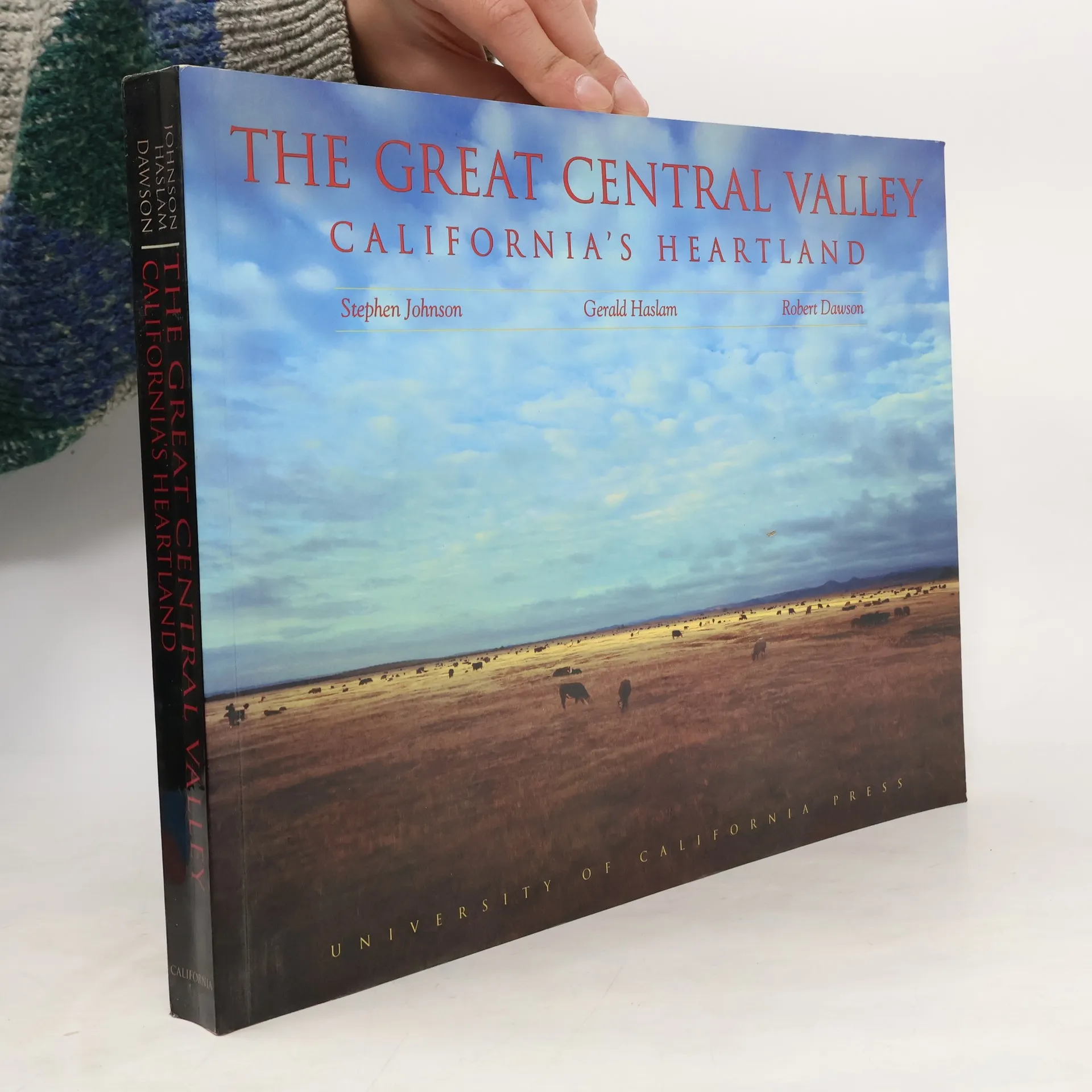
    The Great Central Valley
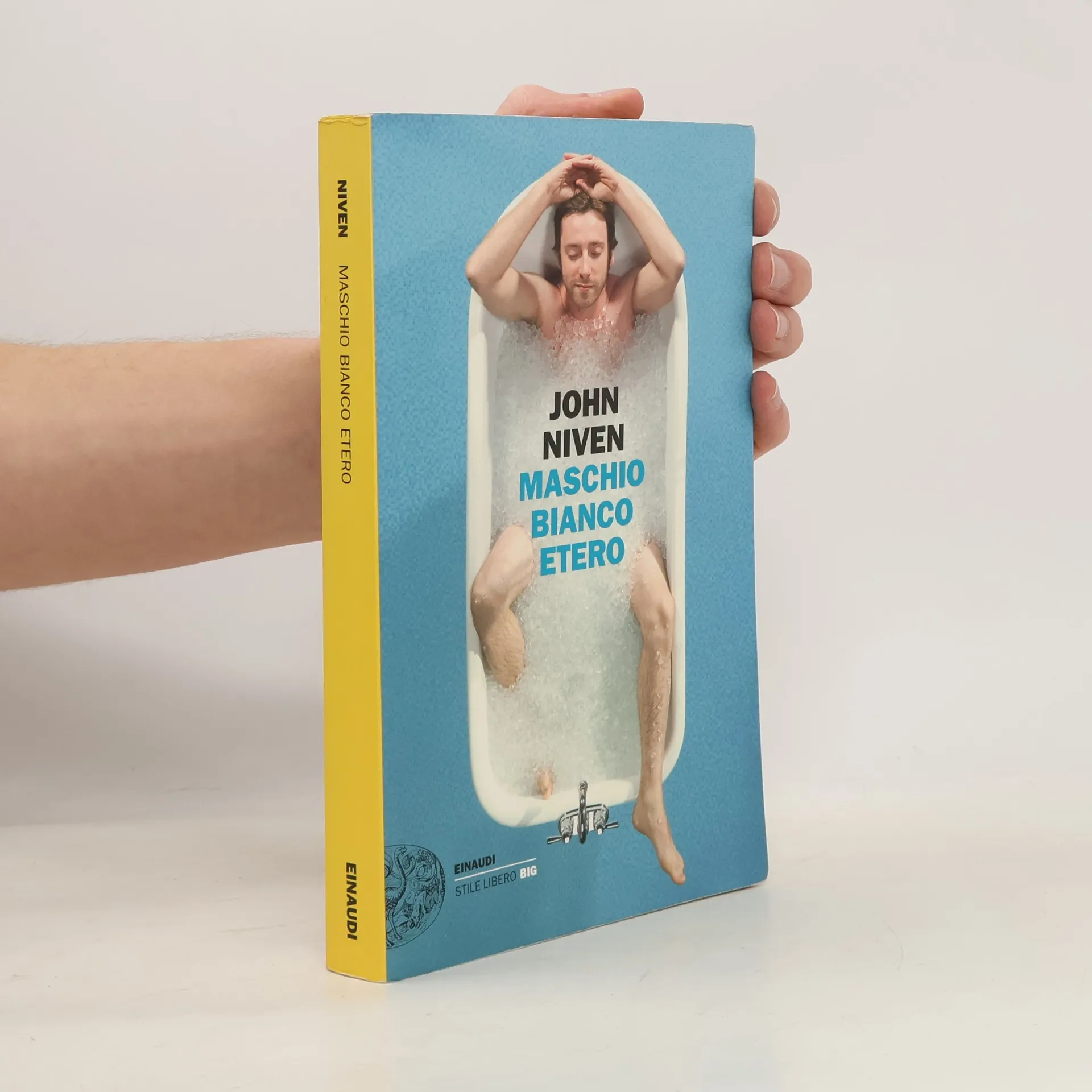
    Stile Libero Big: Maschio bianco etero
    • Stile Libero Big: Maschio bianco etero

      • 362pagine
      • 13 ore di lettura

      Kennedy Marr è un donnaiolo, un egocentrico, un narciso. Un uomo baciato dal successo, uno di quei bastardi a cui la vita ha servito le carte migliori. E ha scoperto che Hollywood è un posto formidabile per praticare gli eccessi. Nulla al mondo lo convincerebbe a lasciare la California per tornare nello sprofondo inglese. Ma non ha fatto i conti con l'Agenzia delle entrate. Così, quando inopinatamente viene insignito di un prestigioso - e ricco - premio letterario è costretto ad accettare. Anche se ciò significa passare un anno in un college inglese a insegnare scrittura creativa a dei pivelli senza talento. E soprattutto ritrovarsi faccia a faccia coi fantasmi del passato. Dopo lo strepitoso Gesù Cristo protagonista di A volte ritorno , John Niven inventa un altro personaggio iperbolico e irresistibile, un uomo capace di fare a pezzi per sempre la reputazione del maschio contemporaneo.

      Stile Libero Big: Maschio bianco etero2000
      3,9
    • The Great Central Valley

      California's Heartland

      • 264pagine
      • 10 ore di lettura

      This evocative book by Stephen Johnson, Gerald Haslam, and Robert Dawson explores the rich natural and social history of California's Great Central Valley. Haslam's text highlights the tenacious spirit of the Valley's people, who rely on hard work and ingenuity for survival and success. The land, though demanding, yields to innovative agricultural practices. Johnson's and Dawson's stunning photographs capture the region's beauty and the intricate relationship between the land and its inhabitants. Spanning 430 miles and up to 75 miles wide, the Central Valley is California's economic heart, covering nearly fifteen million acres—comparable to England. It is the world's richest farming region, producing over 25% of the U.S. table food. Kern County, the southernmost area, generates more oil than some OPEC nations. The Valley's cultural diversity is reflected in its multilingual population, including Tagalog, Hmong, Spanish, and English speakers, alongside a mix of farm laborers, small family farms, and agribusinesses. However, the Valley faces significant threats. Over the past 150 years, agricultural expansion and population growth have devastated much of its original wildlife, leading to critical issues like chemical pollution, soil erosion, and economic inequities. The photographs, alongside historical engravings and paintings, emphasize the urgent need to protect this endangered region and reclaim its lost grandeur.

      The Great Central Valley1993