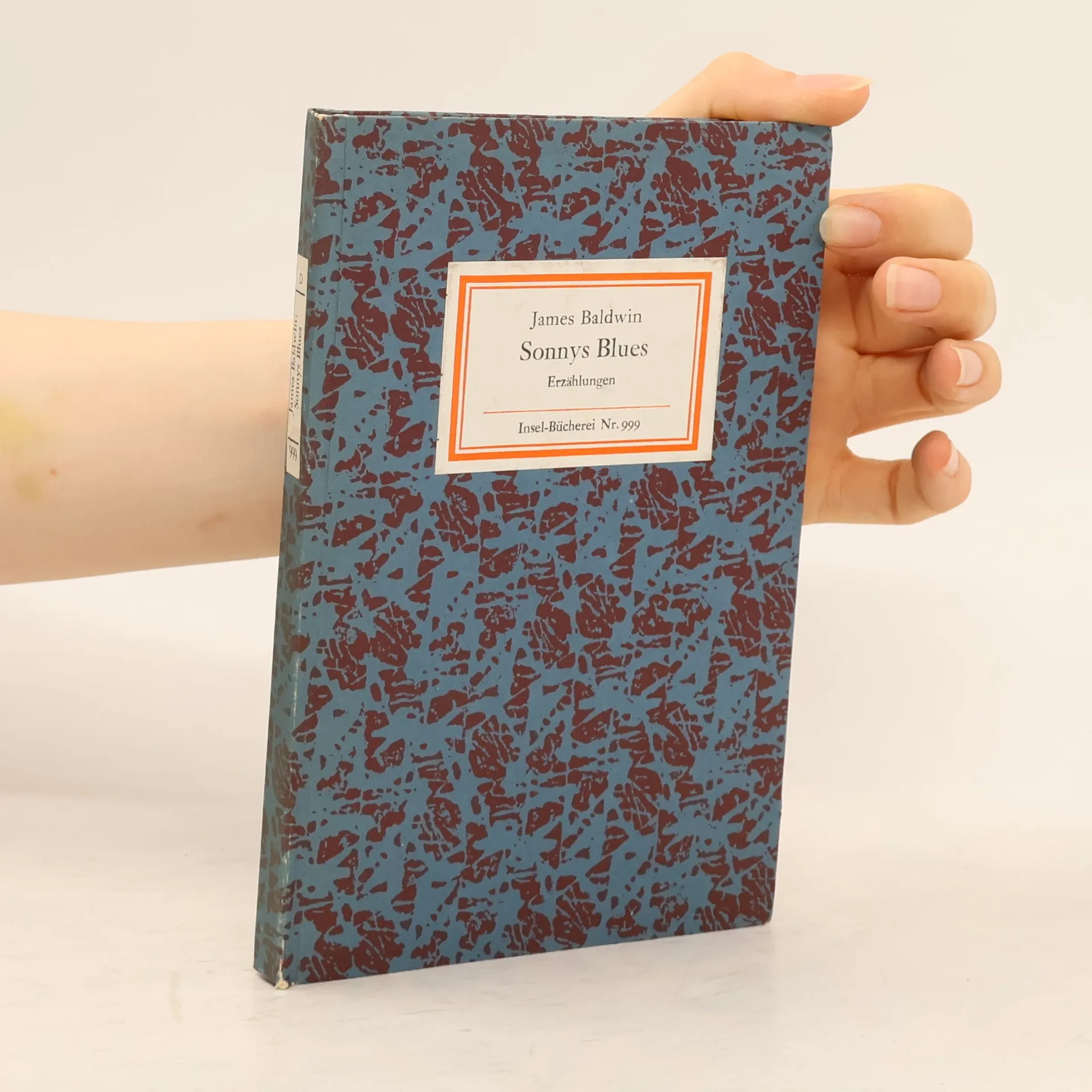
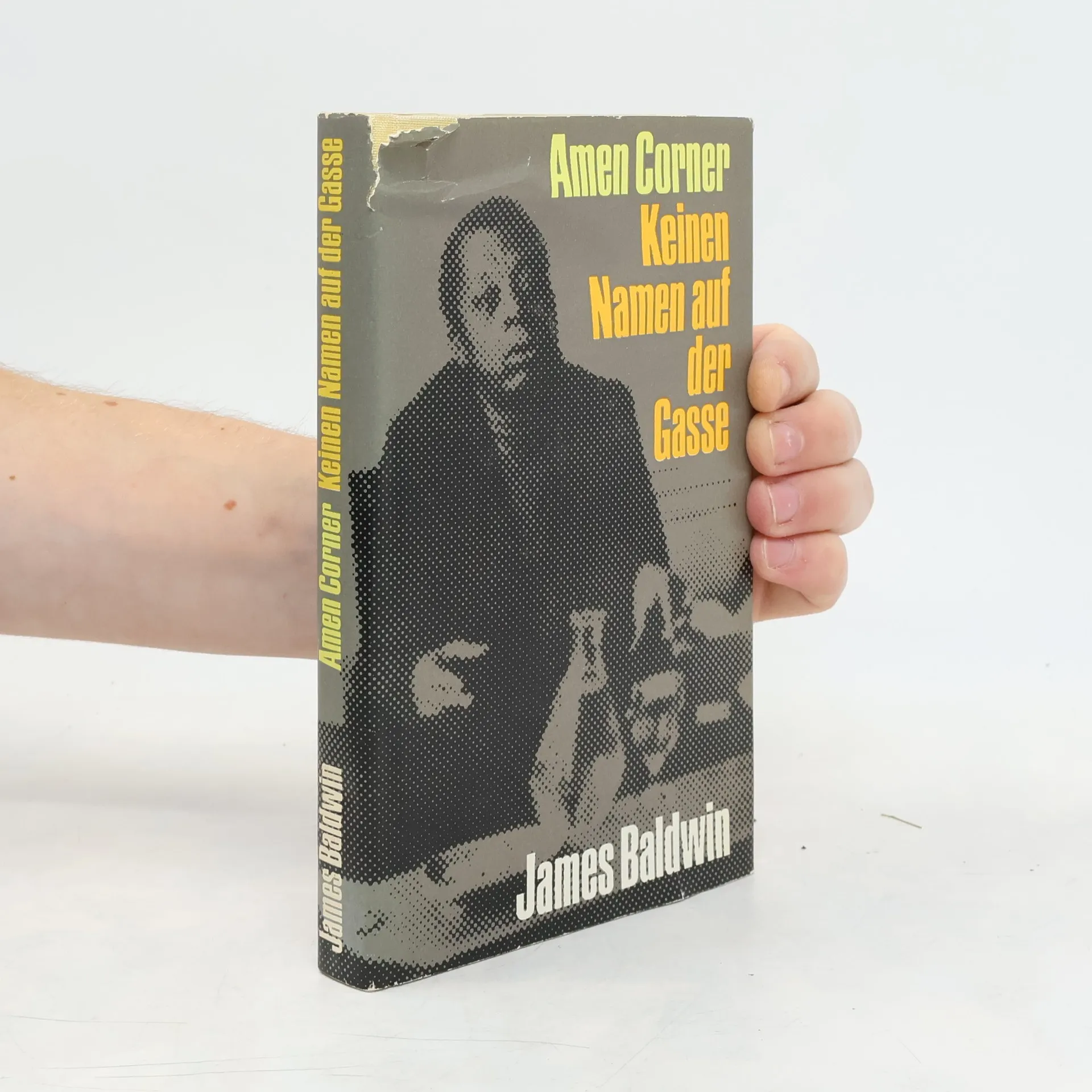
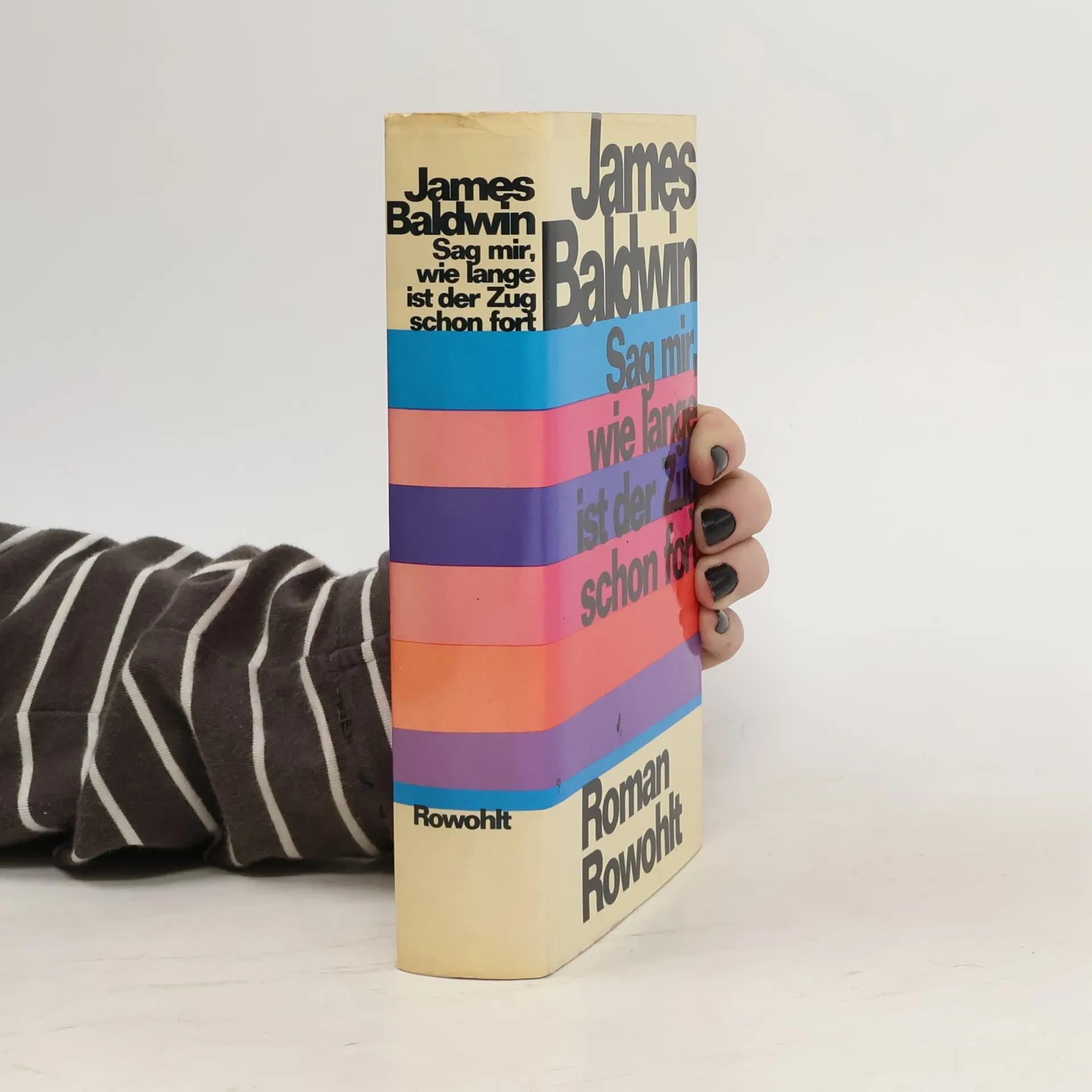
James Baldwin Libri
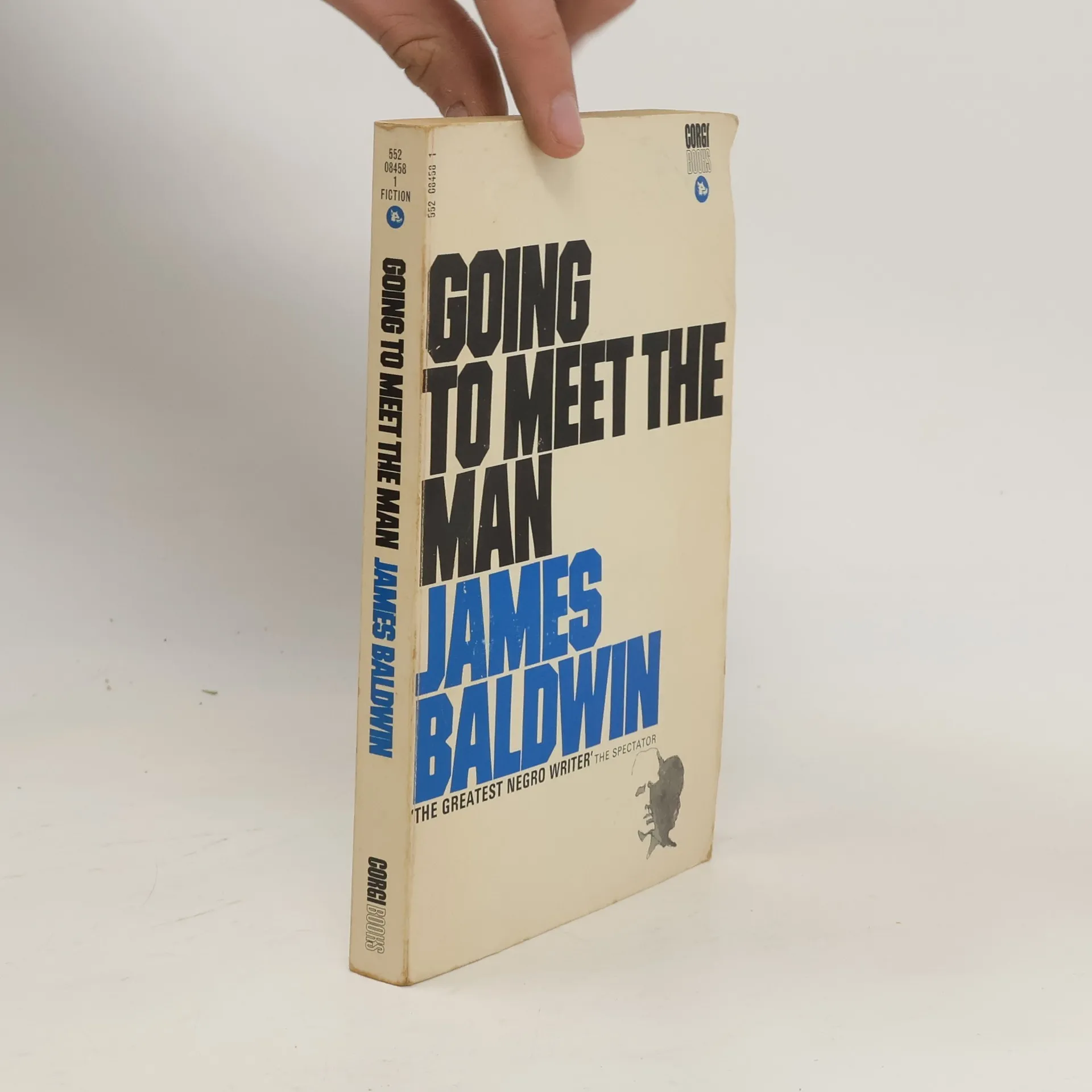

In seinem 1963 erschienenen Essay thematisierte der afroamerikanische Schriftsteller und Bürgerrechtsaktivist James Baldwin den „Albtraum der Rassenfrage“ in den USA und die Wut in den Gettos der US-Großstädte auf eindringliche Weise. In einem fragmentarischen Selbstzeugnis zeigt sein einflussreicher Text die Komplexität dieser Problematik und behandelt zentrale Fragen zur Konstruktion von Identität angesichts der Rollenvorgaben durch die weiße Mehrheitsgesellschaft und der eigenen Peergroup. Auch mehr als 30 Jahre nach Baldwins Tod bedeutet Schwarzsein in den USA ein Leben, das von Rassismus und Gewalt bedroht ist, und der Text ist von bedrückender Aktualität. Der Titel, inspiriert von einem Spiritual, warnt: „God gave Noah the rainbow sign, no more water, fire next time!“ Der Text wird mit über 100 Fotografien von Steve Schapiro illustriert, der mit Baldwin durch die Südstaaten reiste. Schapiros Bilder zeigen bedeutende Persönlichkeiten der Bürgerrechtsbewegung und zentrale Ereignisse wie den Marsch auf Washington. Die Ausgabe enthält zudem einen Erlebnisbericht Schapiros, eine Einleitung des Bürgerrechtlers John Lewis, Bildunterschriften von Marcia Davis und einen Essay von Gloria Baldwin Karefa-Smart, die mit ihrem Bruder James in Sierra Leone lebte, als er diesen Text begann. Zunächst als Collector’s Edition erschienen, ist sie jetzt in gebundener Standardausgabe erhältlich.
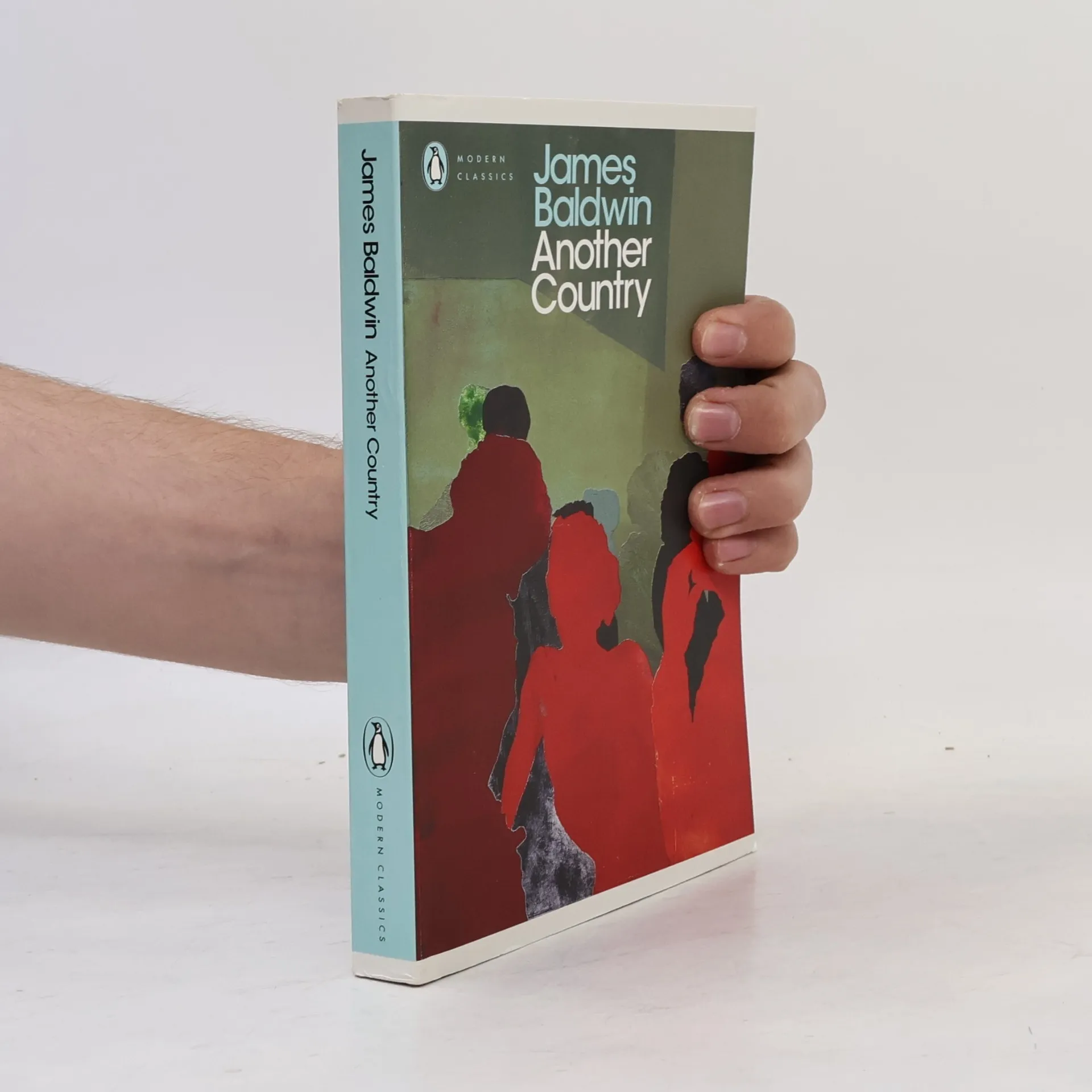
The stark grief of a brother mourning a brother opens this novel with a stunning, unforgettable experience. Here, in a monumental saga of love and rage, Baldwin goes back to Harlem, to the church of his groundbreaking novel Go Tell It on the Mountain, to the homosexual passion of Giovanni's Room, and to the political fire that enflames his nonfiction work. Here, too, the story of gospel singer Arthur Hall and his family becomes both a journey into another country of the soul and senses--and a living contemporary history of black struggle in this land.
Another country
- 448pagine
- 16 ore di lettura
From one of the most important American novelists of the twentieth century—a novel of sexual, racial, political, artistic passions, set in Greenwich Village, Harlem, and France.Stunning for its emotional intensity and haunting sensuality, this book depicts men and women, blacks and whites, stripped of their masks of gender and race by love and hatred at the most elemental and sublime.
Features stories that explore the roots of love, murder and racial conflict. This book unlocks the concepts of history and prejudice and probes beneath the skin to the soul.
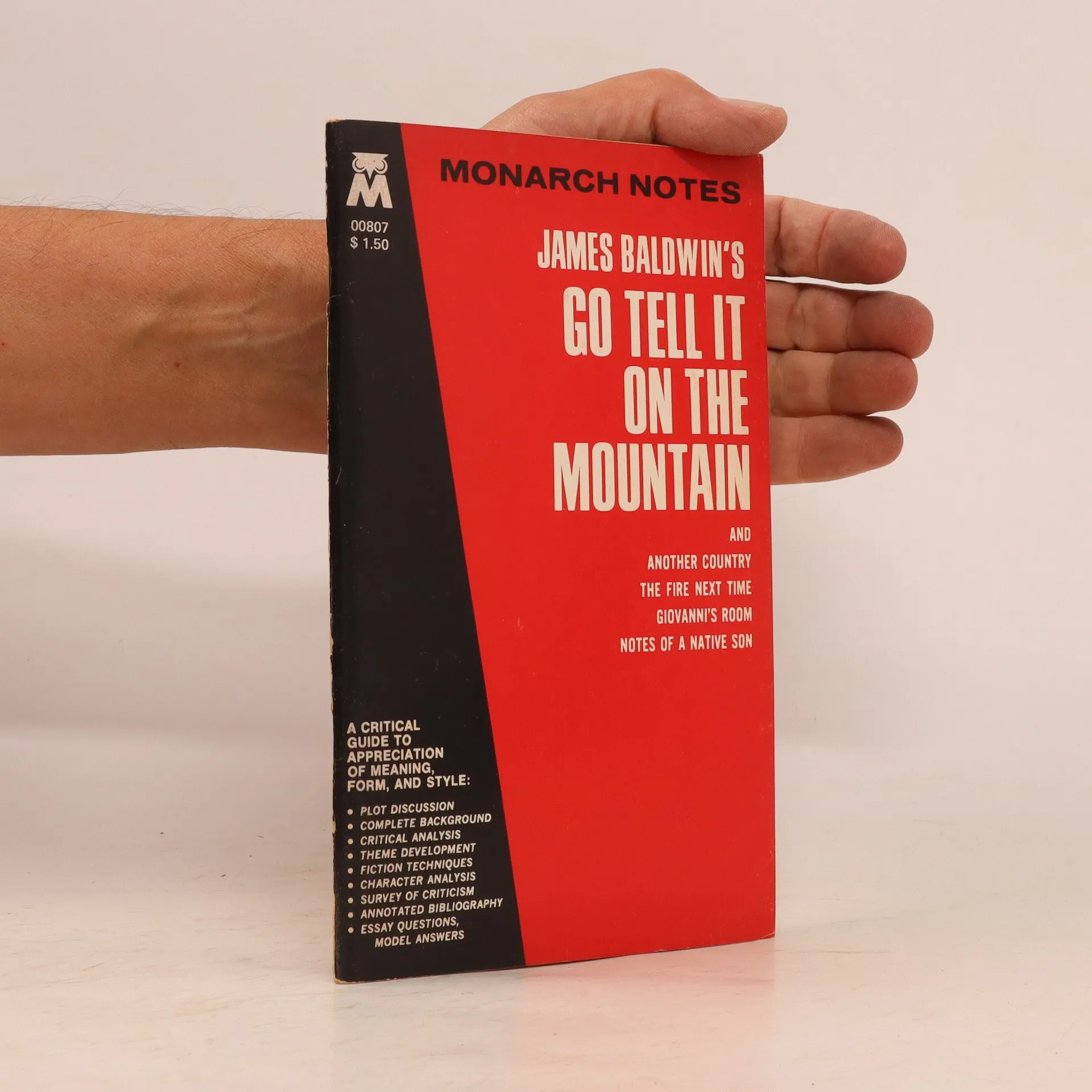
Go Tell It On The Mountain, first published in 1953, is Baldwin's first major work, a semi-autobiographical novel that has established itself as an American classic. With lyrical precision, psychological directness, resonating symbolic power, and a rage that is at once unrelenting and compassionate, Baldwin chronicles a fourteen-year-old boy's discovery of the terms of his identity as the stepson of the minister of a storefront Pentecostal church in Harlem one Saturday in March of 1935. Baldwin's rendering of his protagonist's spiritual, sexual, and moral struggle of self-invention opened new possibilities in the American language and in the way Americans understand themselves.
A Rap on Race
- 256pagine
- 9 ore di lettura
In 1970 James Baldwin & Margaret Mead met for an extraordinary seven-&-a-half-hour discussion about race & society. Mead brought her knowledge of racism as practiced in remote societies around the world. Baldwin brought his personal experience with the legacy of black American history. They talked with candor, passion, rage & brilliance, & their discussion became this unique volume. Here is Baldwin's creativity & fire. Here is Mead's scholarship & reason. Here, for all to see, are their prejudices, their pain, & finally, their shared desire to find the thread that binds us all. "This book...traces a curve beginning in formal statements, moving thru wary affection & intellectual intimacy, ending with a raw confrontation."--� Newsweek . "Margaret Mead and James Baldwin are no ordinary people...their conversation...takes us along to places to which we could not otherwise go."--� Times Literary Supplement (London)
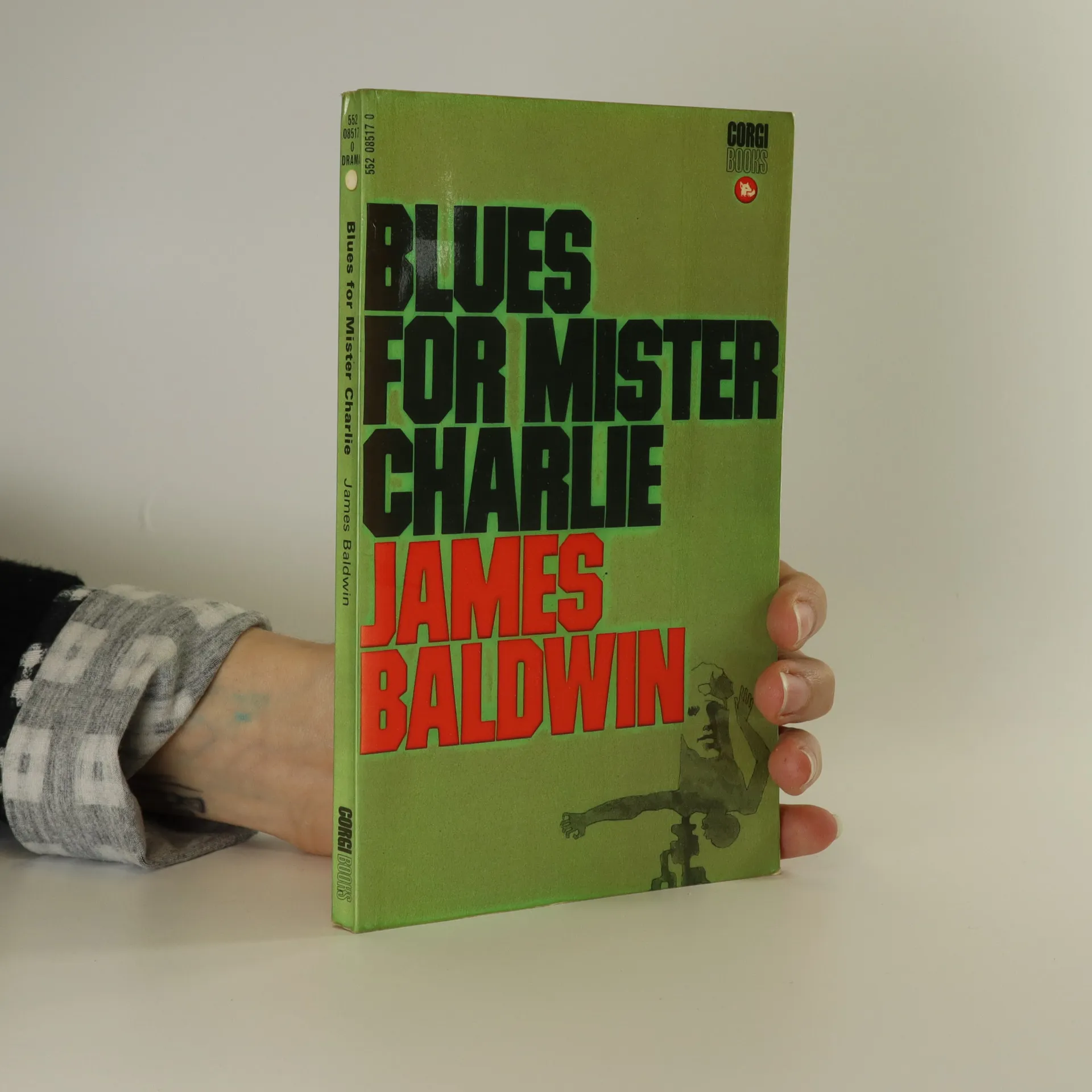
Blues For Mister Charlie
A Play
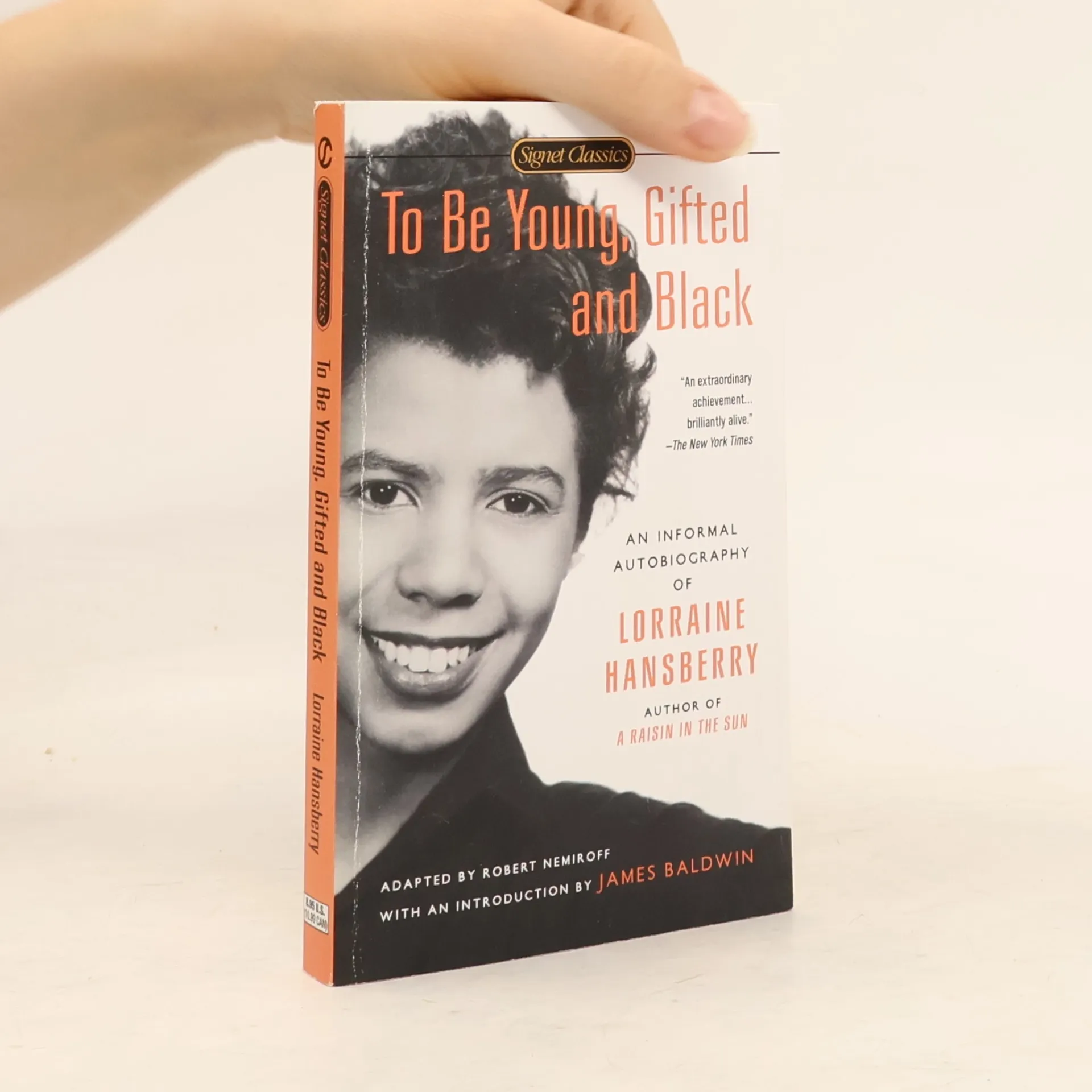
To Be Young, Gifted and Black
- 272pagine
- 10 ore di lettura
“Anyone who has ever wondered what it really means to be Black will find the answer in this book.”—MINNEAPOLIS TRIBUNE To Be Young, Gifted and Black is a special kind of autobiography, in a very special voice. Both the story and the voice belong to a young woman from Chicago who moved to New York, won fame with her first play, A Raisin in the Sun—and went on to new heights of artistry before her tragically early death. In turns angry, loving, bitter, laughing, and defiantly proud, the story, voice, and message are all Lorraine Hansberry’s own, coming together in one of the major works of the Black experience in mid-twentieth-century America. “A milestone.”—TIME “Wonderfully moving and entertaining.”—Clive Barnes, THE NEW YORK TIMES “I advise anybody who is interested in the human condition, black or white, to read it.”—NEWSDAY
Penguin Archive: The Fire Next Time
- 128pagine
- 5 ore di lettura
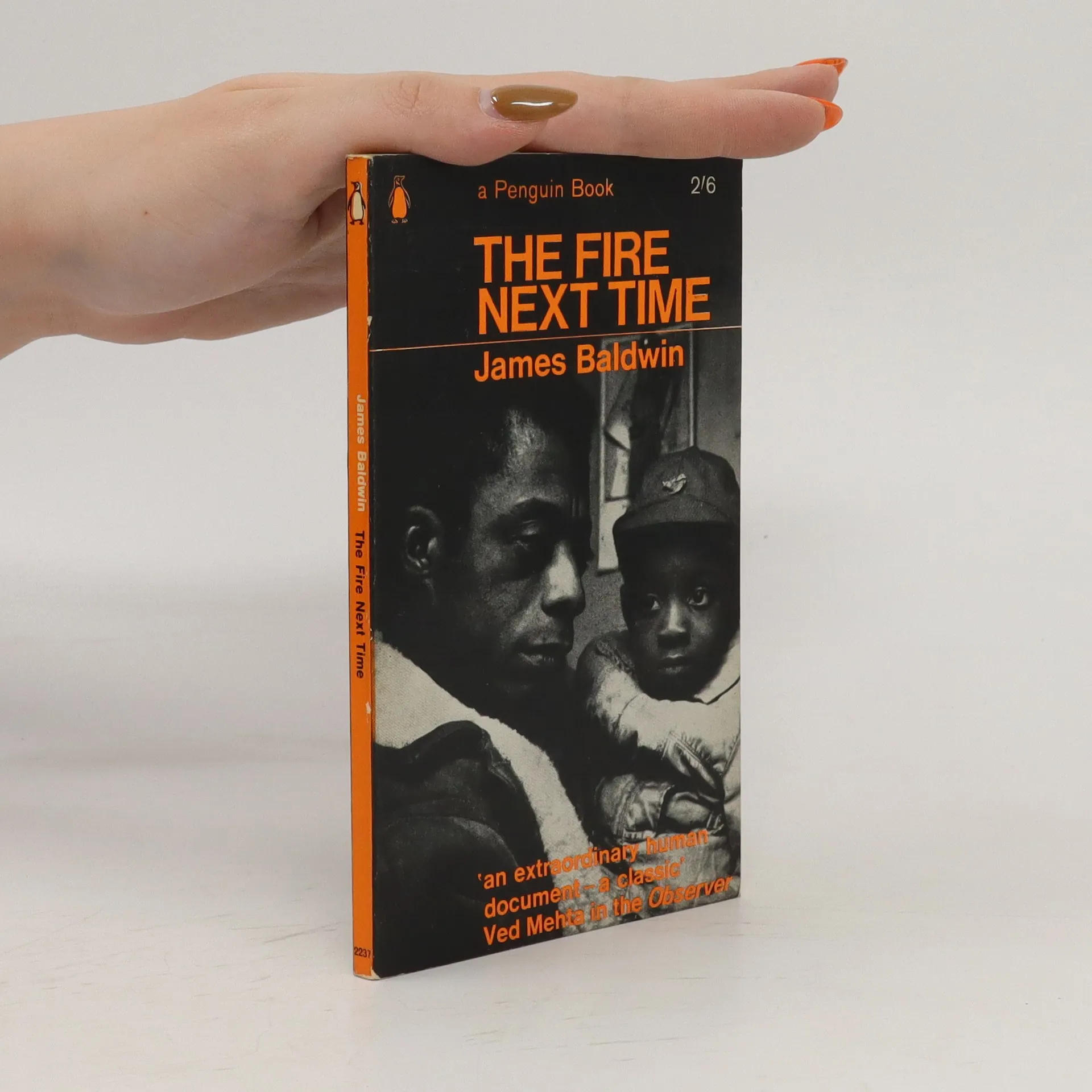
'It demands great spiritual resilience not to hate the hater whose foot is on your neck, and an even greater miracle of perception and charity not to teach your child to hate' Told in the form of two intensely personal 'letters', The Fire Next Time is an excoriating condemnation of the terrible legacy of racial injustice, drawn from Baldwin's early life in Harlem and his experience as a prominent cultural figure of the civil rights movement.
If Beale Street Could Talk
- 173pagine
- 7 ore di lettura
Roman.
If Beale Street Could Talk
- 173pagine
- 7 ore di lettura
Roman.
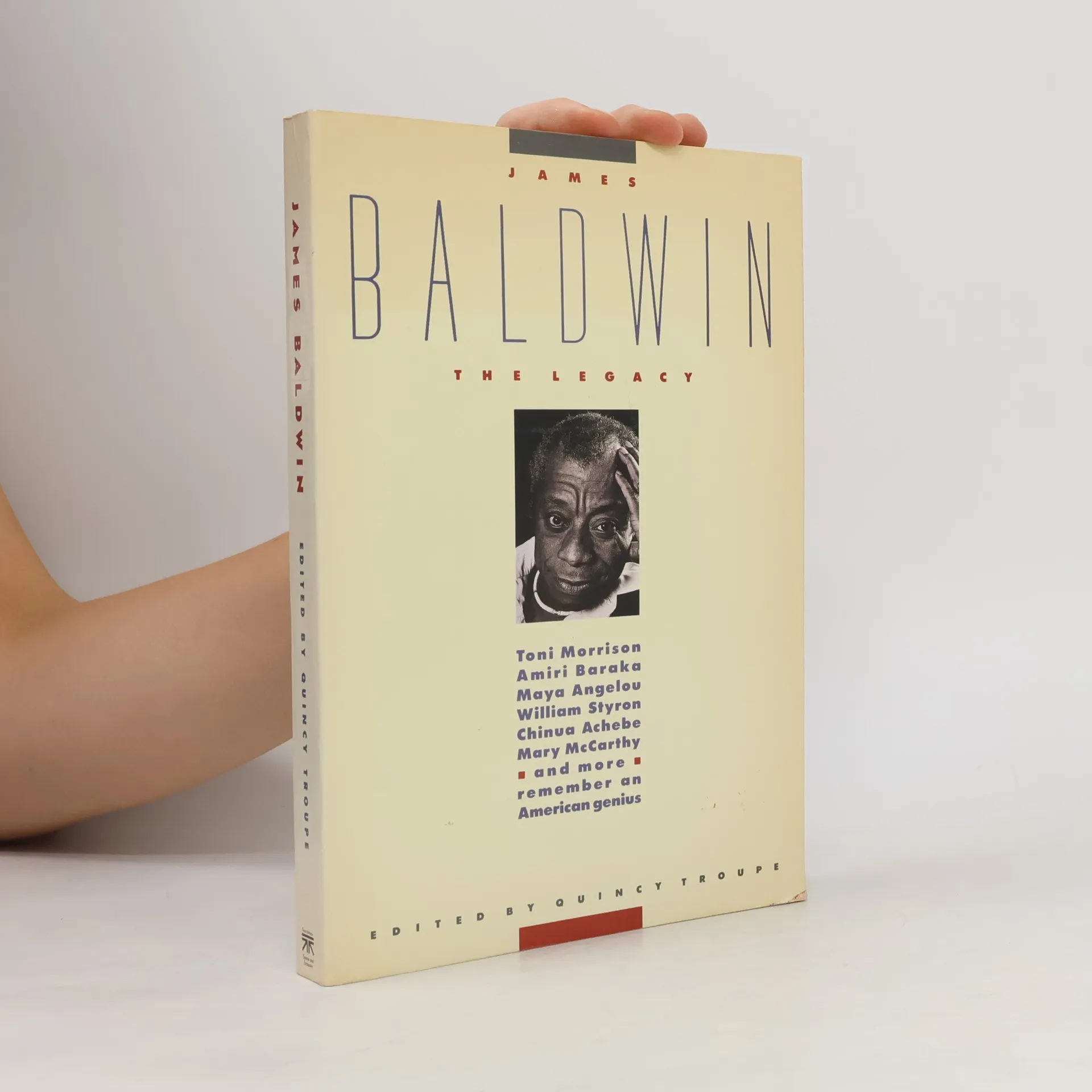
Under the editorship of poet Quincy Troupe, renowned writers assess and celebrate the legacy of James Baldwin, one of America's great authors and activists. Here in one volume is the measure of this enormous influence on the literary and intellectual history of our time. 8-page photo insert.
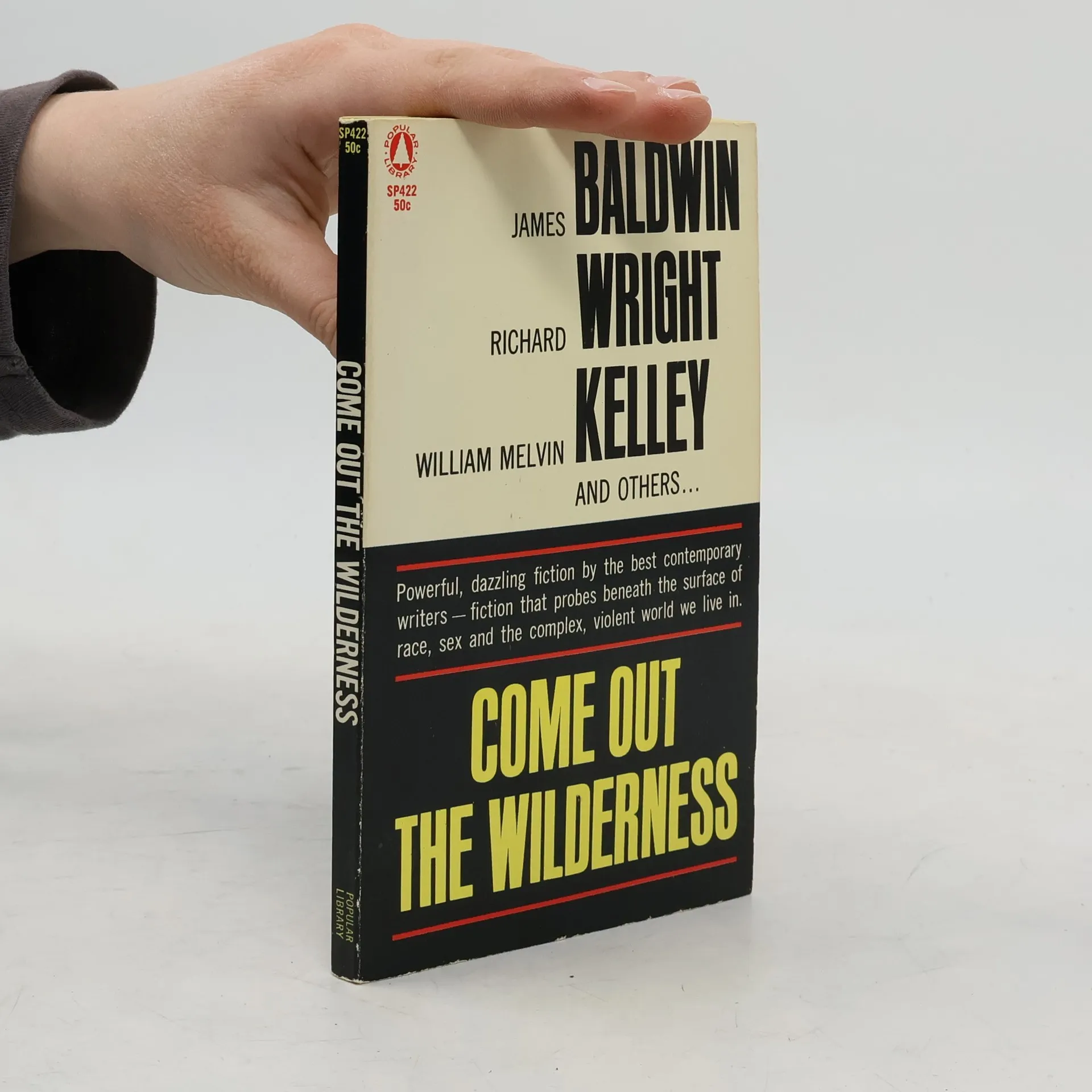
A classic anthology of short stories by Black writers including James Baldwin, Zora Neale Hurston, and Richard Wright -- edited and with an introduction by Langston Hughes. Originally published in 1967, The Best Short Stories by Black Writers offers a timeless and unforgettable portrait of the tragedy, comedy, triumph, and suffering that were part of African American life from 1899 to 1967.
Twelve American Essays
From Benjamin Franklin to Martin Luther King
The New Yorker: The 60s: The Story of a Decade
- 720pagine
- 26 ore di lettura
The anthology features significant New Yorker articles from the tumultuous 20th century, showcasing works by renowned authors like James Baldwin, Sylvia Plath, and Pauline Kael. It also includes contemporary evaluations of the 1960s by today's leading writers, providing a rich exploration of the era's cultural and social dynamics. This collection highlights both historical perspectives and modern interpretations, making it a compelling read for those interested in literary history and the evolution of thought during a pivotal decade.
Truth-telling, witness bearing, soul stirring writing Cornel West
In a small Southern town, a white man murders a black man, then throws his body in the weeds. With this act of violence--which is loosely based on the notorious 1955 killing of Emmett Till--James Baldwin launches an unsparing and at times agonizing probe of the wounds of race. For where once a white storekeeper could have shot a boy like Richard Henry with impunity, times have changed. And centuries of brutality and fear, patronage and contempt, are about to erupt in a moment of truth as devastating as a shotgun blast.In his award-winning play, Baldwin turns a murder and its aftermath into an inquest in which even the most well-intentioned whites are implicated--and in which even a killer receives his share of compassion.
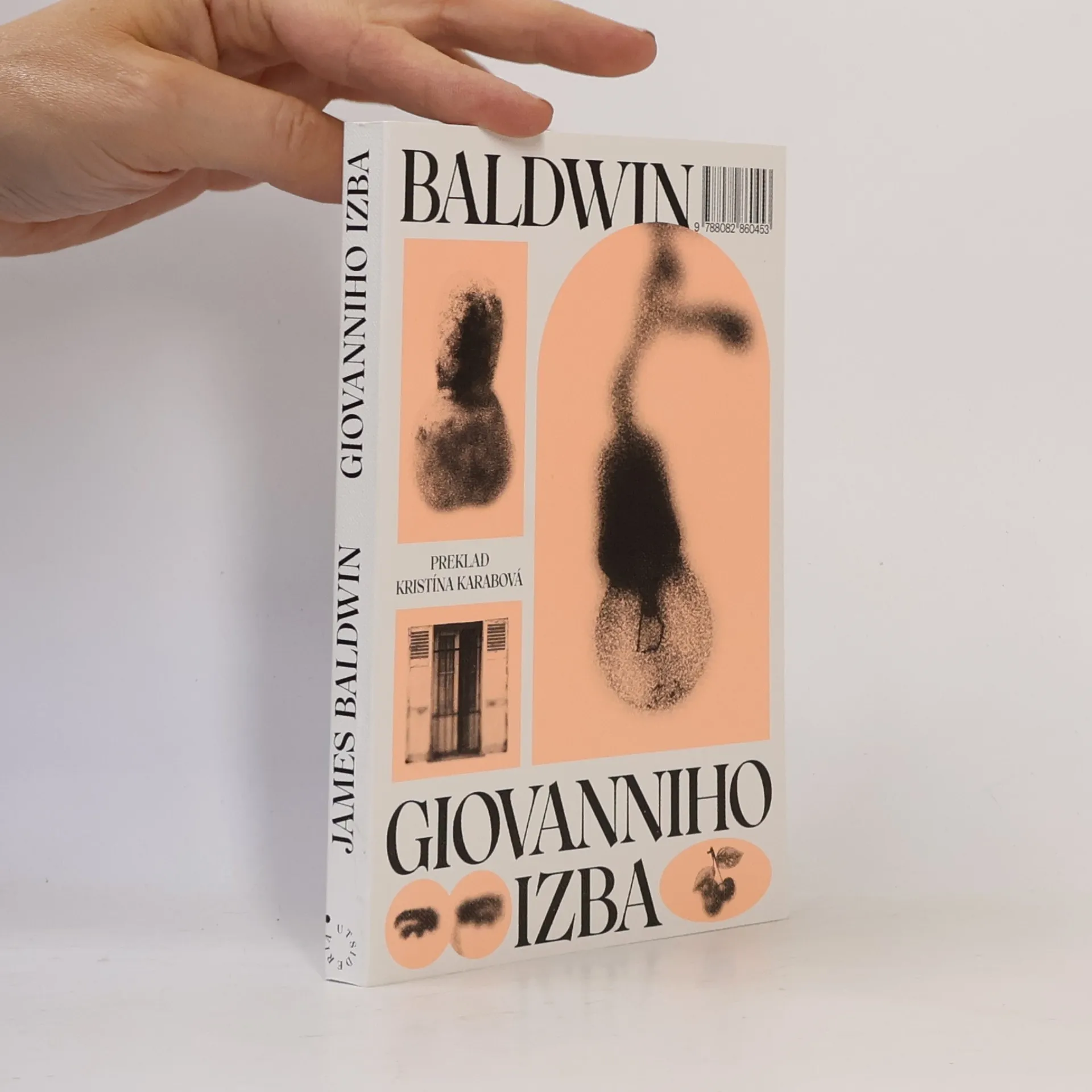
Giovanniho izba je príbeh Američana v Paríži päťdesiatych rokov. David práve požiadal o ruku svoju priateľku Hellu, no vzápätí sa zamiluje do Giovanniho, talianskeho barmana. Táto túžba ho zároveň napĺňa odporom. Baldwin s mimoriadnou psychologickou presnosťou sleduje napätie medzi túžbou, hanbou, blízkost a strachom. Nie nadarn patrí medzi kľúčové osobnosti americkej literatúry 20. storočia.
Beale Street Blues
Ungekürzte Lesung mit Constanze Becker
In this honest and stunning novel, James Baldwin has given America a moving story of love in the face of injustice. Told through the eyes of Tish, a nineteen-year-old girl, in love with Fonny, a young sculptor who is the father of her child, Baldwin's story mixes the sweet and the sad. Tish and Fonny have pledged to get married, but Fonny is falsely accused of a terrible crime and imprisoned. Their families set out to clear his name, and as they face an uncertain future, the young lovers experience a kaleidoscope of emotions-affection, despair, and hope. In a love story that evokes the blues, where passion and sadness are inevitably intertwined, Baldwin has created two characters so alive and profoundly realized that they are unforgettably ingrained in the American psyche.