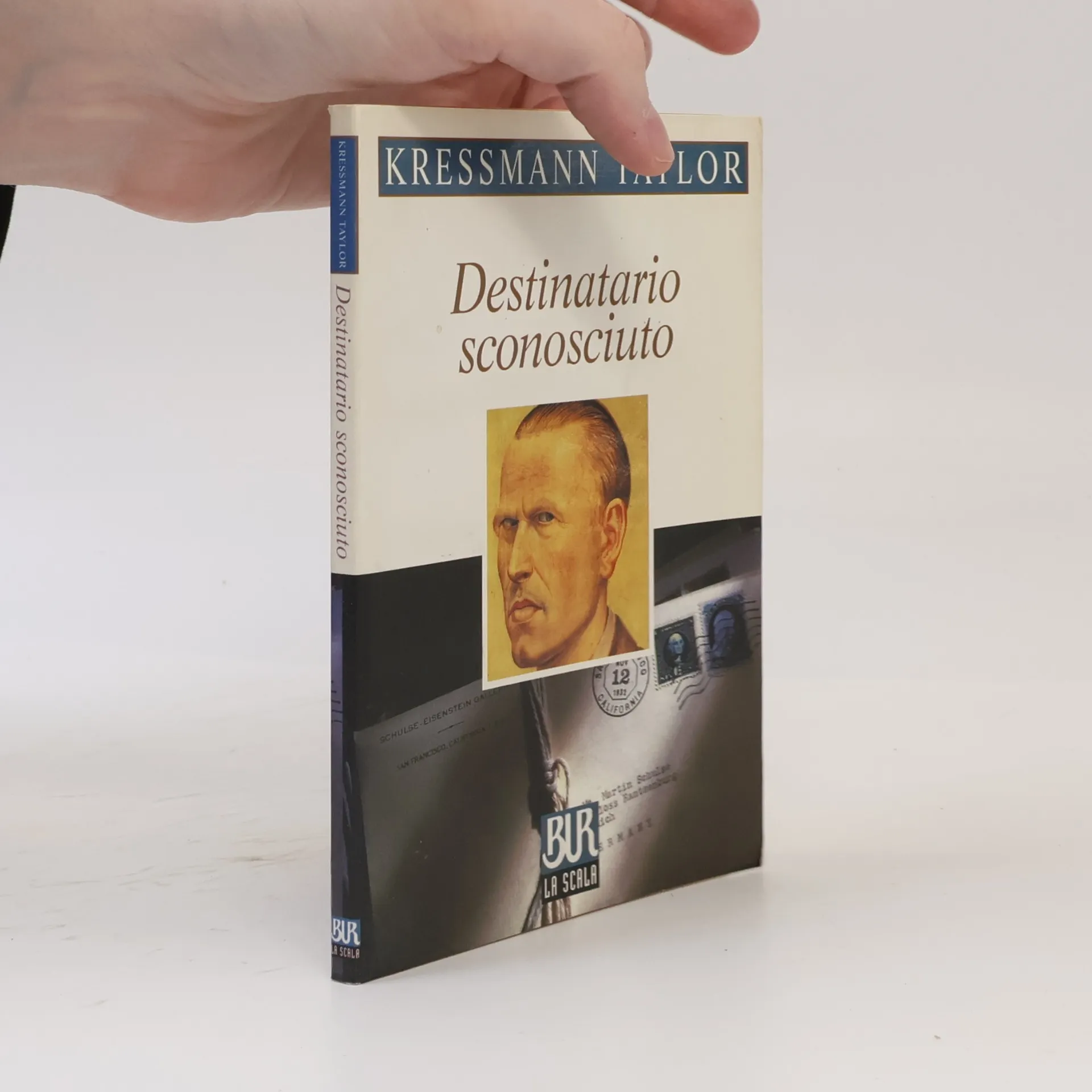
Germania, 1932. Martin, tedesco, e Max, ebreo americano, sono due amici fraterni e soci in affari. L'ombra della storia si proietta sul loro destino. Con l'avvento di Hitler i contrasti ideologici precipitano fino a diventare insanabili. Impossibile credere ancora nell'amicizia. Fino al colpo di scena finale: quando ci sarà un ribaltamento radicale di forza tra i due protagonisti per una conclusione "impossibile da dimenticare". Un viaggio alle radici dell'odio, un libro intenso e appassionato, pubblicato per la prima volta in America nel 1938, che rappresentò con lucida chiaroveggenza il clima di spietato razzismo in cui maturò l'Olocausto.
Tinke Davids Libri

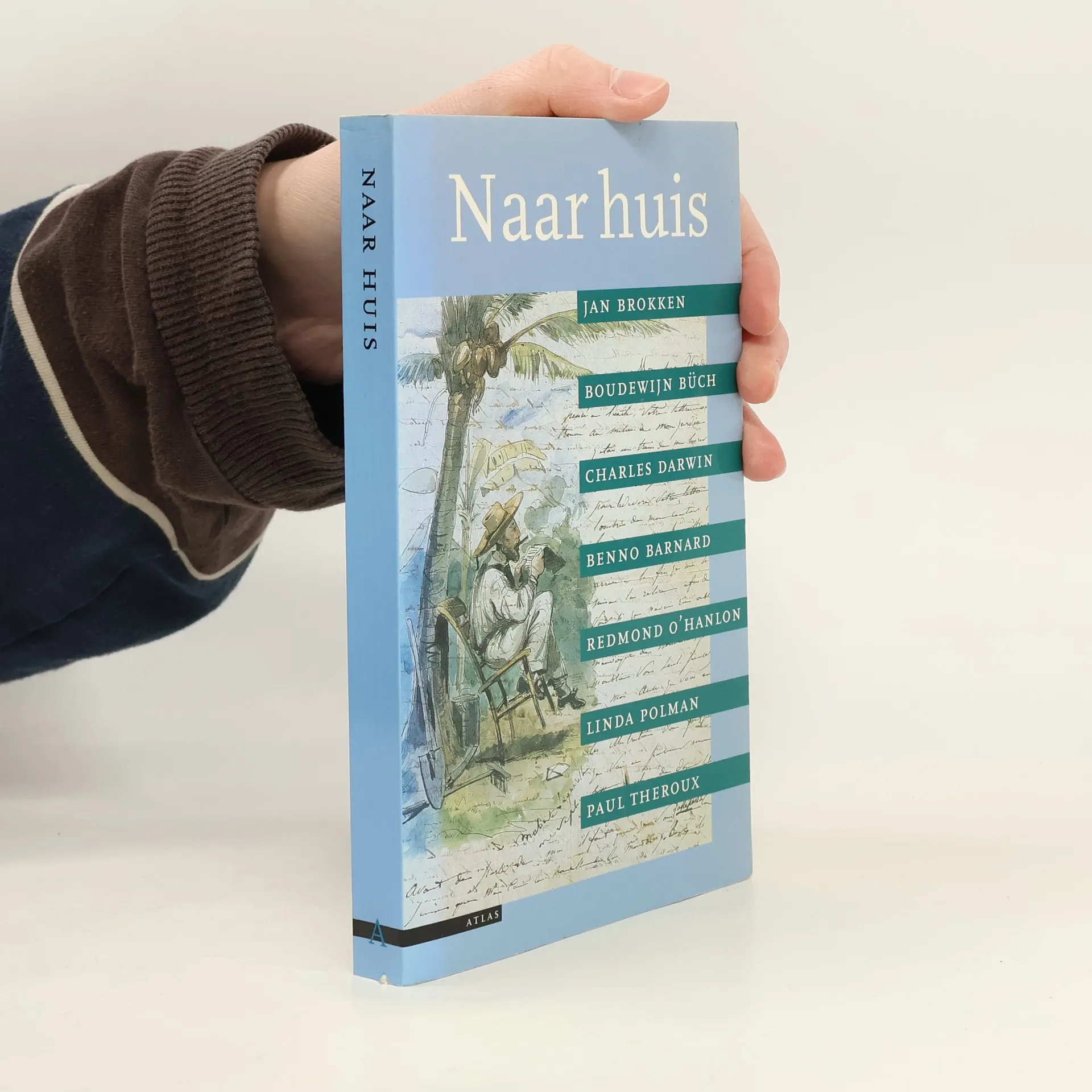
Naar huis
- 189pagine
- 7 ore di lettura
Van de Rio Negro naar Buenos Aires - Charles Darwin Goedenavond, mrs. Thys - Jan Brokken Drie maanden in de West - W. Wijnaendts Francken-Syserinck Paaseiland: voorbij de branding van Rapa Nui - Paul Theroux Kongo - Redmond O'Hanlon Filfla - Boudewijn Büch Het dorp van Ratu Dinges - Johnny Frisbie Bot Pippel - Linda Polman De Kakaanse seismograaf - Benno Barnard
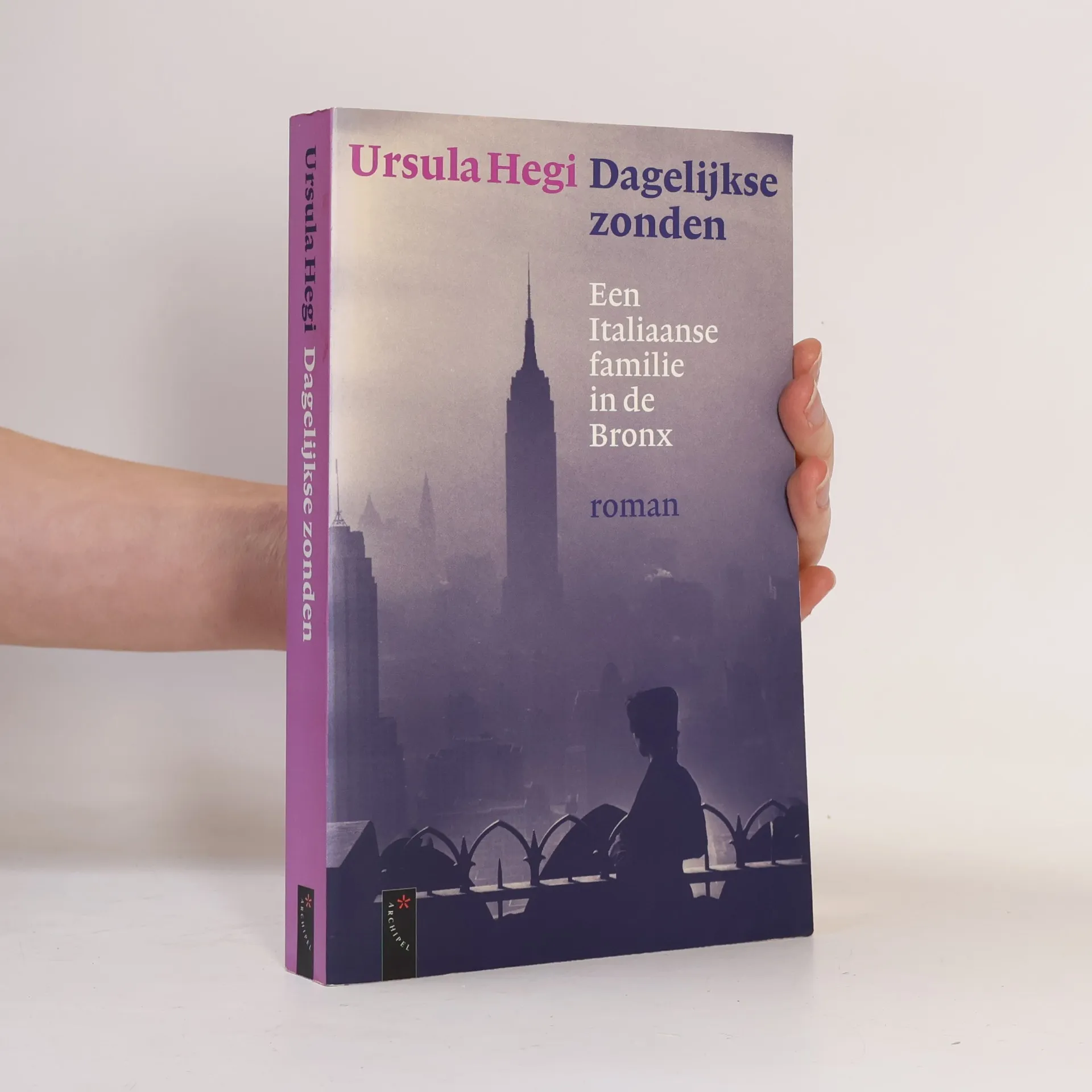
In de winter van 1953 is de liefste wens van puber Anthony Amedeo een sjabloonkit om, net als andere kinderen in zijn buurt, het raam van zijn slaapkamer te versieren. In plaats daarvan krijgt hij een heel ander kerscadeautje: het gezin van zijn oom Malcolm.Malcolm zit in de gevangenis, en Anthony's tante Floria en zijn nichtjes Bianca en Belinda (een tweeling) trekken bij hem en zijn ouders in. Ineens een kamer delen met meisjes is een hele toer, ook al is Anthony op de tweeling gesteld en zijn zij allebei hopeloos verliefd op hem. De ware verandering in zijn leven komt echter op de avond waarop hij iets gruwelijks laat gebeuren. Niet alleen zijn eigen leven, maar ook dat van zijn familieleden verandert daardoor voorgoed. Dagelijkse zonden omspant drie generaties en voert ons van de Bronx in de jaren vijftig naar het Brooklyn van 1999.
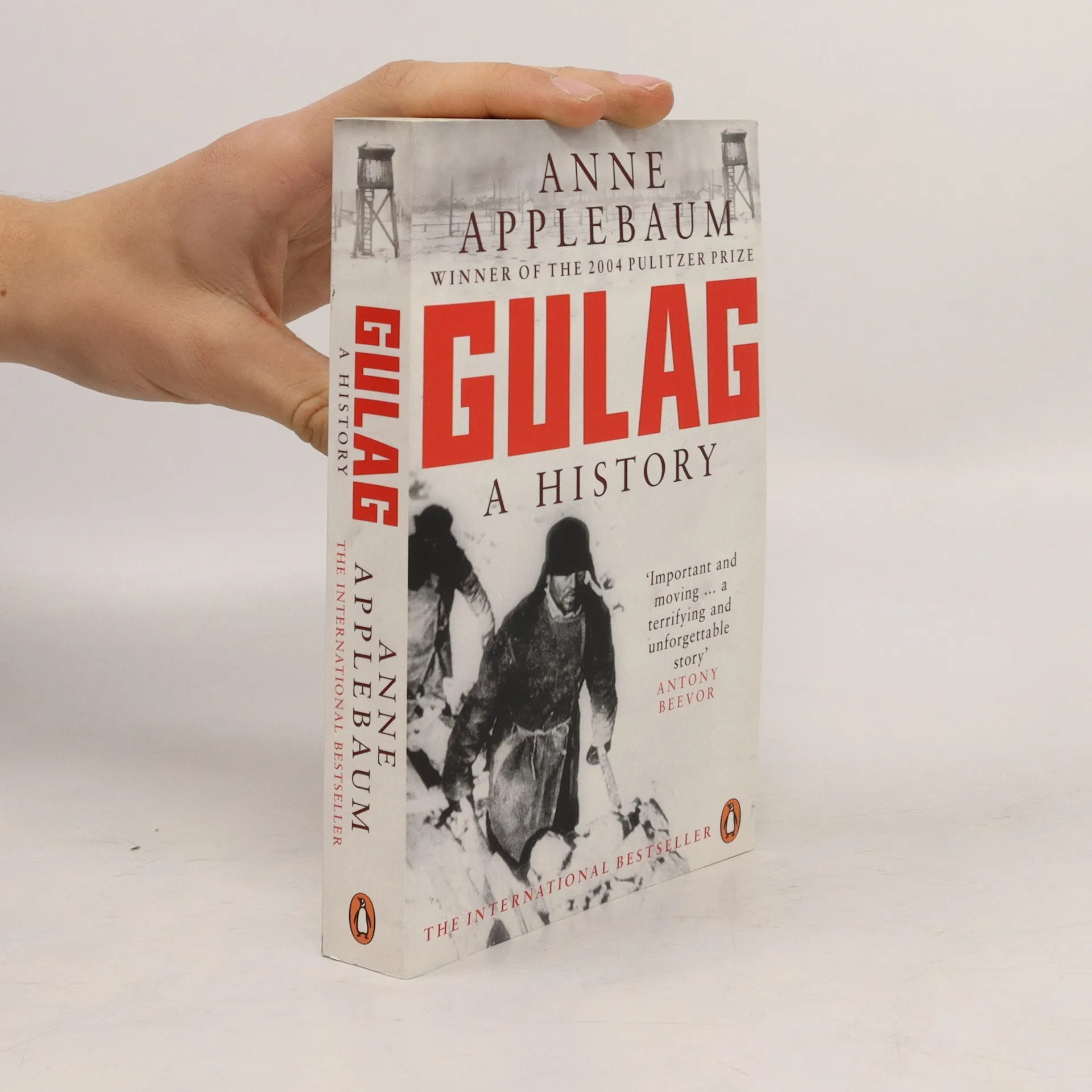
Gulag: A History of the Soviet Camps
- 624pagine
- 22 ore di lettura
Reveals one of the greatest horrors of the 20th century: the system of Soviet camps that are responsible for the deaths of countless millions. This work presents history of the camp: from its origins under the tsars, to its colossal expansion under Stalin's reign of terror, its zenith in the late 1940s and eventual collapse in the era of glasnost.
Een journalist doet verslag van zijn ervaringen gedurende de twee jaar dat hij, vermomd als Turkse gastarbeider, in West-Duitsland werkte.
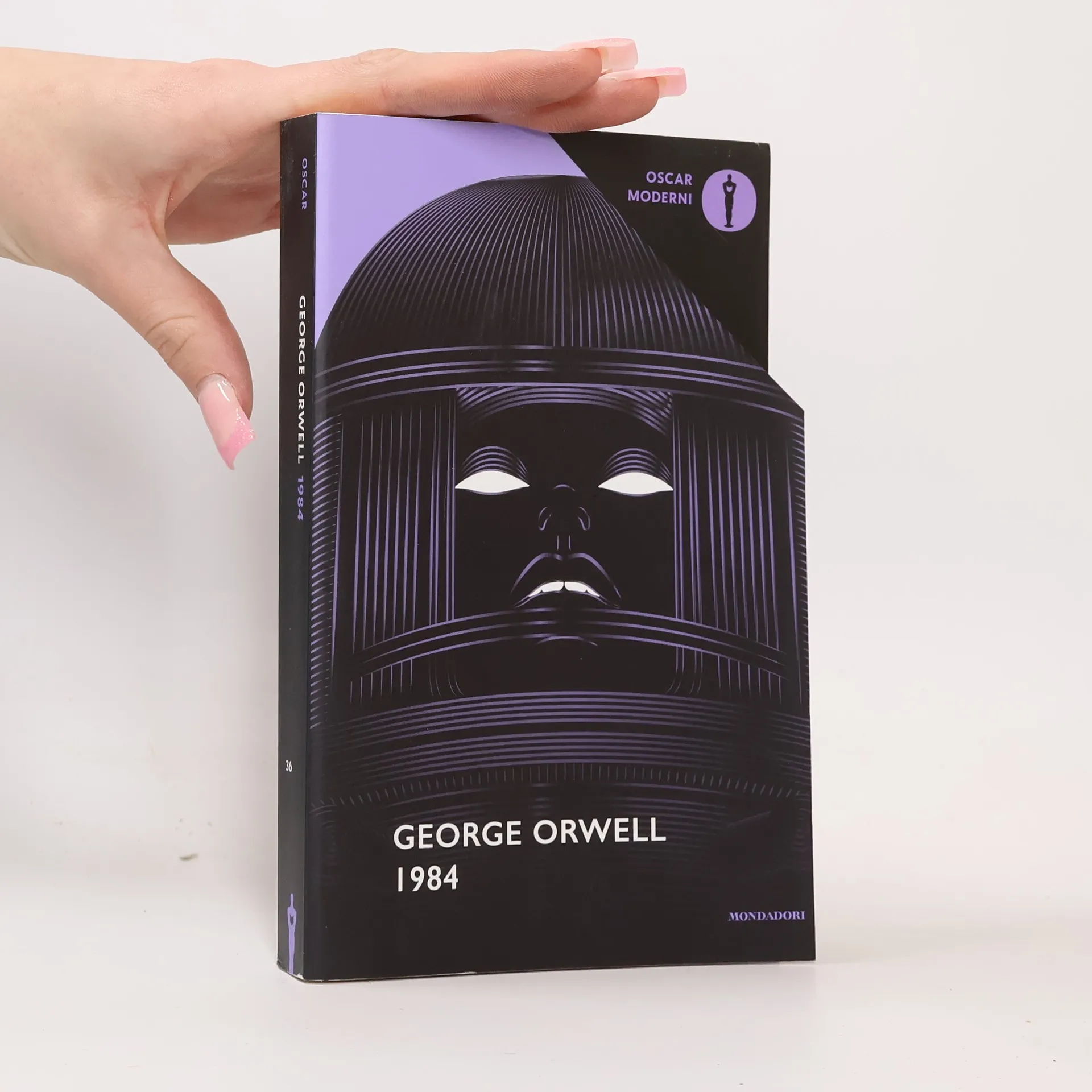
1984
- 321pagine
- 12 ore di lettura
La guerra è pace. La libertà è schiavitù. L'ignoranza è forza 1984. Il mondo è diviso in tre superstati in guerra fra loro: Oceania, Eurasia ed Estasia. L'Oceania, la cui capitale è Londra, è governata dal Grande Fratello, che tutto vede e tutto sa. I suoi occhi sono le telecamere che spiano di continuo nelle case, il suo braccio la psicopolizia che interviene al minimo sospetto. Tutto è permesso, non c'è legge scritta. Niente, apparentemente, è proibito. Tranne pensare. Tranne amare, Tranne divertirsi. Insomma: tranne vivere, se non secondo i dettami del Grande Fratello. Dal loro rifugio, in uno scenario desolante, solo Winston Smith e Julia lottano disperatamente per conservare un granello di umanità...
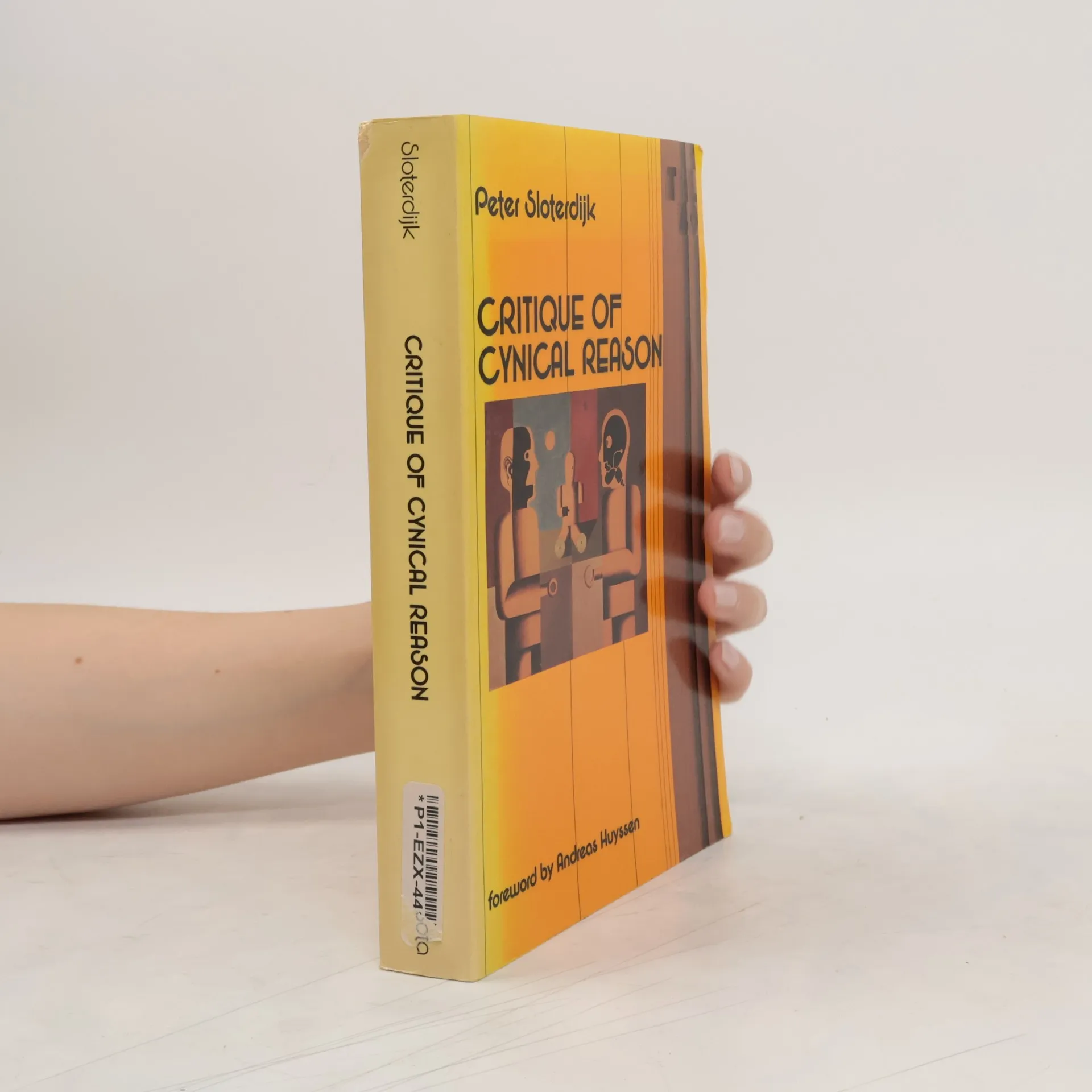
Critique of Cynical Reason
- 558pagine
- 20 ore di lettura
Upon its publication in Germany in 1983, this author's book stirred both critical acclaim and consternation, attracting a wide readership. He finds cynicism the dominant mode in contemporary culture, in personal and institutional settings; his book is both a history of the impulse and an investigation of its role today, among those whose earlier hopes for social change have crumbled and faded away.
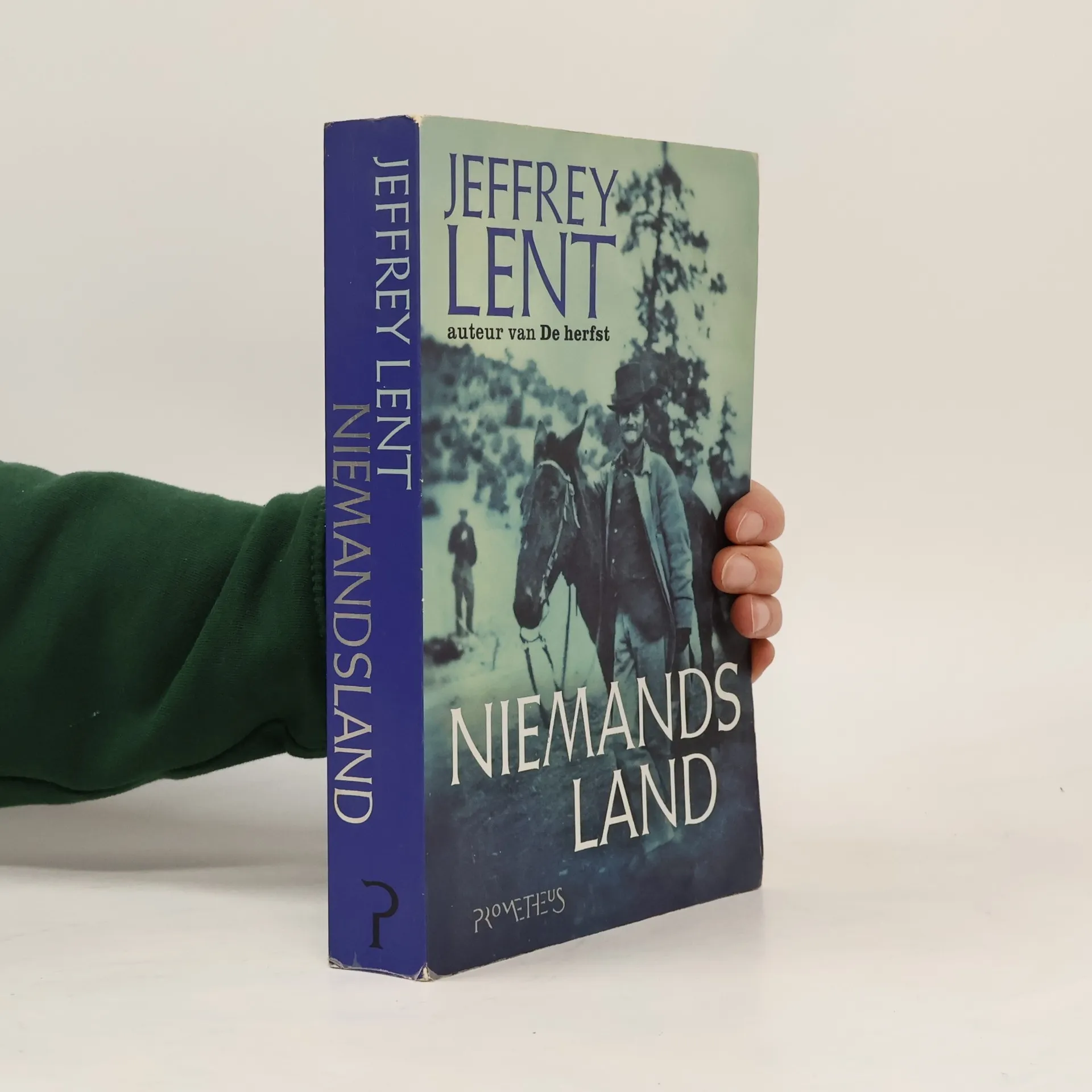
Niemandsland
- 362pagine
- 13 ore di lettura
Een man trekt in 1838 naar New Hampshire met een zestienjarig meisje dat hij met pokeren won.
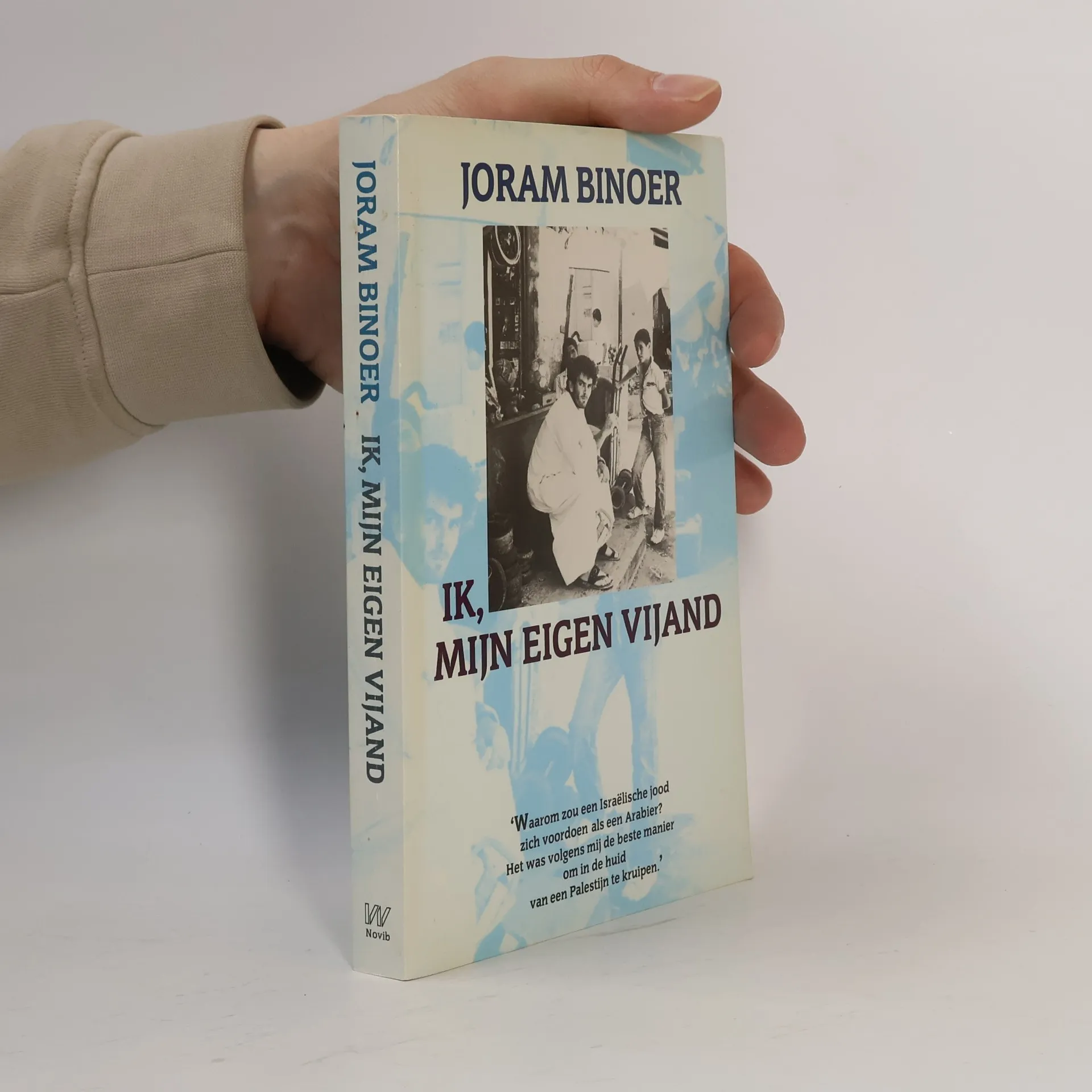
Ik, mijn eigen vijand
- 210pagine
- 8 ore di lettura
Waarom zou een Israëlische jood zich voordoen als een Arabier? Het was volgens mij (de schrijver) de beste manier om in de huid van een Palestijn te kruipen.` Joram Binoer stak zijn licht op in de Gazastrook, in de vluchtelingenkampen op de Westoever en in het centrum van Tel Aviv. Een gewaagde onderneming.
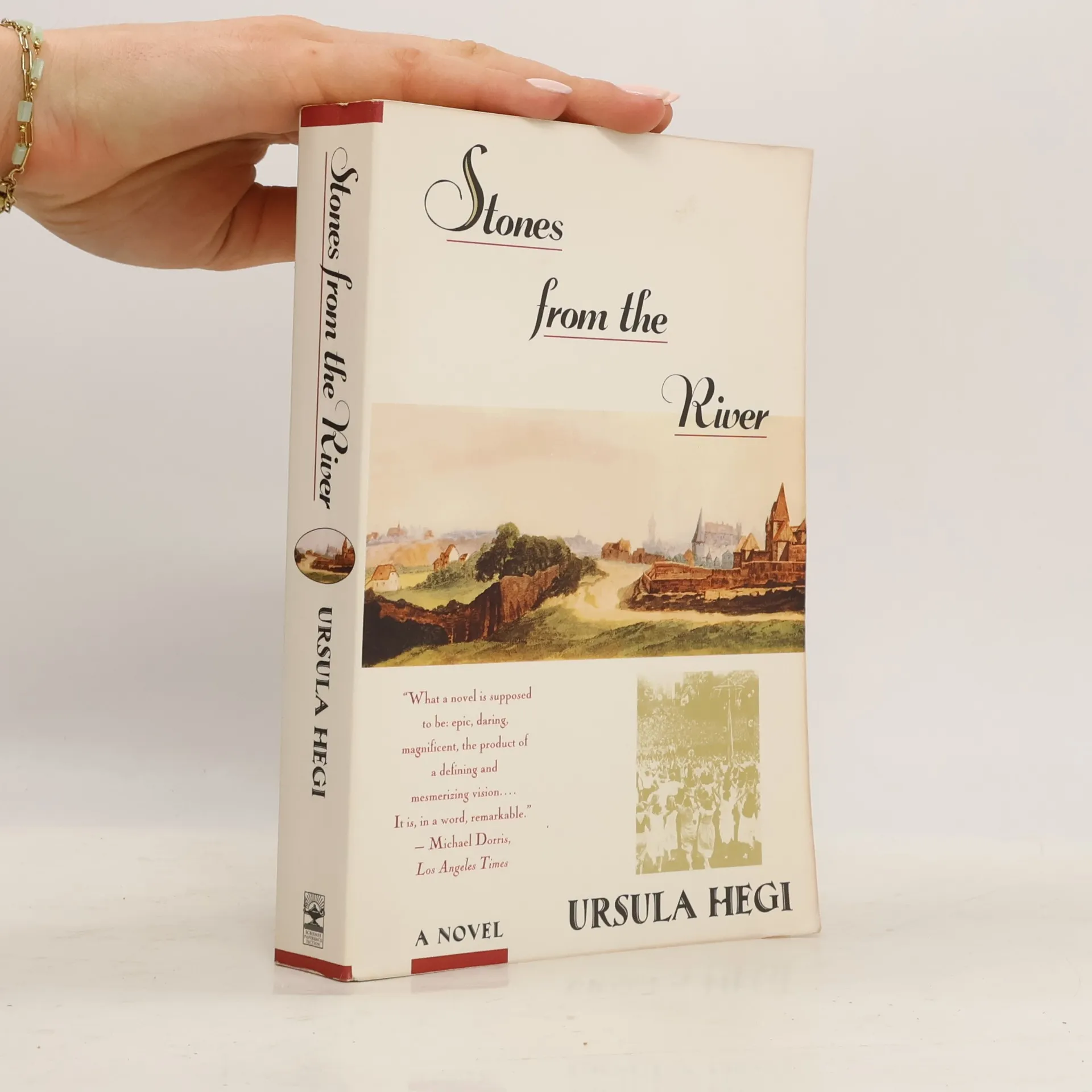
From the acclaimed author of Floating in My Mother’s Palm and Children and Fire, a stunning story about ordinary people living in extraordinary times—“epic, daring, magnificent, the product of a defining and mesmerizing vision” (Los Angeles Times). Trudi Montag is a Zwerg—a dwarf—short, undesirable, different, the voice of anyone who has ever tried to fit in. Eventually she learns that being different is a secret that all humans share—from her mother who flees into madness, to her friend Georg whose parents pretend he’s a girl, to the Jews Trudi harbors in her cellar. Ursula Hegi brings us a timeless and unforgettable story in Trudi and a small town, weaving together a profound tapestry of emotional power, humanity, and truth.
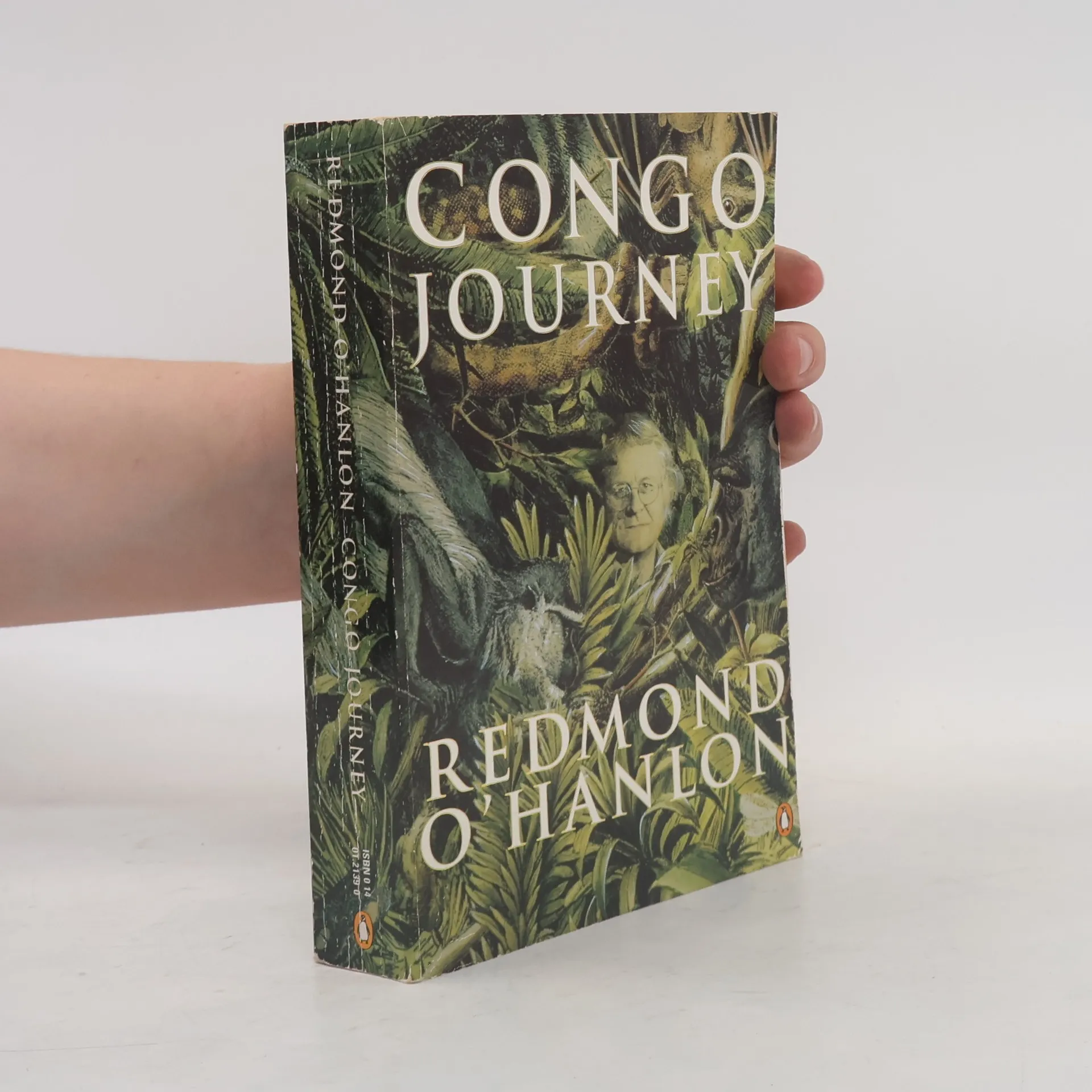
Congo Journey
- 480pagine
- 17 ore di lettura
Combining the acute observation of a nineteenth-century missionary, and the wit of a Monty Python player, Redmond O'Hanlon is famous for his adventurous travel. His new challenge is the Congo, the most dangerous and inhospitable jungle in the world.
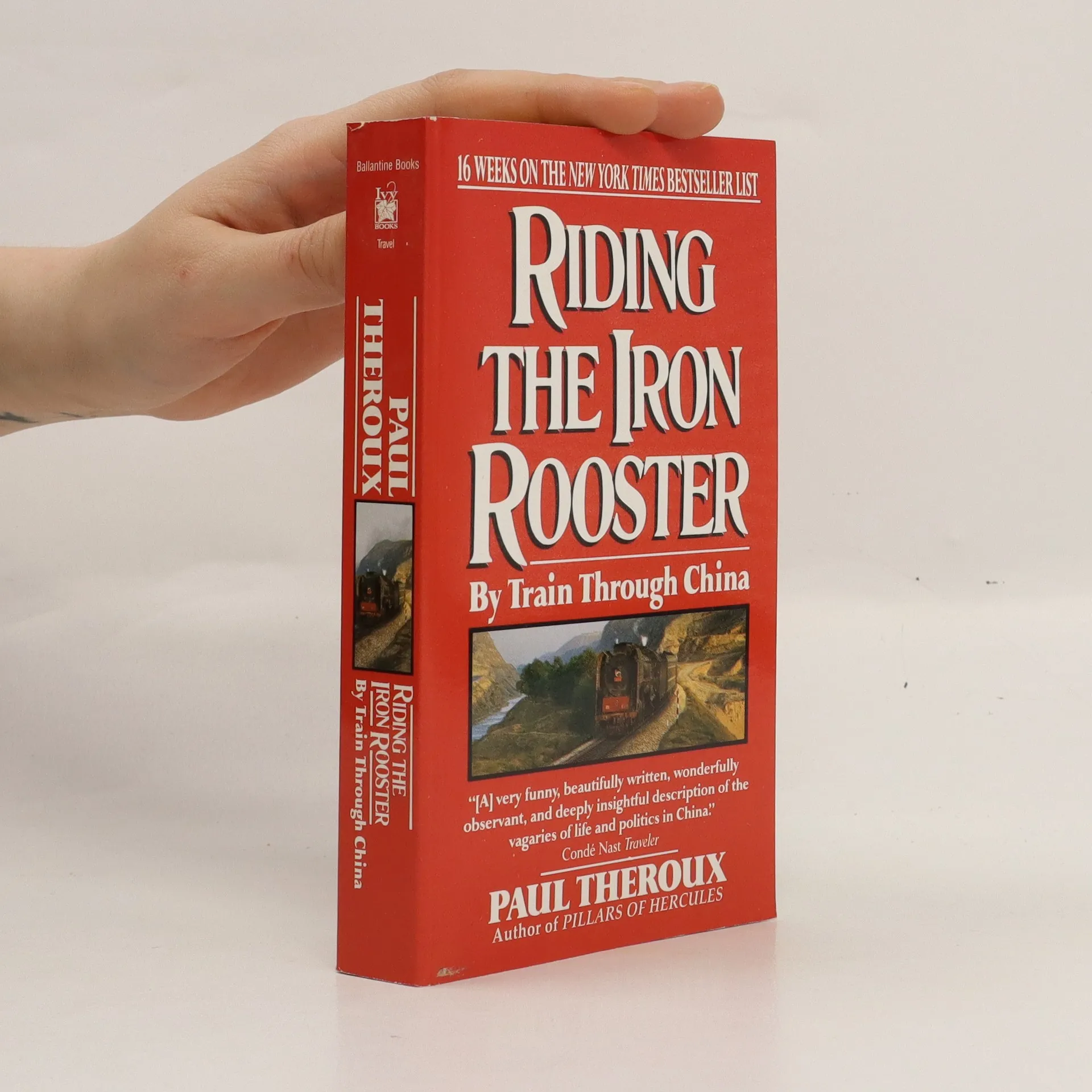
Describes the author's travels by train in every province of the People's Republic of China.
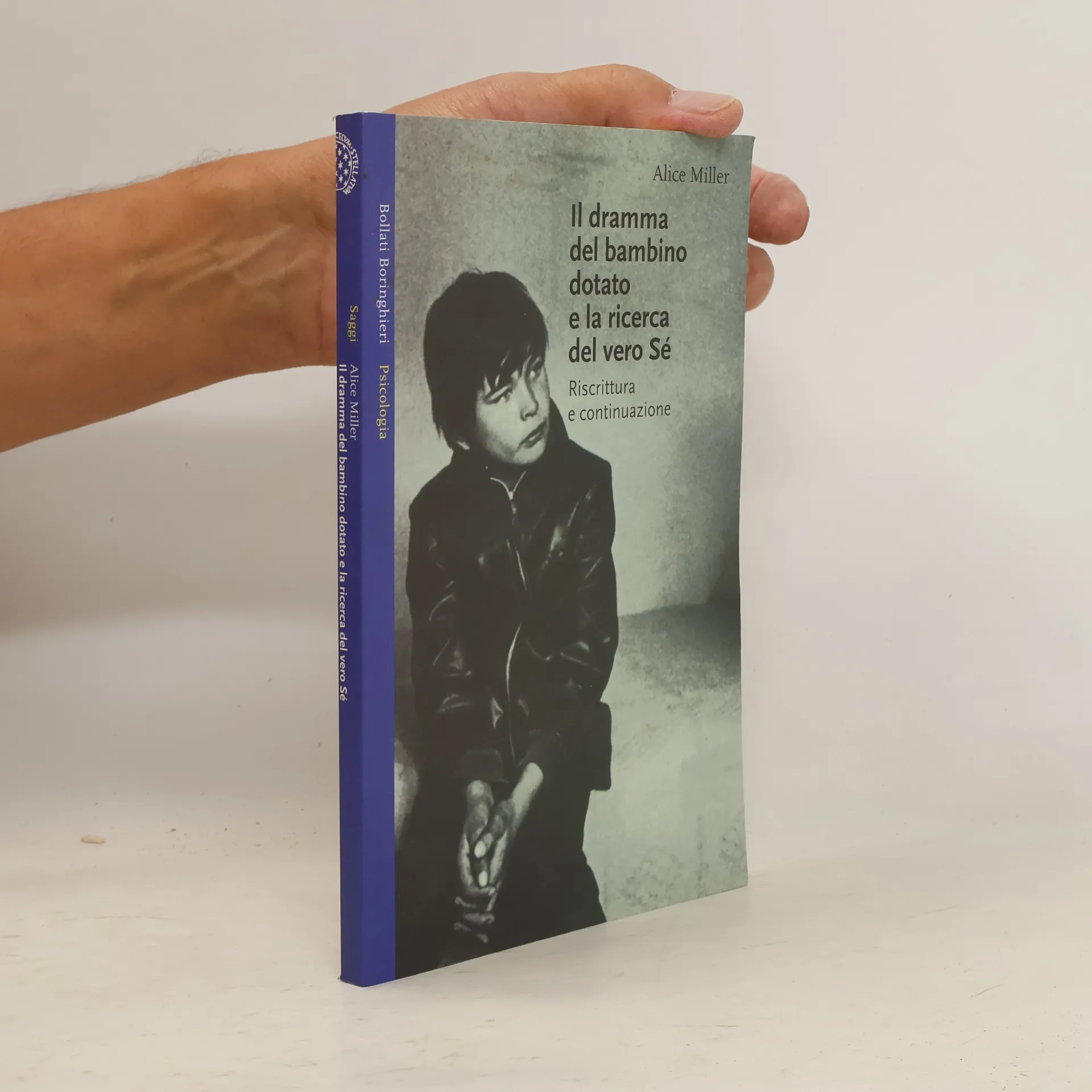
Il dramma del bambino dotato e la ricerca del vero sé
- 130pagine
- 5 ore di lettura
Alice Miller affronta in questo libro le conseguenze della rimozione nel contesto personale e sociale, le cause delle ferite infantili e le loro possibili prevenzioni, nonché le nuove opportunità attualmente disponibili per risolvere gli effetti delle traumatizzazioni precoci. I temi principali delle tre studi contenute in questo volume sono le origini della perdita del sé e i percorsi verso la riscoperta di sé. Il dramma del bambino dotato, ovvero sensibile e attento, consiste nel percepire precocemente i bisogni dei genitori e nell'adattarsi a essi, imparando a non sentire le proprie emozioni più intense e indesiderate. Sebbene questi sentimenti "proibiti" non possano sempre essere evitati in seguito, rimangono comunque dissociati, il che significa che la parte più vitale del vero sé non viene integrata nella personalità. Ciò porta a una insicurezza e a una povertà emotiva (perdita del sé), che possono manifestarsi in depressione o essere difese attraverso la grandiosità. Gli esempi forniti sensibilizzano sul dolore non espresso del bambino, nascosto dietro idealizzazioni, e sulla tragedia dei genitori inaccessibili, che un tempo erano bambini disponibili.
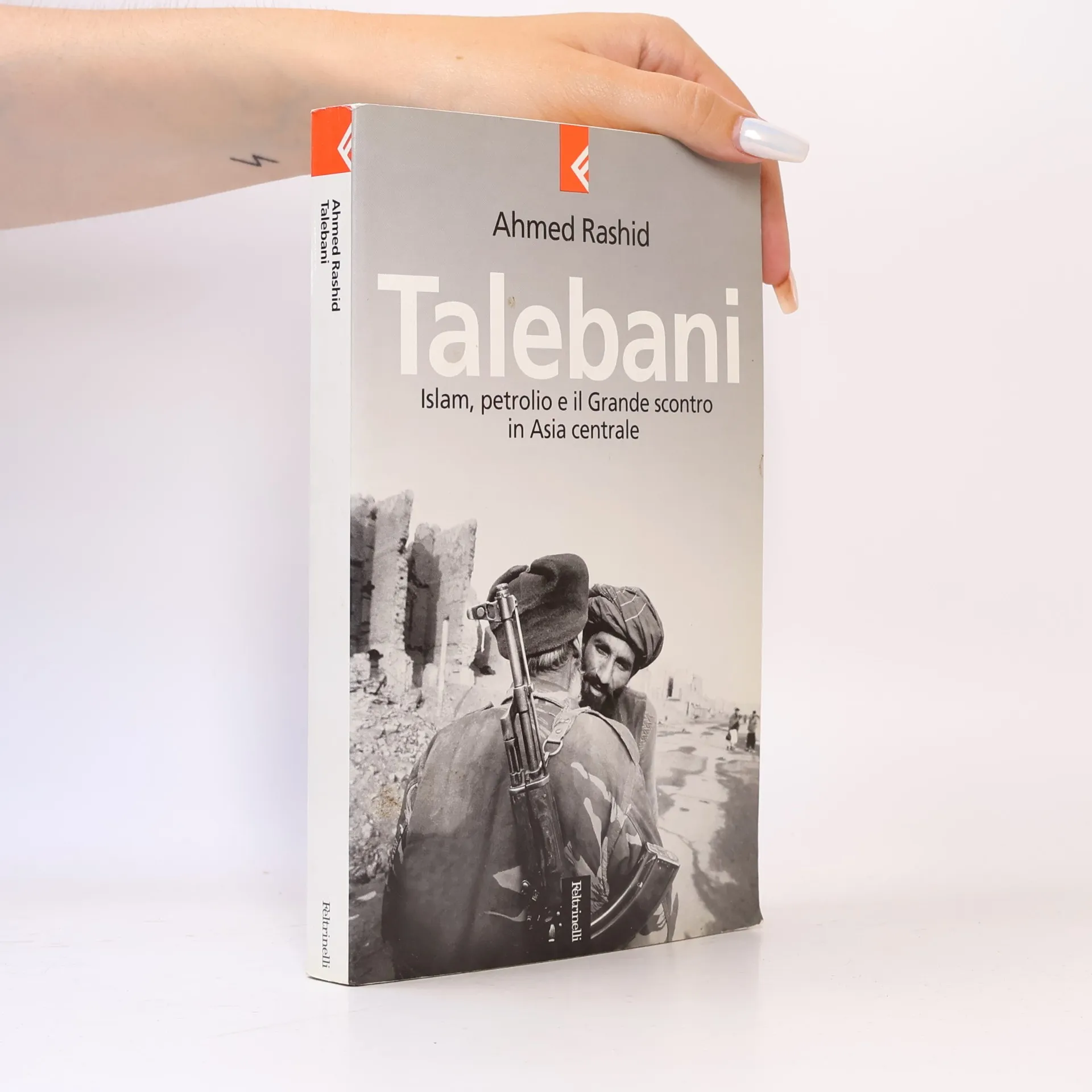
Shrouding themselves & their aims in secrecy, the leaders of the Taliban movement control Afghanistan with an inflexible, crushing fundamentalism. The most extreme & radical of all Islamic organizations, the Taliban inspires fascination, controversy & fear in both the Muslim world & the West. Correspondent Ahmed Rashid brings the shadowy world of the Taliban into focus in this enormously interesting & revealing book. It's the only authoritative account of the Taliban & modern day Afghanistan available to English language readers. Based on his experiences as a journalist covering the civil war in Afghanistan for 20 years, traveling & living with the Taliban, & interviewing most of the Taliban leaders since their emergence to power in 1994, Rashid offers unparalleled 1sthand information. He explains how the growth of Taliban power has already created severe instability in Russia, Iran, Pakistan & five Central Asian republics. He describes the Taliban's role as a major player in a new Great Game: a competition among Western countries & companies to build oil & gas pipelines from Central Asia to Western & Asian markets. The author also discusses the controversial changes in American attitudes toward the Taliban--from early support to recent bombings of Osama Bin Laden's hideaway & other Taliban-protected terrorist bases--& how they've influenced the stability of the region.
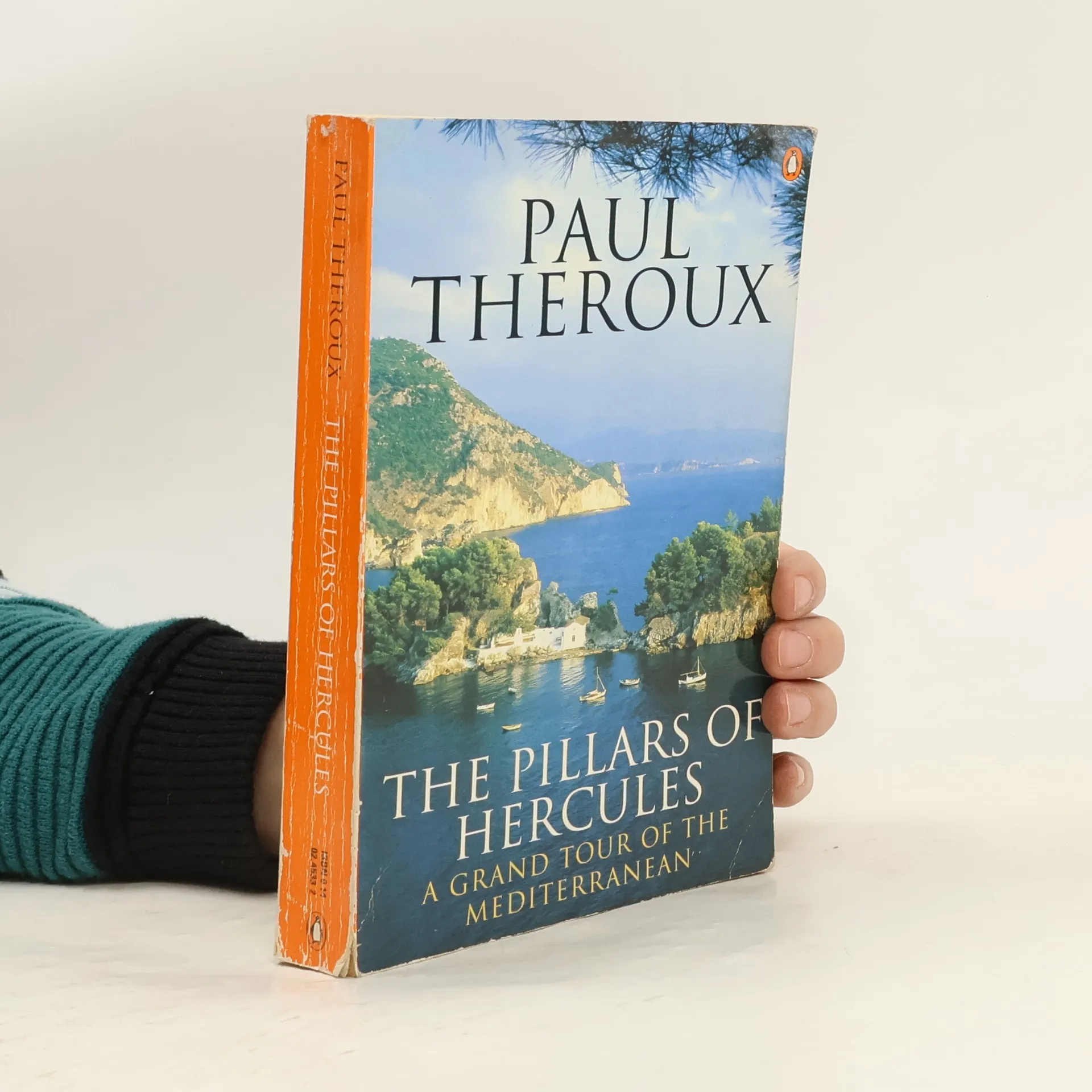
The Pillars of Hercules
- 544pagine
- 20 ore di lettura
At the gateway to the Mediterranean lie the two Pillars of Hercules: Gibraltar and Ceuta, in Morocco. Paul Theroux decided to travel from one to the other taking the long way round. He travels by a dilapidated taxi, smoke-filled bus, bicycle and even a cruise-liner. This eventful tour aims to evoke the essence of Mediterranean life.
The Old Patagonian Express
- 448pagine
- 16 ore di lettura
Beginning his journey in Boston, where he boarded the subway commuter train, Paul Theroux travelled the length of North and South America, to his destination in Patagonia. In this book he vividly evokes the contrasts of his journey.
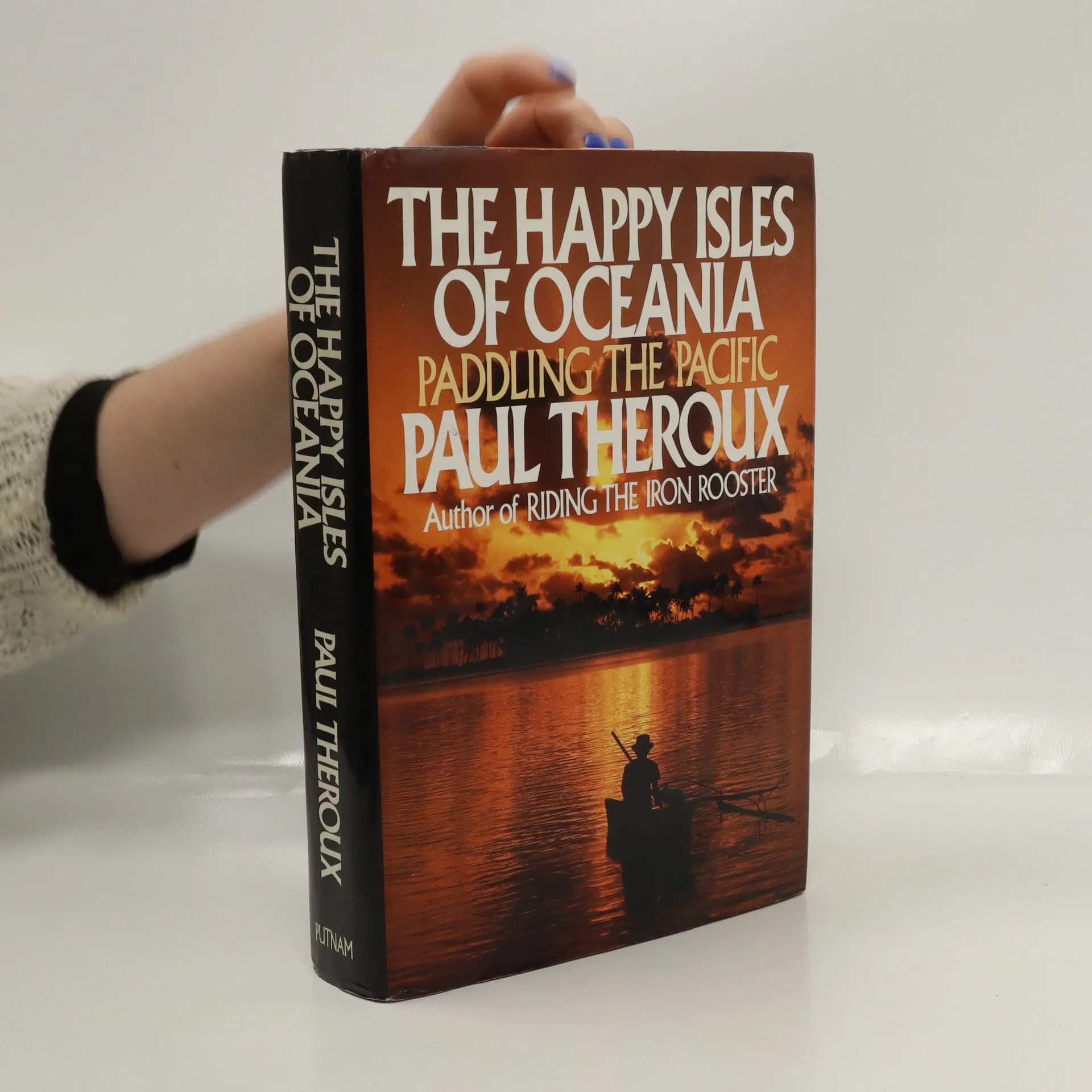
The Happy Isles of Oceania: Paddling the Pacific
- 528pagine
- 19 ore di lettura
One of the world's premier travel writers launches his most exotic and tantalizing adventure yet, as he kayaks the shimmering Pacific, exploring the islands, and taking up residence to discover the secrets of these happy isles.
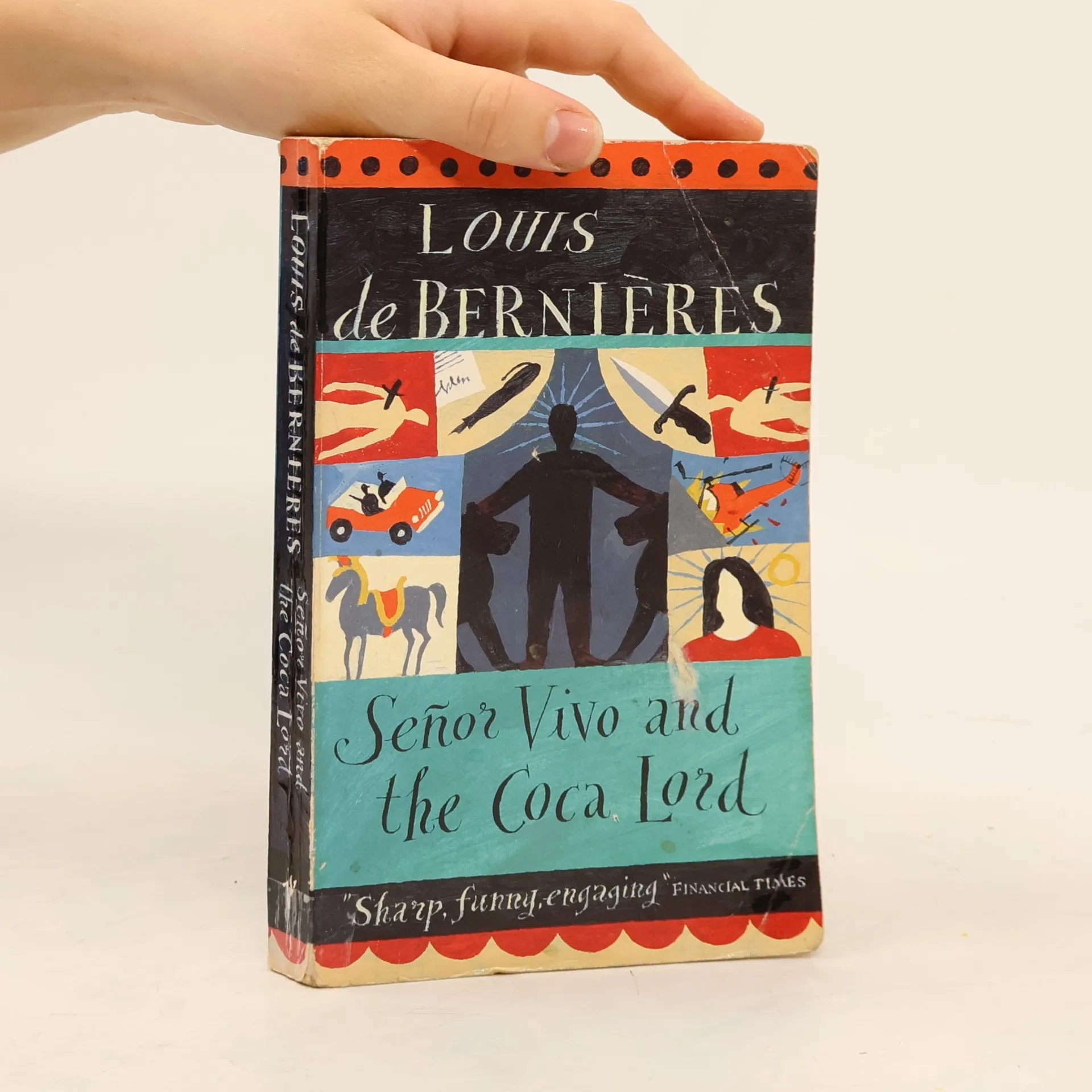
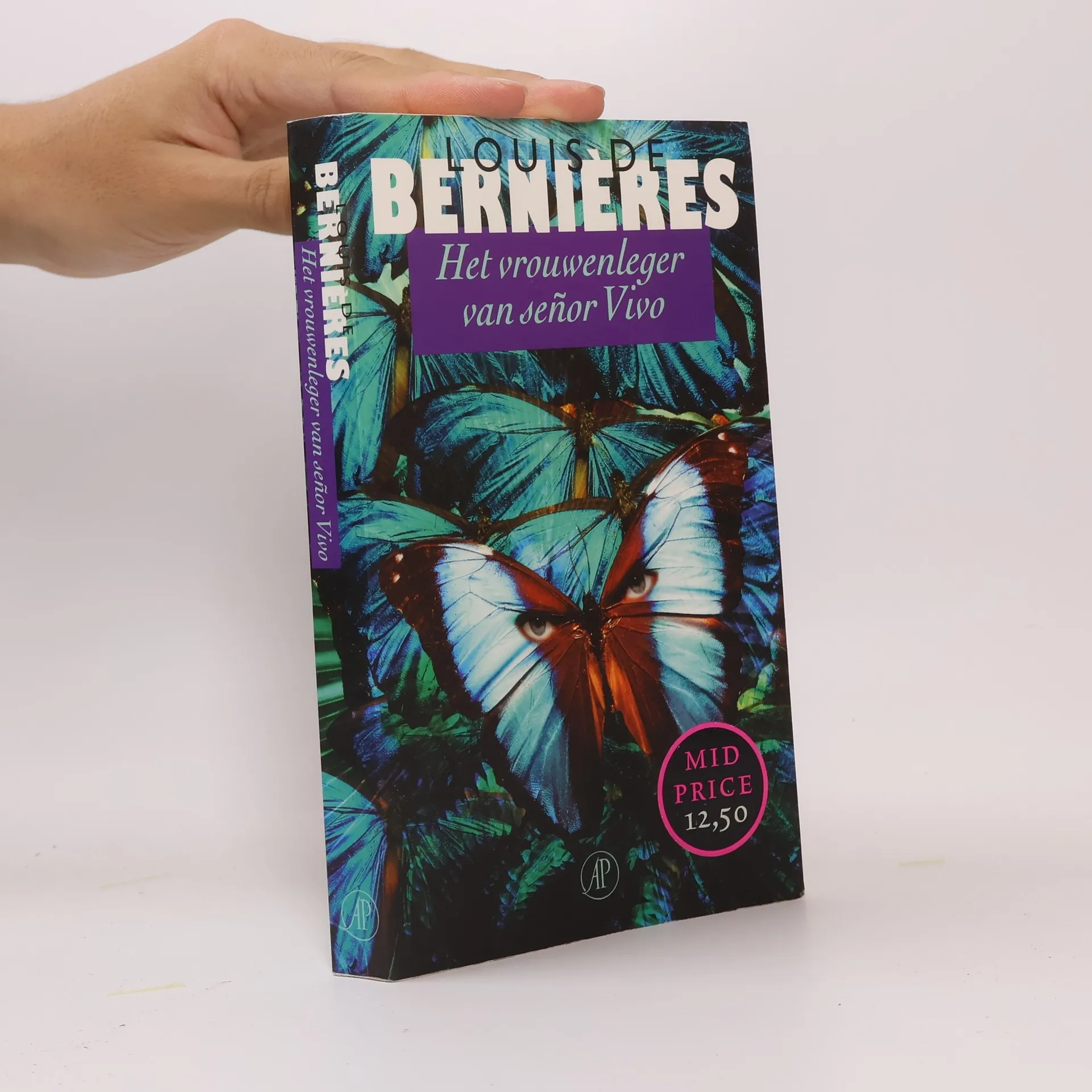
Dionisio Vivo, a young South American lecturer in philosophy, is puzzled by the hideously mutilated corpses that keep turning up outside his front door. To his friend, Ramon, one of the few honest policemen in town, the message is all too clear: Dionisio's letters to the press, exposing the drug barons, must stop; and although Dionisio manages to escape the hit-men sent to get him, he soon realizes that others are more vulnerable, and his love for them leads him to take a colossal revenge. "Senor Vivo and the Coca Lord is the second novel in a trilogy set in South America. It won a Commonwealth Writers Prize in 1992.
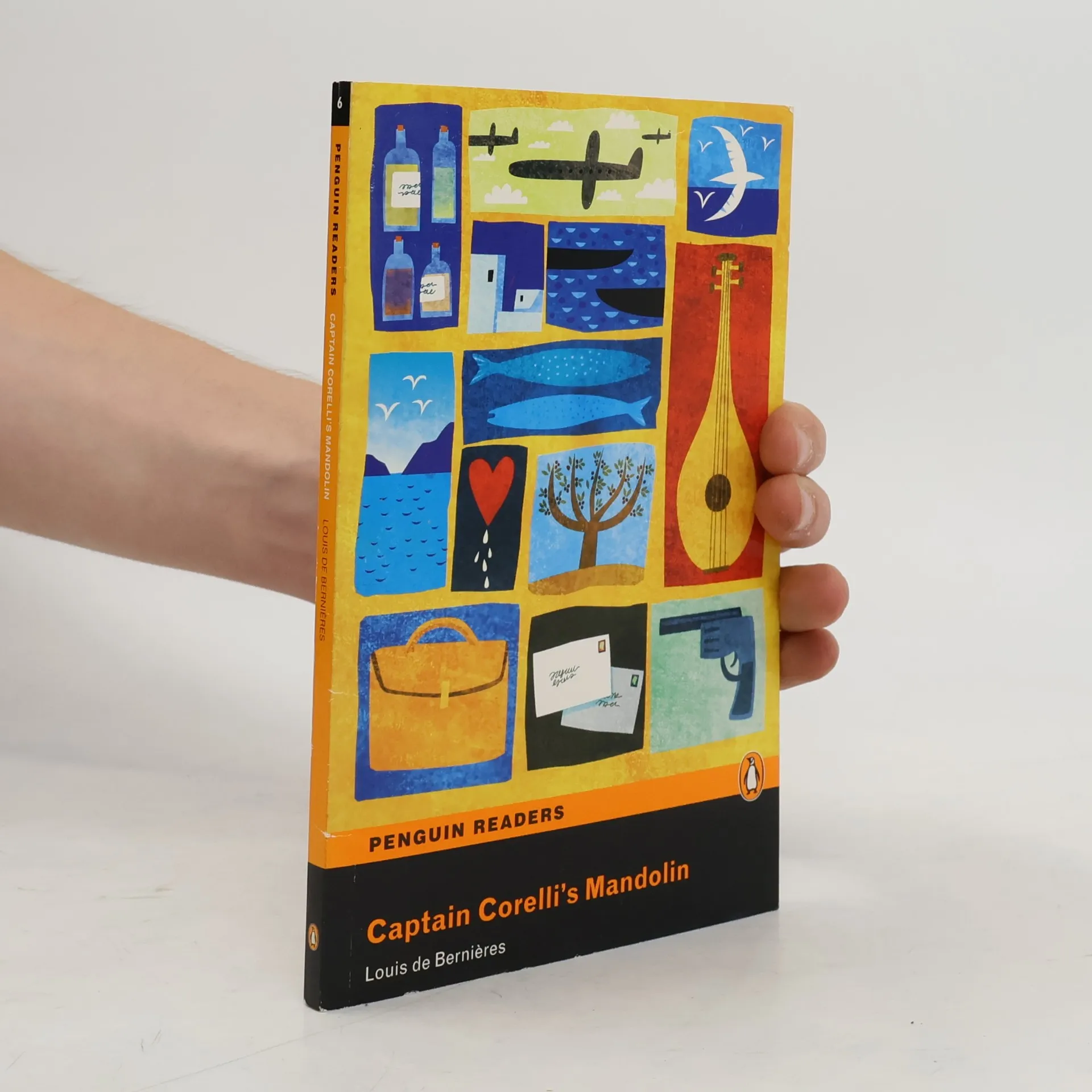
This is a great love story set in the tragedy of war. It is 1941. The Italian officer, Captain Corelli, falls in love with Pelagia, a young Greek girl. But Pelegia's fiancé is fighting the Italian army ...
Tussen Orinoco en Amazone
- 321pagine
- 12 ore di lettura
Verslag van een reis van vier maanden over de Orinoco naar het hart van het Amazonegebied.
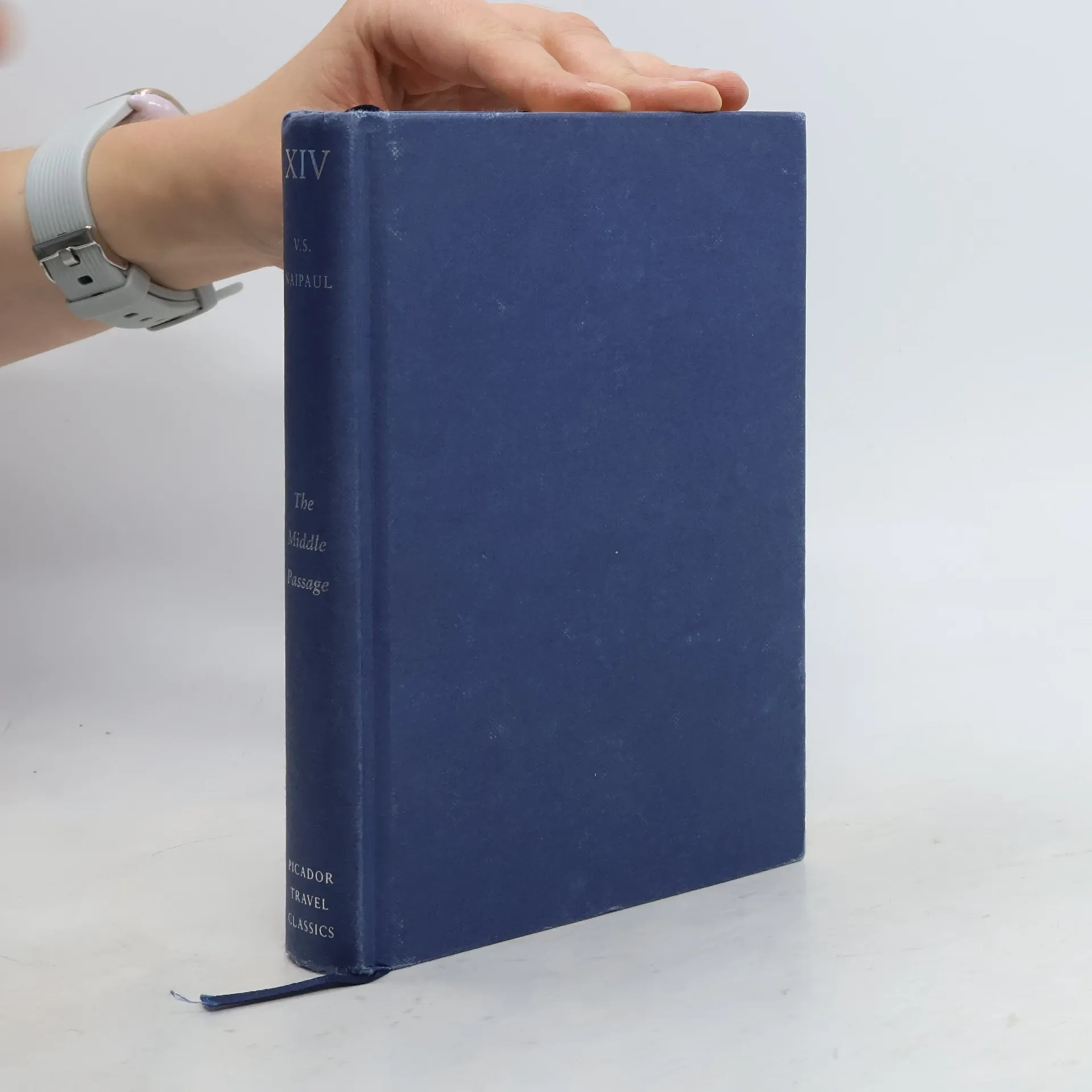
The Middle Passage
- 200pagine
- 7 ore di lettura
Presents an account of the author's journey in 1950 from London to his birthplace, the Caribbean island of Trinidad. This work provides a study of societies - British Guyana, Surinam, Martinique and Jamaica - examining their common heritage of colonialism and slavery.
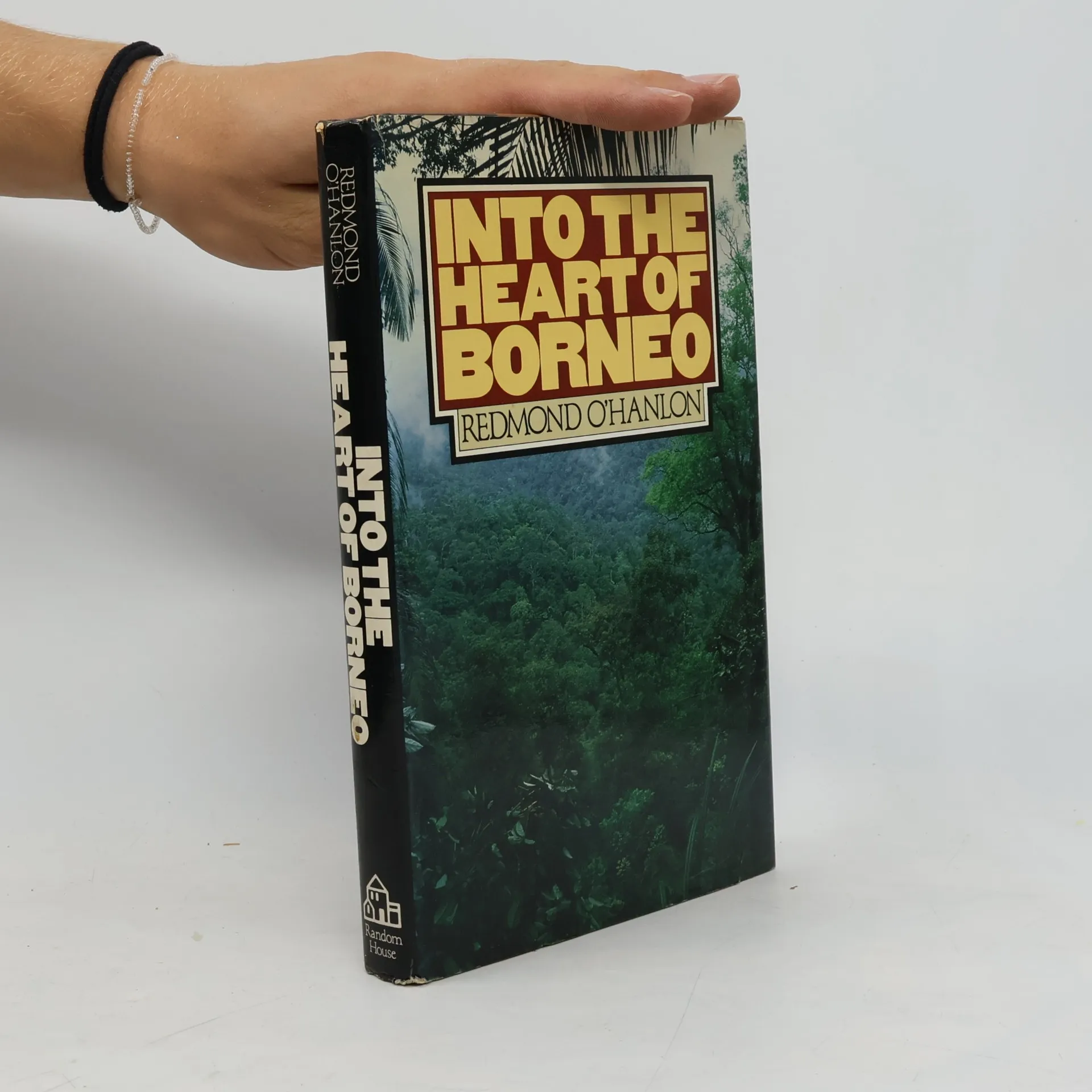
Into the Heart of Borneo
- 191pagine
- 7 ore di lettura
An Account of a Journey Made In 1983 to the Mountains of Batu Tiban with James Fenton "Ye Gods, old man--don't do it!" you're bound to shriek on page 1 of this hilarious travelogue, on which the author lists the hazards that may befall him--vipers, cholera, crocs, ticks, tuberculosis, malaria, rabies, and 1,700 types of parasitic worms among them. After all, portly, over-the-hill London Times literary reviewer Redmond O'Hanlon hasn't done anything more aerobic than flip the pages of a book for decades; he wasn't even a Boy Scout. It's hardly reassuring that his colleague, poet James Fenton--who had the big idea to trek in Borneo--was a Boy Scout. He hated it, and besides, aged, balding Fenton, whom O'Hanlon describes as rather worm-like, sounds like he's a likely lunch for a swooping black eagle. But on they trod--with the much-needed help of three Iban natives and an unseen, though oft-quoted river god--through jungle, across rivers whose height may rise seven feet overnight, and via native villages (where they often have late-night parties), with one goal in mind: seeing the fabled Borneo rhino. Fenton is nearly swept away in a whirlpool, they subsist on jungle-worm gruel, and ripping off sucking leeches is a near-daily occurrence, but cultural and natural insights and adventures abound in this rip-roaringly funny and deftly written travelogue that will have you chortling out loud. --Melissa Rossi
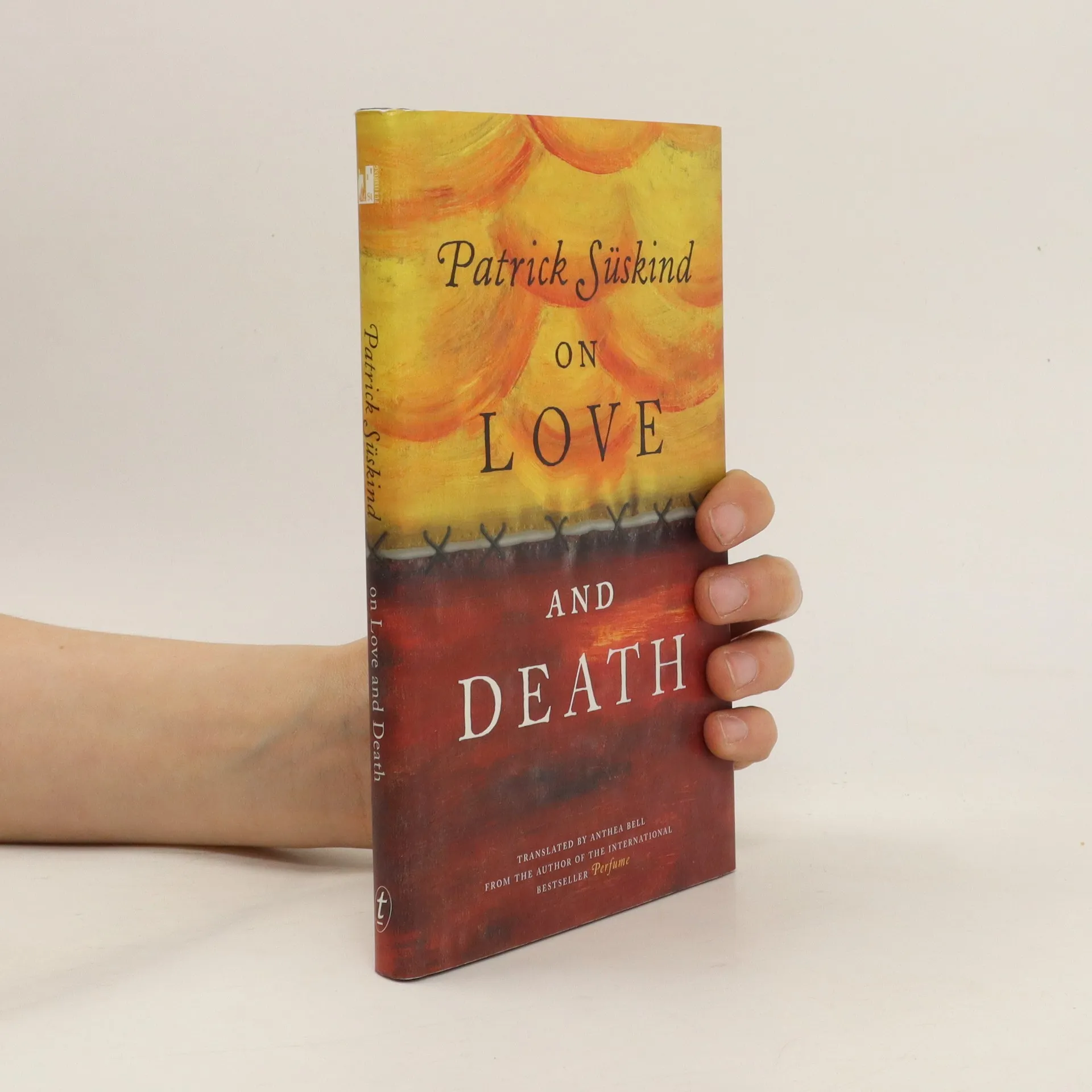
On love and death
- 90pagine
- 4 ore di lettura
'According to Plato, fools do not strive for the beautiful and the good, for divine bliss, because they are satisfied with themselves. The wise do not strive for it either because they already have those things. Only the people in between, half-way between fools and the wise, you and I and all the others waiting patiently here in a traffic jam for the next green light, are vulnerable to the arrow of Eros.' On Love and Death is a witty and inspiring meditation on the erotic link between the two great forces of human existence. Patrick S|skind provocatively draws on scenes as contemporary as a young couple having oral sex while stuck in traffic, as literary as Thomas Mann's discovery of forbidden love in his seventies, and as mythical as the stirring tales of death conquered through love in the narratives of Orpheus and Jesus.
Erika Kohutová è una professoressa di pianoforte in un conservatorio di Vienna. Dopo la morte del padre in una clinica psichiatrica, vive sola con la madre dominante e conflittuale, da cui è emotivamente dipendente nonostante i litigi insopportabili. Erika conduce una vita doppia: durante il giorno è un'insegnante severa e riservata, guadagnandosi il rispetto e la stima dei colleghi, mentre di notte si abbandona a desideri perversi e violenti. La sua routine viene interrotta da un giovane studente, Klemmer, che desidera instaurare un rapporto più profondo con lei. Inizialmente, Erika lo respinge, ma col tempo cede. Tuttavia, il loro primo incontro intimo lascia Klemmer sconcertato, considerandola malata e depravata, incapace di soddisfare le sue fantasie. Il romanzo "La Pianista" offre un ritratto scioccante di una donna intrappolata tra l'immagine che la società borghese ha della femminilità e i desideri che emergono dagli angoli più oscuri della sessualità.
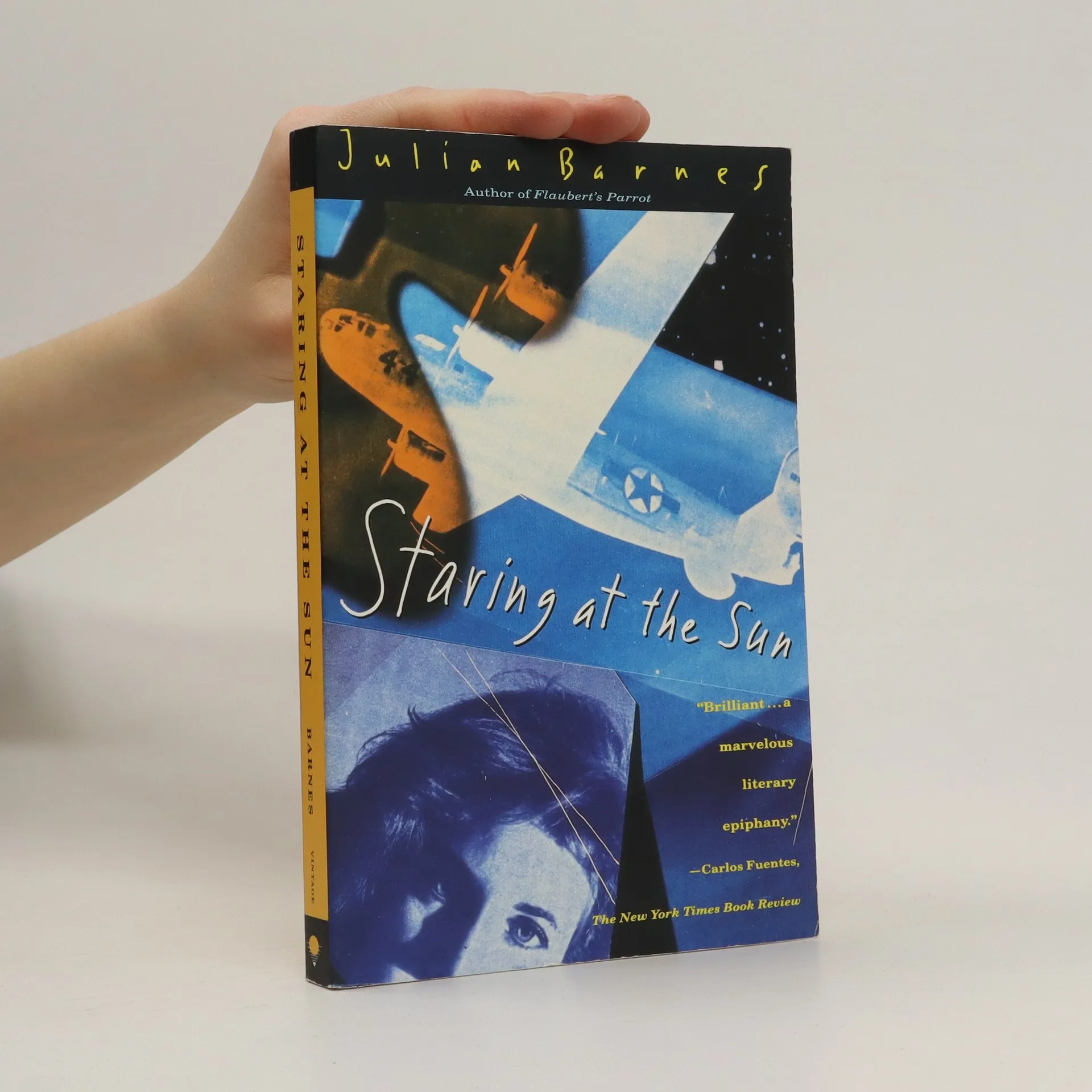
The bestselling, Booker Prize-winning author of The Sense of an Ending traces the life of a seemingly ordinary woman with an extraordinary disdain for wisdom in this “marvelous literary epiphany” (The New York Times Book Review). In this wonderfully provocative novel, Barnes follows Jean Serjeant from her childhood in the 1920s to her flight into the sun in the year 2021, confronting readers with the fruits of her relentless curiosity: pilgrimages to China and the Grand Canyon; a catalogue of 1940s sexual euphemisms; and a glimpse of technology in the twenty-first century (when The Absolute Truth can be universally accessed). Elegant, funny and intellectually subversive, Staring at the Sun is Julian Barnes at his most dazzlingly original.
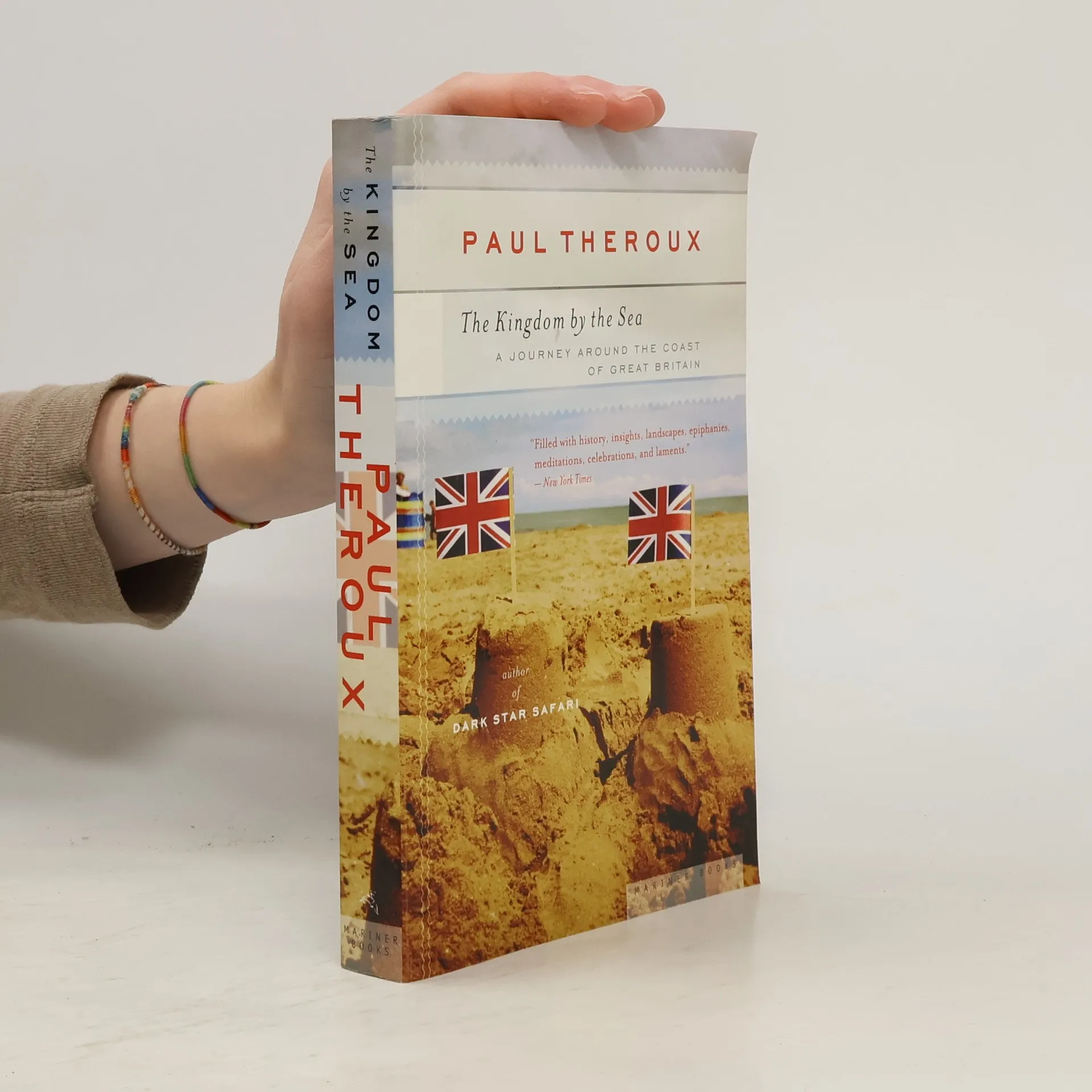
After eleven years as an American living in London, the renowned travel writer Paul Theroux set out to travel clockwise around the coast of Great Britain to find out what the British were really like. The result is this perceptive, hilarious record of the journey. Whether in Cornwall or Wales, Ulster or Scotland, the people he encountered along the way revealed far more of themselves than they perhaps intended to display to a stranger. Theroux captured their rich and varied conversational commentary with caustic wit and penetrating insight.
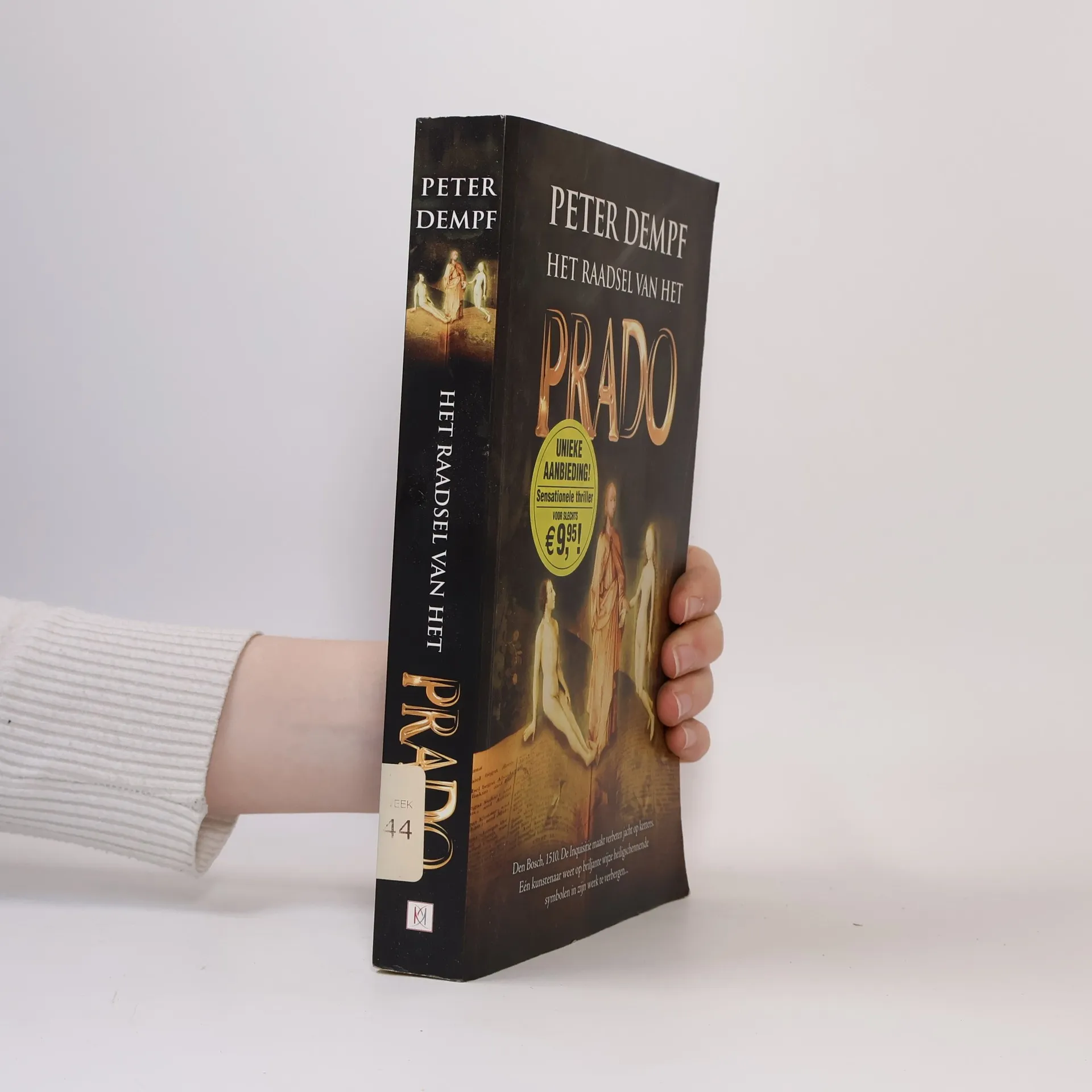
Het raadsel van het Prado
- 342pagine
- 12 ore di lettura
Als De tuin der lusten, het beroemde schilderij van Jeroen Bosch, in het Prado-museum van Madrid door een agressieve bezoeker wordt beschadigd en het doek als gevolg daarvan hersteld moet worden, ontdekt restaurateur Michael Keie in de diepere kleurlagen van het schilderij een reeks geheime tekens. Na deze intrigerende ontdekking wordt hij voortdurend op de hielen gezeten door een vrouw die beweert psychologe te zijn. Heeft zij het gemunt op de negatieven van het röntgenonderzoek? En welke betekenis hebben de zeldzame symbolen? De pogingen van Keie dit raadsel van het Prado op te lossen, voeren al snel terug naar de oorsprong van het schilderij, naar het 's Hertogenbosch van 1510, waar de Inquisitie jacht maakt op elke mogelijke vorm van ketterij... Oorspronkelijke Nederlandse titel: Het geheim van Jeroen Bosch
La Gaja scienza - 716: Nostra Signora della foresta
- 377pagine
- 14 ore di lettura
A sedici anni Ann è scappata di casa per sottrarsi agli abusi del compagno della madre e si guadagna da vivere raccogliendo funghi ai margini di North Fork, un piccolo paese di taglialegna tra le foreste dello Stato di Washington. Fragile e sola, la salute minata da gravi allergie, Ann trova conforto solo nei medicinali, in qualche allucinogeno e nella religione cattolica. Quando un giorno torna dai boschi sostenendo di aver visto la Vergine Maria, Ann diventa una speranza cui aggrapparsi per gli abitanti del paese e per la folla di persone che vi accorre alla ricerca di un miracolo.
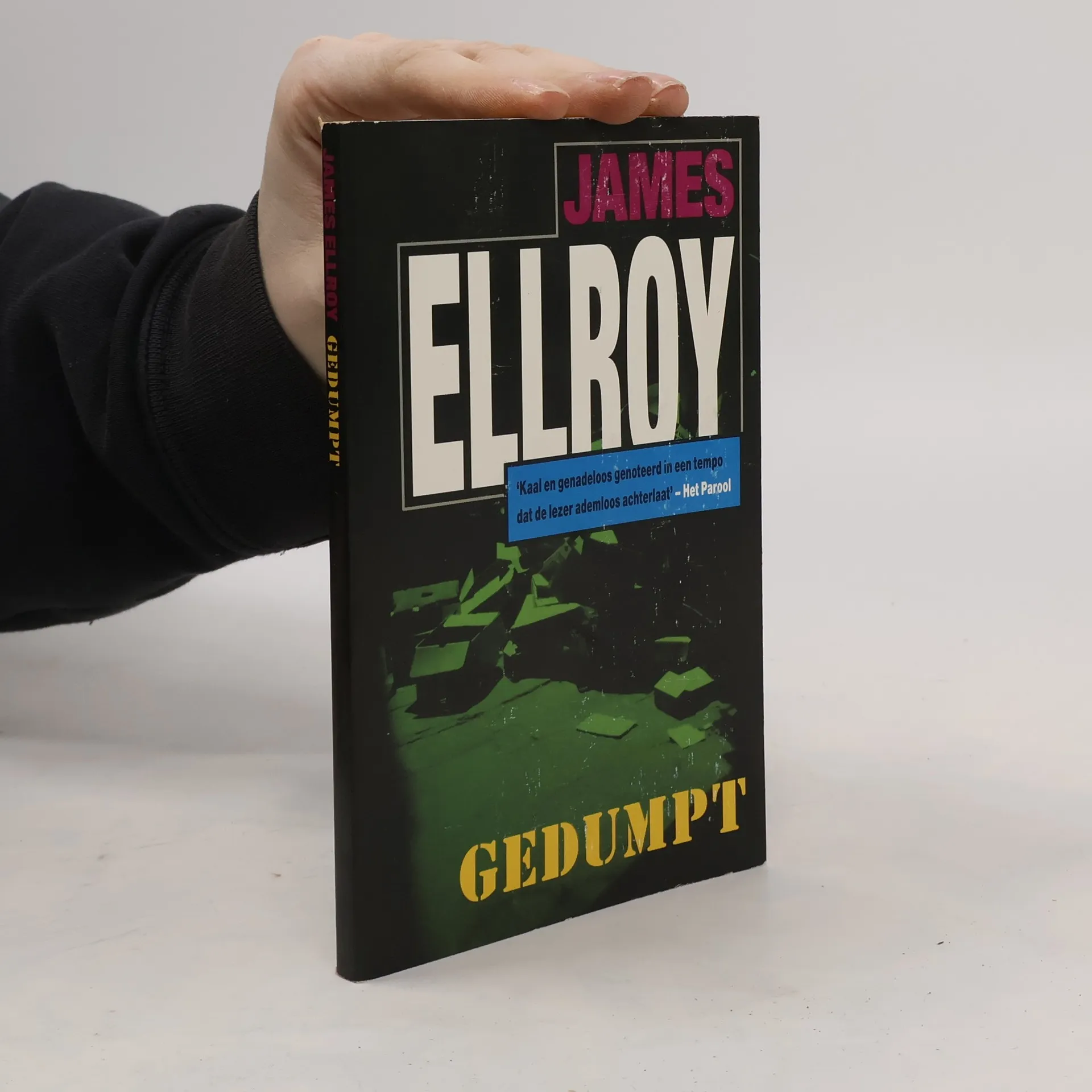
Gedumpt
- 94pagine
- 4 ore di lettura
'Gedumpt' vertelt opnieuw het verhaal van een moord op een jonge vrouw: Betty Jean Scales. Het is het adembenemende relaas van twee mannen, een schrijver en een detective, in hun hongerige zoektocht naar gerechtigheid. CPNB Maand van het spannende boek 1998.
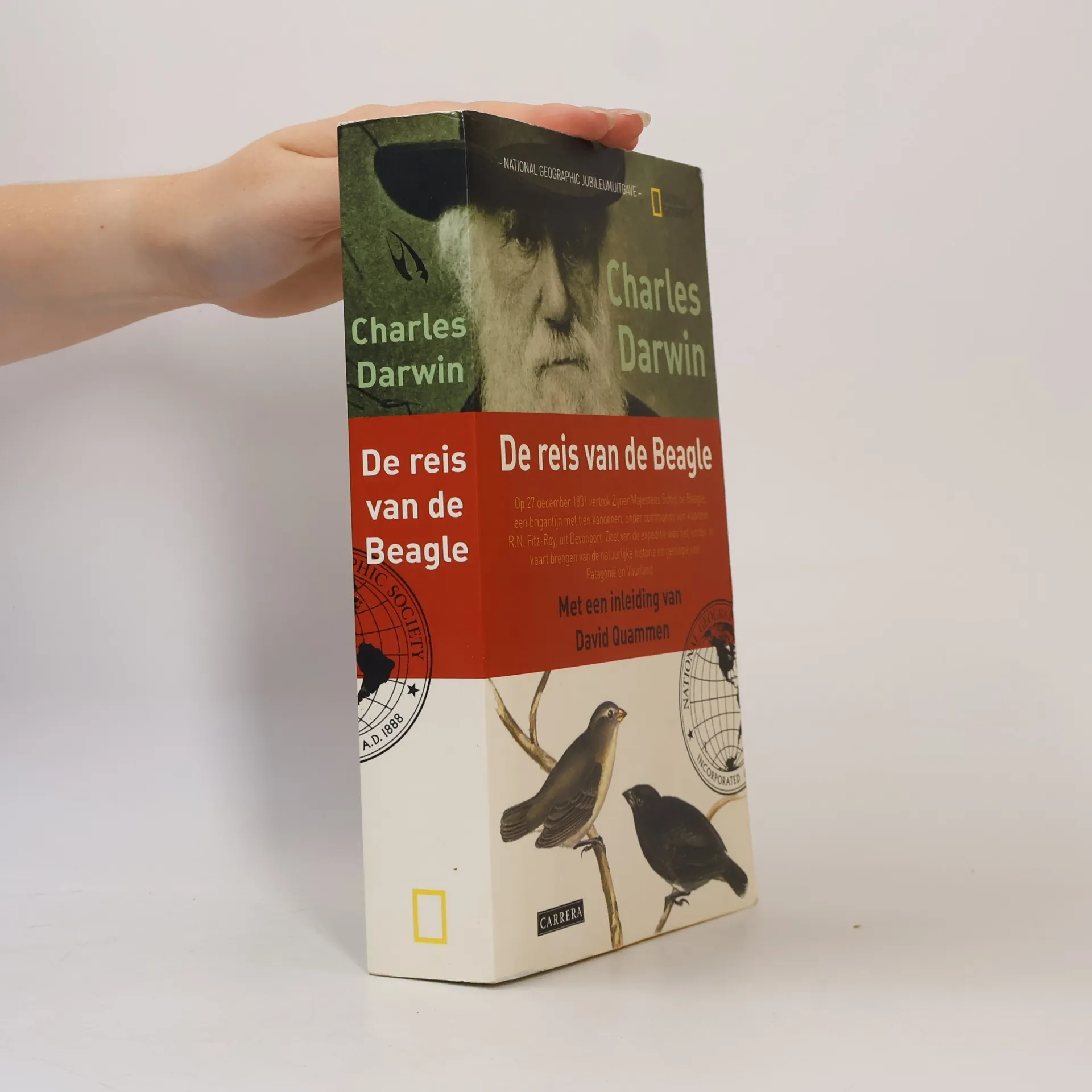
De reis van de Beagle
- 459pagine
- 17 ore di lettura
Reisverslag van de 5 jaar durende zeereis die de Britse wetenschapper Charles Darwin vanaf 1831 maakte naar Zuid-Amerika, Afrika, Australië en eilanden in de Stille en Indische Oceaan.
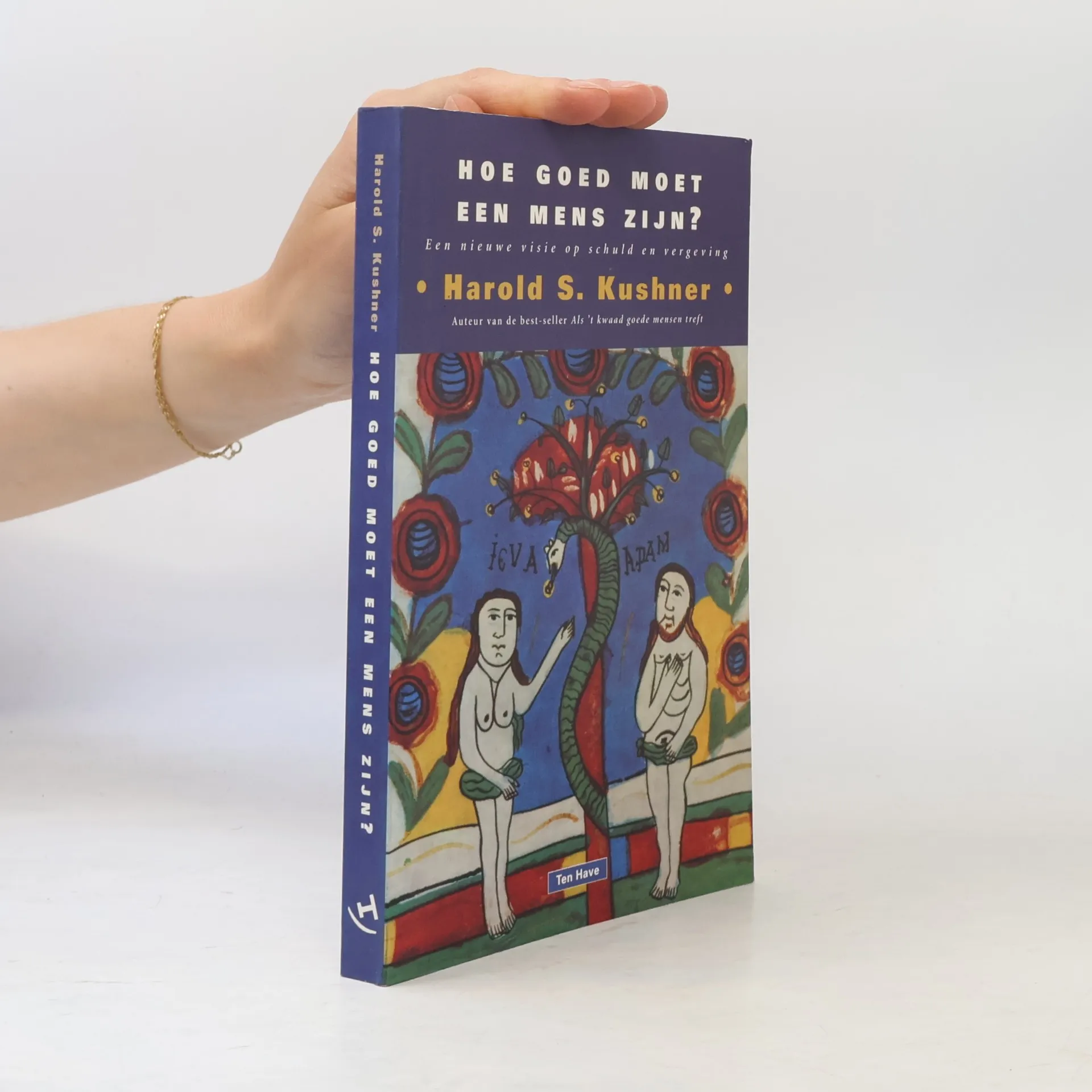
Theologische beschouwing over menselijke gevoelens van ontoereikendheid en schuld, door de Amerikaanse rabbijn.
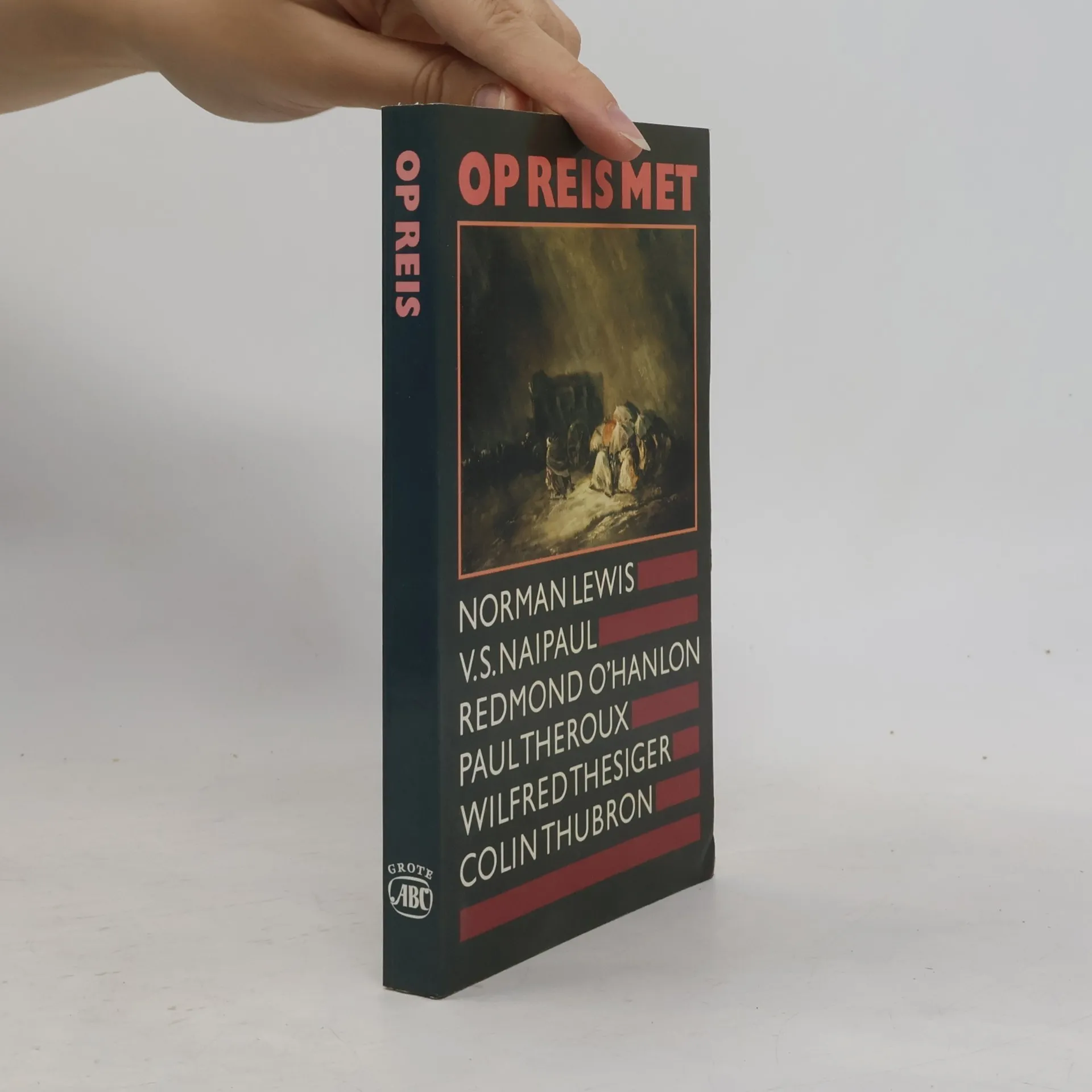
Op reis met ...
- 159pagine
- 6 ore di lettura
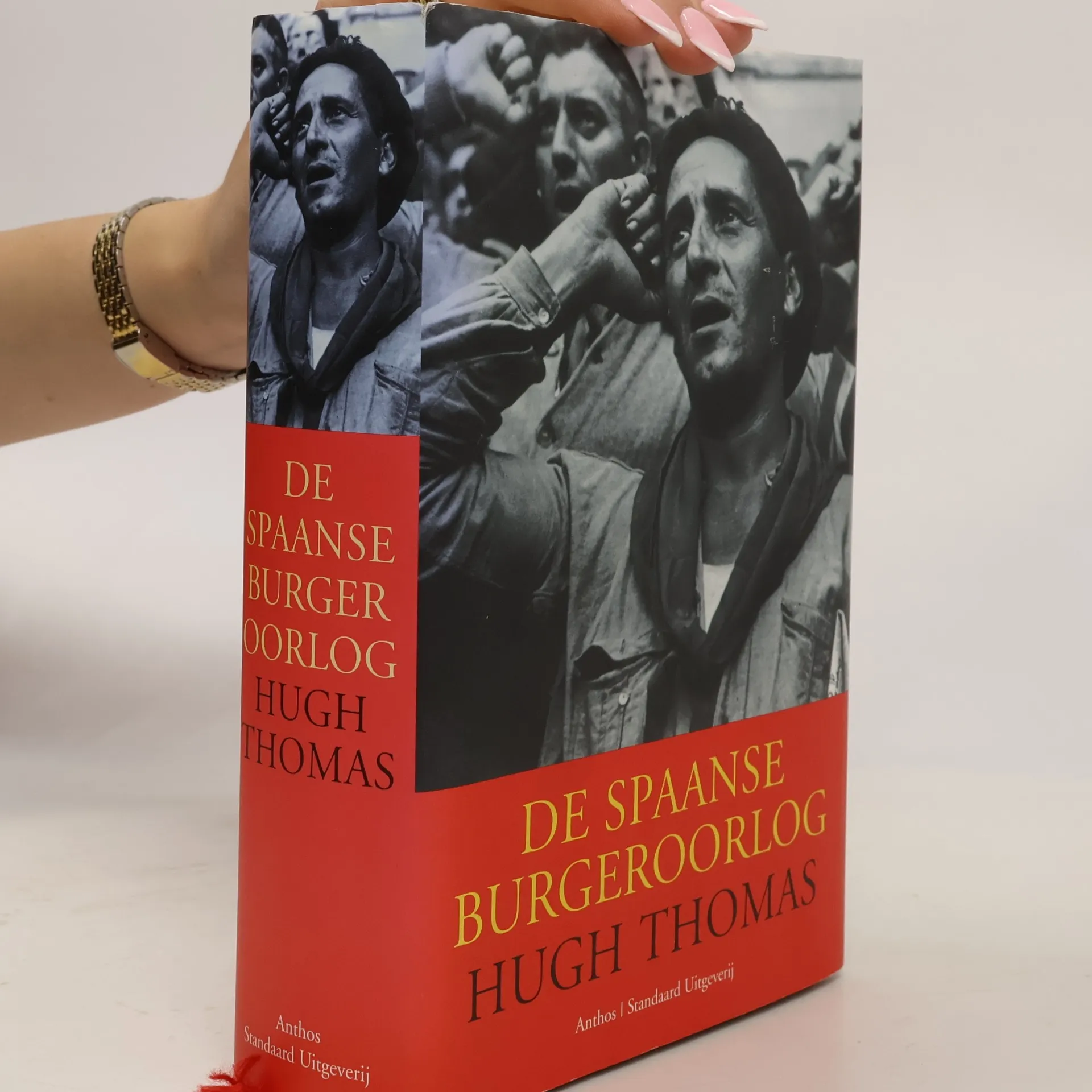
De Spaanse burgeroorlog / druk 1
- 927pagine
- 33 ore di lettura
Geschiedenis van de Spaanse Burgeroorlog (1936-1939) met veel aandacht voor de sociale, politieke, militaire en economische aspecten van dit conflict.
/ 9055155039 / Literature translated into Dutch / Nederlands / Dutch / Néerlandais / Niederländisch / soft cover / 13 x 21 cm / 198 .pp /
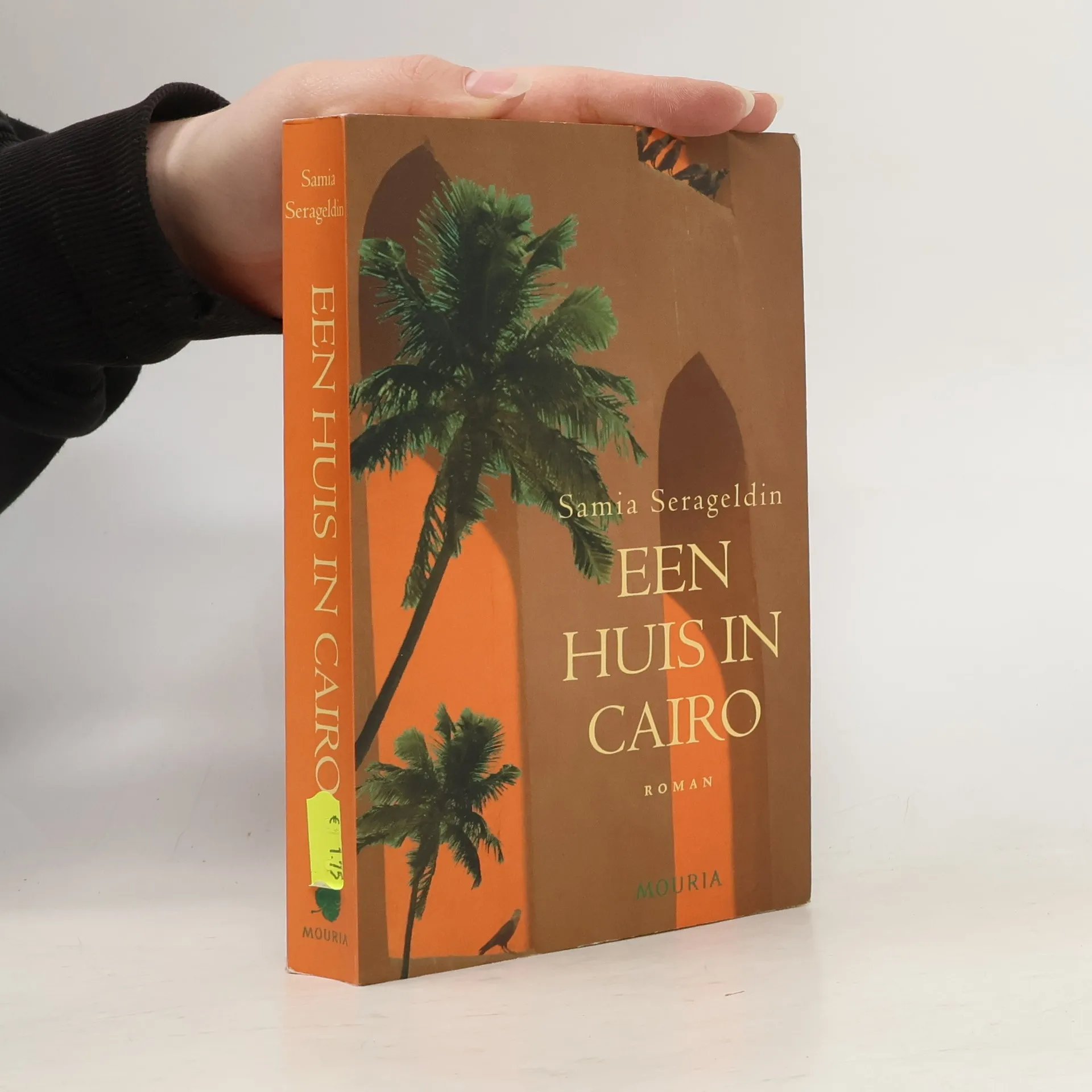
Een huis in Cairo
- 301pagine
- 11 ore di lettura
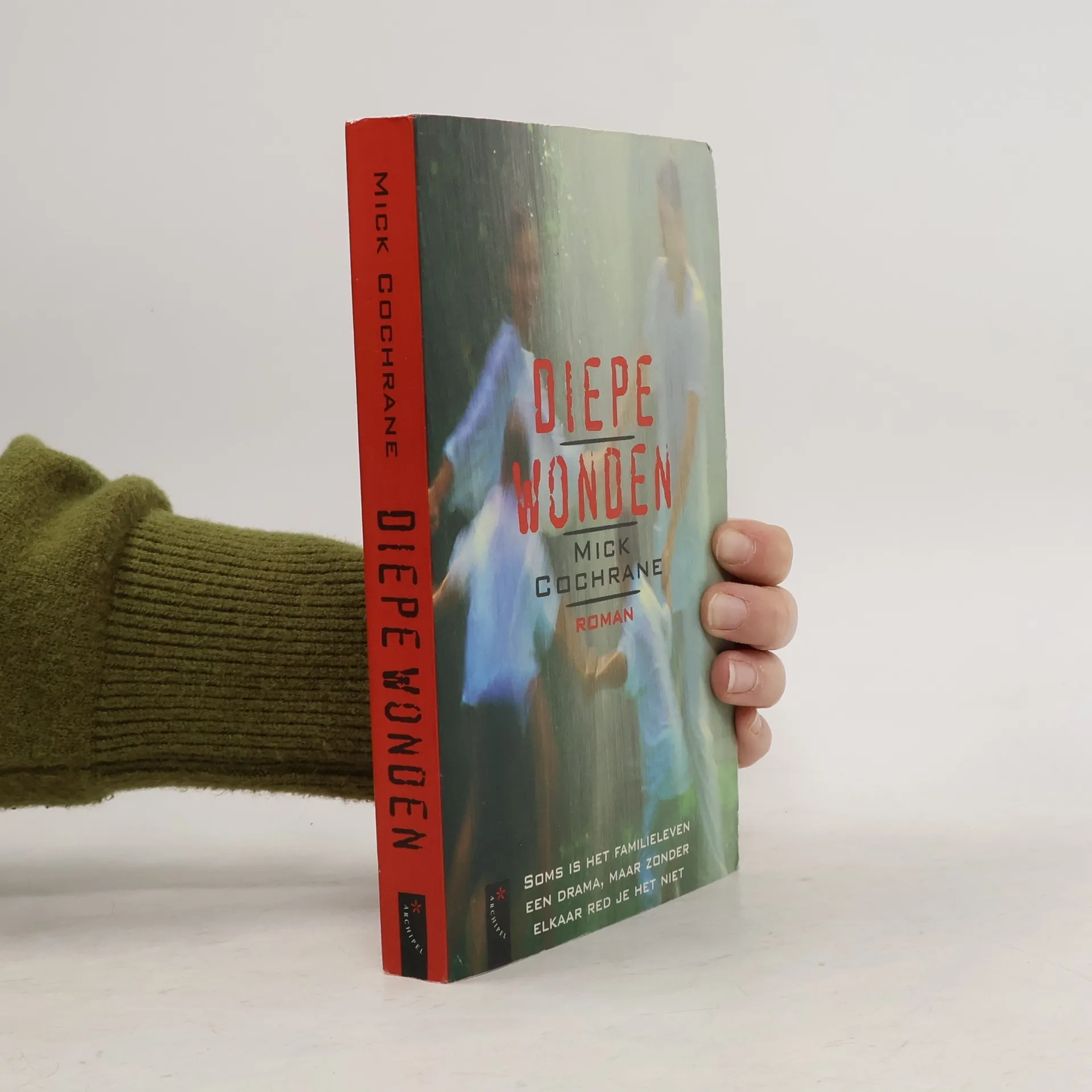
Diepe wonden
- 250pagine
- 9 ore di lettura
Vertaald naar het Nederlands door / Translated into Dutch by Tinke Davids / 9789029508896 / Literature translated into Dutch / Nederlands / Dutch / Néerlandais / Niederländisch / paperback / 13 x 21 cm / 251 .pp /
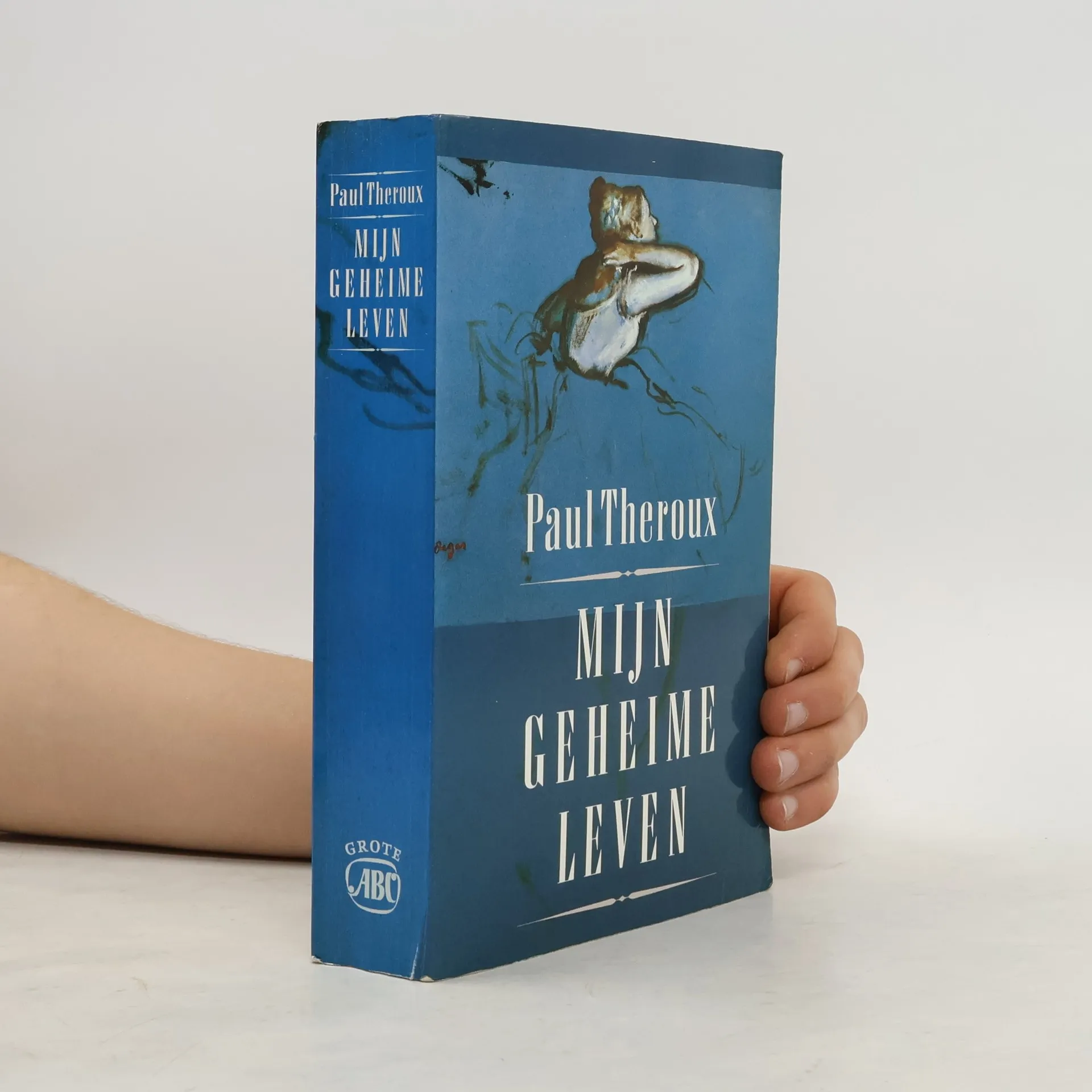
Mijn geheime leven
- 494pagine
- 18 ore di lettura
Deels autobiografisch relaas over het leven van een Amerikaan vanaf zijn vijftiende jaar tot aan de nadering van de middelbare leeftijd.
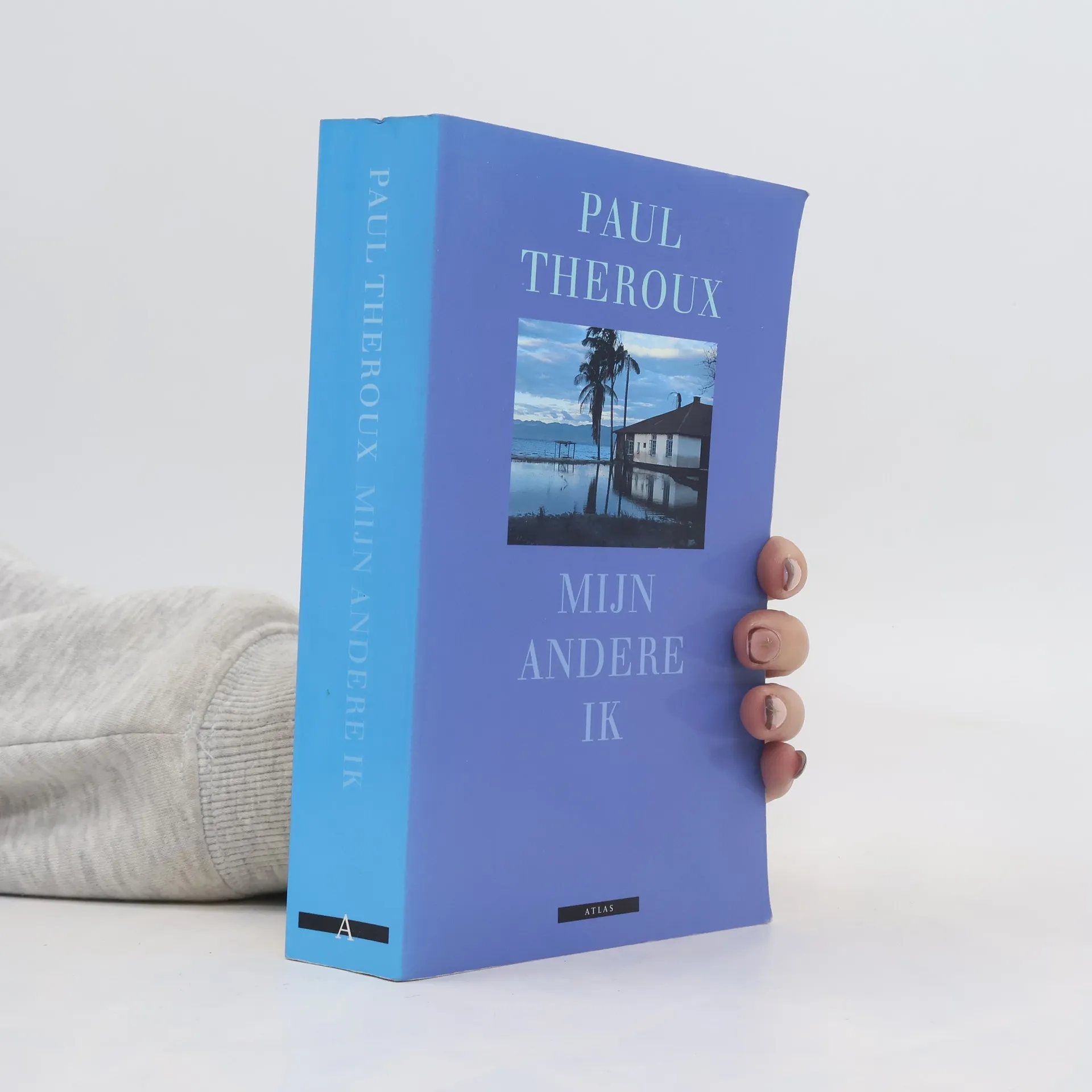
Mijn andere ik
- 464pagine
- 17 ore di lettura
In denkbeeldige herinneringen vertelt de auteur over ontmoetingen en gebeurtenissen in zijn leven, in zijn huwelijk en in zijn werk als schrijver.
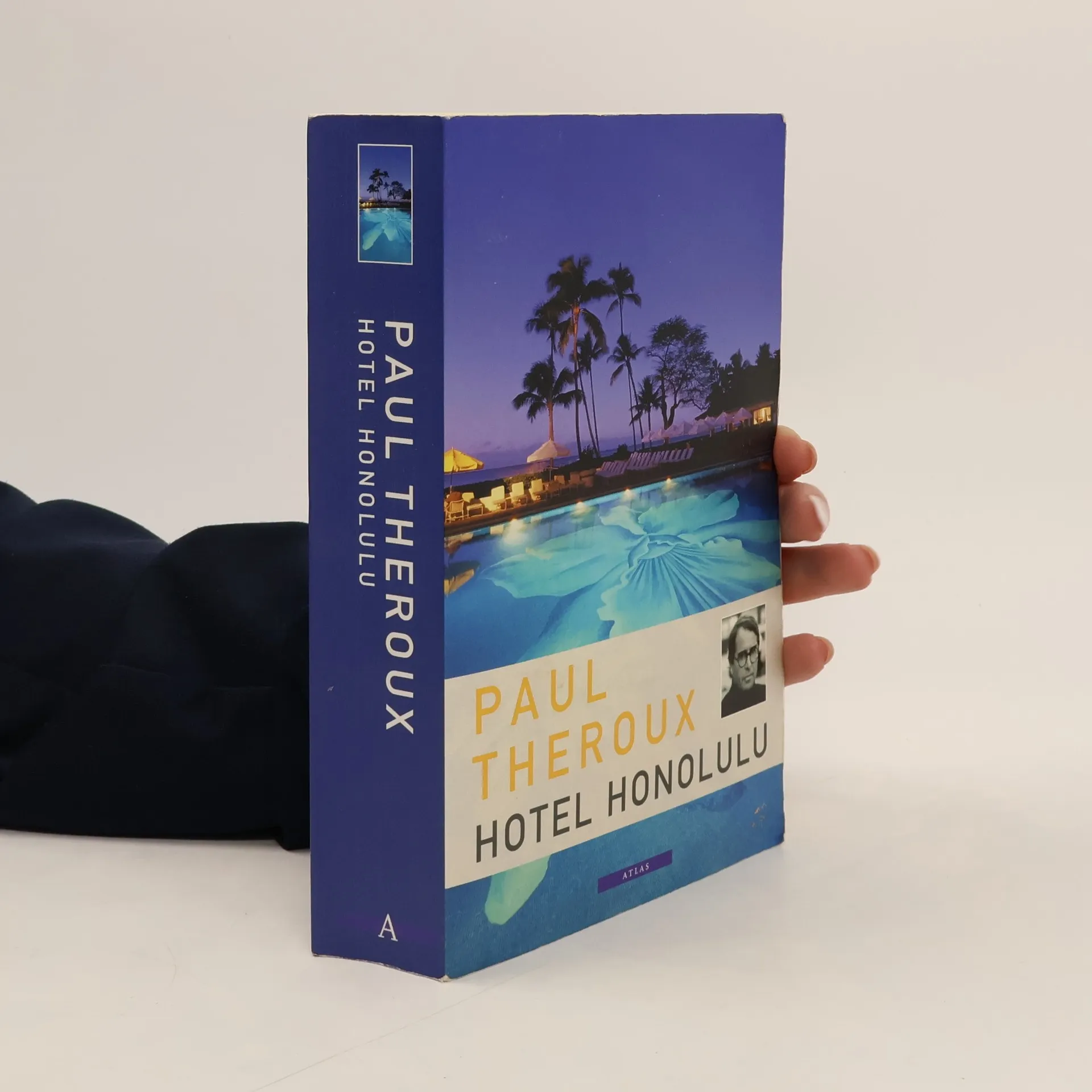
Hotel Honolulu
- 476pagine
- 17 ore di lettura
Een Amerikaanse schrijver begint een nieuw leven als hotelmanager op Hawaiï en observeert de levens van de hotelgasten en personeelsleden.
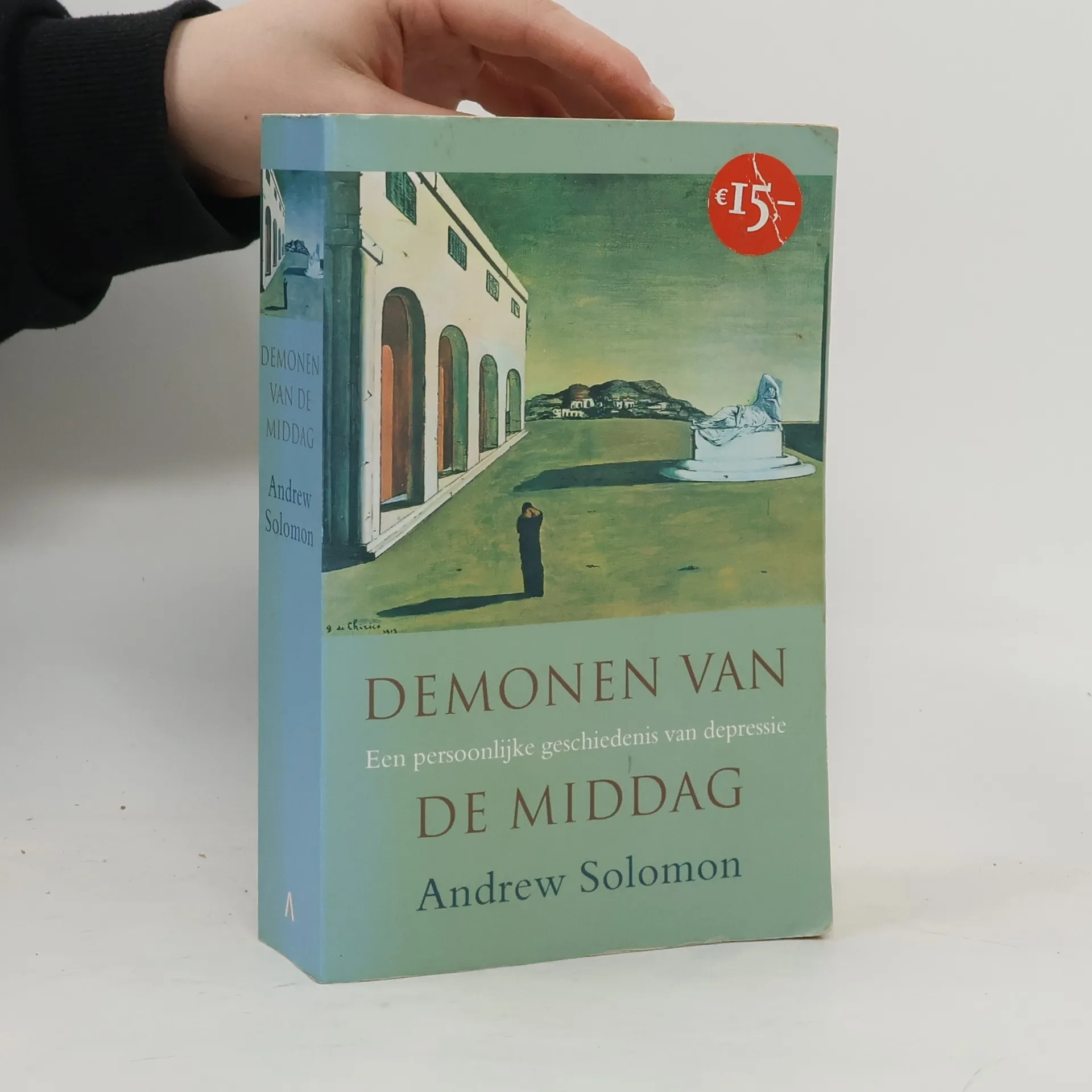
Persoonlijk relaas over de depressie van de schrijver, afgewisseld met meer algemene beschouwingen over deze aandoening.
Een Zuid-Amerikaanse leraar filosofie, die de drugsmafia aanklaagt in de krant, vindt regelmatig als afschrikmiddel een lijk in zijn tuin.
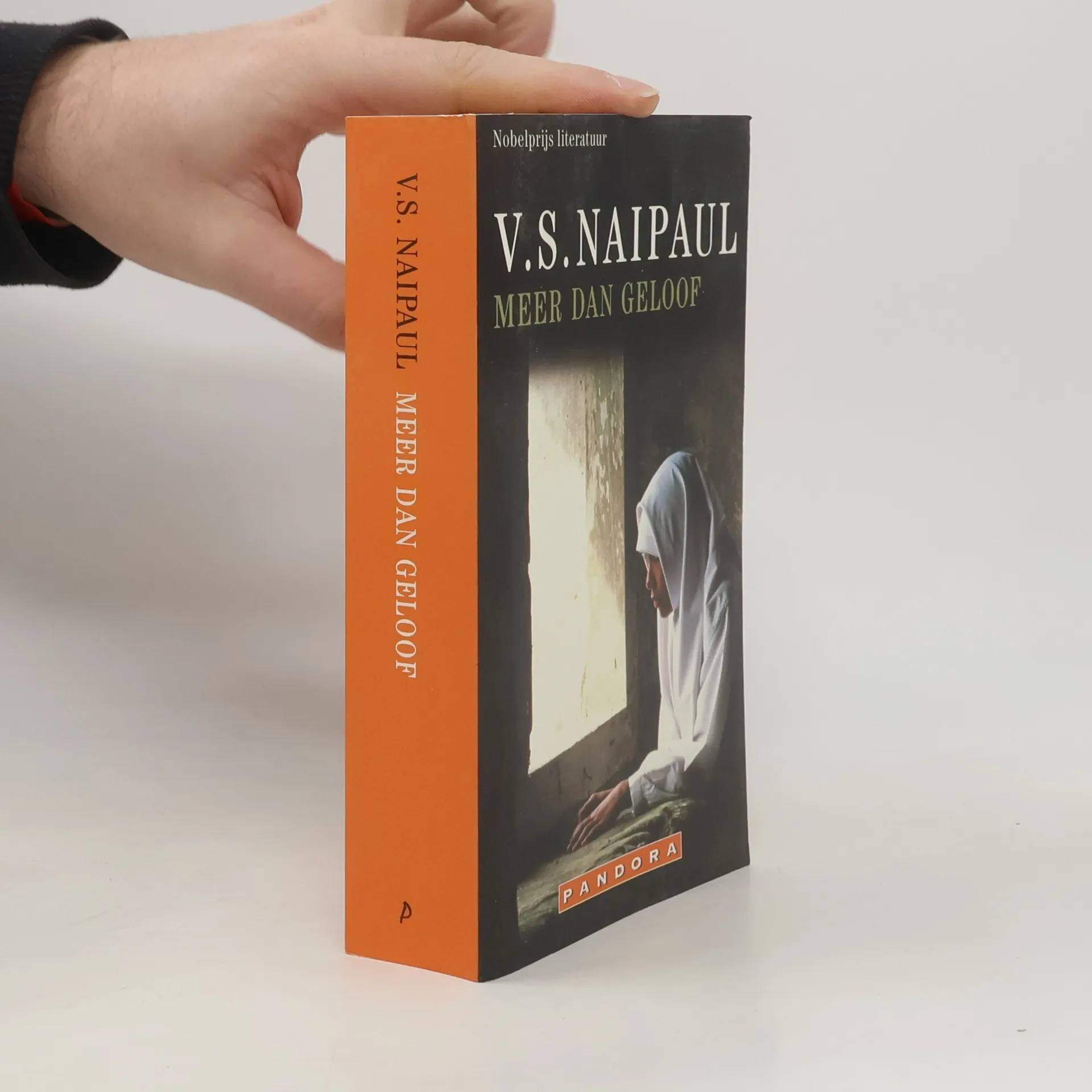
Meer dan geloof
- 607pagine
- 22 ore di lettura
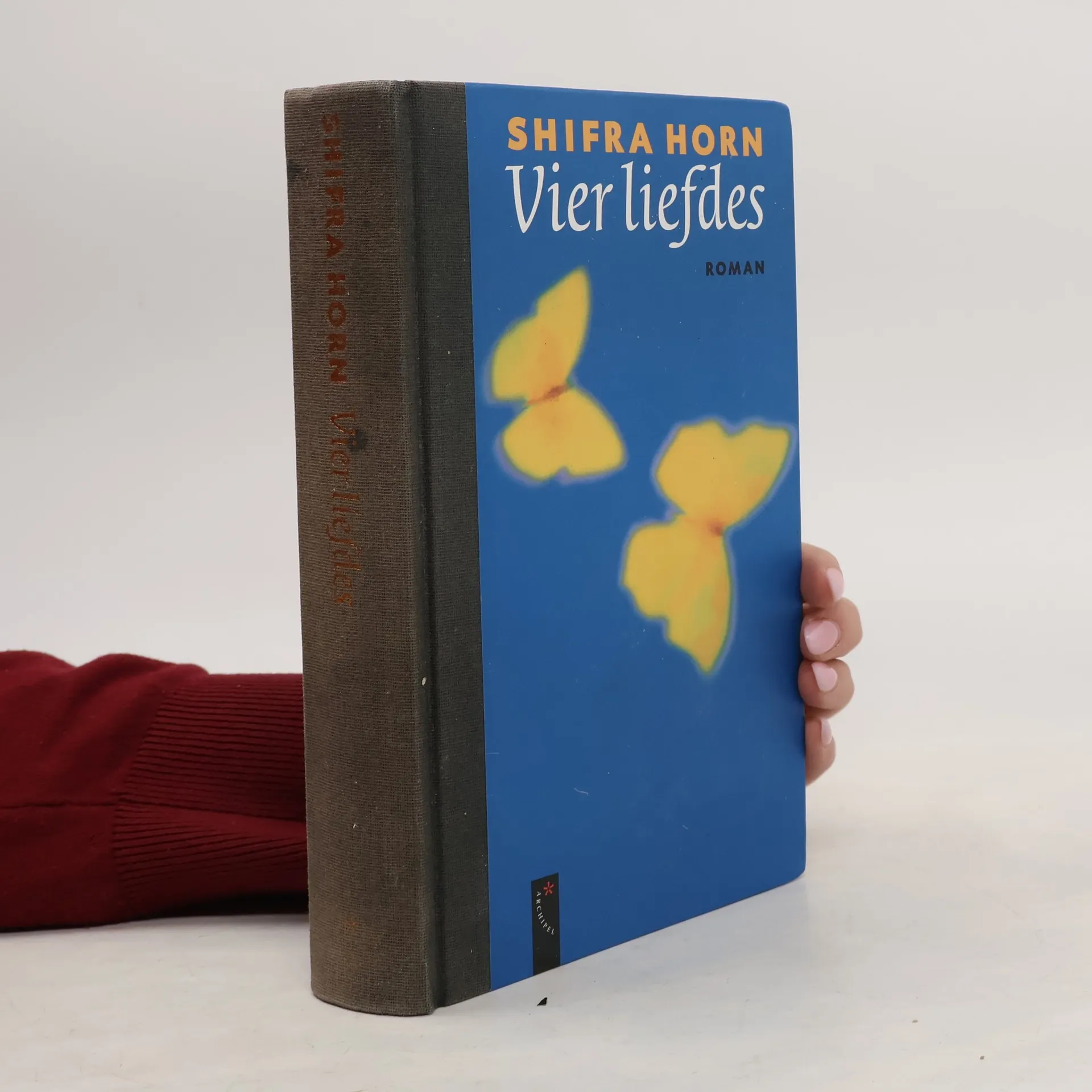
Vier liefdes
- 367pagine
- 13 ore di lettura
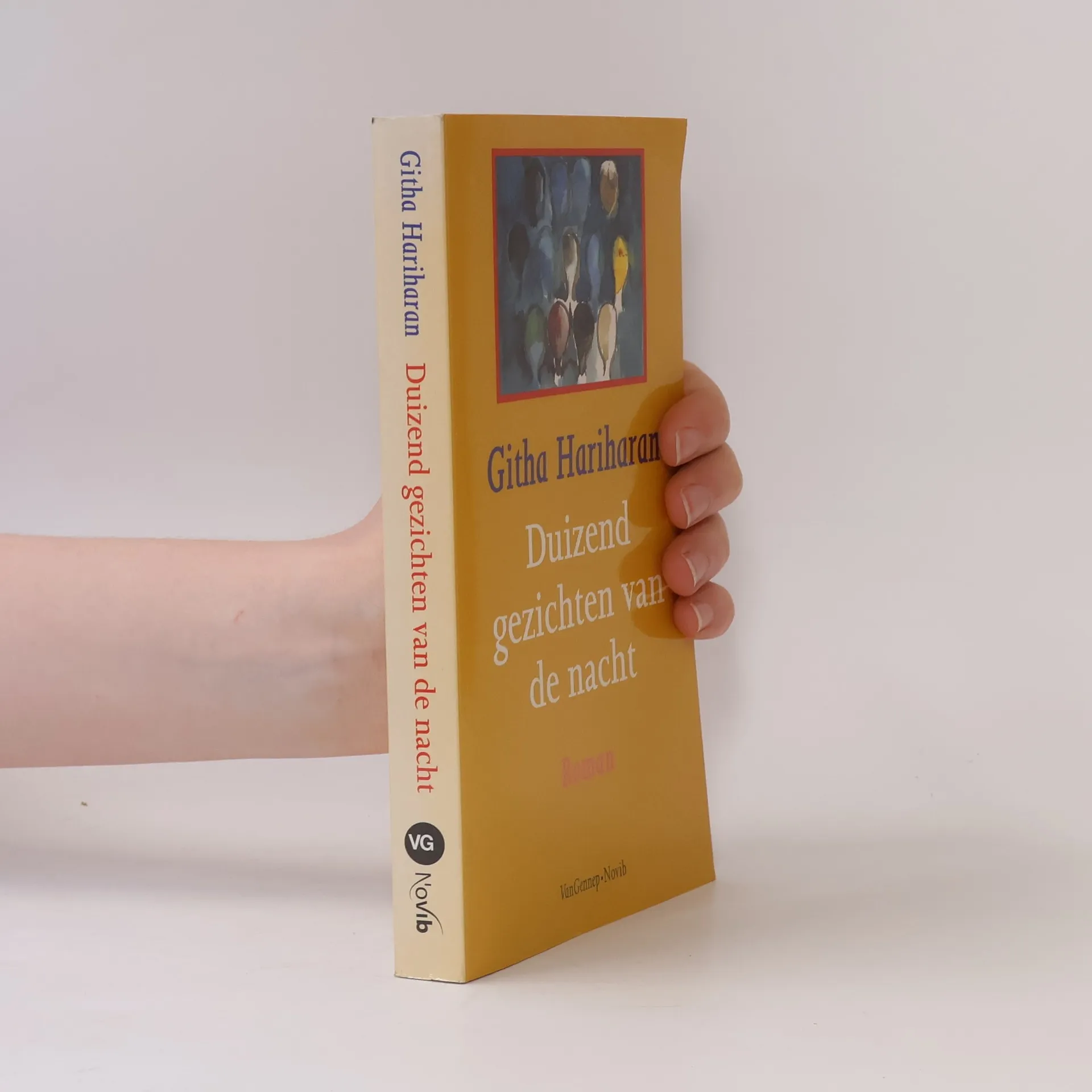
Het wonderlijke levensverhaal van een sensuele, voluptueuze joodse vrouw in Jeruzalem tussen 1948 en de jaren '90.