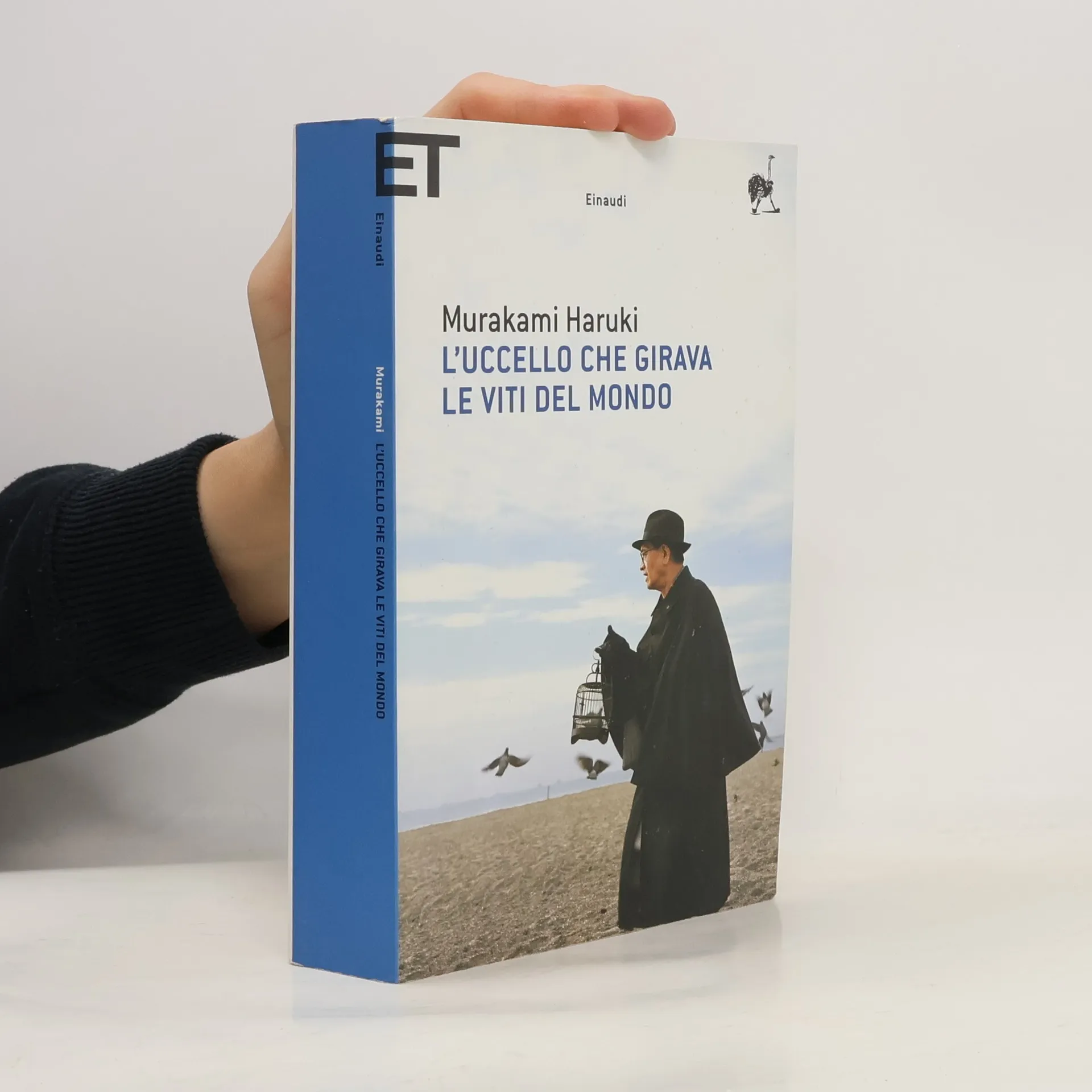
Un gatto scomparso e la telefonata di una sconosciuta sono sufficienti a rovesciare la vita di un giovane disoccupato in un turbine di avventure. E lo spazio limitato del suo quotidiano diviene il teatro di una ricerca in cui sogni, ricordi e realtà si confondono.
Un ragazzo di quindici anni, maturo e determinato, e un vecchio con l'ingenuità di un bambino si allontanano da Tokyo diretti a Taka-matsu, nel Sud del Giappone. Il ragazzo, che si fa chiamare Kafka, fugge dal padre, uno scultore geniale e satanico, e dalla sua profezia simile a quella di Edipo. Il vecchio, Nakata, scappa invece da un delitto sconvolgente in cui è stato coinvolto contro la sua volontà. Abbandonando la sua vita tranquilla e le conversazioni con i gatti, dei quali comprende la lingua, Nakata parte per il Sud. Durante il viaggio, scopre di avere un compito da svolgere, anche a costo della propria vita. I due protagonisti seguono percorsi paralleli che si sovrapporranno, avanzando nella nebbia dell'incomprensibile e affrontando numerosi ostacoli, ognuno ignaro del proprio destino. Diverse figure affiancano i protagonisti: Hoshino, un giovane camionista simpatico; l'affascinante signora Saeki, legata a un passato lontano; Òshima, l'androgino custode di una biblioteca; una prostituta che cita Hegel; e i gatti, che spesso rubano la scena. Infine, Kafka è descritto come "uno spirito solitario che vaga lungo la riva dell'assurdo".
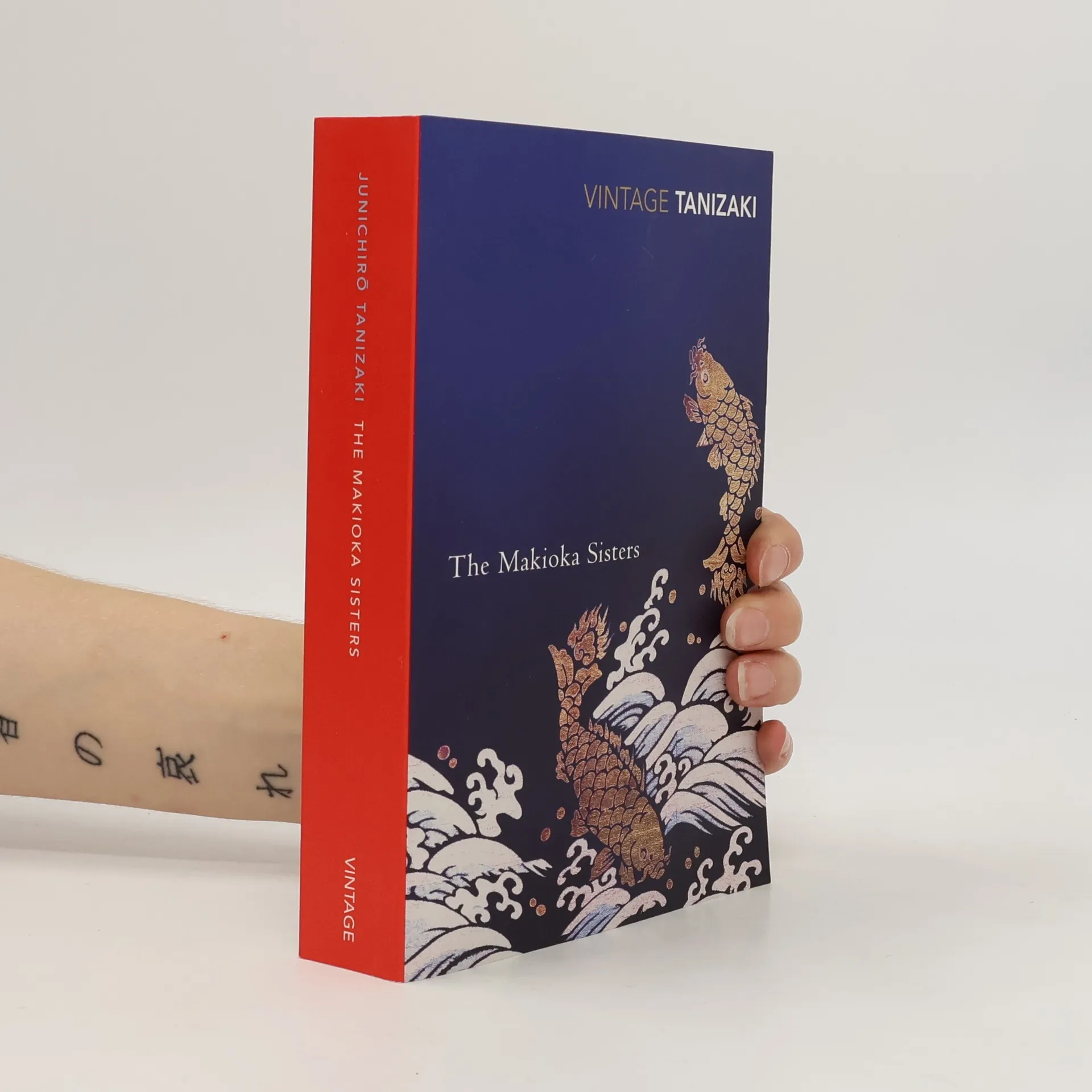
Tanizaki's masterpiece is the story of four sisters, and the declining
fortunes of a traditional Japanese family. It is a loving and nostalgic
recreation of the sumptuous, intricate upper-class life of Osaka immediately
before World War Two. With surgical precision, Tanizaki lays bare the sinews
of pride, and brings a vanished era to vibrant life.
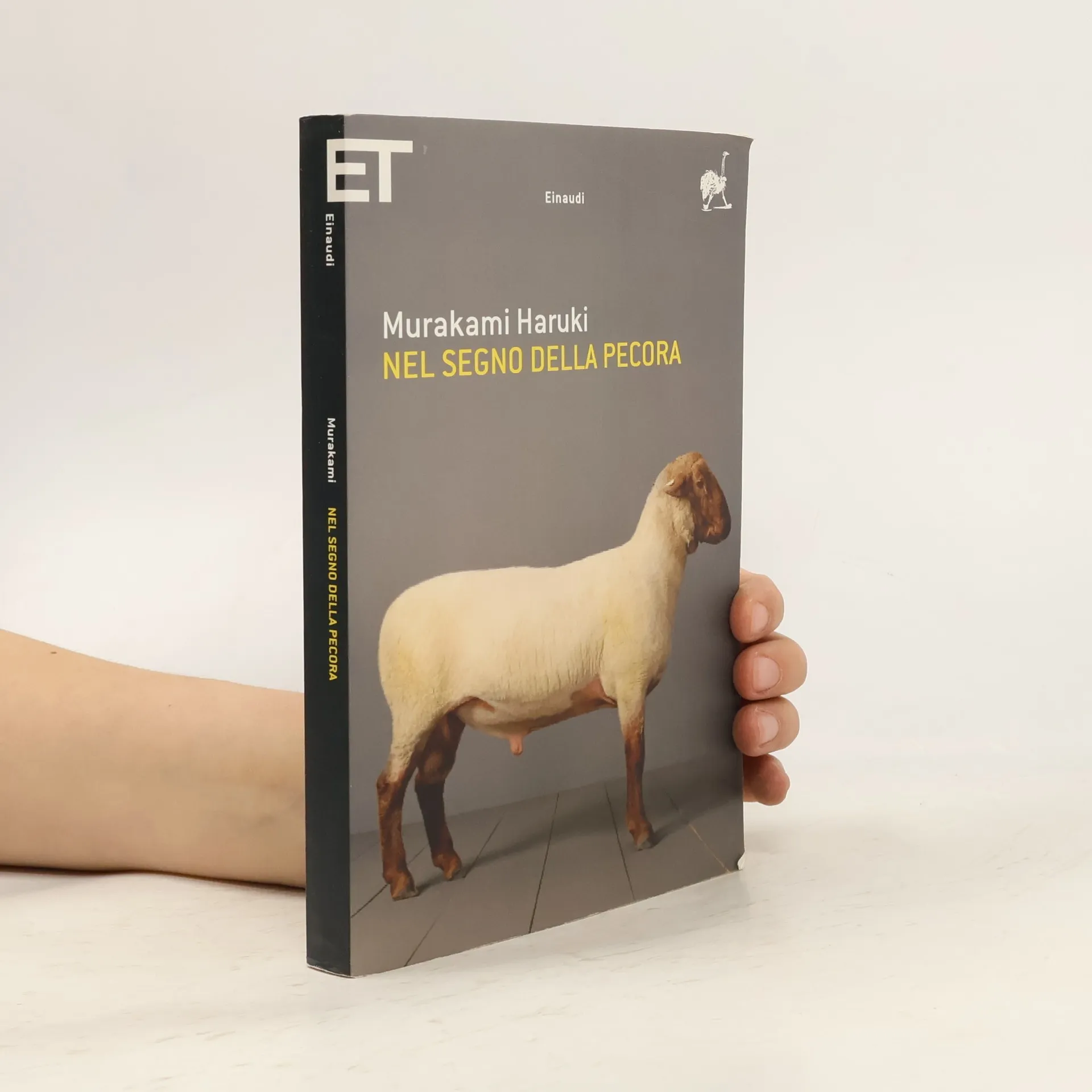
Un giovane agente pubblicitario, abbandonato dalla moglie che lo trova «noioso», vede sconvolta la sua rassicurante monotonia da un compito bizzarro e quasi impossibile che gli viene affidato da un losco individuo: deve ritrovare una pecora. Ha poco tempo e non può rifiutare. Unico indizio: la pecora ha una macchia a forma di stella sulla schiena. Inizia cosí un'avventura lungo un Giappone fiabesco, grottesco e surreale, accompagnato da una ragazza con le orecchie bellissime e dotata di poteri sovrannaturali. Nel segno della pecora è il romanzo che definisce la poetica di Murakami: uno scenario onirico in cui il quotidiano diventa surreale, scandito da una playlist di capolavori della musica, alla ricerca di un ovino ma in realtà di un senso della vita. C'è un posto per la pecora di Murakami in una ipotetica «arca letteraria», insieme allo scarafaggio di Kafka, i maiali di Orwell, l'elefante di Saramago e Moby Dick.
Aomame e Tengo sono da mesi persi sotto un cielo ostile in cui brillano due lune, separati eppure uniti da qualcosa di invisibile, come solo il destino può essere. Minacciati dalla setta Sakigake e da forze ancora piú sinistre, braccati dall'investigatore Ushikawa, tanto geniale quanto pericoloso, sono ormai alla fine del viaggio. La storia di un amore che deve superare ostacoli, risolvere enigmi, attraversare universi, per dare un senso alla realtà.
Tsukuru Tazaki had four best friends at school. By chance all of their names contained a colour. The two boys were called Akamatsu, meaning 'red pine', and Oumi, 'blue sea', while the girls' names were Shirane, 'white root', and Kurono, 'black field'. Tazaki was the only last name with no colour in it.
E se un demone dalle fattezze femminili facesse di tutto per venire a letto con noi? E se un marito decidesse di diventare amico dell'amante della moglie? E se Gregor Samsa si svegliasse una mattina trasformato in un essere umano? Che cosa strana l'amore degli uomini, e quali vie trova Murakami per arrivare dritto al cuore dei lettori, intrecciando a ogni pagina il fantastico che irrompe nel quotidiano con la nostalgia per ciò che non è stato. L'inafferrabile verità, sembra volerci dire, è che le donne «offrono un tempo speciale che annulla la realtà, pur restandovi immerse». Per questo gli uomini, senza di loro, si sentono persi. Sette storie d'amore e di mistero. Perché d'amore e mistero è fatta la vita, e nessuno sa raccontarla come Murakami Haruki.