An international sensation, Small Country is a beautiful but harrowing tale of
coming-of-age in the face of civil war. But dark clouds are gathering over
this small country, and soon their peaceful idyll will shatter when Burundi
and neighbouring Rwanda are brutally hit by war.
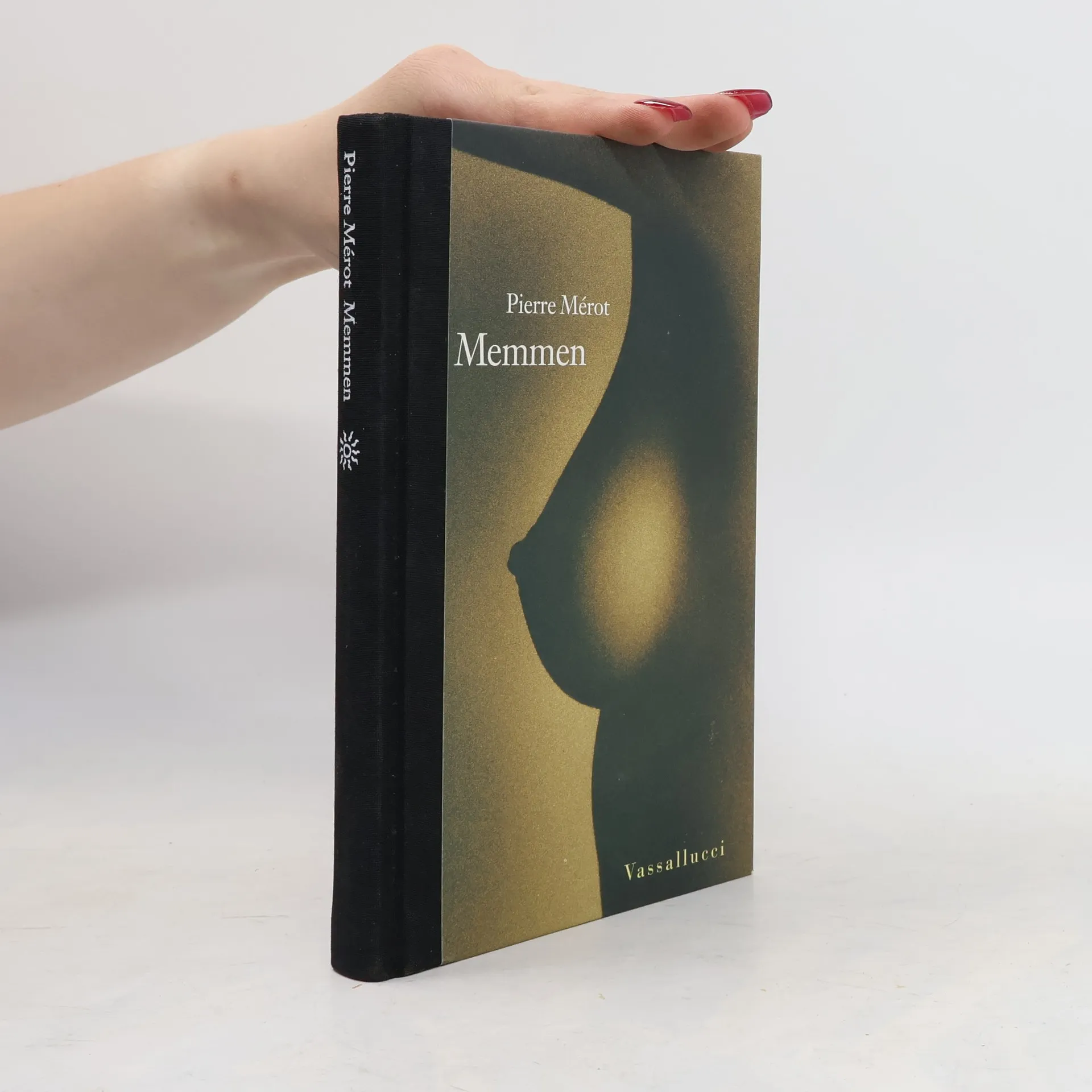
Caustic, comic, gleefully honest, Mammals tells the story of Uncle, one of life's glorious losers. Uncle is a particularly hapless forty-year-old bachelor, impeccably educated but seemingly unemployable, recently forced to move back into the family home. Uncle is a drunk; he is sarcastic; he fails at numerous relationships and professions. Still, he clings to the hope that, with a little help from booze, sex, and writing, life might at last offer him something meaningful. Riding a handbasket merrily to hell, Mammals delivers a witty and wry anatomization of modern life, and establishes Pierre Merot as an extraordinary and delightful voice of international stature. Translated from the French by Frank Wynne, joint winner of the prestigious IMPAC Award (with Michel Houellebecq, author of Atomized/The Elementary Particles .
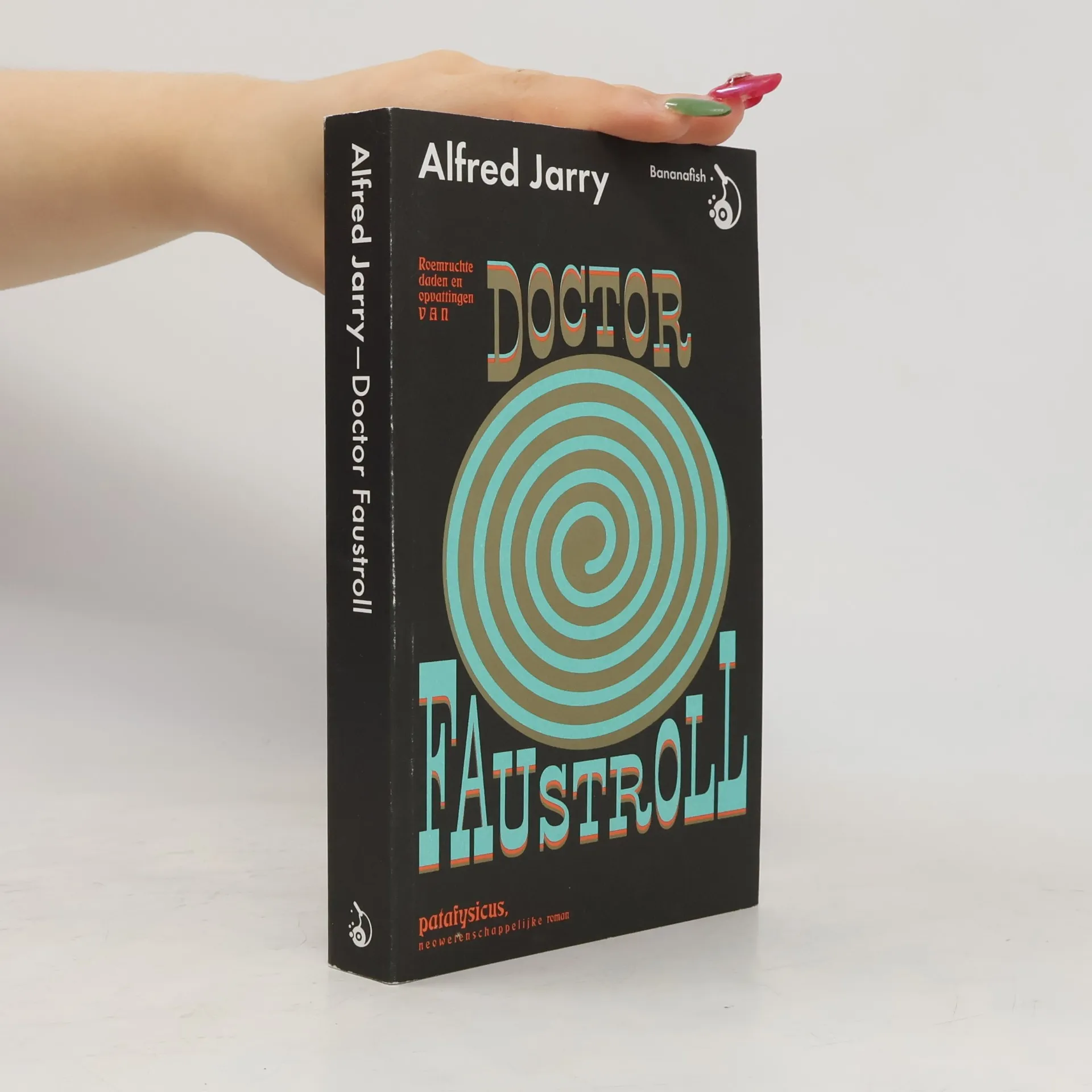
Een God met een zeegroene snor en een tropenhelm zit met een baviaan en een deurwaarder in een roeiboot die vaart over land. Het klinkt als een mop, maar het is het begin van een culturele omwenteling. Jarry is vooral bekend door de agressieve humor van Koning Ubu die de aanzet gaf tot het futurisme, het dadaïsme en het surrealisme. Maar in Doctor Faustroll heeft Jarry cabaret, wetenschap, kunst en esoterie weten samen te ballen tot de wetenschap der wetenschappen, de ’Patafysica. In zijn voorwoord bij deze editie geeft Matthijs van Boxsel ( Encyclopedie van de domheid ) drie definities van deze wonderlijke discipline: – De ’Patafysica is de wetenschap van denkbeeldige oplossingen. Faustroll berekent de oppervlakte van God. – De ’Patafysica is de wetenschap van de uitzondering. Faustroll verkleint zichzelf om een waterdruppel op een koolblad te onderzoeken. – De ’Patafysica is de wetenschap die al doende de universa exploreert die parallel lopen met de officieel erkende wereld. Faustroll stuurt telegrammen uit de Etherniteit. Doctor Faustroll geeft vanuit deze discipline antwoord op prangende vragen als: wat is landvaartkunde? Wat is de relatie tussen een paardenhoofd en moordzucht? Hoe te reizen door de tijd? "Alles staat in Faustroll," zei Boris Vian, "inbegrepen de manier om een schaap levend te garen."
Jim Crace Andreas lives his whole life in the Austrian Alps, where he arrives as a young boy taken in by a farming family. He is a man of very few words and so, when he falls in love with Marie, he doesn't ask for her hand in marriage, but instead has some of his friends light her name at dusk across the mountain. When Marie dies in an avalanche, pregnant with their first child, Andreas' heart is broken. He leaves his valley just once more, to fight in WWII - where he is taken prisoner in the Caucasus - and returns to find that modernity has reached his remote haven ...
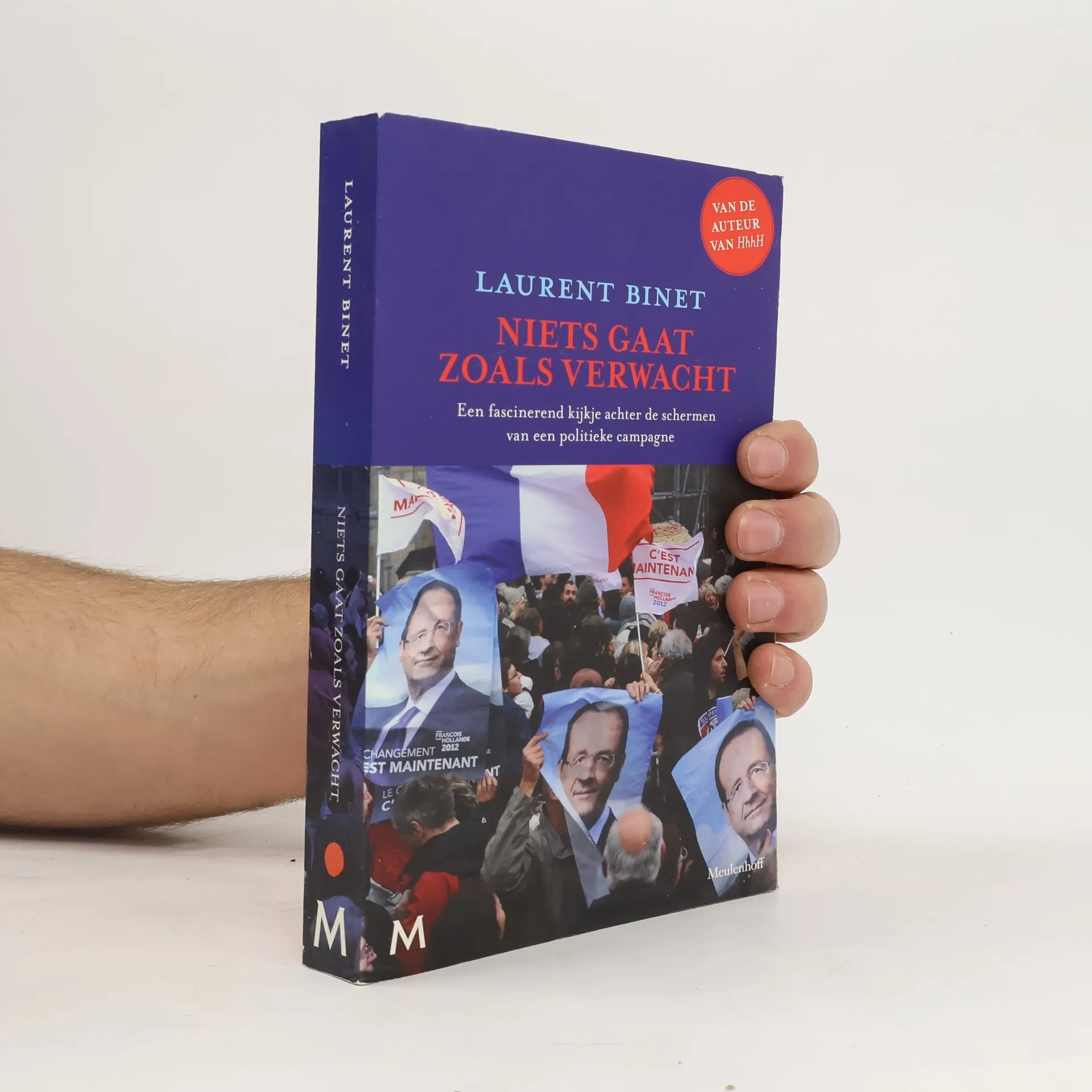
Hoeveel uren van speech schrijven, vergaderen, lobbyen, peilingen volgen en nagelbijten gaan er in een verkiezingscampagne zitten? Hoeveel fotoshoots, interviews, debatten en signeersessies? Laurent Binet legt genadeloos het verborgen mechanisme achter een presidentscampagne bloot. Net als in HhhH kiest hij voor een subjectief gezichtspunt, en neemt hij zijn onmogelijke wens om onafhankelijk en objectief te blijven onder de loep. Want je kunt nog zo van plan zijn om niet te veel betrokken te raken, het gaat niet altijd zoals verwacht...
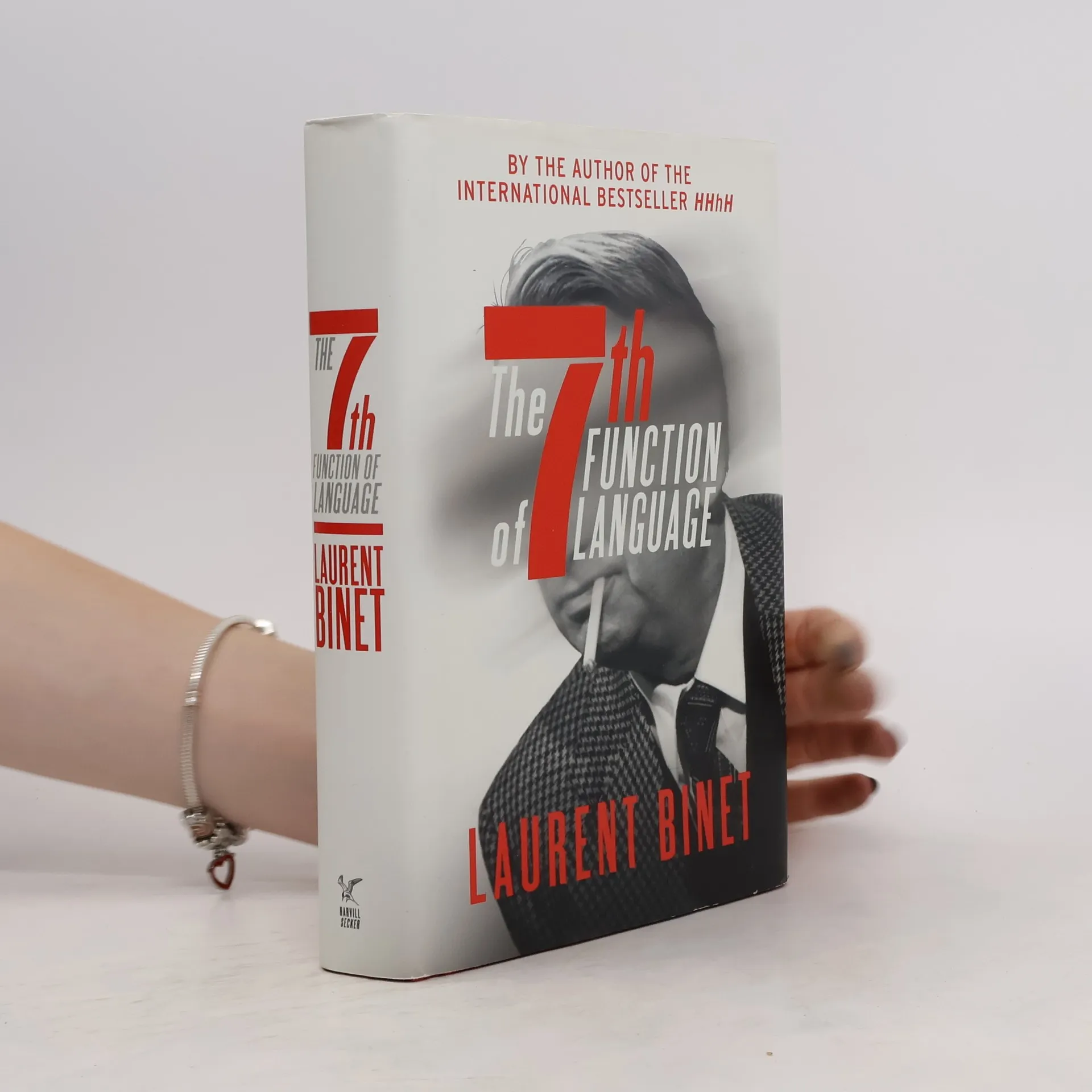
'One of the funniest, most riotously inventive and enjoyable novels you'll
read this year' - Observer`The most outrageously entertaining novel of the
year... A joy' - Philip HensherRoland Barthes is knocked down in a Paris
street by a laundry van.
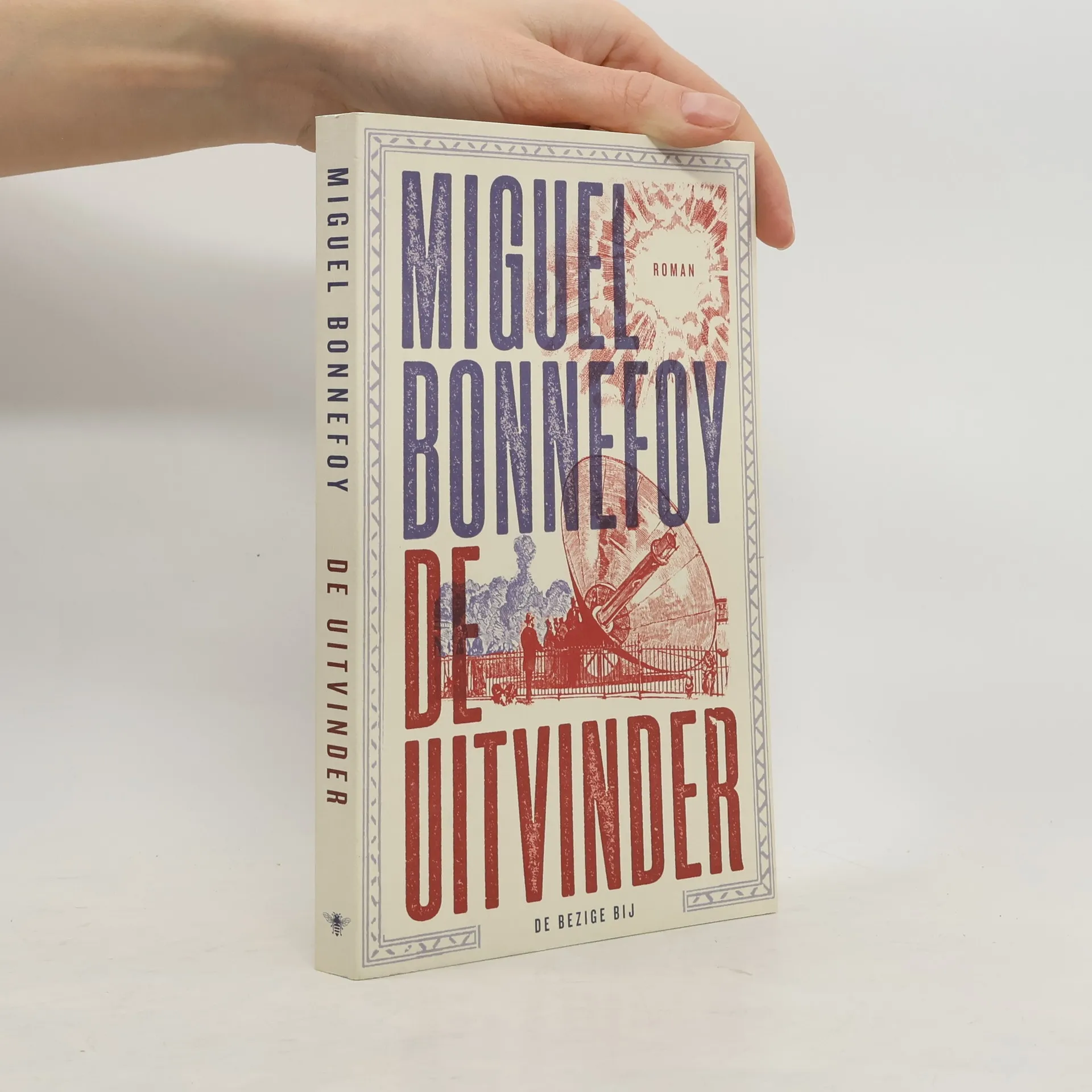
Augustin Mouchot, zoon van een slotenmaker, werkte als leraar wiskunde toen hij halverwege de negentiende eeuw als eerste ontdekte hoe zonne-energie omgezet kon worden in mechanische stoomkracht. Mouchot geloofde dat de wereldvoorraad steenkool ooit uitgeput zou raken, en in 1861 ontwikkelde hij een door de kracht van de zon aangedreven machine. Zijn uitvinding was haar tijd ver vooruit, werd tot aan het hof van Napoleon III bejubeld en onder grote belangstelling gepresenteerd op de Wereldtentoonstelling in Parijs. Mouchots machine slaagde erin pompen en drukpersen aan te drijven. En dat niet alleen: hij verbaasde vriend en vijand door met de kracht van zonlicht blokken ijs te maken. Op het toppunt van zijn roem en met een keizerlijke toelage vertrok Mouchot naar Algerije om daar 'de woestijn te laten bloeien'.
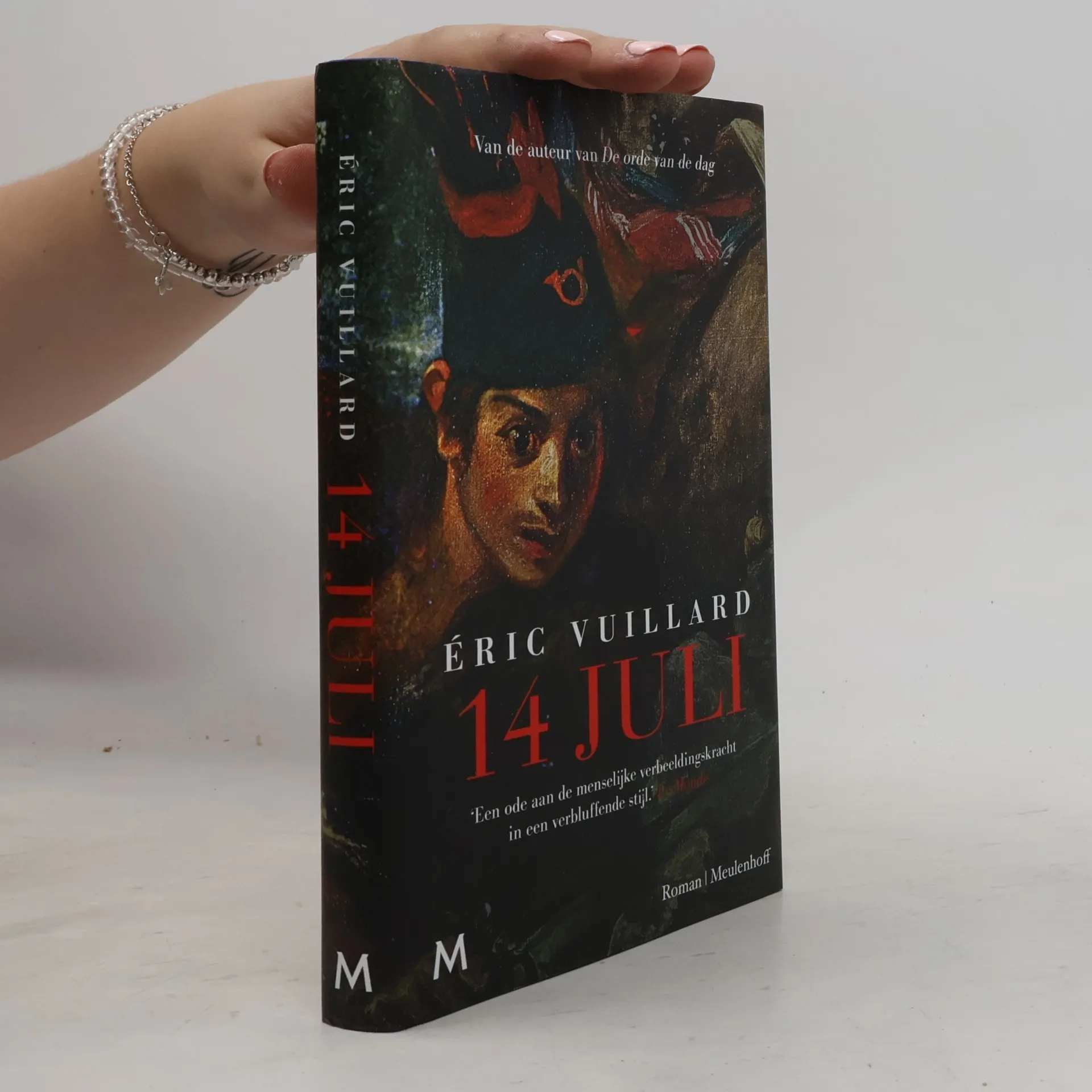
La prise de la Bastille est l’un des évènements les plus célèbres de tous les temps. On nous récite son histoire telle qu’elle fut écrite par les notables, depuis l’Hôtel de ville, du point de vue de ceux qui n’y étaient pas. 14 Juillet raconte l’histoire de ceux qui y étaient. Un livre ardent et épiphanique, où notre fête nationale retrouve sa grandeur tumultueuse.
Camminare è sicuramente una delle azioni più comuni delle nostre vite. Ma Frédéric Gros, con un libro originale e delicato, ci fa riscoprire la bellezza e la profondità di questo semplice gesto e il senso di libertà, di crescita interiore e di scoperta che esso può riuscire a suscitare in ciascuno di noi. Attraverso la riflessione e il racconto magistrale delle vite di grandi camminatori del passato – da Nietzsche a Rousseau, da Proust a Gandhi che in questo modo hanno costruito e perfezionato i propri pensieri –, Andare a piedi propone un percorso ricco di curiosità, capace di far pensare e appassionare. Nella visione limpida ed entusiasta di Gros, camminare in città, in un viaggio, in pellegrinaggio o durante un'escursione, diventa un'esperienza universale che ci restituisce alla dimensione del tempo e ci consente di guardare dentro noi stessi. Perché camminare non è uno sport, ma l'opportunità di tornare a godere dell'intensità del cielo e della forza del paesaggio.
E se Hitler tornasse in Germania? Berlino, 2011. Adolf Hitler si risveglia in un terreno incolto, con un forte mal di testa e un'uniforme che puzza di cherosene. Non trova Eva Braun né una città in rovina, ma strade pulite e organizzate, popolate da turchi e da persone con strani apparecchi attaccati all'orecchio. Inizia così il sorprendente romanzo di Timur Vermes, ambientato nella Germania di Angela Merkel, 66 anni dopo la fine della guerra. Hitler riacquista una nuova vita. Nella società dello spettacolo, dei reality show e di YouTube, il Führer rinato è visto come una star, accolto da una televisione affamata di novità. In una Germania in crisi, minacciata dall'Euro e dall'austerità, viene percepito come un clown innocuo. Ma lui è reale, spaventosamente reale. E, passo dopo passo, pianifica il suo ritorno al potere attraverso la televisione. Una satira ferocissima su una società mediatizzata, che mescola romanzo politico e critica sociale. La Germania di Merkel, dominatrice e ossessionata dal potere, è pronta a riceverlo... e lui è tornato.
In Cambridge, Massachusetts, buiten de muren van de Harvard universiteit, ontmoeten twee mensen elkaar bij toeval: een jonge fysicus die vertrouwelijk onderzoek doet en een jonge vrouw die zich bezighoudt niet milieurecht. Van beslissende invloed op hun langzaam groeiende relatie zijn huil verleden, hun totaal verschillende wereldbeelden, hun verschillende doelen voor de toekomst ... en een verbazingwekkend besluit van de vrouw.
A tragic accident unfolds as a longboat plunges over the Great Falls, leading to the drowning of five passengers. The Lockmaster, tasked with ensuring safe river navigation, faces scrutiny when his son suspects foul play rather than an accident. Driven by the need for answers, the son, a hydraulic engineer knowledgeable about river dynamics, embarks on a quest to uncover the truth behind the disaster and locate his missing father, raising questions about responsibility and the nature of the tragedy.