

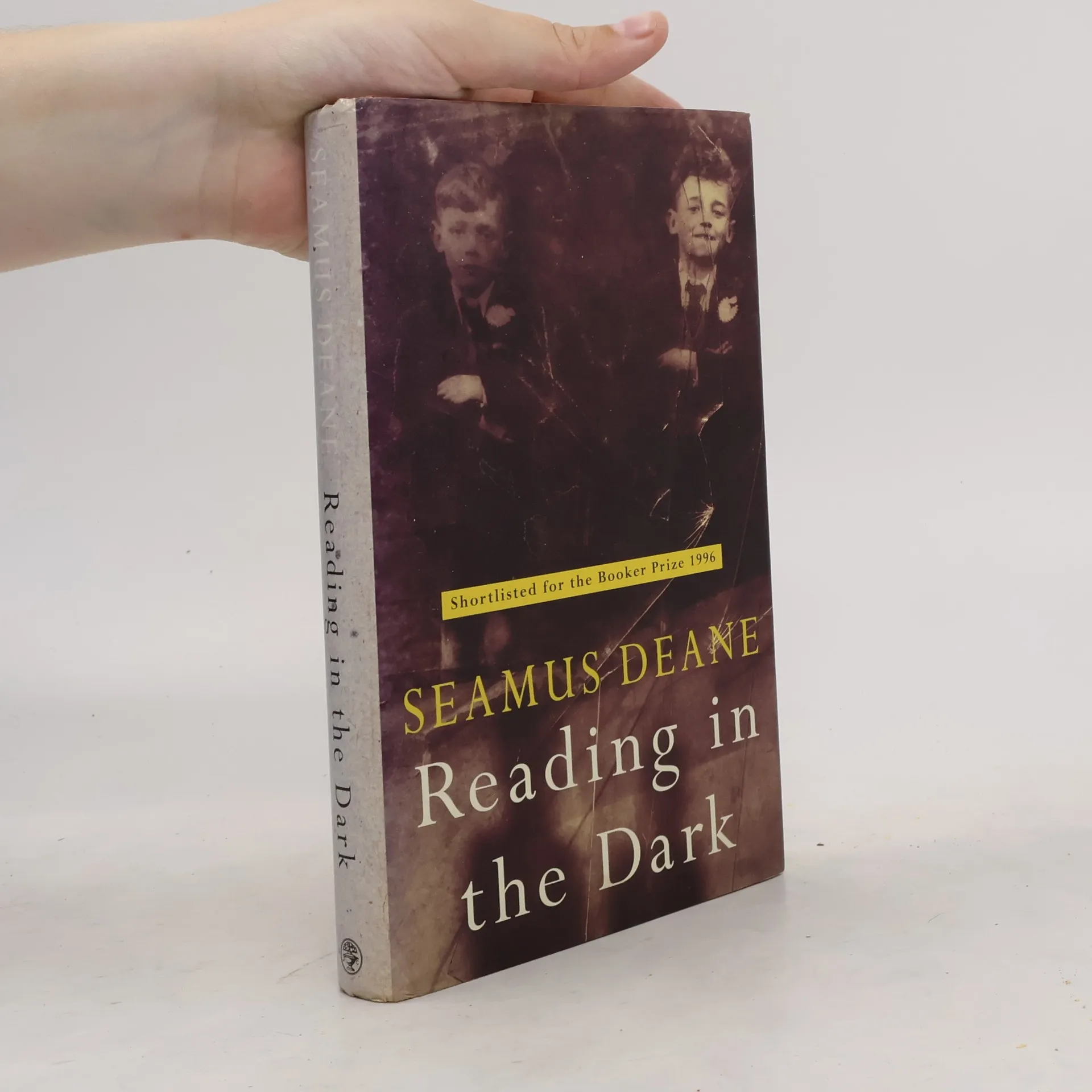
The story is told from the point of view of an unnamed young Irish Catholic boy living in a poor area of Derry. This novel-in-stories is about both the boy's coming of age and the Troubles of Northern Ireland, from the partition of the island in the early 1920s until July 1971, just after the violent Battle of the Bogside took place in Derry. The setting mirrors mid-twentieth century Derry leading into the Troubles. While the narrator is surrounded with violence, chaos, and sectarian division, Derry serves as the place where he grows up, both physically and mentally. Despite the surrounding events, the narrator's tone never slips into complete despair, but maintains a sense of hope and humour throughout.
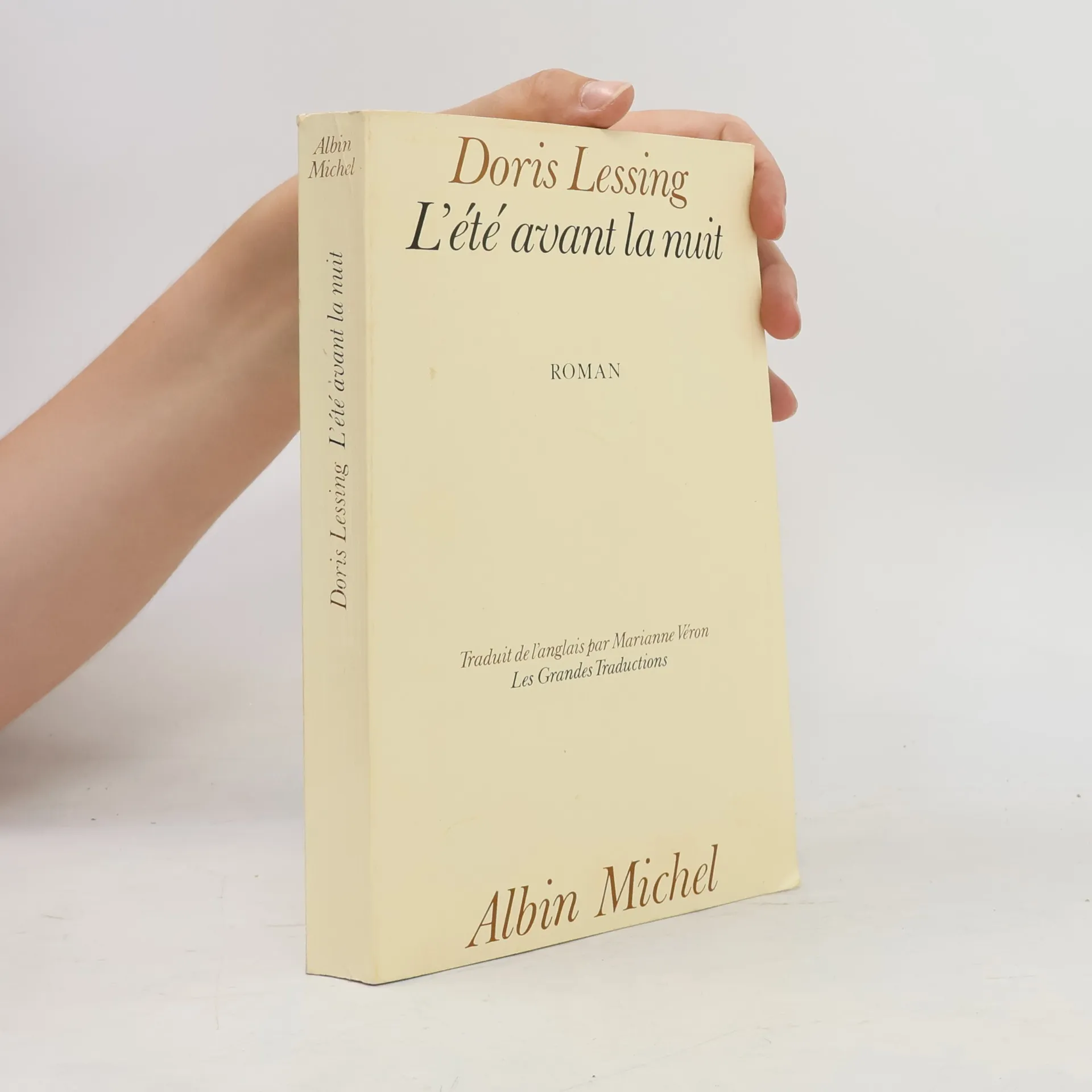
Marianne Véron Libri
The names
- 339pagine
- 12 ore di lettura
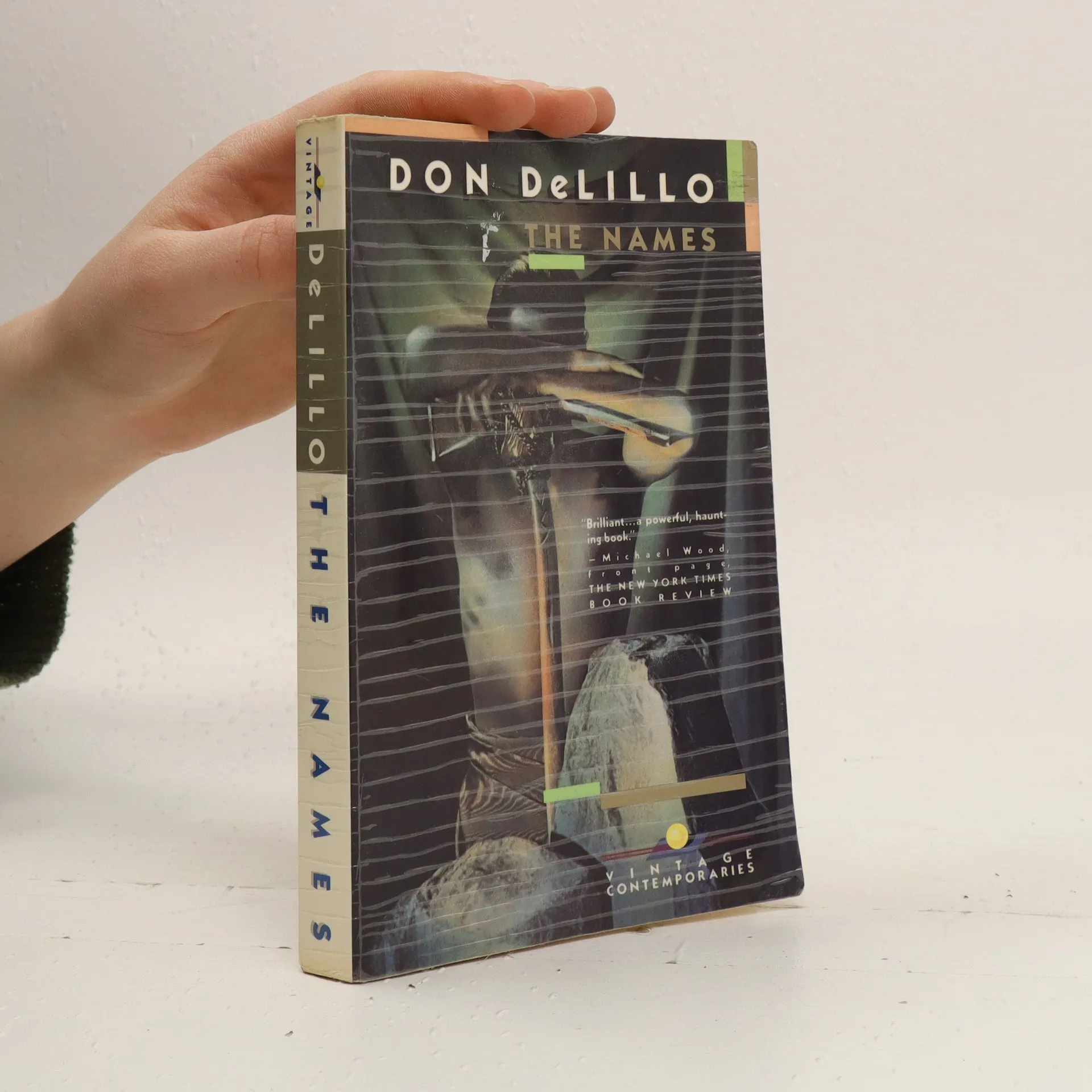
Set against the backdrop of a lush and exotic Greece, The Names is considered the book which began to drive "sharply upward the size of his readership" (Los Angeles Times Book Review). Among the cast of DeLillo's bizarre yet fully realized characters in The Names are Kathryn, the narrator's estranged wife; their son, the six-year-old novelist; Owen, the scientist; and the neurotic narrator obsessed with his own neuroses. A thriller, a mystery, and still a moving examination of family, loss, and the amorphous and magical potential of language itself, The Names stands with any of DeLillo's more recent and highly acclaimed works. "The Names not only accurately reflects a portion of our contemporary world but, more importantly, an original world of its own is created."--Chicago Sun-Times"DeLillo sifts experience through simultaneous grids of science and poetry, analysis and clear sight, to make a high-wire prose that is voluptuously stark."--Village Voice Literary Supplement"DeLillo verbally examines every state of consciousness from eroticism to tourism, from the idea of America as conceived by the rest of the world, to the idea of the rest of the world as conceived by America, from mysticism to fanaticism."--New York Times
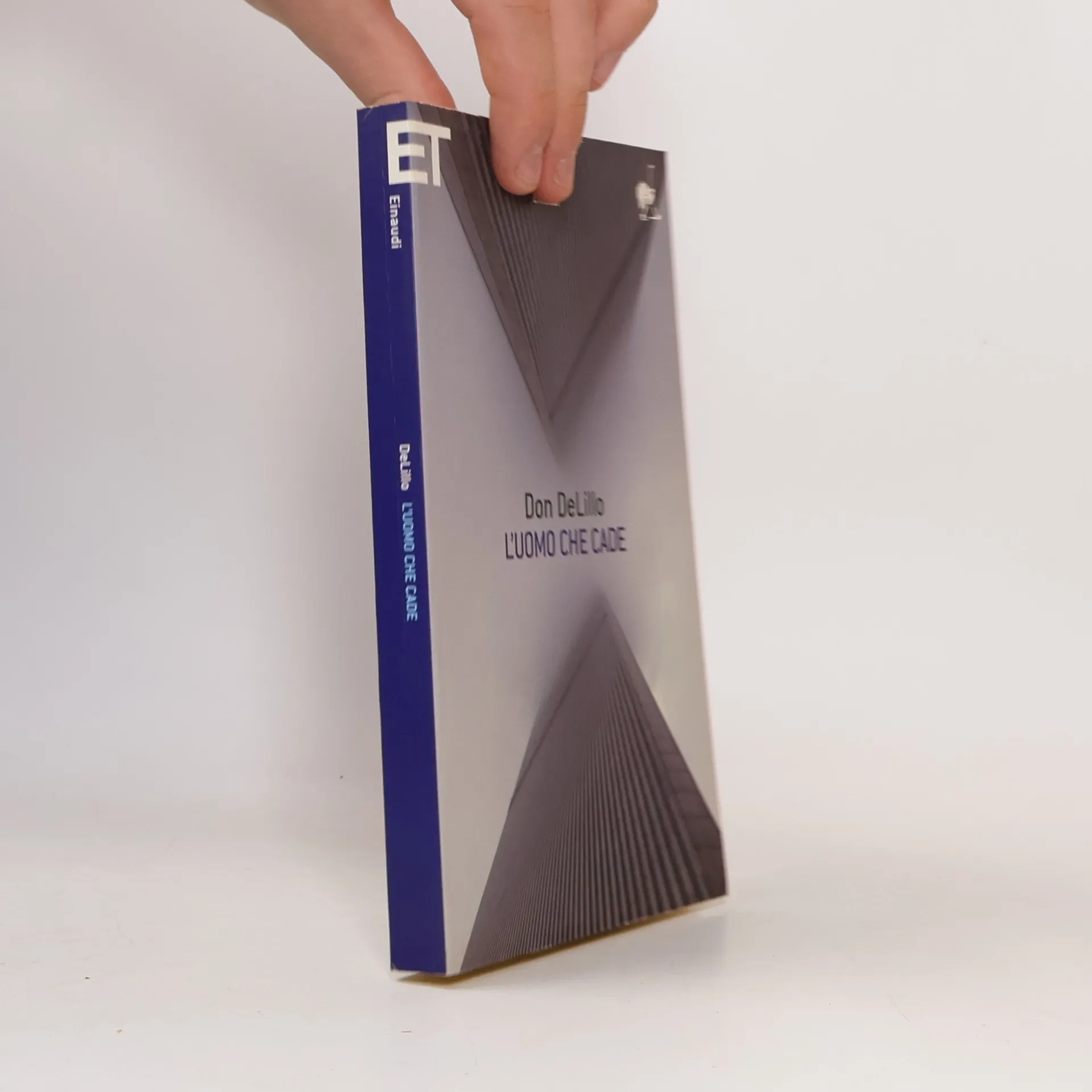
ET: L'uomo che cade
- 257pagine
- 9 ore di lettura
Keith Neudecker lavora nelle Twin Towers e sopravvive al crollo di una di esse, ritrovandosi coperto di cenere, vetro e sangue, con una valigetta non sua. Scioccato, si dirige a casa della moglie Lianne, da cui si era separato da oltre un anno. Insieme cercano di riavvicinarsi, mentre il loro figlio Justin passa le giornate scrutando il cielo in cerca di aerei, confondendo il nome di bin Laden con Bill Lawton. Keith scopre che la valigetta lo collega a Florence, un'altra sopravvissuta, con cui inizia una relazione segreta, basata sul trauma condiviso. Nella seconda parte, compare Nina, la madre di Lianne, che dopo il suicidio del marito è con Martin, un uomo ambiguo che ha vissuto tra Stati Uniti ed Europa, potenzialmente un terrorista. Tre anni dopo, il tentativo di ricostruire la famiglia è fallito: Keith viaggia spesso, immerso nei tornei di poker, mentre Lianne si dedica a corsi di scrittura creativa per anziani con Alzheimer e si avvicina alla religione cattolica. Le loro vite si intrecciano con un performer che si lancia in caduta statica da vari punti della città, assumendo la posizione di un uomo che si era buttato dalle Torri prima del crollo.
L'Été avant la nuit
- 272pagine
- 10 ore di lettura