

Testo originale a fronte. Riccardo, fratello di Edoardo IV, aspira alla corona. Uccide il duca di Clarence, suo fratello e ne sposa la vedova Anna. Morto Edoardo IV, diventa reggente in attesa che il figlio e successore del re, compia la maggiore età. Fa però subito rinchiudere il ragazzo con il fratello, duca di York, nella Torre di Londra. Ottiene così il trono e fa uccidere i figli di Edoardo IV. Ripudiata Anna, vuole sposare la nipote Elisabetta, ma il duca di Buckingham si ribella e si schiera col duca di Richmond che muove contro Riccardo. Il duca di Buckingham viene ucciso, ma il duca di Richmond vince in battaglia e Riccardo muore combattendo.
Barbara A. Mowat Ordine dei libri (cronologico)
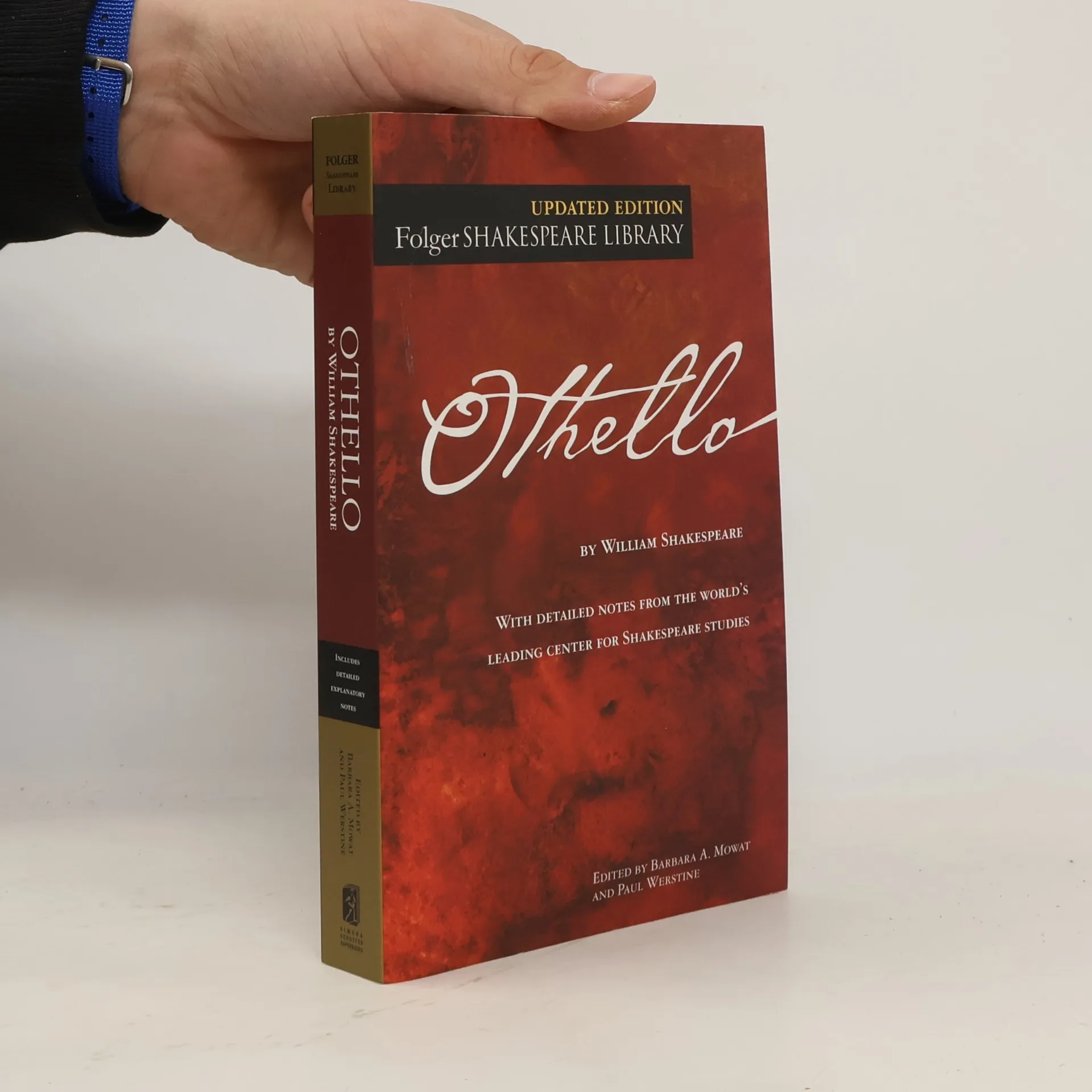
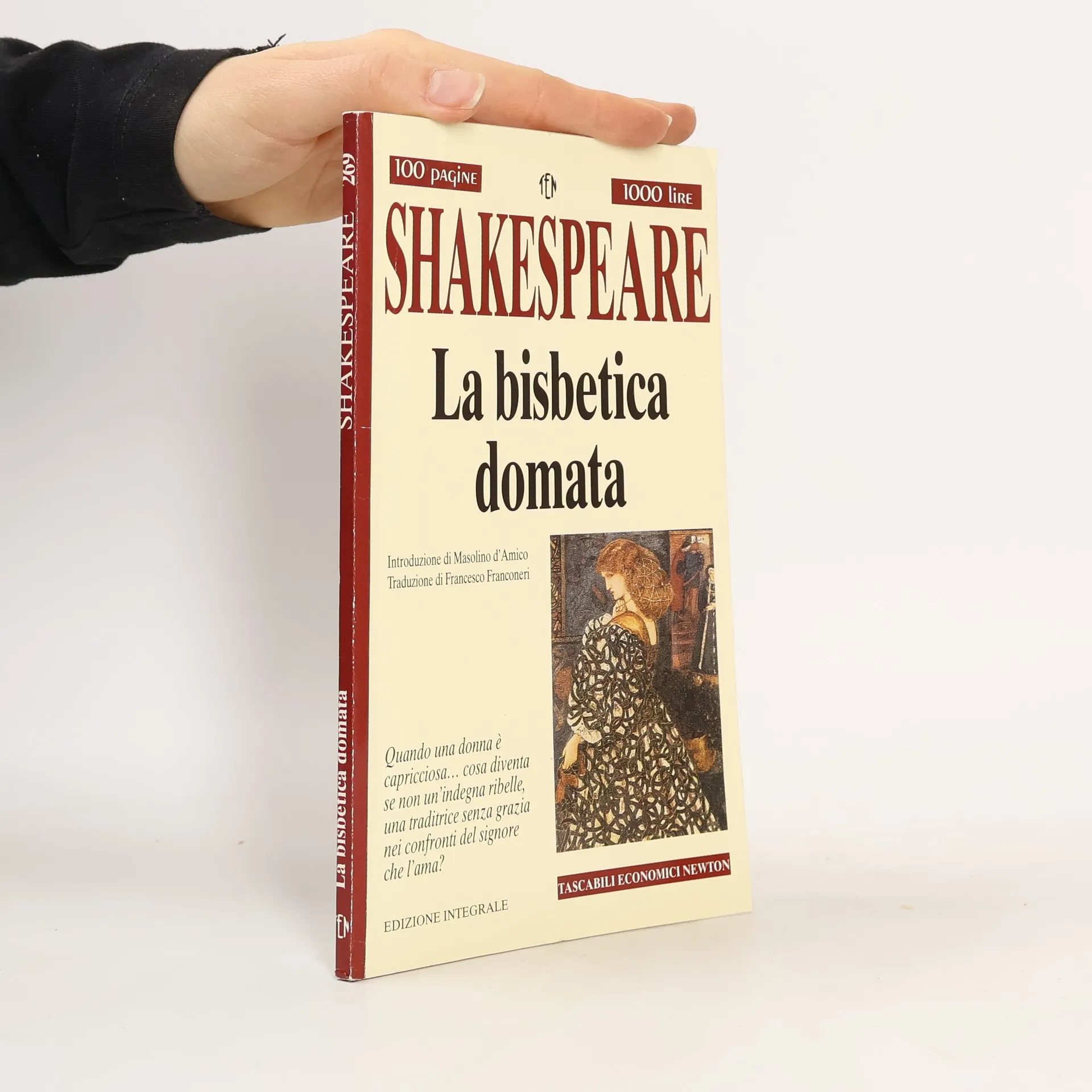
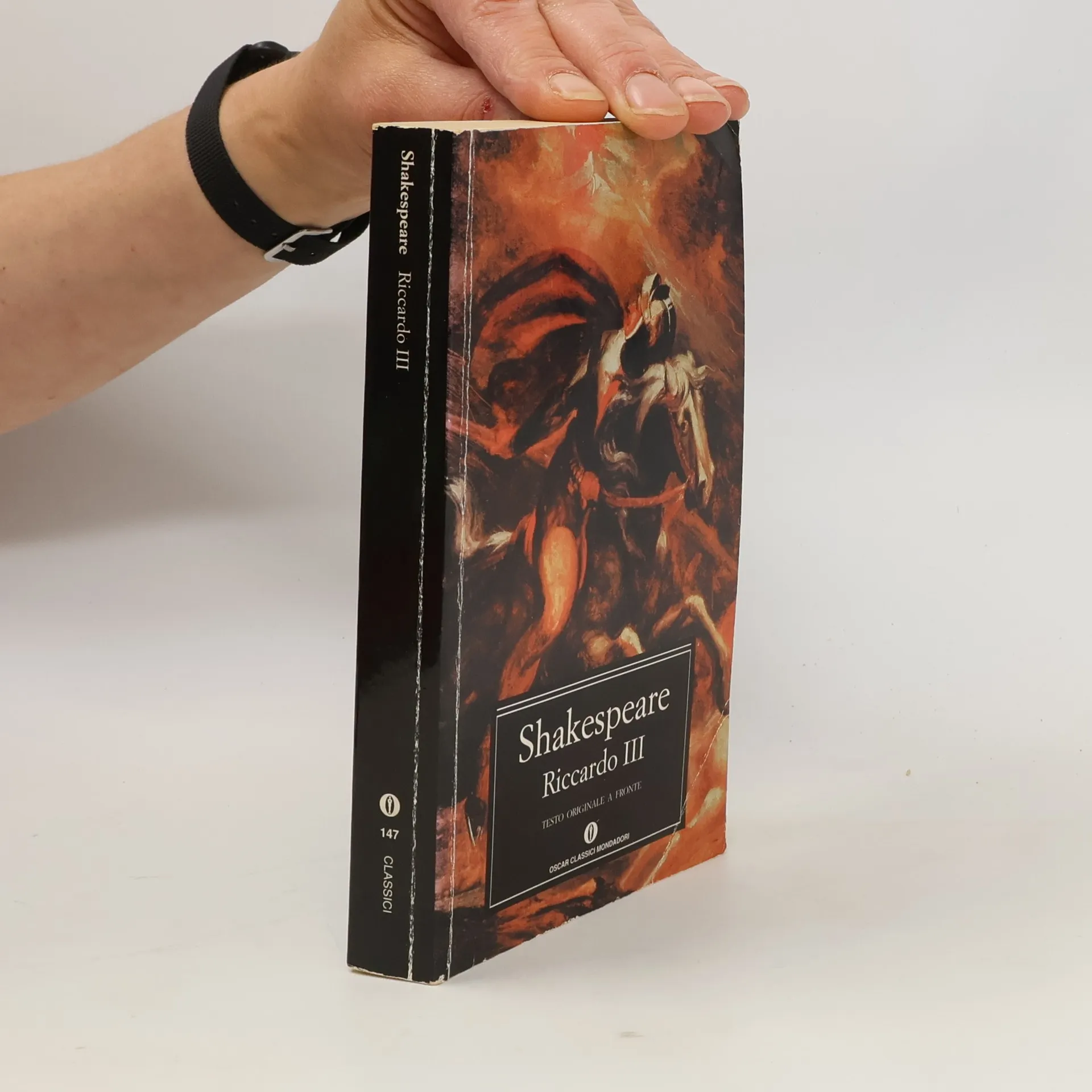
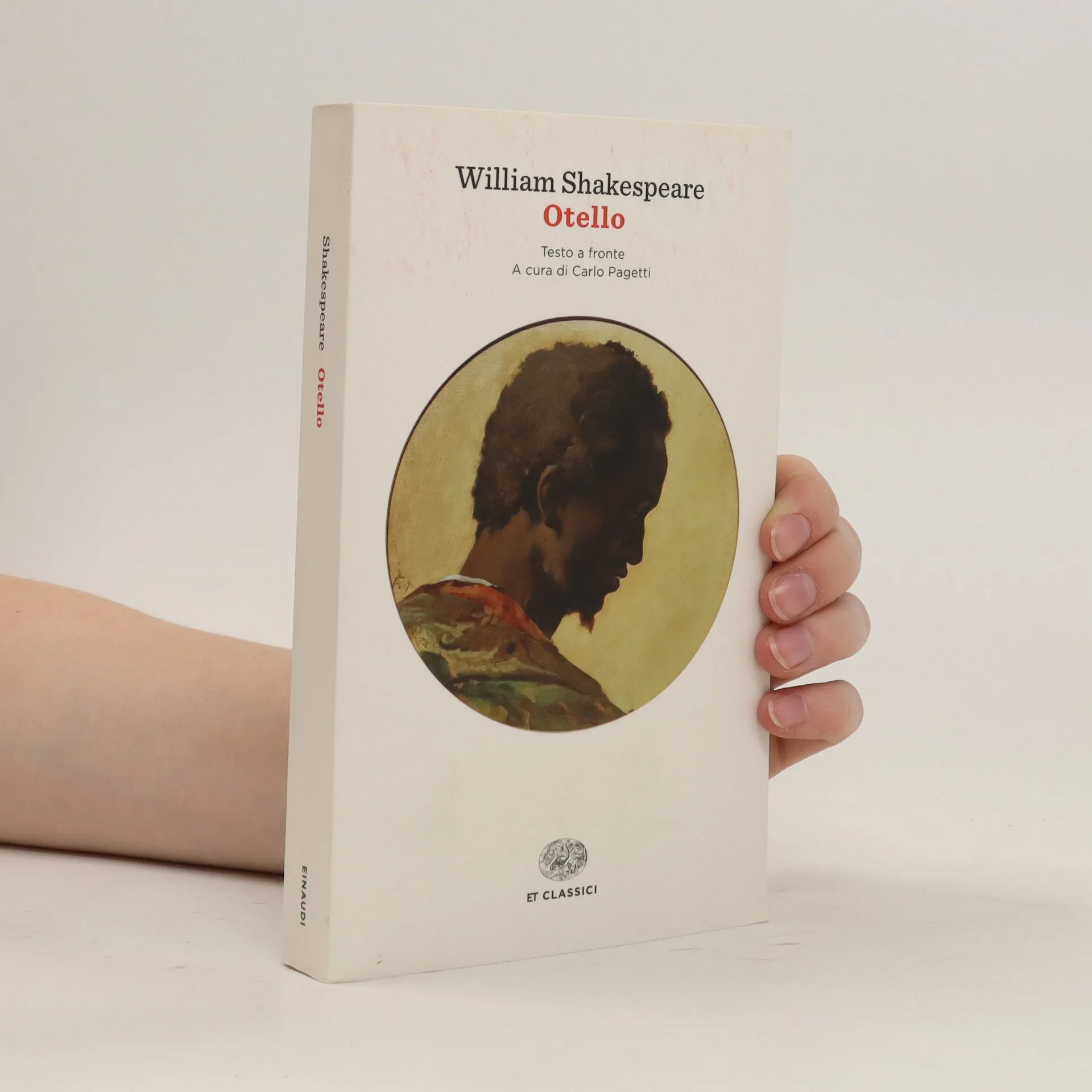
Folger Shakespeare Library: Othello - Updated Edition
- 416pagine
- 15 ore di lettura
William Shakespeare’s classic play <i>Othello</i>, featuring valuable tools for educators and readers, from the esteemed Folger Shakespeare Library, home to the world’s largest collection of Shakespeare’s printed works. In <i>Othello</i>, William Shakespeare creates powerful drama from a marriage between the exotic Moor Othello and the Venetian lady Desdemona that begins with elopement and mutual devotion and ends with jealous rage and death. Shakespeare builds many differences into his hero and heroine, including race, age, and cultural background. Yet most readers and audiences believe the couple’s strong love would overcome these differences were it not for Iago, who sets out to destroy Othello. Iago’s false insinuations about Desdemona’s infidelity draw Othello into his schemes, and Desdemona is subjected to Othello’s horrifying verbal and physical assaults. The authoritative edition of <i>Othello</i> from The Folger Shakespeare Library, the trusted and widely used Shakespeare series for students and general readers, includes: —Freshly edited text based on the best early printed version of the play —Full explanatory notes conveniently placed on pages facing the text of the play —Scene-by-scene plot summaries —A key to famous lines and phrases —An introduction to reading Shakespeare's language —Illustrations from the Folger Shakespeare Library’s vast holdings of rare books —An essay by a leading Shakespeare scholar providing a modern perspective on the play
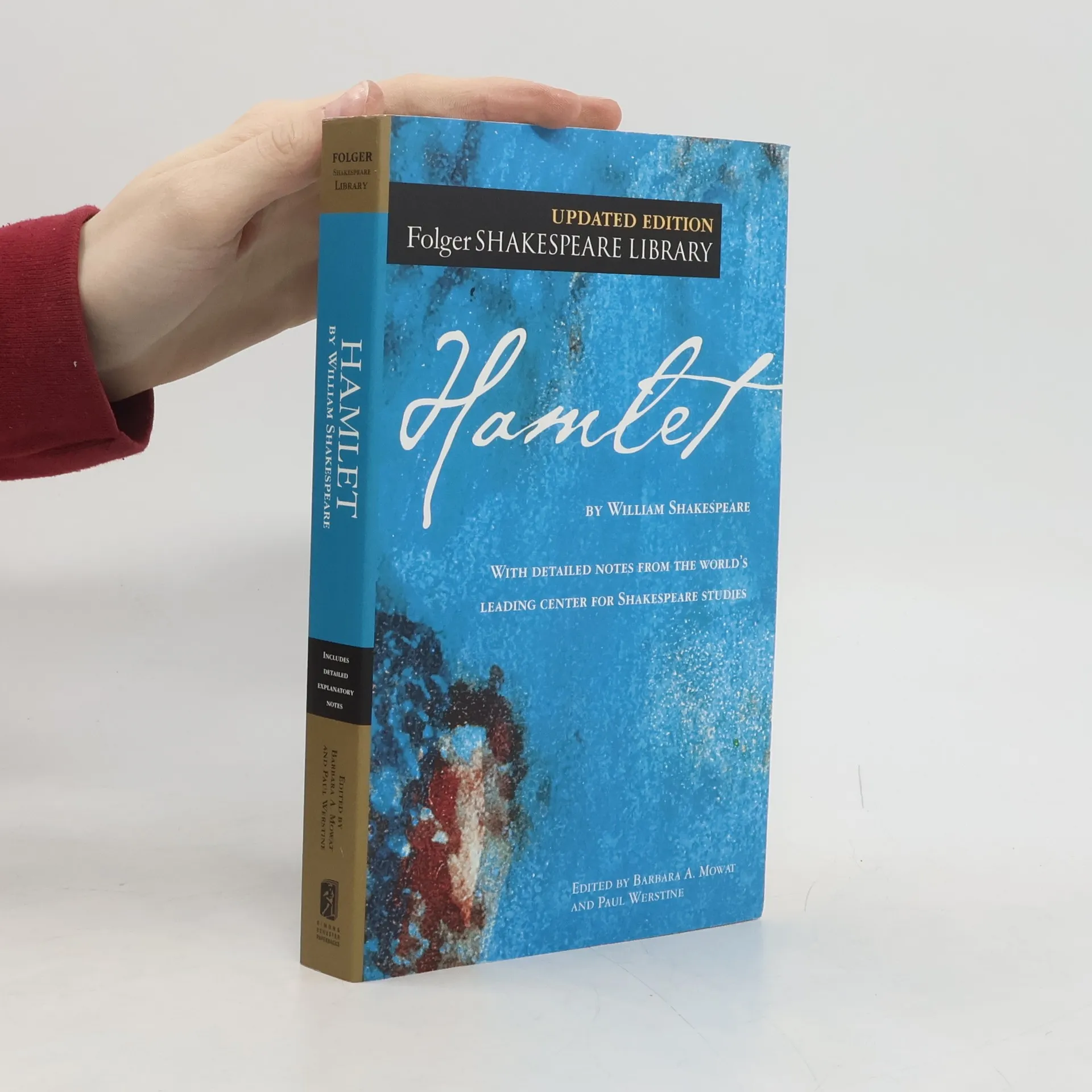
Folger Shakespeare Library: Hamlet
Updated Edition - With Detailed Notes From The World's Leading Center For Shakespeare Studies
- 287pagine
- 11 ore di lettura
This updated edition includes: *Newly re-edited play text and revised commentary notes *Scene-by-scene plot summaries *A key to the play's famous lines and phrases *An introduction to reading Shakespeare's language *An essay by a leading Shakespeare scholar providing a modern perspective on the play *Fresh images from the Folger Shakespeare Library's vast holdings of rare books *An up-to-date annotated guide to further reading
La bisbetica domata
- 100pagine
- 4 ore di lettura
Caso unico nel teatro di Shakespeare, La bisbetica domata (opera di difficile datazione, ma appartenente alla fase iniziale del suo percorso drammatico) è, esplicitamente, una commedia nella commedia, rappresentata come parte della beffa giocata da un ricco aristocratico ad un calderaio ubriaco. Singolare "esplosione" del tema della beffa, strettamente legato a quello della finzione teatrale, questa commedia, nell'incerto intreccio fra le due trame (il matrimonio della bisbetica Katherina e le rivalità e gli equivoci tra i pretendenti di Bianca, sorella "buona" della bisbetica), non sarebbe altro che una farsa del troppo artificioso moltiplicarsi degli equivoci, se non fosse per la presenza di Katherina, figura che, mentre riprende un tema fortemente presente nelle prime prove teatrali di Shakespeare, ossia il rapporto donna-potere, annuncia nel suo improvviso e aspro risvegliarsi all'amore futuri personaggi femminili di ben più articolata complessità.
"Otello" è una delle tragedie più intense di Shakespeare, caratterizzata da una scala più intima rispetto ad altre opere dell'autore. La trama si concentra sulla vita personale piuttosto che su quella pubblica, rendendo il percorso di Otello verso l'ossessione gelosa particolarmente inquietante. La storia esplora temi di amore, tradimento, razzismo e inganno, mettendo in luce la vulnerabilità umana e le conseguenze devastanti della gelosia. Attraverso i personaggi complessi e le loro interazioni, Shakespeare affronta questioni universali che risuonano ancora oggi. La figura di Otello, un uomo di origine moresca, e la sua relazione con Desdemona, sono al centro di un dramma che mette in discussione le dinamiche di potere e le percezioni sociali. La tragedia culmina in un tragico epilogo, evidenziando la fragilità delle relazioni e la potenza distruttiva dei sentimenti umani.