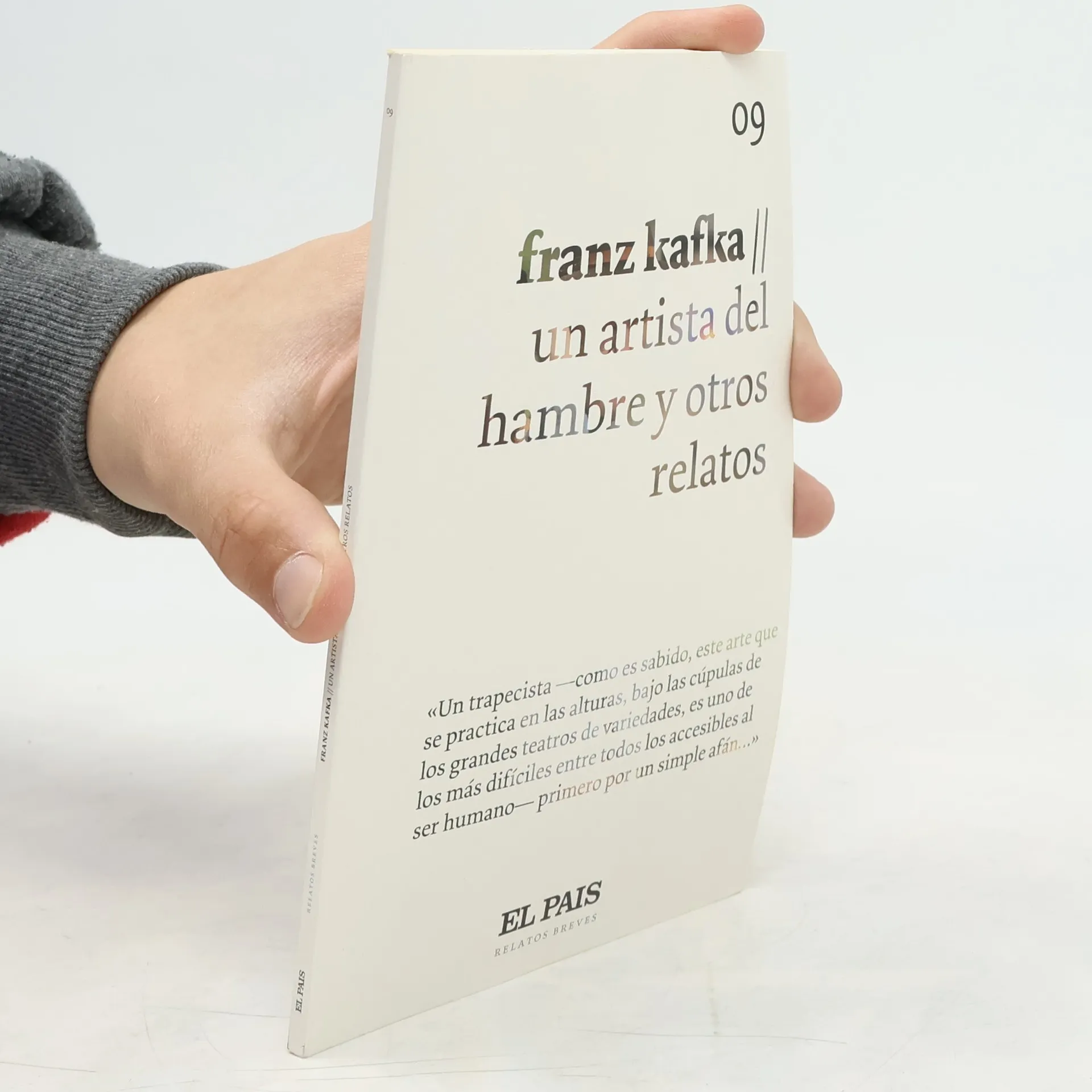
Un artista del hambre (título original en alemán: Ein Hungerkünstler), es un relato corto escrito por Franz Kafka en 1922 pero no fue publicado hasta 1924, después de su muerte. El protagonista es una arquetípica creación de Kafka, un individuo marginado y victimizado por la sociedad.
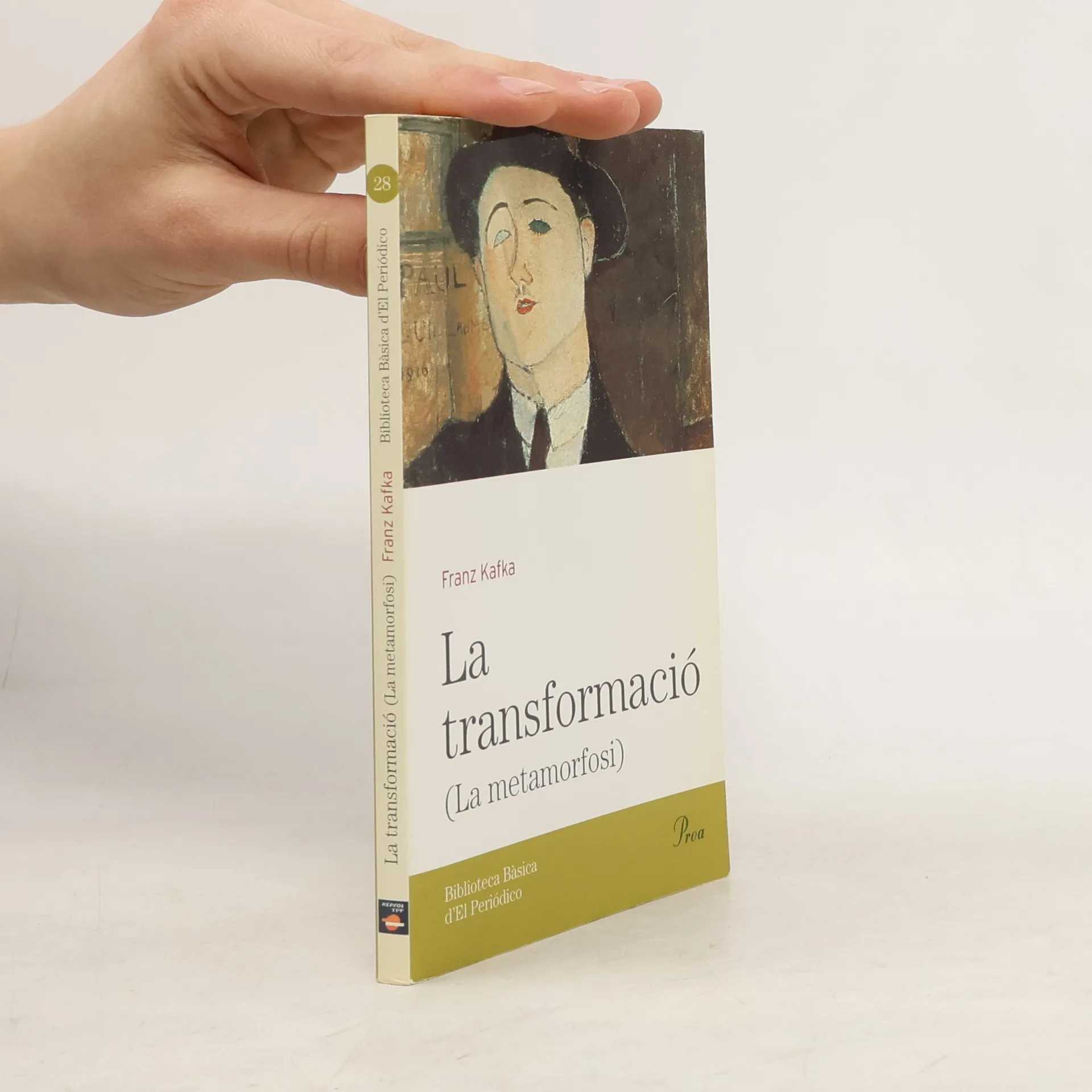
Une des œuvres majeures de la littérature moderne sur les cauchemars de l'existence, La transformation, ou métamorphose, de Gregor Samsa en un insecte monstrueux, semblable à un énorme scarabée, est un des jalons de la littérature universelle. Franz Kafka a écrit ce récit en 1915. Dans cette œuvre, la plus connue des cauchemars kafkaïens, le protagoniste se retrouve confronté à une réalité absurde et aliénante, symbolisant la lutte de l'individu contre un monde indifférent. La transformation de Gregor illustre les thèmes de l'isolement, de l'angoisse existentielle et de la déshumanisation. La critique souligne que l'univers de Kafka est un espace où l'homme se débat dans des situations intolérables, où la destruction de l'identité plane comme une menace inéluctable. La littérature de Kafka, à la fois cruelle et complexe, explore les profondeurs de l'âme humaine face à l'absurde et à la souffrance.
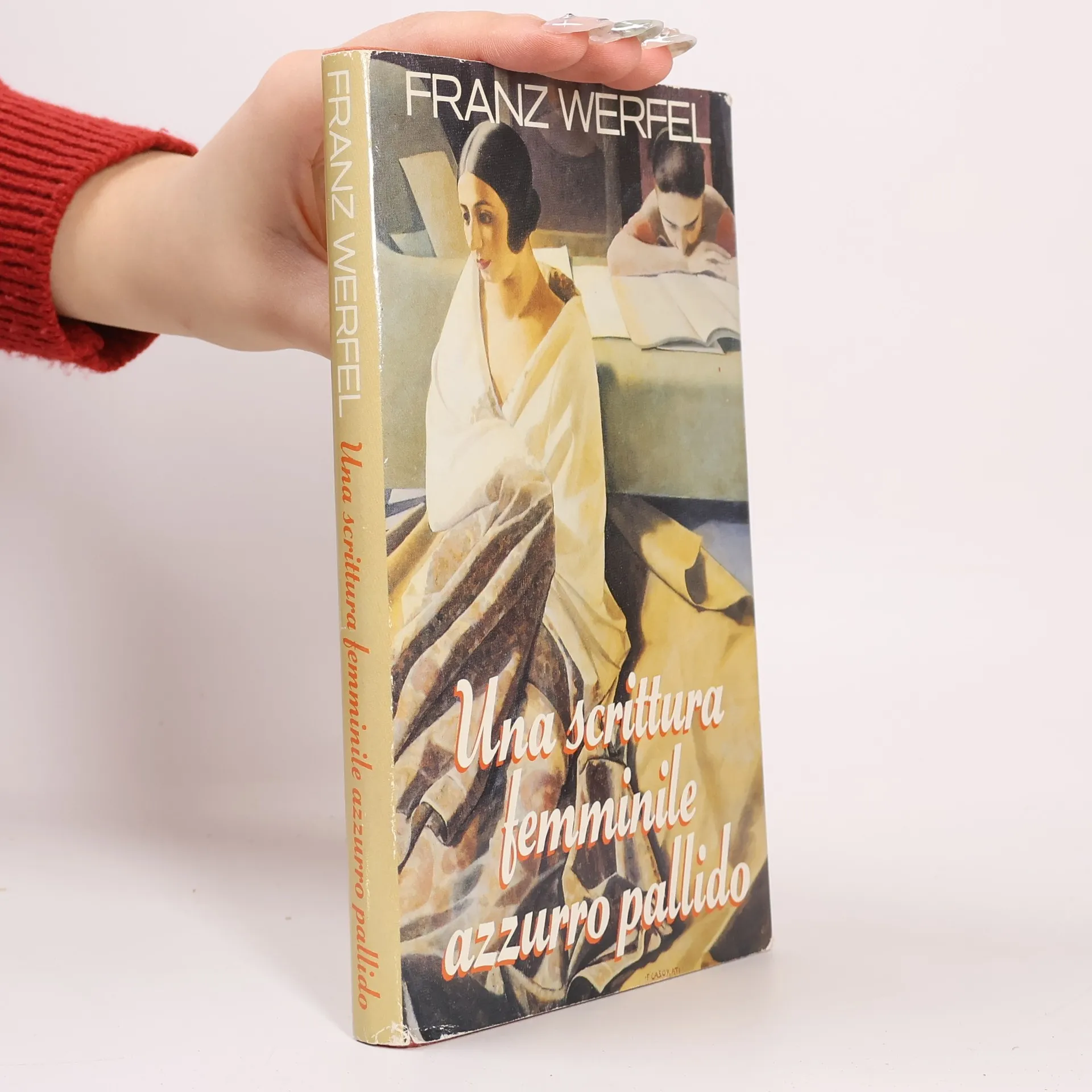
Nel 1936 a Vienna, un alto funzionario ministeriale, sposato con una donna bella e ricca, riceve una lettera con una scrittura femminile azzurro pallido. Questa missiva, apparentemente formale, richiede il suo aiuto per trasferire un giovane tedesco di diciotto anni in una scuola viennese, ma per lui rappresenta il riemergere di un amore del passato, accuratamente rimosso. Il giovane potrebbe essere un figlio ignorato, un legame che ha segnato la sua vita come una "tomba interrata". Quell'amore, forse il più grande della sua esistenza, è stato eliminato dal suo "cuore guasto" per conformarsi alle aspettative della società viennese, descritta con tocchi abili. León, l'elegante protagonista, è distaccato da ogni elemento della sua vita, comprese le sue umili origini e quella passione inaccettabile. L'autore riesce a intrecciare indagine psicologica e analisi sociale con una precisione disturbante, evidenziando che l'amante abbandonata è ebrea, il che rende la sua cancellazione ancora più tragica. Pubblicata in esilio a Buenos Aires nel 1941, questa storia perfetta si legge come un amaro addio a Vienna e alla civiltà mitteleuropea, continuando il discorso di Schnitzler.