Blick Zurück Im Zorn / Déjàvu
- 270pagine
- 10 ore di lettura


John Osborne fu un drammaturgo inglese la cui opera trasformò drasticamente il teatro inglese. Nel corso di una carriera prolifica, esplorò numerosi temi e generi, scrivendo per il palcoscenico, il cinema e la televisione. Divenne noto per il suo linguaggio ornato e spesso violento, utilizzato sia per criticare questioni politiche sia nelle relazioni personali. Osborne fu tra i primi scrittori a mettere apertamente in discussione il ruolo della monarchia e ad affrontare l'identità post-imperiale della Gran Bretagna, portando le complesse realtà del dopoguerra alla ribalta del palcoscenico pubblico.

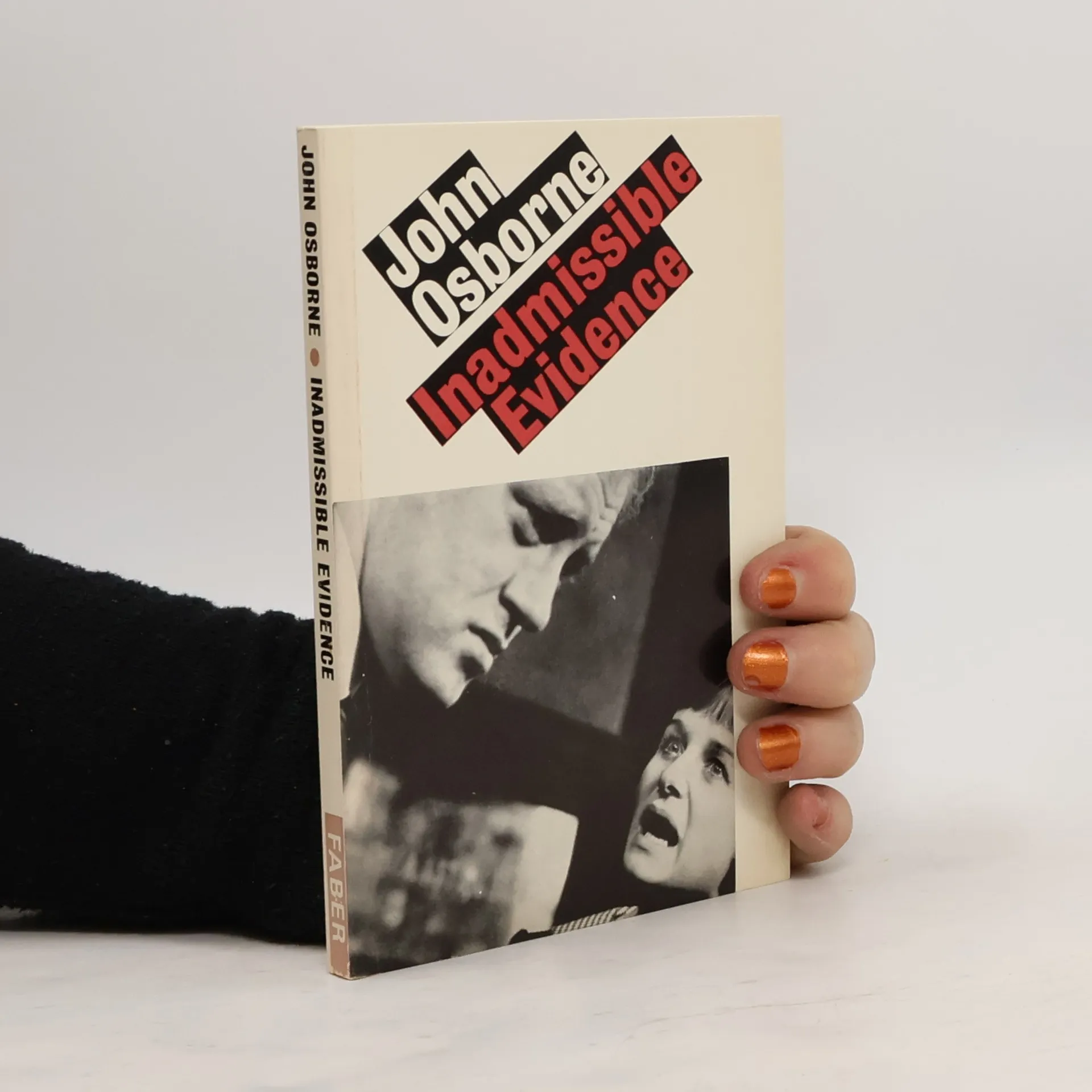
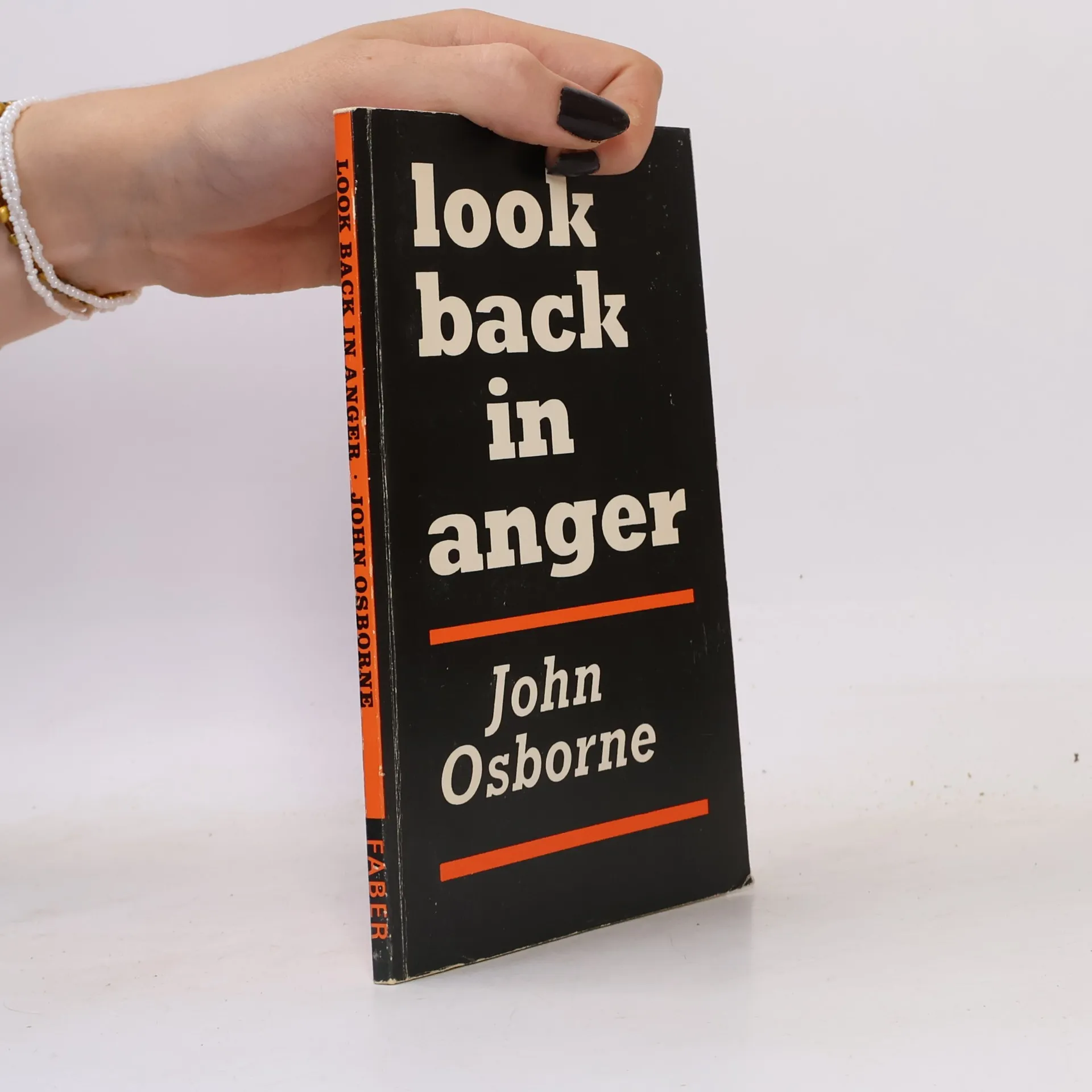

Jimmy Porter plays trumpet badly. He browbeats his flatmate, terrorizes his wife, and is not above sleeping with her best friend-who loathes Jimmy almost as much as he loathes himself. Yet this working-class Hamlet, the original Angry Young Man, is one of the most mesmerizing characters ever to burst onto a stage, a malevolently vital, volcanically articulate internal exile in the dreary, dreaming Siberia of postwar England. First produced in 1956, Look Back in Anger launched a revolution in the English theater. Savagely, sadly, and always impolitely, it compels readers and audiences to acknowledge the hidden currents of rottenness and rage in what used to be called "the good life."
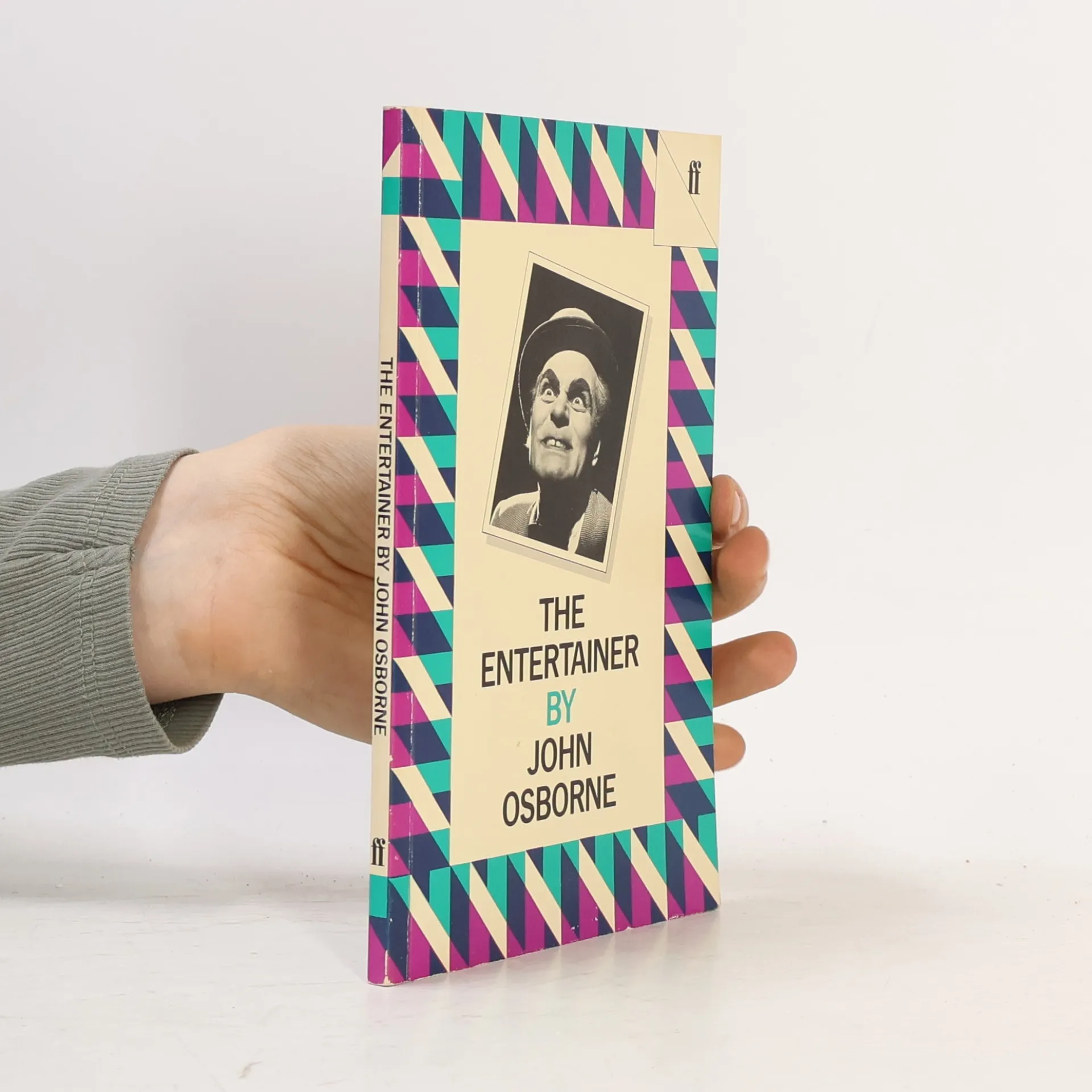
This play about the life and work of a second-rate music hall comic (brilliantly created by Sir Laurence Olivier in the original production) has become a classic of 20th century drama.
A Play
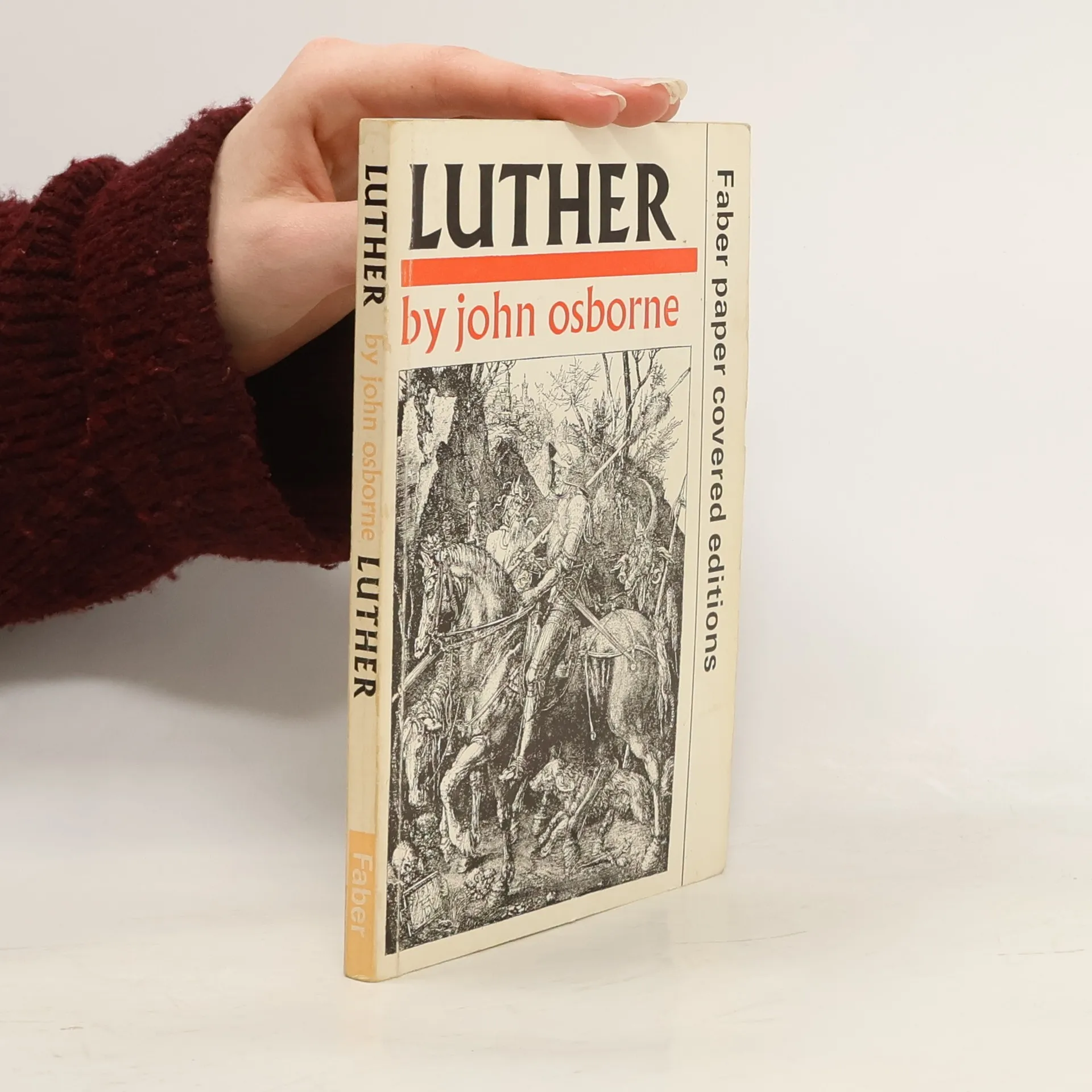
Luther is a play by John James Osborne that explored the forces that were involved in the life of the famous reformer. Osborne was influenced by Erik Erikson's book, Young Man Luther, which had been published 3 years prior in 1958. In the play, Luther's reputed constipation played a part in the course of Luther's life & career. Osborne takes Luther to task for his Against the Murderous, Thieving Hordes of Peasants (1525) & its call for vigorous suppression of the peasants in the Peasants' Revolt (1524-26). Osborne has Luther giving a philosophically & theologically good answer to the challenge, consistent with Luther's own thinking. This would seem to exculpate Osborne of any accusation of being totally one-sided against Luther. Luther seems to have been a disappointment to Osborne, since he could have followed thru in his life as a revolutionary. He does have Johann von Staupitz, although at a time when the historical person would have been dead at least a year, telling Luther: "We owe so much to you." The play was made into a film, starring Stacy Keach, Judi Dench, Maurice Denham, Hugh Griffith, Patrick Magee, & Robert Stephens in 1974.
Set on a Caribbean Island, colonial and emotional empires in deca. The main character of this play, the elderly novelist Wyatt Gillman, resembles a fading Evelyn Waugh who has become a spent force and a prophet opposed to change.
Tennessee Williams: Električka zvaná Túžba Jean Anouilh: Božia česť Friedrich Dürrenmatt: Fyzici John Osborne: Obzri sa v hneve Július Pašteka: Nové obzory súčasného divadla
Experience the wonder of the written word from some of the greatest writers of the modern age, with Faber Modern Classics. With an introduction from Michael Billington and eulogy from David Hare.