
Bookbot

Michael S. Kimmel

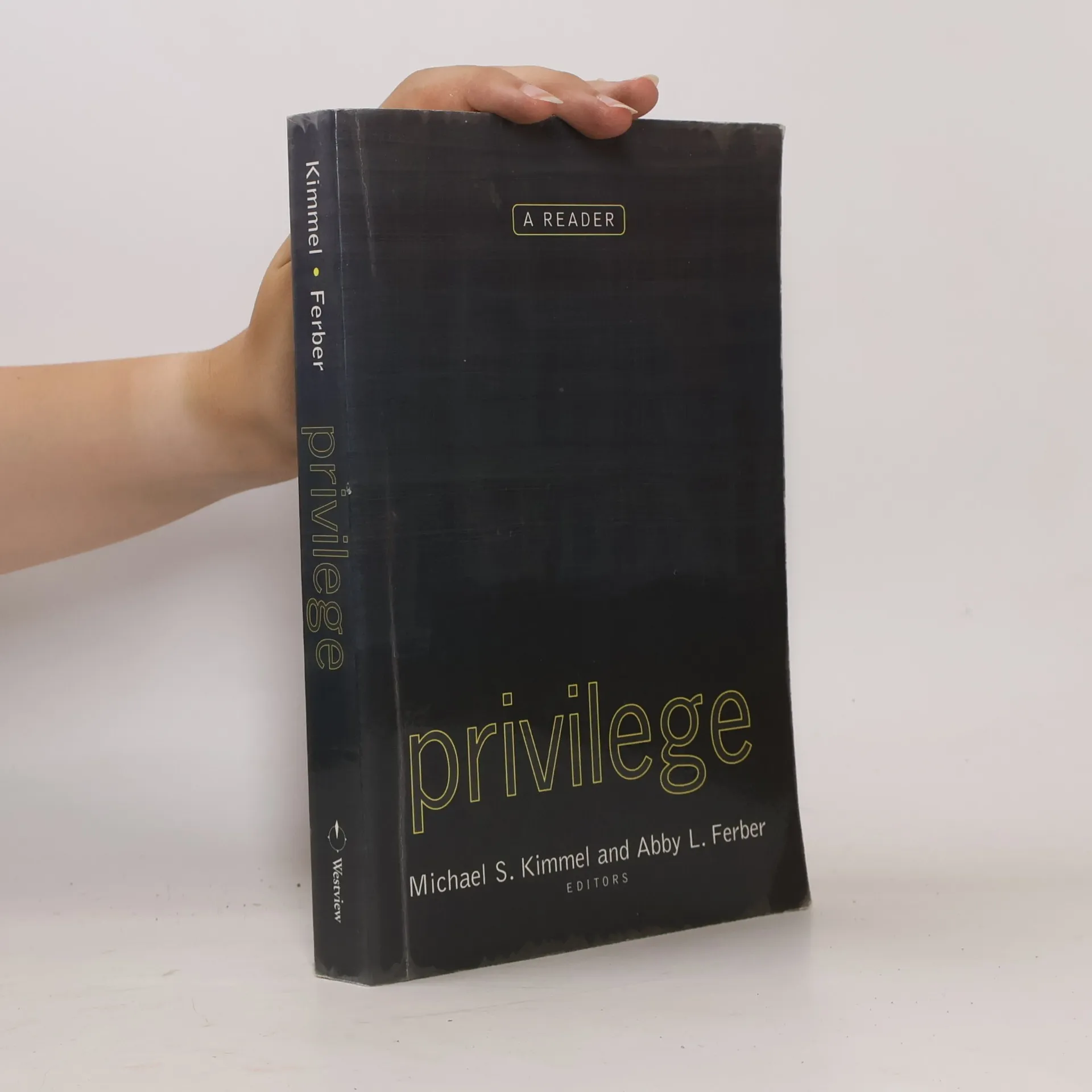
    Privilege
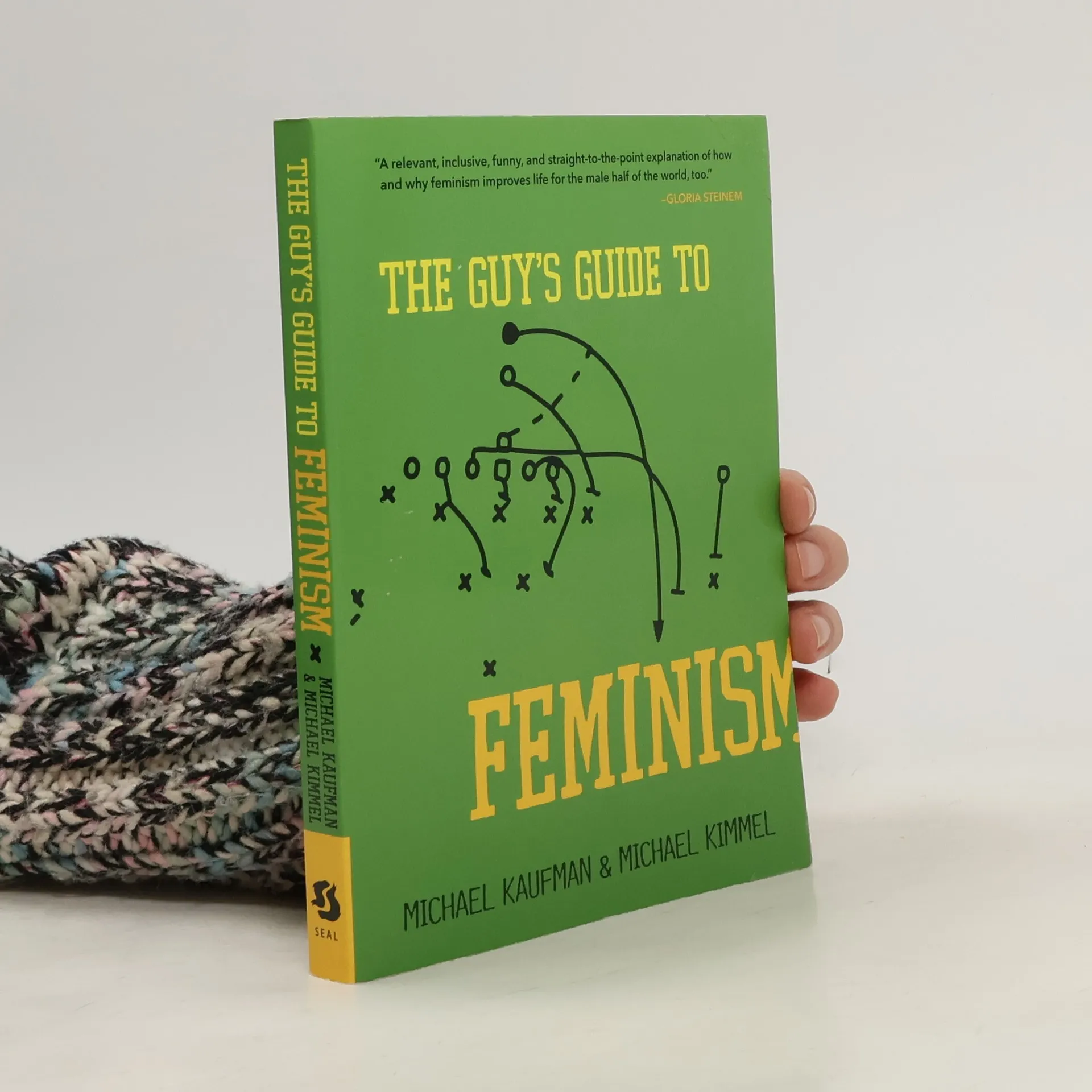
    The Guy's Guide to Feminism
    • The Guy's Guide to Feminism

      • 208pagine
      • 8 ore di lettura

      In just one generation, age-old ideas about women have been swept aside . . . but what does that have to do with men? Authors Michael Kaufman and Michael Kimmel, two of the world’s leading male advocates of gender equality, believe it has everything to do with them—and that it’s crucial to educate men about feminism in order for them to fully understand just how important and positive these changes have been for them. Kaufman and Kimmel address these issues in The Guy’s Guide to Feminism. Hip and accessible, it contains nearly a hundred entries—from “Autonomy” to “Zero Tolerance”—written in varying tones (humorous, satirical, irreverent, thoughtful, and serious) and in many forms (“top ten” lists, comics, interviews, mini-stories, and more). Each topic celebrates the ongoing gains that are improving the lives of women and girls—and what that really means for men. Informal and fun yet substantive and intelligent, The Guy’s Guide to Feminism illustrates how understanding and supporting feminism can help men live richer, fuller, and happier lives.

      The Guy's Guide to Feminism
      3,4
    • Privilege

      A Reader

      • 432pagine
      • 16 ore di lettura

      In this new and timely anthology on the experience of privilege in America—as it relates to holding the identity of the dominant gender, class, race, and sexual preference—sociologists Michael Kimmel and Abby Ferber, along with a wide range of contributors, challenge students to think more critically about the myriad inequalities in society and especially to become more aware of how the dynamics that create inequality for some also benefit others. Designed to be used in both introductory sociology and race, gender, and class courses, this exciting volume asks that privilege—and students’ own role in it—become more visible. With both well-known and previously published pieces as well as new contributions, Privilege uses an “intersectional approach” to explore the ways in which race, class, gender and sexuality interact in the lives of those who are privileged by one or more of these identities. Kimmel and Ferber have brought together leading thinkers and writers on all of these dimensions, to examine both the parallels and the ruptures among these different but connected relationships. Writing both personally and analytically, these essays can bring students inside the experiences, and enable us all to begin to theorize our own lives, as well as to explore the ways in which these systems intersect in people’s lives.

      Privilege