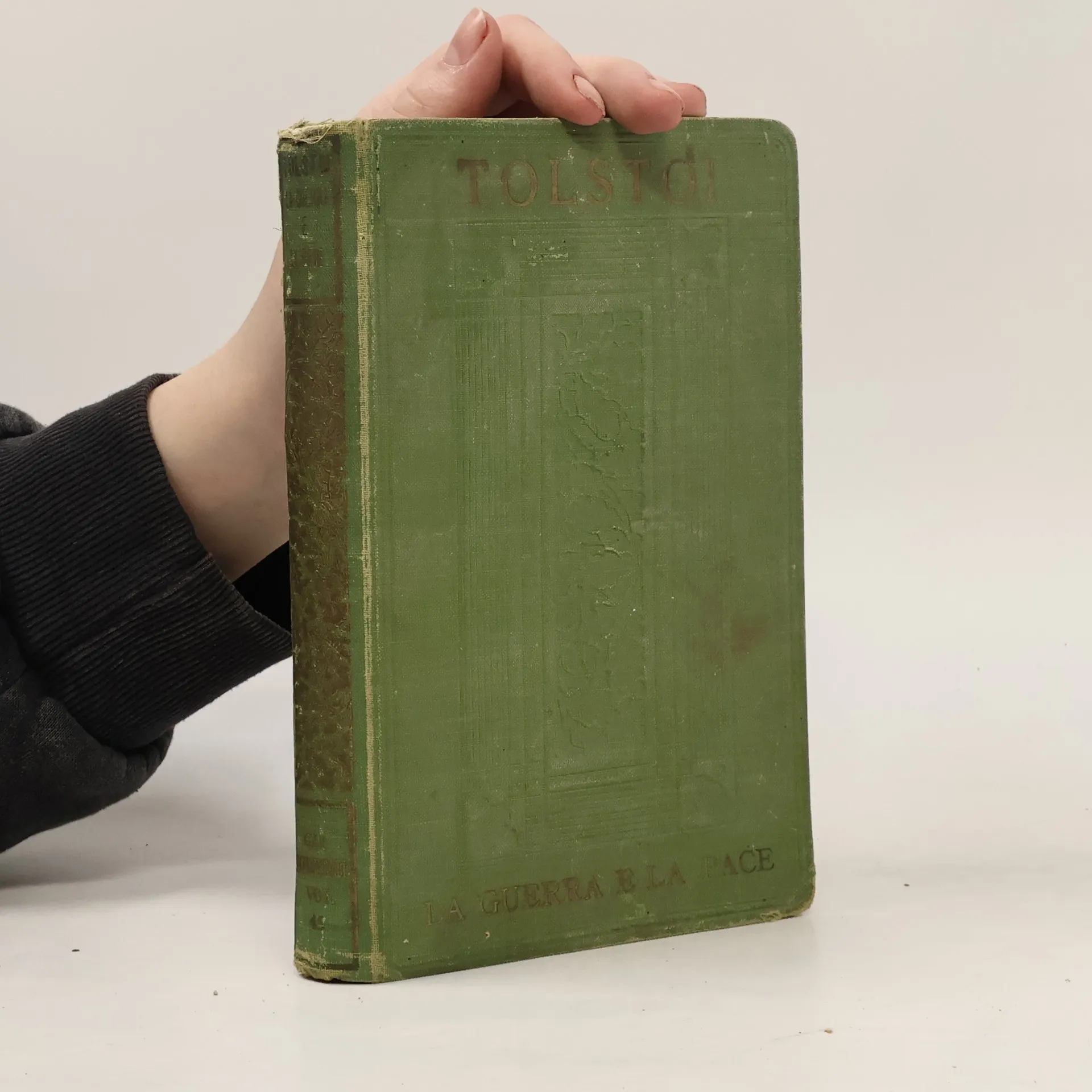
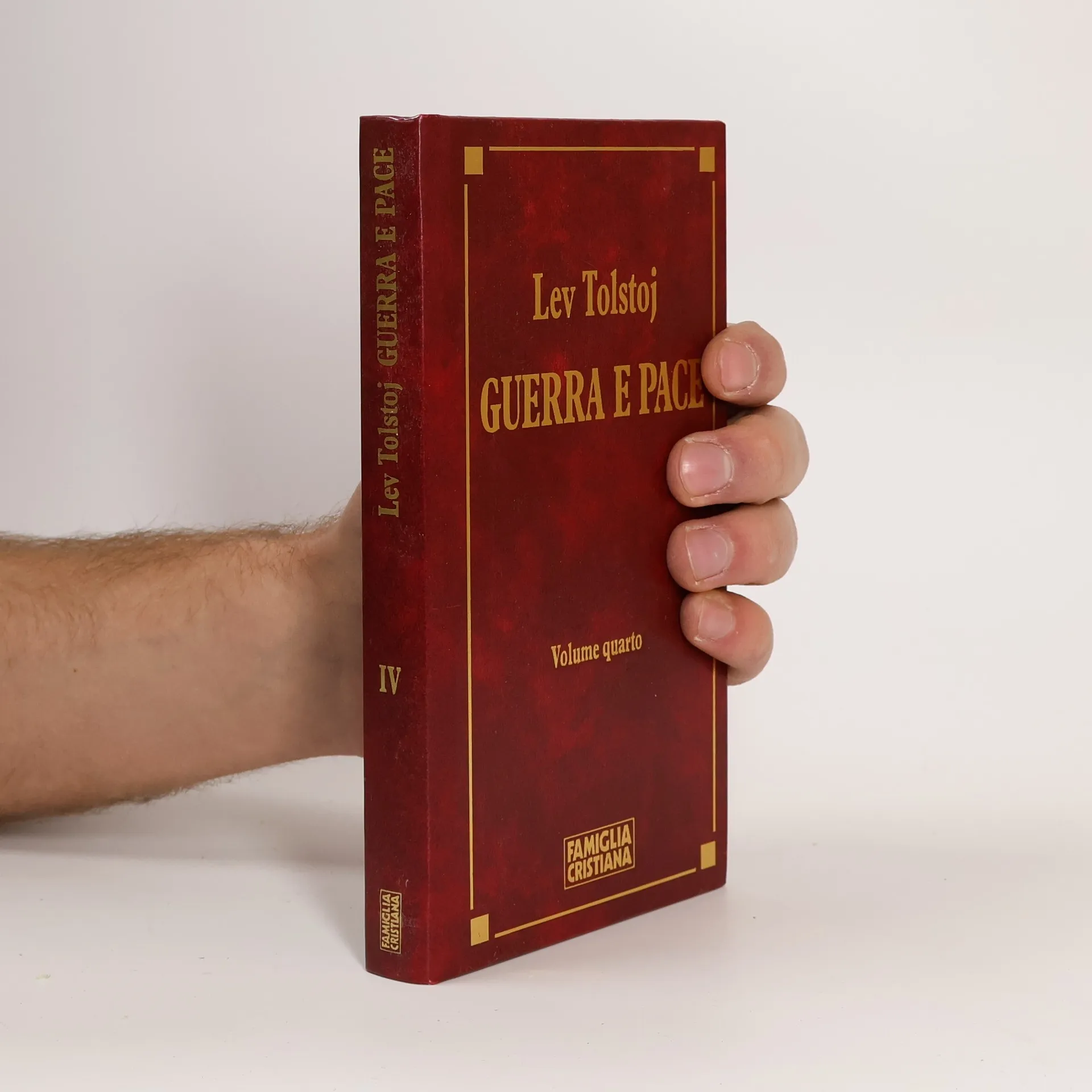
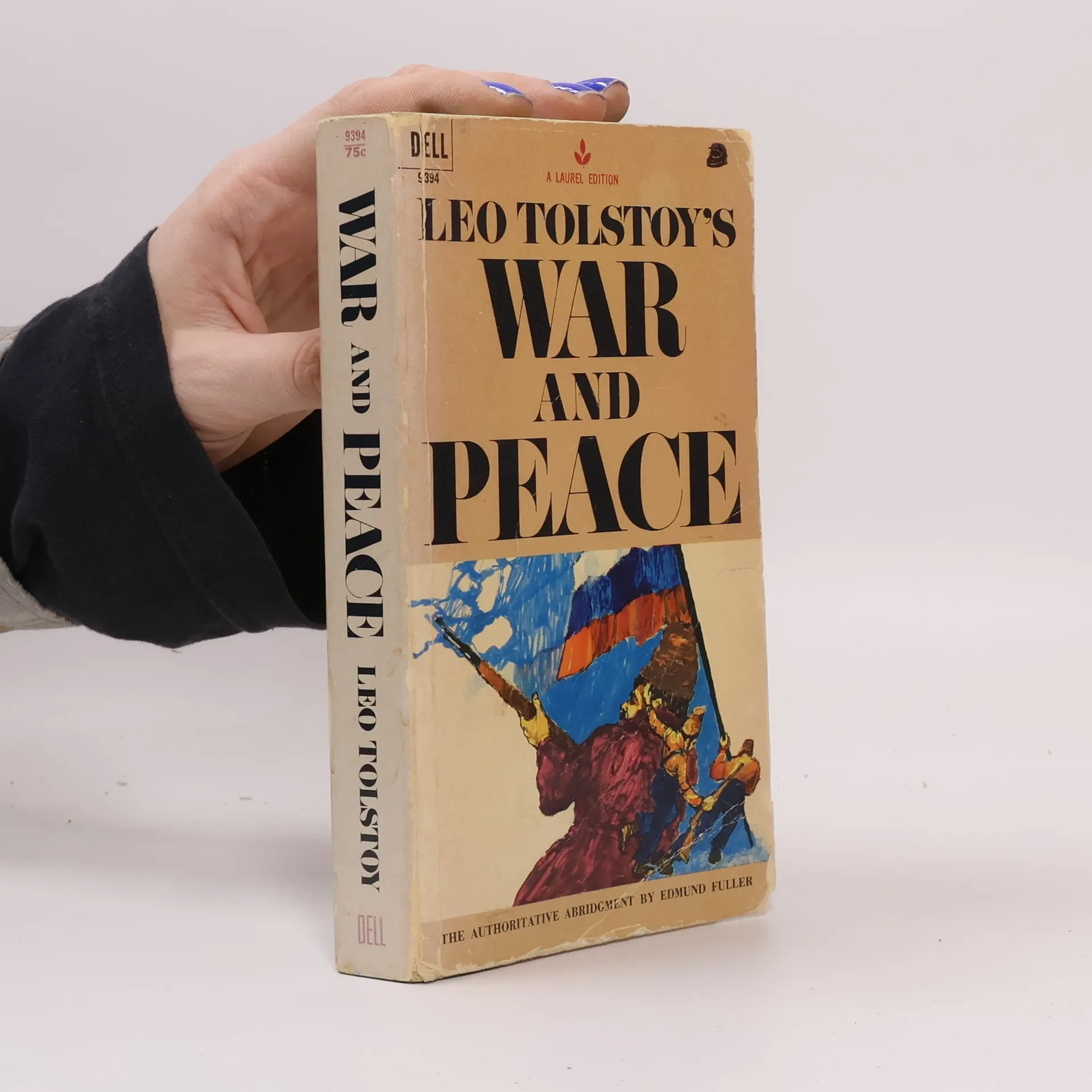
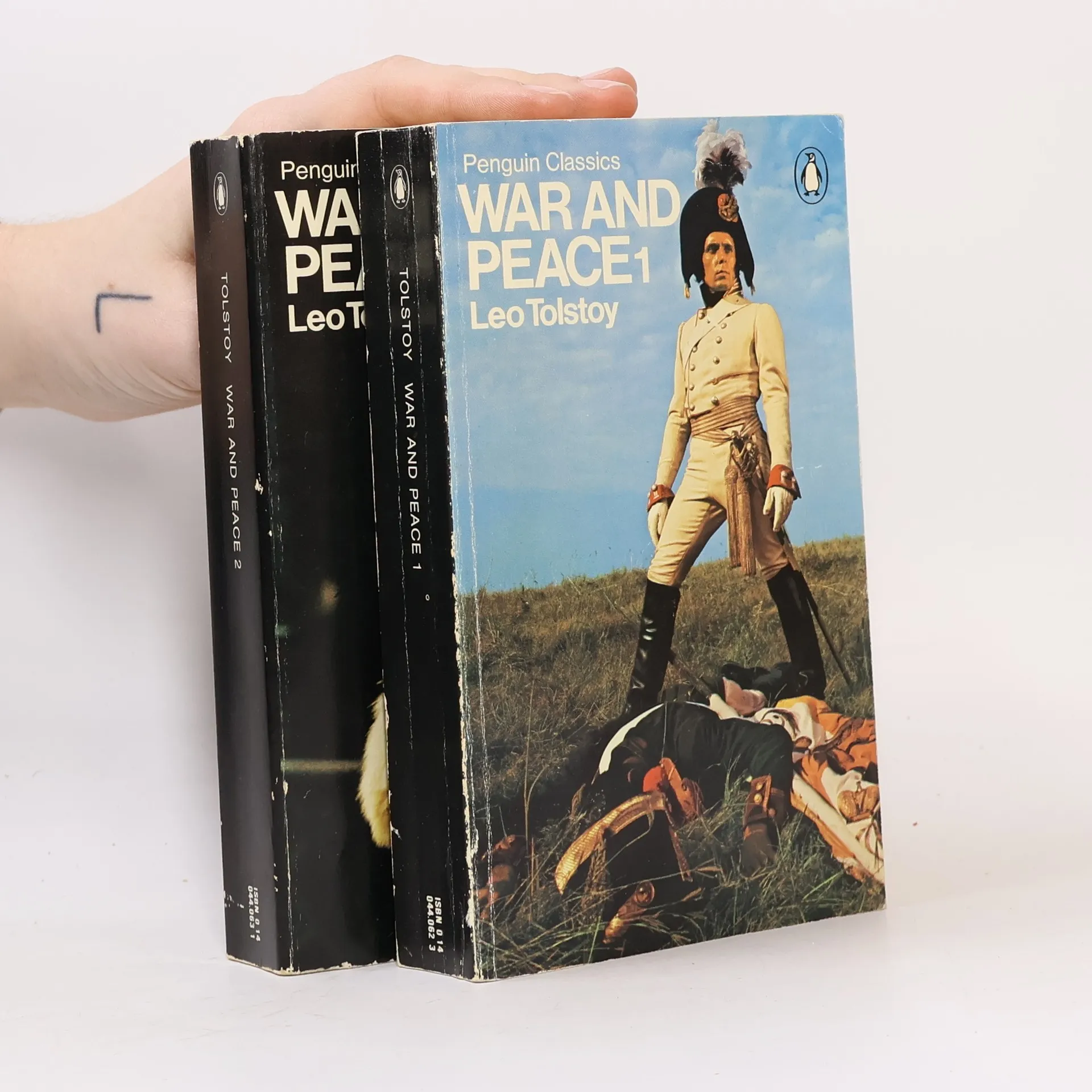
Il romanzo "Guerra e Pace" (scritto tra il 1863 e il 1869, pubblicato nel 1869) è un'epopea romanzesca in quattro volumi, considerata una delle più grandi e celebri opere della letteratura mondiale. Lev Tolstoj presenta oltre 250 personaggi, sia principali che secondari, tra cui figure storiche come lo zar Alessandro I, l'imperatore Napoleone e il generale Kutuzov. La narrazione offre descrizioni dettagliate e vivide delle battaglie (come quella di Austerlitz e di Borodino) e della Mosca desolata e in fiamme, senza pari nella letteratura mondiale. Scene intime della vita dell'alta società, amori e avventure si alternano a eventi storici e alla lotta del popolo russo contro Napoleone. Tolstoj trae ispirazione non solo da eventi storici globali, ma anche dalle esperienze della propria famiglia. La terza parte dell'epopea si svolge nel 1812 e racconta, tra l'altro, della battaglia di Borodino e della presenza di Napoleone a Mosca.
Leone Tolstoi Libri
- Л. Н.
- Л. Н. Т.


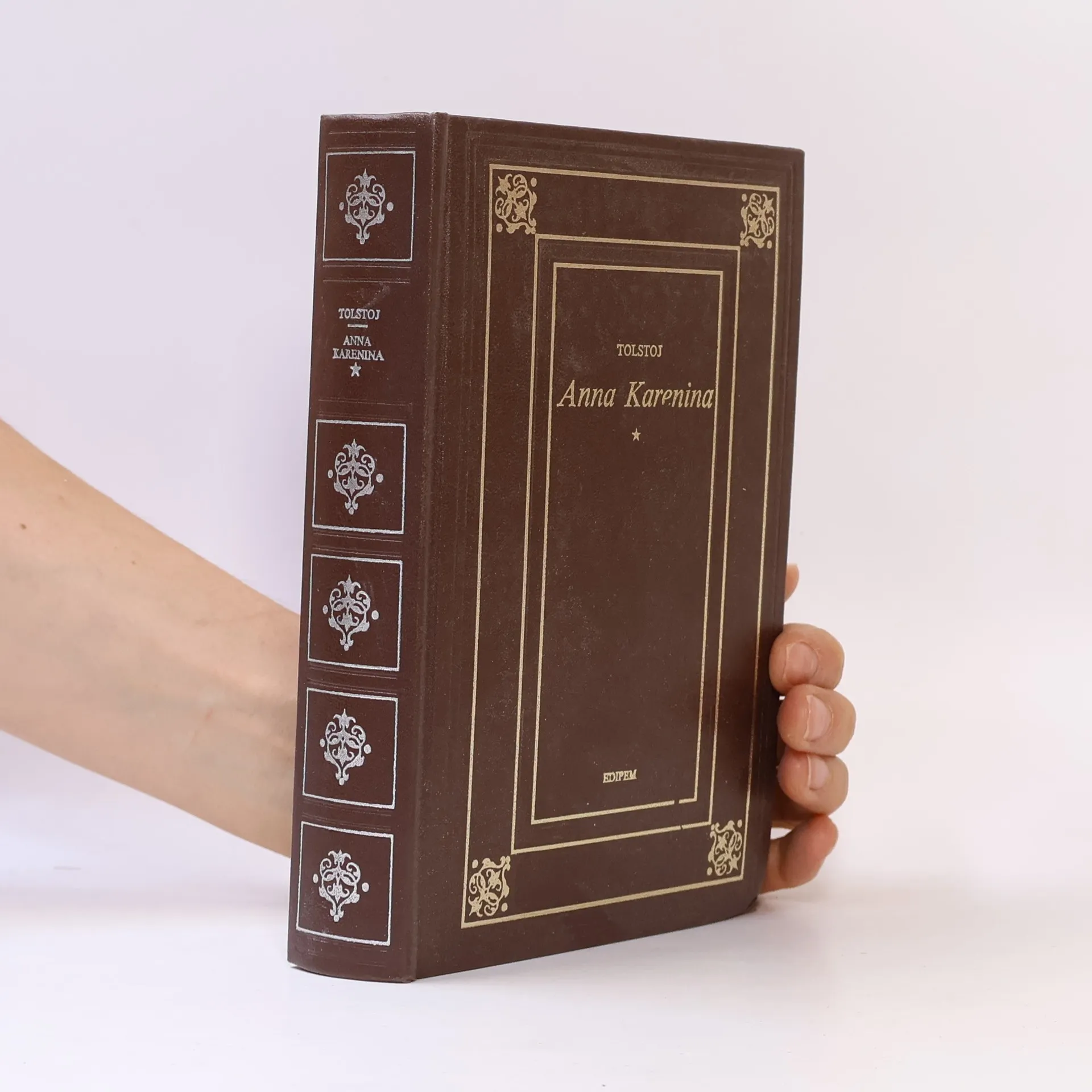
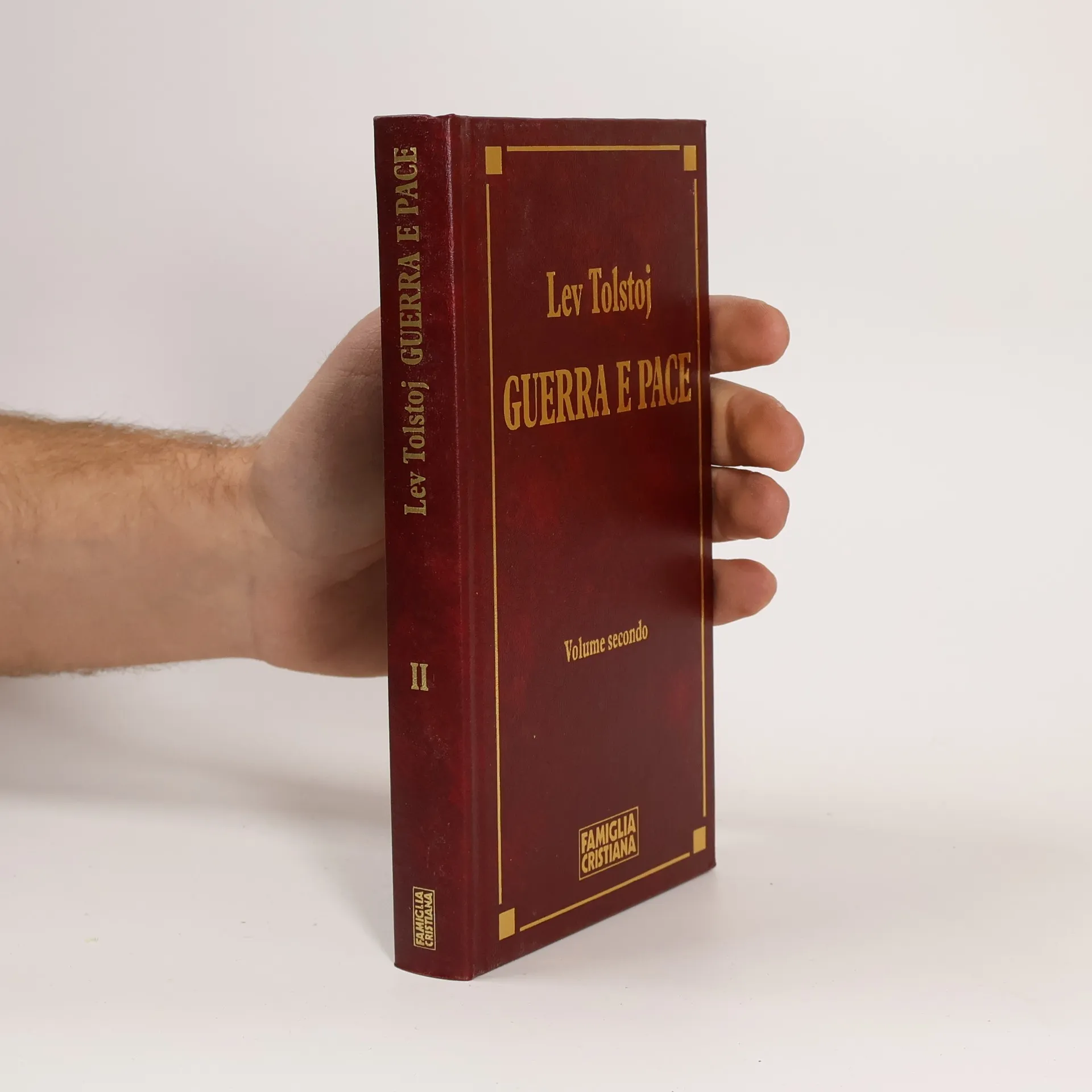
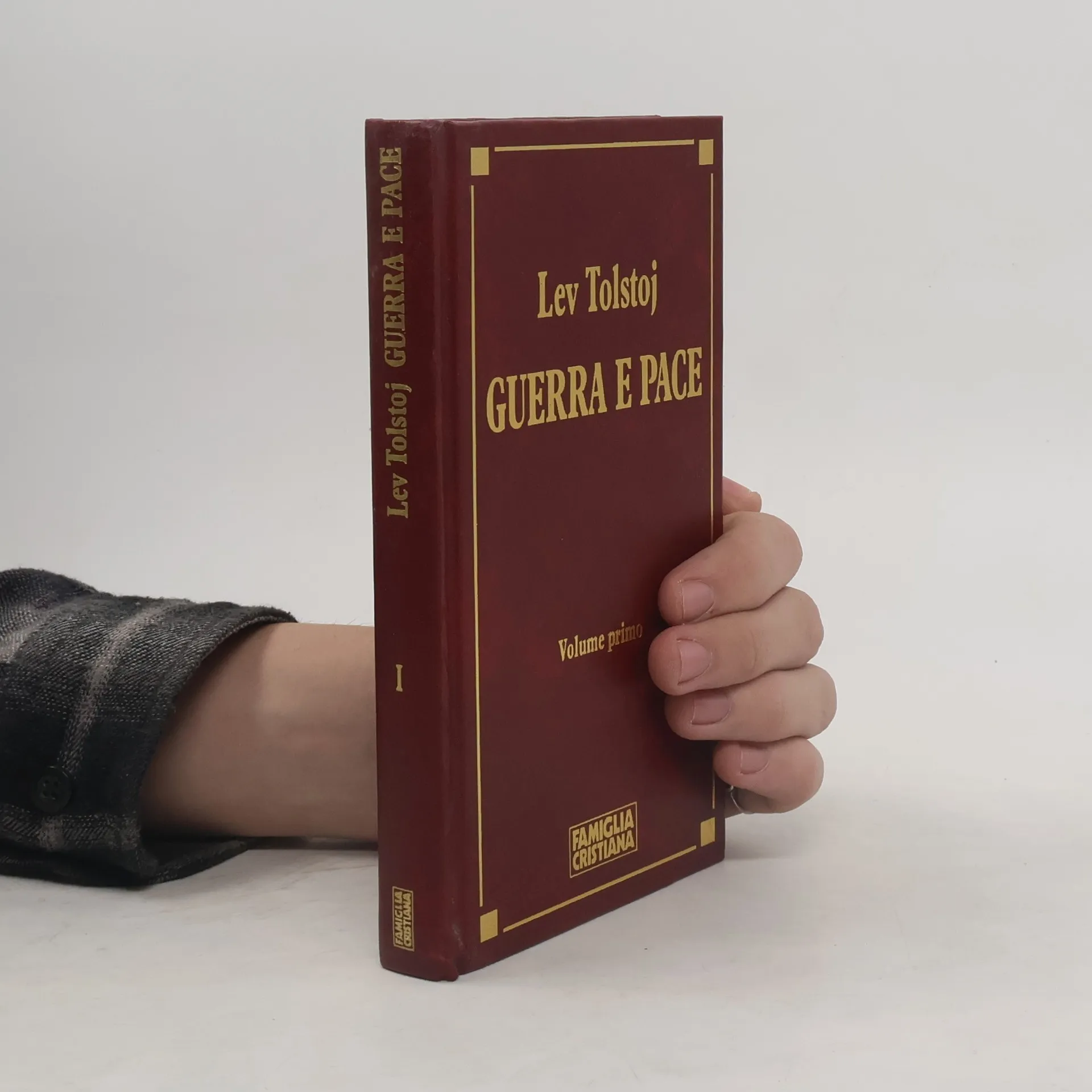
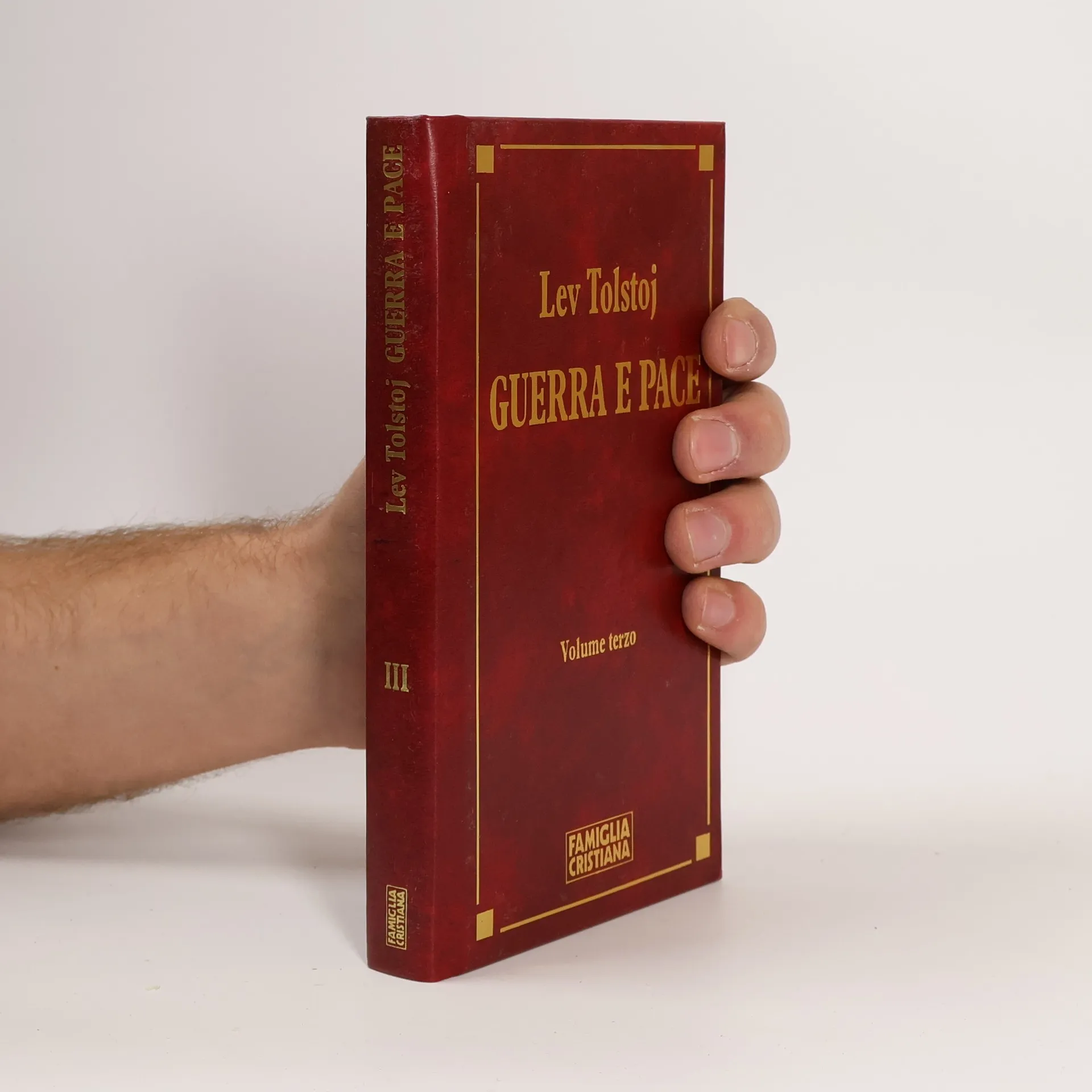
Romanzo sociale e storico. Ritrae l'immagine della Russia dal 1805 fino alla rivolta dei decabristi del 1825.
L. N. Tolstoj scrisse Guerra e pace tra il 1863 e il 1869. È un grande romanzo che ritrae la vita della società russa nei primi decenni del XIX secolo. Attraverso una moltitudine di personaggi realistici, il romanzo presenta figure storiche come il generale Kutuzov e Napoleone. Descrive le guerre napoleoniche tra Russia e Francia, che si svolsero tra il 1805 e il 1812, con dettagli sulla battaglia di Austerlitz nel 1805, la battaglia di Borodino e l'occupazione di Mosca da parte dei francesi. I protagonisti principali sono i nobili Andrej Bolkonskij e Pierre Bezuchov, insieme ai membri della famiglia Rostov. Pierre Bezuchov incarna le idee di Tolstoj, valutando con acutezza gli eventi politico-sociali che lo circondano, talvolta anche figure storiche significative. Il romanzo è stato adattato con successo al cinema.
Tutte le famiglie felici si somigliano, ogni famiglia infelice è infelice a modo suo. Questa osservazione incisiva del gigante del romanzo realistico russo Lev Nikolajевич Tolstoj apre uno dei più celebri lavori psicologici della storia della letteratura. Dopo la monumentale opera "Guerra e pace", Tolstoj si dedica a una trama più intima, esprimendo il suo rifiuto per la pseudomoralità delle "alte sfere" attraverso una trasformazione profonda dei temi delle romanze alla moda. Ispirato da un evento reale, in cui una giovane donna apparentemente rispettabile si gettò sotto un treno merci, Tolstoj narra la storia del scandaloso declino di una bella donna "ben sposata", costretta a scegliere tra una vita di salotto priva d'amore e il suo diritto naturale alla felicità. L'ardore del funzionario zarista per il giovane ufficiale Vronskij si intreccia con le vite e le crisi di parenti e amici, rendendo la situazione di Anna ancor più tragica, poiché, a differenza dei moralisti del tempo, non riesce a essere ipocrita e non nasconde la sua relazione amorosa né le sue conseguenze.
Guerra e Pace si concentra sull'invasione della Russia da parte di Napoleone nel 1812 e segue tre dei personaggi più noti della letteratura: Pierre Bezukhov, il figlio illegittimo di un conte che lotta per la sua eredità e cerca la realizzazione spirituale; il principe Andrei Bolkonsky, che lascia la sua famiglia per combattere nella guerra contro Napoleone; e Natasha Rostov, la bella giovane figlia di un nobile che intriga entrambi gli uomini. Mentre l'esercito di Napoleone invade, Tolstoj segue brillantemente personaggi di diverse origini—contadini e nobili, civili e soldati—mentre affrontano i problemi unici della loro epoca, della loro storia e della loro cultura. E man mano che il romanzo progredisce, questi personaggi trascendono la loro specificità, diventando alcune delle figure più toccanti—e umane—della letteratura mondiale.
Una storia comune
- 425pagine
- 15 ore di lettura
Una storia comune racconta le vicende di Aleksandr Aduev, un giovane romantico e sognatore che si trasferisce dalla provincia, dove la madre lo ha sempre coccolato, a San Pietroburgo a casa dello zio Pjotr, un pragmatico capitalista sposato con Lizaveta Aleksandrovna, una bellissima donna molto più giovane. Aleksandr crede nell’amore eterno, nell’amicizia indissolubile e soprattutto si reputa un grande poeta. Lo zio, uno dei caratteri più indimenticabili della letteratura di sempre, cerca di orientarlo verso una visione più realistica della vita. Il romanzo è una vicenda umoristica travolgente, una narrazione serrata intorno allo scontro di due mondi che sembrano in apparenza irriducibili. Il registro di Gončarov è la comicità: un’intelligenza che nasce da Puškin e continua in Gogol’ e negli altri grandi del suo tempo. Gončarov è il maestro di una verità che spesso dimentichiamo: la vita deve continuare a nutrirci con qualcosa di intangibile, qualcosa che soltanto il riso sa conservare nell’assurda idiozia delle nostre azioni. Scritto in prosa e versi e pubblicato nel 1847, è il primo libro di una trilogia (a cui seguono il celebre Oblomov e Il burrone ). Dimenticato per oltre un secolo a causa della sua mancanza di impegno politico e sociale, il libro viene oggi riscoperto come un grande capolavoro della letteratura russa dell’Ottocento, al pari dei grandi Tolstoj, Dostoevskij, Leskov e Gogol’.
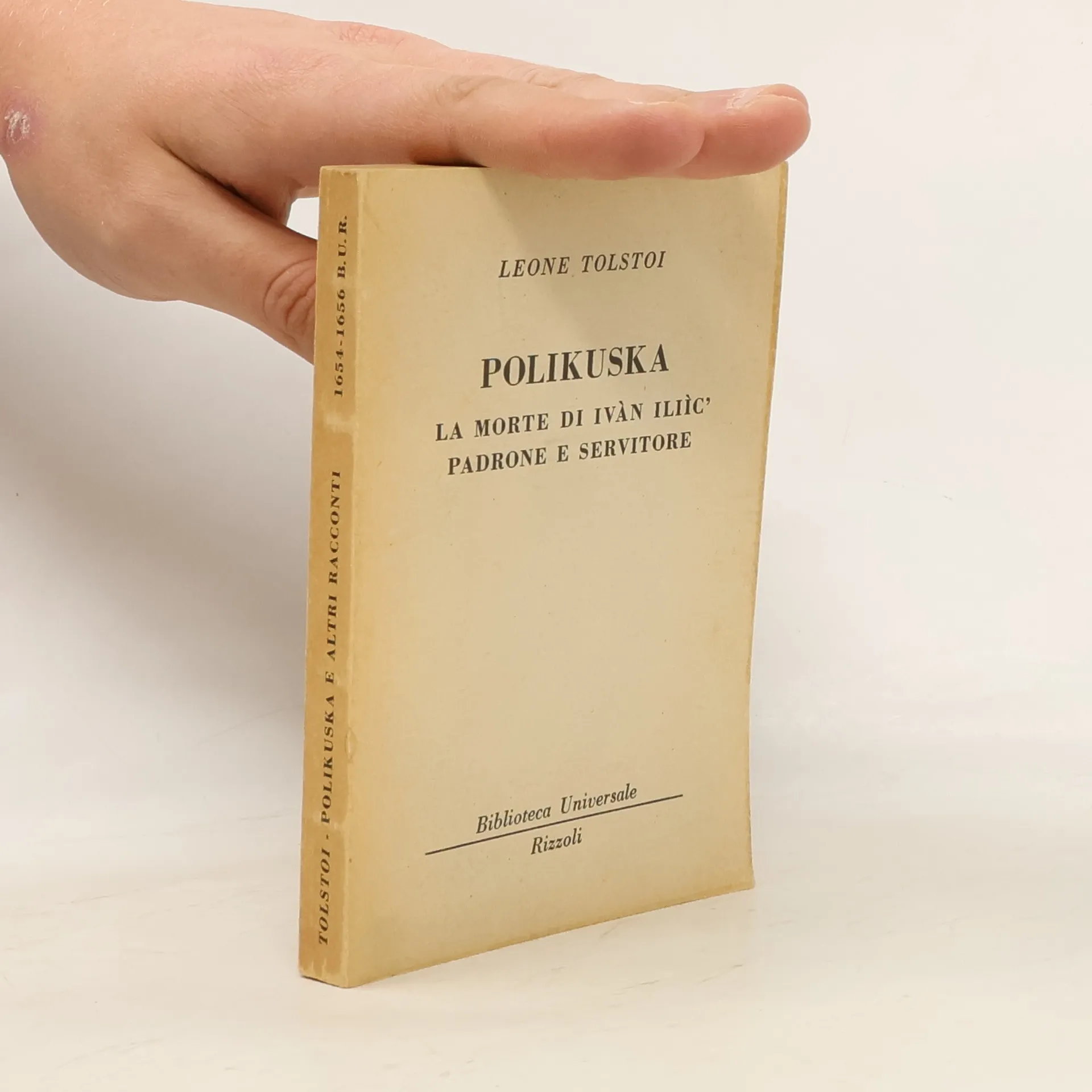
Un'immagine straziante di un villaggio di contadini, dove Tolstoj si schiera dalla parte dei mujik e dei servi della gleba - poveri in stracci, per i quali pochi rubli significavano la vita. Polikej Iljič è un giovane contadino povero. Ama bere e non tollera che ci siano cose in giro; c'è sempre qualcuno disposto a comprarle. Una volta viene sorpreso e promette di migliorare. Un giorno, la padrona lo manda in città per ritirare una grande somma di denaro e lui giura di non lasciarsi tentare. Ma le cose si complicano... Proprio in quel momento, il villaggio deve inviare tre reclute. Due sono scelte subito, ma ci sono grandi dispute su chi sarà il terzo. Eppure basterebbero quattrocento rubli per riscattare quel poveretto.
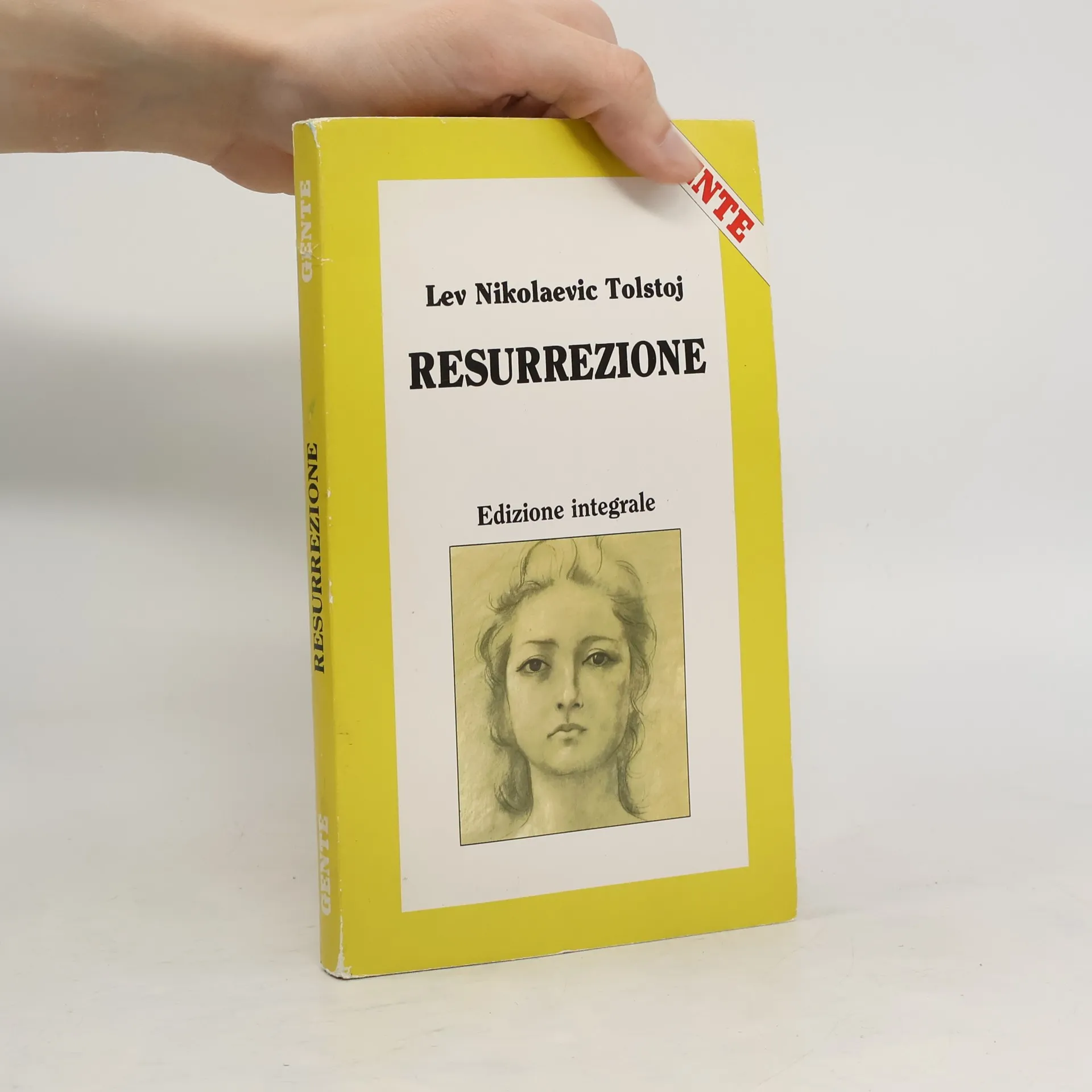
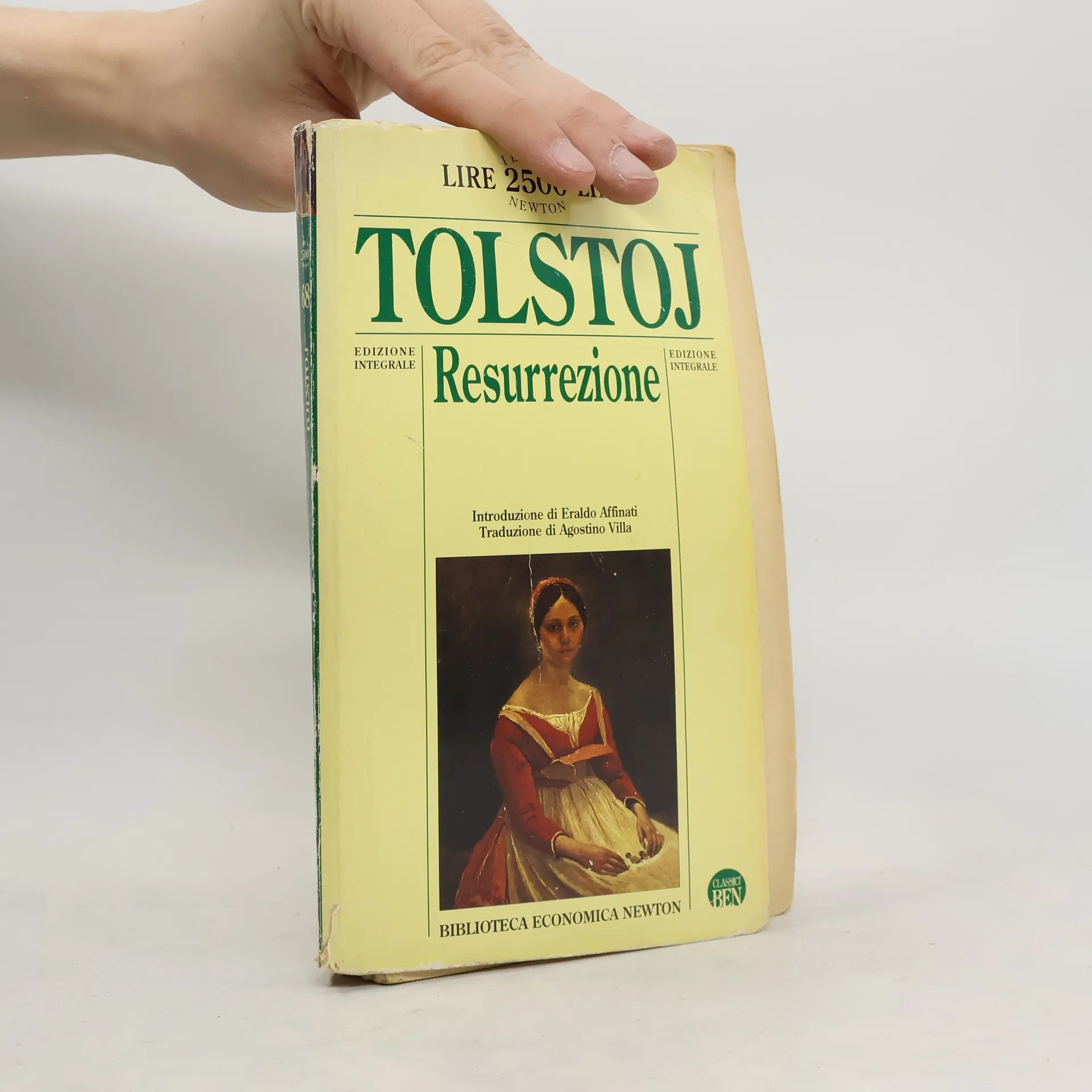
La Resurrezione (1899) è l'ultimo dei grandi romanzi di Tolstoj. Racconta la storia di un nobile che cerca di redimere la sofferenza inflitta, nella sua giovinezza, a una ragazza contadina che finisce prigioniera in Siberia. La visione di Tolstoj della redenzione attraverso il perdono amorevole e la sua condanna della violenza dominano il romanzo. Un racconto intimo e psicologico di colpa, rabbia e perdono, Resurrezione è al contempo una descrizione panoramica della vita sociale in Russia alla fine del XIX secolo, riflettendo l'indignazione dell'autore per le ingiustizie sociali del mondo in cui viveva.
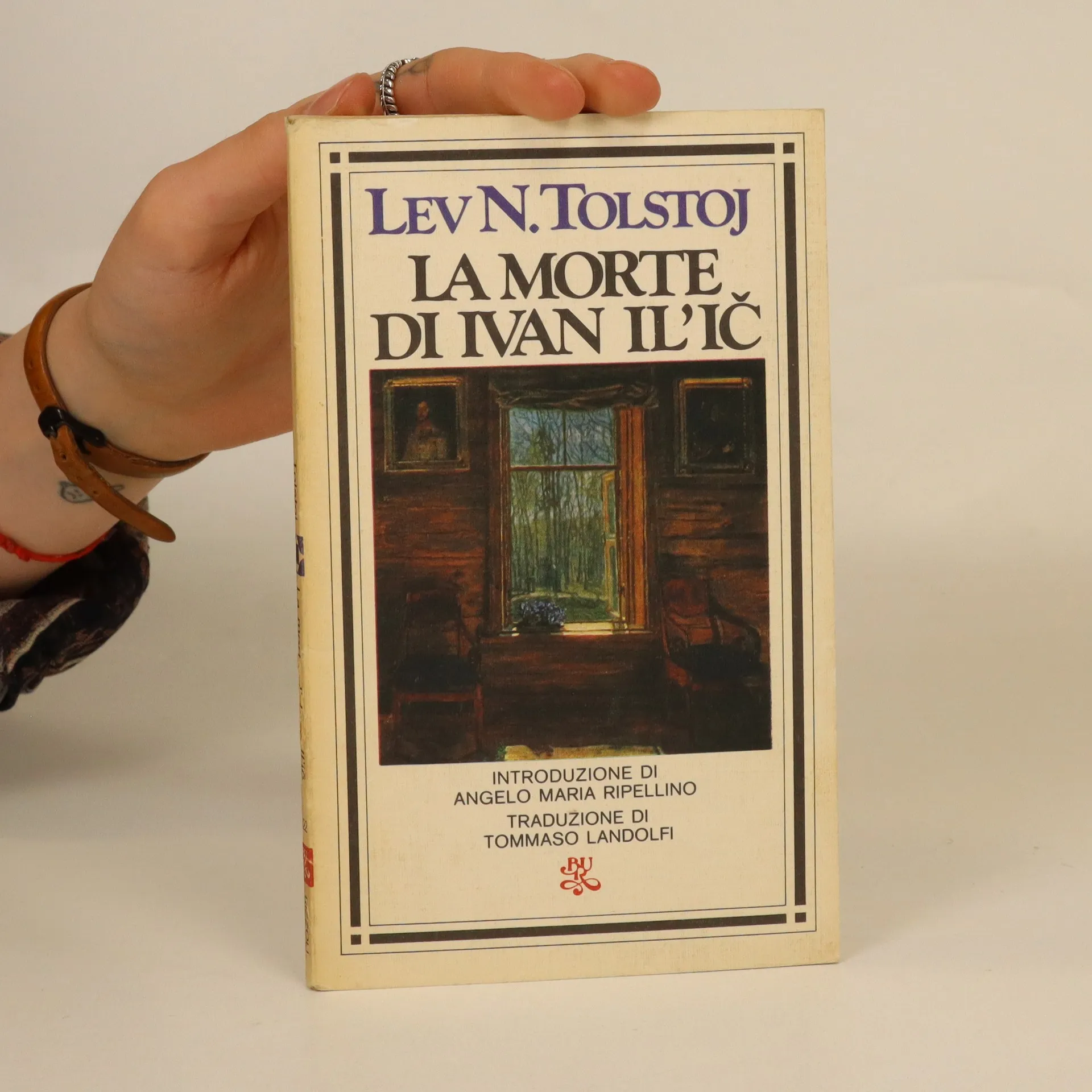
La morte di Ivan Il'ič è generalmente considerata una straordinaria narrazione dell'esperienza della morte, una ricerca del significato della morte. È tutto ciò, e molto di più: è un grande interrogativo su ciò che è e ciò che dovrebbe essere nella vita umana.
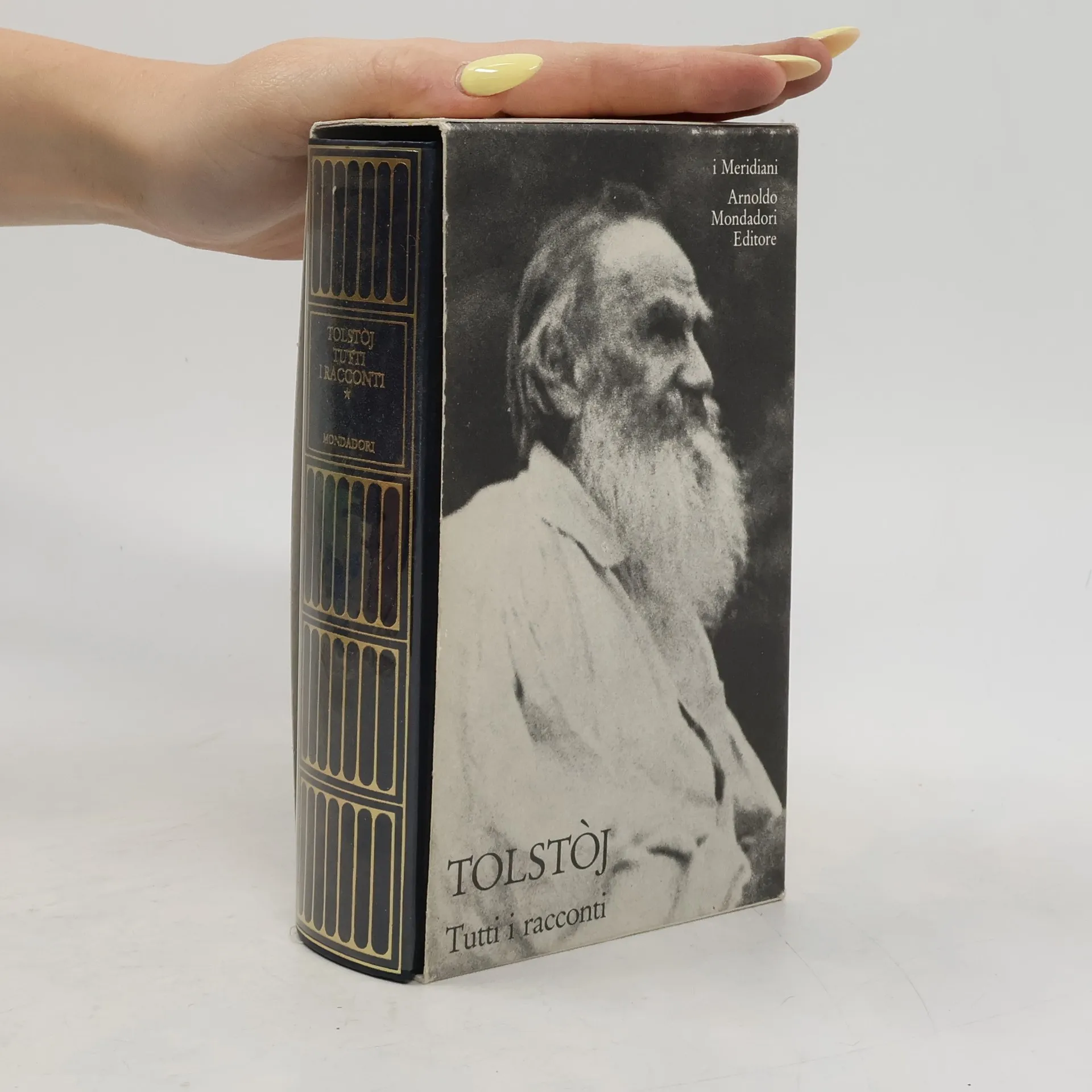
Tutti i racconti
- 1504pagine
- 53 ore di lettura
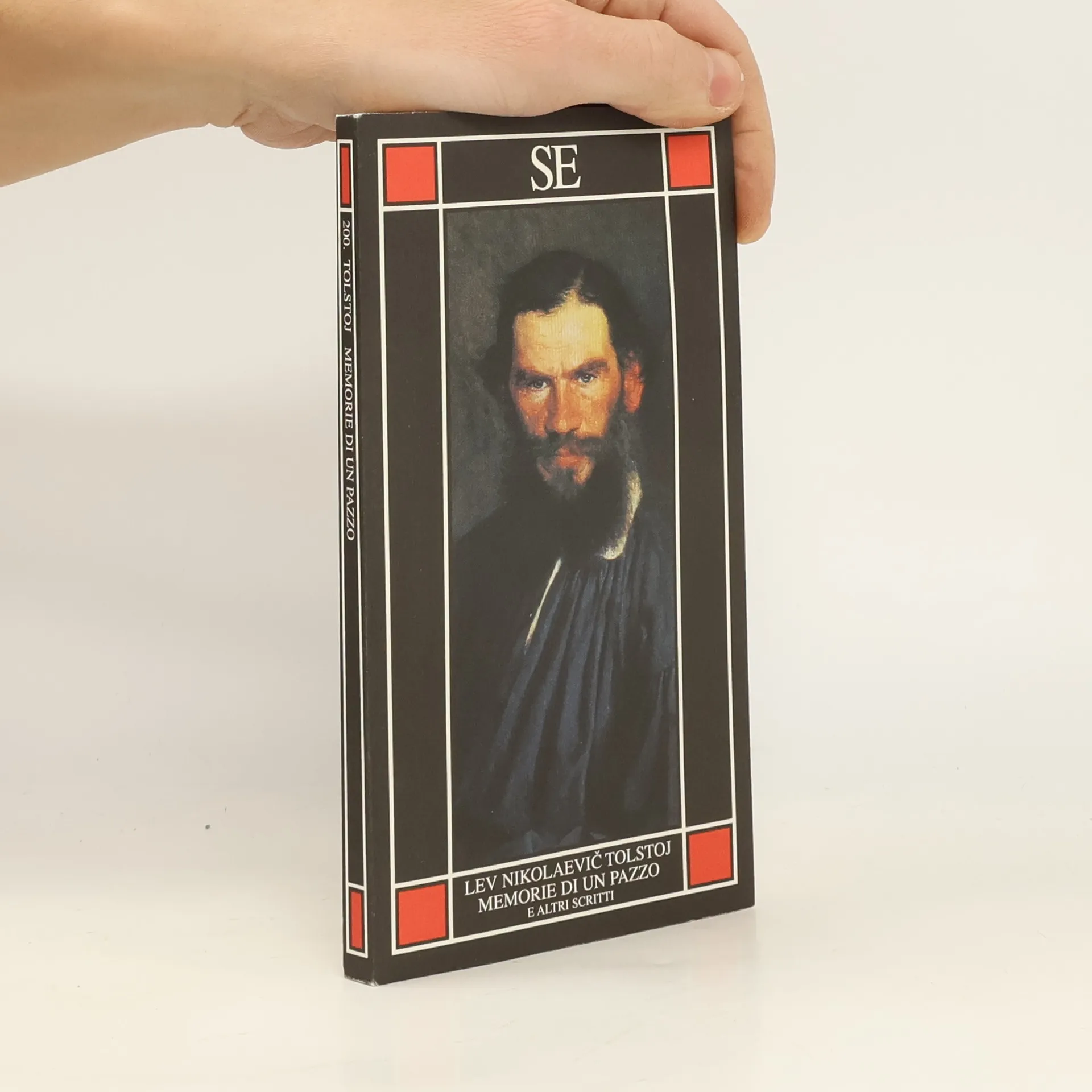
I racconti di Tolstoj procedono, in una quasi ininterrotta processione, attraverso tutta la sua opera, dall'inizio degli anni '50 fino all'autunno del 1910. Anno dopo anno scandiscono la biografia intellettuale e artistica di Tolstoj, ne offrono al lettore un itinerario privilegiato.In questo secondo volume i racconti presentati sono: Racconti popolari; Le memorie di un pazzo; Cholstomer; La morte di Ivan Il'ic; Camminate nella luce finché avete la luce; Il padrone e il lavorante; Padre Sergij; Due diverse versioni della storia di un'arnia dal tetto di tiglio; Dopo il ballo; La cedola falsa; Alesa Bricco; Kornej Vasil'ev; Il divino e l'umano; Perché?; Cosa ho visto in sogno; Racconti del Ciclo di lettura per i bambini, Il diavolo, La saggezza dei bambini e le Conversazioni; Canti al villaggio; Tre giorni in campagna; Senza accorgersi; La buona terra; Racconto per bambini; Fiabe parabole e leggende; Racconti incompiuti, 1875-1910.
La felicità domestica
- 122pagine
- 5 ore di lettura
Scritto nel 1859 da un autore trentaduenne, "La felicità domestica" affronta il tema delle incomprensioni, dei difficili equilibri di coppia, del mutare dei rapporti coniugali, dalla piena, passionale sintonia di affetti agli equivoci, alle incrinature sempre più profonde, al distacco e all'indifferenza reciproca. Un argomento trattato con finezza e con un'inquietudine molto moderna, che tornerà nei romanzi maggiori, da "Guerra e pace" ad "Anna Karénina". Introduzione di Igor Sibaldi.
“Tutte le famiglie felici si somigliano; ogni famiglia infelice lo è a modo proprio” “Qual è il vero peccato di Anna, quello che non si può perdonare e che la fa consegnare alla vendetta divina? È la sua prorompente vitalità, che cogliamo in lei fin dal primo momento, da quando è appena scesa dal treno di Pietroburgo, il suo bisogno d’amore, che è anche inevitabilmente repressa sensualità; è questo il suo vero, imperdonabile peccato. Una scoperta allusione alla sotterranea presenza nel suo inconscio della propria colpevolezza è il sogno, minaccioso come un incubo che ritorna spesso nel sonno o nelle veglie angosciose, del vecchio contadino che rovista in un sacco borbottando, con l’erre moscia, certe sconnesse parole in francese: Il faut le battre le fer, le broyer, le pétrir [...]. Il ferro che il vecchio contadino vuole battere, frantumare, lavorare, cioè distruggere, è la stessa vitalità, il desiderio sessuale, l’amore colpevole e scandaloso di Anna; e così essa lo sente e lo intende come la colpa che la condanna[...]. Ed è quel vecchio a farle improvvisamente comprendere cosa deve fare: distruggere quella vitalità, e cioè distruggere se stessa per espiare la sua colpa.” Dalla Postfazione di Gianlorenzo Pacini
La trilogia esplora gli anni formativi di Nikolai, il figlio di un ricco proprietario terriero russo, catturando la sua complessa vita interiore e le relazioni con la famiglia e gli amici. Attraverso ritratti vividi dei personaggi, tra cui il suo tutore e il padre distaccato, Tolstoj approfondisce i sogni e le lotte morali di Nikolai mentre passa dalla sua casa rurale alla vita urbana a Mosca. Questa narrazione di formazione mette in evidenza la ricerca dell'identità e dell'equilibrio morale del protagonista, mostrando la precoce abilità letteraria di Tolstoj e la sua capacità di creare personaggi ricchi e sfaccettati.
Chadzi Murat
- 240pagine
- 9 ore di lettura
Chadži-Murat è un traditore, un soldato ceceno che, durante la lotta del proprio popolo contro lo zar Nicola I, abbandona i compagni per unirsi al nemico russo, avviandosi lungo una parabola che lo condurrà a scontare le inevitabili conseguenze della propria scelta. Sullo sfondo della sua vicenda personale e drammatica c'è poi la devastazione della guerra: le case e i villaggi saccheggiati e distrutti, la morte, il pianto delle madri sui cadaveri dei figli fotografano con scioccante attualità gli strazi di una tragedia senza tempo e ci parlano di quella cosa - nota Paolo Nori - «della quale sentiamo parlare talmente tanto che anche il nome, conflitti razziali, non ci dice più niente». Scritto durante gli ultimi anni di vita di Tolstoj e pubblicato postumo nel 1912, Chadži-Murat è un'opera poco nota eppure imprescindibile, in cui ritroviamo intatta la grandezza di un capolavoro come Guerra e pace. Introduzione di Serena Vitali.
Ambientato sullo sfondo del Caucaso durante le fasi finali della Guerra Caucasica, questo romanzo breve esplora temi di identità e conflitto culturale attraverso una lente semi-autobiografica. Le esperienze di Tolstoj nella regione hanno influenzato profondamente la narrazione, che riflette il suo profondo coinvolgimento con le vite dei Cosacchi. L'opera rappresenta un'importante riflessione sulla condizione umana, mettendo in luce le tensioni tra diverse culture e tradizioni. Scritto durante un periodo turbolento della vita dell'autore, incarna sia un significato personale che storico, offrendo uno sguardo penetrante sulle dinamiche sociali e culturali del tempo.
La sonata a Kreutzer. Edizione integrale con il poscritto dell'autore del 1890
- 152pagine
- 6 ore di lettura
Edizione integrale con il poscritto dell'autore del 1890. Libro prediletto, per decenni e decenni, di intere generazioni di lettori, "La sonata a Kreutzer" è ancora oggi un testo immensamente popolare, forse il più letto fra i "romanzi brevi" di Tolstoj, che qui raggiunge una delle vette della sua grande arte. Minuziosissima, spietata, disperata analisi di un rapporto coniugale, dal primo accendersi dei sensi al raffreddarsi fino all'indifferenza, dal trasformarsi in malcelata avversione al degenerare in una gelosia che spinge al delitto, "La sonata a Kreutzer", insieme a "Resurrezione", è l'opera più rappresentativa del terzo periodo dello scrittore russo, dominato da una profonda crisi etico-religiosa. Tolstoj, in una visione cupa dell'esistenza, esprime tutta la sua ripugnanza per una vita borghese di compromessi e di colpe, giungendo alle deformazioni di un atroce grottesco, come nel sorprendente, famosissimo finale in cui viene assimilata e al tempo stesso superata la lezione del naturalismo zoliano che dominava l'epoca. Questa traduzione è arricchita da un commento all'opera che Tolstoj stesso scrisse dopo la prima pubblicazione.
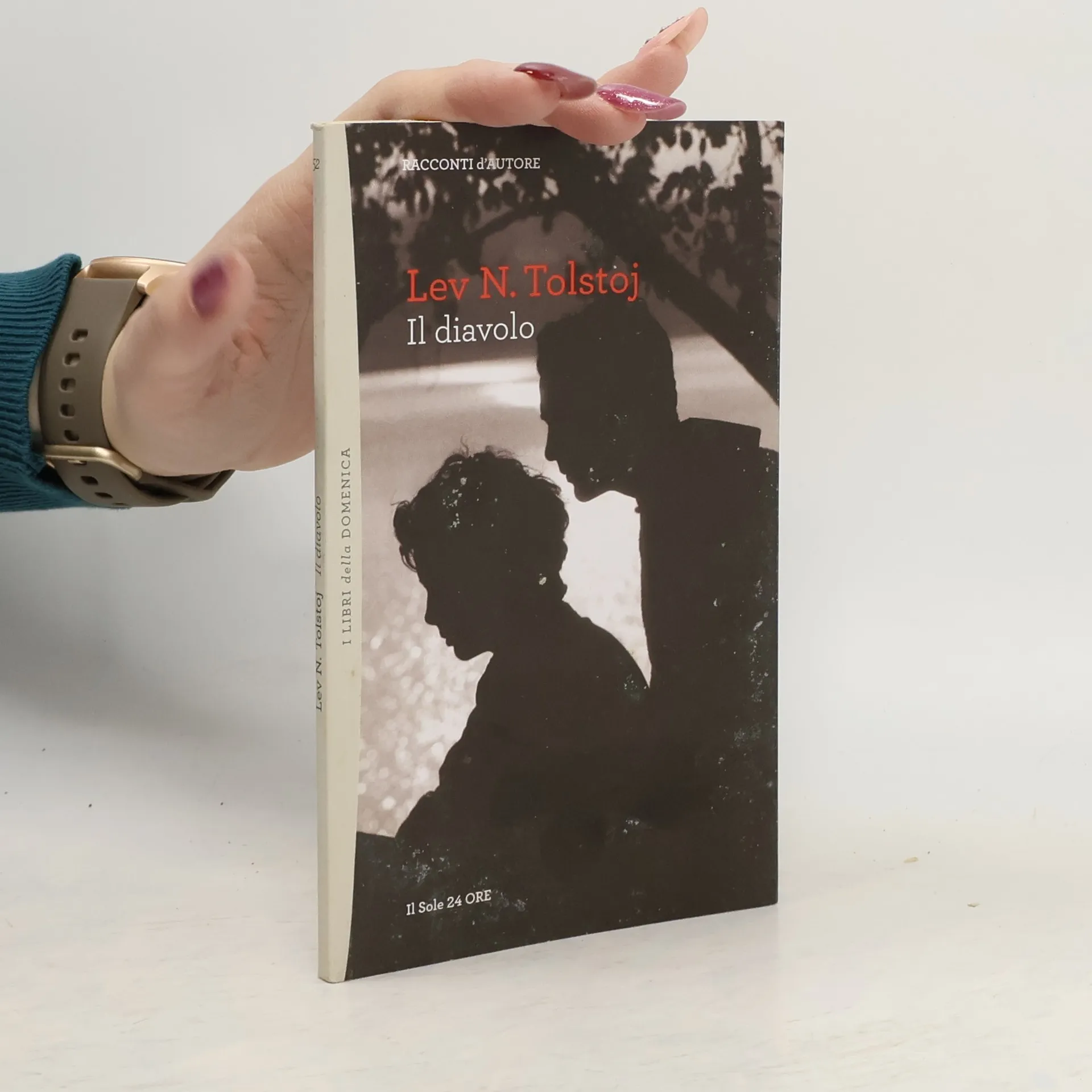
Eugène ama sinceramente sua moglie e il bambino che lei gli dà, ma questo amore ha un sapore di dovere, convenzione sociale e noia. Il desiderio è incarnato da Stepanida, con la sua semplicità rustica e spontaneità animale. L'ambiguità del desiderio: è sia naturale, quindi legittimo, sia perturbatore dell'ordine familiare e sociale, quindi illegittimo. Stepanida, inizialmente descritta con la benevolenza riservata all'erba e ai fiori, emerge progressivamente come una figura del "diavolo". Tolstoj narra una storia terribile di desiderio, vergogna e morte, allineando le parole senza cambiare tono. Non indica il significato da attribuire al suo testo: è compito del lettore giudicare. Matrimonio, adulterio, tradimento, rimorso, tutto è posto davanti ai nostri occhi con la stessa evidenza luminosa di un oggetto esposto su un tavolo sotto un raggio di sole. Per questo motivo, tra tutti i romanzieri, Tolstoj appare come il più grande.
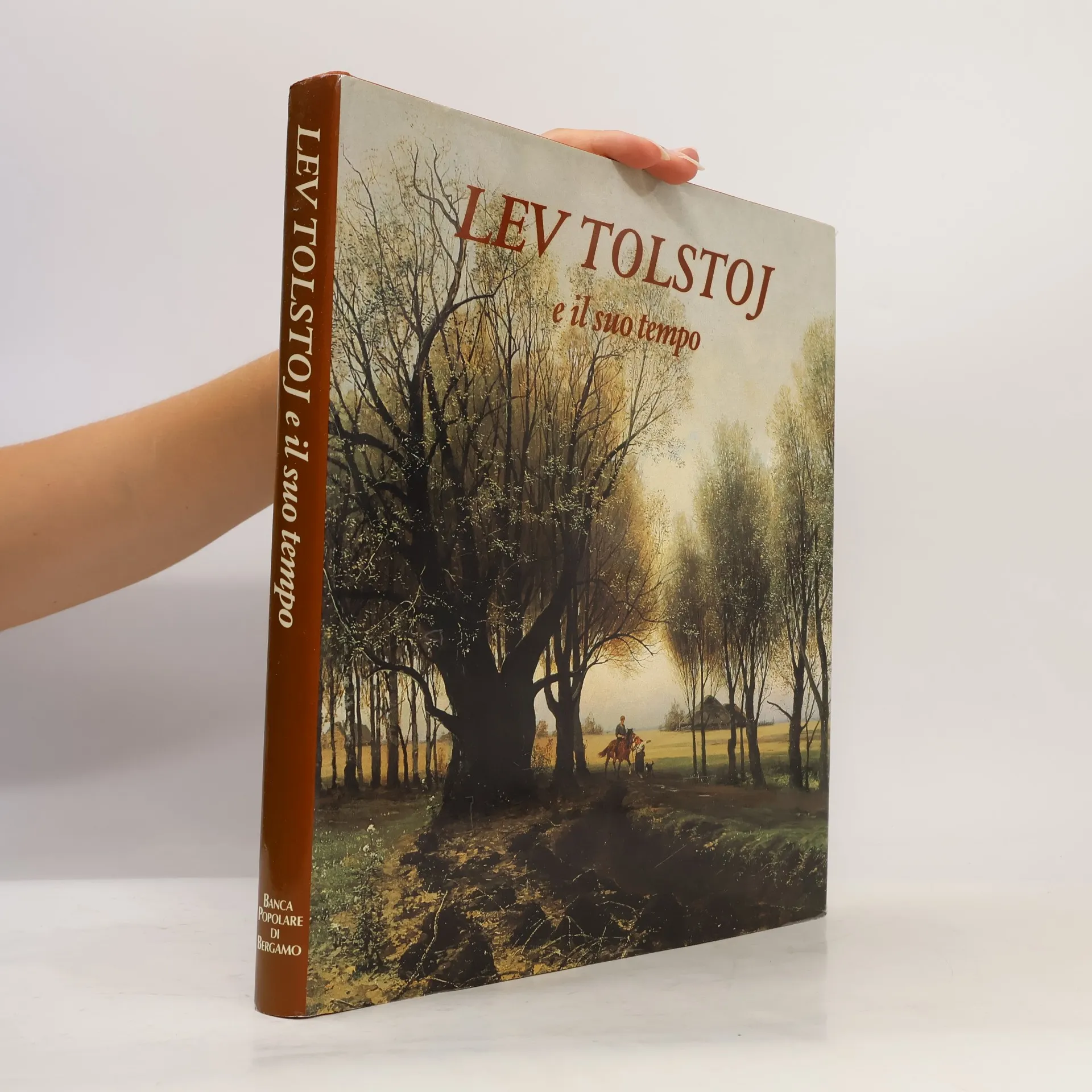
Lev Tolstoj e il suo tempo
- 204pagine
- 8 ore di lettura
Resurrezione - Edizione integrale
- 384pagine
- 14 ore di lettura
Il libro è una riproduzione di un'opera storica.
Esplorando profonde questioni metafisiche e religiose, questa raccolta presenta quattro racconti di Lev Tolstoj. "Cosa fa vivere gli uomini" segue un calzolaio che aiuta un uomo misterioso, rivelando verità inaspettate. "Tre domande" narra la ricerca di un re per le risposte essenziali della vita. In "Il caffè di Surat", si svolge un dibattito teologico in un ambiente di caffè. Infine, "Quanta terra ha bisogno un uomo?" racconta la storia di un contadino la cui avidità porta a conseguenze disastrose. Questi racconti offrono una riflessione profonda sulla natura umana, la spiritualità e le conseguenze delle azioni individuali, invitando il lettore a riflettere su ciò che realmente conta nella vita.
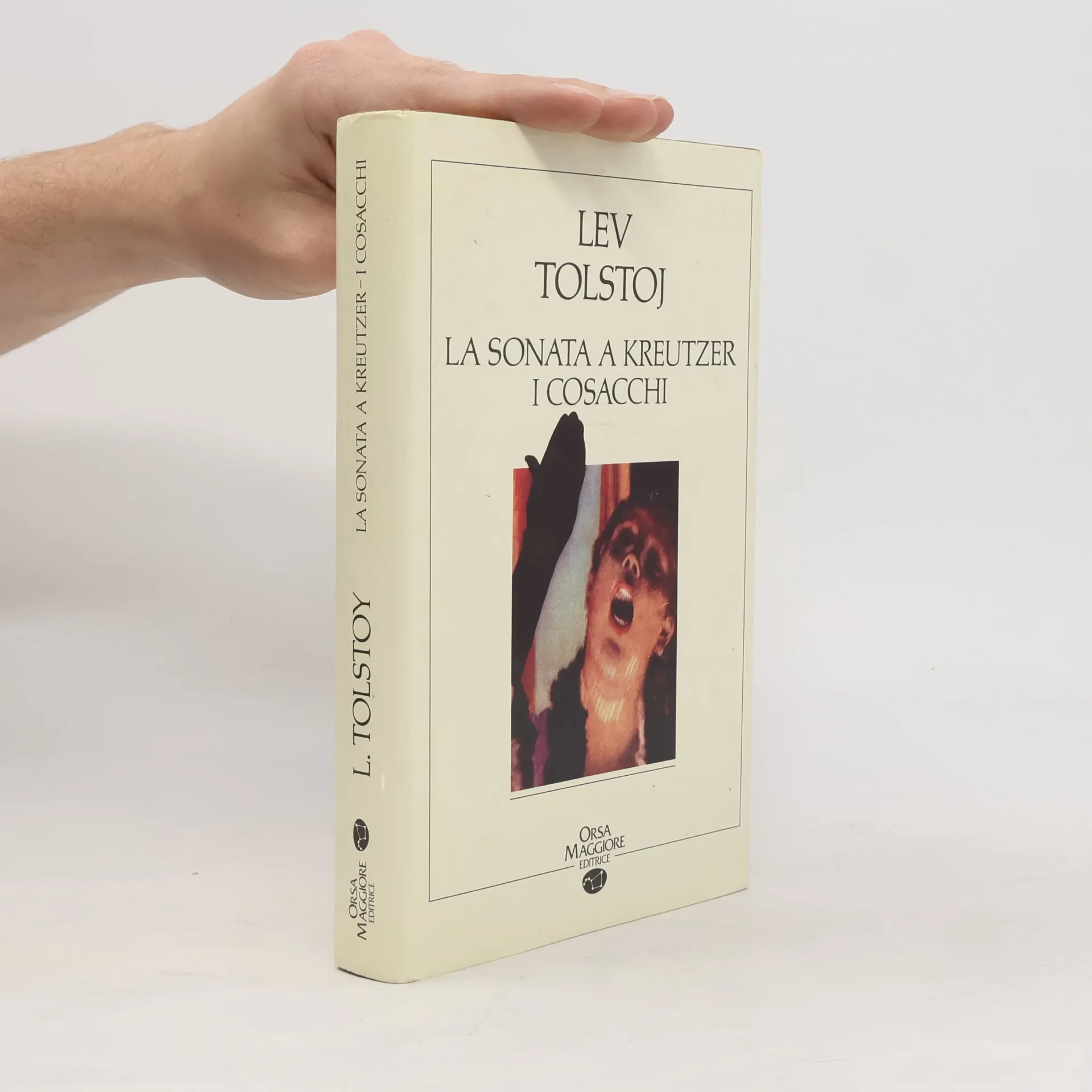
Sonata a Kreutzer-I Cosacchi
- 318pagine
- 12 ore di lettura
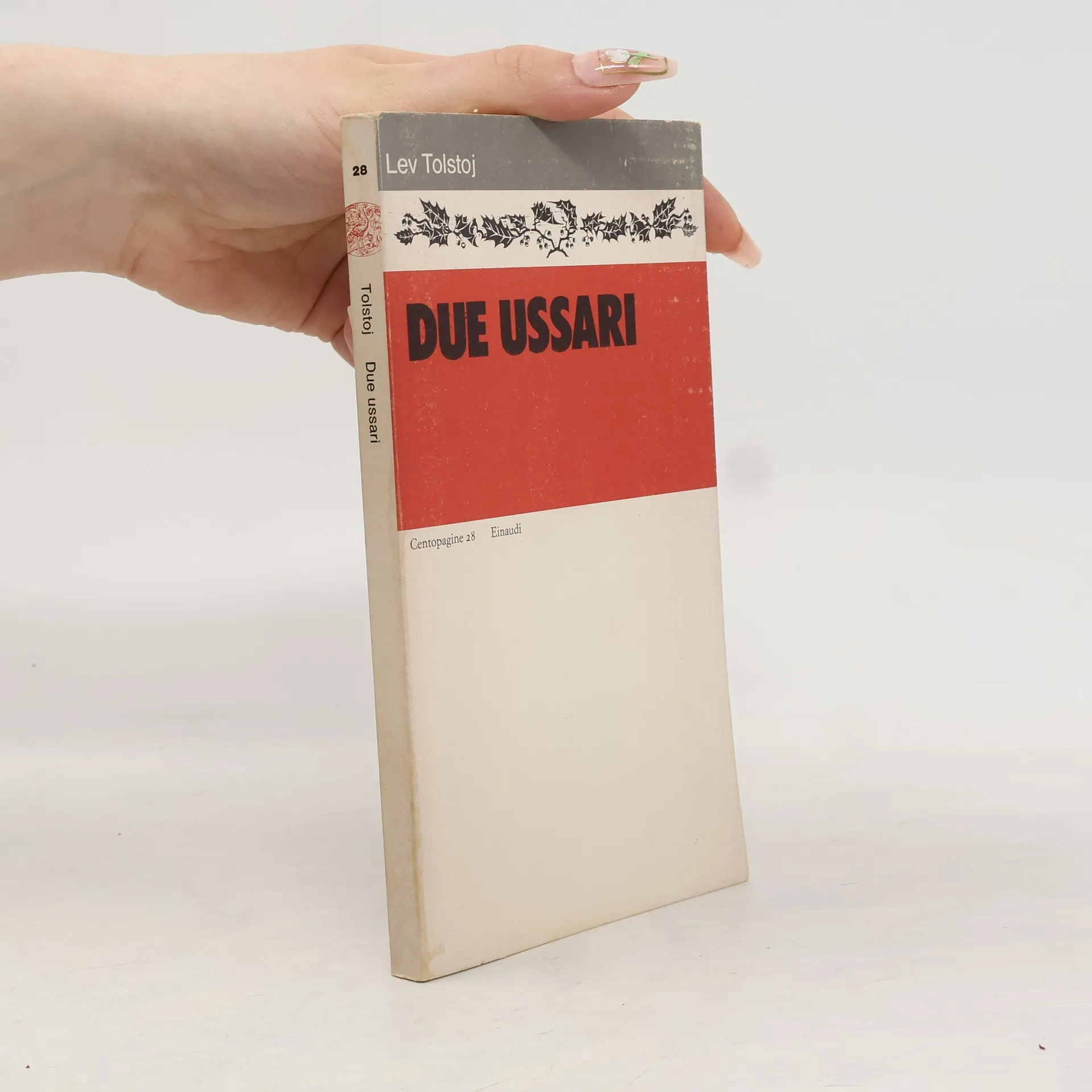
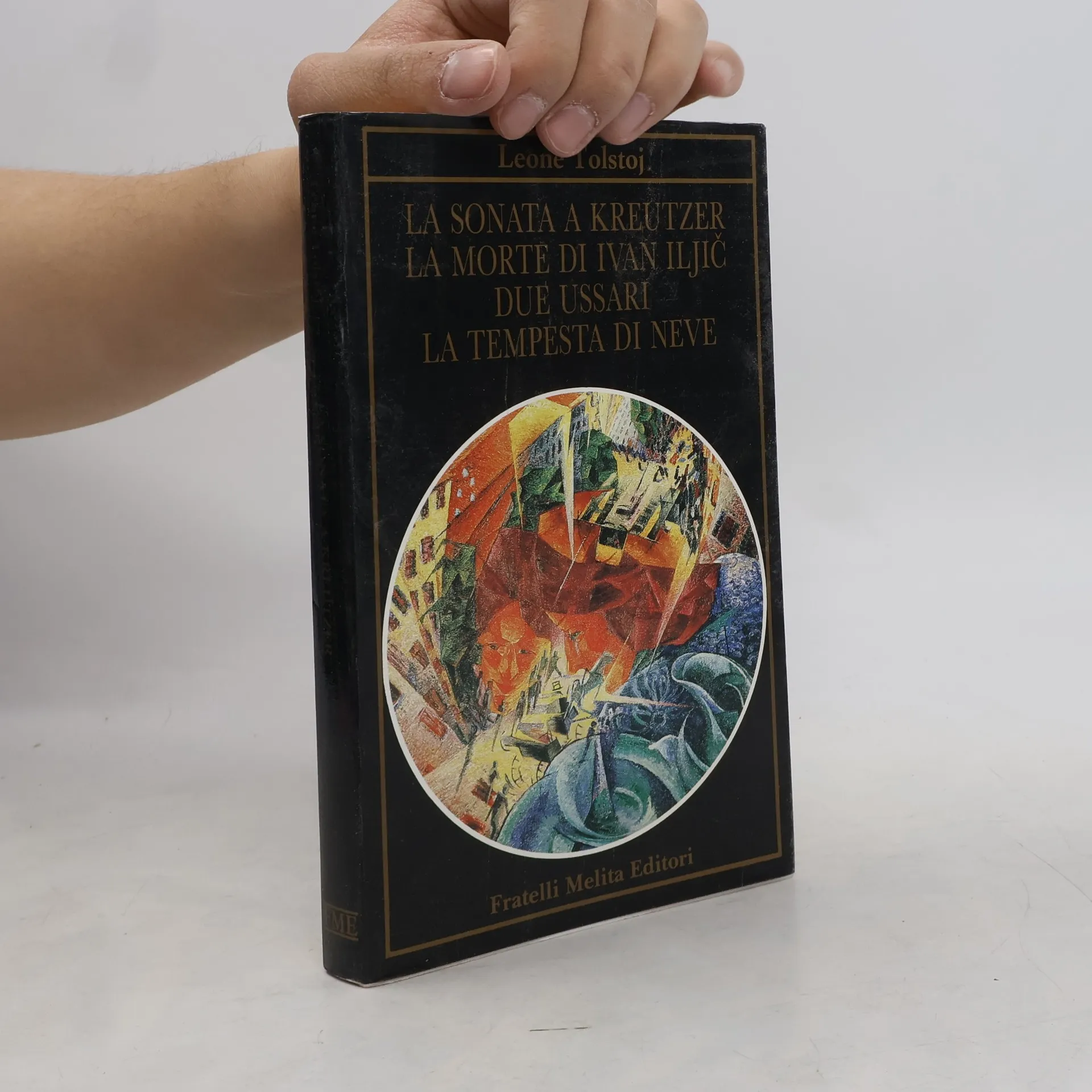
La sonata a kreutzer. La morte di Ivan Iljic. Due ussari
La tempesta di neve
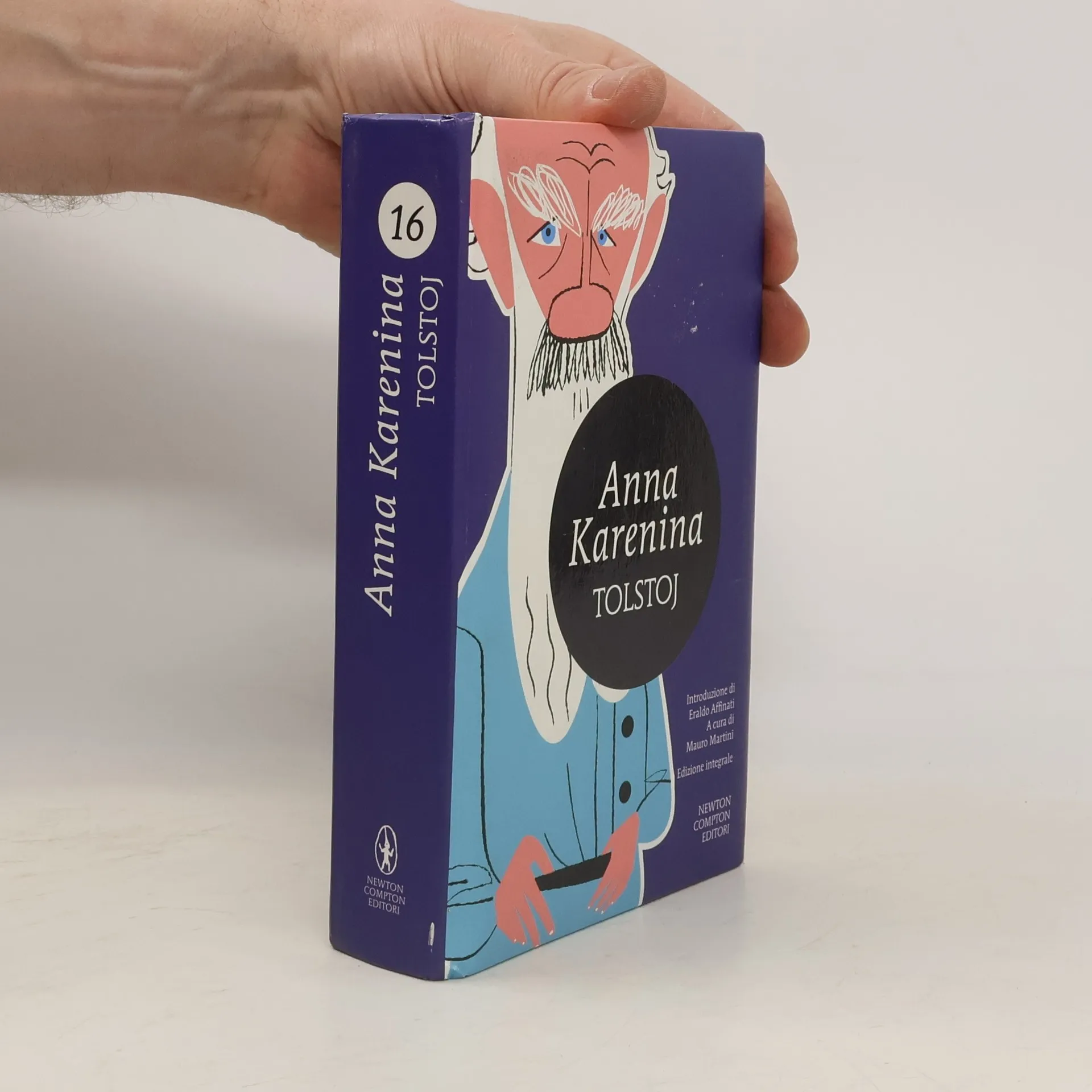
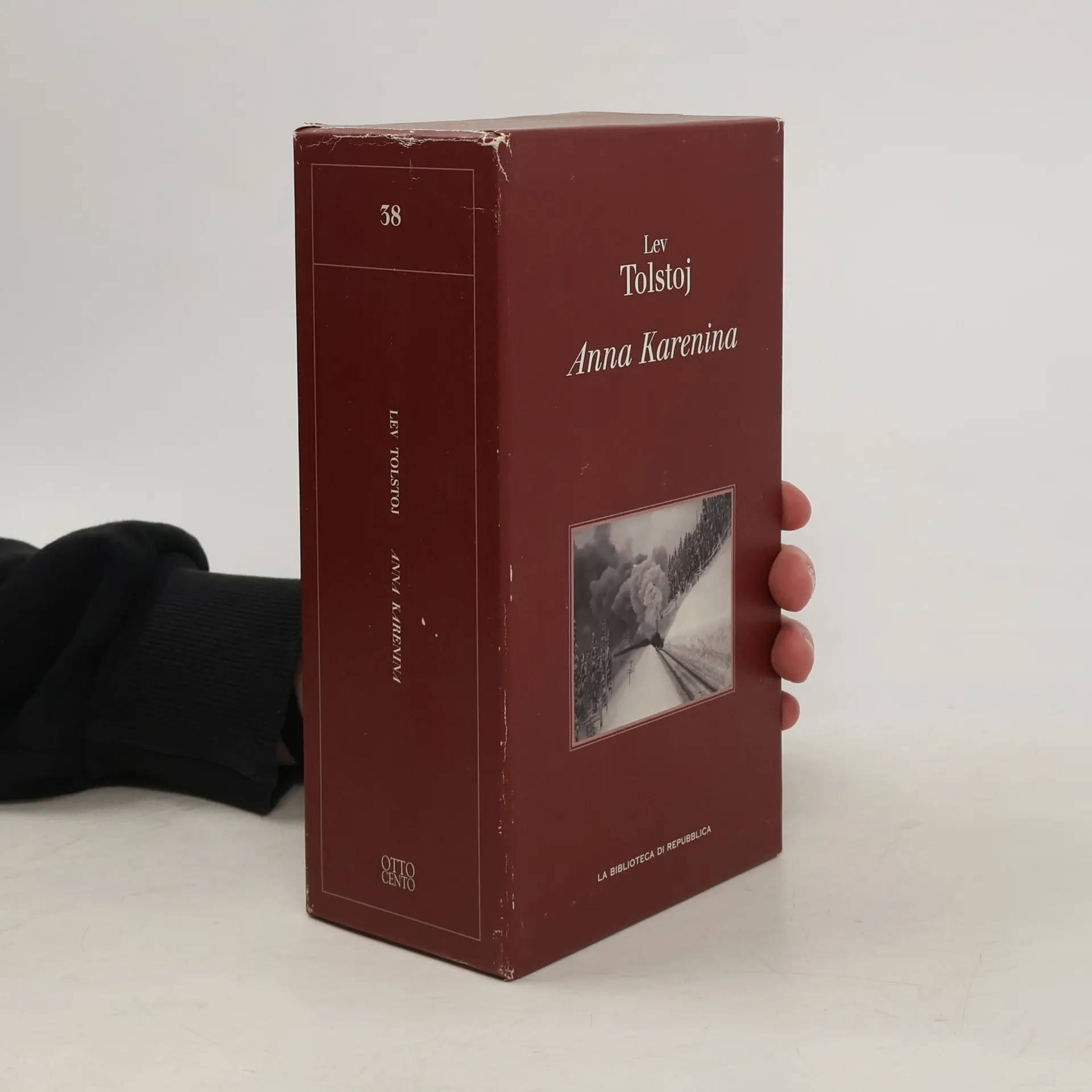
La Biblioteca di Repubblica - 38: Anna Karenina
- 972pagine
- 35 ore di lettura
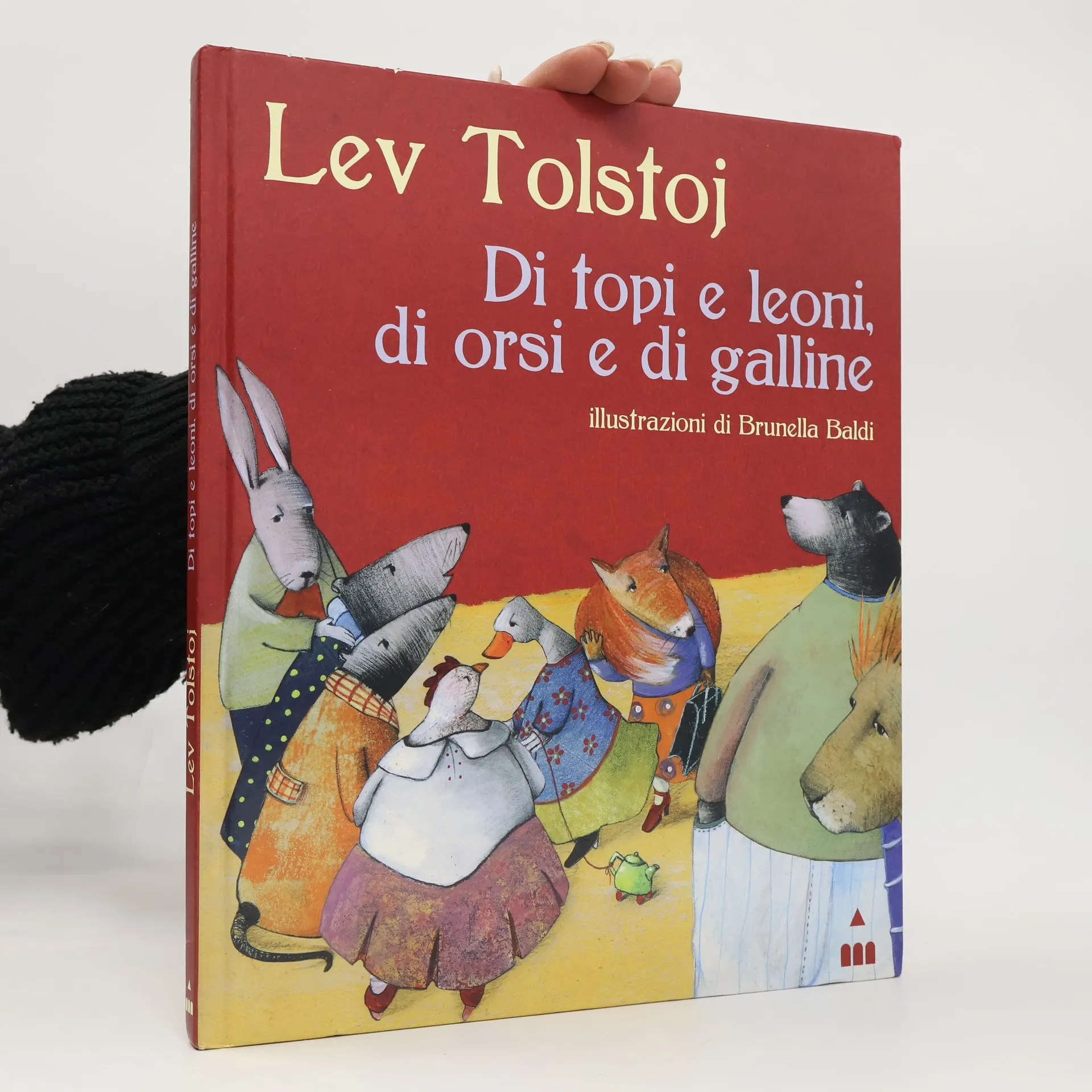
Di topi e leoni, di orsi e di galline
- 56pagine
- 2 ore di lettura
From the fables of Aesop to the fairy tales of the Grimm brothers, from Russian folk legends to ancient oriental stories: a collection of the most beautiful stories of all time, rewritten by Tolstoy to introduce children to the great classics.
La morte di Ivan Il'ic e altri racconti
- 246pagine
- 9 ore di lettura
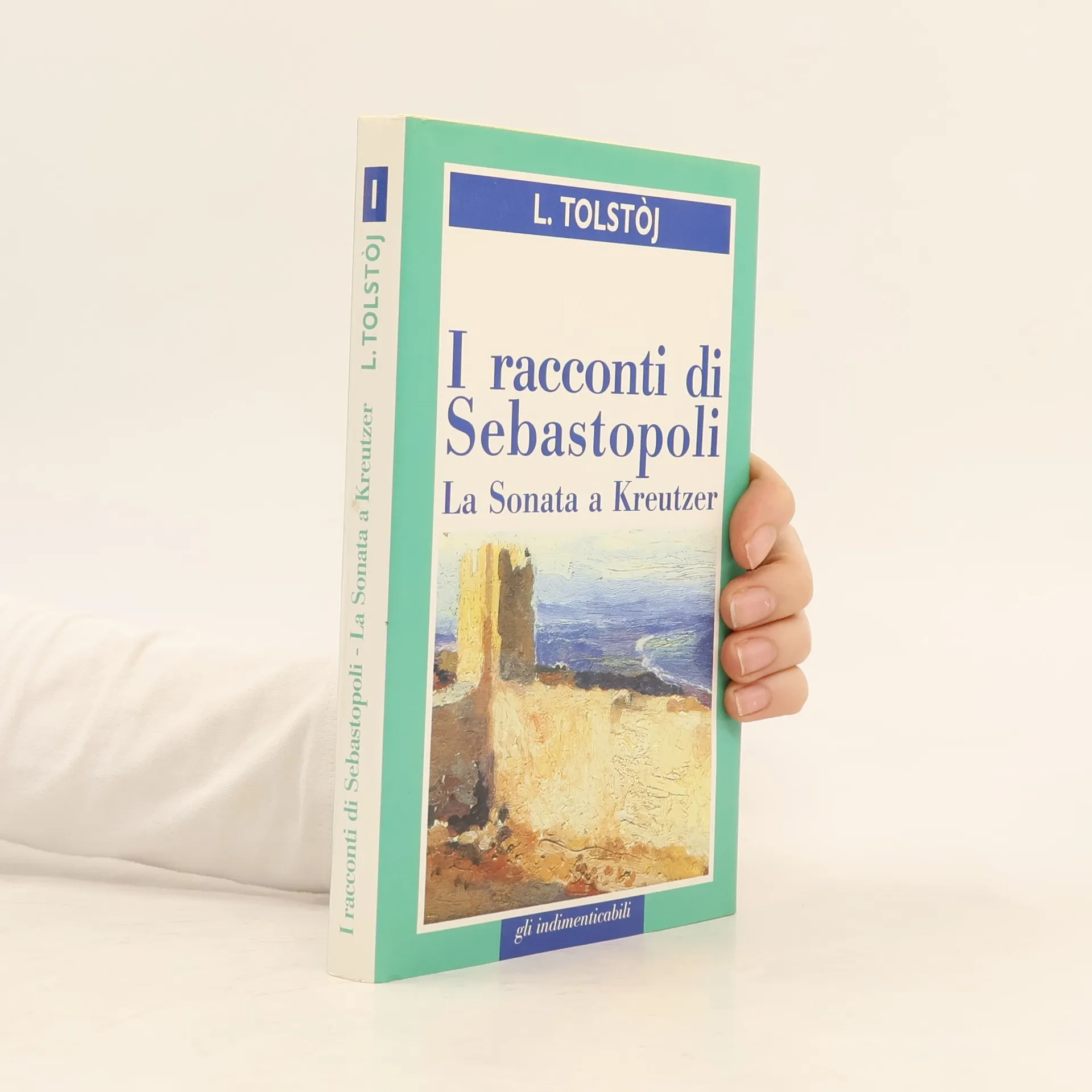
Oscar Classici - 261: I racconti di Sebastopoli
- 205pagine
- 8 ore di lettura
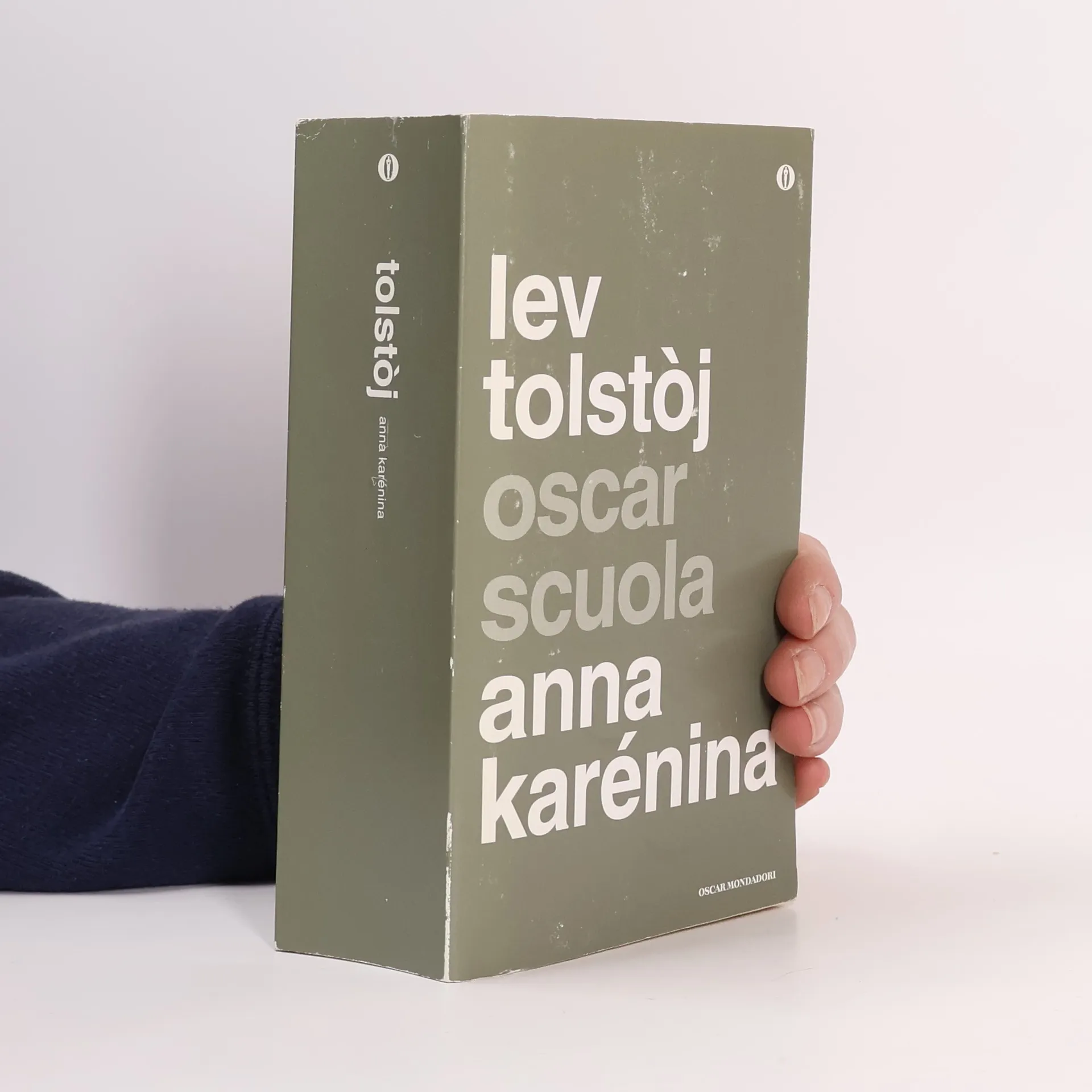
Oscar Scuola: Anna Karénina
- 1049pagine
- 37 ore di lettura
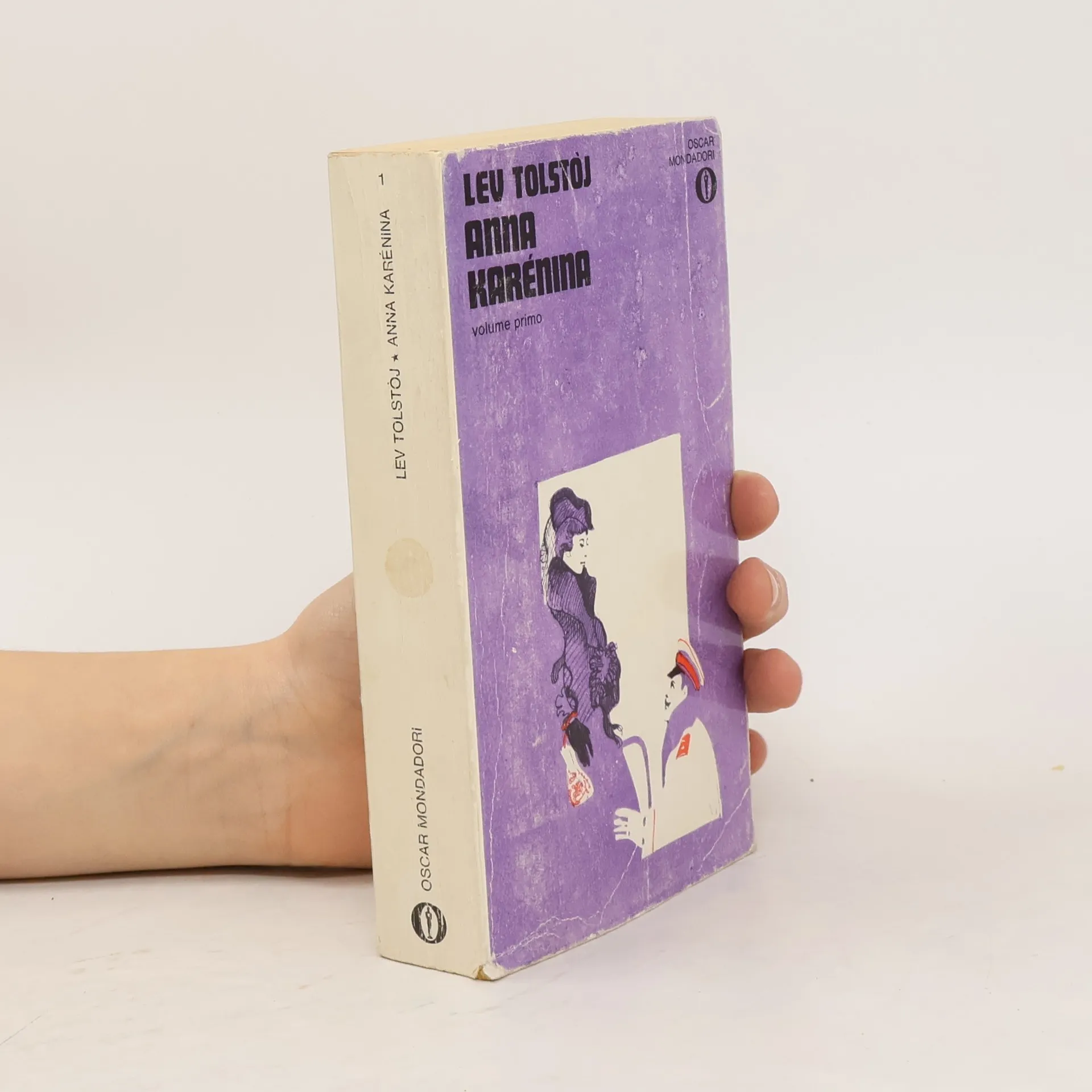
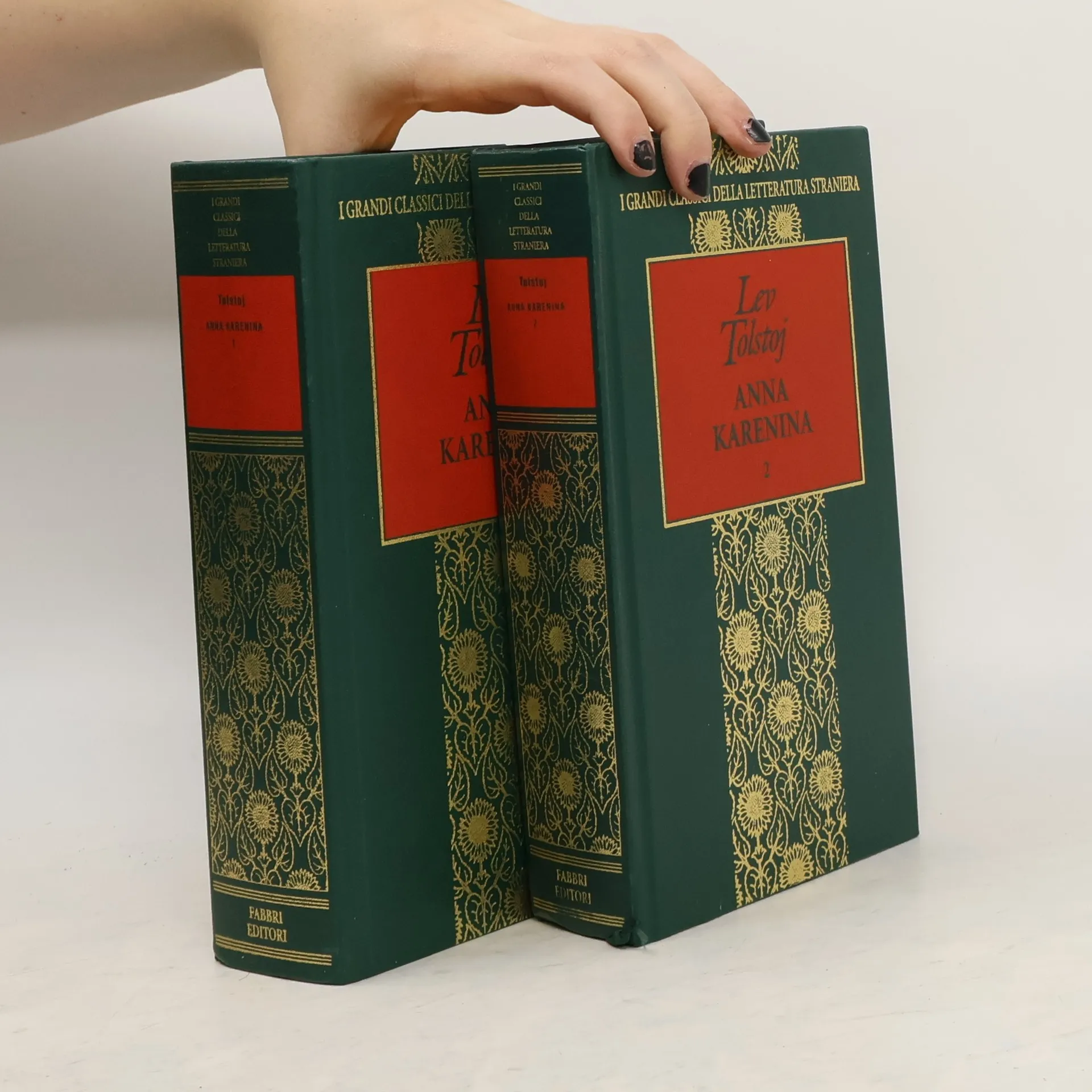
Anna Karenina 1-2
- 2volumi
"Anna Karenina 1-2" di Lev Nikolajevič Tolstoj è un'opera letteraria significativa che esplora le complesse relazioni e i dilemmi morali della società russa del XIX secolo. La storia segue la tragica relazione tra Anna Karenina, una donna sposata, e l'ufficiale Conte Wronski. La loro relazione provoca tensioni sociali e conflitti personali che influenzano la vita di tutti i coinvolti. Parallelamente alla storia di Anna, viene esaminata la vita di Konstantin Levin, un proprietario terriero che si confronta con questioni di esistenza, amore e senso della vita. La narrazione affronta la ricerca della felicità, le sfide del matrimonio e della fedeltà, nonché le norme sociali che limitano l'azione individuale. Le dettagliate analisi dei personaggi di Tolstoj e la sua critica delle strutture sociali offrono un profondo insight sulla natura umana e sulla complessità delle relazioni interpersonali. I due volumi sono ricchi di riflessioni filosofiche e tracciano un quadro sfaccettato della società russa, che è sia senza tempo che specifico per l'epoca.
The novel intricately weaves the lives of five families against the backdrop of the Napoleonic Wars, exploring the profound impact of conflict on personal and societal levels. Tolstoy presents a vast array of characters, including historical figures, while delving into themes of love, loss, and resilience. In the epilogues, he offers a reflective philosophy on history, challenging the notion of the Great Man Theory and emphasizing the significance of small events in shaping the past. Celebrated for its depth and scope, this epic work remains a pivotal piece of world literature.
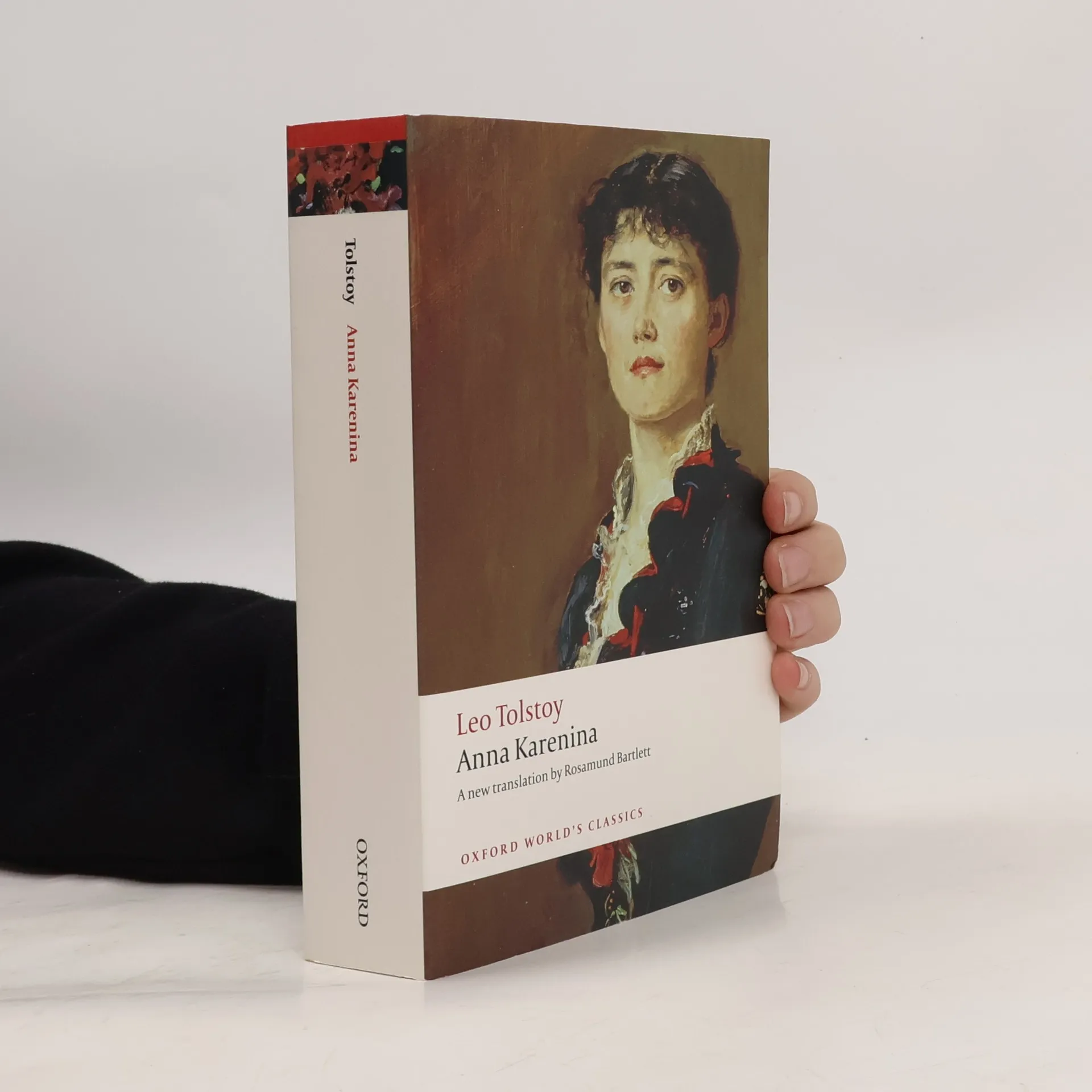
Oxford World's Classics: Anna Karenina
A New Translation by Rosamund Bartlett, English Edition
- 896pagine
- 32 ore di lettura
One of the greatest novels ever written, Anna Karenina is the story of a beautiful woman whose passionate love for a handsome officer sweeps aside all other ties. This major translation conveys Tolstoy's precision of meaning and emotional accuracy in an English version that is highly readable and stylistically faithful.
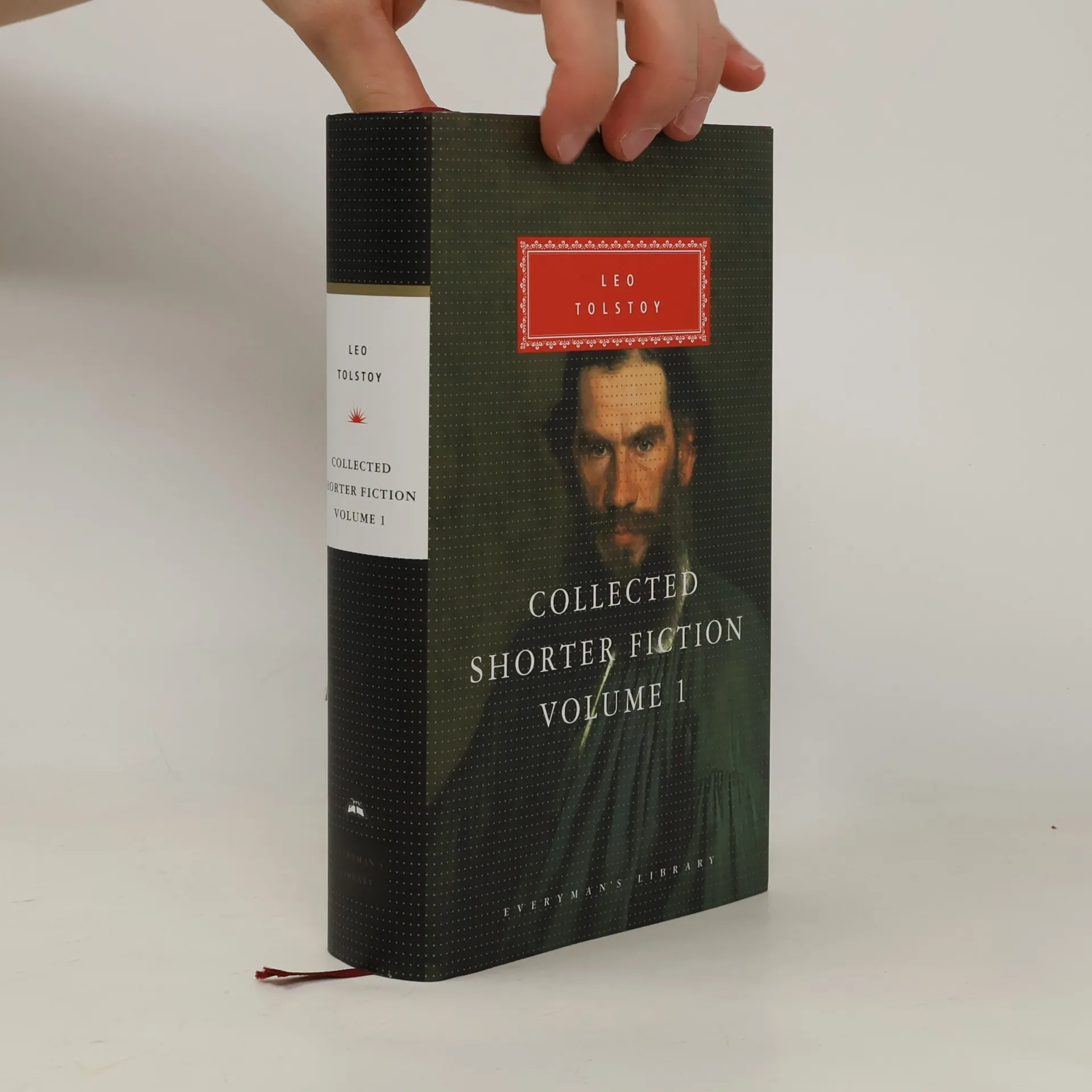
Everyman's Library: Collected Shorter Fiction Volume 1
- 848pagine
- 30 ore di lettura
Volume 1 of the Everyman Collected Shorter Fiction is dominated by the characteristic experiences of his early life as soldier, land-owner, husband and father, the life which shaped Anna Karenina and War and Peace. schovat popis
Malashka and Akulka, two little girls, are playing together happily when they get into a disagreement... and before you know it, the entire village is involved! This adapted classic about conflict and resolution is printed with Tara Books' vintage letterpress.
War and Peace Book 4
- 80pagine
- 3 ore di lettura
Set against the backdrop of the 1812 French invasion of Russia, the narrative intricately weaves the lives of various Russian families, highlighting the impact of the Napoleonic era on society. Beyond its historical framework, the book delves into philosophical discussions and character explorations, showcasing individuals from diverse backgrounds as they navigate the complexities of their time. It employs innovative narrative techniques reminiscent of early 19th-century literature, ultimately presenting a profound analysis of humanity's emotional and psychological evolution.
Youth
- 182pagine
- 7 ore di lettura
Focusing on the transition from adolescence to adulthood, the novel explores Nikolenka's experiences as he navigates friendship, love, and personal growth while preparing for university. Through his relationship with Dmitri and the emotional challenges he faces, readers witness his awakening to complex feelings and moral revelations. This semi-autobiographical work captures the essence of youth, nostalgia, and the bittersweet nature of memories, showcasing Tolstoy's emerging literary prowess and philosophical depth that would characterize his later masterpieces.
Master and Man
- 48pagine
- 2 ore di lettura
Set during a harsh Russian winter, the narrative follows the journey of Vasili Andreevich Brekhunov and his servant, Nikita. Through their interactions, the story delves into profound themes of human nature, morality, and the relentless pursuit of material wealth. Despite its short length, it offers a thought-provoking exploration of the dynamics between master and servant, highlighting the philosophical complexities of their relationship.
Great Short Works of Leo Tolstoy
- 685pagine
- 24 ore di lettura
The brilliant shorter novels of Tolstoy, including The Death of Ivan Ilych and Family Happiness, collected and reissued with a beautiful updated design. Of all Russian writers Leo Tolstoy is probably the best known to the Western world, largely because of War and Peace, his epic in prose, and Anna Karenina, one of the most splendid novels in any language. But during his long lifetime Tolstoy also wrote enough shorter works to fill many volumes. Here reprinted in one volume are his eight finest short novels, together with "Alyosha the Pot", the little tale that Prince Mirsky described as "a masterpiece of rare perfection."
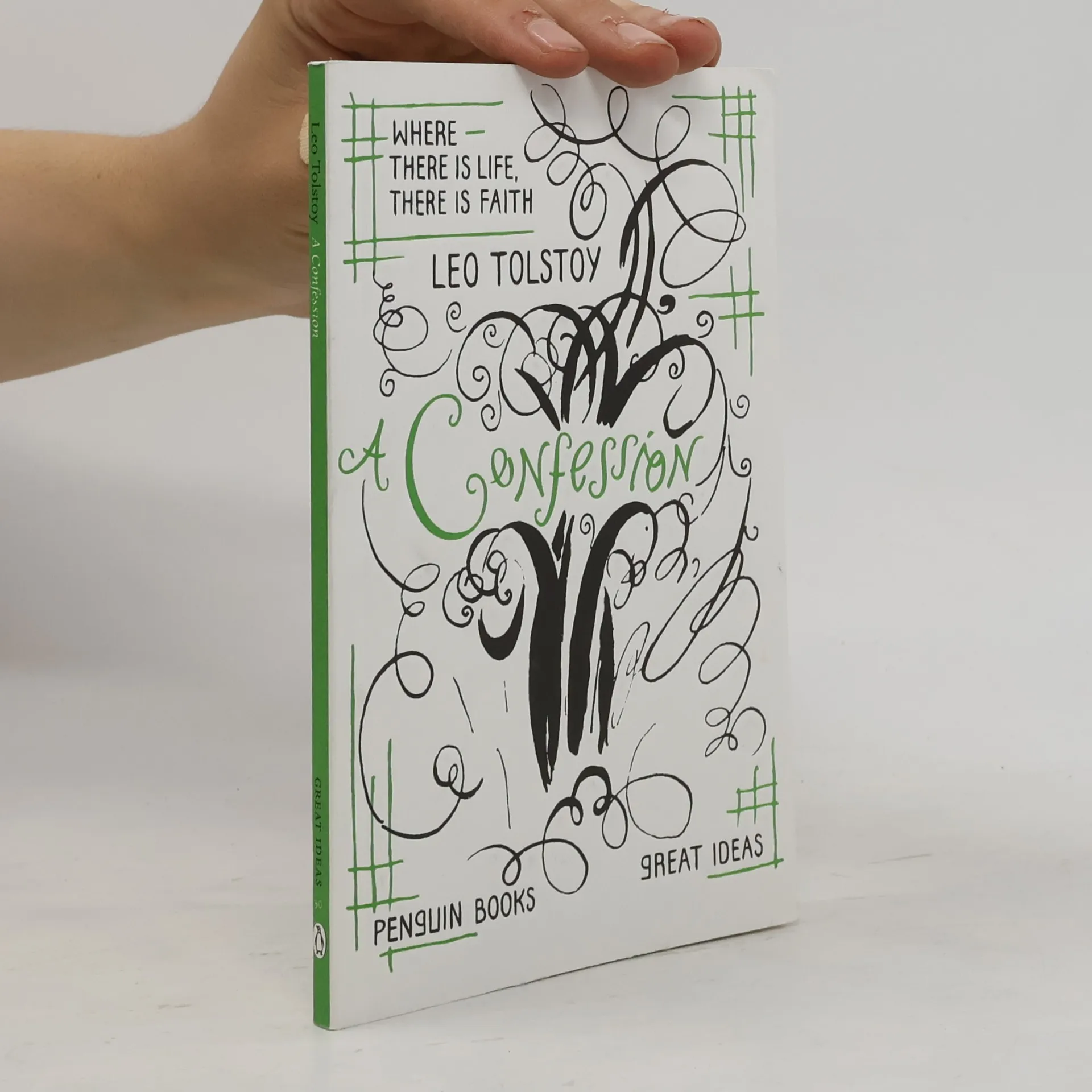
A Confession by Leo Tolstoy, Religion, Christian Theology, Philosophy
- 108pagine
- 4 ore di lettura
Exploring profound existential questions, Tolstoy delves into his spiritual journey and the search for life's meaning. He reflects on his abandonment of Russian Orthodox faith, his achievements, and the subsequent sense of emptiness that followed. Through encounters with science, philosophy, and the insights of fellow writers, he finds no satisfactory answers. Ultimately, Tolstoy concludes that the deep religious convictions of ordinary people hold the key to understanding life's purpose. This essay offers a poignant examination of melancholia, philosophy, and faith from the esteemed author.
The Greatest Short Stories of Leo Tolstoy
- 610pagine
- 22 ore di lettura
Recognized as one of the greatest novelists and moral philosophers, Leo Tolstoy's works delve deeply into the complexities of human nature and morality. His narratives often explore themes of love, faith, and the search for meaning in life, reflecting his profound philosophical insights. Tolstoy's ability to weave intricate character studies within sweeping historical contexts has left a lasting impact on literature, influencing countless writers and thinkers across generations. His legacy continues to resonate in discussions of ethics and the human condition.
The Death of Ivan Ilyich and Master and Man
- 160pagine
- 6 ore di lettura
Exploring profound themes of mortality and life's meaning, this edition features two significant works by Tolstoy. "The Death of Ivan Ilyich" follows a bureaucrat reflecting on his seemingly wasted life as he faces death, while "Master and Man" depicts a landowner and his servant navigating a perilous snowstorm, forcing them to reassess their values and relationships. Both stories, newly translated by Ann Pasternak Slater, offer moving insights into the human experience of dying and the quest for spiritual redemption.
The Forged Coupon and Other Stories
- 146pagine
- 6 ore di lettura
Featuring a variety of narratives, this collection highlights Tolstoy's profound understanding of human nature and the complexities of social issues. Each story delves into moral dilemmas, reflecting the author's philosophical inquiries and ethical reflections. Published in 1911, these tales continue to resonate with readers, offering timeless insights into the human condition.
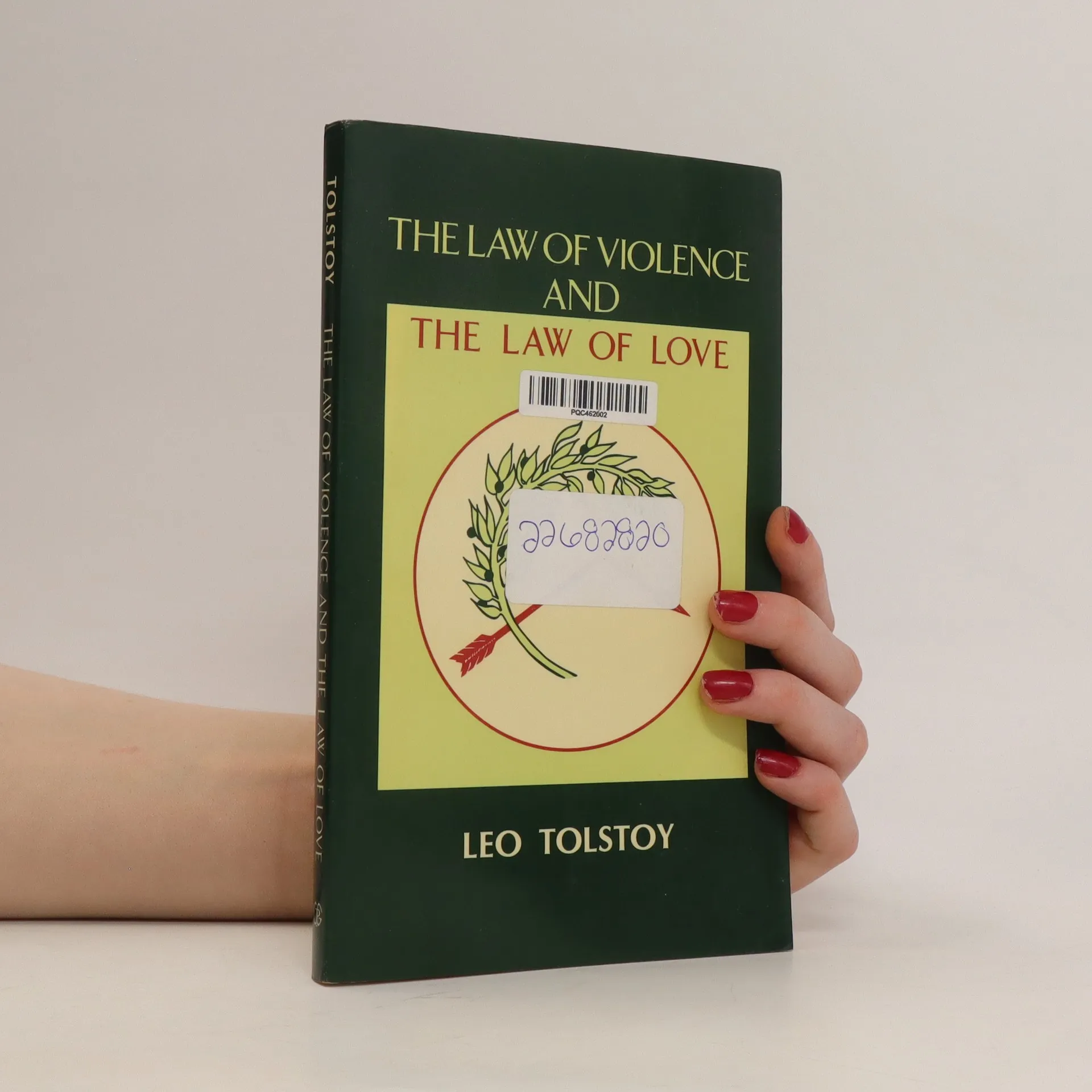
The Law of Violence and The Law of Love
- 87pagine
- 4 ore di lettura
This treatise expresses and explores a philosophy that has inspired Gandhi, Martin Luther King, Jr., and countless others. Written just before World War I, it examines the conflicts within and among nations and articulates Tolstoy's famous dictum that it is morally superior to suffer violence than to do violence.
TOLSTOY ON SHAKESPEARE
- 136pagine
- 5 ore di lettura
The author reflects on his profound disillusionment with Shakespeare's works, initially expecting aesthetic pleasure but instead experiencing repulsion and tedium. As he revisits the plays at seventy-five, his conviction deepens that the veneration surrounding Shakespeare distorts both aesthetic and ethical understanding. He argues that this misplaced admiration constitutes a significant cultural deception, challenging the notion of Shakespeare's genius and its impact on literary and moral perceptions.
Father Sergius
- 50pagine
- 2 ore di lettura
The story explores Father Sergius's moral journey within a society rife with stereotypes, from the ambitious young soldier captivated by the emperor's grandeur to the idealized beauty of his fiancée, embodying innocence. As he transitions to monastic life, he encounters the abbot, a learned and aristocratic figure, representing a lineage of monks. This narrative delves into themes of identity, ambition, and the contrast between societal expectations and personal growth.
Set in the years leading up to and culminating in Napoleon's disastrous Russian invasion, this novel focuses upon an entire society torn by conflict and change. Here is humanity in all its innocence and corruption, its wisdom and folly.
This is a reader covering Tolstoy's later beliefs after he had rejected orthodox religion. The book mainly draws on Confession (1879), What is My Faith? (1884) and other occasional pieces.
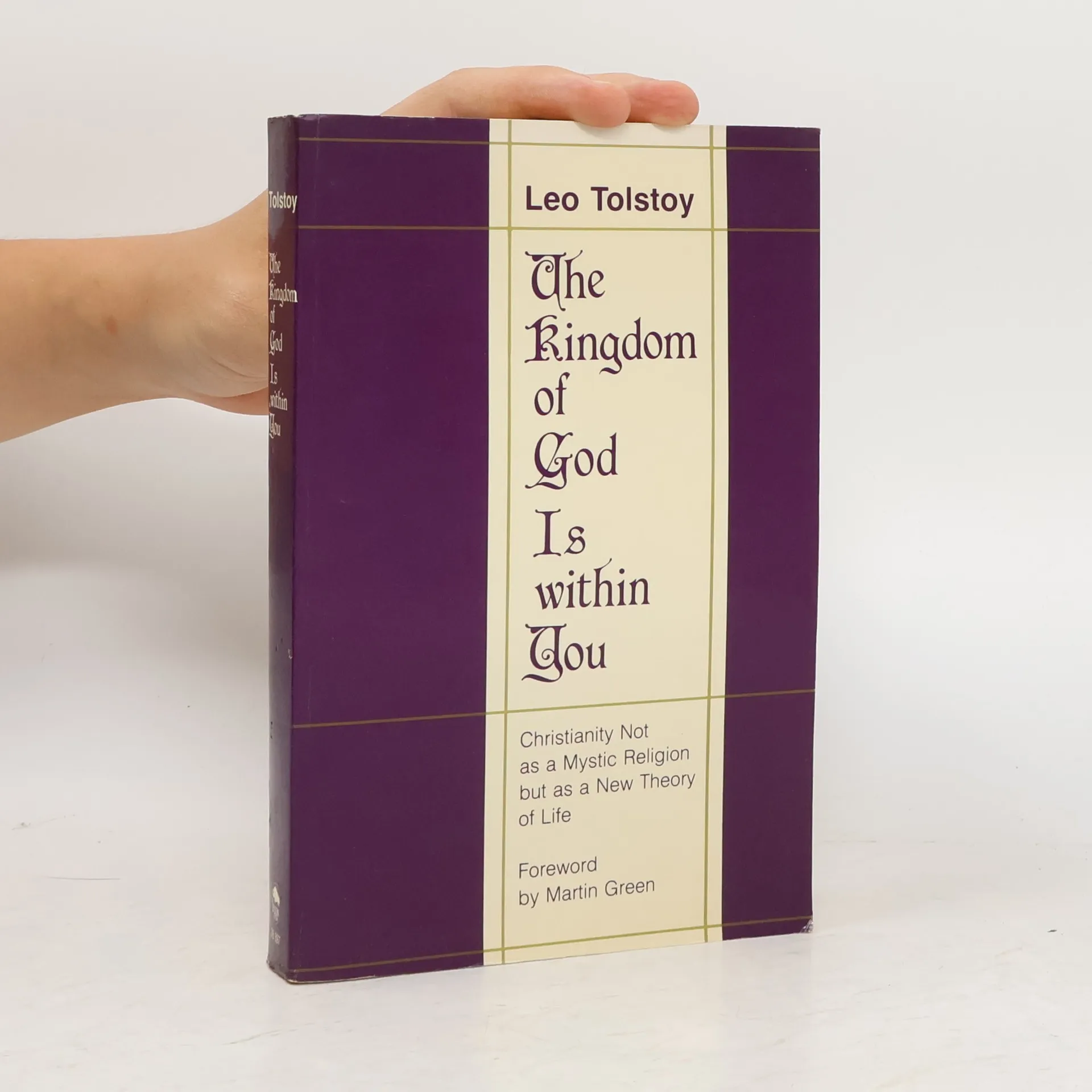
The Kingdom of God is Within You
Christianity Not as a Mystic Religion But as a New Theory of Life
- 398pagine
- 14 ore di lettura
First published in Germany in 1894, after being banned in Russia, The Kingdom of God Is within You reveals Tolstoy’s world outlook after his conversion to Christianity. He argues that the kingdom of God is within reach of all. The core of the book deals with his nonresistance to evil, a principle Tolstoy passionately advocated. Gandhi was won over by the book. Tolstoy clearly describes the hazards that bullying governments and false beliefs produced. “The situation of the Christian part of humanity—with its prisons, forced labor, gallows, saloons, brothels, constantly increasing armaments, and millions of confused people ready like trained hounds to attack anyone against whom their masters set them—this situation would be terrible if it were the product of coercion, but it is above all the product of public opinion.” Abhorring the violence of revolution, Tolstoy calls on Christians to remember that the only guide for their actions is to be found in the divine principle dwelling within them, which in no sense can be checked or governed by anyone or anything else.
The Death of Ivan Ilyich
- 96pagine
- 4 ore di lettura
A middle-aged judge who had never thought about his own mortality, must readjust his thinking when he learns he has a terminal illness
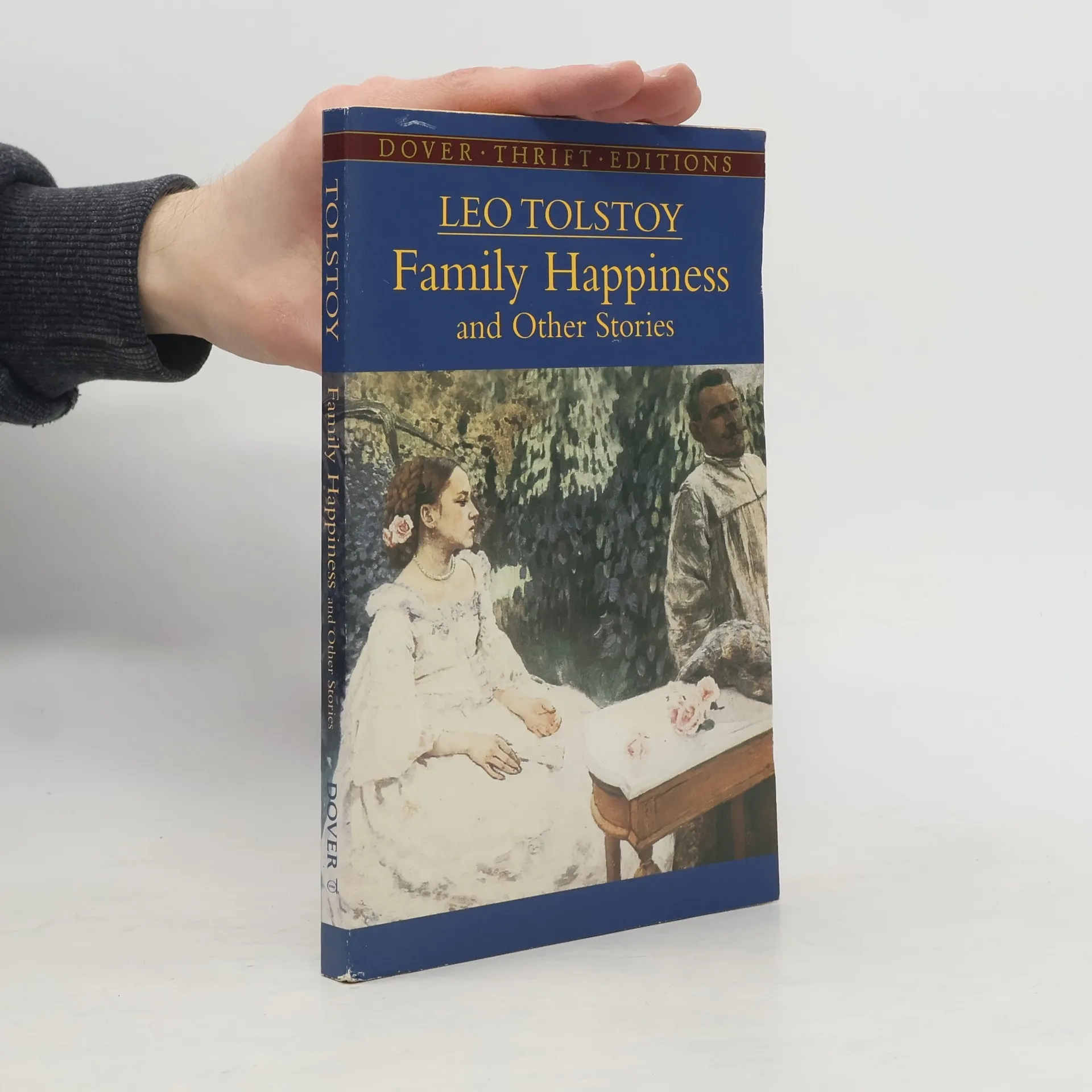
Dover Thrift Editions: Family Happiness and Other Stories
- 208pagine
- 8 ore di lettura
Each of the 6 powerful tales in this collection exhibits the rich detail, shrewd observations, and vivid narration that characterize Tolstoy's famous novels. In addition to the title story, this compilation includes "Three Deaths," "The Three Hermits," "The Devil," "Father Sergius," and "Master and Man."
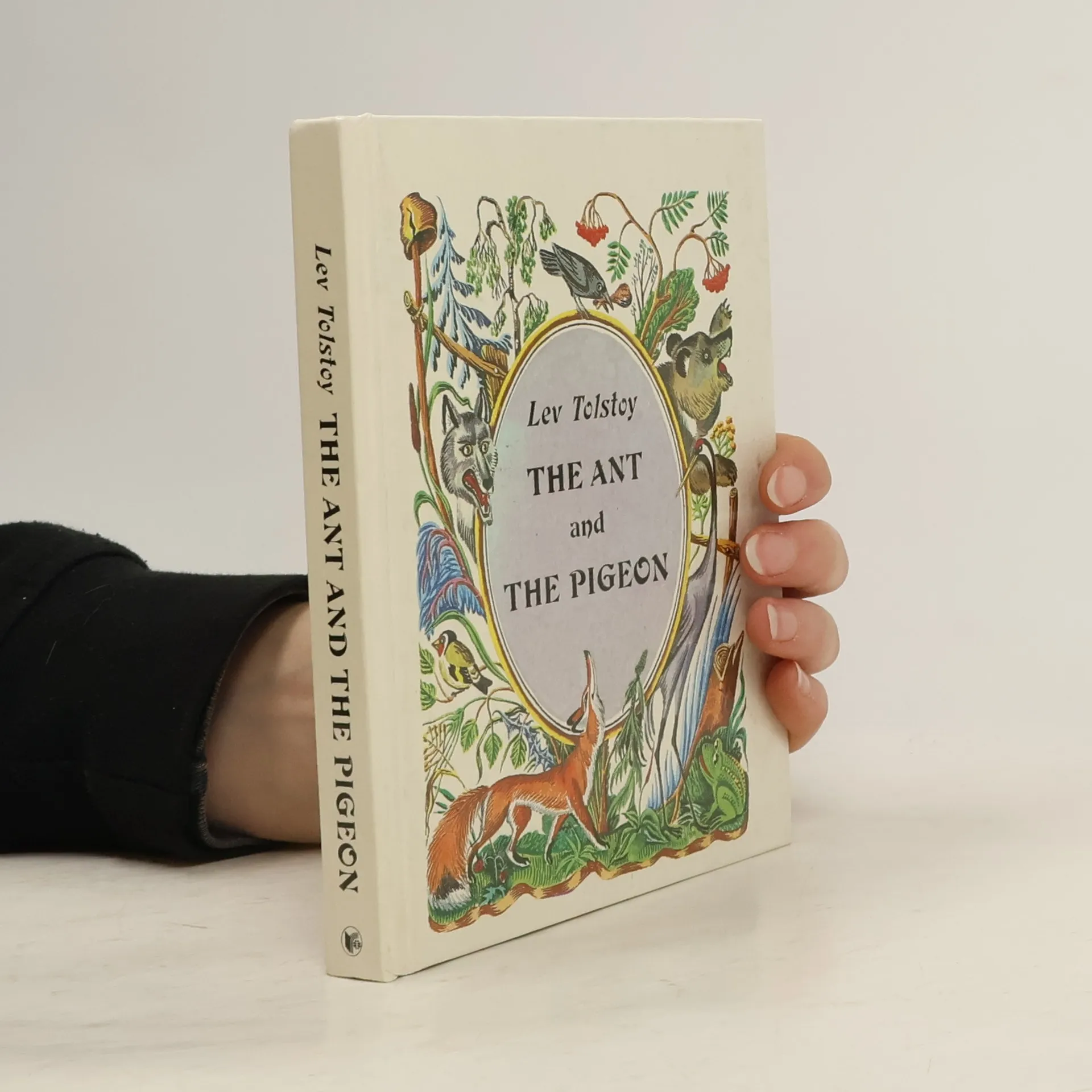
The Ant and the Pigeon
- 158pagine
- 6 ore di lettura
THE MORAL OF THIS STORY IS"ONE GOOD TURN DESERVES ANOTHER"
My Religion
- 160pagine
- 6 ore di lettura
"I have not always been possessed of the religious ideas set forth in this book. For thirty-five years of my life I was, in the proper acceptation of the word, a nihilist,--not a revolutionary socialist, but a man who believed in nothing. Five years ago faith came to me; I believed in the doctrine of Jesus, and my whole life underwent a sudden transformation". Leo Tolstoy
The Death of Ivan Ilyich and Confession
- 224pagine
- 8 ore di lettura
A pairing of Tolstoy's most spiritual and existential works of fiction and nonfiction from the renowned translator of Turgenev and Chekhov.
A Calendar of Wisdom
- 384pagine
- 14 ore di lettura
Over the last fifteen years of his life, Tolstoy collected and published the maxims of some of the world's greatest masters of philosophy, religion and literature, adding his own contributions to various questions that preoccupied him in old age, such as faith and existence, as well as matters of everyday life. Banned in Russia under Communism, A Calendar of Wisdom was Tolstoy's last major work, and one of his most popular both during and after his lifetime. This new translation by Roger Cockrell will offer today's generation of readers the chance to discover, day by day, these edifying and carefully selected pearls of wisdom.
How Much Land Does A Man Need?
- 64pagine
- 3 ore di lettura
A parable of a Russian peasant's bargain with the devil - considered by James Joyce to be the world's greatest story.
The Cossacks and Hadji Murat
- 720pagine
- 26 ore di lettura
'He said that Shamil had ordered Hadji Murat to be taken dead or alive....' Two masterly Russian tales of freedom, fighting and great warriors in the majestic mountains of the Caucasus, inspired by Tolstoy's years as a soldier living amid the Cossack people. A new series of twenty distinctive, unforgettable Penguin Classics in a beautiful new design and pocket-sized format, with coloured jackets echoing Penguin's original covers.
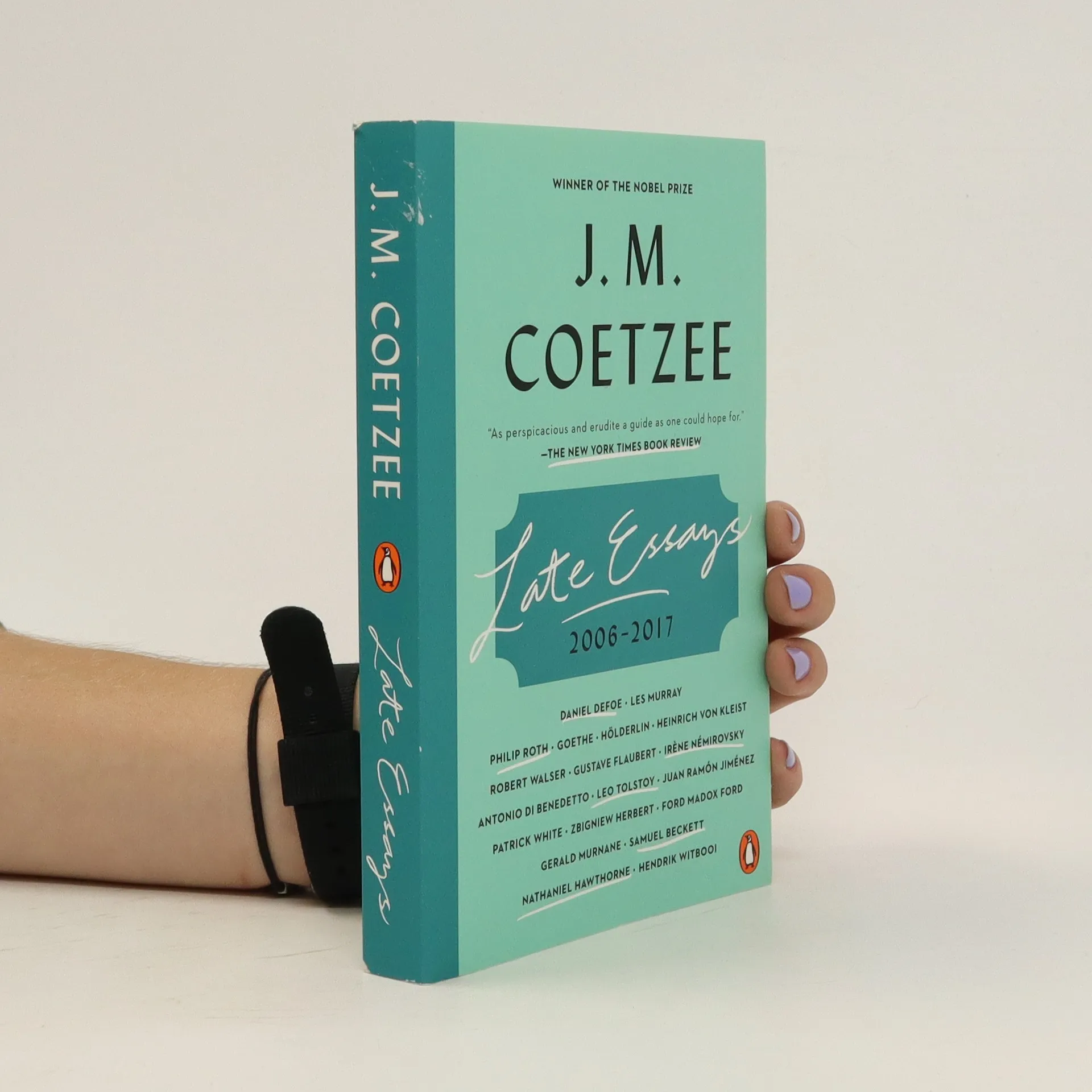
Late Essays, 2006-2017
- 304pagine
- 11 ore di lettura
A new collection of twenty-three literary essays from the Nobel Prize–winning author. J. M. Coetzee’s latest novel, The Schooldays of Jesus, is now available from Viking. J. M. Coetzee is not only one of the most acclaimed fiction writers in the world, he is also an accomplished and insightful literary critic. In Late Essays: 2006–2016, a thought-provoking collection of twenty-three pieces, he examines the work of some of the world’s greatest writers, from Daniel Defoe in the early eighteenth century to Goethe and Irène Némirovsky to Coetzee’s contemporary Philip Roth. Challenging yet accessible, literary master Coetzee writes these essays with great clarity and precision, offering readers an illuminating and wise analysis of a remarkable list of works of international literature that span three centuries.
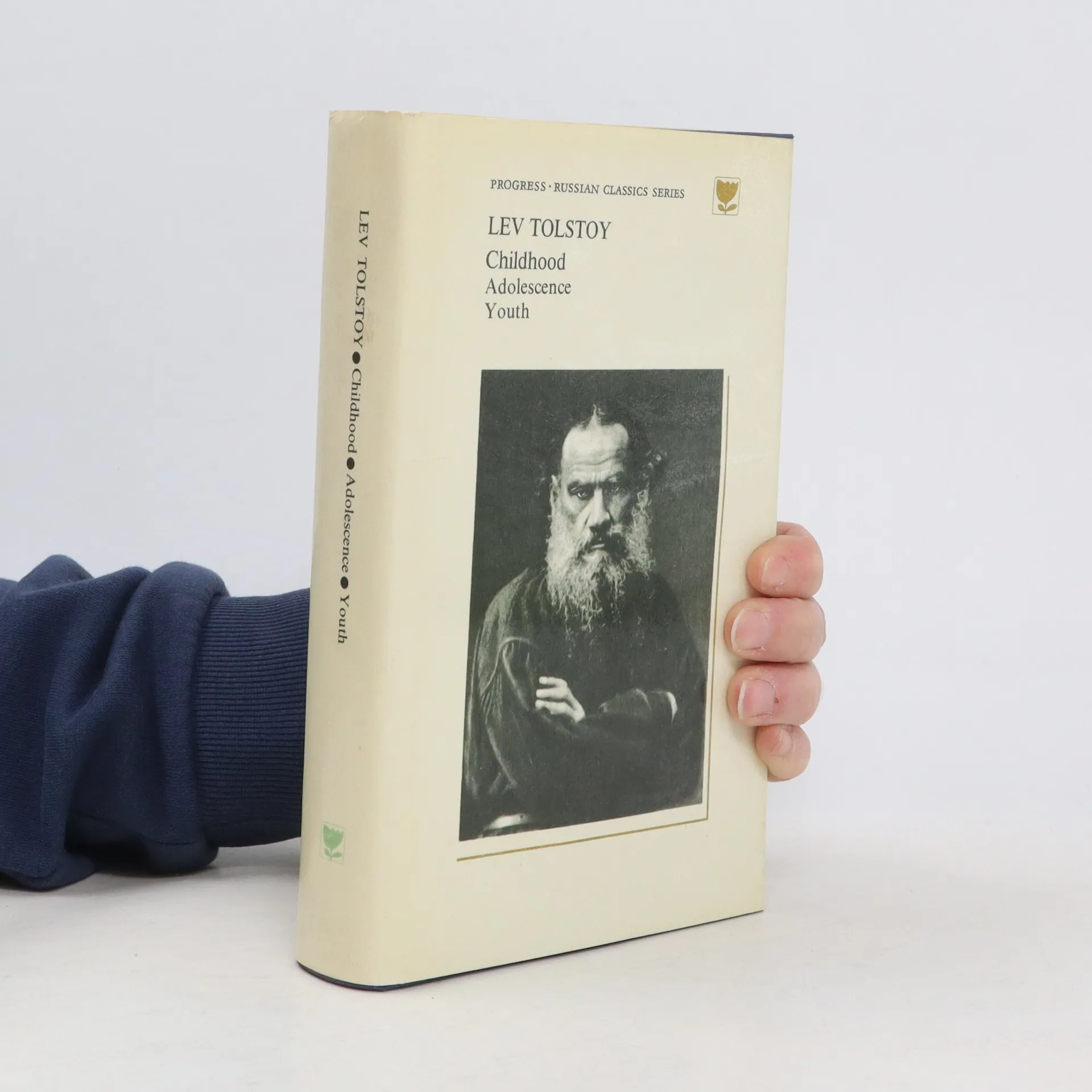
An autobiographical trilogy written during the author's military service in the Caucasus (1851–1856), it serves as a poetic reckoning with his own youthful development and the inner growth of his entire generation. Tolstoy infused the portrayal of his characters with profound knowledge of his own psyche, offering a penetrating analysis of his youth. With open self-criticism, he illustrated through his character Nikolai Irtienev how painfully and laboriously a person emerges from confusion and uncertainty. As a master realist and psychologist, he never transcended the boundaries of a child's imaginative world. In this first work, Tolstoy masterfully depicted the elusive manifestations of inner life, which alternate with extraordinary speed and inexhaustible variety. This distinctive feature of Tolstoy's psychological analysis—focusing not just on the results of psychological processes but on the processes themselves—was characterized by Chernyshevsky as the "greatest merit and inimitable originality" of Tolstoy's talent.
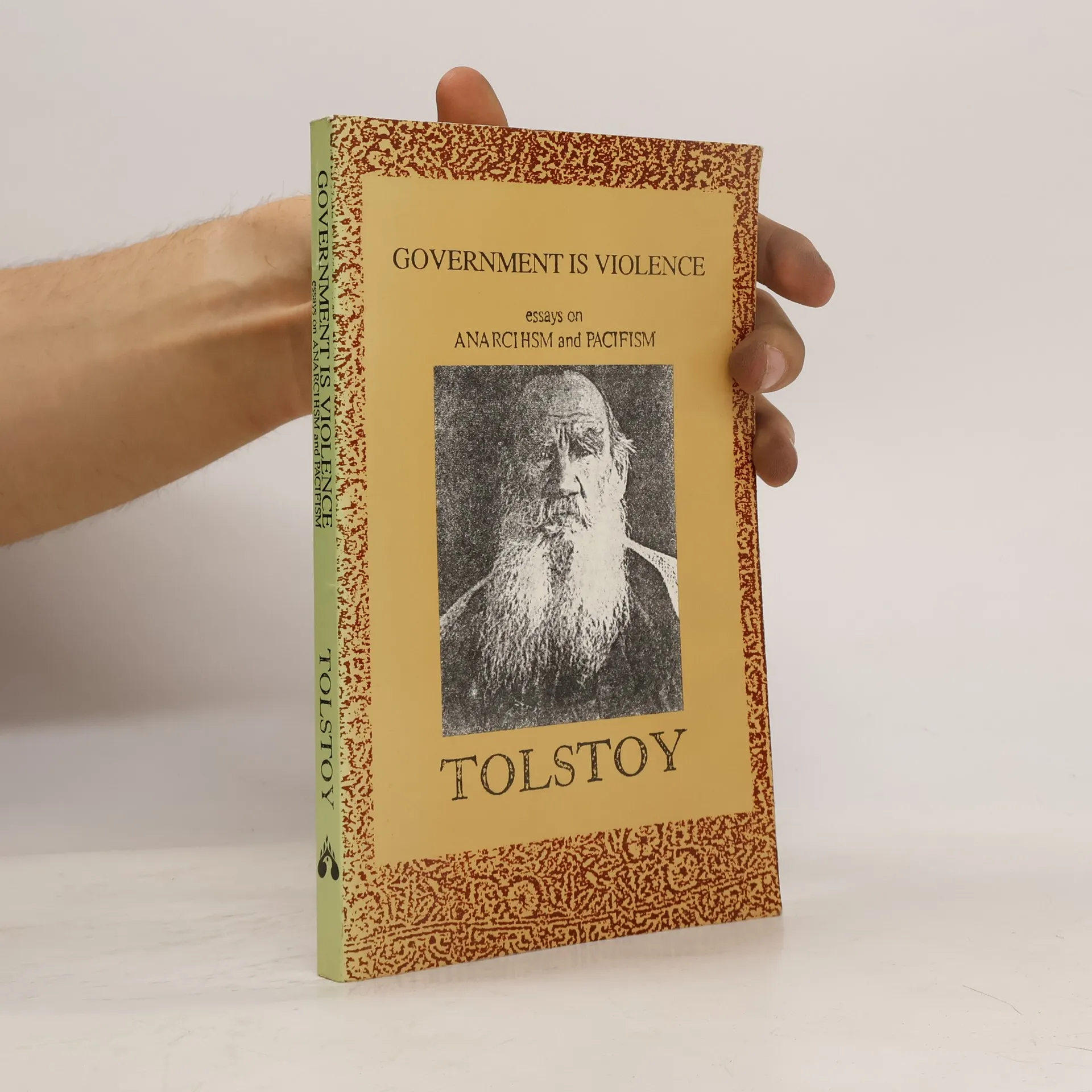
A collection of the man's writings on anarchism and pacifism.
Anna Karenina, Part 1
- 162pagine
- 6 ore di lettura
Exploring themes of betrayal, faith, and the complexities of marriage, this novel delves into the lives of its numerous characters against the backdrop of Imperial Russian society. Spanning over 800 pages, it intricately contrasts rural and urban experiences, reflecting the social dynamics of the time. Tolstoy's narrative style marks a significant transition between realism and modernism, establishing the work as a pivotal piece in literary history. Celebrated as one of the greatest novels, it showcases the depth of human emotion and societal critique.
War and Peace Book 8
- 104pagine
- 4 ore di lettura
Set against the backdrop of the 1812 French invasion of Russia, the narrative delves into the lives of aristocratic families and the broader societal impacts during the Napoleonic era. The book intertwines philosophical discussions with character-driven stories, showcasing individuals from various backgrounds grappling with the challenges of their time. It employs innovative narrative techniques reminiscent of early 19th-century literature, highlighting the complexity of human experience and the enduring relevance of emotional resilience and personal growth in society.
What Men Live By
- 96pagine
- 4 ore di lettura
Remember; There is only one moment that matter, and that is now. Because it is the only one we can rule over...Lev Tolstoy, the author of masterpieces such as Anna Karenina, War and Peace, and Resurrection, spent the last thirty years of his life working on subjects such as human beings, family, religion, state, society, freedom, rebellion and aesthetics. In the works he produced during this period, he addressed human problems within a literary fiction.What Men live by? stating that the most important virtue that an individual should have is love, the great writer was inspired by holy book texts and folk tales and invited humanity to truth. Tolstoy, who left very important works in world literature, has managed to reach readers of all ages.
War and Peace Book 12
- 80pagine
- 3 ore di lettura
Set against the backdrop of the French invasion of Russia in 1812, the narrative intricately weaves the lives of various Russian families, showcasing the effects of the Napoleonic era on Tsarist society. It delves into philosophical discussions intertwined with character development, highlighting the struggles of individuals from diverse backgrounds—aristocrats, soldiers, and commoners. The book employs innovative narrative techniques reminiscent of early 19th-century literature, ultimately presenting a profound exploration of humanity's emotional and psychological evolution.
A confession
- 112pagine
- 4 ore di lettura
Describing Tolstoy's crisis of depression and estrangement from the world, A Confession is an autobiographical work of exceptional emotional honesty. It describes his search for 'a practical religion not promising future bliss but giving bliss on earth'. Although the Confession led to his excommunication, it also resulted in a large following of Tolstoyan Christians springing up throughout Russia and Europe. Throughout history, some books have changed the world. They have transformed the way we see ourselves – and each other. They have inspired debate, dissent, war and revolution. They have enlightened, outraged, provoked and comforted. They have enriched lives – and destroyed them. Now Penguin brings you the works of the great thinkers, pioneers, radicals and visionaries whose ideas shook civilization and helped make us who we are.
Nine stories portray the harsh realities of the Crimean War, their impact on the participants, and other moments of spiritual crisis
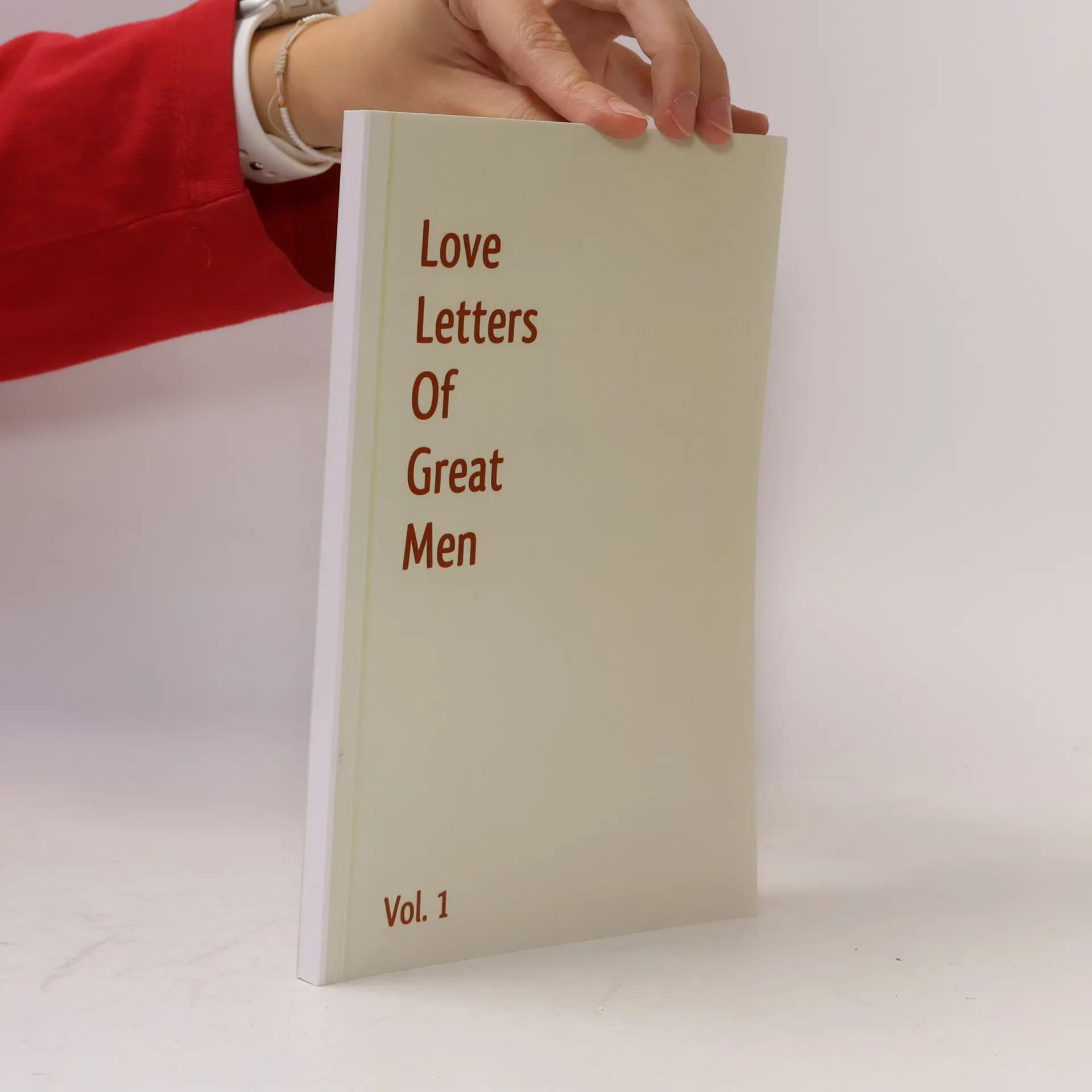
Love Letters Of Great Men
- 136pagine
- 5 ore di lettura
LOVE LETTERS OF GREAT MEN (Volume 1) is an anthology of romantic love letters written by leading male historical figures. *** The book plays a key role in the plot of the US movie Sex and the City. *** When Carrie Bradshaw in the "Sex and the City" movie began reading the book Love Letters of Great Men, millions of women wanted to get their hands on the book. Of course, what could be more romantic than an entire book of love letters, written by men! *** The book includes love letters written by Ludwig van Beethoven, Pietro Bembo, Napolean Bonaparte, Rupert Brooke, Robert Browning, Robert Burdette, Lord Byron, Lord Randolph Churchill, Winston Churchill, Mark Twain, John Constable, Cuff Cooper, Oliver Cromwell, Pierre Curie, Alfred de Musset, F. Scott Fitzgerald, Gustave Flaubert, Johann Wolfgang von Goethe, Lyman Hodge, Count Gabriel Honore de Mirbeau, Victor Hugo, James Joyce, Franz Kafka, John Keats, Henry IV of France, Henry VIII, Franz Liszt, Jack London, Wolfgang Amadeus Mozart, Thomas Otway, Robert Peary, Sir Walter Raleigh, Theodore Roosevelt, Jr., John Ruskin, Robert Schumann, George Bernard Shaw, Richard Steele, Alfred de Musset, Dylan Thomas, Count Leo Tolstoy, Vincent Van Gogh, Voltaire, Henry von Kleist, and Woodrow Wilson.
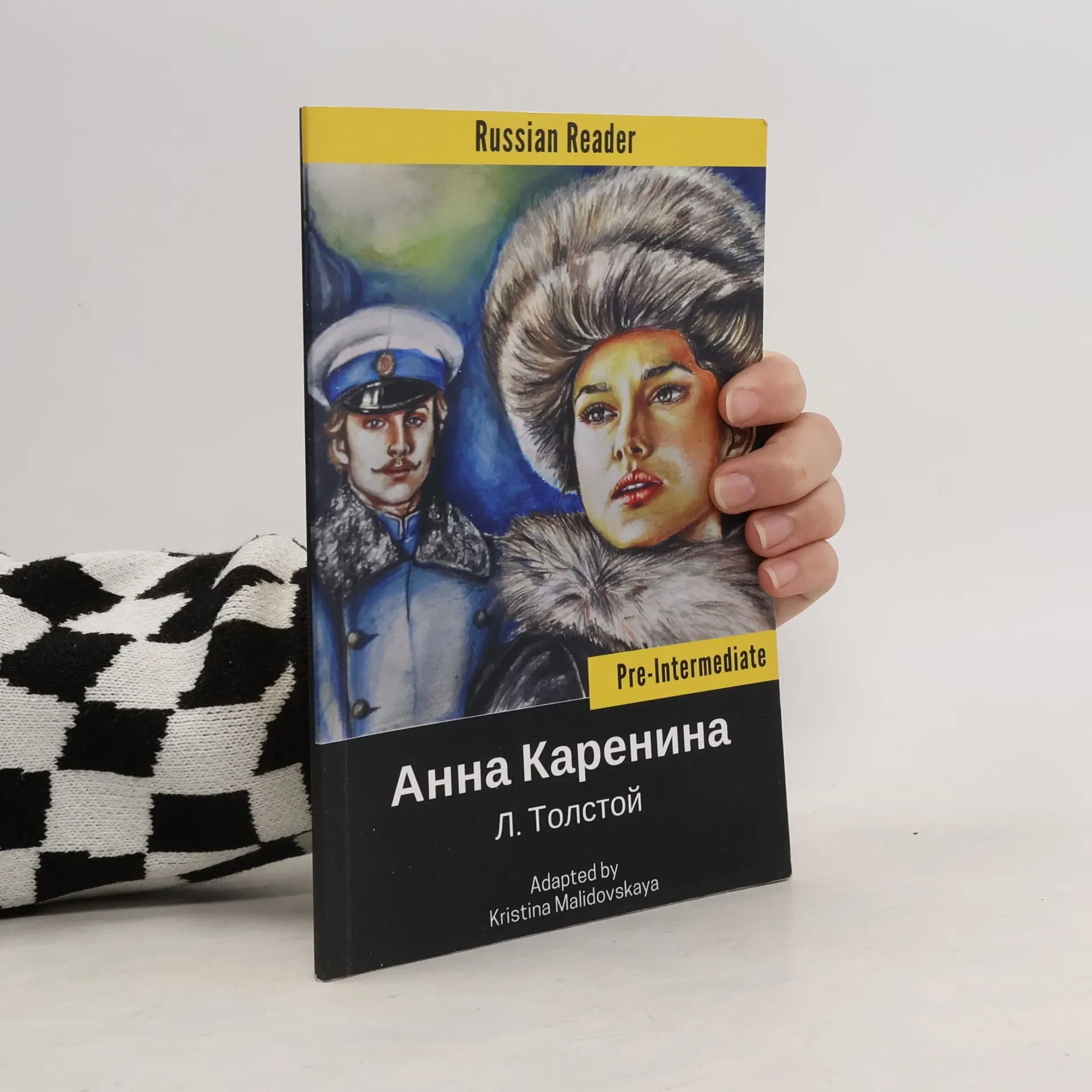
Russian Readers are a range of contemporary and classic Russian and foreign titles specially retold for learners of Russian. Finishing a novel in another language will give you a real sense of achievement, and will motivate you to go on reading more and more. And the more you read, the more your language proficiency increases, the more confident you feel and the more motivated you are! All Russian Readers include stress accents in the Russian text, Russian-English vocabulary and understanding questions at the end of each chapter. The series is published at six levels - Starter, Elementary, Pre-intermediate, Intermediate; Upper-intermediate and Advanced. The number of words at each level: Starter (A1) - 300-600 headwords; Elementary (A2) - 600-1000 headwords; Pre-intermediate (A2-B1) - 1000-1400 headwords; Intermediate (B1) - 1400-1700 headwords; Upper-intermediate (B2) - 1700-2200 headwords; Advanced (C1) - 2200-3000 headwords.
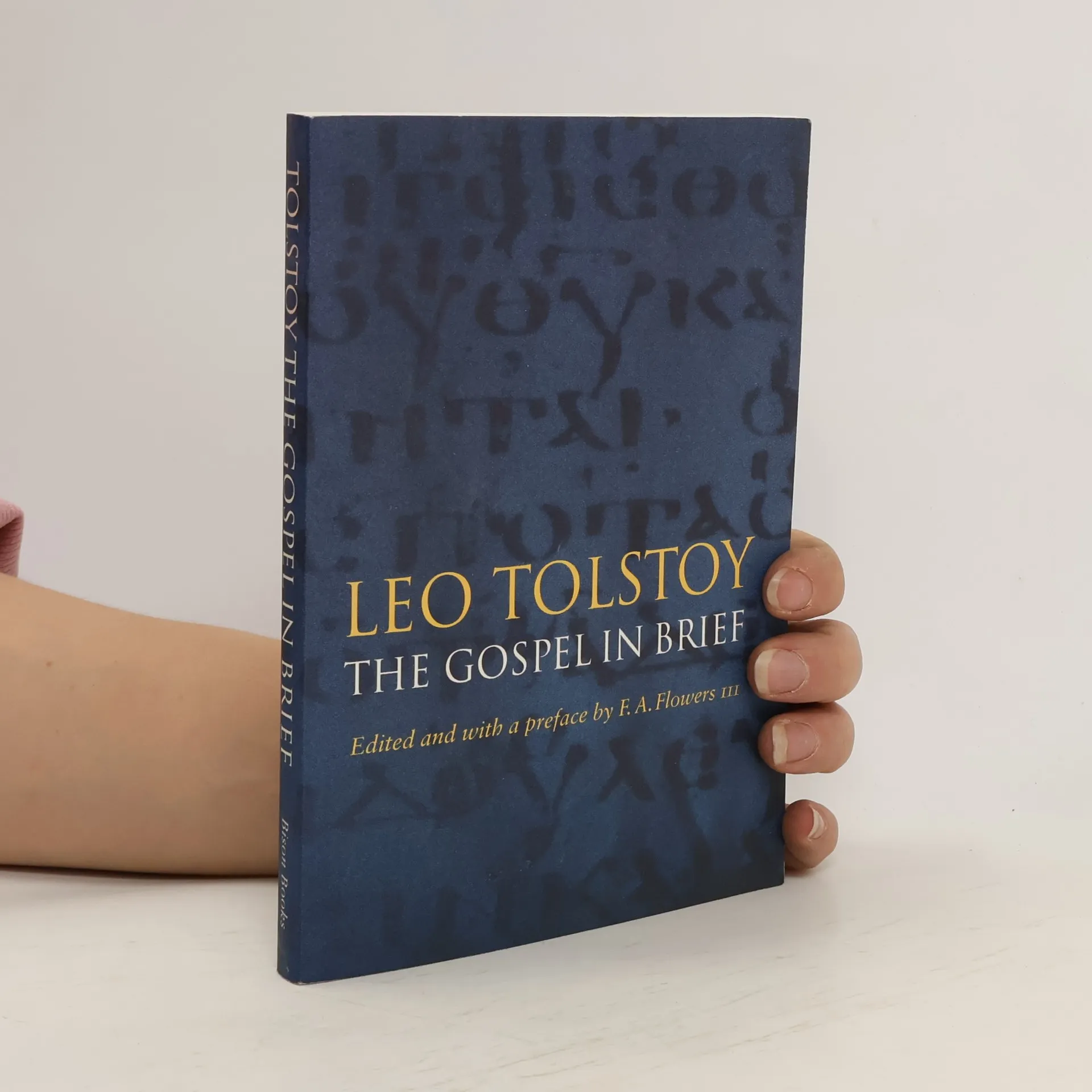
"Are you acquainted with Tolstoy's The Gospel in Brief? At its time, this book virtually kept me alive... If you are not acquainted with it, then you cannot imagine what an effect it can have upon a person." – Ludwig Wittgenstein, in a letter to Ludwig von Ficker.The Gospel in Brief is Leo Tolstoy's integration of the four biblical Gospels into a single account of the life of Jesus. Inspired in large measure by Tolstoy's meticulous study of the original Greek versions of the Bible, The Gospel in Brief is a highly original fusion of biblical texts and Tolstoy's own influential religious views. Tolstoy explains that his goal is a solution to "the problem of life," not an answer to theological or historical questions. As a result, he sets aside such issues as Jesus' genealogy and divinity, or whether Jesus in fact walked on water. Instead, he focuses on the words and teachings of Jesus, stripped of what Tolstoy regarded as the Church's distortions and focus on dogma and ritual. The result is a work that emphasizes the individual's spiritual condition in a chaotic and indifferent world. Like Tolstoy's celebrated literary achievements, The Gospel in Brief has the distinct bearing of a classic; in its urgency and directness it is remarkably current, as if it were written only yesterday rather than a century ago.