

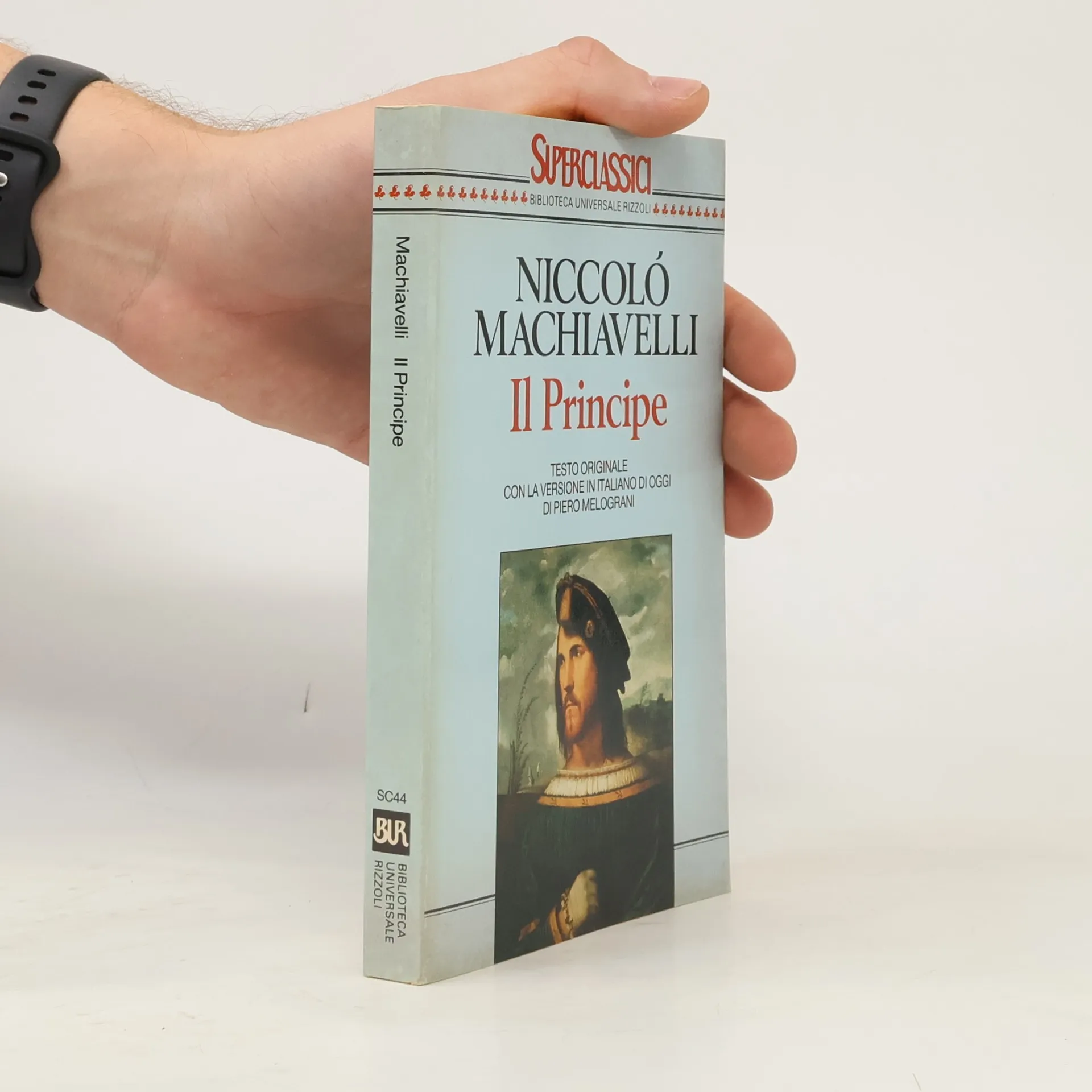
Machiavellis Werk, ursprünglich als Empfehlung für den designierten Fürsten von Florenz verfasst, zählt zur Weltliteratur und gilt als erstes Werk der modernen politischen Philosophie. Es behandelt die Grundsätze politischer Herrschaft, die moralischen Eigenschaften des Regenten und verschiedene Herrschaftstechniken zur Schaffung effizienter Ordnung. Machiavelli wird oft missverstanden; der Satz „Der Zweck heiligt die Mittel“ ist nicht von ihm, sondern stammt von seinen Kritikern. Sein Ziel ist die Begründung eines autonomen, moralfreien Politikbegriffs, jedoch nicht die Förderung von Immoralität im politischen Handeln. Sein pragmatisches Ethos betont, dass der politisch Handelnde von der historischen Situation, den Zielen und den realen Möglichkeiten abhängt. Die zentralen Tugenden des idealen Herrschers sind Necessità (Einsicht in die Notwendigkeit), Fortuna (Geschick basierend auf historischem Wissen) und Virtù (Fähigkeit zur Autonomie). Für die kommentierte Neuedition wurden die ältesten Handschriften sowie die von Machiavelli verwendeten historischen Quellen wie Livius und Thukydides kritisch betrachtet. Der italienische Text basiert auf der kritischen Ausgabe von Giorgio Inglese.
Peter Bondanella Ordine dei libri (cronologico)
Peter Bondanella è stato un illustre professore di letteratura italiana, letteratura comparata e studi cinematografici. Il suo lavoro si è concentrato su una profonda comprensione della cultura e delle arti italiane, con particolare enfasi sul cinema. Ha lasciato un'eredità significativa nel mondo accademico.
Decameron
- 508pagine
- 18 ore di lettura
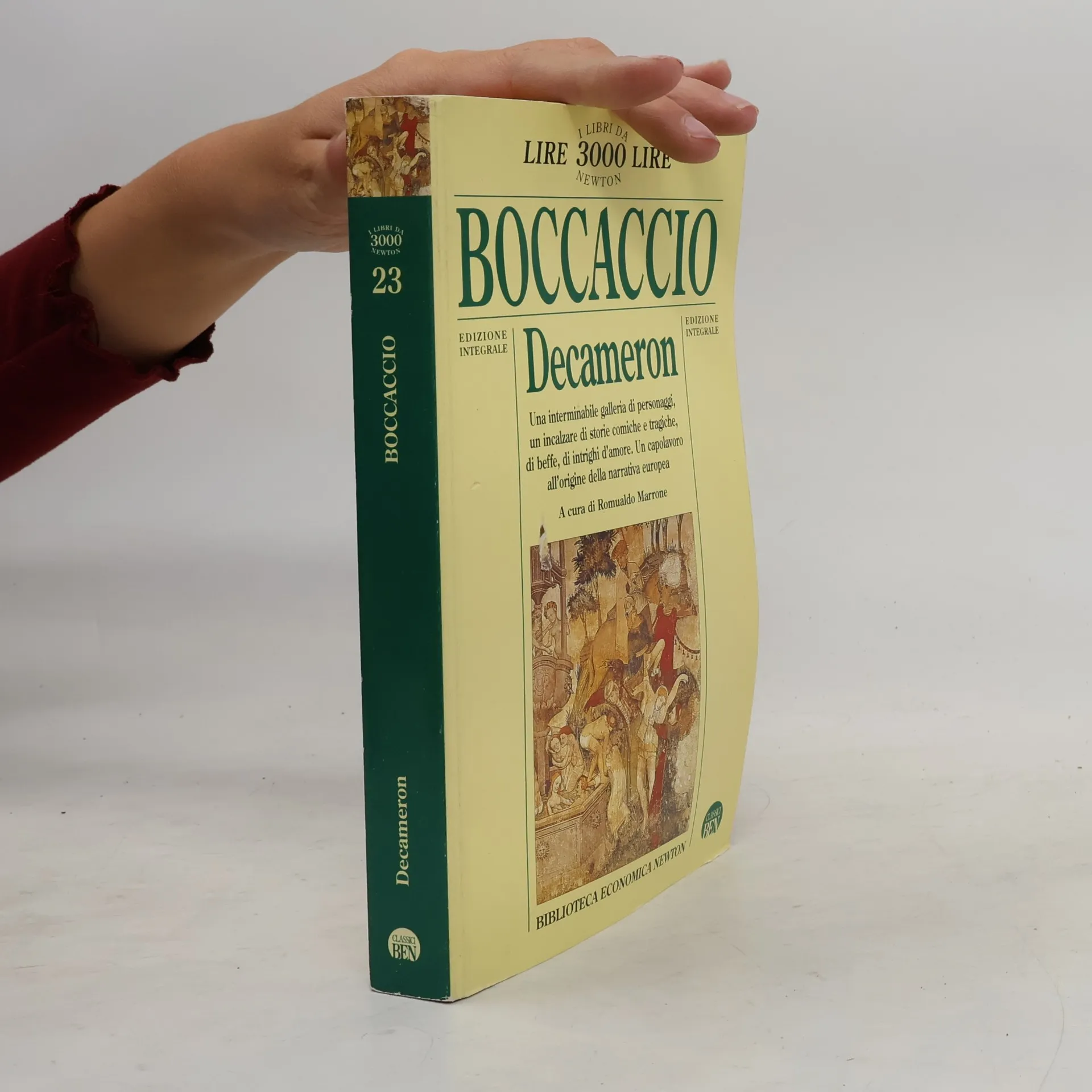
Edizione integrale Se Dante è il fondatore della poesia italiana, Boccaccio è il creatore della prosa italiana. Tutta una società «sorpresa calda nell'atto della vita» (De Sanctis) è stata raffigurata nelle cento novelle del Decameron. L'immensa galleria di personaggi, situazioni, storie e intrecci viene raccontata da Boccaccio con una presa diretta sulla realtà umana, viva e concreta. La vita degli uomini e delle donne - secondo un punto di vista laico, moderno e "terrestre" - scorre nelle dieci giornate del libro dominata da tre forze: l'amore terreno, la fortuna e il denaro. Il contenuto mondano si esprime nell'immediatezza della narrazione orale che fa del Decameron un libro godibile ancora oggi. Questa edizione, corredata da un puntuale apparato di note di Romualdo Marrone, offre l'occasione di riscoprire un classico intramontabile.
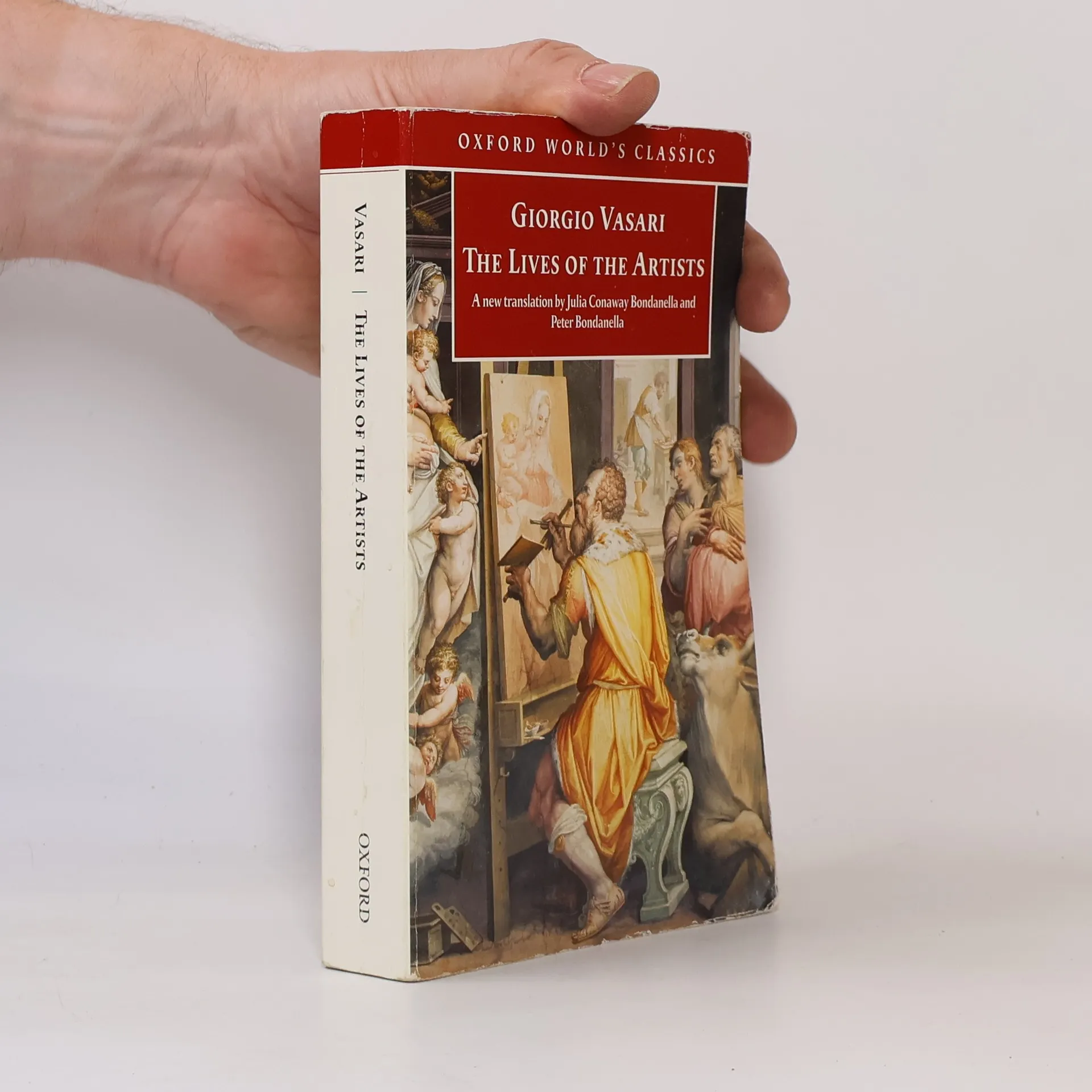
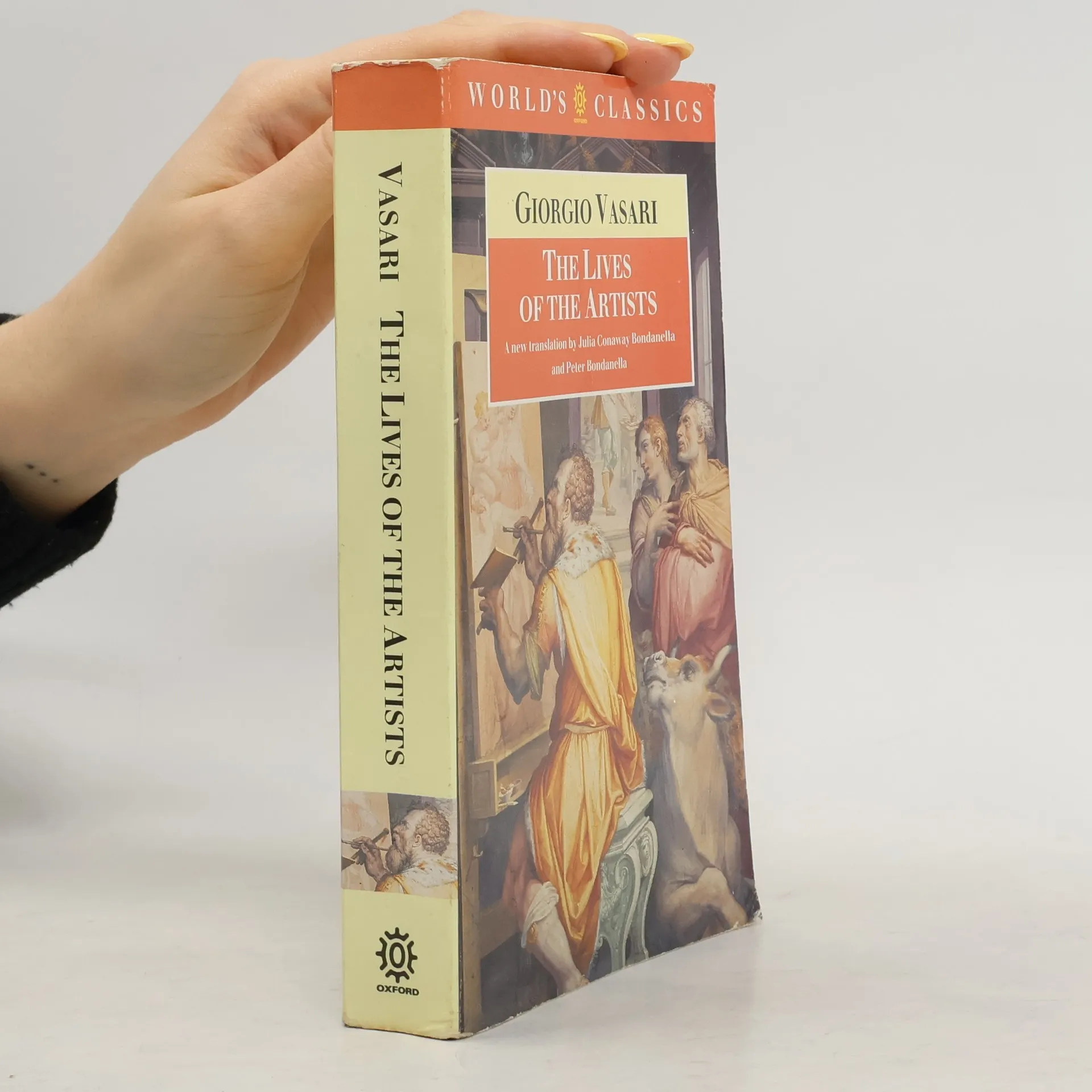
Oxford World's Classics: The Lives of the Artists
A New Translation by Julia Conaway Bondanella and Peter Bondanella
- 586pagine
- 21 ore di lettura
Packed with facts, attributions, and entertaining anecdotes about his contemporaries, Giorgio Vasari's collection of biographical accounts also presents a highly influential theory of the development of Renaissance art.Beginning with Cimabue and Giotto, who represent the infancy of art, Vasari considers the period of youthful vigour, shaped by Donatello, Brunelleschi, Ghiberti, and Masaccio, before discussing the mature period of perfection, dominated by the titanic figures of Leonardo, Raphael, and Michelangelo.This specially commissioned translation contains thirty-six of the most important lives as well as an introduction and explanatory notes.About the Series:For over 100 years Oxford World's Classics has made available the widest range of literature from around the globe. Each affordable volume reflects Oxford's commitment to scholarship, providing the most accurate text plus a wealth of other valuable features, including expert introductions by leading authorities, helpful notes to clarify the text, up-to-date bibliographies for further study, and much more.
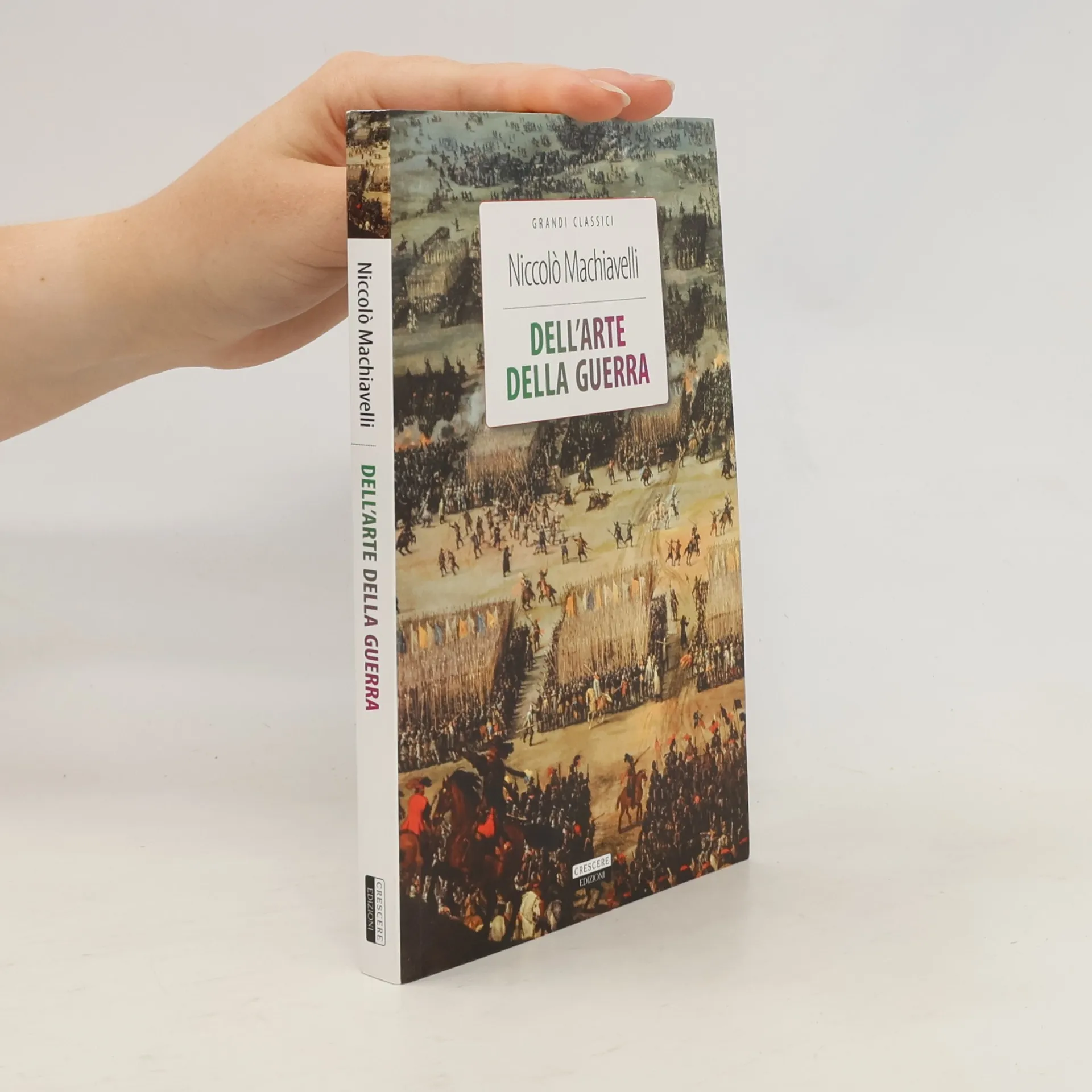
Dell'arte della guerra. Con segnalibro. Ediz. integrale
- 192pagine
- 7 ore di lettura
Voltaire said, "Machiavelli taught Europe the art of war; it had long been practiced, without being known." For Niccolò Machiavelli (1469-1527), war was war, and victory the supreme aim to which all other considerations must be subordinated. The Art of War is far from an anachronism—its pages outline fundamental questions that theorists of war continue to examine today, making it essential reading for any student of military history, strategy, or theory. Machiavelli believed The Art of War to be his most important work.
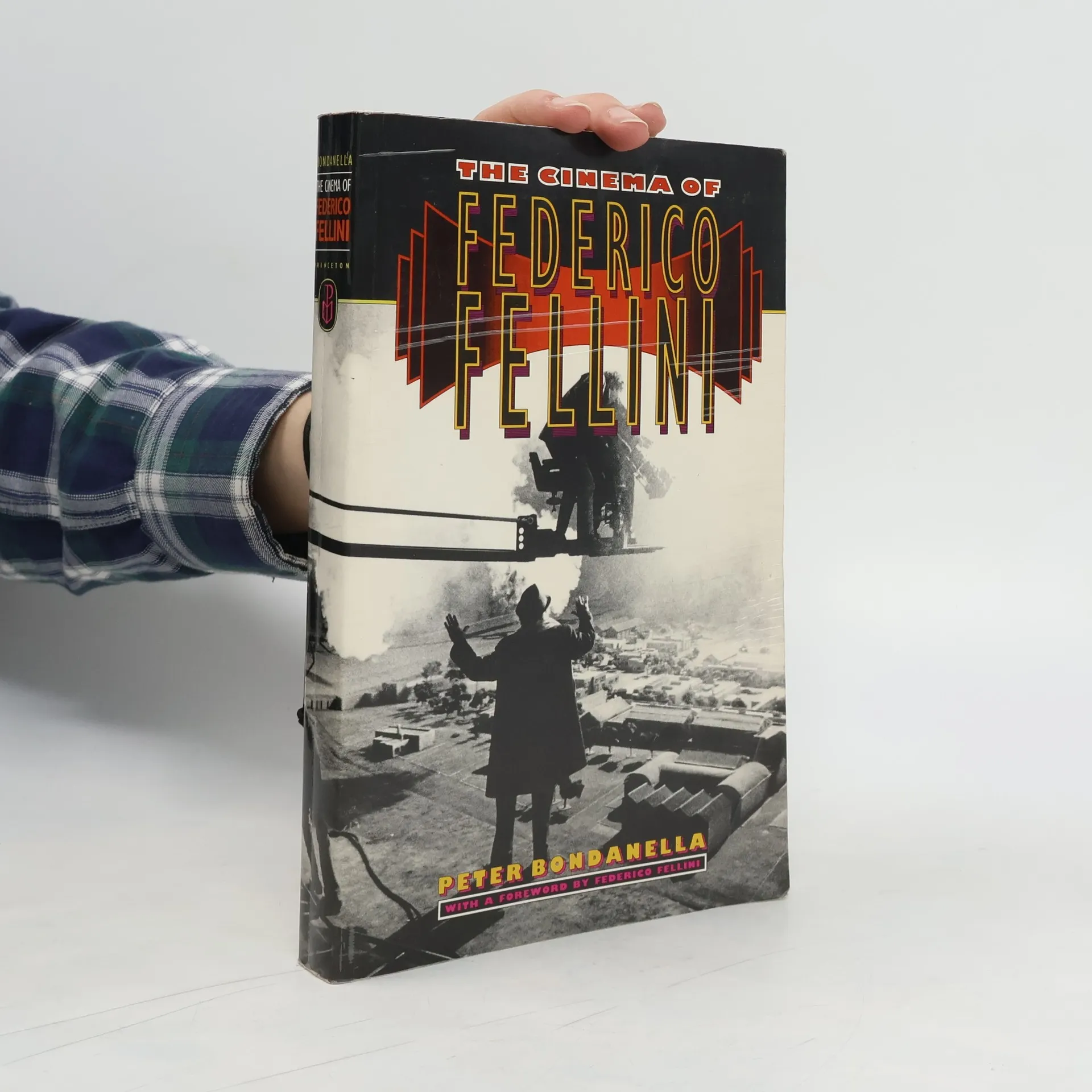
A biography of Federico Fellini that shows how his exuberant imagination has been shaped by popular culture, literature, and his encounter with the ideas of C G Jung, especially Jungian dream interpretation. It links his mature accomplishments to his first employment as a cartoonist, gagman, and sketch-artist during the Fascist era.
World's Classics: The Lives of the Artists
A New Translation by Julia Conaway Bondanella and Peter Bondanella
- 612pagine
- 22 ore di lettura
These biographies of the great quattrocento artists have long been considered among the most important of contemporary sources on Italian Renaissance art. Vasari, who invented the term "Renaissance," was the first to outline the influential theory of Renaissance art that traces a progression through Giotto, Brunelleschi, and finally the titanic figures of Michaelangelo, Da Vinci, and Raphael. This new translation, specially commisioned for the World's Classics series, contains thirty-six of the most important lives and is fully annotated.