

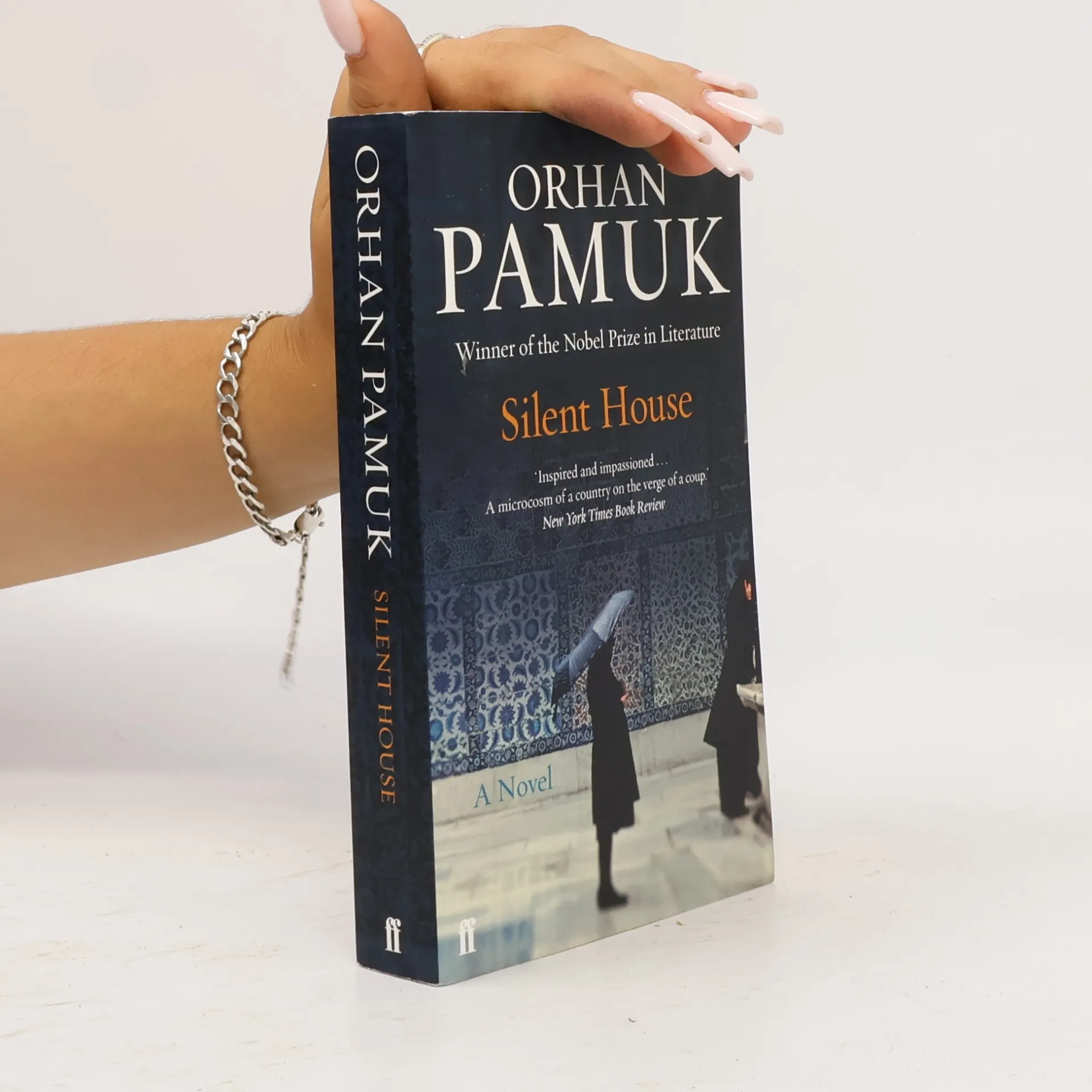
In an old mansion in Cennethisar, a former fishing village near Istanbul, an old widow Fatma awaits the annual summer visit of her grandchildren. She has lived in the village for decades, ever since her husband, an idealistic young doctor, first arrived to serve the poor fishermen. Now mostly bedridden, she is attended by her faithful servant Recep, a dwarf and the doctor's illegitimate son. Under the creeping shadow of right-wing nationalism and political revolution, they share memories, and grievances, of the early years, before their home became a high-class resort.Her visiting grandchildren are Faruk, a dissipated failed historian; his sensitive leftist sister, Nilgun, has yet to discover the real-life consequences of highminded politics; and Metin, a high school student drawn to the fast life of the nouveaux riches, who dreams of going to America. But it is Recep's nephew Hassan, a high-school dropout, lately fallen in with right-wing nationalism, who will draw this family into the revolution and the growing political cataclysm issuing from Turkey's tumultuous century-long struggle for modernity. By turns deeply moving, hilarious, and terrifying, Silent House pulses with the energy of a great writer's early work even as it offers beguiling evidence of the mature genius for which Orhan Pamuk, winner of the Nobel Prize in 2006, would later be world renowned.
Margreet Dorleijn Libri

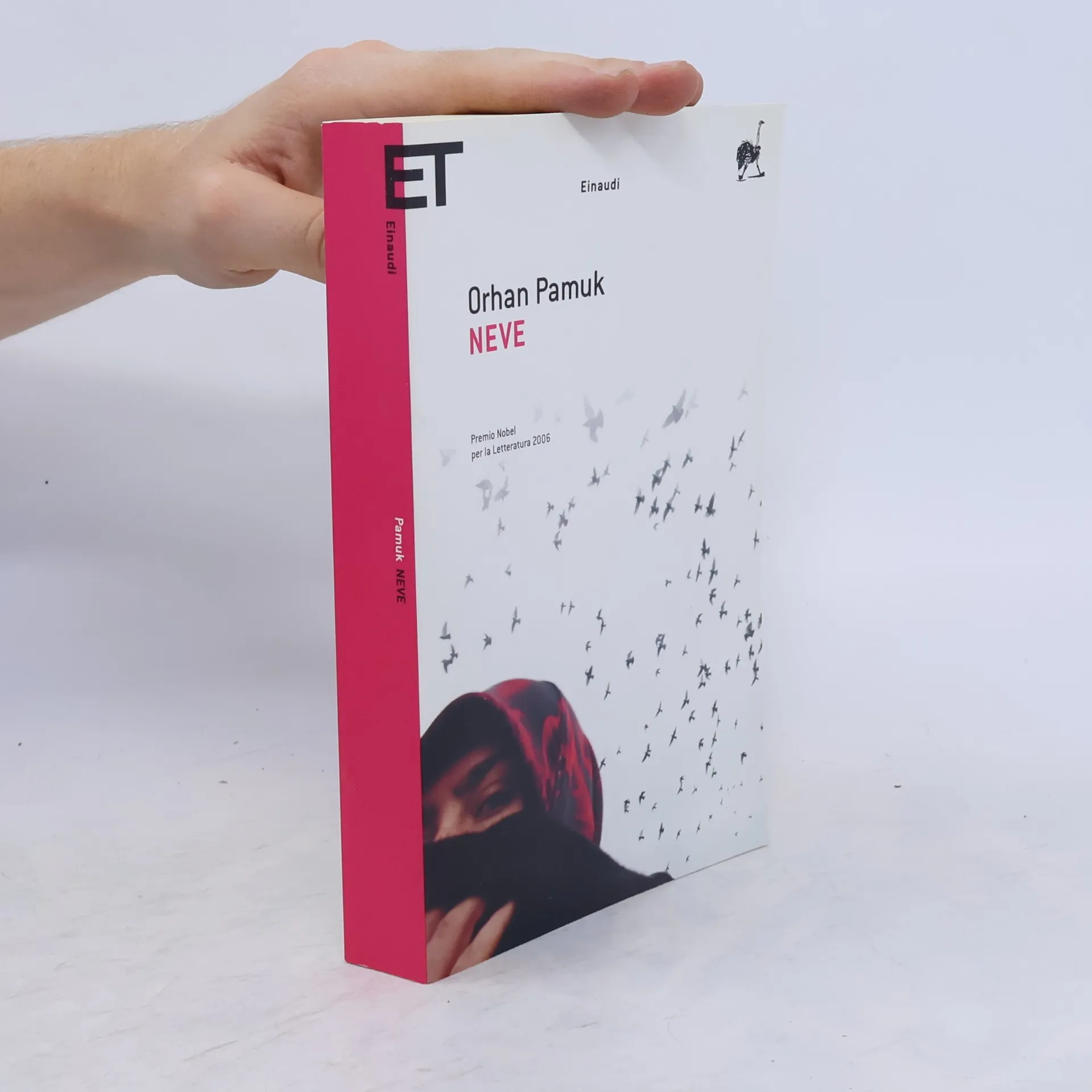
Neve
- 468pagine
- 17 ore di lettura
A Kars, al confine tra Turchia, Armenia e Georgia, alcune giovani ragazze si suicidano, apparentemente costrette a togliersi il velo all'università. Il poeta Ka, esule turco in Germania, è inviato a Kars per un reportage e inizia a indagare, lacerato dal confronto tra Occidente e Islam. La neve cade incessantemente, mentre la città, un miscuglio di etnie e fazioni politiche, è segnata da tensioni tra turchi, curdi, georgiani, nazionalisti laici e integralisti religiosi, con la presenza della polizia segreta, dell'esercito e dei terroristi islamici. Durante la sua indagine, Ka rivede Ipek, una bella compagna di università di cui si innamora, sognando di portarla con sé in Germania. Per realizzare questo sogno, è disposto a tutto. La situazione si complica quando una compagnia teatrale mette in scena un dramma degli anni Venti a favore della laicità, in cui una donna brucia il chador in pubblico. Durante lo spettacolo, una protesta di studenti di un liceo religioso sfocia in violenza. Ka, coinvolto suo malgrado, si trova in una posizione confusa, incapace di rispondere alla domanda sulla fede. Pur affermando di aver ritrovato Allah a Kars, la sua vera ricerca è quella della felicità, in un contesto di conflitto tra culture.
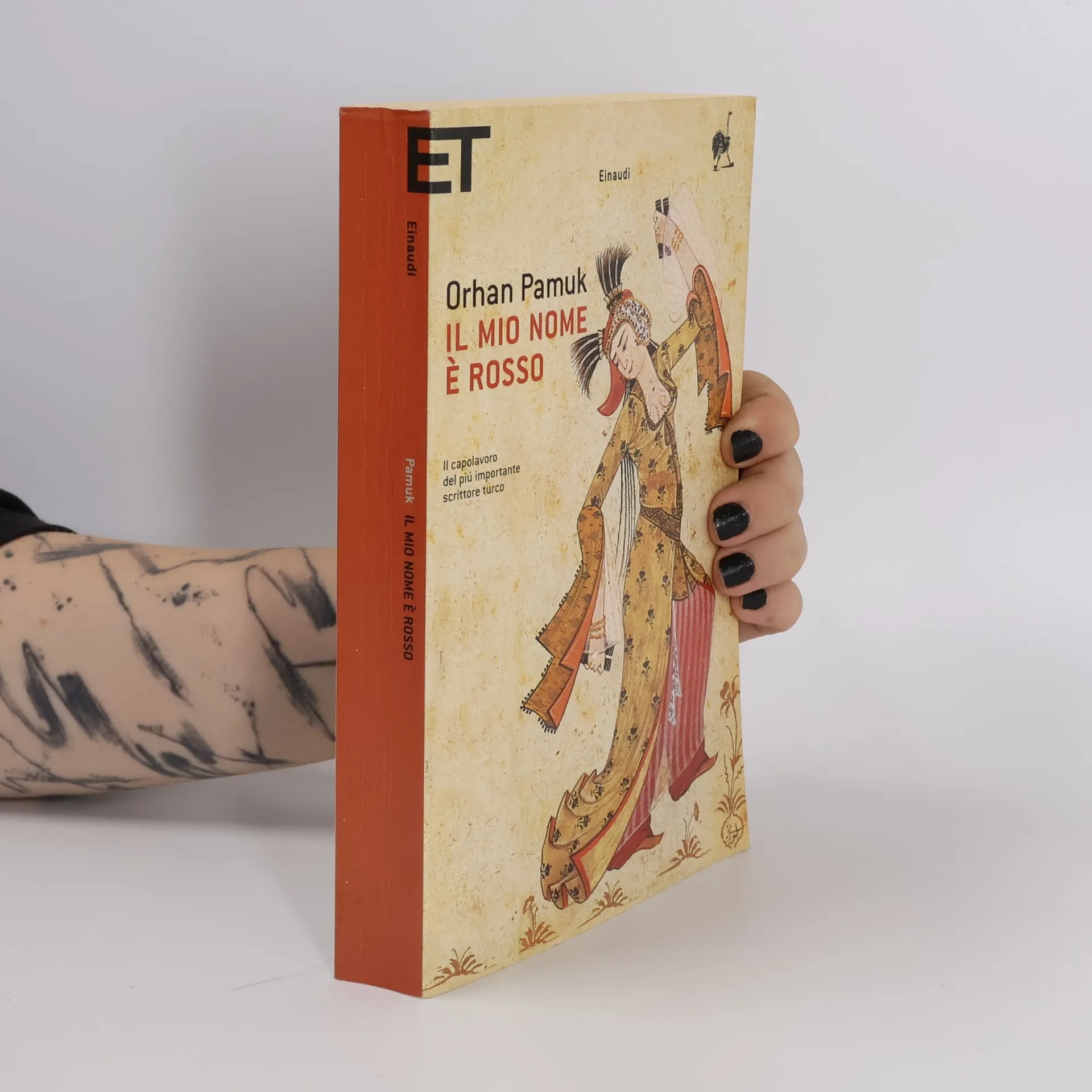
ET: Il mio nome è rosso
- 450pagine
- 16 ore di lettura
Un romanzo d'amore, una storia di intrighi e di misteri che conducono fino alle stanze segrete del palazzo del Sultano, confermando l'eccezionale talento narrativo e la grande sensibilità poetica di Orhan Pamuk. Istanbul, 1591. In una città scossa da antiche inquietudini e nuovissime tentazioni, tra i miniaturisti del Sultano si nasconde un feroce assassino. Per smascherarlo, Nero è disposto a tutto, anche a rischiare la vita. Perché se fallisce, per lui non ci sarà futuro con la bella S¸eküre, non ci sarà l'amore che ha sognato per dodici anni. Libro corale, ricco di passione e di suspense, questo straordinario romanzo di Orhan Pamuk restituisce la ricchezza e la malinconia di un mondo al tramonto. Nel contrasto tra i due vecchi miniaturisti, Zio Effendi e Maestro Osman, Pamuk riassume una discussione che continua ancora oggi nel mondo islamico, diviso tra modernità e tradizione.
Als haar man na negen jaar nog steeds niet is teruggekeerd uit de oorlog, gaat de mooie Sjekure op zoek naar een nieuwe echtgenoot. Haar vader heeft een geheime, uiterst controversiële opdracht gekregen van de Osmaanse sultan. Meesterschilders werken samen aan een boek voor hem, onder supervisie van Sjekures vader. Ze maken hiervoor tekeningen in een westerse stijl. Wanneer een van de schilders vermoord wordt, vraagt Sjekures vader zijn neef Kara om hulp. Sjekure en Kara waren als kinderen erg verliefd op elkaar, en nu krijgt deze liefde een kans weer op te bloeien.