

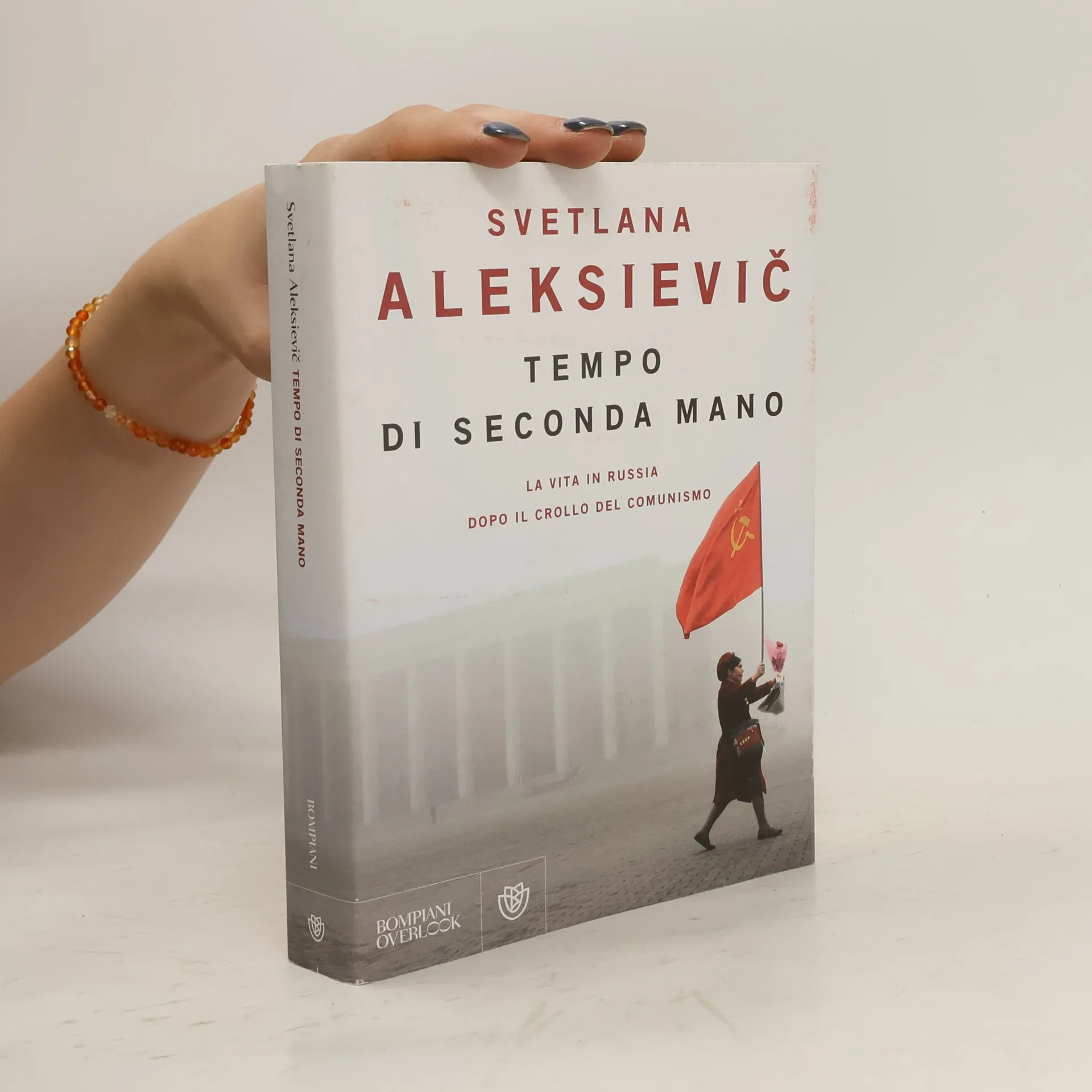
"Per me non è tanto importante che tu scriva quello che ti ho raccontato, ma che andando via ti volti a guardare la mia casetta, e non una ma due volte". Con queste parole, una contadina bielorussa si congeda da Svetlana Aleksievic, esprimendo la speranza di aver trovato qualcuno capace di ascoltare. Il lavoro letterario di Aleksievic si concentra sul racconto di "piccole persone" coinvolte dalla Grande Utopia comunista, un dramma collettivo che ha segnato la storia dell'URSS e della Russia per settant'anni. Questo nuovo libro, ambientato nel contesto del crollo dell'Unione Sovietica e della nascita di una "nuova Russia", rappresenta il culmine di un percorso di trent'anni. Decine di protagonisti-narratori, tra cui contadini, operai, studenti e funzionari del Cremlino, condividono le loro esperienze e riflessioni su un'epocale trasformazione in atto. Tra di loro ci sono anche eroi sovietici poco conosciuti, che non si rassegnano al declino degli ideali e alla mediocrità di un'esistenza che premia solo il successo e il denaro, escludendo i più deboli.
Sophie Benech Libri


Jacob's Ladder
- 560pagine
- 20 ore di lettura
One of Russia’s most renowned literary figures and a Man Booker International Prize nominee, Ludmila Ulitskaya presents what may be her final novel. Jacob’s Ladder is a family saga spanning a century of recent Russian history—and represents the summation of the author’s career, devoted to sharing the absurd and tragic tales of twentieth-century life in her nation. Jumping between the diaries and letters of Jacob Ossetsky in Kiev in the early 1900s and the experiences of his granddaughter Nora in the theatrical world of Moscow in the 1970s and beyond, Jacob’s Ladder guides the reader through some of the most turbulent times in the history of Russia and Ukraine, and draws suggestive parallels between historical events of the early twentieth century and those of more recent memory. Spanning the seeming promise of the prerevolutionary years, to the dark Stalinist era, to the corruption and confusion of the present day, Jacob’s Ladder is a pageant of romance, betrayal, and memory. With a scale worthy of Tolstoy, it asks how much control any of us have over our lives—and how much is in fact determined by history, by chance, or indeed by the genes passed down by the generations that have preceded us into the world.
Les romans préférés de Barbara Cartland - 1216: Le Fils du cheik
- 190pagine
- 7 ore di lettura
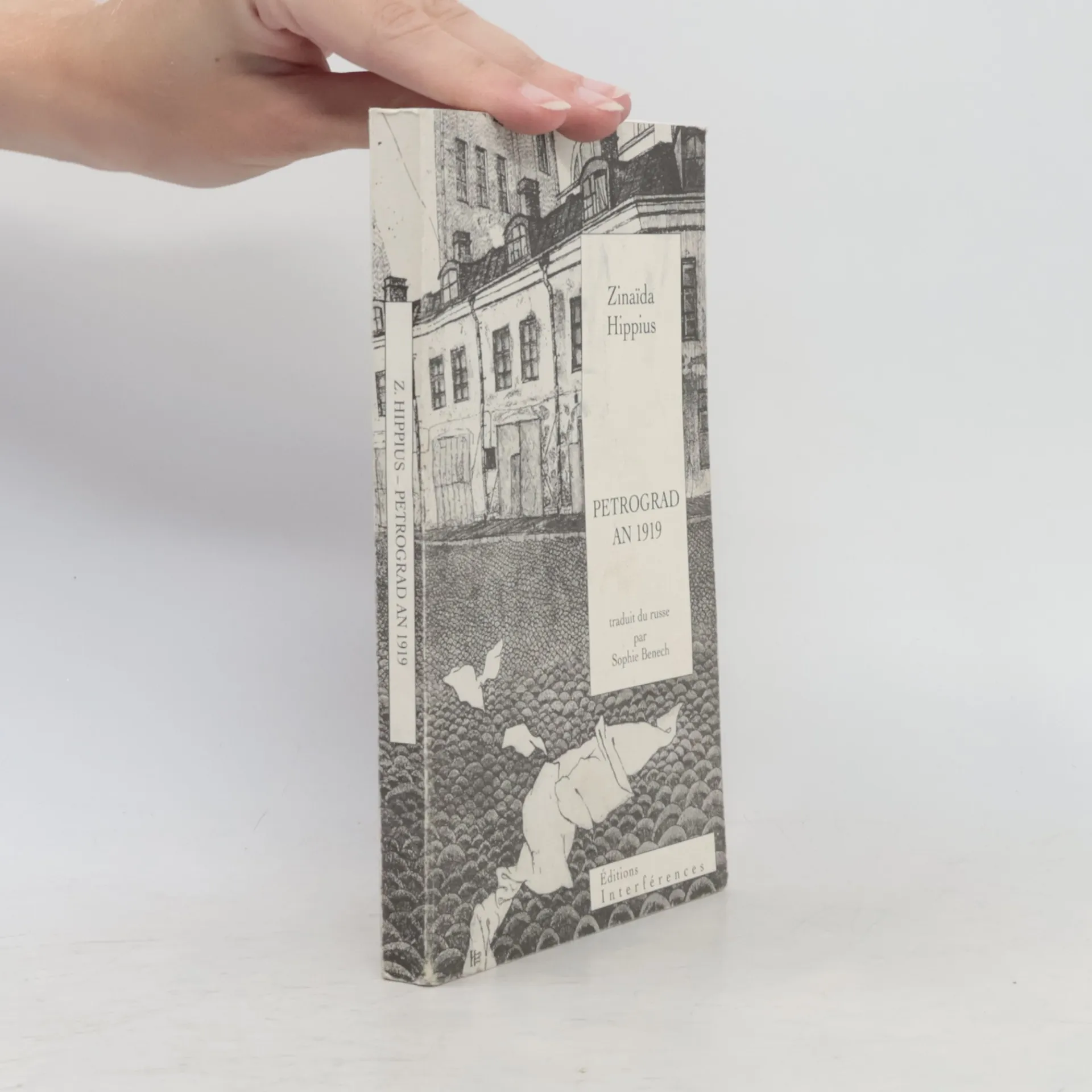
Petrograd An 1919
- 189pagine
- 7 ore di lettura
En pleine guerre civile, dans une ville dévastée par la famine où l'herbe pousse dans les rues et où l'on nourrit les animaux du zoo avec les cadavres des condamnés à mort, une femme de lettres surnommée "la Madone décadente", qui tenait avant la révolution un salon célèbre dans les milieux intellectuels, note au jour le jour ses impressions et des détails hallucinants de la vie quotidienne des habitants de Petrograd en l'an 1919 Cette suite de tableaux et de scènes, si terribles que les contemporains de l'auteur, à l'époque, n'ont pas voulu croire à leur réalité, viennent compléter les descriptions et les souvenirs sur cette période de deux autres grands écrivains, Bounine dans Jours Maudits, et Isaac Babel dans des textes réunis sous le titre Chroniques de l'an 18 Le texte est suivi d'une Lettre aux écrivains du monde anonyme, publiée en 1927 dans la presse russe de l'émigration, qui essayait d'attirer l'attention de l'Occident sur la tragédie de l'intelligentsia en Union soviétique.