

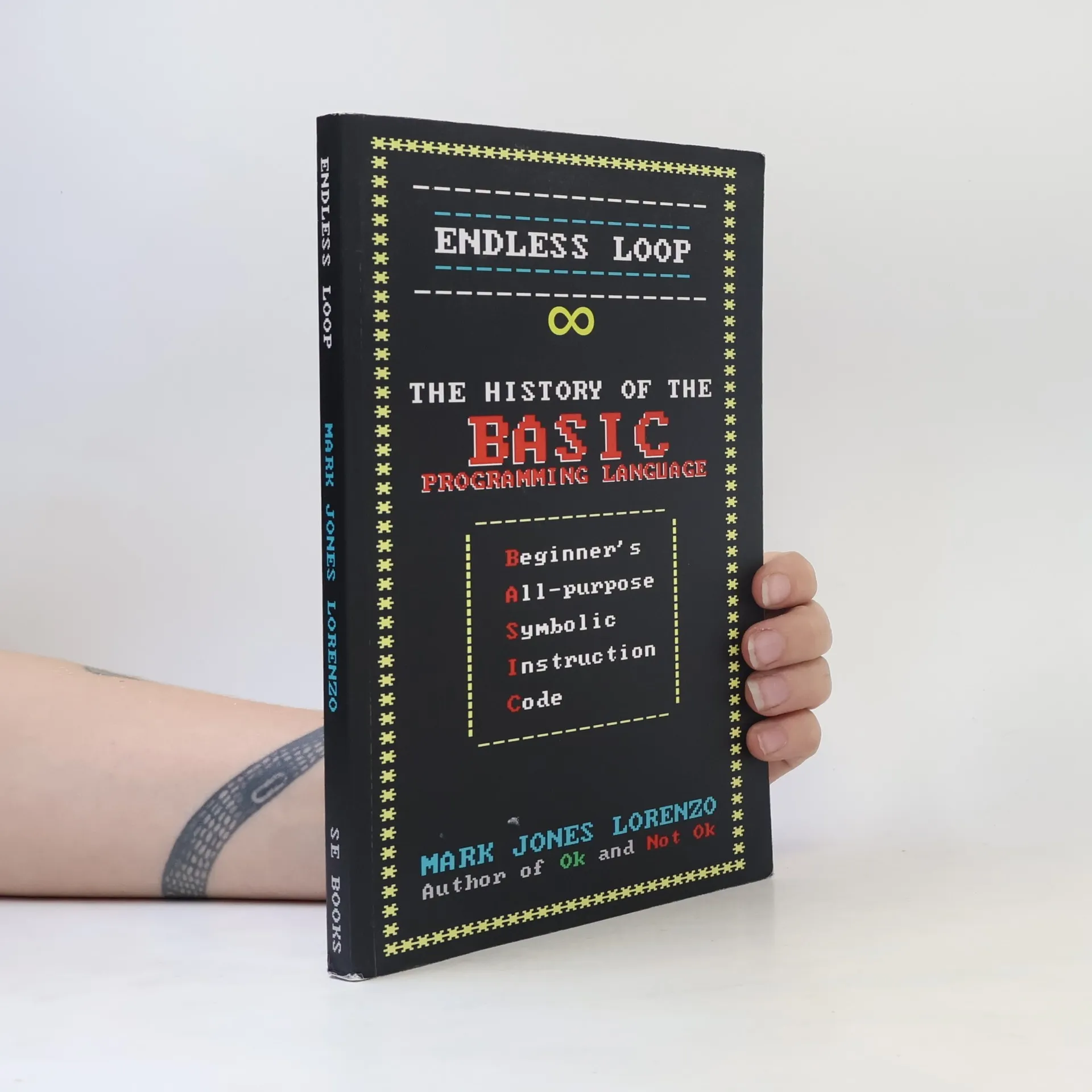
Endless Loop
The History of the BASIC Programming Language: Beginner's All-purpose Symbolic Instruction Code
- 190pagine
- 7 ore di lettura
Endless Loop chronicles the complete history of the BASIC programming language, tracing its journey from its origins at Dartmouth College to its widespread adoption in education, decline, and modern resurgence. On May 1, 1964, Dartmouth introduced BASIC, the Beginner's All-purpose Symbolic Instruction Code, alongside the Dartmouth Time-Sharing System (DTSS). The language was primarily the brainchild of John Kemeny, a mathematics professor with a rich academic background, while Thomas Kurtz contributed to the vision of accessible computing for all. BASIC quickly gained traction at Dartmouth, with most undergraduates and faculty utilizing the system via teletypewriters. However, by the early 1970s, as personal computers emerged, Kemeny and Kurtz lost control over BASIC's direction as it became popular outside of Dartmouth, leading to various adaptations that often lacked the full features of the original. Microsoft capitalized on this trend, creating ROM-based BASIC interpreters for microcomputers. Despite its prevalence in schools by the 1980s, BASIC faced criticism for its structure, including from its creators, who sought to standardize the language through True BASIC. Ultimately, the era of BASIC's dominance waned. The narrative explores the development of various BASIC versions, highlighting the intersection of technology and the talented individuals who shaped the language amidst a landscape of rivalry and cooperation, cul