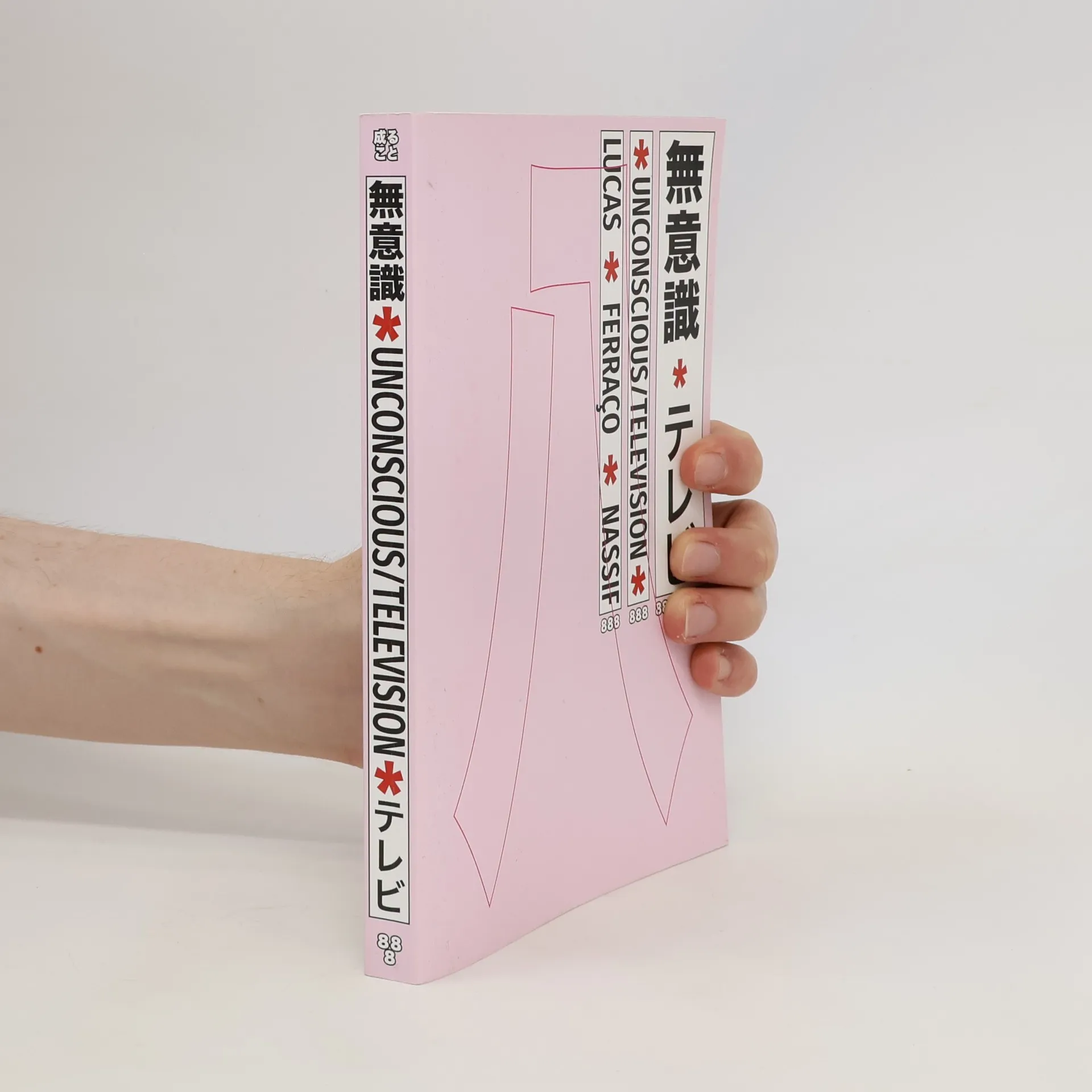
Unconscious/Television investigates how our understanding of the unconscious can be informed through an intimate analysis of moving-images. Yet, unlike moving images that Deleuze & Guattari undoubtedly observed as projections in a cinematheque, we are here concerned with images-on-screen television. Stemming from the author's discontents with Lacanian psychoanalysis, this book thematically follows what Thomas Lamarre calls multiplanar-compositions, a form of animation that is highly prevalent in Japanese Anime, as well as arcade video games like Street Fighter. This text brings together Lacanian Psychoanalysis, Deleuzoguattarian Schizoanalysis and Lamarre's work on various Japanese audiovisual forms in order to refigure the unconscious as a Möbius strip that is simultaneously inside and out, supported by many different kinds of examples where our relationships with television screens act out this dynamic. What happens when the sea of the defeats the bedrock of castration? Unconscious/Television proposes methodological possibilities for the work with the immanent concept of the unconscious and its assembling textual forces. The book explores the notions of object a, crypt, and lamella with groundbreaking writing style—thinking largely with stories made for television.
Lucas Ferraço Nassif Libri