
Bookbot

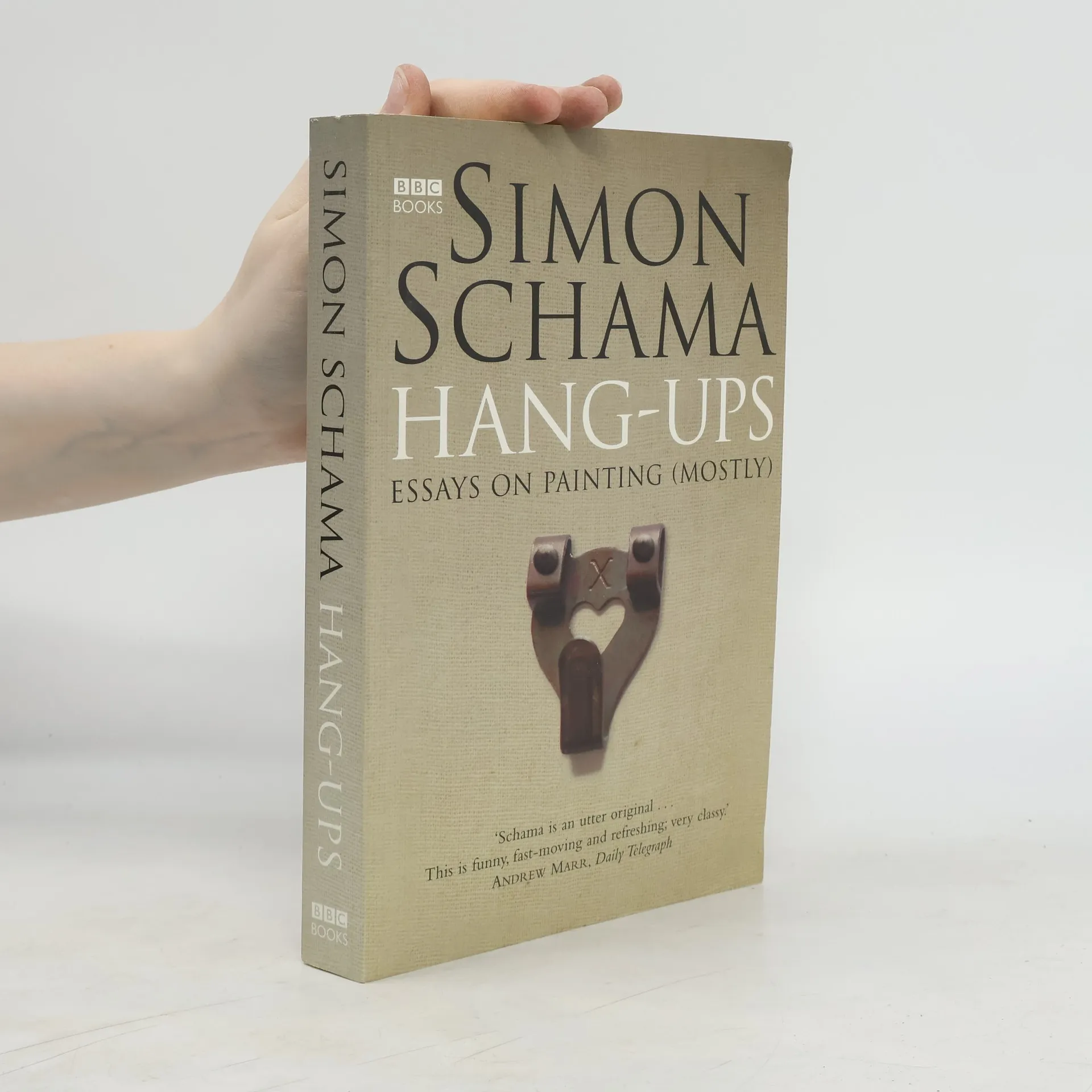
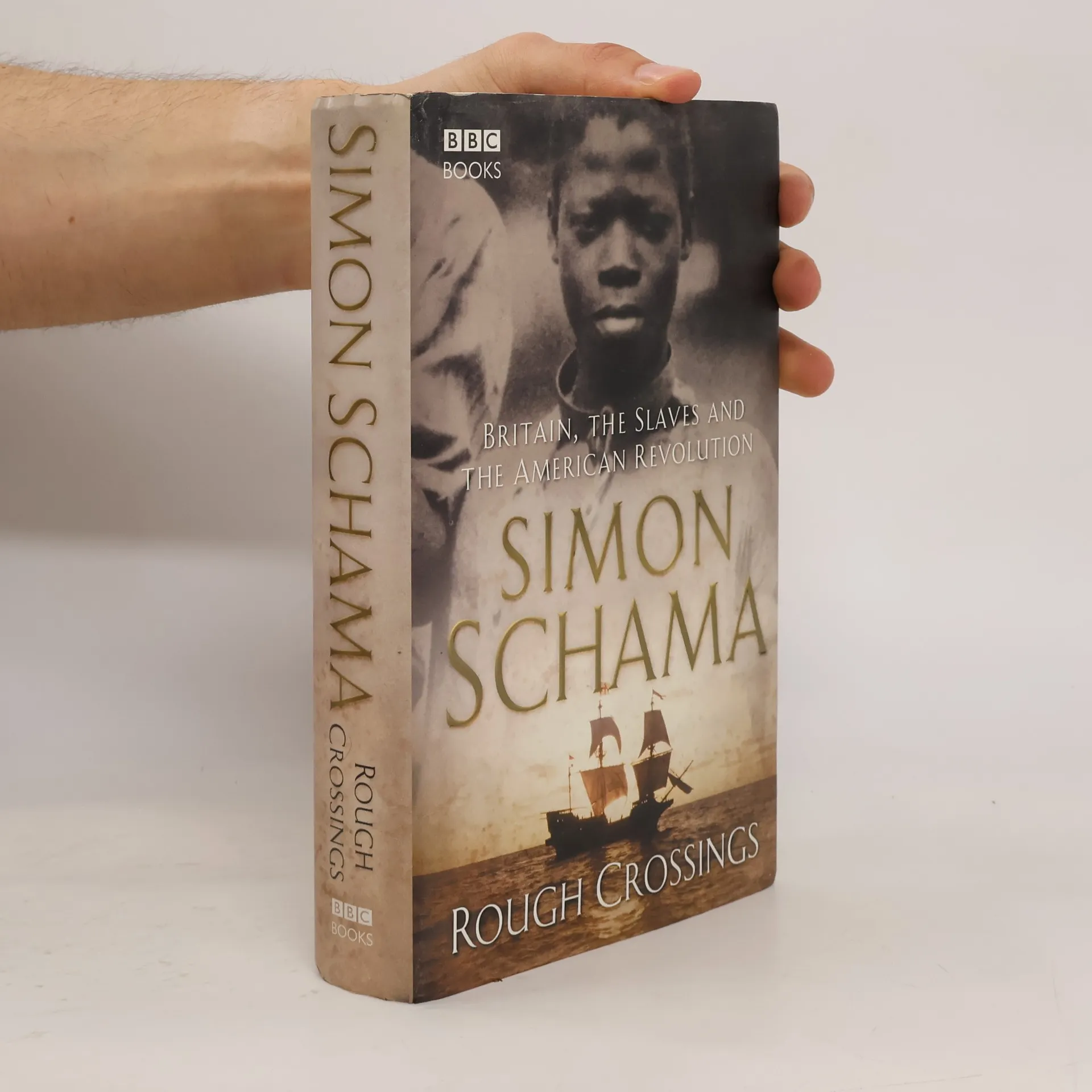
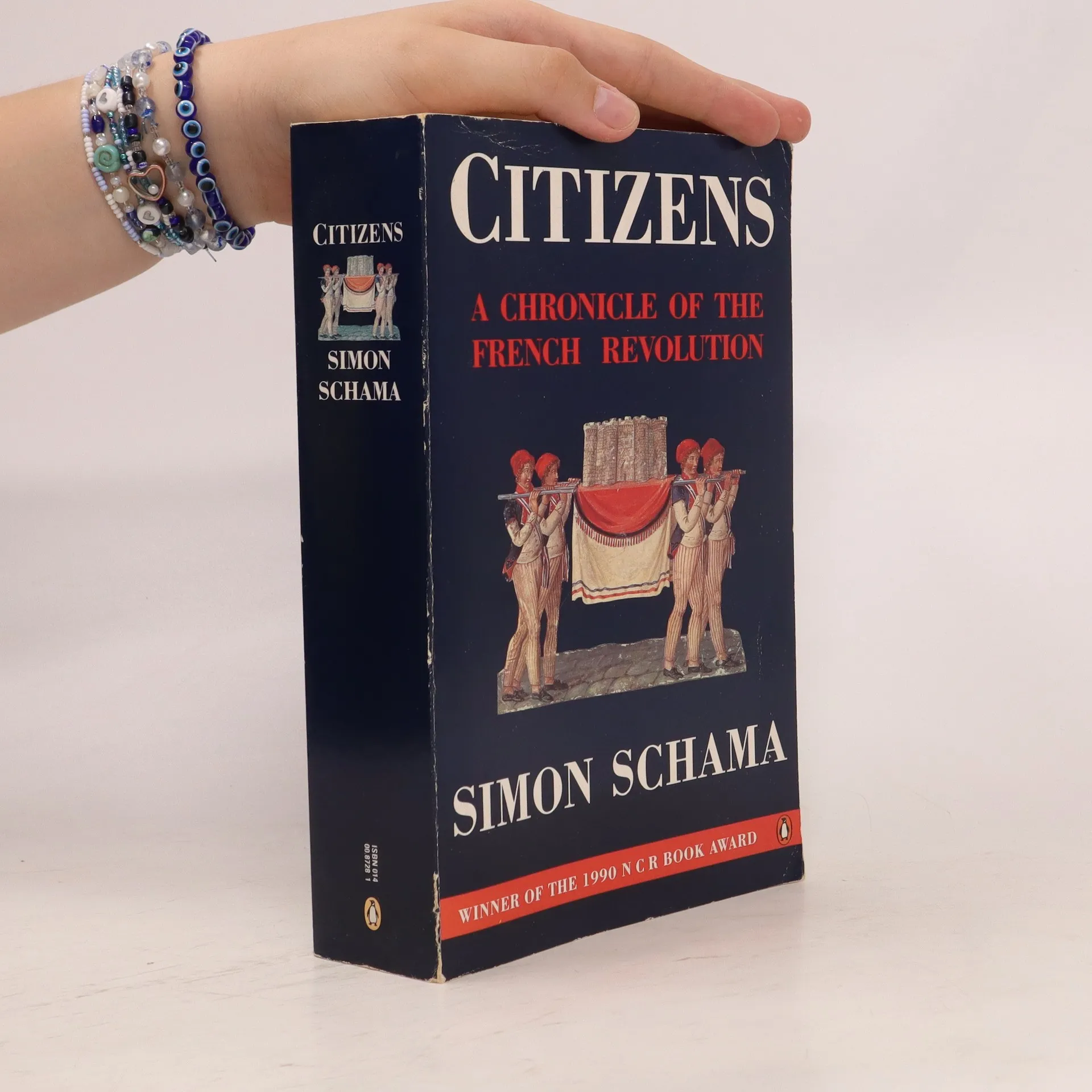
Simon Schama

    13 febbraio 1945

    Simon Schama è rinomato per il suo accattivante stile narrativo, che porta in vita storia e arte con prosa vibrante e narrazione avvincente. Il suo lavoro è caratterizzato da un talento per la descrizione che rende accessibili anche gli argomenti più arcani, attirando i lettori nel passato con dettagli vividi e linguaggio coinvolgente. Sebbene sia celebrato per la sua capacità di connettersi con un vasto pubblico, il suo approccio a volte suscita critiche di soggettività e populismo da parte degli ambienti accademici. Il metodo di Schama enfatizza l'importanza della narrazione e dello stile, con l'obiettivo di evocare l'atmosfera e il contesto storico anziché presentare semplicemente fatti.

    Simon Schama
    Landscape and Memory
    Dead Certainties
    Death of a Harvard man
    Belonging. The Story of The Jews 1492-1900
    Rembrandt's Eyes. Rembrandts Augen, englische Ausgabe
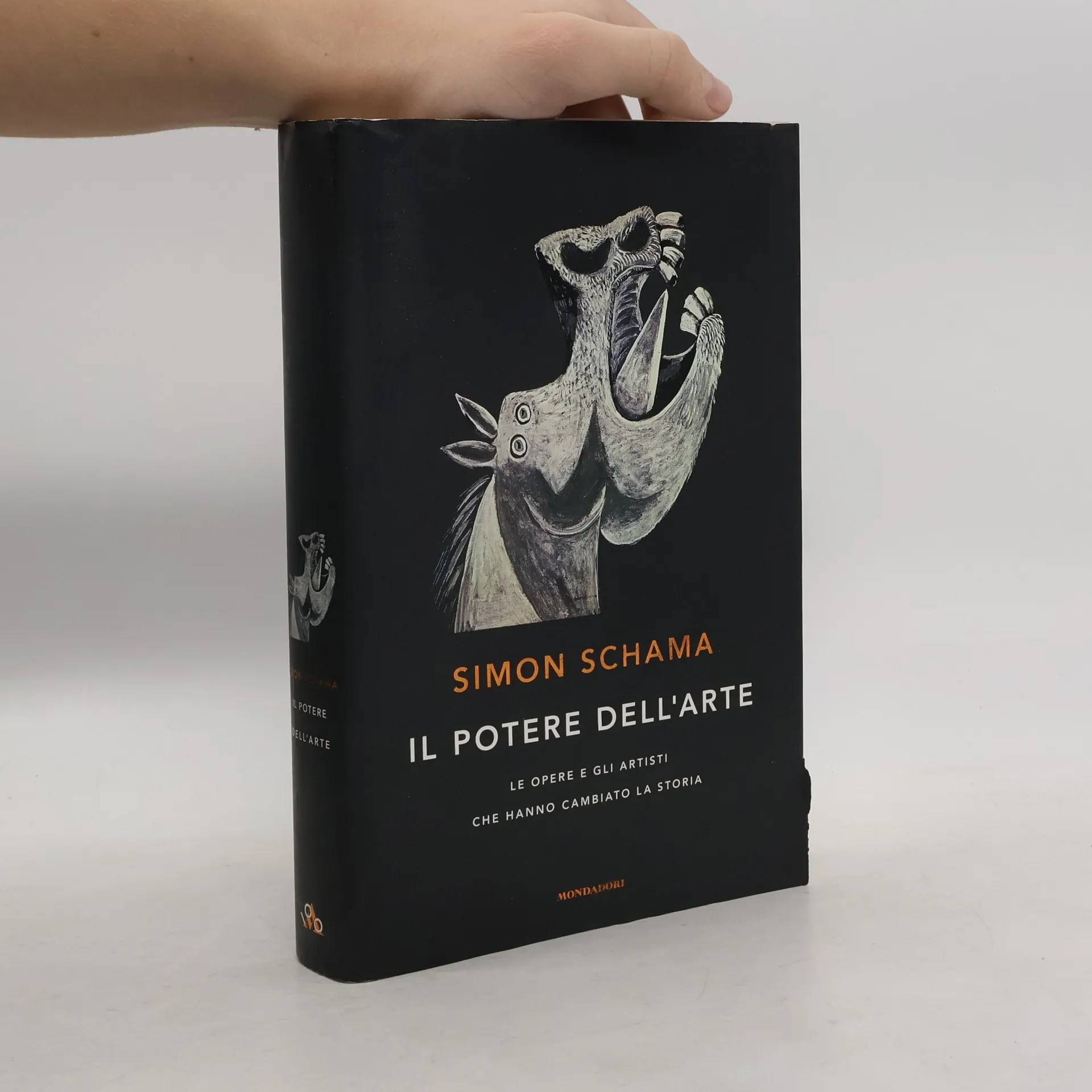
    Il potere dell'arte. Le opere e gli artisti che hanno cambiato la storia
    • Qual è il misterioso fascino della grande arte sull'essere umano, indipendentemente dalla sua estrazione sociale e culturale? Perché un capolavoro riesce a turbare la nostra tranquillità e visione del mondo? Simon Schama, storico e critico d'arte, esplora l'atto della creazione artistica attraverso i ritratti di otto maestri della pittura e della scultura. Ogni artista selezionato rappresenta un momento cruciale nella sua produzione, caratterizzato da una "spasimo acuto" e da una tensione creativa. Caravaggio, ad esempio, esprime il suo senso di colpa nell'opera "Decollazione del Battista", mentre Bernini afferma il suo ruolo con "L'estasi di Santa Teresa". Rembrandt affronta la committenza nel "Giuramento dei Batavi", e artisti come David, Turner e Picasso utilizzano la pittura come strumento di impegno civile. Van Gogh e Rothko, infine, incarnano una creatività come missione suprema. Questi "drammi della creazione" coincidono con momenti di evoluzione personale, in cui l'artista si confronta con progetti di grande portata, i cui risultati espressivi muteranno per sempre la storia dell'arte. L'artista emerge come un creatore posseduto dalla scintilla divina, spesso osteggiato, ma trionfante grazie al suo genio. L'arte non solo racconta le storie di otto capolavori e personalità straordinarie, ma risponde anche all'interrogativo sul suo valore nella nostra vita.
      Il potere dell'arte. Le opere e gli artisti che hanno cambiato la storia
      4,4
    • This dazzling, unconventional biography shows us why, more than three centuries after his death, Rembrandt continues to exert such a hold on our imagination. Deeply familiar to us through his enigmatic self-portraits, few facts are known about the Leiden miller's son who tasted brief fame before facing financial ruin (he was even forced to sell his beloved wife Saskia's grave). The true biography of Rembrandt, as Simon Schama demonstrates, is to be discovered in his pictures. Interweaving of seventeenth-century Holland, Schama allows us to see Rembrandt in a completely fresh and original way.

      Rembrandt's Eyes. Rembrandts Augen, englische Ausgabe
      4,5
    • The words that failed were words of hope. But they did not fail at all times and everywhere. These gripping pages teem with words of defiance and optimism, sounds and images of tenacious life and adventurous modernism, music and drama, business and philosophy, poetry and politics.

      Belonging. The Story of The Jews 1492-1900
      4,4
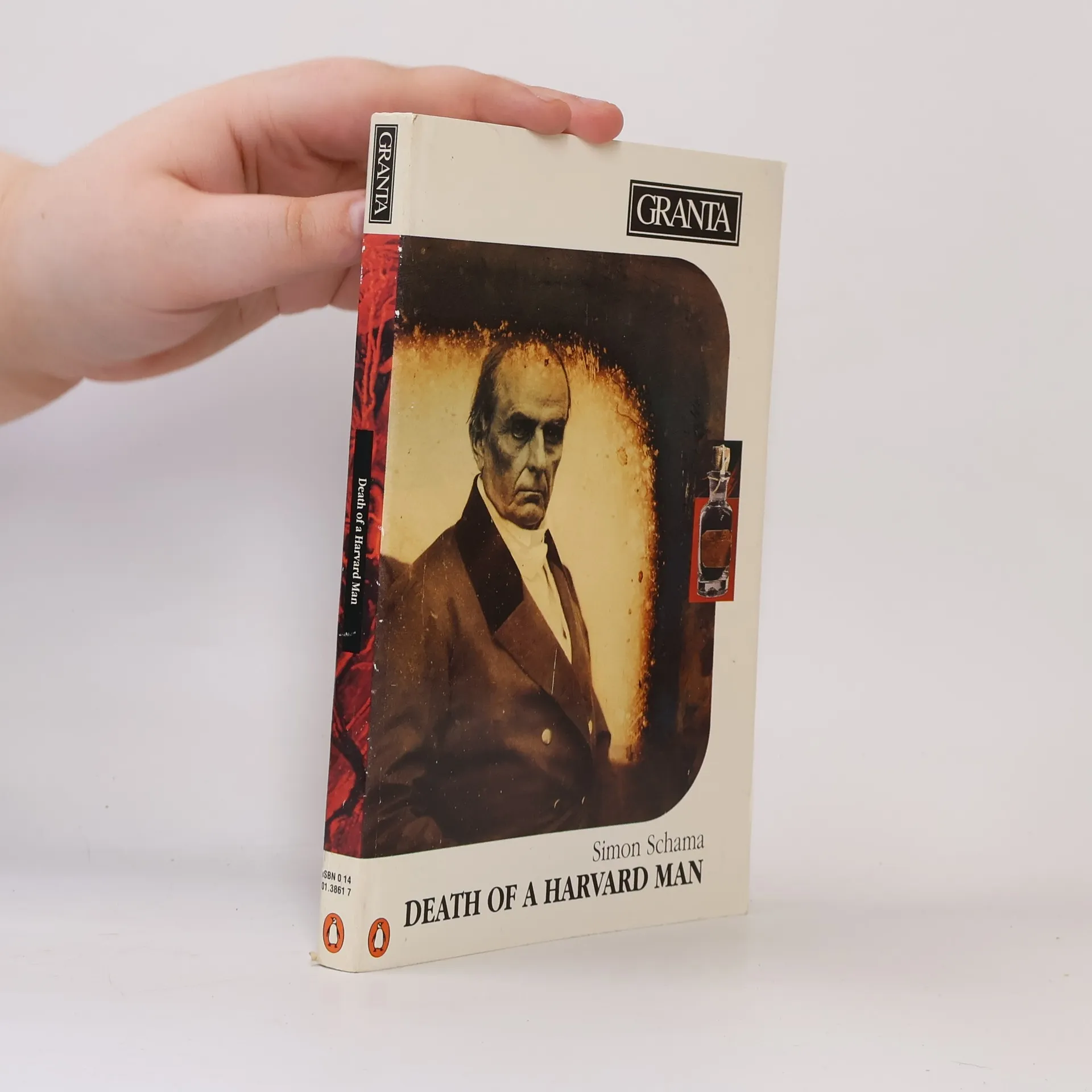
    • Death of a Harvard man

      • 252pagine
      • 9 ore di lettura

      Simon Schama sets out to discover which story, if any story, is the story of the many stories of the disappearance of Doctor George Parkman, the perfect Yankee. Plus: William Boyd, Geoffrey Wolff, Louise Erdrich, Don DeLillo, Amitav Ghosh, and Martin Amis’s Time’s Arrow (part two).

      Death of a Harvard man
      4,0
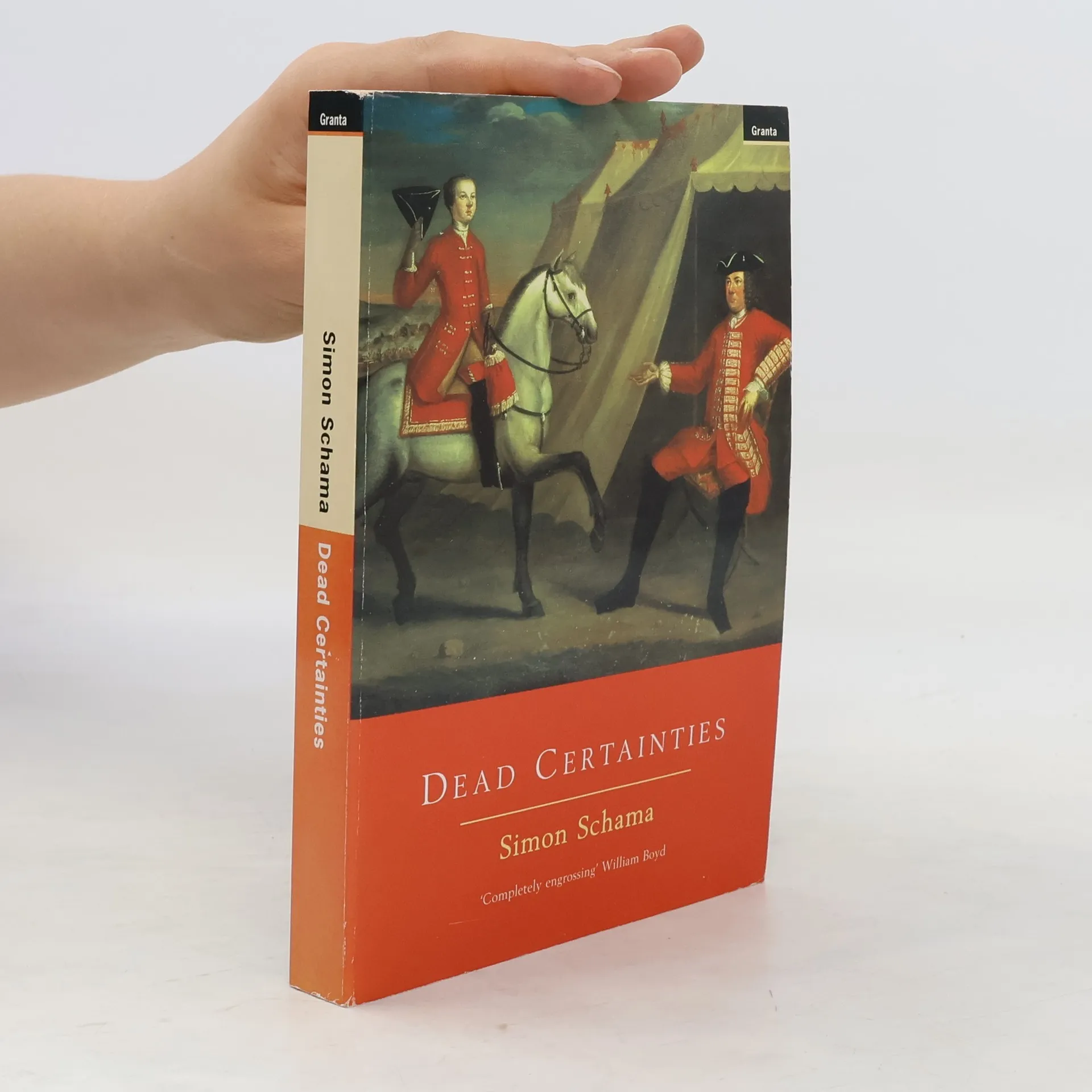
    • Dead Certainties

      Unwarranted Speculations

      • 352pagine
      • 13 ore di lettura

      Simon Schama, the author of "The Embarrassment of Riches" and "Citizens", sets out to tell the history of two certainties, of two deaths. In discussing the "speculations" surrounding them, he finds himself involved in a history he cannot classify - the unpredictable history of stories. On 13 September 1759, General James Wolfe, having led the British troops up the St Lawrence to victory in the Battle of Quebec, died on the Heights of Abraham. Schama examines this death, and how Wolfe was made to die again - through the spectacular painting by Benjamin West, and through the writings of the 19th-century historian Francis Parkman. Schama's second death concerns Parkman's uncle, George Parkman of Harvard Medical College, who disappeared in 1849 in mysterious circumstances and who was rumoured to have been murdered by a colleague. Through these incidents, Schama sheds light on the writing of history, the history of history, and the relationship of "story" to "history".

      Dead Certainties
      4,0
    • Landscape and Memory

      • 652pagine
      • 23 ore di lettura

      An extraordinary book that explores how the earth itself has shaped the Western imagination and how, as a result, our interaction with the environment is far richer and more complex than today's doomsayers would have us believe.

      Landscape and Memory
      4,2
    • Rembrandt's Eyes

      • 768pagine
      • 27 ore di lettura

      For Rembrandt, as for Shakespeare, all the world was indeed a stage, and he knew in exhaustive detail the tactics of its performance: the strutting and mincing, the wardrobe and face-paint, the full repertoire and gesture and gimace, the flutter of hands and the roll of the eyes, the belly-laugh and the half-stifled sob. He knew what it looked like to seduce, to intimidate, to wheedle and to console; to strike a pose or preach a sermon, to shake a fist or uncover a breast; and how to sin and how to atone. No artist had ever been so fascinated by the fashioning of personae, beginning with his own. No painter ever looked with such unsparing intelligence or such bottomless compassion at our entrances and our exits and the whole rowdy show in between.

      Rembrandt's Eyes
      4,2
    • Allen Lane History: Rembrandt's Eyes

      • 768pagine
      • 27 ore di lettura

      For Rembrandt, as for Shakespeare, all the world was indeed a stage, and he knew in exhaustive detail the tactics of its performance: the strutting and mincing, the wardrobe and face-paint, the full repertoire and gesture and gimace, the flutter of hands and the roll of the eyes, the belly-laugh and the half-stifled sob. He knew what it looked like to seduce, to intimidate, to wheedle and to console; to strike a pose or preach a sermon, to shake a fist or uncover a breast; and how to sin and how to atone. No artist had ever been so fascinated by the fashioning of personae, beginning with his own. No painter ever looked with such unsparing intelligence or such bottomless compassion at our entrances and our exits and the whole rowdy show in between.

      Allen Lane History: Rembrandt's Eyes
      4,0
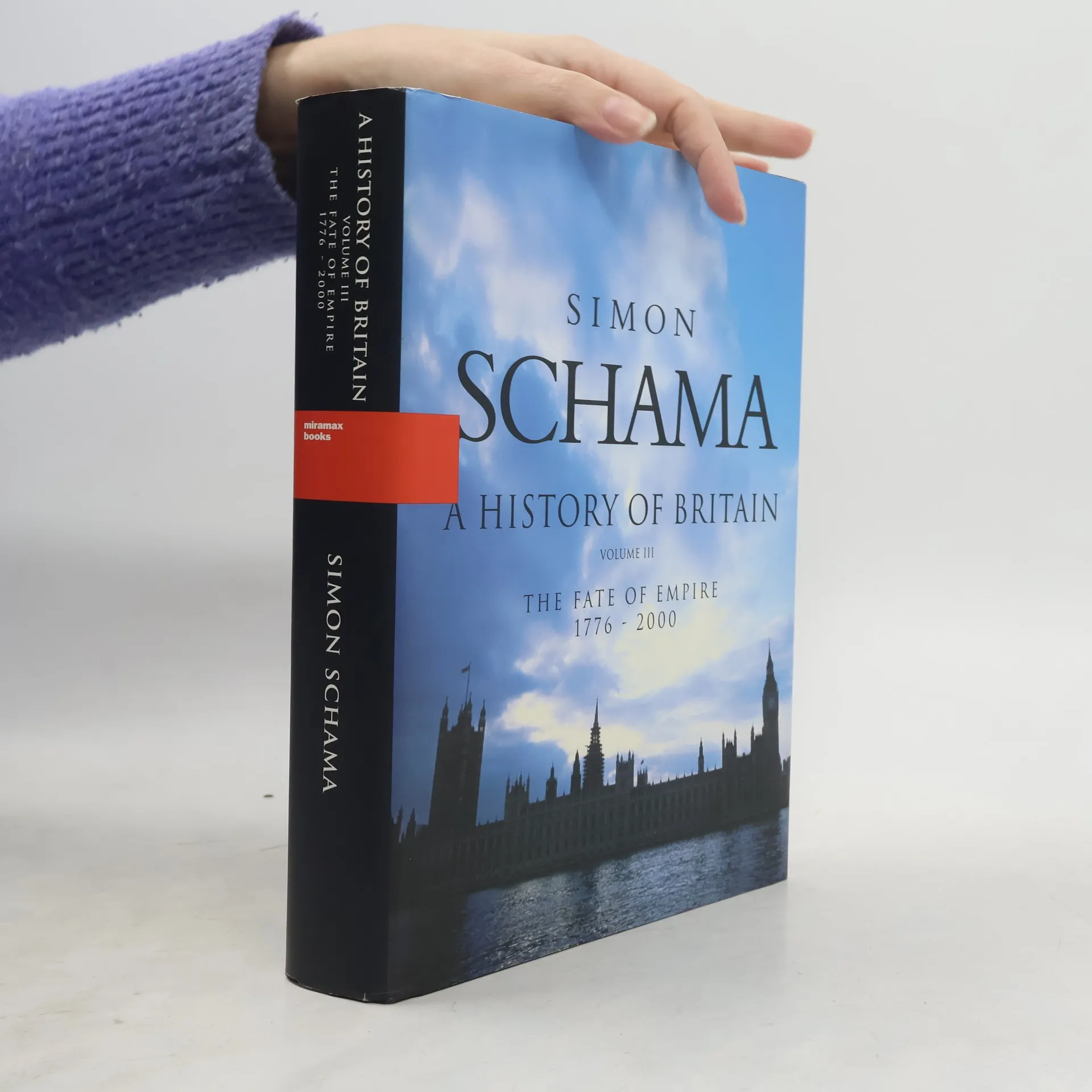
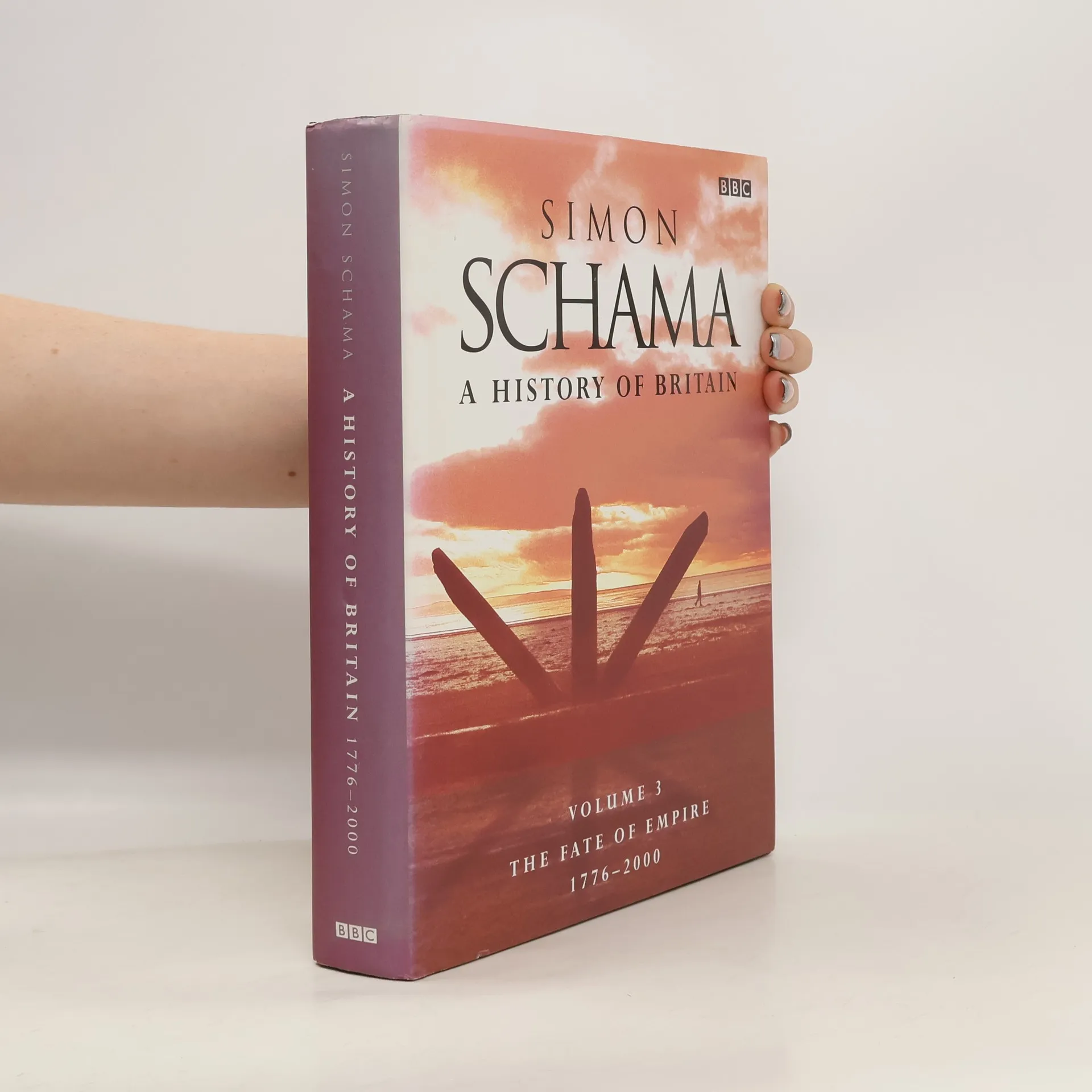
    • A History of Britain 3

      The Fate of Empire 1776-2000

      • 576pagine
      • 21 ore di lettura

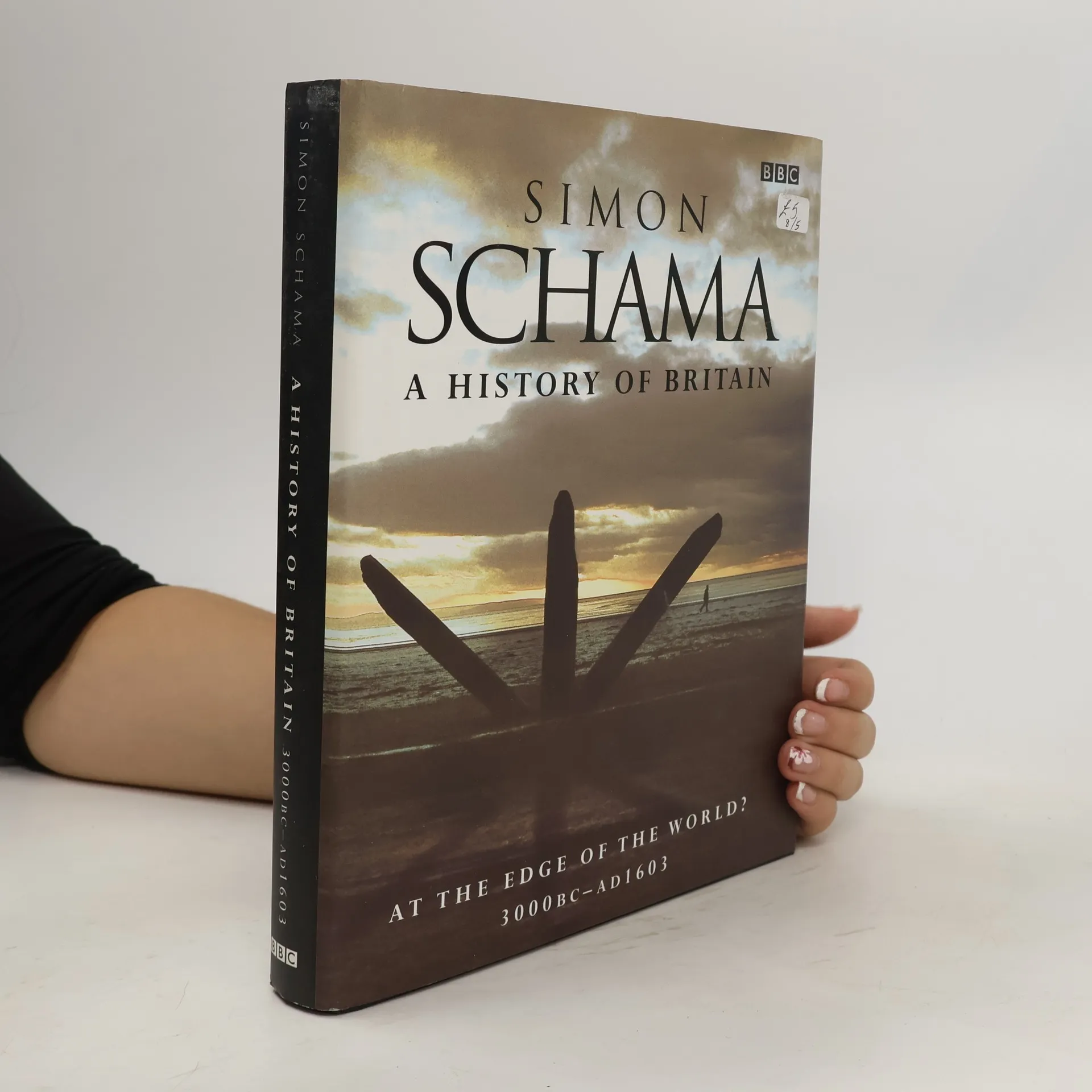
      Schama completes his three-volume history of Britain to accompany the BBC TV series. This period, 1770-2000, covers a variety of themes and key British characters. First, the Romantic generation turned Nature into a revolutionary force, followed by the creative Victorians seeking a better world.

      A History of Britain 3
      4,2
    • Simon Schama explores the forces that tore Britain apart during two centuries of dynamic change - transforming outlooks, allegiances and boundaries. But as wars of religious passions gave way to campaigns for profit, the British people did come together in the imperial enterprise of 'Britannia Incorporated'.

      A History of Britain - Volume 2
      4,1