Robert Gerwarth è professore di storia europea, con una specializzazione nella storia tedesca. Dopo aver completato una borsa di studio post-dottorato della British Academy a Oxford, ha ricoperto borse di studio presso Princeton, Harvard, il NIOD di Amsterdam e l'Institute for Advanced Studies dell'Università dell'Australia Occidentale.
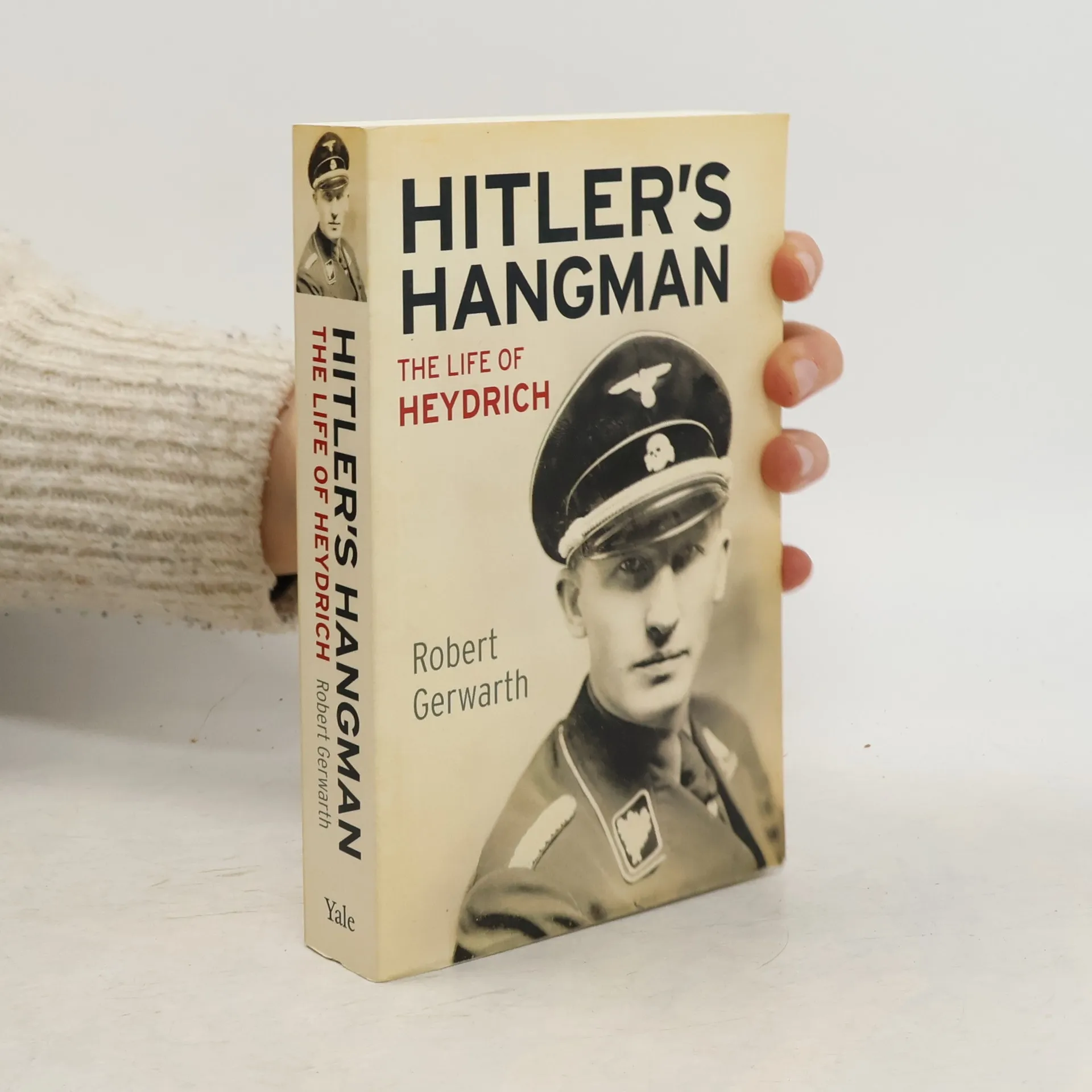
Reinhard Heydrich is widely recognized as one of the great iconic villains of
the twentieth century, an appalling figure even within the context of the Nazi
leadership. In this book, the author weaves together little-known stories of
Heydrich's private life with his deeds as head of the Nazi Reich Security Main
Office.
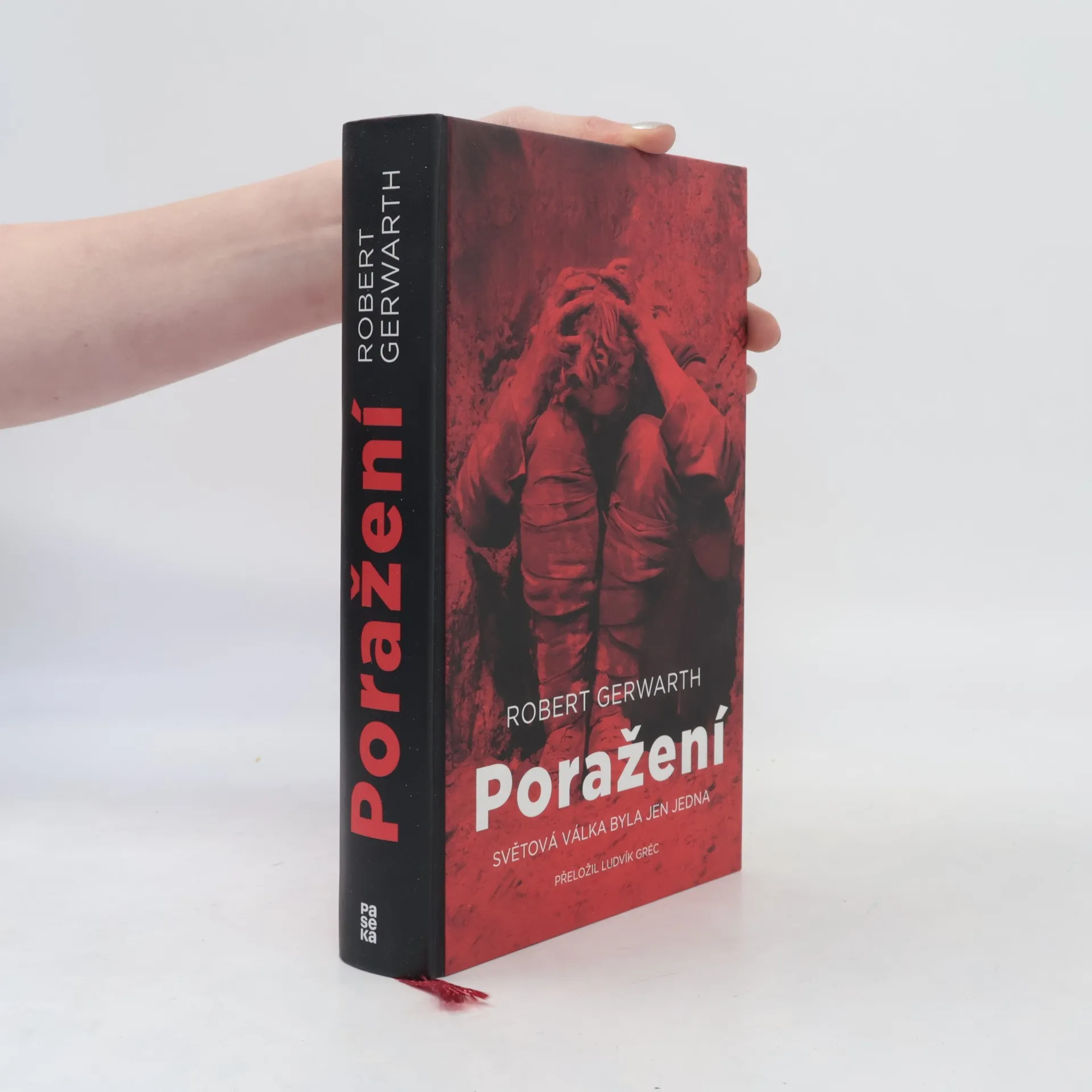
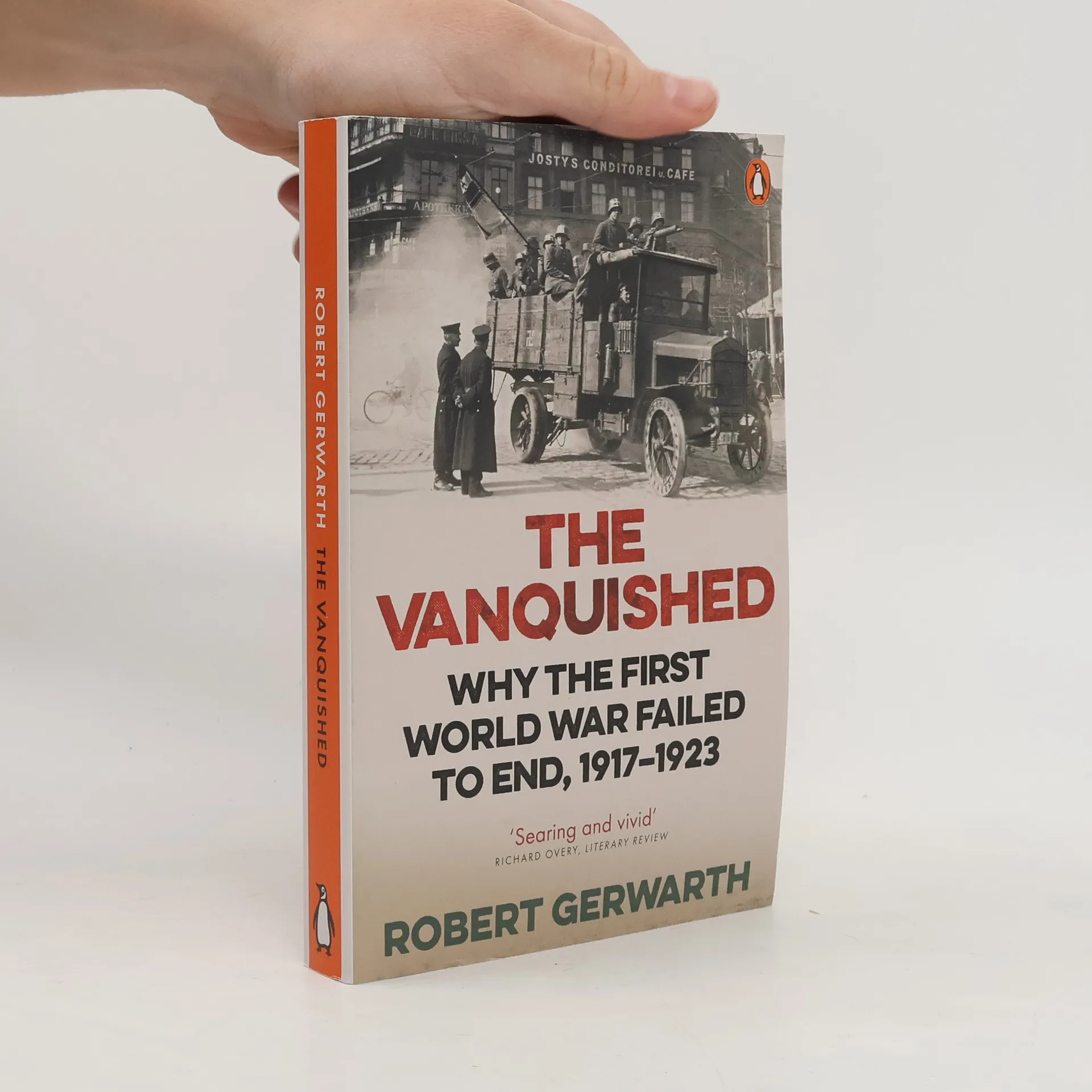
This war marks not an end but the beginning of violence, reshaping the world into new borders and communities. For the Western allies, November 11, 1918, symbolizes the end of a devastating conflict and the collapse of their enemies: the German Empire, Austria-Hungary, and the Ottoman Empire. However, for much of Europe, this date holds little significance amid ongoing turmoil. In this gripping work, Robert Gerwarth challenges us to reconsider the First World War's legacy. The true devastation lay not in the Western front battles, but in the chaotic aftermath that engulfed nations in revolution, pogroms, mass expulsions, and further military clashes. While the war primarily involved state-backed soldiers, subsequent conflicts largely affected civilians and paramilitaries, resulting in millions of deaths across central, eastern, and southeastern Europe. In this environment, vengeful individuals, driven by a sense of injustice, sought retribution against perceived enemies. A decade later, the emergence of the Third Reich and other totalitarian regimes provided these individuals with the opportunities they craved, further entrenching the cycle of violence that began with the war.
V první světové válce nikdo nezvítězil a všichni byli poraženi. Po jejím skončení 11. listopadu 1918 sice západní spojenci slavili, ale mocné státy Německo, Rakousko-Uhersko a osmanská říše se ocitly na kolenou. Pro mnohé však válka skončila jen na pohled. Malé nástupnické státy čelily nejistotě, revolucím, pogromům a etnickým konfliktům, které vedly k devastaci kontinentu daleko hlubší než válečné boje. V ruinách Evropy se objevila hrozba fašismu a dalších extrémních ideologií, které brzy získaly na síle.
Drama let 1917-1923, jemuž se kniha věnuje, osvětluje koloběh násilí, který poznamenal celé století a je stále vnímán jako nekončící konflikt s přechodnými pauzami. Velké plátno, připomínající syntézy Timothyho Snydera a Tonyho Judta, nabízí nespočet témat a otázek, které jsou po sto letech stále aktuální.
"Palčivá a názorná připomínka, že zdroje násilí panujícího po celé století lze stopovat zpět až ke katastrofálnímu konci první světové války." - Richard Overy, Literary Review
"Poražení jsou výjimečná historická kniha." - Andrew Lynch, Sunday Post Business Magazine
"Příběh chaosu v Evropě usnadňuje pochopení, proč byl pořádek ve třicátých letech tak přitažlivý a proč málo válek končí smírem." - Max Hastings, The Sunday Times