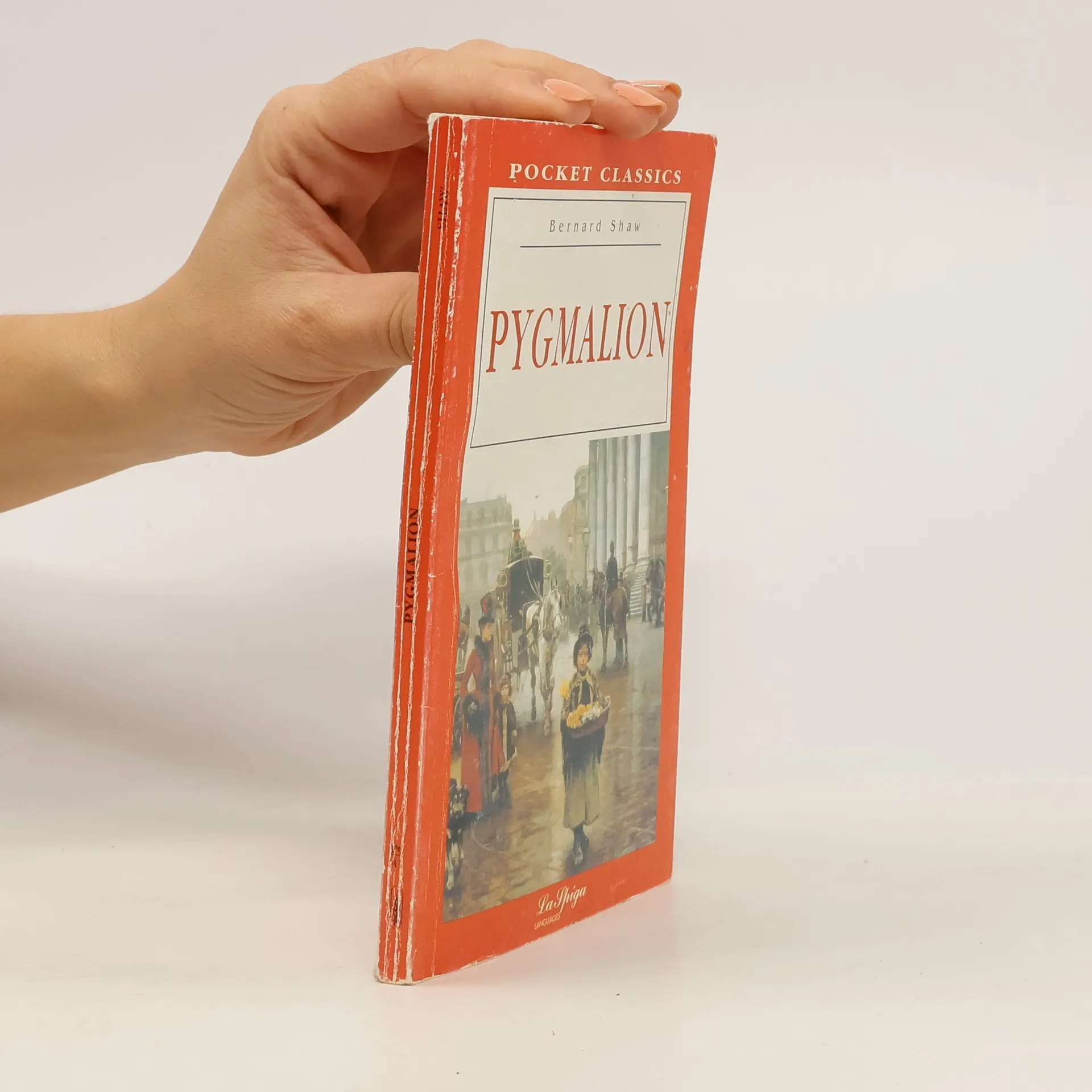
Un professore scommette con un amico di riuscire a insegnare a una giovane fioraia un linguaggio e un comportamento tali da farla sembrare, dopo pochi mesi, una duchessa di nascita. La trama dell'opera di Shaw, che evoca una leggera eco della favola di Cenerentola, è semplice, ma ricca di straordinarie grazia e caratterizzata da un inconfondibile e tagliente senso dell'umorismo britannico. Ogni frase suscita un'attesa gioiosa per gli sviluppi successivi. I personaggi sono autentici, viventi inglesi. La complessità della rete delle relazioni umane è rinfrescante quando gli attori provengono da diverse classi sociali. Eliza ha talento e desiderio di comprendere di più, e nonostante la sua giovinezza, sa che ogni cambiamento comporta sia guadagni che perdite. Adattarsi eccessivamente alle pressioni esterne significa perdere la propria individualità, ciò che è più prezioso: se stessi. Non sorprende quindi che alla fine non sia il professor Higgins a mostrare le migliori maniere, ma lui stesso apprende che nessuno ha il diritto di possedere la vita di un altro. Nonostante questa verità, l'opera suggerisce un finale felice.
Bernard Shaw Libri
George Bernard Shaw fu un drammaturgo e socialista irlandese che si concentrò sui problemi sociali del suo tempo. Le sue opere, oltre sessanta, fondono la commedia con temi seri come l'istruzione, il matrimonio, la religione e i privilegi di classe. Socialista convinto, Shaw sostenne l'uguaglianza dei diritti, l'alleviamento dello sfruttamento della classe operaia e promosse stili di vita sani. Le sue opere continuano a risuonare per il loro ingegno e la loro intelligenza, sebbene Shaw fosse notoriamente restio ai riconoscimenti pubblici.

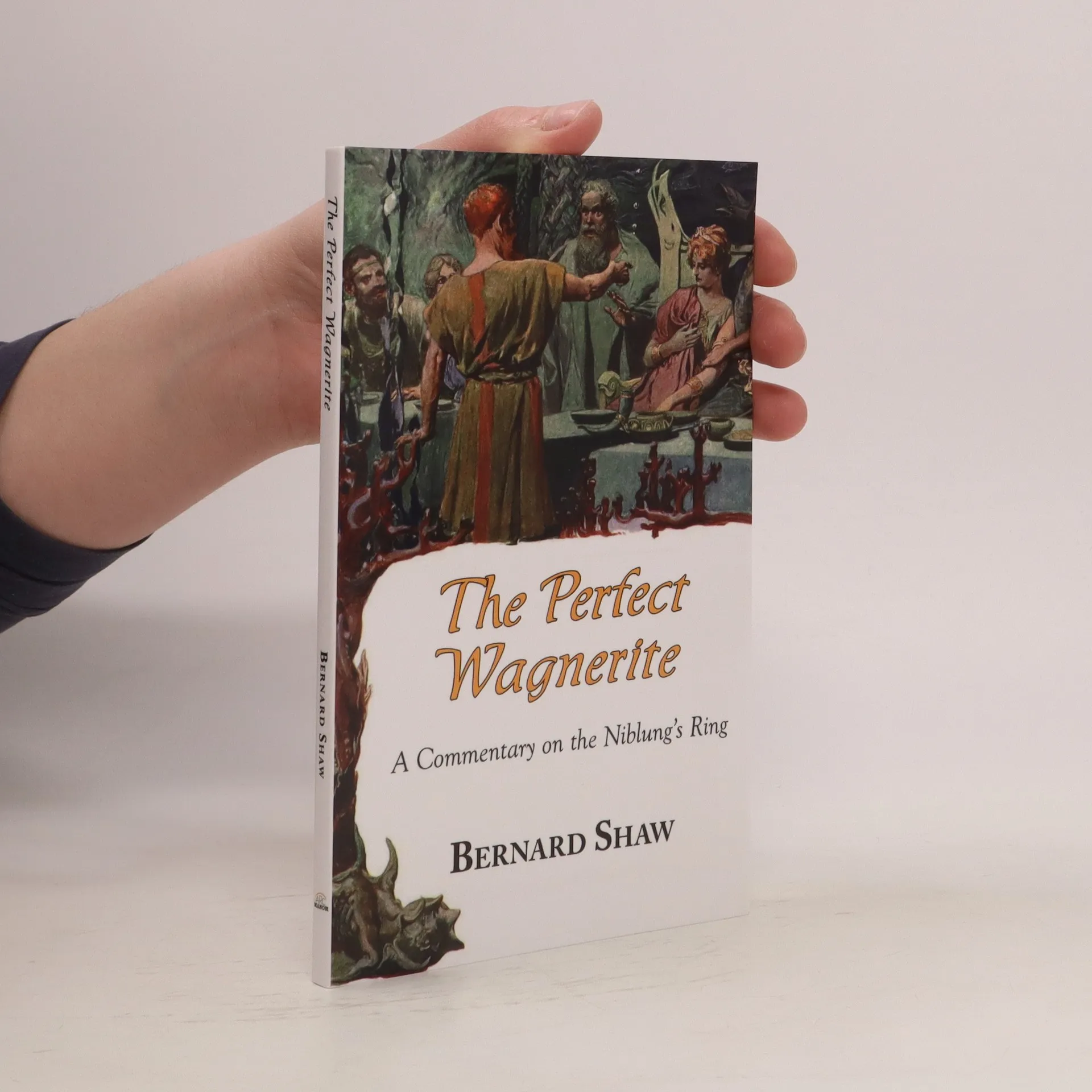



The Perfect Wagnerite: A Commentary of the Niblung's Ring
- 128pagine
- 5 ore di lettura
An in-depth examination of Richard Wagner's "Der Ring des Nibelungen," the commentary explores the opera cycle through the lenses of mythology, character dynamics, and socio-political themes. Shaw argues that the narrative reflects societal reform, interpreting the fall of the gods and the return of the ring as symbols of oppressive systems' collapse and the potential for an egalitarian future. His distinctive wit and intellectual depth offer a multifaceted perspective, blending musical analysis with broader cultural and historical contexts, making it a thought-provoking exploration of Wagner’s work.
The Man of Destiny
- 54pagine
- 2 ore di lettura
An influential figure in drama, George Bernard Shaw was an Irish playwright and critic known for his over sixty plays that blend comedy with serious themes. His self-education and early struggles in publishing shaped his unique voice, leading to significant acclaim. Shaw's work often conveyed earnest messages beneath a humorous exterior. He is notably recognized for receiving both a Nobel Prize in Literature and an Oscar, highlighting his remarkable contributions to both literature and film.
The Philanderer
- 68pagine
- 3 ore di lettura
Set in Victorian England, this satirical comedy delves into the complexities of relationships and gender roles through the character of Leonard Charteris, a charming and unconventional young man. As he navigates love, marriage, and fidelity, the play critiques societal norms and expectations, offering a humorous yet thought-provoking exploration of romantic entanglements.
Pygmalion - My Fair Lady
- 219pagine
- 8 ore di lettura
The ancient Greeks tell the legend of the sculptor Pygmalion, who created a statue of a woman of such surpassing beauty that he fell in love with his own creation. Then, Aphrodite, taking pity on this man whose love could not reach beyond the barrier of stone, brought the statue to life and gave her to Pygmalion as his bride. Centuries later, George Bernard Shaw captured the magic of this legend in his celebrated play, Pygmalion. Pygmalion became Henry Higgins, a professor of phonetics, his statue an untutored flower girl from the streets of London, and the barrier between them is class.. Shaw expected Eliza to end up with Freddy and run a flower shop.In My Fair Lady, Alan Jay Lerner takes the legend one step further—the barrier is swept away and Higgins and Eliza are reunited as the curtain falls on one of the loveliest musical plays of our time—winning seven Tonys® for its original Broadway production, and seven Oscars® for its film adaptation.--back cover
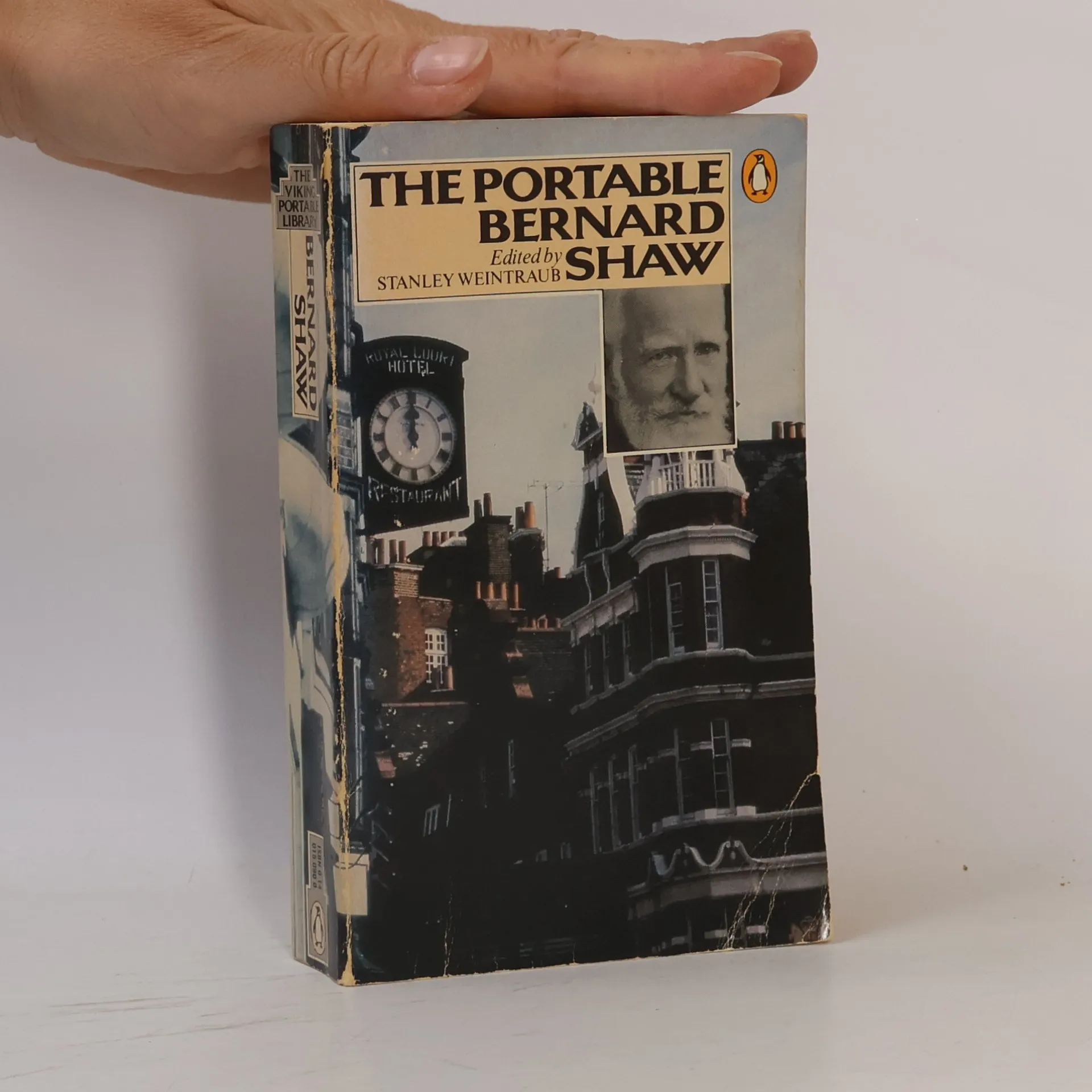
The Portable Bernard Shaw
- 698pagine
- 25 ore di lettura
The complete texts of The Devil's Disciple, Pygmalion, In the Beginning, Heartbreak House, and Shakes Versus Shav are combined with letters, articles, reviews, and other writings representing the spectrum of Shaw's career
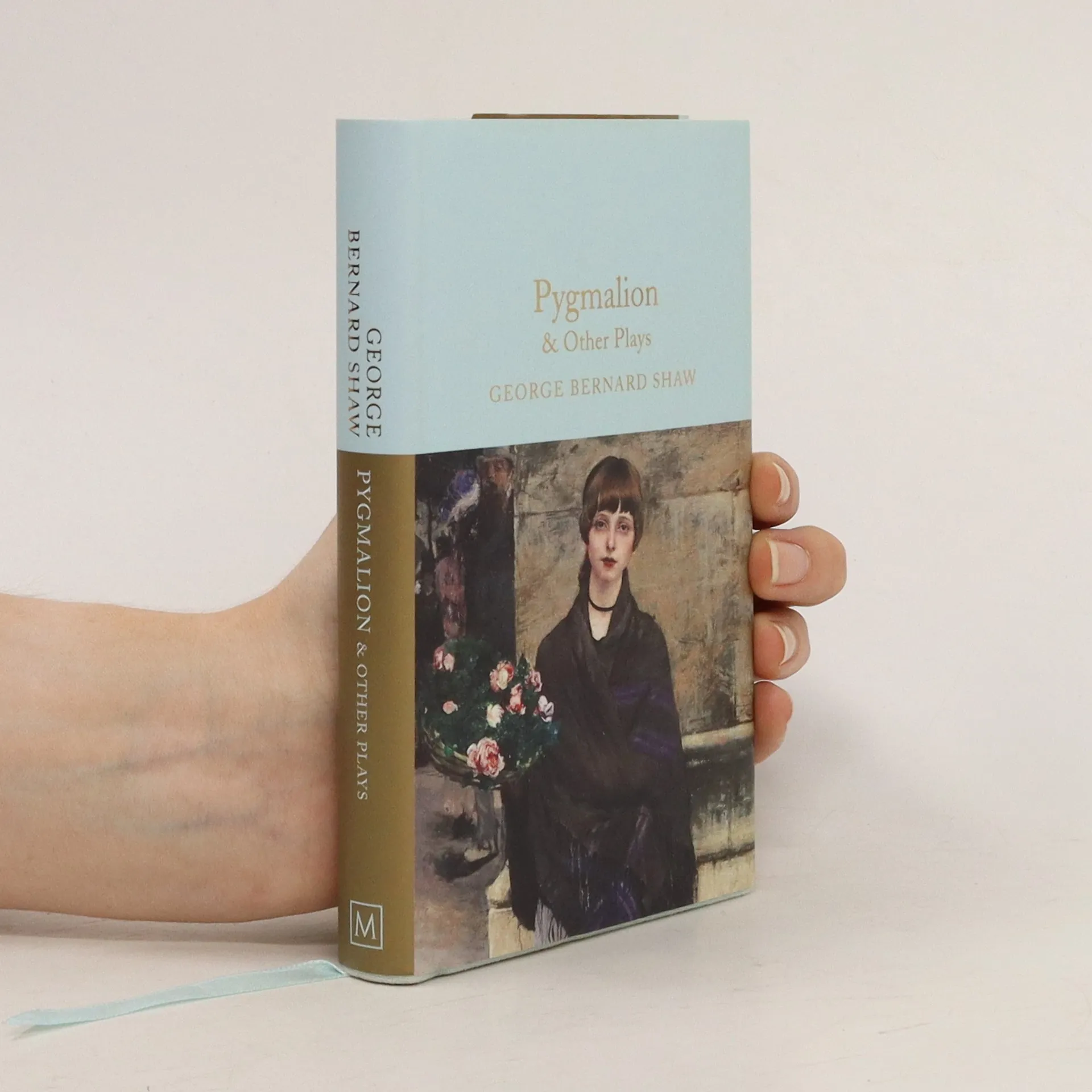
Pygmalion & Other Plays
- 368pagine
- 13 ore di lettura
George Bernard Shaw is one of the most famous and celebrated Irish playwrights and this new collection brings together the very best of his witty and entertaining comedies in one volume; Pygmalion, Major Barbara and Androcles and the Lion. Part of the Macmillan Collector's Library; a series of stunning, clothbound, pocket-sized classics with gold foiled edges and ribbon markers. These beautiful books make perfect gifts or a treat for any book lover. This edition has a preface by Oscar-winning actress Judi Dench. Pygmalion was first performed in 1914 and was an instant hit which then inspired the hit musical and award winning film, My Fair Lady. It tells the story of Eliza Doolittle and Henry Higgins, who tries to elevate a feisty flower girl out of her working-class roots and into high society. In Major Barbara, idealistic Barbara is a major in the Salvation Army, at odds with her millionaire father as they war over the best route to salvation. Androcles and the Lion is a clever retelling of the Bible story about a gentle Christian who pulls a thorn from a lion's paw. All three plays are not only wonderfully amusing, they also showcase Shaw's intense concerns about poverty, class and inequality.
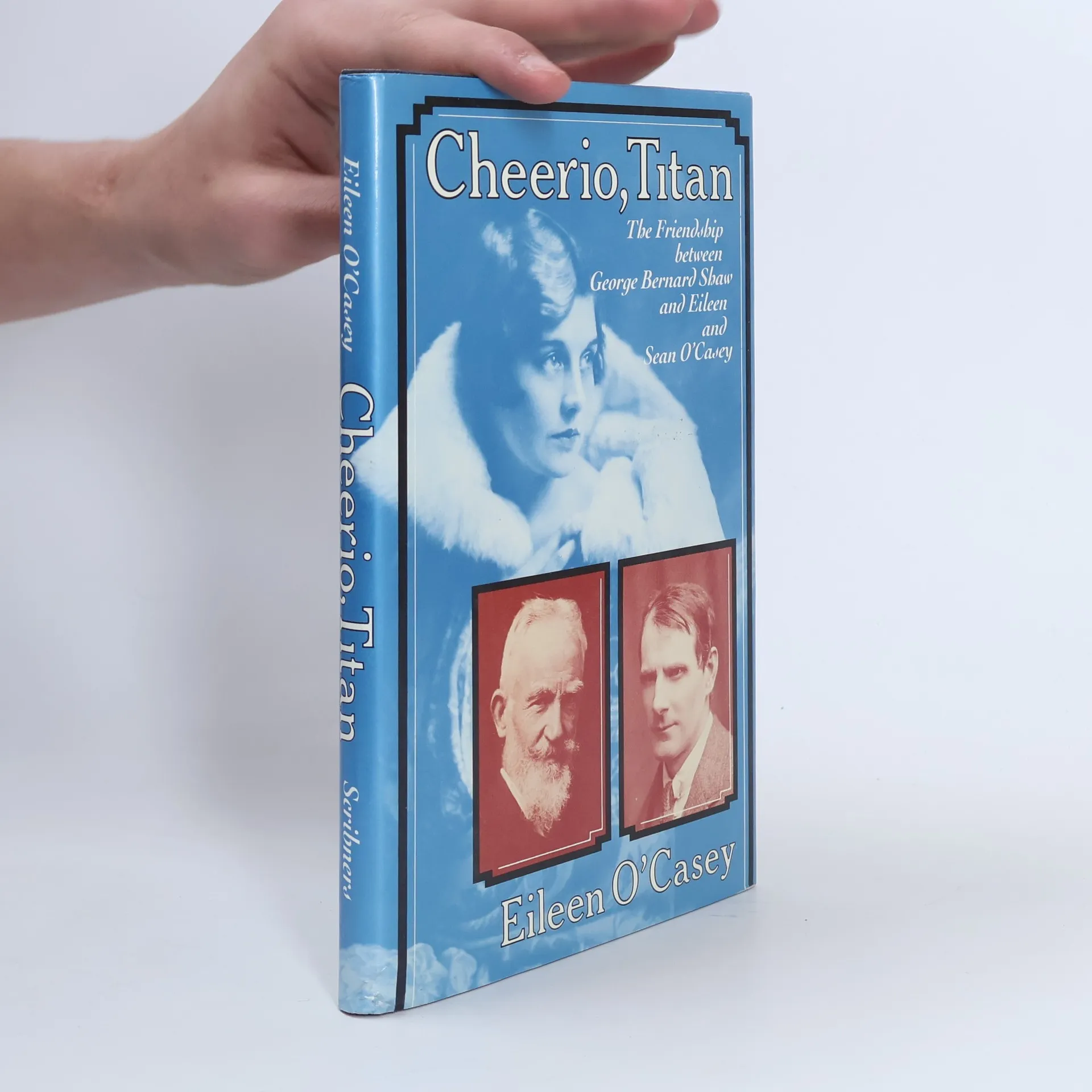
Cheerio, Titan
The Friendship Between George Bernard Shaw & Eileen & Sean O'Casey
- 143pagine
- 6 ore di lettura
Eileen O'Casey, married to the great Irish playwright Sean O'Casey, has written a remarkable portrait of her & her husbands intimate friendship with George Bernard & Charlotte Shaw. In these delightfully vibrant memoirs, she's paid homage to an extraordinary relationship that was cherished by each of these modern literary giants. She gracefully interweaves personal history with a unique portrait of Great Britains cultural life in the 1st half of the century. Here's a treasure trove of celebrated personalities: W.B. Yeats, Lady Gregory, Barry Fitzgerald, T.E. Lawrence, Eugene ONeill etc.
Witty masterpiece combines high comedy with social commentary in deflating romantic misconceptions of love and warfare. First produced in 1894, Arms and the Man is one of the most acted and studied of Shaw's plays. It is reprinted here from an authoritative early edition, complete with Shaw's preface to Volume II of Pleasant and Unpleasant.
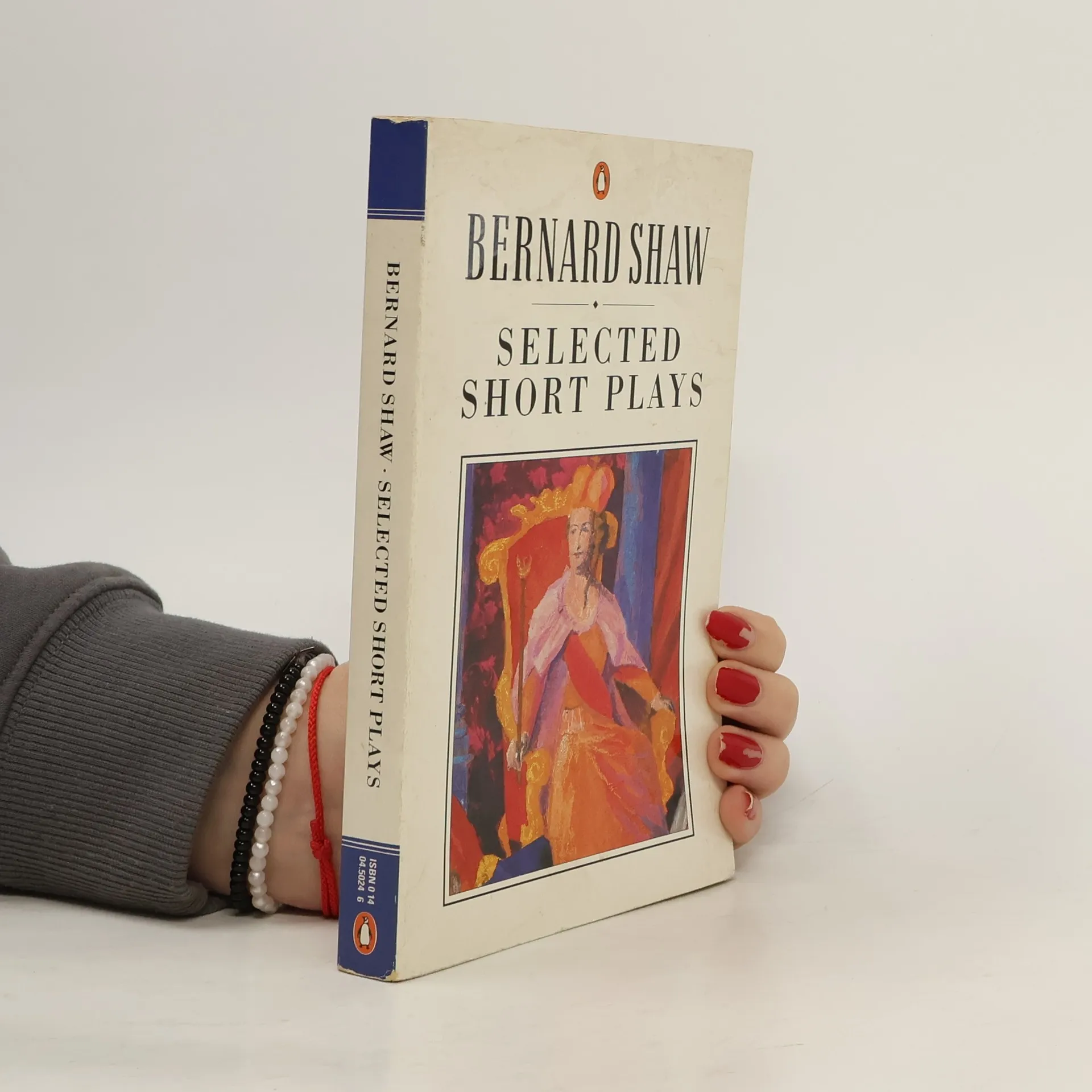
In each of these fifteen short plays, Bernard Shaw displays an immense skill in achieving an immediate dramatic impact - a skill that he recognized as being greatly dependent on the talent of the actors and actresses with whom he worked. Though some of the sketches are slight, others offer short but intense scrutinies of the morality and sensibility of the age. Together they demonstrate a range of moods - comedy, satire, farce and social protest - through which the more familiar Shavian themes emerge, among them the inadequacies of the contemporary government and the "inflated" reputation enjoyed by Shakespeare.
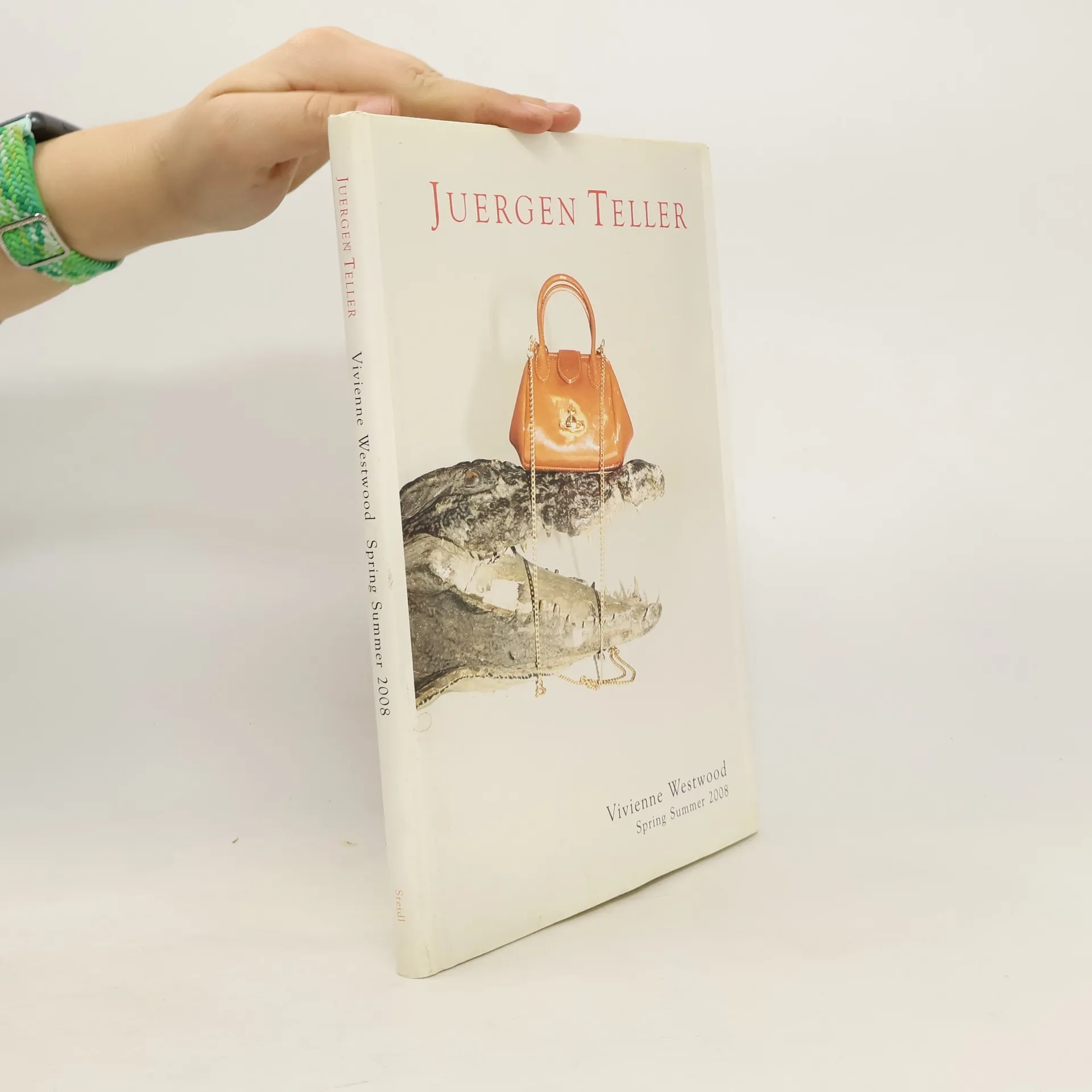
Juergen Teller. Vivienne Westwood
- 44pagine
- 2 ore di lettura
Funny, sexy, exotic and a bit scandalous, this book brings together all of London-based photographer Juergen Teller's images for Vivienne Westwood's Spring/Summer 2008 campaign. In typical fashion, Teller photographed the collection by creating a highly theatrical mis-en-scène which involved the collaboration of not only the models but the legendary designer herself. Borrowing the theme, The Adventures of the Black Girl in Her Search For God from George Bernard Shaw's controversial 1932 novel of the same name--which is engagingly excerpted here--this collection has a strangely riveting quality that is enhanced in Teller's suggestive photographs by such props as plantains, tribal masks, tropical birds, machine guns, spears and various exotic animal hides.
You Never Can Tell
- 86pagine
- 4 ore di lettura
Set in a charming seaside town in England, the story follows the unconventional Clandon family as they return from abroad and confront the intricacies of love, marriage, and social class. Through its witty dialogue and sharp observations, the comedy explores the challenges of adapting to the rigid norms of English society, offering a humorous yet insightful critique of social dynamics.
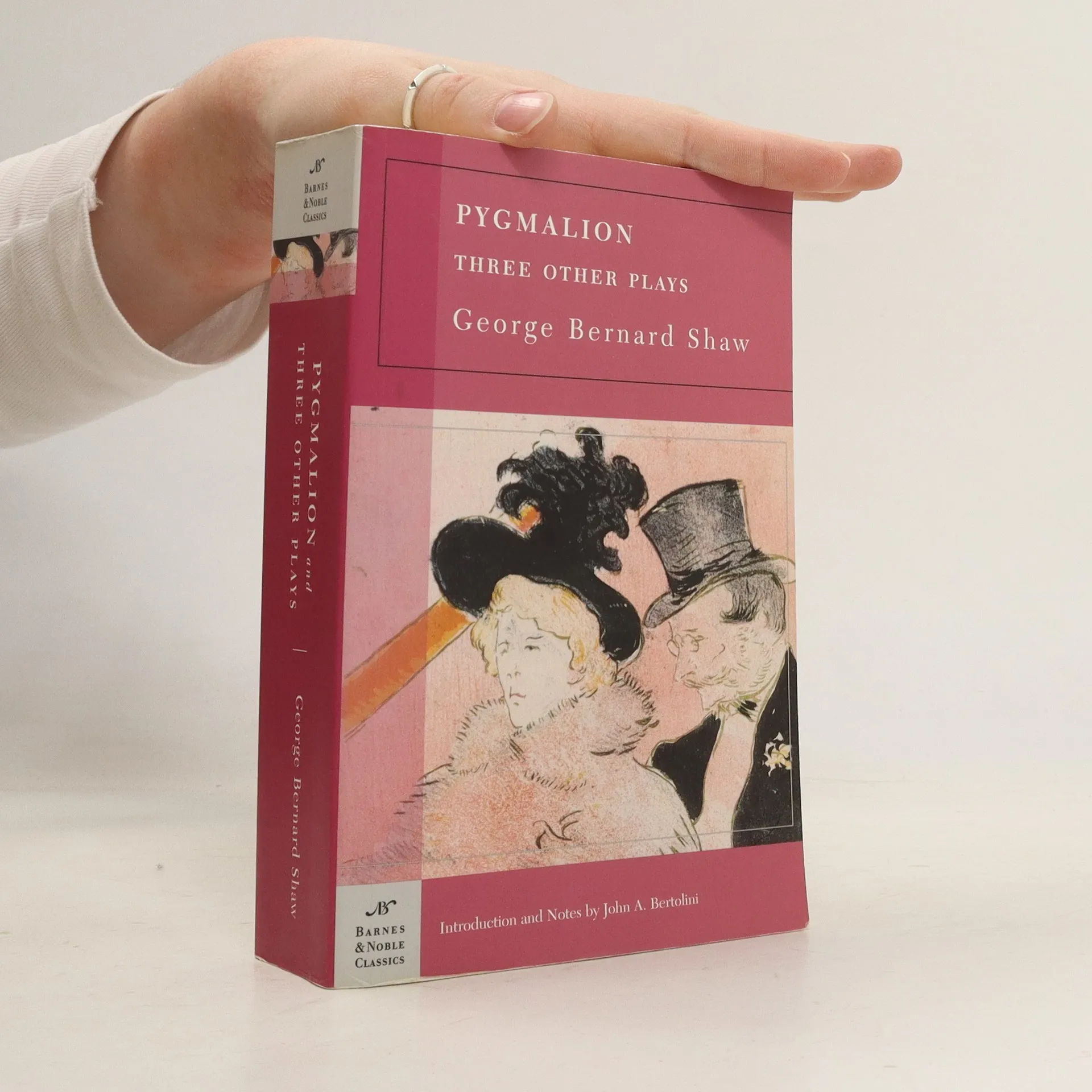
Pygmalion and Three Other Plays
- 667pagine
- 24 ore di lettura
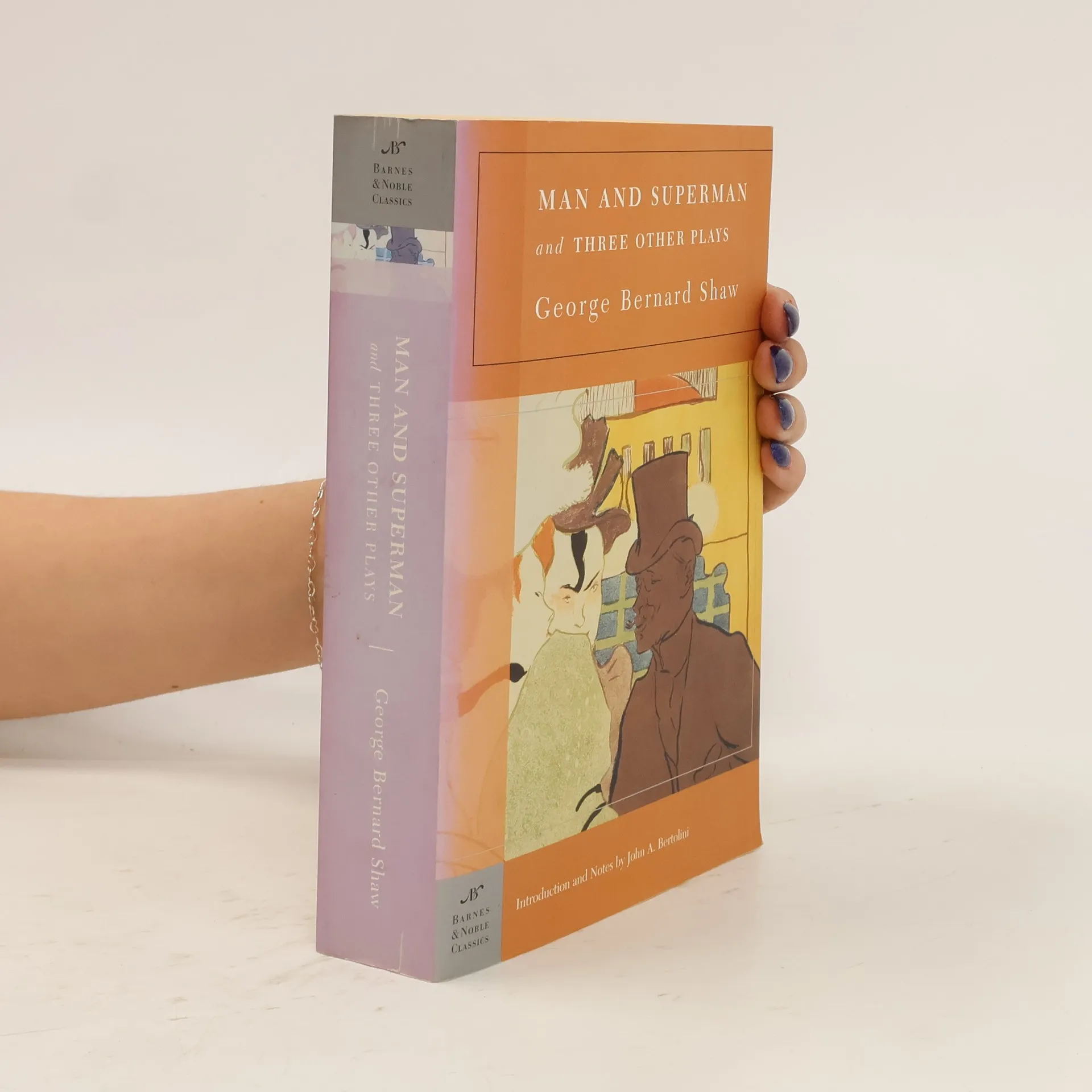
Pygmalion and Three Other Plays, by George Bernard Shaw, is part of the Barnes & Noble Classics series, which provides quality editions at affordable prices, featuring new scholarship, thoughtful design, and additional content. Key features include new introductions from contemporary writers, author biographies, chronologies of relevant historical events, footnotes, discussions of related works, commentary from notable authors, study questions, bibliographies, and indices or glossaries when applicable. Each edition is beautifully designed and printed to high standards, with some including historical illustrations. Shaw, often regarded as the most significant British playwright since the seventeenth century, is celebrated for his wit and insight into human relationships. Pygmalion, his most beloved play, follows phonetics professor Henry Higgins as he transforms cockney flower girl Eliza Doolittle into a refined lady, culminating in one of the funniest scenes in English drama. This volume also includes Major Barbara, which critiques capitalism and charity, The Doctor's Dilemma, exploring medical ethics, and Heartbreak House, which reveals the spiritual emptiness of a generation shaped by World War I. John A. Bertolini, an expert in dramatic literature, provides the introduction and notes for this edition.
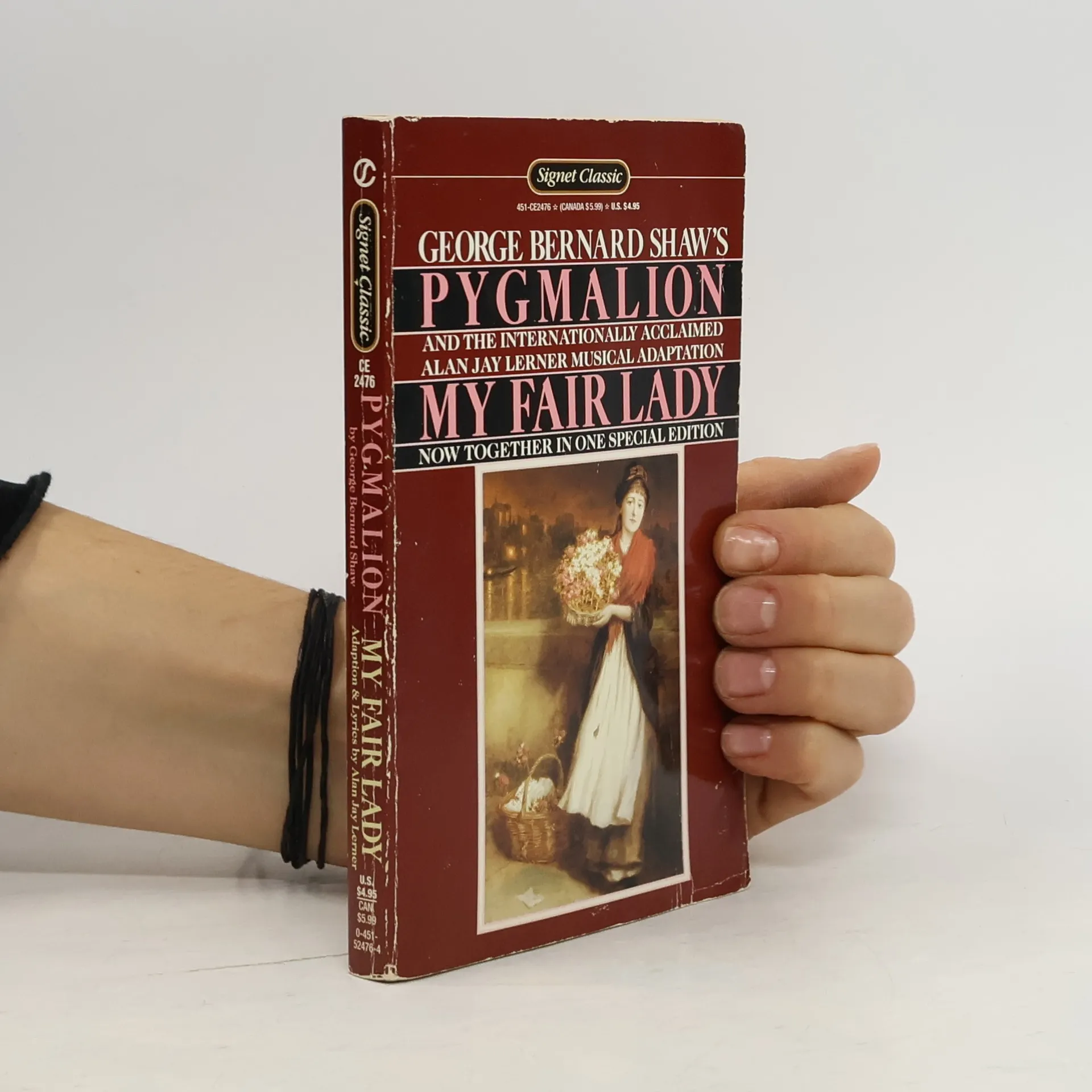
Pygmalion and My Fair Lady
- 208pagine
- 8 ore di lettura
The story of Henry Higgins, a professor of phonetics who transforms cockney flower girl Eliza Doolittle into a lady, and includes the script to "My Fair Lady," the musical romance based on the tale of Henry and Eliza
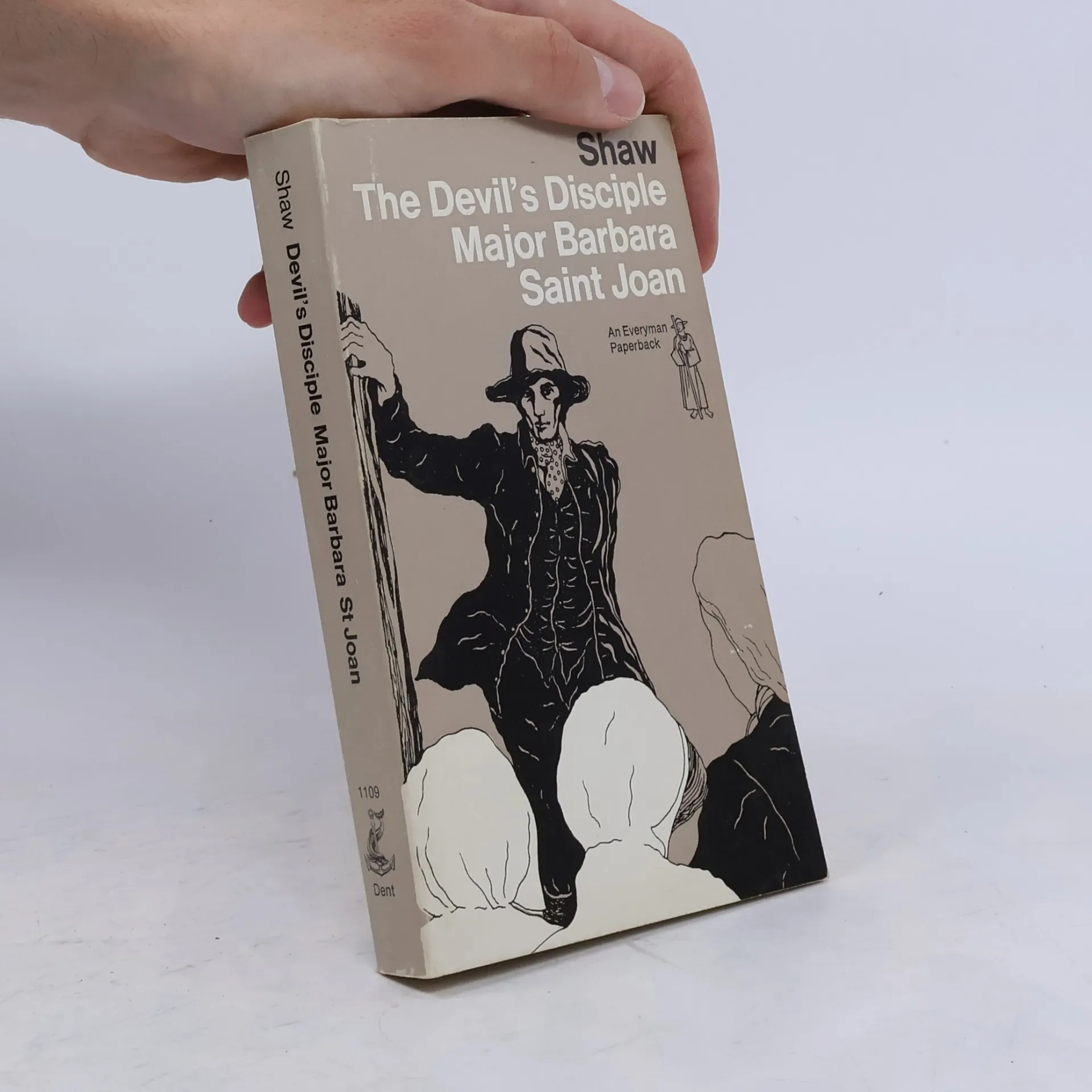
Set during the Revolutionary era in Colonial America, the story follows Richard Dudgeon, an outcast who embraces the title of "Devil's disciple." In a striking twist, he ultimately makes a self-sacrificial act reminiscent of Christ, challenging the expectations of his claimed allegiance to evil. This play, George Bernard Shaw's eighth, marked his first financial success and solidified his reputation as a prominent playwright. It was later included in his 1901 collection, showcasing Shaw's penchant for paradox and complex character development.
One of his most important plays and one of the most renowned comedies, George Bernard Shaw's Arms and the Man talks about the 1885 Serbo-Bulgarian War. The story revolves around the incident of a Swiss soldier fighting in the Serbian army who bursts into a young Bulgarian woman's bedroom and begs her to hide him. A crafted combination of wit and humour, this classic is an epitome of a satire on the typical values about war, morality, love and class.
The Black Girl In Search Of God And Some Lesser Tales
- 324pagine
- 12 ore di lettura
This volume contains George Bernard Shaw's collection of short stories entitled "The Black Girl in Search of God, and Some Lesser Tales". It was first published in 1934. "The Black Girl In Search Of God" is a short story that follows a young girl who is newly converted to Christianity - and who embarks on a literal search for God. On her way, she comes into contact with a number of religious figures, each trying to convert her to their own faiths. This wonderfully sardonic allegory highlights Shaw's unorthodox ideas on faith and race, and was highly controversial when first published. George Bernard Shaw (1856 - 1950) was an Irish playwright who co-founded of the London School of Economics. Many vintage texts such as this are increasingly scarce and expensive, and it is with this in mind that we are republishing this book now, in an affordable, high-quality, modern edition. It comes complete with a specially commissioned biography of the author.
Man and Superman and Three Other Plays
- 576pagine
- 21 ore di lettura
The world of George Bernard Shaw -- Introduction / by John A. Bertolini -- Preface to Mrs. Warren's profession : mainly about myself -- Mrs. Warren's profession -- Preface to Candida : plays pleasant -- Candida -- Preface to The devil's disciple : three plays for Puritans -- The devil's disciple -- Shaw's notes to The devil's disciple -- Epistle dedicatory to Man and superman -- Man and superman -- Excerpts from The revolutionist's handbook and pocket companion -- Endnotes -- Inspired by the plays of George Bernard Shaw -- Comments & questions -- For further reading.
Man And Superman
- 272pagine
- 10 ore di lettura
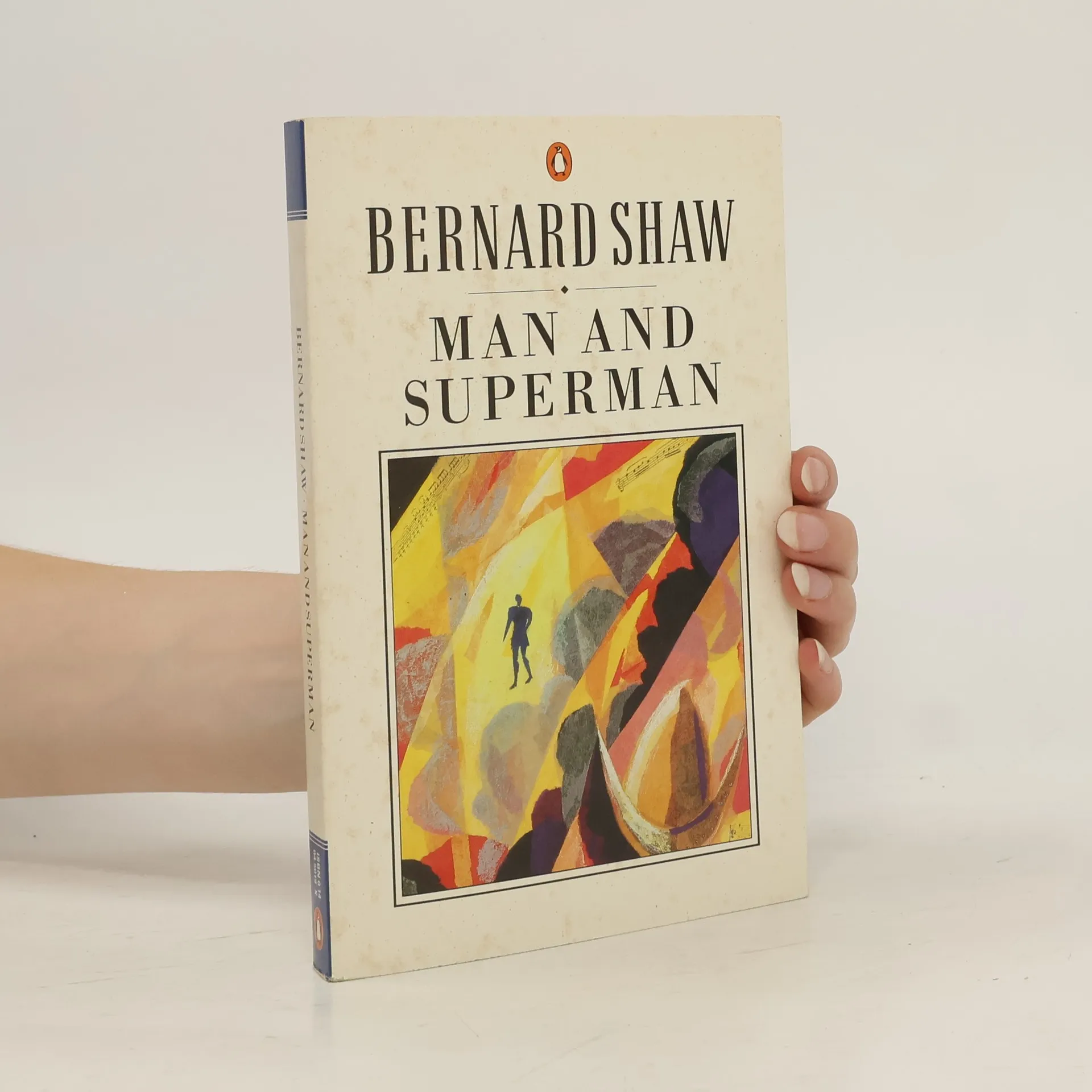
'A lifetime of happiness! No man alive could bear it: it would be hell on earth' After the death of her father, Ann Whitefield becomes the joint ward of two men: the respectable Roebuck Ramsden and John Tanner, author of 'The Revolutionist's Handbook'. Believing marriage would prevent him from achieving his higher intellectual and political ambitions, Tanner is horrified to discover that Ann intends to marry him, and flees to Spain with the determined young woman in hot pursuit. The chase even leads them to the underworld, where the characters' alter egos discuss questions of human nature and philosophy in a lively debate in a scene often performed separately as 'Don Juan in Hell'. In Man and Superman, Shaw combined seriousness with comedy to create a satirical and buoyant exposé of the eternal struggle between the sexes. This is the definitive text under the editorial supervision of Dan H. Laurence. This volume includes Shaw's Preface of 1903 and his appendix, 'The Revolutionist's Handbook', the cast list from the first production of Man and Superman and a list of his principal works.
Heartbreak House and Misalliance
- 243pagine
- 9 ore di lettura
In Heartbreak House, a visit to an eccentric gentleman's home reveals surprises in gender and identity, while in Misalliance, an underwear tycoon and his daughter find adventure after a plane crash. Reissue.
Saint Joan: A Chronicle Play in Six Scenes and an Epilogue
- 160pagine
- 6 ore di lettura
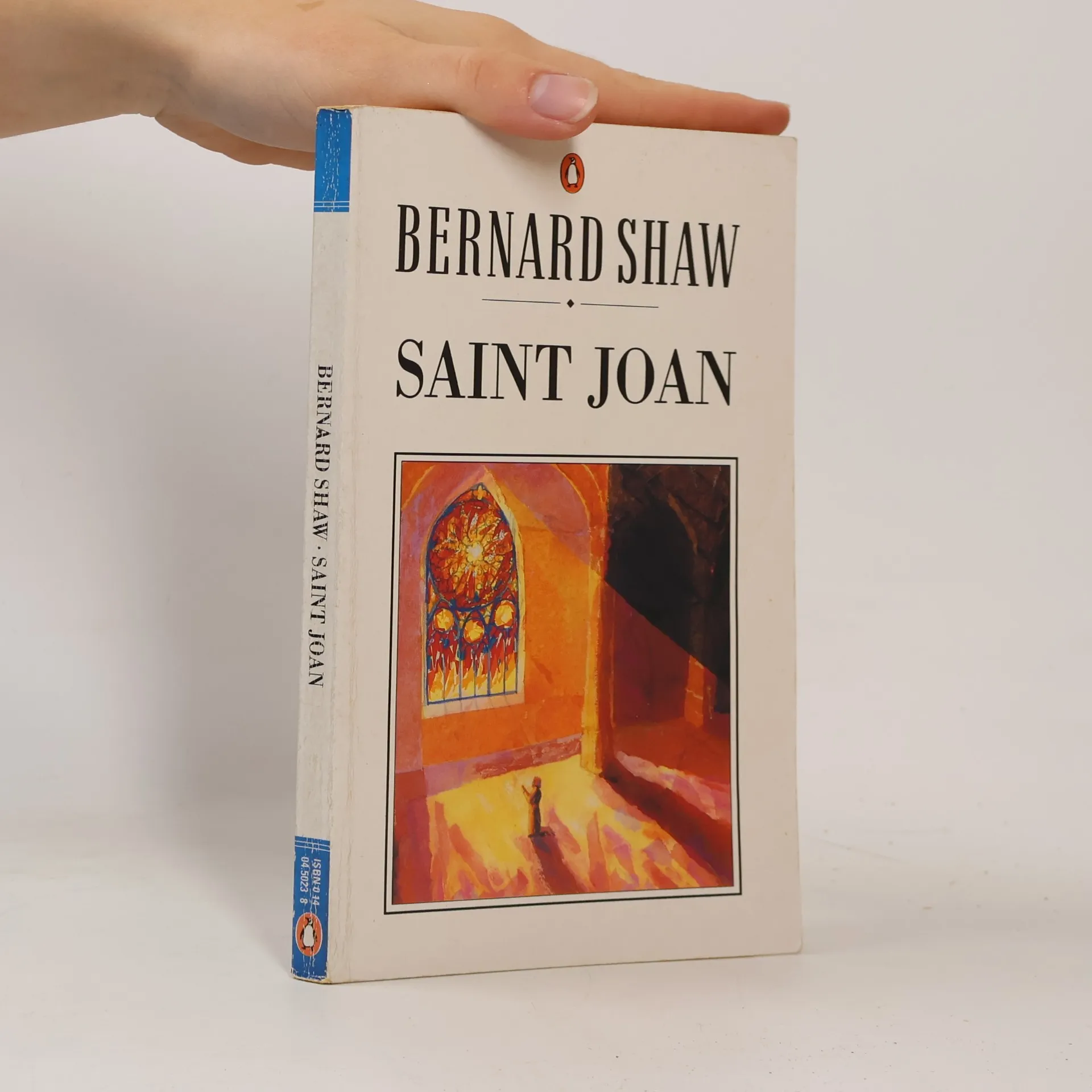
The play depicts the trial, burning at the stake, and canonization of Joan of Arc.
Plays Unpleasant
- 288pagine
- 11 ore di lettura
This scarce antiquarian book is a facsimile reprint of the original. Due to its age, it may contain imperfections such as marks, notations, marginalia and flawed pages. Because we believe this work is culturally important, we have made it available as part of our commitment for protecting, preserving, and promoting the world's literature in affordable, high quality, modern editions that are true to the original work.
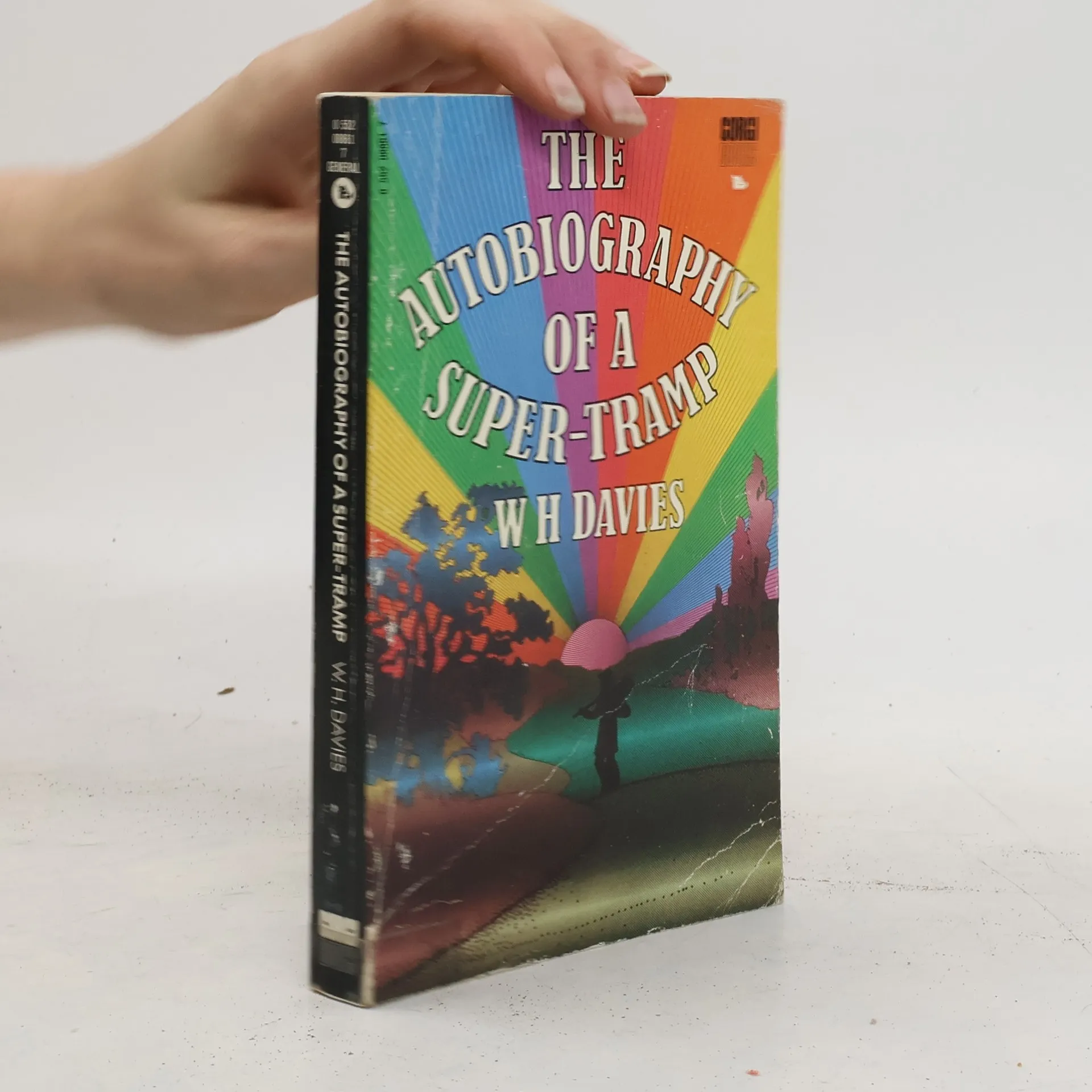
"The Autobiography of a Super-Tramp" by W. H. Davies, published in 1908, explores the life of a tramp across the UK, Canada, and the US in the late 19th century. Praised by G. B. Shaw for its raw narrative, the book reflects on nature, hardships, and diverse encounters, establishing Davies as a notable poet of his era.
One of Bernard Shaw's most glittering comedies, Arms and the Man is a burlesque of Victorian attitudes to heroism, war and empire. In the contrast between Bluntschli, the mercenary soldier, and the brave leader, Sergius, the true nature of valour is revealed. Shaw mocks deluded idealism in Candida, when a young poet becomes infatuated with the wife of a Socialist preacher. The Man of Destiny is a witty war of words between Napoleon and a 'strange lady', while in the exuberant farce You Never Can Tell a divided family is reunited by chance. Although Shaw intended Plays Pleasant to be gentler comedies than those in the companion volume, Plays Unpleasant, their prophetic satire remains sharp and provocative.
Widowers' House
- 96pagine
- 4 ore di lettura
George Bernard Shaw, (1856-1950) was an Irish playwright. He is the only person to have been awarded both the Nobel Prize for Literature (1925) and an Oscar (1938).
This play is centred around the eccentric household of Captain Shotover where, at a house-party, the main topic of debate is one young woman's decision to marry for money rather than love. schovat popis
Challenging puritanical values, this collection features three distinct plays. "The Devil's Disciple" unfolds during the American Revolution, where a man embraces a mistaken identity as a rebel. "Caesar and Cleopatra" offers a historical exploration of the complex relationship between the iconic figures in ancient Egypt. In "Captain Brassbound's Conversion," a wealthy woman seeks revenge in North Africa but finds herself converted to Islam instead. Each play provokes thought and reflection on societal norms, showcasing Shaw's wit and critique of conventional beliefs.
Love Among the Artists
- 448pagine
- 16 ore di lettura
With his inimitable wit and sparkle, George Bernard Shaw brings us the story of three wayward geniuses: two pianists (one a salty non-conformist and the other a beautiful Polish woman) and an actress of great self-made charm. Through their relations with the more convential folk around them - the socialites at whose romantic pretensions Shaw delighted to poke fun - he offers shrewd insight into the nature of the artistict temperament, with its needs for a kind of commitment that overrides the everyday claims of the heart." --Back cover.
John Bull's Other Island
- 132pagine
- 5 ore di lettura
Set against the backdrop of early 20th-century Ireland, this comedy explores the complexities of Irish identity and politics through witty dialogue and sharp satire. Written by George Bernard Shaw, a Dublin native, the play showcases his unique perspective on his homeland. Although it was a success during its initial run, its specific political references have led to infrequent revivals, making it a lesser-known work in Shaw's repertoire.
"George Bernard Shaw, (1856-1950) was an Irish playwright. He is the only person to have been awarded both the Nobel Prize for Literature (1925) and an Oscar (1938). This edition is a facsimile reprint of his play," -- publisher's website.
Set against the backdrop of ancient Rome, the play explores the story of Androcles, a slave spared by a lion's mercy, reflecting on themes of mercy and compassion. Shaw contrasts the teachings of Jesus with the prevailing Roman values, illustrating a cultural clash. Through its characters, the play delves into the complexities of early Christianity, highlighting the moral dilemmas faced by believers in a hostile environment. Shaw's retelling offers a thought-provoking commentary on faith and humanity.
The Sayings of Bernard Shaw
- 64pagine
- 3 ore di lettura
Plays by George Bernard Shaw
Man and Superman. Arms and the Man. Mrs. Warren’s Profession. Candida
The publishing house Megali focuses on creating large print reproductions of historical works, catering specifically to individuals with impaired vision. This initiative aims to enhance accessibility and ensure that important texts are available to a wider audience, allowing more people to engage with historical literature.
This publication focuses on making historical works accessible by providing them in large print, catering specifically to individuals with impaired vision. The effort highlights the importance of inclusivity in literature, allowing a broader audience to engage with historical texts.
Set against the backdrop of early 20th-century England, the play explores themes of transformation and social class through the character of Professor Henry Higgins, a phonetics expert. Inspired by the Greek myth of Pygmalion, Shaw delves into the complexities of identity and language as Higgins attempts to transform Eliza Doolittle, a flower girl, into a refined lady. The play's enduring legacy includes numerous adaptations, most famously the musical My Fair Lady, highlighting its cultural impact and relevance.
The Dark Lady of the Sonnets
- 50pagine
- 2 ore di lettura
Set in the early 17th century, this one-act play humorously explores the identity of the "Dark Lady" from Shakespeare's sonnets, revealing her as Queen Elizabeth I. As Shakespeare grapples with writer's block, the unexpected encounter with the Queen leads to witty exchanges that satirize his romantic entanglements and the conventions of Elizabethan drama. Shaw's clever narrative provides a lighthearted examination of love, reputation, and creativity, showcasing his talent for blending humor with literary themes in a playful manner.
Focusing on accessibility, this book is a reproduction of a historical work, presented in large print to aid those with impaired vision. Published by Megali, a publisher dedicated to making historical texts more readable, it emphasizes the importance of inclusivity in literature.
The book is a reproduction of a historical work, published by Megali, which specializes in creating large print editions. This initiative aims to enhance accessibility for individuals with impaired vision, ensuring that classic texts are available to a wider audience.
O'Flaherty V.C.; A Recruiting Pamphlet
in large print
Focusing on accessibility, this publication is a reproduction of a historical work, presented in large print to aid readers with impaired vision. The Megali publishing house is dedicated to making classic literature more accessible, ensuring that important texts can be enjoyed by a wider audience.
The Inca of Perusalem; An Almost Historical Comedietta
in large print
This book is a reproduction of an original historical work, published by Megali, a company dedicated to producing large print editions. These editions are specifically designed to enhance accessibility for individuals with impaired vision, ensuring that important historical texts are available to a wider audience.
This book is a reproduction of a historical work, published by Megali, a house dedicated to making literature accessible for individuals with impaired vision through large print editions. The focus on historical content combined with enhanced readability highlights the commitment to inclusivity in literature.
Press Cuttings; A Topical Sketch Compiled from the Editorial and Correspondence Columns of the Daily Papers
in large print
- 60pagine
- 3 ore di lettura
This book is a reproduction of a historical work, presented in large print to enhance accessibility for individuals with impaired vision. The publishing house Megali focuses on making classic texts more readable, ensuring that important historical literature is available to a wider audience.
Captain Brassbound's Conversion
- 100pagine
- 4 ore di lettura
An influential figure in theatre, George Bernard Shaw was a self-taught playwright who transitioned from literary criticism to drama, ultimately writing over sixty plays. His works often blend humor with serious themes, reflecting his views on society and politics. Shaw's unique contributions earned him both a Nobel Prize in Literature and an Oscar, making him a rare dual laureate. His legacy continues to resonate, showcasing his ability to entertain while provoking thought.
Focusing on accessibility, this book is a reproduction of a historical work presented in large print, catering specifically to individuals with impaired vision. Published by Megali, a house dedicated to making literature more accessible, it aims to enhance the reading experience for those who may struggle with standard text sizes.
The book is a reproduction of a historical work, published by Megali, which focuses on making literature accessible to individuals with impaired vision through large print formatting. This initiative highlights the importance of inclusivity in reading, ensuring that classic texts can be enjoyed by a wider audience.
This book is a reproduction of a historical work, published by Megali, which specializes in large print editions. The focus on accessibility aims to facilitate reading for individuals with impaired vision, ensuring that important historical texts remain available and easy to read for a wider audience.
This work is a reproduction of a historical text, published by Megali, a company dedicated to making literature accessible for individuals with impaired vision through large print formats. The focus on accessibility highlights the importance of preserving historical works while ensuring they can be enjoyed by a wider audience.
Set against the backdrop of early 20th-century medicine, this play explores the ethical challenges faced by physicians when resources are scarce. It delves into the tension between the commercial aspects of private practice and the altruistic nature of medical care. Through its characters, the narrative raises profound questions about morality, responsibility, and the impact of societal values on healthcare decisions.
Focusing on accessibility, this book is a reproduction of a historical work presented in large print, catering specifically to individuals with impaired vision. Published by Megali, a house dedicated to making literature more accessible, it aims to preserve important texts while ensuring they are readable for a wider audience.
Focusing on accessibility, this book is a reproduction of a historical work presented in large print. Published by Megali, a company dedicated to making literature more readable for individuals with impaired vision, it aims to enhance the reading experience for those who may struggle with standard text sizes.
Treatise on Parents and Children
- 114pagine
- 4 ore di lettura
The Treatise on Parents and Children is a significant classical work that explores the dynamics between parents and their offspring, emphasizing its enduring relevance throughout history. Alpha Editions has republished this book in a modern format, ensuring clarity and readability by reformatting and retyping the original text, rather than using scanned copies. This effort aims to preserve the work for both present and future generations, highlighting its importance in understanding familial relationships.
Set in a fictional European country on the verge of war, this satirical play critiques media sensationalism and manipulation. It follows the antics of politicians, journalists, and military leaders as they vie for power and influence over public opinion. Through sharp dialogue and clever twists, the narrative reveals the hypocrisy of those who use propaganda and misinformation. With its incisive humor and social commentary, it explores the ongoing tensions between politics, media, and public discourse, making it a timeless reflection on these themes.
This book is a reproduction of a historical work, presented in large print format to enhance accessibility for readers with impaired vision. Published by Megali, a house dedicated to making historical texts more accessible, it aims to preserve important literature while ensuring that it can be enjoyed by a wider audience.
This book is a reproduction of an original historical work, published by Megali, a house dedicated to creating large print editions. The focus on accessibility aims to assist readers with impaired vision, ensuring that classic literature remains available to a wider audience.
This book is a reproduction of a historical work, produced by Megali, a publishing house dedicated to making literature accessible for those with impaired vision. The large print format enhances readability, ensuring that a wider audience can engage with important texts from the past.
This work is a reproduction of an original text, produced by Megali, a publishing house dedicated to creating accessible historical works in large print. Their focus is on enhancing readability for individuals with impaired vision, ensuring that important historical texts are available to a wider audience.
Focusing on accessibility, this book is a reproduction of a historical work presented in large print, catering specifically to individuals with impaired vision. Published by Megali, a house dedicated to making historical texts more readable, it aims to preserve the original content while enhancing visual clarity for readers.
On the Prospects of Christianity; Bernard Shaw's Preface to Androcles and the Lion
in large print
- 164pagine
- 6 ore di lettura
This book is a reproduction of a historical work, specifically designed in large print for enhanced readability. It caters to individuals with impaired vision, showcasing the publishing house Megali's commitment to accessibility in literature. The focus on making historical texts more approachable highlights the importance of inclusivity in reading.