
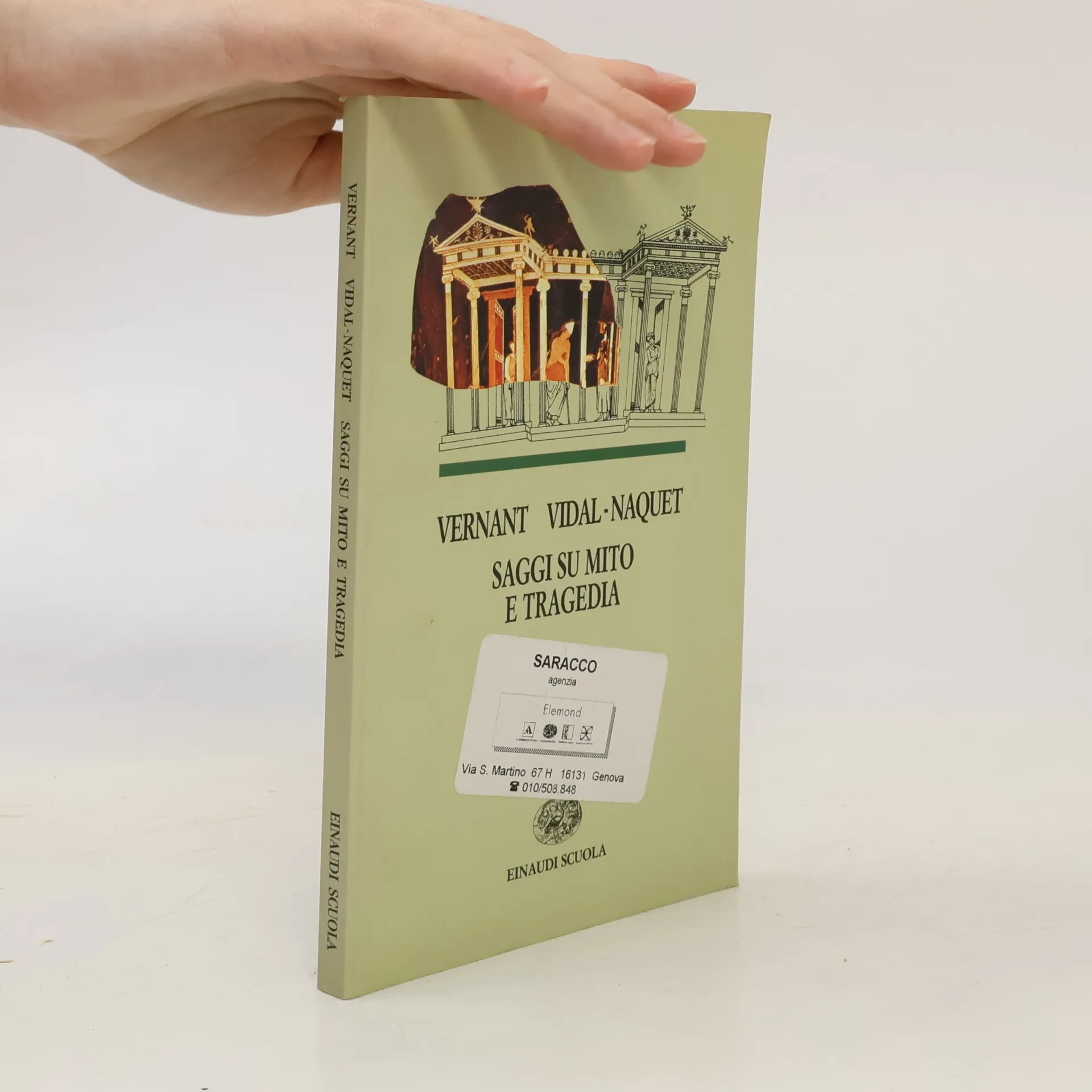
Jean Pierre-Vernant and Pierre Vidal-Naquet are leaders in a contemporary French classical scholarship that has produced a a stunning reconfiguration of Greek thought and literature. In this work, published here as a single volume, the authors present a disturbing and decidedly non-classical reading of Greek tragedy that insists on its radical discontinuity with our own outlook and with our social, aesthetic, and psychological categories. Originally published in French in two volumes, this new single-volume edition includes revised essays from volume one and is the first English translation of both volumes.
Jean Pierre Vernant Libri
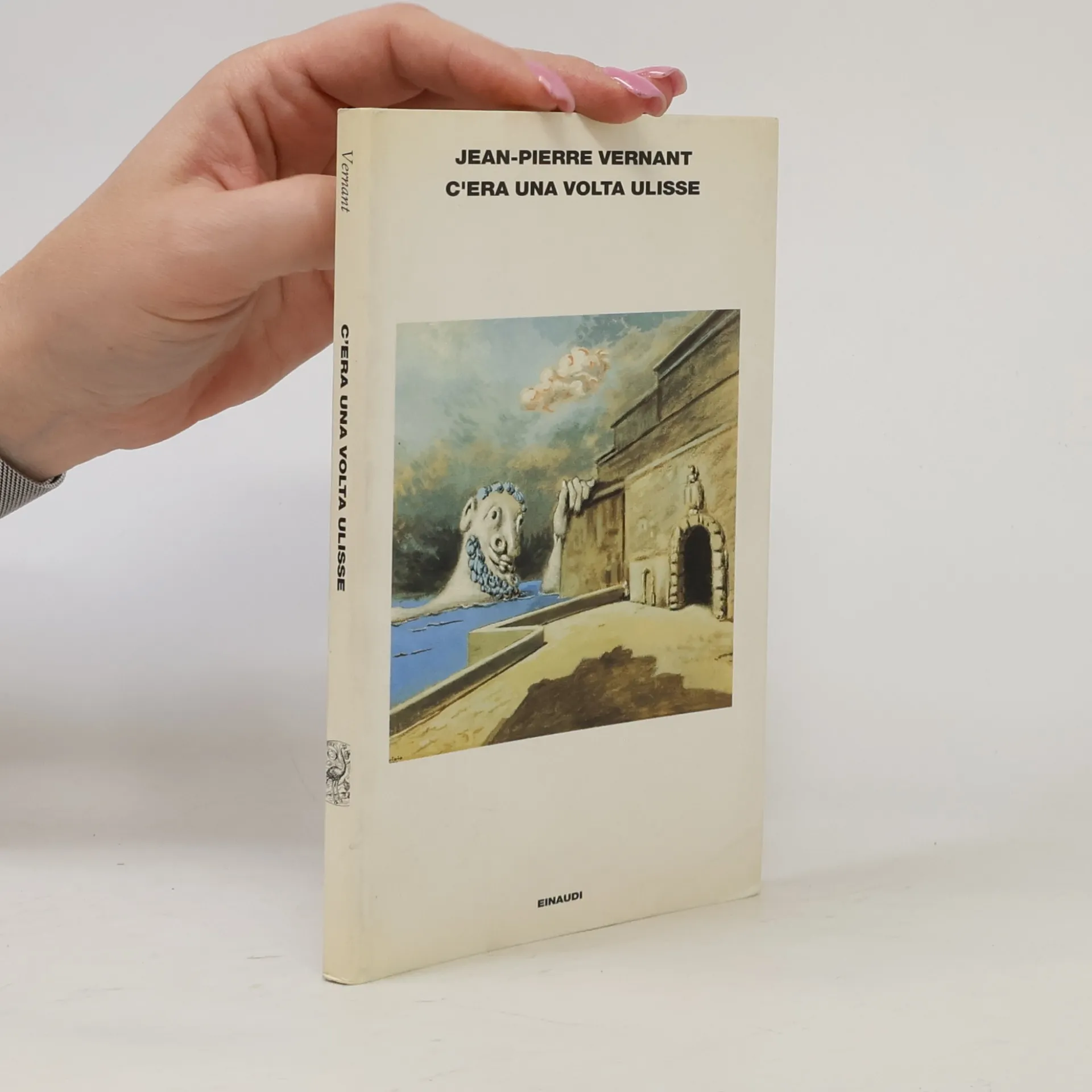
Jean-Pierre Vernant, storico e antropologo francese, si specializzò nell'antica Grecia, attingendo ampiamente al pensiero strutturalista. Sviluppò un influente approccio strutturalista al mito, alla tragedia e alla società greca che plasmò profondamente gli studi classici. Il lavoro di Vernant approfondisce le strutture fondamentali del pensiero e dell'organizzazione sociale dell'antica Grecia, rivelando come questi elementi abbiano plasmato la loro visione del mondo. La sua rigorosa analisi scopre i modelli profondi e le mentalità che definirono la loro cultura e identità.


Ancestor of the West
Writing, Reasoning, and Religion in Mesopotamia, Elam, and Greece
- 194pagine
- 7 ore di lettura
With Ancestor of the West , three distinguished French historians reveal the story of the birth of writing and reason, demonstrating how the logical religious structures of Near Eastern and Mesopotamian cultures served as precursors to those of the West. "Full of matter for anyone interested in language, religion, and politics in the ancient world."—R. T. Ridley, Journal of Religious History "In this accessible introduction to the ancient world, three leading French scholars explore the emergence of rationality and writing in the West, tracing its development and its survival in our own traditions. . . . Jean Bottero focuses on writing and religion in ancient Mesopotamia, Clarisse Herrenschmidt considers a broader history of ancient writing, and Jean-Pierre Vernant examines classical Greek civilization in the context of Near Eastern history."— Translation Review
Myth and Thought Among the Greeks
- 382pagine
- 14 ore di lettura
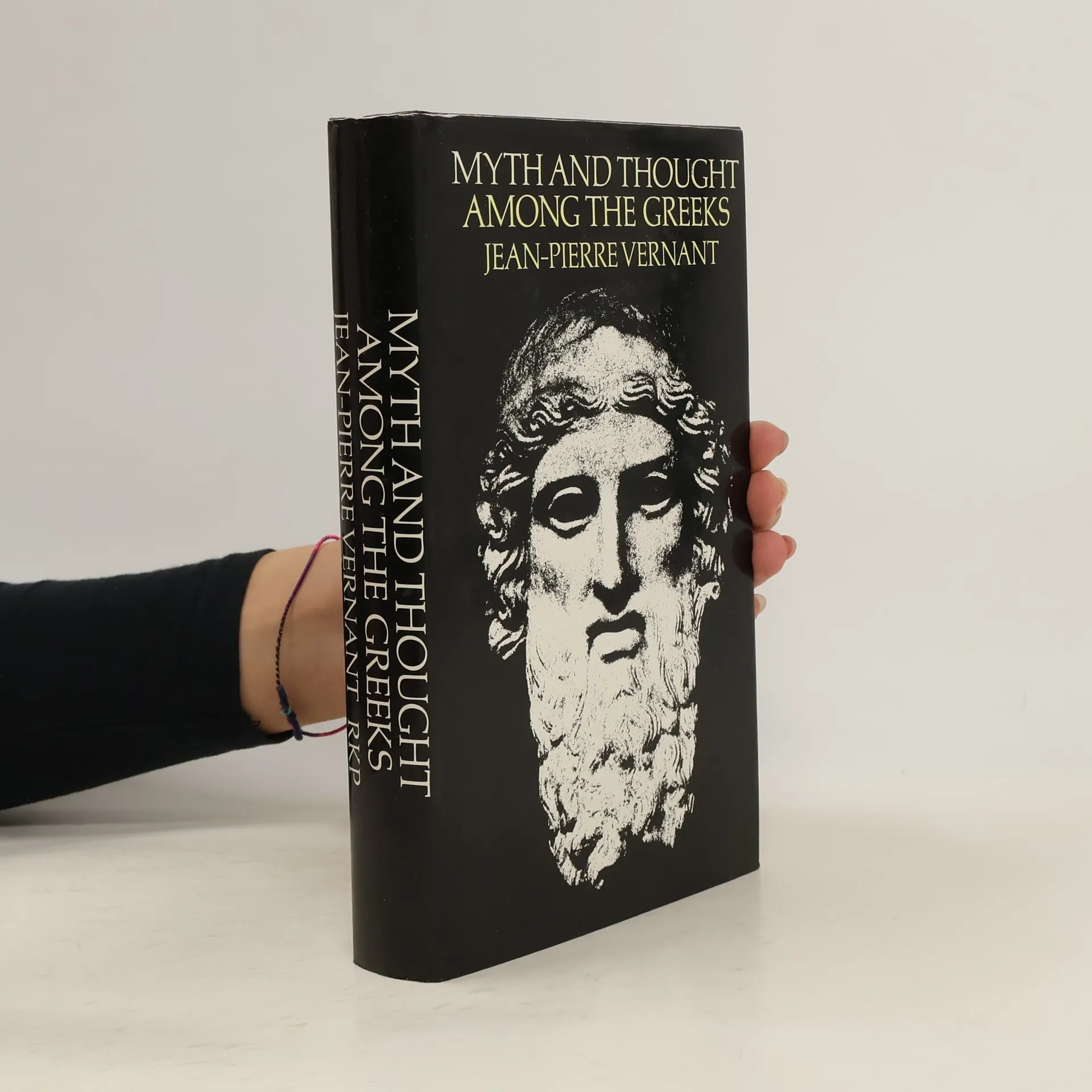
Myth and Thought among the Greeks, first published in 1965, presents a collection of early essays by the distinguished French anthropologist Jean-Pierre Vernant. Focussing on Hellenism from the perspective of historical psychology, he applies structuralist ideas to Greek culture and myth with the purpose of discerning the contours of the ancient Greek personality. Vernant develops a structuralist analysis of Hesiod s myth of the races, then goes on to examine aspects of memory and time. He investigates in detail the organisation of space and the development of the conception of space. Work and technological thought are discussed in an important section, which also covers the psychological category of the double, personal identity and religion, and the movement from mythical to rational thought. These essays represent a pioneering approach to the study of Greek myth, illuminating the obscure turning point which the psychology of Hellenism marks in the history of Western culture.
The Universe, the Gods, and Men
Ancient Greek Myths Told by Jean-Pierre Vernant
- 224pagine
- 8 ore di lettura
Exploring the rich tapestry of Greek mythology, Vernant's retelling begins with the Earth's creation from Chaos and unfolds through pivotal events such as Uranus's castration and the Titan-Olympian conflict. The narrative highlights memorable figures like Prometheus, Zeus, and Pandora, alongside epic tales from the Trojan War to Odysseus's journey, and the fates of Dionysus and Oedipus. Vernant's unique storytelling style brings these ancient myths to life, making them accessible and engaging for modern readers.
The Origins of Greek Thought
- 144pagine
- 6 ore di lettura
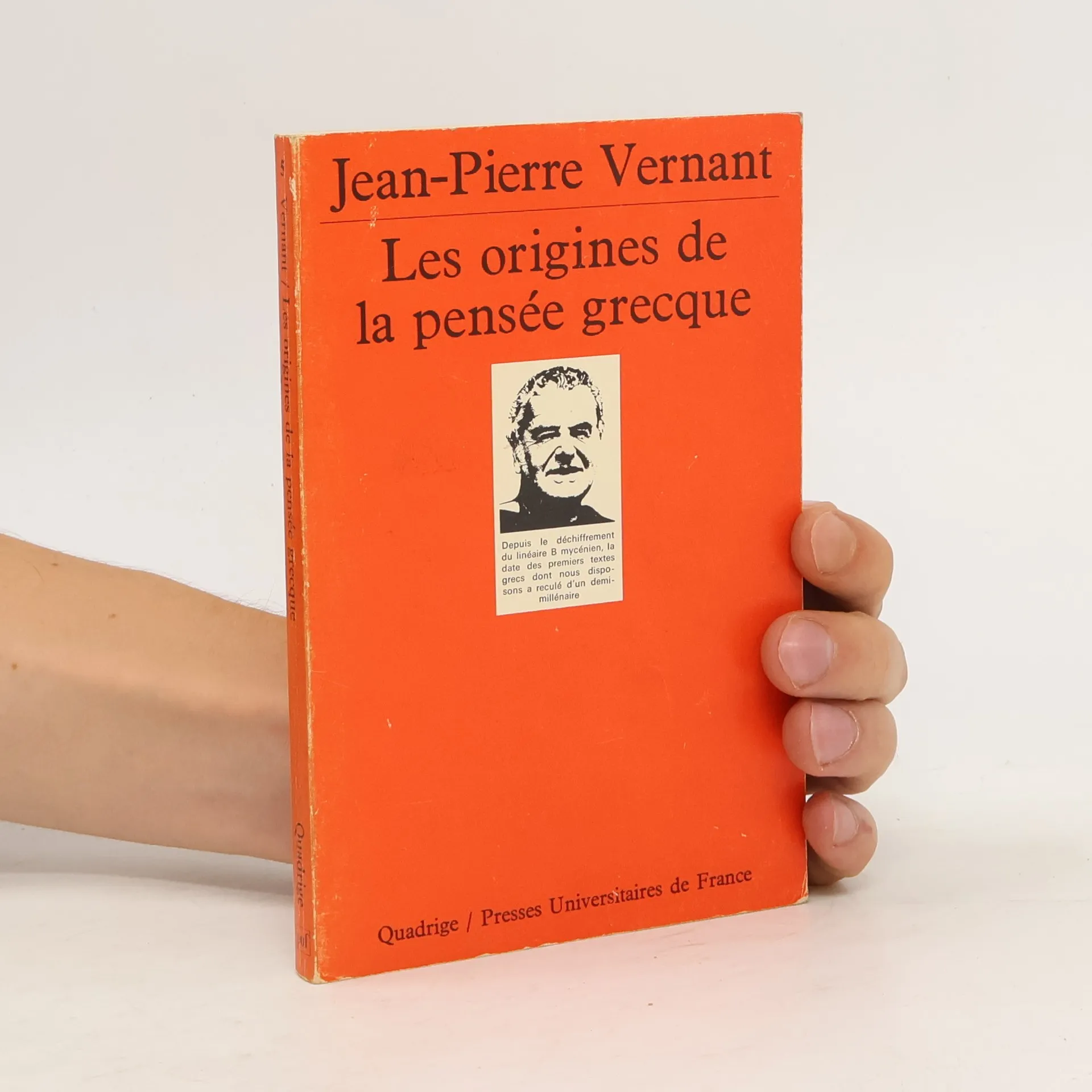
Jean-Pierre Vernant's concise, brilliant essay on the origins of Greek thought relates the cultural achievement of the ancient Greeks to their physical and social environment and shows that what they believed in was inseparable from the way they...
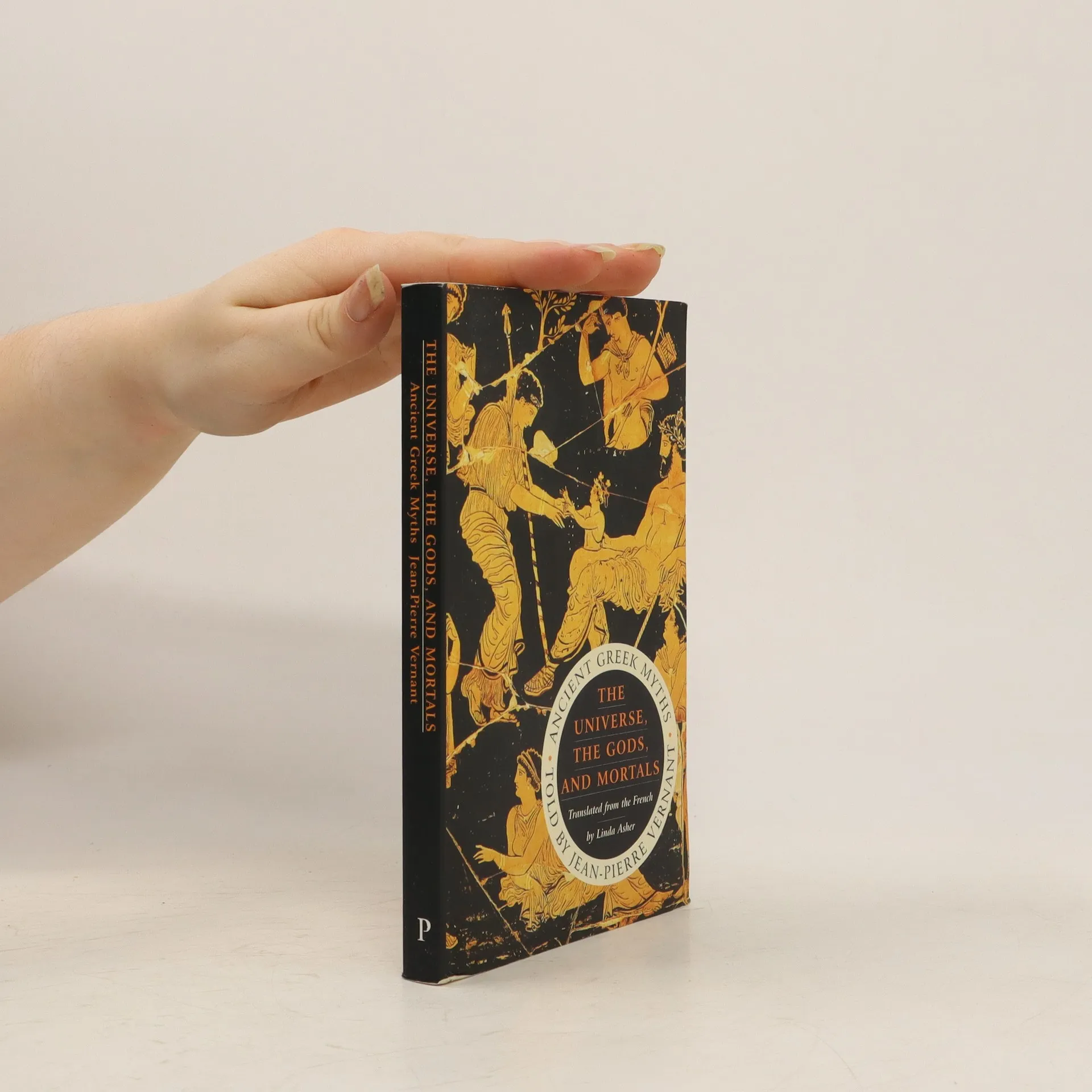
The Universe, the Gods, and Mortals
- 244pagine
- 9 ore di lettura
In this engrossing retelling of Greek myth, Jean-Pierre Vernant combines his profound knowledge of the subject with brilliant and original story-telling. Beginning with the creation of Earth out of Chaos, Vernant continues with the castration of Uranus, the war between the Titans and the gods of Olympus, the wily ruses of Prometheus and Zeus, and the creation of Pandora, the first woman. His narrative takes us from the Trojan War to the voyage of Odysseus, from the story of Dionysus to the terrible destiny of Oedipus and to Perseus's confrontation with the Gorgons. Jean-Pierre Vernant has devoted himself to the study of Greek mythology. In recounting these tales, he unravels for us their multiple meanings and brings to life cherished figures of legend whose stories lie at the origin of our civilization.
Tragedy and Myth in Ancient Greece
- 192pagine
- 7 ore di lettura
Jean Pierre-Vernant and Pierre Vidal-Naquet are leaders in a contemporary French classical scholarship that has produced a a stunning reconfiguration of Greek thought and literature. In this work, published here as a single volume, the authors present a disturbing and decidedly non-classical reading of Greek tragedy that insists on its radical discontinuity with our own outlook and with our social, aesthetic, and psychological categories. Originally published in French in two volumes, this new single-volume edition includes revised essays from volume one and is the first English translation of both volumes.
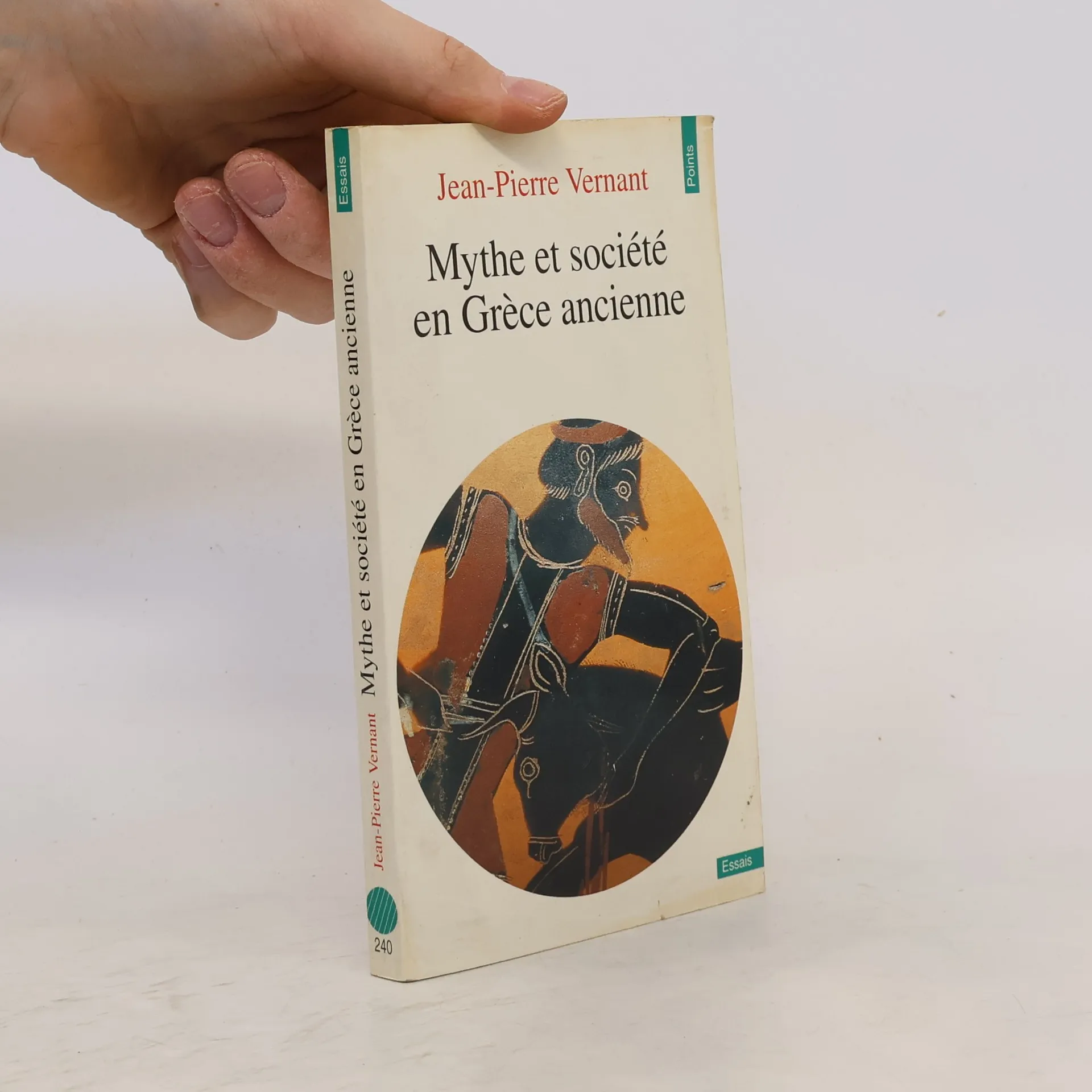
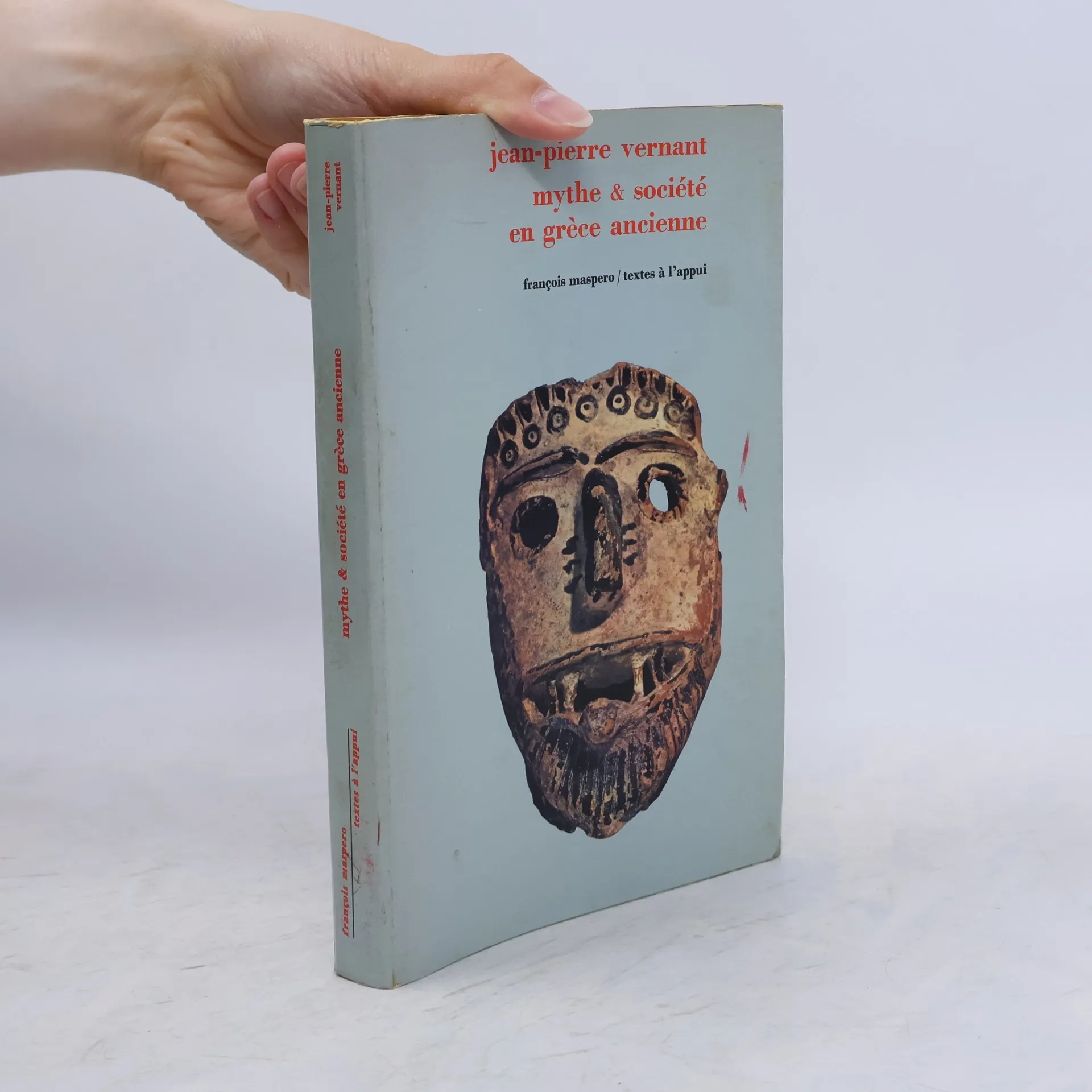
In this groundbreaking study, Jean-Pierre Vernant delineates a compelling new vision of ancient Greece. Myth and Society in Ancient Greece takes us far from the calm and familiar images of Polykleitos and the Parthenon to reveal a fundamentally other culture -- one of slavery, of masks and death, of scapegoats, of ritual hunting, and of ecstasies. Vernant's provocative discussions of various institutions and practices (including war, marriage, and sacrifice) detail the complex intersection of the religious, social, and political structures of ancient Greece. The book concludes with Vernant's authoritative genealogy of the study of myth from Antiquity to structuralism and beyond. "Myth," he writes, "brings into operation a form of logic which we may describe, unlike the logic of noncontradiction of the philosophers, as a logic of the ambiguous and the equivocal."
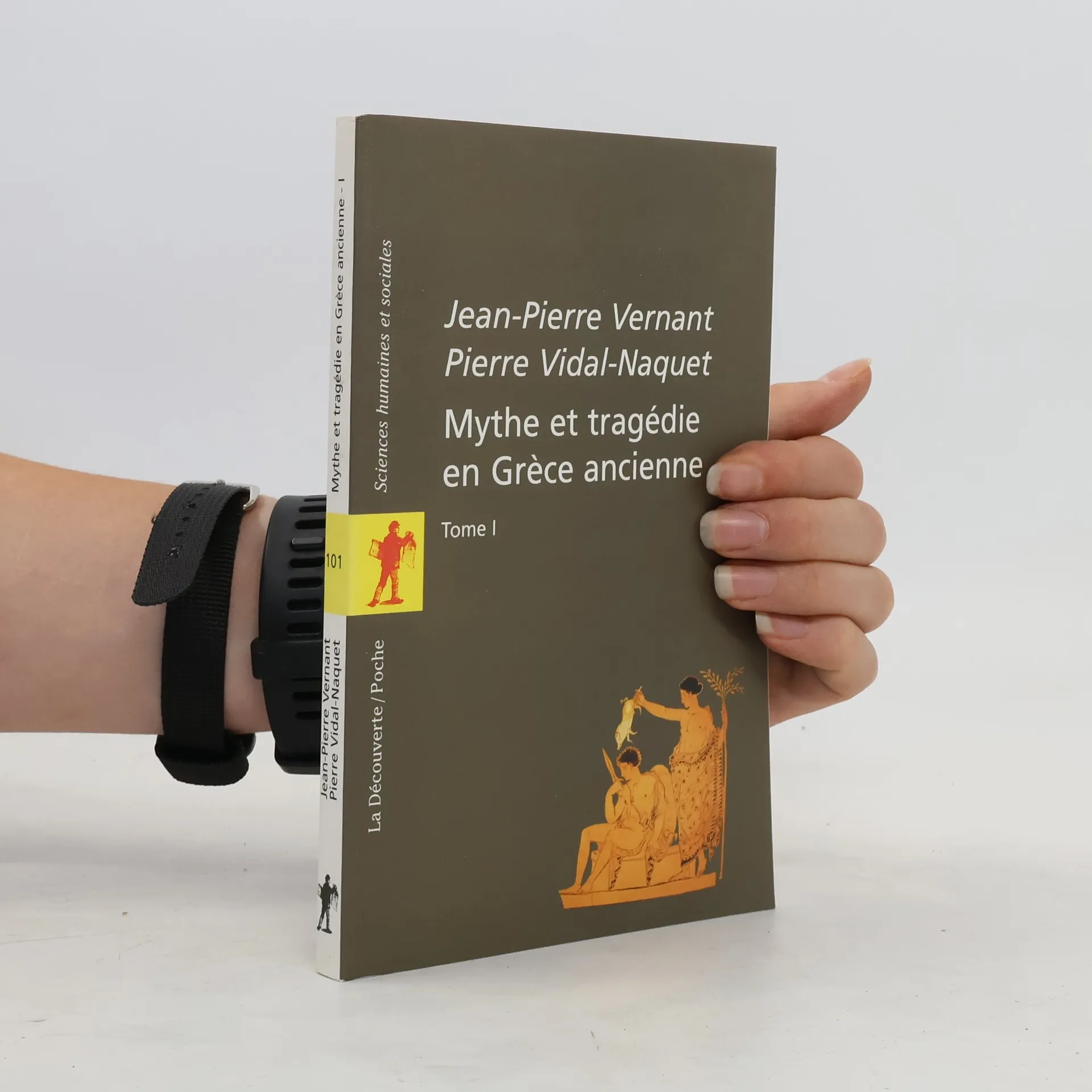
Mythe et tragédie en Grece ancienne. Tome 1
- 184pagine
- 7 ore di lettura
Un recueil de sept études qui s'efforcent de soumettre les textes antiques à l'analyse structurale, à une recherche de l'intention littéraire et au démontage sociologique. Cette triple approche est appliquée aux tragédies en ce que chacune a de singulier, considérée comme un phénomène indissolublement social, esthétique et psychologique
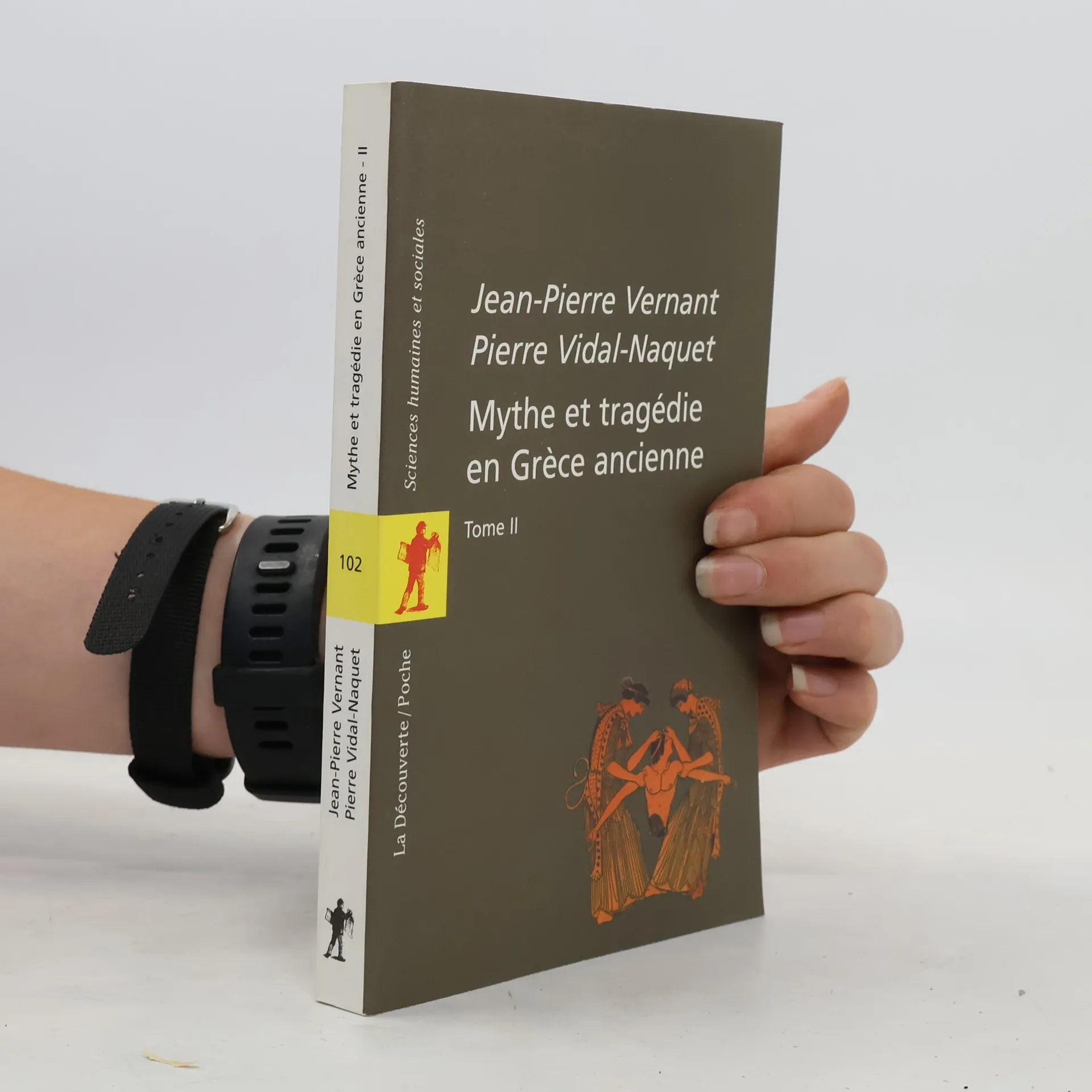
Mythe et tragédie en Grèce ancienne II
- 298pagine
- 11 ore di lettura
En 1972, Jean-Pierre Vernant et Pierre Vidal-Naquet faisaient paraître Mythe et tragédie en Grèce ancienne, un recueil de sept études qui s'efforce de soumettre les textes antiques à l'analyse structurale, à une recherche de l'intention littéraire et au démontage sociologique. Cette triple approche n'est pas appliquée au mythe lui-même, mais aux tragédies en ce que chacune a de singulier, considérée comme " phénomène indissolublement social, esthétique et psychologique ". Paru quatorze ans plus tard, Mythe et tragédie II élargit la perspective choisie et centre l'analyse sur les dieux de la tragédie du Ve siècle, et en particulier sur le dieu du théâtre, le dieu au masque : Dionysos. Au-delà du théâtre classique, les auteurs se demandent pourquoi ce classicisme est devenu notre classicisme. Ces deux ouvrages sont aujourd'hui devenus des références incontournables pour tous les étudiants et les chercheurs en histoire ancienne, et au-delà, pour tous ceux qui s'intéressent aux rôles et aux structures des mythes.
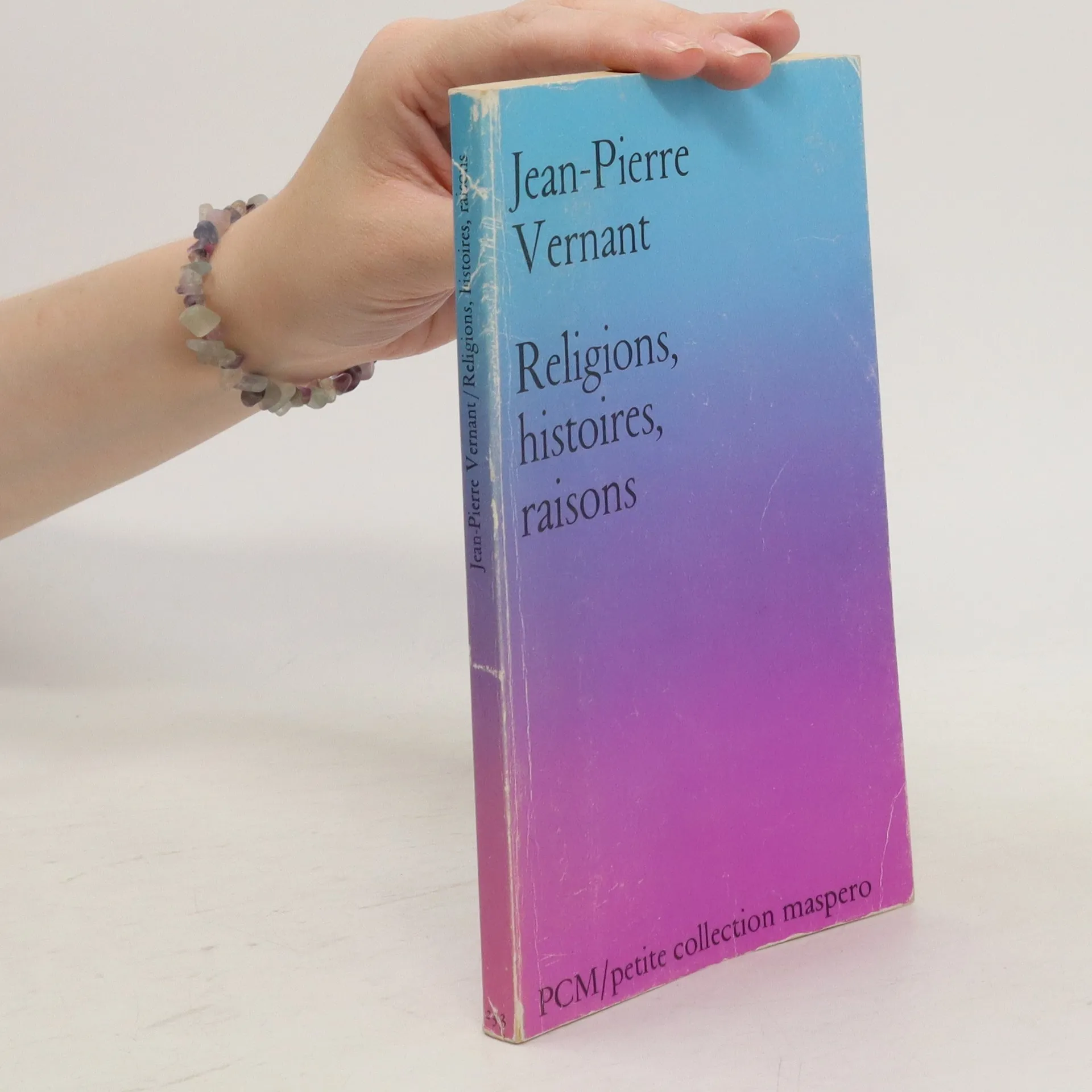
Religions, Histoires, Raisons
- 137pagine
- 5 ore di lettura
Si l'histoire, comme l'écrivait Marx, est une transformation continue de la nature humaine, historiens et psychologues doivent, de concert, affronter le même problème: comment, en bâtissant outils et techniques, en édifiant les langues, en instaurant de vastes ensembles d'institutions sociales, en créant les systèmes religieux, les savoirs sicientifiques et les divers types d'oeuvres d'art, les hommes se sont-ils eux-mêmes construits et transformés? Echelonnés entre 1965 et 1975, ces études cherchent à repérer les distances entre l'homme des religions antiques et le croyant d'aujourd'hui, comme entre la raison du savant contemporain et des formes différentes de rationalité. A travers cette confrontation, l'homme n'apparaît pas moins divers et changeant que les civilisations auxquelles il se rattache et dont il est à la fois le producteur et le produit.Comprendre le devenir humain, c'et d'abord accepter de mettre la religion, la raison, l'histoire - l'homme lui-même - au pluriel.
Soubor statí předního francouzského hellénisty, věnovaných náboženství, filosofii, umění a politice, podává všestranný obraz řeckého myšlení a mentality.
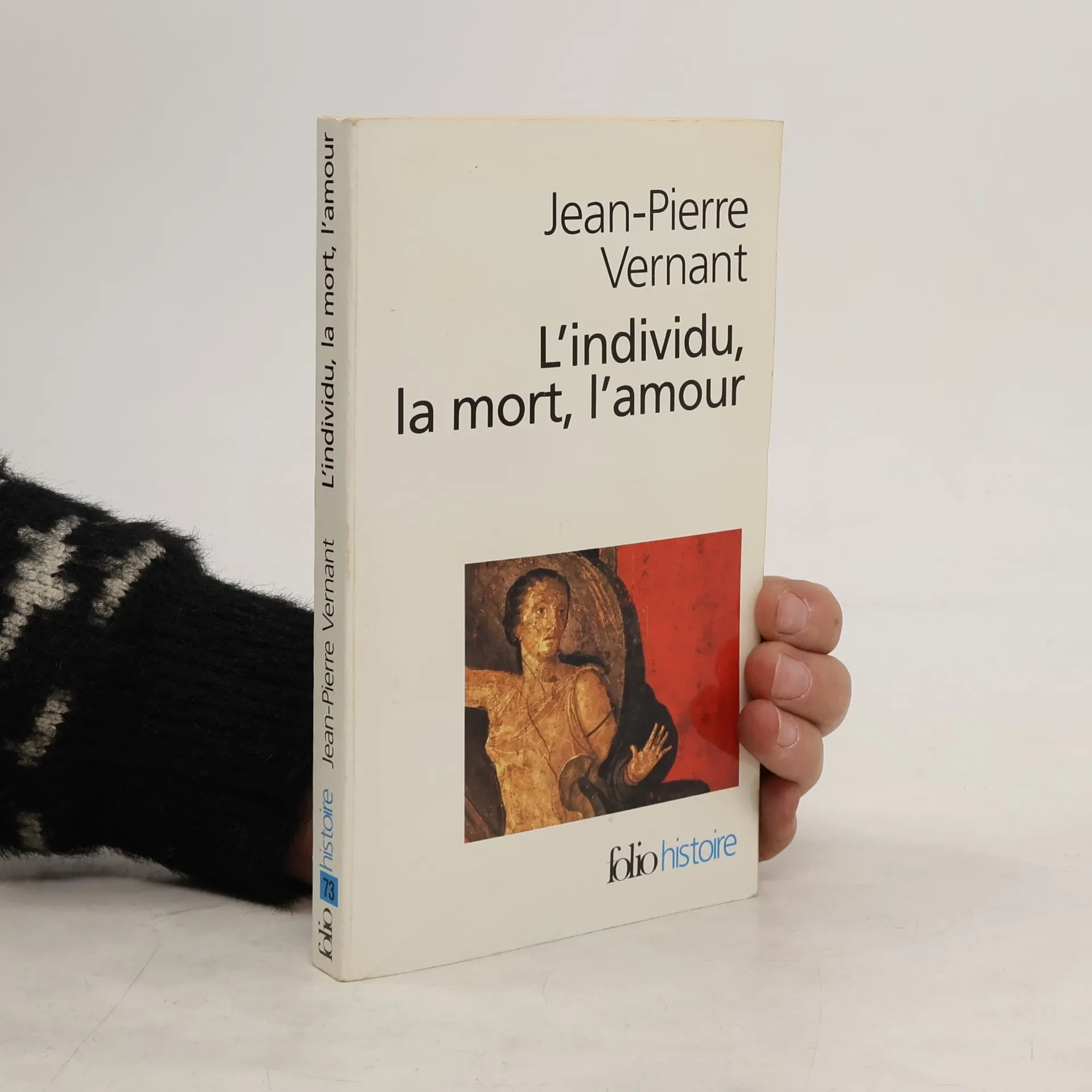
L'individu, la mort, l'amour
- 232pagine
- 9 ore di lettura
Pour un Grec de l'Antiquité, qu'est-ce qu'être soi-même ? La Grèce des cités a largement ouvert la voie au développement de l'individu dans la vie sociale ; pourtant l'être humain n'y apparaît pas encore comme une personne, au sens moderne, une conscience de soi dont le secret reste inaccessible à tout autre que le sujet lui-même. La religion civique n'a pas non plus doté chaque individu d'une âme immortelle qui prolongerait son identité dans l'au-delà.C'est que dans une société de face à face, une culture de la honte et de l'honneur, l'existence de chacun est sans cesse placée sous le regard d'autrui. Pour se connaître il faut contempler son image reflétée dans l'œil de son vis-à-vis.Parmi les formes diverses que l'autre a revêtues aux yeux des Grecs, il en est trois qu'en raison de leur position extrême dans le champ de l'altérité J.-P. Vernant a retenues pour focaliser sur elles son enquête : la figure des dieux, le masque de la mort, le visage de l'être aimé. Ces trois types d'affrontement à l'autre servent comme de révélateurs pour dégager les traits de l'identité telle que les Grecs l'ont conçue et assumée.
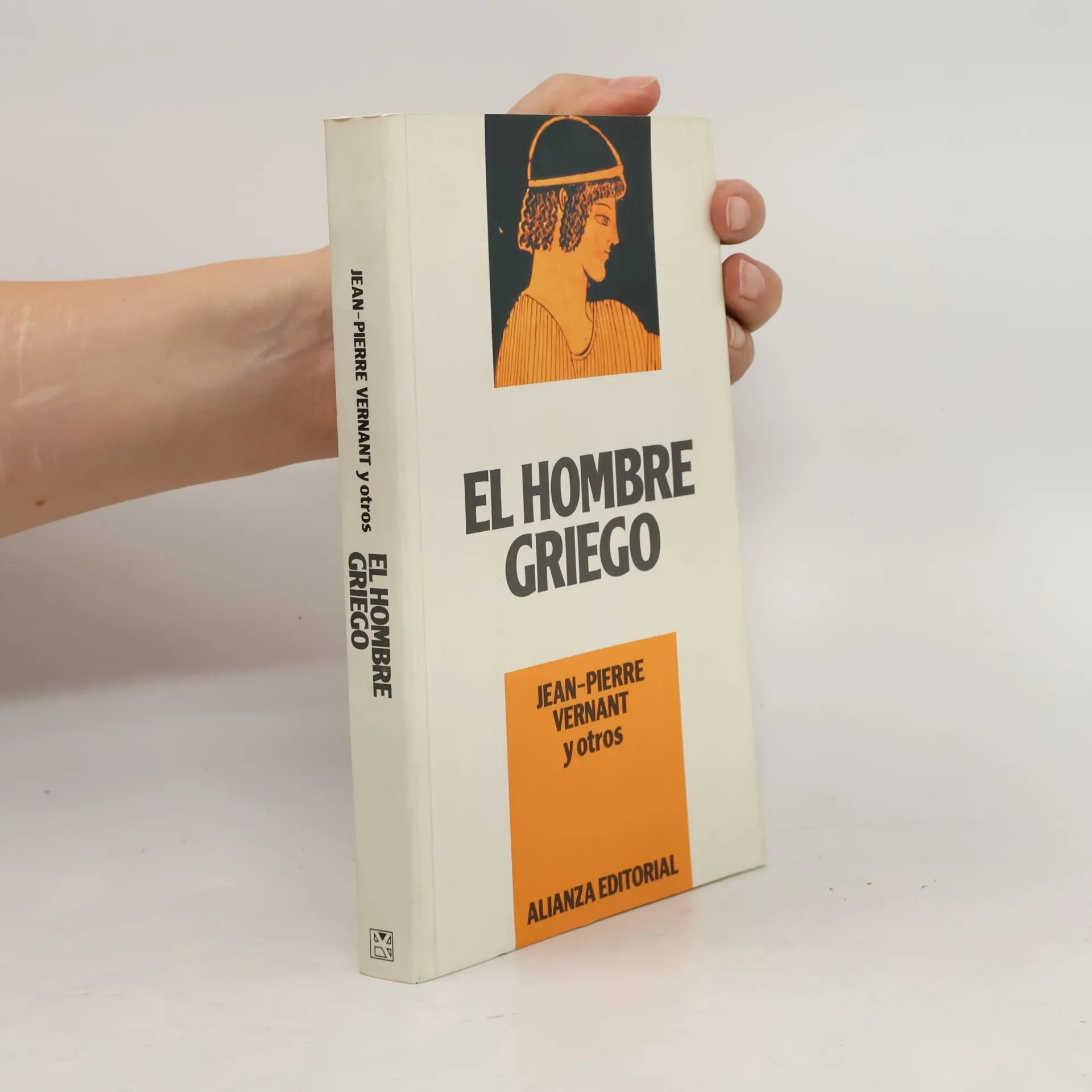
Das antike Griechenland ist die Wiege der abendländischen Zivilisation, und Aristoteles' 'zoon politikon' - der freie Bürger der klassischen Polis - gilt uns gemeinhin als unser demokratischer Vorfahr. In ihren acht exemplarischen Porträts führen uns die Autoren dieses Bandes die Griechen des Altertums als Fremde vor, die in einer sehr eigenen Welt lebten. In diesen Porträts werden Idealtypen von Menschen aus allen gesellschaftlichen und kulturellen Sphären sichtbar; es entsteht ein Gesamtbild der Epoche von großer historischer Tiefenschärfe. 'So lernen wir den Griechen als Bürger und als Krieger kennen, erleben ihn bei der Arbeit, im religiösen Leben, in der häuslichen Sphäre und auf dem langen Weg der diversen Prüfungen, die er absolvieren muß, um dem Ideal des vollkommenen Menschen näherzukommen. Wir wollen die typischen Züge der Aktivitäten herausarbeiten, die die Griechen der Antike in den großen Bereichen des Gemeinschaftslebens entfalteten.'
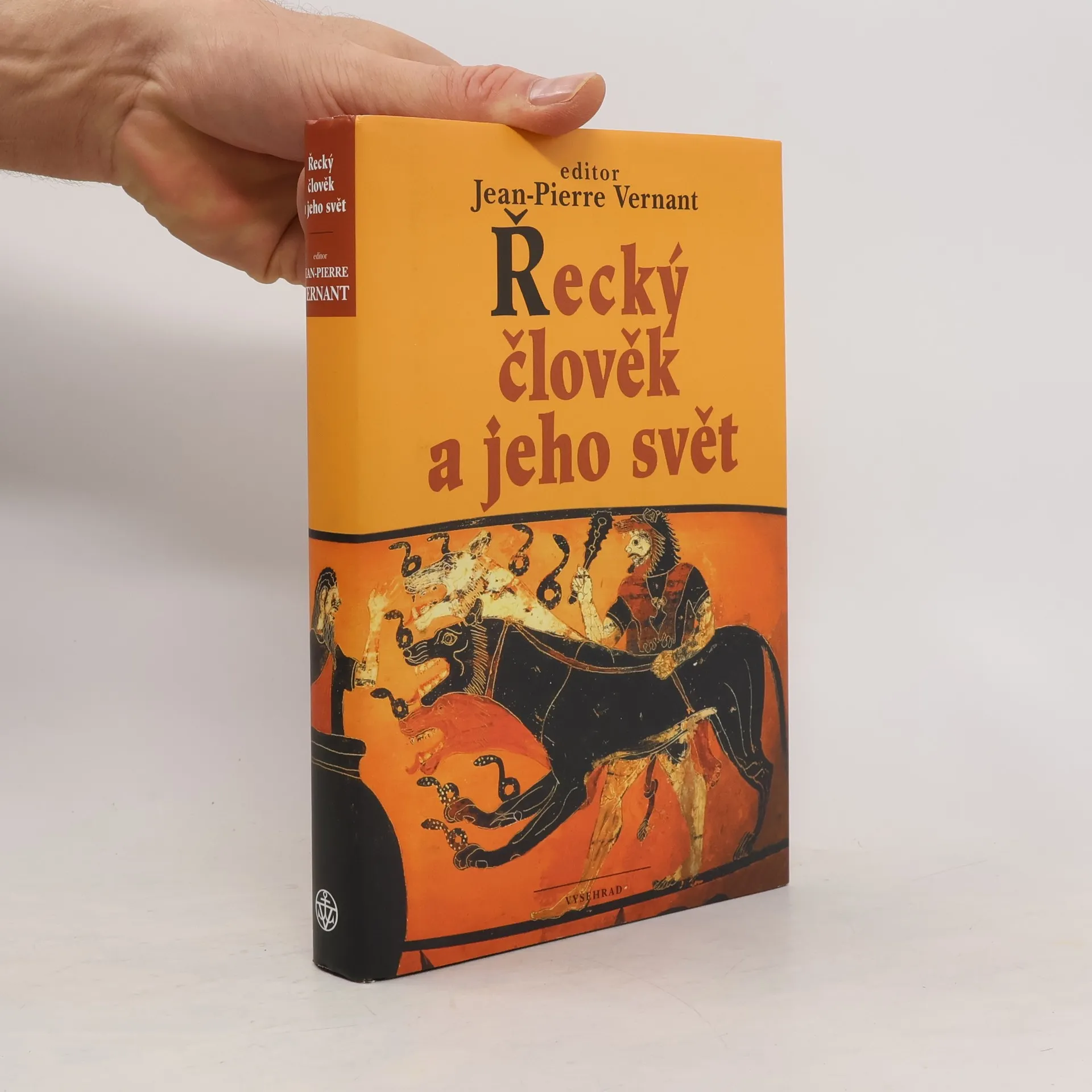
Řecký člověk a jeho svět
- 272pagine
- 10 ore di lettura
Další svazek řady Člověk a jeho svět se vydává do světa lidí a bohů antického Řecka. Významný francouzský autor, dobře známý i českému čtenáři, sestavil soubor esejů od předních odborníků z celého světa, které pronikají do hloubky struktur kultury, jež tak výrazně ovlivnila vývoj kultury evropské. V jednotlivých esejích se autoři věnují ekonomickému životu, zemědělství, válce a míru, výchově a dospívání, pojmu občana, rodinnému a domácímu životu, strukturám společnosti. Stranou nezůstává ani fenomén divadla i vztah Řeků k panteonu jejich bohů. Kniha, která byla již přeložena do řady jazyků, seznamuje čtenáře s životem v antickém Řecku zcela nově: uvádí na správnou míru informace, které si pamatujeme ze školních lavic i z „historických“ filmů.
Człowiek Grecji
- 345pagine
- 13 ore di lettura
Tom ten przedstawia podstawowe przejawy życia: społecznego, religijnego, naukowego, ekonomicznego i politycznego oraz daje pełny obraz człowieka danej epoki poczynając od starożytności po współczesność. Jean-Pierre Vernant – francuski historyk i antropolog, specjalista problematyki związanej ze Starożytną Grecją oraz z jej mitami. Był profesorem w Collège de France, i jednym z bohaterów francuskiego ruchu oporu.
Mythe et société en Grèce ancienne
- 266pagine
- 10 ore di lettura
Les origines de la pensée grecque
- 133pagine
- 5 ore di lettura
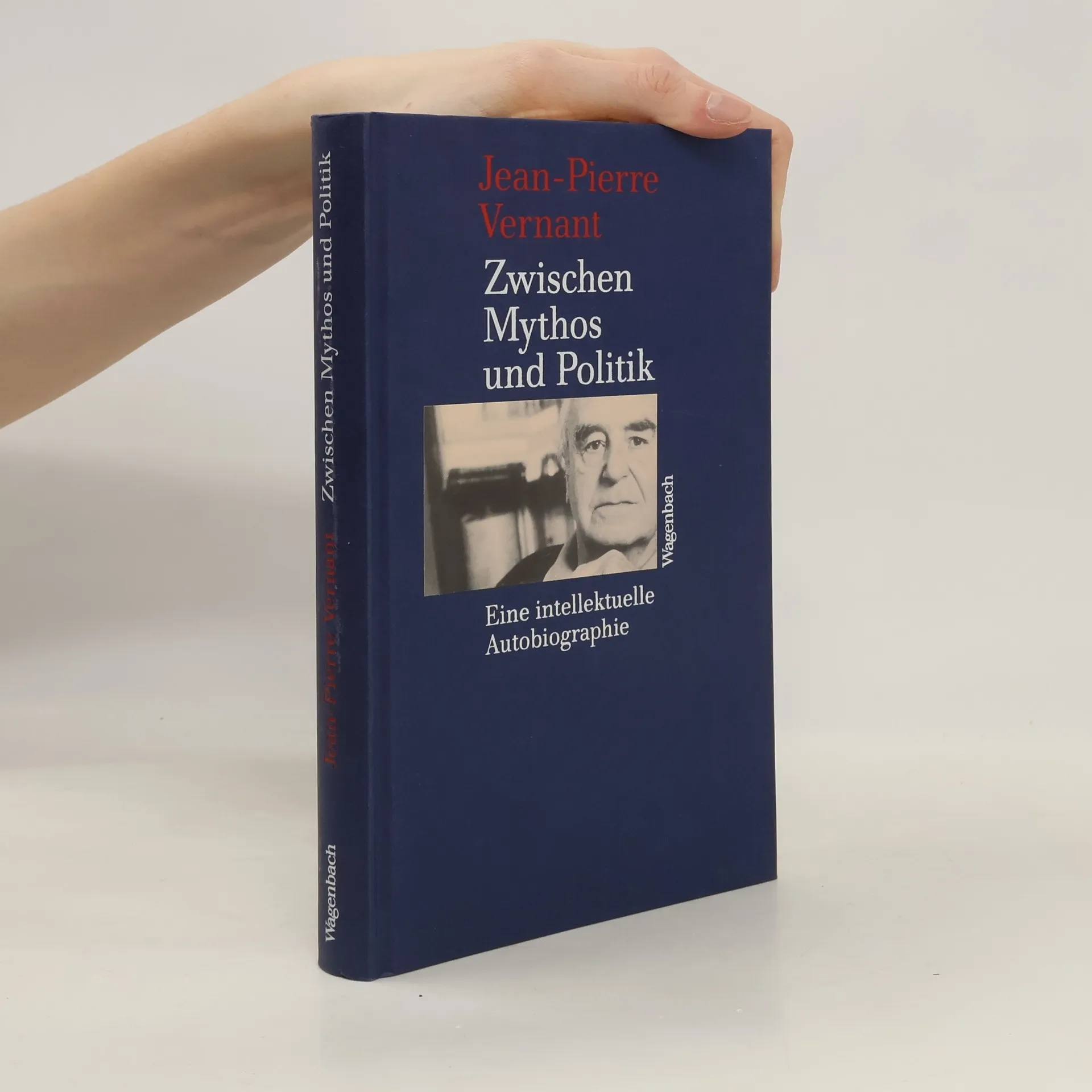
Zwischen Mythos und Politik
- 284pagine
- 10 ore di lettura
Edition Suhrkamp - 220: Mythos ohne Illusion
- 125pagine
- 5 ore di lettura