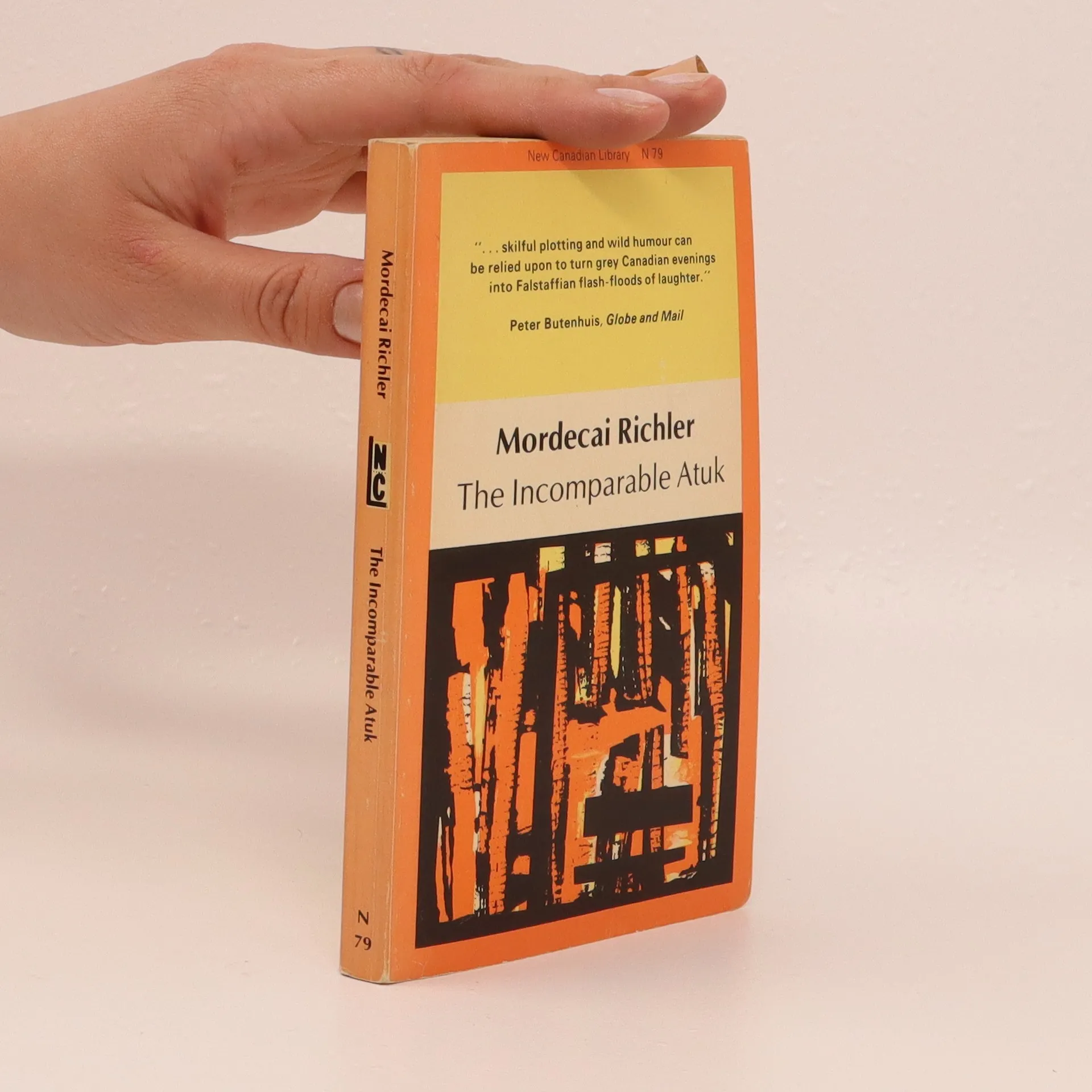

Mordecai Richler è stato un autore canadese, rinomato per i suoi romanzi acuti e spesso satirici, che si concentravano frequentemente sulla comunità ebraica di Montreal. La sua scrittura era caratterizzata da arguzia tagliente, umorismo cinico e un'attenzione particolare all'outsider e agli emarginati. Richler esplorava temi di identità, assimilazione e le complessità della vita in diaspora. Il suo stile, segnato da un'acuta ironia e da un'onestà senza compromessi, gli ha procurato un pubblico devoto e il plauso della critica.
Approdato a una tarda, linguacciuta, rissosa età, Barney Panofsky impugna la penna per difendersi dall'accusa di omicidio, e da altre calunnie non meno incresciose, diffuse dal suo arcinemico Terry McIver. Così, fra quattro dita di whisky e una boccata di Montecristo, Barney ripercorre la vita allegramente dissipata e profondamente scorretta che dal quartiere ebraico di Montreal lo ha portato nella Parigi dei primi anni Cinquanta e poi di nuovo in Canada, a trasformare le idee rastrellate nella giovinezza in "sitcom" decisamente popolari e altrettanto redditizie.
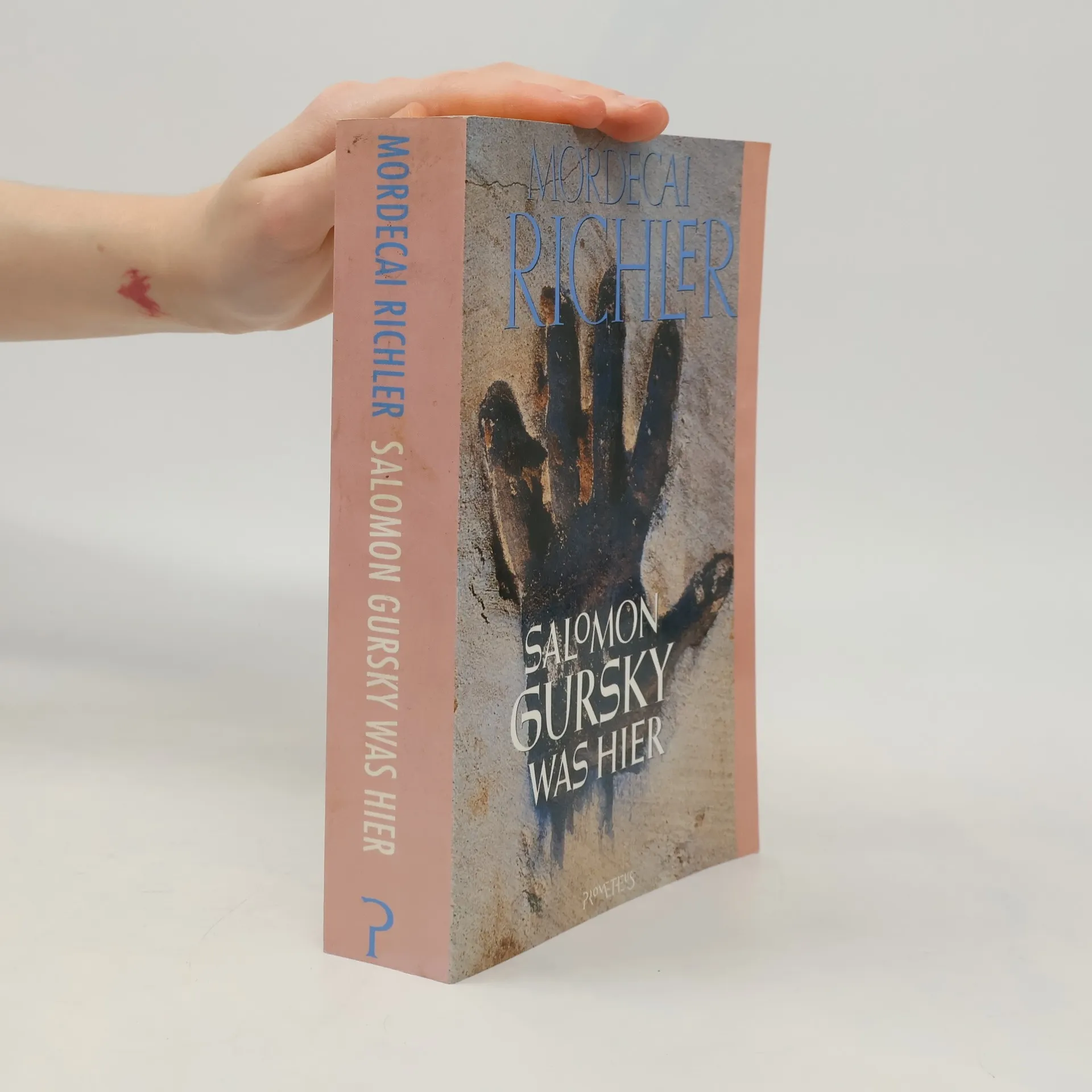
A chi lo incensava come l’inimitabile cantore del microcosmo ebraico di St Urbain Street, Mordecai Richler rispose da par suo, e cioè facendo saltare il tavolo con questo romanzo, il suo penultimo. Qui il racconto abbraccia infatti due secoli, due sponde dell’Atlantico e cinque generazioni di una dinastia ebraica in cui tutto è smisurato: vitalità, ricchezza, lusso, inclinazione al piacere in ogni sua forma. Ma nessuna grande famiglia è senza macchia, e la macchia dei Gursky si chiama Solomon, rampollo in disgrazia che pare essere stato presente, come Zelig più o meno negli stessi anni, in tutti i momenti cruciali del ventesimo secolo – la Lunga Marcia, l’ultima telefonata di Marilyn, le deposizioni del Watergate, il raid di Entebbe. Solomon rimarrebbe tuttavia un mistero, se della sua fenomenale parabola non decidesse di occuparsi il più improbabile dei biografi, Moses Berger, ex ragazzo prodigio rovinato dal rancore, dall’alcol, ma soprattutto dalle sue stesse maniacali indagini intorno a un unico soggetto: i Gursky. I lettori di Barney avranno certamente riconosciuto gli ingredienti base di ogni Richler da collezione: a sorprenderli, stavolta, sarà la loro imprevedibile miscela. Solomon Gursky è stato qui è stato pubblicato per la prima volta nel 1989.
All’inizio di questo romanzo Duddy Kravitz ha quindici anni, ma si rade due volte al giorno nella speranza di farsi crescere il più in fretta possibile la barba. La vita non è facile, nel ghetto ebraico di Montreal, e la profezia del nonno («un uomo senza terra non è nessuno») incombe sul suo futuro come una condanna. O un invito a non arretrare di fronte a nulla pur di raggiungere lo scopo. Ed è in questo senso che Duddy la interpreta, costruendosi passo (esilarante) dopo passo un’impeccabile carriera di cialtrone, bugiardo, mancatore di parola, baro, libertino – in altre parole di sognatore, e di sognatore professionista, visto che il suo ultimo approdo, che gli garantirà denaro e gloria, sarà il cinema. In un qualsiasi quiz televisivo la domanda su chi sia l’autore di questa trama – o anche di una qualsiasi frase tratta a caso dal libro – verrebbe certamente scartata per eccessiva ovvietà, ma il romanzo della maturità di Richler pone un altro interrogativo destinato per fortuna a rimanere senza risposta, cioè se Duddy Kravitz sia Barney Panofsky da giovane, o Barney Panofsky sia Duddy Kravitz da vecchio. Al lettore, che già sa di non poter contare sulla testimonianza di due personaggi per propria natura adorabilmente inaffidabili, non resterà che scoprirlo da sé.
In 1944, three youth groups were dedicated to the idea of an independent Jewish state: Hashomer Hatza'ir, Young Judaea, and Habonim. Hashomer Hatza'ir was firmly Marxist, with reports suggesting that boys and girls under eighteen showered together on their kibbutzim in Palestine. A notable member in Montreal was Shloime Schneiderman, my high-school classmate, who gained brief fame for leading a demonstration against a price hike in chocolate bars. Members of Hashomer Hatza'ir wore blue uniforms at meetings and conducted court martials, as noted by Marion Magid in her memoir about Habonim in the Bronx. In contrast, the girls from Young Judaea preferred pearls and cashmere, living in affluent neighborhoods with homes featuring heated towel racks and playrooms. I joined Habonim, the youth group of a Zionist political party with socialist roots, shortly after my bar mitzvah and during my first year at Baron Byng High School, having been recruited by a classmate named Jerry Greenfeld.
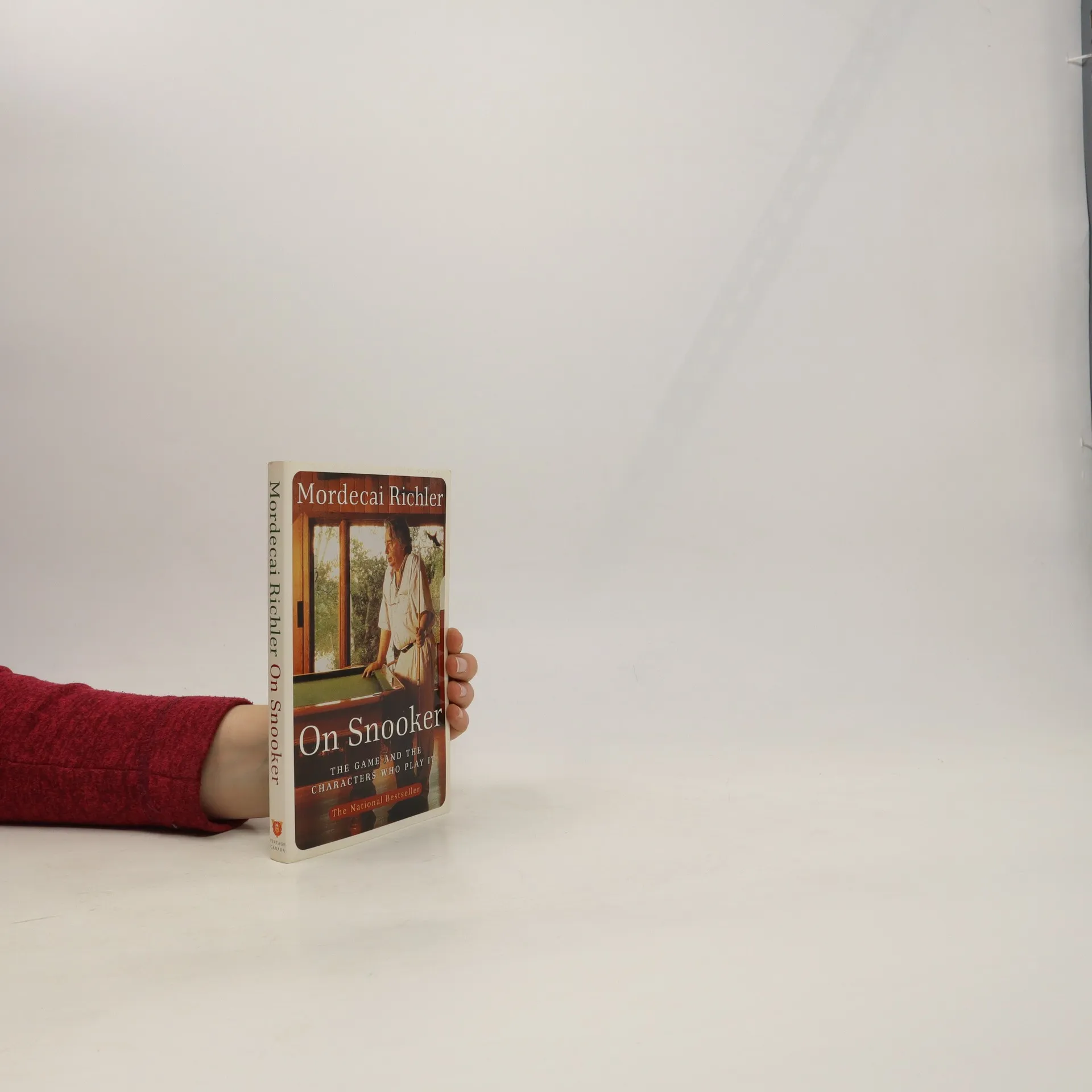
From his youthful days as a poolroom hustler, playing truant from Baron Byng High School, Mordecai Richler remained a snooker devotee. Here, in his inimitable style, he delves into that eccentric world with pith and perception. Outrageously funny, passionate and thoroughly researched on snooker tables from Montreal to Dublin, On Snooker takes us on an entertaining journey through the story and world of snooker, and introduces us to the game’s great players and bad boy champions. It is a book that lovers of great sports writing will cherish, from a masterful storyteller.
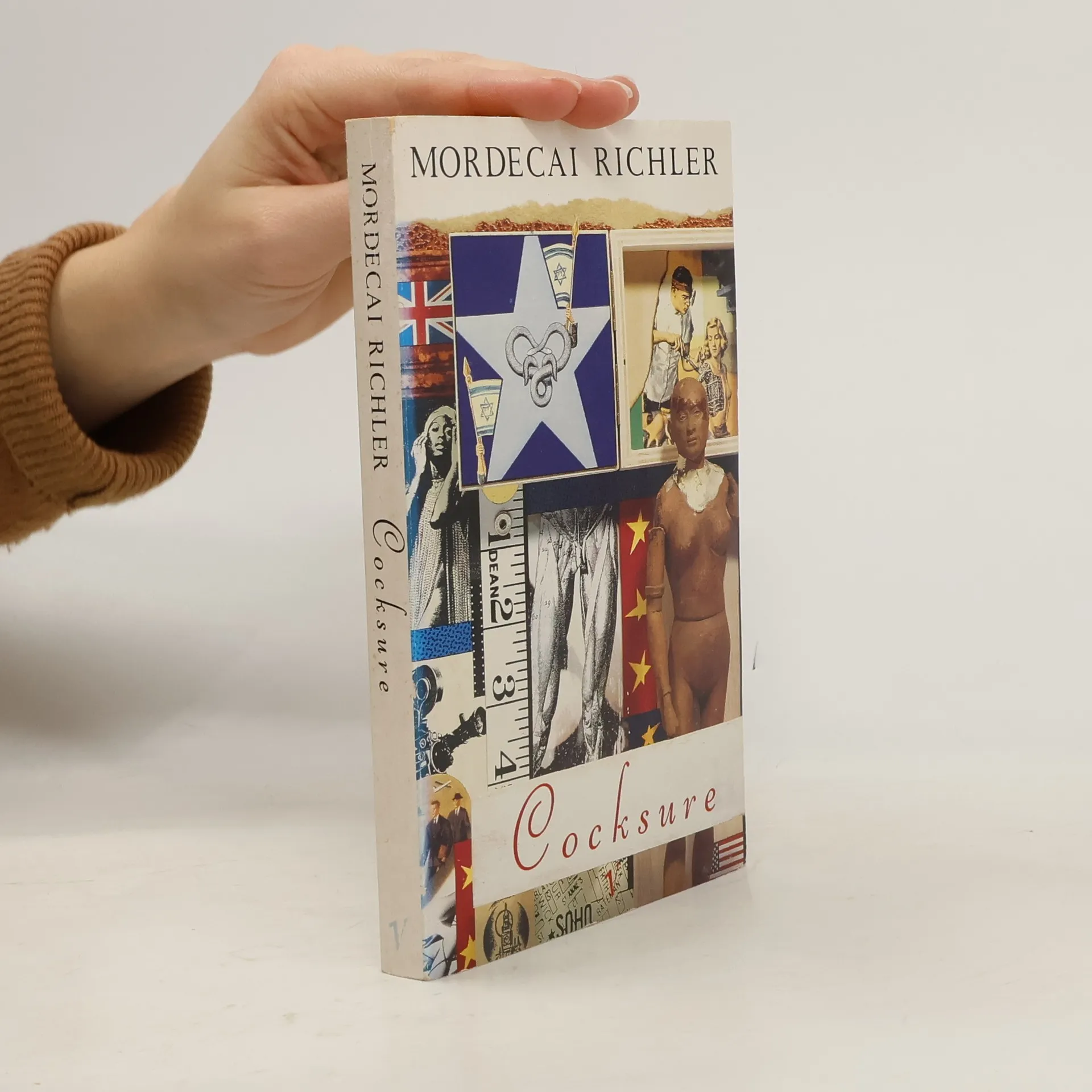
In the swinging culture of sixties' London, Canadian Mortimer Griffin is a beleaguered editor adrift in a sea of hypocrisy and deceit. Alone in a world where nobody shares his values but everyone wants the same things, Mortimer must navigate the currents of these changing times. Richler's eccentric cast of characters include the gorgeous Polly, who conducts her life as though it were a movie, complete with censor-type cuts at all the climactic moments; Rachel Coleman, slinky Black Panther of the boudoir; Star Maker, the narcissistic Hollywood tycoon who has discovered the secret of eternal life; and a precocious group of school children with a taste for the teachings of the Marquis de Sade. "Cocksure" is a savagely funny satire on television, movies, and the entertainment industry.""This is Mordecai Richler at his most caustic and wicked best. "From the Hardcover edition."
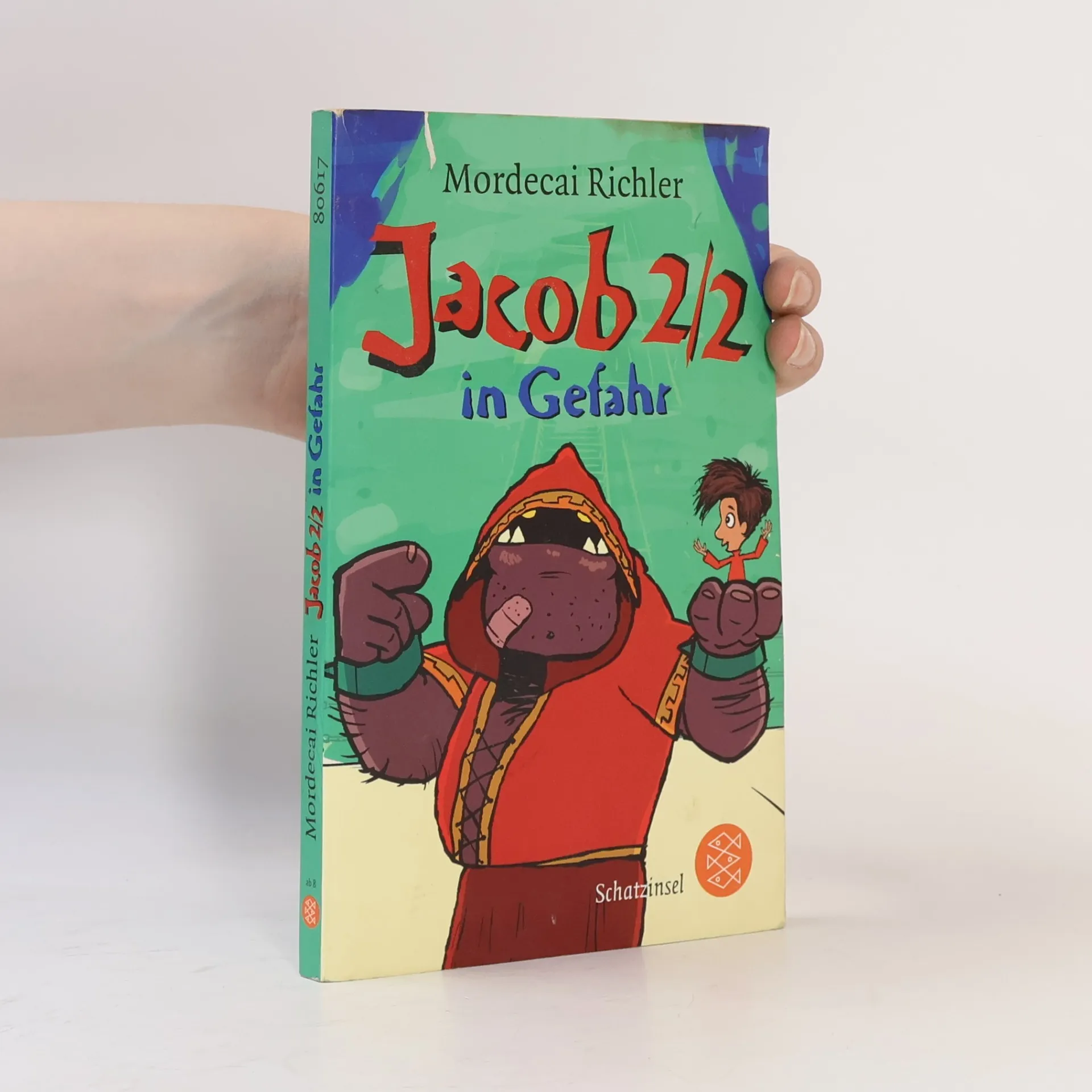
At just six years old, Jacob Two-Two finds himself imprisoned by The Hooded Fang for the grave offense of insulting an adult. This whimsical tale explores themes of childhood innocence, the absurdity of adult authority, and the power of imagination as Jacob navigates his bizarre predicament. His adventure unfolds in a fantastical world where he must confront challenges and outsmart his captor, ultimately highlighting the resilience and creativity of a young mind facing unjust punishment.
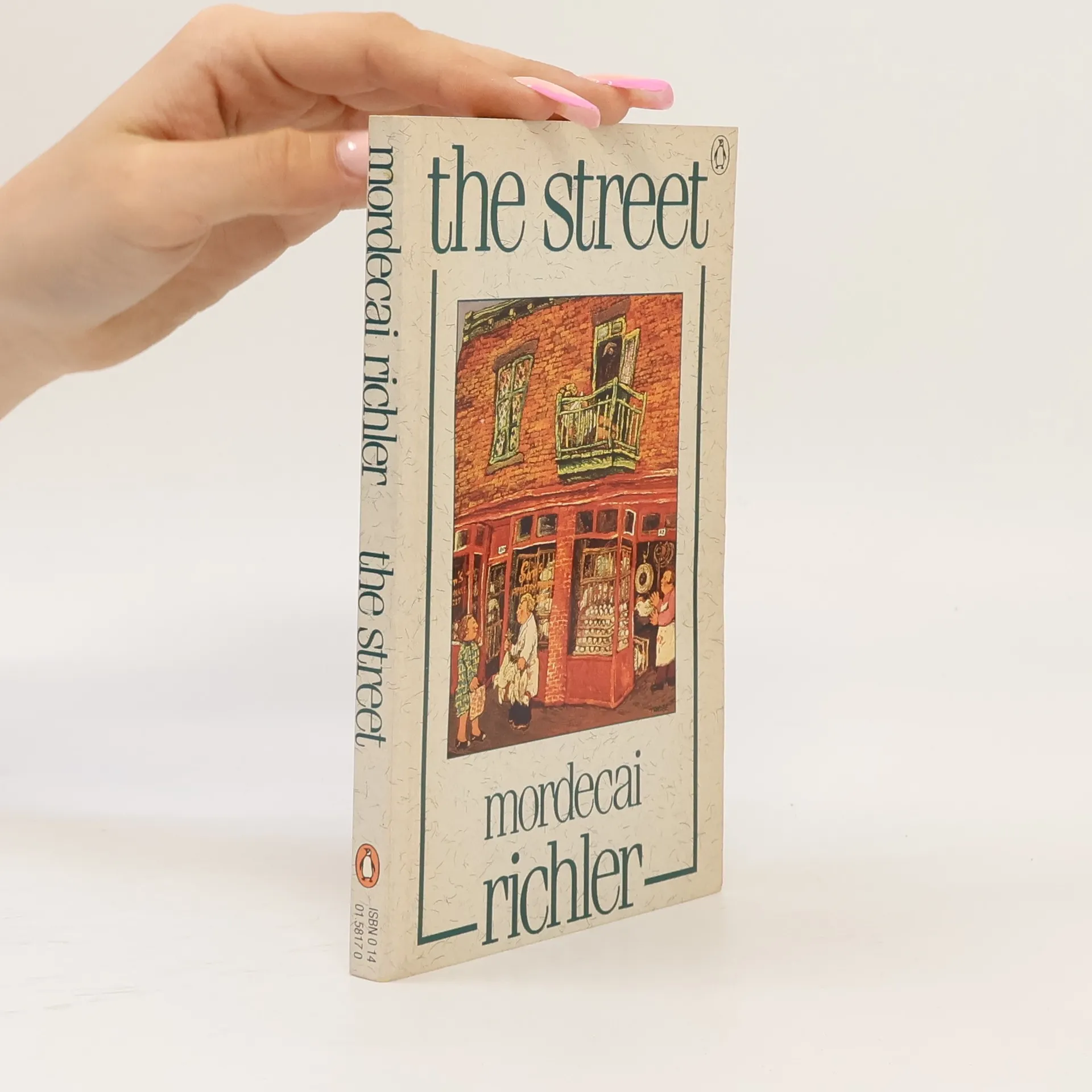
Among the wonders of St. Urbain, our St. Urbain, there was a man who ran for alderman on a one-plank platform - provincial speed cops were anti-Semites. There was a semi-pro whore, Cross-Eyed Yetta, and a gifted cripple, Pomerantz, who had a poem published in transition before he shriveled and died at the age of twenty-seven. A boxer who once made the Ring magazine ratings. Lazar of Best Grade Fruit who raked in twenty-five hundred dollars for being knocked down by a No. 43 streetcar. A woman who actually called herself a divorcee. A man, A.D.'s father, who was bad luck to have in your house. And more, many more.
Two rival businessmen meet in the Warsaw train station. "Where are you going?" says the first man."To Minsk," says the second."To Minsk, eh? What a nerve you have! I know you're telling me you're going to Minsk because you want me to think that you're really going to Pinsk. But it so happens that I know you really are going to Minsk. So why are you lying to me?"Four men are walking in the desert.The German says, "I'm tired and thirsty. I must have a beer."The Italian says, "I'm tired and thirsty. I must have wine."The Mexican says, "I'm tired and thirsty.I must have tequila."The Jew says, "I'm tired and thirsty. I must have diabetes."
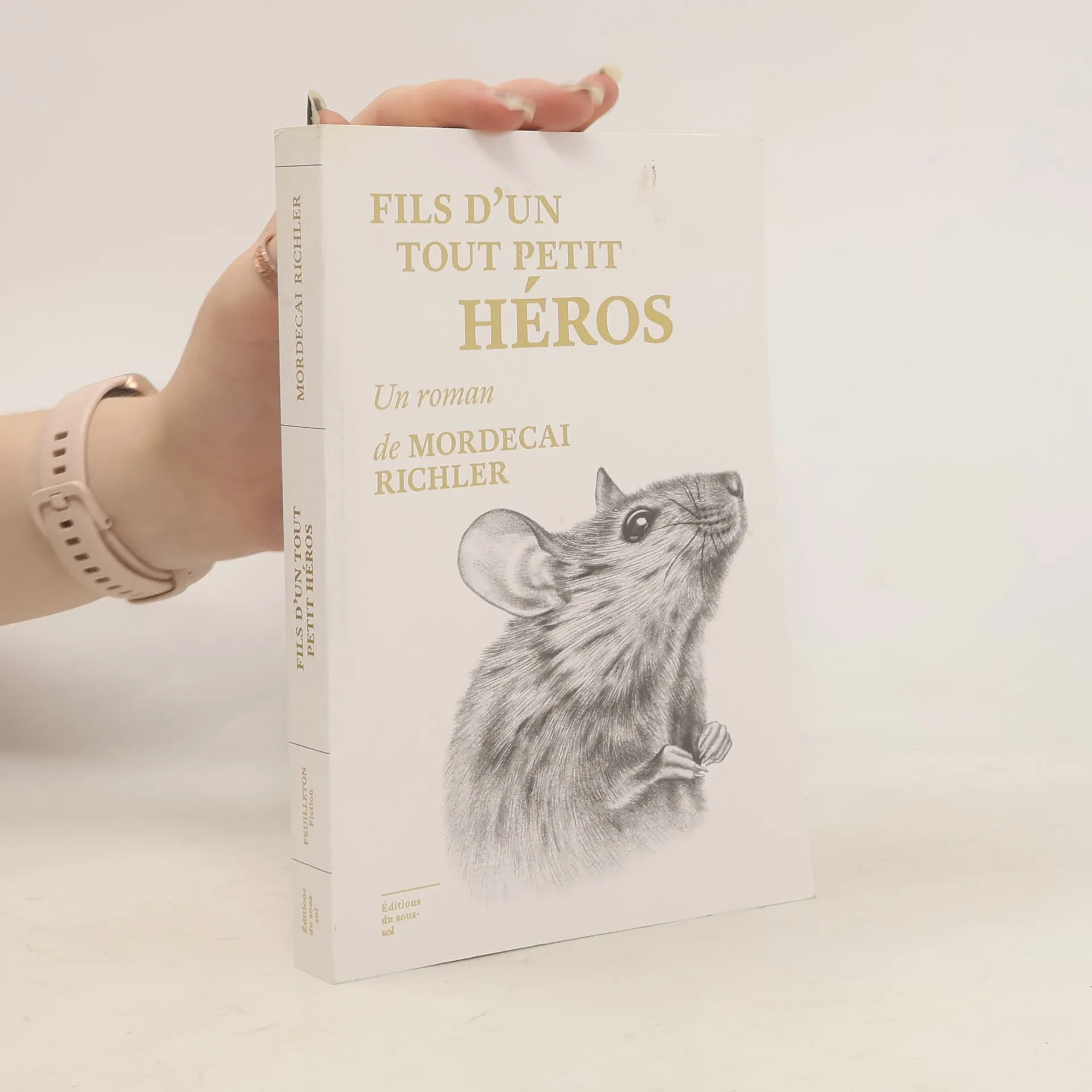
Jeune Noah Adler, passionné et idéaliste sans compromis, est le fils prodigue du ghetto juif de Montréal. Trouvant la tradition en alliance avec l'auto-illusion, il tente de briser les murs illusoires du ghetto en entrant sur le territoire étranger des goyim. Mais ici, la liberté et l'autodétermination continuent de lui échapper. Finalement, Noah en vient à reconnaître « la justice, la sécurité et une sorte de félicité » dans un monde qu'il ne peut pas – entièrement – quitter. Le récit superbement écrit de Richler sur la lutte de Noah pour gravir les murs du ghetto déborde d'une riche satire comique. Fils d'un tout petit héros est un récit compatissant et pénétrant sur la nature de l'appartenance, raconté avec le réalisme sauvage pour lequel la fiction de Mordecai Richler est célébrée.
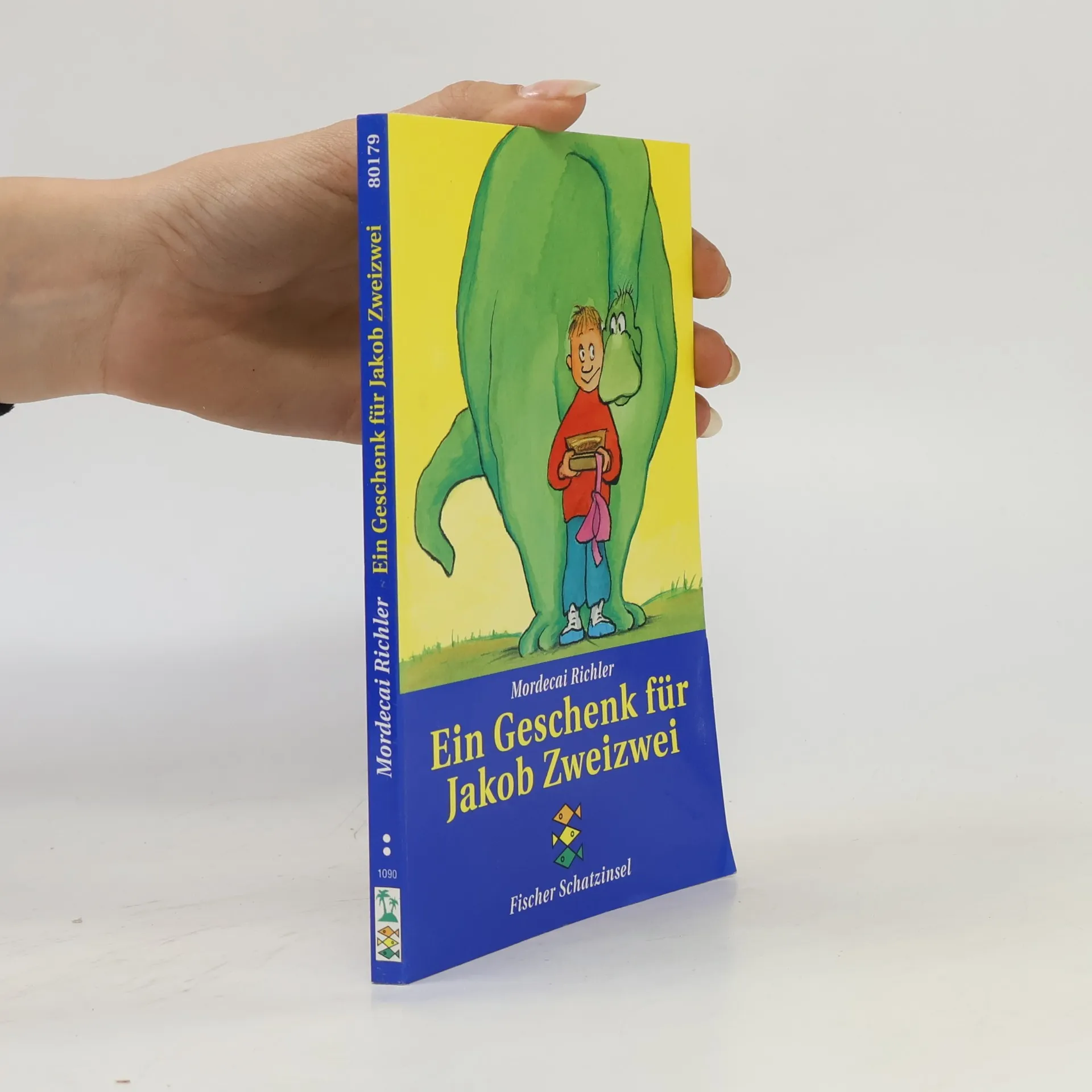
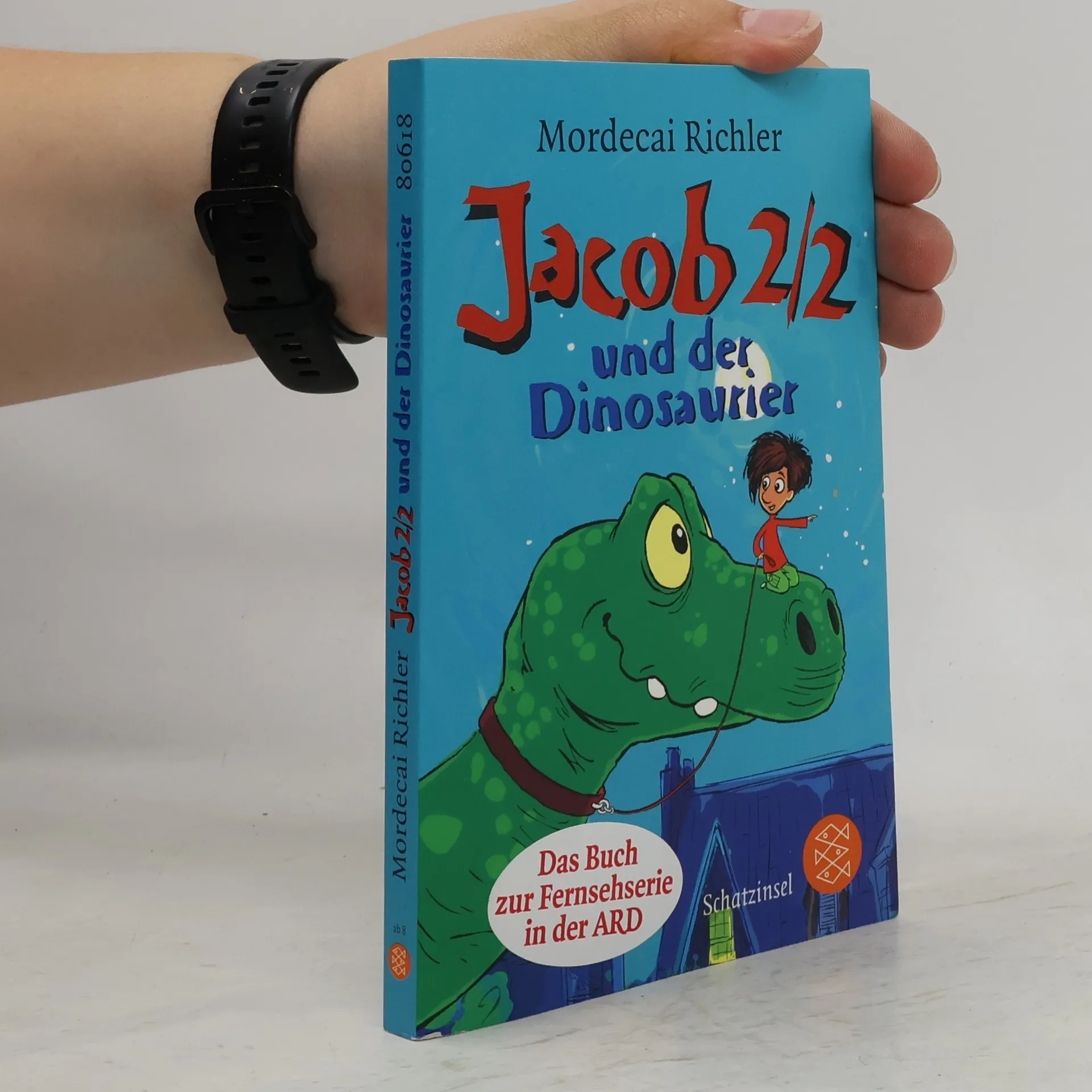
Dippy, so heißt Jacobs kleine grüne Eidechse, entpuppt sich innerhalb weniger Monate als echter Dinosaurier, der durch einen Zufall die Jahrmillionen im Eis überlebt hat. Der Dinosaurier mit dem Erbsenhirn will zwar keinem etwas zuleide tun, aber ungeschickt wie er ist, passiert ihm dauernd etwas. Bei einer Verfolgung flüchtet Jacob Two-Two mit Dippy vor seinen Angreifern in die Berge, wo Dippys Heißhunger auf Pizza die Verfolger schnell auf ihre Spuren bringt.
Jacob heißt Jacob Two-Two, weil er als Jüngster der Familie immer alles zweimal sagen muss, damit ihm überhaupt jemand zuhört. Diese Angewohnheit bringt ihn eines Tages ganz schön in Schwierigkeiten, denn er gerät in die Fänge des Fiesen Fletscher, der ihn auf seiner geheimnisvollen Insel gefangen nimmt. Jacob Two-Two ist zwar noch klein, aber es gelingt ihm trotzdem, den Fiesen Fletscher zu überlisten.
Dippy, so heißt Jakobs kleine grüne Eidechse, entpuppt sich innerhalb weniger Monate als echter Dinosaurier, der durch einen Zufall die Jahrmillionen im Eis überlebt hat. Der Dinosaurier mit dem Erbsenhirn will zwar keinem etwas zuleide tun, aber ungeschickt wie er ist, passiert ihm dauernd etwas.
Satirische beschrijving van het leven van een joodse sportjournalist voor wie het "erbij" horen, een goed huwelijk en een dure woning van groot belang zijn voor zijn gevoel van eigenwaarde.