Deborah Tannen Libri
Deborah Tannen è una linguista di spicco il cui lavoro approfondisce il nucleo dell'interazione umana. Esamina meticolosamente le sottili sfumature nelle conversazioni, in particolare le distinzioni tra gli stili di comunicazione maschili e femminili, illuminando come questi modelli plasmano le nostre relazioni a casa e sul posto di lavoro. L'abilità di Tannen sta nel tradurre complesse scoperte linguistiche in un linguaggio accessibile, portando le sue intuizioni a un vasto pubblico. Oltre al suo lavoro fondamentale sulla comunicazione, ha anche esplorato altre forme letterarie, tra cui la poesia e il teatro, mostrando una diversa gamma artistica.




A reporter gives one side of the story and then, to be 'fair', finds an advocate for the opposite side. But what if the truth lies somewhere in the middle? Why do we see everything as either / or? In the media, in politics (particularly in the House of Commons), in our classrooms and courtrooms, issues are taken up in adversarial debate between opposite extremes rather than discussed and explored. This pervasive warlike atmosphere encourages us to believe that opposition is the best way to get anything done: the best way to explore an idea is to set up a debate; the best way to settle disputes is litigation; the best way to show you're really thinking is to criticise and attack. Tannen once again brilliantly identifies a mode of communication - the argument culture - that is getting in the way of understanding and needlessly polarising us.
I Only Say This Because I Love You
Talking to Your Parents, Partner, Sibs, and Kids When You're All Adults
- 368pagine
- 13 ore di lettura
Exploring the complexities of family communication, Deborah Tannen delves into the reasons conversations often become circular and frustrating. Drawing on her expertise as a linguist, she examines the dynamics that lead to misunderstandings and emotional turmoil among adult family members. Through insightful analysis, Tannen sheds light on the underlying patterns that contribute to these challenges, offering a deeper understanding of familial interactions and the emotional ties that complicate them.
Often it's not what you say, but how you say it, that counts. Deborah Tannen, the internationally-acclaimed expert on communication and author of the bestselling YOU JUST DON'T UNDERSTAND, will help you recognize your own conversational style and how it meshes or clashes with the styles of others. Entertaining and informative, everyone who speaks will want to read this gem.
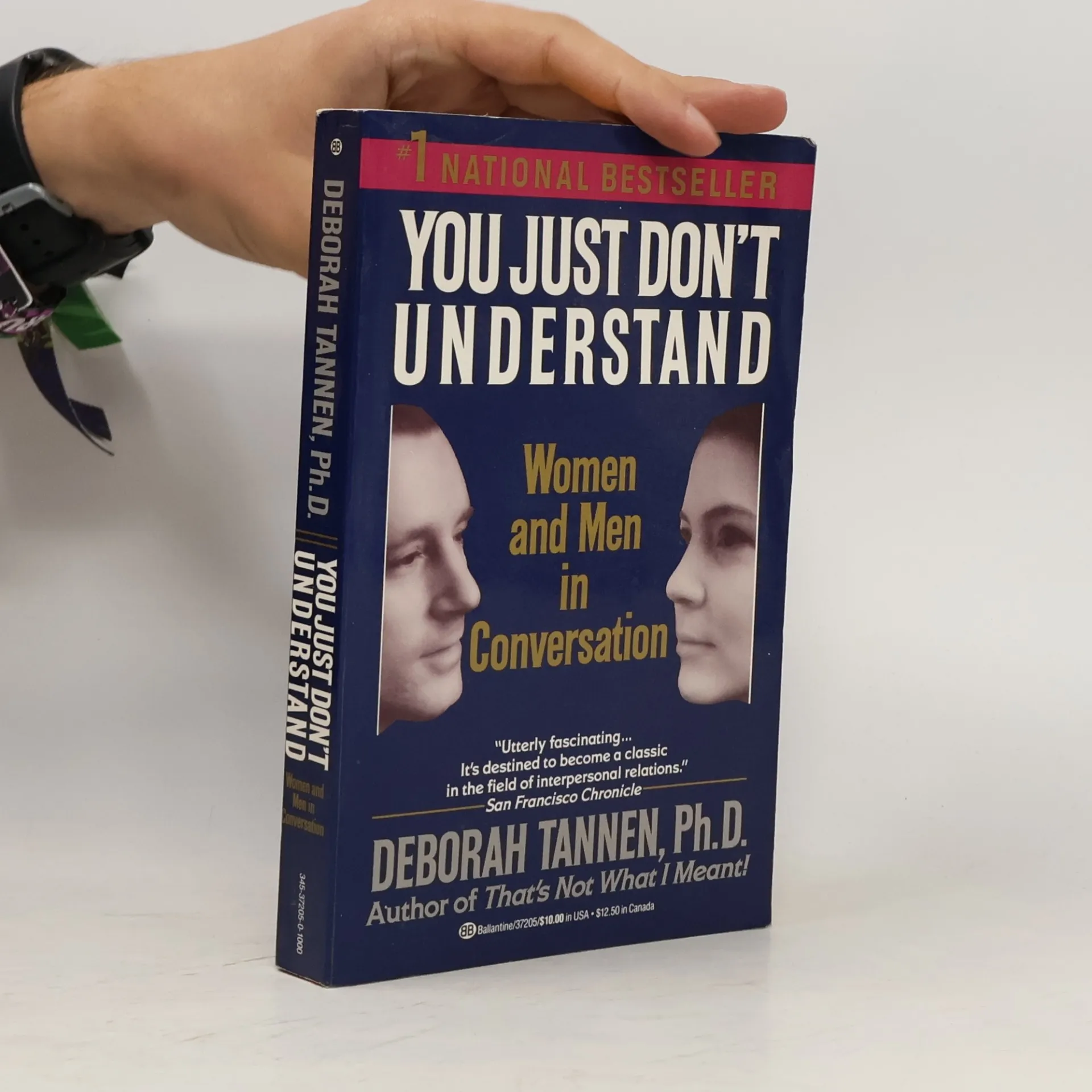
"A chatty, earnest and endearing book that promises here-and-now rewards for taking the trouble to listen more carefully to what others are saying--and to be more sensitive to what others are hearing."LOS ANGELES TIMESDiscover how men and women can interpret the same conversation differently, even when there is no apparent misunderstanding. Discover why sinscere attempts to communicate are so often confounded, and how we can prevent or relieve some of the frustration. This fascinating, helpful, and controversial book--on the NEW YORK TIMES Bestseller list for two years!--explores, in depth the differing style men and women articulate, and how to work through it and get to the heart of the matter.
A wise book. She brings to light valuable nuances on a subject that many of us no doubt thought we were familiar with INDEPENDENT
Deborah Tannen's latest work delves into the complex dynamics of the mother-daughter relationship, a connection that can be both fraught and passionate. Building on her previous insights into gender communication, Tannen explores how mothers and daughters, despite sharing a common language, often misunderstand each other. Both parties desire recognition for their individuality yet frequently perceive each other as falling short. Daughters may feel criticized by their mothers, while mothers may feel rejected by their daughters. Tannen investigates the common critiques surrounding appearance and the longing for approval that often permeate these interactions. She explains how seemingly innocuous comments can trigger intense reactions within this relationship. By examining the nuances of their communication, including the impact of modern technology, Tannen provides valuable insights into fostering understanding. With humor and personal anecdotes, she offers strategies to navigate the emotional complexities that can arise. Readers will find relatable scenarios that encourage reflection and inspire hope for improved communication. Tannen's work serves as a guide to breaking down barriers and enhancing one of life’s most significant relationships, making it both eye-opening and heartfelt.
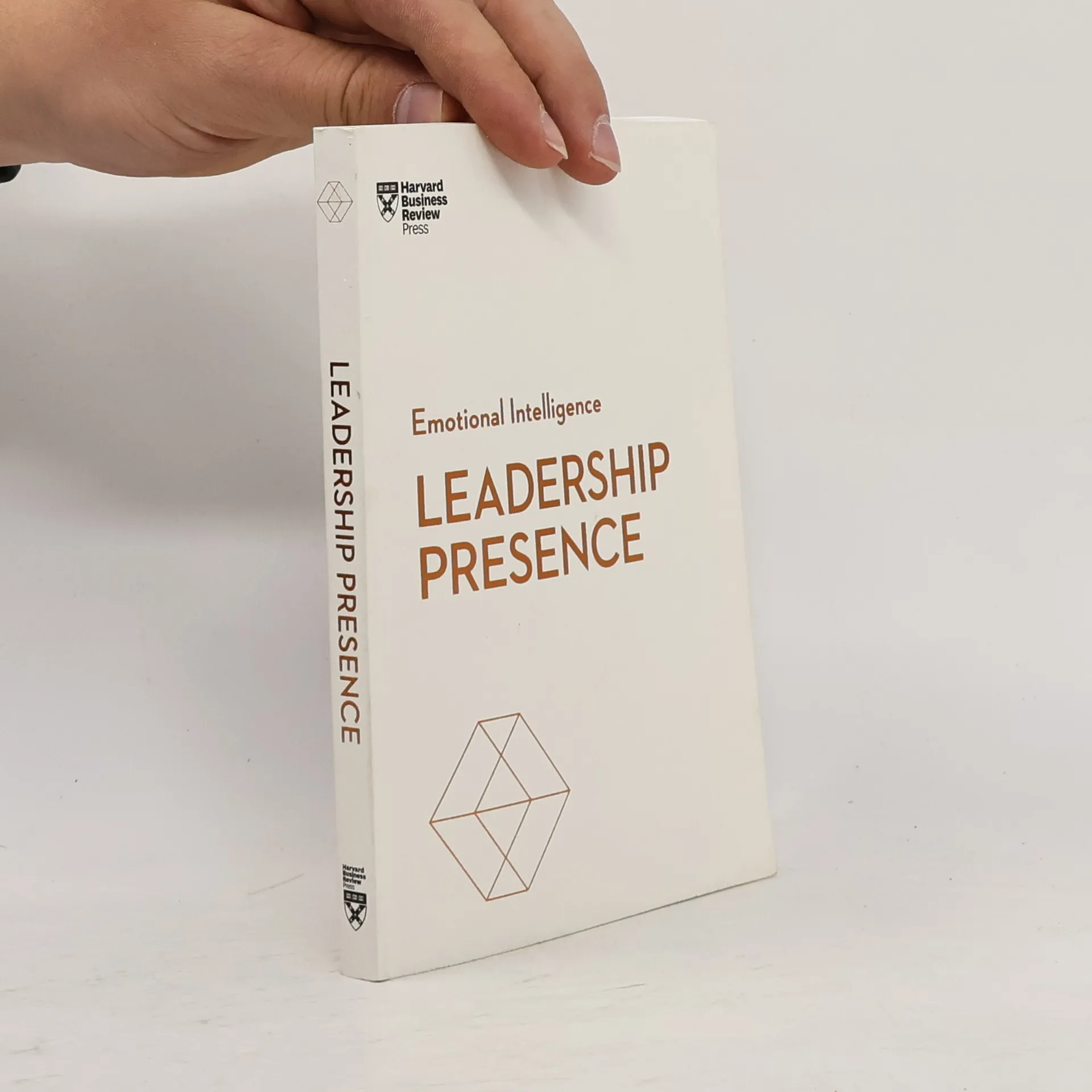
HBR Emotional Intelligence Series: Leadership Presence
- 160pagine
- 6 ore di lettura
Many leaders consider "executive presence" a make-or-break factor in high-powered promotions. But what exactly is this elusive quality, and how do you achieve it? This book explains how to build the confidence, calm, control, and decisiveness that the top leaders feel and project out to the world. Whether you're in a hectic meeting or delivering a critical presentation, you'll be inspired to live into your leadership position with new strength.--
Deborah Tannens Plädoyer für eine neue Dialogkultur. Ob in der Politik, in den Medien, im Klassenzimmer oder auf der Couch - im verbalen Schlagabtausch zählen nicht die Inhalte, sondern der „Kampf“ um Argumente. Wer seinen Intellekt unter Beweis stellen will, übt Kritik, eine Talkshow wird erst richtig spannend, wenn die Kontrahenten aufeinander losgehen: Aggressivität wird zum Selbstzweck.
„Moje dcery mi dokážou v milisekundě zkazit náladu,“ říká žena, jejíž dcery jsou kolem třiceti. Jiná žena sdílí: „Někdy telefonuji s mámou a najednou mě něco vytočí, že zavěsím. Později si nedokážu uvědomit, že jsem to udělala. Nikomu jinému bych nezavěsila.“ Na druhou stranu slyším: „Nikdo mě tak nepodporuje jako moje matka. Vždycky je na mé straně.“ A matka dospělé dcery dodává: „Mám štěstí, že jsme si s dcerou blízké, protože já s matkou takový vztah neměla.“ Matky a dcery mají za sebou dlouhou historii, plnou rozhovorů. Mohou se smát stejným vtipům a přesně vědí, co ta druhá myslí. Sdílení tohoto konverzačního prostoru přináší potěšení, ale i frustraci. Obě si jsou vědomy, co je na nervy, a rozhovor může snadno přejít do hádky. Je to jako poslouchat rádio naladěné na stejnou stanici, kde obě ví, co přijde. Pokud jedna očekává něco nepříjemného, rozčílí se už předem. To špatné rozhlasové drama je unavuje, ale nemohou změnit stanici – ladicí knoflík je navždy zaseknutý. "Matka mi prošlapala cestu a já ji teď předávám své dceři," píše skvělá herečka Květa Fialová.
Andere Worte, andere Welten
- 285pagine
- 10 ore di lettura
Von der Autorin des Weltbestsellers „Du kannst mich einfach nicht verstehen“. Wo die eigentliche Ursache vieler Beziehungsprobleme liegt, zeigt Deborah Tannen auf anschauliche Weise: es sind die vollkommen unterschiedlichen Formen von männlicher und weiblicher Verständigung. Die Sprachforscherin untersuchte jede Form von verbalem Austausch zwischen Mann und Frau - von der belanglosen Plauderei bis hin zum heftigen Streitgespräch. Wie und warum etwas gesagt wird, und wie Mißverständnisse durch die geschlechtsspezifischen Formen der Kommunikation geradezu vorprogrammiert sind. Die Autorin zeigt, wie klassische Kommunikationsbarrieren zwischen Männern und Frauen überwunden werden können.
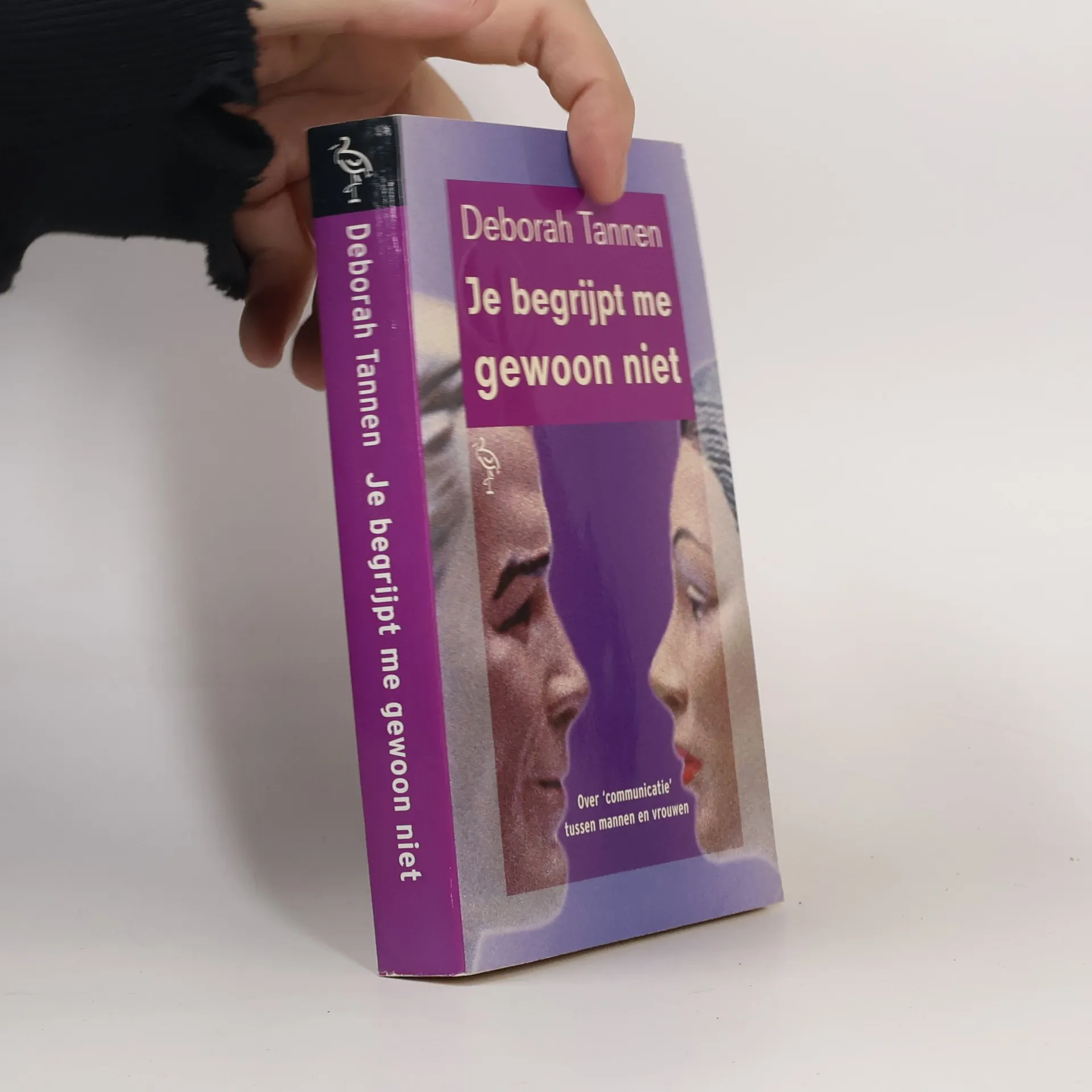
Každý z nás to někdy zažil: muž a žena si "jen tak" povídají, a příjemný rozhovor zčistajasna vyústí v oboustrannou podrážděnost či dokonce hádku. Proč se partneři nemohou domluvit, nepřistupuje-li nikdo z nich k druhému se zlou vůlí? Jsou ženy nenapravitelné drbny, které nepustí muže ke slovu? Jsou muži lhostejní sobci, pro něž je domácnost jen místem, kde si lze v kludu přečíst noviny? Právě na takové otázky se ve své knize Ty mi prostě nerozumíš snaží odpovědět americká badatelka Deborah Tannenová. Život se v jejím podání skládá ze sledu více či méně uspokojivých rozhovorů, jež muží a ženy vedou na základě předpokladů, které se liší, jako by každý z nich patřil k úplně jinému světu, k úplně jiné kultuře. Budeme-li vědět víc o tom, proč náš partner říká právě to, co říká, můžeme se méně hádat a více si navzájem rozumět, tvrdí Tannenová a skutečnost, že se její kniha ve Spojených státech po tři roky držela vysoko na žebříčku nejprodávanějších knih, nám může napovědět, že její recept může mít něco do sebe i pro českého čtenáře.
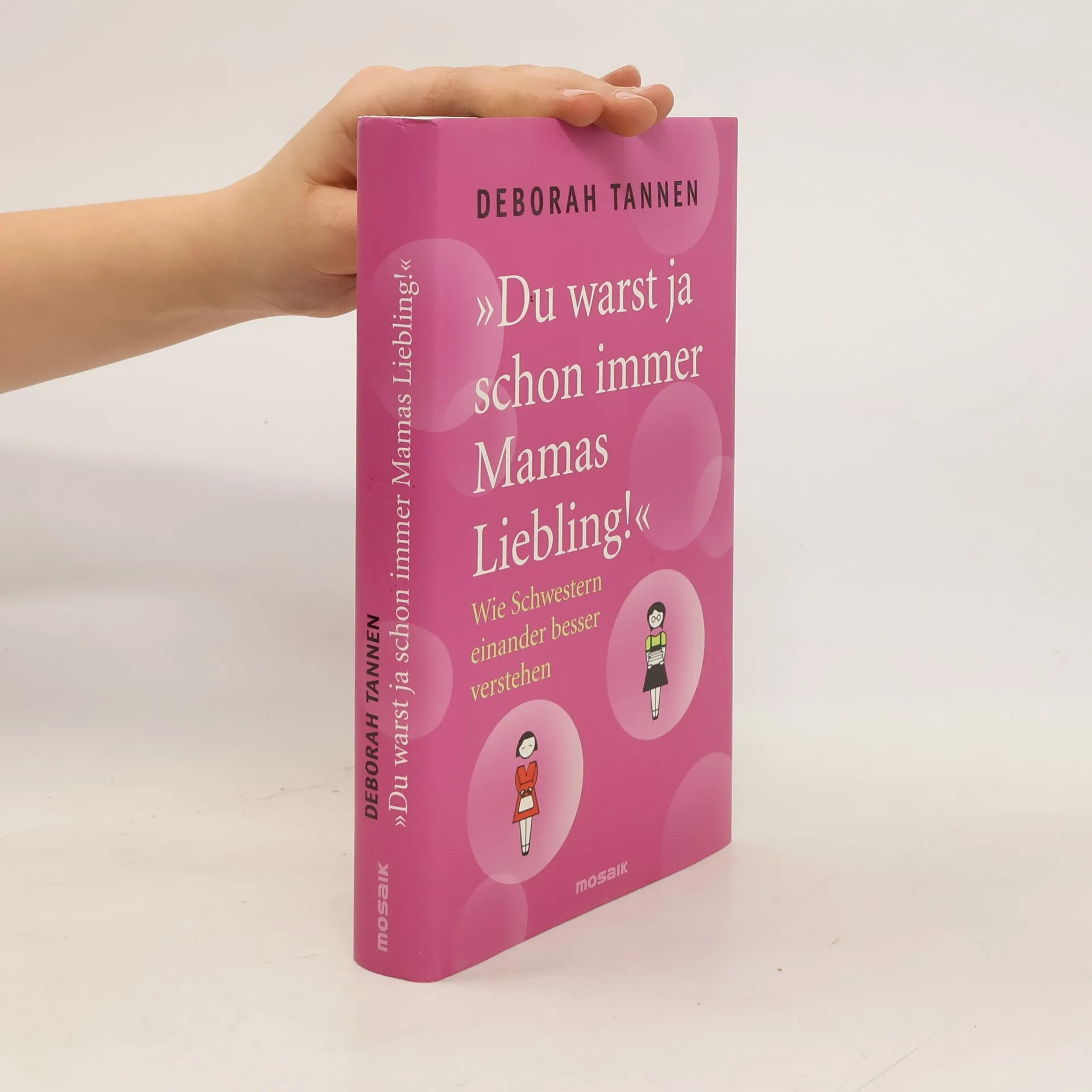
Die Schwester: beste Freundin und größte Rivalin Wie kaum eine andere Beziehung verläuft die Schwesterbeziehung zwischen den Polen Nähe und Konkurrenz. Ein Wort der Schwester genügt, um einen zum Lachen zu bringen oder die gemeinsame Vergangenheit wachzurufen. Ein Wort der Schwester kann einen aber auch in ein wahres Gefühlschaos stürzen. Für viele Frauen ist die Schwester daher sowohl treue Freundin als auch erbitterte Gegnerin. Aufschlussreich und unterhaltsam vermittelt Tannen einen tieferen Einblick in diese einzigartige und kostbare Beziehung und hilft, die Schwester besser zu verstehen.
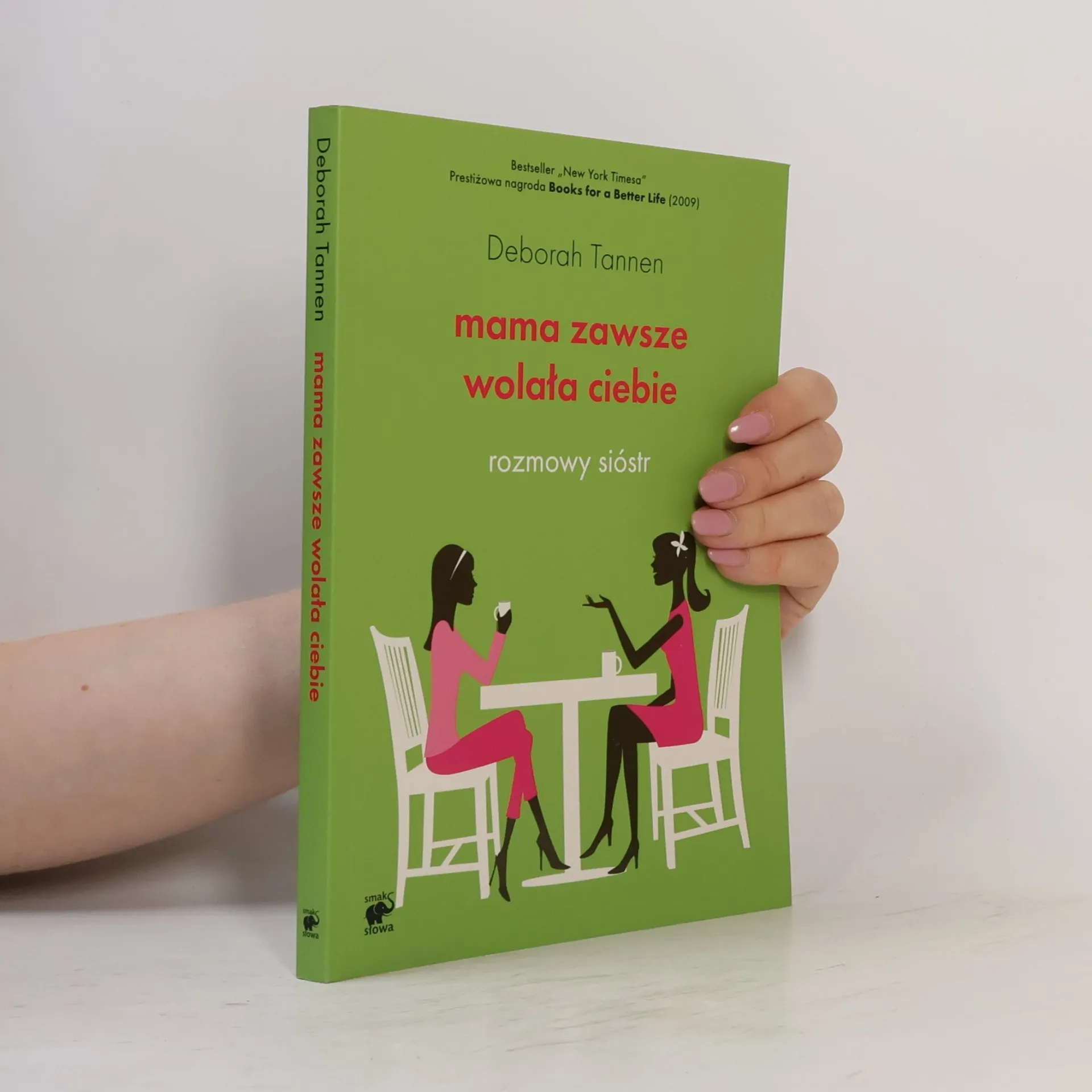
Deborah Tannen, ekspert w dziedzinie komunikacji interpersonalnej i autorka bestsellerów poświęconych tej problematyce, powraca z nową książką. Tym razem, po przełomowych publikacjach dotyczących relacji między kobietami i mężczyznami oraz córkami i matkami, przygląda się bliżej jednej z najbardziej fascynujących i silnych więzi - tej, która łączy ze sobą siostry. Więzi między siostrami nie da się porównać do żadnej innej relacji z drugim człowiekiem. Charakteryzuje ją stałe wahanie między bliskością (dla wielu kobiet siostra jest w pewnym sensie częścią ich samych) a rywalizacją (często wzmaganą przez konieczność walki o uwagę rodziców). To z siostrą dzielimy się najintymniejszymi sekretami, ufamy jej jak nikomu innemu, a z drugiej strony to jej krytyka potrafi nas najboleśniej zranić. W swojej najnowszej książce Deborah Tannen w sposób mądry i dowcipny przedstawia anegdoty i spostrzeżenia dotyczące relacji między siostrami, uzyskane w wywiadach z ponad stu ankietowanymi kobietami, uzupełniając je dodatkowo o własne doświadczenia. Dzięki temu Czytelniczka może lepiej zrozumieć więzi łączące ją z siostrą, a także dowiedzieć się, co można zrobić, aby uczynić je jeszcze trwalszymi, oraz jak rozwiązywać problemy i konflikty.
Dat bedoelde ik niet
- 217pagine
- 8 ore di lettura
Inleiding tot de techniek van alledaagse gesprekken.