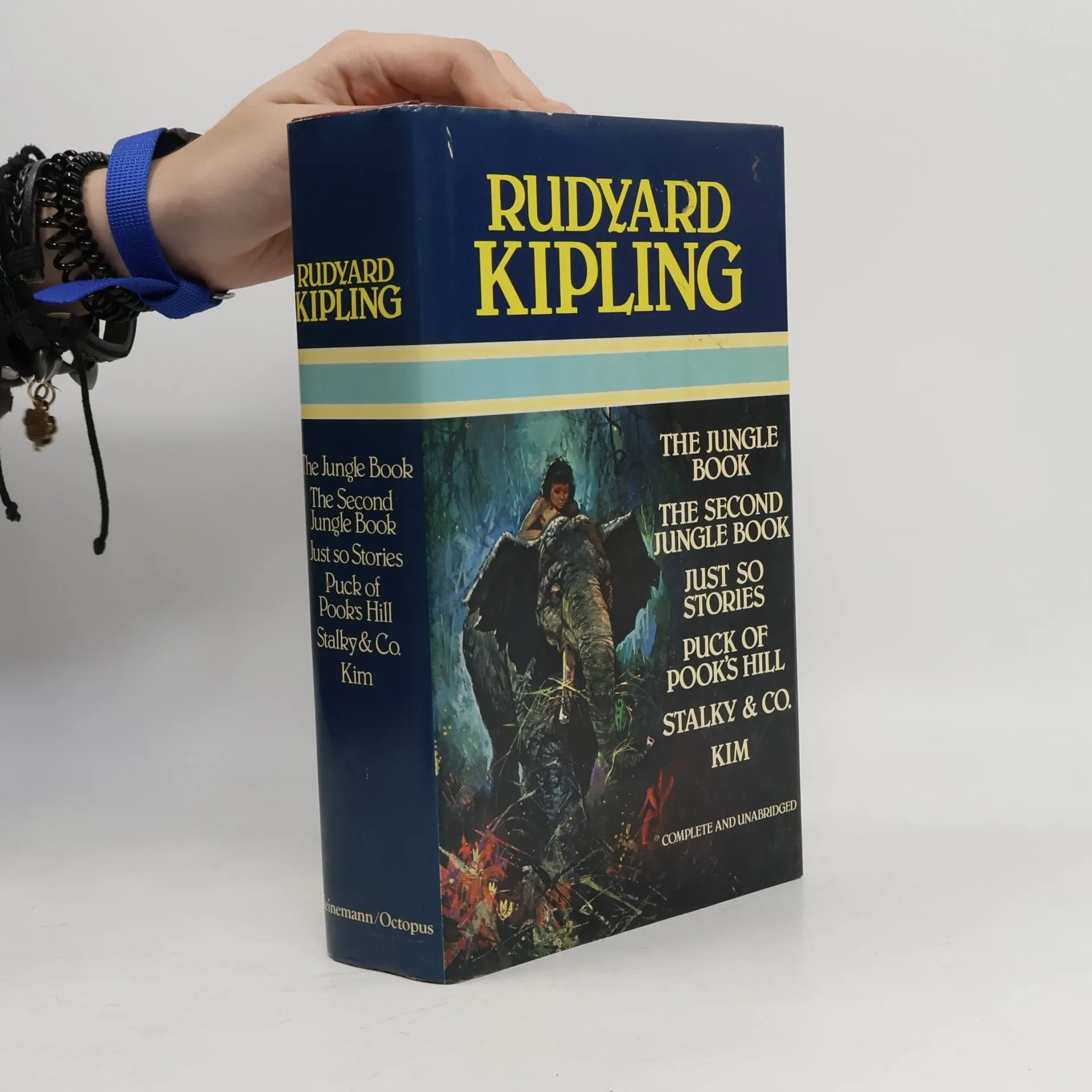
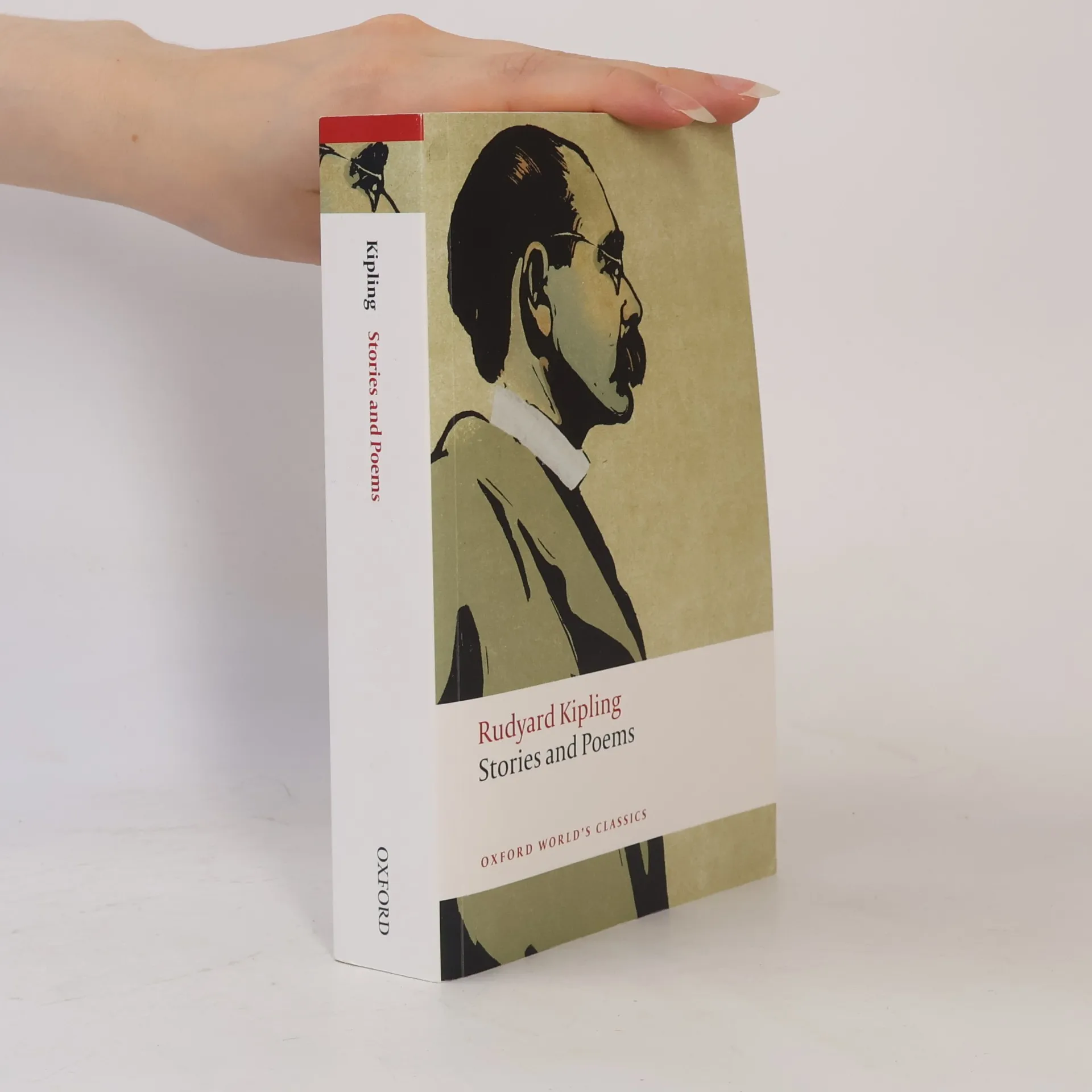
Rudyard Kipling fu un giornalista acclamato per i suoi racconti, poesie e romanzi. È considerato un importante innovatore nell'arte del racconto, con i suoi libri per bambini considerati dei classici. La sua opera esibisce un dono narrativo versatile e luminoso, che lo rese uno degli scrittori più popolari nel Regno Unito tra la fine del XIX e l'inizio del XX secolo. Fu insignito del Premio Nobel per la Letteratura per la sua capacità di osservazione, originalità di immaginazione, virilità di idee e notevole talento narrativo.
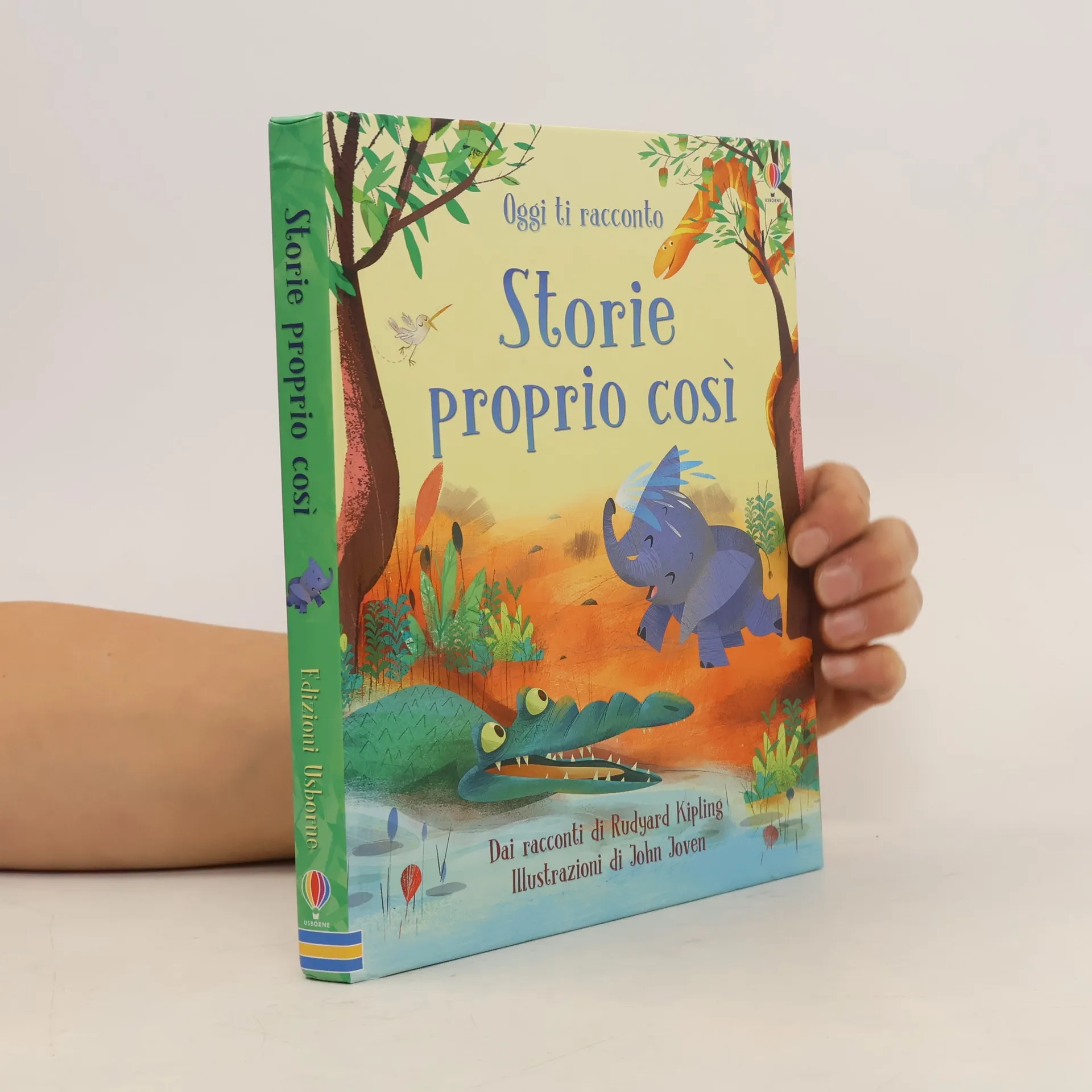
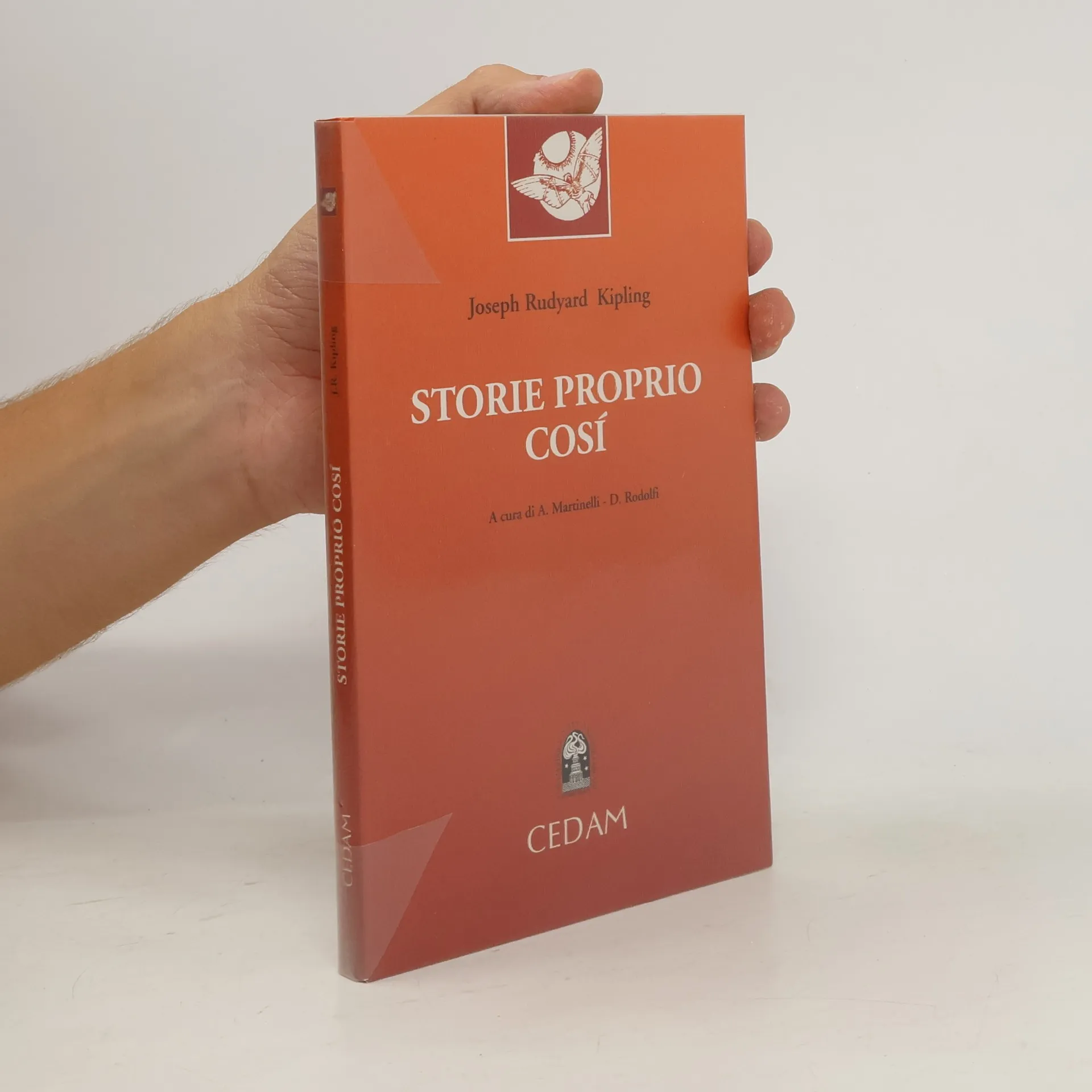
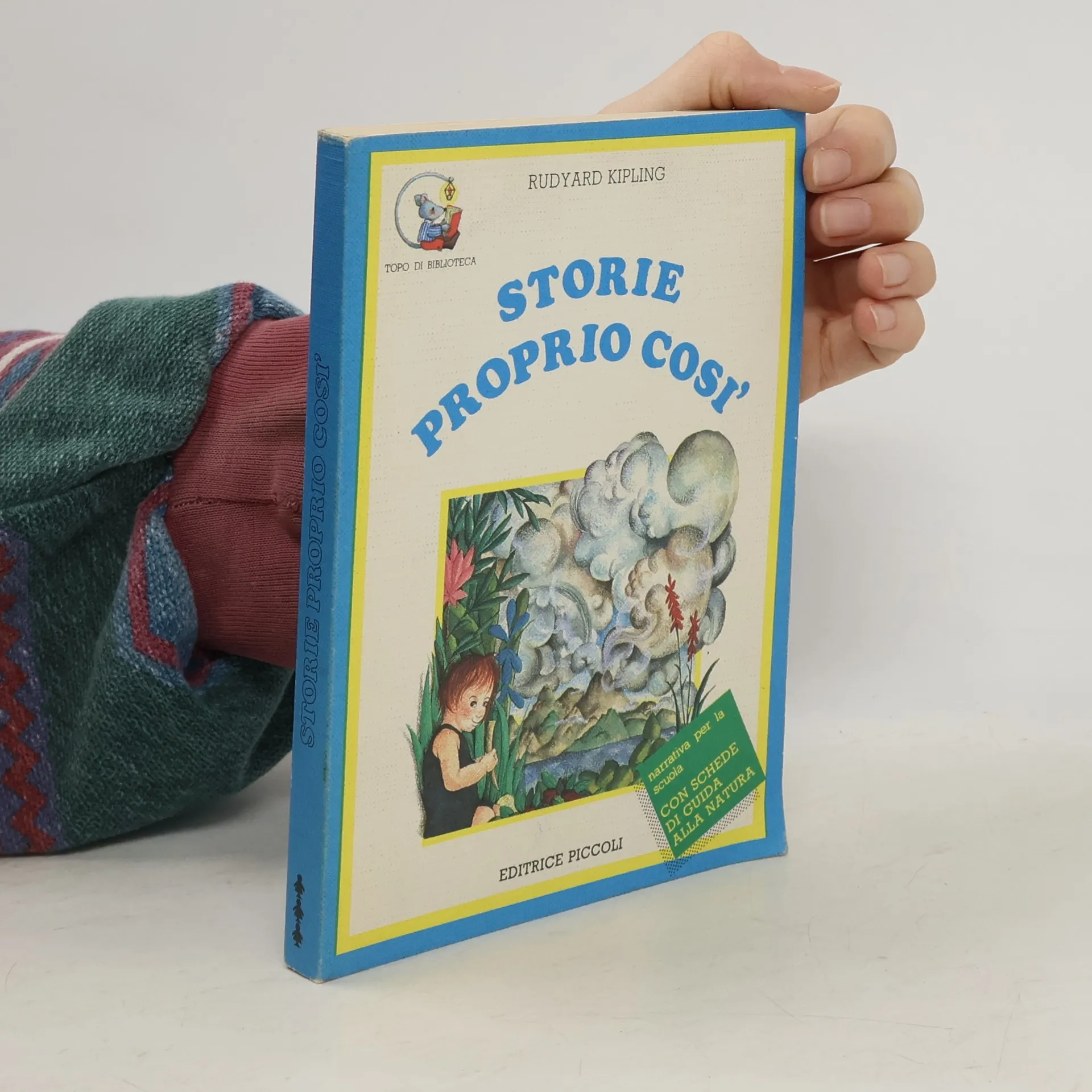
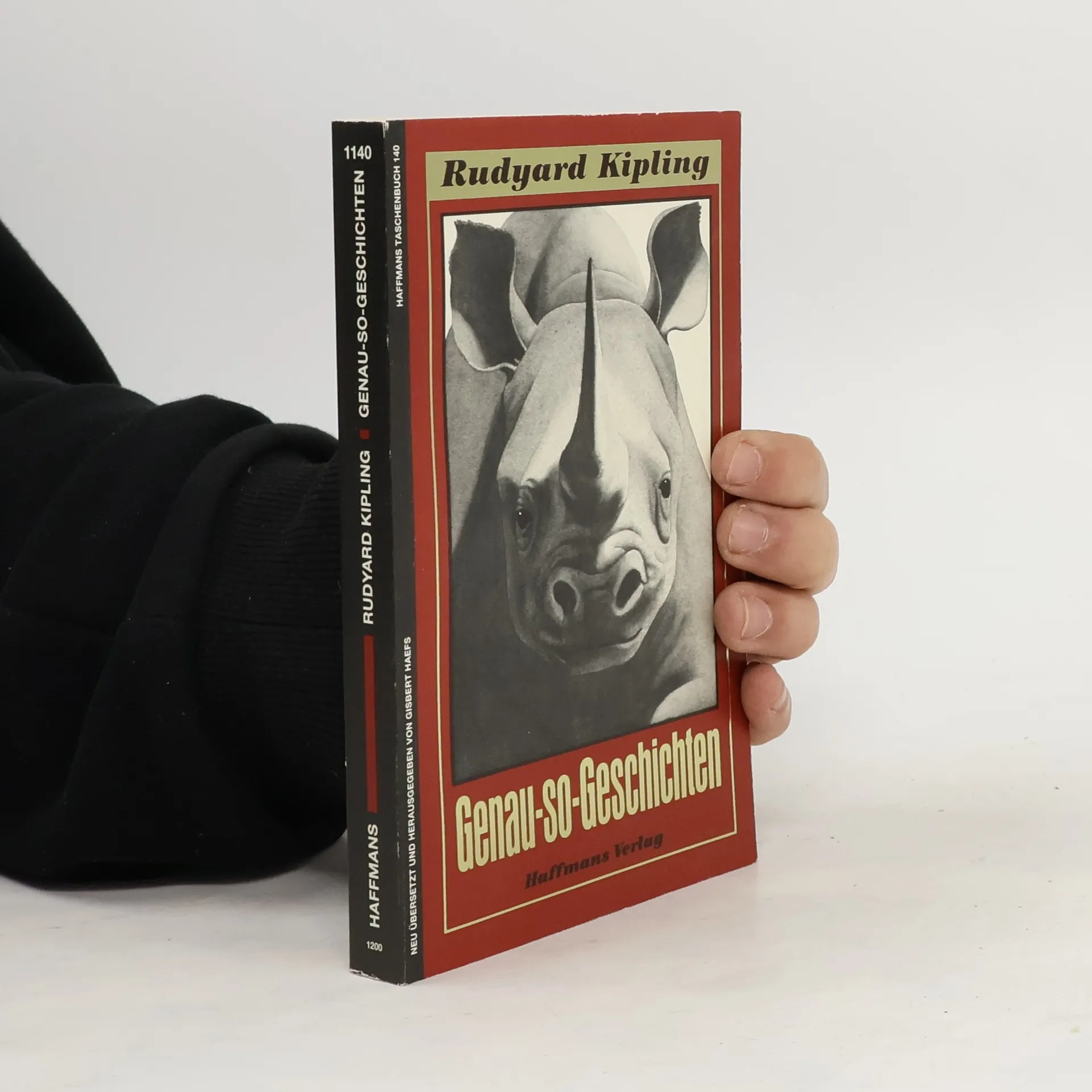
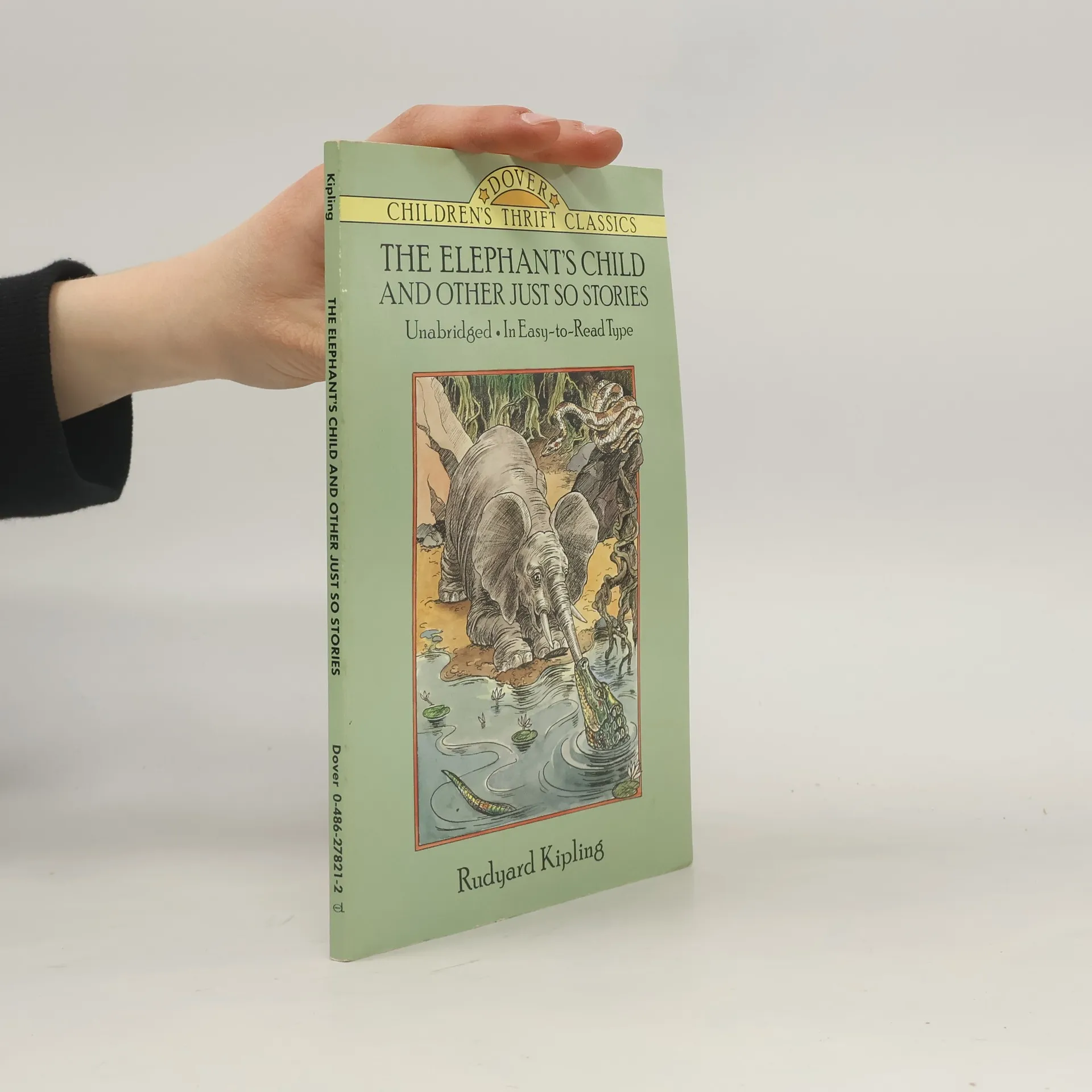
Sei delle famose "Storie proprio così" di Rudyard Kipling, selezionate e raccontate con attenzione per i più piccoli. Include: Come l'elefante ha ottenuto la sua proboscide, Come il granchio ha ottenuto le sue chele, Come il rinoceronte ha ottenuto la sua pelle, Come la balena ha ottenuto la sua gola, Come il cammello ha ottenuto la sua gobba e Perché il canguro salta.
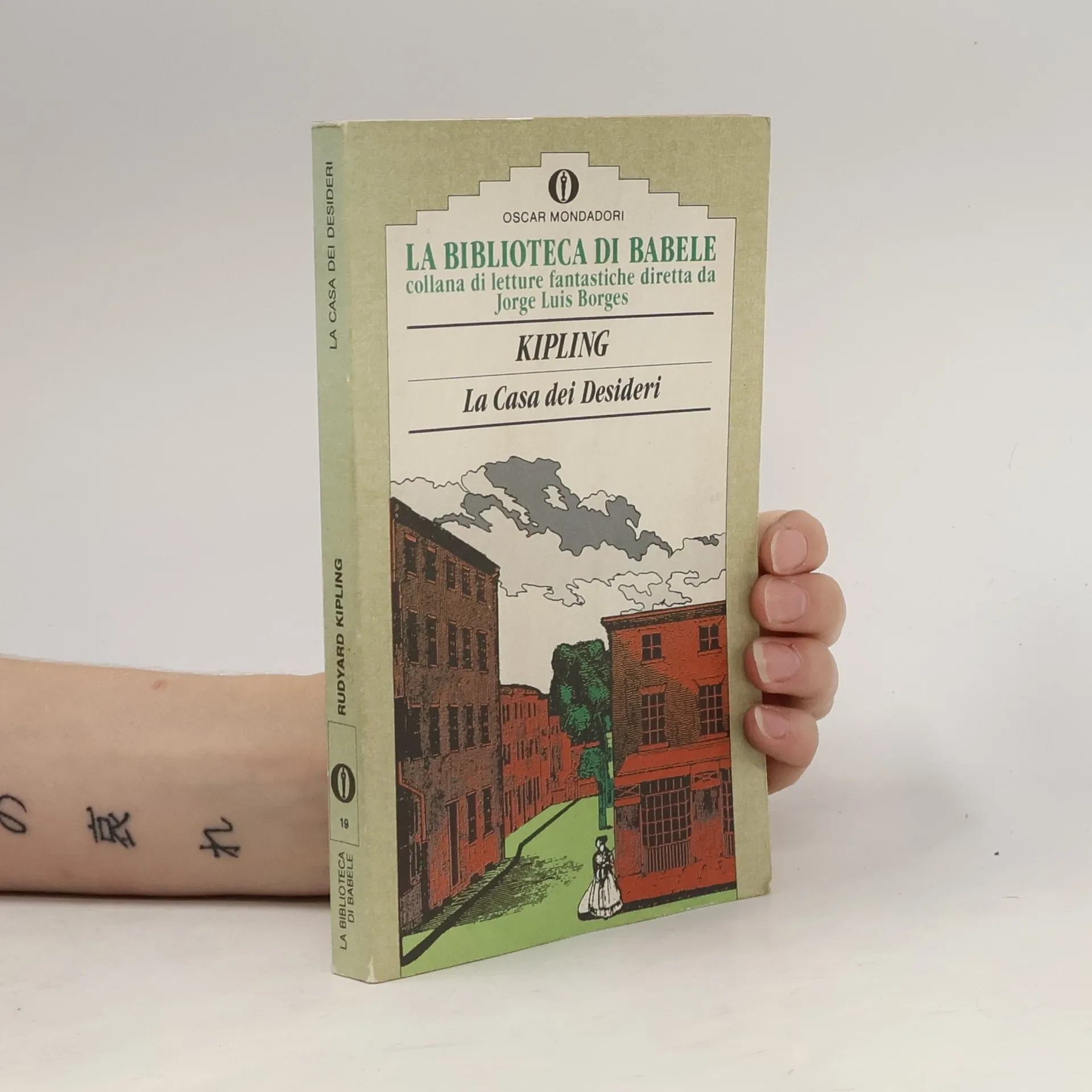
Birçok öyküsünde, Poe´nun öykülerinden farklı olarak, yavaş yavaş ortaya çıkan doğaüstü konuları işledi. Dilek Evi´nde bir kadın diğerine büyülü ve acı dolu bir öykü anlatır. Her iki kadın da, şaşkınlık duyamayacak kadar sıradandır. İnanılmaz olanı, günlük olayları kabul ettikleri teslimiyetle kabul ederler. Sahibler Savaşı´nı okuyan bir Sih bana her cümlenin önce Hindu dilinde düşünülüp sonra İngilizce´ye çevrildiğini duyumsadığını söyledi. Humma ve Afyon doğaüstü eyleri daha inanılır kılar. Arka planda 1914 savaşının anlatıldığı Siperlerin Madonnası´nın üzerine Cehennem´in beşinci şarkısının uzun karaltısı çöker. Allah´ın Gözü fantastik değil, tam aksine, gerçekleşmesi mümkün bir öyküdür. Bu derleme için seçtiğim öyküler arasında beni en çok etkileyen Bahçıvan´dır. Bu öykünün özelliklerinden birisi de, bir mucizenin meydana gelmesidir; öykünün kadın kahramanı bunun farkına varmaz ama okuyucu bunun bilincindedir.Olaylar gerçekçi ancak anlatılan öykü gerçekçi değildir. -Jorge Luis Borges-
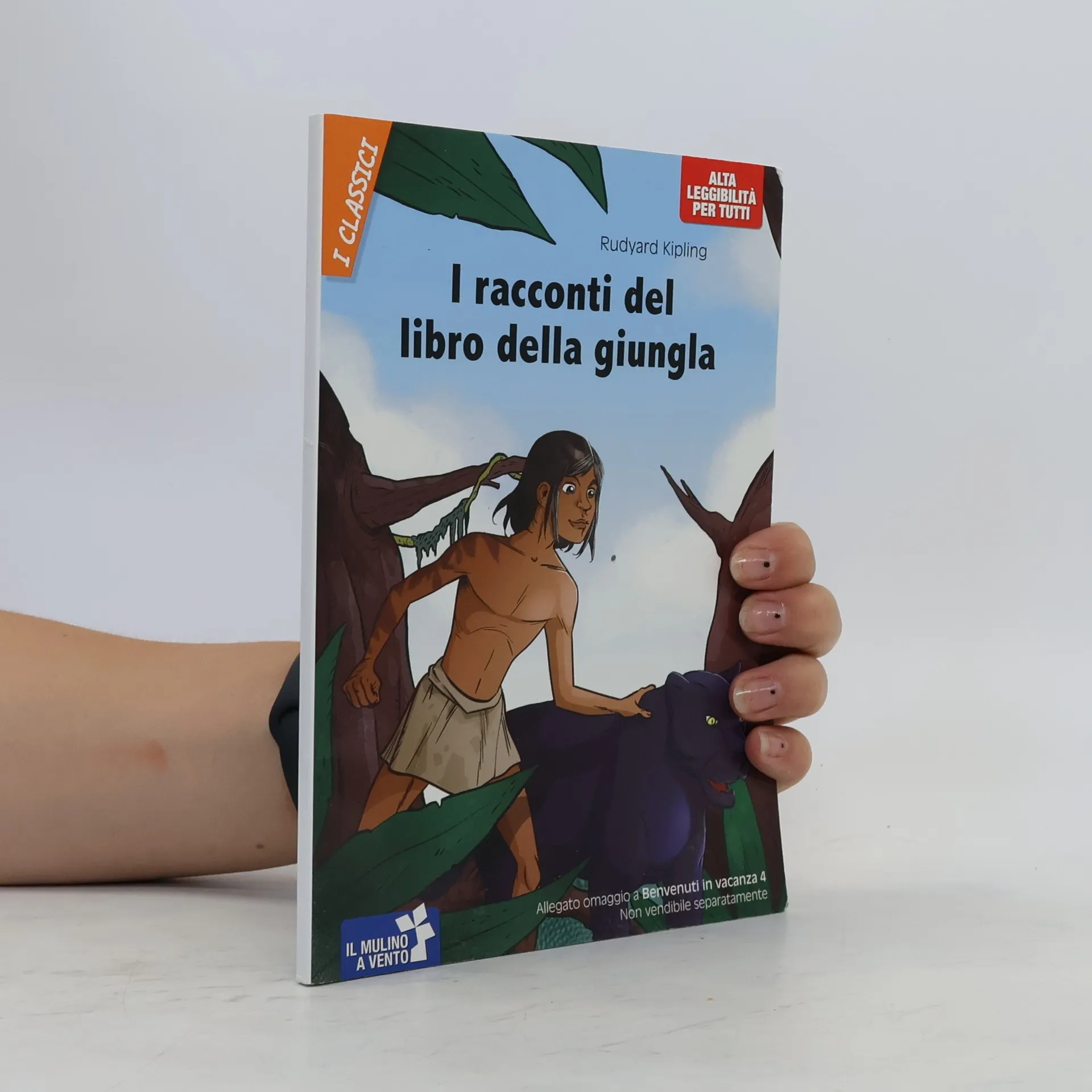
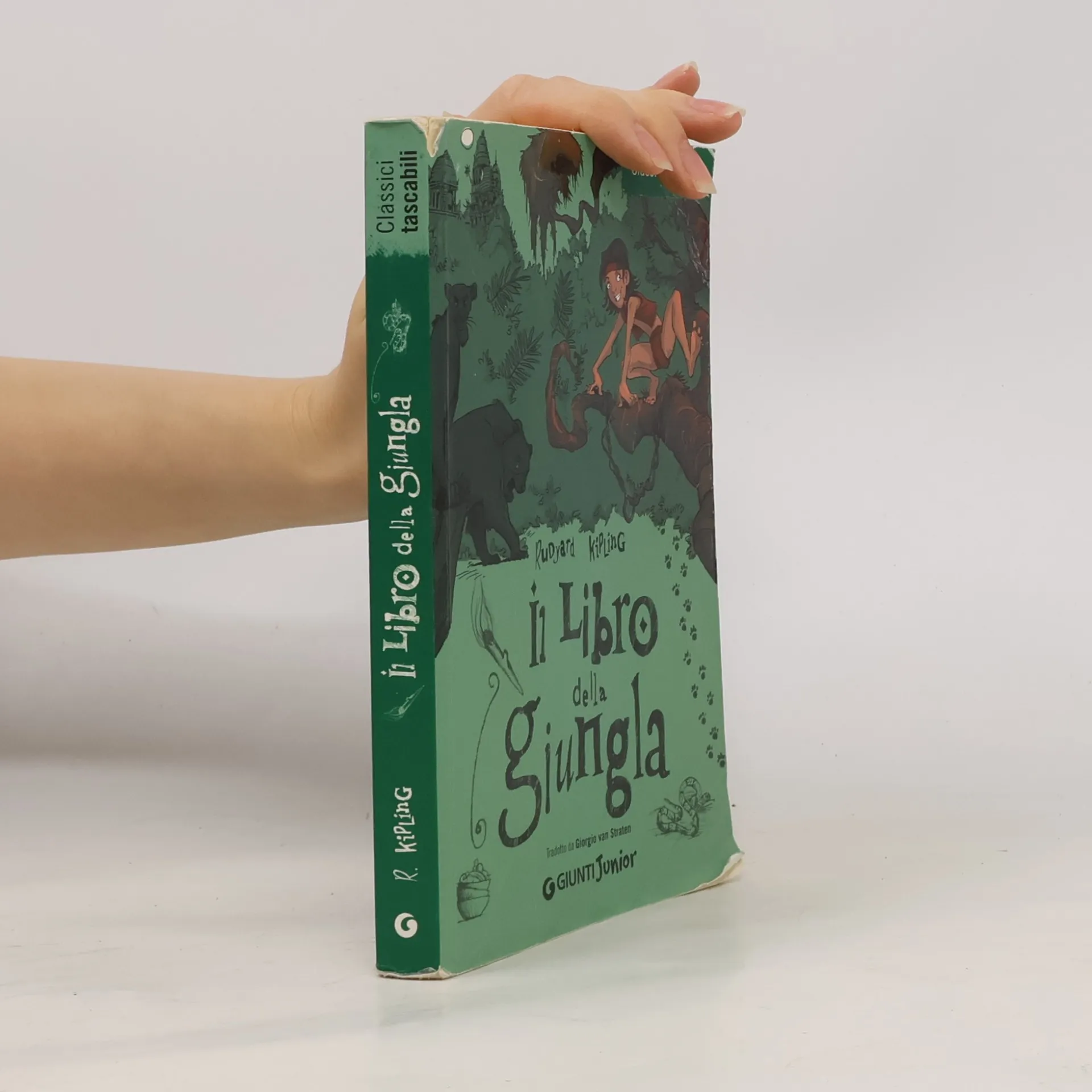
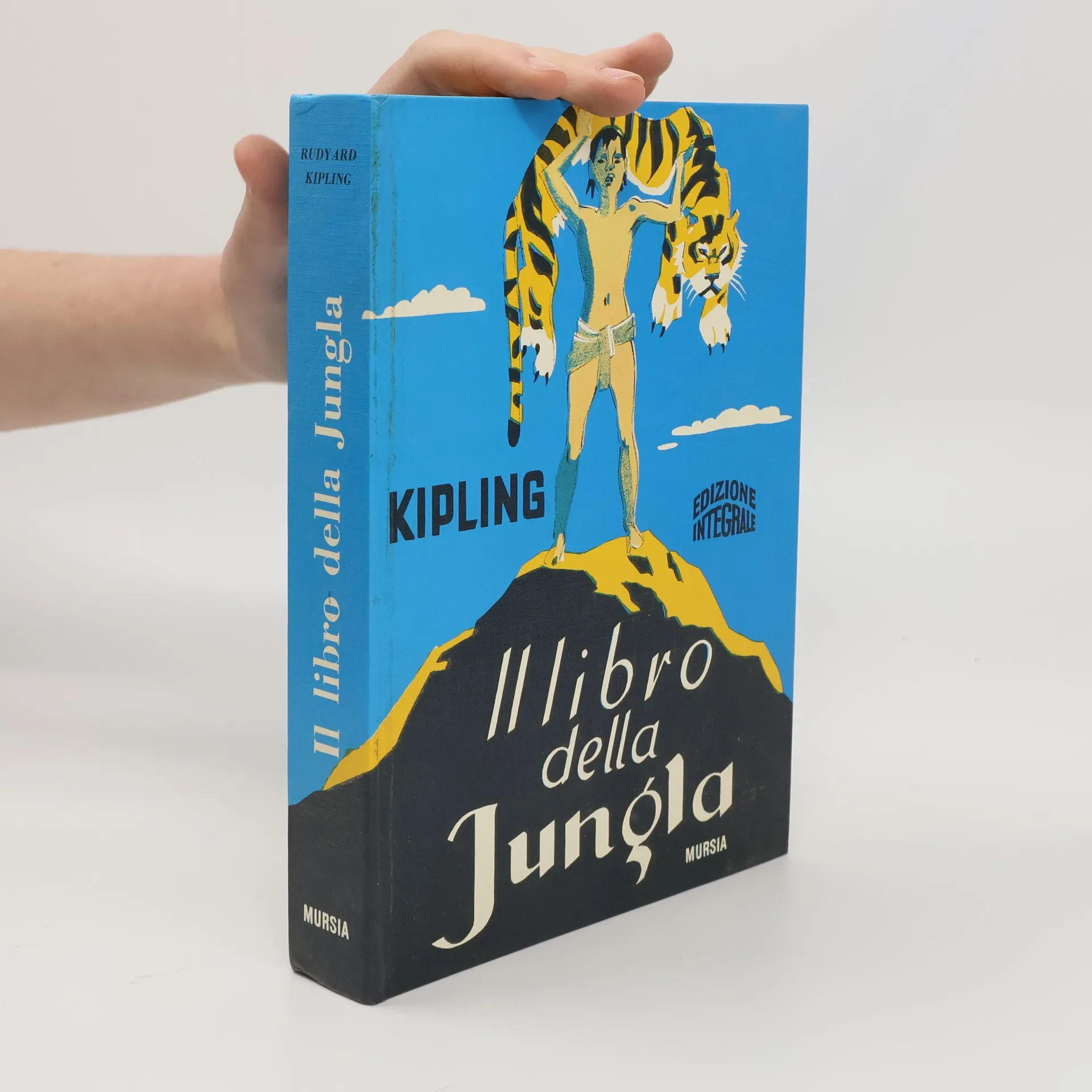
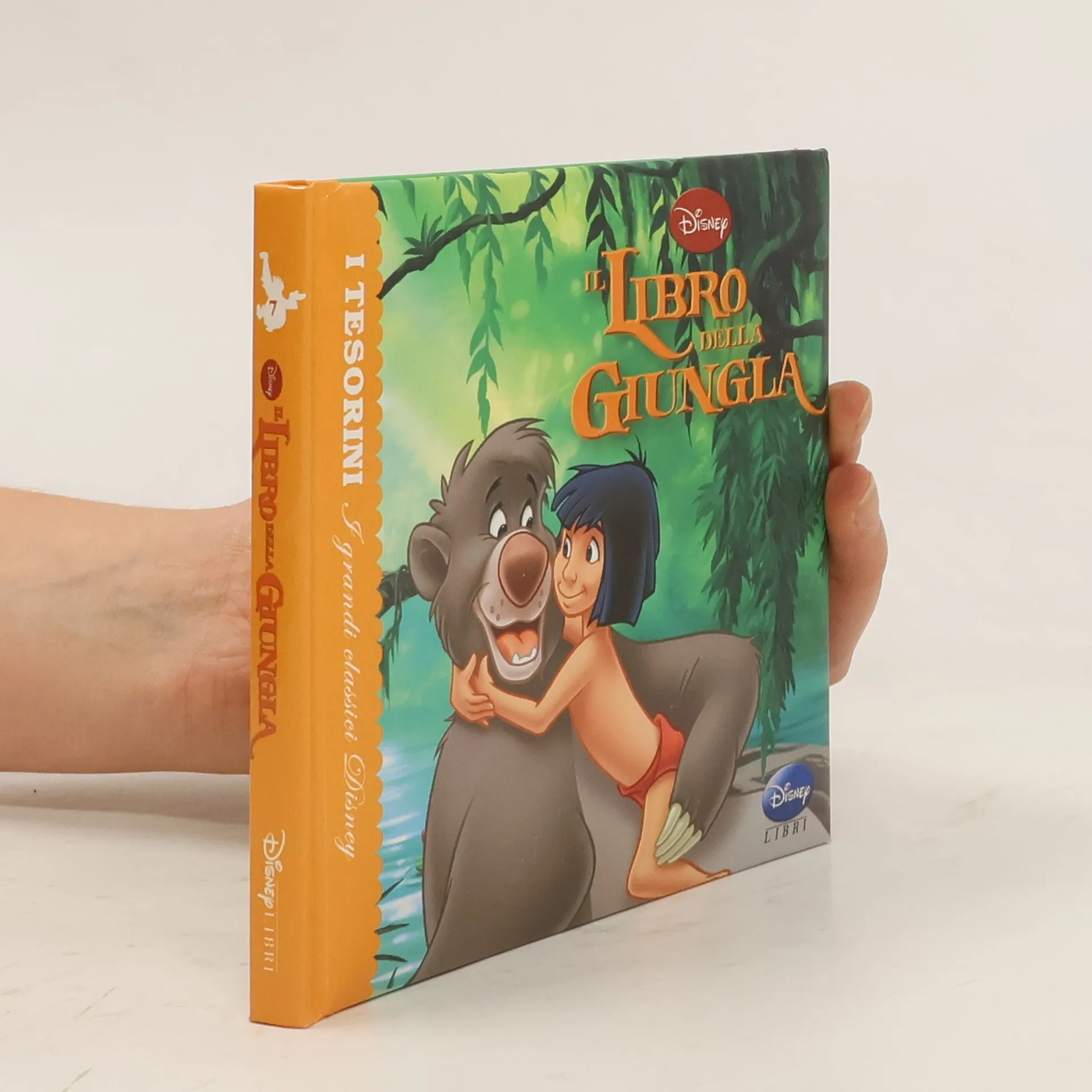
Tutto è iniziato con una fuga durante la notte… Salvato dalle grinfie di Shere Khan, un tigre stupido e crudele, Mowgli vive straordinarie avventure nel mondo della giungla. La pantera Bagheera, l'orso Baloo e molti altri nuovi amici saranno sempre al suo fianco. Ma il mondo degli uomini è vicino e alla fine Mowgli dovrà scegliere con chi vivere!
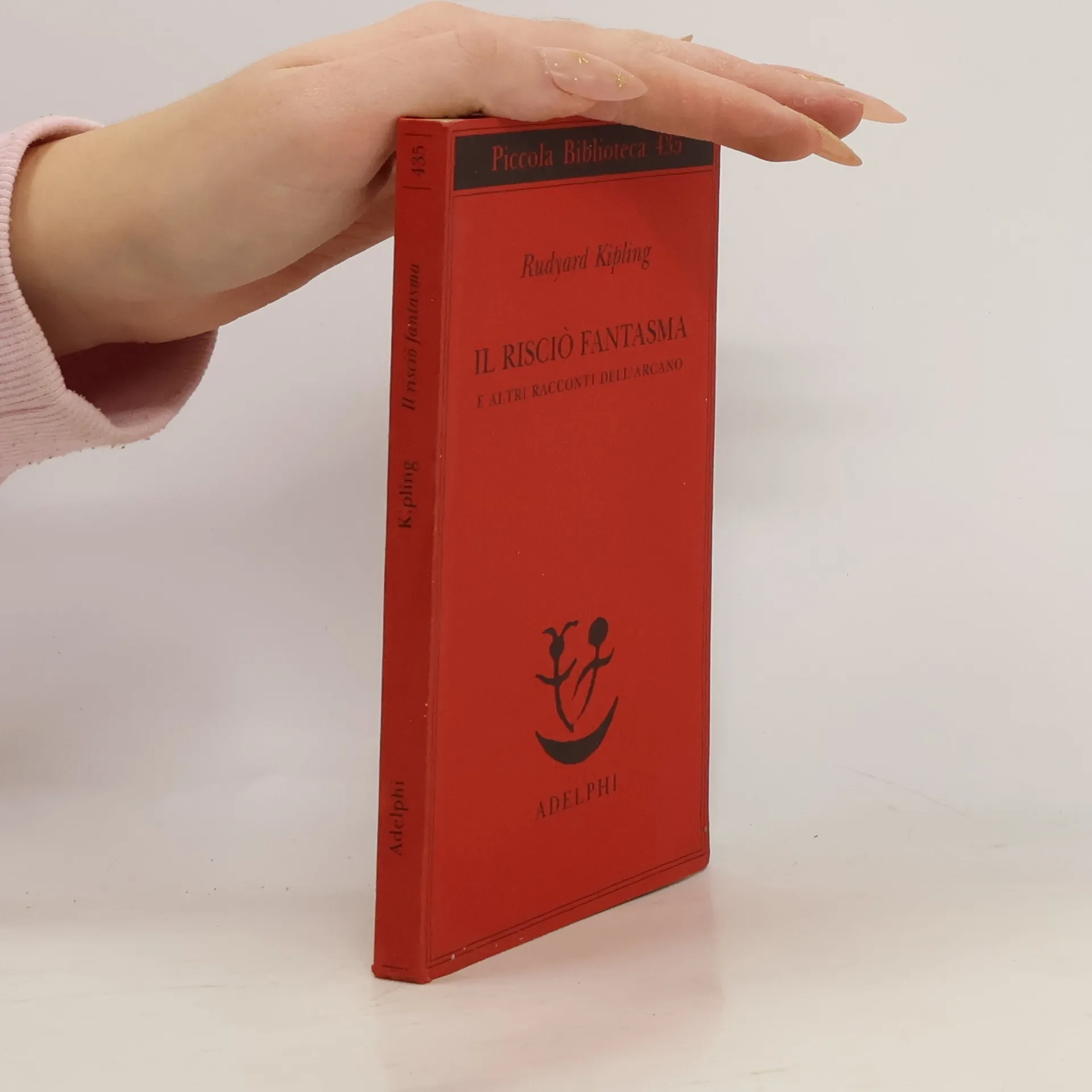
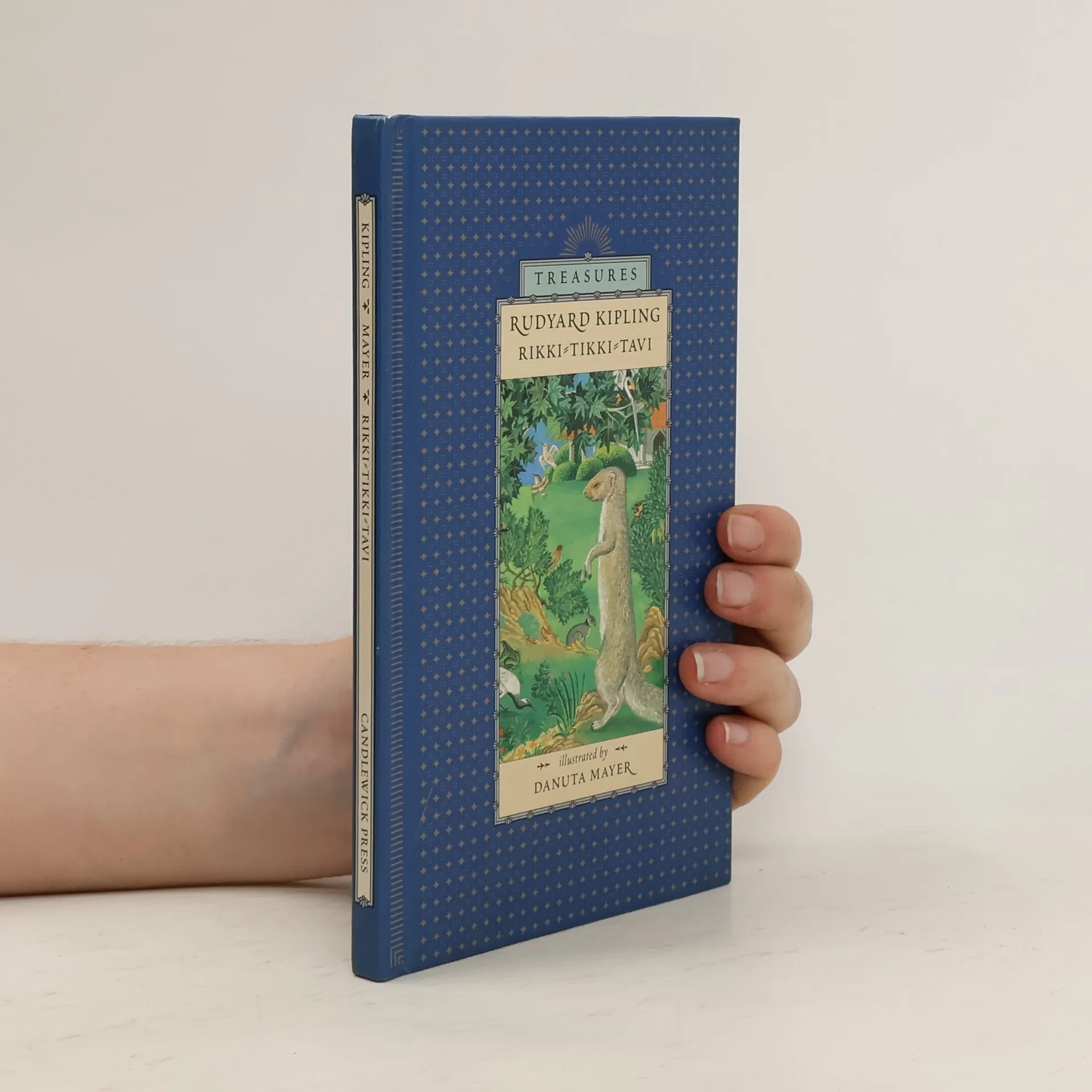
Come nacque la paura: La legge della giungla impone una tregua durante la siccità, quando tutti soffrono insieme. Una notte, Hahti l'elefante racconta al Popolo della giungla come, a seguito del primo omicidio commesso dal Primo dei Tigri, nacquero la Morte, la Vergogna e infine la Paura, portando alla separazione delle razze. I becchini: Il Coccodrillo, il Marabù e il Sciacallo commentano le trasformazioni apportate dal progresso lungo il fiume fino al villaggio vicino, di cui sono i becchini, e di cui il Coccodrillo sarà la vittima. Rikki-tikki-tavi: La Mangusta, sola contro i Serpenti del giardino familiare, ingaggia una guerra totale: esce vittoriosa da un combattimento contro Tagait, poi contro Nag, il grande Cobra nero, e vince il duello mortale contro la vedova Nagaina.
Poesia e prosa strettamente legate in uno dei libri più significativi del 19° secolo, che celebrava il colonialismo inglese e inaugurava il mito del buon selvaggio. Nello sgretolarsi di certezze e ideali dell’epoca vittoriana ormai al termine, Kipling, primo premio Nobel inglese, rilanciava invece i valori del patriottismo e connotava la giungla indiana, le sue leggi e gli animali di positività, di forza mascolina e di coraggio, scrivendo l’affascinante storia del bambino-lupo più famoso della letteratura.
Mowgli, cresciuto da una pantera, un elefante e un orso, affronta la sfida di adattarsi alla civiltà umana quando il suo zio perduto e un talent scout di un circo lo cercano. Questo seguito presenta cinque storie incentrate sulle avventure di Mowgli, affiancate da tre racconti non correlati, prevalentemente ambientati in India. Scritte da Rudyard Kipling mentre viveva nel Vermont, le narrazioni esplorano temi di identità e appartenenza, offrendo una ricca continuazione del viaggio di Mowgli dalla giungla alle complessità della società umana.
Presenta le avventure di Mowgli, un ragazzo cresciuto da un branco di lupi e dagli animali selvatici della giungla. Include anche altre novelle ambientate in India.
Nell’anno 1888 sulle banchine delle stazioni ferroviarie indiane si vendeva un modesto fascicolo firmato da un ignoto ventitreenne: Rudyard Kipling. E chi si fosse seduto a leggerlo in uno sgangherato scompartimento si sarebbe imbattuto in alcuni dei più bei racconti che mai siano stati scritti: da quello che dà il titolo al libro alla Strana cavalcata di Morrowbie Jukes , all’ Uomo che volle essere re . Così si rivelò quella «voce di rauca sirena» che presto avrebbe incantato il mondo intero.
When his father, a soldier stationed in India, dies suddenly, young Kimball O'Hara is left to fend for himself on the streets of Lahore. A proper English lad, Kim is plunged into an exotic and unfamiliar world of crowded bazaars and noisy markets, gilded temples, sahibs and fakirs, beggars, whirling dervishes, soldiers, and spies. Forced to live hand-to-mouth, Kim must rely on his cunning and wit to survive.
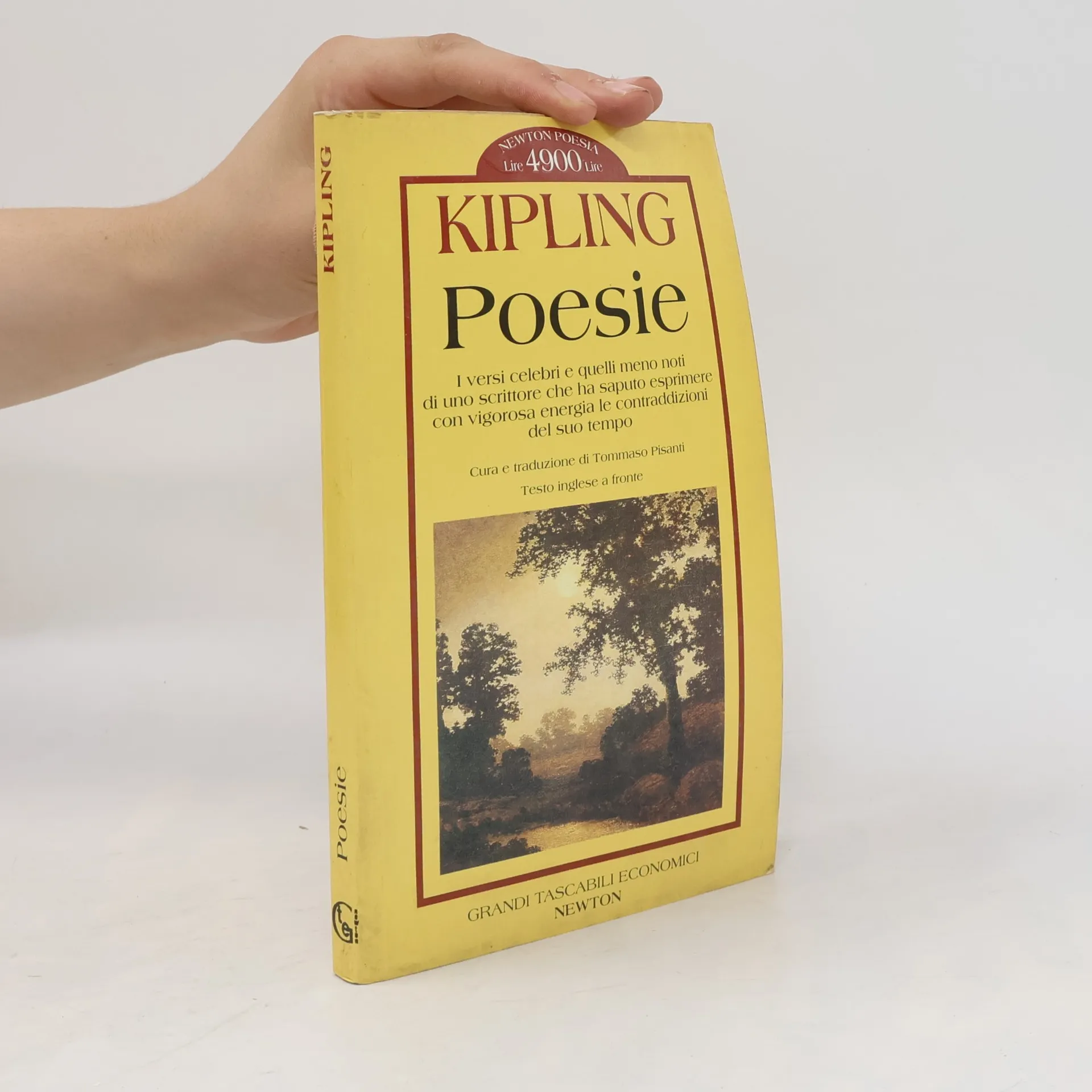
Frutto di una pluralità di esperienze umane (che vanno dall'India all'Europa dall'America al Sudafrica), di entusiasmi e disincanti, di una capacità espressiva totale, che trascina tutto in sé, queste "poesie scelte", per la maggior parte poco conosciute (tranne le classiche "Se..." e "Il fardello dell'uomo bianco"), ci rivelano il volto di uno scrittore tormentato dalla precarietà e dalla problematicità della condizione esistenziale.
Nei racconti del "Libro della giungla" troviamo l'India con la sua natura prorompente, la sua natura simbolo, i suoi animali antropomorfizzati. E, soprattutto, troviamo quello che per Kipling è il fondamento del suo credo morale, ovvero la legge, intesa non come legge della giungla del "vinca il più forte", ma come un sistema di valori assai pratico e non misterioso, a cui ogni uomo, come ogni animale, deve sottostare. Mowgli non può diventare un uomo se prima non apprende la legge della giungla. Un individuo non può dirsi tale se non risponde, liberamente e nei limiti di quello che è il suo ruolo, a un sistema di valori riassumibili a grandi linee con coraggio, generosità, fedeltà, onore, obbedienza, rispetto per gli anziani... È questo il fulcro dei racconti favolistici della raccolta, e qui sta gran parte del fascino che ne ha fatto uno dei libri più amati dai ragazzi, nonché il manifesto dello scoutismo. A tutto ciò si unisca una prosa suggestiva, intervallata da quelle "ballate" che per T.S. Eliot erano il vero pregio di Kipling, e il risultato è un testo originale nella forma, godibilissimo nello stile e deciso nell'impronta morale che intende lasciare.
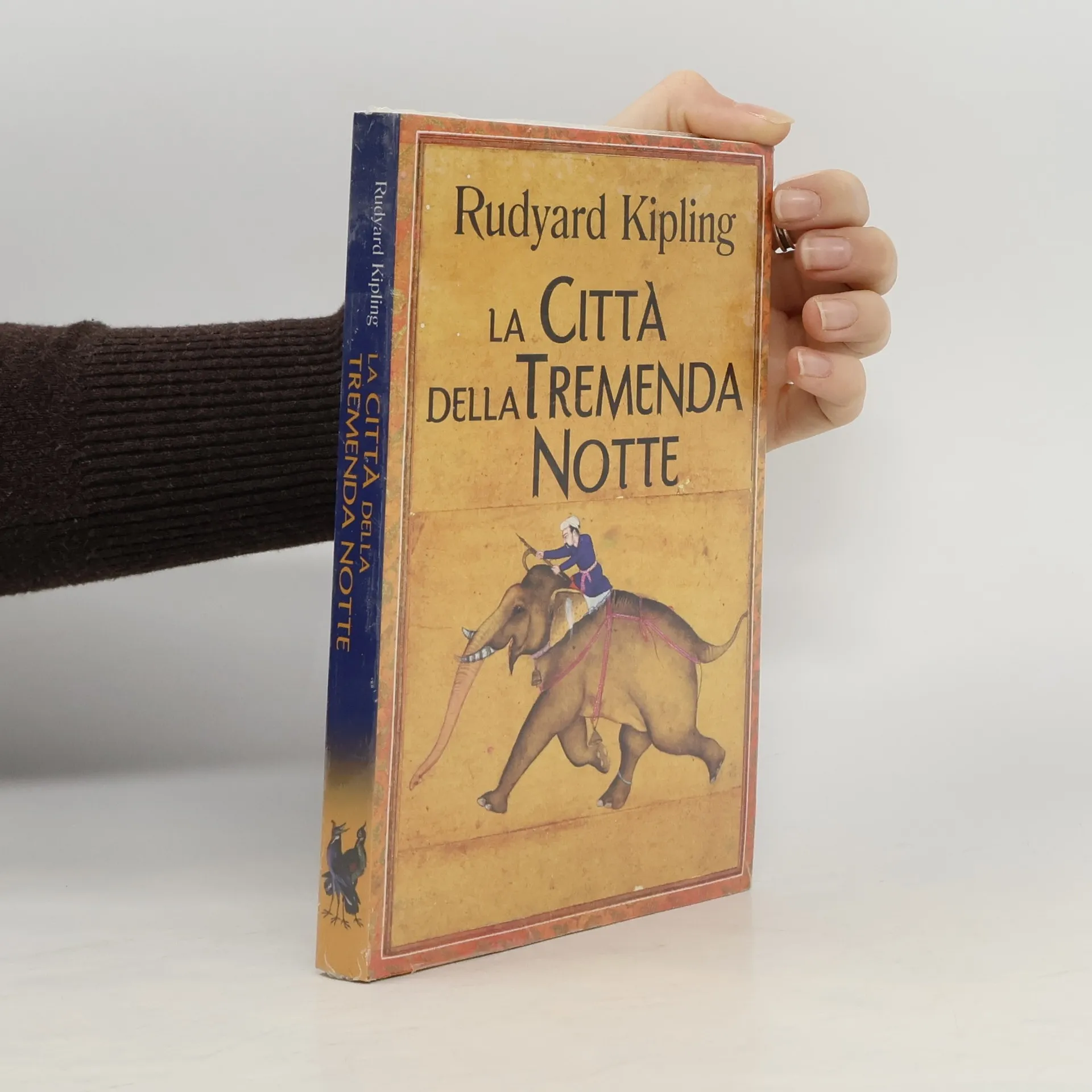
"La Città della tremenda notte" dipinge un'immagine cruda e oscura di una calda notte estiva all'interno di una città murata in Oriente. Il narratore passa sopra persone addormentate che sembrano cadaveri e descrive vividamente ciò che vede, sente e ascolta in questa città simile alla morte.
The collection features 11 short stories and 11 poems that reflect on the Boer War period, highlighting Kipling's reformist perspective on the British army's conduct. Through vivid depictions of British concentration camps and the treatment of prisoners, the narratives critique colonial attitudes and emphasize the need for responsible governance of the empire. Additionally, the stories explore themes of scientific advancement and technology, showcasing Kipling's familiarity with innovations like cars and radios, while also venturing into fantasy and the supernatural.
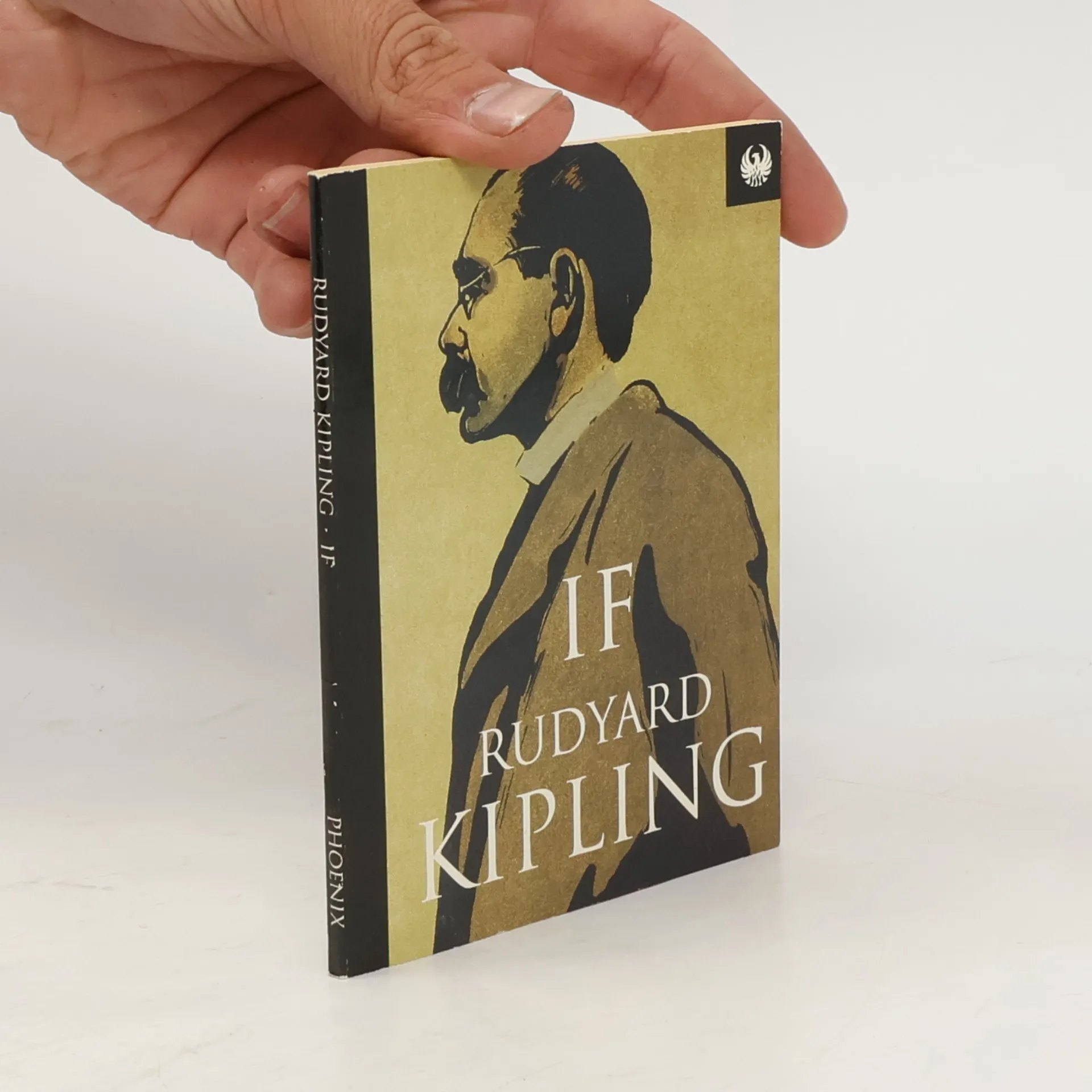
What makes a boy into a man? Courage. Confidence. Patience. Integrity... For more than one hundred years, this classic poems has inspired readers to reach for the best in themselves. In pictures and words, here's what every boy needs to know most.
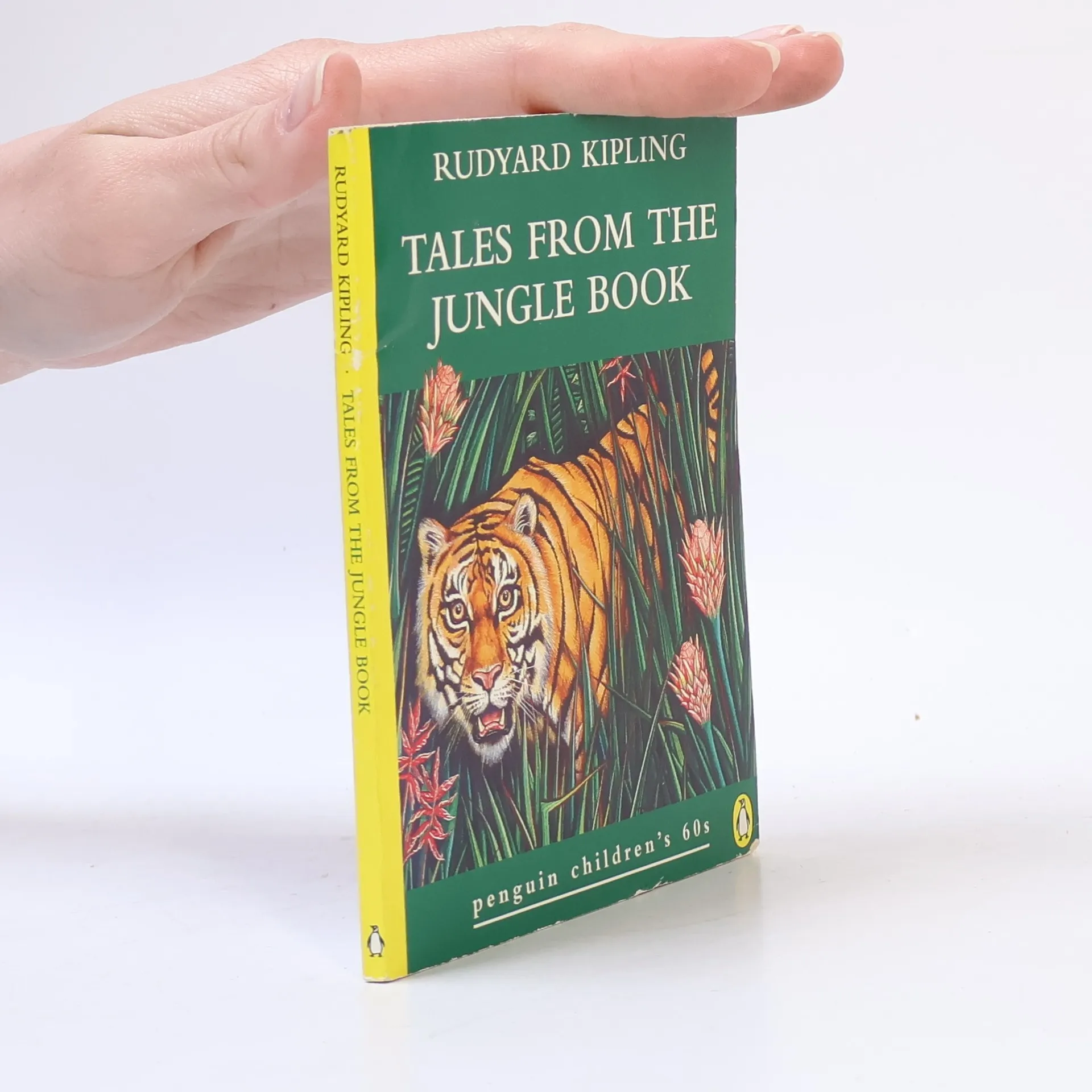
The Jungle Book key characters are Mowgli, a boy raised by wolves, and Shere Khan, the biggest tiger in India. As Baloo the sleepy brown bear, Bagheera the cunning black panther, Kaa the python, and his other animal friends teach their beloved "man-cub" the ways of the jungle, Mowgli gains the strength and wisdom he needs for his frightful fight with Shere Khan, the tiger who robbed him of his human family. But there are also the tales of Rikki-tikki-tavi the mongoose and his "great war" against the vicious cobras Nag and Nagaina; of Toomai, who watches the elephants dance; and of Kotick the white seal, who swims in the Bering Sea.
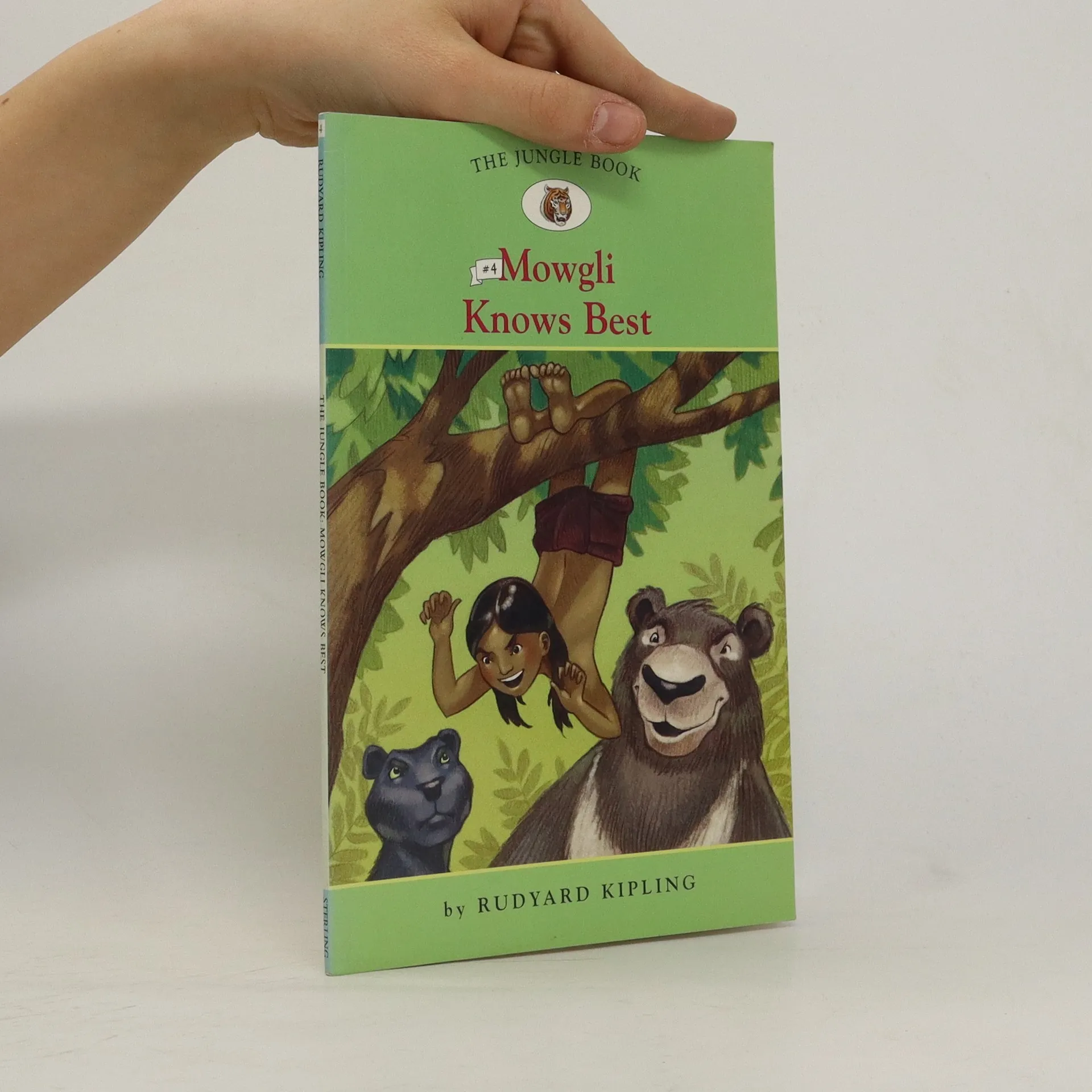
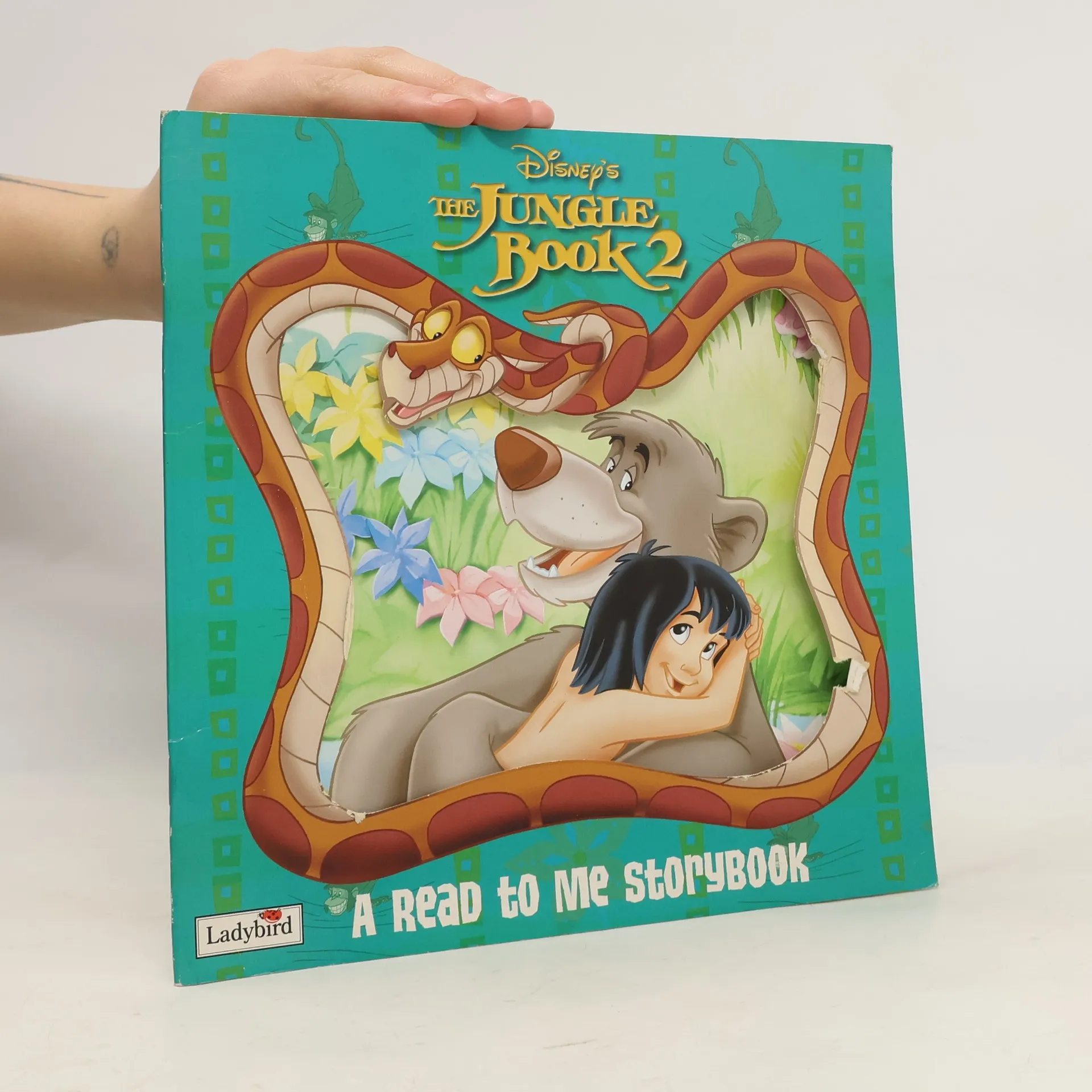
Once more, Mowgli has escaped from Shere’s clutches, thanks to his friends. But the furious tiger, along with the Great Snake Kaa, is still on the prowl. So Bagheera and Baloo are very upset when Mowgli suddenly disappears. Can they find him before the man-cub gets into some very BIG trouble? Children will love the mischievous little boy and his jungle adventures.
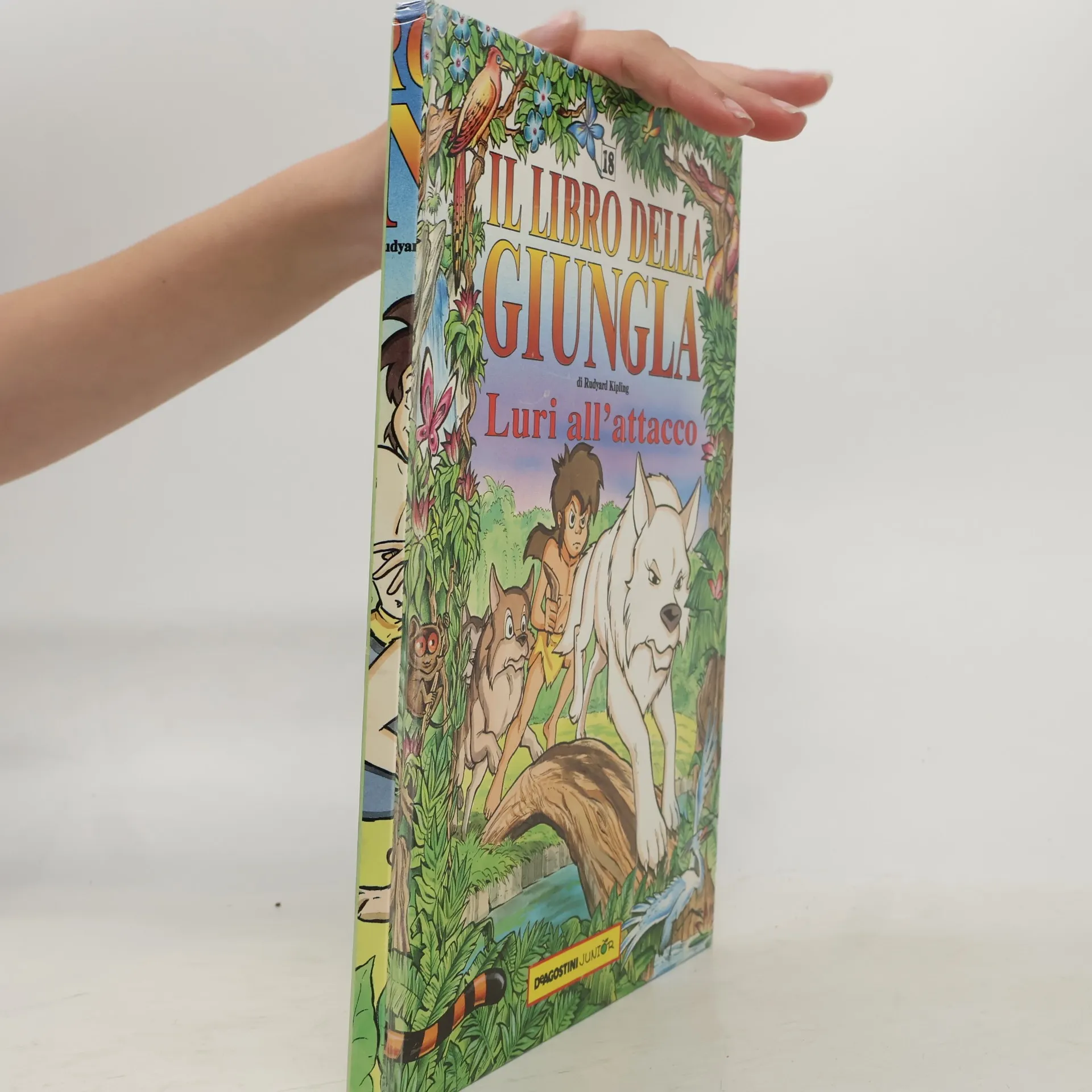
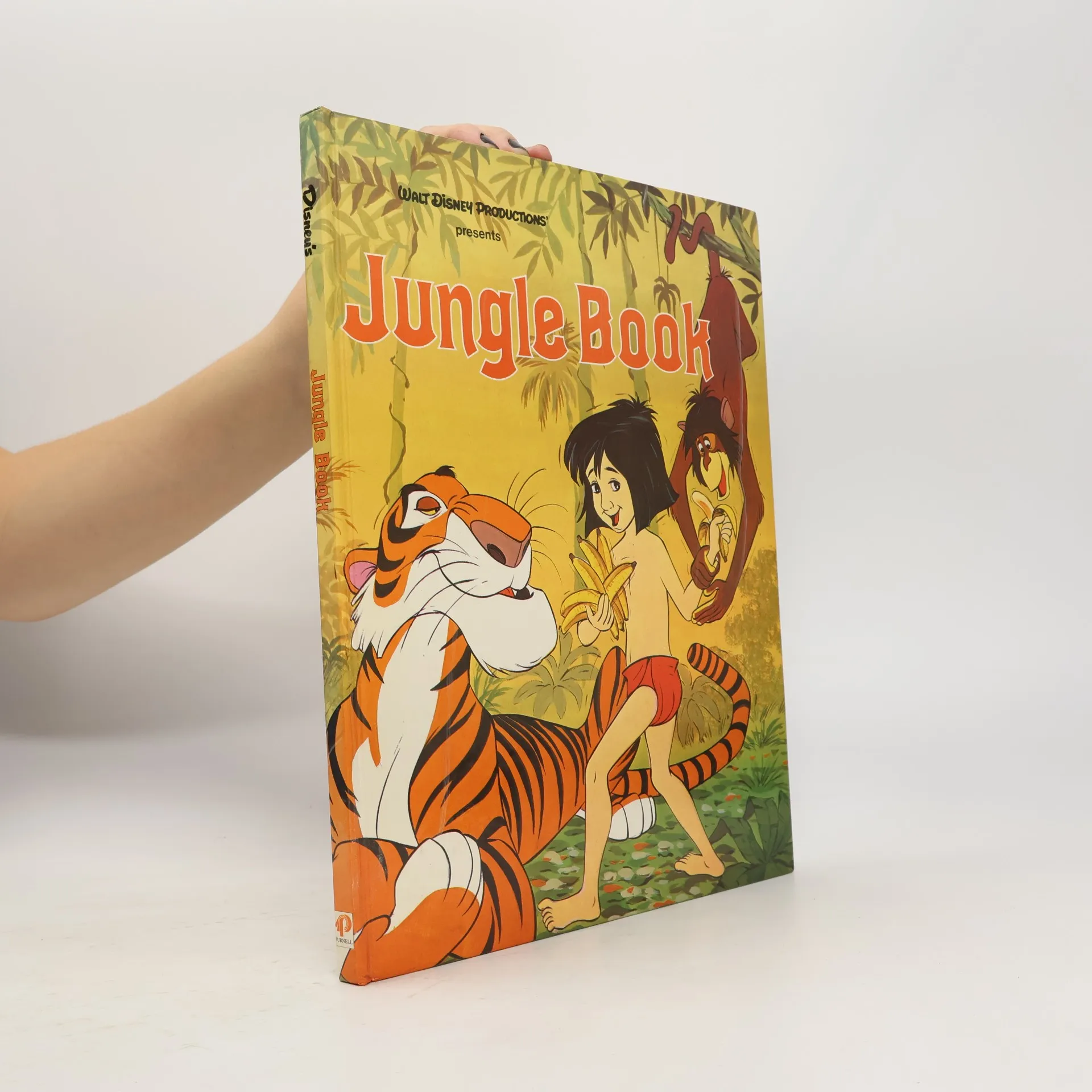
Rivivi le avventure di Mowgli, il piccolo uomo che cresce nella giungla. Incontra il suo amico Baloo, il suo fedele angelo custode Bagheera, il perfido Kaa e il più astuto di tutti, il furbo Re Louie!
Once upon a time, O my Best Beloved, there was … Fünf phantasievollen Geschichten aus der Sammlung ›Just So Stories‹. Genau so und nicht anders ist es gewesen und genau so muss der Wortlaut sein. Äußerst erfindungsreich erklärt Kipling, warum die Katze allein herumspaziert, wie das Gürteltier entstanden ist oder wie der Elefant zu seinem Rüssel kam und entführt Leser und Zuhörer damit in Zeiten, »als die Welt so ganz und gar neu war«. dtv zweisprachig – Die Vielfalt der Sprachen auf einen Blick Die Reihe umfasst drei Sprach-Niveaus – Einsteiger, Fortgeschrittene und Könner – und mittlerweile über 130 Titel in vielen Sprachen. Landeskunde, Kulturgeschichte und Redewendungen, zeitgenössische und klassische Texte in unterschiedlichen Formen und Genres – von der Kurzgeschichte bis zum Krimi – für jeden Lesegeschmack ist etwas dabei. Einzigartig ist die konsequente Zeilengleichheit zwischen Originaltext und Übersetzung, damit man vom ersten bis zum letzten Wort in zwei Sprachwelten zuhause ist. .
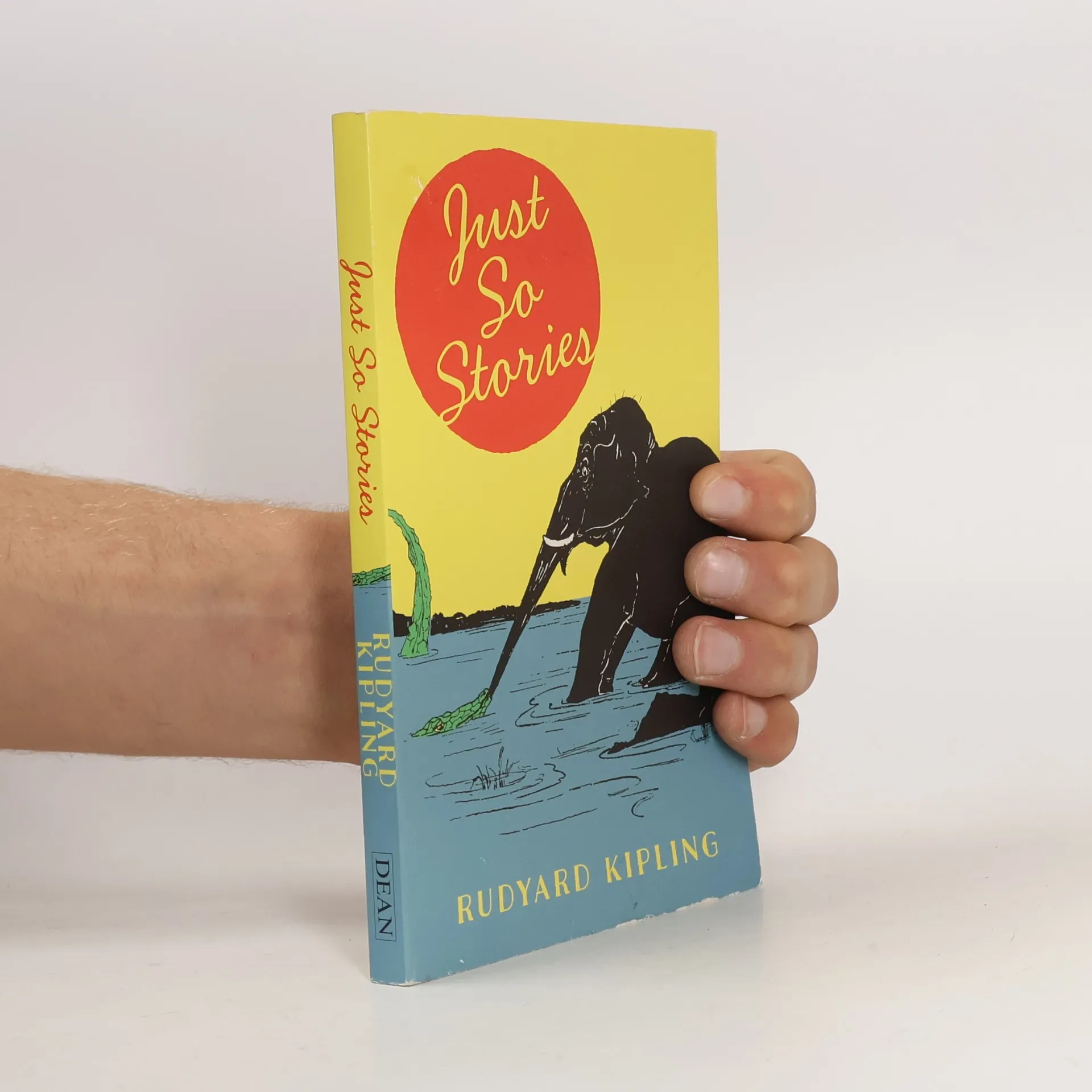
Written by classic English author Rudyard Kipling, Just So Stories is
considered not only a quintessential children’s book, but one of Kipling’s
best works. Just So Stories is a collection of origin stories, fictional tales
that explain why animals have certain characteristics and other themes akin to
that. Kipling’s book features stories such as “How the Whale Got His Throat,”
or why large whales eat small prey, and “How the Alphabet Was Made,” which
details a young girl and her father inventing an alphabet. Beautifully written
and packed-full of illustrations, Just So Stories is the perfect combination
of education and fun to get kids to love reading.
Can you hear the jungle beat? Join Mowgli, Baloo and their new friends in an adventure about bravery, loyalty, friendship and a little bit of boogie-woogie.
It was seven o'clock of a very warm evening in the Seeonee hills when Father Wolf woke up from his day's rest, scratched himself, yawned, and spread out his paws one after the other to get rid of the sleepy feeling in their tips. Mother Wolf lay with her big gray nose dropped across her four tumbling, squealing cubs, and the moon shone into the mouth of the cave where they all lived. "Augrh " said Father Wolf. "It is time to hunt again." He was going to spring down hill when a little shadow with a bushy tail crossed the threshold and whined: "Good luck go with you, O Chief of the Wolves. And good luck and strong white teeth go with noble children that they may never forget the hungry in this world."
Kipling, an English author born in India, is celebrated for his children's literature and mastery of the short story form. His works have become timeless classics, showcasing his innovative storytelling techniques that continue to resonate with readers today.
This selection covers the full range of Kipling's extraordinary short stories
throughout his career. Above all, they convey a wonderful sense of life and
energy and reveal Kipling as a far greater and more diverse writer than most
people suspect.
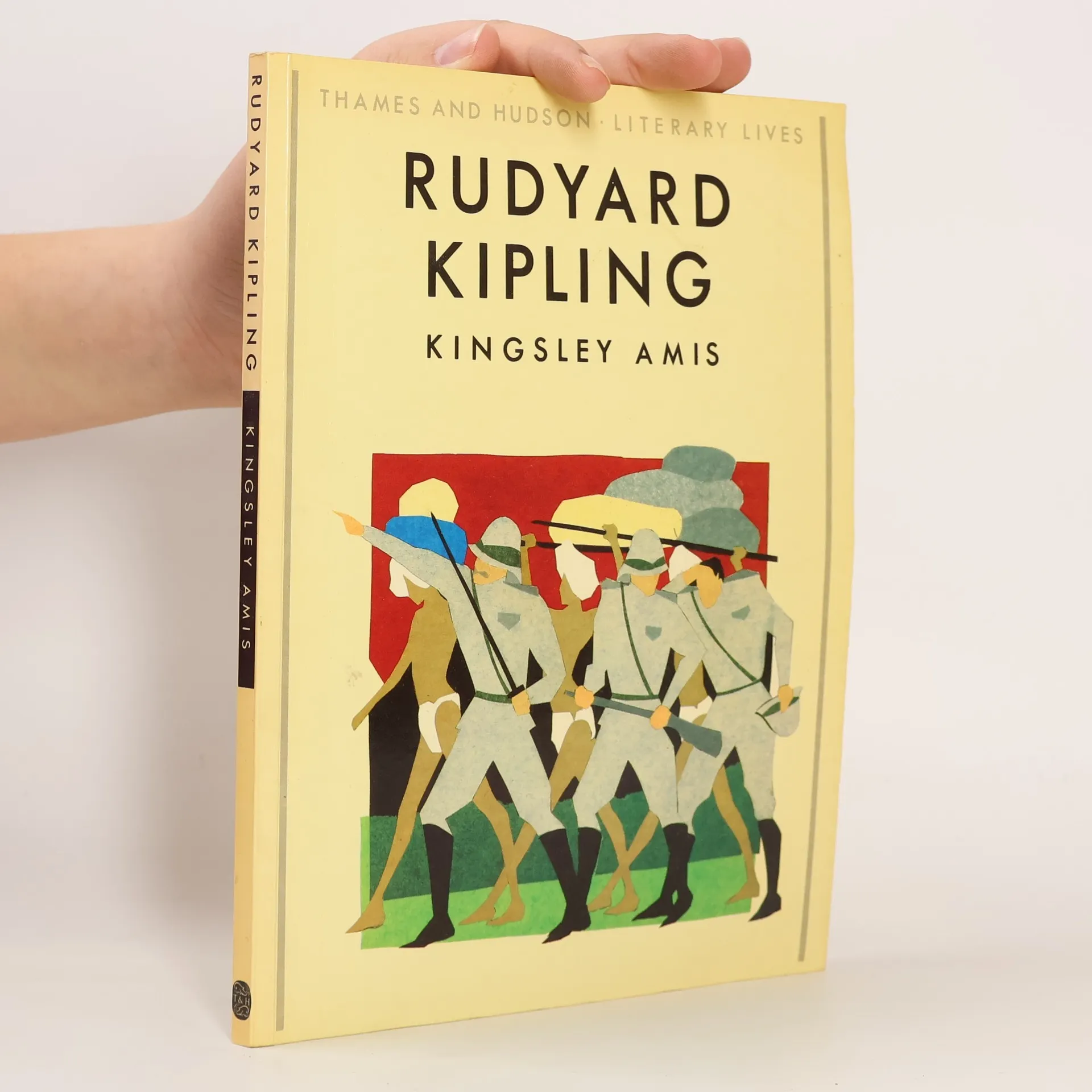
Focusing on the lives of three soldiers—an Irishman, a Yorkshireman, and a Londoner—this collection reveals the realities of military life in Afghanistan during a pivotal time in British history. Through their experiences, Kipling explores the complexities of British influence and the perspectives of native Indians, offering a unique lens often overlooked in his other works. The narrative includes a melodramatic story titled "Gadsby," divided into eight scenes, further enriching the historical and fictional tapestry of the soldiers' tales.
These classic children's tales of Mowgli, Rikki-Tikki-Tavi, Baloo the Bear and all the other lovable characters have universal appeal. The harsh reality of both human and animal existence in combined with the wonderful imaginative and humorous animal characterization peculiar to Kipling's genius.
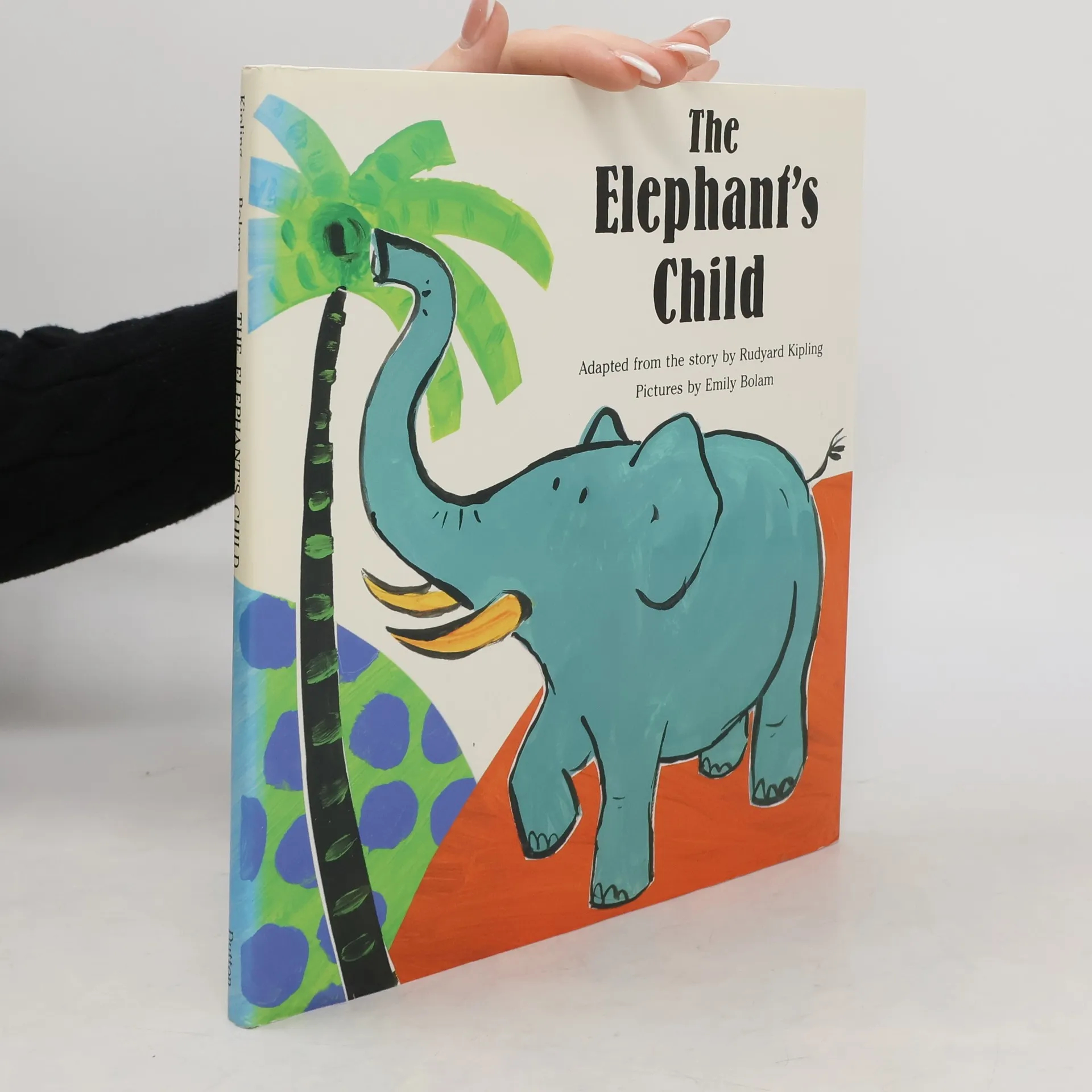
Originally the elephant had a short nose the size of a boot, flexible but useless for grasping things. One little elephant was insatiably inquisitive. He asked so many questions that all his relations spanked him.
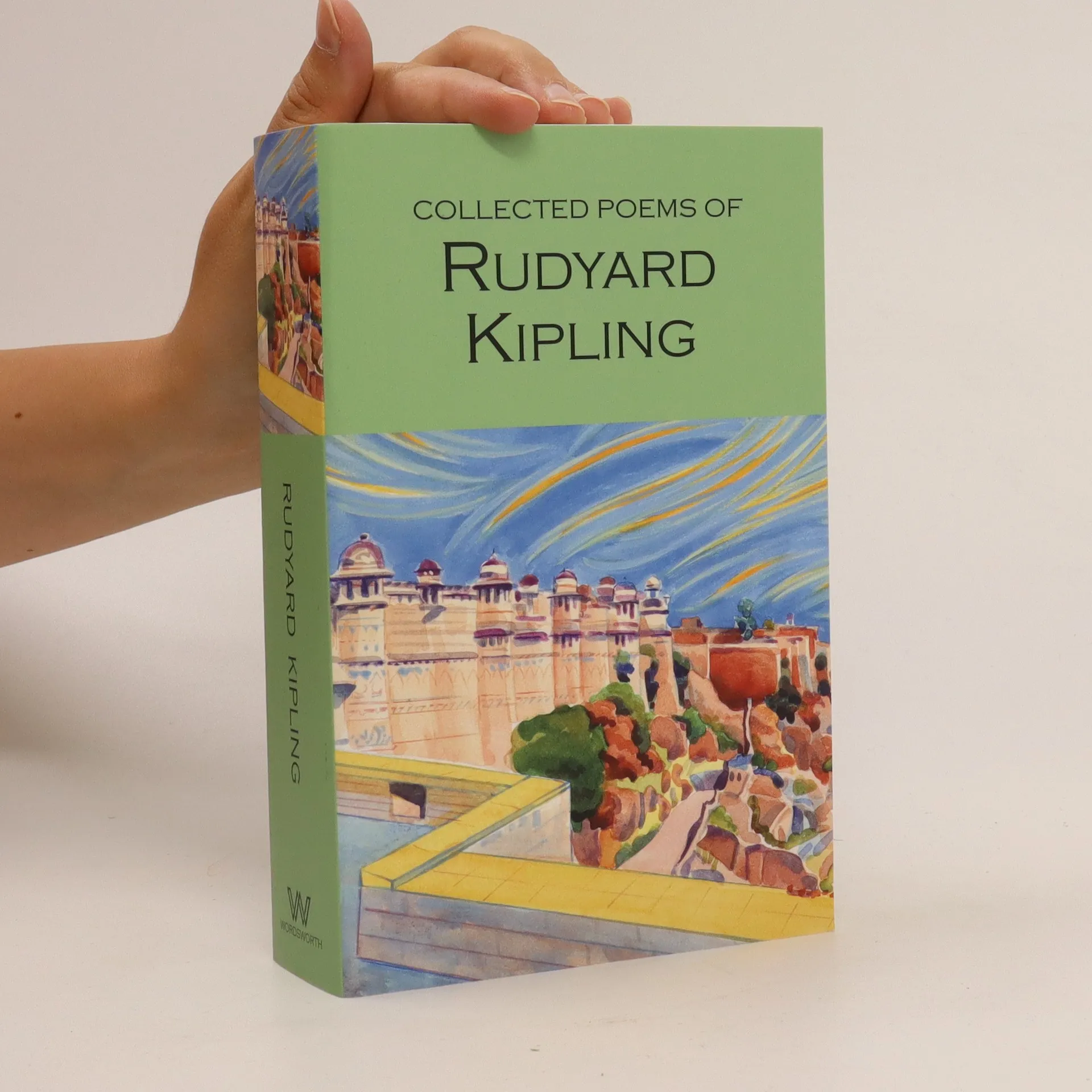
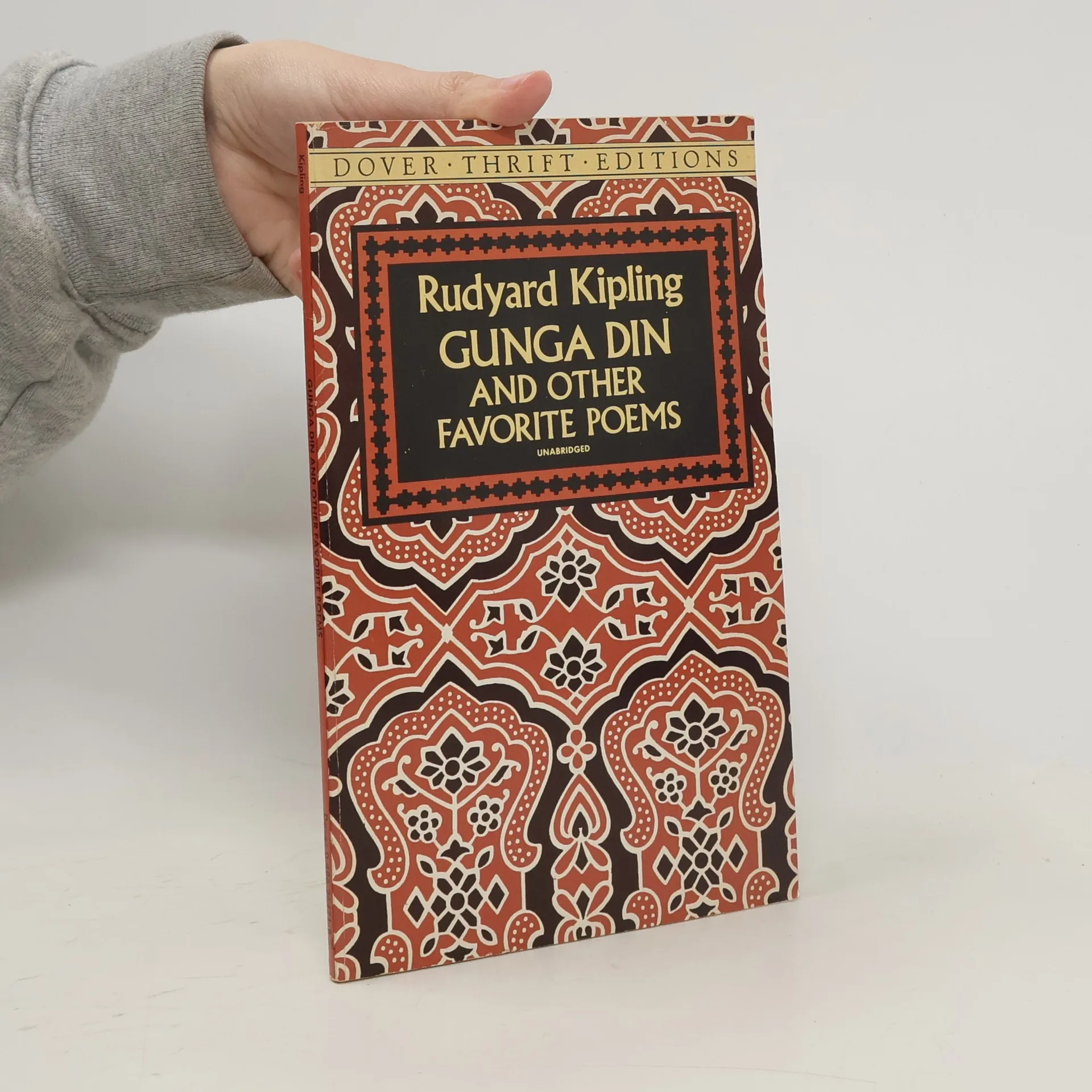
Celebrated for his evocative poetry, this collection features some of Kipling's most renowned works, such as "Gunga Din," "If," and "The White Man's Burden." Known for his deep connection to colonial India, Kipling's verses explore themes of duty, bravery, and the complexities of human nature. This anthology is an essential read for poetry enthusiasts and those who appreciate Kipling's influential literary contributions. Alongside his poetry, Kipling's notable prose works like "The Jungle Book" and "Kim" further showcase his literary legacy.
Unlike some other reproductions of classic texts (1) We have not used OCR(Optical Character Recognition), as this leads to bad quality books with introduced typos. (2) In books where there are images such as portraits, maps, sketches etc We have endeavoured to keep the quality of these images, so they represent accurately the original artefact. Although occasionally there may be certain imperfections with these old texts, we feel they deserve to be made available for future generations to enjoy.
Kipling's storytelling, rooted in his Victorian India childhood, weaves together themes of love and tragedy against a backdrop of famine. The collection features prophetic dreams and poignant narratives that provide insight into the lives of British India’s inhabitants. This collector's edition includes handpicked stories from his most cherished works, showcasing the magical and heartfelt essence of his tales.
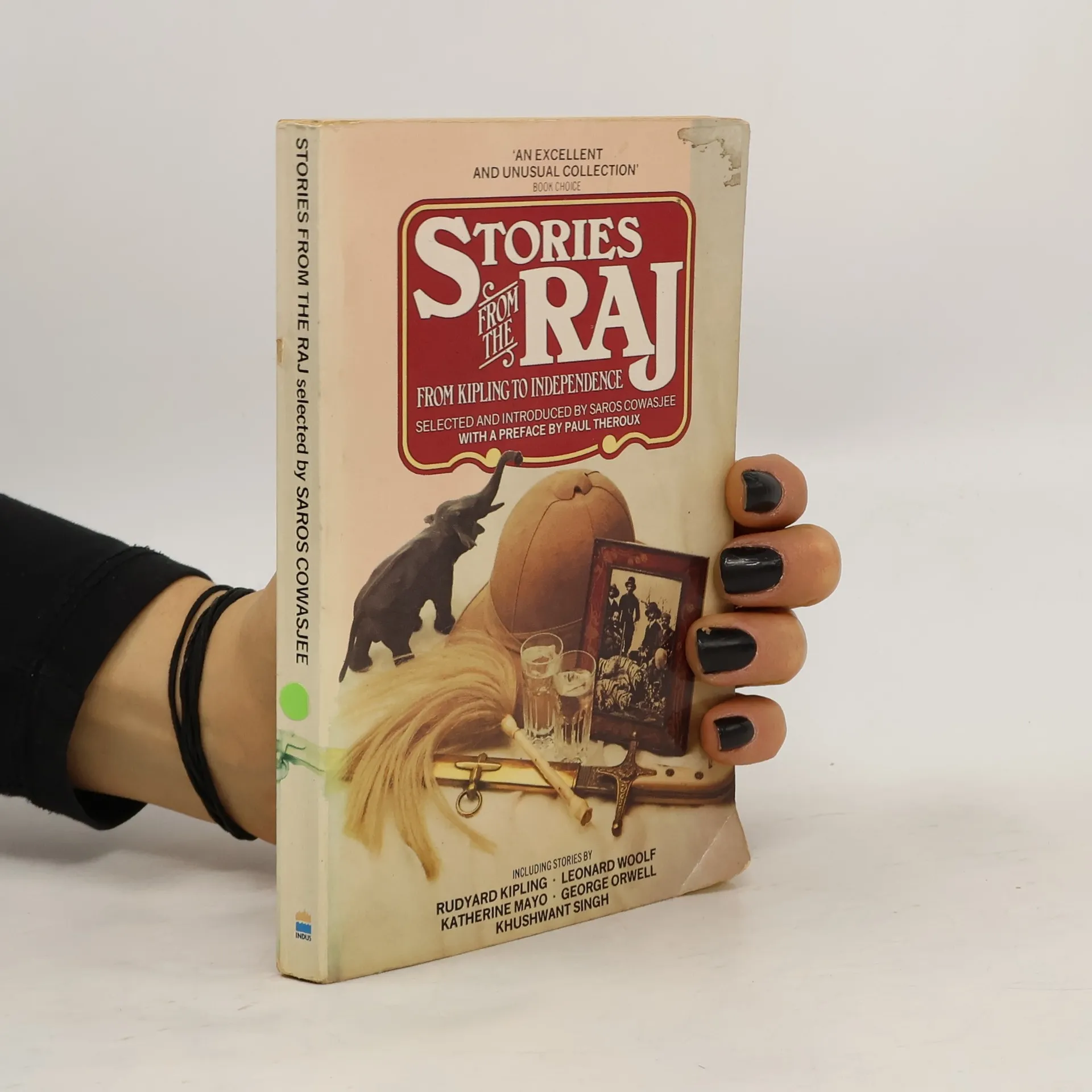
"These stories and poems cover the full range of Kipling's career from the youthful volumes that brought him fame as the chronicler of British India, to the bittersweet fruits of age and bereavement in the aftermath of the First World War" --back cover.
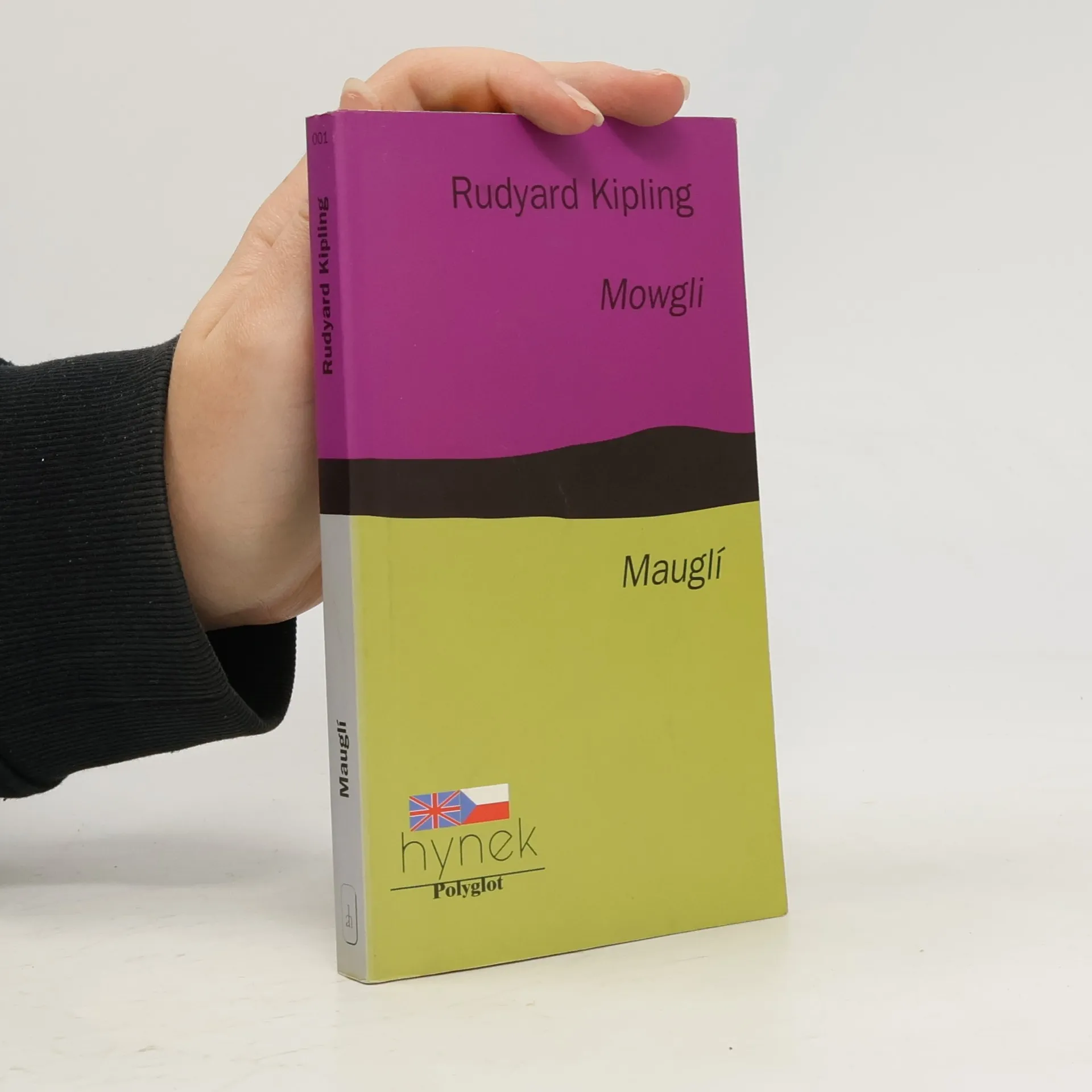
Dvojjazyčné vydání - anglický originál a český překlad - klasiky světové literatury pro přátele anglického jazyka.
Slavný příběh lidského mláděte Mauglího začíná, když jako malé batole unikne ze spárů lidožravého tygra Šér Chána. Je zachráněn rodinou vlků a později je přijat i za člena vlčí smečky. Jak Mauglí dospívá, jeho zvířecí přátelé, mezi něž patří především odvážný černý panter Baghíra, moudrý medvěd Balú a lstivá krajta Ká, jej učí životu v džungli.. Nedaleko Mauglího se však neustále potlouká tygr Šér Chán, který si umínil, že chlapce přeci jen uloví. Jednoho dne se ale role obrátí a z lovce se stává kořist. Chlapec nakonec odvěkého nepřítele vláká chytrým plánem do léčky a zabije ho. Mauglí si také postupně hledá cestu k lidem. Přijmou ho zpět mezi sebe?
An alternate cover for this isbn can be found here.Introduction and Notes by R.T. Jones, Honorary Fellow of the University of York.This edition of the poetry of Rudyard Kipling (1865-1936) includes all the poems contained in the Definitive Edition of 1940. In his lifetime, Kipling was widely regarded as the unofficial Poet Laureate, and he was awarded the Nobel Prize for Literature in 1907. His poetry is striking for its many rhythms and popular forms of speech, and Kipling was equally at home with dramatic monologues and extended ballads.He is often thought of as glorifying war, militarism, and the British Empire, but an attentive reading of the poems does not confirm that view. This edition reprints George Orwell's hard-hitting account of Kipling's poems, first published in 1942, and generally regarded as one of the most important contributions to critical discussion of Kipling.
Mowgli, the man-cub, is raised by wolves in the jungles of India. His friends and teachers are Baloo the bear and Bagheera the panther, and their enemy is the ferocious tiger Shere Khan. Mowgli's life is filled with adventure, and a thrilling chance to become a true hero of the jungle.'
Príbeh o Mauglím je klasickým rozprávaním o chlapcovi, ktorý bol vychovaný vlkmi v indickej džungli. Mauglí sa snaží nájsť svoje miesto medzi zvieratami a ľuďmi, čelí nebezpečenstvu a učí sa o priateľstve, odvahe a zrade. Jeho dobrodružstvá sú plné napätia a múdrosti, pričom sa stretáva s rôznymi postavami, ako sú panter Bagíra, medveď Balú a zlý tygr Šerchán. Kniha skúma témy identity, prirodzenosti a vzťahu medzi človekom a zvieratami. Mauglí sa musí rozhodnúť, či sa vráti do sveta ľudí, alebo zostane v džungli, kde sa cíti doma. Tento príbeh ponúka hlboké zamyslenie nad hodnotami a morálnymi dilematami, s ktorými sa každý z nás môže stretnúť.
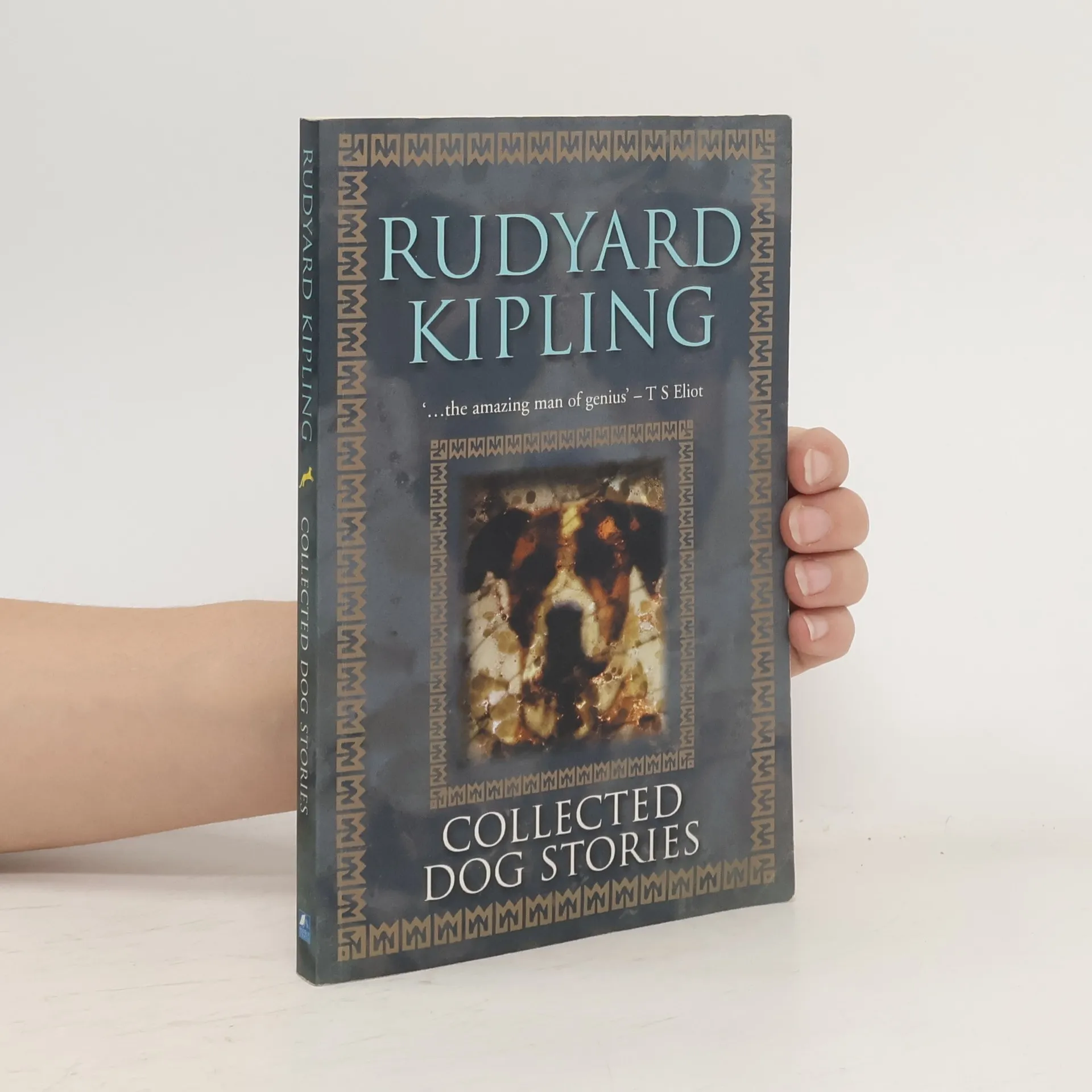
Rudyard Kipling here turns his hand to the canine world. Each delightful story centres around a particular dog - whether 'Toby Dog', - 'The Black Aberdeen', or 'A Sea Dog' - and reveals the creature's relation to his human counterpart. The works demonstrate once again Kipling's remarkable skill at delighting adults and children alike.
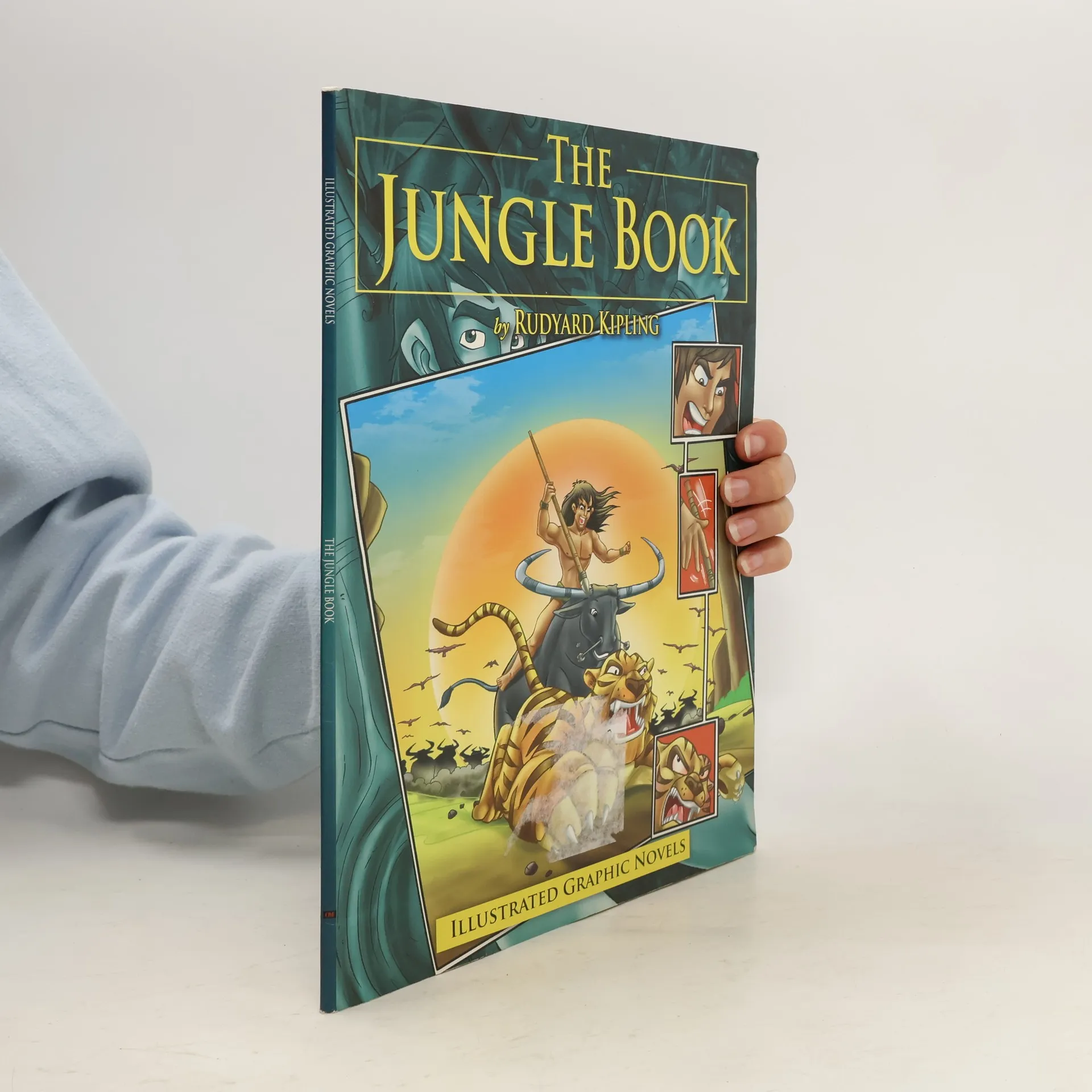
Classic stories and fairy tales go hand in hand with a child’s growing up years. However, in this age of comic books, the classics are gradually finding less and less takers. Keeping this in mind we have selected 24 such all time favourite classics and translated them into graphic format. While remaining faithful to the original plot, these stories contain neat, pithy text and vivid, colourful graphics that make reading a pleasure.Children as well as adolescents will find this series to be a fascinating read, and it can help your child to make the ascension from cartoons to the classics.
Treasury of 44 poems recalls British character and attitudes at the height of the Empire. "Gunga Din," "Danny Deever," "If," "The White Man s Burden," many others, reprinted from standard texts. Notes."
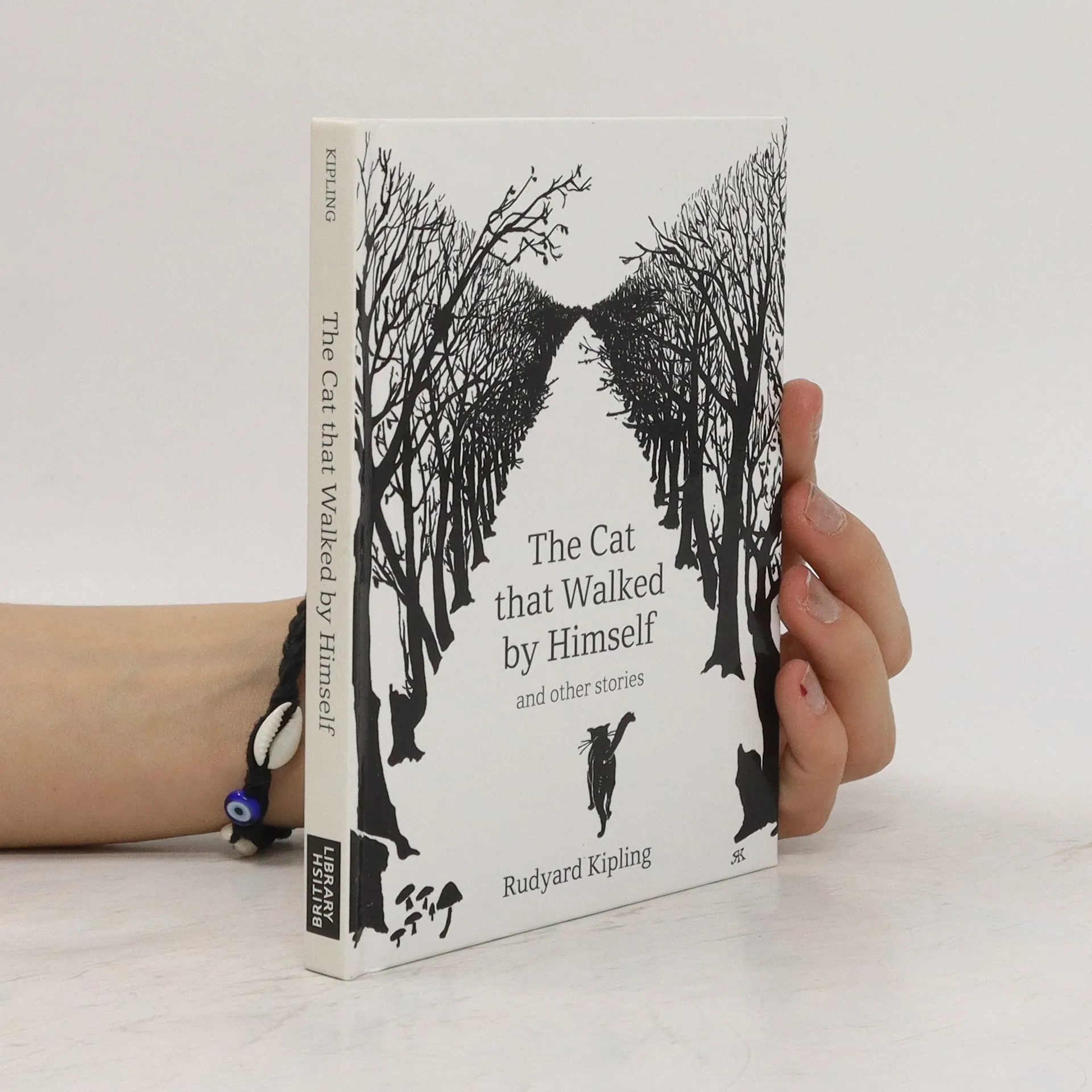
This beautiful gift edition presents the best-loved story 'The Cat that Walked
by Himself' alongside 'How the Camel Got His Hump', 'How the Rhinoceros Got
His Skin' and 'The Elephant's Child', and reproduces the author's delightfully
evocative original illustrations.
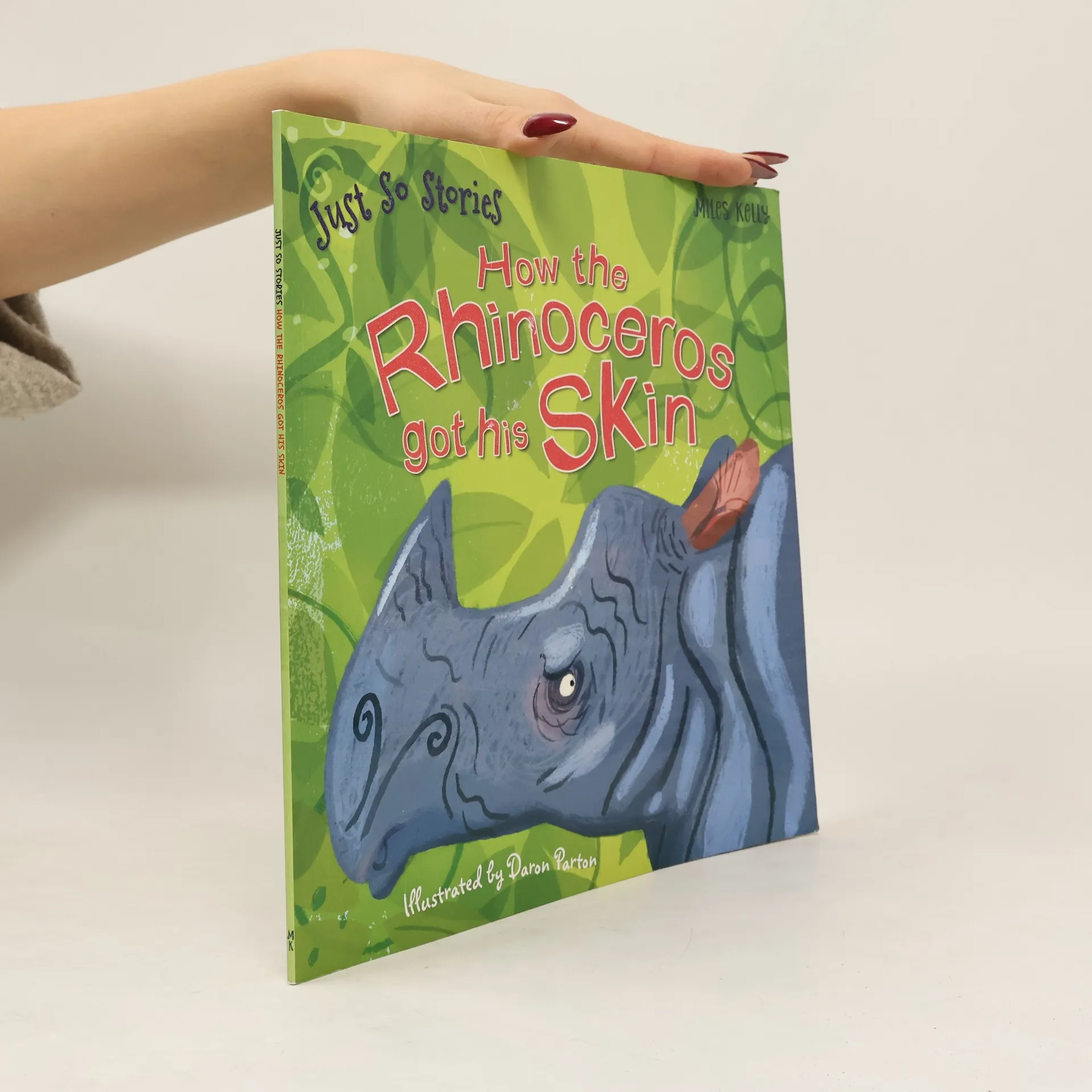
Rudyard Kipling's brilliantly funny tale of How the Rhinoceros got his Skin
has been perfectly captured by Daron Parton's quirky and colourful
illustrations. Every page showcases delightful full-bled artwork, packed with
charm and detail that will enthrall young children aged 3+.
In this graphic retelling of a beloved classic, a leopard embarks on a journey to acquire its distinctive spots. The story captures the essence of Kipling's original tale while presenting it in an engaging visual format, appealing to both new readers and fans of the original. Through vibrant illustrations and a fresh perspective, the narrative explores themes of identity and transformation, making it an enchanting read for all ages.
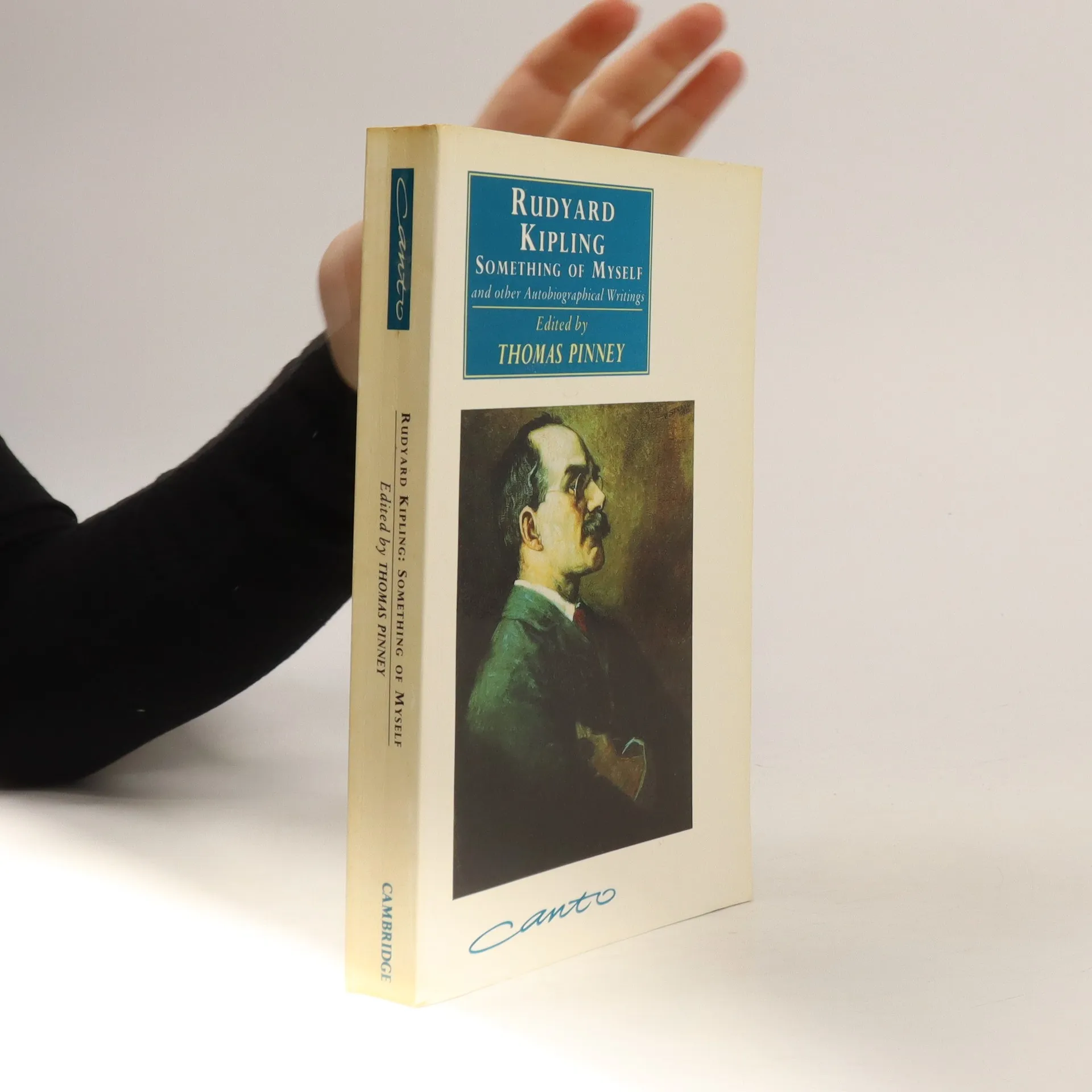
Rudyard Kipling's autobiography, Something of Myself, was the author's last work, but it has not received the serious attention it deserves. Thomas Pinney's edition of the work, supplemented by other autobiographical pieces, aims to change that. Professor Pinney, a leading textual editor currently engaged on Kipling's letters, has consulted the available source material relating to Something of Myself. He has constructed an outline of the book's composition; described the history of its publication; established a text and a set of variants; and given a critical account of the book's design and its main themes. His annotations to the work (and to the supplementary pieces) identify references and allusions, and provide a biographical context against which Kipling's selections, omissions, and distortions may clearly be seen. The extent to which Kipling's description of his life failed to match what actually happened is extraordinary. Two of the additional items presented here (Kipling's Indian diary of 1885 and the illustrations he made for his autobiographical story, 'Baa Baa, Black Sheep') are previously unpublished. Pinney shows how they, and other forms of autobiographical writing, reflect upon or complicate the narrative of Something of Myself. This carefully prepared edition sheds new light on Kipling as a man and writer.
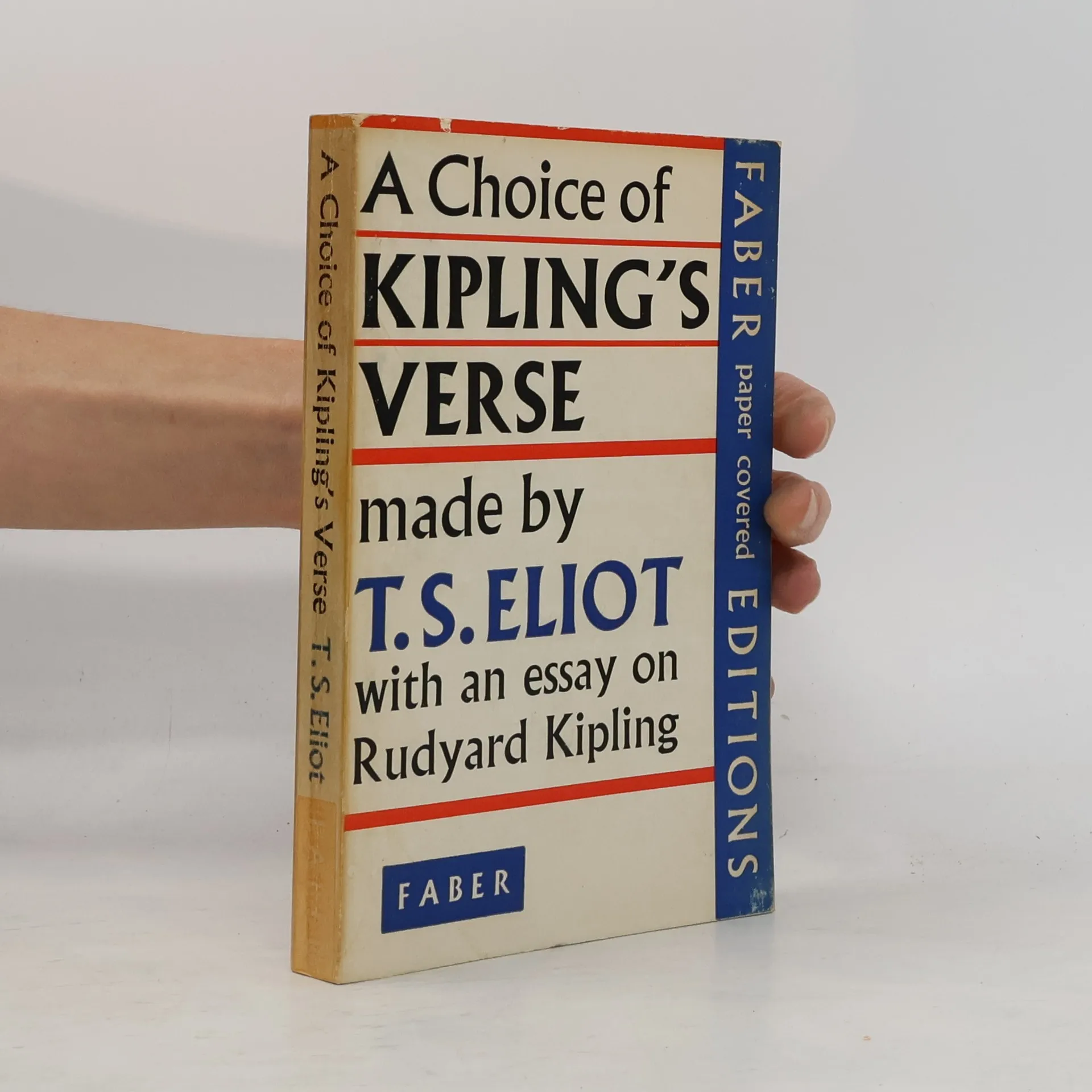
'The best criticism renews our interest in an author, and that is what Mr
Eliot has done in his remarkable essay which prefaces his own selection from
Kipling's verse . . . a mature essay full of insight . . . Mr Eliot's essay is
an admirable example of the finest type of criticism.
Kipling visited Japan in 1889 and 1892. No other leading English literary figure of his day spent so long in that country or wrote so fully about it. Kipling's newspaper despatches from Japan were decsribed by the great Japanologist Basil Han Chamberlain as 'the most graphic even penned by a globetrotter'. These vivid pen-pictures, togteher with Kipling's other writings about Japan, are now collected by Sir Hugh Cortazzi and gerorge Webb, carefully edited with an introduction wand Notes.
Set against the backdrop of British India, this collection features eight short stories that explore the complexities of colonial life in Shimla. The narratives delve into themes of infidelity, duty, and misunderstanding, showcasing the lives of British officials and their families. From the poignant tales of personal sacrifice in "Only a Subaltern" to the satirical critique of colonial ignorance in "The Enlightenments of Pagett, M.P.", Kipling masterfully captures the nuances of human relationships and societal expectations during a tumultuous era.
Kipling's life and work reflect an age now gone--the age of British Empire and Victorian manners. This biography explores his lengthy travels around the world, especially to the India of the Raj, & his isolated, active old age in Sussex. B&W photos & illus.
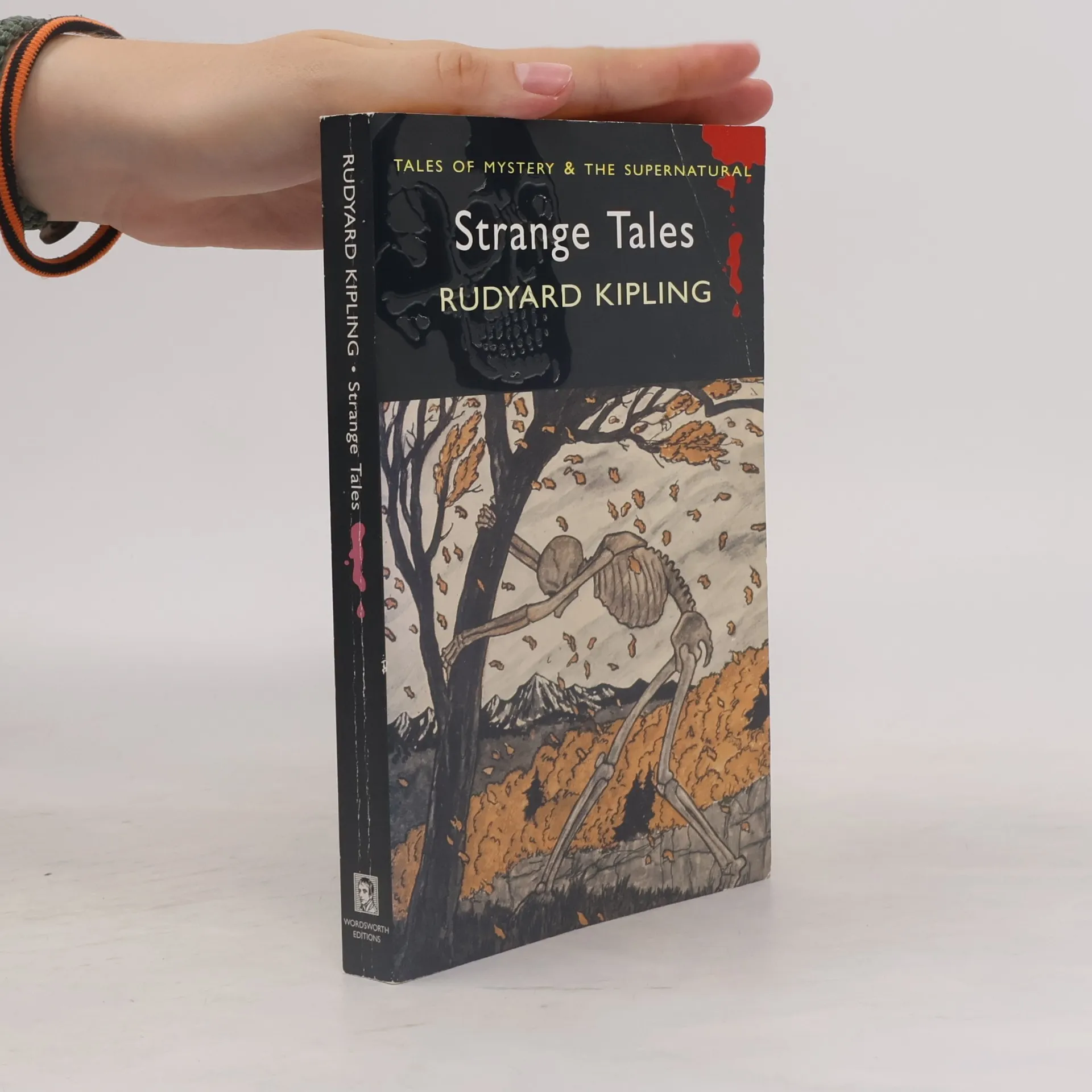
Rudyard Kipling, celebrated author of The Jungle Book, the Just So Stories and other entertaining fictions, was also a master of the short story in which he was able to combine the strange and unnerving in order to draw the reader into the world of his own dark imaginings. This collection presents the best of these strange tales in which ghosts, monsters and inexplicable happenings abound.
Short excerpt: For three years he had endured heat and cold, disappointment, discomfort, danger, and disease, with responsibility almost to top-heavy for one pair of shoulders; and day by day, through that time, the great Kashi Bridge over the Ganges had grown under his charge.
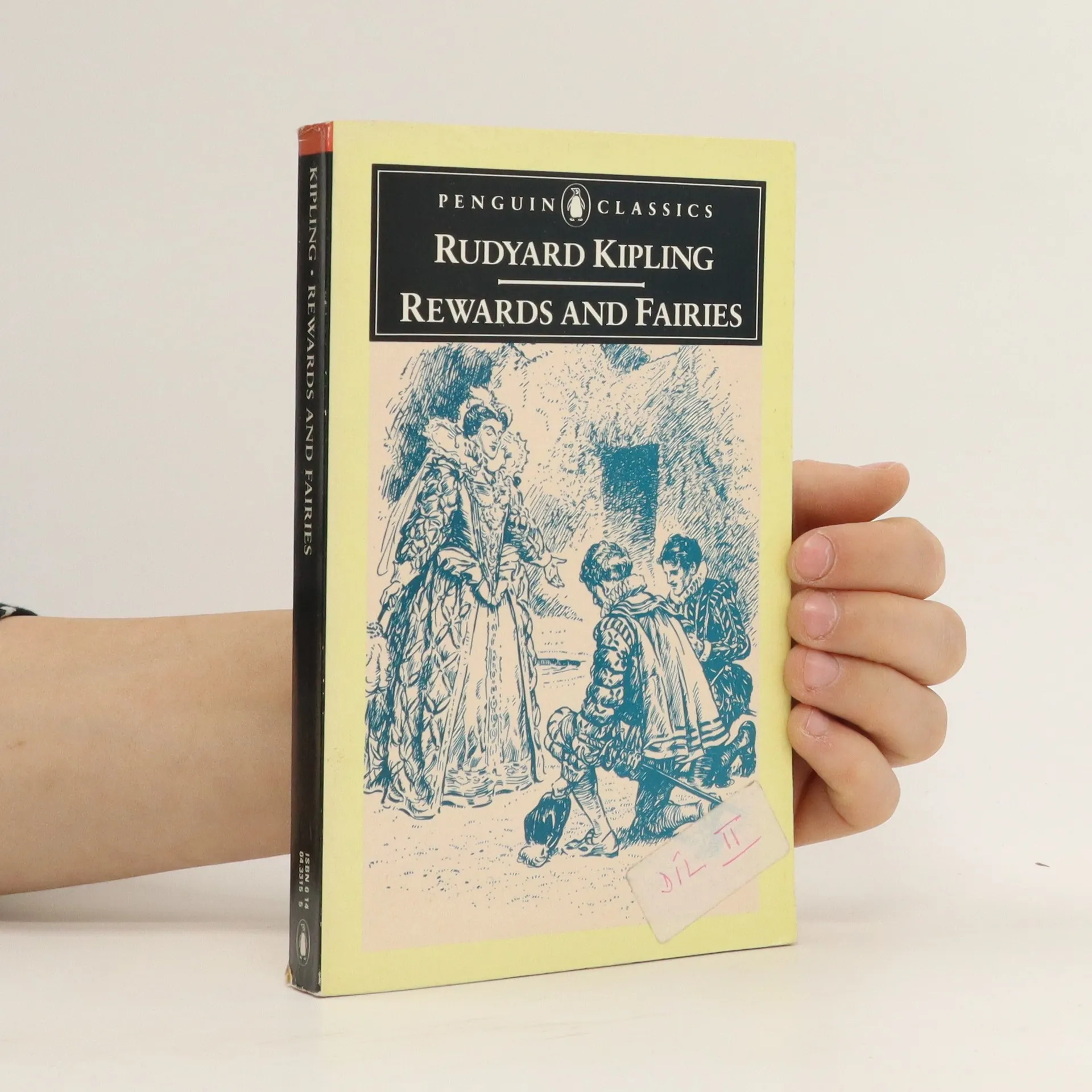
This second collection of stories and poetry featuring Dan and Una and their adventures with the fairy, Puck, is a classic to treasure. Set in the surroundings of his Sussex home, Bateman's, Kipling's sparkling storytelling perfectly captures the myth and mystery of the English countryside.Originally published by Macmillan in 1910, the collection includes If, the nation's favourite poem and features original illustrations by Charles E. Brock.
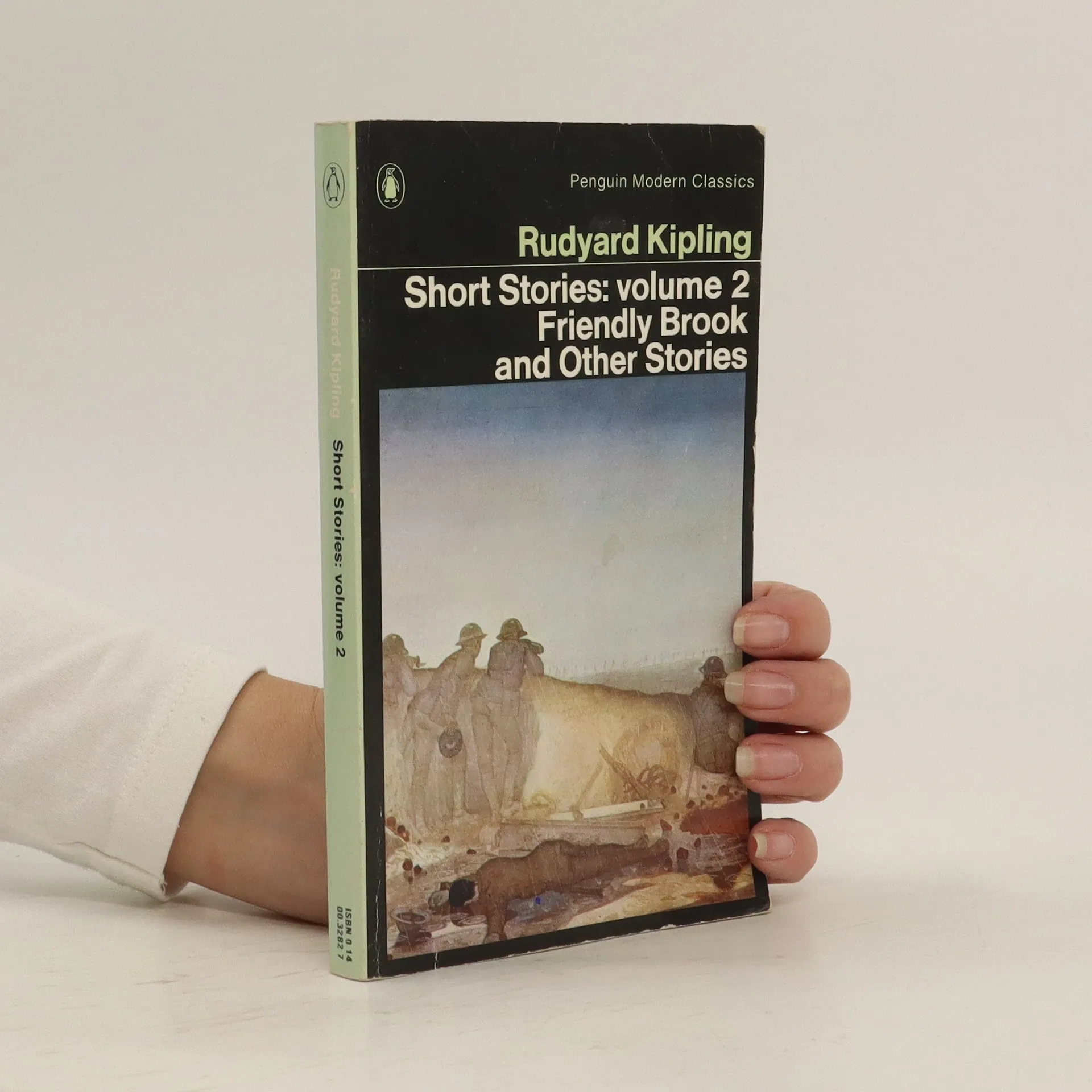
Penguin Modern Classics. Edited by Andrew Rutherford. Cover shows a detail from 'A German Attack on a Wet Morning, April 1918' by H. S. Williamson, in the Imperial War Museum (photo Chris Barker).
The Second Jungle Book is a sequel to The Jungle Book by Rudyard Kipling. First published in 1895, it features five stories about Mowgli and three unrelated stories, all but one set in India, most of which Kipling wrote while living in Vermont.
The story of Mowgli, the abandoned “man-cub” who is brought up by wolves in the jungles of Central India, is one of the greatest literary myths ever created. As he embarks on a series of thrilling escapades, Mowgli encounters such unforgettable creatures as the bear Baloo, the graceful black panther Bagheera and Shere Khan, the tiger with the blazing eyes. Other animal stories in The Jungle Books range from the dramatic battle between good and evil in “Rikki-tikki-tav” to the macabre comedy, “The Undertakers.” With The Jungle Books, Rudyard Kipling drew on ancient beast fables, Buddhist philosophy, and memories of his Anglo-Indian childhood to create a rich, symbolic portrait of man and nature, and an eternal classic of childhood. This edition contains both of Kipling’s Jungle Books, as well as “In the Rukh,” the story that introduced readers to Mowgli. Part of Penguin’s beautiful Hardcover Classics series, designed by the award-winning Coralie Bickford-Smith, these delectable and collectible editions are bound in high-quality, tactile cloth with foil stamped into the design
Rudyard Kipling (1865-1936) is often regarded as the unofficial Laureate of
the British Empire. This selection of his poetry shows the development of
Kipling's talent, his deepening maturity, and the growing sombreness of his
poetic vision. It ranges from Mandalay and Gunga Din, to If and Epitaphs of
the War. schovat popis