

A clear and practical guide to investment by internationally renowned economist John Kay
J. A. John Anderson Kay Ordine dei libri (cronologico)
Questo autore impiega un'analisi rigorosa e logica per comprendere meglio la società, concentrandosi sull'applicazione di concetti economici. Il suo lavoro enfatizza la divulgazione e la spiegazione chiara di idee complesse a un pubblico più ampio. Attraverso i suoi scritti, esplora le finanze pubbliche e l'organizzazione industriale, estendendo il suo interesse alla politica aziendale e a questioni sociali più ampie. L'autore si sforza di collegare il rigore accademico con l'impatto pratico, offrendo ai lettori una prospettiva avvincente e accessibile sui principi economici e sulle loro applicazioni nel mondo reale.

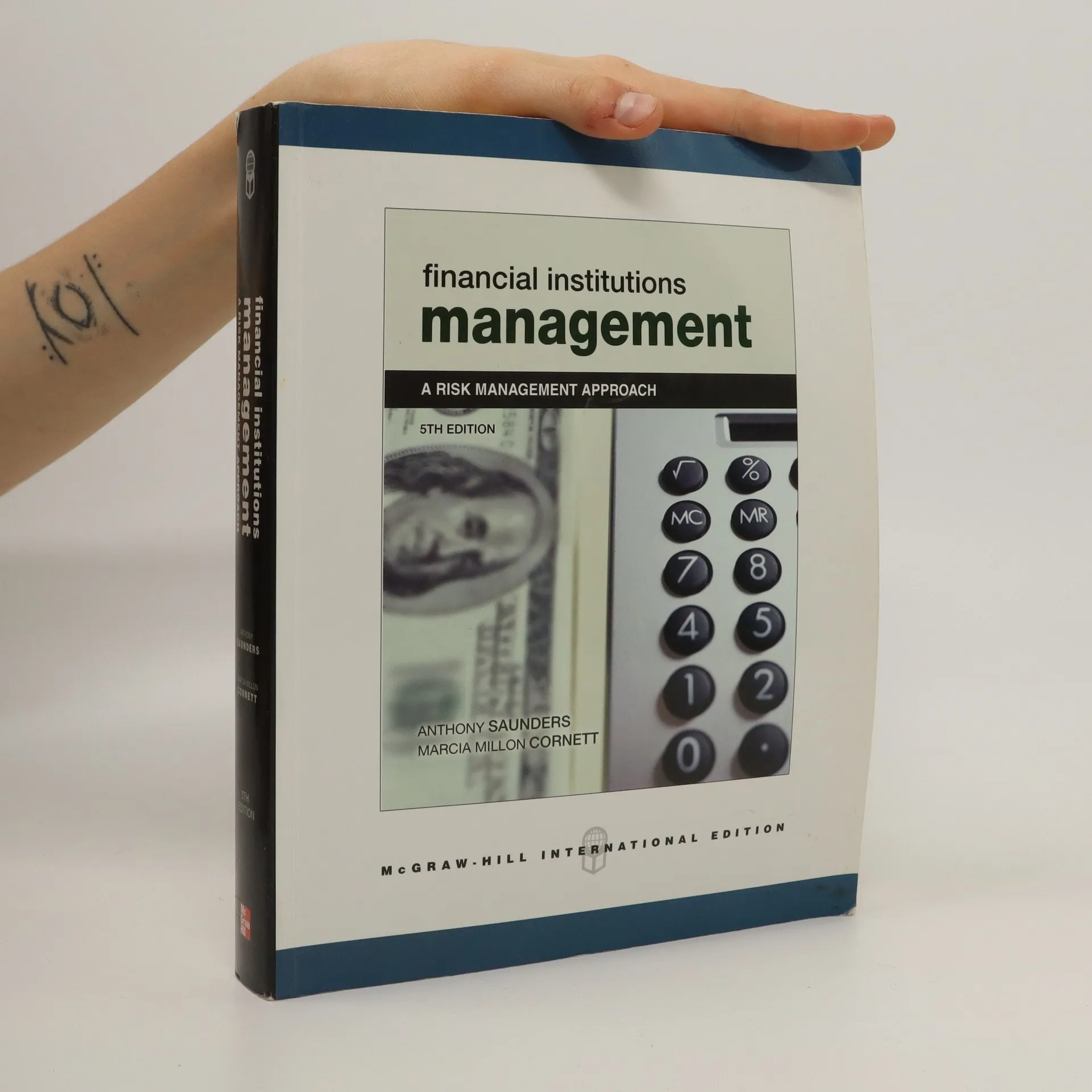
Financial Institutions Management
- 856pagine
- 30 ore di lettura
Focuses on managing return and risk in financial institutions. The text argues that risks faced by financial institutions managers, and the methods and markets through which these risks are managed are becoming similar whether an institution is chartered as a commercial bank, a savings bank, an investment bank, or an insurance company.
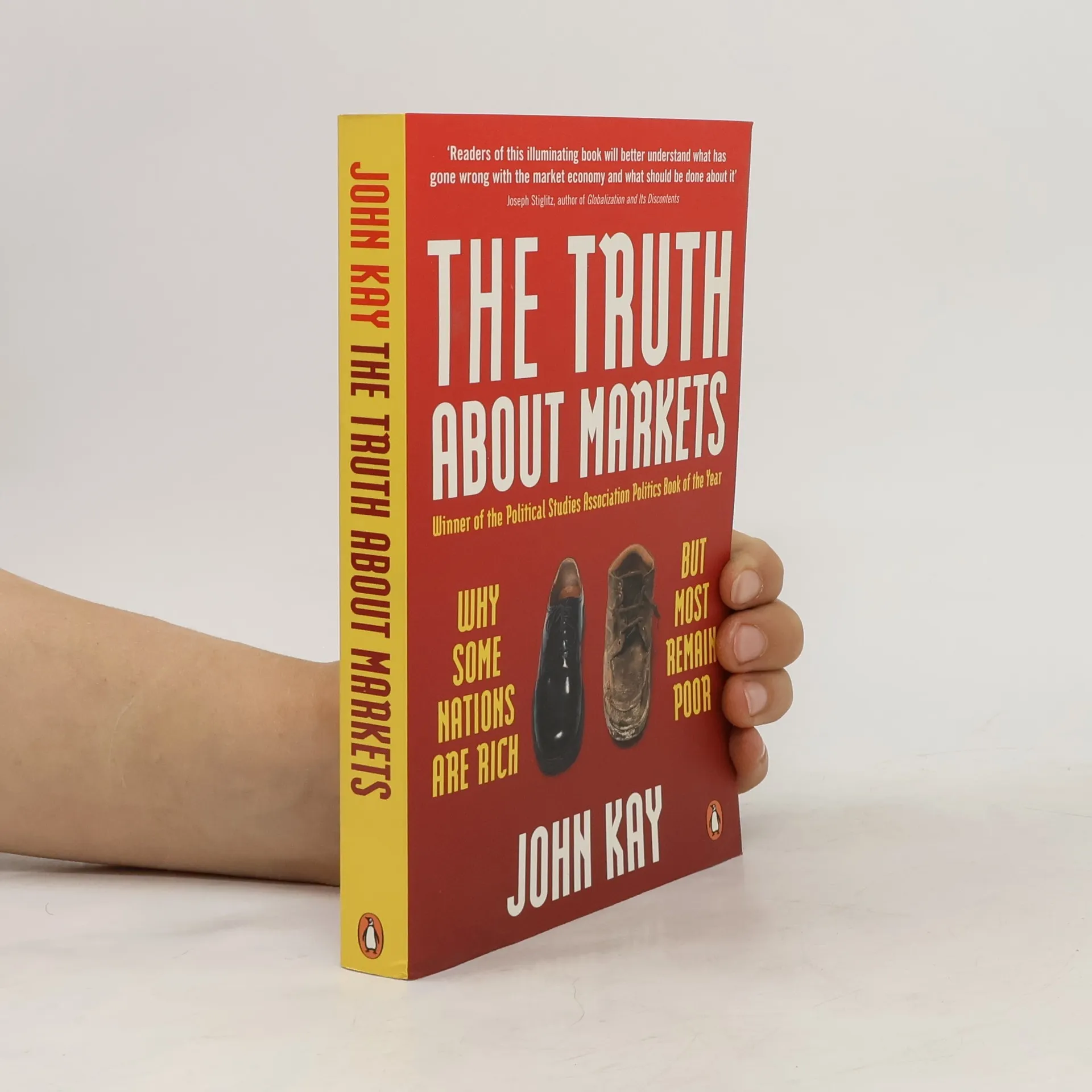
The Truth About Markets. Why Some Nations are Rich but Most Remain Poor
- 496pagine
- 18 ore di lettura
Capitalism faltered at the end of the 1990s as corporations were rocked by fraud, the stock-market bubble burst and the American business model � unfettered self-interest, privatization and low tax � faced a storm of protest. But what are the alternatives to the mantras of market fundamentalism? Leading economist John Kay unravels the truth about markets, from Wall Street to Switzerland, from Russia to Mumbai, examining why some nations are rich and some poor, why �one-size-fits-all� globalization hurts developing countries and why markets can work � but only in a humane social and cultural context. His answers offer a radical new blueprint for the future.
Everlasting light bulbs
- 184pagine
- 7 ore di lettura
This collection of short essays features articles based on economic topics and opinions.
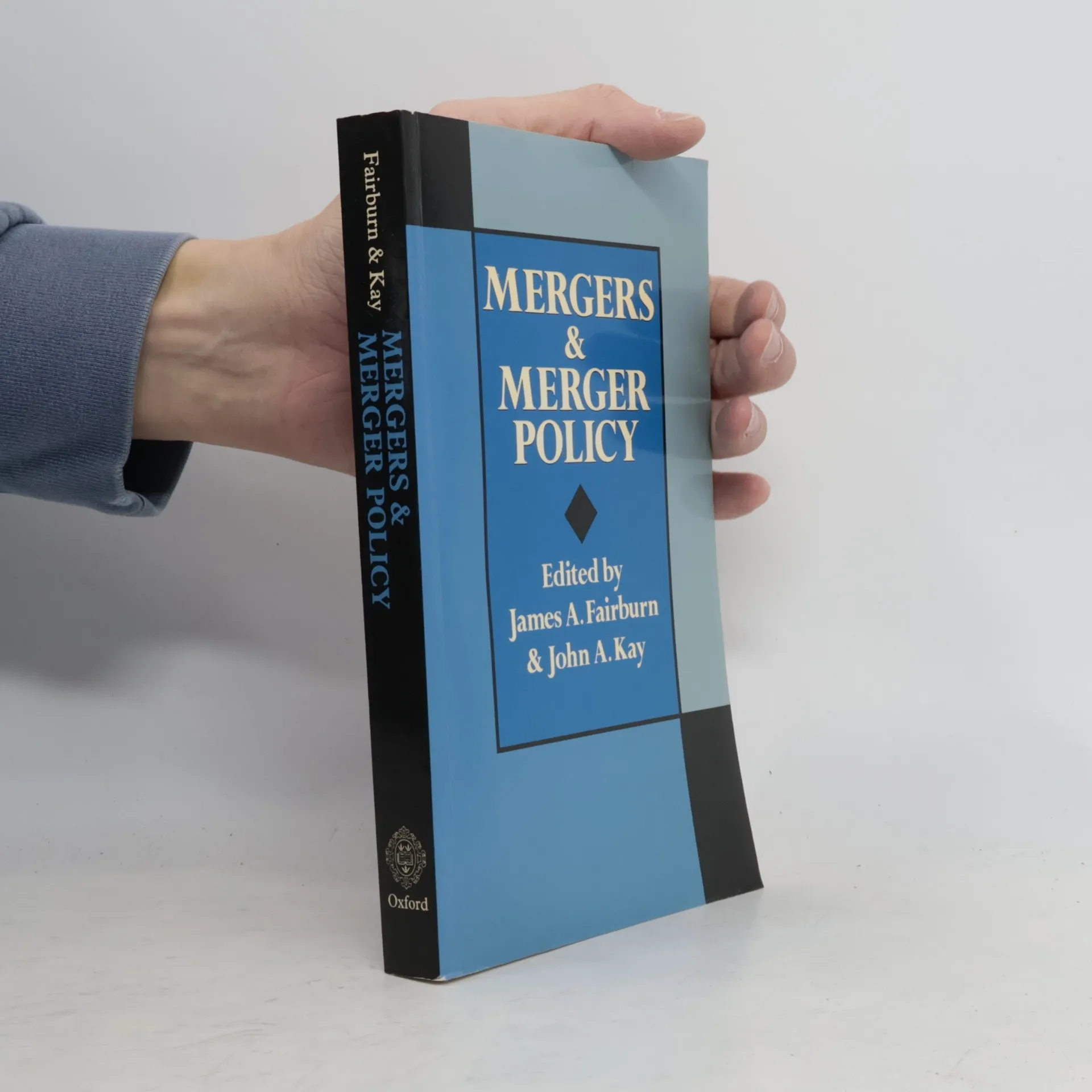
Mergers and Merger Policy
- 368pagine
- 13 ore di lettura
British merger policy, which has long lacked clarity and effectiveness, has been the subject of government review. This collection of essays by leading policymakers and academics confronts several crucial questions about the merger process: Does it serve as a check on management efficiency, or is it the result of too little control or too much management discretion? Do shareholders and consumers gain or lose from mergers? Is the effect of mergers on competition the only public concern, and how anyway is competition to be assessed in an economy increasingly dominated by imports? Can policymakers learn from abroad, or are the current institutions and procedures the best available?