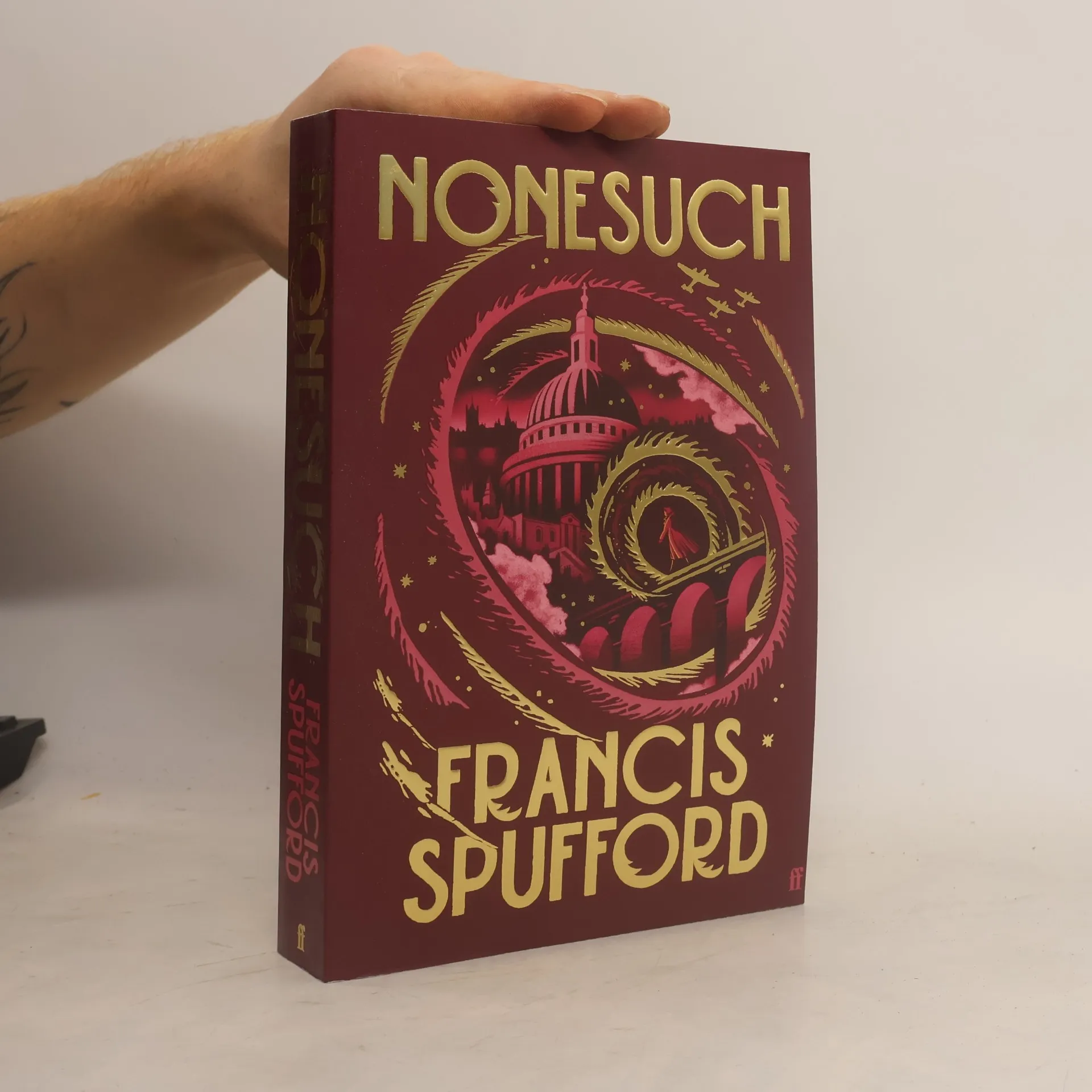
IT'S THE SUMMER OF 1939. London is on the brink of catastrophic war. Iris Hawkins, an ambitious young woman in the stuffy world of City finance, has a chance encounter with Geoff, a technical whizz at the BBC's nascent television unit. What was supposed to be one night of abandon draws her instead into an odyssey of otherworldly pursuit – into a reality where time bends, spirits can be summoned and history hangs by a thread. Soon there are Nazi planes overhead, bombs dropping every night. But Iris has more to contend with than the terrors of the Blitz. Above the rooftops of burning London, in the twisted passages between past and present, a fascist fanatic is travelling with a gun in her hand. Only Iris can stop her from altering the course of history forever.
Francis Spufford Ordine dei libri (cronologico)
Spufford si distingue per una transizione fluida tra i generi, mantenendo sempre un forte talento narrativo. Le sue opere intrecciano magistralmente fatti e finzione, esplorando spesso eventi storici e il loro impatto sui destini umani. Lo stile di Spufford è notevole per la sua capacità di coinvolgere i lettori in argomenti complessi attraverso una narrazione avvincente. La sua scrittura si è evoluta dalla saggistica storica a romanzi a pieno titolo, conservando sempre una prospettiva unica e profondità letteraria.

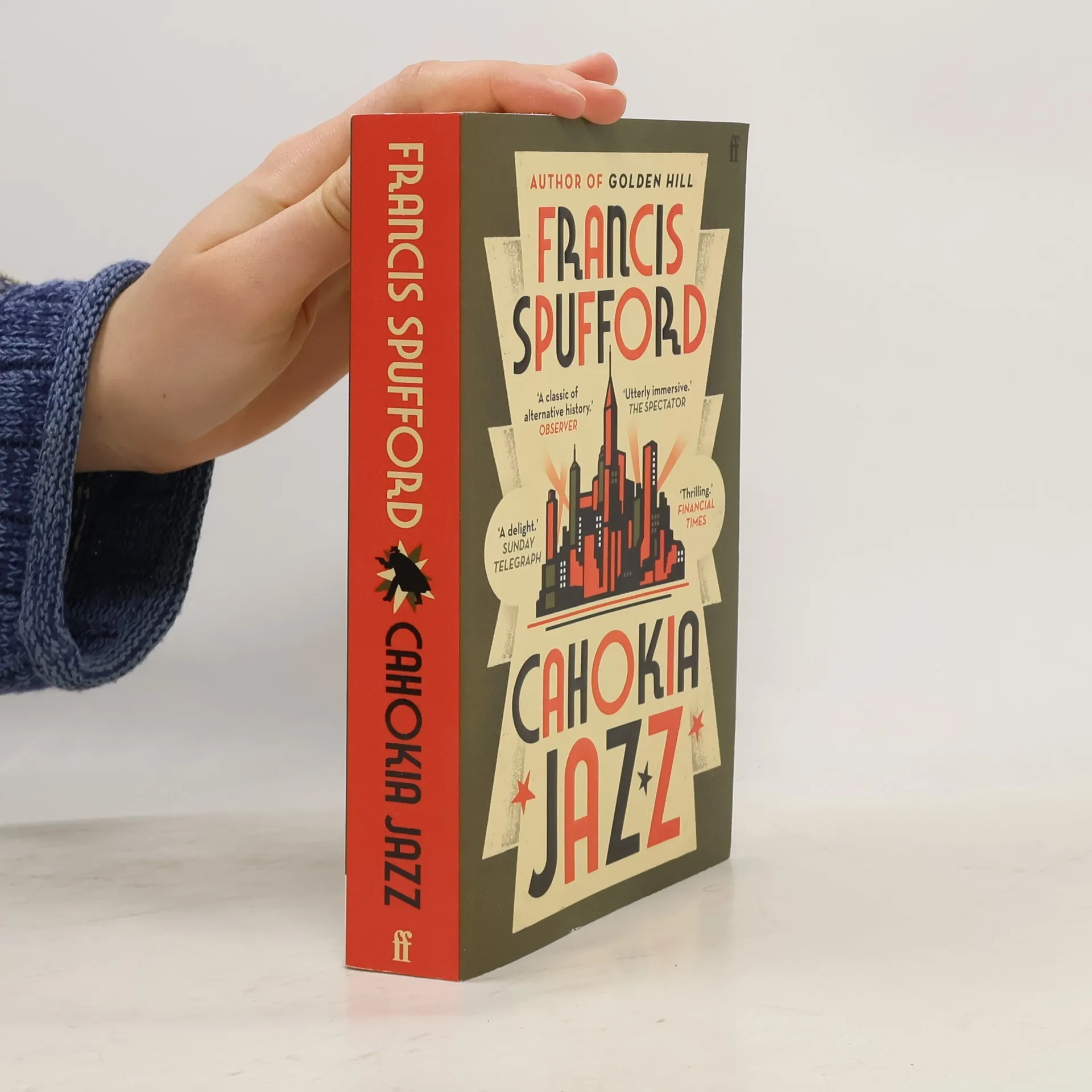


Cahokia Jazz
- 496pagine
- 18 ore di lettura
A thrilling tale of murder and mystery in a city where history has run a little differently -- from the best-selling author of Golden Hill.In a city that never was, in an America that never was, on a snowy night at the end of winter, two detectives find a body on the roof of a skyscraper.It's 1922, and Americans are drinking in speakeasies, dancing t[Bokinfo].
Una luce che non si spegne
- 368pagine
- 13 ore di lettura
Dall'acclamato autore di Golden Hill, un romanzo affascinante e audacemente inventivo che esplora le infinite possibilità di cinque vite nei vivaci quartieri di Londra del XX secolo. Durante la pausa pranzo di un sabato nel 1944, il Woolworths di Bexford High Street riceve una consegna di pentole di alluminio. Una folla si raduna per vedere il primo nuovo metallo da tempo, poiché tutto è stato fuso per lo sforzo bellico. Un attimo dopo, la folla è scomparsa; incenerita. Tra gli acquirenti c'erano cinque giovani bambini. Chi erano? Quali futuri hanno perso? Questo romanzo brillantemente costruito lascia scorrere un nastro temporale alternativo, immaginando gli archi di vita di queste cinque anime mentre vivono attraverso i cambiamenti straordinari e inimmaginabili della Londra del ventesimo secolo. Le loro intime drammatiche quotidiane, come figli e figlie, coniugi, genitori, nonni; come separati, risposati, in lutto. Attraverso decenni di trasformazioni sociali, sessuali e tecnologiche, come conducenti di autobus e proprietari, truffatori e insegnanti, pazienti e detenuti. Giorni di trionfi personali, disastri; di seconde possibilità e redenzione. Ingegnoso e profondo, pieno di calore e bellezza, Una luce che non si spegne illumina le forme dell'esperienza, l'ordinarietà dell'ordinario, i misteri della memoria e dell'aspettativa, e la preziosità della vita.
Golden Hill
- 352pagine
- 13 ore di lettura
I've no history here, and no character: and what I am, is all in what I will be...
Unapologetic
- 224pagine
- 8 ore di lettura
"Suitable for believers who are fed up with being patronised, for non-believers curious about how faith can possibly work in the twenty-first century, this title presents an argument that Christianity is recognisable, drawing on the vocabulary of human feeling, and satisfying those who believe in it."--Www.whitcoulls.co.nz.
Red Plenty. Rote Zukunft, englische Ausgabe
- 448pagine
- 16 ore di lettura
What if the Soviet 'miracle' had worked, and the communists had discovered the secret to prosperity, progress and happiness.'
Backroom Boys
- 240pagine
- 9 ore di lettura
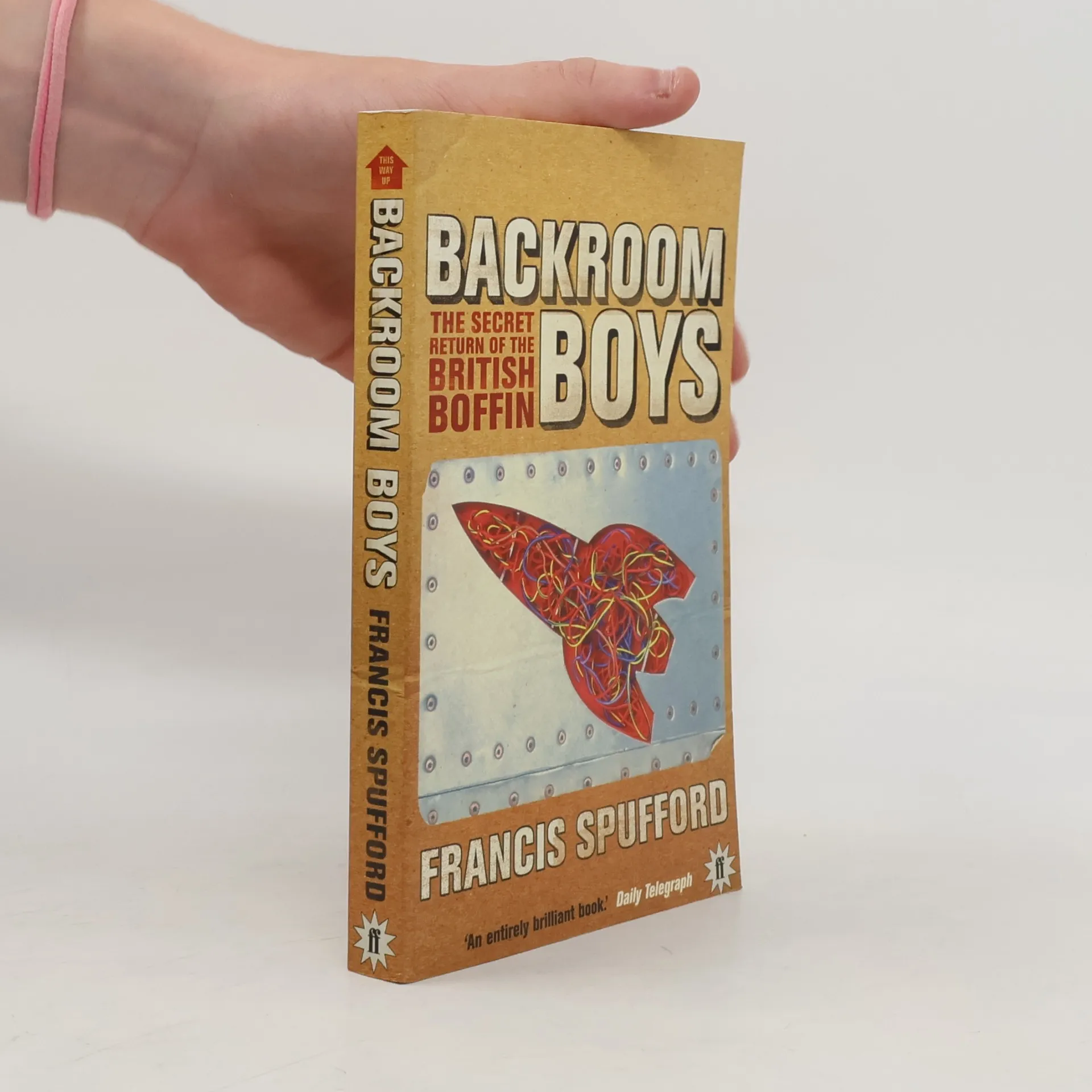
Offers an account of how British boffins triumphed across the decades in creating everything from computer games to Martian landers. This book contains chapters on the Beagle II, Elite - the 80s computer game, the Blue Streak missile, Concorde, mobile phone technology and the Human Genome Project, among others.
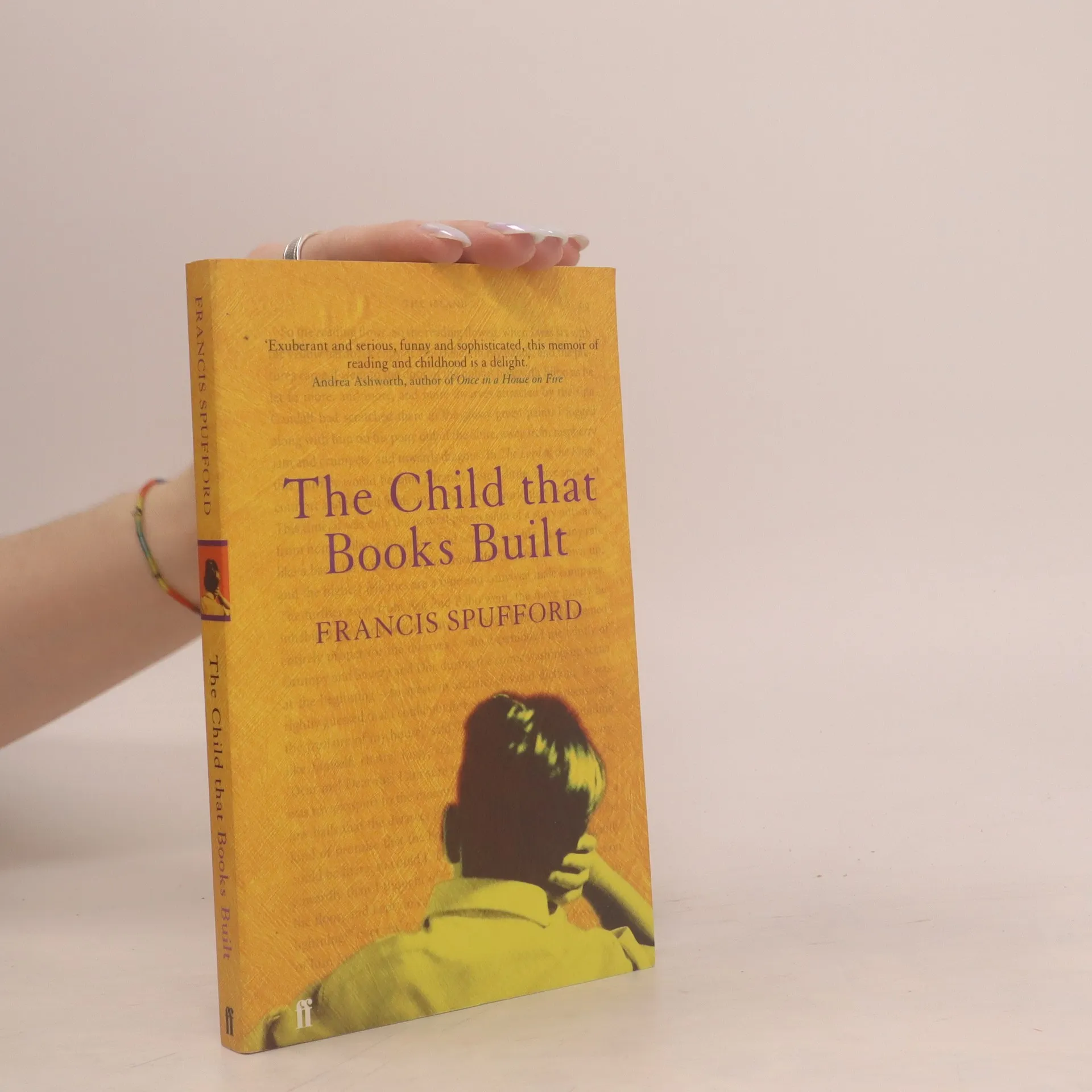
Children's books - from Narnia to The Hobbit - are celebrated in this enlightened examination of the joys of childhood reading.Fairy tales and Where the Wild Things Are, The Lord of the Rings and the Narnia books, Little House on the Prairie and The Earthsea Trilogy. What would you find if you went back and re-read your favourite books from childhood? Francis Spufford discovers both delight and sadness, in this widely celebrated memoir of a boy who retreats into books, faced with a tragedy in his family.'A beautifully composed and wholly original memoir, sounding the classics of children's literature.' David Sexton, Evening Standard'Exuberant and serious, funny and sophisticated, this memoir of reading and childhood is a delight.' Andrea Ashworth
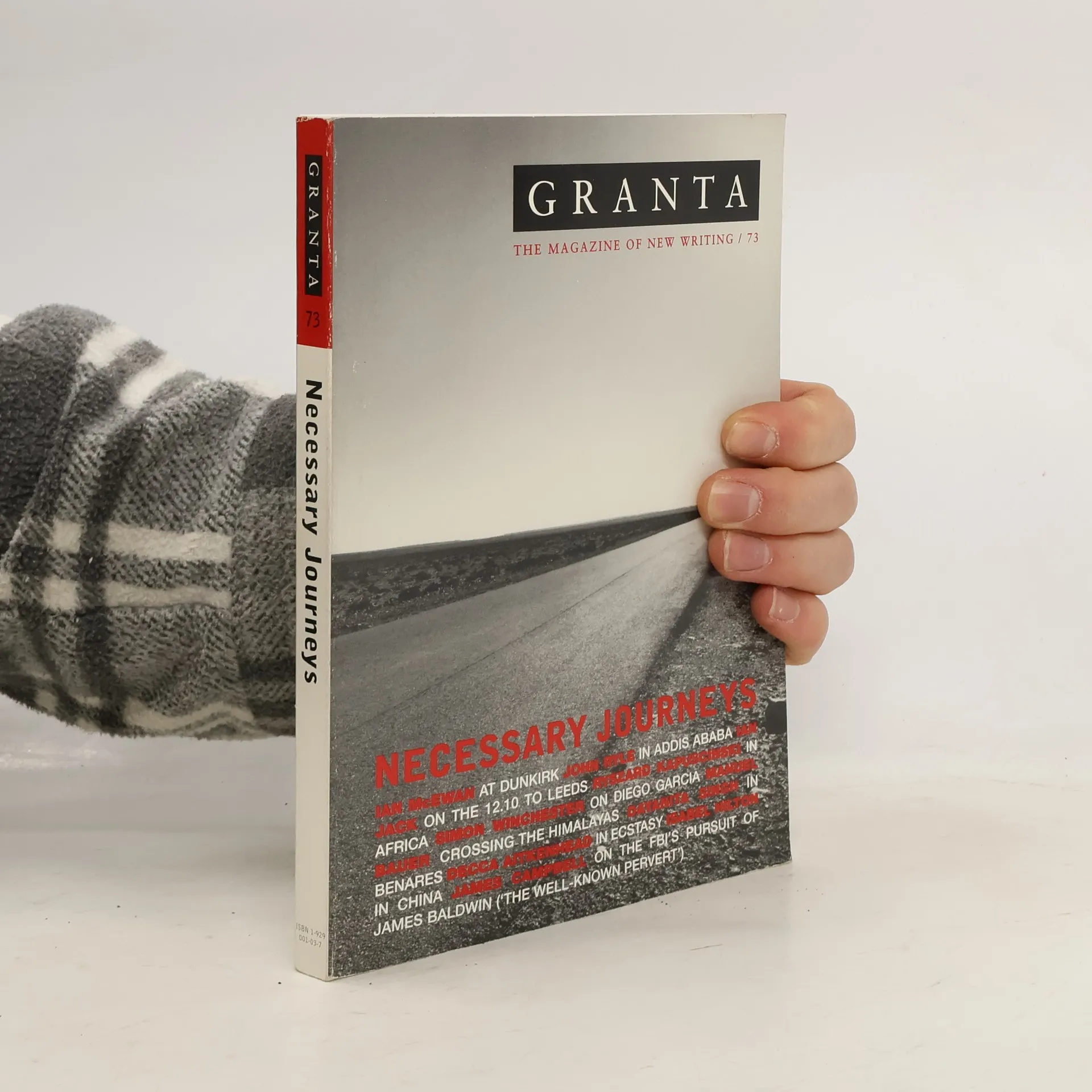
Travel is no longer a luxury and not always an entertainment. Many journeys need to be made‹to get home or away from an enemy, to work, to find a last resting place, or because someone has told you to go. This issue of Granta is about such journeys; you might call it necessary travel writing, with Decca Aitkenhead: looking for cheap sex and drugs; Manuel Bauer: a child¹s escape over the Himalayas; Isabel Hilton: what have they done to Beijing?; Ian Jack: the train crash that stopped Britain; Ryszrd Kapuscinski: in the forests of Cameroon; Ian McEwan: on the retreat to Dunkirk, 1940; John Ryle: the last Emperor makes his last journey; Dayanita Singh: inside a sanctuary for girls in Benares; Simon Winchester: how Britain and the US made a people homeless; plus the untold story of how the FBI pursued James Baldwin at home, revealed by James Campbell. Granta is the paperback magazine of new writing. Every issue features the best new fiction, reportage, memoir and photography, generally collected under a theme.
I May Be Some Time
- 416pagine
- 15 ore di lettura
When Captain Scott died in 1912 on his way back from the South Pole, his story became a myth embedded in the national imagination.