Bookbot

Steven Pinker

    18 settembre 1954

    Steven Pinker è un eminente psicologo sperimentale e scienziato cognitivo canadese-americano, noto per le sue ampie esplorazioni della natura umana e della sua rilevanza per il linguaggio, la storia, la moralità e la politica. Il suo lavoro approfondisce il linguaggio e la cognizione, navigando attraverso argomenti complessi con chiarezza e intuizione. Le audaci indagini di Pinker sfidano le supposizioni comuni, spingendo i lettori a riconsiderare la loro comprensione del comportamento umano e del progresso. Attraverso la sua scrittura, cerca di illuminare i meccanismi della mente e le implicazioni della conoscenza per la società.

    Steven Pinker
    How the Mind works
    The Sense of Style
    The Blank Slate
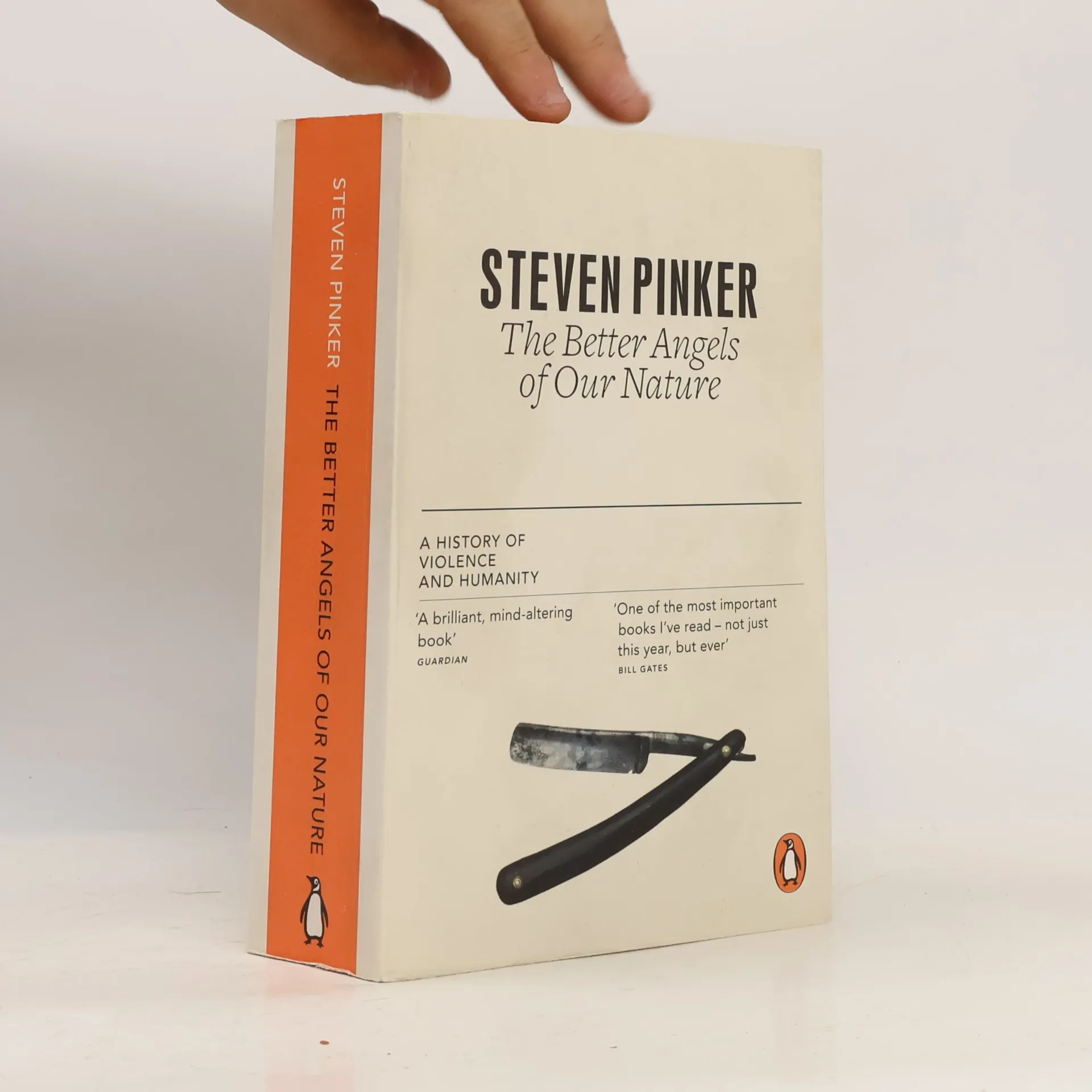
    The better angels of our nature : why violence has declined
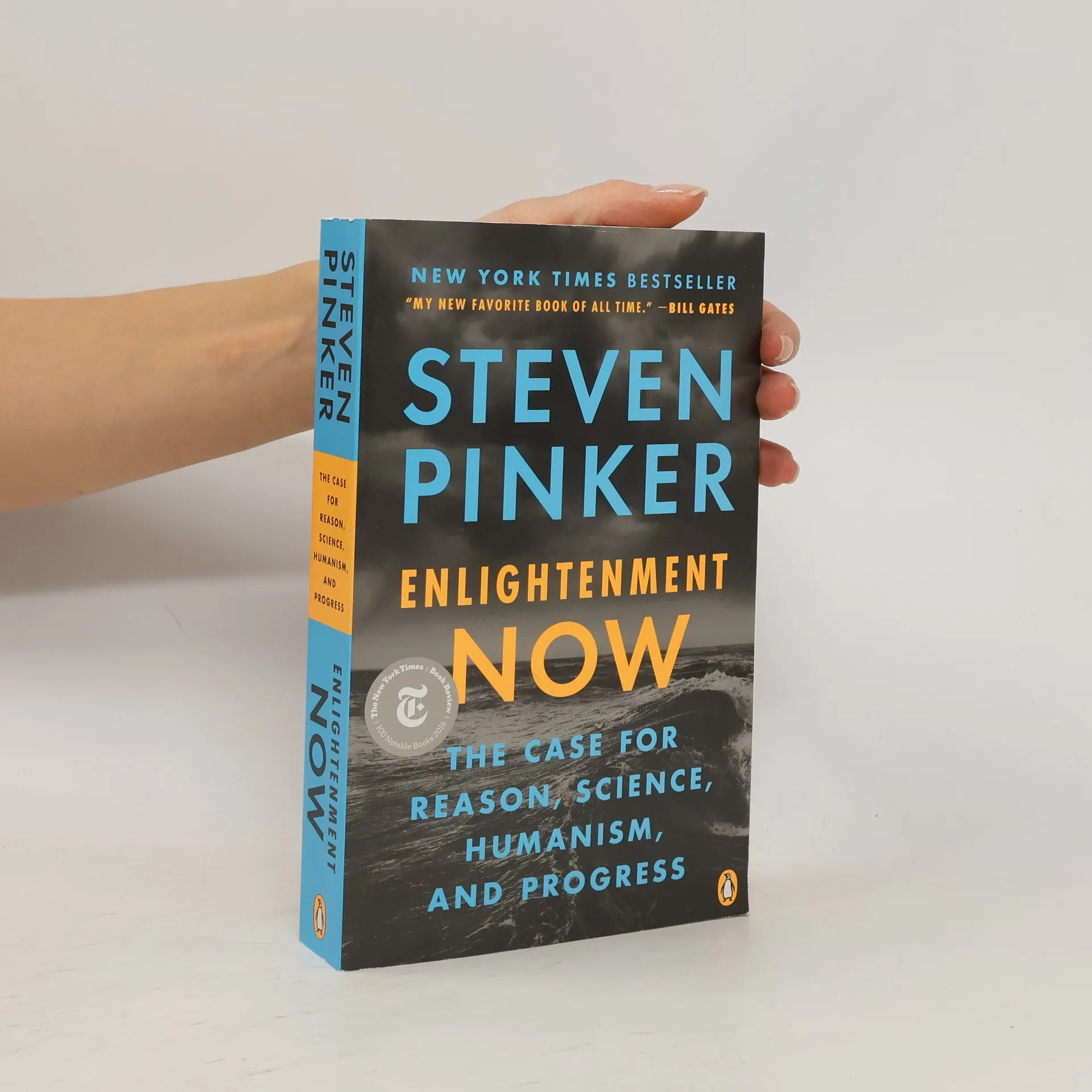
    Enlightenment Now: The Case for Reason, Science, Humanism, and Progress
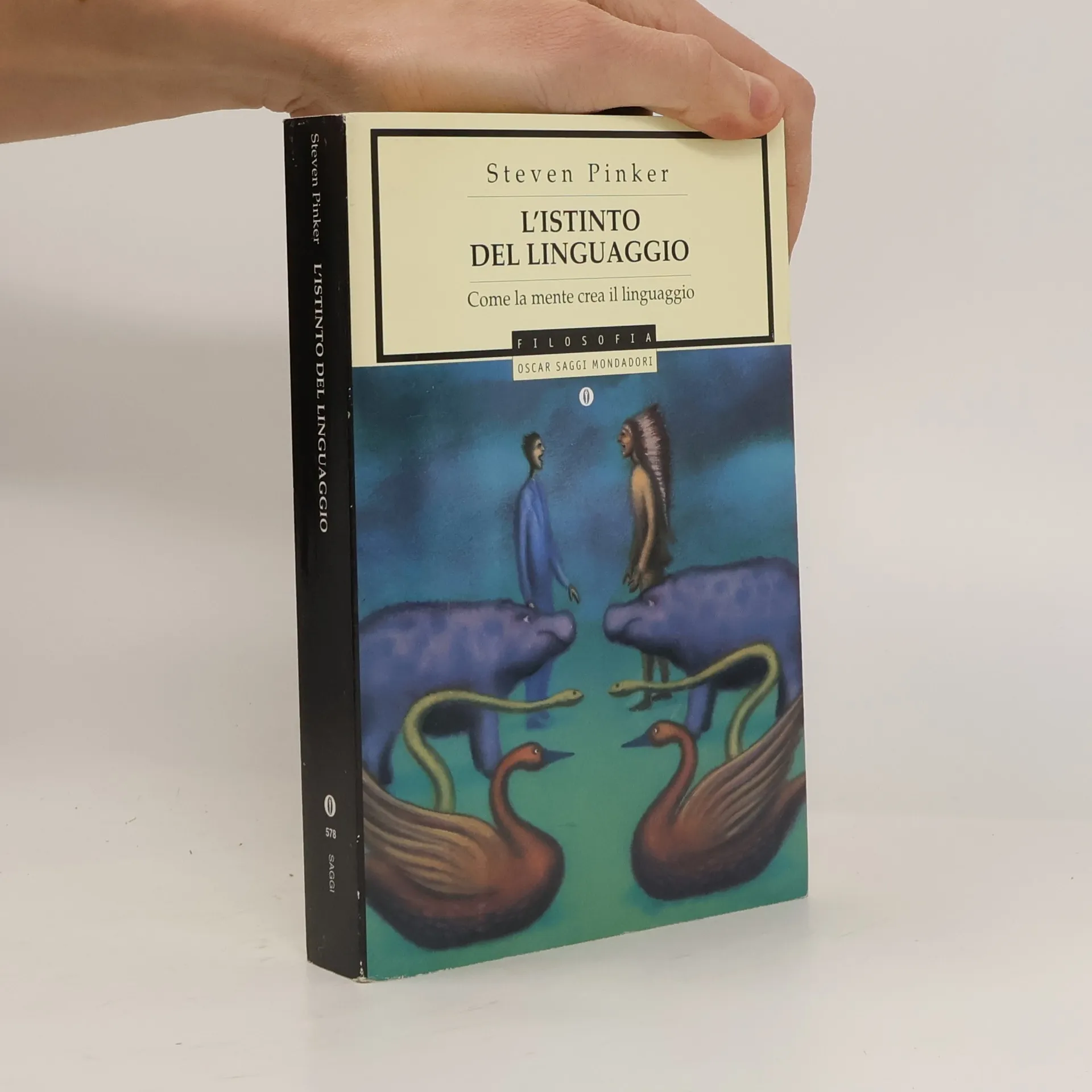
    Oscar Saggi - 578: L'istinto del linguaggio
    • Il linguaggio è una delle caratteristiche umane più straordinarie. A quattro anni, un bambino conosce migliaia di parole e costruisce frasi complesse, superando l'intelligenza artificiale. Può una struttura così articolata nascere da zero, solo per imitazione? Noam Chomsky, negli anni Sessanta, ha proposto che tutte le lingue condividono una "grammatica universale", innata nel cervello del bambino. Steven Pinker va oltre, dimostrando che l'uomo possiede un istinto ereditario per il linguaggio, frutto dell'evoluzione naturale, simile alla proboscide di un elefante. Esistono geni del linguaggio? Pinker risponde di sì. I bambini non parlano subito poiché le strutture cerebrali necessarie richiedono tre anni per maturare. Il linguaggio si sviluppa anche attraverso la comunicazione, specifica per ogni società. Tuttavia, non pensiamo in una lingua specifica; esiste un linguaggio mentale astratto, il "mentalese", che forma i pensieri e viene tradotto nella lingua madre. In un mondo di scambi culturali sempre più frequenti, la teoria di Pinker riduce la distanza tra le culture, delineando una nuova visione dell'umanità.

      Oscar Saggi - 578: L'istinto del linguaggio
      4,0
    • The book has quickly gained popularity, securing a spot on the New York Times bestseller list. It features engaging themes and compelling characters that resonate with readers. The narrative promises to deliver a captivating experience, drawing in a wide audience and sparking discussions. Its timely relevance and unique perspective contribute to its success, making it a must-read for those seeking fresh and thought-provoking content.

      Enlightenment Now: The Case for Reason, Science, Humanism, and Progress
      4,2
    • A controversial history of violence argues that today's world is the most peaceful time in human existence, drawing on psychological insights into intrinsic values that are causing people to condemn violence as an acceptable measure.

      The better angels of our nature : why violence has declined
      4,2
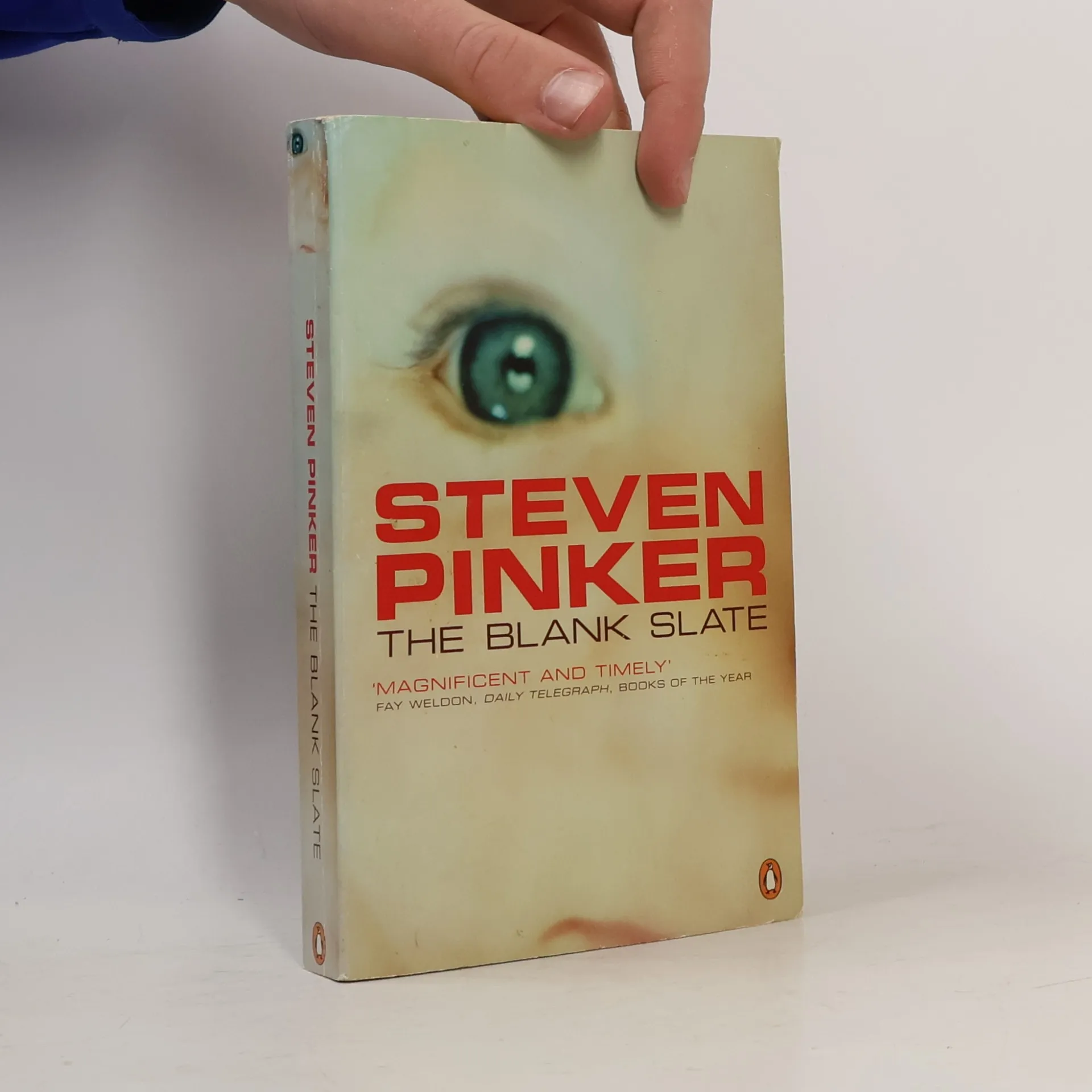
    • A brilliant inquiry into the origins of human nature from the author of Rationality, The Better Angels of Our Nature, and Enlightenment Now. "Sweeping, erudite, sharply argued, and fun to read..also highly persuasive." --Time Finalist for the Pulitzer Prize Updated with a new afterword One of the world's leading experts on language and the mind explores the idea of human nature and its moral, emotional, and political colorings. With characteristic wit, lucidity, and insight, Pinker argues that the dogma that the mind has no innate traits-a doctrine held by many intellectuals during the past century-denies our common humanity and our individual preferences, replaces objective analyses of social problems with feel-good slogans, and distorts our understanding of politics, violence, parenting, and the arts. Injecting calm and rationality into debates that are notorious for ax-grinding and mud-slinging, Pinker shows the importance of an honest acknowledgment of human nature based on science and common sense.

      The Blank Slate
      4,1
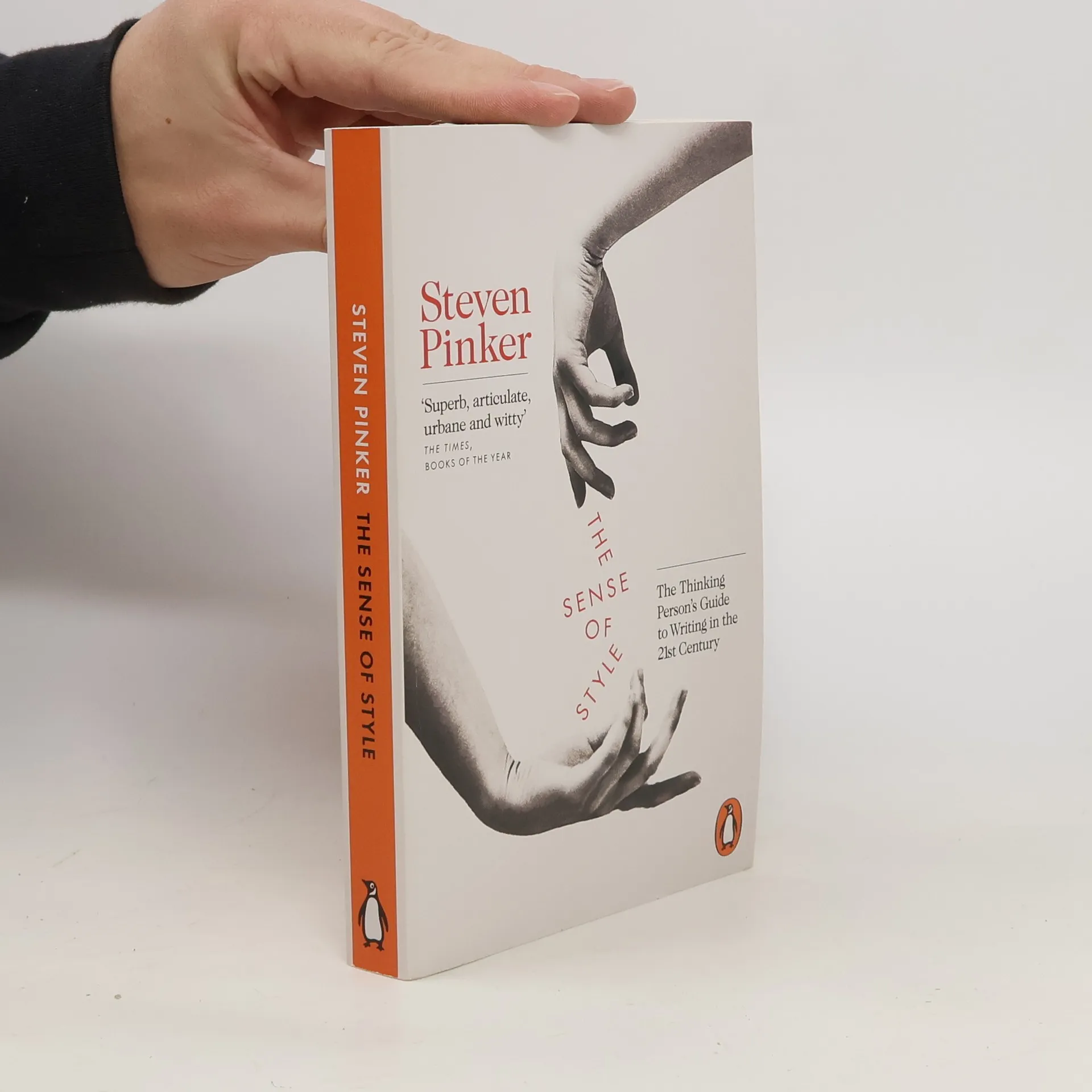
    • The Sense of Style

      The Thinking Person's Guide to Writing in the 21st Century

      • 368pagine
      • 13 ore di lettura

      Bad writing can't be blamed on the Internet, or on 'the kids today'. Good writing has always been hard: a performance requiring pretence, empathy, and a drive for coherence. In The Sense of Style, cognitive scientist and linguist Steven Pinker uses the latest scientific insights to bring us a style and usage guide for the 21st century. What do skilful writers know about the link between syntax and ideas? How can we overcome the Curse of Knowledge, the difficulty in imagining what it's like not to know something we do? And can we distinguish the myths and superstitions from rules that enhance clarity and grace? As Pinker shows, everyone can improve their mastery of writing and their appreciation of the art (yes, 'their').

      The Sense of Style
      4,1
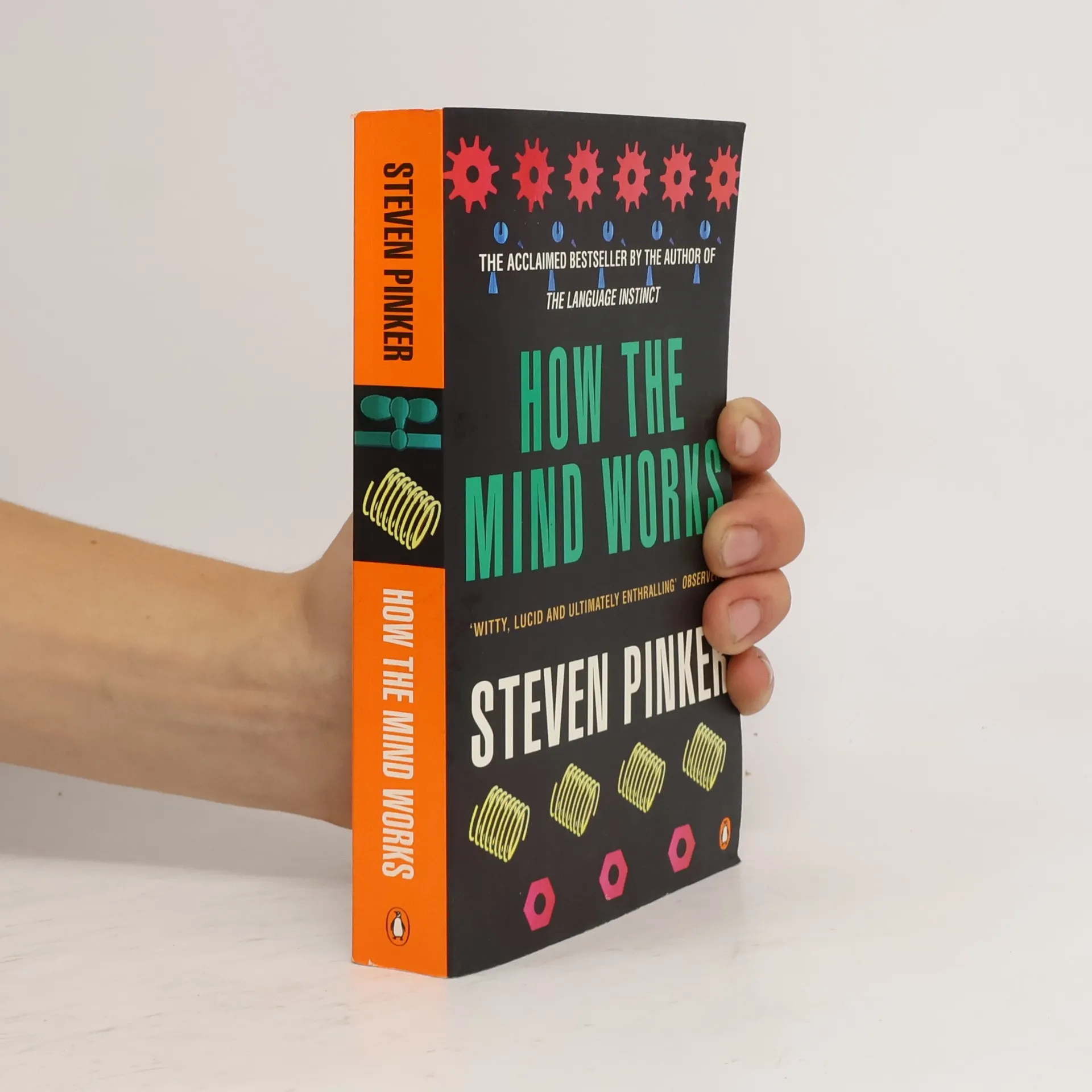
    • How the Mind works

      • 660pagine
      • 24 ore di lettura

      A prominent cognitive scientist and author of The Language Instinct explains how the brain evolved to store and use information, allowing our ancestors to control their environment, and why we think and act as we do. 50,000 first printing.

      How the Mind works
      4,0
    • Language, Cognition, and Human Nature

      • 392pagine
      • 14 ore di lettura

      Collects for the first time Steven Pinker's most influential scholarly work on language and cognition. Pinker is a highly eminent cognitive scientist, and these essays emphasize the importance of language and its connections to cognition, social relationships, child development, human evolution, and theories of human nature.

      Language, Cognition, and Human Nature
      3,9
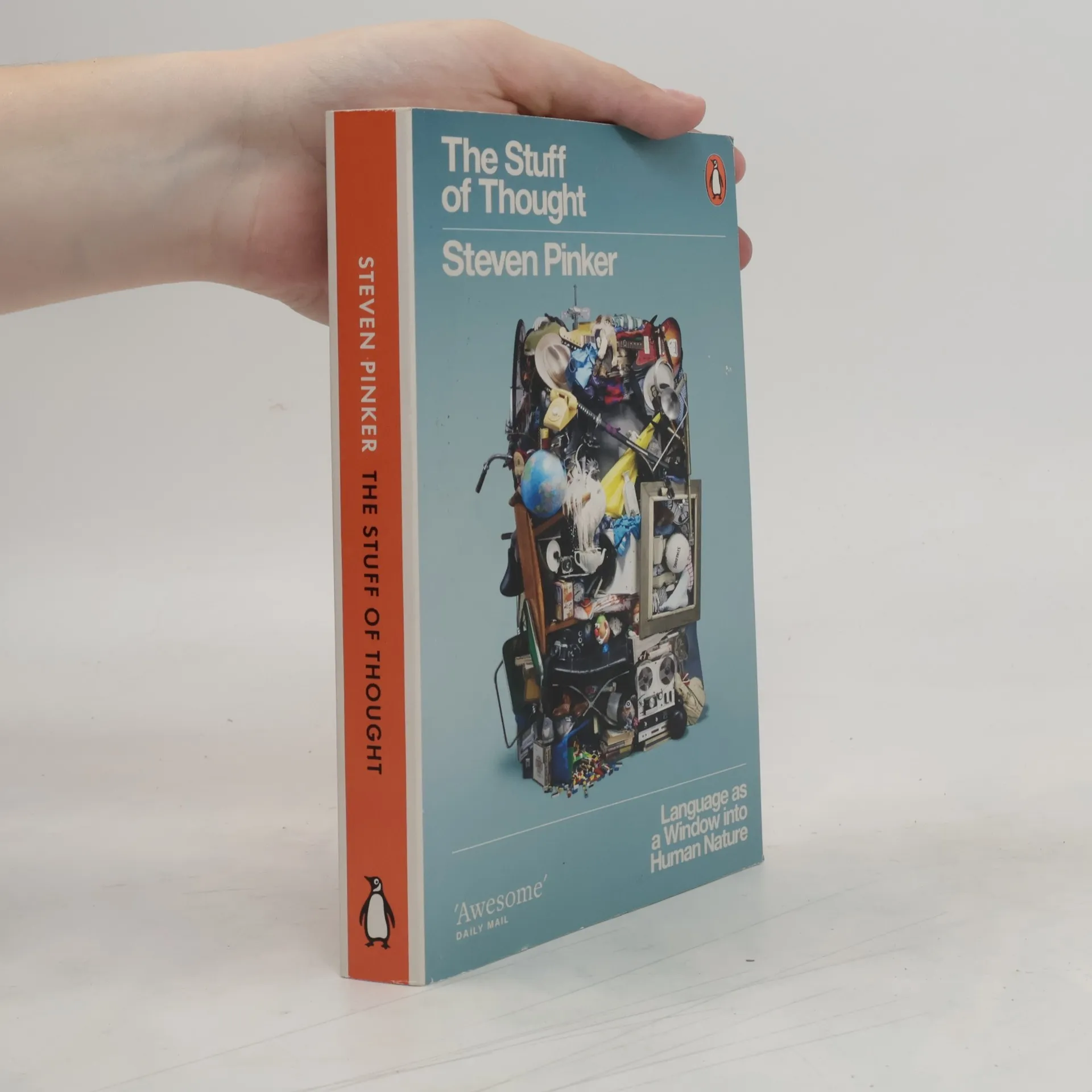
    • The Stuff of Thought

      • 499pagine
      • 18 ore di lettura

      Steven Pinker analyses what words actually mean and how we use them, and he reveals what this can tell us about ourselves. He shows how we use space and motion as metaphors for more abstract ideas, and uncovers the deeper structures of human thought that have been shaped by evolutionary history.

      The Stuff of Thought
      3,9
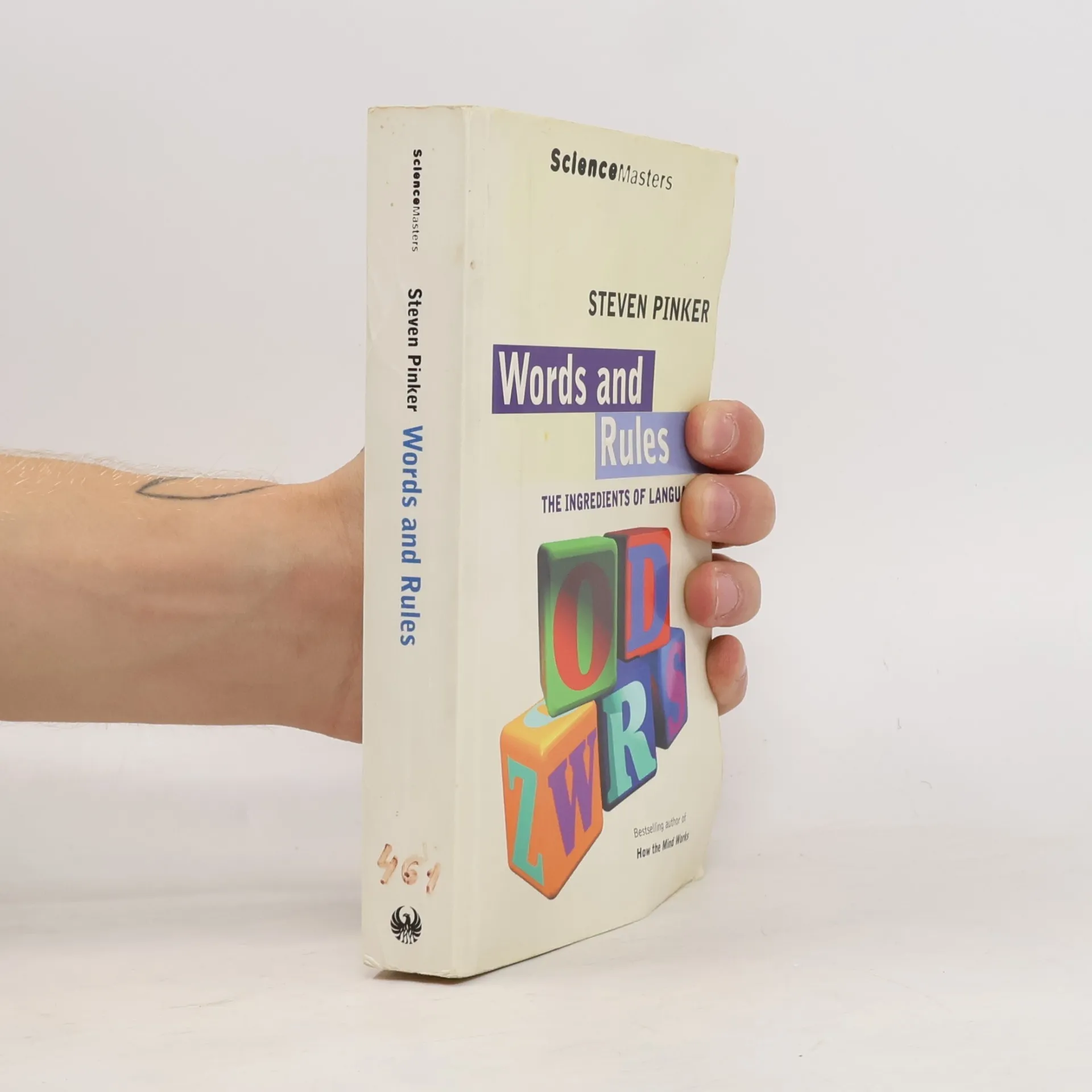
    • How does language function? How do children acquire their mother tongue? Why do languages evolve, making older forms like Shakespearean and Chaucer's English challenging to understand? What accounts for the quirks and irregularities in languages? Are they fundamentally similar? How are new words formed? Where is language processed in the brain? In this insightful work, Steven Pinker addresses these questions and more. With the same wit and style found in his classic, he delves into language through the lens of a seemingly simple phenomenon: the existence of regular and irregular verbs. This exploration connects a wide range of topics across the sciences and humanities, including language history, computer simulations of human language, children's speech errors, English peculiarities, key themes in Western philosophy, and advancements in genetics and brain imaging. Pinker elucidates these complexities through a powerful idea: language consists of a mental dictionary of memorized words and a mental grammar of creative rules. This distinction not only deepens our understanding of language but also sheds light on the human mind itself. This work is a captivating and original contribution from one of the leading cognitive scientists of our time.

      Words and rules: The ingredients of language
      3,9
    • Learnability and Cognition

      • 512pagine
      • 18 ore di lettura

      Before Steven Pinker became known for his bestsellers on language and human nature, he authored several influential technical monographs on language acquisition. His 1989 work, which integrates two significant topics—how children learn their mother tongue and how the mind categorizes fundamental concepts like space, time, causality, agency, and goals—has become a classic in cognitive science. Children exhibit remarkable subtlety in language use; for instance, phrases like "pour water into the glass" sound natural, while "pour the glass with water" does not. This raises the question of how children make these distinctions without consistent correction or merely mimicking their parents. Pinker addresses this paradox through a theory on how children grasp the meanings and applications of verbs, delving into its implications for language, thought, and their interrelation. In a new preface, he reflects on how the ideas explored in this work inspired his later bestseller, which examines language as a lens into human nature. He emphasizes that these technical discussions offer valuable insights into not only language acquisition but also literary metaphor, scientific understanding, political discourse, and societal views on sexuality and obscenity.

      Learnability and Cognition
      3,3
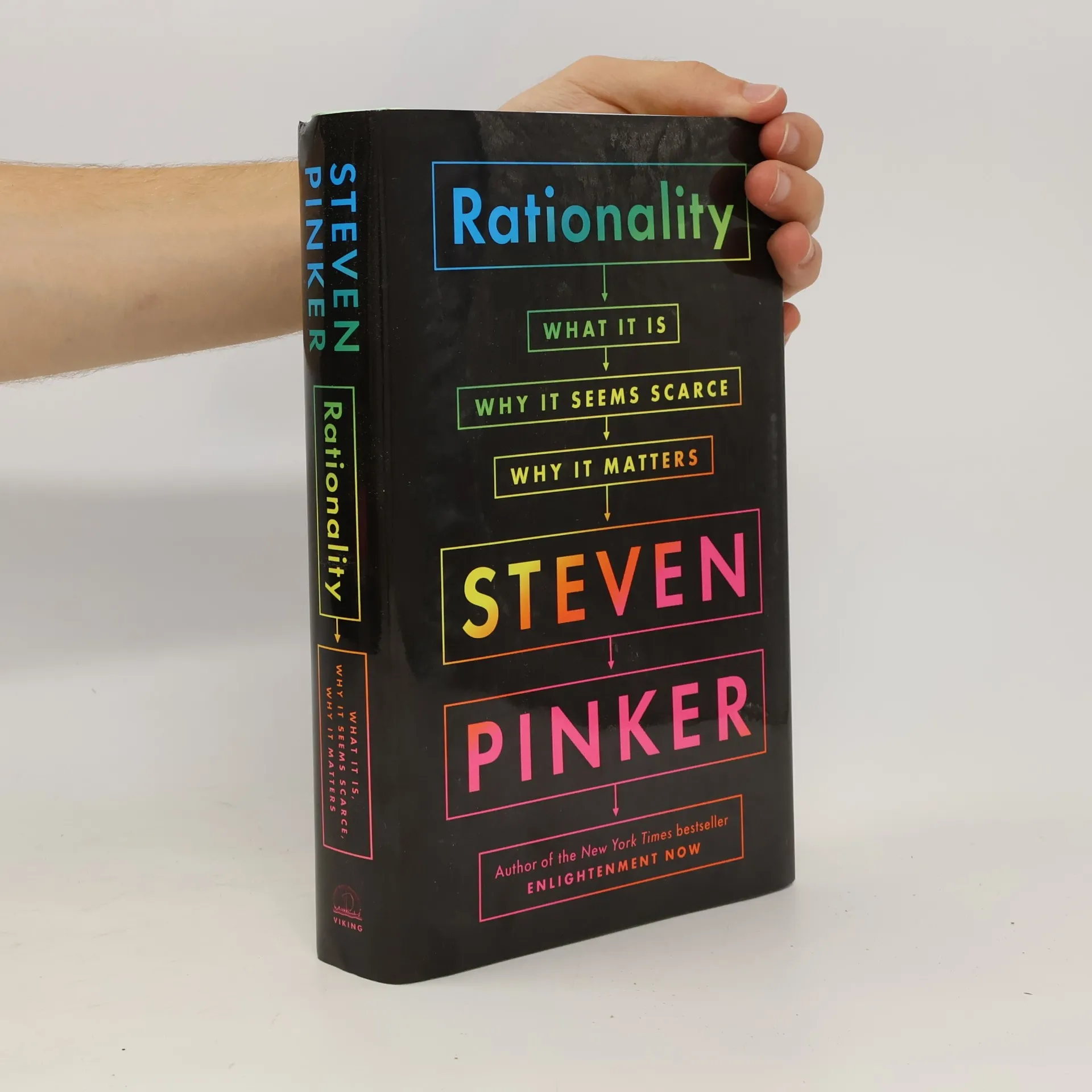
    • Rationality

      • 432pagine
      • 16 ore di lettura

      In the twenty-first century, humanity is reaching new heights of scientific understanding - and at the same time appears to be losing its mind. How can a species that discovered vaccines for Covid-19 in less than a year produce so much fake news, quack cures and conspiracy theorizing? In Rationality, Pinker rejects the cynical cliche that humans are simply an irrational species. After all, we discovered the laws of nature, lengthened and enriched our lives and set the benchmarks for rationality itself. Instead, he explains, we think in ways that suit the low-tech contexts in which we spend most of our lives, but fail to take advantage of the powerful tools of reasoning we have built up over millennia- logic, critical thinking, probability, and decision-making under uncertainty. These tools are not a standard part of our educational curricula, and have never been presented clearly and entertainingly in a single book - until now. Rationality matters. It leads to better choices in our lives and in the public sphere, and is the ultimate driver of social justice and moral progress. Brimming with insight and humour, Rationality will enlighten, inspire and empower.

      Rationality
      3,8
    • "Progress. It is one of the animating concepts of the modern era. From the Enlightenment onwards, the West has had an enduring belief that through the evolution of institutions, innovations, and ideas, the human condition is improving. This process is supposedly accelerating as new technologies, individual freedoms, and the spread of global norms empower individuals and societies around the world. But is progress inevitable? Its critics argue that human civilization has become different, not better, over the last two and a half centuries. What is seen as a breakthrough or innovation in one period becomes a setback or limitation in another. In short, progress is an ideology not a fact; a way of thinking about the world as opposed to a description of reality. In the seventeenth semi-annual Munk Debates, which was held in Toronto on November 6, 2015, pioneering cognitive scientist Steven Pinker and best-selling author Matt Ridley squared off against noted philosopher Alain de Botton and best-selling author Malcolm Gladwell to debate whether humankind's best days lie ahead, "--Amazon.com.

      Do Humankind's Best Days Lie Ahead?: The Munk Debates
      3,3
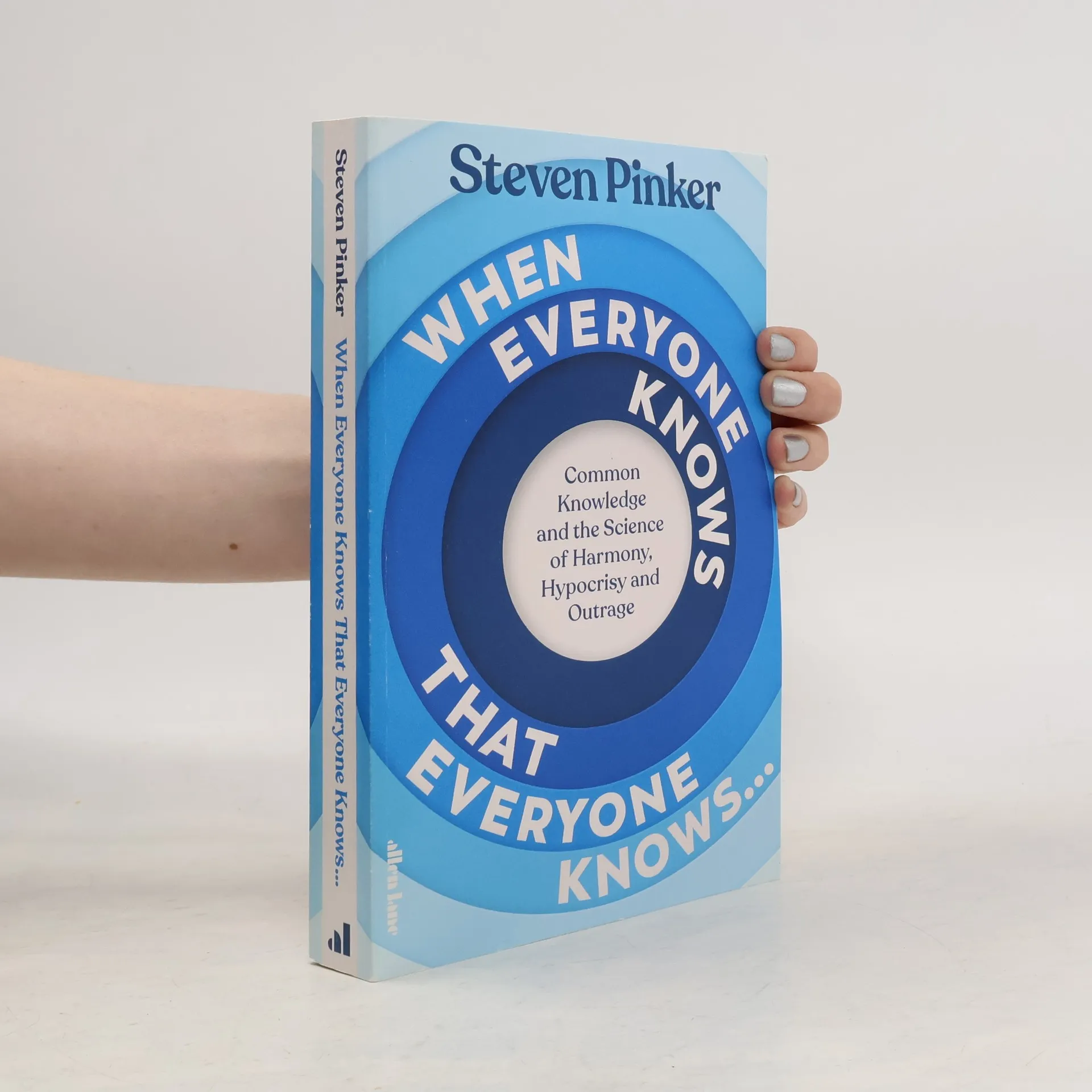
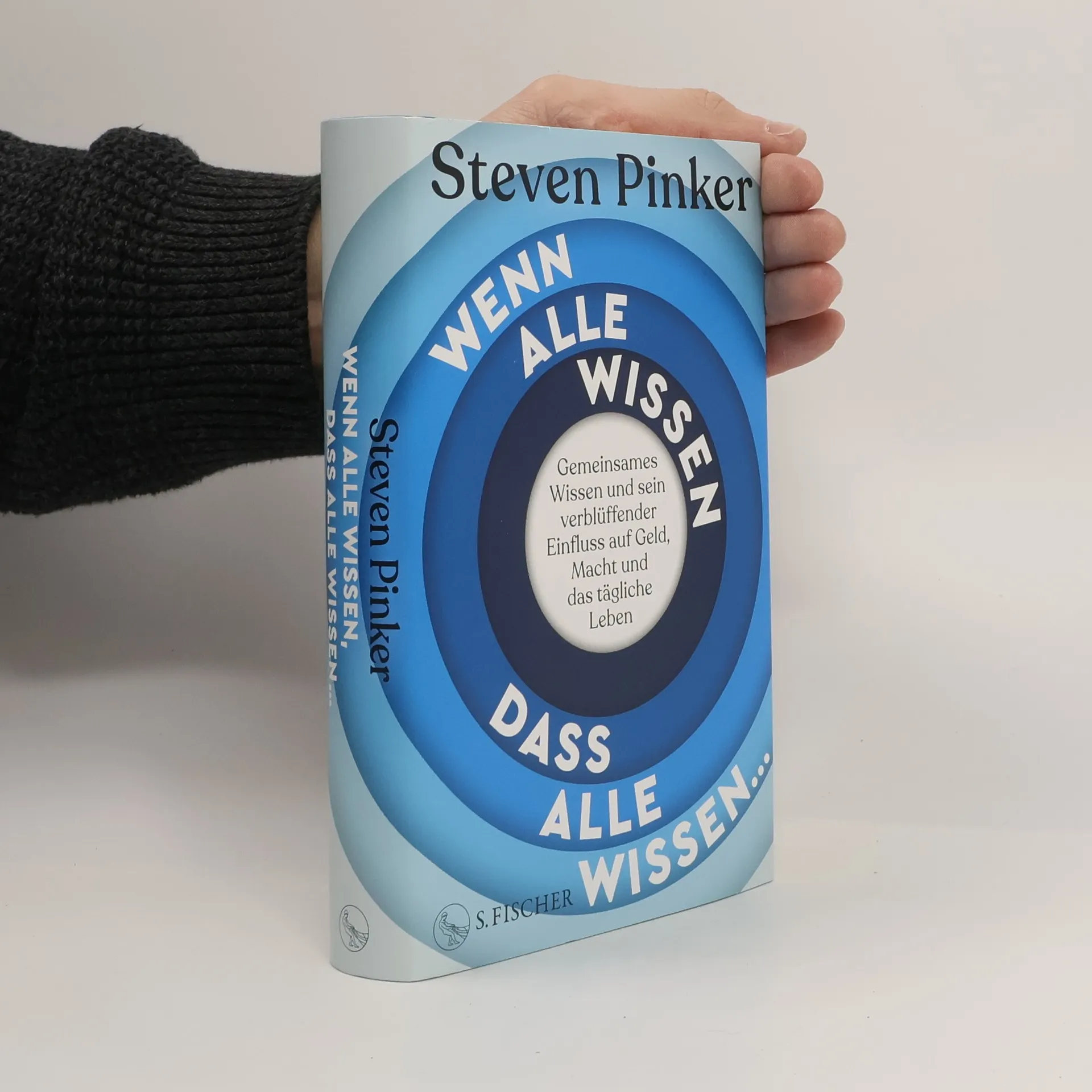
    • Wenn alle wissen, dass alle wissen...

      Gemeinsames Wissen und sein verblüffender Einfluss auf Geld, Macht und das tägliche Leben

      • 416pagine
      • 15 ore di lettura

      Wie Gemeinsames Wissen unsere Gesellschaft bildet – die erste umfassende Theorie Von der Börse über internationale Beziehungen bis hin zu privaten Verabredungen: Tagtäglich treffen wir Annahmen darüber, was andere Menschen wissen und denken, und richten unser Handeln danach aus – oft, ohne uns dessen bewusst zu sein. Steven Pinker befasst sich in seinem neuen Buch damit, wie wir den Wissensstand anderer Menschen einschätzen. Anhand von zahlreichen Beispielen aus der Spieltheorie, der Geschichte und unserem Alltag zeigt er so klar wie unterhaltsam, dass unsere alltäglichen Interaktionen auf komplexesten Überlegungen beruhen – und warum diese Tatsache unser Zusammenleben entscheidend prägt.

      Wenn alle wissen, dass alle wissen...