



Affinità elettive
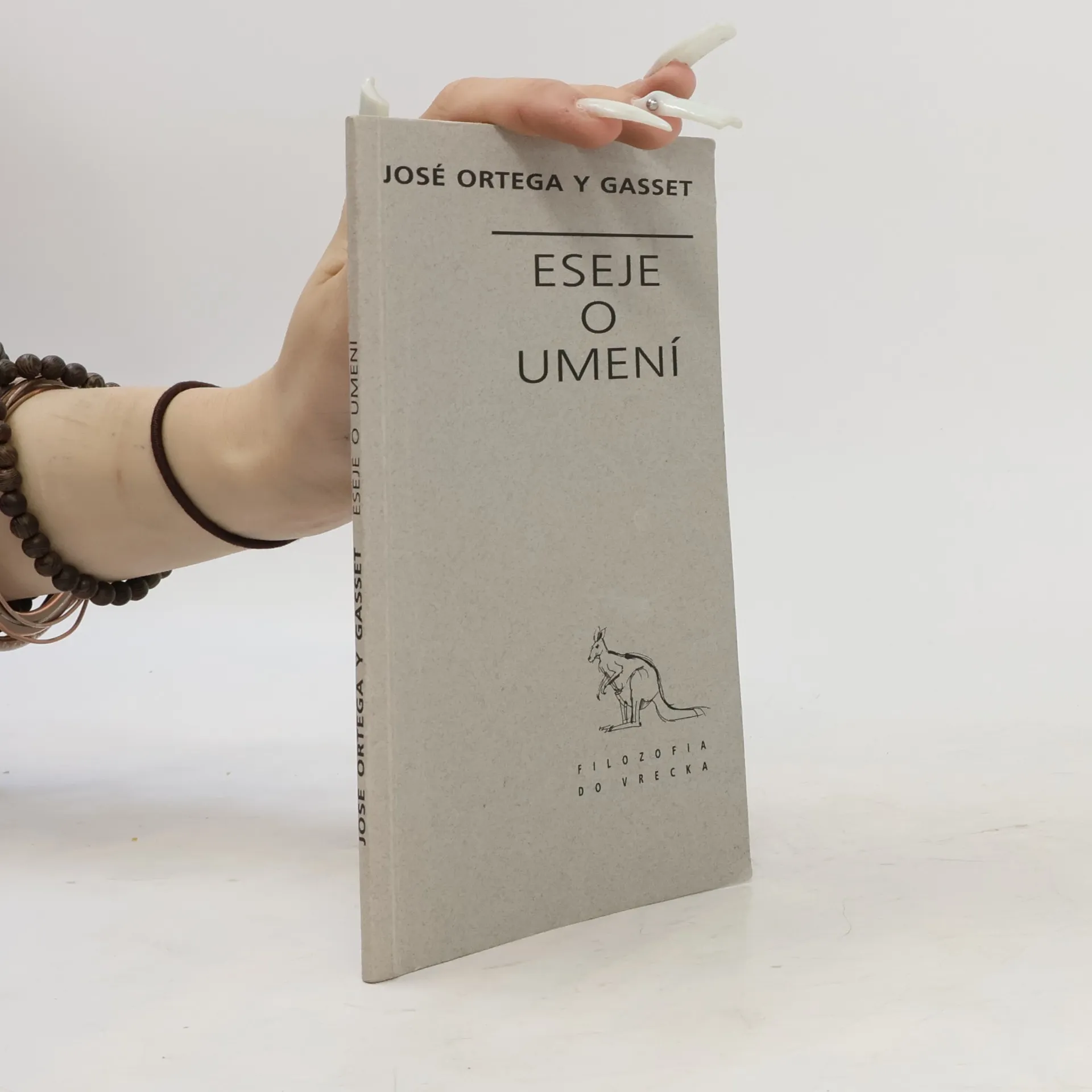
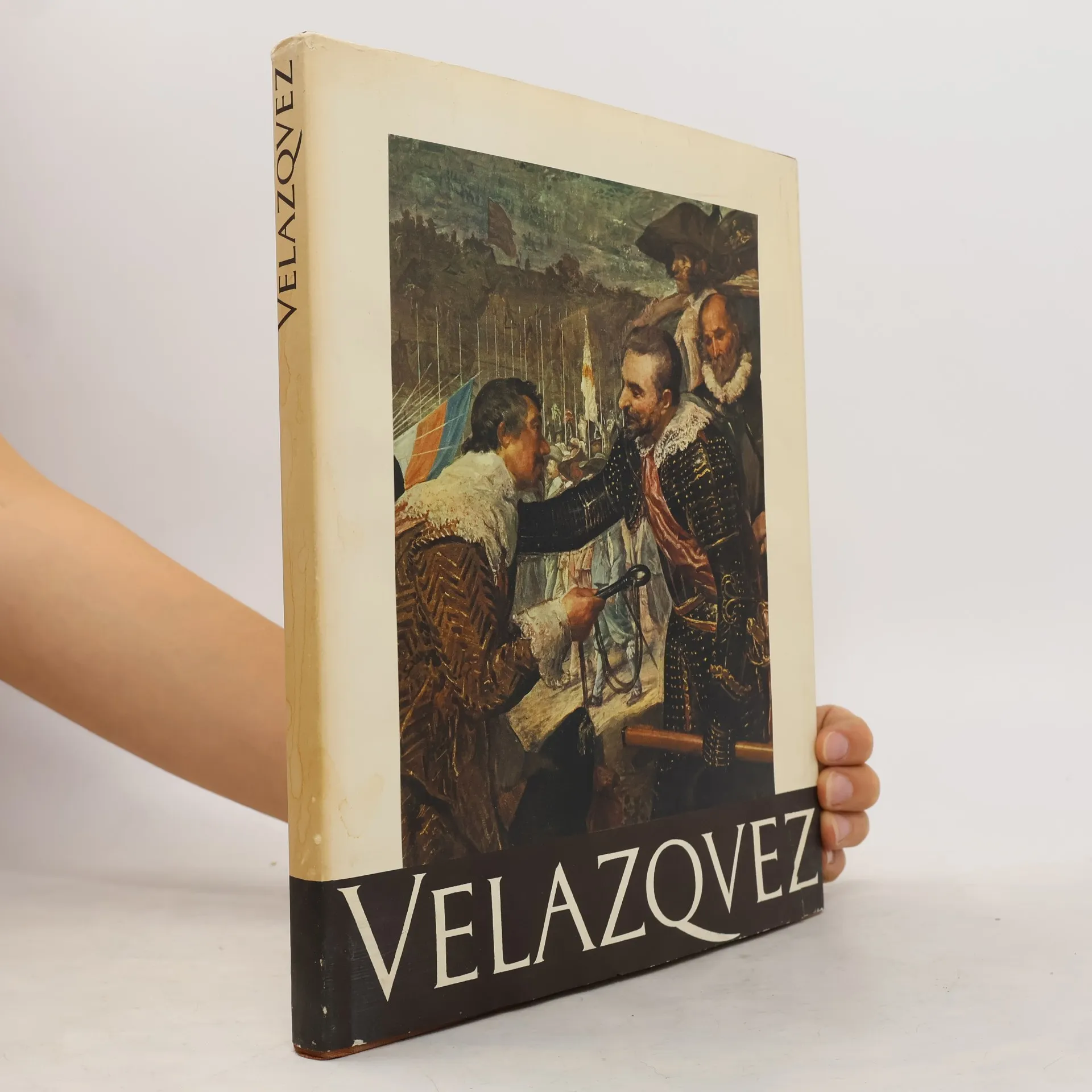
Scritti su Leonardo. Carte su Velázquez e Goya. Lettere su Cézanne
Un filosofo e saggista liberale spagnolo, la cui opera è profondamente radicata nel concetto di prospettivismo, l'idea che non esista un'unica verità oggettiva, ma una moltitudine di punti di vista individuali. Ha esplorato la condizione umana e le dinamiche sociali durante un periodo di significativo sconvolgimento politico in Spagna. I suoi saggi offrono un profondo esame della realtà vista attraverso la lente dell'esperienza individuale.



Scritti su Leonardo. Carte su Velázquez e Goya. Lettere su Cézanne

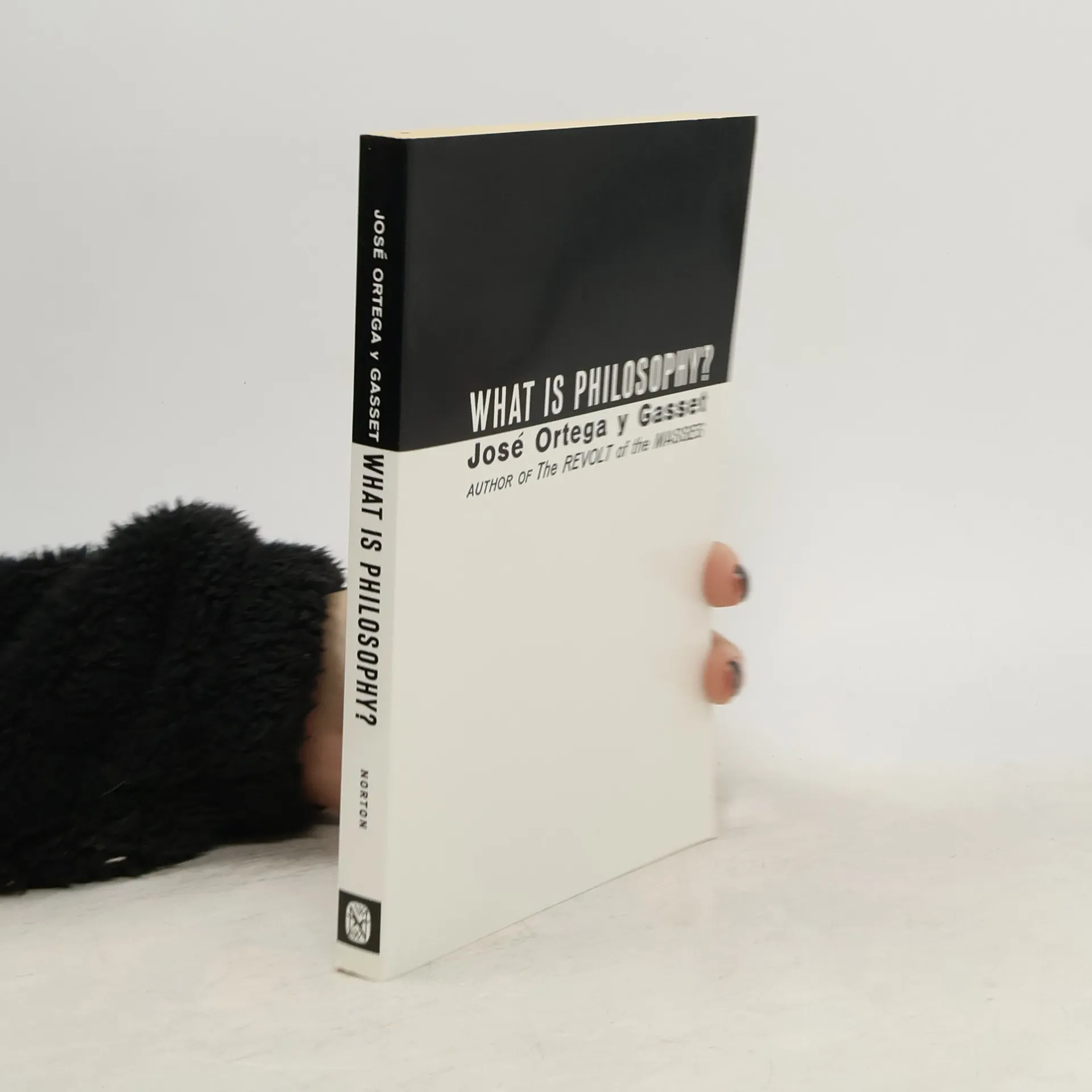
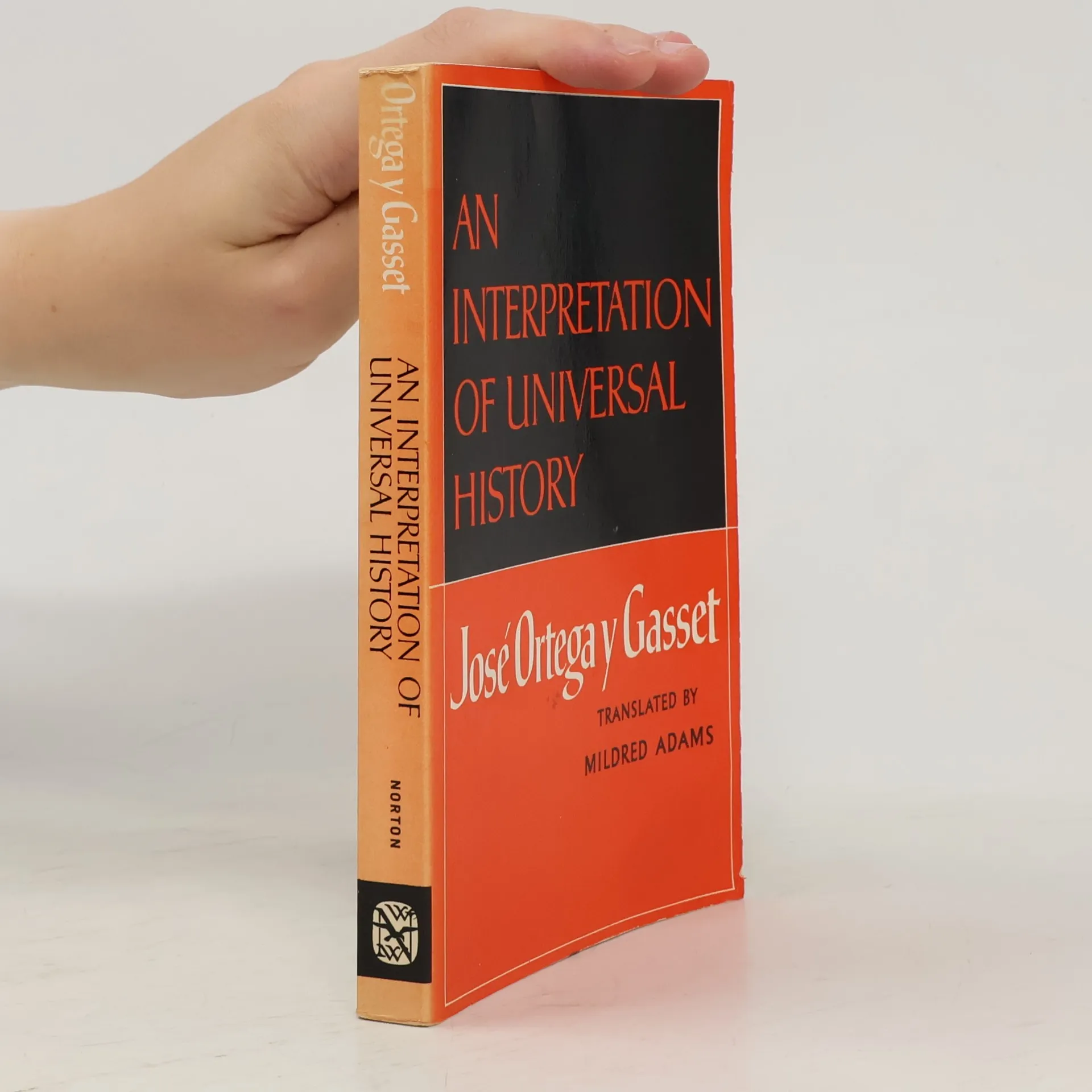
Ortega traces the course of Western civilization backward, searching out what makes a civilization rise or fall and offering a way of looking at our own time. Based on a series of lectures on A. J. Toynbee's A Study of History.
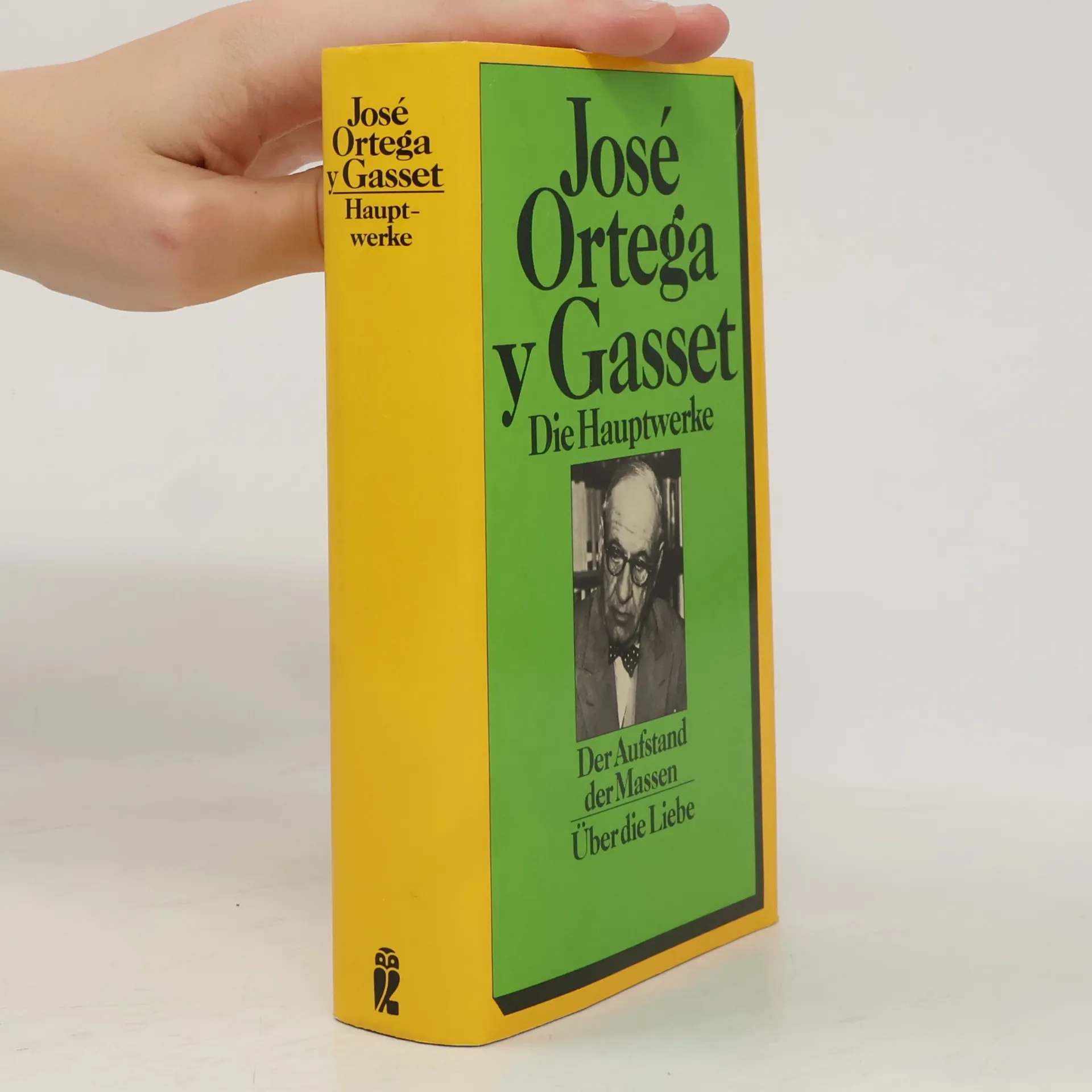
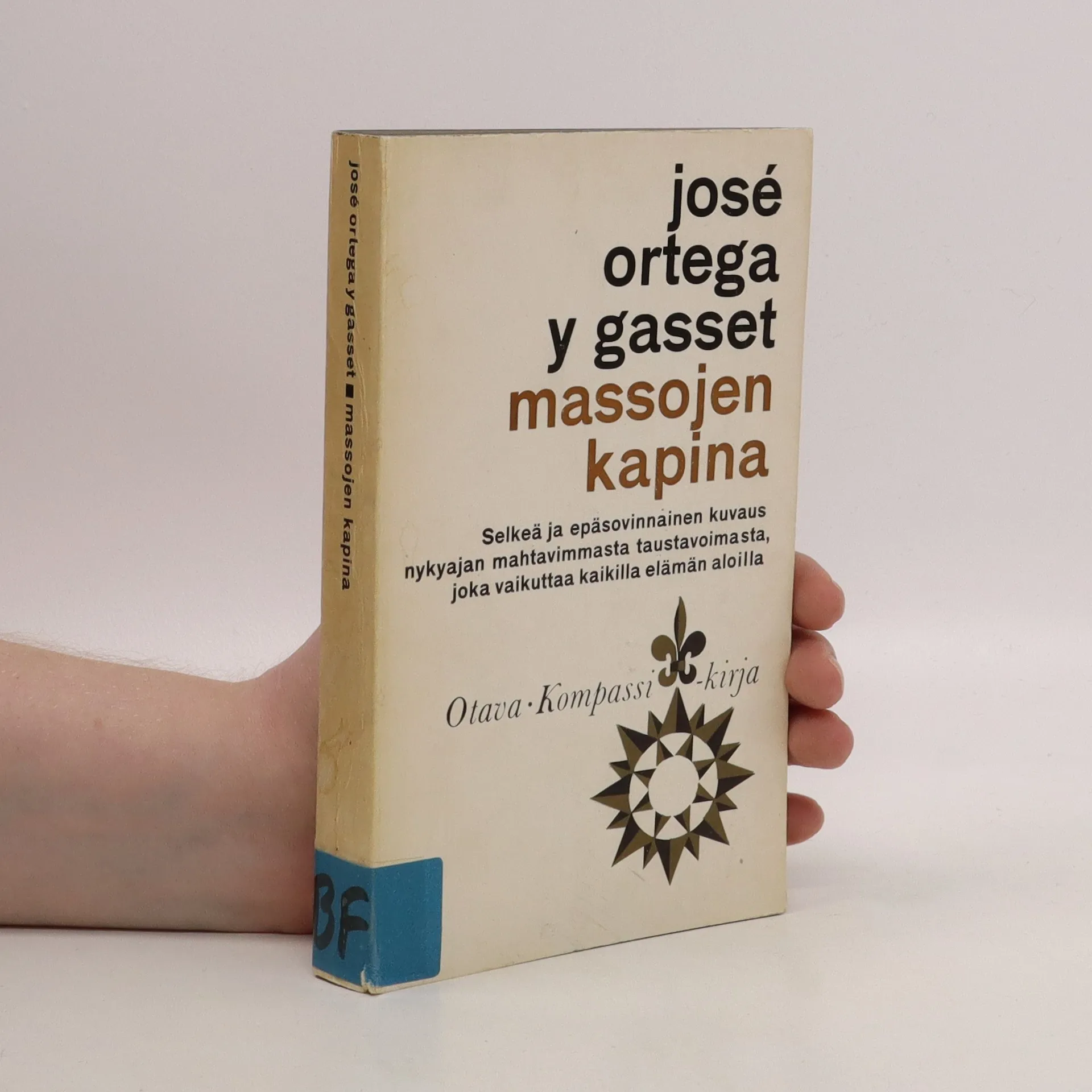
This book, first published in 1930 and reissued in 1961, examines the Western phenomenon of the rise of the 'mass-man'. Analysing the state of society, it lays bare the problems that faced the countries of Europe in a book that resonates today in the imposition of direct action over discussion.
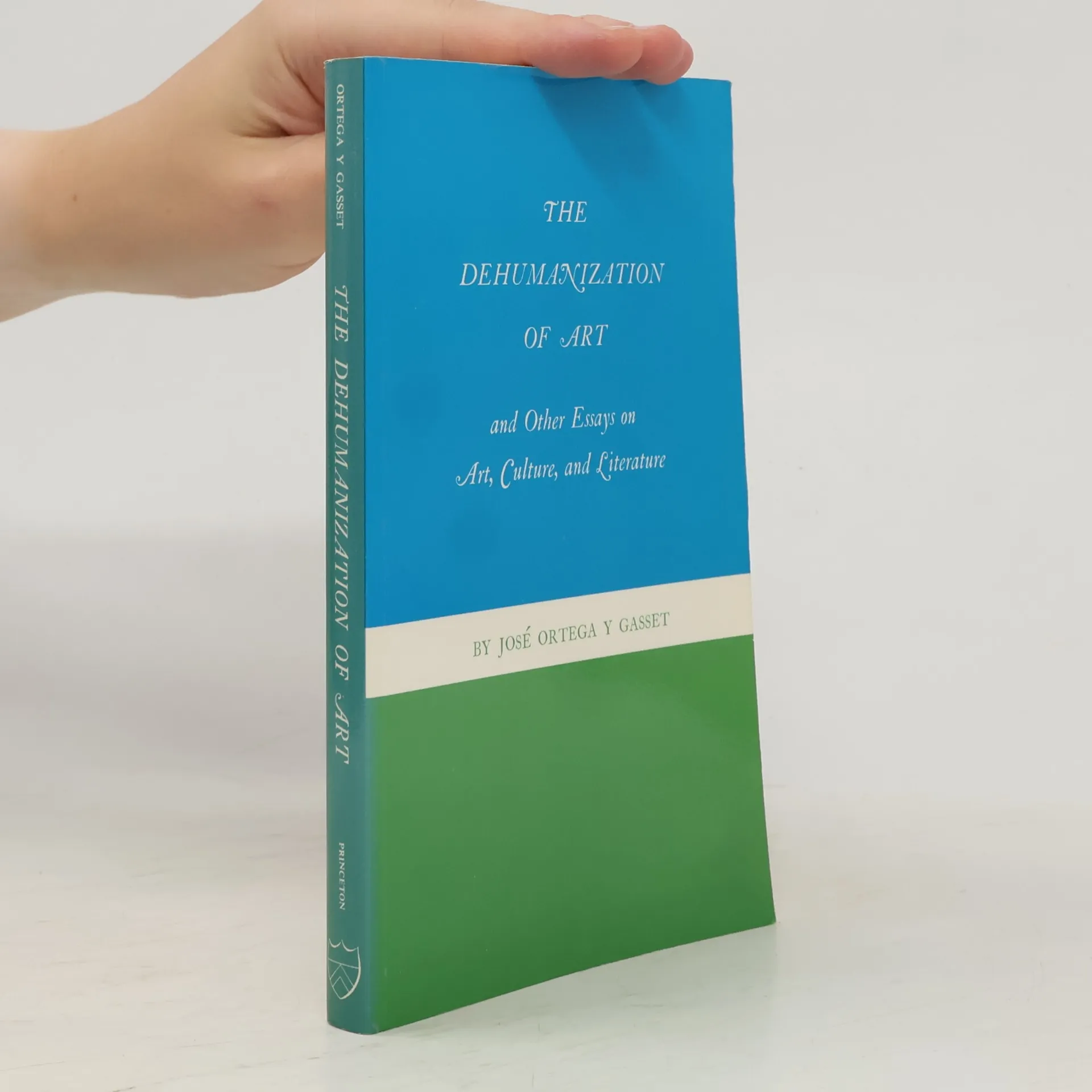
"The Dehumanization of Art and Other Essays on Art, Culture and Literature".
A work powerful and pervading in its implications not only for metaphysics but also for art, political science, and the philosophy of history.
Kids 9 to 12 will laugh out loud while reading this adventurous graphic novel, which brings an African folk tale to life for a new audience. When Sarra's parents die, they leave her with an important warning: never let Dan Auta, her little brother, cry. But Dan Auta loves to make trouble. He hitches a ride on the back of a bird, pokes the eye of the king's son, and even pees on the king's head. Making sure he doesn't cry is much harder than Sarra thought! But Dan Auta's unbridled curiosity and determination may be exactly what everyone needs: a terrible monster called the Dodo is attacking the city... and Dan Auta is the only one with the courage to take him on.
A classic work on radical aesthetics by one of the great philosophers of the early twentieth century No work of philosopher and essayist José Ortega y Gasset has been more frequently cited, admired, or criticized than his response to modernism, “The Dehumanization of Art.” The essay, originally published in Spanish in 1925, grappled with the newness of nonrepresentational art and sought to make it more understandable to the public. Many embraced the essay as a manifesto extolling the virtues of vanguard artists and promoting efforts to abandon the realism and the romanticism of the nineteenth century. Others took it as a denunciation of everything that was radical about the avant-garde. This Princeton Classics edition makes this essential work, along with four of Ortega’s other critical essays, available in English. A new foreword by Anthony J. Cascardi considers how Ortega’s philosophy remains relevant and significant in the twenty-first century.