Questo sociologo è stato una figura chiave nello stabilire e nell'istituzionalizzare sottocampi come la sociologia storica, la storia delle scienze sociali, i movimenti sociali e la politica contenziosa all'interno delle scienze sociali contemporanee. La sua prolifica carriera ha incluso la stesura di oltre cinquanta libri e circa settecento articoli accademici. Attraverso la sua vasta opera, ha plasmato profondamente la comprensione dei processi sociali e del cambiamento storico.
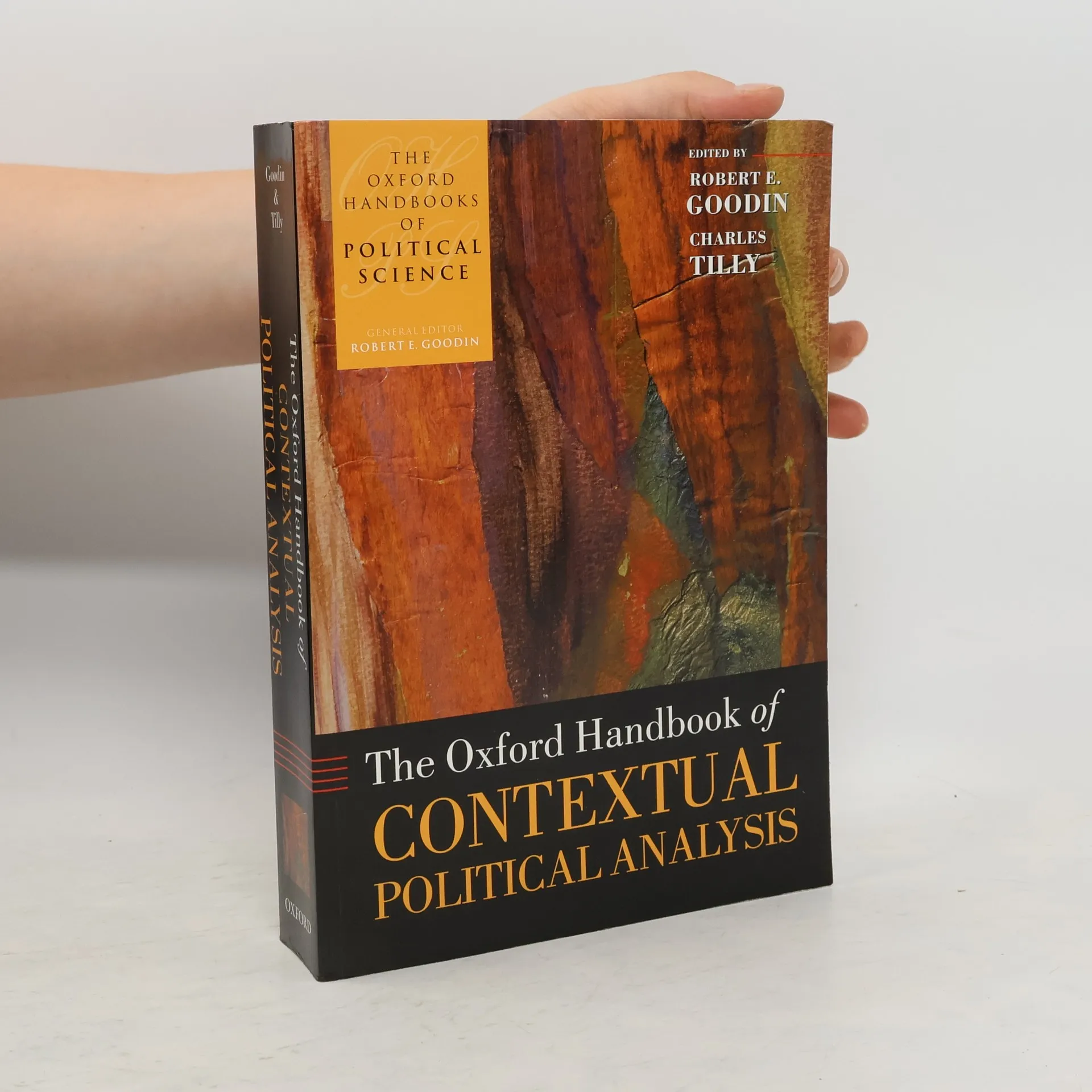
This is part of a ten volume set of reference books offering authoritative and engaging critical overviews of the state of political science. This work explores the idea of context in politics from a number of angles, including philosophically psychologically, historically and culturally.
Monograph tracing the historical evolution of strike and unofficial strike activities in France from 1830 to 1968 - covers trade unionization, the impact of industrialization and urbanization, etc. Bibliography pp. 401 to 412, graphs, maps, references and statistical tables.
Politics, Exchange, and Social Life in World History
560pagine
20 ore di lettura
The first textbook to present world history via social history, drawing on social science methods and research. This interdisciplinary, comprehensive, and comparative textbook is authored by distinguished scholars and experienced teachers, and offers expert scholarship on global history that is ideal for undergraduate students. Volume 2 takes us from the early modern period to speculation about the world in 2050, visiting diverse civilizations, nation-states, ecologies, and people along the journey through time and place. The book pays particular attention to the ways in which ordinary people lived through the great changes of their times, and how everyday experience connects to great political events and the commercial exchanges of an interconnected world. With 75 maps, 65 illustrations, timelines, boxes, and primary source extracts, the book enables students to use historical material and social science methodologies to analyze the events of the past, present, and future.
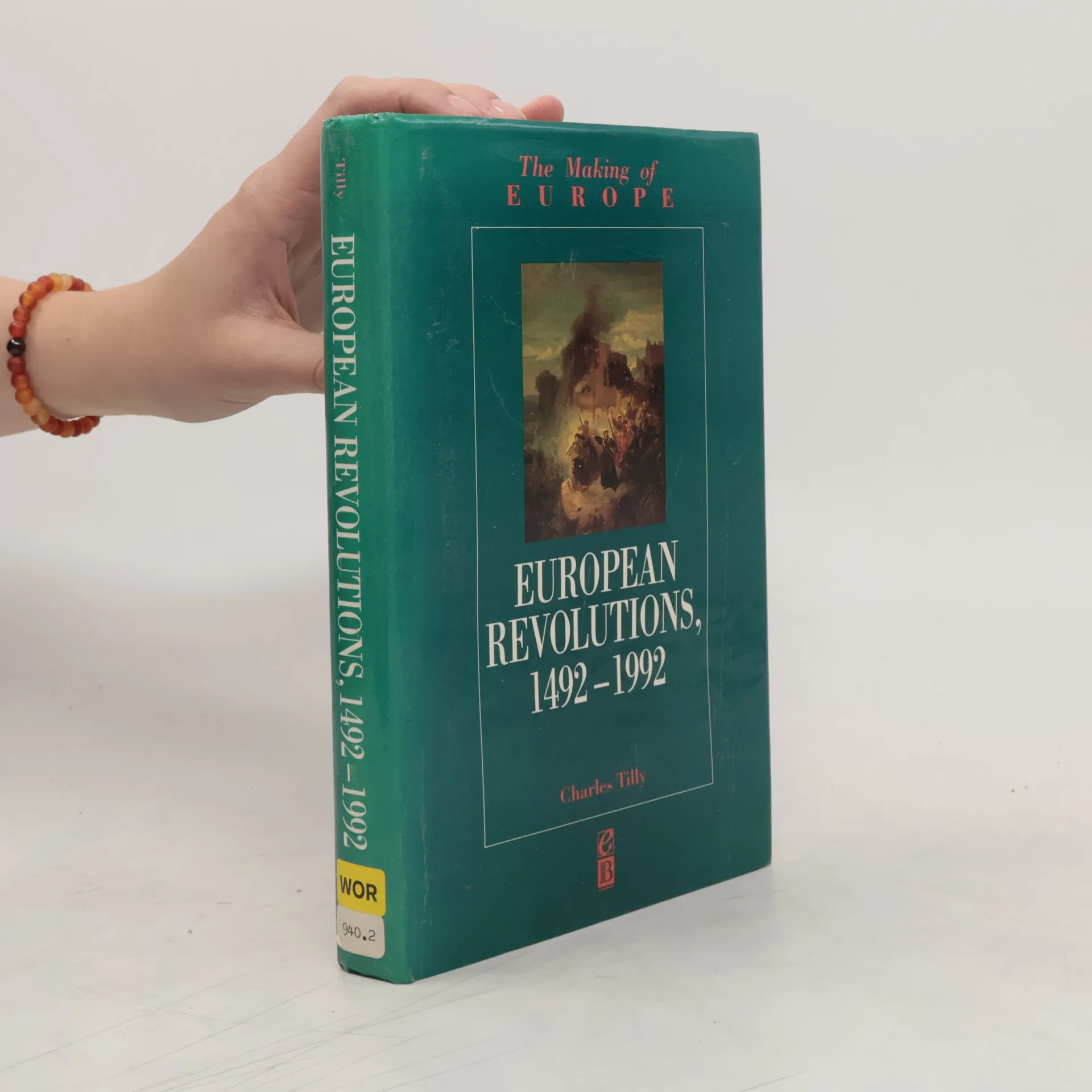
This book reinterprets the last five centuries of European history, a period characterised by war, revolt and contention, by the rise and struggles of states and empires, and by urbanization, enrichment and industrialization. His focus is on revolutions, their origins in ambition and discontent, and the variability of their outcomes over time and according to place, politics and culture. He seeks an understanding of revolutionary processes grounded in the contingencies of circumstance, and to show the pace of great revolutions in the long-term history of Europe and the world at large.
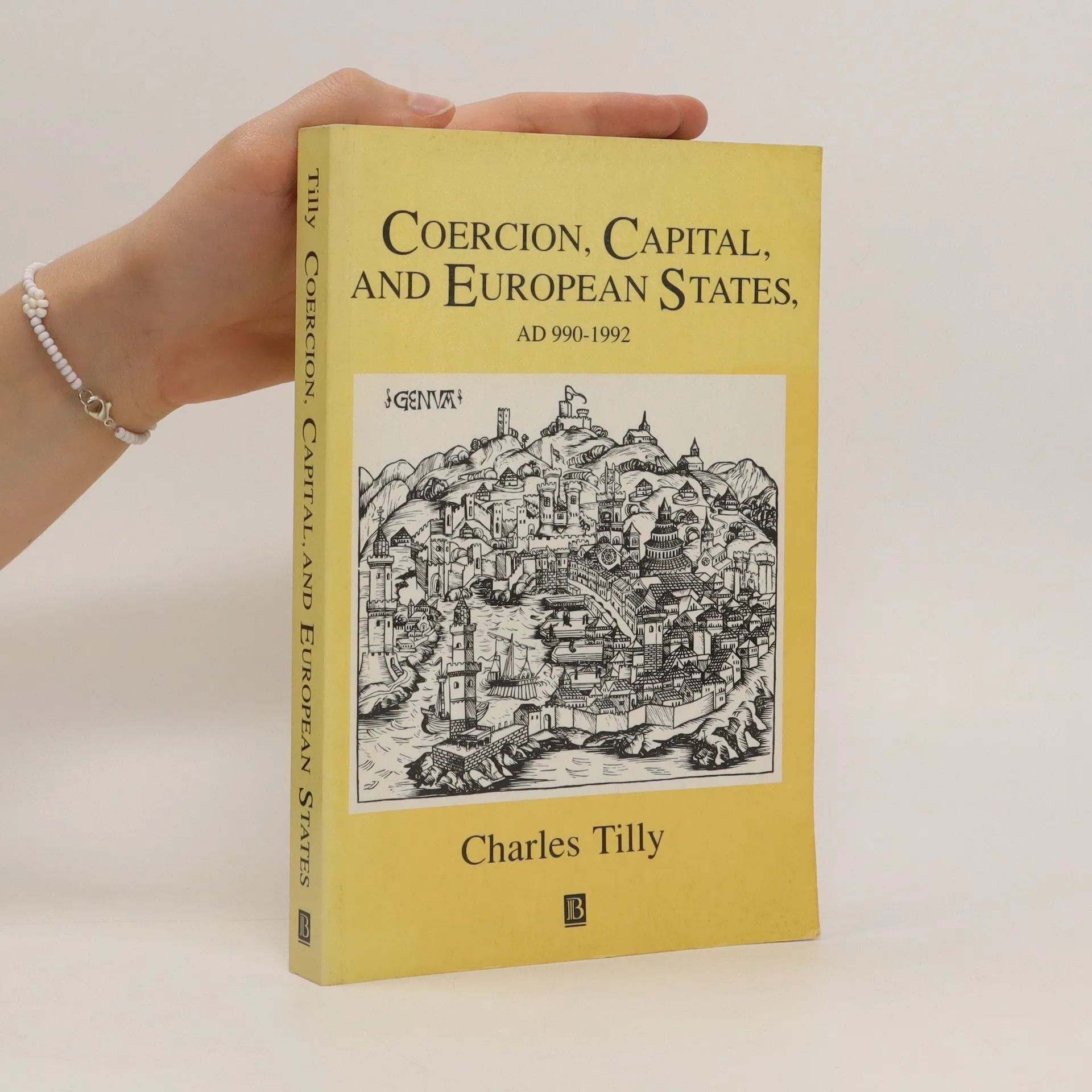
In this pathbreaking work, now available in paperback, Charles Tilly challenges all previous formulations of state development in Europe. Specifically, Tilly charges that most available explanations fail because they do not account for the great variety of kinds of states which were viable at different stages of European history, and because they assume a unilinear path of state development resolving in today's national state.
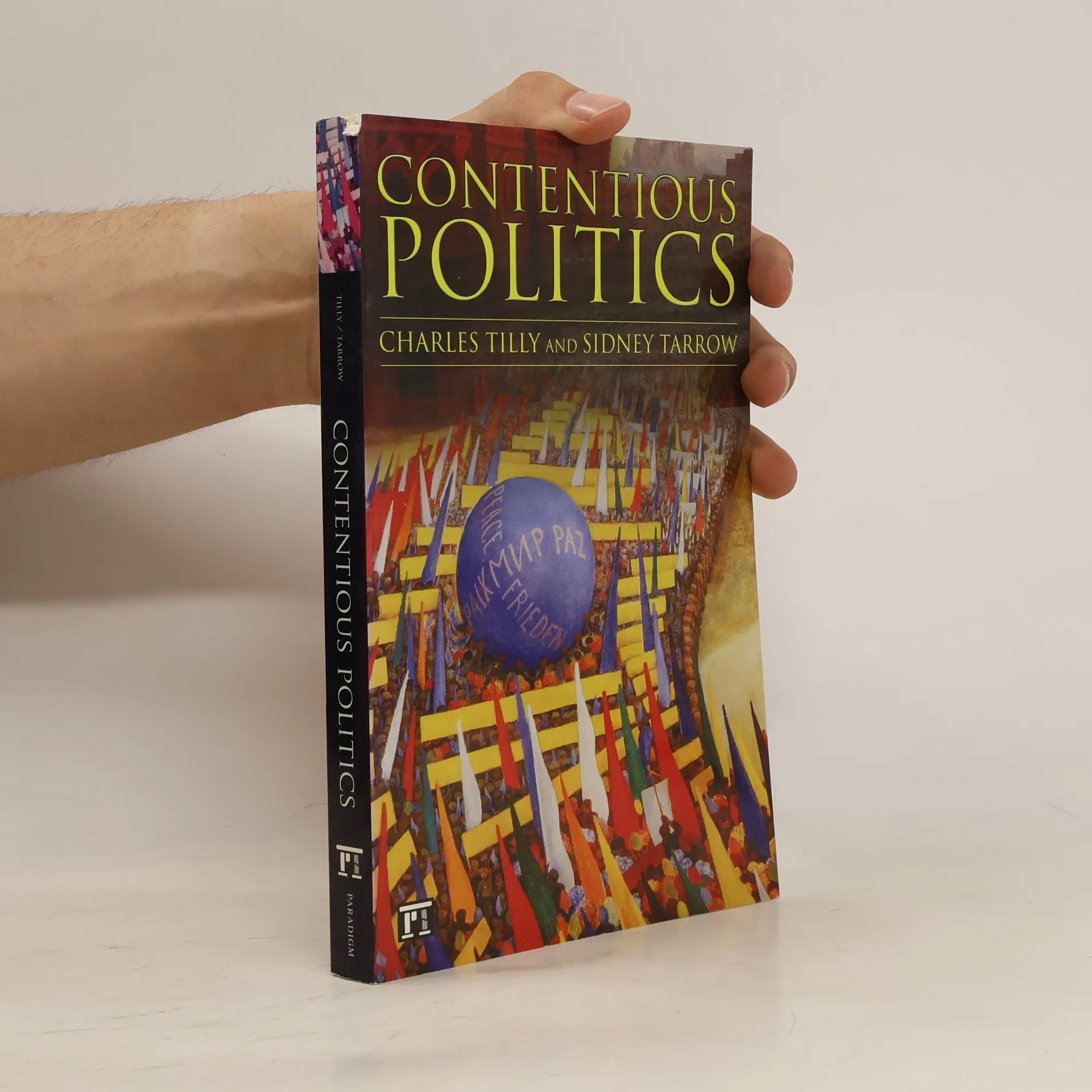
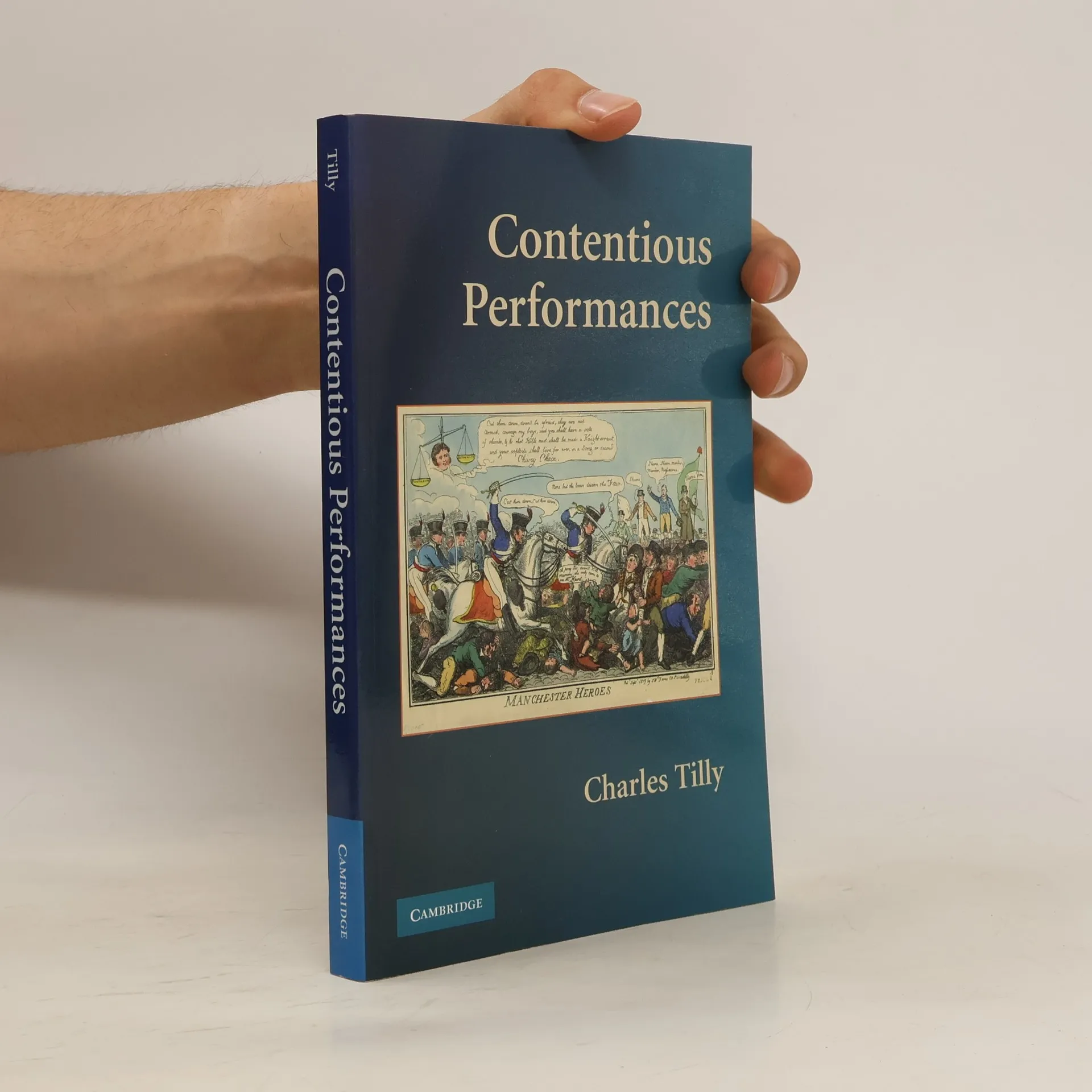
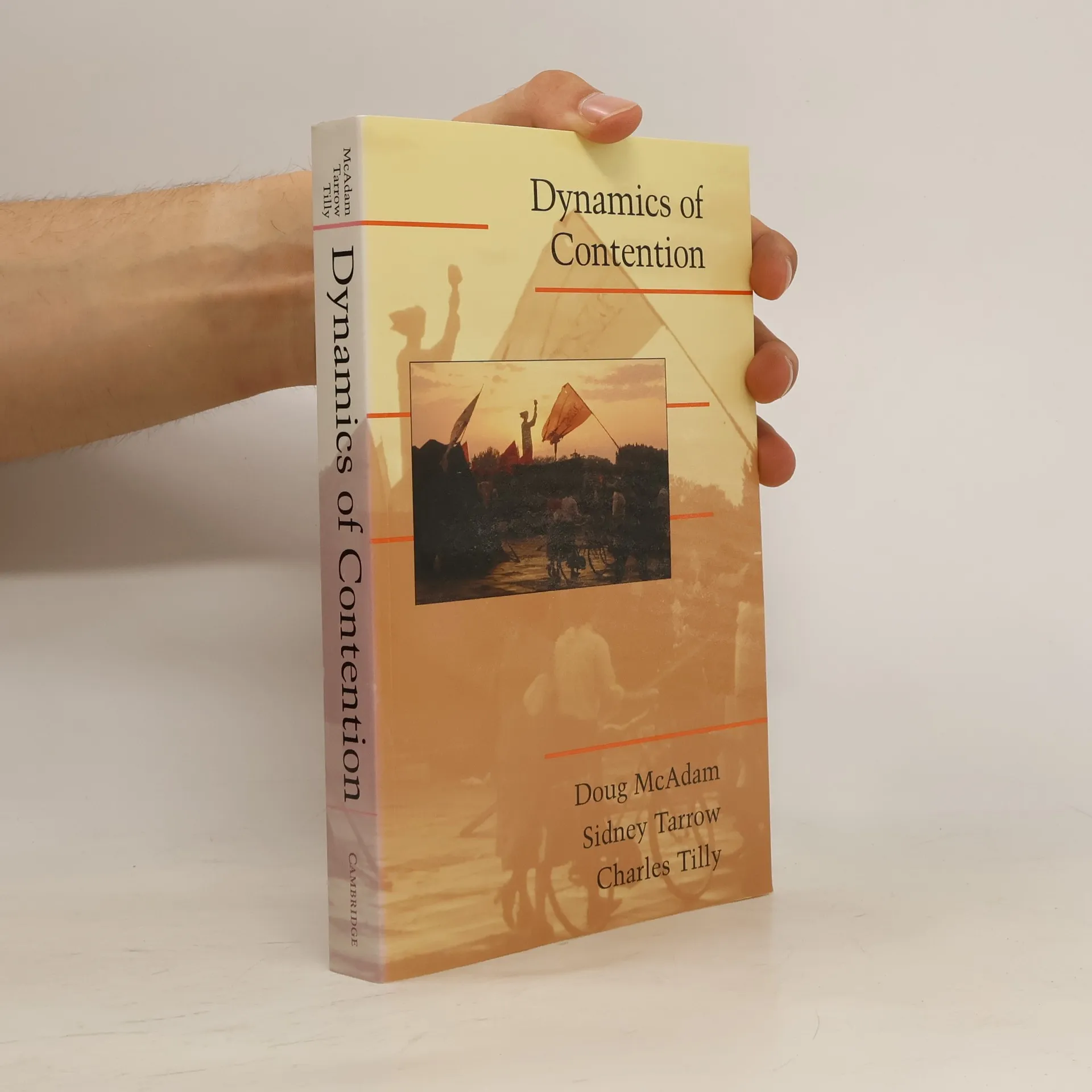
Revolutions, social movements, religious and ethnic conflict, nationalism and civil rights, and transnational these forms of contentious politics combine in Charles Tilly's and Sidney Tarrow's Contentious Politics . The book presents a set of analytical tools and procedures for study, comparison, and explanation of these very different sorts of contention. Drawing on many historical and contemporary cases, the book shows that similar principles describe and explain a wide variety of struggles as well as many more routine forms of politics. Tilly and Tarrow have written the book to introduce readers to an exciting new program of political and sociological analysis. To view Power Point slides of the last undergraduate course of Charles Tilly (with Ernesto Castaneda) in Spring 2007, which are related to his Paradigm book with Sidney Tarrow, Contentious Politics , please click here.
Focusing on collective struggles, this book provides an in-depth analysis of social movements in Great Britain from 1758 to 1834. It utilizes extensive evidence to explore the dynamics and impact of these movements, offering insights into the historical context and the evolution of popular resistance during this transformative period.
The book explores the significant growth in the study of social movements, revolutions, and democratization over the last twenty years. It delves into the key theories, methodologies, and case studies that have emerged in this field, highlighting how these phenomena shape societies and influence political change. By examining various movements and their impact on democracy, the author provides insights into the dynamics of collective action and the quest for social justice.
Exploring the roots of collective violence, this book examines diverse phenomena such as soccer hooliganism and September 11 through a historical lens. It highlights how social interactions lead to physical harm, driven by coordination among perpetrators. Charles Tilly posits that while collective violence is complex and unpredictable, it often stems from similar underlying causes. By identifying these factors, the work aims to provide insights into mitigating violence and fostering democratic societies with minimal harm. Tilly's extensive academic background enriches the analysis.
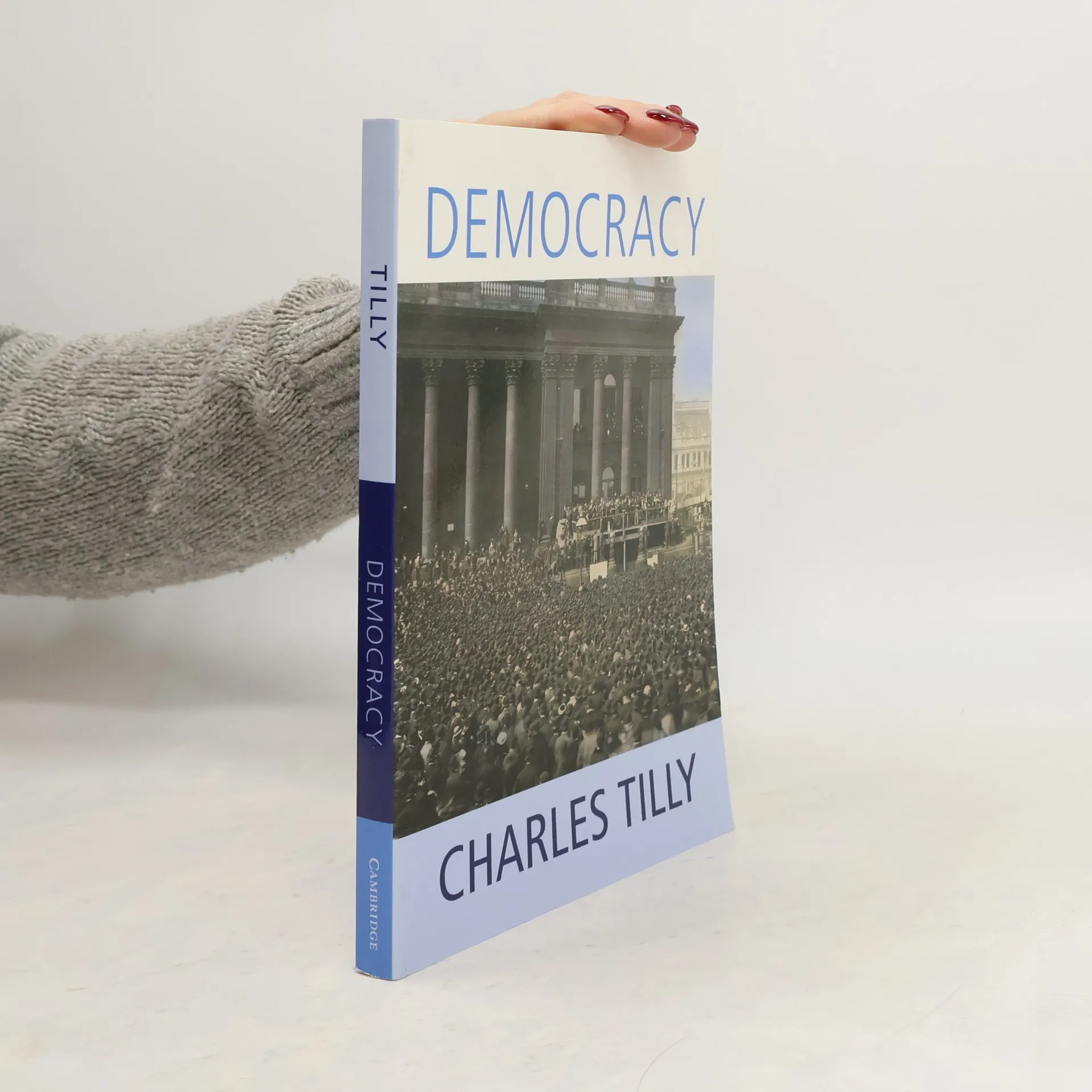
Democracy identifies the general processes causing democratization and de- democratization at a national level across the world over the last few hundred years. Through analytic narratives and comparisons of multiple regimes, mostly since World War II, this book makes the case for recasting current theories of democracy, democratization and de-democratization.
This bold and lively essay is a remarkable intellectual achievement, encapsulating vast erudition and analytical depth in a concise format. It tackles a central question: How can we enhance our understanding of the large-scale processes that transformed the nineteenth century and continue to shape our world today? Tilly argues that twentieth-century social theories are burdened by outdated "pernicious postulates" from the nineteenth century. He rigorously critiques these misleading beliefs, challenging standard social science paradigms and methodologies. Instead of relying on timeless, placeless models of social change, Tilly advocates for a concrete, historically grounded analysis and systematic comparison. To demonstrate these research strategies, he evaluates the works of key practitioners in comparative historical analysis, using this selective review to present his own speculative and unconventional interpretations of recent history. Historically oriented social scientists will appreciate this provocative essay and its expansive agenda for comparative research. Other social scientists, students, and interested general readers will find Tilly's work both stimulating and accessible. This essay is part of a five-volume series commissioned by the Russell Sage Foundation for its seventy-fifth anniversary. "In this short, brilliant book, Tilly suggests a way to think about theories of historical social change...." —Choice
Was passiert, wenn Leute Gründe angeben... und warum
Der berühmte amerikanische Soziologe Charles Tilly hinterfragt in diesem Werk die Erklärungen zu gesellschaftlichen Fragen und die Gründe, warum wir diese Erklärungen abgeben. Das leicht lesbare Buch untersucht, wie Menschen ihre Beziehungen zu anderen um Gründe herum aufbauen, verhandeln, reparieren, erneuern oder beenden. Tilly zeigt, dass das Zeigen von Gründen Menschen miteinander verbindet. Unabhängig von ihrem Inhalt liefern Gründe Rechtfertigungen für bestimmtes Verhalten und gemeinsame Erzählungen über das, was geschieht. Er kategorisiert Gründe in vier verschiedene Typen: konventionelle, narrative, technische Ursache-Wirkung-Berechnungen und solche, die in kodierter oder jargonhafter Sprache ausgedrückt werden. Das Werk ist reich an leuchtenden Anekdoten aus alltäglichen gesellschaftlichen Erfahrungen und hilft uns zu verstehen, dass eine der größten Schätze der Menschheit Geschichten sind.
L'examen et la comparaison des situations révolutionnaires, notamment dans les îles Britanniques au XVIIIe siècle, et en Russie au XXe siècle, amènent Charles Tilly à opposer les récentes révolutions nationales en Europe centrale et orientale et les avancées vers la supranationalité dans la Communauté européenne. Il estime probable le déclin du nationalisme révolutionnaire - ce qui serait un processus en soi révolutionnaire et de nature et de nature à affecter en profondeur l'avenir du continent européen.
Revolutionen sind die „Lokomotiven“ (Karl Marx) der Geschichte. Charles Tilly, einer der führenden Revolutionshistoriker unserer Zeit, schreibt hier für „Europa bauen“ eine Geschichte der europäischen Revolutionen von der frühen Neuzeit bis zur Gegenwart. Englands glorreiche Revolution von 1688, die Französische Revolution von 1789 und die russische Oktoberrevolution von 1917 stehen im Mittelpunkt des Buches, aber auch die Umwälzungen der jüngsten Vergangenheit in Mittel- und Osteuropa werden in die Darstellung mit einbezogen.
Mají takové jevy a události, jako je fotbalové chuligánství, útoky námezdních rolníků na majetek vlastníků půdy, incidenty vyvolané vztekem na silnicích a události z 11. září 2001, nějaké společné znaky? Tato kniha se pokouší – v širokém historickém záběru a s využitím nejrůznějších pramenů a literatury z mnoha disciplín – nalézt společnou příčinu těchto jevů a událostí v kolektivním násilí. Případy kolektivního násilí se neřídí nějakým univerzálním zákonem, ve všech ale v různých kombinacích a situacích působí podobné příčiny. Kolektivní násilí je v jistých ohledech sice komplikované, proměnlivé a nepředvídatelné, přesto je ale výsledkem podobných příčin, které se v různé době a na různých místech různě kombinují. Pochopíme-li tyto příčiny, jejich kombinace a situaci, v níž působí, pomůže nám to kolektivní násilí a jeho četné podoby vysvětlit.
Jak a proč lidé, kteří jsou ve vzájemné interakci, aniž si navzájem otevřeně škodí, náhle přecházejí ke kolektivnímu násilí a pak (někdy stejně náhle) zpět k relativně mírumilovným vztahům? Jak a proč začínají lidé, kteří léta žili se svými kategoriálními rozdíly (a často spolupracovali a uzavírali mezi sebou sňatky), na sebe a na svůj majetek ničivě útočit? Proč různé typy politických režimů (např. demokratický a autoritářský režim) vykazují tak rozdílné úrovně a formy kolektivního násilí? Kniha Politika kolektivního násilí je první prací Charlese Tillyho vydanou v českém překladu.