Jean Rhys, una romanziera originaria dei Caraibi, raggiunse la notorietà a metà del XX secolo per la sua suggestiva narrativa. Le sue prime opere degli anni '20 e '30 prefiguravano il suo impatto successivo. Fu solo con la pubblicazione di Wide Sargasso Sea nel 1966, un romanzo spesso considerato un "prequel" di Jane Eyre di Charlotte Brontë, che emerse come una figura letteraria significativa. La scrittura di Rhys esplora in modo avvincente temi di società patriarcali e sentimenti di alienazione, attingendo alle sue esperienze personali nella ricerca di identità e appartenenza.
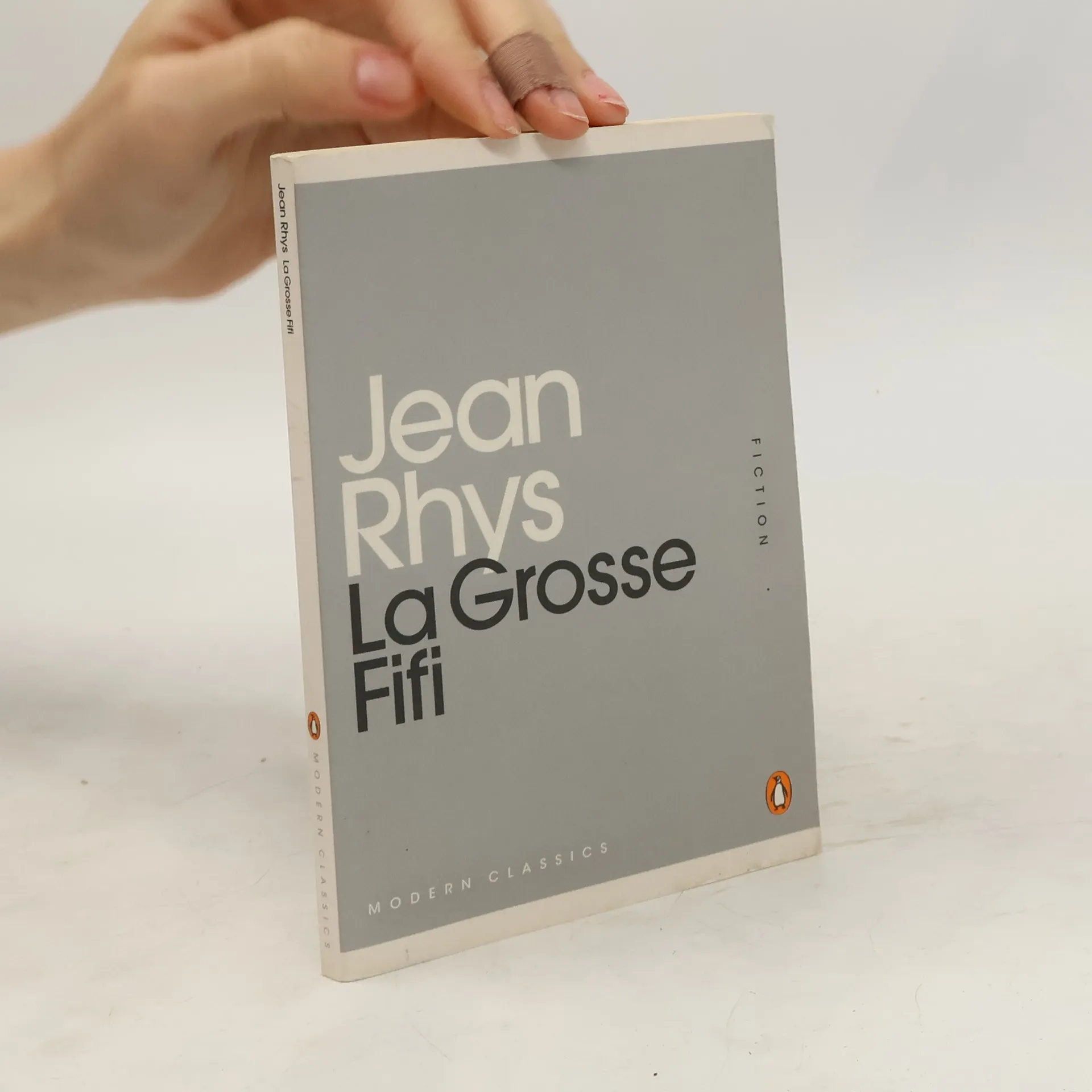
So there's a good time coming for the ladies, is there?-a good time coming for the girls? About time too' Stories of women adrift in seedy bars and down-at-heel hotels, from a master of the short story form.
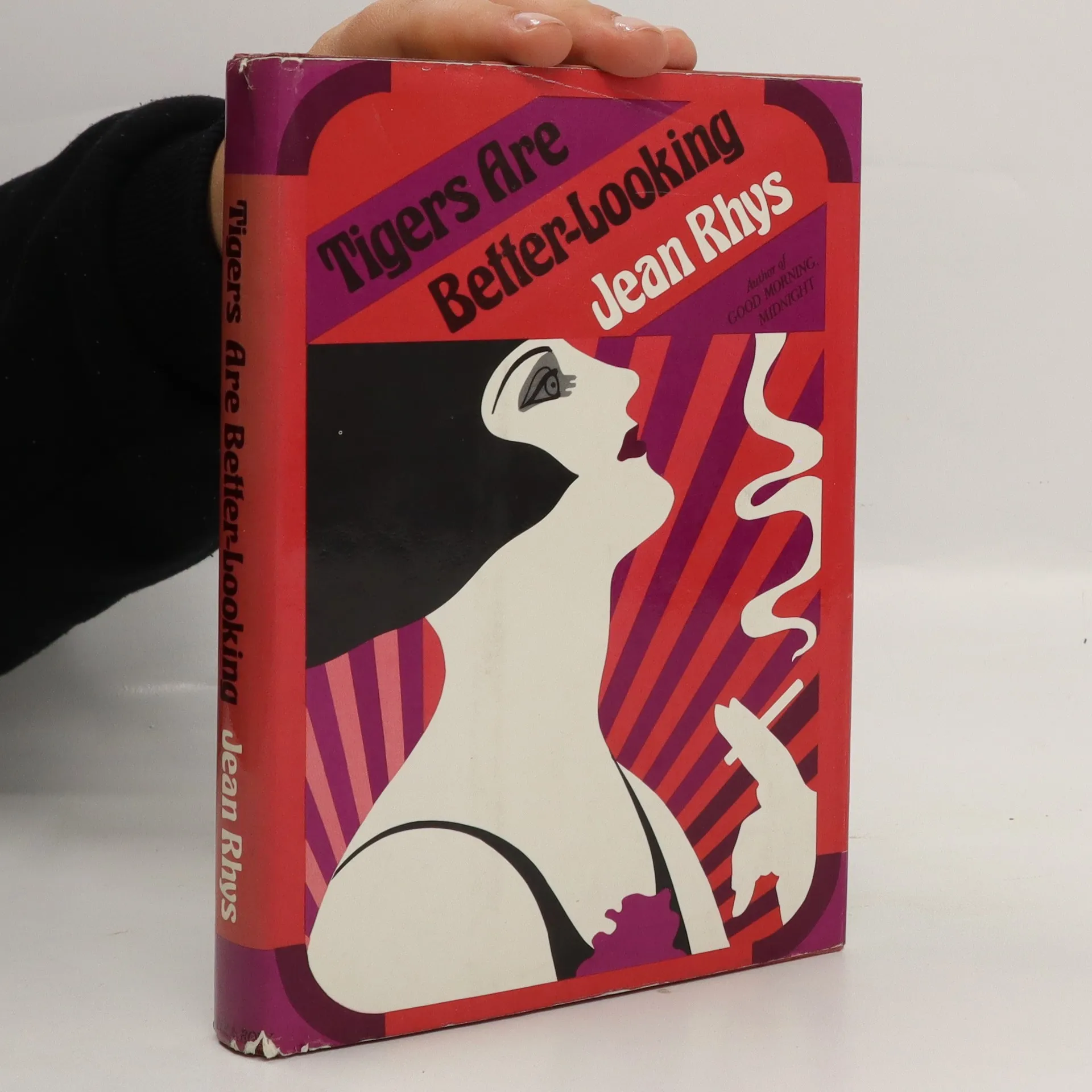
Contains such stories as: "La Grosse Fifi", "Vienne", "Tea with an Artist", and "Mixing Cocktails". They are all taken from a selection from The Left Bank in Penguin's edition of "Tigers Are Better Looking".
Mrs. Jansen, eine Frau mittleren Alters mit unbekannter Vergangenheit, lebt kurz in Paris. Ihr Leben ist geprägt von Alkoholabhängigkeit und dem Verlust ihres Sohnes. Der Roman thematisiert das innere und äußere Exil sowie das Gefühl der Wurzel- und Heimatlosigkeit, zentrale Motive in Jean Rhys' Werken.
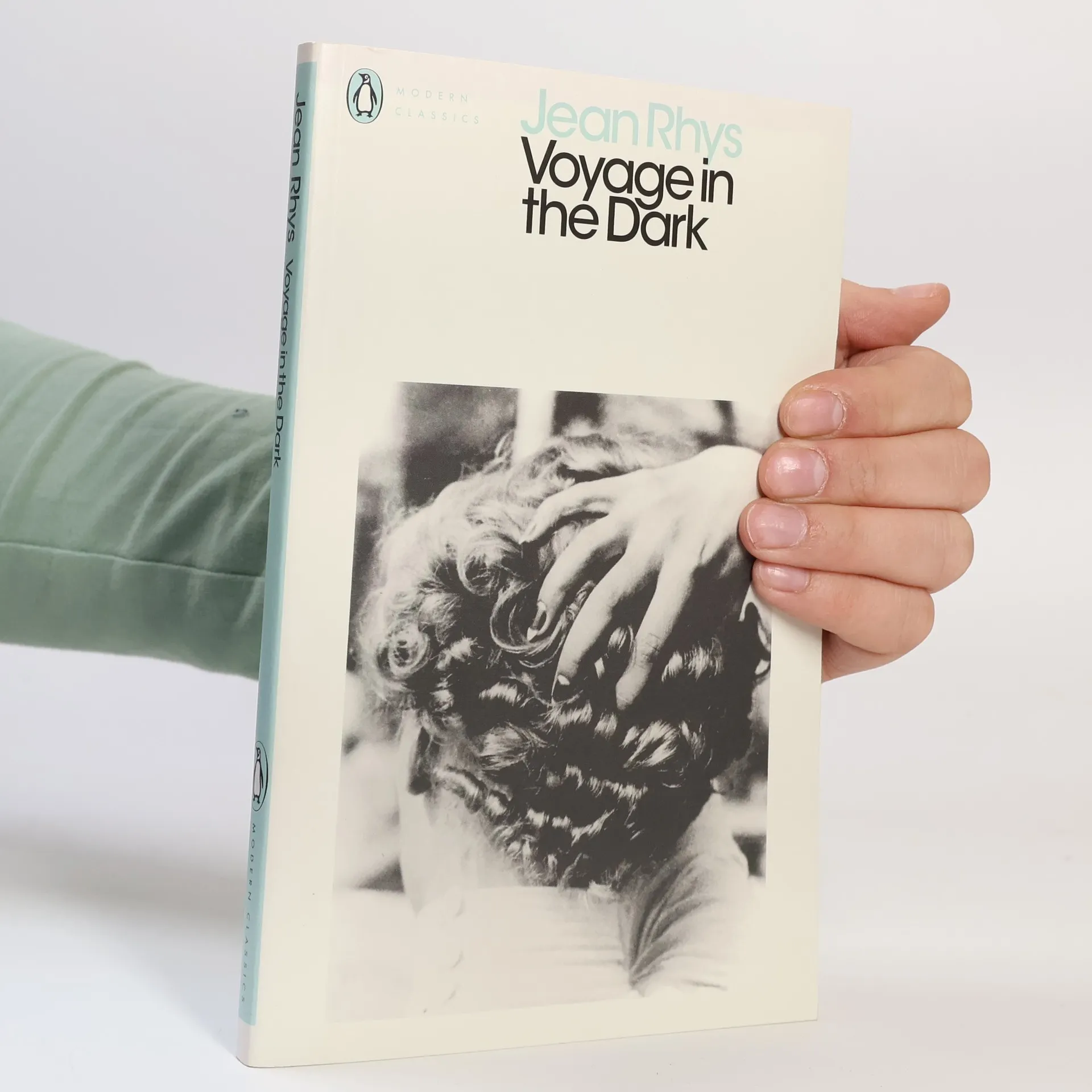
'A wonderful bitter-sweet book, written with disarming simplicity' Esther Freud 'It was as if a curtain had fallen, hiding everything I had ever known,' says Anna Morgan, eighteen years old and catapulted to England from the West Indies after the death of her beloved father. Working as a chorus girl, Anna drifts into the demi-monde of Edwardian London. But there, dismayed by the unfamiliar cold and greyness, she is absolutely alone and unconsciously floating from innocence to harsh experience. Her childish dreams have been replaced by harsh reality. Voyage in the Dark was first published in 1934, but it could have been written today. It is the story of an unhappy love affair, a portrait of a hypocritical society, and an exploration of exile and breakdown; all written in Jean Rhys's hauntingly simple and beautiful style.
Dot Allbones war das jüngste Mitglied ihrer großen Familie aus den Midlands. Ohne Schönheit und mit wenigen Perspektiven hatte sie das Glück, ein lukratives Talent zu entdecken - sie kann Menschen zum Lachen bringen. Jetzt, als Königin der Musikbühne in London, hat Dot das Gefühl, es nicht schlecht getroffen zu haben. Sie hat ihr Publikum, ihre Unabhängigkeit und genug Geld für Champagner: ein gutes Leben.
Die hübsche, beliebte Waise Kate Eddowes war eine unwahrscheinliche Kindheitsfreundin für Dot. Die Schönheit des älteren Mädchens sollte sie weit bringen, und tatsächlich verließ Kate bald, verführt von der Liebe und dem Versprechen von Abenteuern. Eine zufällige Begegnung auf einer Londoner Straße Jahre später macht deutlich, dass Kates Leben nicht nach Plan verlaufen ist. Obwohl arm und allein, behält sie ihren unbezwingbaren Geist.
Aber das ist Whitechapel im Jahr 1888, und die schattigen Straßen sind kein Ort für eine verzweifelte Frau...
Mit ihrer unverwechselbaren Schärfe und ihrem trockenen Witz erweckt Laurie Graham die geschäftigen Freuden und die nicht so verborgenen Gefahren des Lebens in einer überfüllten Stadt mit ihren Extremen von Armut und Reichtum zum Leben. Und währenddessen lauert im Schatten die zerreißende Bedrohung des Rippers.
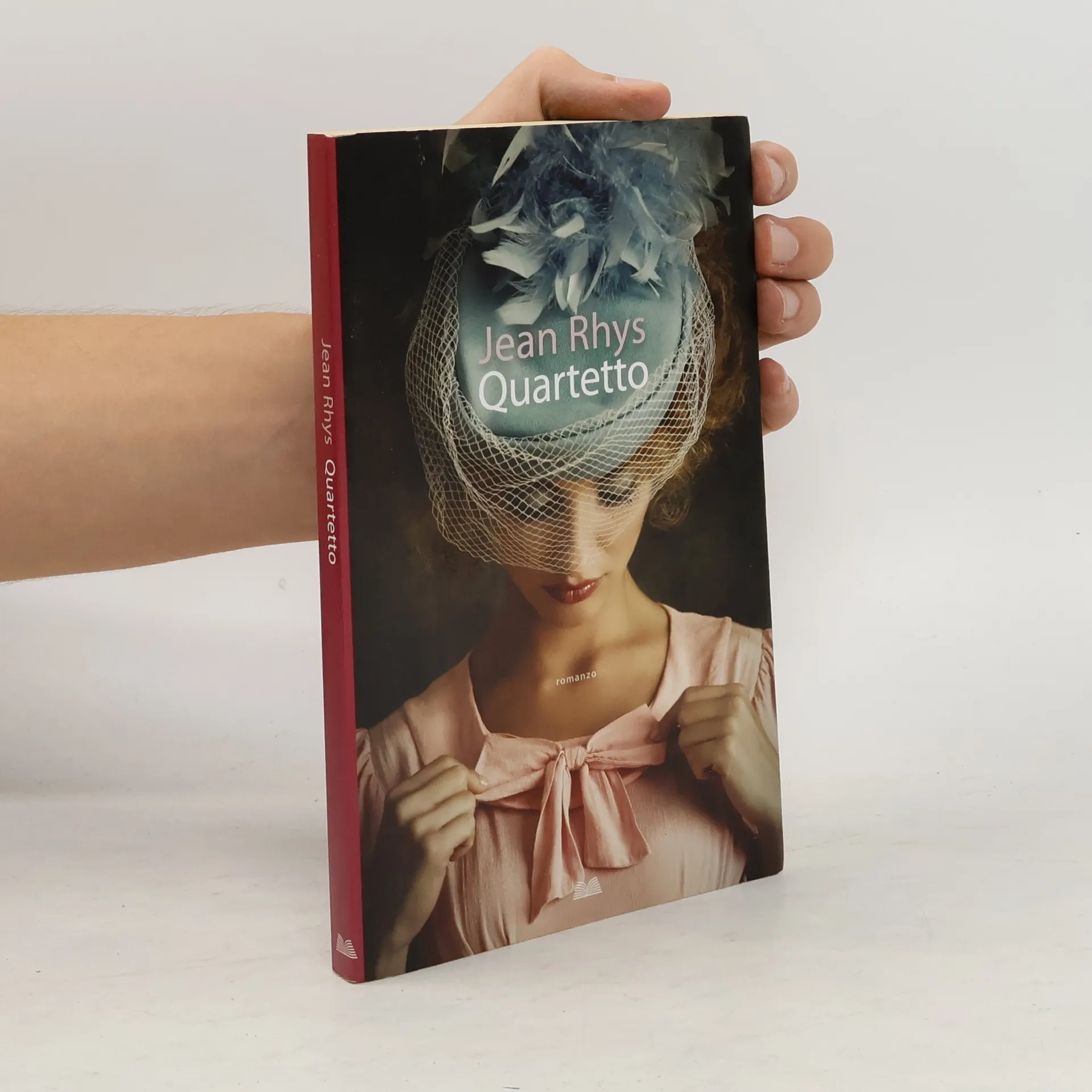
Aperitivi nei caffè fumosi di Montparnasse, stanze d'albergo economiche e Marya Zelli, che cerca di rendere la sua vita qualcosa di sostanziale per resistere all'irrealtà che la circonda. Sola, bloccata a Parigi dopo che suo marito polacco è stato incarcerato, Marya fa amicizia con una coppia inglese che la porta a casa con loro. Lentamente la sopraffanno con le loro passioni mentre Marya si lascia andare a una relazione con il marito, una relazione che la moglie sembra promuovere con stranezza. Il marito esige, la moglie incoraggia e Marya è lasciata - come sempre - a consolare se stessa.
Tigers are Better-Looking incorporates selections from Jean Rhys's first book of stories, The Left Bank, published in 1927, and later stories written after 1939. In them Rhys encompasses within a few pages both the gaiety and charm of youth and love, and an awareness of all that threatens them. Writing in The New York Times, A. Alvarez has called these stories "extraordinary." The early stories have added value in that they illuminate Jean Rhys's development as a writer. Those written later, when her art was mature, are on the level of her novels and demonstrate that she is one of the most distinguished writers of our time, "the best living English novelist," again to quote Alvarez. The title of this collection comes from the opinion which many of Jean Rhys's characters share, that respectable people are as alarming as tigers, but "tigers are better-looking, aren't they?" It also reflects the astringent humor in her work; an explanation that however sad or even sordid her subject, she is never depressing. --From the book jacket
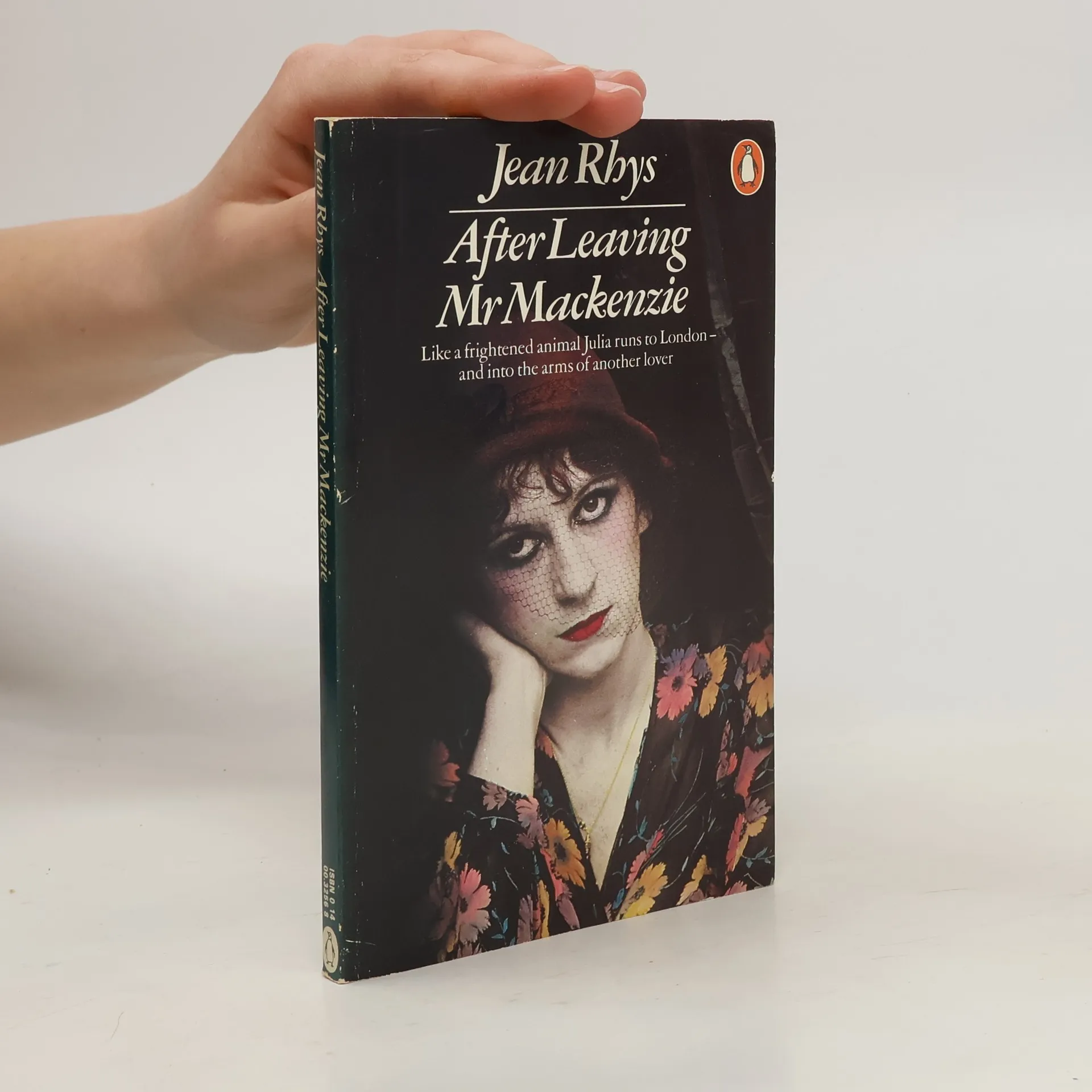
Julia Martin is at the end of her rope in Paris. Once beautiful, she was taken care of by men. Now after leaving her lover, she is running out of luck. A visit to London to see her ailing mother and distrustful sister bring her stark life into full focus.
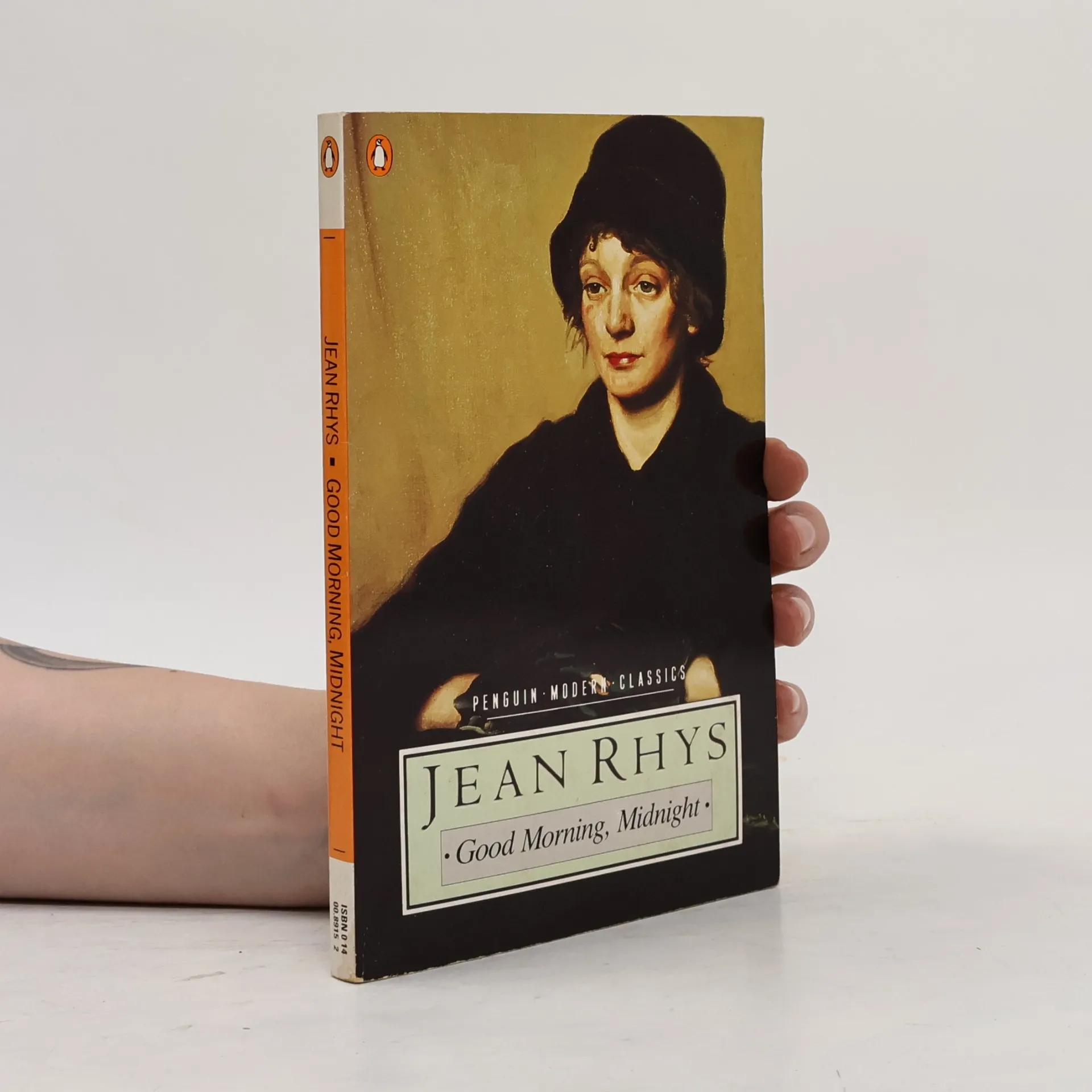
An unforgettable portrait of a woman bravely confronting loneliness and despair in her quest for self-determination, this novel includes an introduction by A.L. Kennedy in Penguin Modern Classics. Set in 1930s Paris, a young woman seeks to teach herself indifference after escaping personal tragedy. She aims to find courage and independence, vowing to expect nothing, especially not kindness from men. With plans to dye her hair blonde, she navigates the complexities of her emancipation, which proves to be more painful than anticipated, yet her confession is laced with triumph. Jean Rhys, a remarkable talent ahead of her time, adeptly captures the anguish of young, single women. Her portrayal of Sophia Jansen is a modern exploration of female struggle and resilience. Rhys, one of the most distinctive British novelists of the twentieth century, wrote with sensitivity and insight about women's experiences in innovative ways. Born in Dominica in 1894, she moved to England at 16 and later to Paris, where she began her writing career. Despite modest success during her lifetime, her work gained renewed recognition with the publication of Wide Sargasso Sea in 1966. If you enjoyed this novel, you might also like Rhys's Voyage in the Dark, available in Penguin Modern Classics. A.L. Kennedy notes her chilling yet moving eloquence in the language of human relationships.
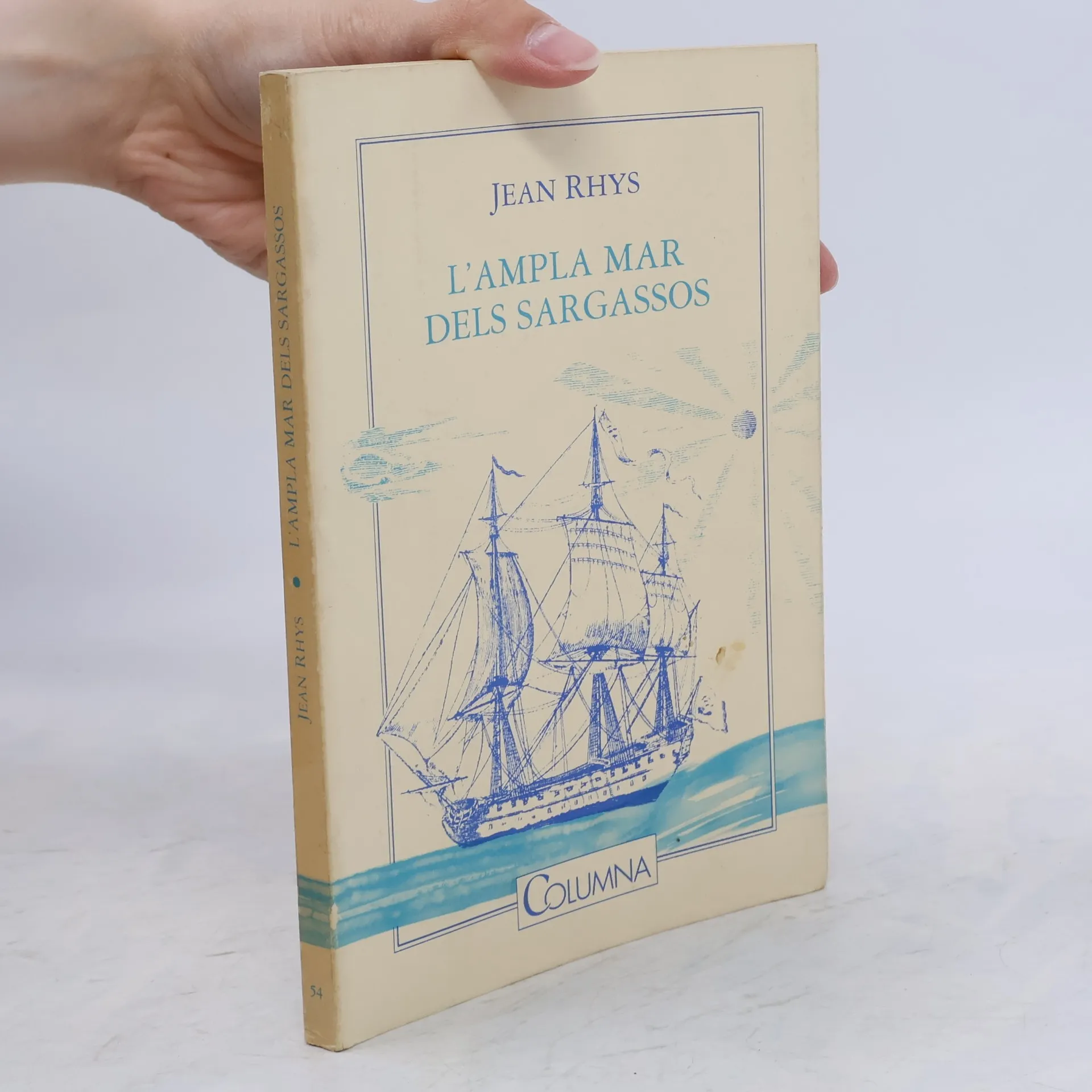
Ford Madox Ford, scopritore di Jean Rhys, elogiò il suo primo romanzo per la rara abilità nella forma, soprattutto per una scrittrice di lingua inglese. Rhys narrava storie amare e di quotidiana ferocia ambientate nella Rive Gauche, tra esuli anglosassoni, piccoli alberghi di Bloomsbury e caffè, dove l’amore si intrecciava con la desolazione. Tuttavia, nel 1939, Jean Rhys scompare dalla scena letteraria; i suoi libri esauriscono e il suo nome viene dimenticato fino al 1958, quando viene ritrovata in Cornovaglia. Nel 1966 pubblica la sua opera più matura, un romanzo di straordinaria densità e tensione, subito riconosciuto come memorabile. Ambientato in Giamaica intorno al 1830, il mondo descritto è caratterizzato da un contrasto tra il fulgore e la tenebra. Le pratiche del voodoo e le storie di zombi si scontrano con la calma ferocia dei bianchi, mentre la natura splendente avvolge la giovane Antoinette, già segnata da un destino avverso. Il suo matrimonio con un giovane inglese, motivato da interesse, genera una passione tragica in cui desiderio, odio, vita e morte si avvicinano pericolosamente. Un filtro d’amore porterà solo sciagura, accumulando il peso di generazioni sul destino di Antoinette.