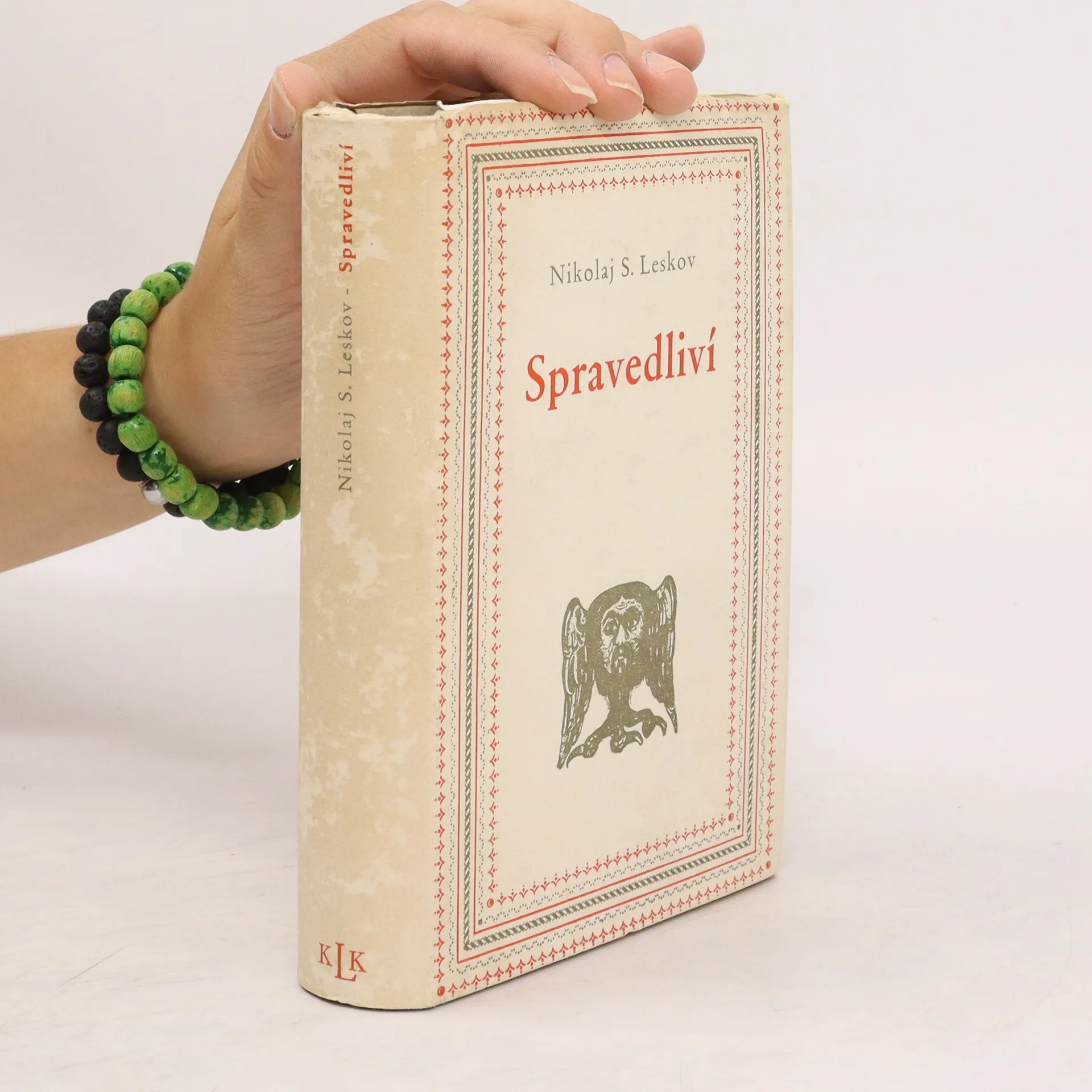
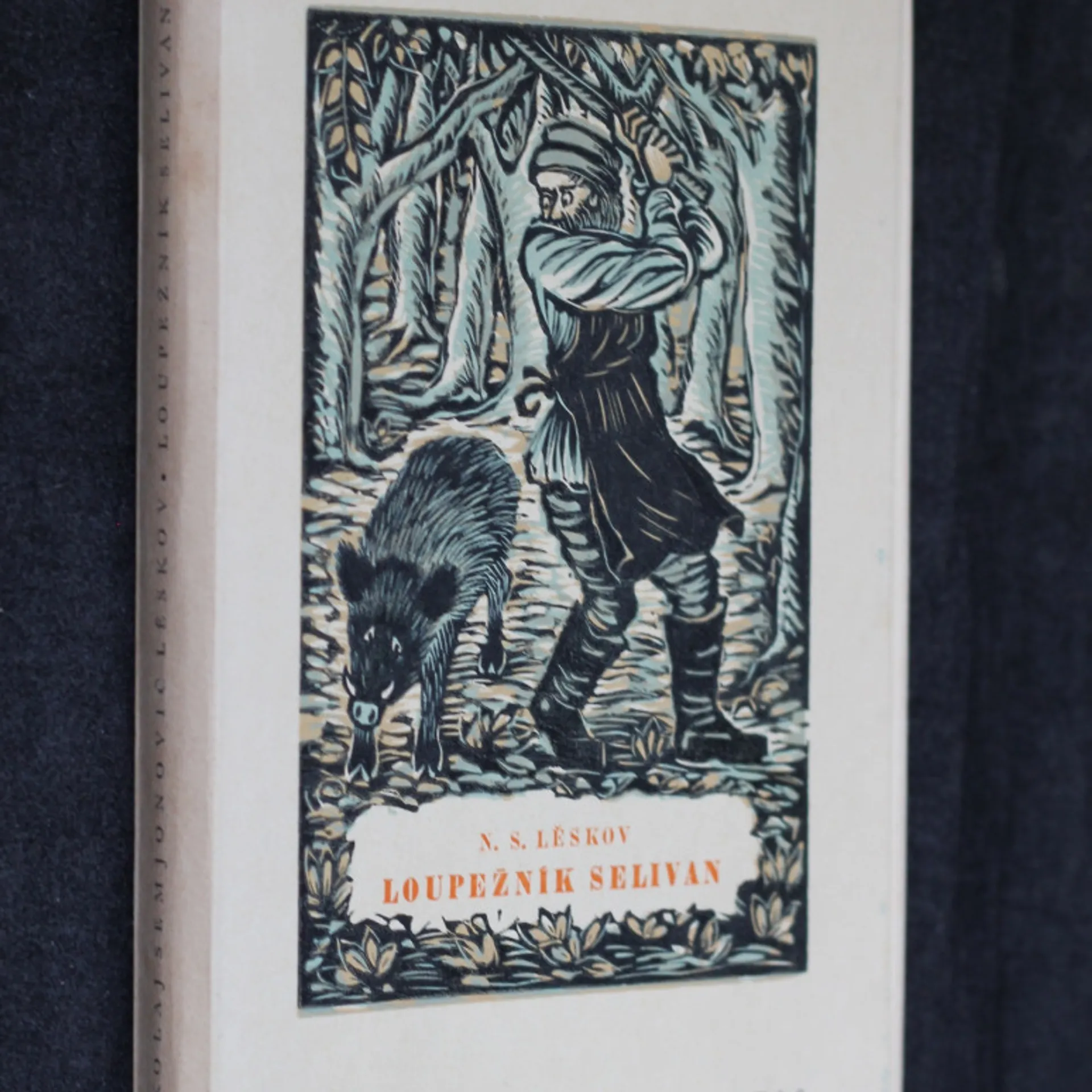
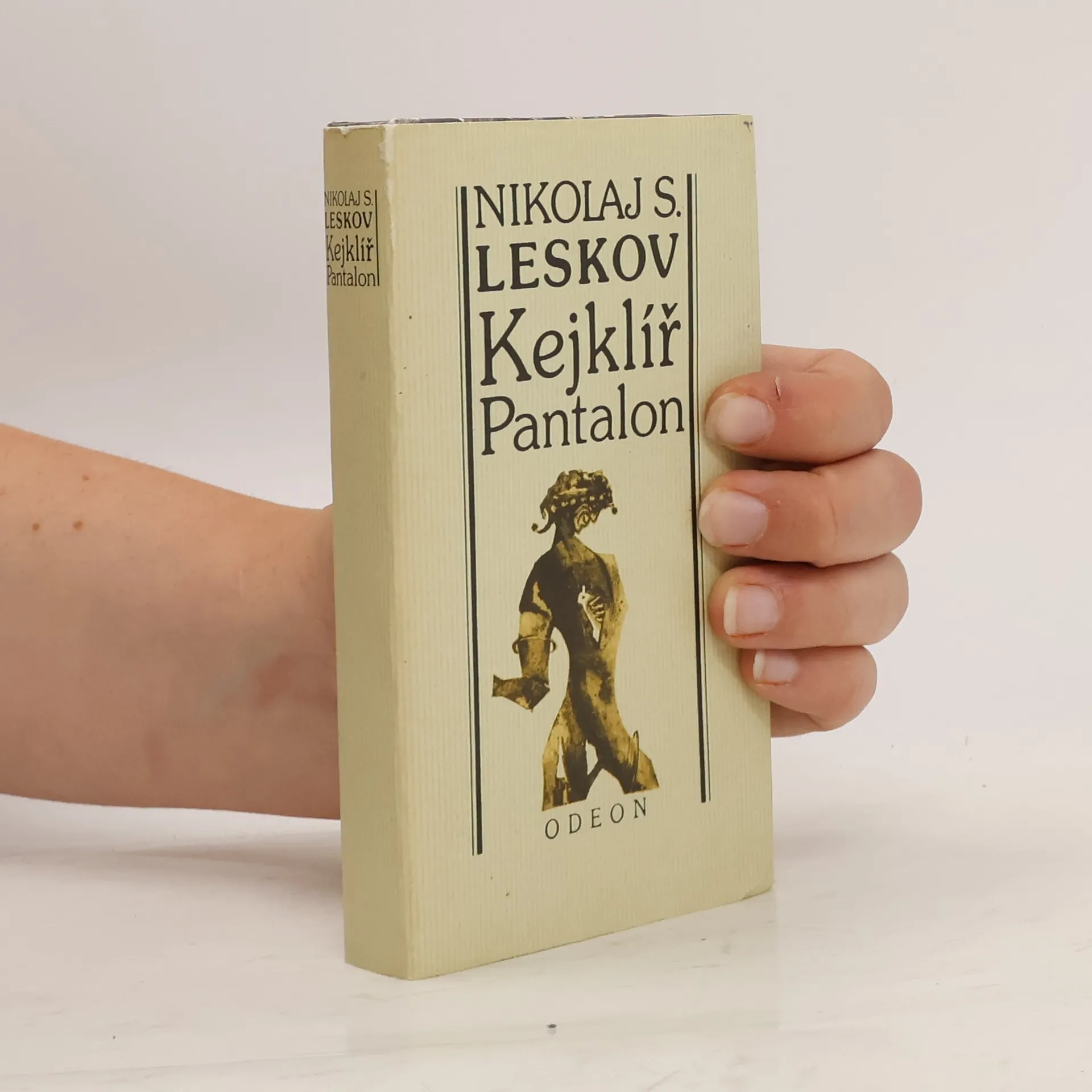
Lo spirito selvaggio degli abitanti di steppe gelate e sconfinate; il soprannaturale divino che pervade le meraviglie dell’iconografia religiosa; lo slancio primordiale di personaggi che sacrificano tutto ad un sentimento religioso antico e immutabile; l’amore senza riserve per la madre Russia e per lo zar. Tutto questo è Leskòv, uno dei più grandi narratori russi, che racconta di umili, di derelitti e di contadini con il loro stesso linguaggio. Il linguaggio scarno e semplice di chi “sente” con dolore, di chi non possiede la chiave per comprendere un mondo che si avvicinava a grandi passi verso la modernità.
Nikolaj Semenovič Leskov Libri
- М. Стебницкий
4 febbraio 1831 – 21 febbraio 1895


Il viaggiatore incantato
- 194pagine
- 7 ore di lettura
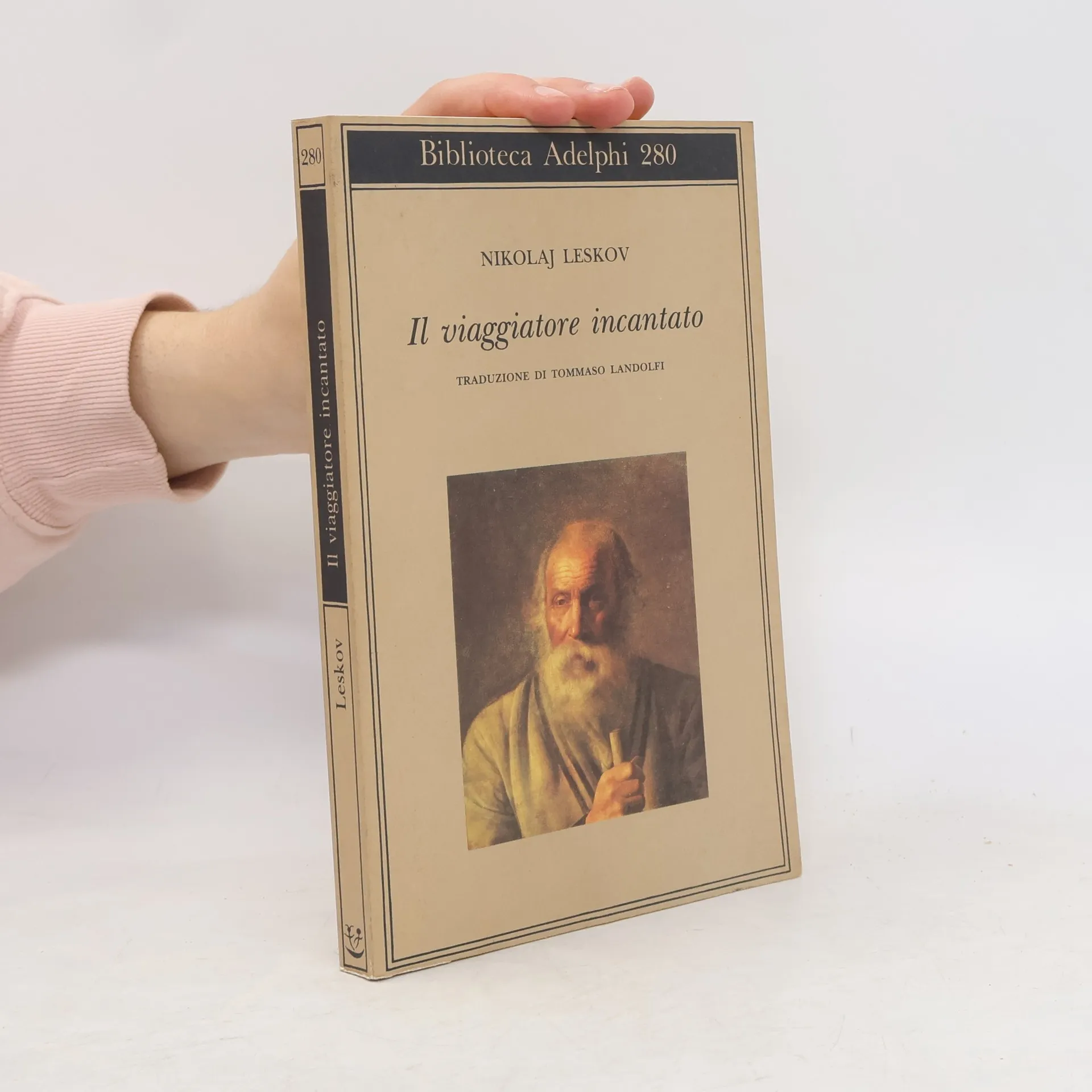
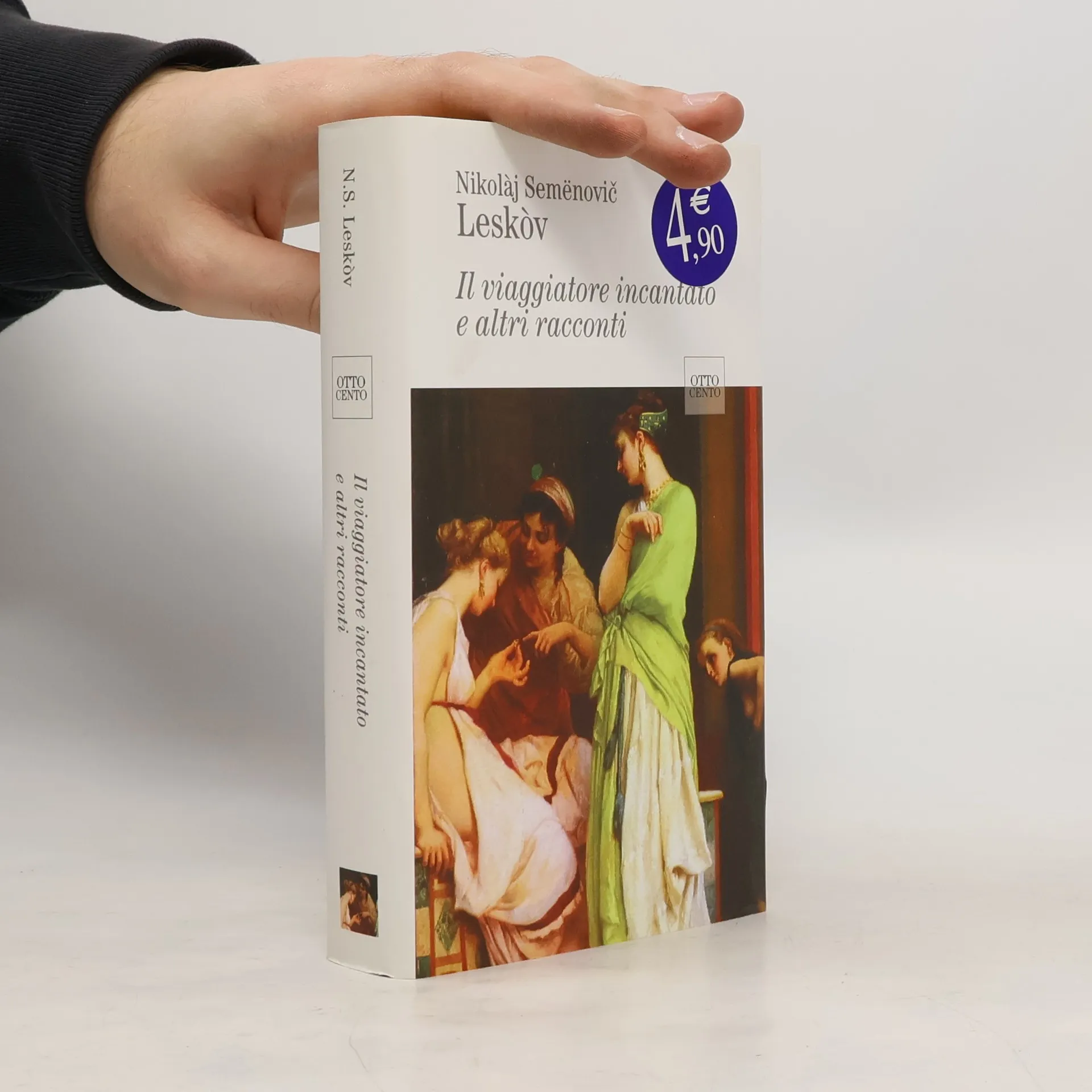
«L’esperienza che passa di bocca in bocca è la fonte a cui hanno attinto tutti i narratori», scrisse Walter Benjamin. La voce che sentiamo è quella di un «viaggiatore incantato» che racconta le sue avventure su un battello nel lago Ladoga. Questo narratore, descritto come un uomo di grande statura con un viso aperto, vive esperienze sorprendenti e improbabili che gli capitano senza cercarle. La morte lo sfiora più volte, ma lo respinge, mentre la vita sembra seguirne un disegno misterioso, noto solo alla madre defunta che lo aveva promesso a Dio. Le storie di quest’uomo, che ha «molto veduto», sono infinite e non pretendono di avere risposte. Le sue parole si stagliano su uno sfondo dorato della vecchia Rus’ di Kiev, mentre i racconti si popolano di vagabondi, prostitute, padroni, mercanti e nobili, tra cui la zingara Gruša, simile a «una serpe lucente». Leskov, lontano dalle teorie, trasmette una dispersione di casi che evoca un azzardo teologico, richiamando l’idea di salvezza per tutti, anche per i suicidi. La storia di un seminarista suicida introduce questo corteo di narrazioni. Landolfi tradusse l’opera tra il 1962 e il 1963, raggiungendo un risultato magistrale: il tono dell’oralità permea il testo, rendendolo un unico respiro. L’opera originale è del 1873, mentre la traduzione apparve nel 1967.
The Steel Flea
- 64pagine
- 3 ore di lettura
An uproarious romp of one-upmanship and drunkenness from the nineteenth-century Russian comic genius.
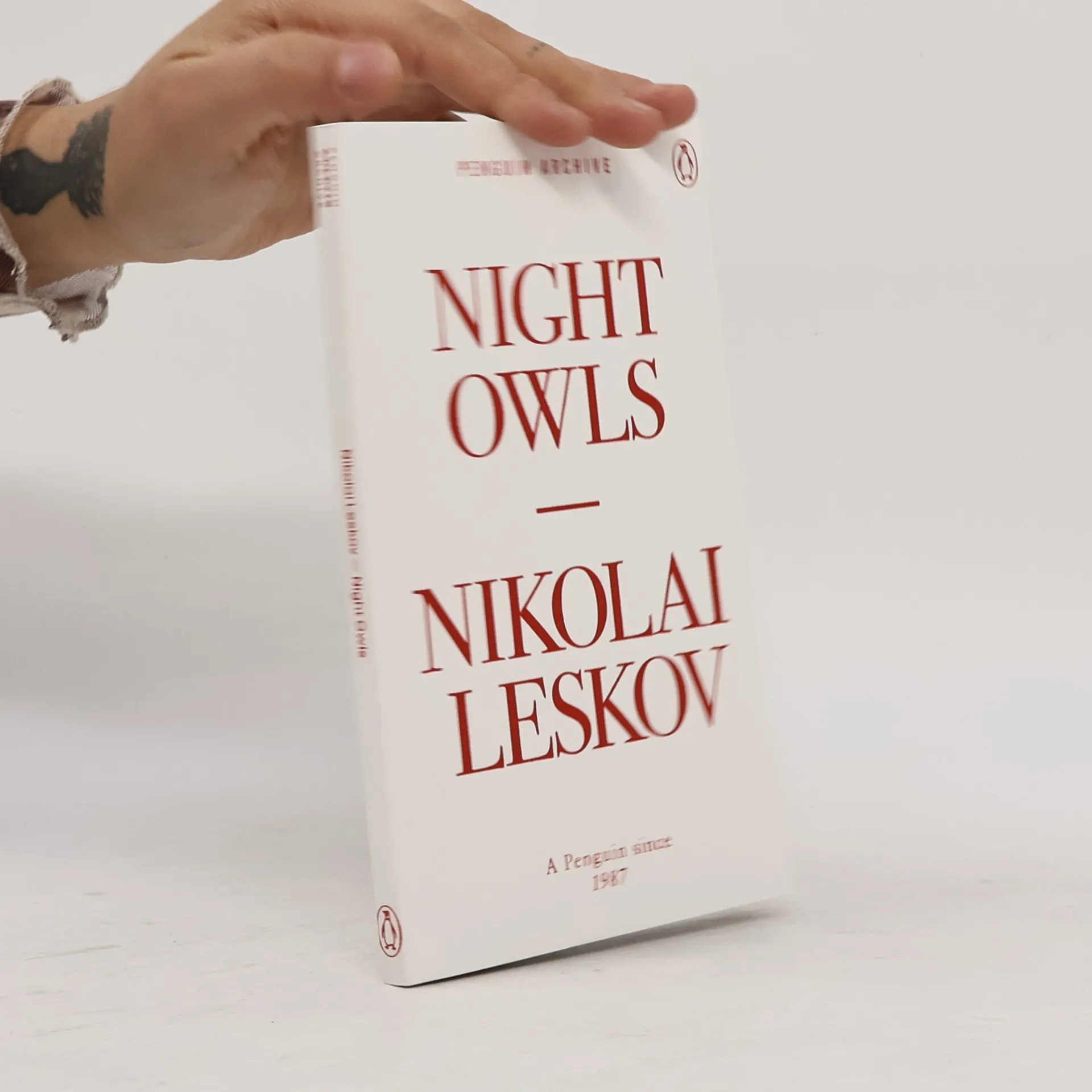
Penguin Archive: Night Owls
- 144pagine
- 6 ore di lettura
90 classic titles celebrating 90 years of Penguin Books'I decided that my trip had evidently been in vain, since nothing of interest could possibly occur on this visit. I was mistaken.'Condemned to sleeplessness by the chatter permeating his guesthouse room, a forlorn traveller turns his ear to the riotous tale spun by the garrulous, meddlesome, inane and utterly unprincipled Márya Martýnovna next door. Her exuberant deformations of morality and language scandalized Tsarist society, and she remains one of Russian literature’s most uproarious anti-heroes.
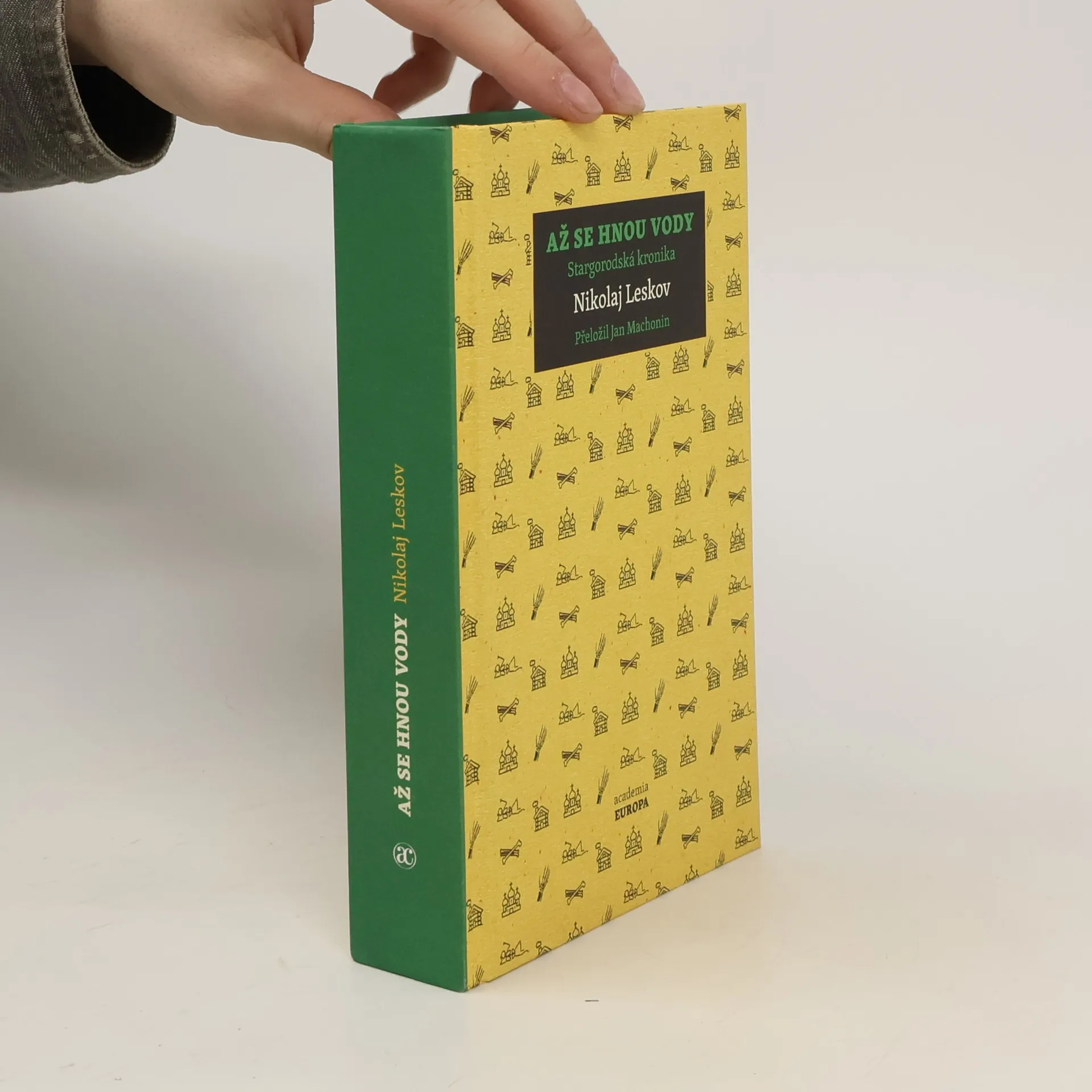
Až se hnou vody
- 472pagine
- 17 ore di lettura
Stylizovaná románová kronika Až se hnou vody (v definitivní podobě vydaná rusky roku 1872) zůstala u nás na rozdíl od Leskovových známých povídek a románů stranou pozornosti – česky vyšla poprvé a naposledy před více než sto dvaceti lety (1903). Nový překlad Jana Machonina potvrzuje neobyčejnou živost a modernost této prózy, v nížLeskov více než jinde opustil formu románu, využíval odcizené perspektivy jakoby filmového vypravěče a ve střídání různých stylových rovin výrazně obohatil jazyk prvky odposlouchané řeči. Do bezmála idylického prostředí jednoho ruského městečka, zvláště malého společenství jeho pravoslavných duchovních, proniká atmosféra moderní doby, volnomyšlenkářství a nihilismus, jak se tehdy nové myšlenkové proudy v Rusku označovaly. Tyto střety probouzejí k životu zápletky, jejichž bizarnost nabývá místy až absurdních poloh. Tak Leskov utkal podivuhodnou síť směšných i dojemných příhod, z níž vyvstává působivý obraz duchovní a materiální podstaty Ruska 19. století v celé jeho složitosti.
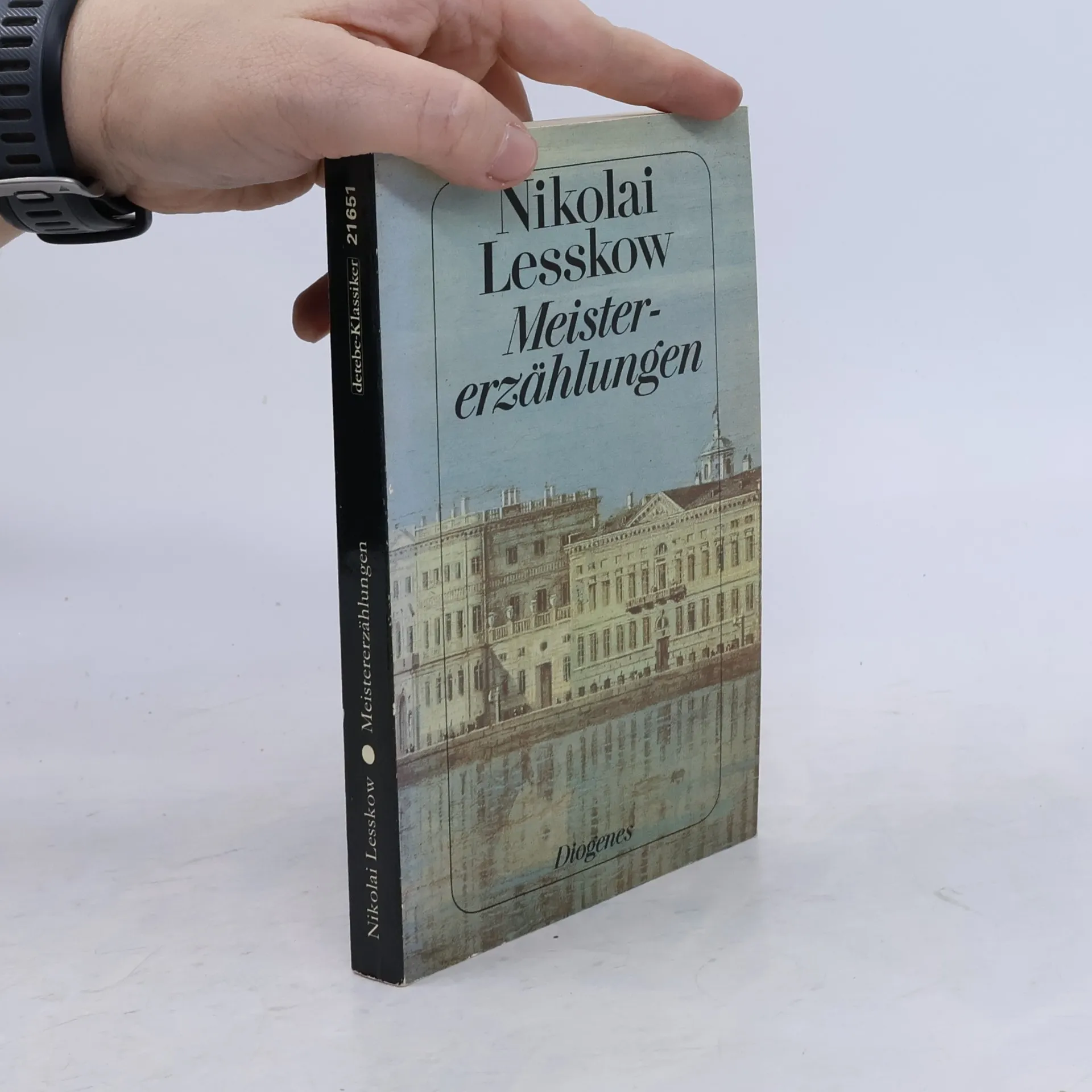
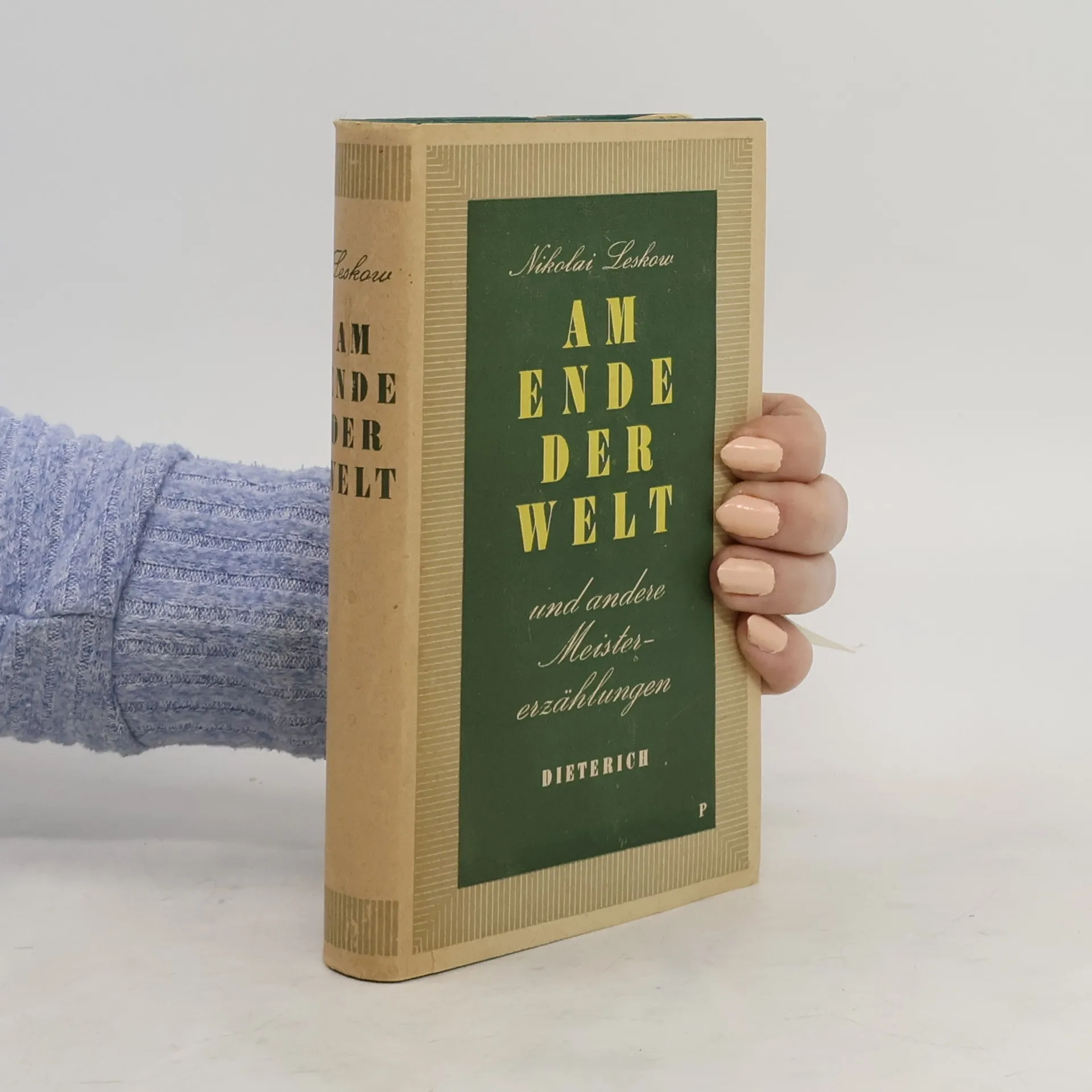
Meistererzählungen. Ausgew. u. übers. v. Johannes von Guenther. Mit e. Nachw. v. V. S. Pritchett
- 266pagine
- 10 ore di lettura
Ausgewählte Werke von Anna von Guenther, mit einem Nachwort von V. S. Pritchett. 266 Seiten.
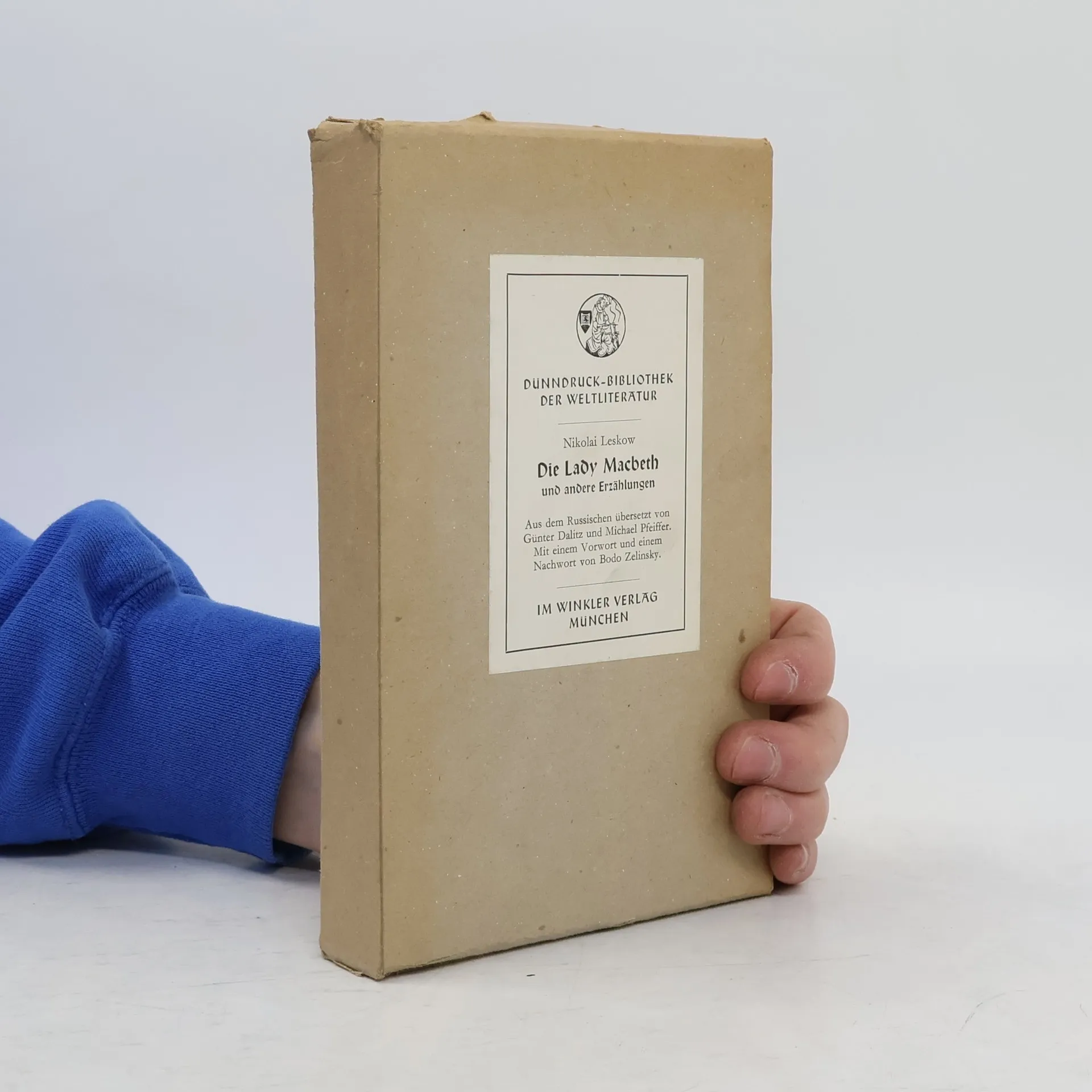
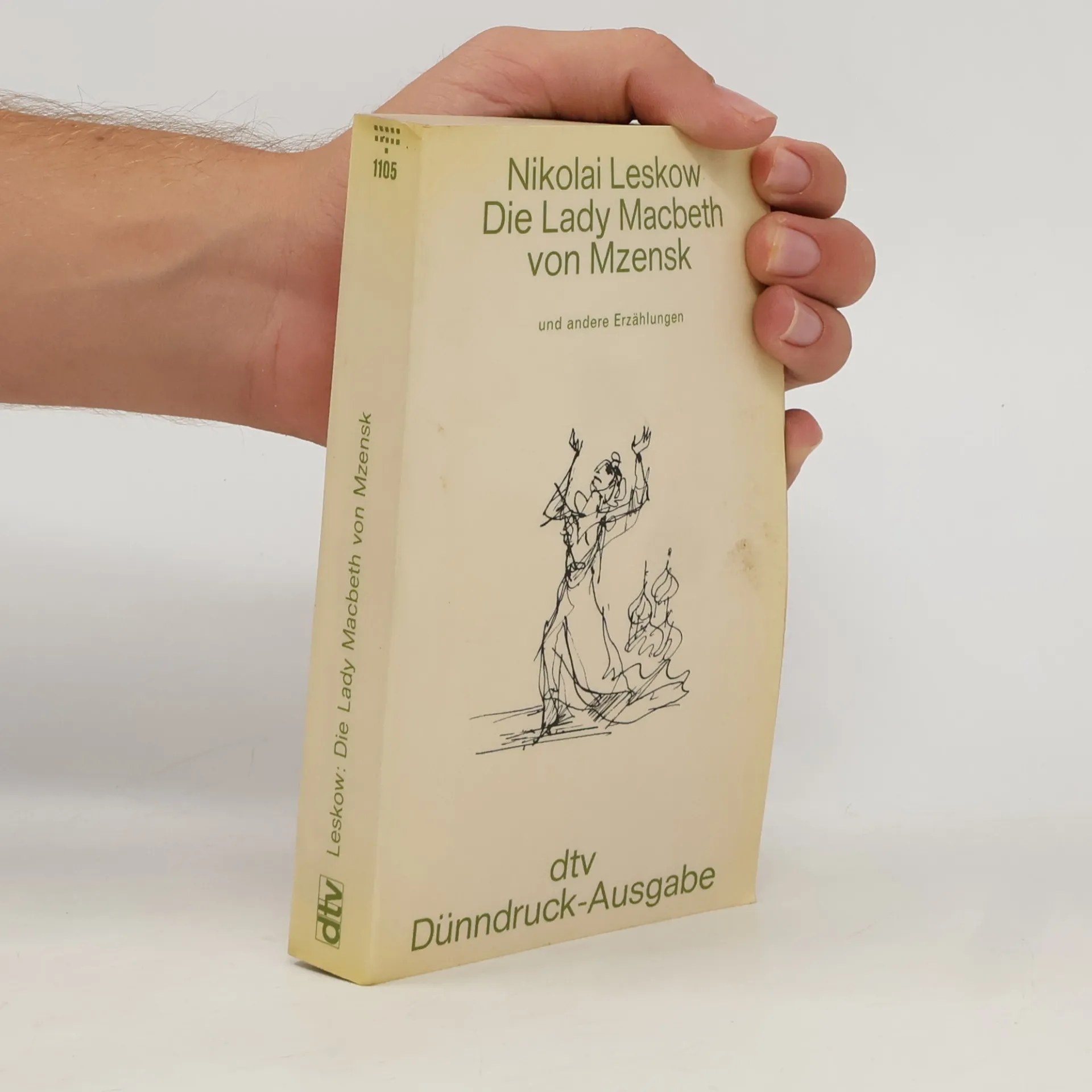
Die Lady Macbeth und andere Erzählungen
- 843pagine
- 30 ore di lettura
Five great stories from one of the most quintessentially Russian of writers, Nikolai Leskov. In the best of Leskov's stories, as in almost no others apart from those of Gogol, we can hear the voice of nineteenth-century Russia. An outsider by birth and instinct, Leskov is one of the most undeservedly neglected figures in Russian literature. He combined a profoundly religious spirit with a fascination for crime, an occasionally lurid imagination and a great love for the Russian vernacular. This volume includes five of his greatest stories, including the masterful Lady Macbeth of Mtsensk. Nikolai Semyonovich Leskov was born in 1831 in Gorokhovo, Oryol Province and was orphaned early. In 1860 he became a journalist and moved to Petersburg where he published his first story. He subsequently wrote a number of folk legends and Christmas tales, along with a few anti-nihilistic novels which resulted in isolation from the literary circles of his day. He died in 1895. David McDuff is a translator of Russian and Nordic literature. His translations of nineteenth and twentieth century Russian prose classics (including works by Dostoyevsky,Tolstoy, Bely and Babel) are published by Penguin.
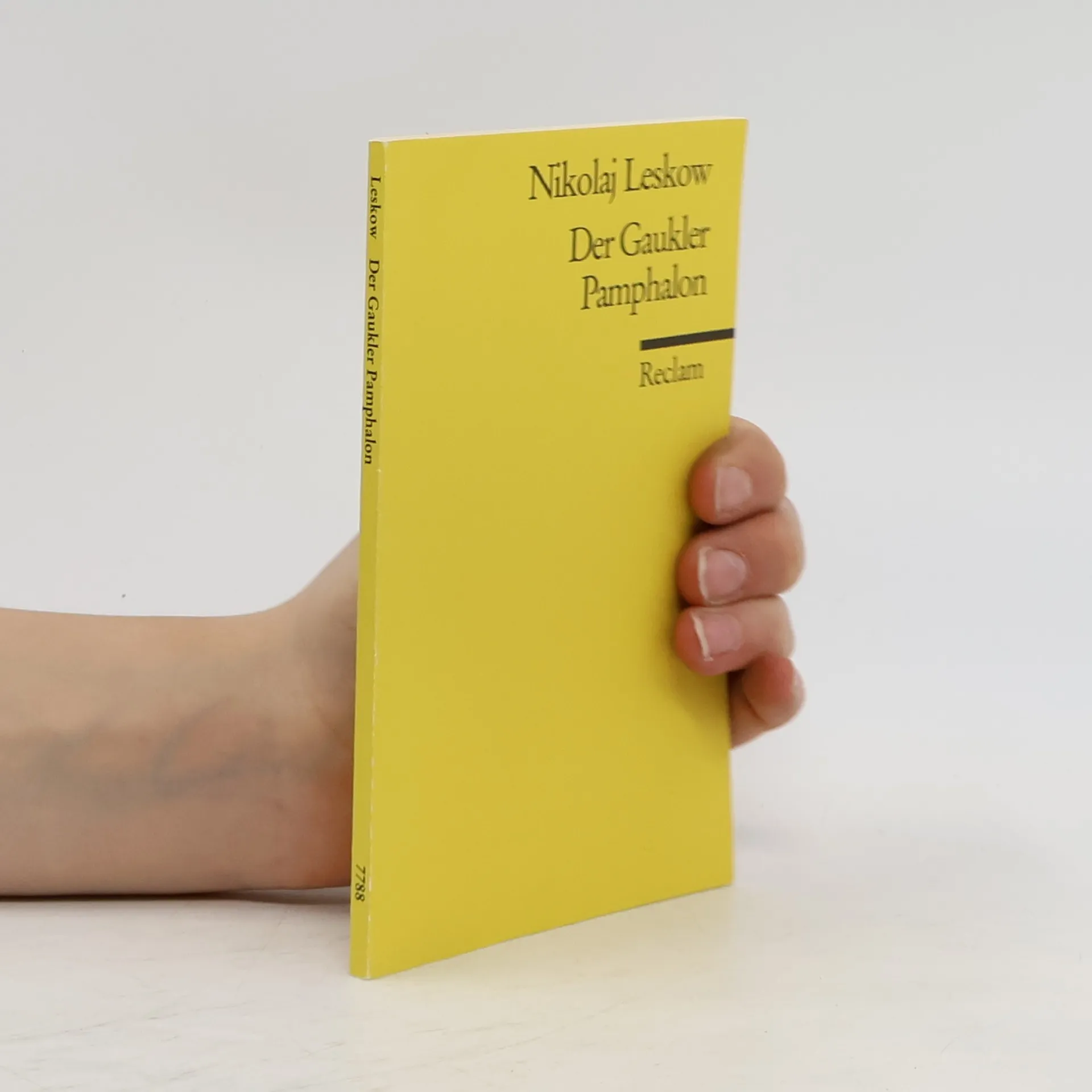
Der Gaukler Pamphalon. Erzählung
- 95pagine
- 4 ore di lettura
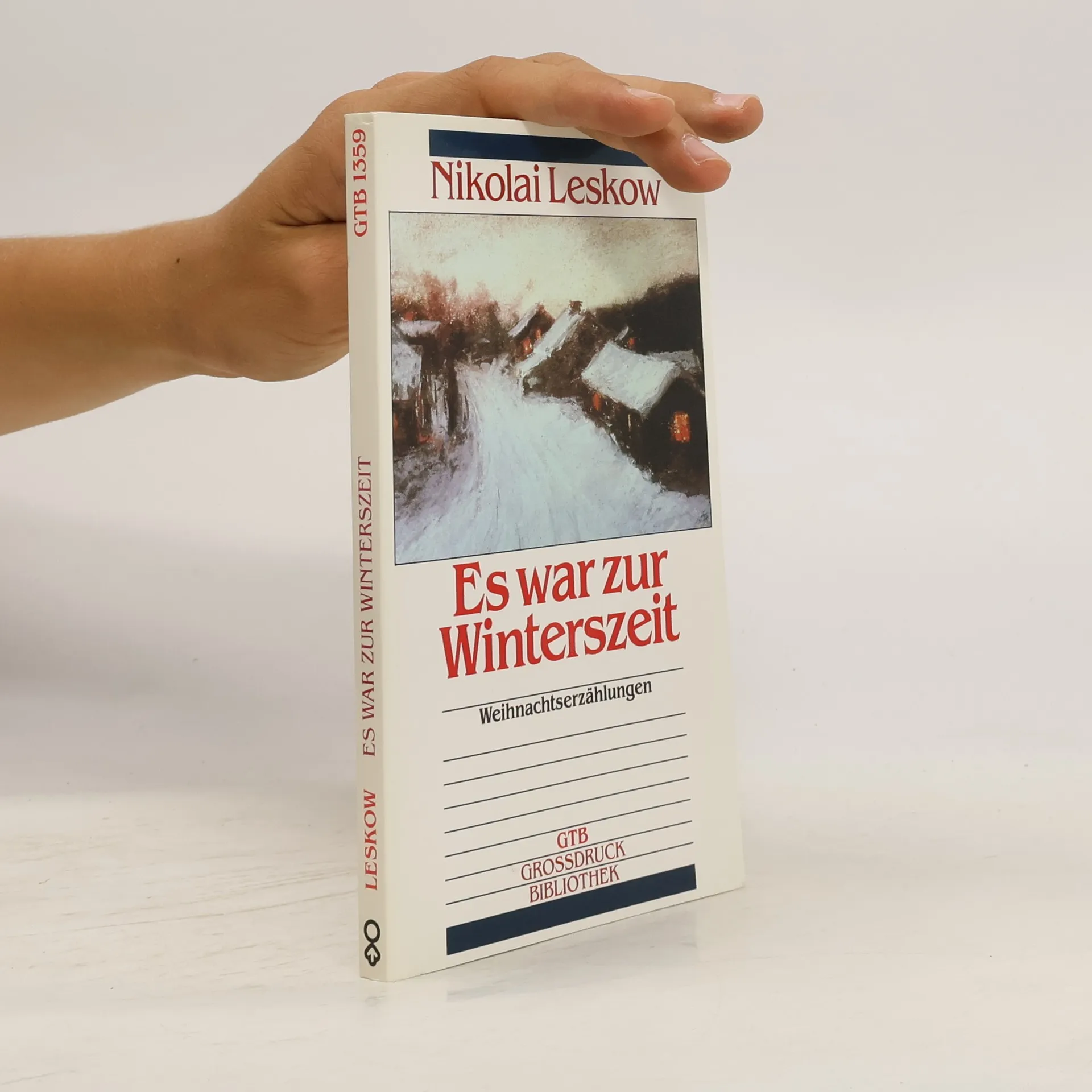
Es war zur Winterszeit
- 95pagine
- 4 ore di lettura
Eine Auswahl aus Leskows Geschichten zur Weihnachts- und Neujahrszeit. Wundersame Ereignisse, Beispiele unerwarteter Selbstbesinnung, die- nicht nur zu Weihnachten- den Leser zum Nachdenken über sich selbst und über Not und Bedrängnis anderer auffordern. »Der Gast beim Bauern« - »Die Tagediebe« - »Das Tier« - »Der Heckrubel« - »Ein kleiner Fehler« - »Das Perlenhalsband« - »Fischsuppe ohne Fisch«
Рассказы. Rasskazy
- 541pagine
- 19 ore di lettura
Предисловие -- Разбойник -- Чертогон -- По поводу "Крейцеровой сонаты" -- На краю света -- Заячий ремиз -- Леди Макбет Мценского уезда -- Запечатленный ангел -- Очарованный странник -- Левша -- Тупейный художник.
Nikolaj Semenovič Leskov weitete objektiv die Lebensrealitäten der russischen Gesellschaft seiner Zeit - der Zeit der Aufhebung der Leibeigenschaft, der Wiederbelebung der geschäftlichen Aktivitäten der Massen und der Aufspaltung der Intelligenz in verschiedene ideologische "Lager". Leskov widmete auch der russischen Vergangenheit große Aufmerksamkeit und betrachtete die über Jahrhunderte angesammelte volkstümliche Erfahrung als wertvoll für die Entwicklung der Gesellschaft. Die Dokumentarhaftigkeit vieler seiner Werke verbindet sich mit künstlerischer Ausdruckskraft, psychologischer Tiefe und Sprachgewalt.
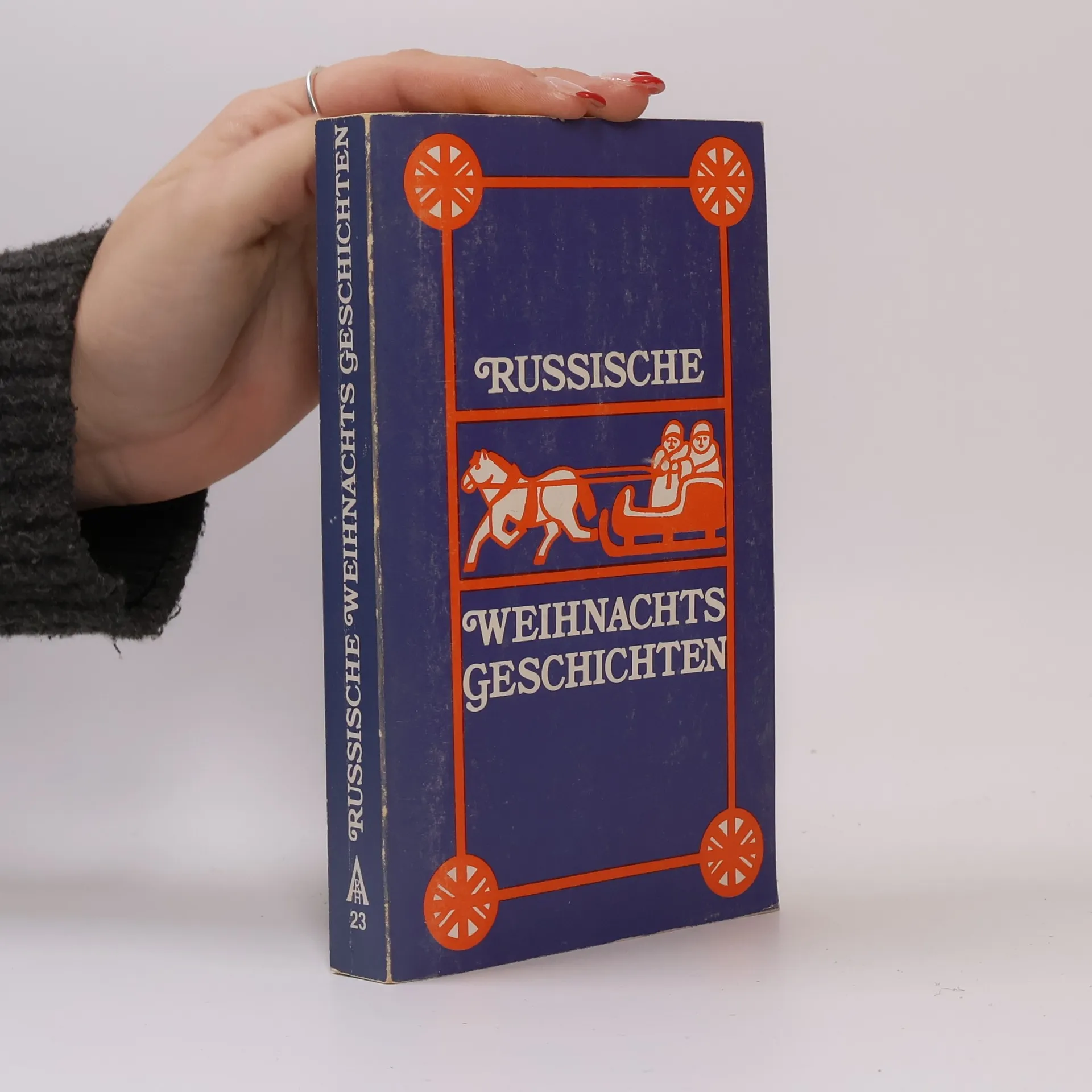
Russische Weihnachtsgeschichten
- 234pagine
- 9 ore di lettura
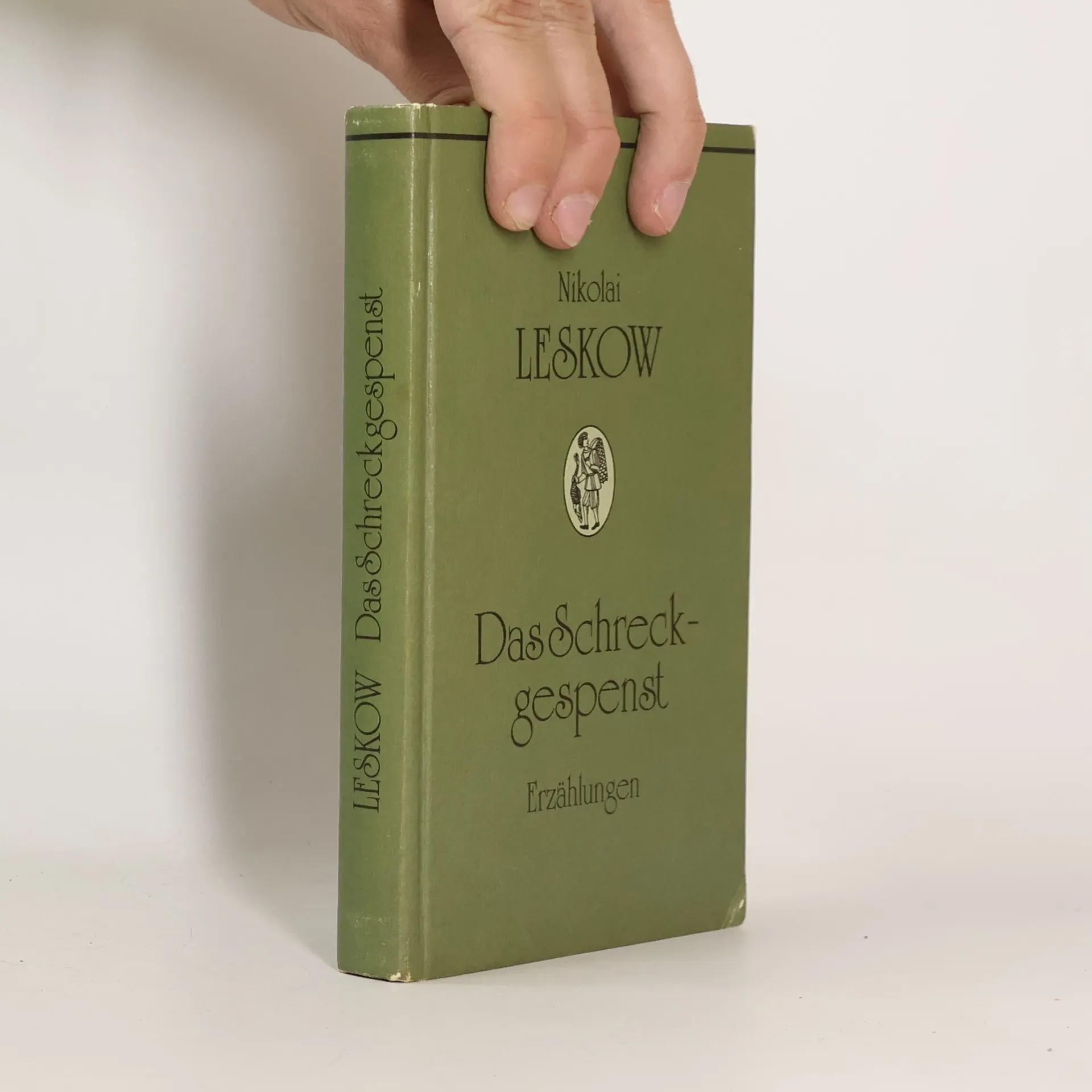
Die Tagediebe - Nikolaj LesskowDer Heckrubel - Nikolaj LesskowDas Tier - Nikolaj LesskowWanka - Anton TschechowDas Schreckgespenst - Nikolaj LesskowDer versiegelte Engel - Nikolaj Lesskow
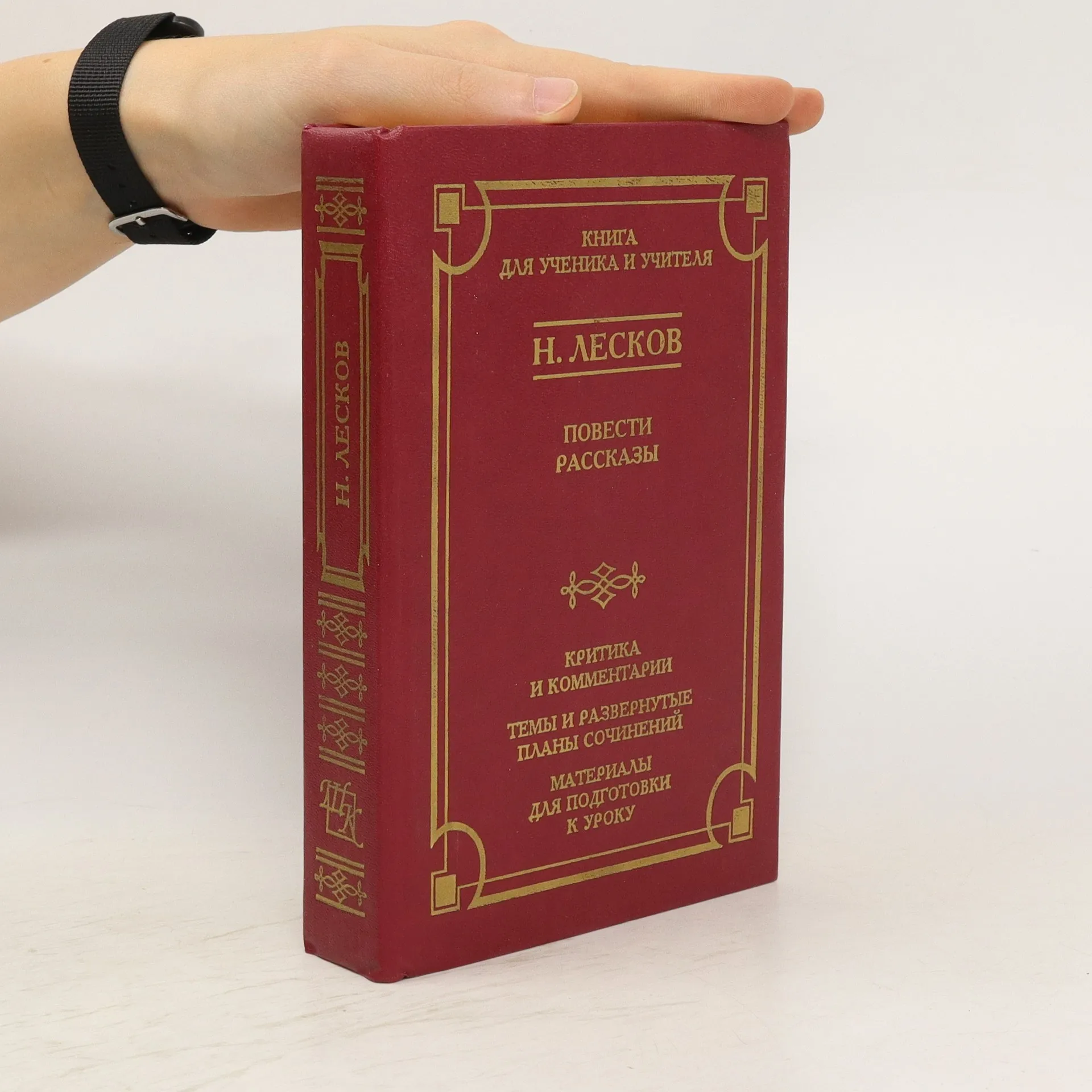
Повести, рассказы. Povesti, rasskazy
- 637pagine
- 23 ore di lettura
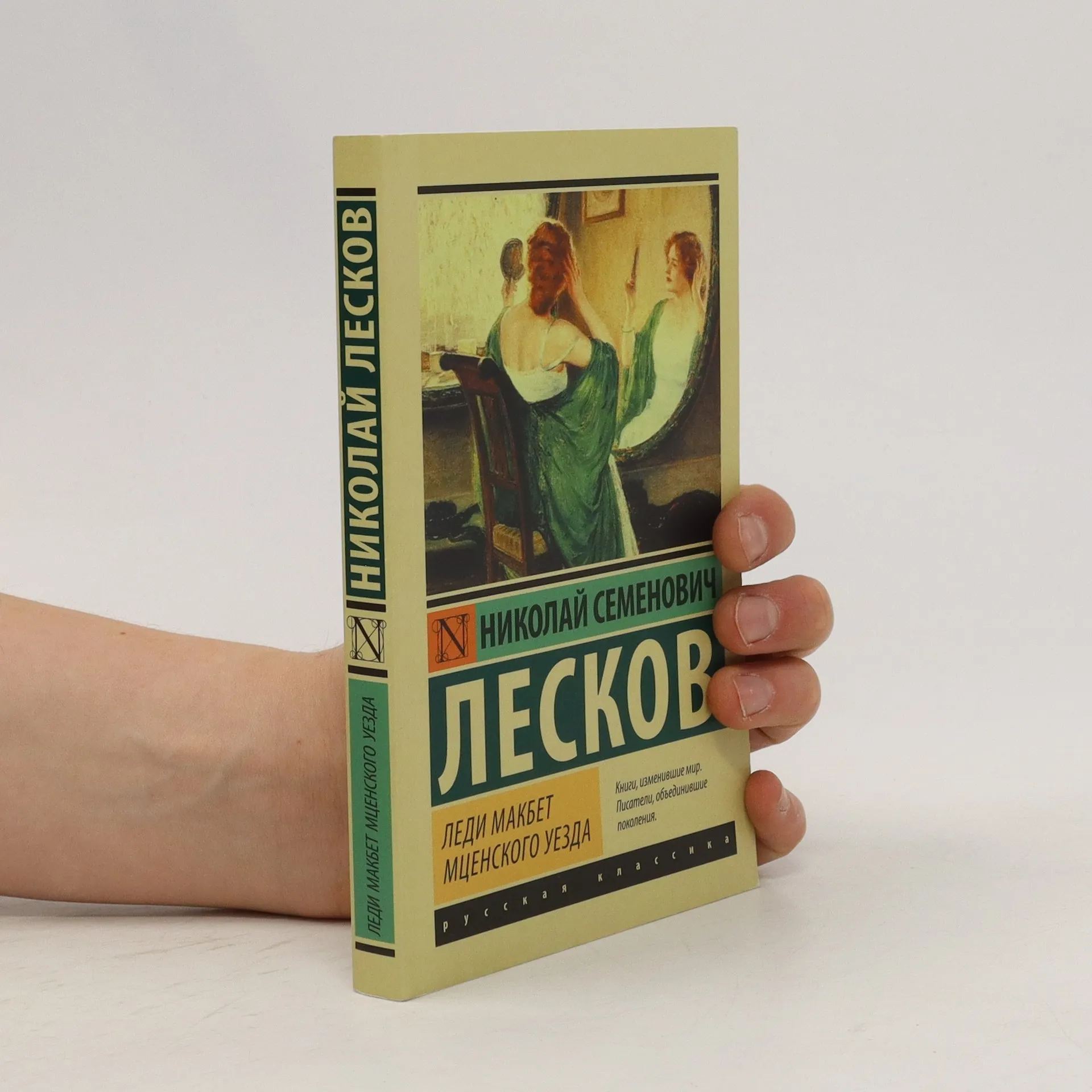
Катерина Измайлова, молодая красавица, по расчету выданная за нелюбимого, годами томится в удушливой чопорной атмосфере богатого купеческого дома, изнывая от скуки... и внезапно загорается пагубной, непреодолимой страстью к дерзкому приказчику Сергею. Отныне она уже не способна думать ни о чем, кроме возлюбленного, и готова ради него на любое безумство и преступление... Такова сюжетная завязка повести Лескова "Леди Макбет Мценского уезда". В сборник также вошли повести "Очарованный странник" и "Тупейный художник".
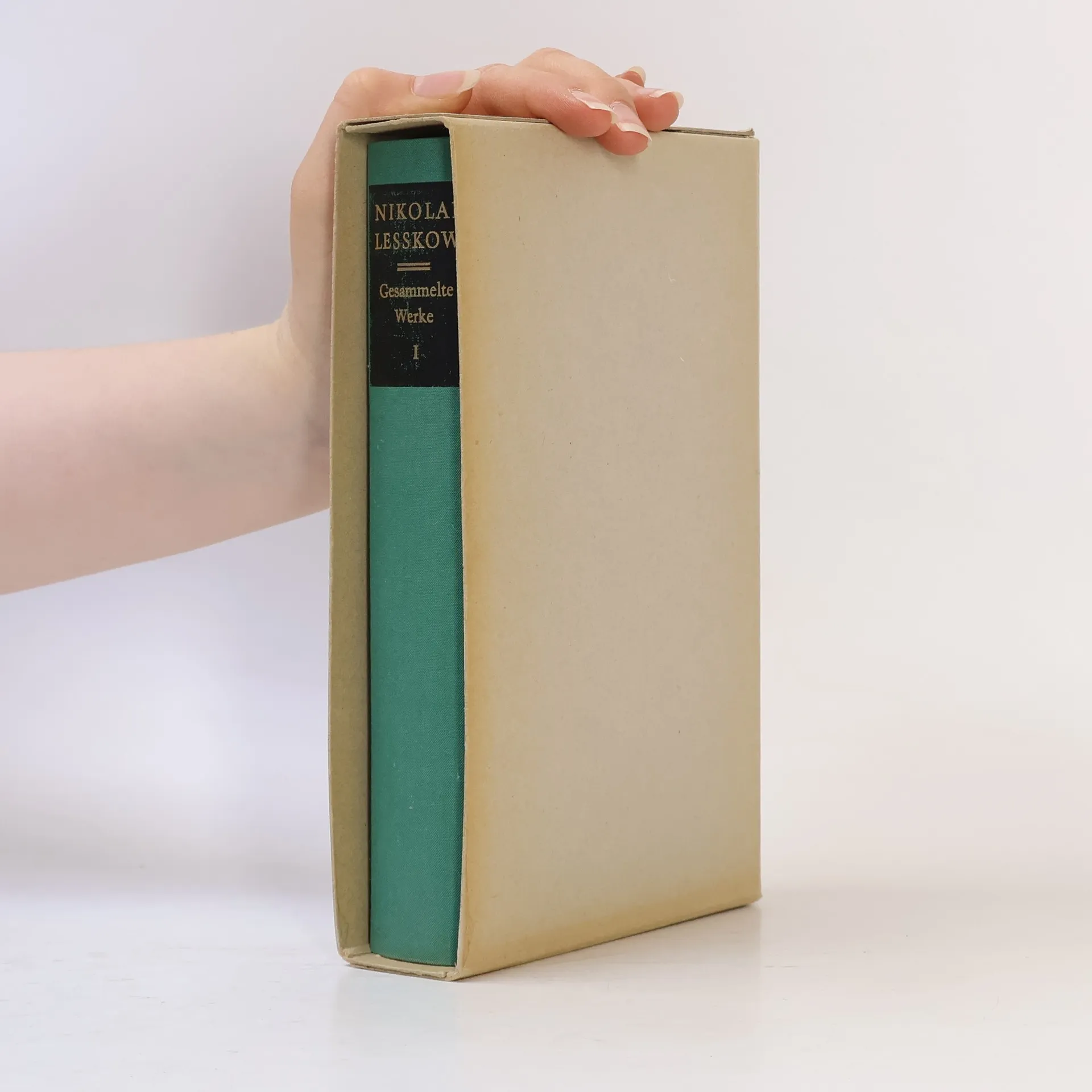
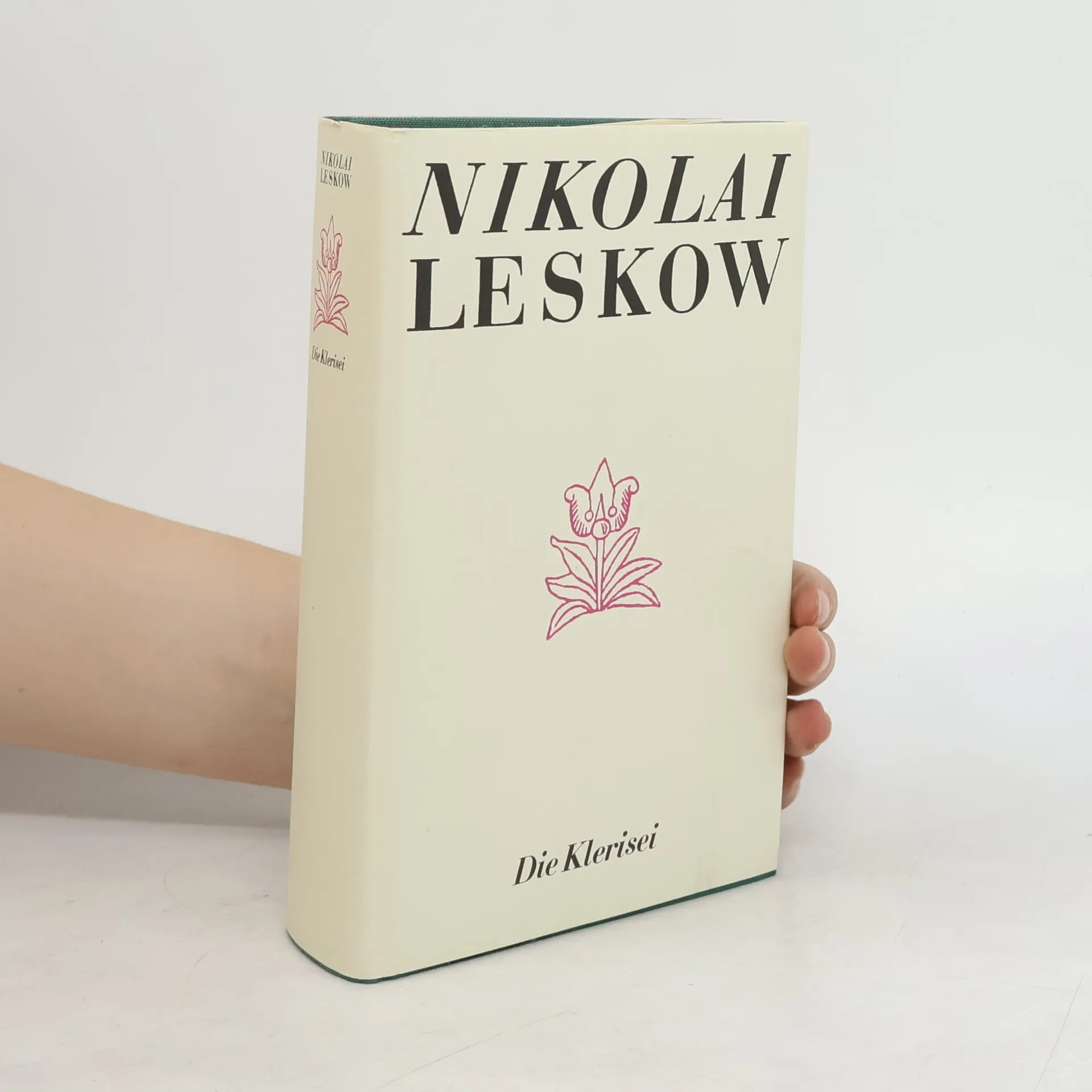
Die Klerisei
Eine Kleinstadteronik
Fischsuppe ohne Fisch
- 262pagine
- 10 ore di lettura
Die Lady Macbeth von Mzensk und andere Erzählungen
- 843pagine
- 30 ore di lettura
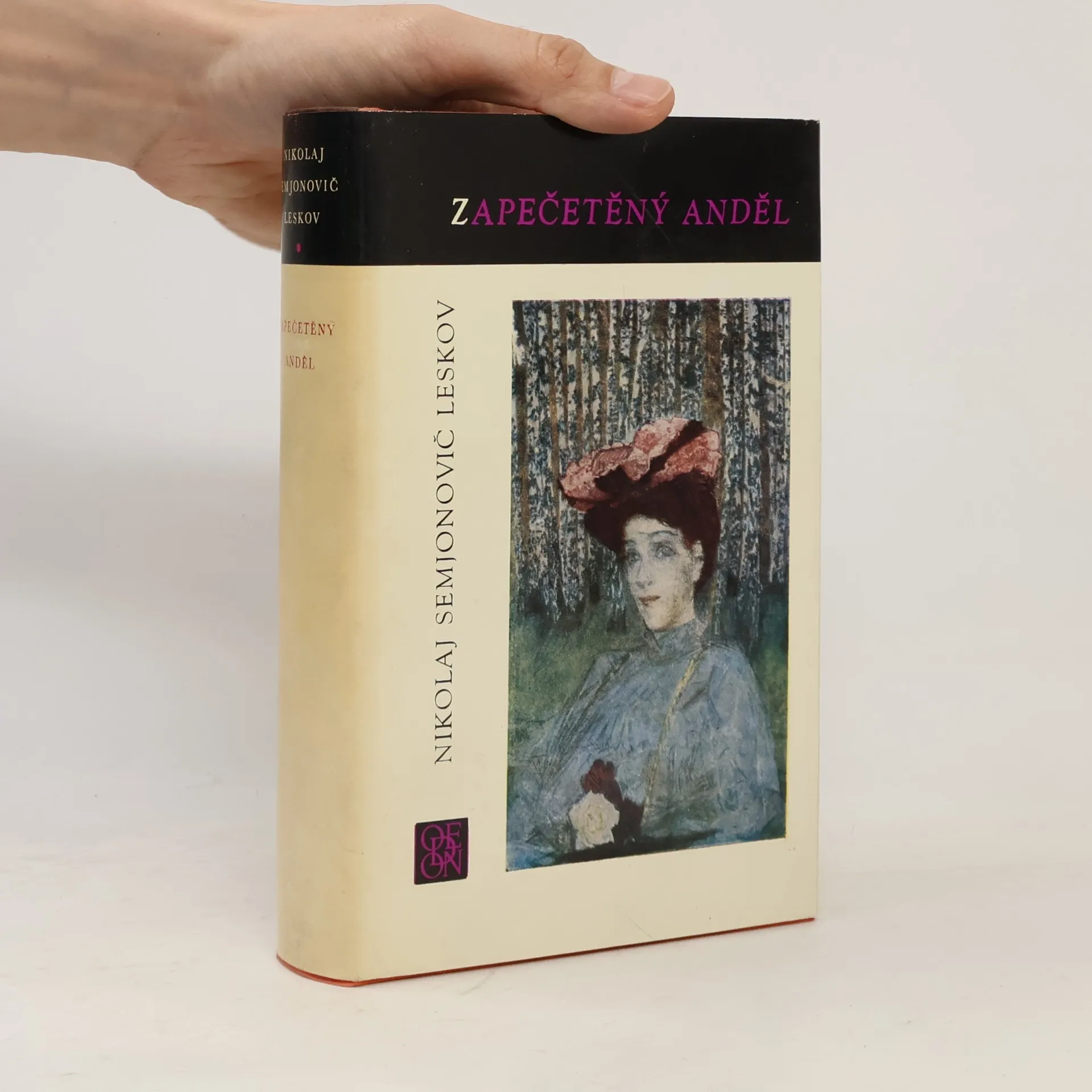
Zapečetěný anděl
Výbor z díla
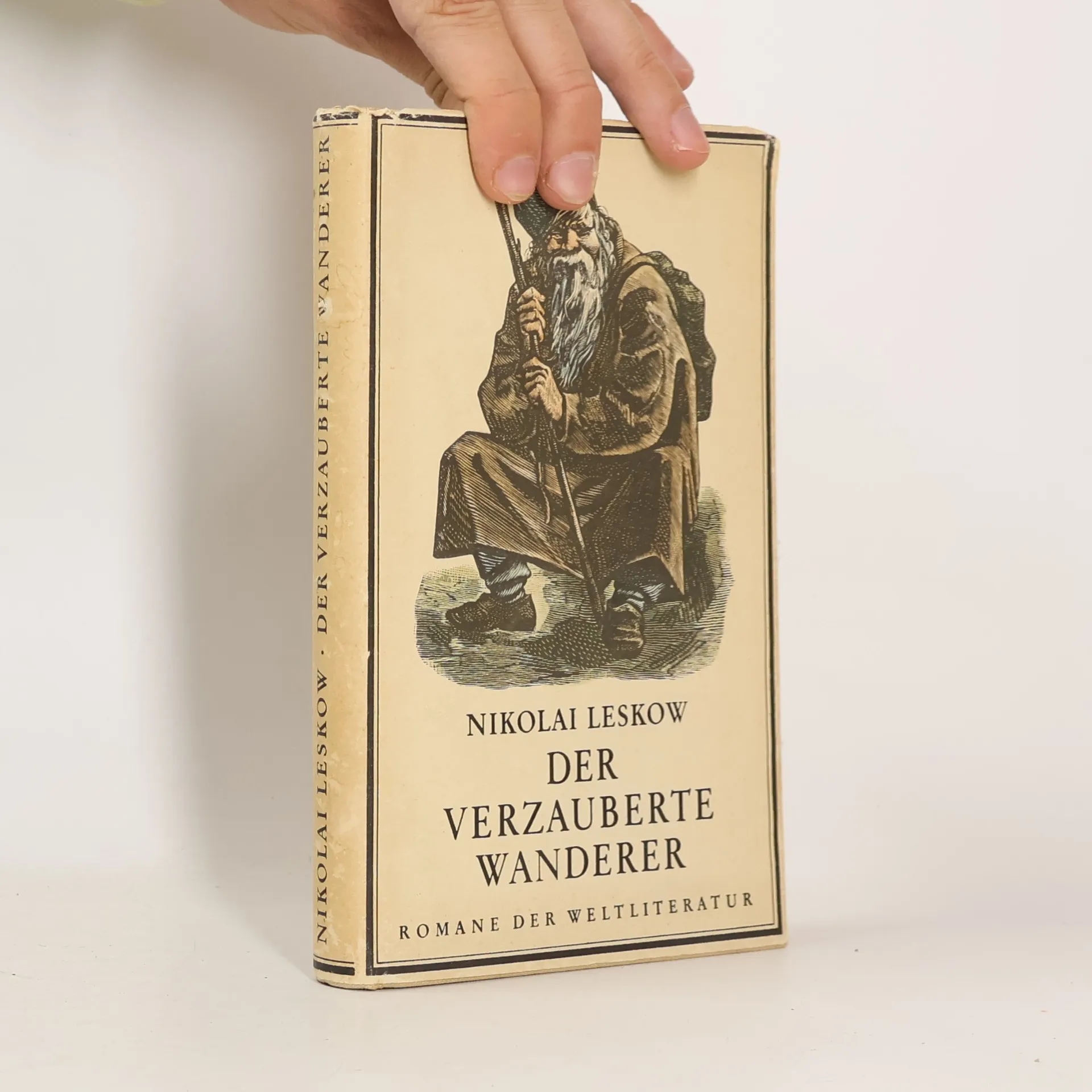
Der verzauberte Wanderer. Erzählung
- 202pagine
- 8 ore di lettura
Hrsg. Dieckmann, Eberhard Erzählungen. 651 S.
Der Weg aus dem Dunkel
- 389pagine
- 14 ore di lettura
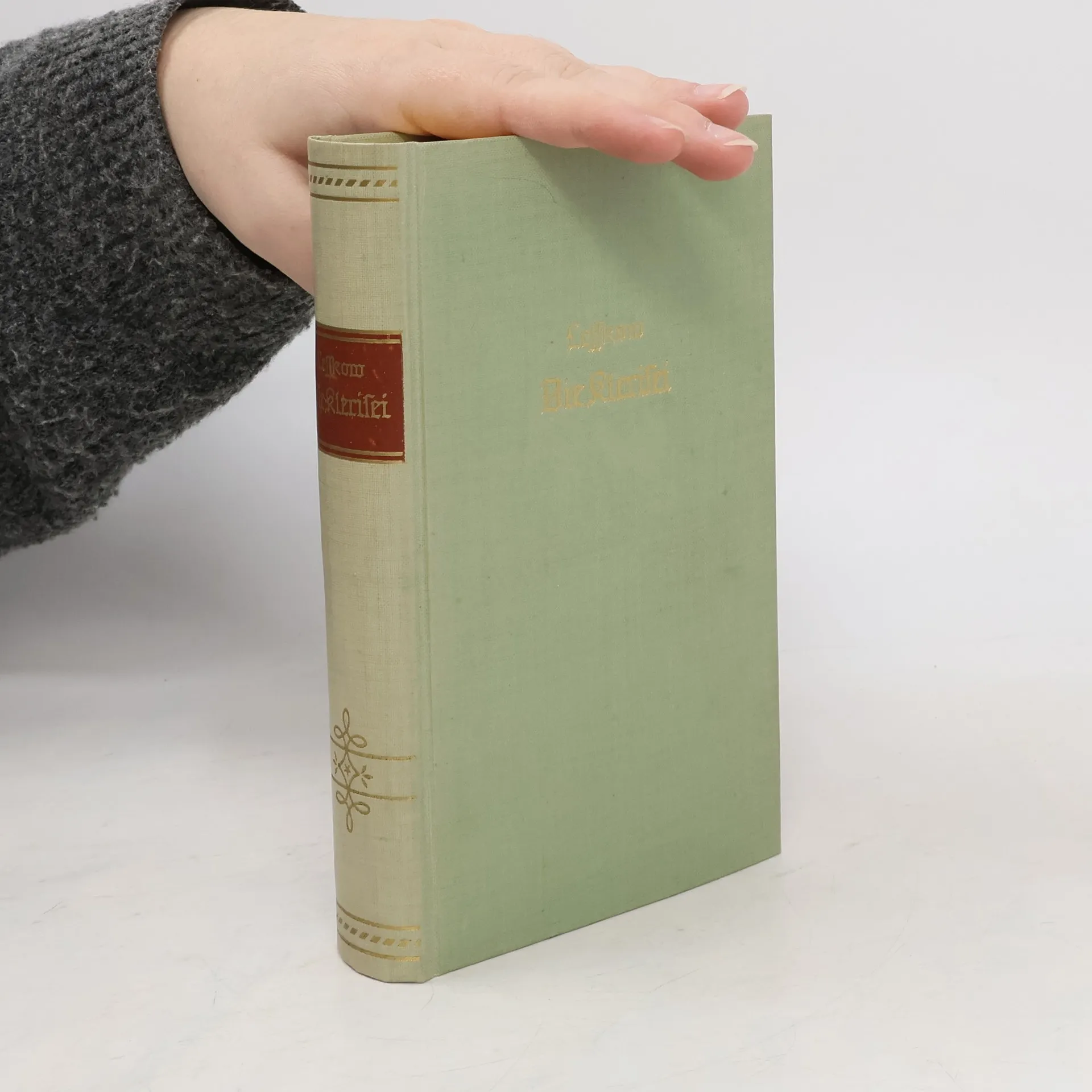
Die Klerisei
- 773pagine
- 28 ore di lettura
Kurt Wolff Verlag, Leipzig, 1919.
Островитяне (Ostrovityane)
- 241pagine
- 9 ore di lettura
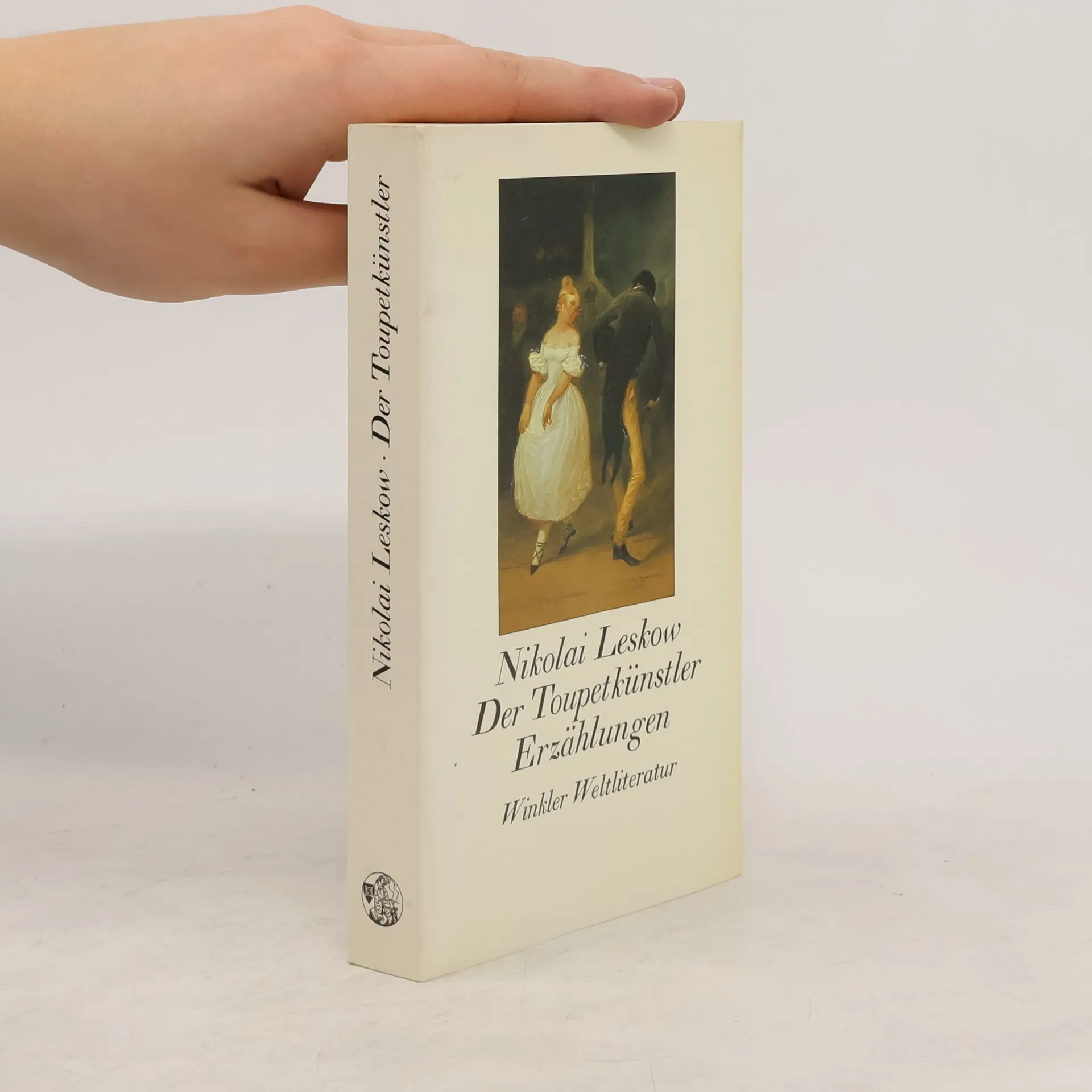
Semënovic Nikolaj Erzählungen Edition Holzinger. Taschenbuch Berliner Ausgabe, 2013 Vollständiger, durchgesehener Neusatz mit einer Biographie des Autors bearbeitet und eingerichtet von Michael Holzinger Eine Das Die Lady Makbeth des Mzensker Der versiegelte Der Toupetkü Textgrundlage sind die Herausgeber der Michael Holzinger Viktor Harvion
Tiergeschichten der Weltliteratur
- 18pagine
- 1 ora di lettura
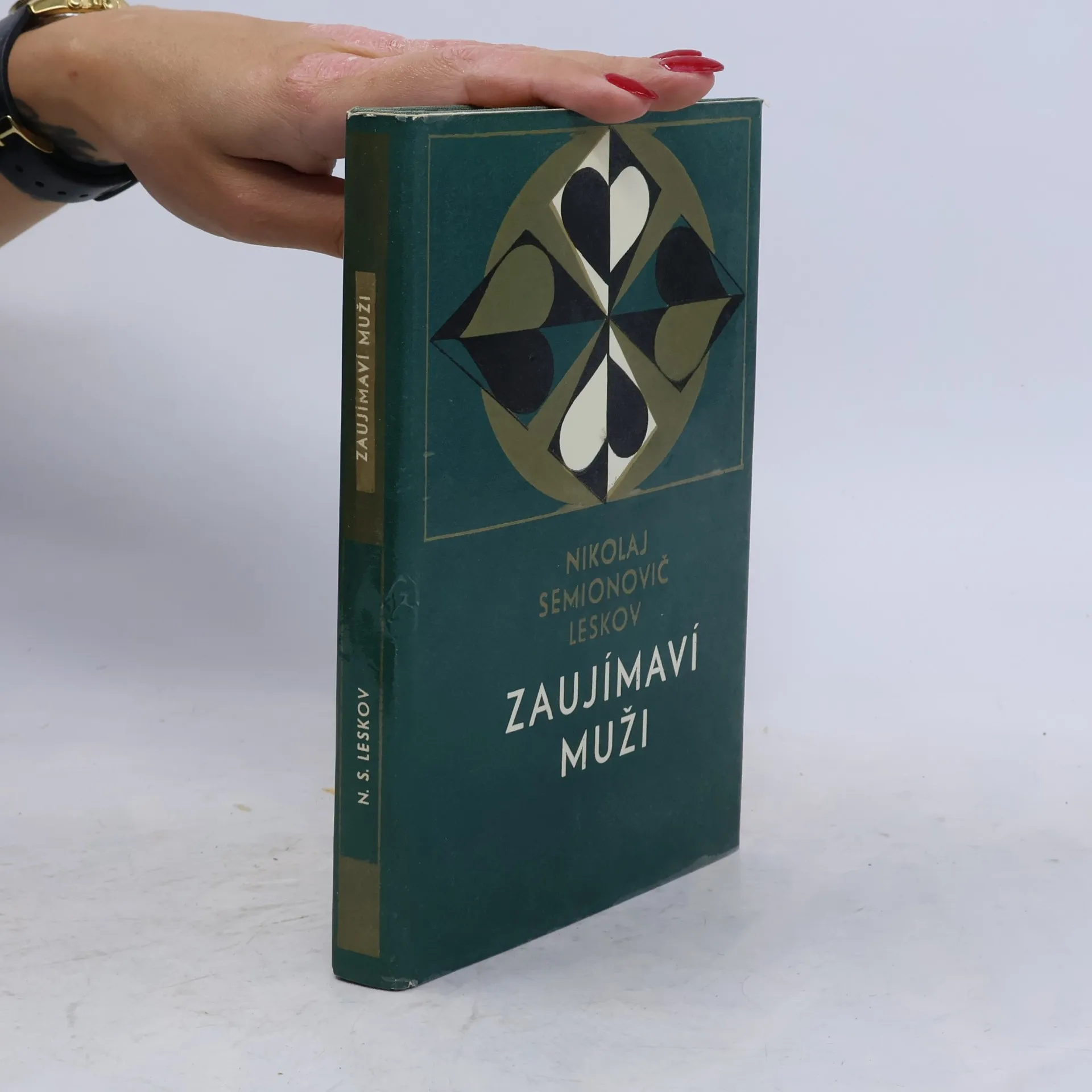
Osobitým stylem vyprávěné příběhy prostého ruského člověka, který ve svém životě mnoho viděl a zažil, poskytují zajímavý obraz poměrů v carském Rusku. Autor, známý ruský spisovatel 19. stol., ztělesnil v postavě vypravěče všechny typické kladné rysy ruské národní povahy.
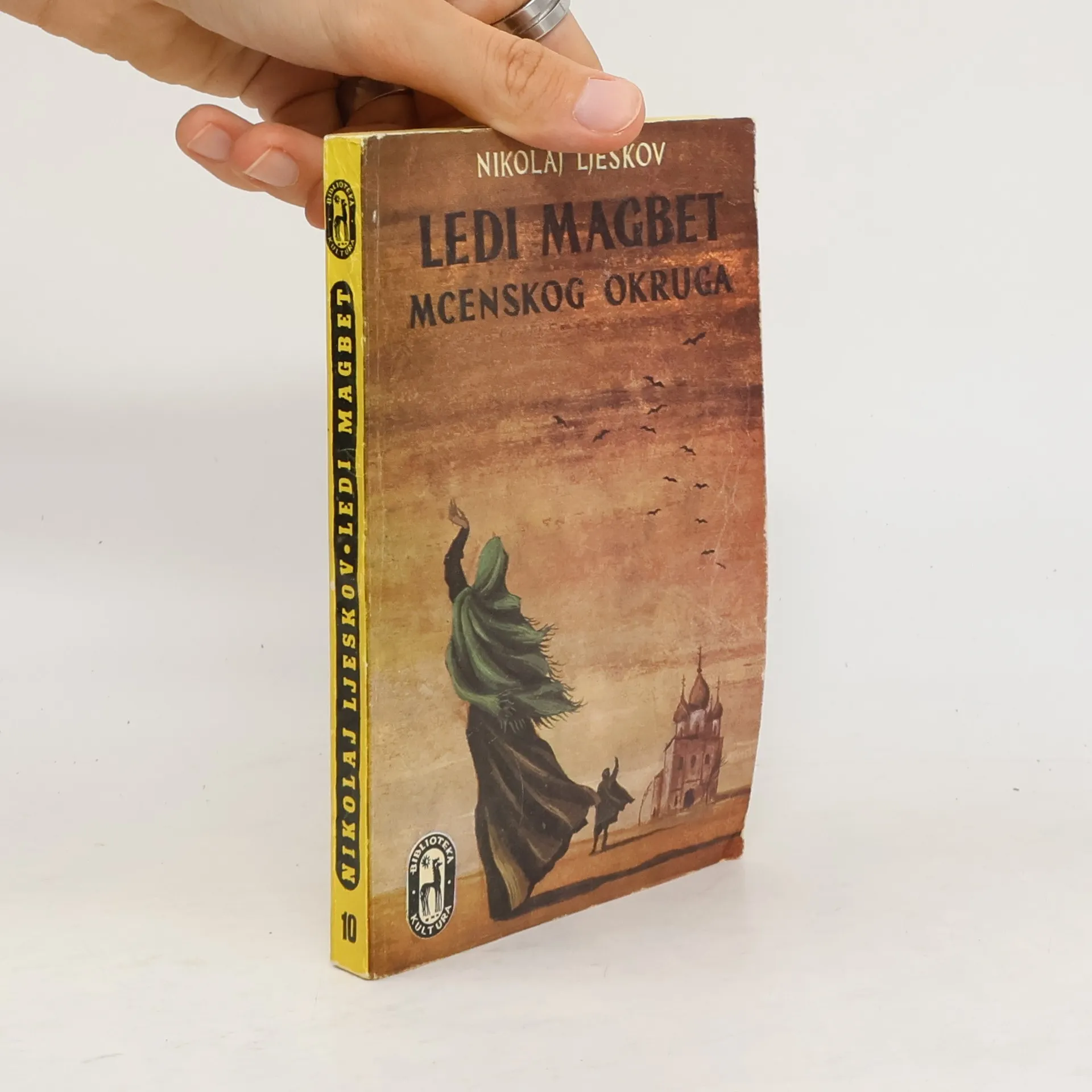
Tři portréty žen, tři pohnuté osudy, jejichž společným jmenovatelem je láska - nešťastná a nerovná (Kalvárie), naplněná ale tragická (Bojovnice), vášnivá a sebezničující (Lady Macbeth z Mcenského újezdu). Poslední dílo se stalo námětem slavné opery D. D. Šostakoviče, uváděné i pod názvem Kateřina Izmajlovová.














![Zapečetěný anděl : [román]](https://rezised-images.knhbt.cz/1920x1920/349650.webp)