

Stephen Allen Libri

Rapid Review of Medicine in Old Age
- 160pagine
- 6 ore di lettura
This book presents clinicians with a series of cases on which to base discussion of the investigation and management of patients, and provides the trainee, or established doctor, with a medium to help prepare for post- graduate examinations and clinical practice.
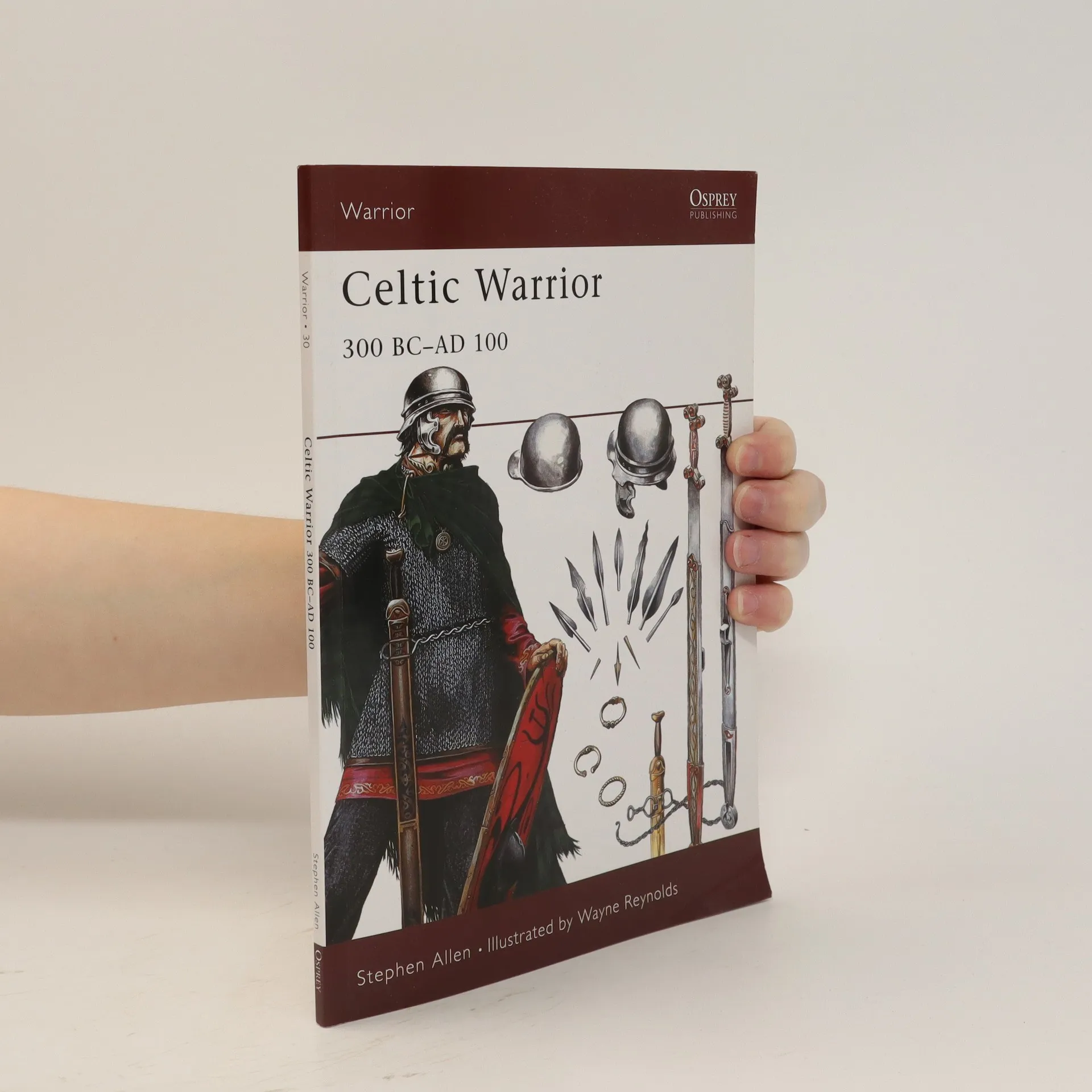
Celtic warrior 300 BC - 100 AD
- 64pagine
- 3 ore di lettura
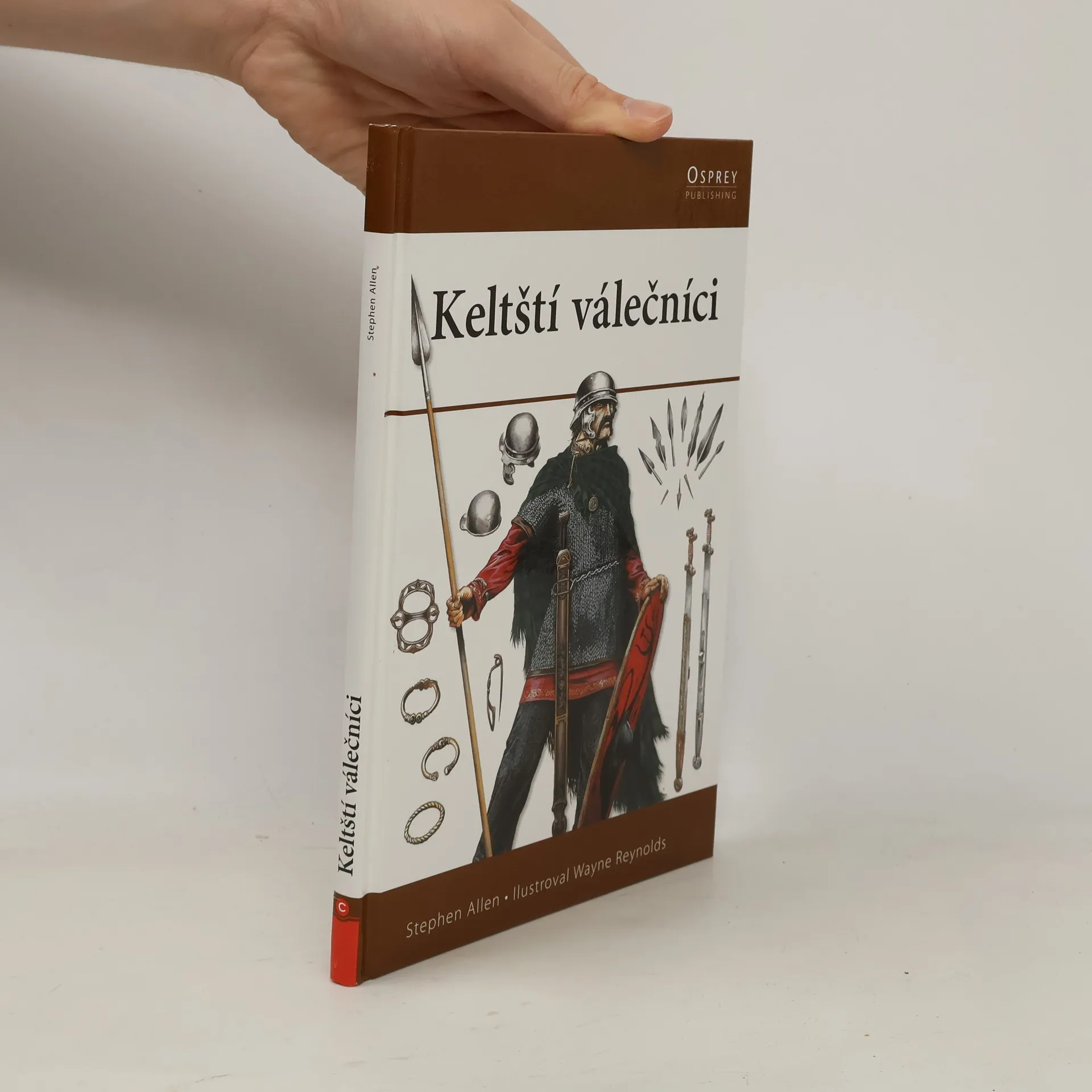
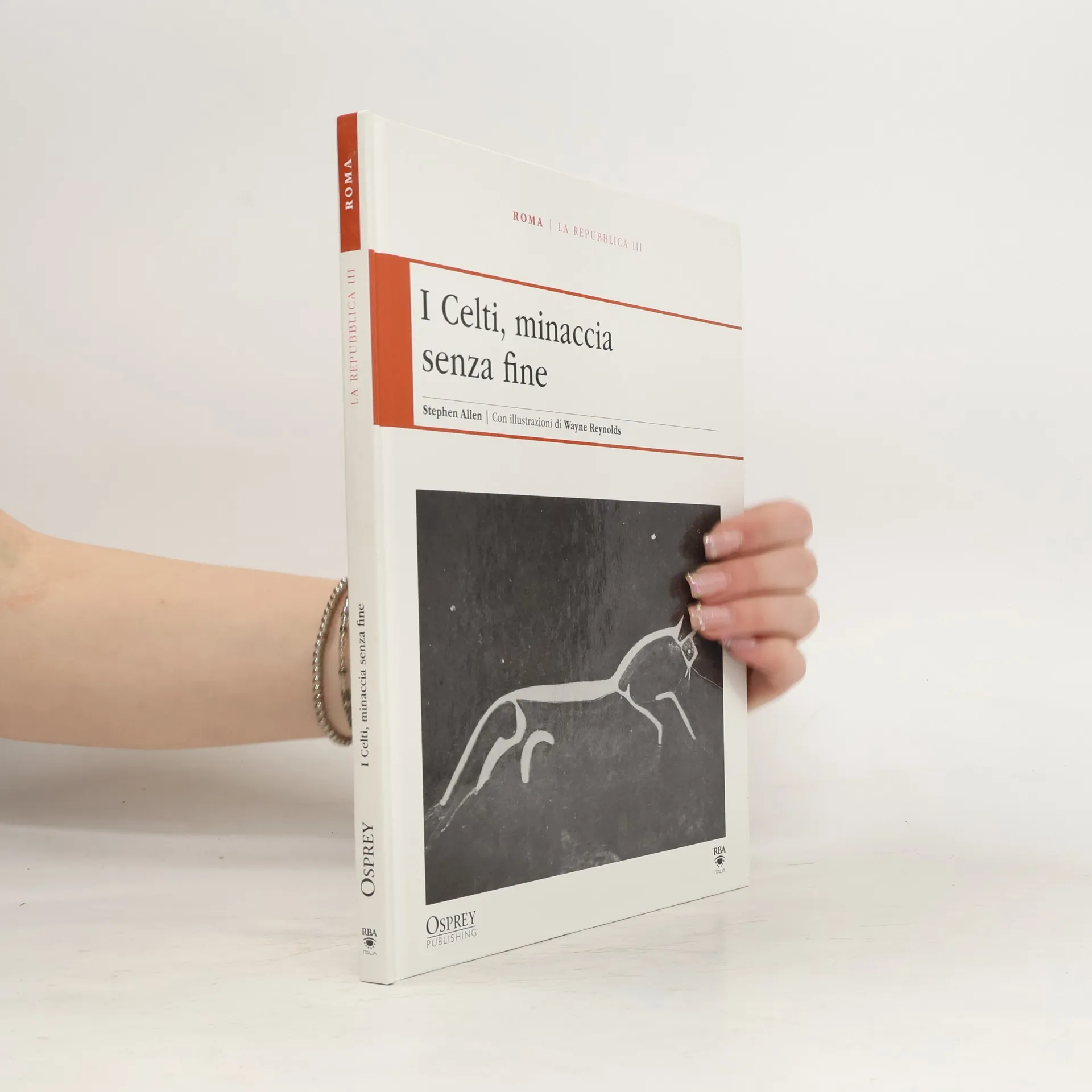
In the 1st century BC, Strabo wrote of the Celts: 'The whole race... is madly fond of war, high-spirited and quick to battle... and on whatever pretext you stir them up, you will have them ready to face danger, even if they have nothing on their side but their own strength and courage'. This book gives an insight into the life of the Celtic warrior, and his experience of battle – on foot, on horseback, and as a charioteer. It also details Celtic society and studies the vital ritual nature of Celtic warfare, from the naked gaesatae to the woad-painted warriors.
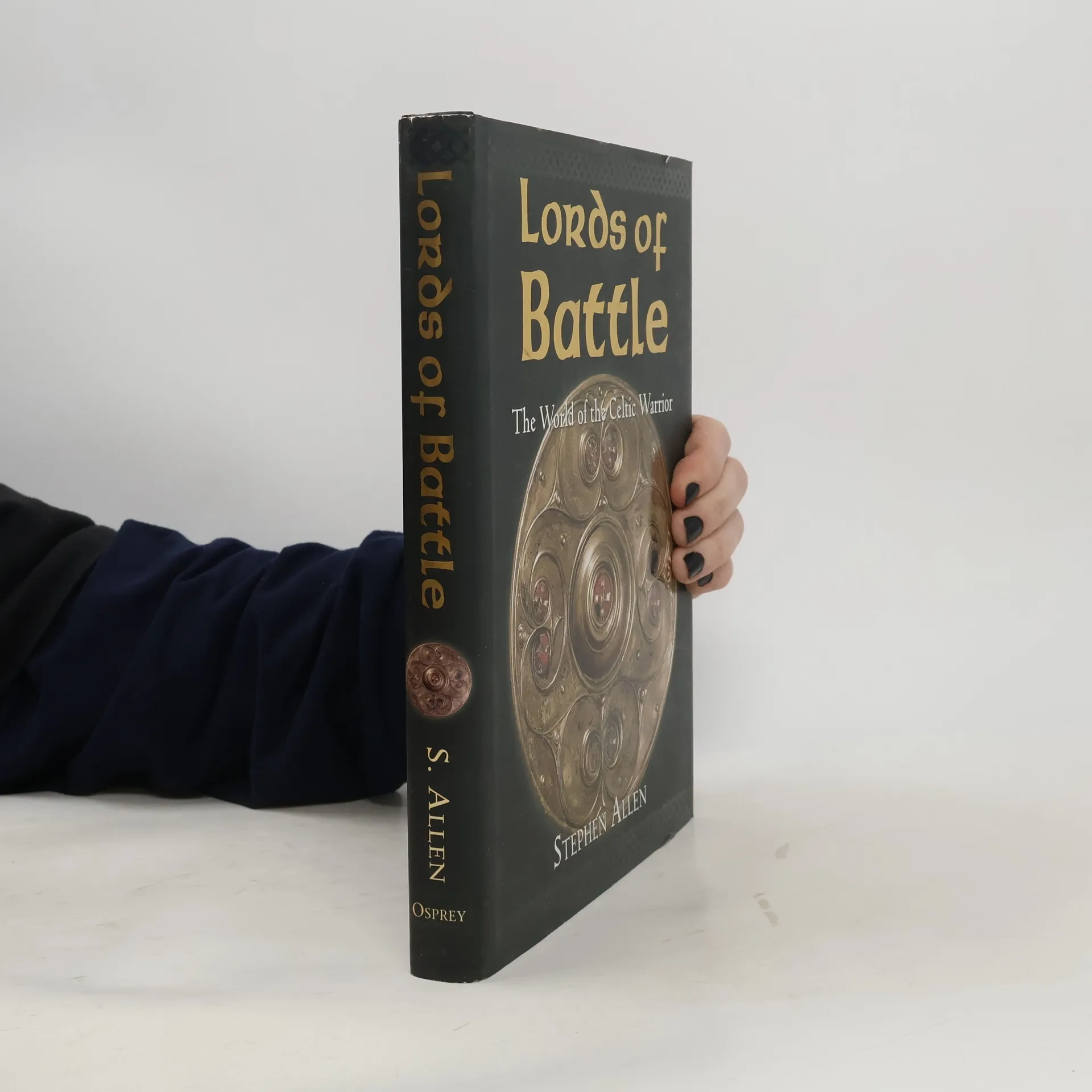
To the classical civilizations of Greece and Rome, the Celtic warrior of the late Iron Age was the archetypal barbarian: savage, undisciplined, and bloodthirsty. In a clash of cultures that lasted almost 500 years, the rich and vibrant society in which he lived, fought, and died was virtually destroyed, becoming the stuff of myth and legend.Covering the period from the first mention of the Celts by ancient Greek writers to the Roman conquest of Britain, this book examines the Celtic warrior, his society and his place within it, and the conflicts that would eventually destroy his world. Beautifully illustrated with many examples of Celtic art and craftsmanship, this book provides a fascinating insight into a culture whose legacy has endured to the present day.
V 1. století před naším letopočtem Strabo o Keltech napsal: „Celé jejich plémě... vášnivě miluje válku, plni nadšení se ochotně vrhají do bitev... a ať už je podnítíte jakoukoliv záminkou, jsou připraveni čelit nebezpečí, i kdyby v tu chvíli nebyli vyzbrojeni ničím jiným než vlastní silou a odvahou.“ Tato kniha umožňuje porozumět životu keltského válečníka a jeho prožívání bitvy, ať už se jí účastnil jako pěšák, jezdec nebo vozataj. Podrobně popisuje keltskou společnost a zkoumá rituální charakter keltského válečnictví, od nahých gaesatae po bojovníky pomalované borytovou modří.
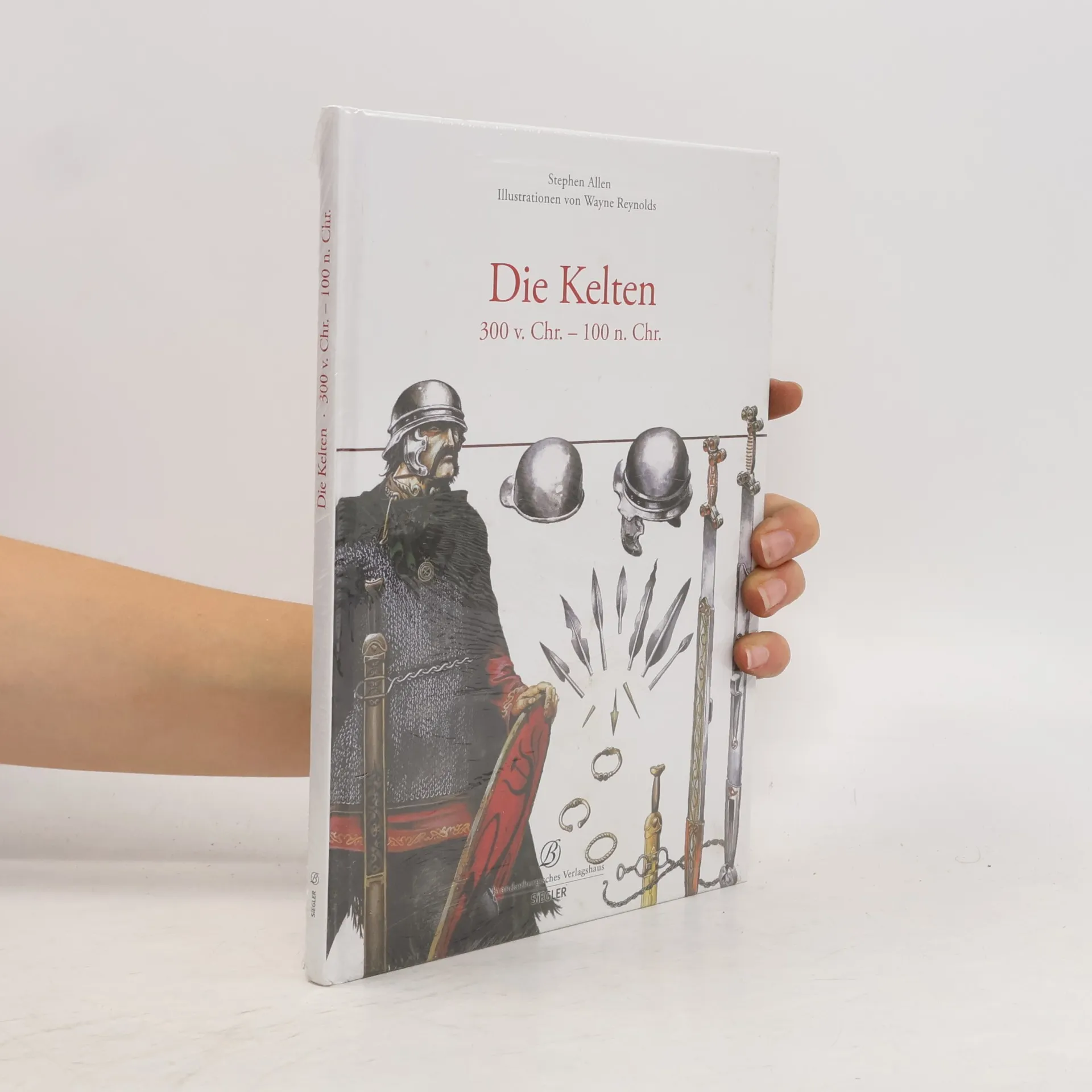
Die Kelten
- 77pagine
- 3 ore di lettura
Dieses Buch vermittelt einen Einblick in das Leben des keltischen Krieges und seine Erfahrung in der Schlacht- zu Fuß, zu Pferd und als Streitwagenkrieger. Die keltische Gesellschaft wird ebenso ausführlich beschrieben wie der zentrale rituelle Charakter der keltischen Kriegsführung, von den nackten Gaesatae bis hin zu den mit Waid bemalten Kriegern.