Affinità elettive
Scritti su Leonardo. Carte su Velázquez e Goya. Lettere su Cézanne


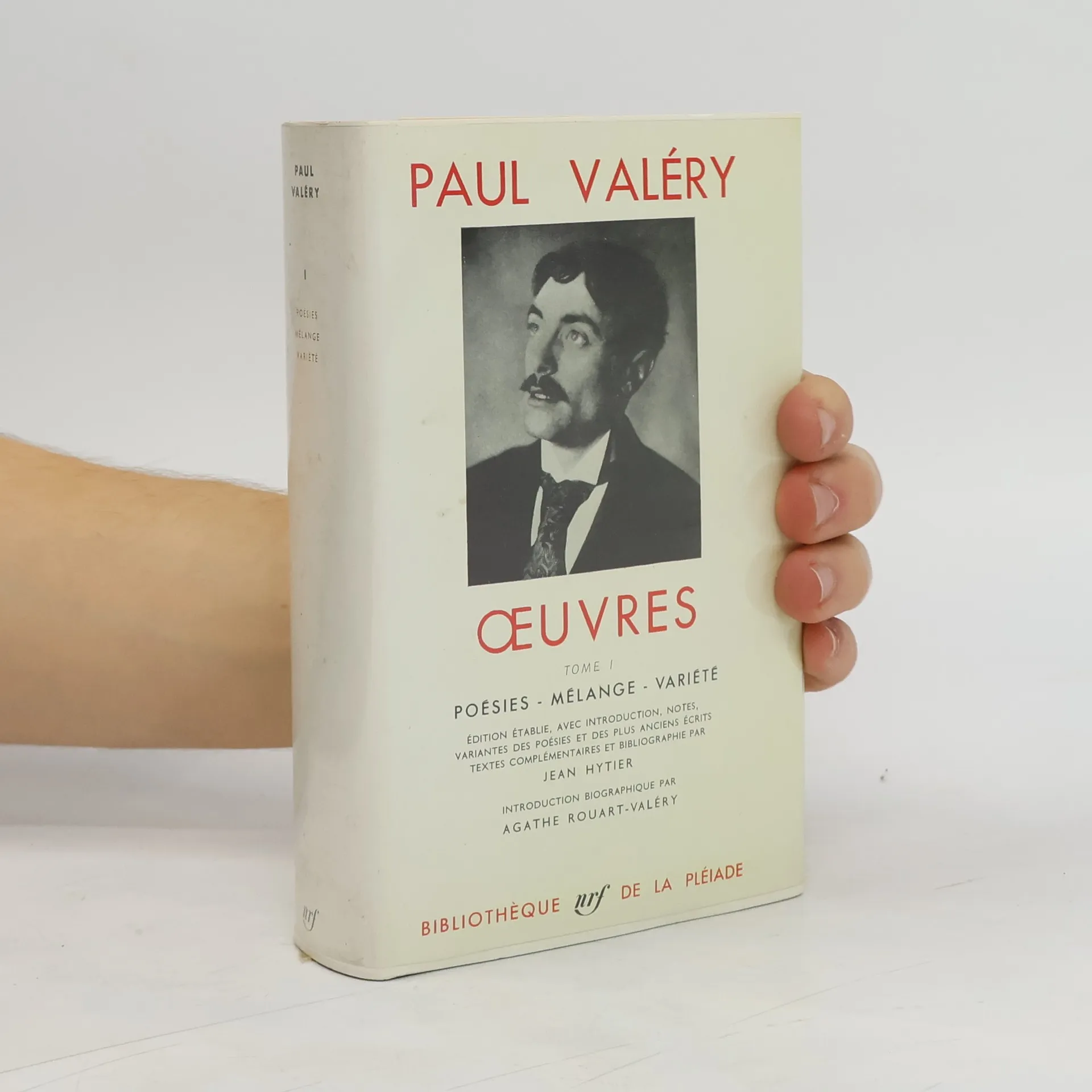
Paul Valéry fu un poeta, saggista e filosofo francese i cui ampi interessi lo posero come un polimata. Sebbene sia meglio conosciuto come poeta e talvolta considerato l'ultimo dei simbolisti francesi, la sua produzione è scarsa ma di immensa influenza. Dopo una profonda crisi esistenziale che plasmò la sua carriera, emerse dopo due decenni di silenzio nel 1917 con un'opera monumentale che gli assicurò la fama ed è considerata un vertice della poesia francese del XX secolo.


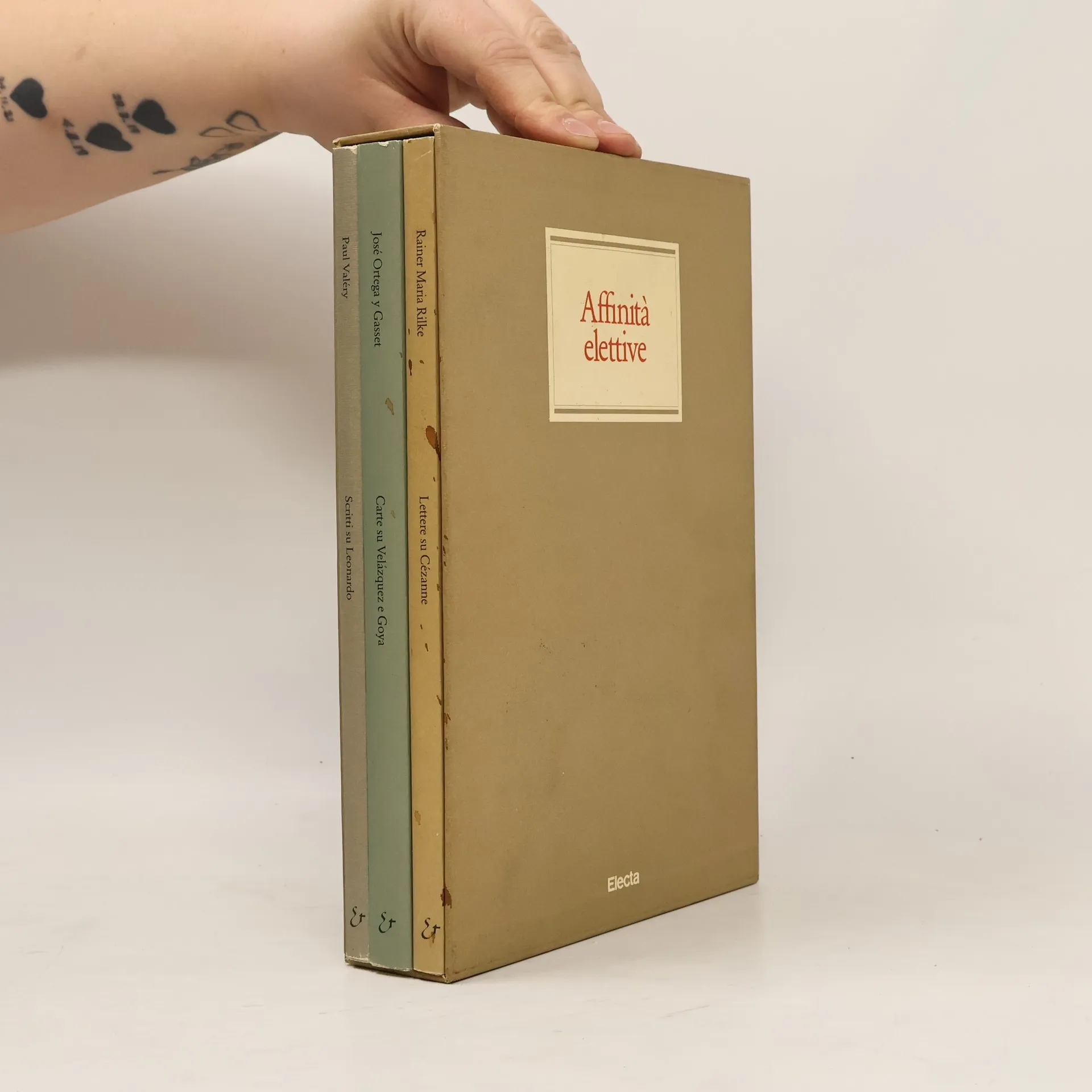
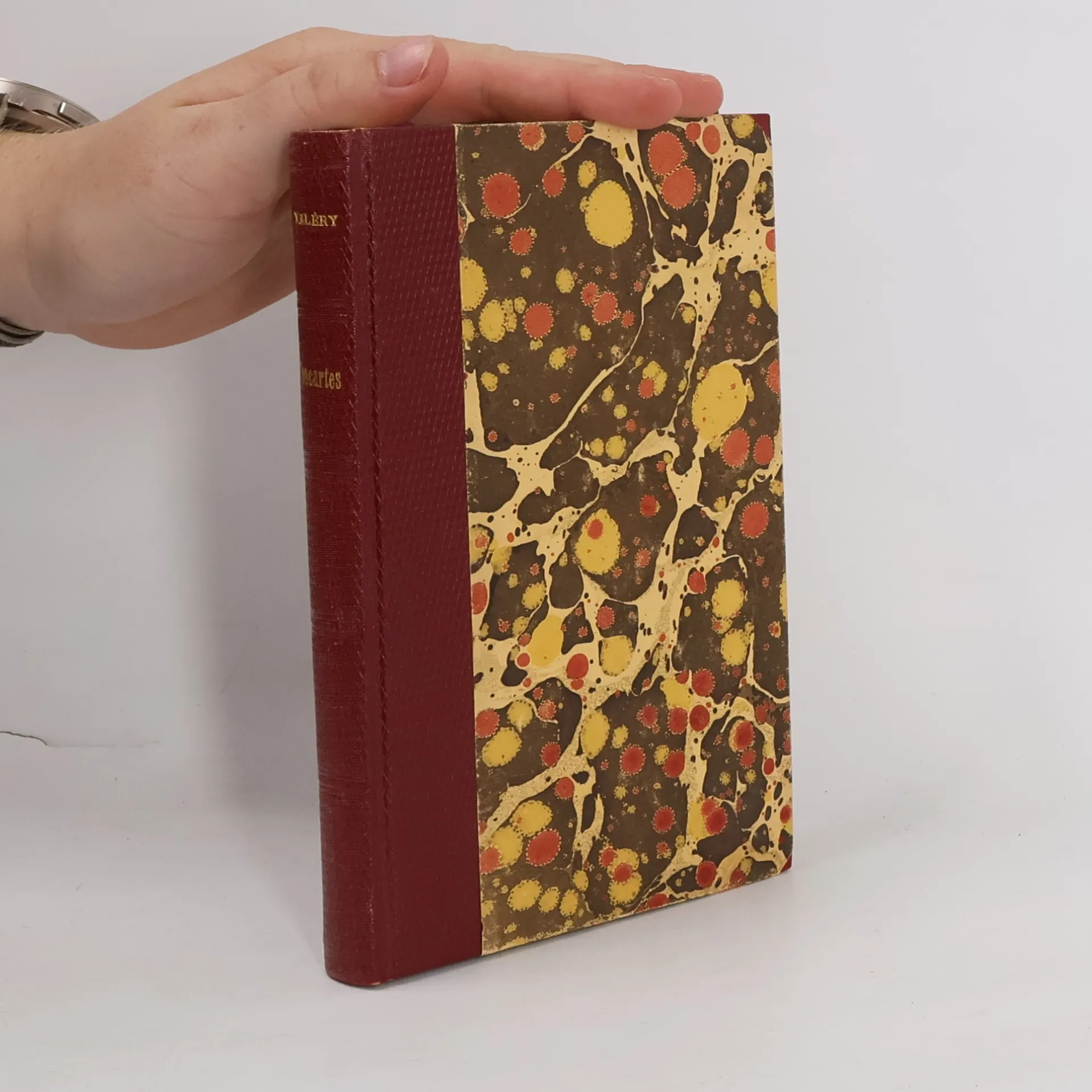
Scritti su Leonardo. Carte su Velázquez e Goya. Lettere su Cézanne
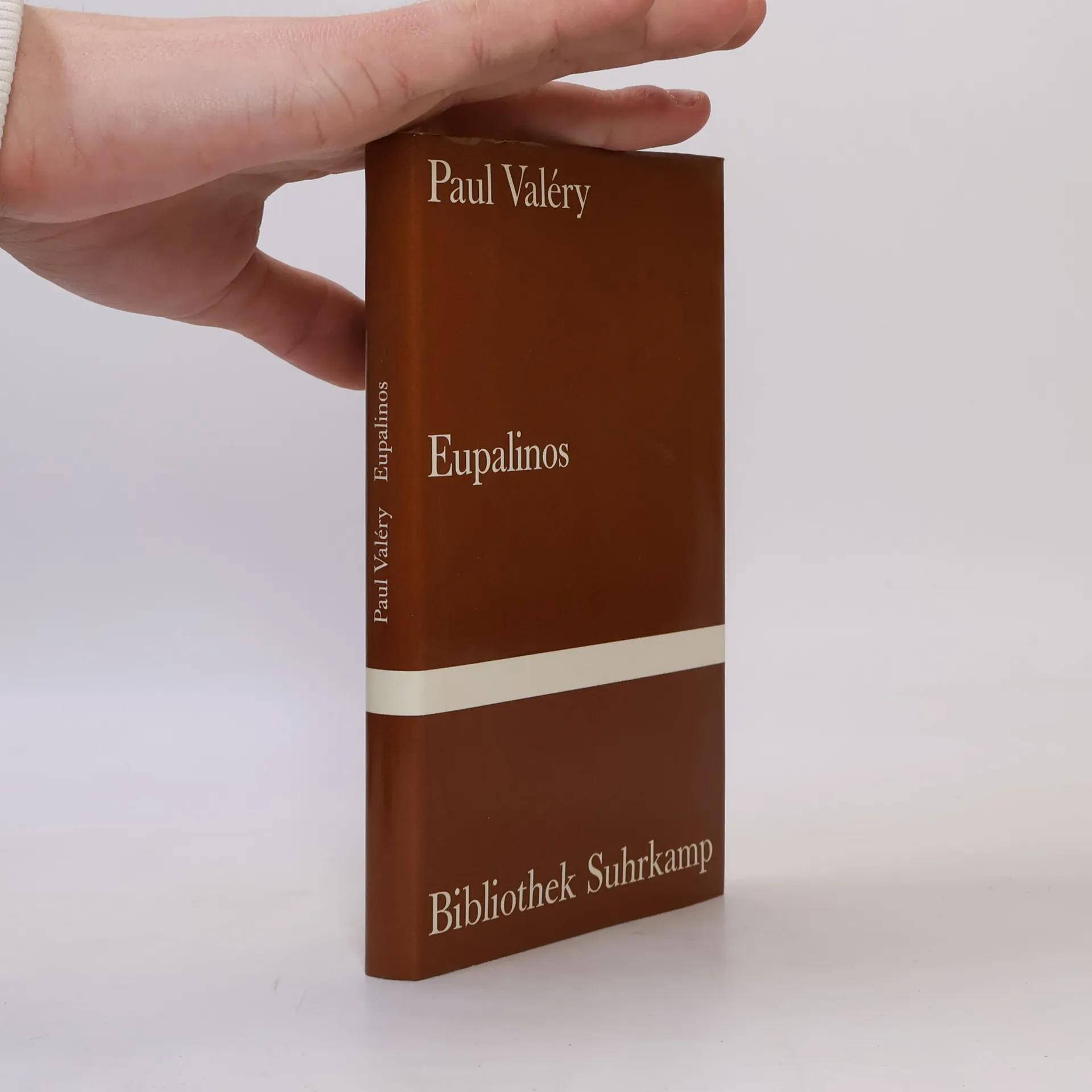
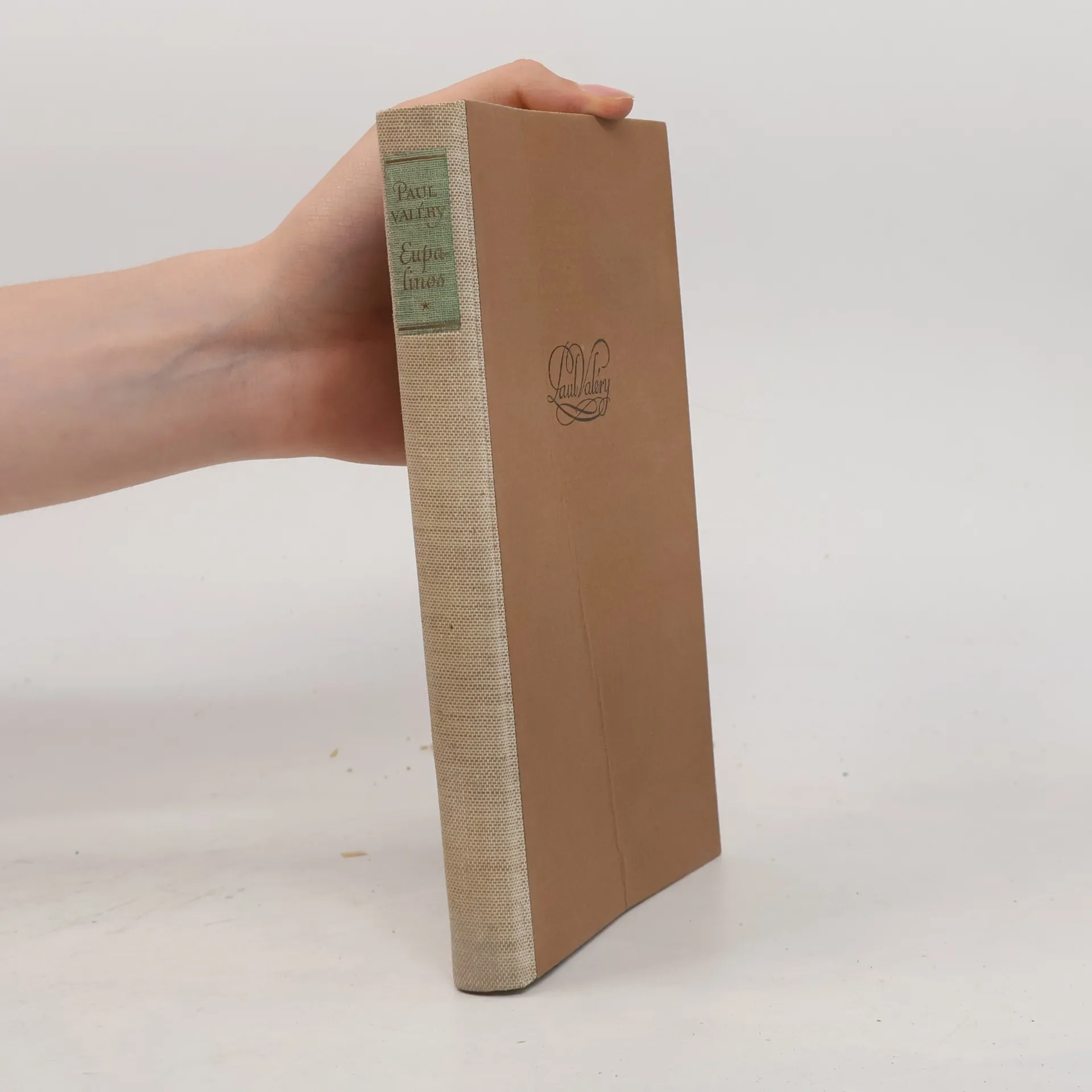
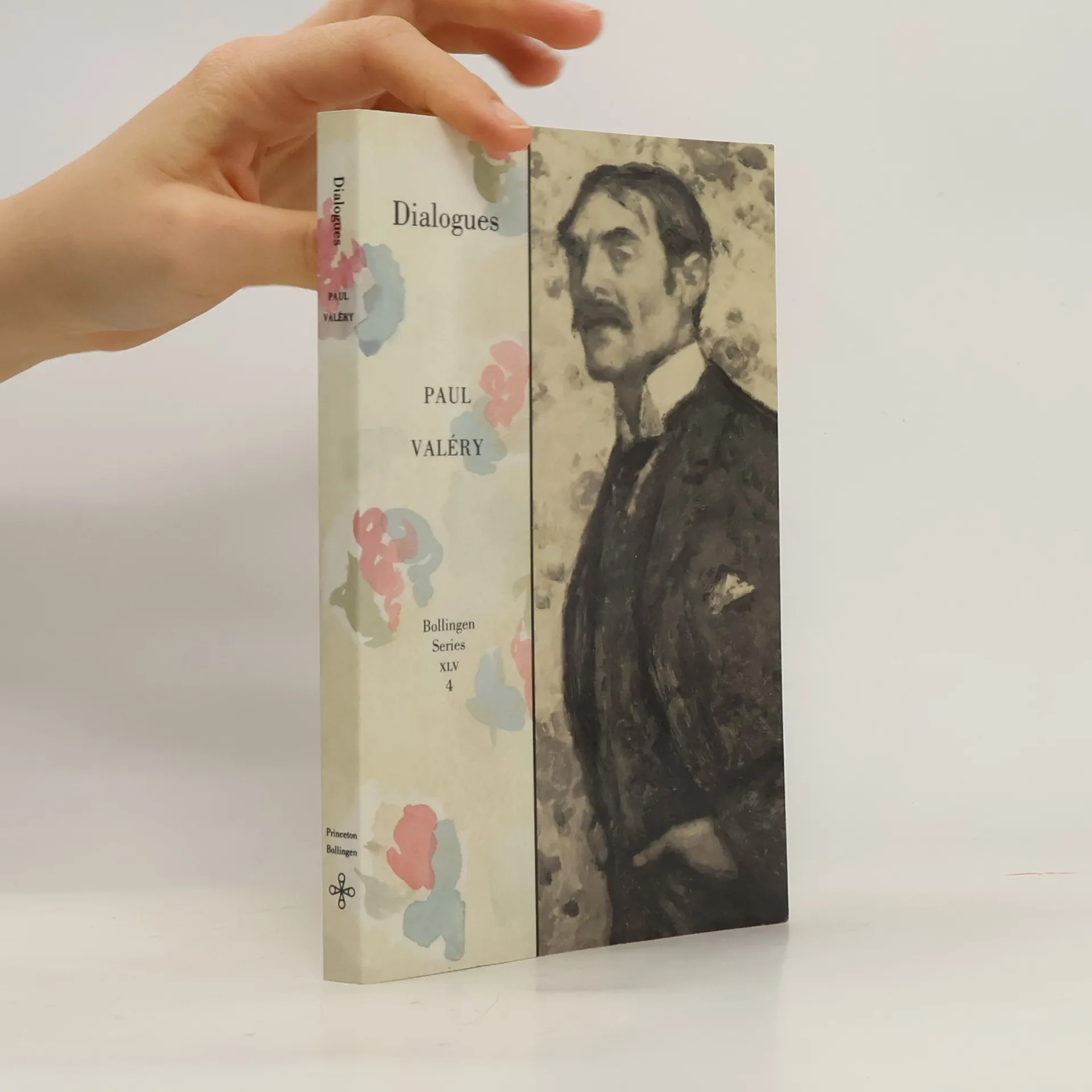
Valery's dialogues are his most important works of imagination in prose. Many consider the prose masterpieces Eupalinos and Dance and the Soul as the fullest and most characteristic expression of his genius. The dialogue form, "the most supple of the forms of expression, " was natural to Valery. "I found I was talking to myself in two voices, and began to write accordingly, " he said. His imagination and his philosophical mind found in his major dialogues the common ground they were always seeking. In the present volume, all the formal imaginary dialogues are brought together for the first time.
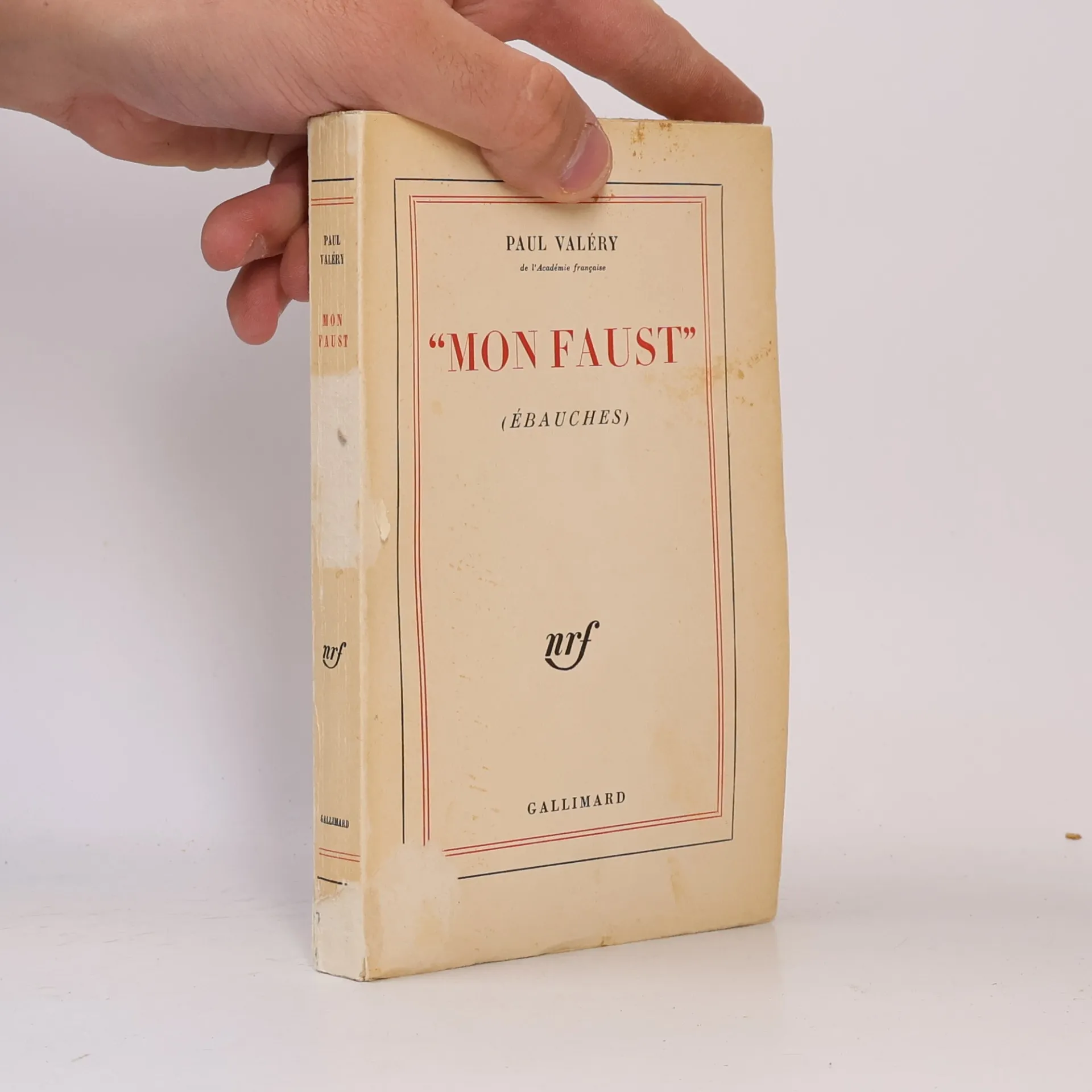
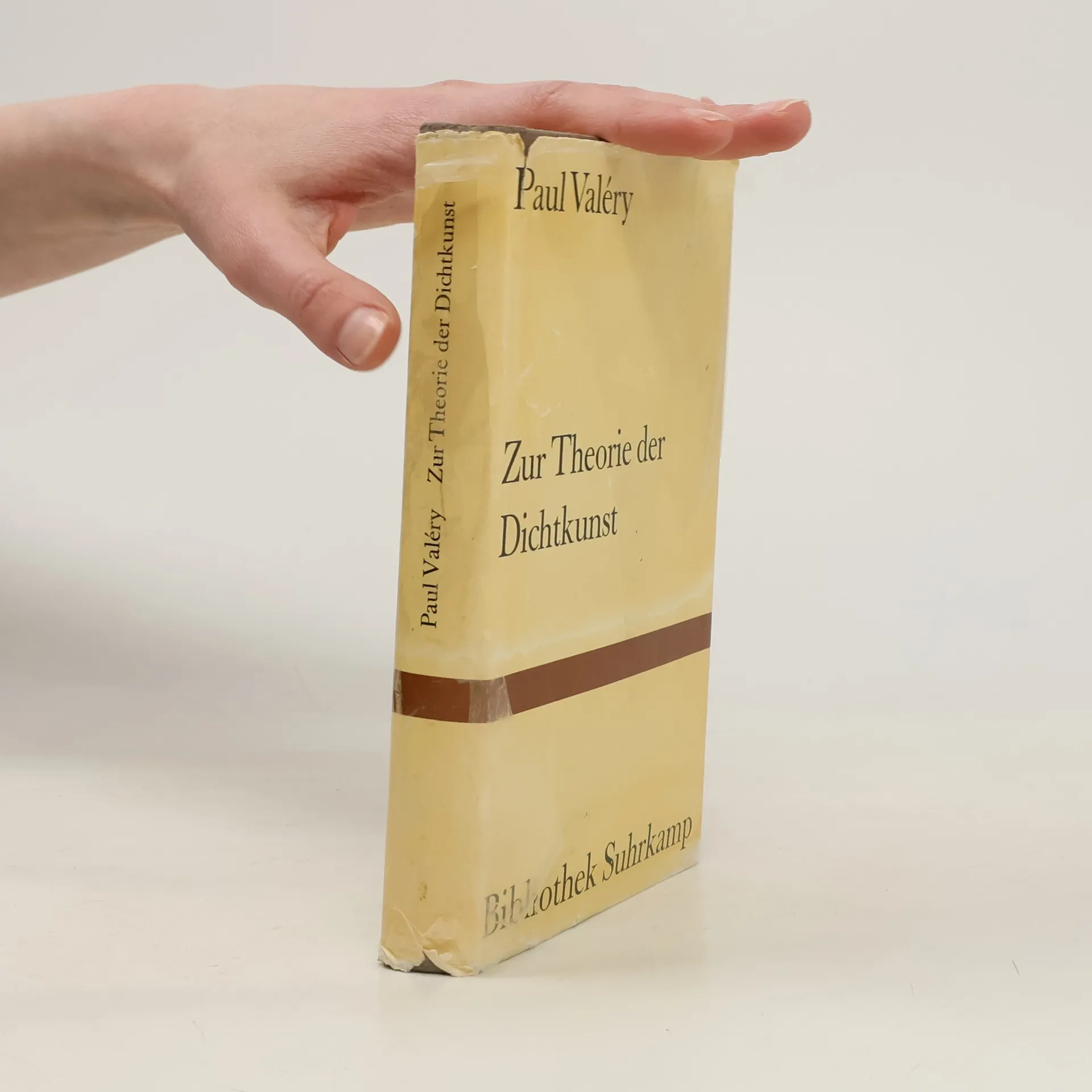
The collection features comprehensive reflections on poetry from a highly regarded contemporary poet known for his meticulous examination of the craft. It encompasses significant meditations on both the theory and practice of poetry, offering valuable insights into the poet's artistic process and philosophy. This work serves as a profound resource for anyone interested in understanding the nuances of poetic expression.
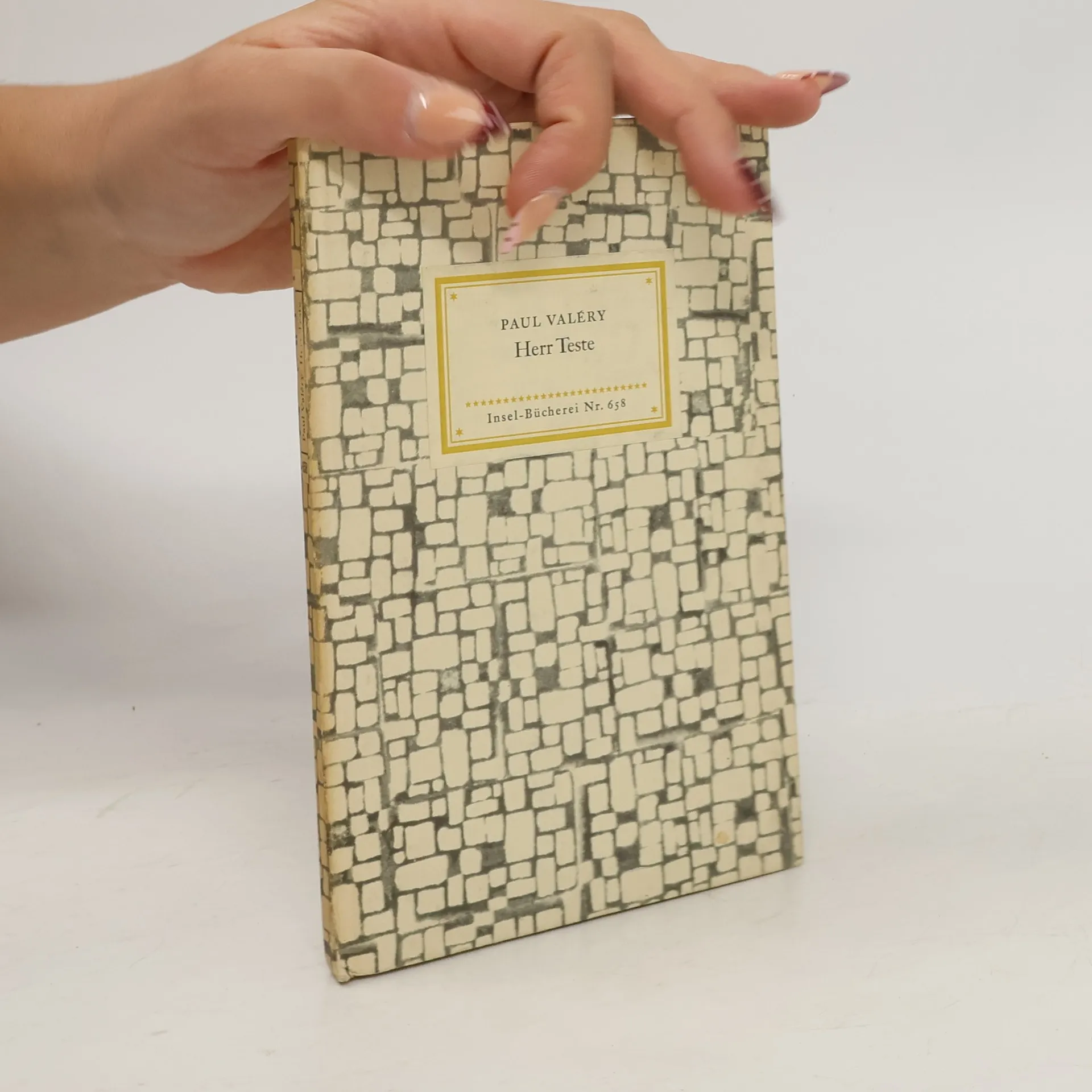
The novel explores the concept of a mind that is detached from emotional sensibility through the character of Monsieur Teste, who embodies both the author's philosophical inquiries and the traits of an ordinary fictional character. Additionally, the volume features "Snapshots of Monsieur Teste," which includes excerpts from Valâery's personal notebooks, providing deeper insight into his thoughts and creative process.
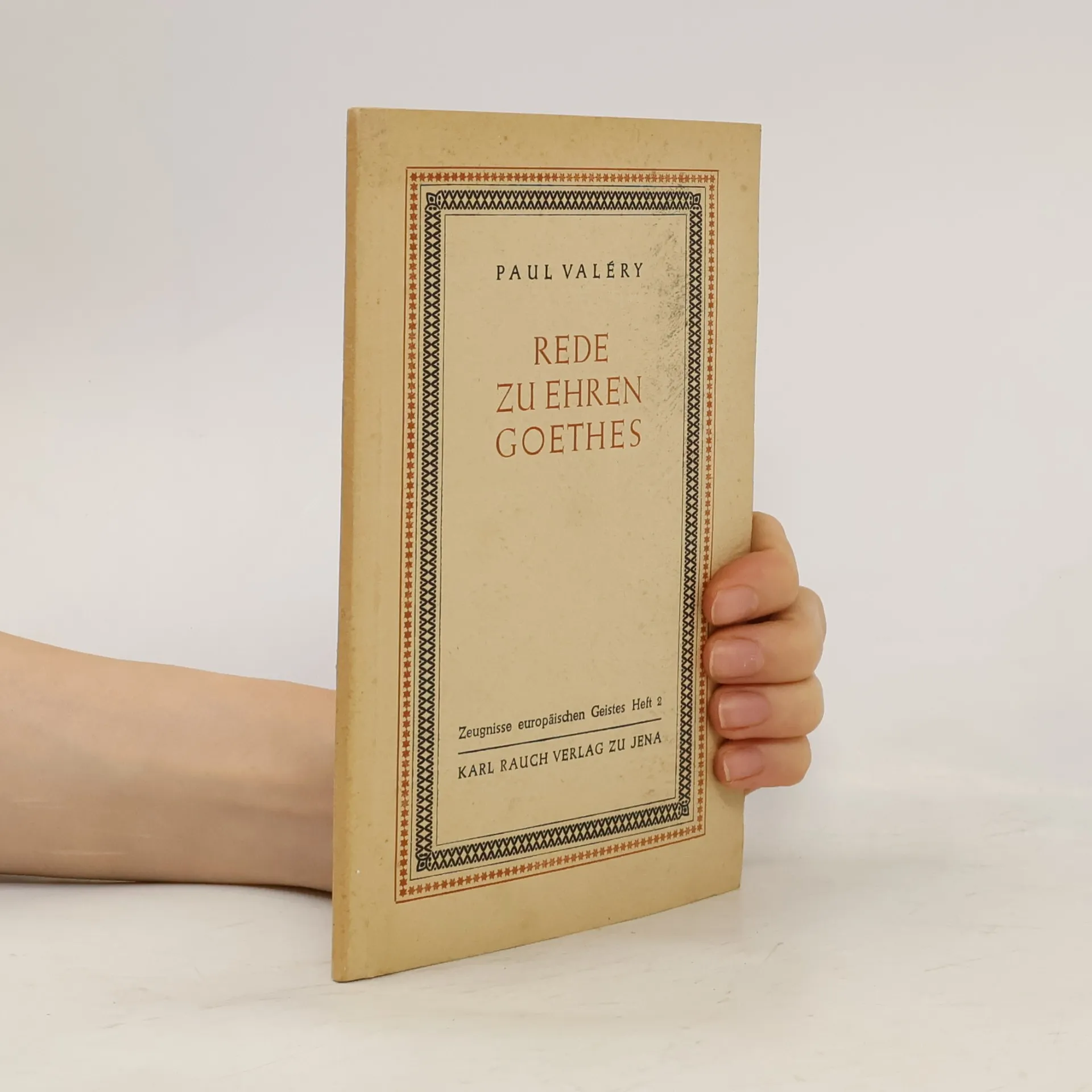
Paul Valéry wird 1871 in Sète geboren. Schon als Schüler zeigt er sich als Dichter und setzt seine literarischen Ambitionen während des Jurastudiums in Montpellier fort. Ein einschneidendes Erlebnis, die Nacht von Genua (1892), führt ihn dazu, sich von der praktischen Dichtung abzuwenden und sich der Selbstanalyse des Geistes zu widmen. 1894 beginnt er mit den Cahiers, in denen er Gedanken zu verschiedenen intellektuellen und wissenschaftlichen Themen festhält. Frühe Bekanntheit erlangt er durch seinen Essay Einführung in die Methode des Leonardo da Vinci (1894) und das Prosawerk Der Abend mit Monsieur Teste (1895). In Paris heiratet er Jeannie Gobillard und führt ein bürgerliches Leben, das ihn in literarische Salons führt. Mit La jeune Parque (1917) und Charmes (1922) erzielt er große Erfolge und wird in den frühen 1920er Jahren als größter lebender Dichter Frankreichs angesehen. Es folgen bedeutende Essays und Vortragsreisen durch Europa. 1926 wird er Mitglied der Académie française, 1931 erhält er die Ehrendoktorwürde der Universität Oxford, 1933 wird er Administrator des Centre Universitaire méditerranéen in Nizza, und 1937 erhält er einen Lehrstuhl für Poetik am Collège de France. Nach seinem Tod am 20. Juli 1945 ordnet de Gaulle ein Staatsbegräbnis an.
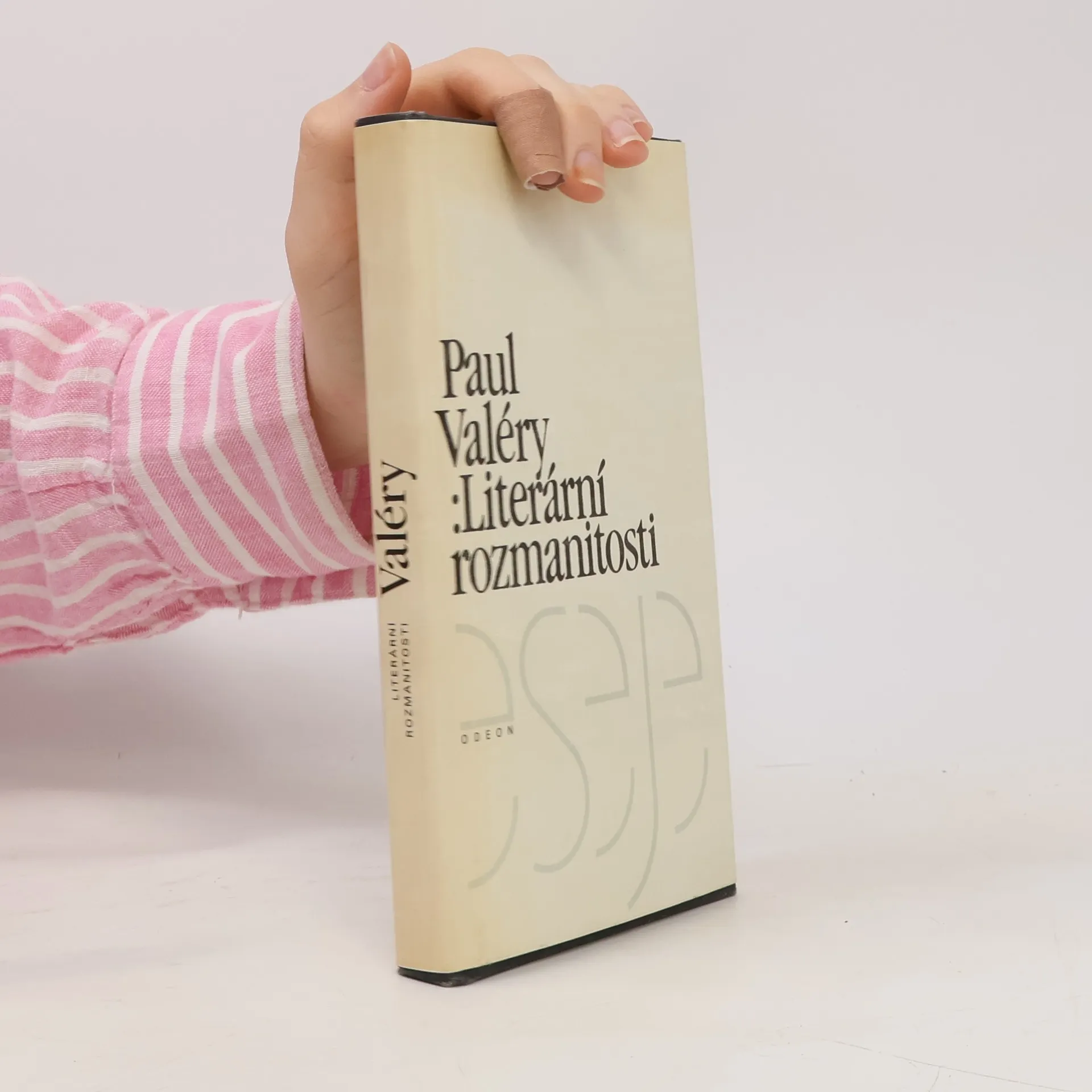
Soubor esejů, v nichž se známý francouzský básník zamýšlí nad samotnou tvorbou, nad poezií, nad jejími formami, nad jejím poměrem k řeči, k abstraktní myšlence a v neposlední řadě nad konkrétními autory a jejich díly.
Paul Valéry und seine verborgenen Cahiers
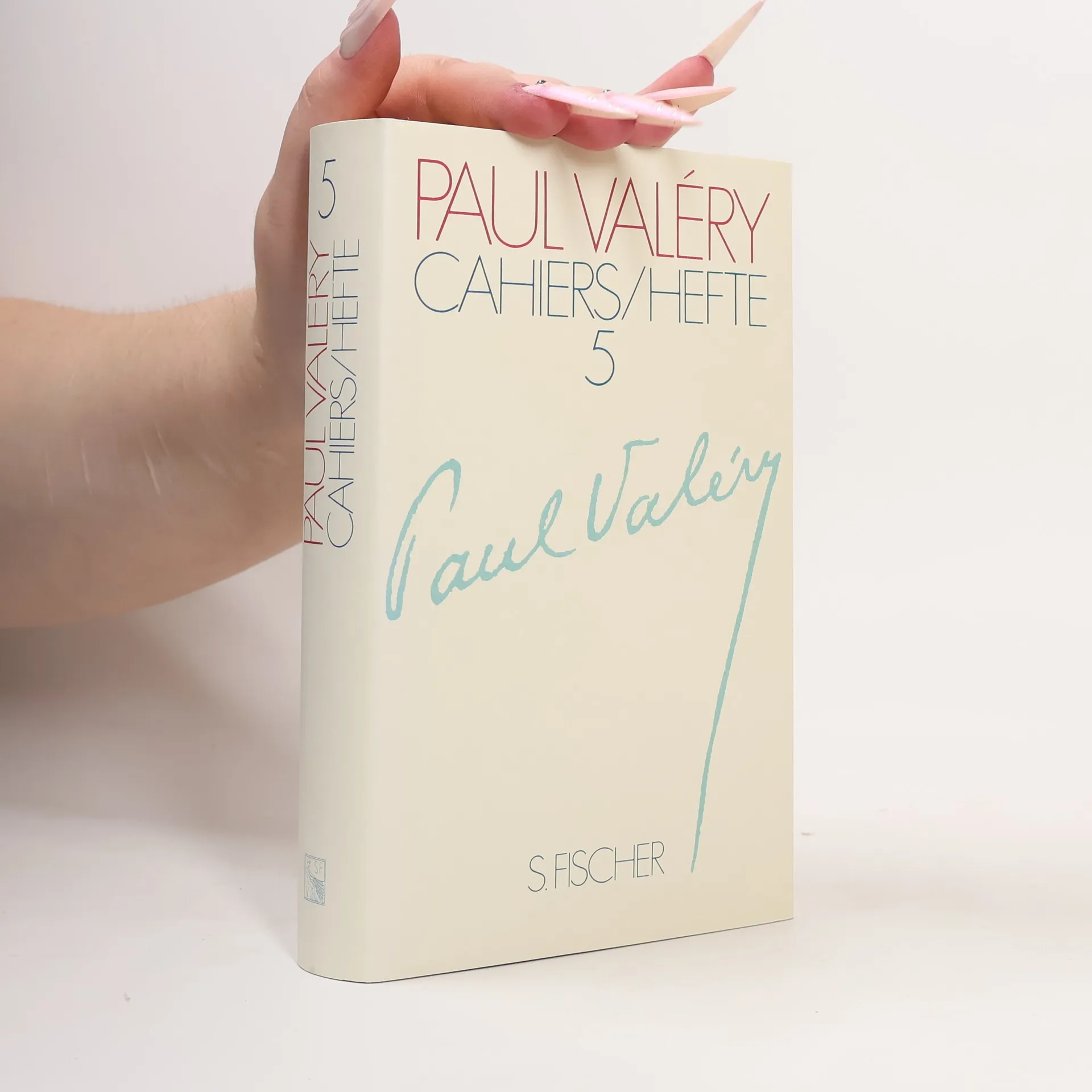
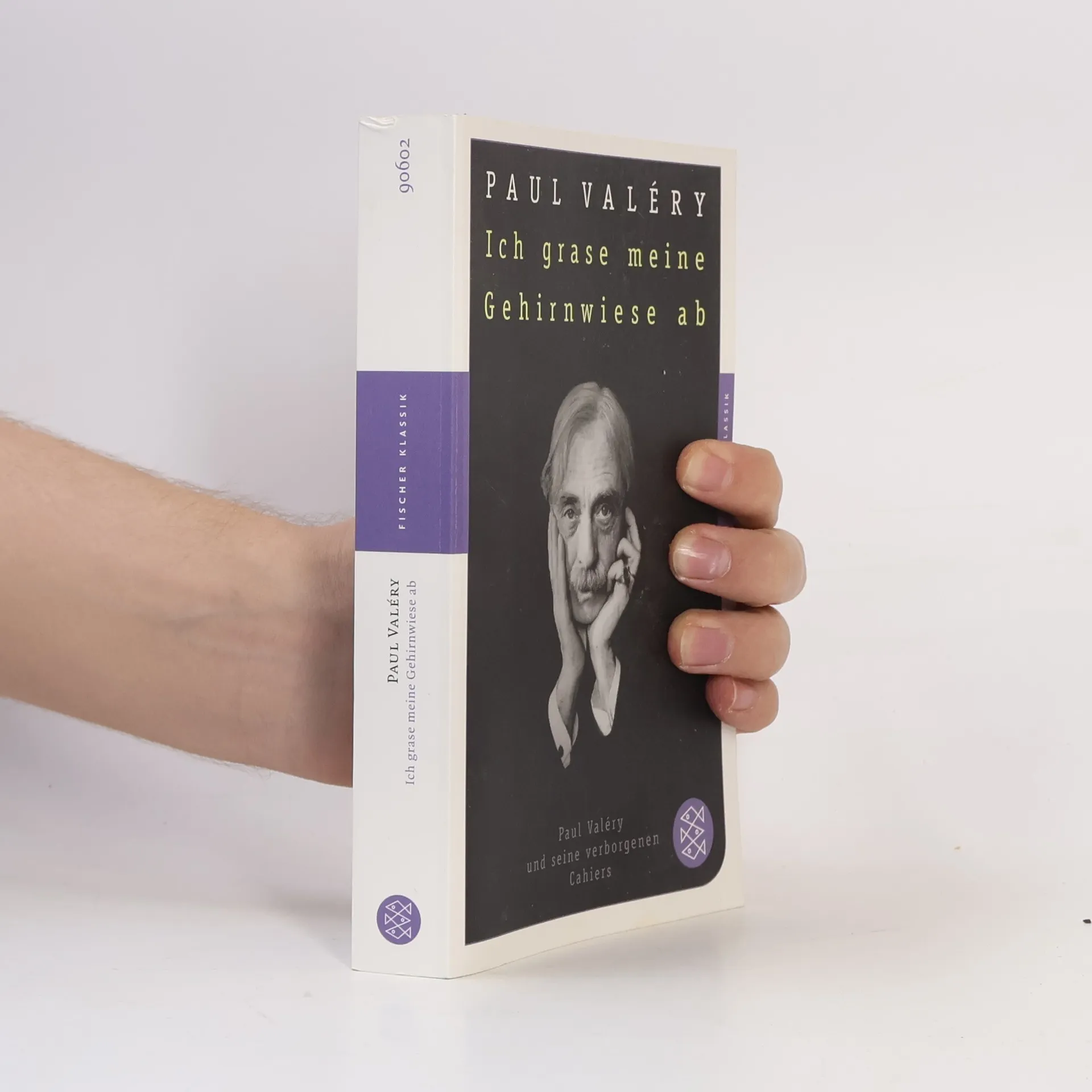
»Vor fünf aufgestanden – um acht scheint es mir, dass ich schon einen ganzen Tag geistig gelebt, somit das Recht erworben habe, bis zum Abend dumm zu sein.« Paul Valérys berühmte Cahiers, seine »Denkhefte«, wurden fast täglich und über ein halbes Jahrhundert lang mit Notizen gefüllt und erst 1945 nach seinem Tod veröffentlicht. Sie sind ein einzigartiges Denklaboratorium des modernen Menschen und ein Paradebeispiel lebensphilosophischer Selbsttherapie.
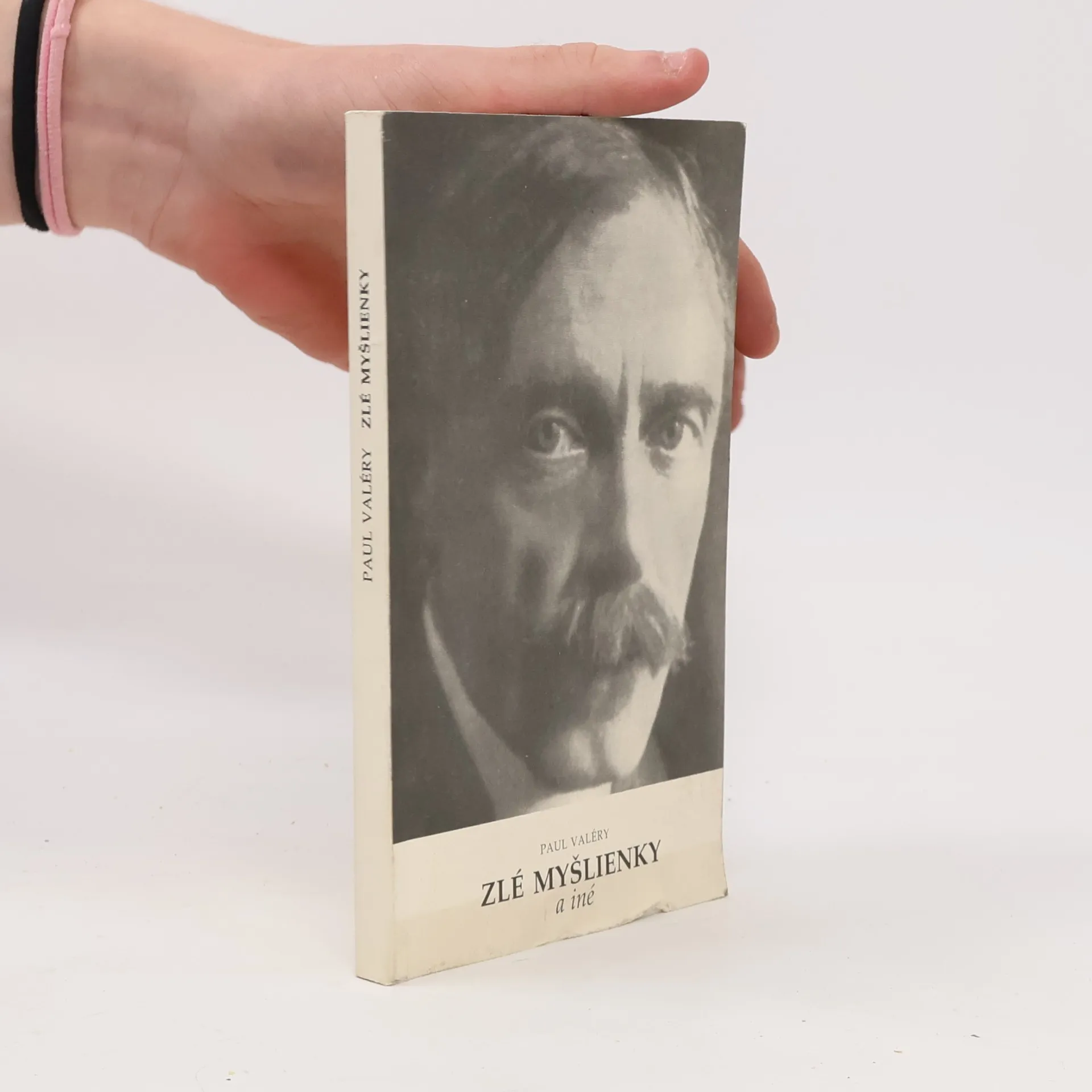
Paul Valéry (1871-1945) patrí medzi najvýznamnejších básnikov francúzskej literatúry nášho storočia. Jeho lyrika sa vyznačuje prísnou a dokonalou formou, hudobnosťou a mimoriadnou senzibilitou. Zlé myšlienky patria k tej časti Valéryho tvorby, ktorá nadväzuje na najlepšie tradície francúzskej literatúry a patrí k jej vrcholom. Valéryho metafyzické skice, maximá, impresie, definície, moráliá, paradoxy, zlomyseľnosti, meditácie o človeku, jeho ľudskom ja, o smrti, histórii, literatúre, intelekte, humanizme, čítaní, atď. sa často pohybujú na hranici imanencie myšlienky. Kniha sa vyznačuje prísnou formou, jazykovou brilantnosťou a exaktnými formuláciami - zásluhou prekladateľa Alberta Marenčina vynikajúco pretlmočenými aj do slovenčiny -, ktoré nestrácajú platnosť ani dnes. Dielo patrí k tomu najcennejšiemu, čo sa vo francúzskej esejistike 20. storočia vytvorilo.
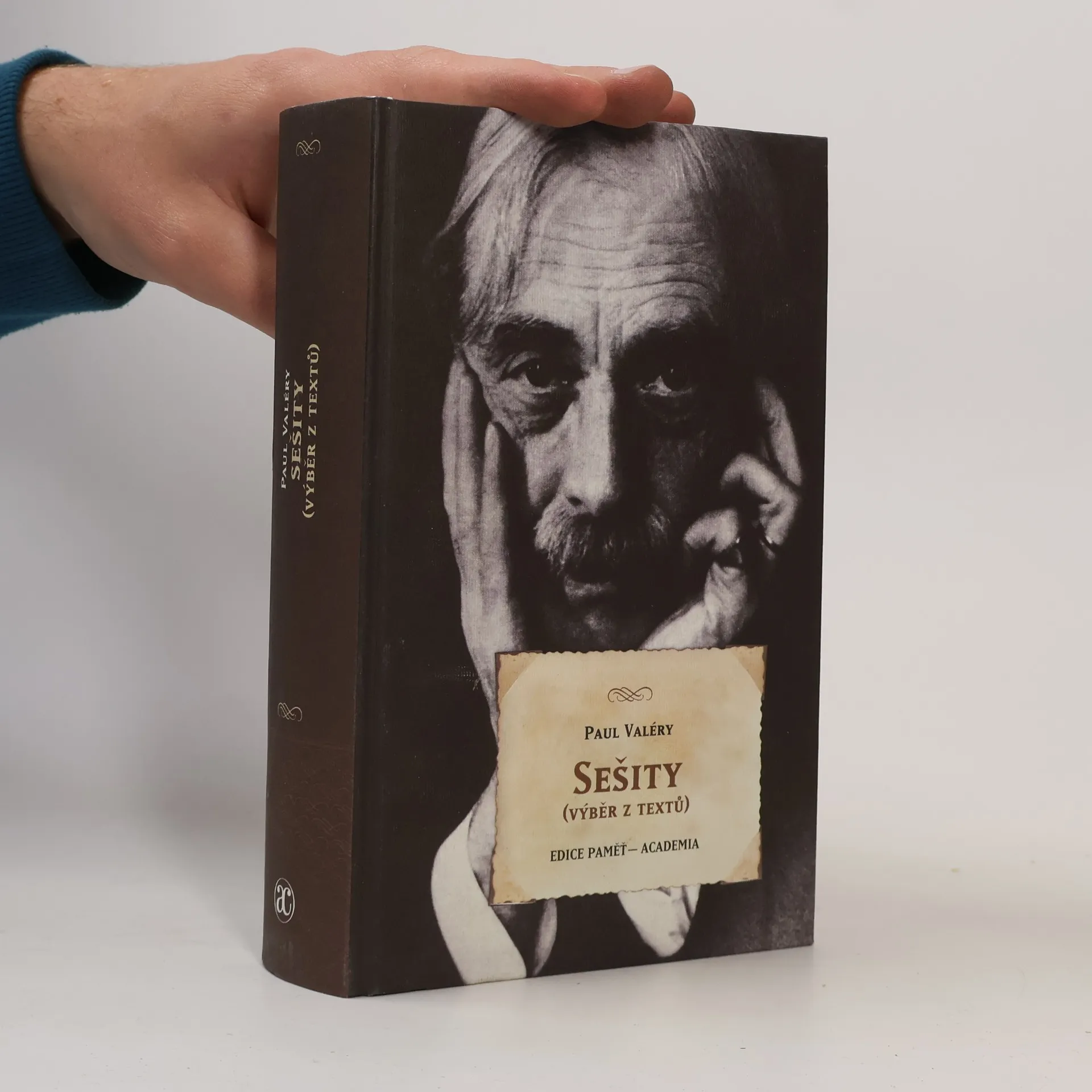
Paul Valéry koncipoval své deníkové záznamy v podstatě jako úvahy soustředěné na jednu hlavní otázku: jaká je podstata lidského ducha, jaké jsou jeho mechanismy, možnosti a hranice, jak pracuje lidská mysl? Tohoto filozofického, psychologického nebo vědeckého problému se přímo či nepřímo dotýkají prakticky všechny deníkové zápisky. Autor veškeré texty, jež v rukopise představovaly nesmírných 26 000 stran, sám roztřídil do 31 tematických kapitol či souborů. Faksimile celého díla byla vydána v letech 1957–1961 v Centre national de la recherche scientifique, předlohou pro české vydání je dvoudílný výbor z pařížského nakladatelství Gallimard – Bibliothèque de la Pléiade.
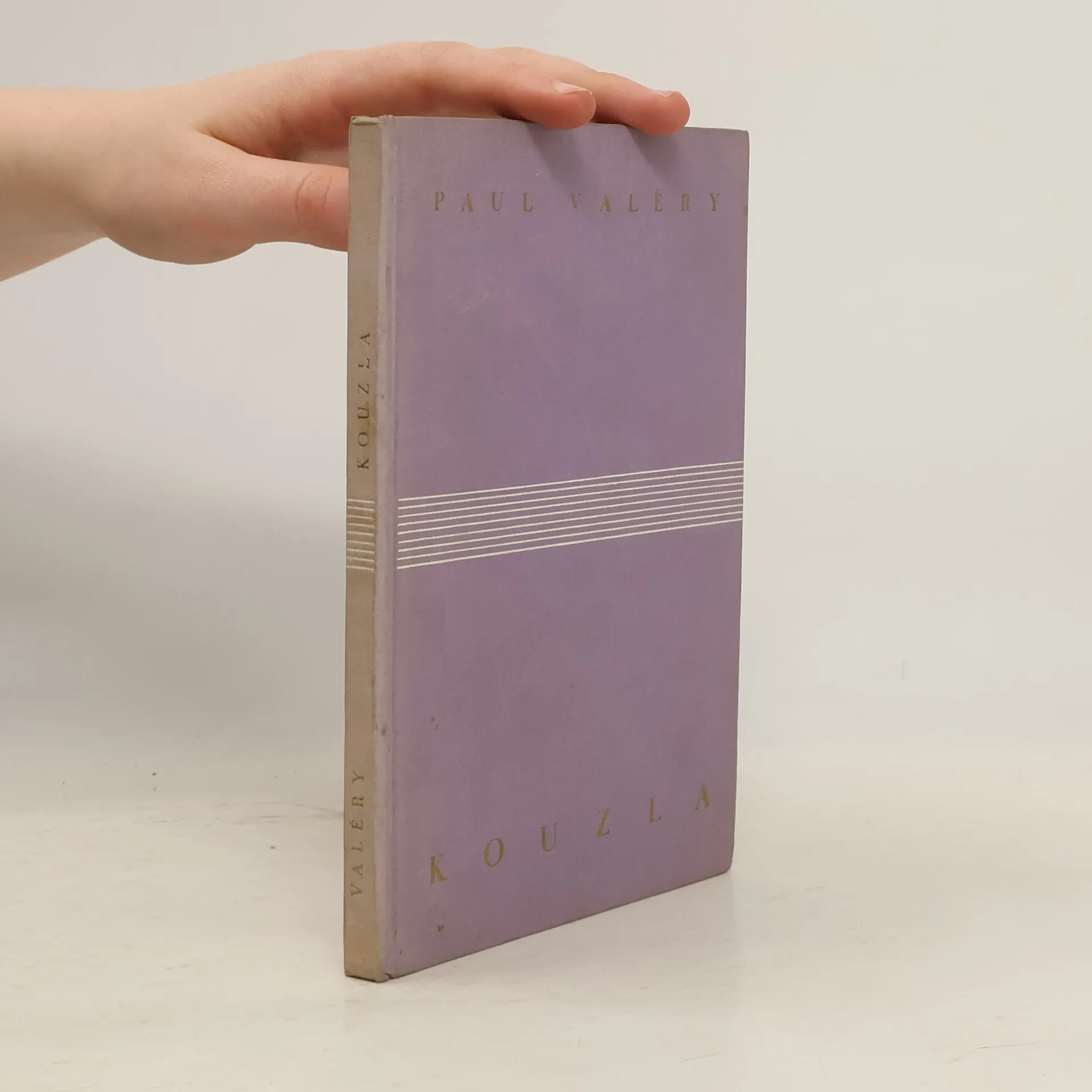
Zvolání po pravdě a kvalitě literatury, rozložené do krátkých, hutných postřehů.
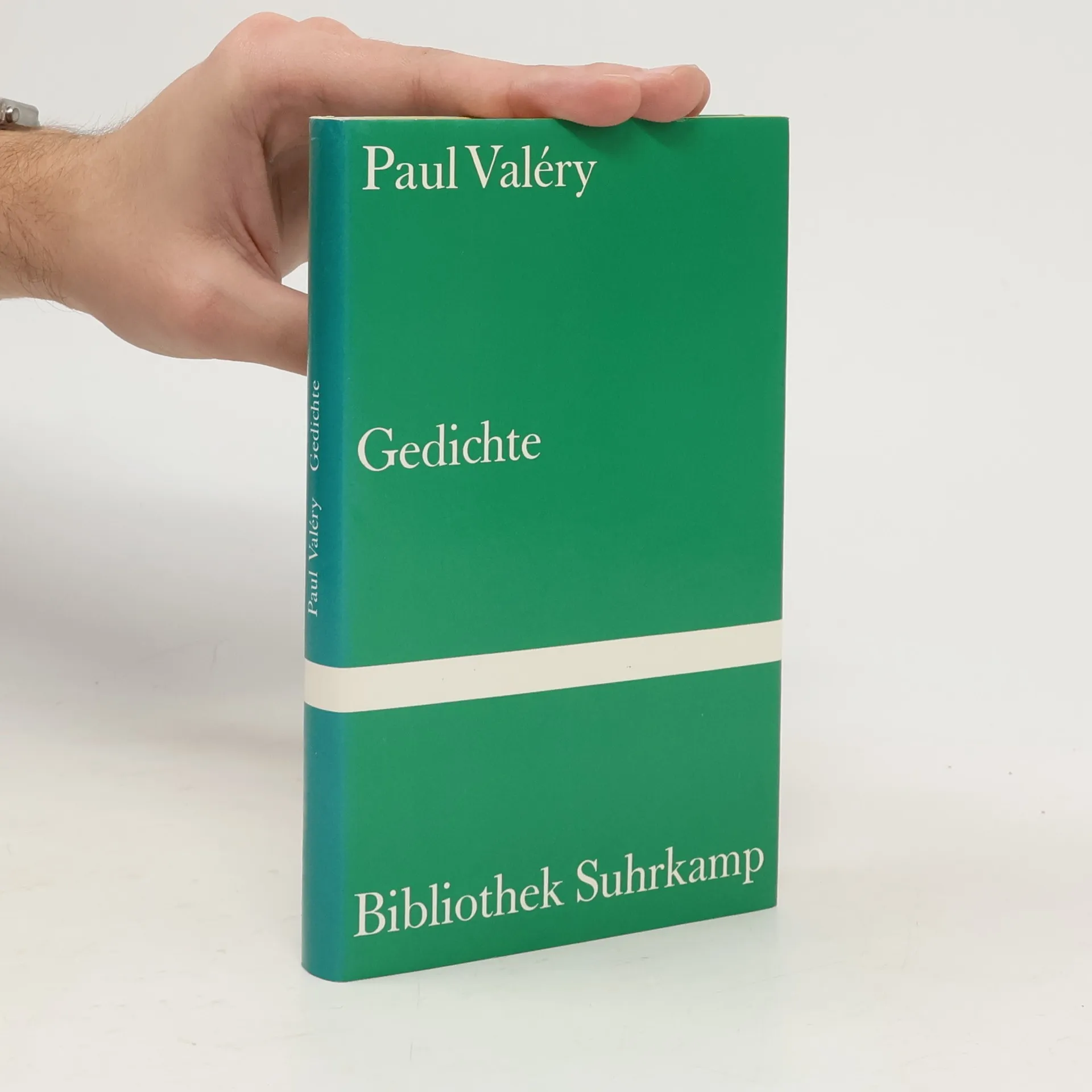
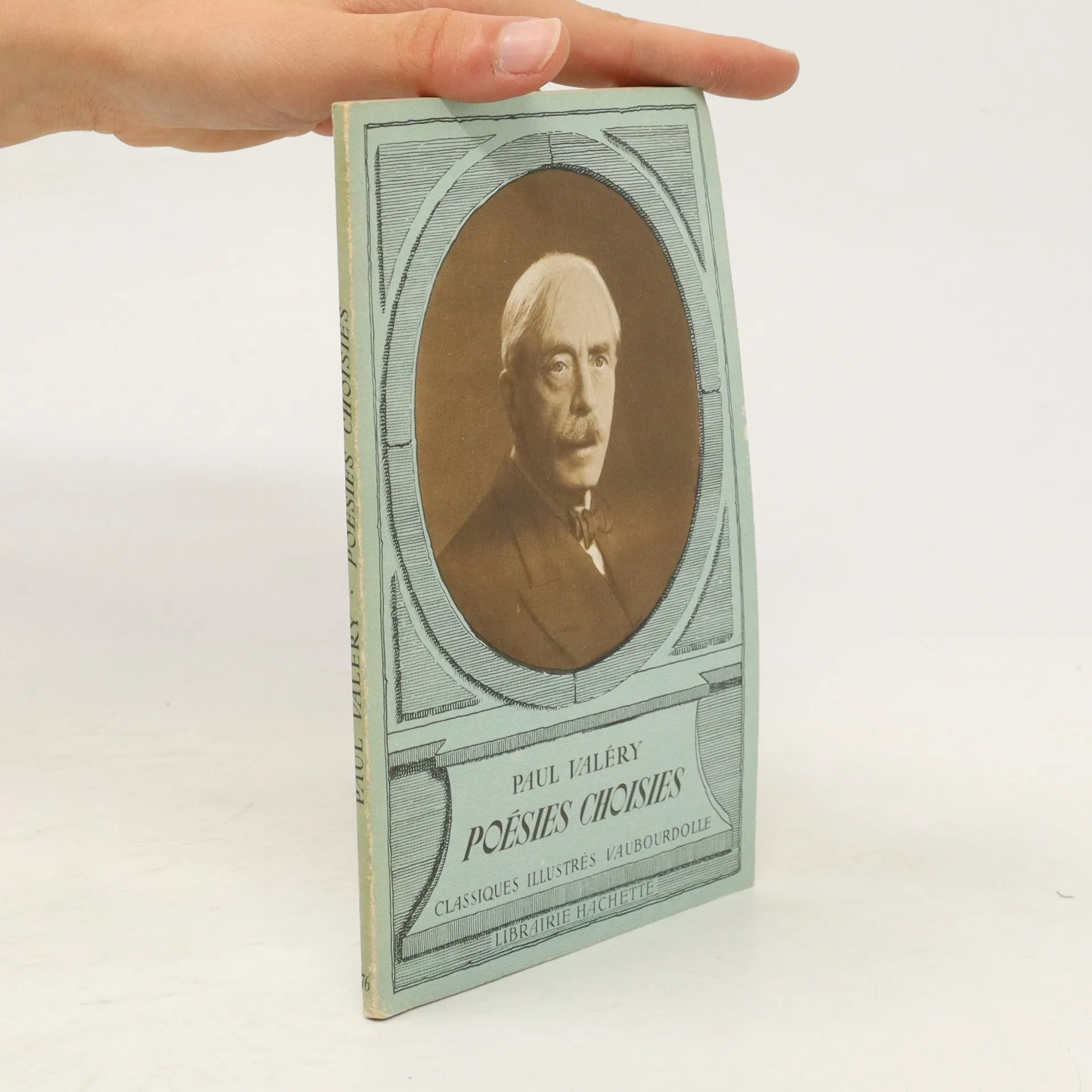
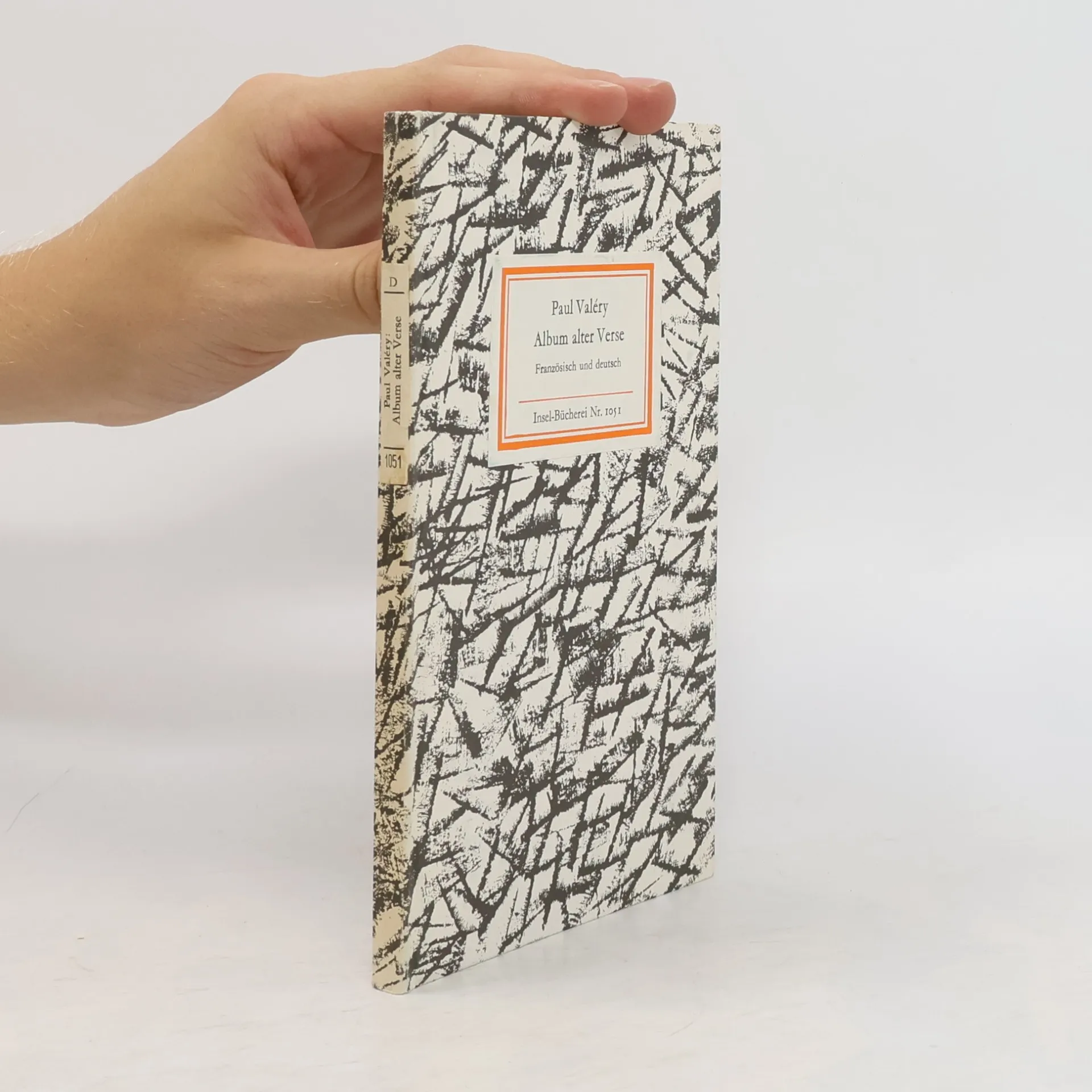
Verše jednoho z předních francouzských básníků, tvořícího od konce minulého století do konce druhé světové války a charakterizovaného jako dovršitele baudelairovské tradice po stránce formální dokonalosti a básnické čistoty. Přestože se ve své poezii snažil podřídit proces básnickétvorby nejpřísnější kontrole intelektu, dospívá nakonec k rovnováze srdce a rozumu. Doslov k tomuto výboru básní představuje zasvěcenou studii o básníkovi a jeho době.
Lorsqu'en 1894 Valéry ouvre les Cahiers qu'il ne cessera de tenir jusqu'à sa mort, son ambition n'est pas d'en faire un lieu de poésie, mais l'espace au contraire d'une réflexion abstraite qui se développera inlassablement, chaque jour, sur près de trente mille pages. L'un des étonnements du lecteur est bien alors de découvrir très tôt, parmi les analyses abstraites, des poèmes en prose que rien ne préméditait et qui constituent le second versant méconnu de l'oeuvre poétique. Un partage capital s'opère en effet : le travail du vers s'accomplit hors des Cahiers et il est ouvertement destiné au lecteur ; le poème en prose, au contraire, reste tourné vers son auteur et dans un espace d'écriture privée.Il fallut attendre l'approche de la Seconde Guerre mondiale pour que Tel Quel, Mélange et Mauvaises Pensées, recueils comme on sait composites, fassent une place - mineure - à certains de ces textes. Et dans Tel Quel, le titre de "Poésie perdue" sous lequel il les réunit semble porter négligemment au jour des feuillets égarés, ou arrachés à un lointain passé, mais qui valent cependant d'être lus, malgré tout. Titre admirable, cependant, et qu'il a semblé légitime de reprendre en tête de cette édition qui rassemble pour la première fois la totalité des poèmes en prose des Cahiers - longtemps perdus précisément dans leurs pages innombrables, mais ici retrouvés.
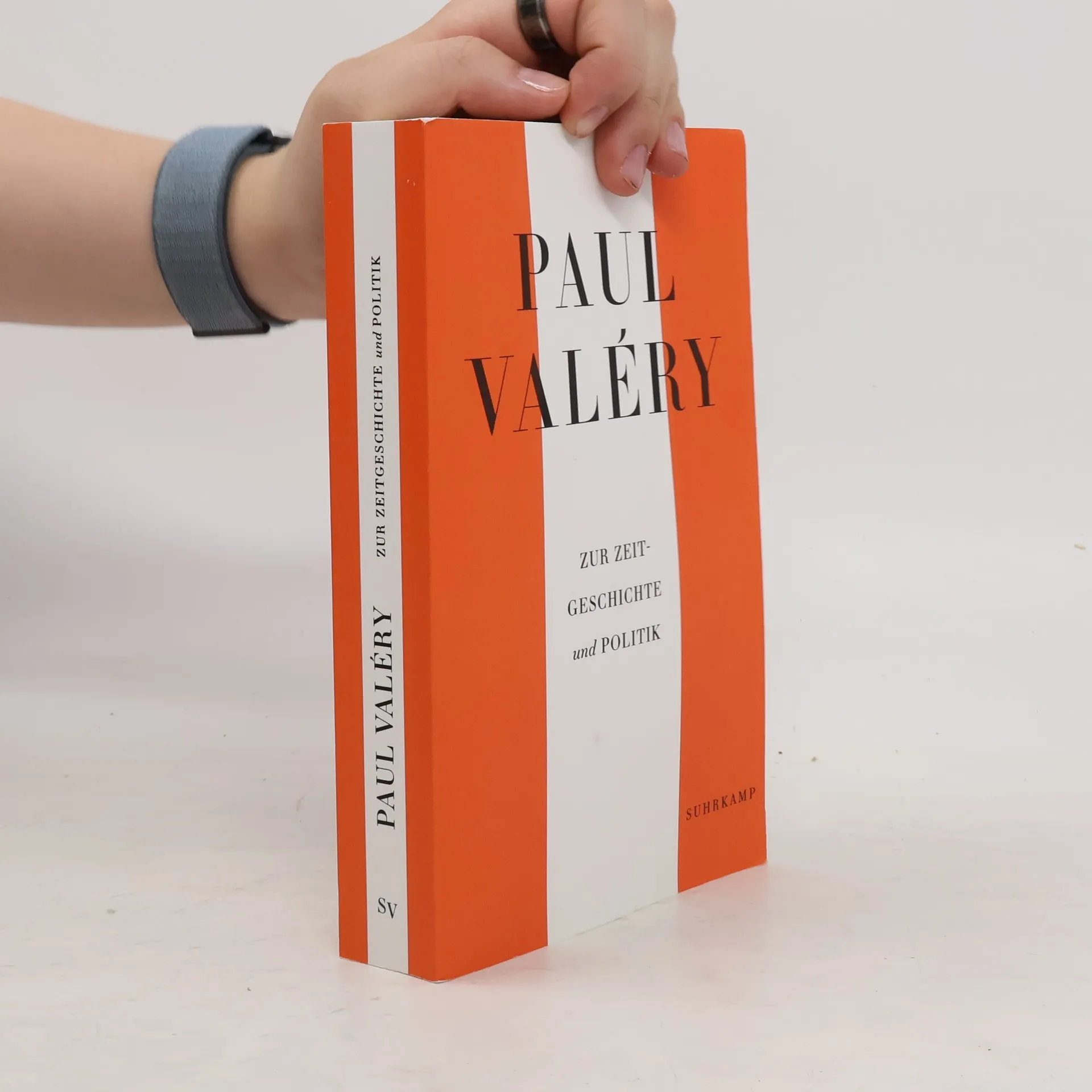
Freiheit, Tyrannei, »Volk« und Monarchie – Themen, die Paul Valéry zwischen 1936 und 1938 in einem separat geführten Carnet notierte, das parallel zu seinen legendären, lebenslangen Cahiers entstand. In den historischen, zeitgeschichtlichen, politischen Aperçus und Kurztexten geht es ihm darum, Tiefenstrukturen anarchischen Denkens und Handelns aufzuspüren: um eine Kritik von Staatsformen, problematische Grundfragen zu Nation und Gesellschaft, zu Souveränität und Autorität, zu Macht, Gewalt und Angst, um Rechtsformen und Rechtsprechung – wie auch um deren historische Akteure, etwa Napoleon, Trotzki, Hitler oder den Zufall. Seine Überlegungen sind hellsichtig und überraschend; geschrieben in einer Vorkriegszeit, verbinden sie sich erschreckend direkt mit unserer Gegenwart
Aufzeichnungen und Aphorismen
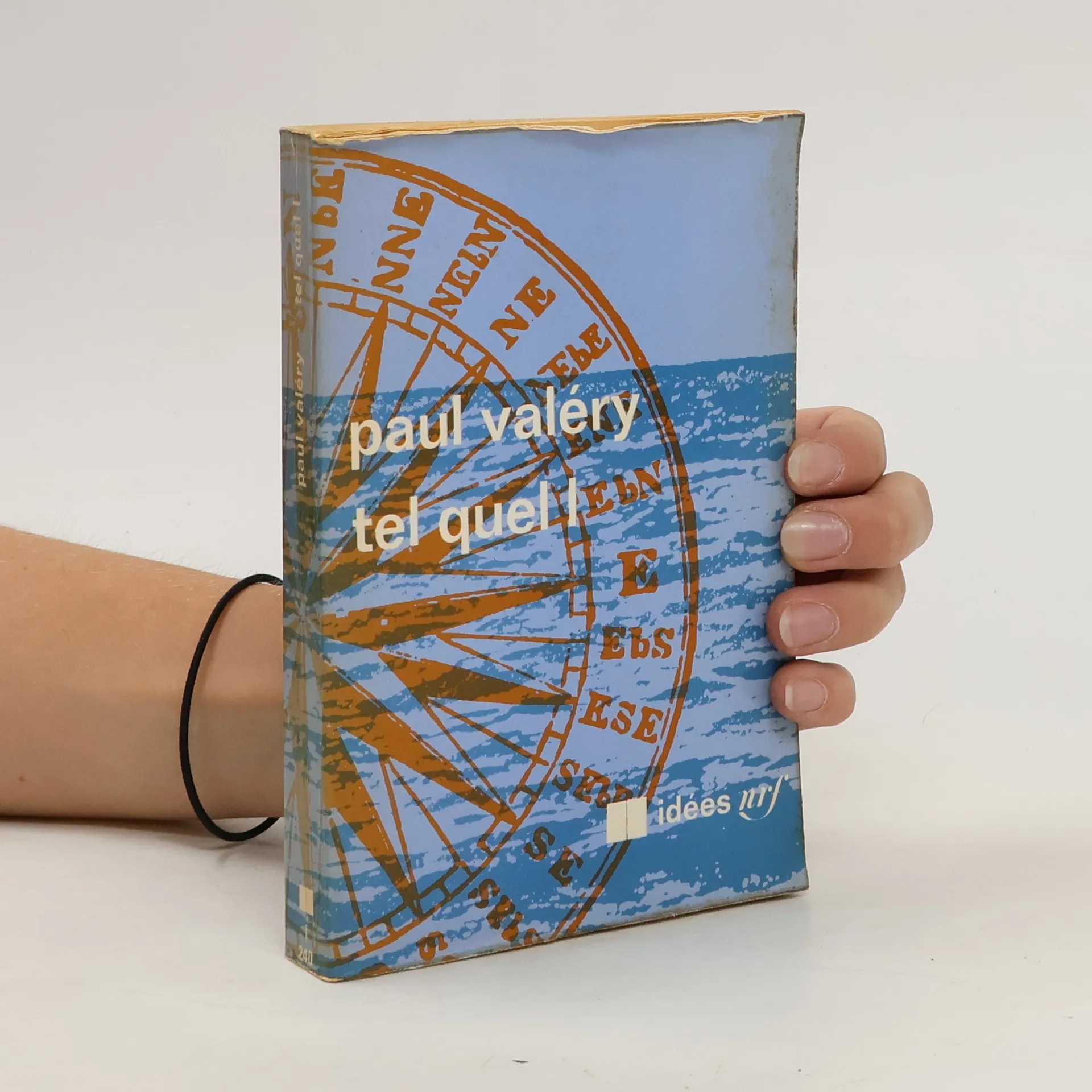
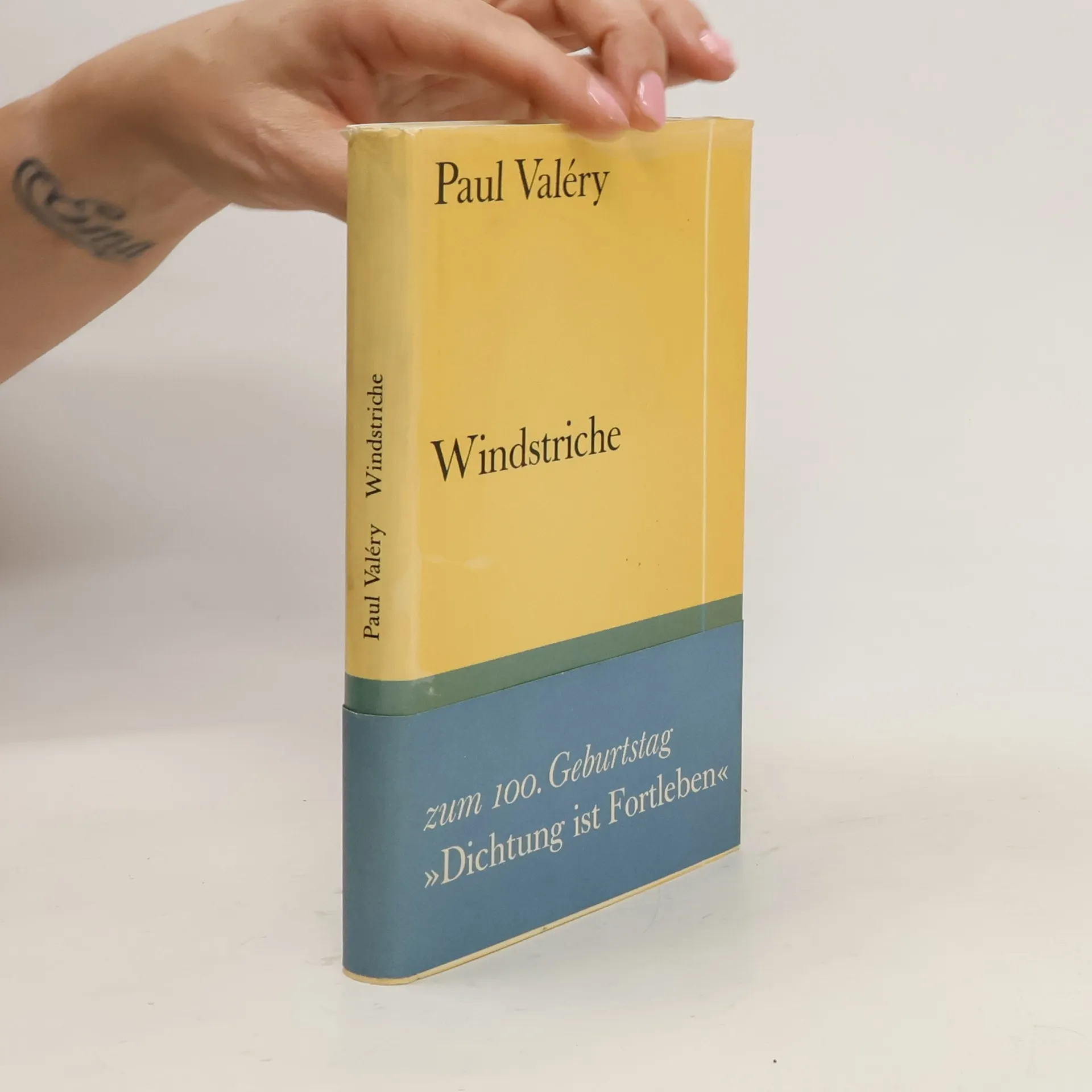
Die Bedeutung des Titels Windstriche (Rhumbs) musste Paul Valéry seinen französischen Lesern in den zwanziger Jahren erläutern. Das Wort stammt aus der Nautik und bezeichnet die Richtung der Winde aus den verschiedenen Himmelsgegenden. In diesem Werk bleiben die Richtungen, die Valéry mit seiner Prosa und seinen Überlegungen zur Dichtkunst vorgibt, im Hintergrund. Sie bilden die Folie, von der sich Abweichungen vom Vollendeten, vom abstrakten Denken und von reiner Dichtung abheben. Es treffen Tagebucheintragungen anlässlich einer Reise aufeinander, die „Lust und Laune gezeichnet“ sind, sowie „Moralia“, „Hintergedanken“, Träume, Gedanken zur Literatur und lyrische Versuche. Diese Sammlung führt Gedankensplitter vor und gibt ihnen zugleich einen Zusammenhang; aus Fragmenten entstehen Ansätze zu einer Totalität. „In dieser Sammlung von Notizen, Impressionen, Ideen gibt es keine Ausruhpunkte“ (Ernst Robert Curtius). Die Zeit ist geprägt von der Erschütterung und Erhebung, die ein großer Geist mit dem Geist hat. Die Windstriche bieten eine Auswahl aus den Heften (Cahiers), die von 1894 bis zu Valérys Tod 1945 täglich am frühen Morgen geführt wurden und posthum veröffentlicht wurden, heute als sein literarisch-philosophisches Vermächtnis gelten.
L'amateur de poèmes ressent une lutte intérieure face à une pensée éphémère et sans origine, marquée par des figures qui se transforment sans véritable changement. Cette pensée, incohérente et spontanée, semble dépourvue de style. L'auteur peine à se concentrer sur des éléments nécessaires et à créer une illusion de structure, ce qui rend son expérience insupportable. Un poème devient alors un espace de durée où il respire une loi préétablie, offrant sa voix et son souffle, tout en s'accordant avec le silence. Il s'abandonne à la magie des mots, dont l'apparition et les sonorités sont soigneusement orchestrées. Ses étonnements, bien que cachés, font partie intégrante de cette expérience poétique. L'écriture, à la fois fatale et libératrice, l'enchaîne à une mémoire vibrante, où chaque mot est attendu avec impatience. Cette mesure, qui le transporte, le préserve des illusions du vrai et du faux. Ni le doute ni la raison ne le perturbent ; au contraire, une chance extraordinaire se manifeste. Il découvre sans effort le langage d'un bonheur authentique, une pensée précise et prévoyante, avec des lacunes calculées et sans ténèbres involontaires. Ce mouvement le commande et le comble, aboutissant à une pensée singulièrement achevée.
"Il cimitero marino" nasce nel 1917 ed è una meditazione sulla vita e sulla morte che si affida a immagini di straordinaria luminosità. E' il poema del ritorno alle origini, al mare, al cielo, al sole del Mediterraneo, identificato come luogo dei grandi miti originali, ma anche crogiuolo di popoli, di civiltà, di ricchezze spirituali. E' questo il teatro di un incontro-scontro tra la sensibilità e la ragione: l'armonia della parola poetica ridà vita a un ritrovato paradiso di percezioni, che tuttavia è sempre minacciato dalla mortale lucidità del pensiero.
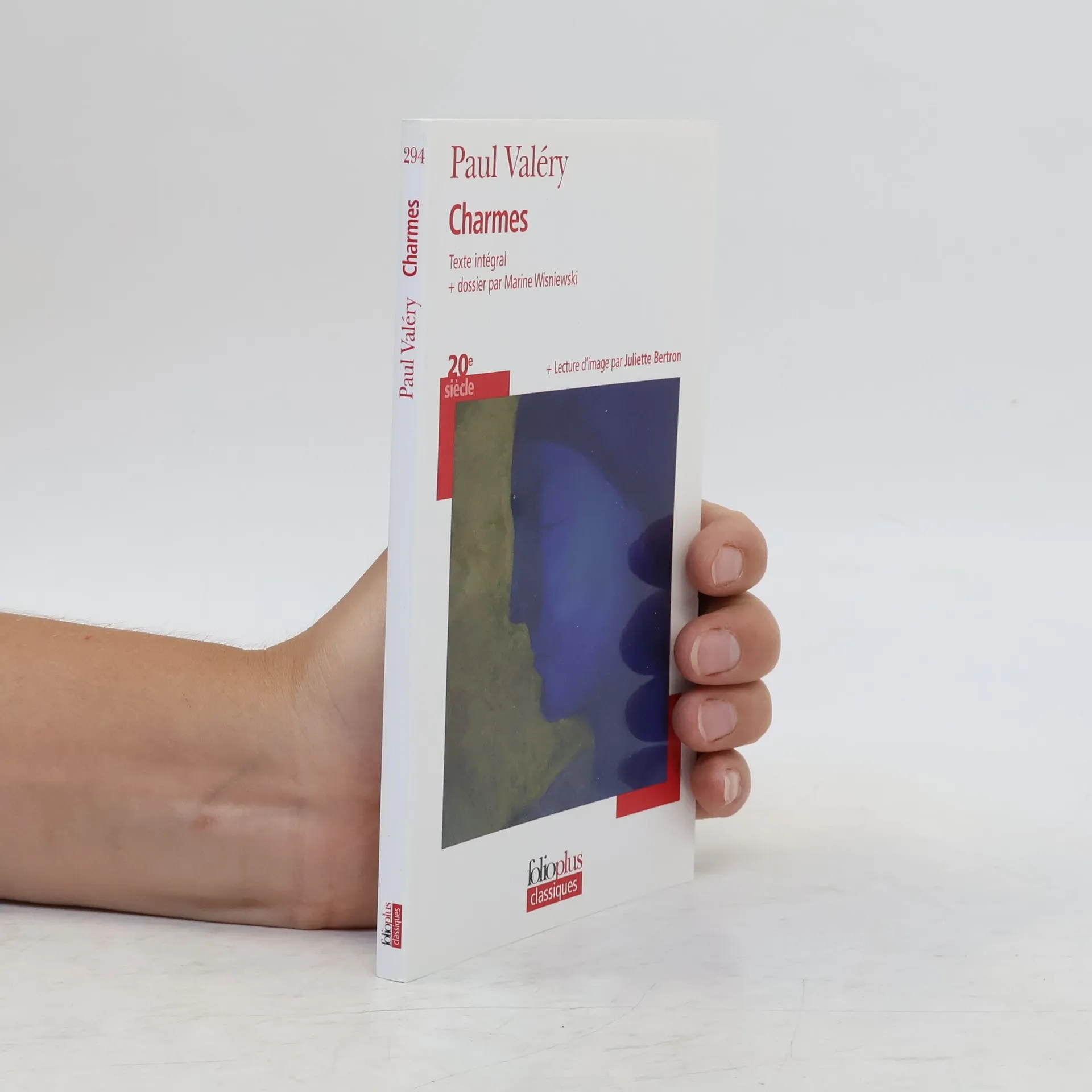
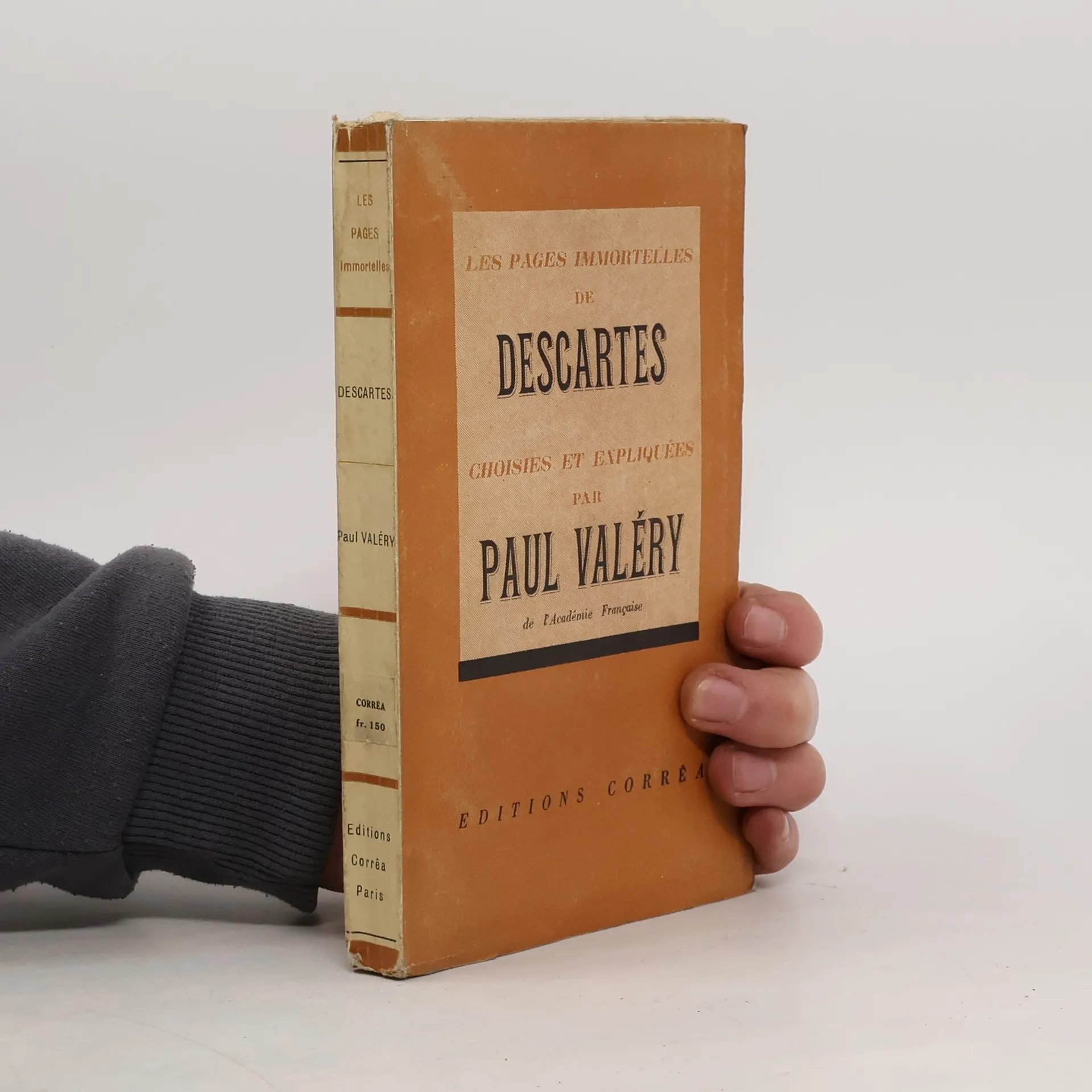
En écrivant, peu après “Eupalinos”, ces poèmes dont certains étaient déjà apparus dans le recueil ‘’Odes’’ (1920), dont l’ensemble a été publié en 1922, Valéry n'en délaissa pas pour autant la question centrale qui, seule, lui importait : à savoir comment la réflexion peut sans cesse gagner du terrain sur l'intuition, comment l'attention peut repérer de plus en plus loin la naissance obscure d'une idée, et comment enfin la connaissance des moyens favorise graduellement la connaissance qu'on peut avoir de ses pouvoirs intérieurs ; en définitive, comment la méthode facilite l'invention. C'est ainsi qu'on peut voir dans la suite des poèmes de “Charmes” se développer le long chemin et les étapes du phénomène le plus obscur entre tous, celui de l'inspiration qui va de l'idée première jusqu'à la contemplation du poème terminé et parfait. Par une mise en abyme toute mallarméenne, les poèmes traitaient souvent de la création même du poème, évoquaient la tragédie de l'esprit, car Valéry allait écrire dans “Discours sur Descartes’’ : «La vie de l'intelligence constitue un univers lyrique incomparable, un drame complet où ne manquent ni l'aventure, ni les passions, ni la douleur, ni le comique, ni rien d'humain». L’évocation de la nature, transposée sur le plan de l’esprit, servit de cadre à une rêverie ordonnée sur l’existence
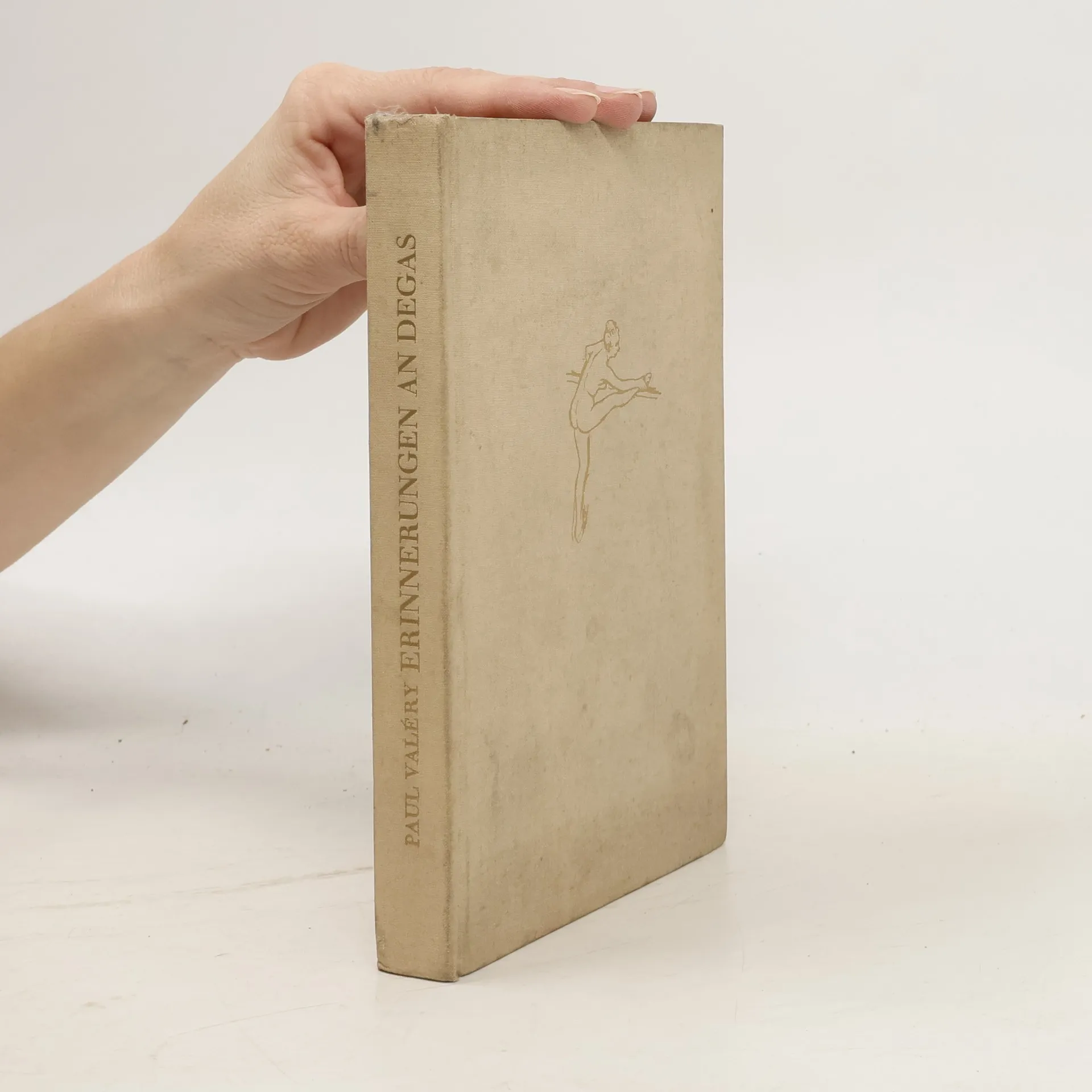
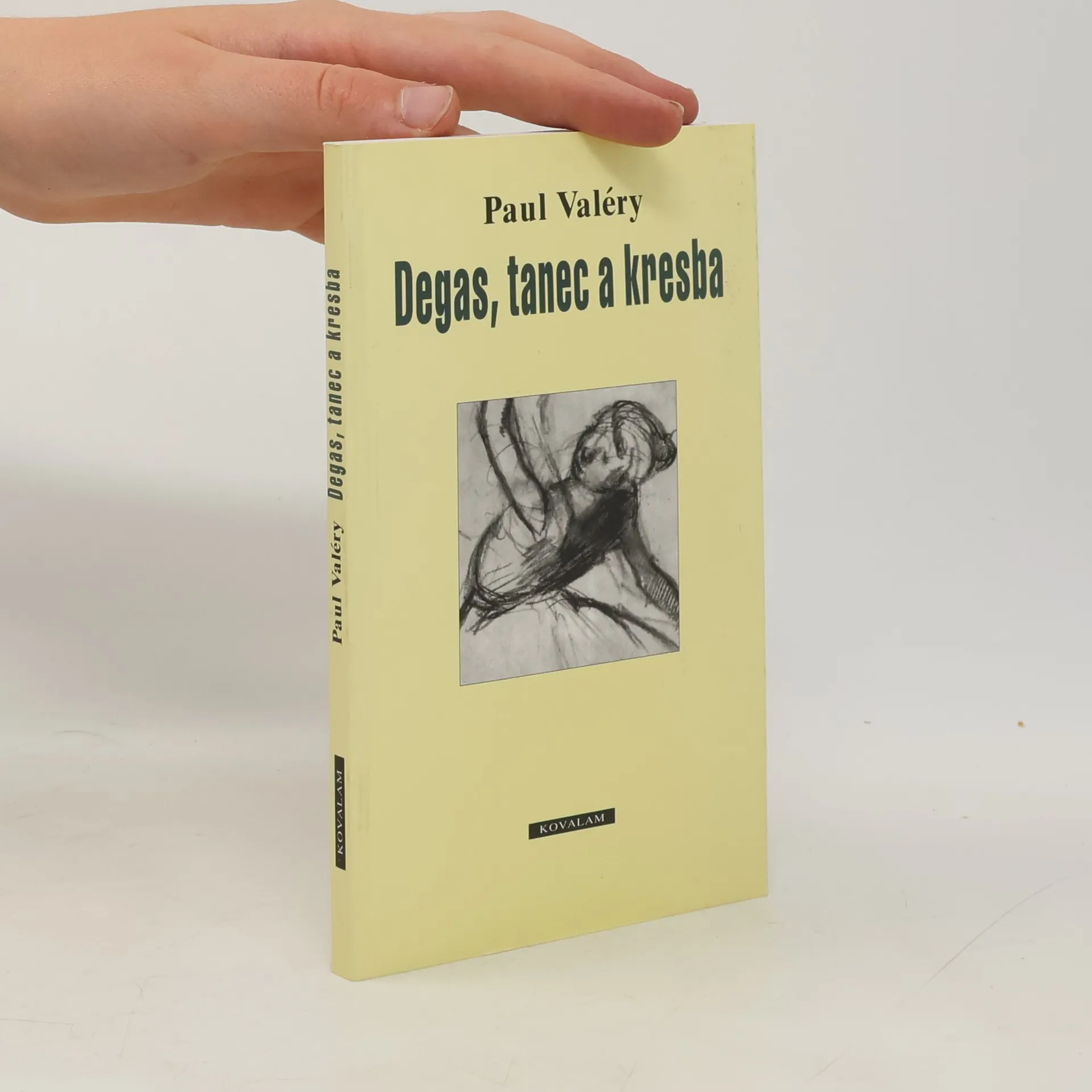
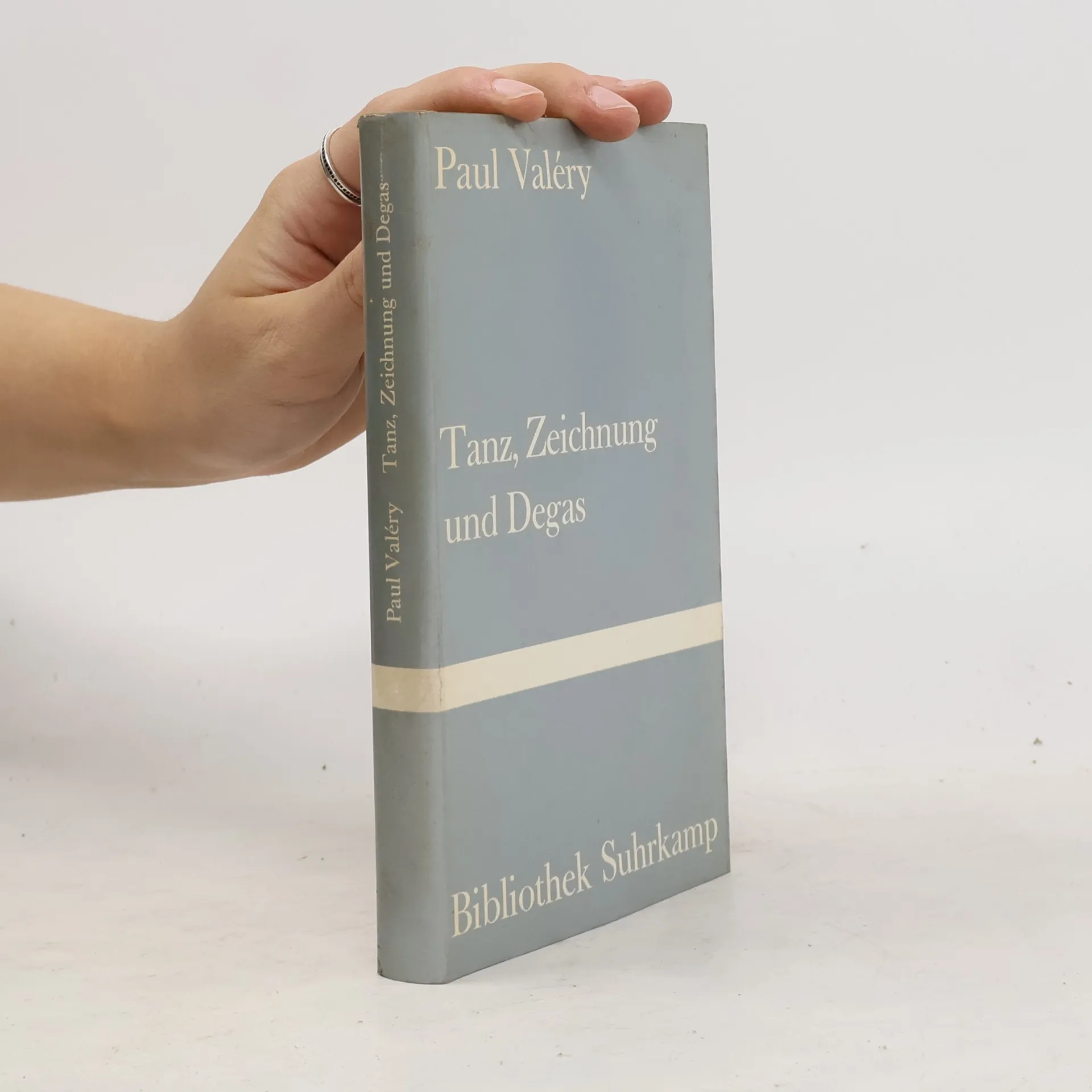
Hani yarı dalgın bir okur bir kitabın sayfa kenarlarına bir şeyler karalar, kendini koyuverip kalemine estiği gibi, okunaklı yığınların yanına küçük varlıklar ya da belli belirsiz dallar budaklar çizer ya, ben de kendimi zihnin savrulmalarına bırakarak, aynısını Edgar Degas’nın çevresinde yapacağım. 20. yüzyılın en kendine özgü, edebi ve felsefi figürlerinden biri olan Paul Valéry’den Degas üstüne denemenin sınırlarını fazlasıyla zorlayan bir metin. Yaşamöyküsü, hatırat, monografi, tanıklık, hepsi ve daha fazlası. Bu bağlamda “Degas Dans Desen” çetrefilli ve ucu açık bir kitap.
Pubblicato in Francia nel 1884, "A ritroso" ha segnato in profondità l'immaginario culturale europeo, influenzando la visione dell'arte e della vita, tra gli altri, di Oscar Wilde, Gabriele D'Annunzio e Marcel Proust. Considerato il manifesto del decadentismo, il romanzo segue le vicende del protagonista, Jean Floressas des Esseintes, impegnato a sconfiggere la Natura attraverso l'Artificio. Romanzo atipico, con un solo personaggio, privo di dialogo e delle tradizionali soluzioni narrative, "A ritroso" si dispiega in un universo di eccentricità, stravaganze, follie, inquietudini, deliri, descritto con un linguaggio prezioso, sfolgorante di inusuali metafore; una scrittura nella quale ogni singola parola, scelta con l'accuratezza e l'amore per la rarità tipici del collezionista, scintilla e luccica, in una perfetta corrispondenza tra lingua e personaggio.
Über Jahrzehnte entwickelte Valéry eine Theorie des Traums, die mit der von Freud unvereinbar ist und in anderen Theoretikern keine Vorgänger hat. Diese Theorie steht im Zusammenhang mit der wiederkehrenden Frage in allen Cahiers: Was bedeutet es, bewusst zu sein? Der Traum ist, bevor er ein Bericht über Ereignisse ist, zu dem die Psychoanalyse tendiert, ein Regime des Bewusstseins, der Ort, an dem besondere Regeln des Geistes gelten. Aber was sind diese Regeln? Valérys Untersuchung, insbesondere in den Abschnitten Traum und Bewusstsein, die in diesem Band enthalten sind, nähert sich dem „Zentrum des Rings“ (wie er eine andere wesentliche Figur bezeichnete, die hier behandelt wird: das „reine Ich“).
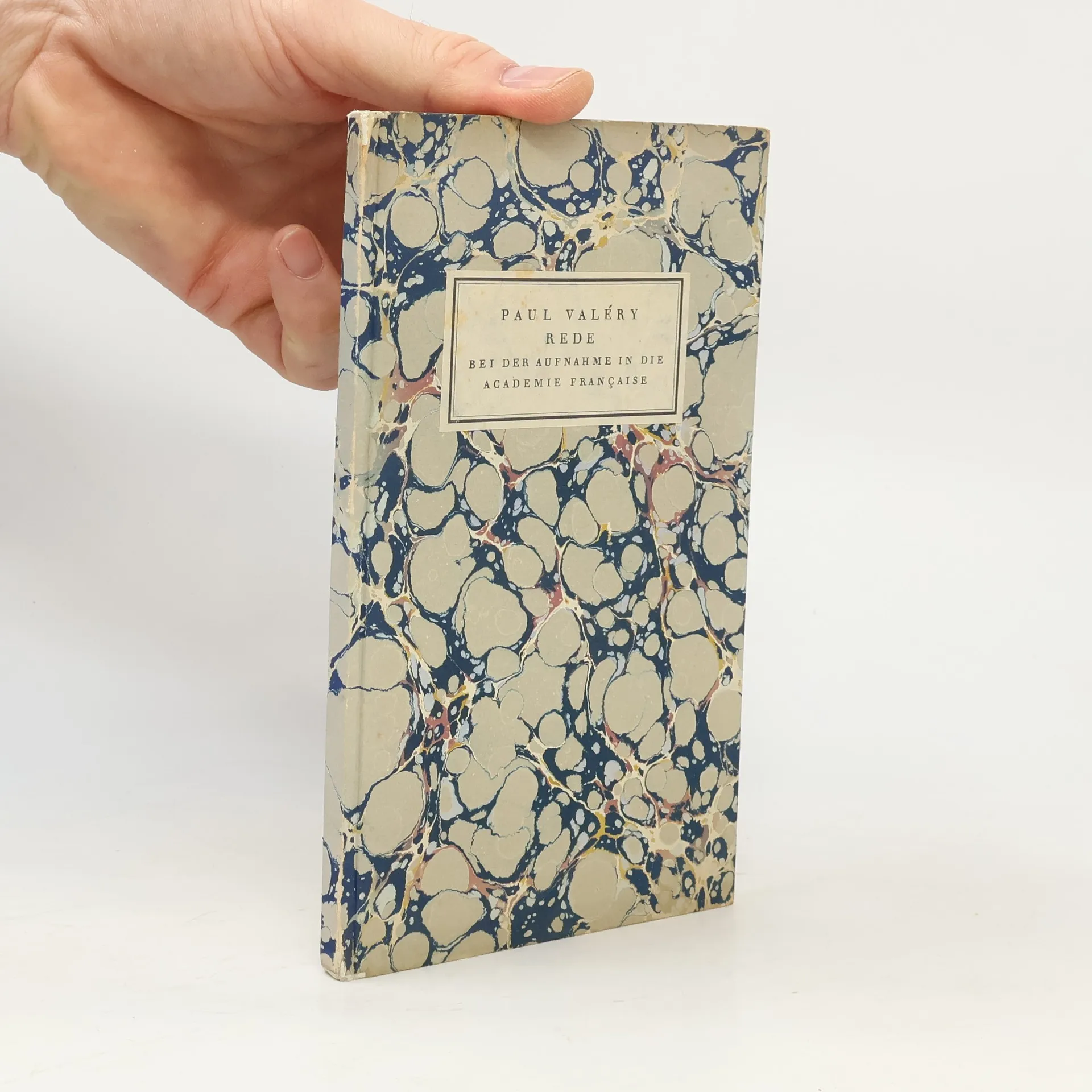
Hardcover ohne Schutzumschlag in gutem Zustand; der Text ist in deutscher Sprache. Die Einbände sind etwas abgenutzt und gealtert, mit leicht vergilbtem Seitenblock. Die Bindung ist an ein oder zwei Stellen etwas schwach - der kosmetische Effekt ist minimal; die Seiten bleiben sauber und intakt, und der gesamte Text ist klar.
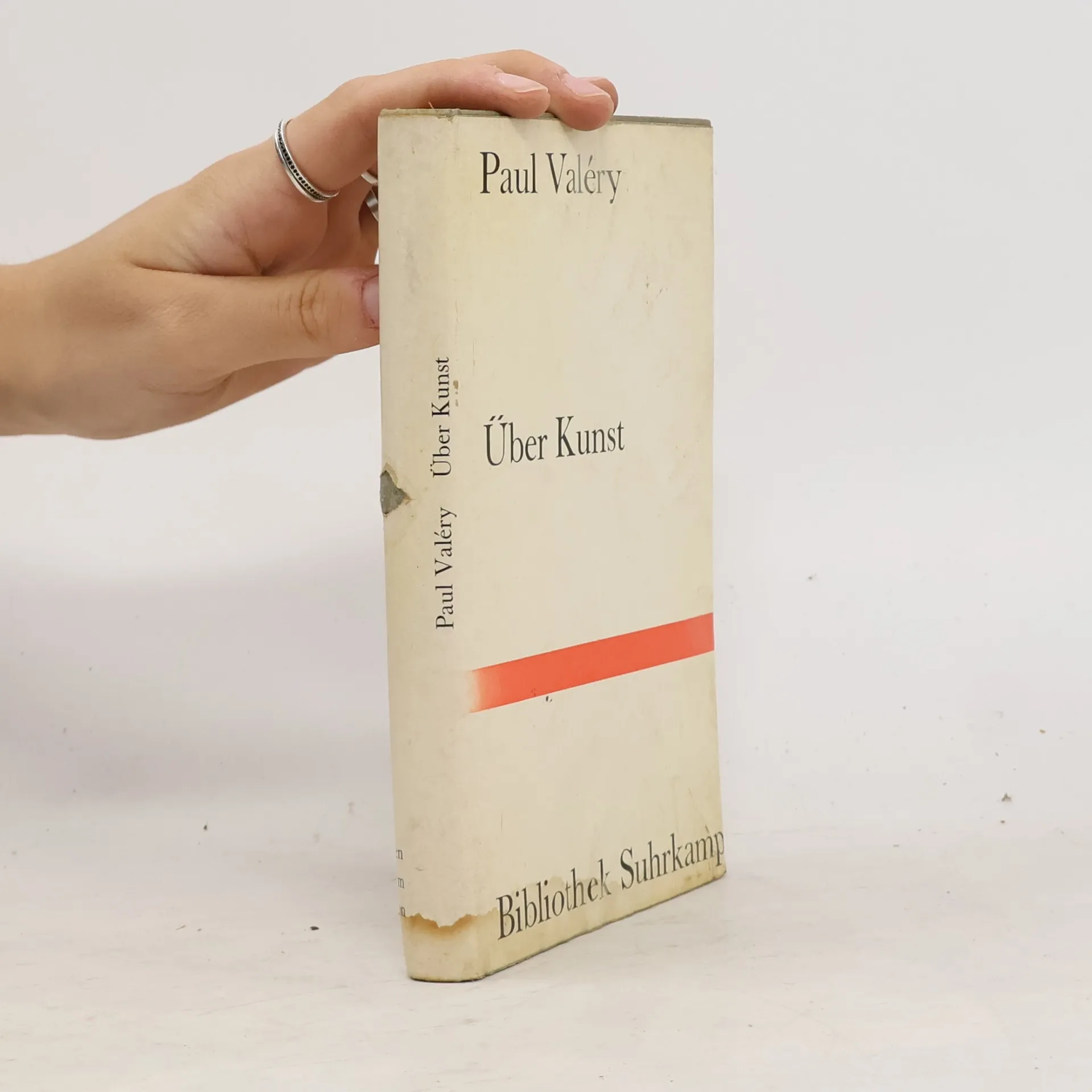
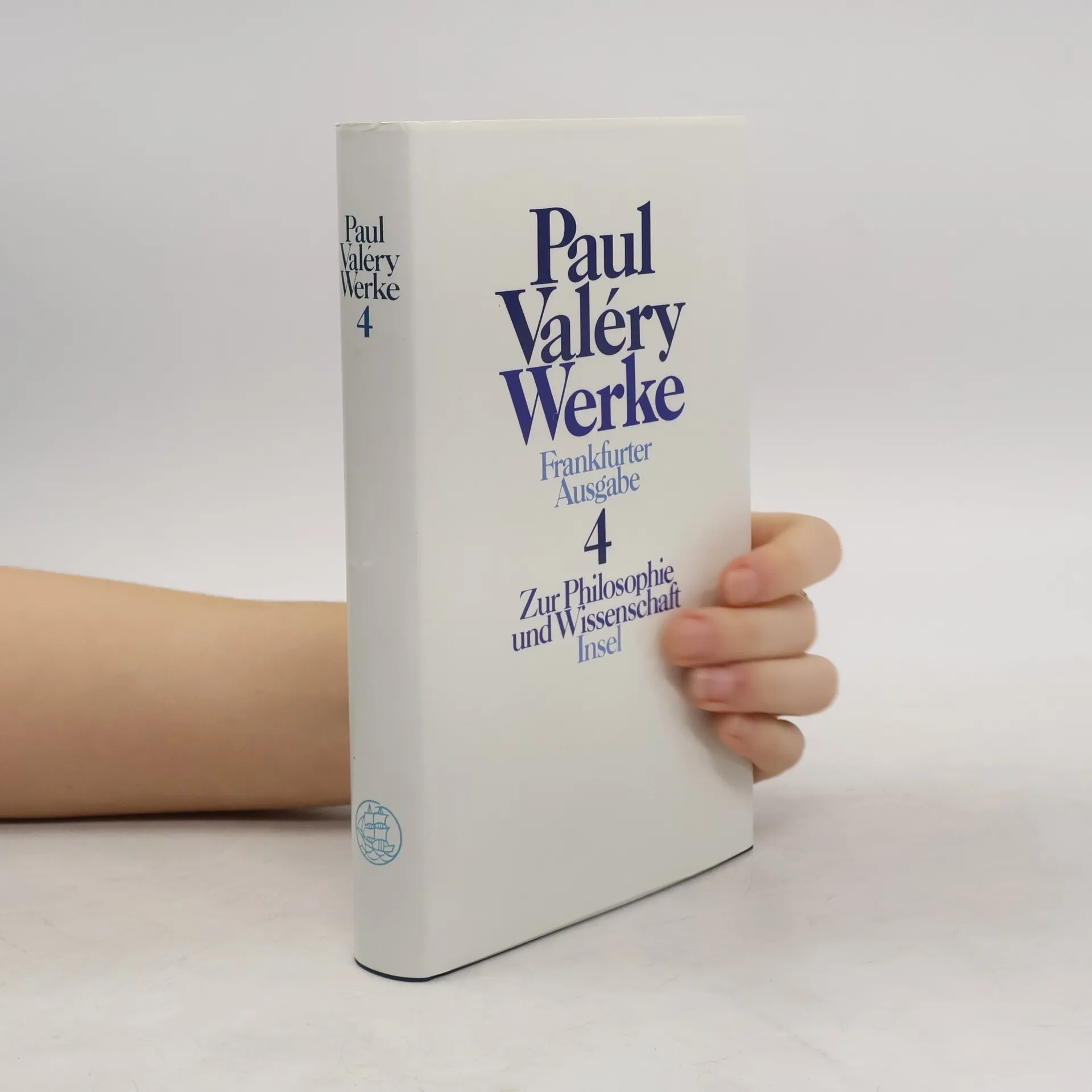
Band 6 der Gesamtausgabe legt Valérys Schriften und Vorträge zur Ästhetik und Philosophie der Künste vor. Zu Beginn stehen die drei einflussreichen Essays zu Leonardo da Vinci, in denen Kunst und Wissenschaft, Erfindung und Erkenntnis ineinandergreifen, und die den interdisziplinären Geist Valérys vergegenwärtigen. Im Weiteren werden theoretische Grundfragen und Wirkungsweisen der Kunst verhandelt, von Architektur, Malerei, Musik bis hin zu Tanz. Es folgen kunstgeschichtliche Kommentare, u. a. zu Degas, Manet, Renoir und Morisot. In seinen Betrachtungen zur Kunst geht Valéry nicht zuletzt den wechselseitigen Wirkungen zwischen Werk und Künstler oder Betrachter »Alle Künste leben von Worten. Jedes Kunstwerk verlangt, daß man ihm antworte.«
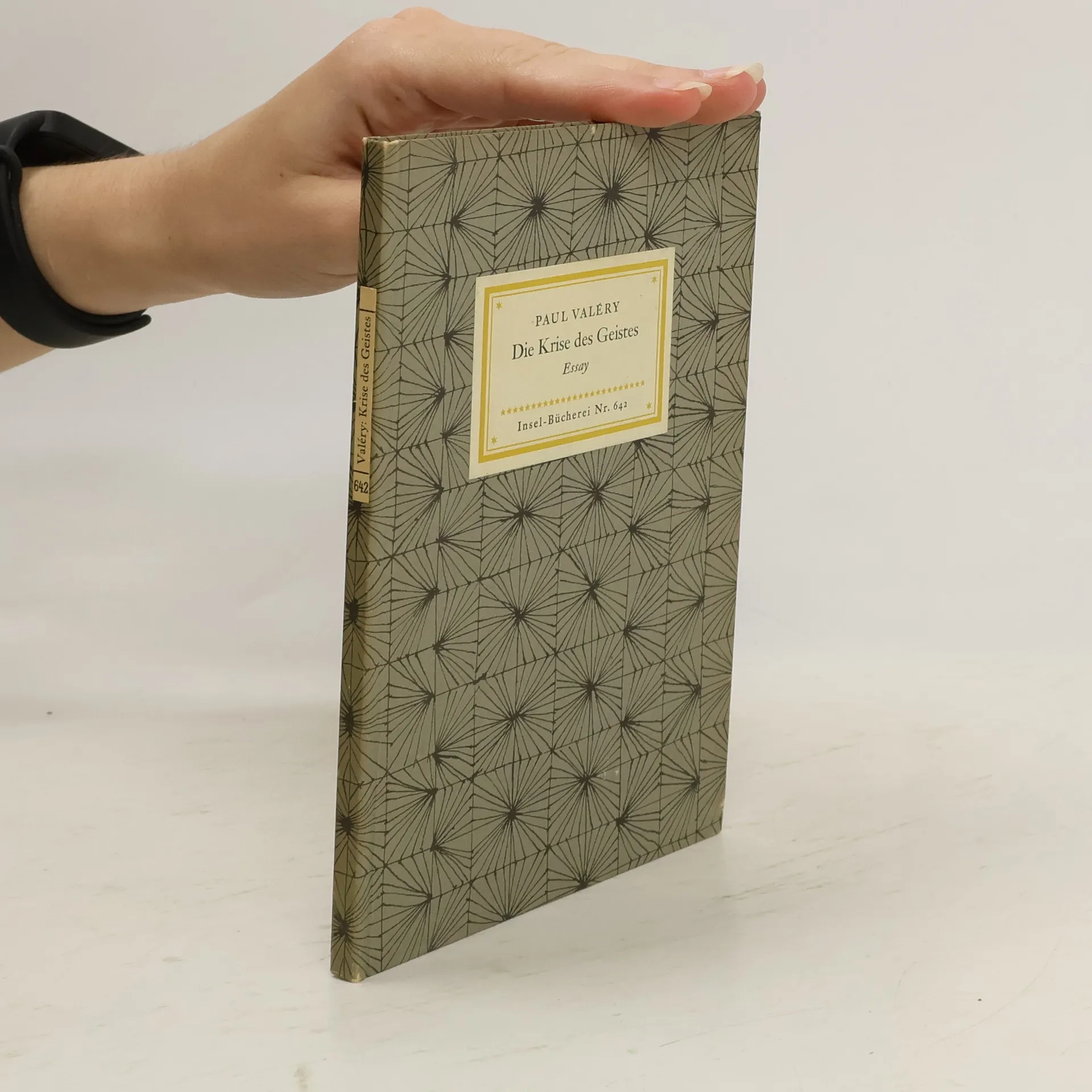
Band 7 der Gesamtausgabe ist den zeit- und kulturkritischen Beiträgen vorbehalten, die Valéry vom ausgehenden 19. bis zur Mitte des 20. Jahrhunderts verfasste. Die ersten beiden Essays, Eine methodische Eroberung (1897) sowie Krise des Geistes (1919), umklammern zeitlich wie thematisch die kriegstaumelnde In ersterem verhandelt Valéry die Anwendung wissenschaftlicher Methodik auf die wirtschaftliche und kommerzielle Expansion von Staaten, deutschen Militarismus sowie zeitgenössische Entwicklungen in Japan und Italien; der zweite bezeugt im Nachhall des ersten Weltkriegs Valérys Bedenken hinsichtlich einer zu vergehen drohenden europäischen Kultur des Geistes und der Kunst. Es folgen die Sammlung Blicke auf die gegenwärtige Welt sowie weitere Texte zu eingeführten Themen und politischen Ereignissen.
«Eupalinos oder Der Architekt» und «Die Seele und der Tanz» sind zwei der bekanntesten Dialoge von Paul Valéry. Die Architektur, die Musik und die Tanz sind die expliziten Themen, die der Dichter mit maximalem Ernst und intensiver Schönheit behandelt. Wie es für ihn üblich ist, unterbrechen die Beziehungen zwischen Kunst und Natur, zwischen Schöpfung und natürlicher Entwicklung, die Artikulation zwischen Denken und Handeln in seiner Reflexion, um ein wahres ästhetisches Bild der Welt zu gestalten.
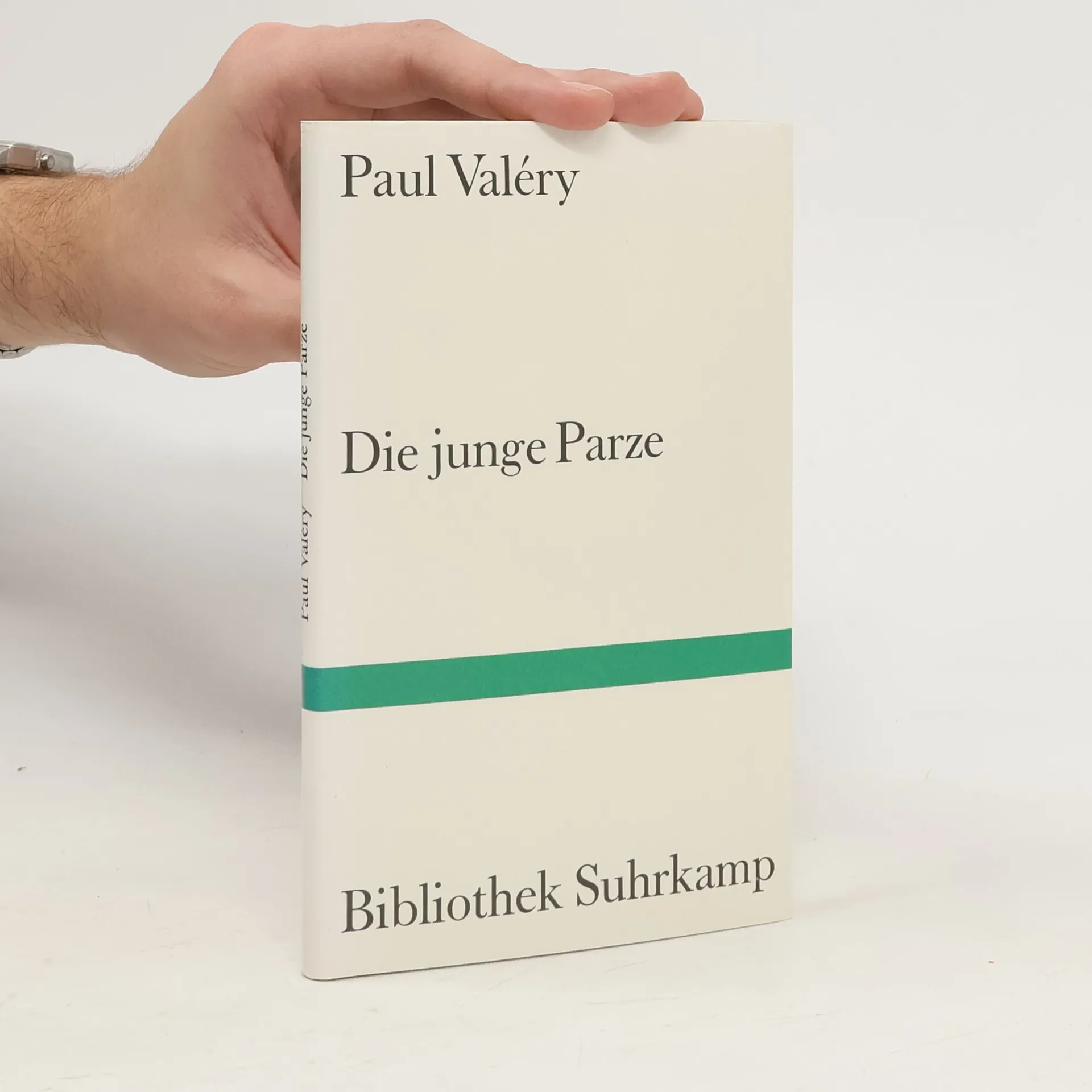
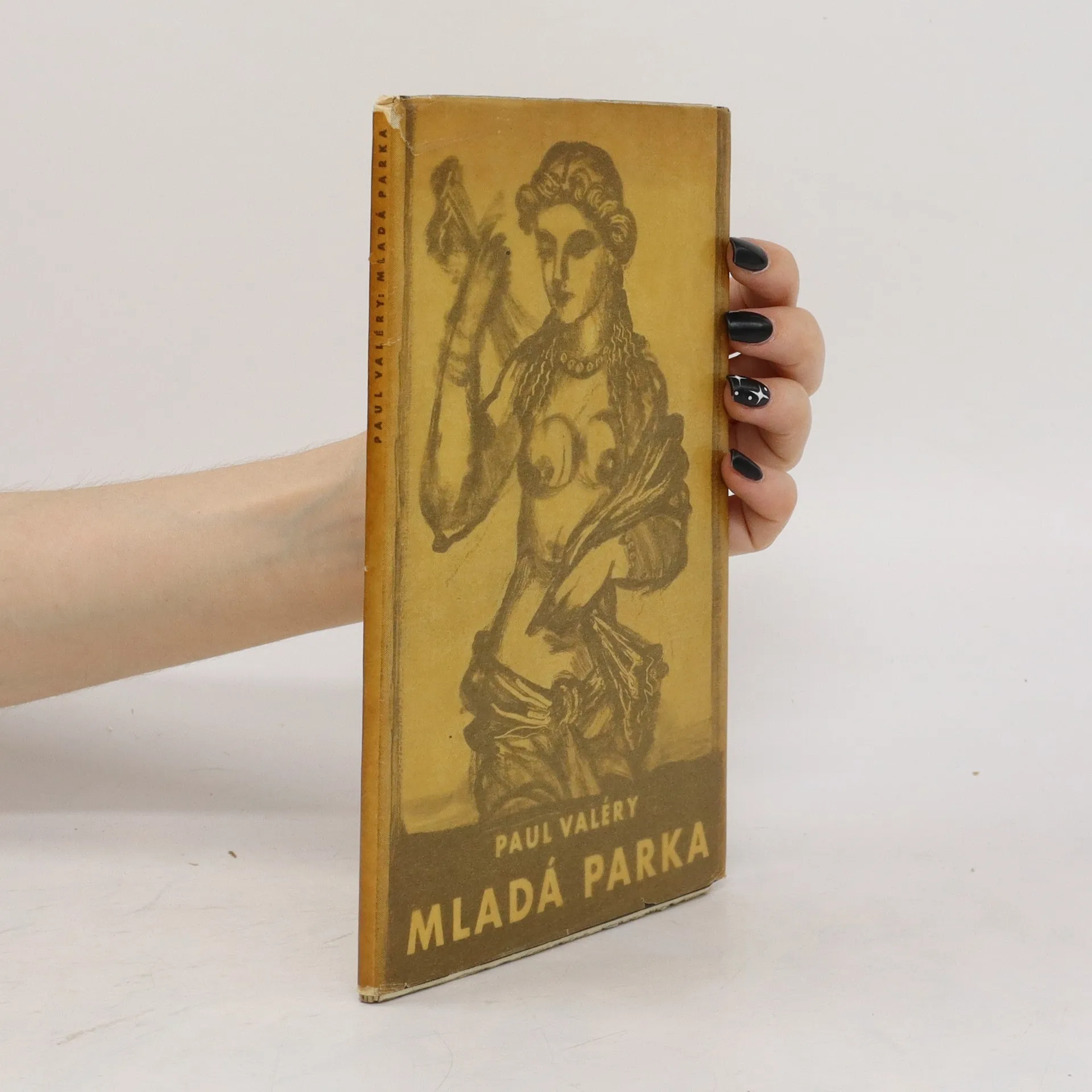
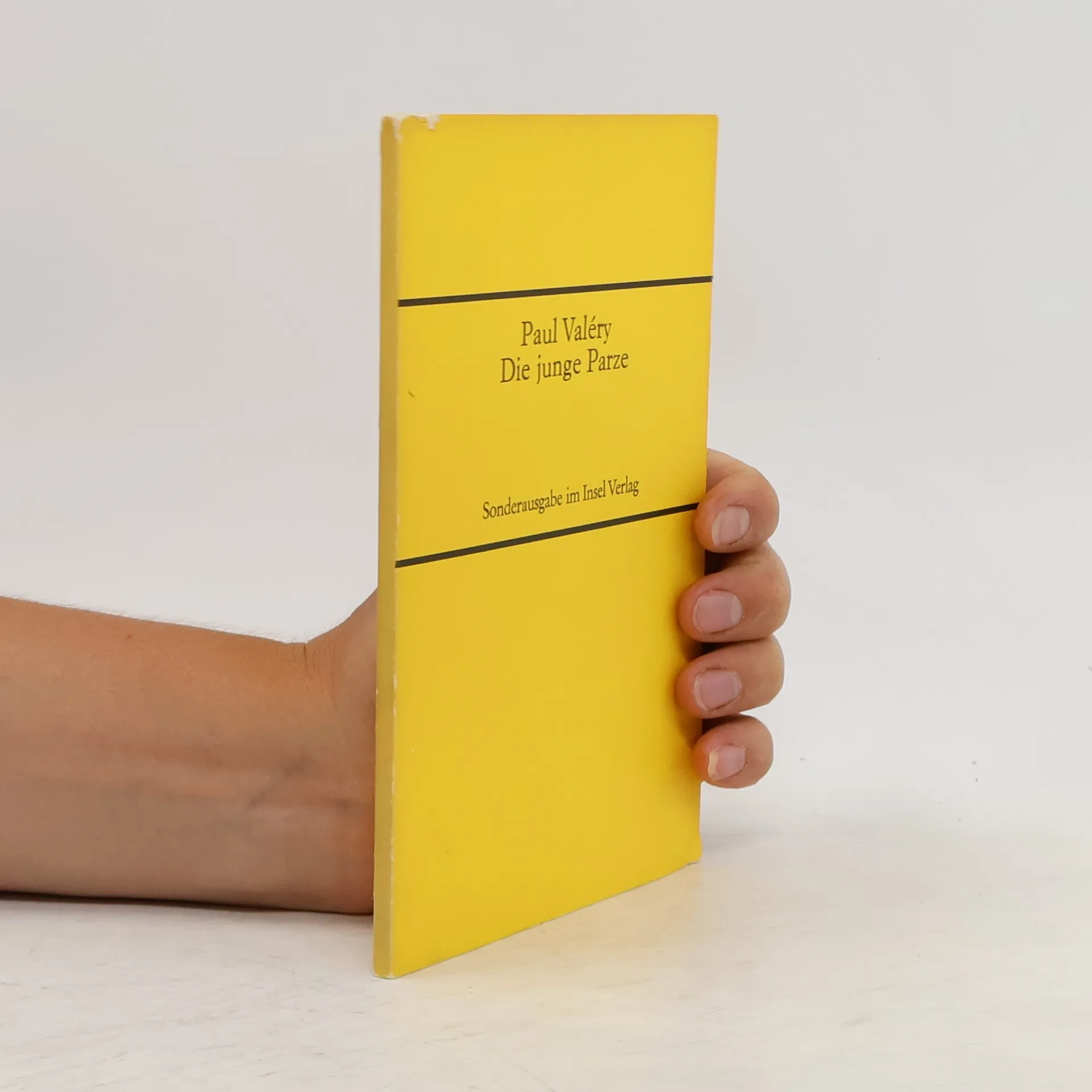
Mladá Parka je báseň psána v heroickém alexandrínu, obsahující vnitřní monolog mladé ženy sužované bojem mezi myslí a tělem. Na zvukové složce básně je znatelný vliv Mallarméa, jehož byl Valery obdivivatelem a žákem.
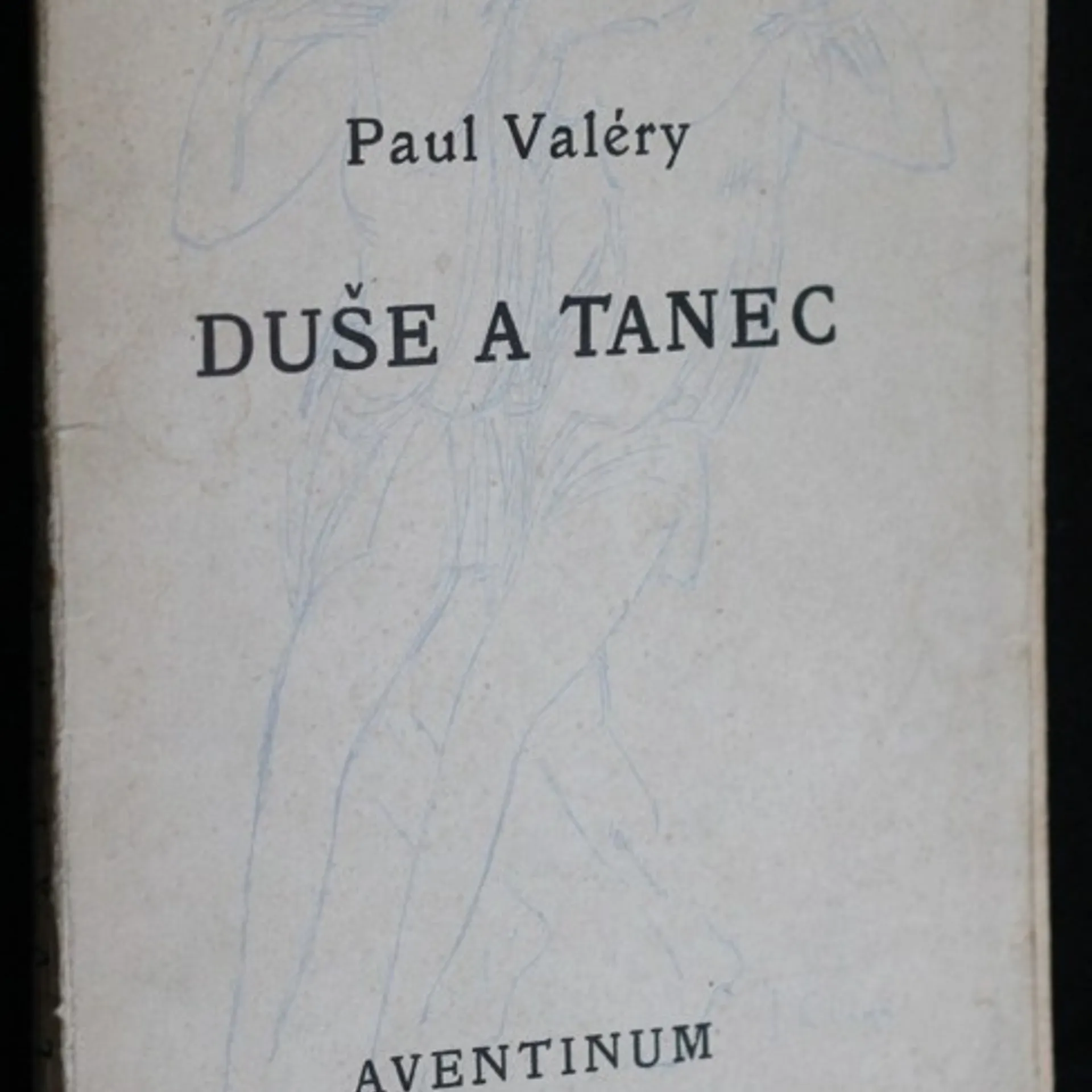
Četba „Duše a tance“ žádá soustředění a nitrné spoluúčasti čtenářovy, aby mohl sledovati v tomto „temném světle“ rozbřeskání se pravdy o nadhozených problémech s rostoucím potěšením. Této intimní spolupráce, tohoto jasnozřivého úsilí žádá si ostatně každý velký básník. „Jest nejasnost v mém díle, či ve vašem duchu?“, odpovídal Goethe těm, již mu vytýkali nesrozumitelnost. A „Duše a tanec" je velkolepou básní v próse, nejdůmyslnější a nejvybroušenější snad klenot současné francouzské literatury. (z předmluvy E. Stiblíka)
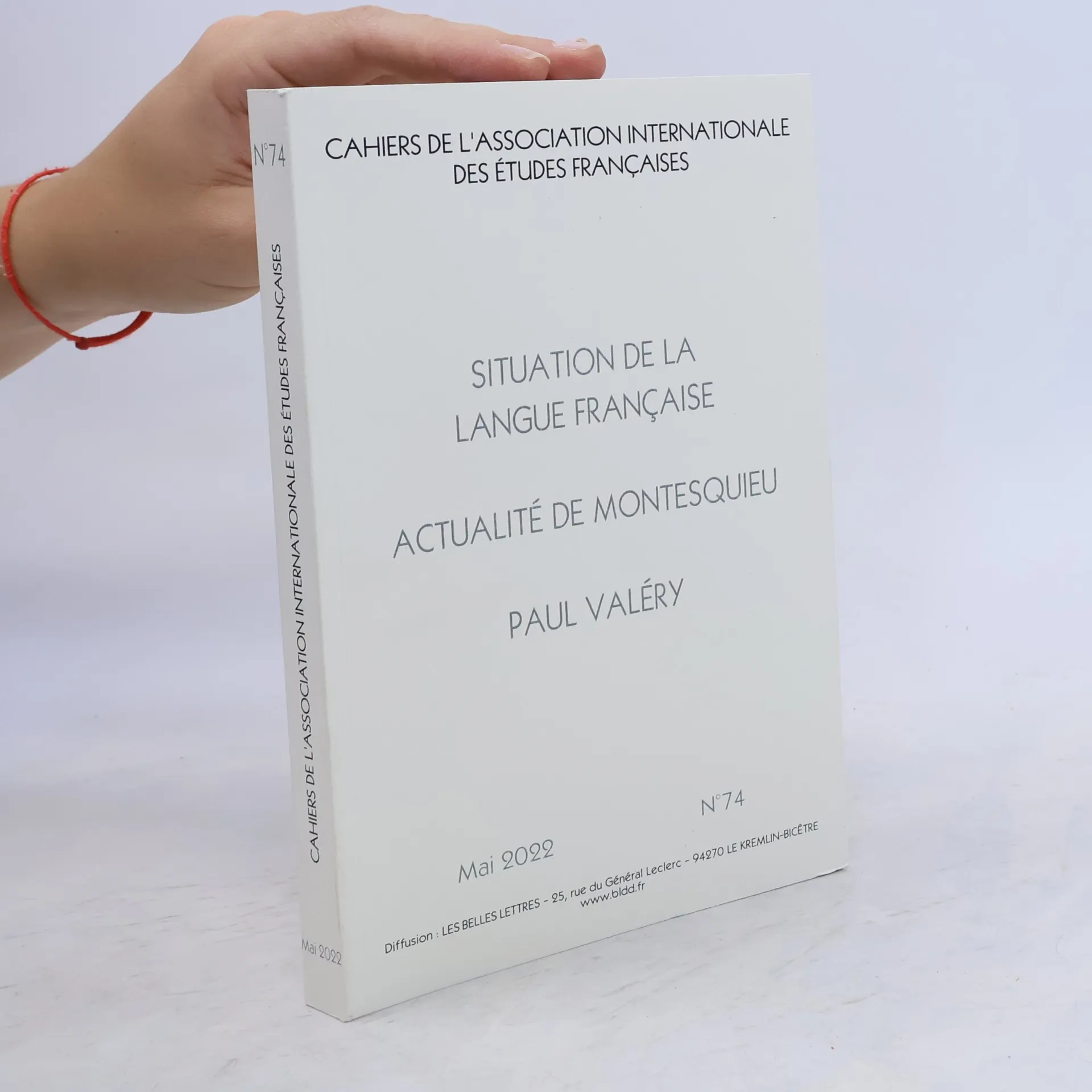
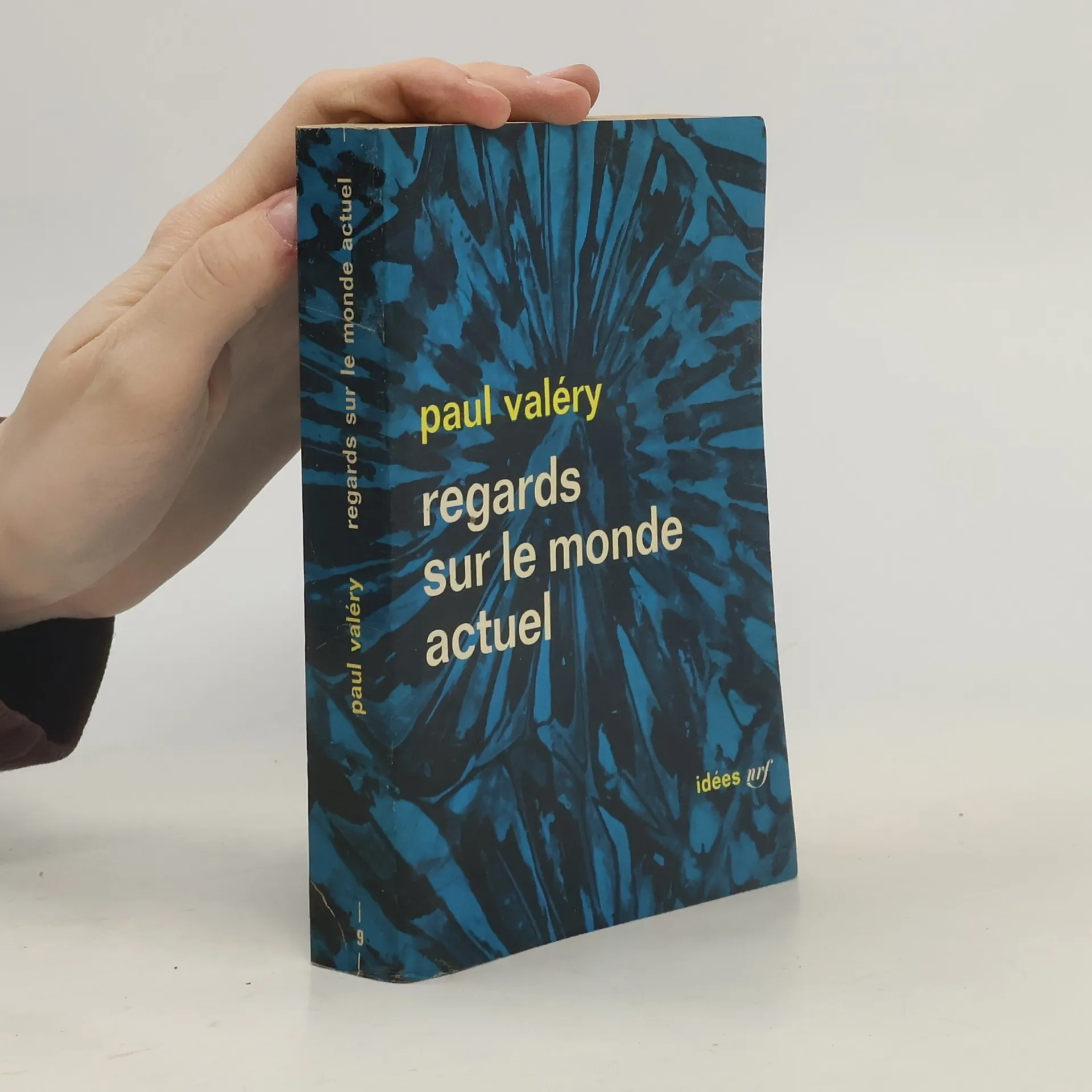
La situation de la langue française suscite un pessimisme excessif quant à son avenir. Pourtant, elle continuera de s'affirmer comme une langue majeure, à condition de poursuivre son chemin de partage et de dialogue avec d'autres langues et cultures. Ce parcours, marqué par l'identité, l'humanisme, le multilinguisme et le multiculturalisme, est essentiel pour une Europe et un monde unis. Le français est une langue d'audace, de culture et de liberté. Concernant Montesquieu, les études sur son œuvre connaissent un renouveau grâce à l'édition de ses Œuvres complètes et à la création de sites d'information en libre accès. Ces ressources permettent des lectures approfondies et renforcent l'histoire de la presse, tout en enrichissant les recherches sur la diffusion des idées qui ont façonné la pensée moderne. Le château de La Brède, quant à lui, se modernise pour accueillir les visiteurs. À l'occasion du cent-cinquantième anniversaire de Paul Valéry, il est pertinent de se demander ce qu'il reste de son œuvre. Les recherches récentes ont exploré des voies inattendues mais enrichissantes. Bien que l'on attende toujours un tournant décisif dans l'analyse des Cahiers, les études actuelles mettent en lumière les diverses facettes de Valéry, qui a expérimenté de multiples formes d'écriture, allant de la prose narrative aux essais sur l'art, la politique et la théorie littéraire. Les contributions rassemblées ici reflètent les récents d
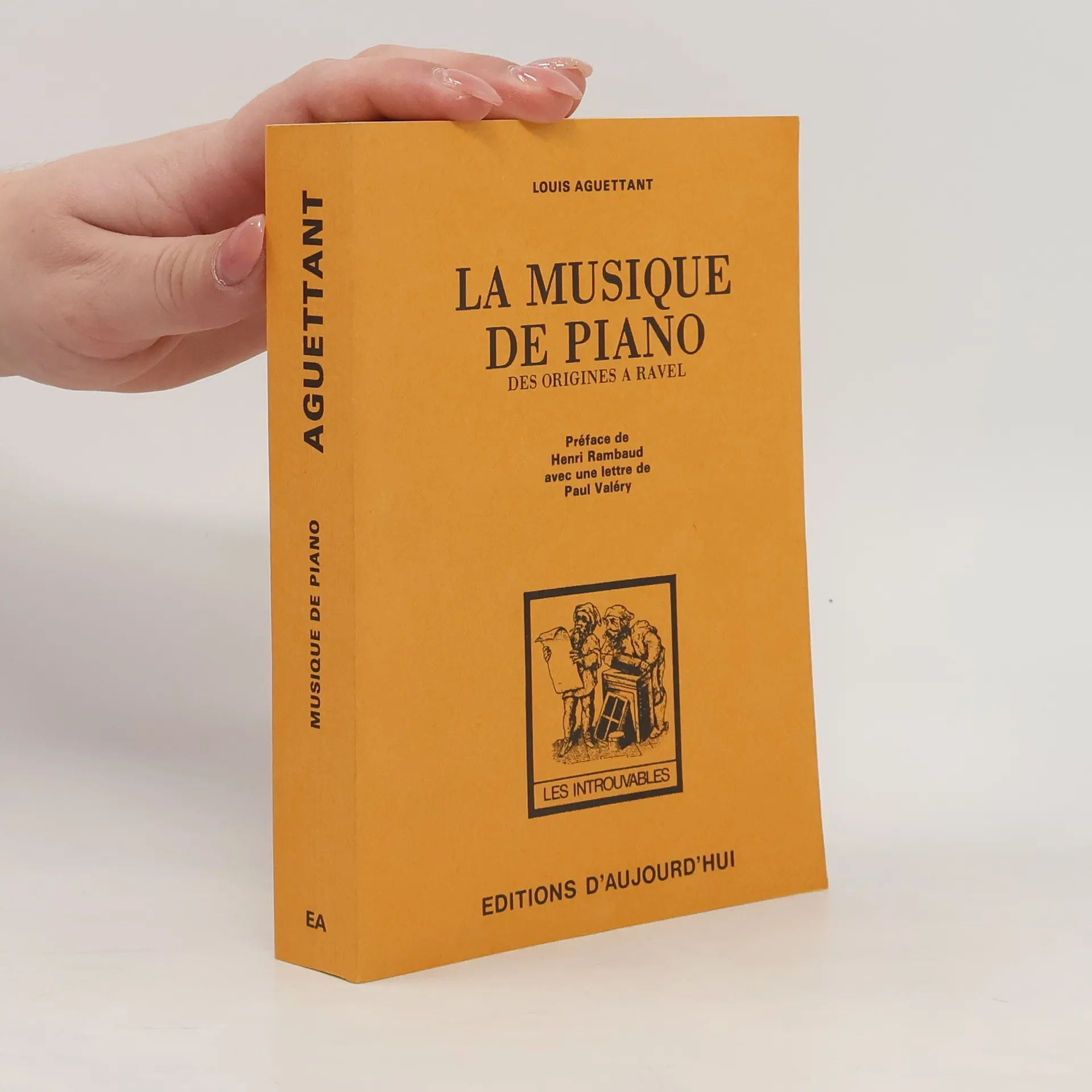
Préface de Henri Rambaud avec une lettre de Paul Valéry
Baukunst, Landschaft und Volksleben
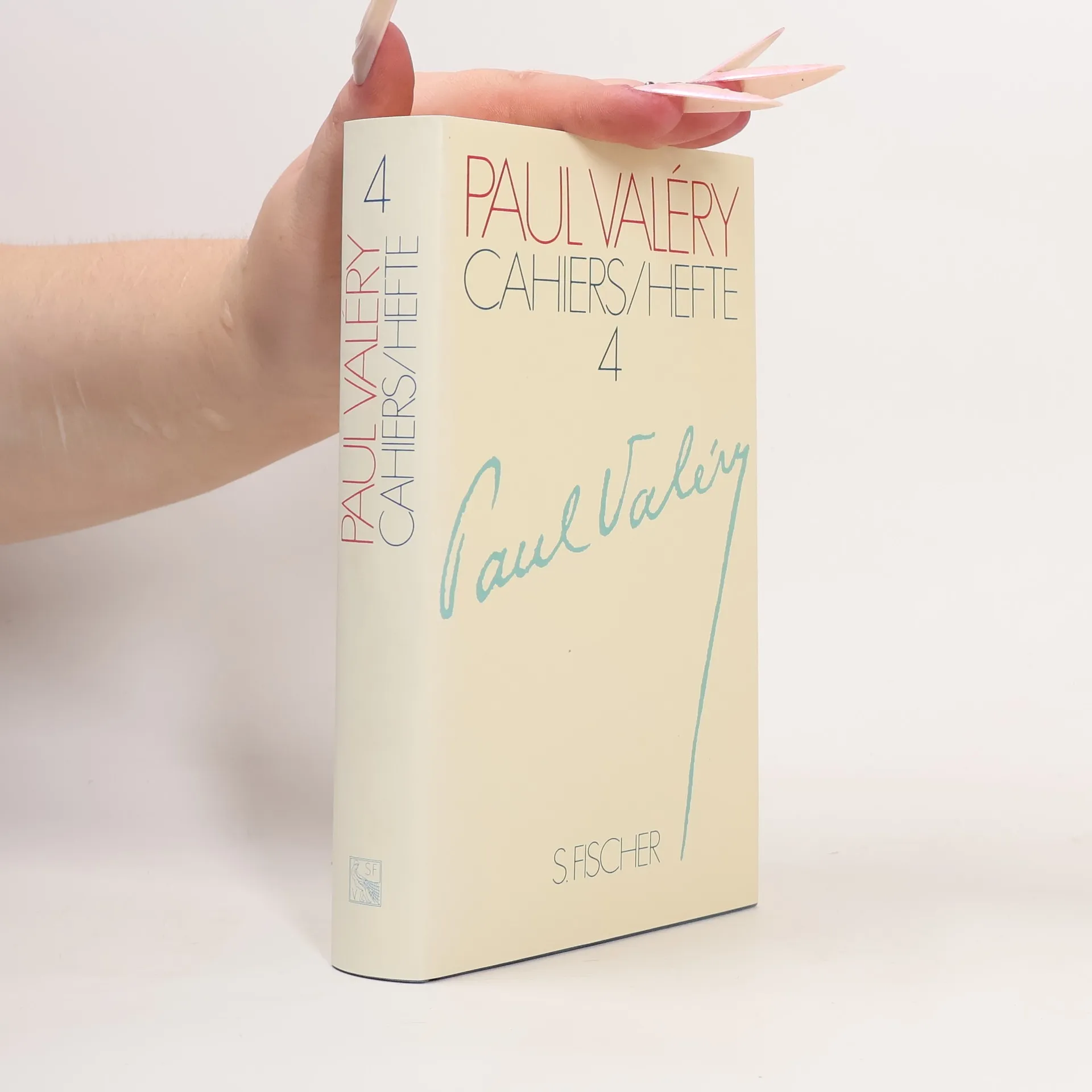
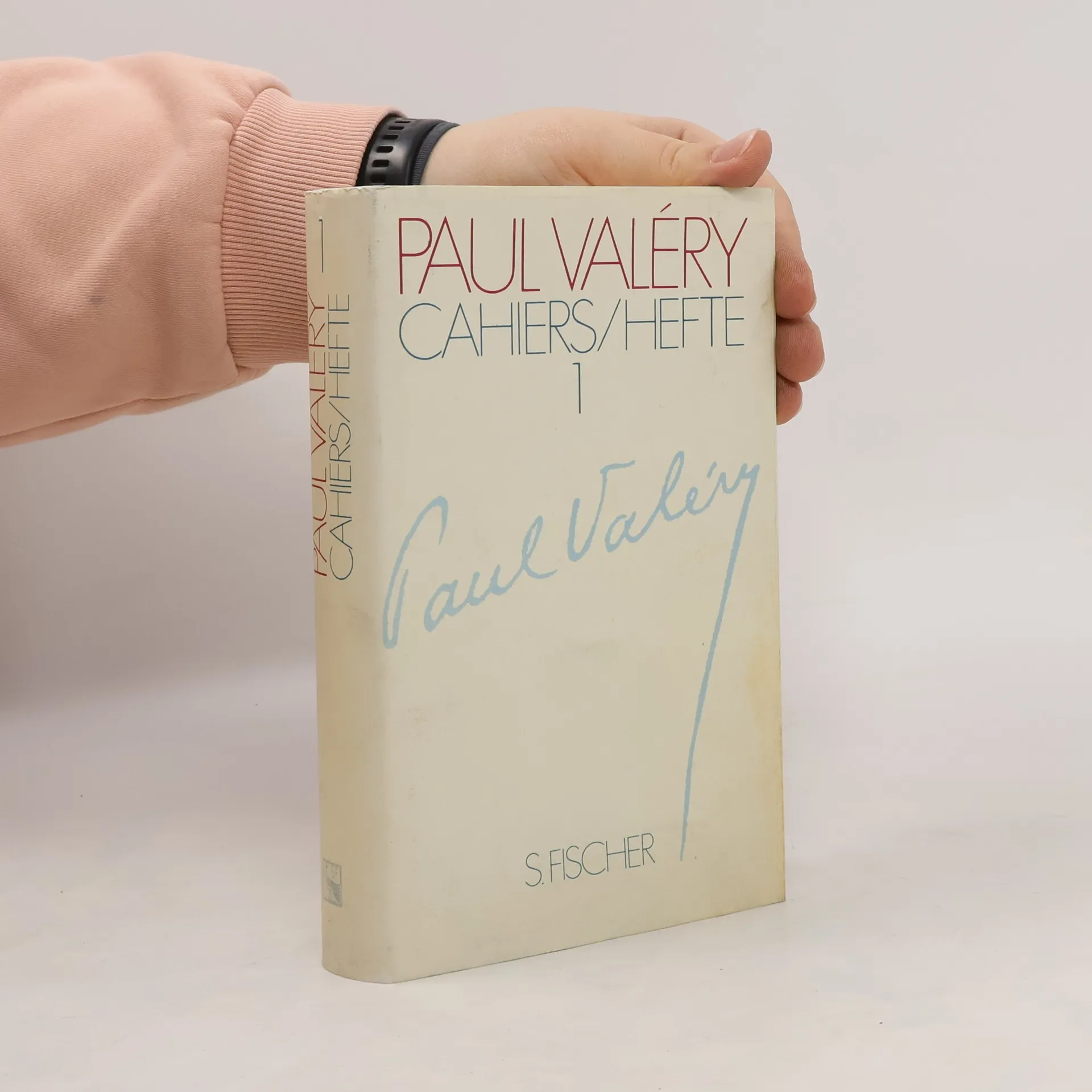
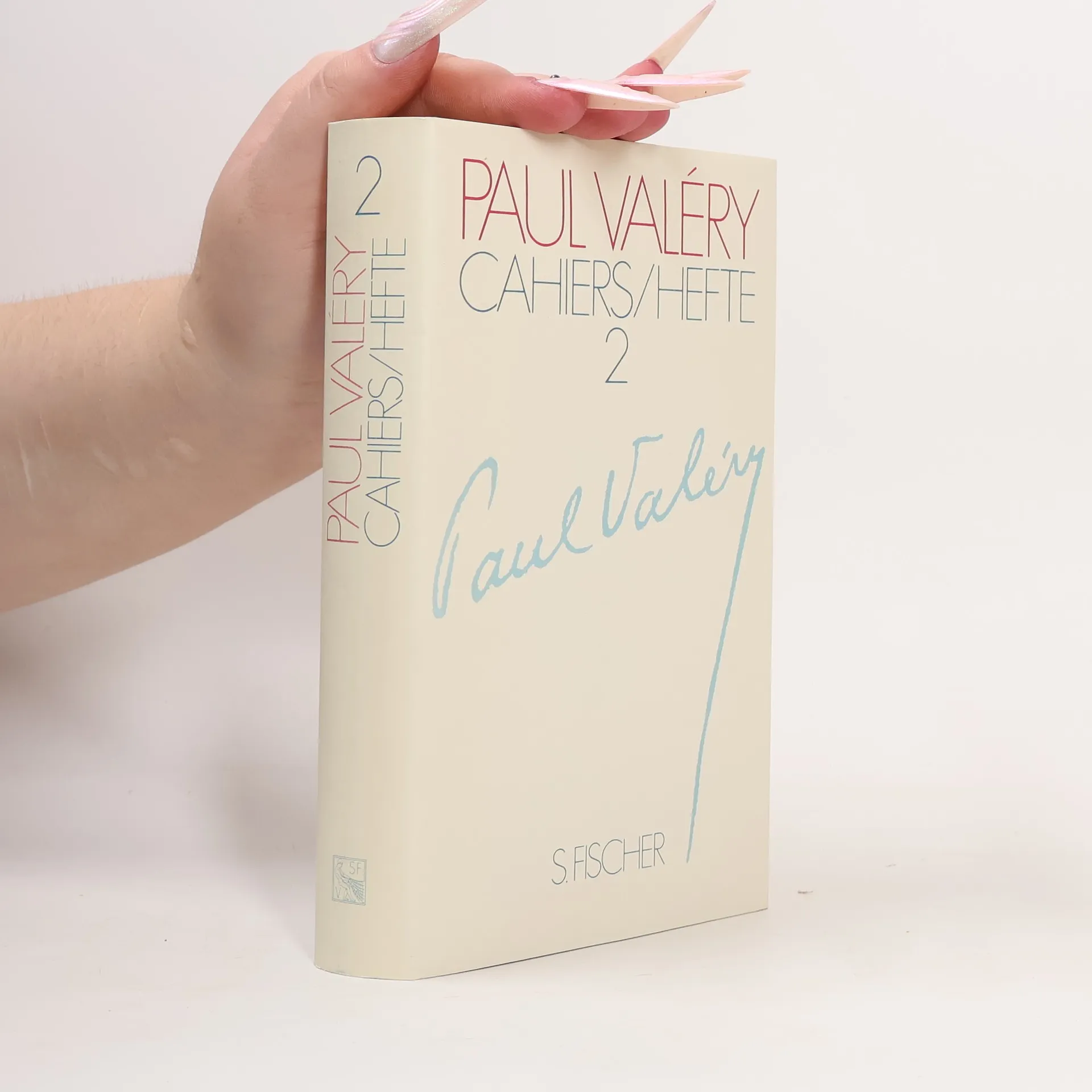
Die Cahiers/Hefte von Paul Valéry sind eine einzigartige Form des Schreibens. Sie zeigen Valéry als einen der radikalsten und kreativsten Köpfe des zwanzigsten Jahrhunderts, der ein breites Spektrum an Untersuchungen in allen Bereichen menschlicher Aktivitäten umfasst. Sein Werk erforscht die Künste, die Wissenschaften, die Philosophie, die Geschichte und die Politik und untersucht sprachliche, psychologische und soziale Fragen, die alle mit den zentralen, unermüdlich gestellten Fragen verbunden sind: 'Was ist der menschliche Geist und wie funktioniert er?', 'Was ist das Potenzial des Denkens und was sind seine Grenzen?' Hier begegnen wir auch Valéry, dem Schriftsteller: Erkundende, fragmentarische Texte untergraben die Grenzen zwischen Analyse und Kreativität, zwischen Theorie und Praxis. Weder Journal noch Tagebuch, den traditionellen Schreibgenres entgehend, bieten die Hefte lyrische Passagen, Schreiben von extremer Schönheit, Prosagedichte von außergewöhnlicher Beschreibungsstärke neben theoretischen Überlegungen zur Poetik, ironischen Aphorismen und der abstraktesten Art von Analyse. Die Anliegen und Einsichten, die Valérys innere Reisen über mehr als 50 Jahre beschäftigt haben, sind für den zeitgenössischen Leser nach wie vor von großer Relevanz: Denn das Selbst, das sein Hauptthema ist, ist zugleich einzigartig und universell.
Die Cahiers/Hefte von Paul Valéry sind eine einzigartige Schreibform. Sie zeigen Valéry als einen der radikalsten und kreativsten Köpfe des zwanzigsten Jahrhunderts und umfassen eine breite Untersuchung aller Bereiche menschlichen Handelns. Sein Werk erforscht die Künste, die Wissenschaften, die Philosophie, die Geschichte und die Politik und untersucht sprachliche, psychologische und soziale Fragen, die alle mit den zentralen Fragen verbunden sind, die unermüdlich gestellt werden: Was ist der menschliche Geist und wie funktioniert er? Was ist das Potenzial des Denkens und was sind seine Grenzen? Hier begegnen wir auch Valéry, dem Schriftsteller: Erkundende, fragmentarische Texte untergraben die Grenzen zwischen Analyse und Kreativität, zwischen Theorie und Praxis. Weder Journal noch Tagebuch, entziehen sich die Hefte den traditionellen Schreibgenres und bieten lyrische Passagen, Schreiben von extremer Schönheit, Prosagedichte von außergewöhnlicher beschreibender Kraft neben theoretischen Überlegungen zur Poetik, ironischen Aphorismen und der abstraktesten Art von Analyse. Die Anliegen und Einsichten, die Valérys innere Reisen über mehr als 50 Jahre beschäftigt haben, sind für den zeitgenössischen Leser nach wie vor von großer Relevanz: Denn das Selbst, das sein Hauptthema ist, ist zugleich singular und universell.


![La crainte des morts. [Série 1.]](https://rezised-images.knhbt.cz/1920x1920/40030556.webp)