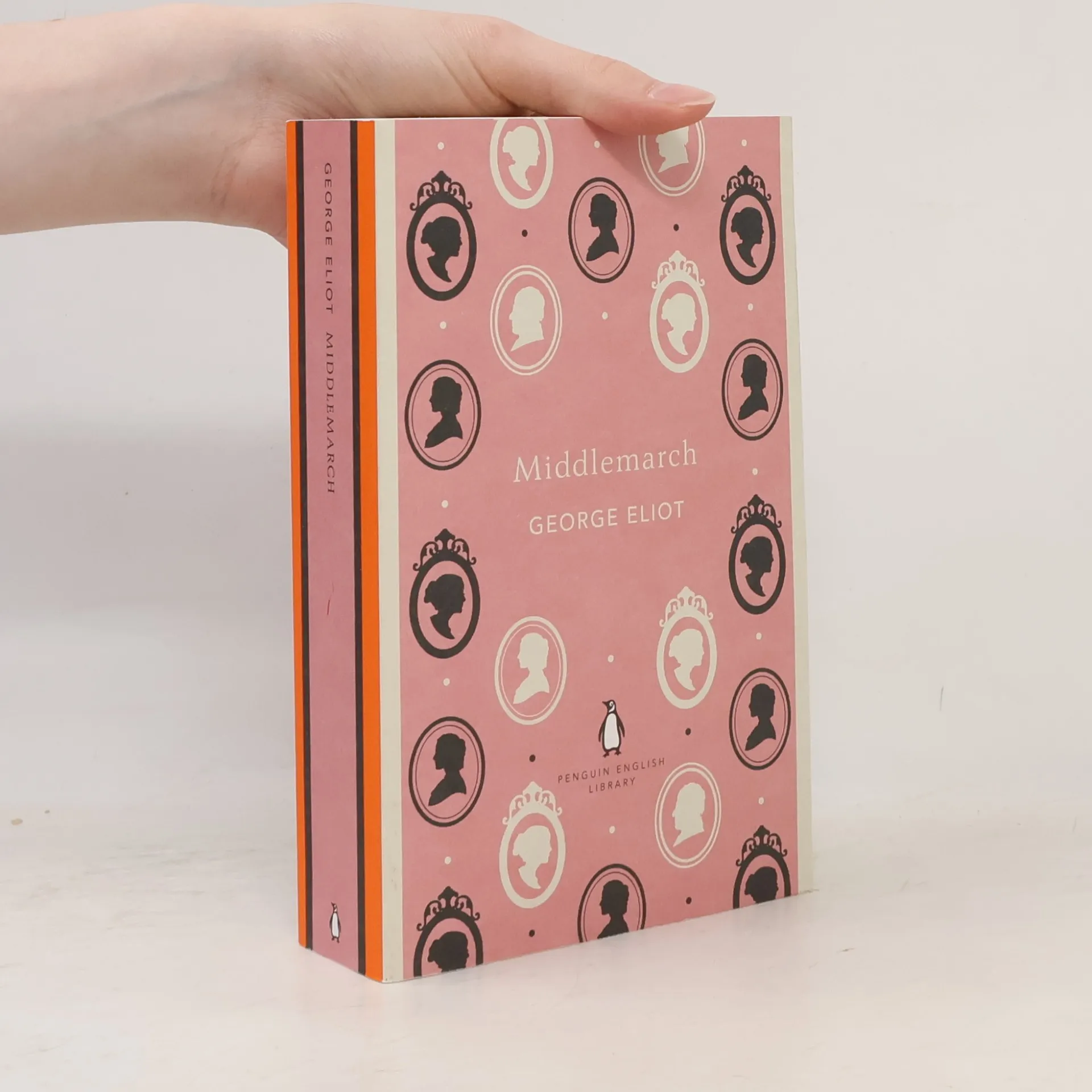
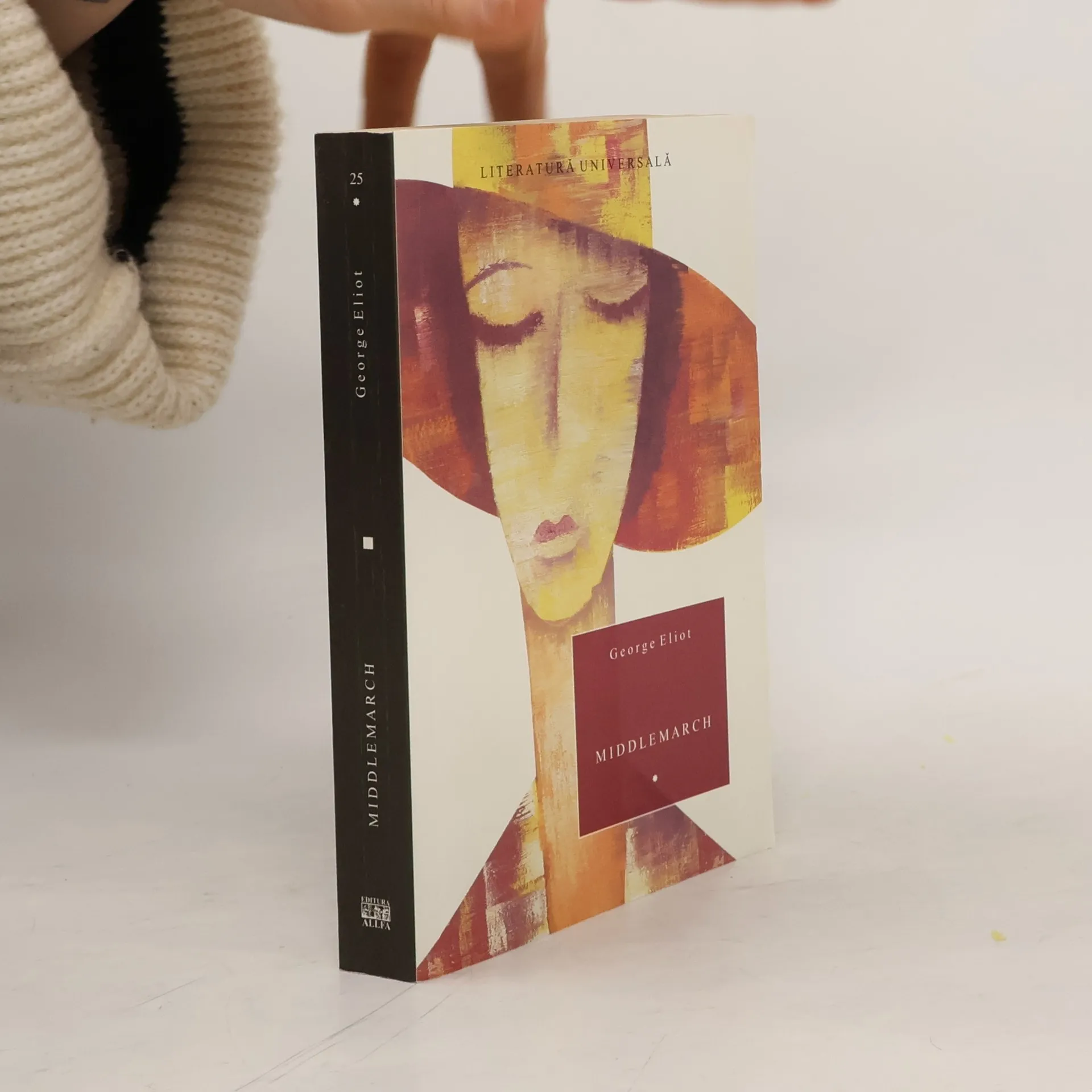
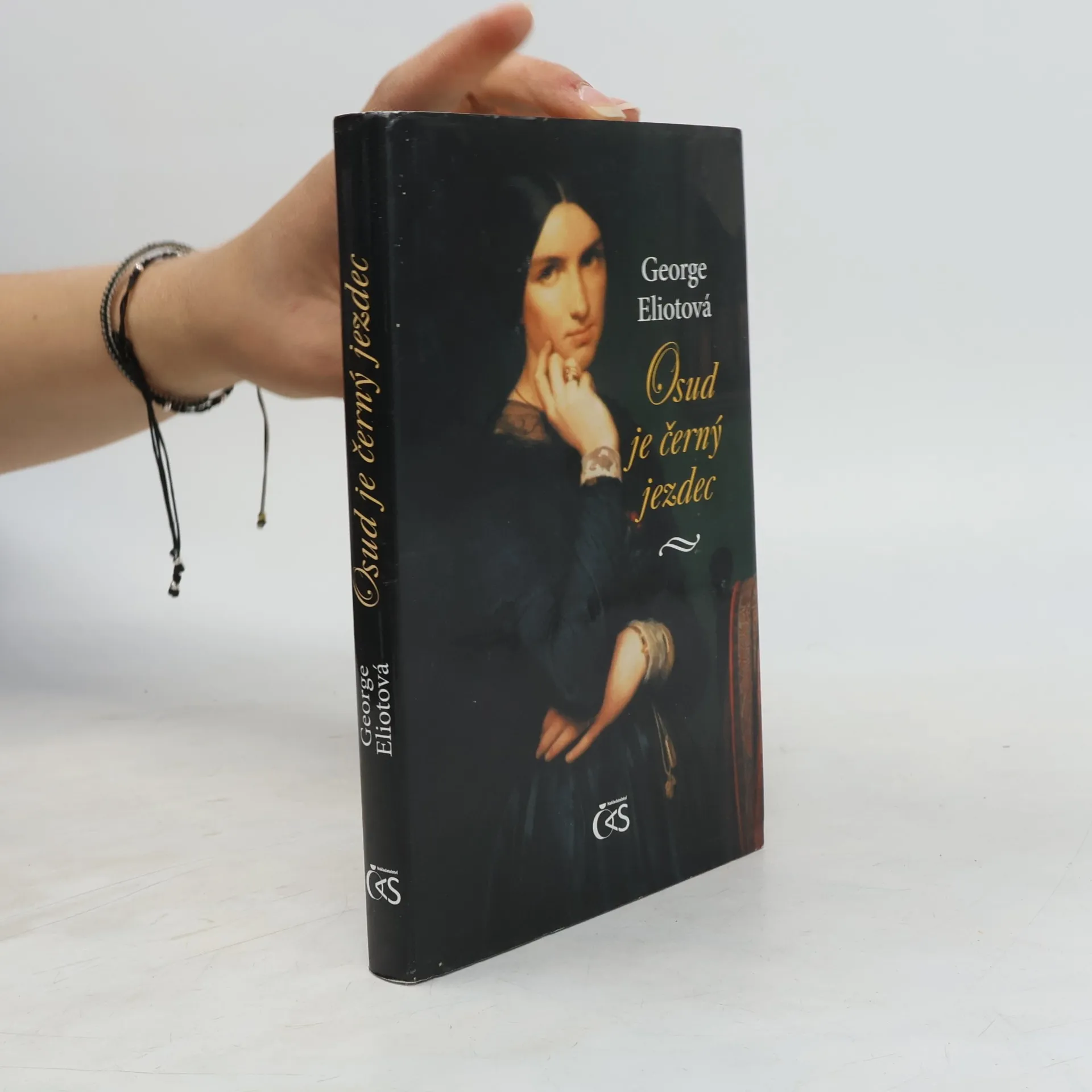
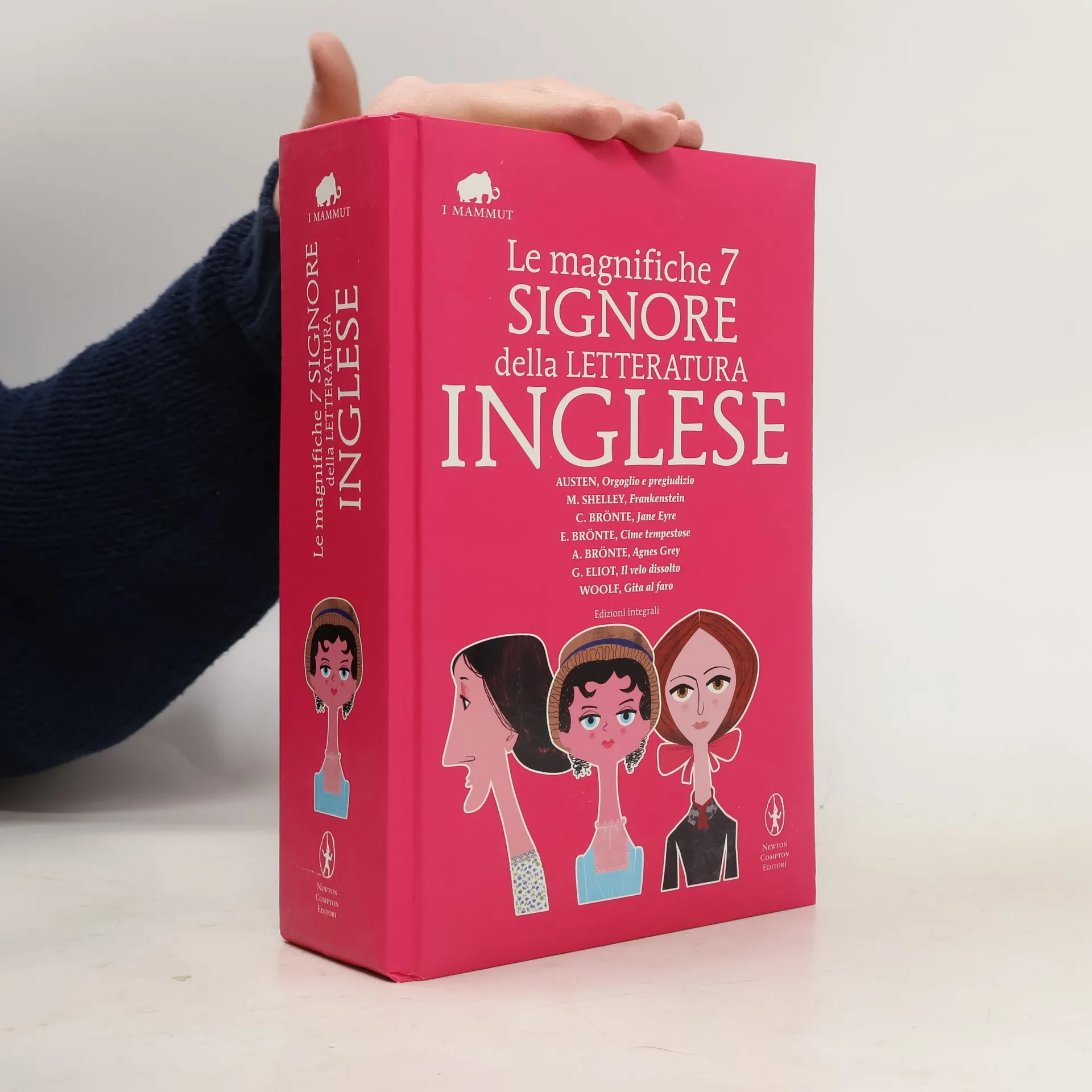
Sette magnifiche signore, sette romanzi al femminile che tracciano oltre un secolo di storia della letteratura inglese. Si inizia con le vicende della famiglia Bennet e delle loro cinque figlie, raccontate da Jane Austen in un'analisi ironica e intelligente della borghesia inglese. Si prosegue con il celebre Frankenstein di Mary Shelley, un'eccellente prova di narrativa gotica in cui il “mostro” incarna le nostre paure più profonde. I capolavori delle sorelle Brontë - Charlotte, Emily e Anne - con Jane Eyre, Cime tempestose e Agnes Grey, esplorano le dinamiche della rigida classe nobiliare vittoriana e le storie di eroi ed eroine in cerca dell'amore. Mary Anne Evans, nota come George Eliot, si ribella al romanticismo con Il velo dissolto, un breve romanzo che illumina le parti più oscure e irrazionali dell'esperienza umana. Infine, Virginia Woolf, con Gita al faro, rappresenta un esempio di letteratura del XX secolo, dove le grandi passioni cedono il passo all'intimismo e al flusso di coscienza. Queste opere offrono uno sguardo profondo e variegato sulla condizione femminile e le sfide esistenziali nel corso della storia.
George Eliot Libri
George Eliot, pseudonimo di Mary Ann Evans, si afferma come una figura di spicco della letteratura vittoriana, rinomata per la sua profonda visione umanista e le sue avvincenti eroine. I suoi romanzi scavano nelle complessità della psicologia e della morale umana, offrendo acute osservazioni sulle norme sociali e sui conflitti interiori. La scrittura di Eliot è celebrata per la sua profondità intellettuale e l'intricata rappresentazione delle motivazioni dei personaggi, creando narrazioni realistiche e di grande impatto. Ha esplorato magistralmente la condizione umana, consolidando la sua eredità come una delle romanzieri più significative dell'epoca.
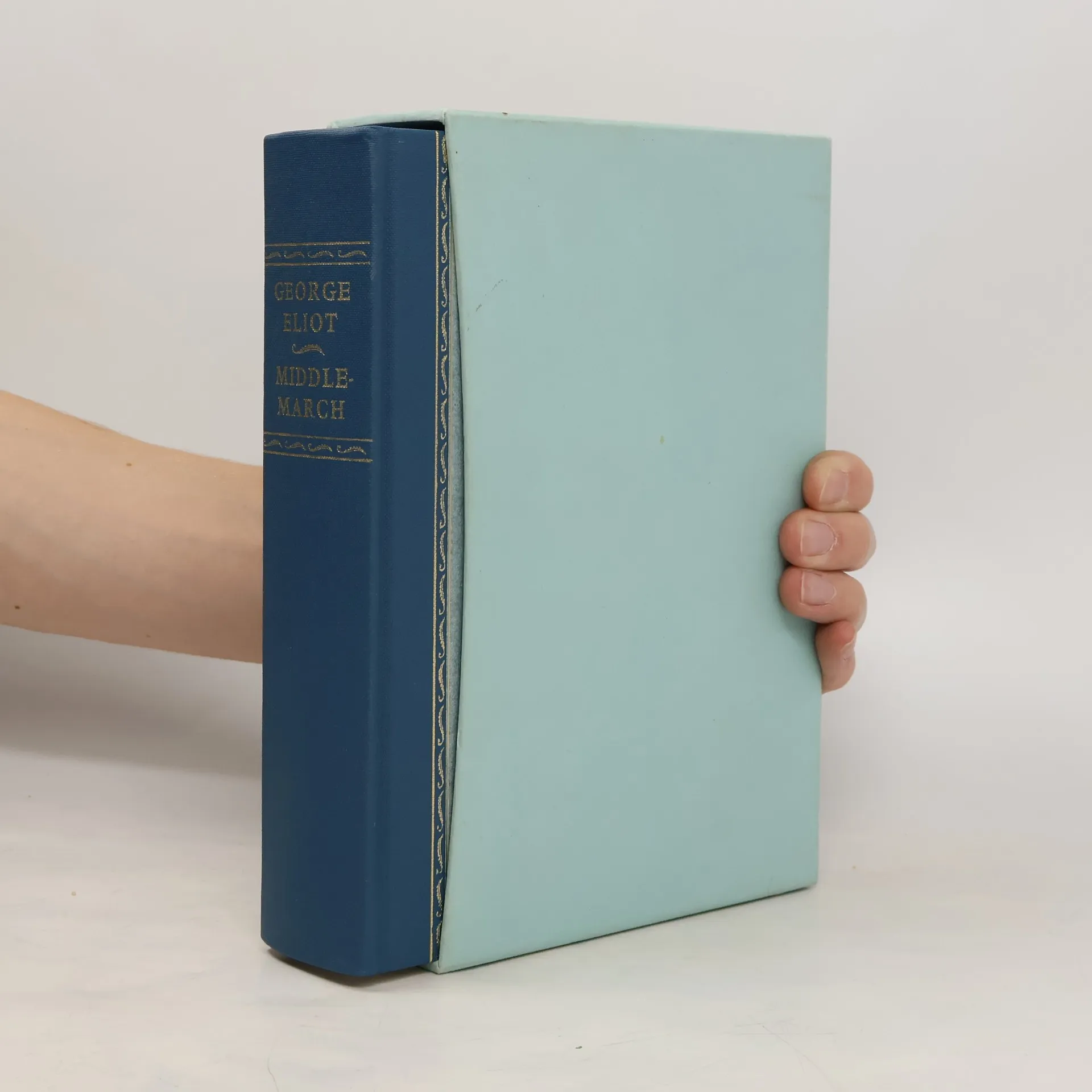
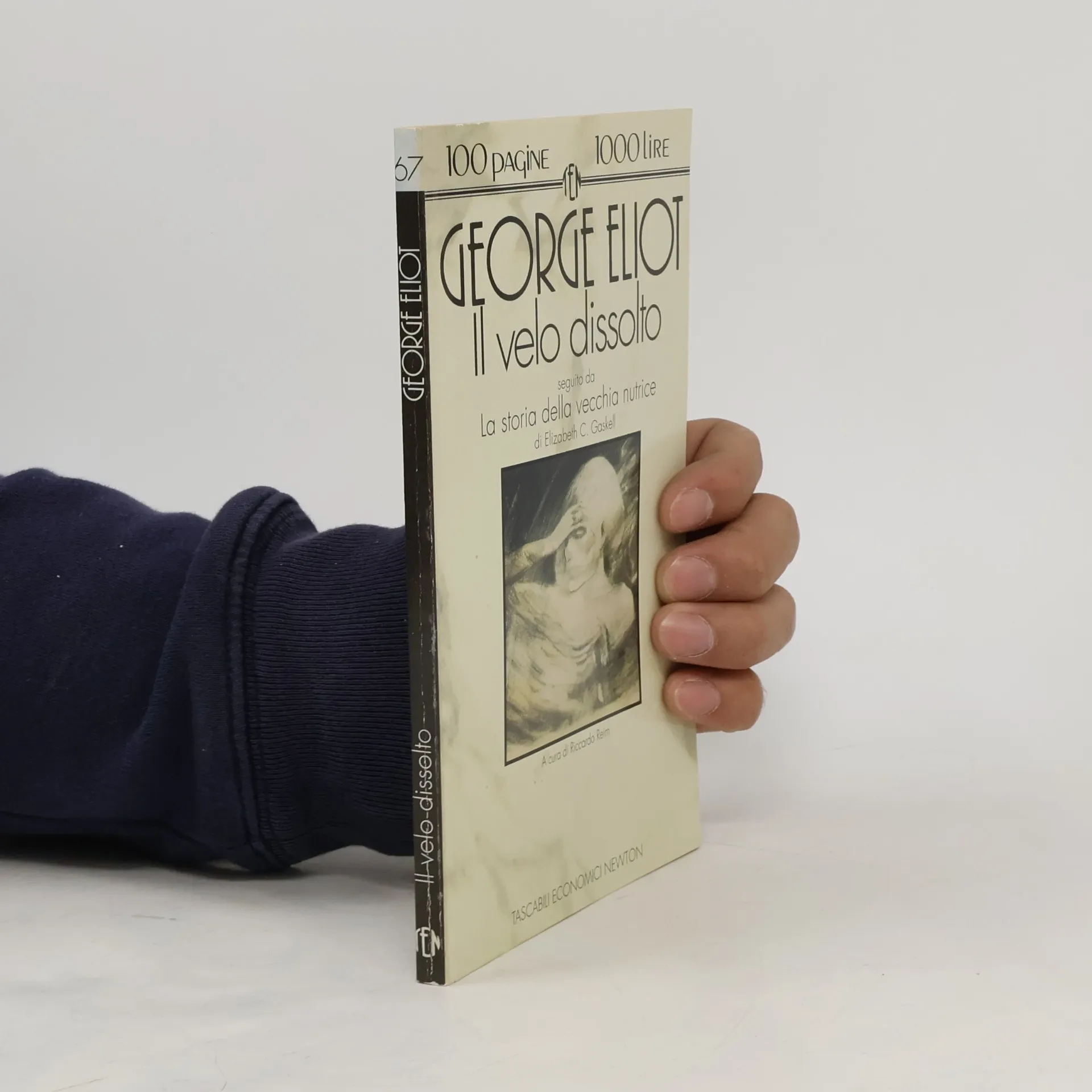
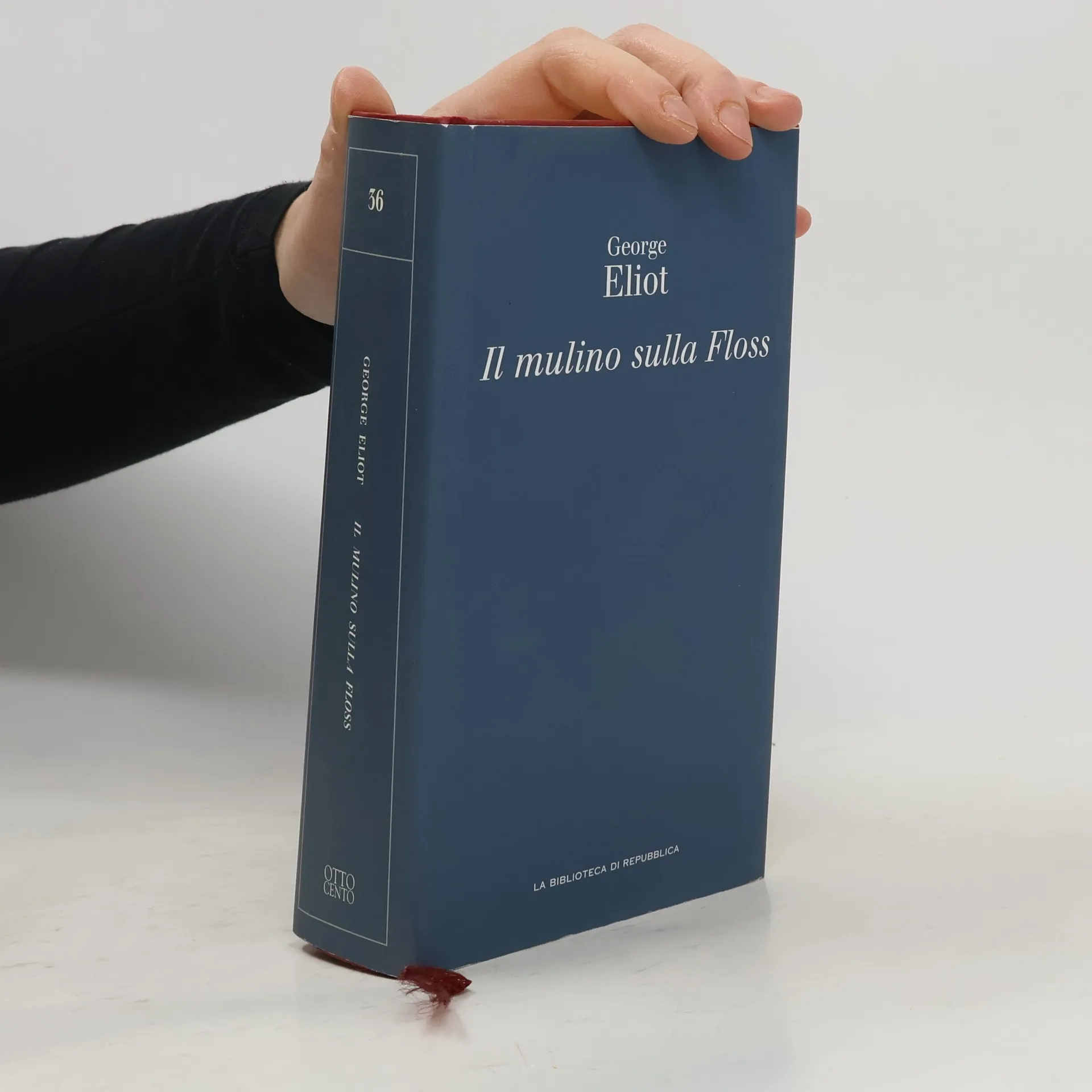
Il mulino sulla floss
- 641pagine
- 23 ore di lettura
Il velo dissolto / La storia della vecchia nutrice
- 100pagine
- 4 ore di lettura
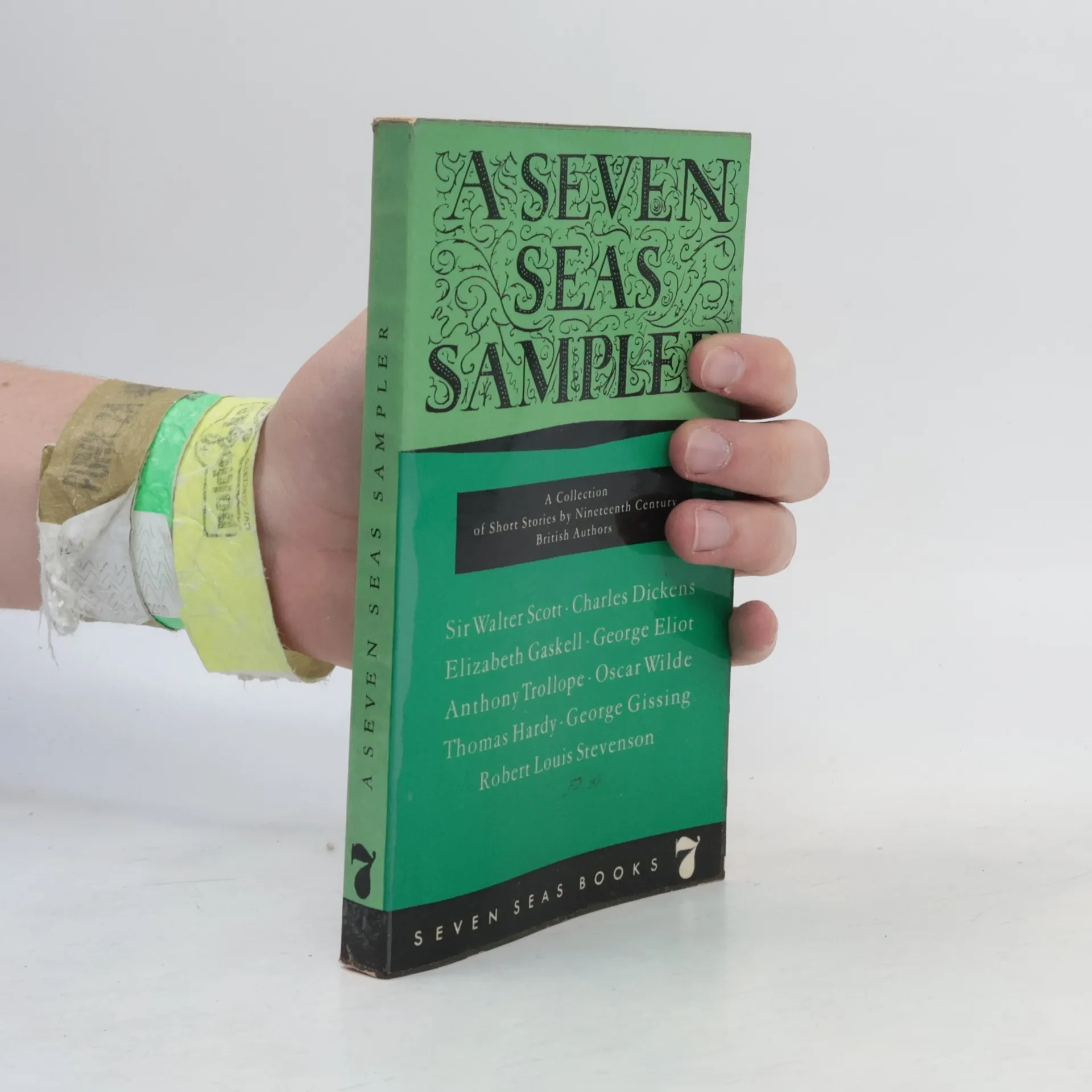
Il volume raccoglie "Il velo dissolto" di George Eliot e "La storia della vecchia nutrice" di Elizabeth C. Gaskell.
Cranford is Elizabeth Gaskell's gently comic picture of life and manners in an English country village during the 1830s. It describes the small adventures in the lives of two middle-aged sisters in reduced circumstances, Matilda and Deborah Jenkyns, who do their best to maintain their standards of propriety, decency, and kindness. At the center of the novel is Miss Matty, whose warm heart and tender ways compel affection and regard from everyone around her. Also revealed are the foibles and attributes of the pompous Mrs. Jamieson and her awesome butler, the genial Captain Brown, the loyal housemaid Martha, and others. Using an intimate, gossipy voice that never turns sentimental, Gaskell skillfully conveys the old-fashioned habits, subtle class distinctions, and genteel poverty of the townspeople. Cranford is one of the author's best-loved works.
The Journals of George Eliot
- 474pagine
- 17 ore di lettura
The complete surviving journals of a renowned Victorian novelist provide a unique glimpse into the author's thoughts and experiences. This first publication of previously unpublished material offers readers an intimate understanding of the writer's creative process, personal reflections, and the societal context of the time. The journals reveal the complexities of the author's life, making this collection a valuable addition for scholars and fans alike.
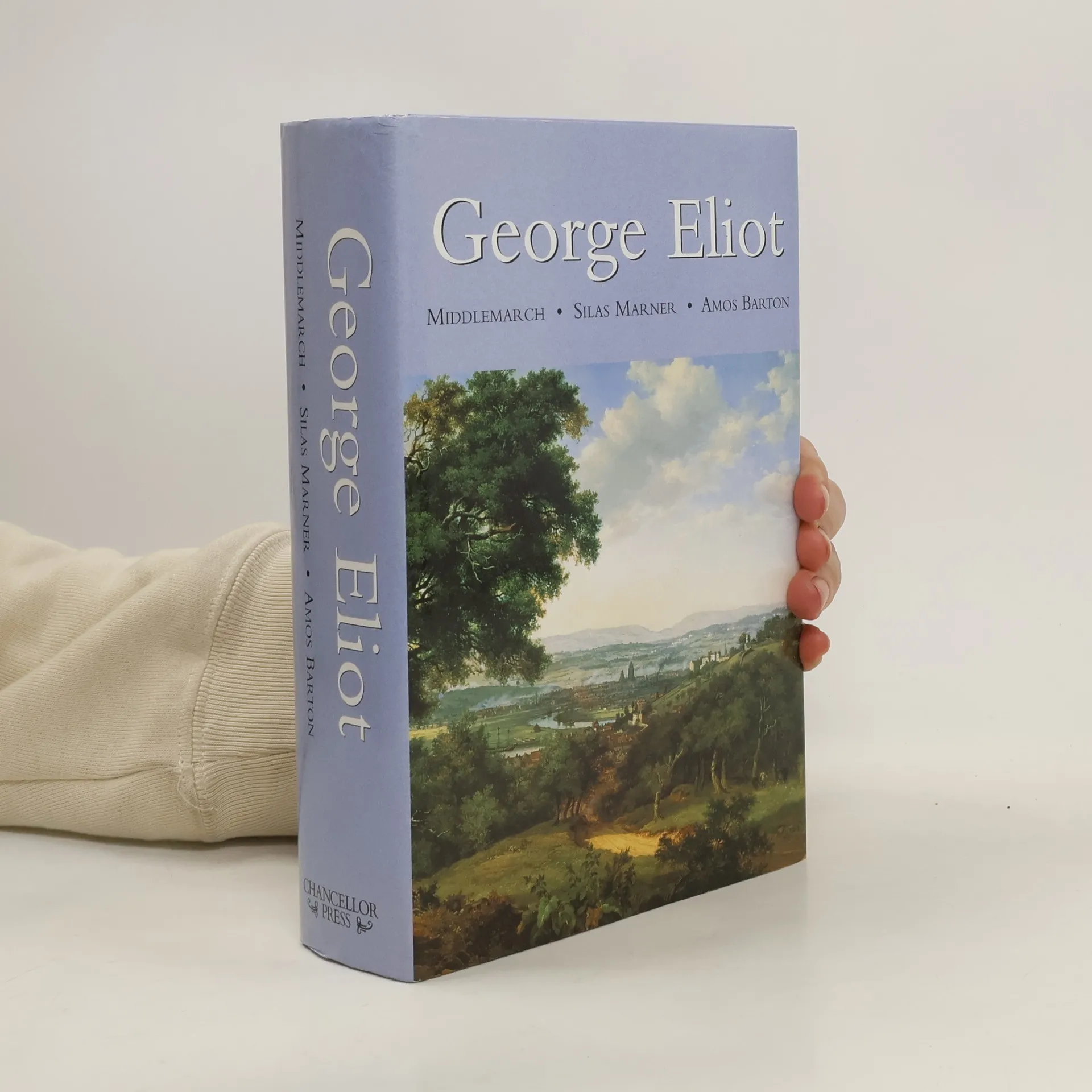
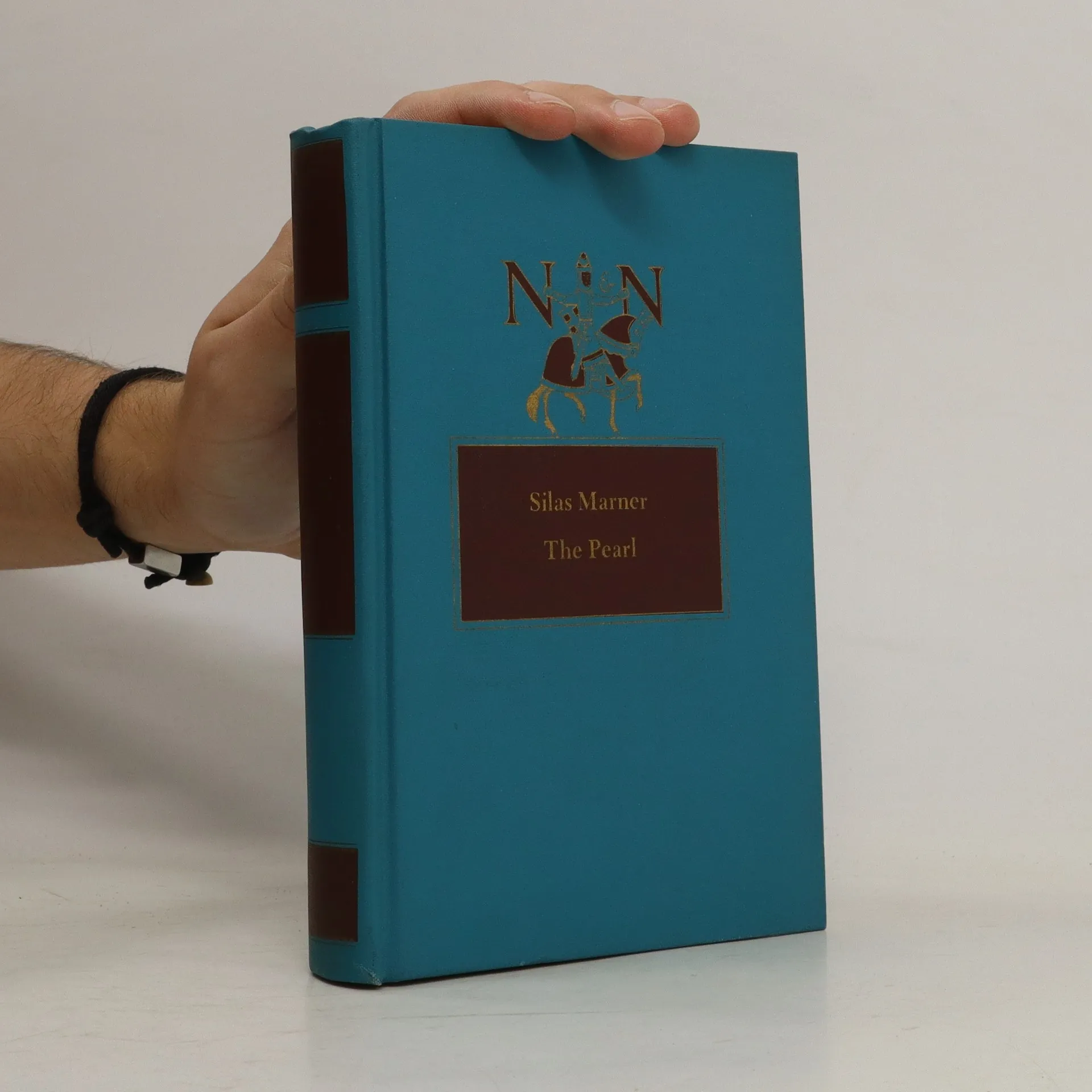
George Eliot: Middlemarch, Silas Marner, Amos Barton
- 864pagine
- 31 ore di lettura
3 masterpieces from one of the Victorian era's most brilliant and celebrated feminist novelists--George Eliot, ne Mary Ann Evans. Middlemarch, her most well-known work, paints a rich and varied portrait of English society. Eliot focuses especially on the idealistic Dorothea Brooke, a woman who, lacking a creative outlet of her own, dedicates herself to her husband's legacy. In Silas Marner, a tale filled with mystery and emotion, an embittered man retreats from the outside world, thinking only of work and money. Then his wealth is stolen from him-and a young foundling comes into his life and changes everything. Also included: the short story Amos Barton, which heralded Eliot's arrival as a writer when it was published in Blackwood's magazine in 1857.
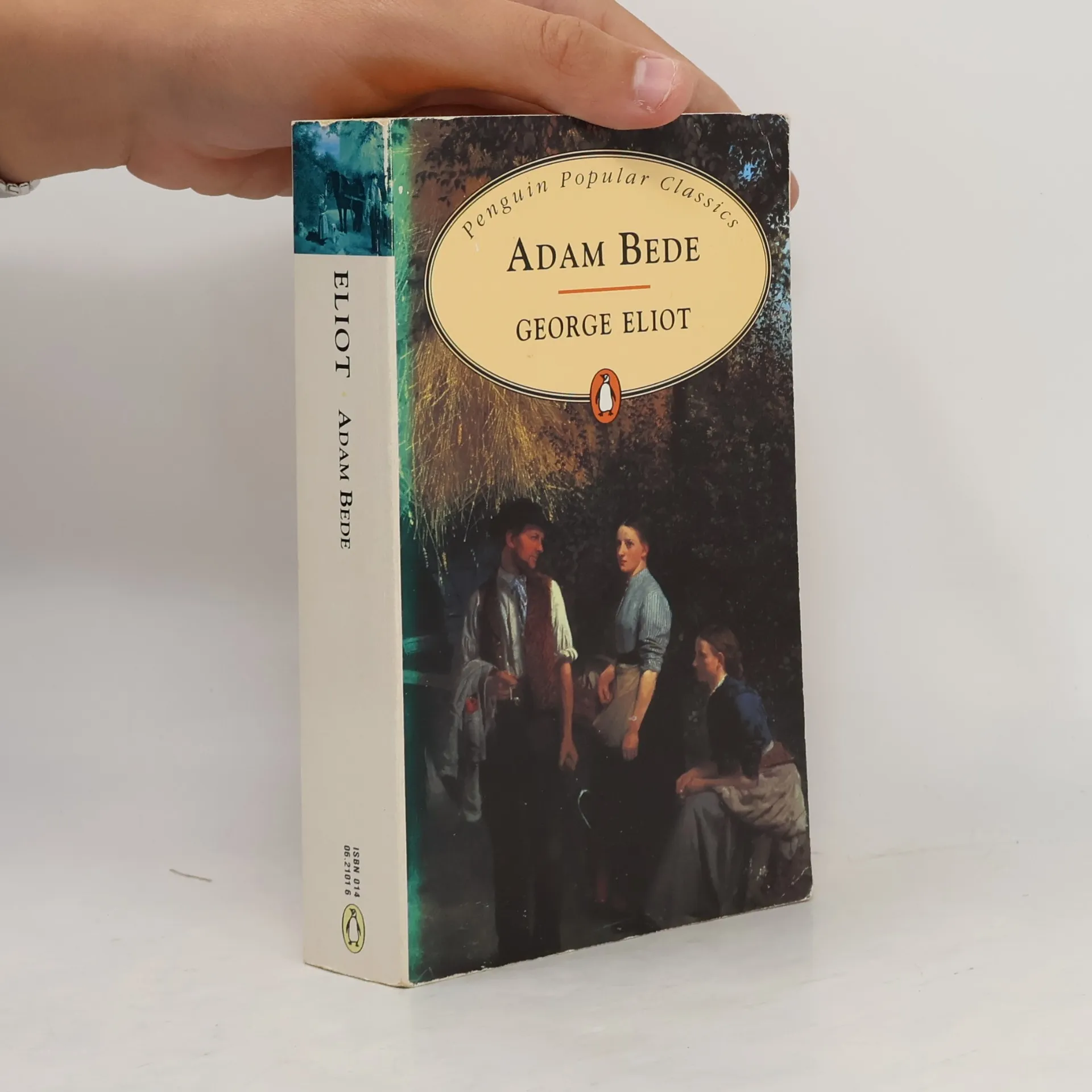
Adam Bede
- 512pagine
- 18 ore di lettura
This is a title in an inexpensive range of classics in the Penguin Popular Classics series. The story takes place at the close of the 18th century. Hetty Sorrel, the niece of farmer Martin Poyser is loved by Adam Bede, the village carpenter, but is deluded by the attentions of a young squire.
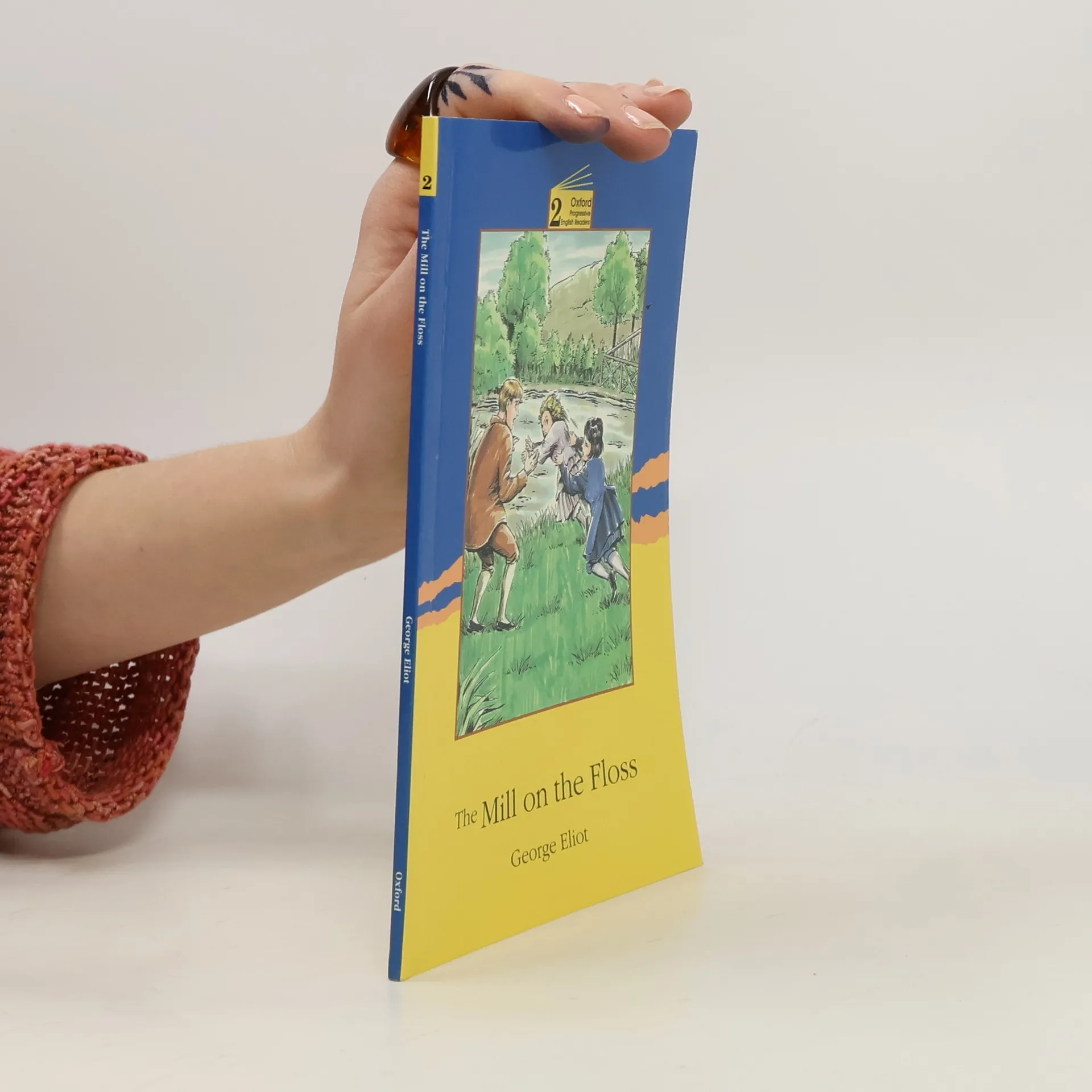
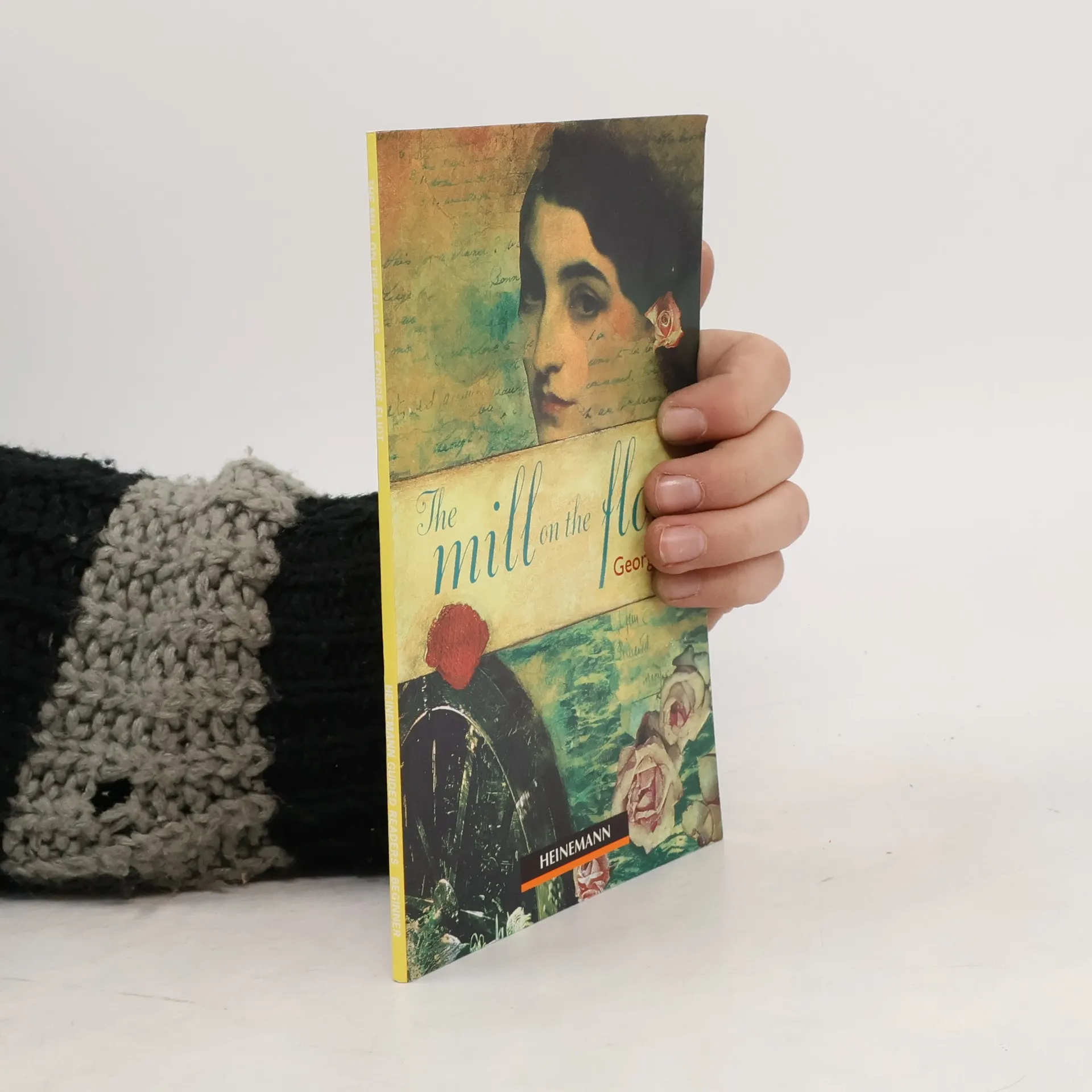
Oxford Progressive English Readers - 2: The Mill on the Floss
- 78pagine
- 3 ore di lettura
Tall, clever, beautiful Maggie Tulliver loves the son of her father's greatest enemy. What will be the result of this relationship?
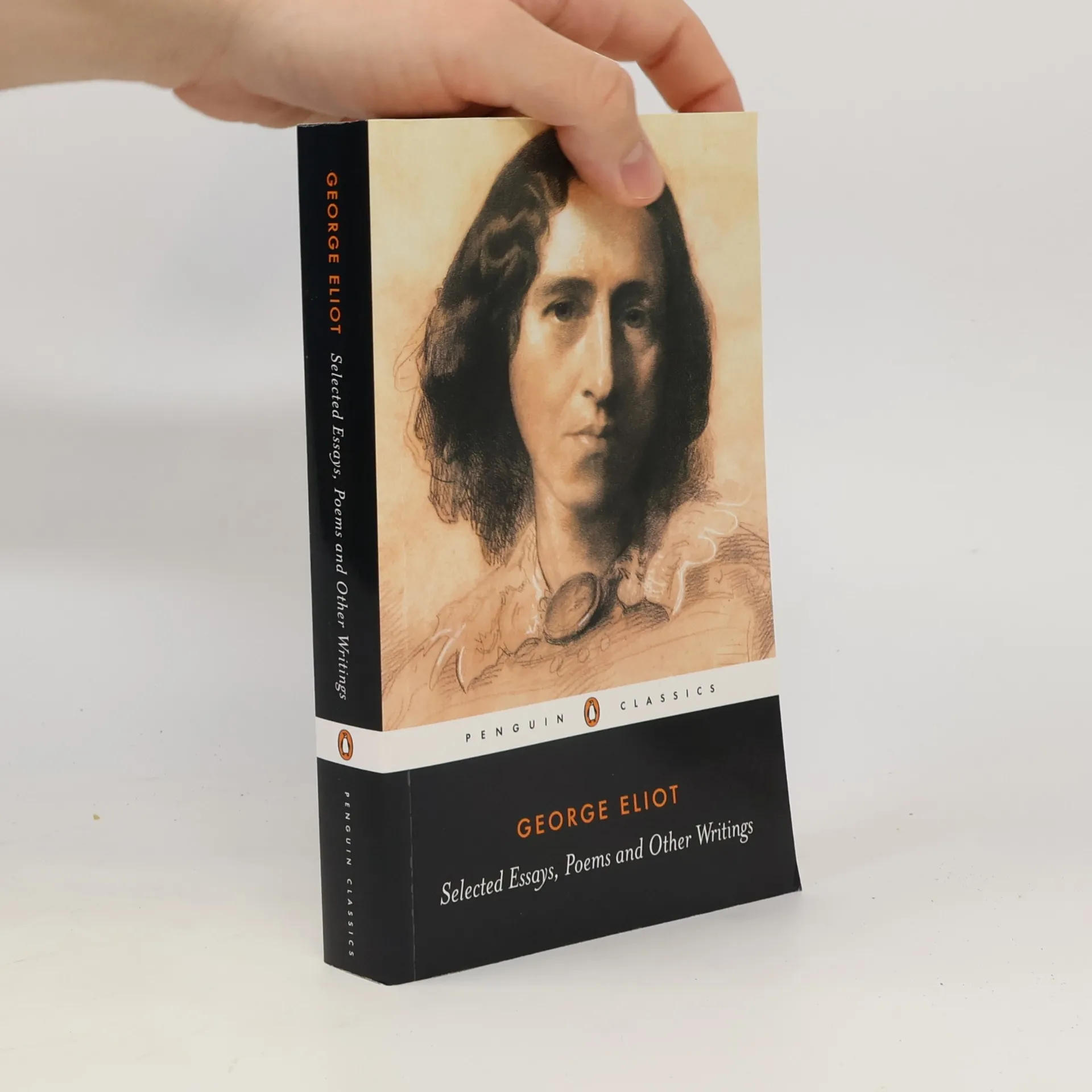
Selected Essays, Poems and Other Writings
- 544pagine
- 20 ore di lettura
The works collected in this volume provide an illuminating introduction to George Eliot's incisive views on religion, art and science, and the nature and purpose of fiction. Essays such as 'Evangelical Teaching' show her rejecting her earlier religious beliefs, while 'Woman in France' questions conventional ideas about female virtues and marriage, and 'Notes on Form in Art' sets out theories of idealism and realism that she developed further in Middlemarch and Daniel Deronda. It also includes selections from Eliot's translations of works by Strauss and Feuerbach that challenged many ideas about Christianity; excerpts from her poems; and reviews of writers such as Wollstonecraft, Goethe and Browning. Wonderfully rich in imagery and observations, these pieces reveal the intellectual development of this most challenging and rewarding of writers.
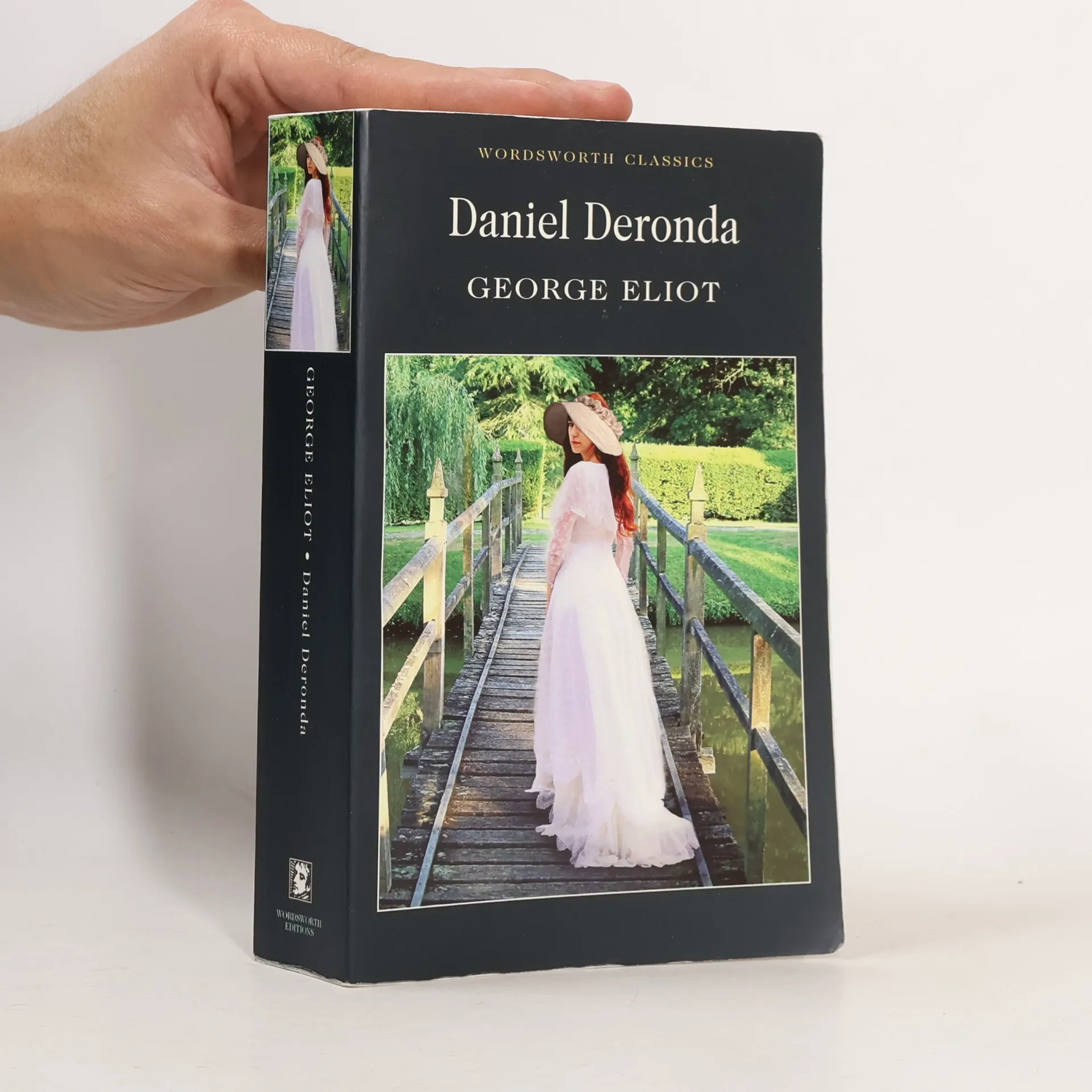
Daniel Deronda
- 752pagine
- 27 ore di lettura
The hero, Daniel Deronda, adopted son of an English aristocrat, discovers his Jewish heritage and with that his heritage.
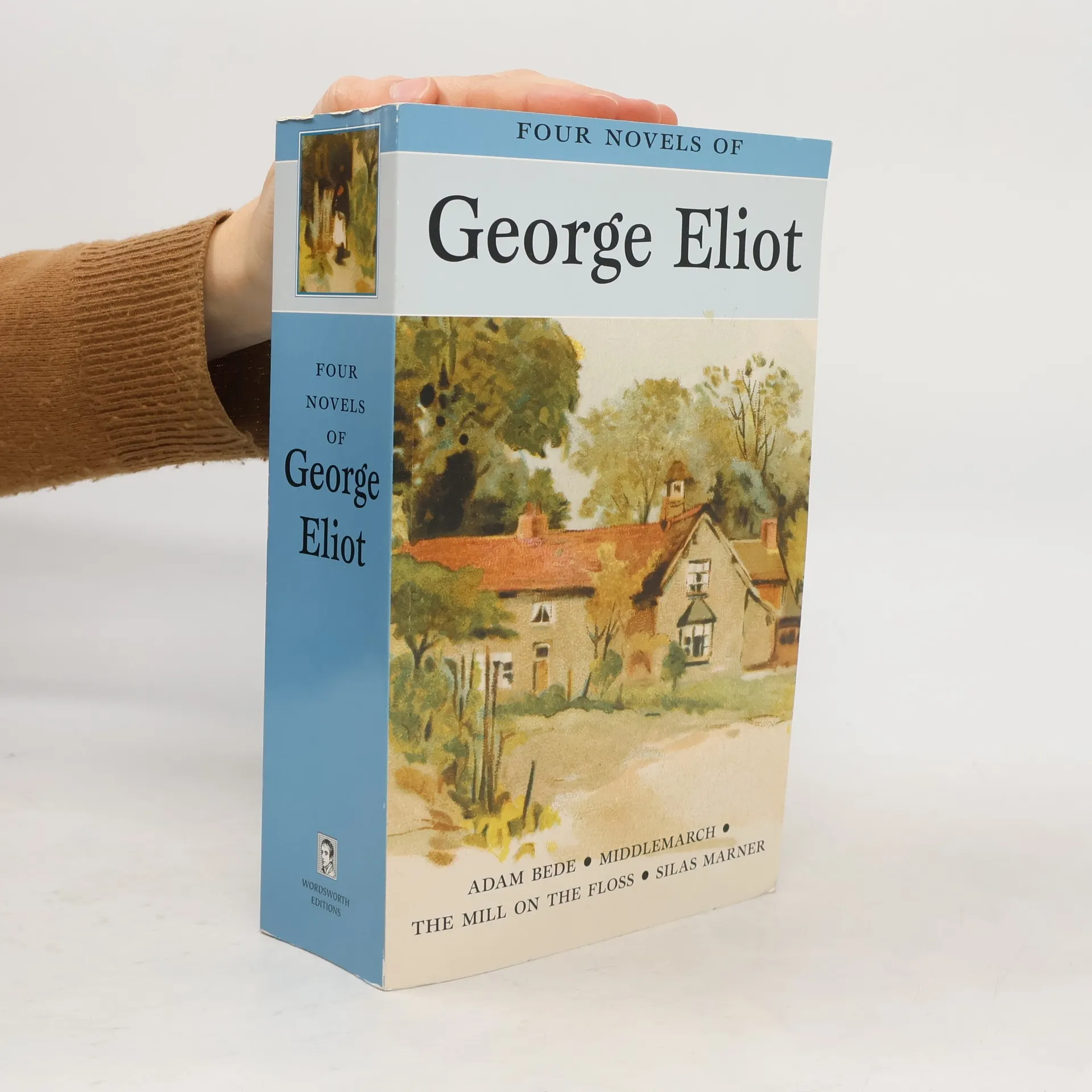
Four Novels
Adam Bede / Middlemarch / The Mill on the Floss / Silas Marner
- 1424pagine
- 50 ore di lettura
Adam Bede was George Eliot's first full-length novel. Set in the English Midlands of farmers and village craftsmen at the turn of the eighteenth century, the book tells a story of seduction, and is also a pioneering record of a long lost rural world.Middlemarch is a complex tale of idealism, disillusion, profligacy, loyalty and frustrated love. This penetrating analysis of the life of an English provincial town is told through the lives of Dorothea Brooke and Dr Tertius Lydgate, illuminating the condition of English life in the mid-nineteenth century. The Mill on the Floss is a masterpiece of ambiguity in which moral choice is subjected to the hypocrisy of the Victorian age. Maggie Tulliver's love for her brother Tom turns to conflict. His bourgeois standards contrasting with her own lively intelligence, and the result, is tragedy. Silas Marner tells the tender and moving story of the unjustly exiled linen weaver, Silas Marner of Raveloe in the agricultural heartland of England. It tells of how he is restored to life and his sadness ended by the unlikely means of the orphan child Eppie.
York Notes on Middlemarch
- 104pagine
- 4 ore di lettura
On April 10, 1994, PBS stations nationwide will air the first episode of a lavish six-part Masterpiece Theatre production of Eliot's brilliant work, Middlemarch, hosted by Russell Baker and produced by Louis Marks. The Modern Library is pleased to offer this official companion edition, complete with tie-in art and printed on acid-free paper. Unabridged.
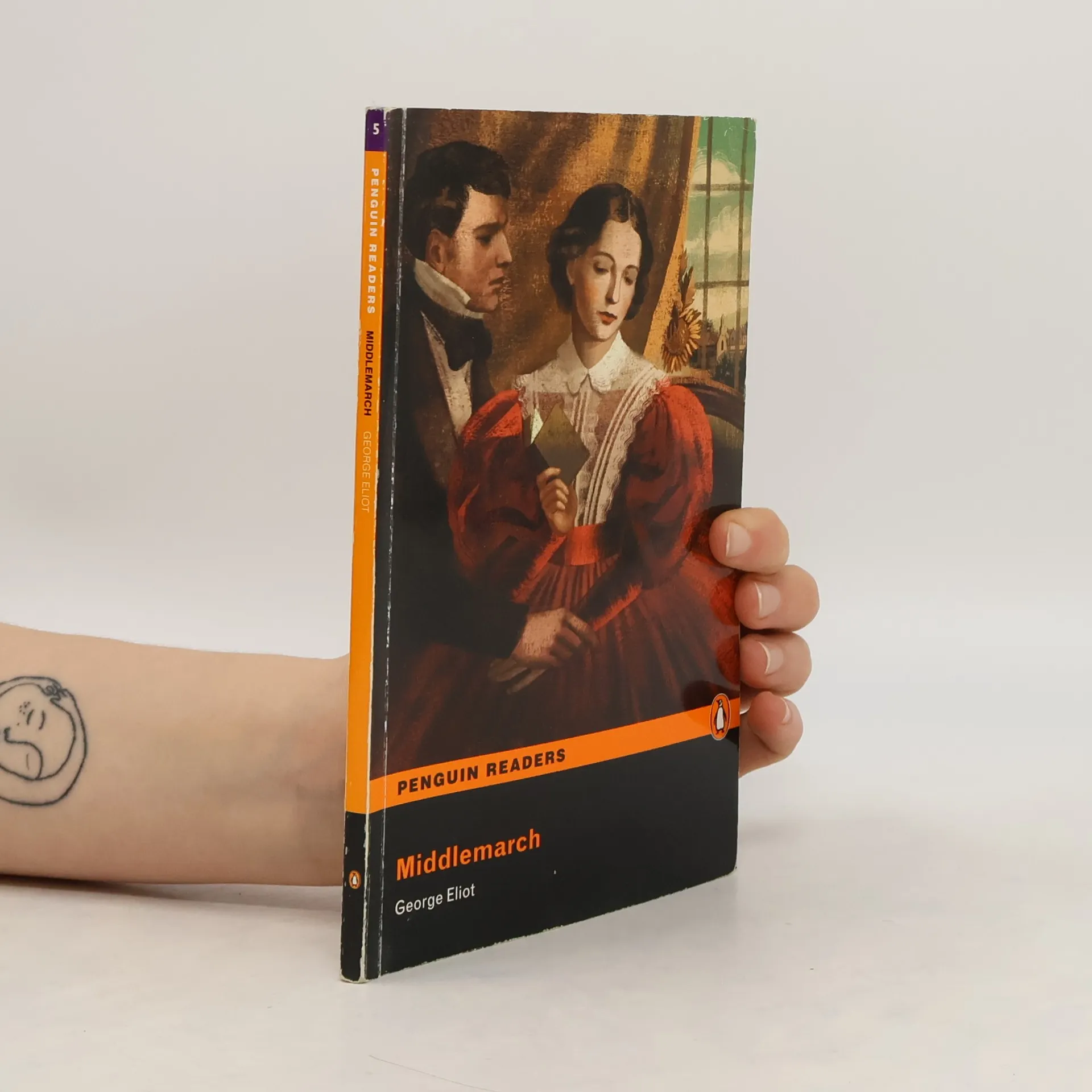
Level 5. Middlemarch
- 108pagine
- 4 ore di lettura
In Middlemarch, in the heart of England, Dorothea wants to change the world and Dr Lydgate hopes to make great scientific discoveries. But after disastrous marriages, they both lose control of their lives.Can they ever achieve their dreams?Middlemarch is generally considered to be one of the greatest novels in the English language.
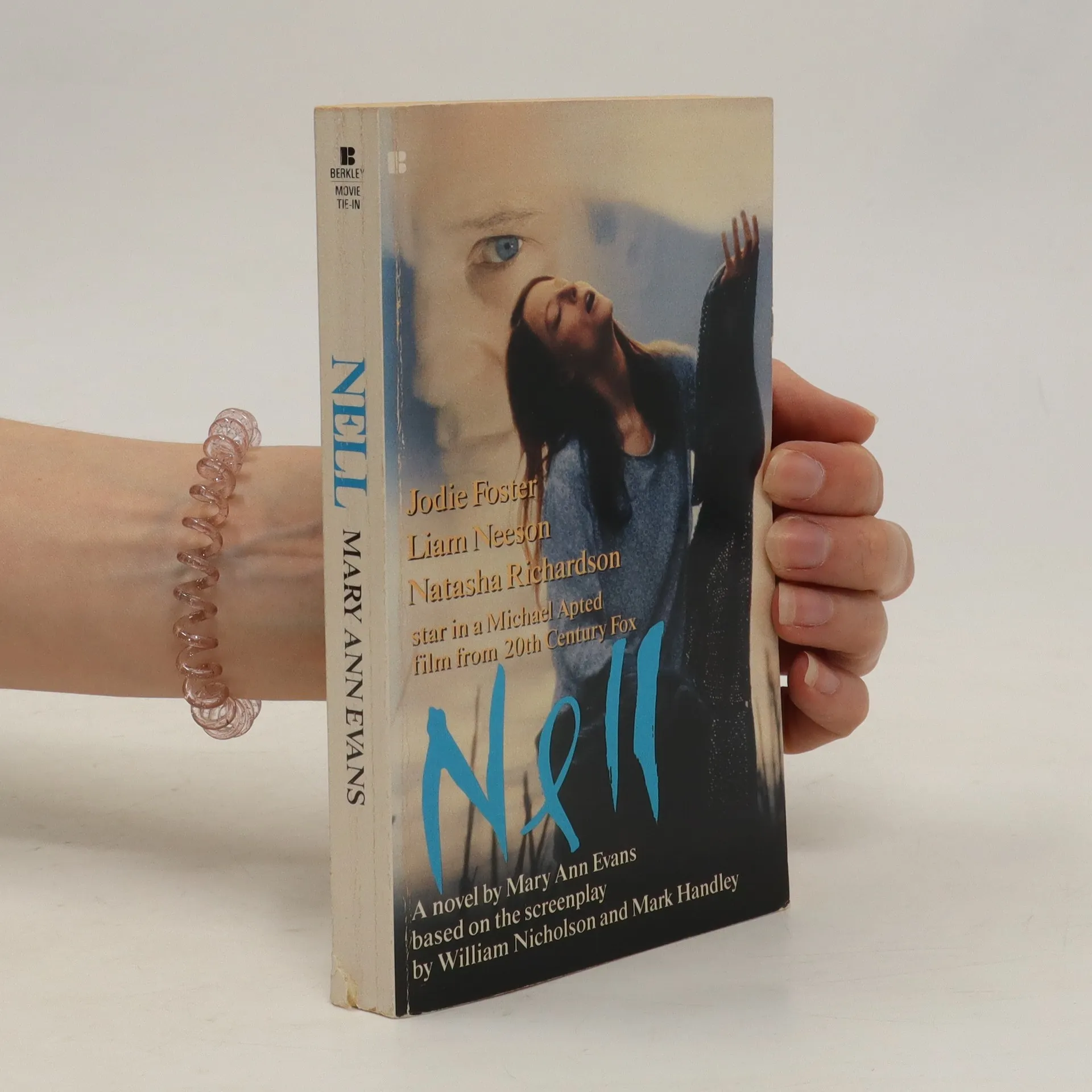
Nell
- 247pagine
- 9 ore di lettura
A novel based on the 20th Century Fox motion picture starring Jodie Foster, Liam Neeson and Natasha Richardson. When a child is found living alone in the woods, she struggles to protect her sense of self while a lawyer and a social worker battle to determine how she will be allowed to live her future.
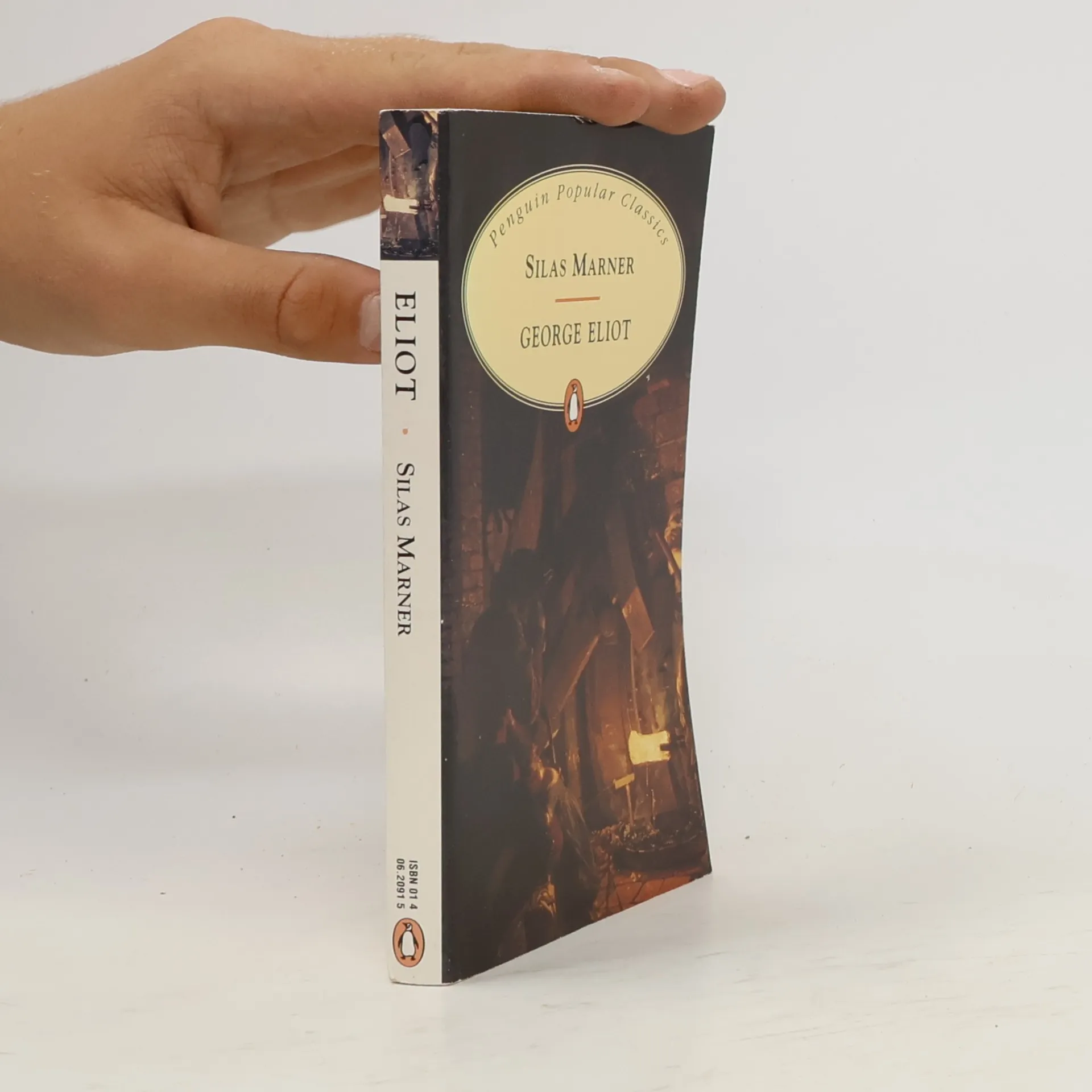
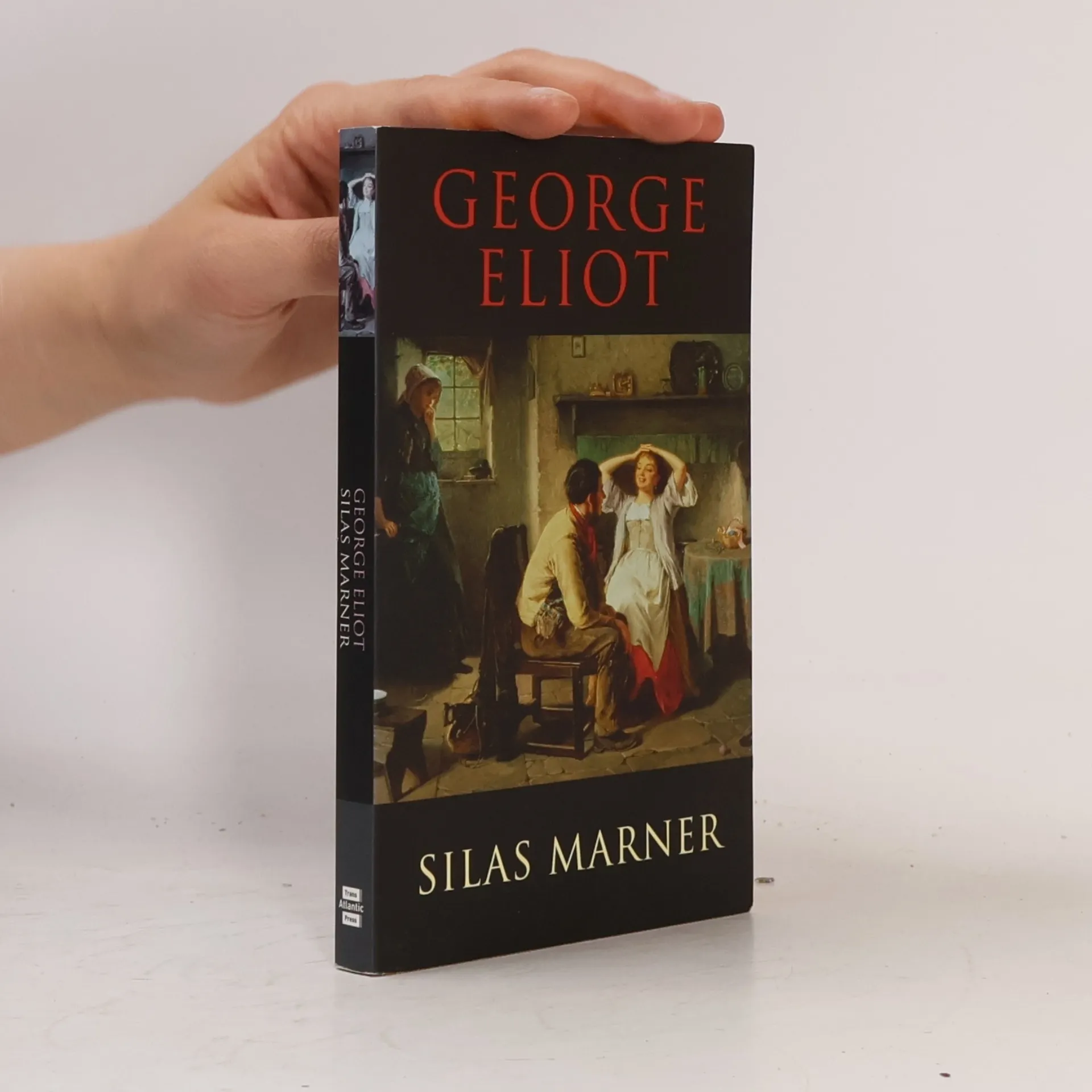
Silas Marner
- 224pagine
- 8 ore di lettura
In this heartwarming classic, a gentle linen weaver named Silas Marner is wrongly accused of theft actually committed by his best friend. Silas exiles himself to a rustic village, where he finds spiritual rebirth through his unselfish love of an abandoned child. Includes a new Afterword. Revised reissue.
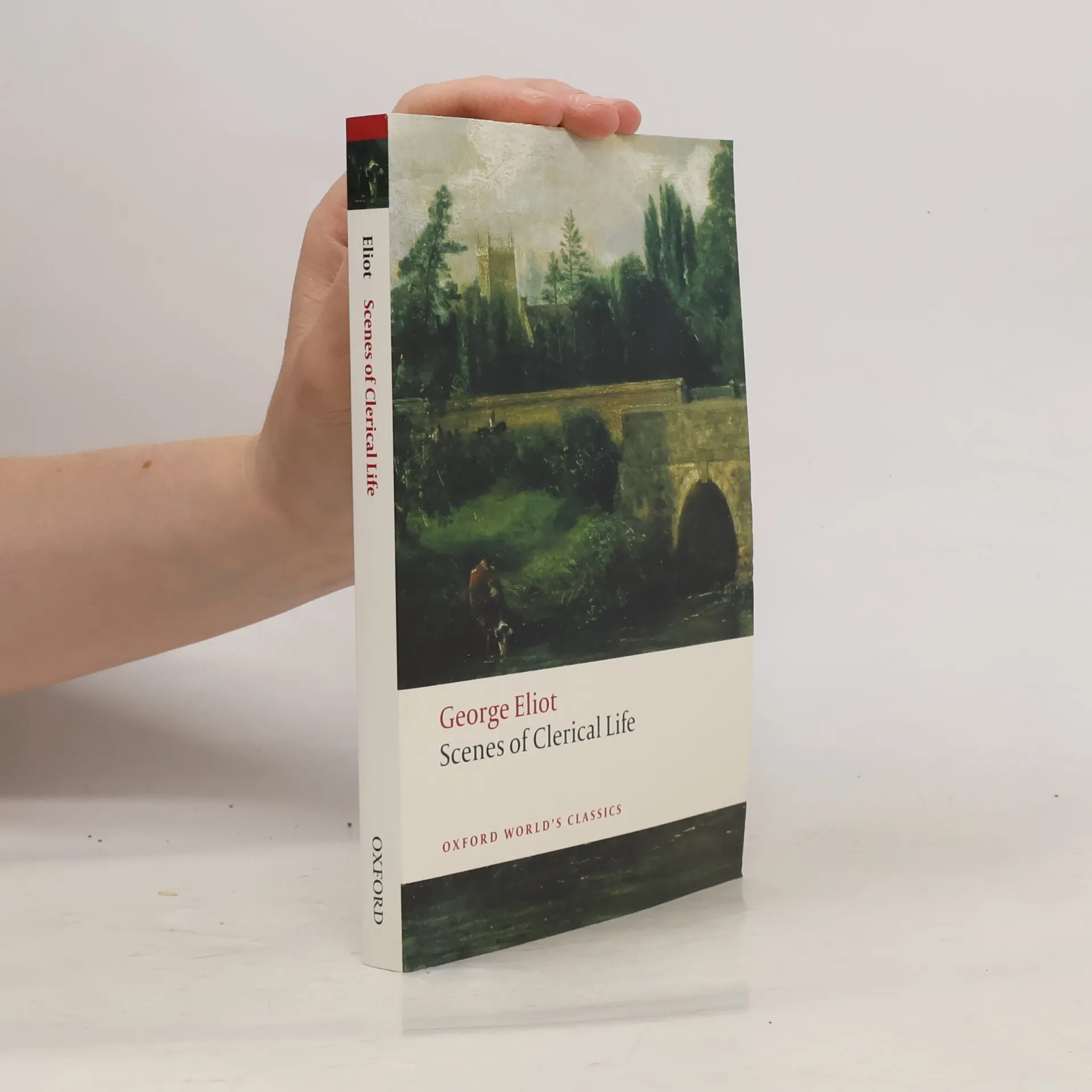
Scenes of Clerical Life
- 310pagine
- 11 ore di lettura
When Scenes of Clerical Life, George Eliot's first novel, was published anonymously in 1857, it was immediately recognized, in the words of Saturday Review, as `the production of a peculiar and remarkable writer'. The three stories that make up the Scenes, `The Sad Fortunes of the Reverend Amos Barton', `Mr Gilfil's Love Story', and `Janet's Repentance', intriguingly foreshadow George Eliot's later work. The first readers, including Dickens and Thackeray, were struck by the humorous irony, the truthfulness of the presentation of the lives of ordinary people, and the compassionate acceptance of human weakness which characterize Eliot's writing. ABOUT THE SERIES: For over 100 years Oxford World's Classics has made available the widest range of literature from around the globe. Each affordable volume reflects Oxford's commitment to scholarship, providing the most accurate text plus a wealth of other valuable features, including expert introductions by leading authorities, helpful notes to clarify the text, up-to-date bibliographies for further study, and much more.
Oxford Bookworms Library: Level 4:: Silas Marner
- 96pagine
- 4 ore di lettura
A level 4 Oxford Bookworms Library graded reader. Retold for Learners of English by Clare West In a hole under the floorboards Silas Marner the linen-weaver keeps his gold. Every day he works hard at his weaving, and every night he takes the gold out and holds the bright coins lovingly, feeling them and counting them again and again. The villagers are afraid of him and he has no family, no friends. Only the gold is his friend, his delight, his reason for living. But what if a thief should come in the night and take his gold away? What will Silas do then? What could possibly comfort him for the loss of his only friend?
The Mill on the Floss
- 71pagine
- 3 ore di lettura
[MacMillan Readers Level 2]Love and family duty form the central threads of this classic, tragic tale.
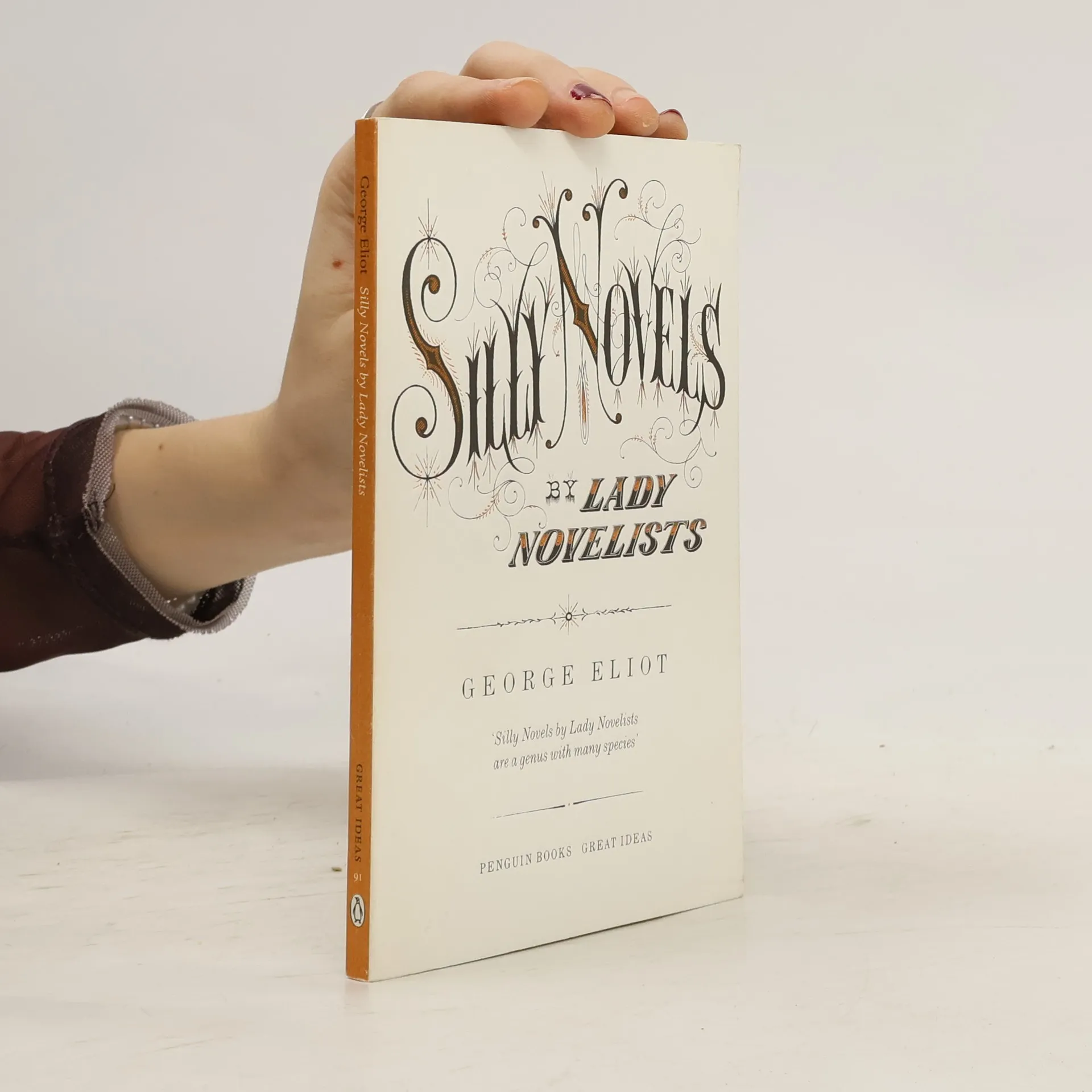
Silly Novels by Lady Novelists
- 128pagine
- 5 ore di lettura
Describes the silliness and 'feminine fatuity' of many popular books by lady novelists. This title also examines the great women writers of France and their enrichment of the culture, and the varying qualities of literary translations.
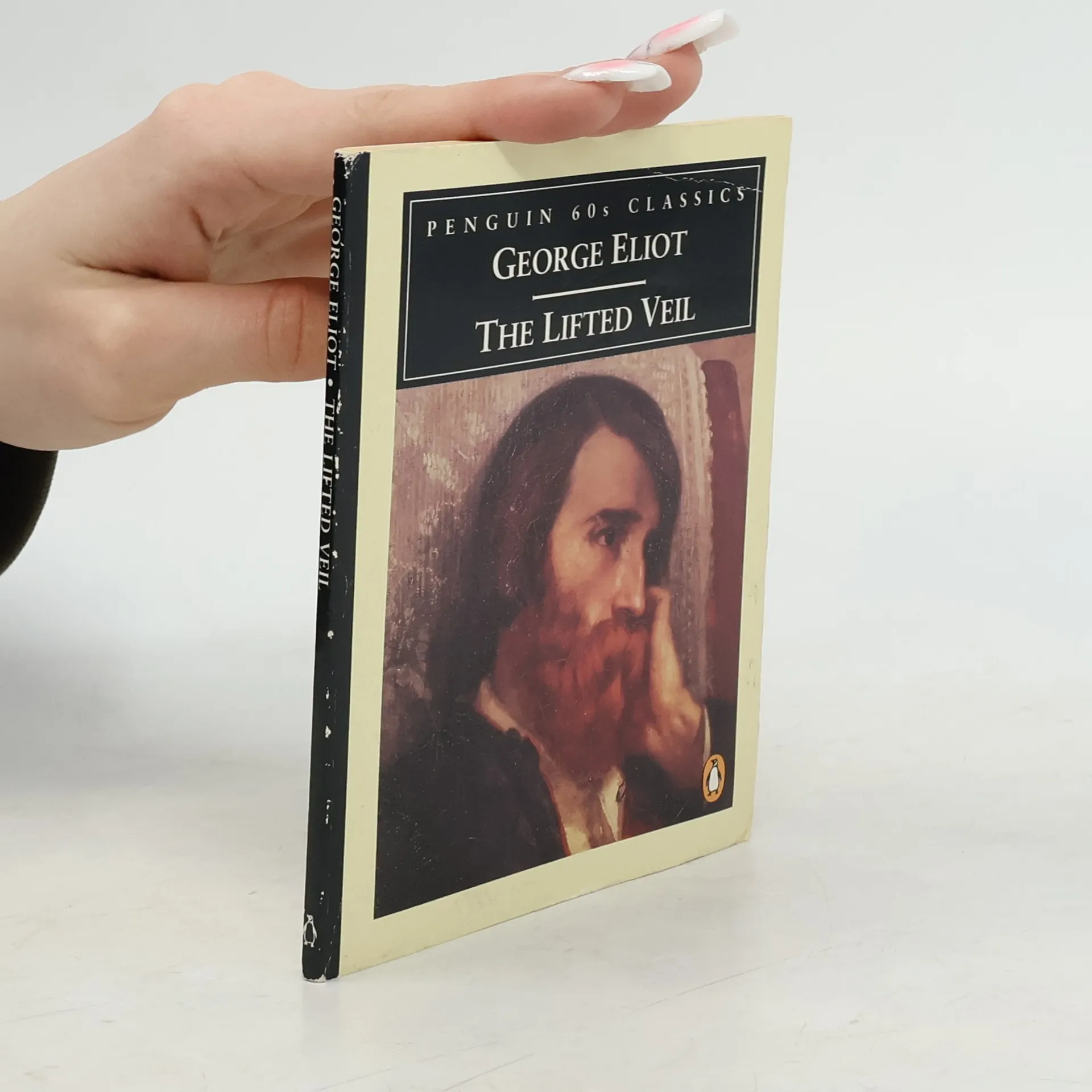
Penguin 60s Classics: The Lifted Veil
- 64pagine
- 3 ore di lettura
Latimer, a sensitive and intellectual man, finds he has clairvoyant powers: he has a vision of a woman, pale, fatal-eyed, who he later meets: she is Bertha Grant, his brother's fiancee. Entranced and bewildered, Latimer is unwilling to take heed of the warning visions which beset him.
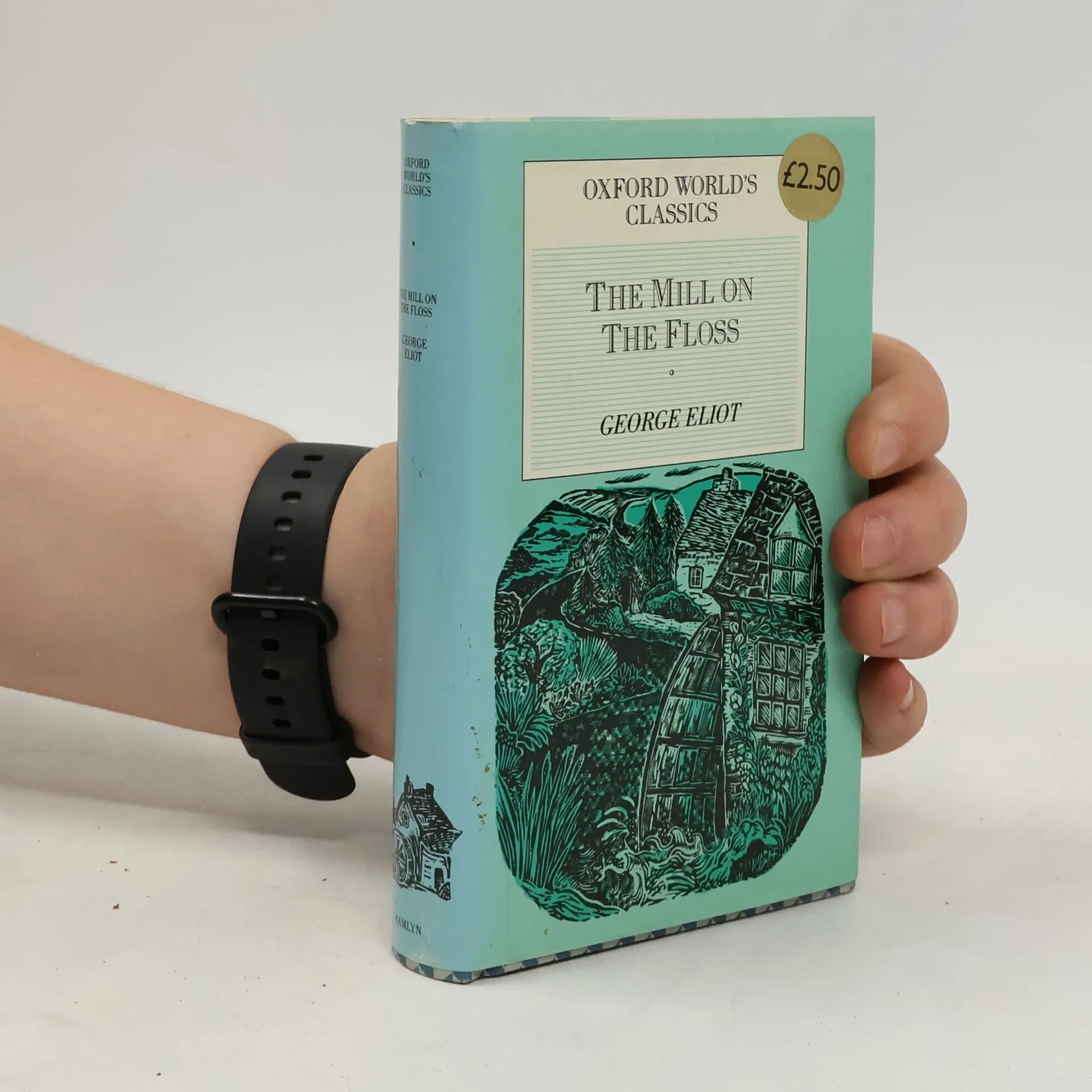
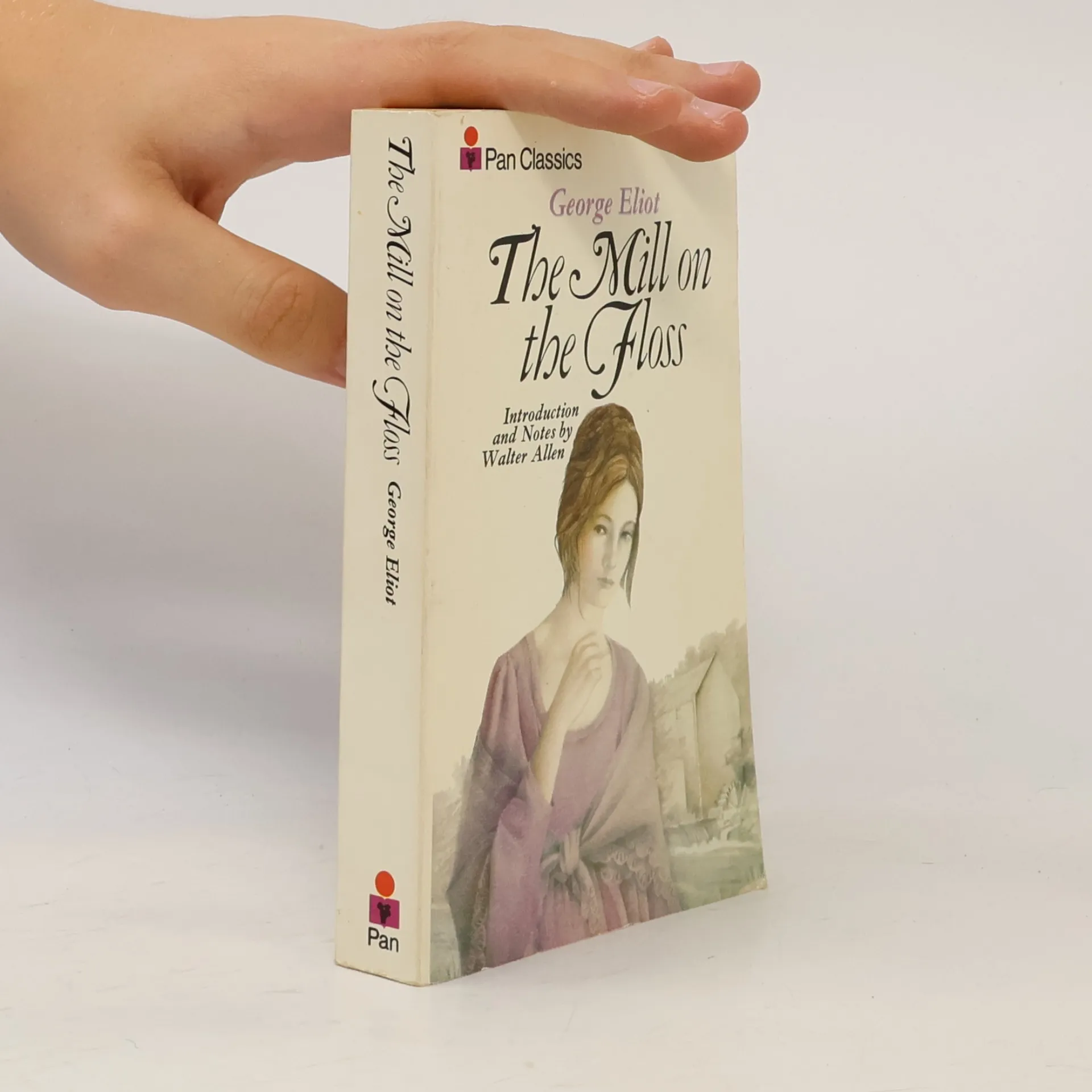
Oxford World's Classics: The Mill on the Floss
- 558pagine
- 20 ore di lettura
Rebellious and affectionate, Maggie Tulliver is always in trouble. Recalling her own experiences as a girl, George Eliot describes Maggie's turbulent childhood with a sympathetic engagement that makes the early chapters of The Mill on the Floss among the most immediately attractive she ever wrote. As Maggie approaches adulthood, her spirited temperament brings her into conflict with her family, her community, and her much-loved brother Tom. Still more painfully, she finds her own nature divided between the claims of moral responsibility and her passionate hunger for self-fulfilment. George Eliot's searching exploration of Maggie's complex dilemma has made this one of the most enduringly popular of her works.
Featuring the timeless brilliance of a Victorian literary giant, this anthology delves into universal themes such as love, ambition, and the quest for meaning. Readers are invited to explore richly developed characters and societal challenges through Eliot's insightful narratives. The collection offers a profound examination of the human condition and the pursuit of moral integrity, making it an essential resource for anyone looking to appreciate the enduring legacy of George Eliot's work.
Middlemarch, A Study of Provincial Life
- 656pagine
- 23 ore di lettura
Set in a fictional English town during the early 19th century, the narrative intertwines the lives of various characters, exploring themes of marriage, idealism, and social change. Key figures include Dorothea Brooke, a young woman seeking purpose, and Mr. Casaubon, her older husband, who represents the constraints of intellectual ambition. The novel delves into the complexities of provincial life, highlighting the struggles of individuals against societal expectations and the pursuit of personal fulfillment amidst a backdrop of political and social upheaval.
The Mill on the Floss and Adam Bede
- 828pagine
- 29 ore di lettura
This volume combines two distinct narratives, offering readers a unique dual experience. Each story presents its own characters and themes, inviting exploration of different plots and settings. The interwoven tales promise a rich literary journey, appealing to fans of diverse genres. Readers can enjoy the depth and breadth of the storytelling, making it an engaging choice for those looking to immerse themselves in multiple narratives within a single book.
Middlemarch - A Study of Provincial Life
- 738pagine
- 26 ore di lettura
Set in the fictional town of Middlemarch during the years before the 1832 Reform Act, the novel explores the intricate lives of characters like Dorothea Brooke and Tertius Lydgate. It addresses significant themes such as marriage, political reform, and the status of women, offering a profound commentary on society. Initially met with mixed reviews, it has since gained recognition as a literary masterpiece. George Eliot, a key figure in Victorian literature, is known for her realistic portrayal of provincial life and psychological depth in her writing.
This book is a reproduction of a historical work, presented in large print to enhance accessibility for individuals with impaired vision. The publishing house Megali focuses on making such texts available, ensuring that important historical literature can be enjoyed by a wider audience.
Focusing on accessibility, this work is a reproduction of a historical text presented in large print. The publishing house Megali aims to enhance reading experiences for individuals with impaired vision, ensuring that important literary works remain accessible to all.
This book is a reproduction of a historical work, published by Megali, a house dedicated to creating accessible large print editions for individuals with impaired vision. The focus on readability ensures that important historical texts remain available to a wider audience, promoting inclusivity in literature.
Middlemarch and Silas Marner
- 794pagine
- 28 ore di lettura
Featuring the works of a prominent Victorian feminist novelist, this collection showcases her groundbreaking exploration of women's rights and societal roles. The narratives delve into the struggles and triumphs of female characters, highlighting themes of independence, identity, and social justice. Through rich character development and poignant storytelling, the author challenges the norms of her time, making these works essential reading for those interested in feminist literature and historical context.
This book is a reproduction of a historical work, emphasizing accessibility through large print format. Published by Megali, a company dedicated to making literature more readable for individuals with impaired vision, it aims to preserve and share important texts while ensuring they are accessible to a wider audience.
This publication focuses on reproducing historical works in large print, catering specifically to individuals with impaired vision. Megali, the publishing house behind this initiative, aims to enhance accessibility and facilitate easier reading experiences for a wider audience.
The book is a reproduction of a historical work presented in large print, catering specifically to individuals with impaired vision. Published by Megali, a house dedicated to making classic texts accessible, this edition emphasizes readability while preserving the original content, ensuring that important historical narratives remain available to a wider audience.
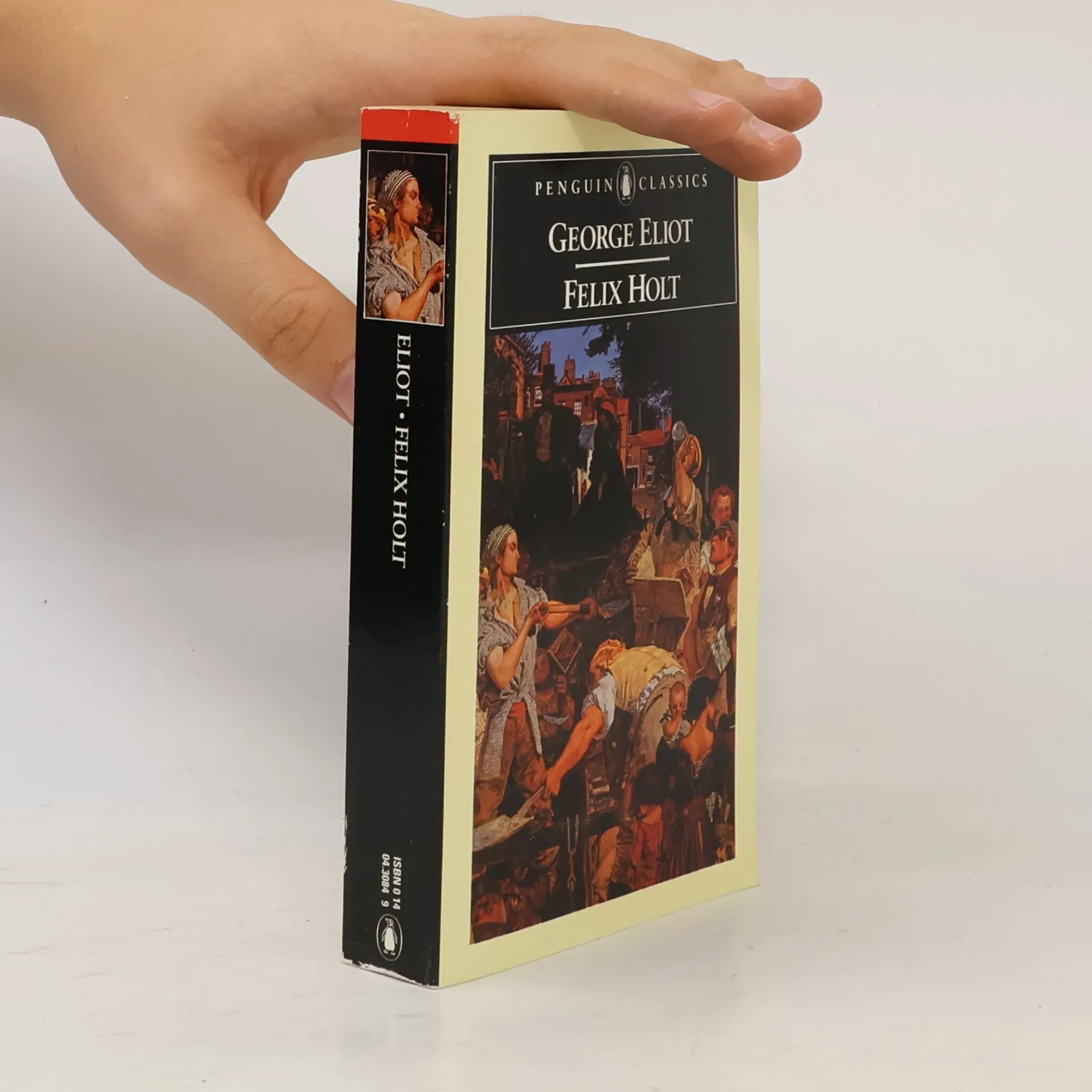
The story centers on Felix Holt, a passionate Radical who returns to his hometown of Treby Magna during a pivotal election. As wealthy landowner Harold Transome campaigns, the narrative unfolds amidst a backdrop of political corruption and manipulation, highlighting the struggles for integrity in the electoral process. Felix's strong beliefs and determination to challenge the status quo drive the plot, showcasing the tensions between social classes and the fight for justice.
Middlemarch, English edition
- 934pagine
- 33 ore di lettura
Features Dorothea Brooke, a young idealist whose search for intellectual fulfillment leads her into a disastrous marriage to the pedantic scholar Casaubon; and the charming but tactless Dr Lydgate, whose marriage to the spendthrift beauty Rosamund and pioneering medical methods threaten to undermine his career.
With carefully adapted text, new illustrations, language practise activities and additional online resources, the Penguin Readers series introduces language learners to bestselling authors and compelling content. Titles include popular classics, exciting contemporary fiction, and thought-provoking non-fiction. The Mill on the Floss, a Level 4 Reader, is A2+ in the CEFR framework. The text is made up of sentences with up to three clauses, introducing more complex uses of present perfect simple, passives, phrasal verbs and simple relative clauses. It is well supported by illustrations, which appear regularly. Maggie lives with her brother Tom in a mill by the river Floss. Maggie loves Tom and Tom loves Maggie, but they are very different. When Tom's father loses all his money, Maggie and Tom must try and help their parents to keep the mill.
The Mill of the Floss
- 534pagine
- 19 ore di lettura
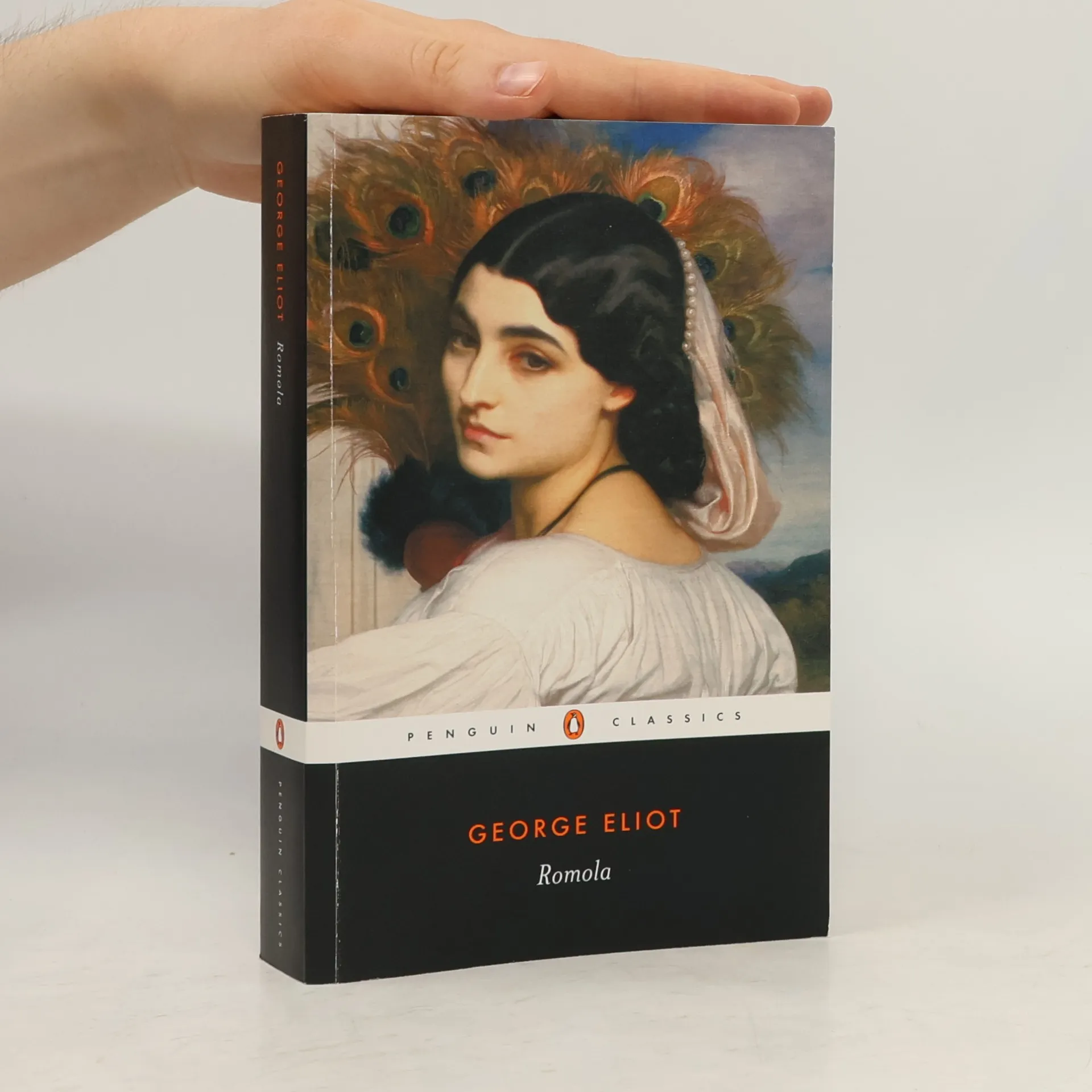
Romola
- 688pagine
- 25 ore di lettura
Although not among George Eliot's most admired works, this story is set in Florence at the end of the 15th century. It re-creates the picturesque complexion of the city and the characters of the historical figures, Charles VIII, Machiavelli and Savanorola.
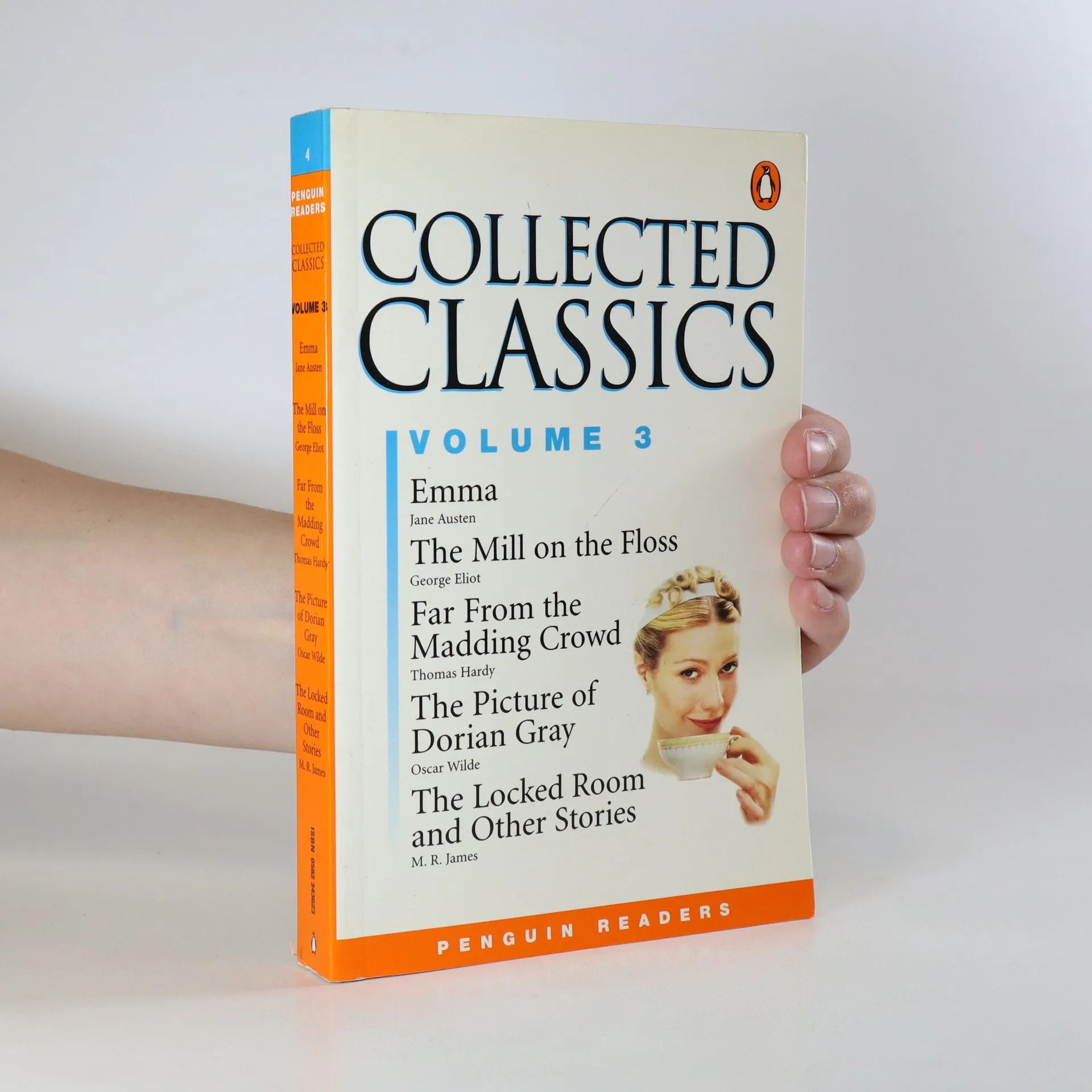
Collected classics. Vol. 3
- 324pagine
- 12 ore di lettura
Collected Classics Paper III (Penguin Readers (Graded Readers))
In Middlemarch, in the heart of England, Dorothea wants to change the world and Dr Lydgate hopes to make great scientific discoveries. But after disastrous marriages, they both lose control of their lives. Can they ever achieve their dreams? Middlemarch is generally considered to be one of the greatest novels in the English language.
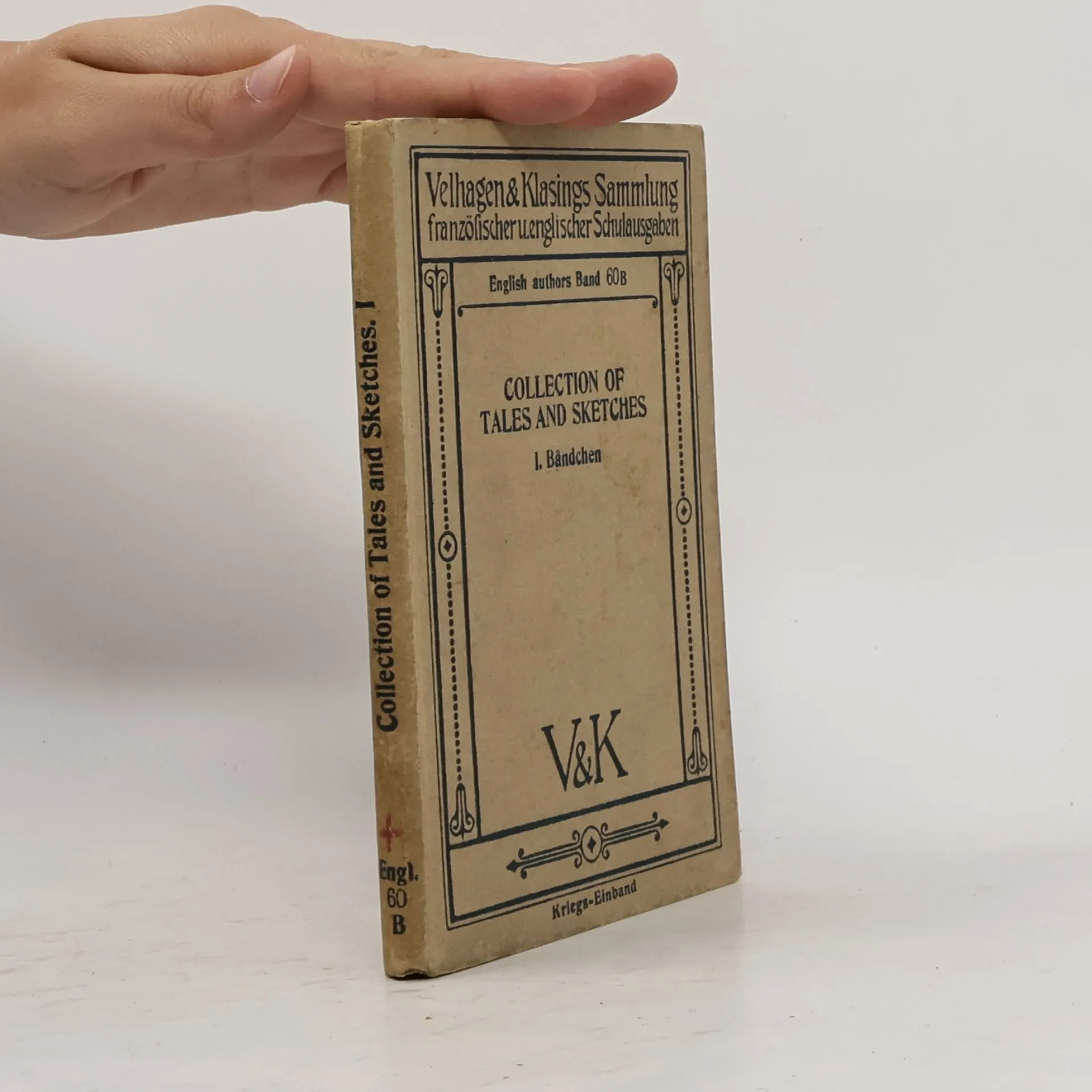
Collection of Tales and Sketches
I. Bändchen
Een molenaarsdochter, door omstandigheden gedwongen zich te gedragen als een onwetend, keurig Victoriaans meisje, leeft in voortdurend conflict met haar broer en gaat tenslotte ten onder aan haar behoefte aan ontwikkeling en waardering.
Silas Marner
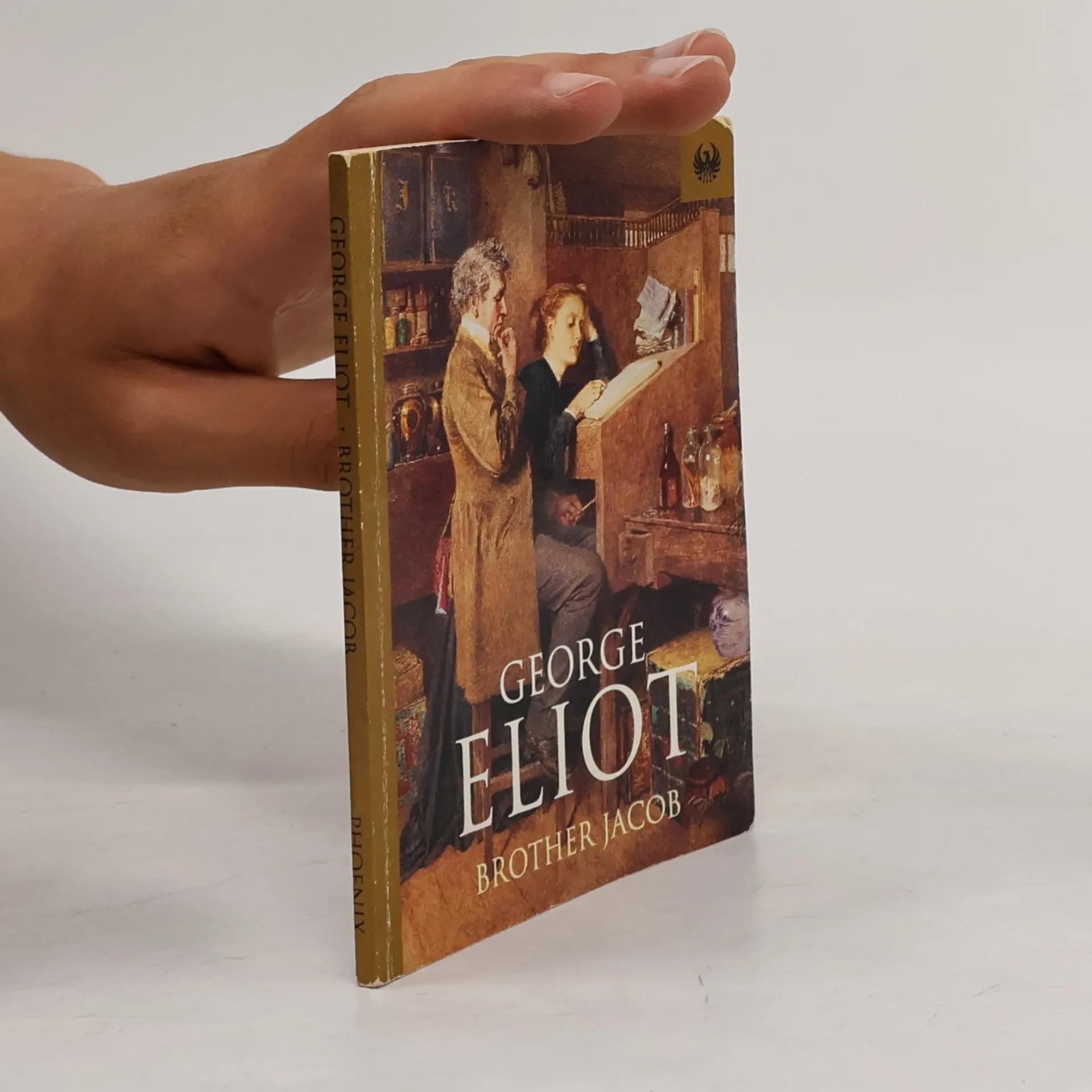
The Lifted Veil. Brother Jacob
Phoenix 60p Paperbacks: Brother Jacob
- 64pagine
- 3 ore di lettura
Among the many fatalities attending the bloom of young desire, that of blindly taking to the confectionery line has not, perhaps, been sufficiently considered. How is the son of a British yeoman, who has been fed principally on salt pork and yeast dumplings, to know that there is satiety for the human stomach even in a paradise of glass jars full of sugared almonds and pink lozenges, and that the tedium of life can reach a pitch where plum-buns at discretion cease to offer the slightest excitement?
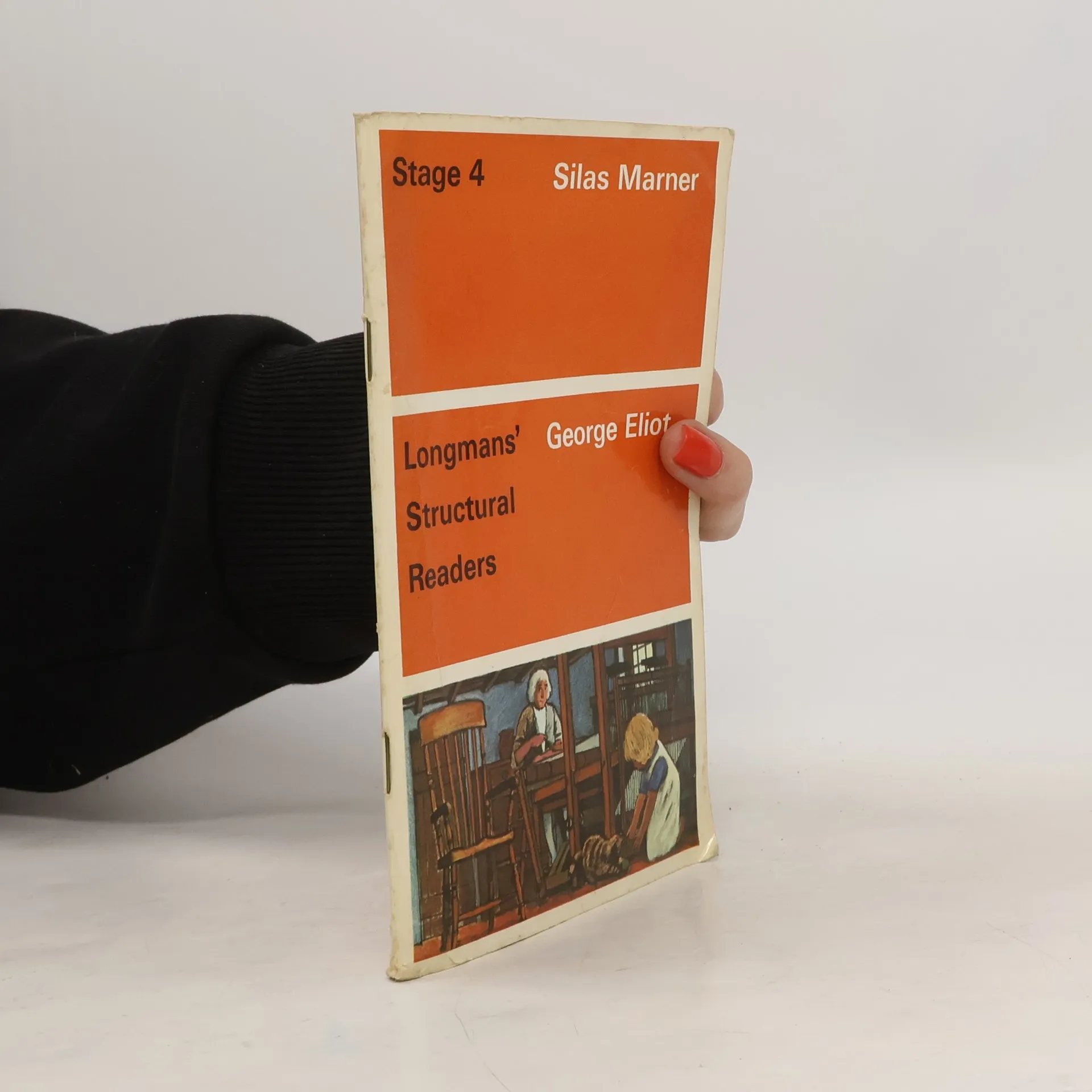
Structural Readers: Silas Marner
- 160pagine
- 6 ore di lettura
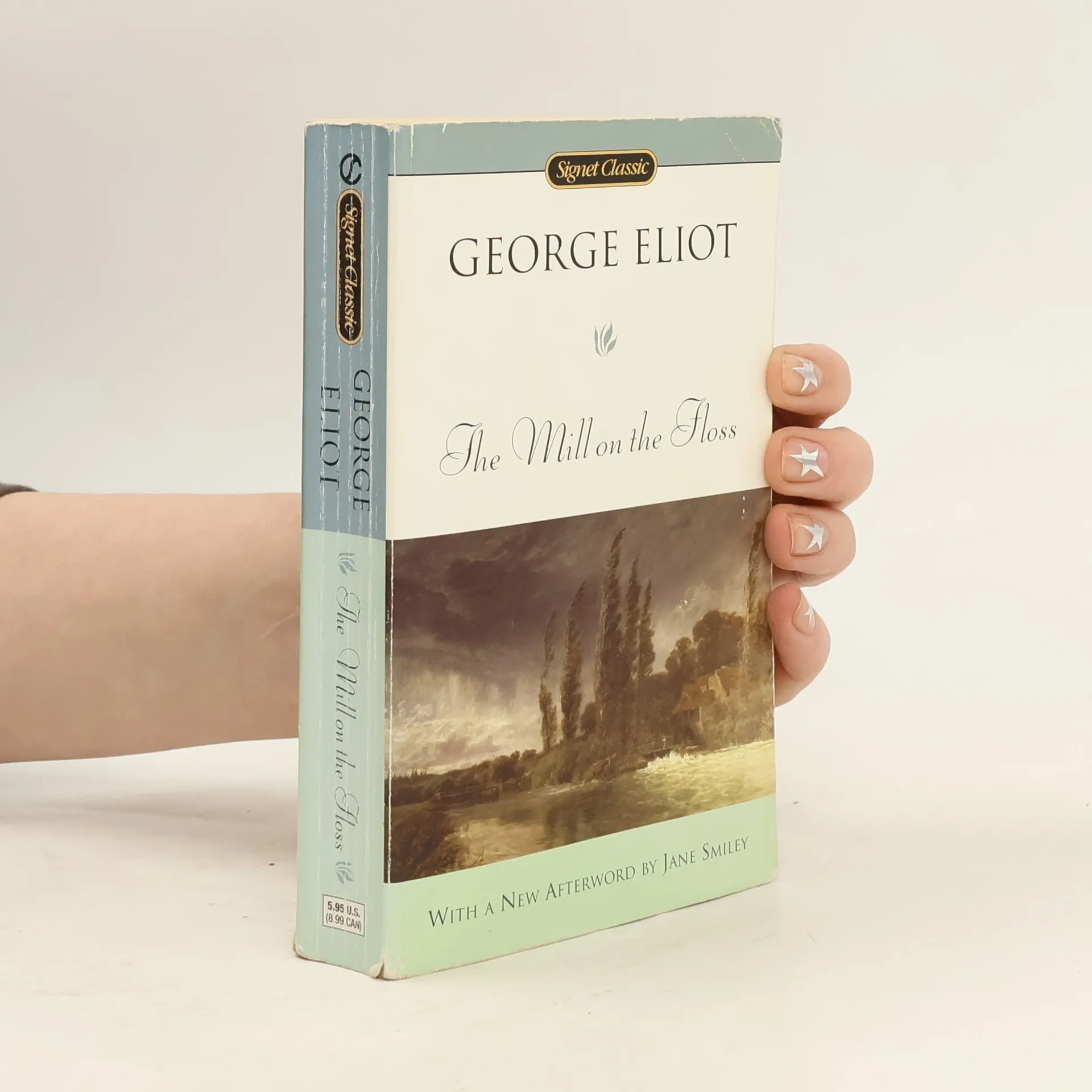
Signet Classic: The Mill on the Floss
- 612pagine
- 22 ore di lettura
Maggie Tulliver rebels against the narrow Victorian morality and strict traditions of her family by eloping with a worthless dandy, in an edition of one of Eliot's finest novels, featuring a new afterword by Jane Smiley. Reissue.
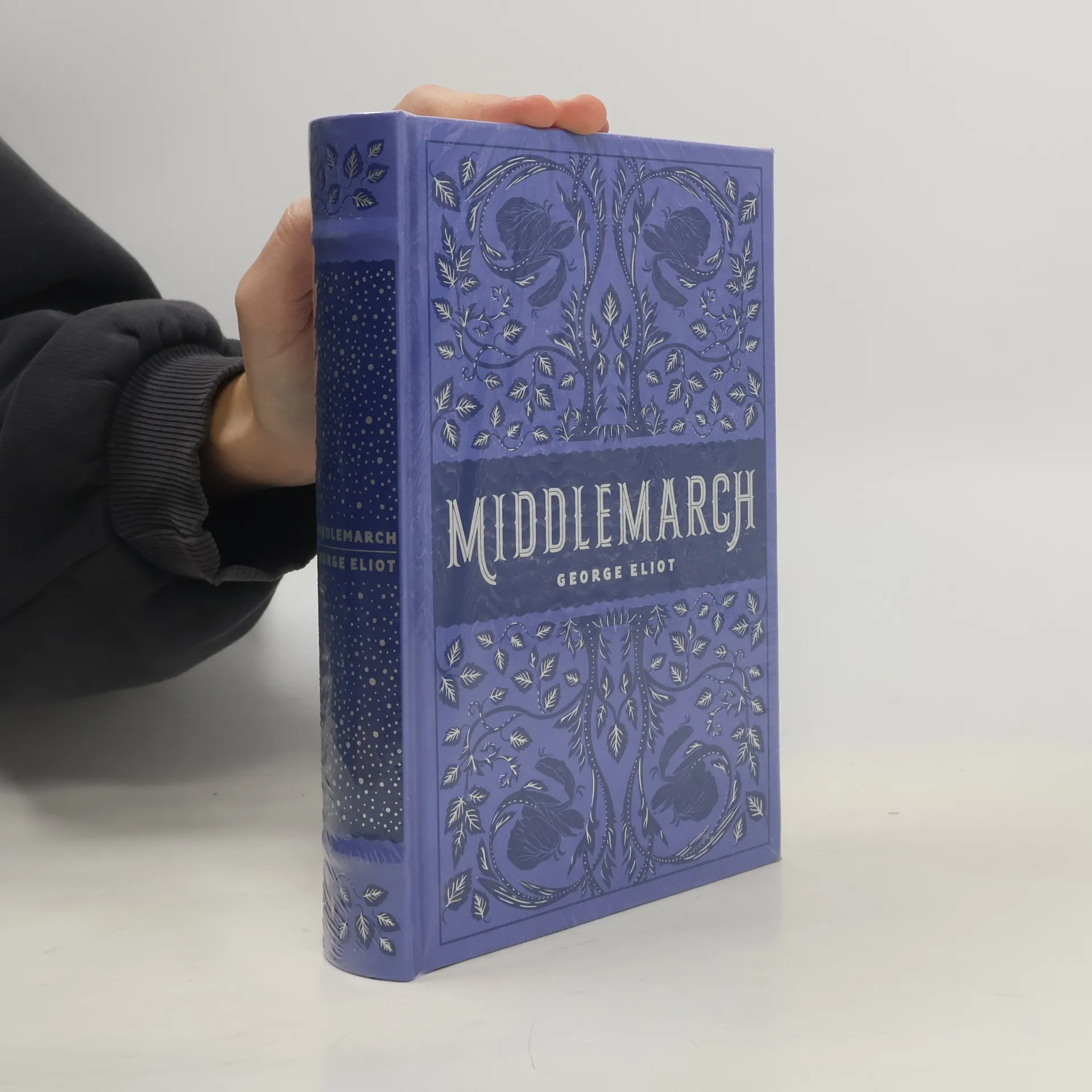
Middlemarch - Barnes and Noble Collectible Editions
- 704pagine
- 25 ore di lettura
Published to tie in with the 200th anniversary of Eliot's birth on 22 Nov 2019.
Longman Study Texts: Silas Marner
- 204pagine
- 8 ore di lettura
TAP Classics: Silas Marner
- 224pagine
- 8 ore di lettura
Der gelüftete Schleier
- 96pagine
- 4 ore di lettura
Der junge Latimer leidet an rätselhaften Visionen fremder Städte und zukünftiger Ereignisse, die sich bewahrheiten. Er kann in die Gedanken anderer eindringen, nur nicht in die von Bertha, der Braut seines Bruders, was ihn zu ihr hinzieht. Trotz warnender Visionen bleibt er ihr verfallen, was unheilvolle Folgen hat.
Middlemarch Vol. 1
- 350pagine
- 13 ore di lettura
George Eliotová patří spolu s Jane Austenovou a sestrami Brontëovými k nejčtenějším a nejuznávanějším anglickým autorkám své doby. Přesvědčí Vás o tom nejen v obsáhlých románech, ale i v povídkách, z nichž dvě si nyní můžete přečíst v dynamickém, vášnivém překladu Kristýny Julinové. Povídku Opona budoucnosti vypráví muž na sklonku svých dní, který byl obdařen neblahým darem číst myšlenky jiných a předvídat věci příští, a může nás těšit, že se její část odehrává v magické Praze. Láska se v ní mísí s nenávistí, naděje se zklamáním, okamžiky úlevy s marnou snahou vypravěče setřást svou nezáviděníhodnou schopnost… A nade vším ční jeho milovaná manželka jako krásná, ale také velmi záhadná a temná postava. V povídce Bratr Jakoubek se setkáváme s vychytralým Davidem Levým a jeho duševně zaostalým, avšak svým způsobem bystrým bratrem Jakoubkem, který Davida přistihne u špatného skutku a jako nelítostná Nemesis se zjeví ve chvíli, kdy se David vrací ze Západní Indie a pod smyšlenou identitou stoupá na společenském žebříčku. George Eliotová zaujme austenovsky prokreslenými charaktery postav, mistrovským líčením prostředí, nečekanými dějovými zvraty a v neposlední řadě smyslem pro humor. Její povídky neztratily ani po půl druhém století svůj půvab a potvrzují její oprávněnou přítomnost mezi největšími spisovatelkami 19. století.
Tichým krokem kráčí strach : čtyři horory psané ženami
- 202pagine
- 8 ore di lettura
Čtyři povídky anglicky píšících ženských autorek z 19. a první poloviny 20. století, spojené výskytem nadpřirozeného prvku. Tím, že těžiště všech leží spíše v psychologii postav než v křiklavé hrůze, nám možná připomenou podobně pojatý výbor z amerických autorů Komu se to dostane do rukou (Odeon, 1990). Ze známých spisovatelek je zde zastoupena např. Angličanka George Eliotová novelou o muži stíhaném nedobrovolným odposlechem myšlenek druhých lidí a Američanka Edith Whartonová povídkou, kde se nadpřirozený prvek projeví až dodatečně, čímž se zpětně změní atmosféra celého příběhu. Zato Violet Huntovou nebo Lanoe Falcnerovou zná dnes už jen pár odborníků, a přece nacházíme v jejich fantastických povídkách přesvědčivost a podmanivost, a paradoxně i věcnost, jakou bychom těžko hledali v naší literatuře přelomu devatenáctého a dvacátého století.
Romola
Román z doby renaissanční
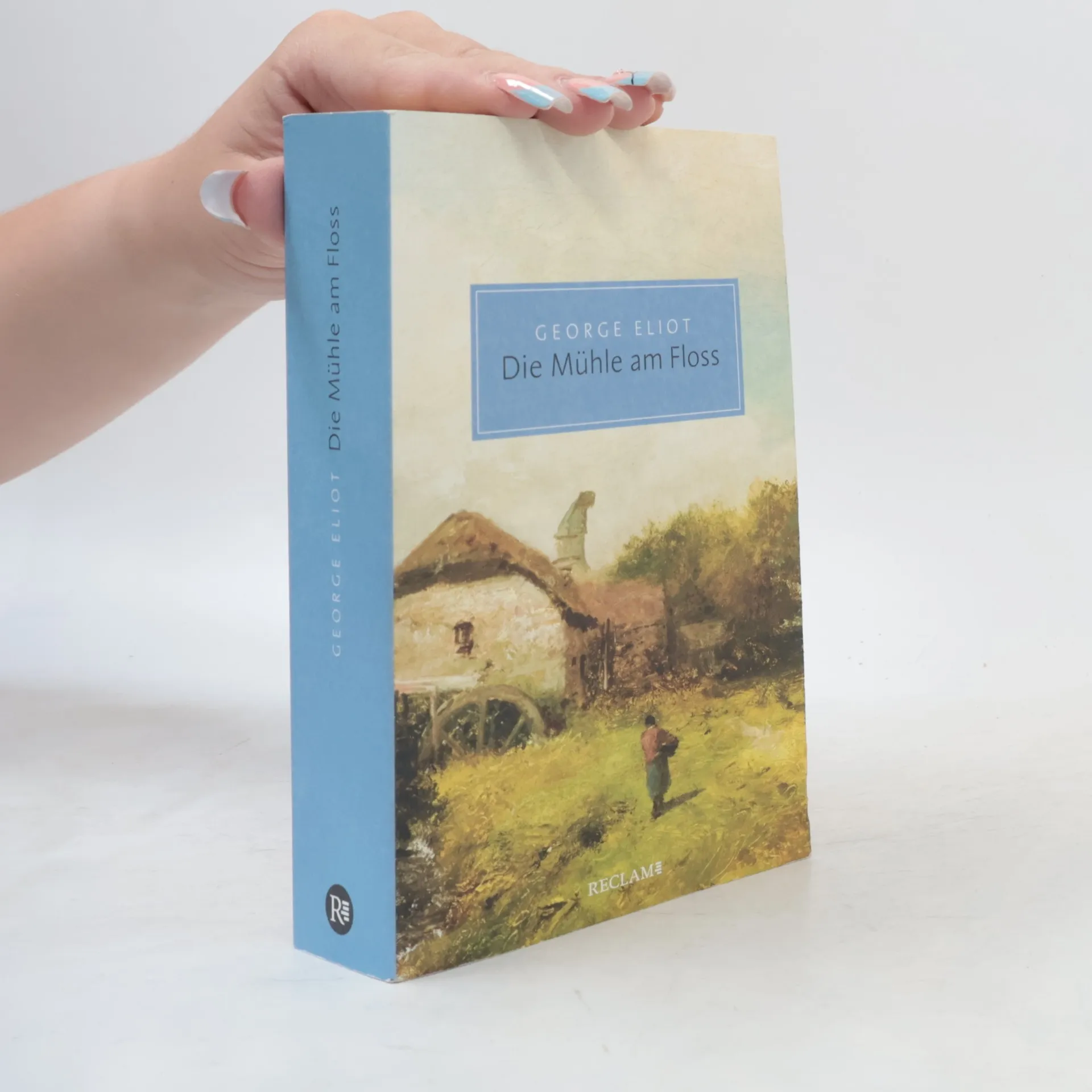
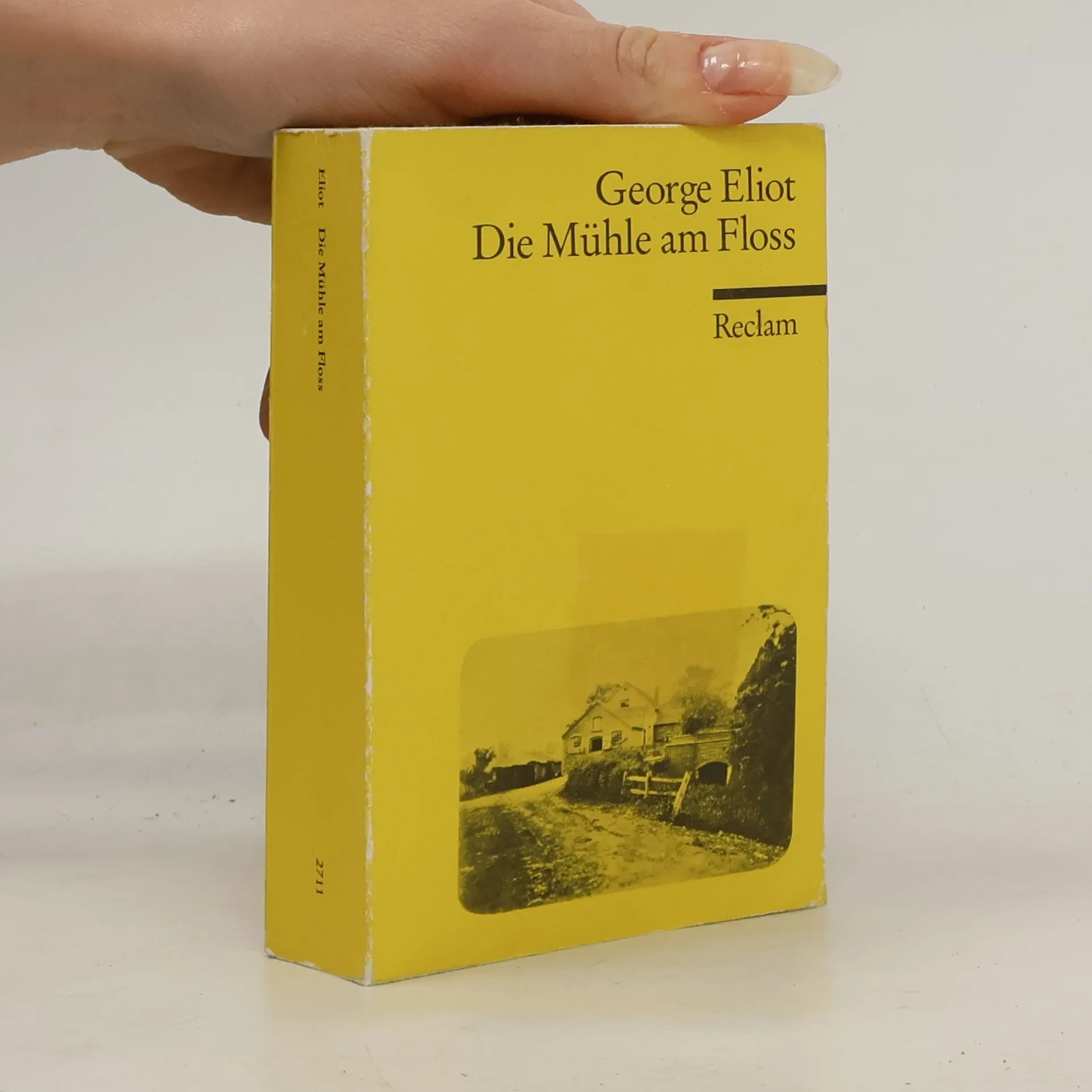
Die Mühle am Floss
Mit Illustrationen berühmter anglo-amerikanischer Künstler
- 578pagine
- 21 ore di lettura
Dorlcote Mill am Floss in Mittelengland, im Besitz der angesehenen Familie Tulliver, wird von Herrn Tulliver, einem intelligenten, aber leicht aufbrausenden Vater, verwaltet. Durch leichtsinnige Geldgeschäfte und Feindschaft mit dem Anwalt Wakem bringt er die Familie in den Ruin und stirbt früh. Seine Frau Bessie gehört zur bornierten Dodson-Familie, die strenge Konventionen wahrt. Die Hauptfigur, Maggie Tulliver, wächst mit ihrem gefühlsarmen und herrschsüchtigen Bruder Tom an der Mühle und dem Fluss auf. Während Tom intellektuell mittelmäßig und moralisch unerschütterlich ist, ist Maggie impulsiv und liebesbedürftig, unterwirft sich jedoch ihrem Bruder. Tom erhält Privatunterricht mit Philip Wakem, dem schüchternen Sohn des verhassten Anwalts. Maggie und Philip freunden sich an. Nach dem finanziellen Ruin der Tullivers wird Wakem neuer Besitzer der Mühle, und Herr Tulliver muss für ihn arbeiten. Tom kämpft, um die Schulden zu begleichen, während Maggie, die zur attraktiven jungen Frau heranwächst, eine Beziehung zu Philip eingeht. Tom zwingt sie, diese zu beenden, und sie wird Lehrerin. Bei einem Besuch bei ihrer Cousine Lucy Deane lernt Maggie Stephen Guest kennen, der sich zu ihr hingezogen fühlt, obwohl er verlobt ist. Eine Bootsfahrt führt zu einem Skandal, der Maggie in St. Ogg ächtet. Tom, nun wohlhabend, weist sie aus dem Haus. Als eine Flut das Tal heimsucht, rettet Maggie.
Romola ist der vierte Roman von George Eliot. Er spielt im Italien der Renaissance und unterscheidet sich deutlich von ihren anderen Romanen, die im England des 19. Jahrhunderts angesiedelt sind. George Eliot selbst beschrieb ihre Situation beim Schreiben des Romans als eine Arbeit, die sie mit ihrem ganzen Herzblut und ihrem Bemühen um strengste Wahrhaftigkeit geleistet hat. Berichten zufolge brauchte sie achtzehn Monate für Konzeption und Recherche, einschließlich mehrerer Reisen nach Florenz. Die Liebe zum Detail, die sich im Roman zeigt, wurde sowohl gelobt als auch kritisiert. Anthony Trollope, der den ersten Teil von Romola gelesen hatte, äußerte seine Bewunderung für Eliots Fleiß bei der Erstellung des Werks.
»Adam Bede« ist der erste Roman von George Eliot, erschienen 1859. Die Geschichte dreht sich um ein Liebesrechteck: die selbstverliebte Hetty Sorrel, der junge Gutsherr Arthur Donnithorne, der sie verführt, Adam Bede, ihr heimlicher Verehrer, und Dinah Morris, Hettys tugendhafte Cousine und methodistische Laienpredigerin. Adam, ein respektierter Zimmermann, liebt Hetty, die jedoch von Arthur angezogen ist. Als Adam die beiden bei einem Treffen überrascht, kommt es zu einem Konflikt zwischen den Männern. Arthur beschließt, Hetty aufzugeben, verlässt Hayslope und kehrt zu seiner Miliz zurück. Hetty willigt ein, Adam zu heiraten, doch kurz vor der Hochzeit entdeckt sie ihre Schwangerschaft. In ihrer Verzweiflung sucht sie Arthur, findet ihn jedoch nicht. Aus Scham und Angst vor Ächtung bringt sie ihr Kind heimlich zur Welt und setzt es aus. Als sie es zurückholen will, ist es bereits gestorben. Hetty wird wegen Kindesmord angeklagt und zum Tode verurteilt. Dinah tröstet sie im Gefängnis. Arthur, der von der bevorstehenden Hinrichtung erfährt, lässt das Todesurteil in Verbannung umwandeln. Schließlich heiraten Adam und Dinah, die sich ihrer Liebe zueinander bewusst werden.
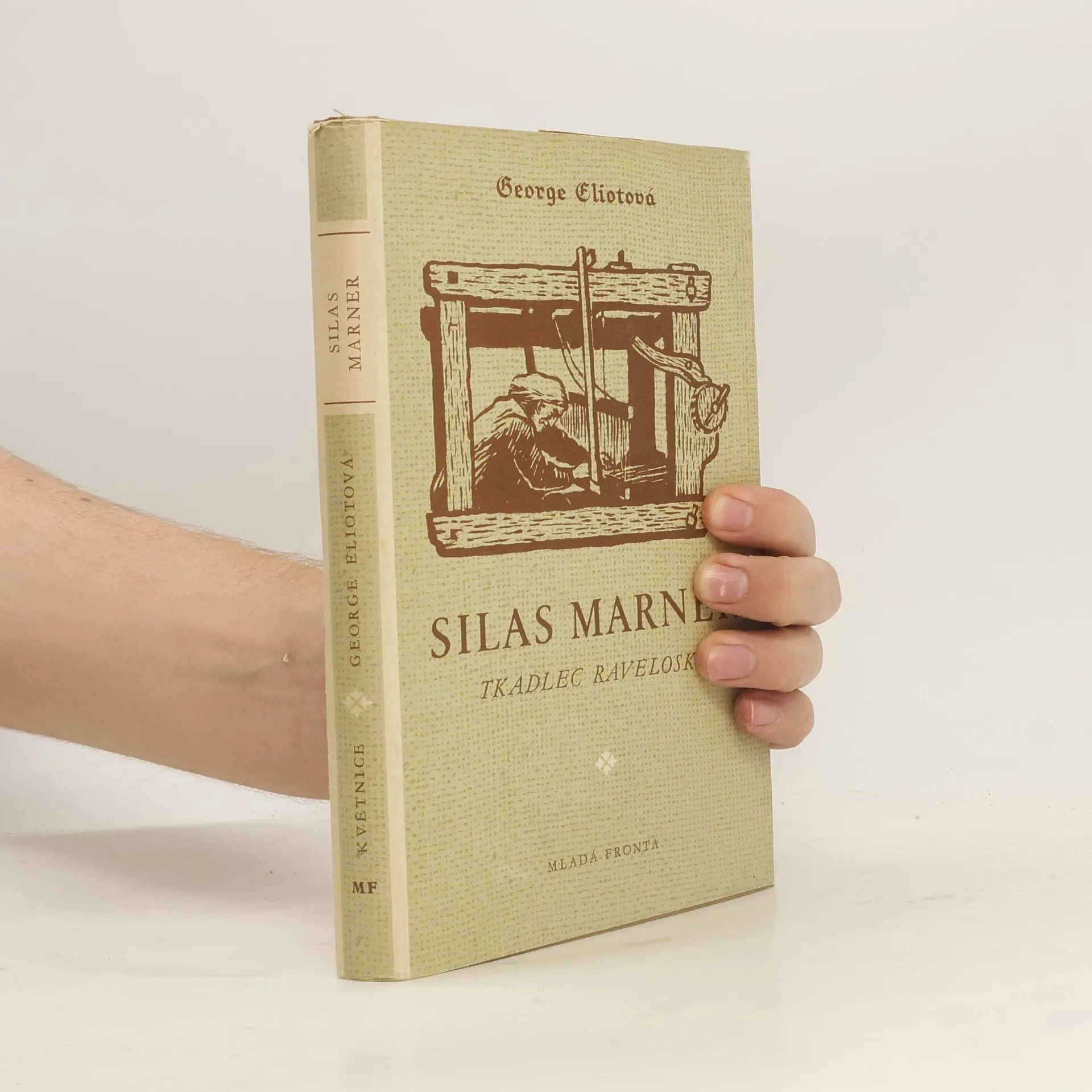
Silas Marner
Illustrationen von Charles Edmund Brock und William Ladd Taylor
- 244pagine
- 9 ore di lettura
Daniel Deronda Band 1
- 476pagine
- 17 ore di lettura
Die Geschichte folgt Daniel Deronda, einem sensiblen und warmherzigen jungen Mann, der Mirah Lapidoth, eine jüdische Sängerin, rettet und ihr hilft, ihre Familie zu finden. Während seiner Suche lernt er die jüdische Gemeinde Londons kennen und entwickelt eine starke Verbindung zu Mirah. Parallel dazu kämpft Gwendolen, die sich aus finanziellen Gründen mit dem wohlhabenden Henleigh Grandcourt verheiratet hat, mit den Konsequenzen ihrer Entscheidung. Deronda steht zwischen seinen Gefühlen für Gwendolen und seiner Verantwortung gegenüber Mirah und der jüdischen Gemeinschaft, während er sich mit Identität und Pflicht auseinandersetzt.
Middlemarch Band 2
Mit Illustrationen von William L. Taylor und Frederick Dielman
- 520pagine
- 19 ore di lettura
Im fiktiven Middlemarch um 1830 kämpfen die Protagonisten Tertius Lydgate und Dorothea Brooke gegen die engen gesellschaftlichen Konventionen ihrer Zeit. Lydgate, ein idealistischer Arzt, sieht sich dem Widerstand der etablierten Ärzte und einem schwierigen Eheleben mit Rosamond gegenüber. Dorothea, eine junge Frau mit großen Ambitionen, wird in einer unglücklichen Ehe mit einem älteren Gelehrten gefangen, die erst durch dessen Tod endet. Beide Charaktere müssen schließlich ihre Heimatstadt verlassen, um ein neues Leben zu beginnen, da Middlemarch für unkonventionelle Persönlichkeiten keine Perspektiven bietet.
Im Jahr 1832, während der Wahlrechtsreform in Großbritannien, entfaltet sich ein Konflikt zwischen dem egoistischen Gutsbesitzer Harold Transome und dem idealistischen Uhrmacher Felix Holt. Transome simuliert Unterstützung für die Radikalen, um seine Wahlchancen zu erhöhen, während Holt leidenschaftlich für Gerechtigkeit kämpft. Die Rivalität zwischen den beiden Männer wird zusätzlich angeheizt, als sie sich in dieselbe Frau verlieben, was die Spannungen zwischen ihren unterschiedlichen Werten und Zielen weiter verstärkt.
Middlemarch Band 1
Mit Illustrationen von William L. Taylor und Frederick Dielman
- 552pagine
- 20 ore di lettura
Im fiktiven Middlemarch um 1830 kämpfen die Protagonisten Tertius Lydgate, ein junger Arzt, und Dorothea Brooke, eine idealistische junge Frau, gegen die starren gesellschaftlichen Normen ihrer Zeit. Lydgate sieht sich nicht nur dem Widerstand seiner Kollegen gegenüber, sondern auch einem gescheiterten Eheleben mit Rosamond, das ihn in die Verschuldung treibt. Dorothea hingegen träumt von einer Bildungsehe, wird jedoch enttäuscht und findet erst durch den Tod ihres ersten Mannes zu neuem Glück. Beide Charaktere sind gezwungen, die Stadt zu verlassen, um ihre Chancen auf ein erfülltes Leben zu suchen.
Daniel Deronda Band 2
- 502pagine
- 18 ore di lettura
Die Mühle am Floss
Reclams Klassikerinnen
Das Leben ist nicht leicht für die ungestüme Maggie Tulliver, die ihren Bruder Tom verehrt und verzweifelt versucht, die Anerkennung ihrer Eltern zu gewinnen. Dennoch ist es eine unbeschwerte Kindheit, die sie in der idyllischen Umgebung der Dorlcoter Mühle verlebt – bis der Vater die Mühle verliert und Tom die Schulden der Familie begleichen muss. Zunehmend gerät Maggie zwischen die Fronten der vier Männer in ihrem Leben: des Vaters, ihres Bruders, eines Verehrers und ihres Jugendfreunds, der zufällig der Sohn des Erzfeindes ihres Vaters und Bruders ist. Die ergreifende Geschichte eines ungleichen Geschwisterpaars, die nach vielen Wirrungen in einer alles verschlingenden Flutkatastrophe endet, gilt als Eliots autobiographischster Roman. – Mit einer kompakten Biographie der Autorin.
Die Mühle am Floss
- 759pagine
- 27 ore di lettura
Anmerkungen u. Nachwort v. König, Eva-Maria 759 S.
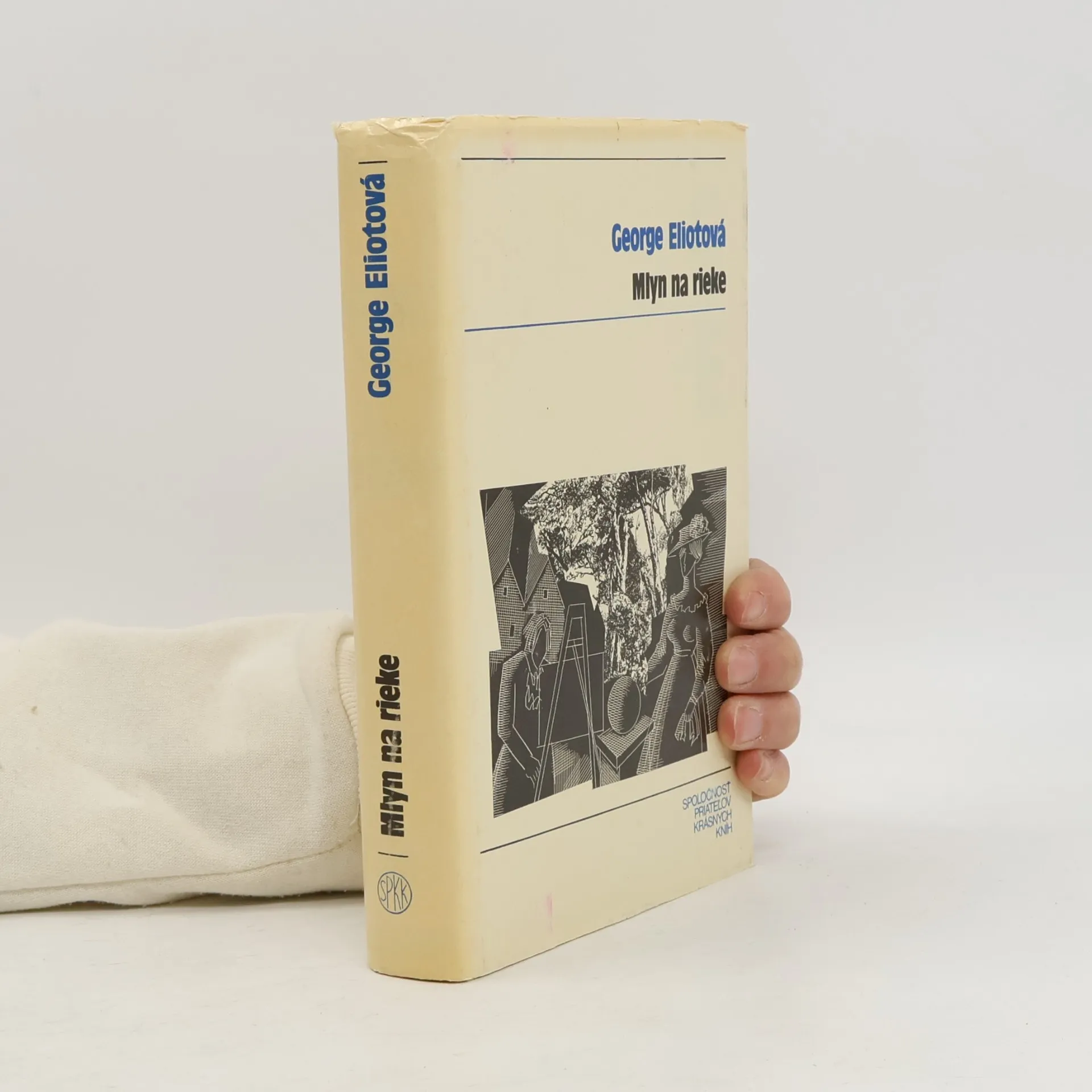
George Eliotová (vlastným menom Mary Ann Evansová) je popredná predstaviteľka anglického realizmu 19. stor. Literárnym debutom Elitovej a Georgea Mereditha sa datuje prelom v anglickom románe, a to v období, keď na literárnom nebi Británie žiarili hviezdy takej veľkosti, ako Charles Dickens, WilliamM. Thackeray, sestry Brontëové a Elizabeth Gaskellová. Eliotová bola už známou novinárkou a prekladateľkou filozofických diel, keď vstúpila do literatúry, a razom si vydobyla uznanie kritiky aj lásku čitateľov. Jej tvorbu charakterizuje nevšedné rozprávačské umenie, hlboký zmysel pre vystihnutie vzájomných ľudských vzťahov a drobnokresba postáv. Eliotová, popri ostatnej literárnej činnosti, napísala sedem románov, z ktorých sa najvyššie hodnotia Adam Bede (1859), Mlyn na rieke (1860) a Middlemarch (1871 - 1872).
Příběh se odehrává ve 40. letech 19. století v provinčním městečku St. Oggs. Tulliverův mlýn se kvůli ambicióznímu právníkovi Wakemovi dostane do velkých finančních potíží, a zatímco Tom se usilovnou prací snaží získat zpět rodinný majetek, Maggie chce překonat zášť z minulosti přátelstvím s Philipem, Wakeovým postiženým synem. Děj však stojí na sourozeneckém poutu mezi Tomem a Maggie a rodinných konfliktech. Maggie totiž v jedné chvíli podlehne své potlačované touze k Lucyinu snoubenci Stephenovi - a posléze se zahanbeně vrací k rodině. Tragické rozuzlení sice přináší konečné usmíření s Tomem, nic méně platí, že "příroda dokáže obnovit napáchané škody - ale ne všechny."