World Politics
- 688pagine
- 25 ore di lettura
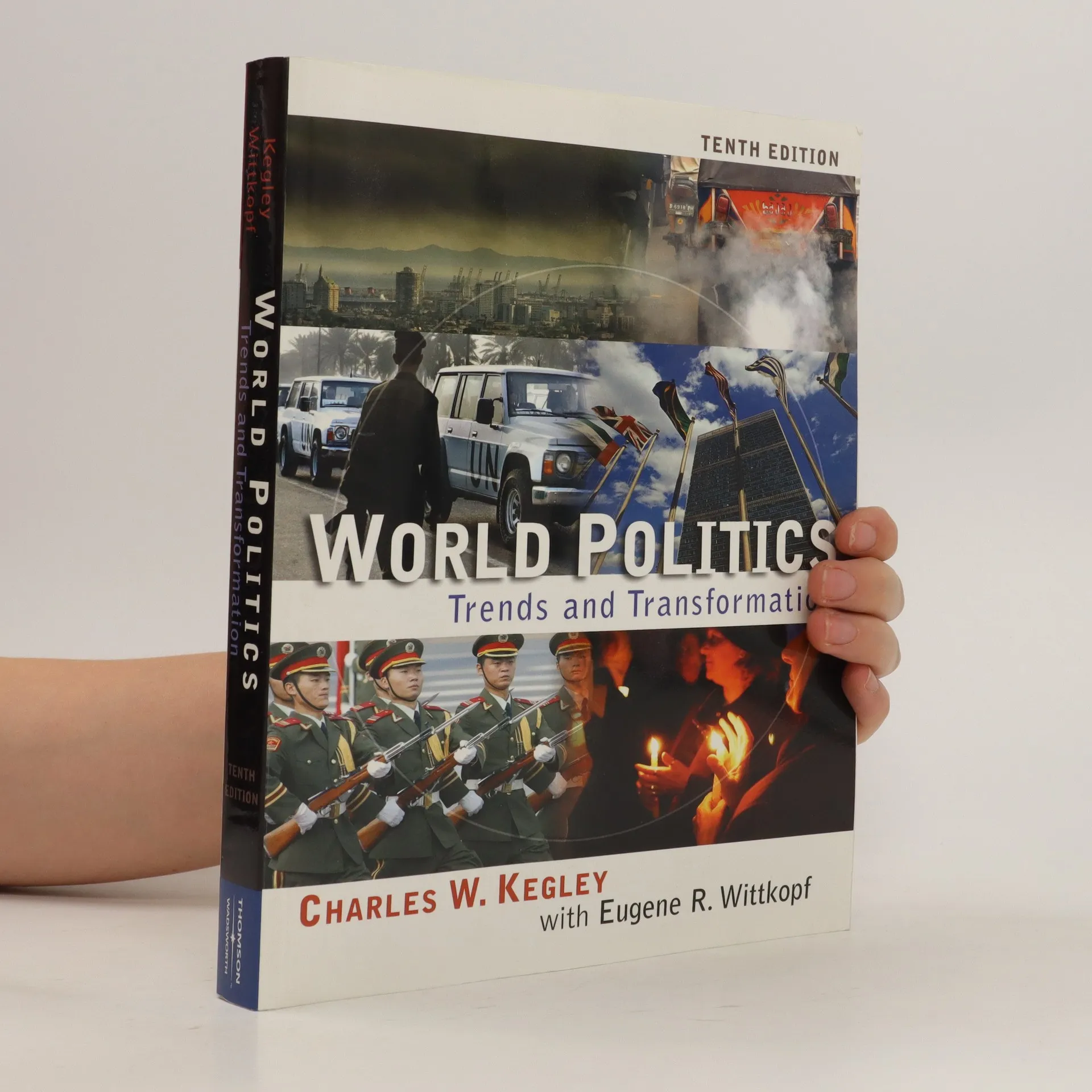
'World Politics' provides a complete introduction to international relations, global problems, and policy issues.


'World Politics' provides a complete introduction to international relations, global problems, and policy issues.
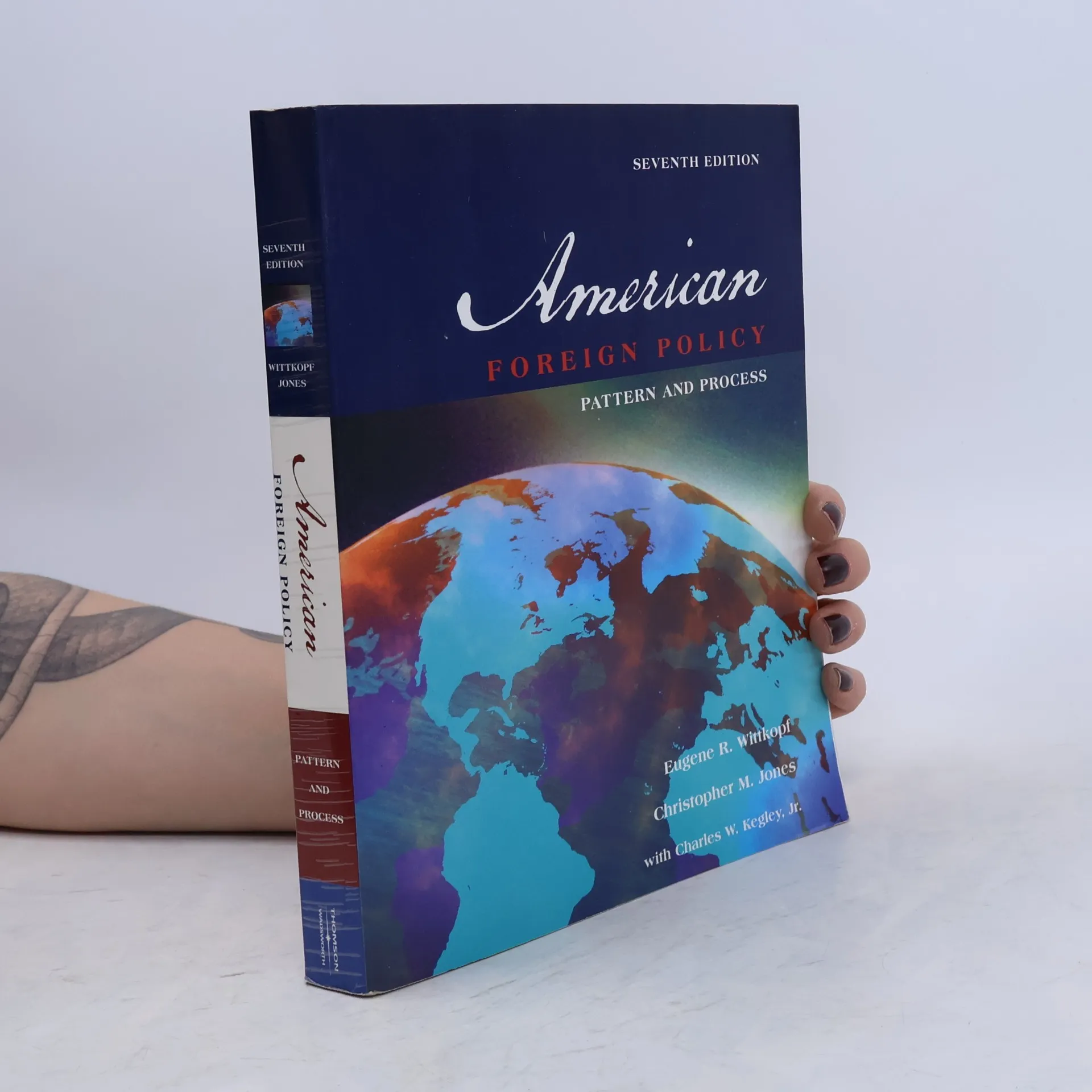
Now in its Seventh Edition, AMERICAN FOREIGN POLICY has been thoroughly revised and updated to include several completely new sections, reflecting the most recent developments and scholarship related to American foreign policy. This Seventh Edition provides considerable attention to how the Bush administration sought to reshape national strategy, policies and structures; its domestic and international actions taken in the name of national security, and the immediate as well as possible long-term consequences of these developments. As in past editions, the Seventh Edition retains the book's proven and pedagogically valuable analytical framework. Harnessing the conceptual, theoretical, and historical components that facilitate an analysis of American foreign policy, this text maintains five sources-international, societal, governmental, role, and individual-that collectively influence decisions about foreign policy goals, and the means chosen to realize them. Offering readers extraordinary breadth, thoughtful discussion, and in-depth of coverage of past, present, and future American foreign policy, AMERICAN FOREIGN POLICY will equip readers with a solid and well-informed understanding of the full range of domestic and global sources of influence that will challenge American foreign policy-makers in the twenty-first century.
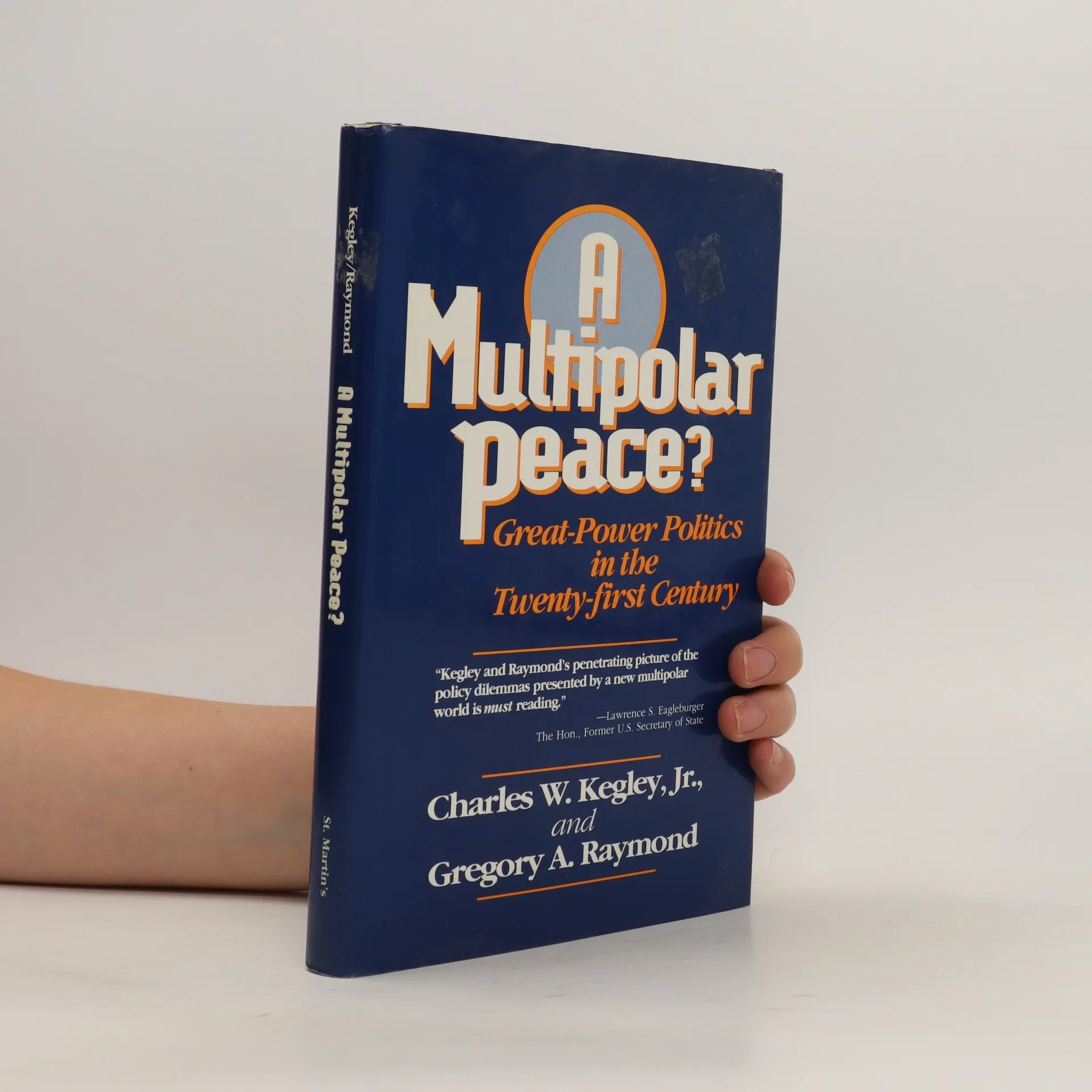
Offering a consistent, future-oriented perspective, this important new study considers the positions of the United States and other world powers in a changing international system and outlines the priorities and constraints that may govern the conduct of American foreign policy in the decades to come. Focusing primarily on the breakdown of the bipolar system and its replacement by a multipolar system, the authors provide an analysis of great-power relations before and during the Cold War - one that challenges some of the prevailing notions about the lessons of the Cold War, examine the recent changes in international alliances and the future role that transnational actors may take in minimizing conflict, and consider the different arrangements under which this multipolar system can provide the most favorable environment for world peace.