"Through the weaponization of social media, the internet is changing war and politics, just as war and politics are changing the internet. Terrorists livestream their attacks, "Twitter wars" produce real-world casualties, and viral misinformation alters not just the result of battles, but the fate of nations. War, tech, and politics have blurred into a new kind of battlespace that plays out on our smartphones. P.W. Singer and Emerson T. Brooking tackle the mind-bending questions that arise when war goes online and the online world goes to war."-- Provided by publisher
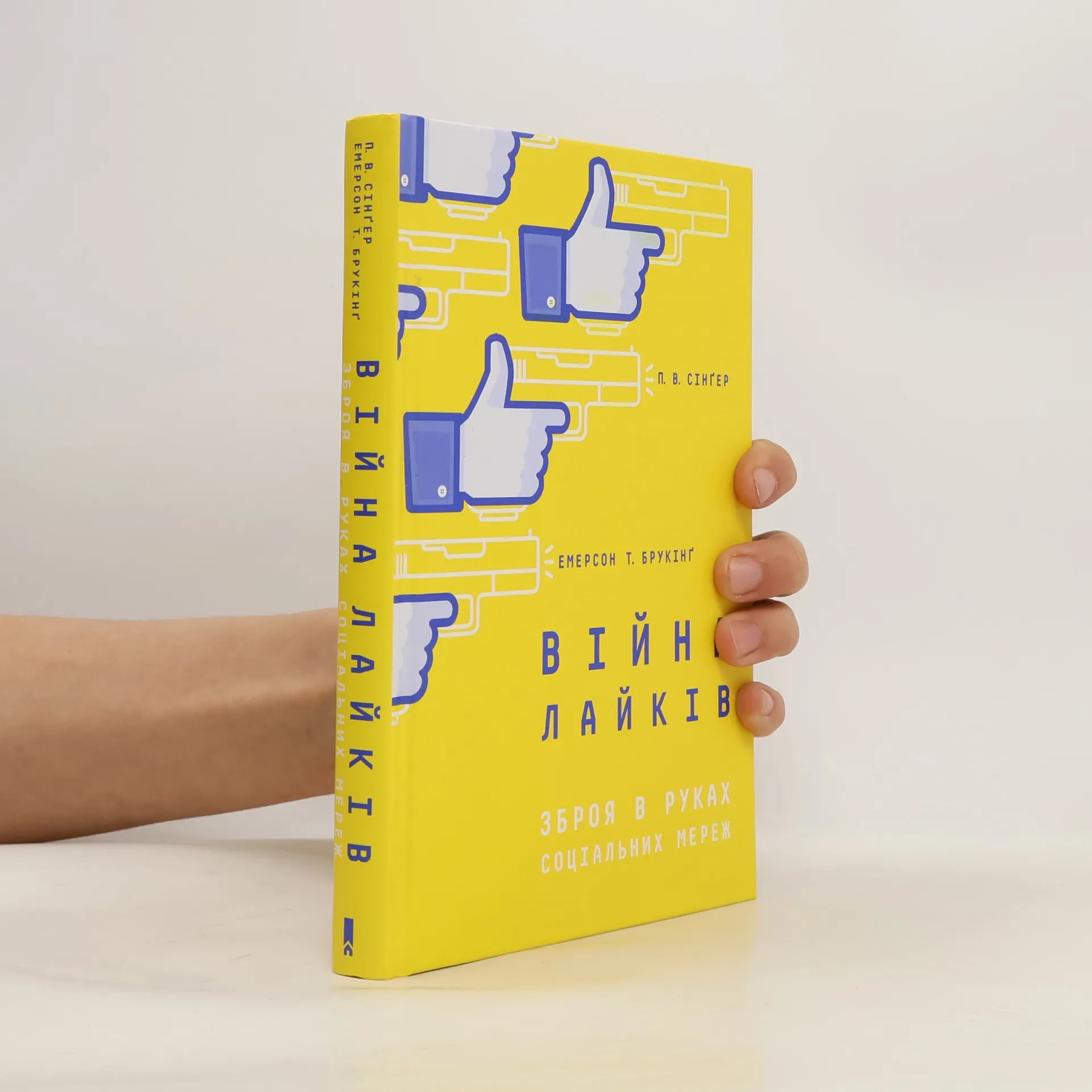
Social media has been weaponized, as state hackers and rogue terrorists have seized upon Twitter and Facebook to create chaos and destruction. This urgent report is required reading, from defense experts P.W. Singer and Emerson T. Brooking.
A military expert reveals how science fiction is fast becoming reality on the battlefield, changing not just how wars are fought, but also the politics, economics, laws, and ethics that surround war itself.
Traces the advent of robotic warfare, revealing its use in the war in Iraq, the latest technological achievements, and the secret Pentagon consultations with top science fiction authors.
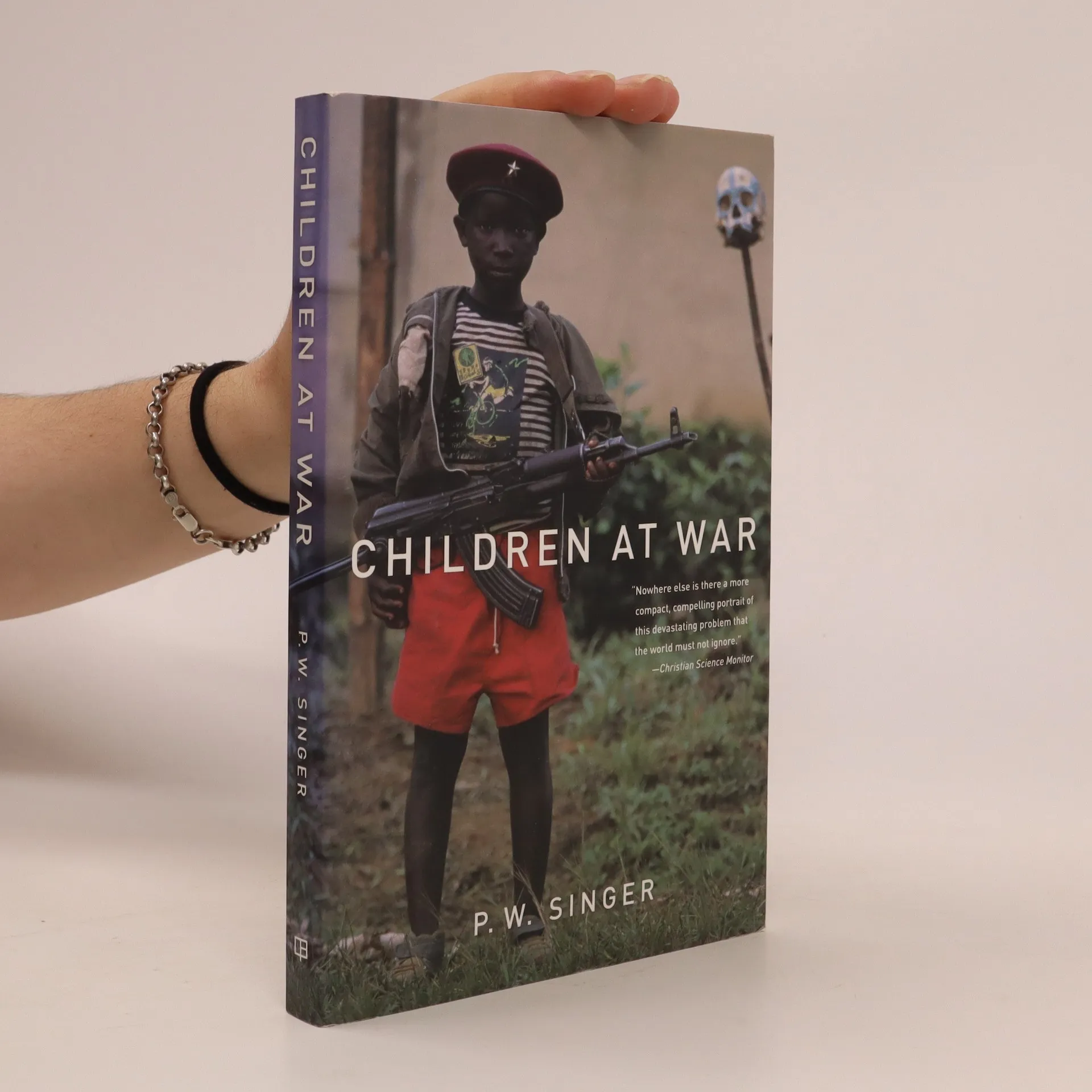
From U.S. soldiers having to fight children in Afghanistan and Iraq to juvenile terrorists in Sri Lanka to Palestine, the new, younger face of battle is a terrible reality of 21st century warfare. Indeed, the very first American soldier killed by hostile fire in the “War on Terrorism” was shot by a fourteen-year-old Afghan boy. Children at War is the first comprehensive examination of a disturbing and escalating phenomenon: the use of children as soldiers around the globe. Interweaving explanatory narrative with the voices of child soldiers themselves, P.W. Singer, an internationally recognized expert in modern warfare, introduces the brutal reality of conflict, where children are sent off to fight in war-torn hotspots from Colombia and the Sudan to Kashmir and Sierra Leone. He explores the evolution of this phenomenon, how and why children are recruited, indoctrinated, trained, and converted to soldiers and then lays out the consequences for global security, with a special case study on terrorism. With this established, he lays out the responses that can end this horrible practice. What emerges is not only a compelling and clarifying read on the darker reality of modern warfare, but also a clear and urgent call for action.
An FBI agent teams up with the first police robot to hunt a shadowy terrorist
in this gripping techno thriller - and fact-based tour of tomorrow - from the
authors of Ghost Fleet.
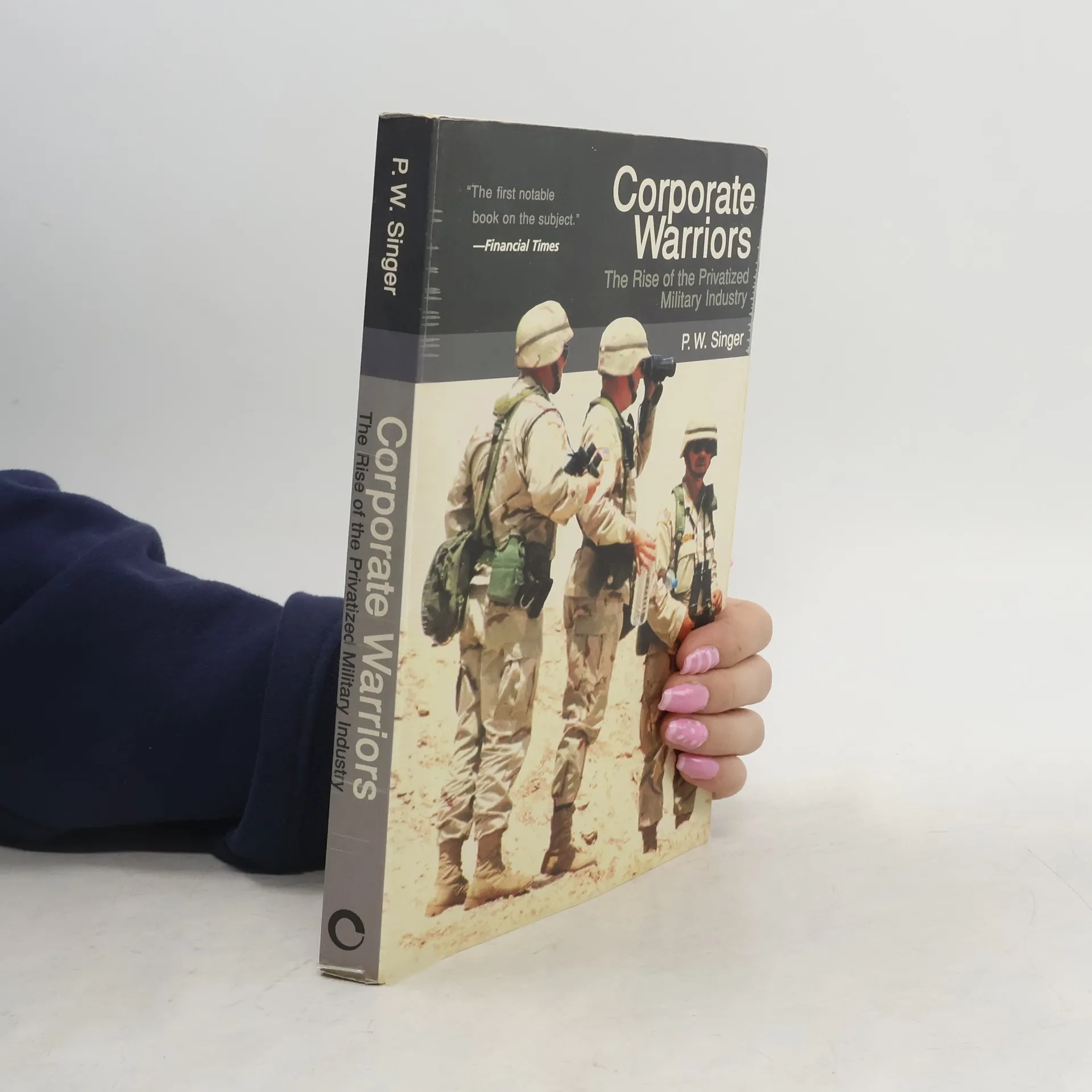
Some have claimed that "War is too important to be left to the generals," but P. W. Singer questions, "What about the business executives?" Moving beyond traditional mercenaries, corporations now offer skills and services once reserved for state militaries. Their offerings include trained commando teams and strategic advice from generals. This emerging "Privatized Military Industry" comprises hundreds of companies, thousands of employees, and billions in revenue. These firms have engaged in conflicts across Africa, Asia, the Balkans, and Latin America, increasingly becoming integral to U.S. military operations. Private corporations, driven by profit, now influence the trajectory of national and international conflicts, yet the implications remain largely unexamined. Singer provides a comprehensive account of the military services industry, detailing its operations and the various types of military providers, including tactical troops, military consultants, and support companies that offer logistics, intelligence, and engineering. While the privatization of warfare introduces new capabilities and efficiencies, it also raises significant concerns regarding democracy, ethics, management, human rights, and national security.
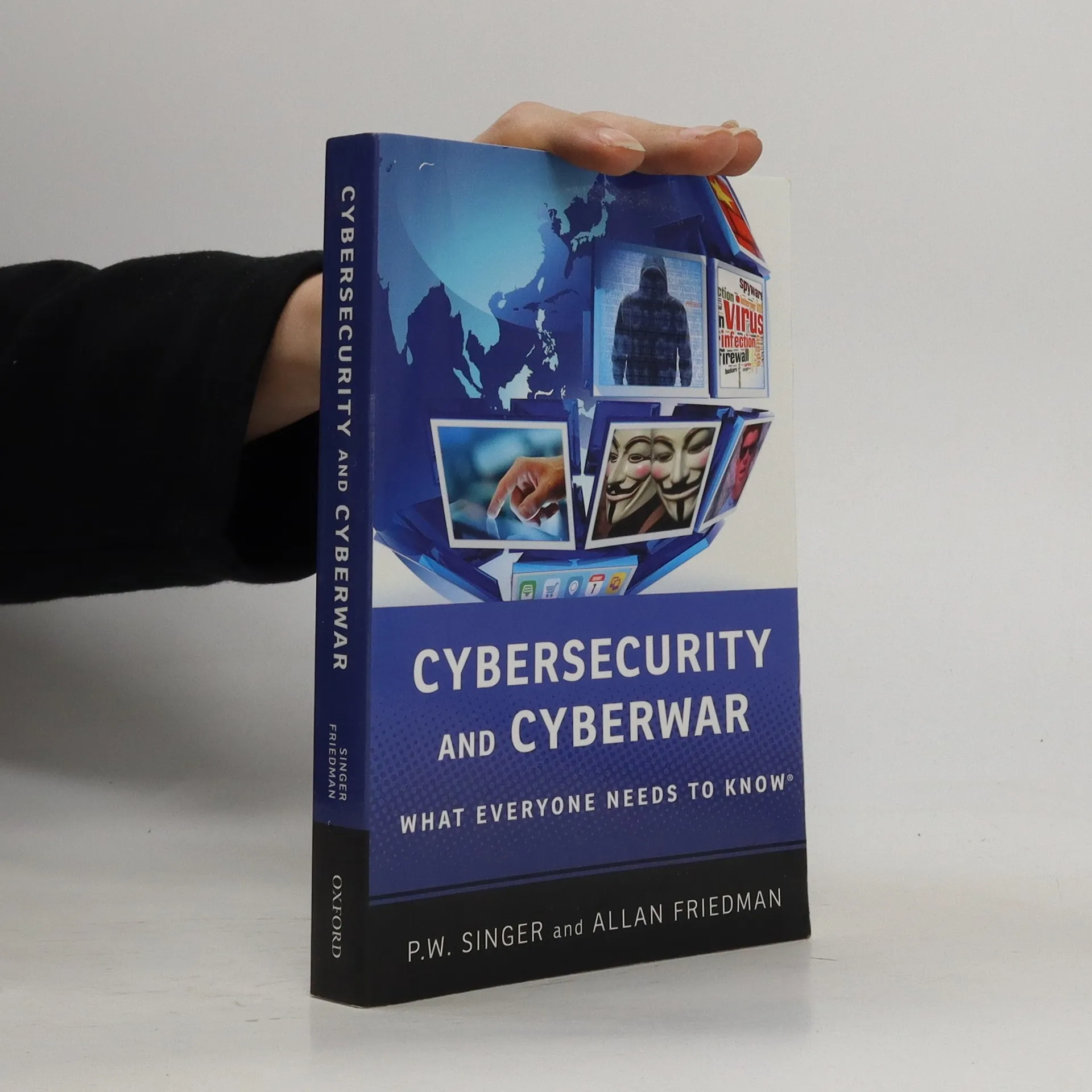
Our entire modern way of life fundamentally depends on the Internet. The resultant cybersecurity issues challenge literally everyone. Singer and Friedman provide an easy-to-read yet deeply informative book structured around the driving questions of cybersecurity: how it all works, why it all matters, and what we can do.
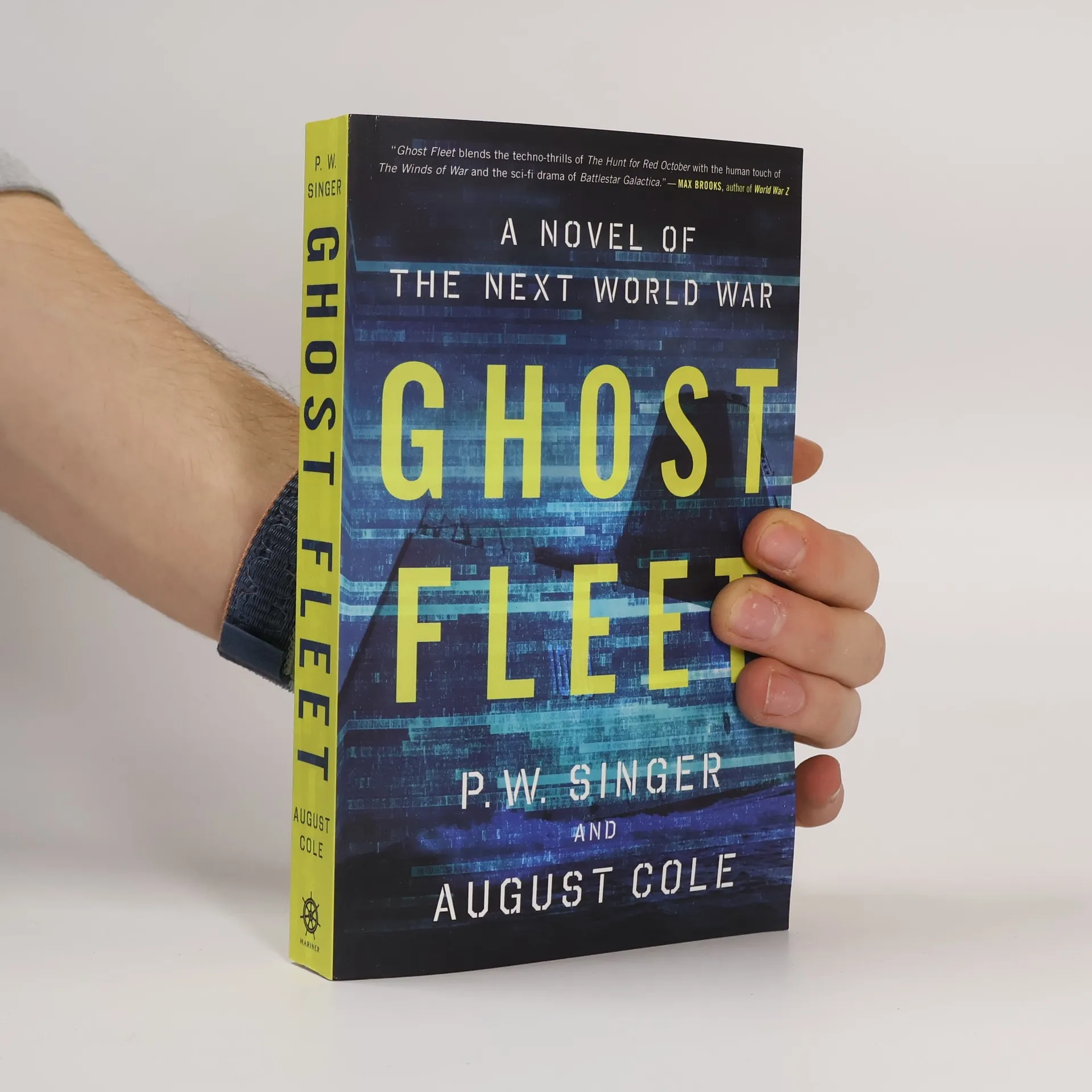
An acclaimed technothriller that envisions a high-tech war between America and China--a near-future conflict made all the more chilling by the real-world research that undergirds it.
An FBI agent hunts a new kind of terrorist through a Washington, DC, of the
future in this ground-breaking bookat once a gripping technothriller and a
fact-based tour of tomorrow.
• Книжка року за версією Amazon • The New York Times, Washington Post, Time рекомендують Хочеш миру — готуйся до лайків Facebook — як поле бою, а Instagram — ніби концентраційний табір вільного часу із «лайками»-наглядачами. Сюжет для кіберпанку? Аж ніяк. Наше сьогодення. У світі протягом тривалого часу точиться війна — віртуальна. Із цілком реальними наслідками, часто кривавими та смертельними, коли необережний пост може стати епітафією, а невинна «вподобайка» — приводом для арешту. Такі випадки давно стали нормою. Пітер Сінґер та Емерсон Брукінґ витратили довгих п’ять років, щоб провести ґрунтовне дослідження розвитку Інтернету, найвідоміших соцмереж сьогодення та процесу перетворення їх на зброю в сучасному світі. Від історії появи Всесвітньої павутини, смайликів, твітів та мемів автори розповідають про використання платформ соцмереж авторитаристами, революціонерами, силами оборони, терористами, Дональдом Трампом, Росією, Китаєм, США й багатьма іншими фігурантами онлайн-життя. Ласкаво просимо до cвіту соцмережевого періоду!
Les États-Unis, la Chine et la Russie s'affrontent dans une nouvelle guerre froide pour le contrôle de gigantesques gisements de gaz naturel dans le Pacifique. Le conflit se réchauffe soudainement quand un véritable Pearl Harbor numérique frappe la marine américaine à Hawaï. Un combat brutal s'engage sur la mer, sur la terre, dans les airs, dans l'espace, et même le cyberespace. La suprématie technologique chinoise réduit vite l'armée américaine au rôle de résistant. Mais la victoire finale reviendra à ceux qui sauront allier les leçons du passé aux armes du futur...
Firmen, die am Krieg verdienen, streben danach, ihren Markt zu erweitern und benötigen mehr Konflikte. Im westafrikanischen Sierra Leone war der Staat nahezu verloren, bis die Aufständischen, bekannt für grausame Praktiken, besiegt wurden und Frieden einbrach. Im Balkankrieg verwandelten sich kroatische Milizen über Nacht in eine professionelle Armee, während Serbien militärisch unter Druck gesetzt wurde. In beiden Fällen gewannen private Unternehmen, die zunehmend die Kriegsführung für Staaten übernehmen. Es gibt Hunderte dieser Firmen, deren Gesamtumsatz auf über 100 Milliarden Euro geschätzt wird, und die Branche wächst rasant. Private Sicherheitskräfte ersetzen reguläre Truppen, wie im Irak, wo Firmen wie CACI und Titan Corp. in den Folterskandal von Abu Ghraib verwickelt sind. Peter Warren Singer, Analyst beim Brookings-Institut, bietet in seinem Buch eine präzise Analyse der militärischen Serviceindustrie und deren Einfluss. Er beleuchtet die Aktivitäten von Firmen wie MPRI und Dyncorp, die in verschiedenen militärischen und nachkriegsbezogenen Operationen tätig sind. Singer warnt vor den Gefahren dieser Entwicklung für Demokratie, Menschenrechte und nationale Sicherheit. Firmen, die am Krieg verdienen, streben nach mehr Konflikten, um ihren Profit zu maximieren.