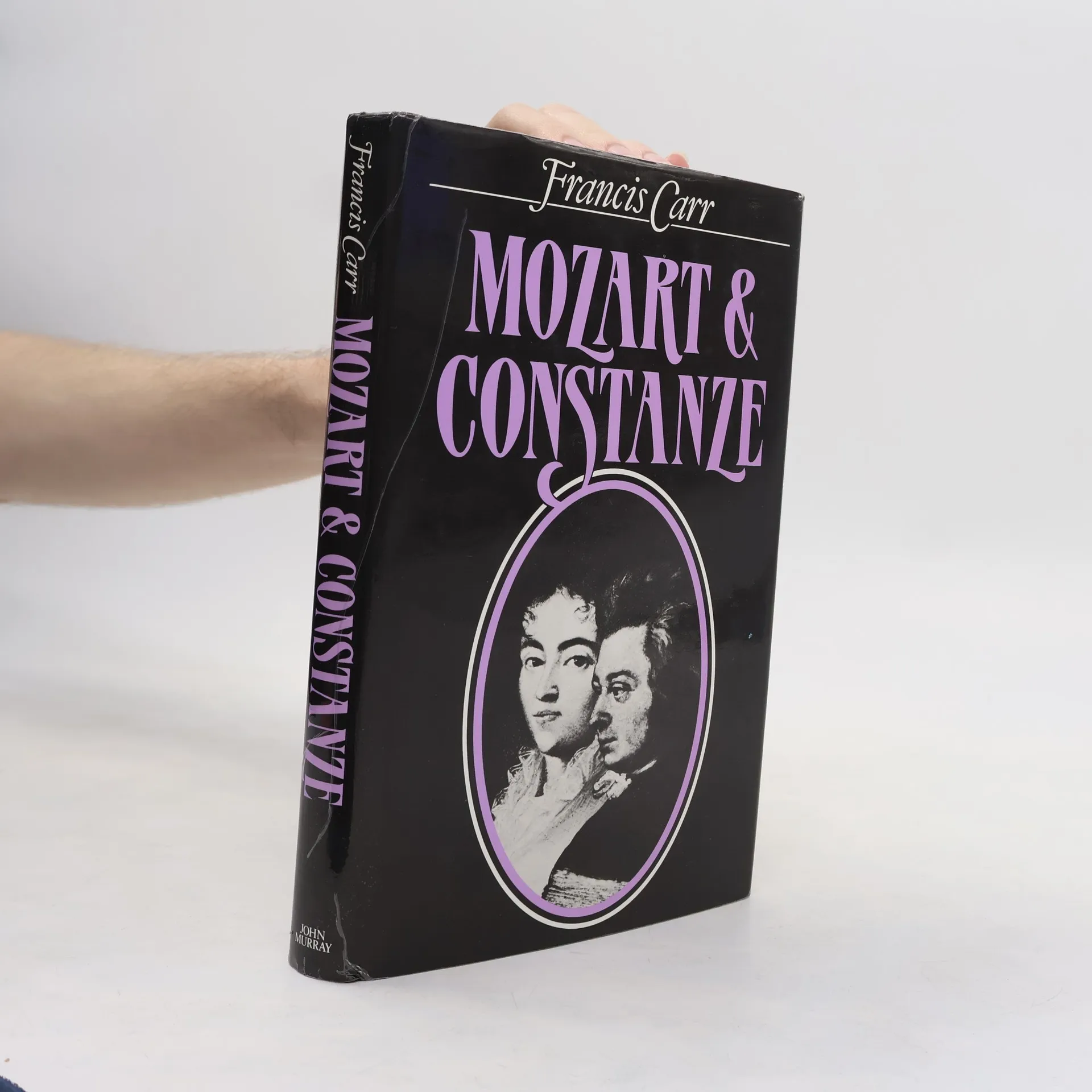
Mozart & Constanze
- 186pagine
- 7 ore di lettura


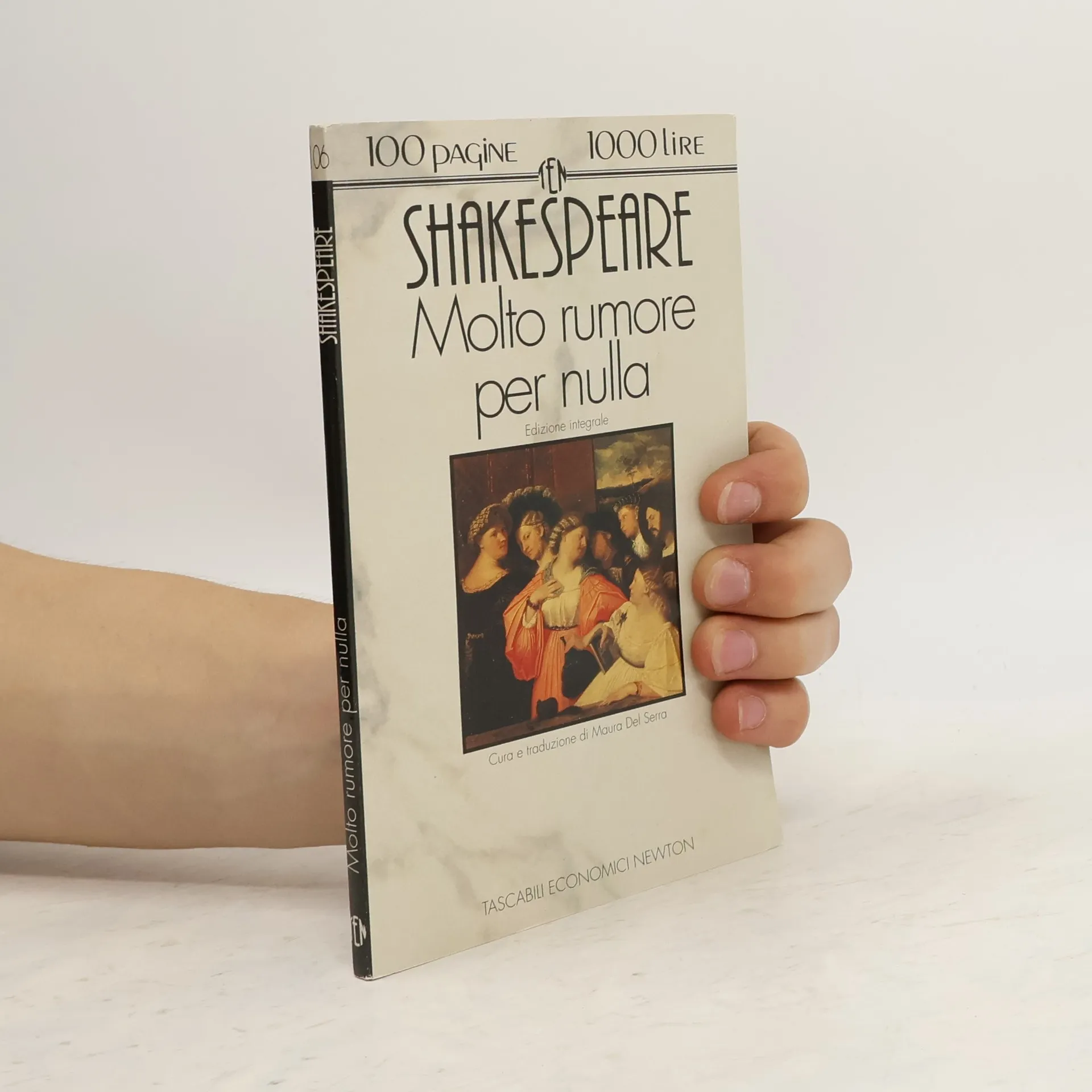
Scritta sullo scorcio del sedicesimo secolo, alla fine della fase giovanile della produzione shakespeariana e congenere alle altre tre "commedie romantiche" o tragicommedie coeve ("Il mercante di Venezia", "Come vi piace", "La dodicesima notte"), Molto rumore per nulla è improntata a un fresco gioco scenico che decanta in accenti lirici e meditativi la consumata eleganza della scenografia verbale. Prendendo spunto dalla commedia cortese e dalla novellistica italiana, fonde l'arguzia la farsa popolare. Ne risulta una polifonia lirica brillante, che ritrae il gioco dei sentimenti e dei destini.
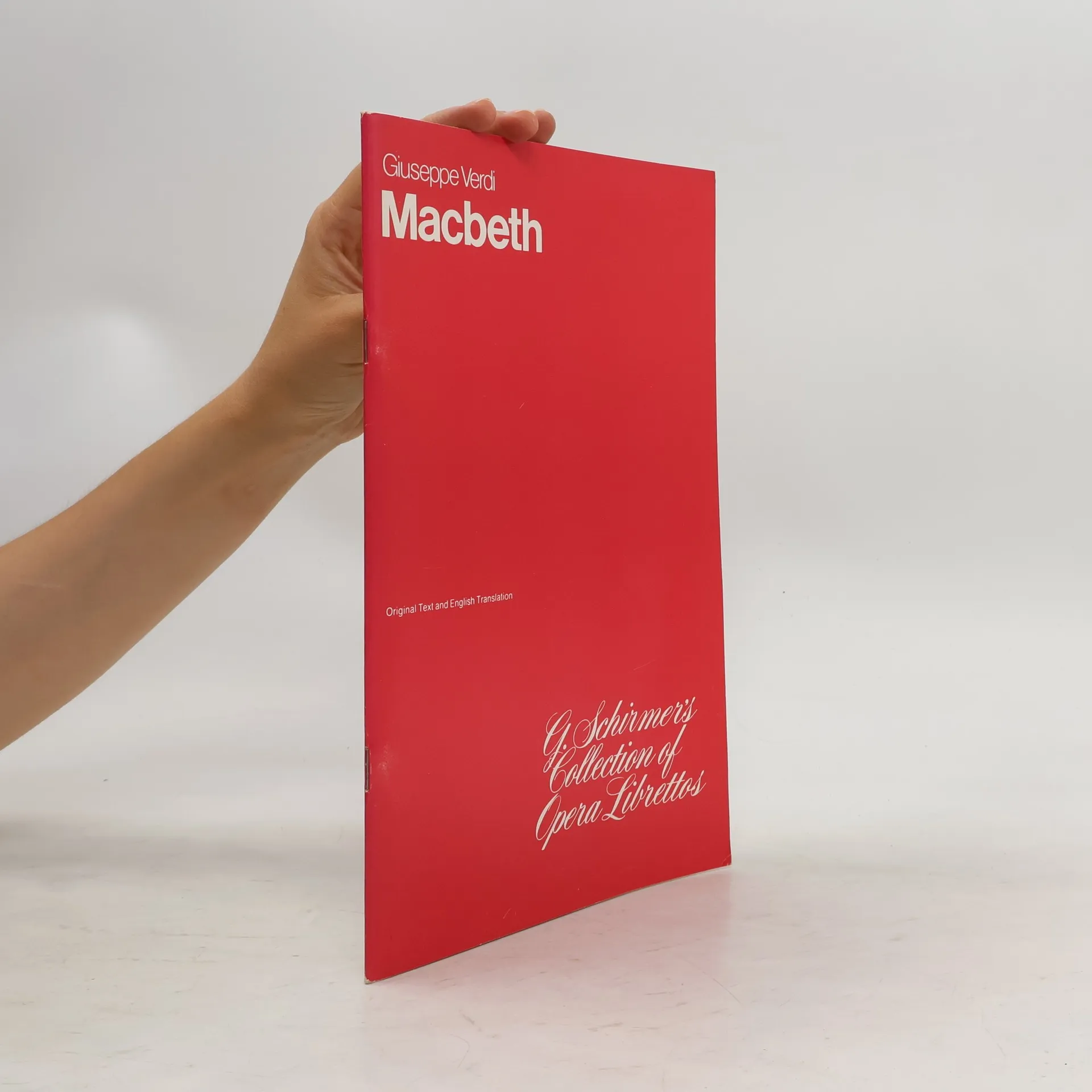
The book explores themes of ambition, power, and guilt through the tragic story of Macbeth. It begins with three witches who prophesy that Macbeth will become king, igniting his dark desires. Struggling with his murderous thoughts, he is ultimately spurred on by his wife, Lady Macbeth, leading him to kill King Duncan in his sleep. As Macbeth ascends to the throne, he becomes increasingly paranoid about losing his power, prompting him to murder Banquo, whose ghost haunts him during a banquet. In a desperate search for reassurance, Macbeth consults the witches again, who mislead him into a false sense of security with their cryptic prophecies. However, his downfall is sealed when Macduff, who was born by caesarean section, confronts him. The weight of his actions drives both Macbeth and Lady Macbeth to madness and death, leaving a powerful commentary on the consequences of unchecked ambition and moral decay.
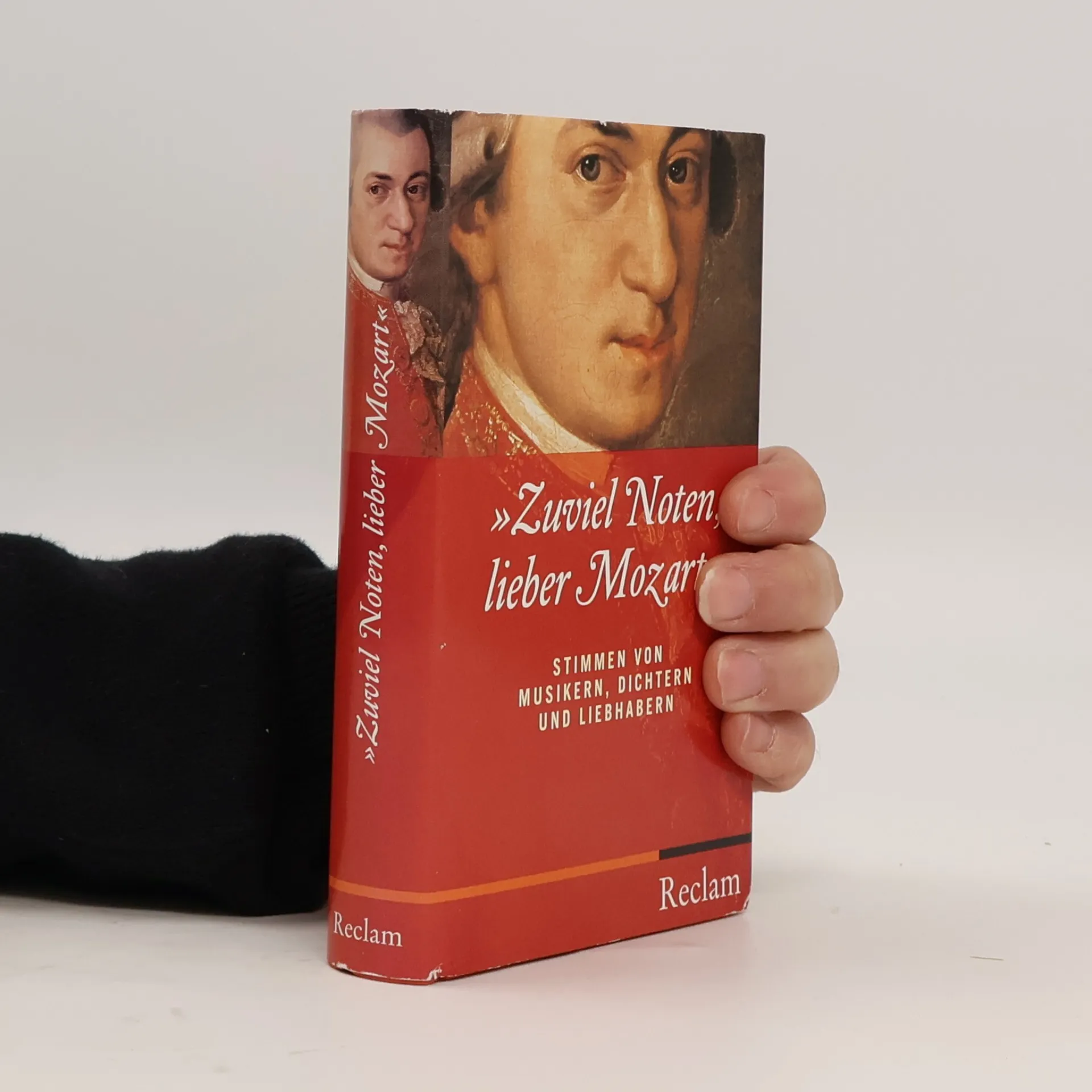
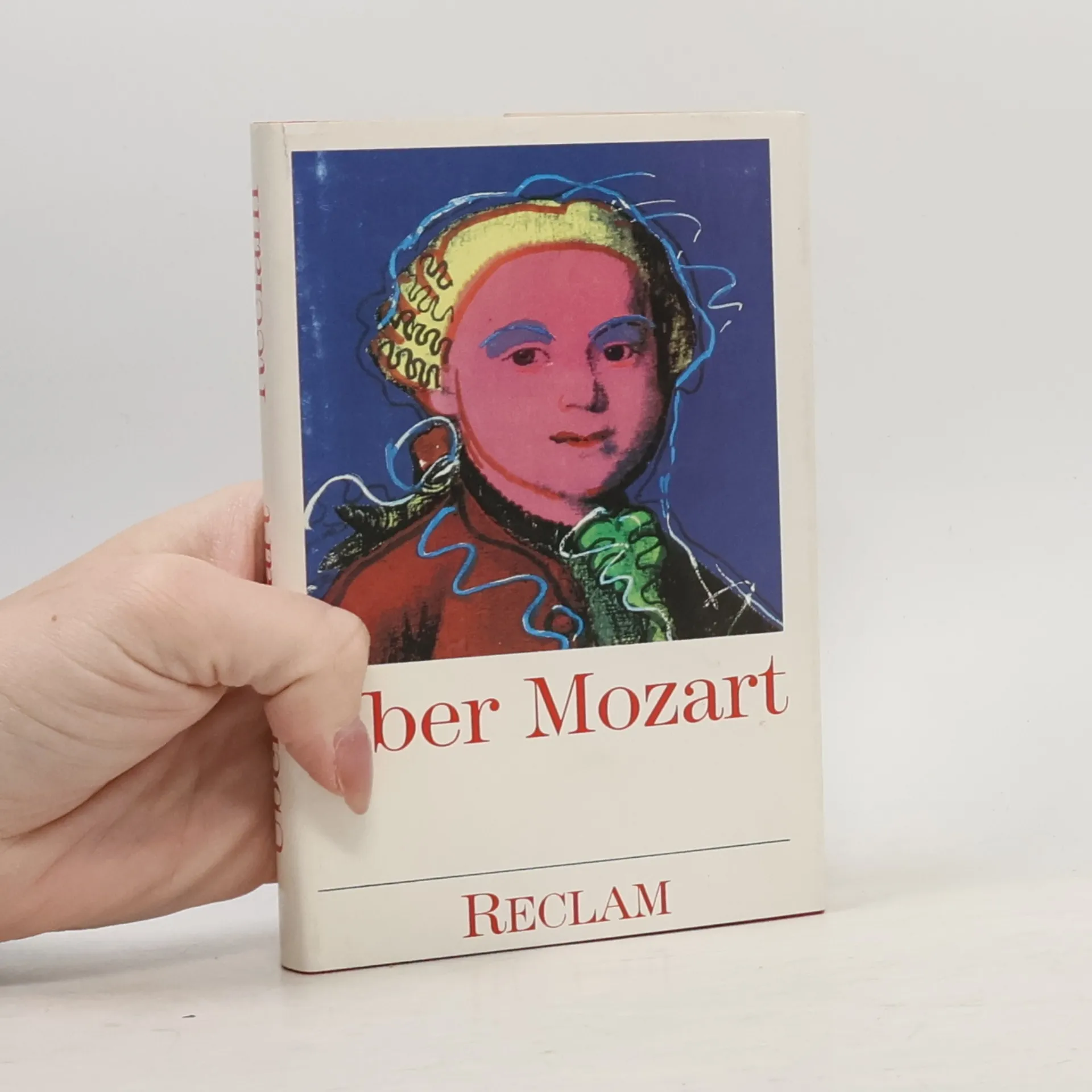
Eine Sammlung von 55 Erzählungen, Essays und Gedichten über Mozart, verfasst von namhaften Komponisten, Dichtern, Malern und Philosophen, darunter Haydn, Goethe, Mörike und Schopenhauer.