


R. K. Narayan Ordine dei libri (cronologico)


The World of Nagaraj
- 186pagine
- 7 ore di lettura
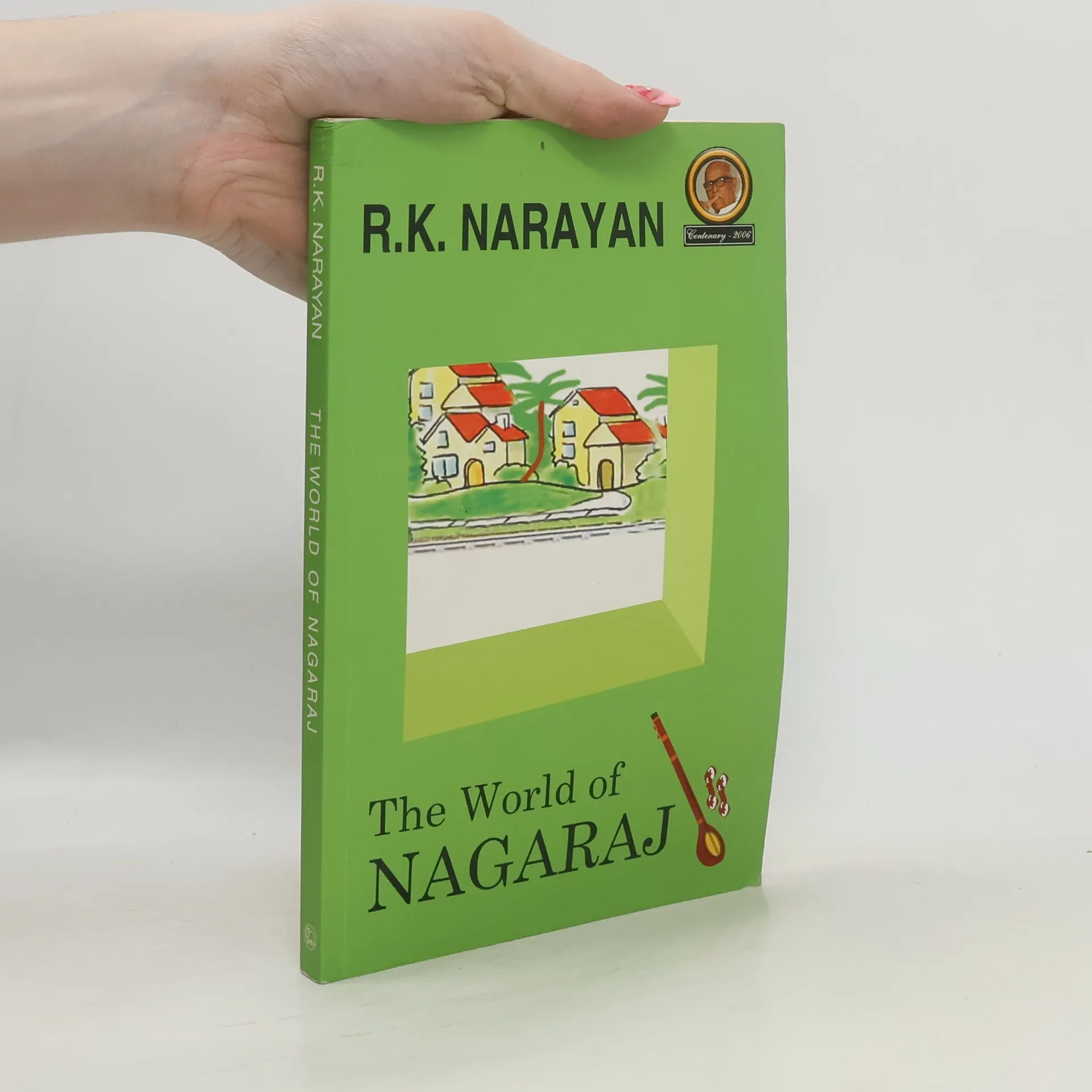
Nagaraj's world is quite and comfortable. Living in his family's spacious house with only his wife Sita for company, he fills his day writing letters, drinking coffee, doing some leisurely book keeping for his friend Coomar's Boeing Sari Company, and sitting on his veranda watching the world and planning the book he intends to write about the life of the great sage Narada. But everything is disturbed when Tim, the son of his ambitious landowing brother Gopu, decides to leave home and come to live with Nagaraj. Forced to take responsibility for the boy, puzzled by his secret late-night activities and by the strong smell of sprits which lingers behind him, Nagaraj finds his days, suddenly filled with unwelcome complication and turbulence, which threaten to alter for ever the contented tranquility of his world. The latest of R.K.Narayan's magnificent Malgudi books, The World of Nagaraj is beautifully written, funny and haunting , evoking in marvelously rich detail the atmosphere of a small town in southern India and creating a magical world into which the reader is instantly drawn.
A Tiger For Malgudi
- 176pagine
- 7 ore di lettura
R. K. Narayan's magnificent new novel is about a tiger possessed of the soul of an enlightened human being who tells us the story of his life. Raja leaves his home in the Mempi hills only to find he is captured and made to perform in a circus and on a film set. Eventually he escapes, only to be recaptured - but this time voluntarily - by a guru. The two of them leave Malgudi and return to the hills where they pass their days in sweet philosophical discourse until old age overtakes Raja and he is forced to give up his freedom for ever. A haunting tale, A Tiger For Malgudi uniquely combines the elusive timeless quality of Hindu legend with the comic vision of Narayan's earlier Malgudi novels. Everyone, young and old, will enjoy the very simplicity of this compelling fable, but some will want to explore with Raja the pathway to true enlightenment.
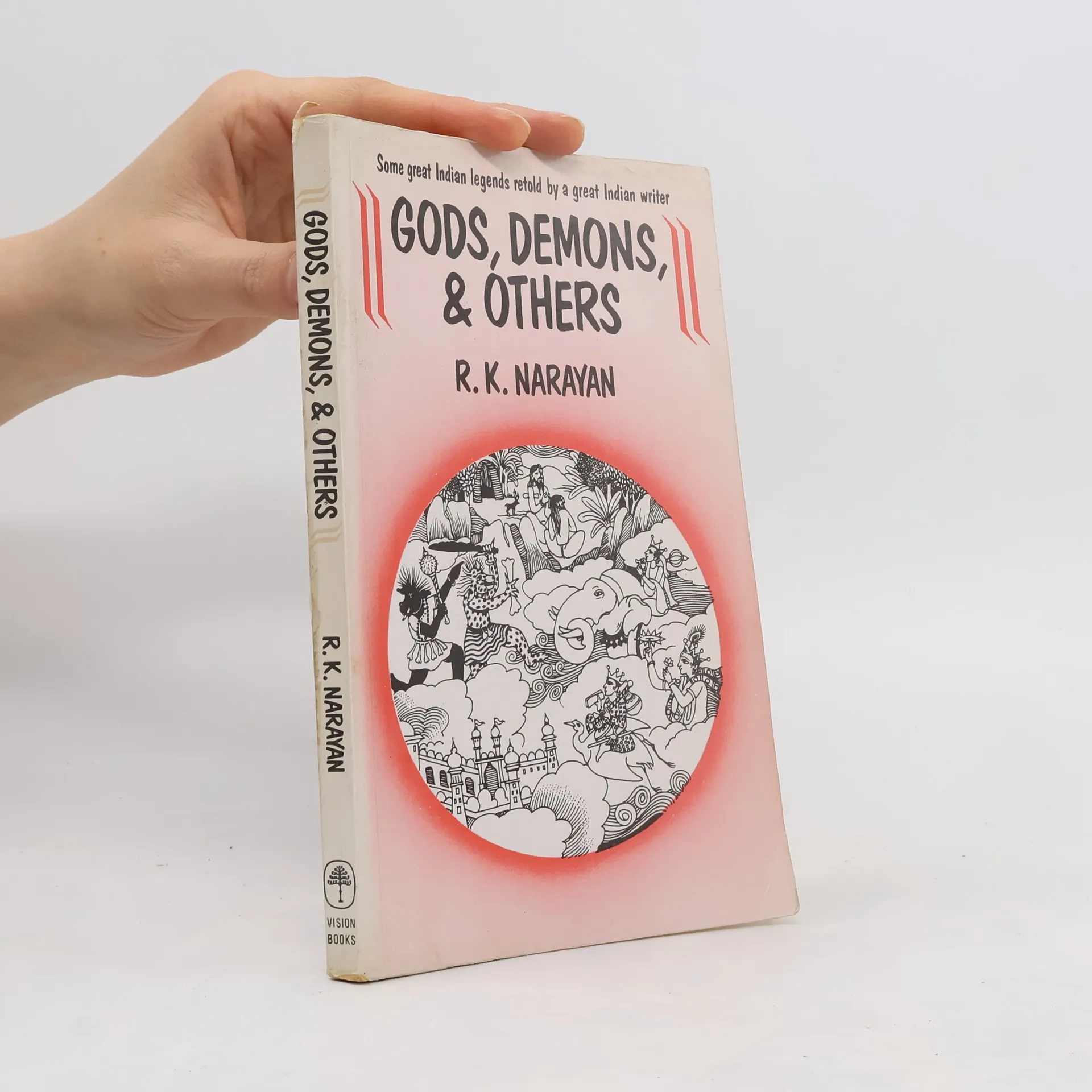
Gods, Demons and Others
- 243pagine
- 9 ore di lettura
Waiting for the Mahatma
- 256pagine
- 9 ore di lettura
A Tale Of Remarkable Insight Into The Upsurge Of Indian Nationalism As Witnessed Through The Eyes And Hearts Of Sriram And Bharati, The Main Characters, And Told With All The Genius And Cmpassion One Has Come To Expect From R.K. Narayan.
The title character in The English Teacher, Narayan's most autobiographical novel, searches for meaning when the death of his young wife deprives him of his greatest source of happiness.
Malgudi Days
- 246pagine
- 9 ore di lettura
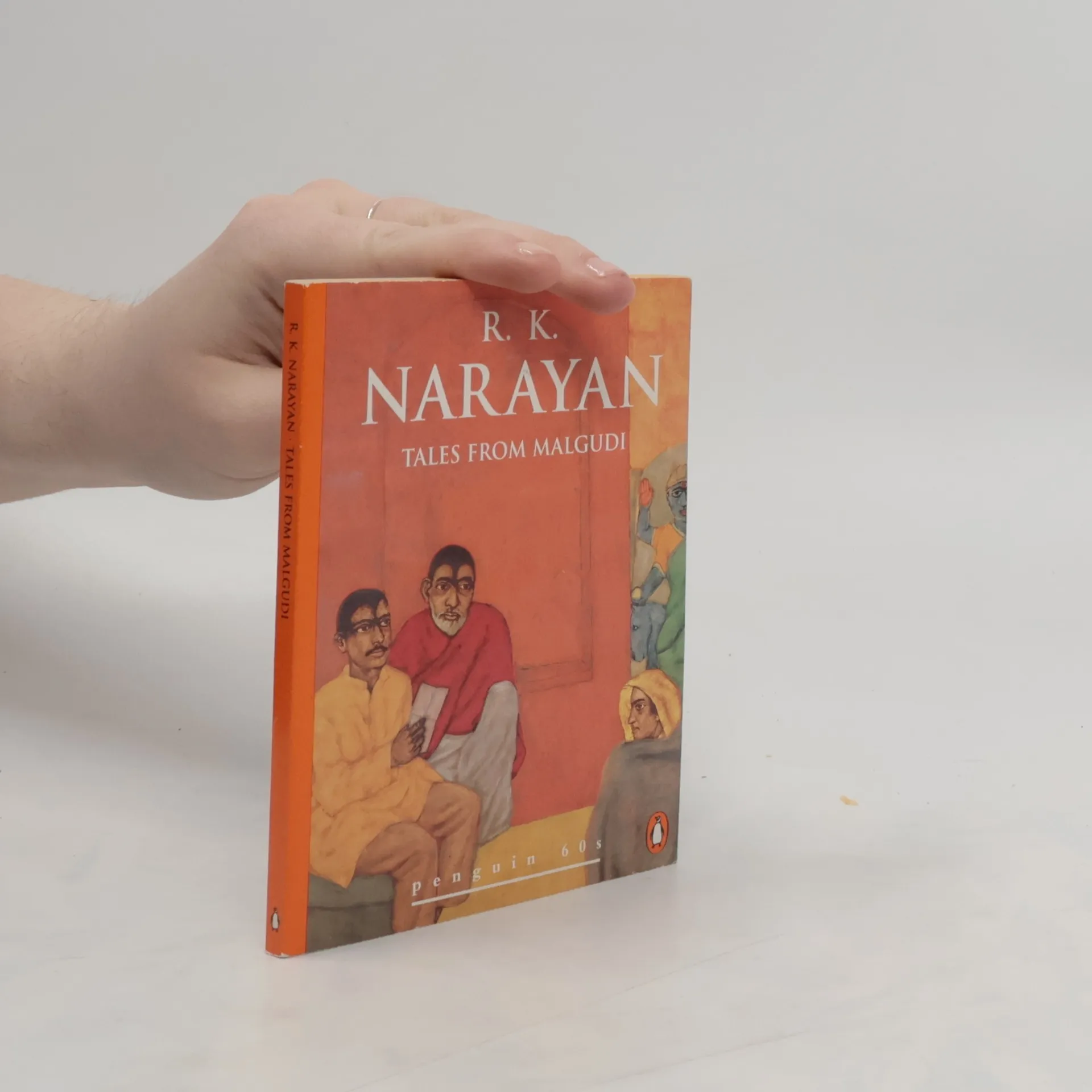
Introducing this collection of stories, R. K. Narayan describes how in India "the writer has only to look out of the window to pick up a character and thereby a story." Powerful, magical portraits of all kinds of people, and comprising stories written over almost forty years, Malgudi Days presents Narayan's imaginary city in full color.
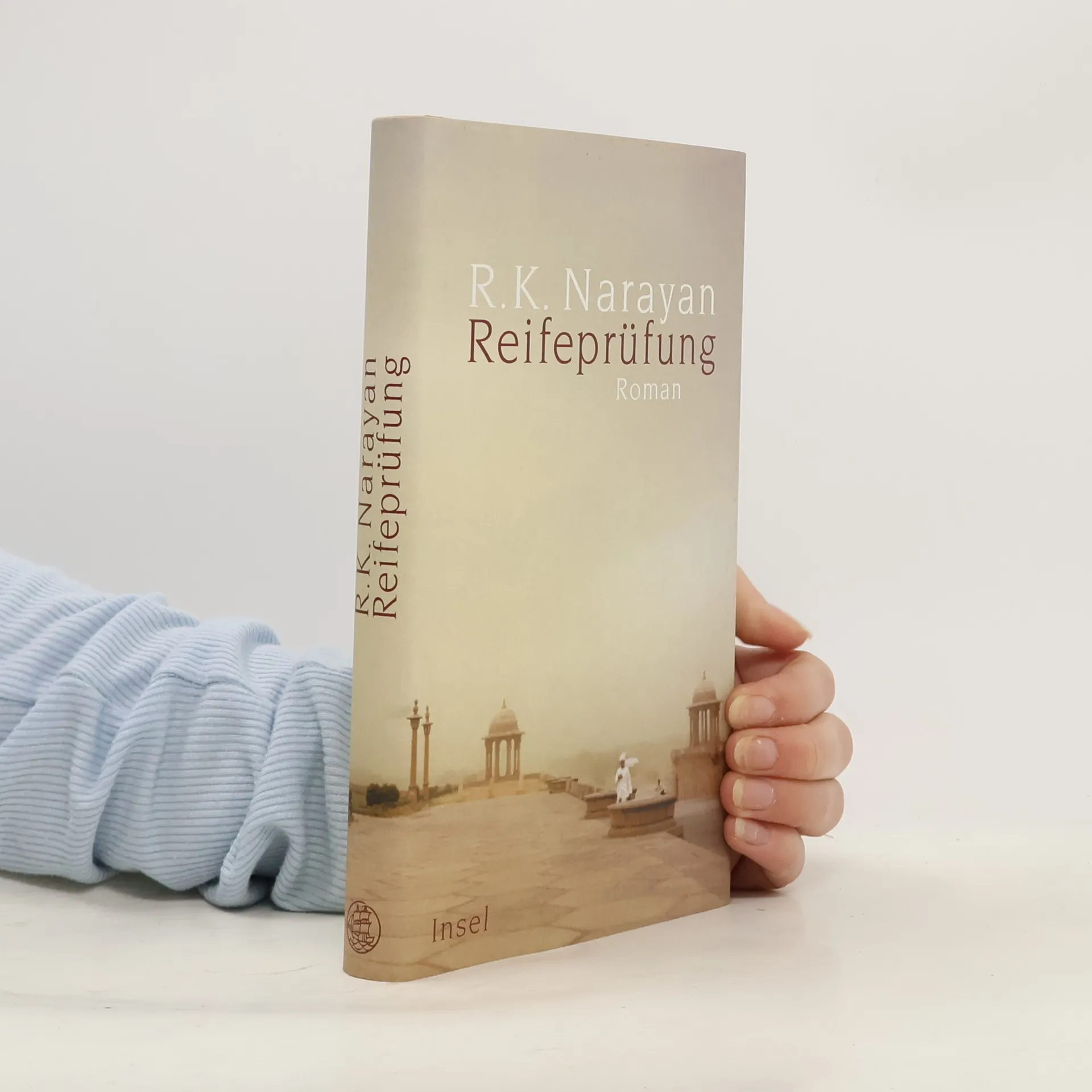
Reifeprüfung
- 199pagine
- 7 ore di lettura
The English Teacher
- 180pagine
- 7 ore di lettura
Krishna, an English teacher in the town of Malgudi, nagged by the feeling he's doing the wrong work, is nonetheless delighted by his domestic life, where his wife and young daughter wait for him outside the house every afternoon. schovat popis
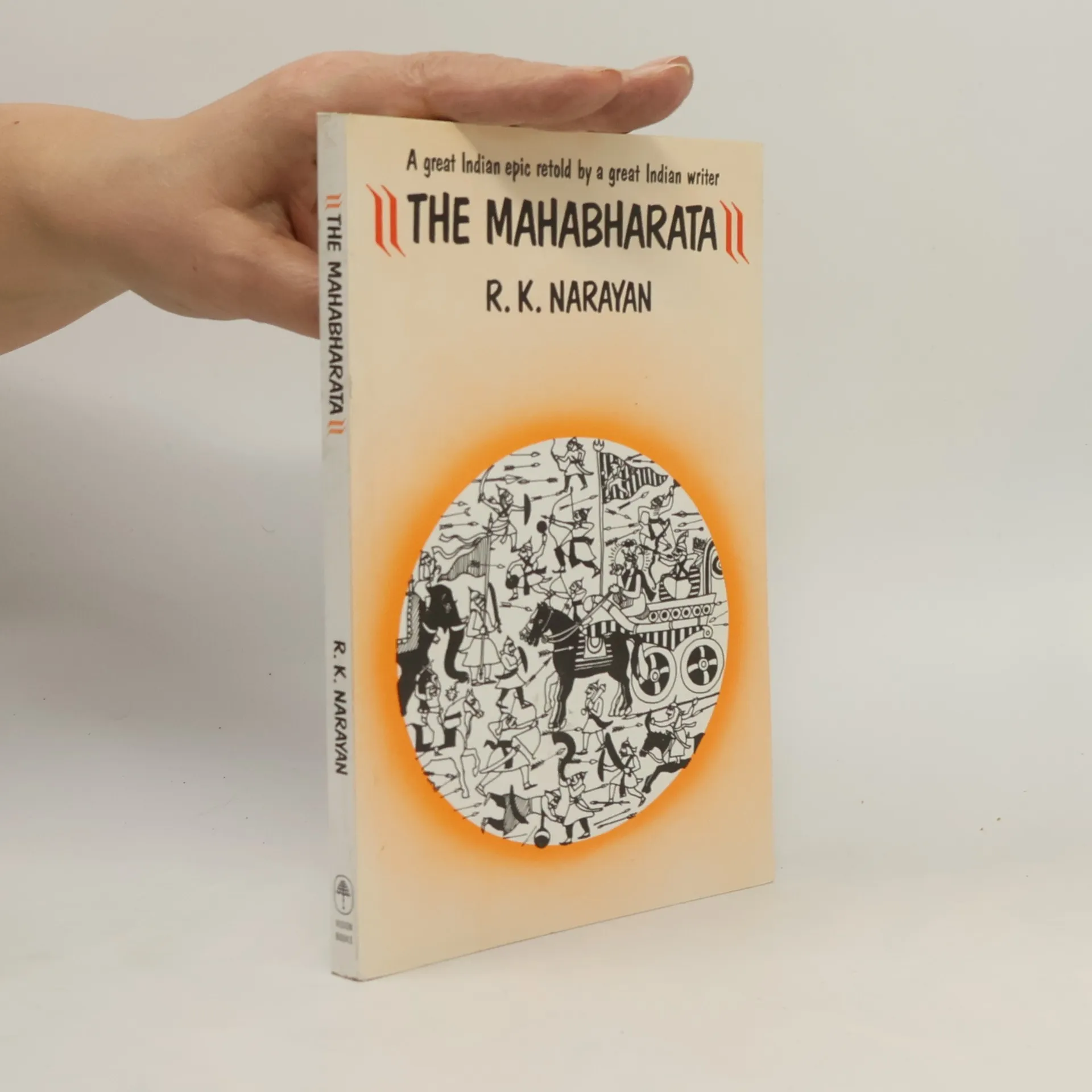
The Mahabharata
- 216pagine
- 8 ore di lettura
The Mahabharata is a narrative of profound violence and tragedy, so much so that many in India avoid keeping the full text at home, fearing misfortune. Spanning creation to destruction, this ancient poem is integral to Hindu culture and a significant work in ancient literature. Originating from various oral ballads, it evolved into a vast epic. The modern version is notably lengthy, exceeding 1.8 million words—seven times the combined lengths of the Iliad and Odyssey—making it daunting for many. However, R. K. Narayan’s skilled translation and abridgment offer a more accessible entry point for contemporary readers. This edition includes a new foreword by Wendy Doniger, along with a concise character and place guide and a family tree, making it suitable for a new generation. Doniger notes that Narayan’s storytelling resonates deeply because he grew up with these tales, allowing him to select the most fitting passages and translations. His elegant rendition distills a narrative that is both traditional and evolving, blending scholarly analysis with creative interpretation. The result is a translation that is clear and graceful, standing as a compelling story in its own right while serving as an adaptation of a larger work.