

Victor Gruen, a pivotal figure in 20th-century architecture, is recognized as the father of the U.S. shopping mall. In spring 1979, shortly before his death, he began reconstructing his life story, which is now available in English for the first time. The narrative opens in Vienna in 1938, marking the turning point in Gruen’s life as he narrowly escaped the Nazi regime. A few years later, as a Jewish refugee in postwar America, he sought to recreate the vibrancy of Vienna’s city center, ultimately inventing the shopping mall. His Southdale Mall in Edina, Minnesota, became the first fully enclosed shopping center in the U.S. Gruen then adapted this concept for economically neglected urban areas, advocating for pedestrian zones and striving for an uncompromising urban ideal. The account captures Gruen’s humor and reflects on the complex forces shaping the postwar transformation of American cities. It places his experiences in a broader social and political context, revealing his complicated role in American architectural culture. The book concludes with afterwords by his children and an insightful essay by Anette Baldauf on Gruen's enduring legacy.
Victor Gruen Ordine dei libri (cronologico)
Victor Gruen fu un architetto austriaco-americano, noto principalmente come pioniere nella progettazione di centri commerciali negli Stati Uniti. Fu anche apprezzato per le sue proposte di rivitalizzazione urbana, che articolò nei suoi scritti e applicò a piani regolatori per diverse città americane. Gruen sostenne la priorità dei pedoni rispetto alle automobili nei centri urbani e progettò il primo viale pedonale all'aperto negli Stati Uniti. Le sue visioni architettoniche e urbanistiche miravano a creare paesaggi urbani più umani e funzionali.
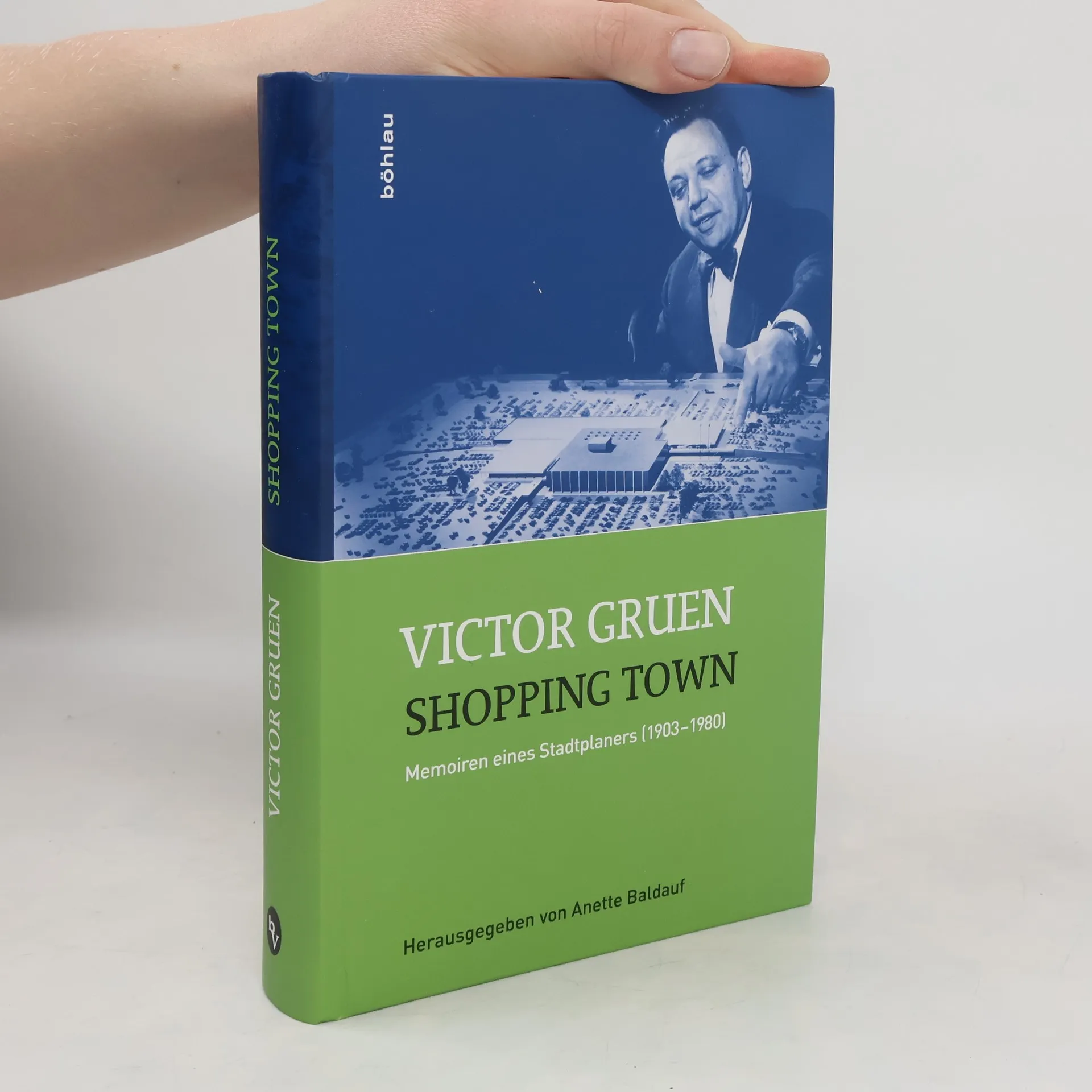
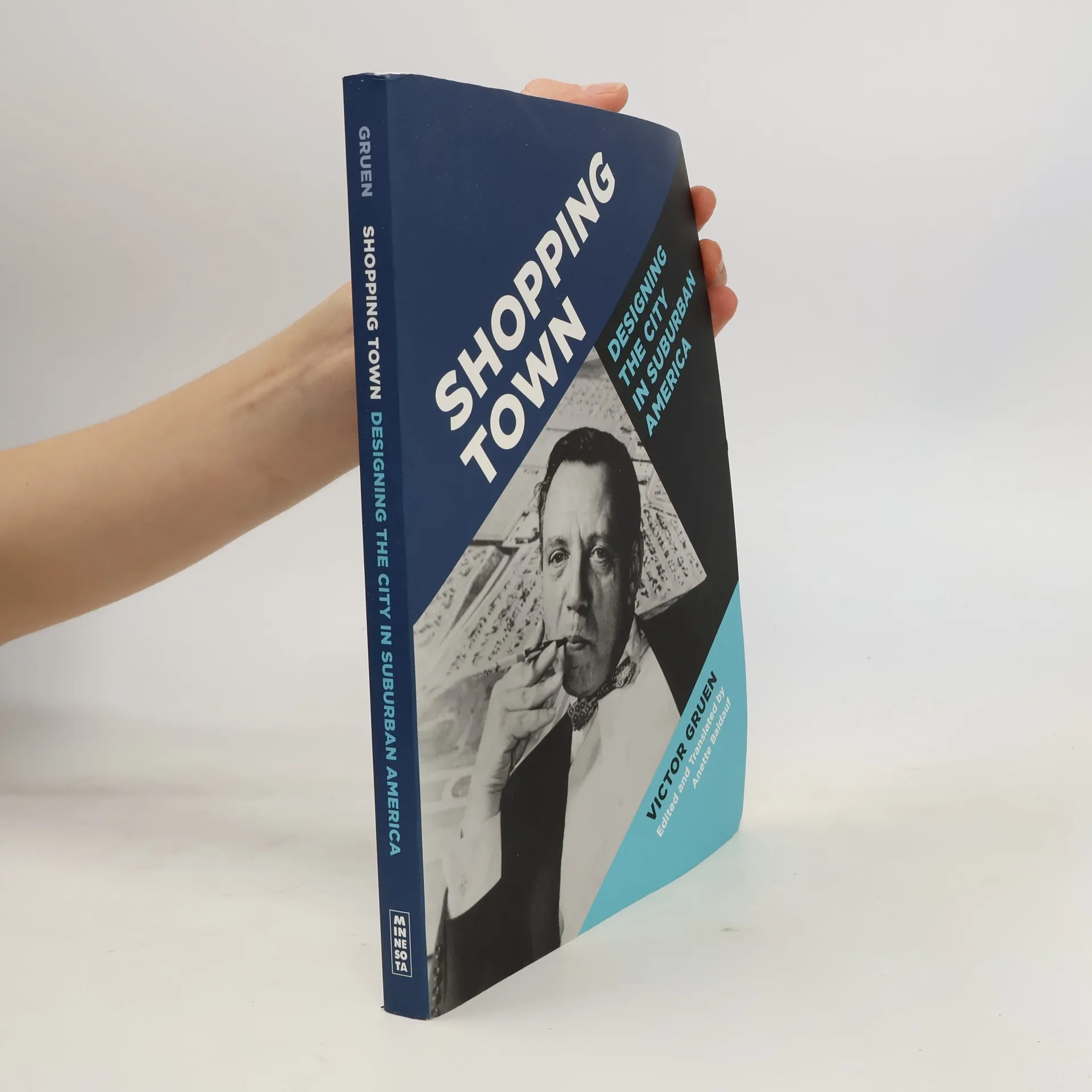
Victor Gruen (1903-1980) zählt zu den einflussreichsten Architekten des 20. Jahrhunderts: Beim Versuch, in der US-amerikanischen Vorstadt seine Geburtsstadt Wien zu rekonstruieren, erfand der Emigrant jüdischer Herkunft die Shopping Mall. „Ich weigere mich, Alimente für diese Bastardprojekte zu bezahlen, sie haben unsere Städte zerstört“, schrieb Gruen später angesichts der Mallisierung der Städte und setzte sich für Fußgängerzonen und das Konzept der zellularen Stadt ein. Zurück in Europa warnte er vor dem Modell Amerika und forderte ein Verständnis von Architektur als verantwortungsbewusste Umweltgestaltung. Die Autobiografie rekonstruiert ein Jahrhundert Stadtentwicklung und bezeugt eine visionäre Kraft, die, beflügelt von Gesellschaftskritik ebenso wie Gigantomanie, das Urbane kompromisslos verteidigt. Mit Beiträgen von Peggy Gruen und Michael Gruen.
Das Überleben der Städte
- 351pagine
- 13 ore di lettura
The Heart of Our Cities
The Urban Crisis, Diagnosis and Cure