

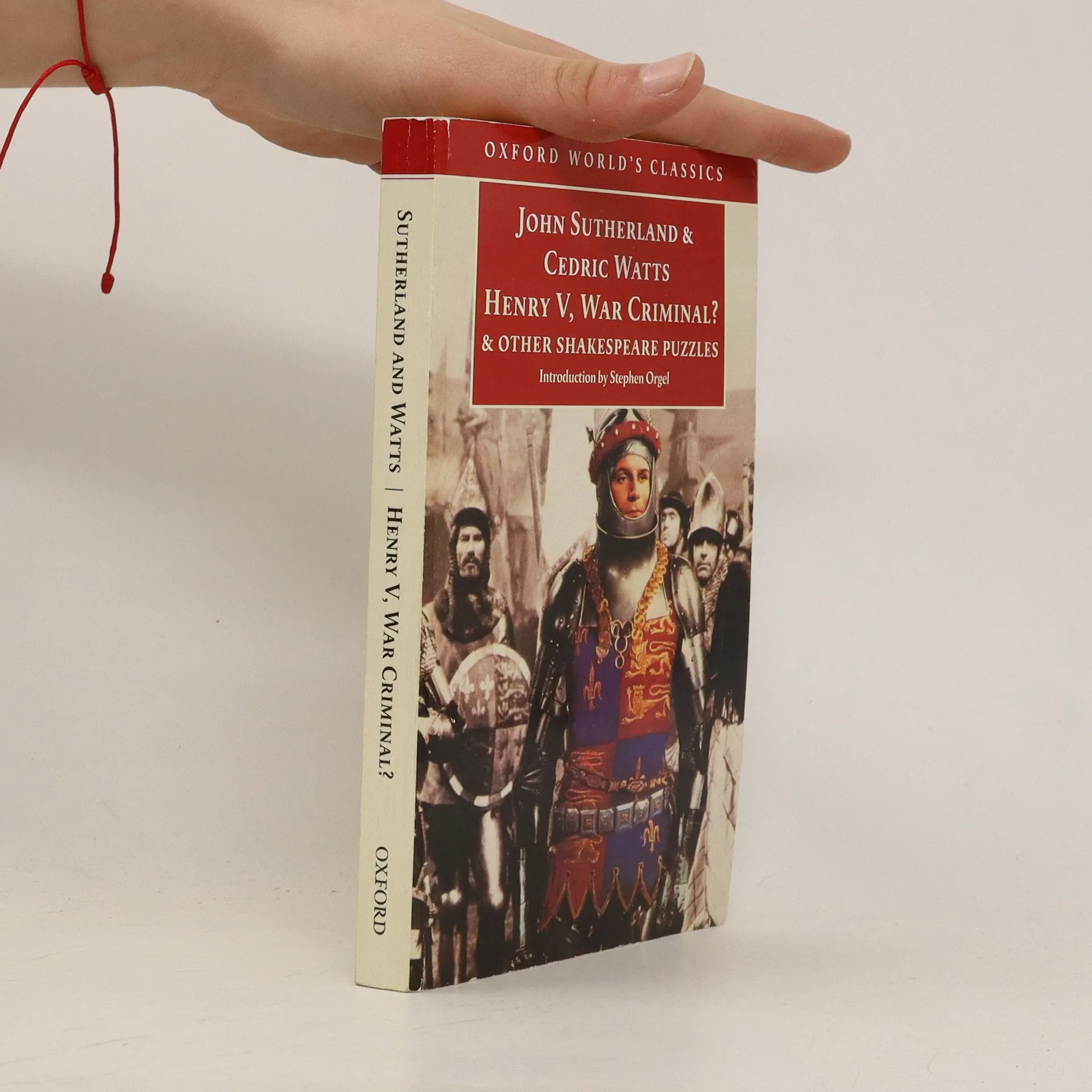
Loose ends and red herrings are the stuff of detective fiction, and under the scrutiny of master sleuths John Sutherland and Cedric Watts Shakespeare's plays reveal themselves to be as full of mysteries as any Agatha Christie novel. Is it summer or winter in Elsinore? Do Bottom and Titania make love? Does Lady Macbeth faint, or is she just pretending? How does a man putrefy within minutes of his death? Is Cleopatra a deadbeat Mum? And why doesn't Juliet ask 'O Romeo Montague, wherefore art thou Montague?' As Watts and Sutherland explore these and other puzzles Shakespeare's genuius becomes ever more apparent. Speculative, critical, good-humoured and provocative, their discussions shed light on apparent anachronisms, performance and stagecraft, linguistics, Star Trek and much else. Shrewd and entertaining, these essays add a new dimension to the pleasure of reading or watching Shakespeare.
Cedric Watts Ordine dei libri (cronologico)
Cedric Watts, Professore Emerito di Inglese presso la Sussex University, è un distinto studioso le cui vaste opere critiche e accademiche approfondiscono le complessità dell'espressione letteraria. Il suo profondo coinvolgimento con la tradizione letteraria è particolarmente evidente nella sua completa curatela delle opere di Shakespeare. L'approccio analitico di Watts scopre i sottili strati di significato all'interno dei testi, offrendo ai lettori prospettive illuminanti sia sulle opere classiche che sulle preoccupazioni contemporanee. Le sue stesse creazioni hanno ottenuto un notevole riconoscimento.

Romeo e Giulietta
- 288pagine
- 11 ore di lettura
In "Romeo e Giulietta" (1595-1596) la morte è presente in vario modo fin dall'inizio. Ma è con il duello tra Mercuzio e Tebaldo che essa entra realmente in scena e avvia quella sua presa di possesso della città cui la tragedia conduce. Non solo, ma che la prima vittima sia Mercuzio, simbolo di giovinezza e di libertà, della gioia di vivere e della stessa gioia di far teatro, è anche indicativo di chi sia l'oggetto di questo assalto della morte: non i vecchi, ma i giovani, non il declinare della vita, ma il suo sbocciare, non la stanchezza, l'aridità del cuore, ma la sua freschezza, il suo desiderio d'amore. Tebaldo uccide Mercuzio; Romeo uccide Tebaldo, finché, come sappiamo, la morte aggredisce anche Romeo e Giulietta, e la "bella Verona" celebrata all'inizio si trasforma in una tomba. Nulla di vivo resta se non i vecchi, la cui faida e il cui egoismo, non il caso, hanno ucciso i giovani. Romeo e Giulietta potranno finalmente stare insieme ma solo nella cripta, con il loro amore raggelato per l'eternità nelle statue d'oro che i carnefici eleveranno a ricordo.
Everyman's Library Classics Series: Typhoon and Other Stories
- 416pagine
- 15 ore di lettura
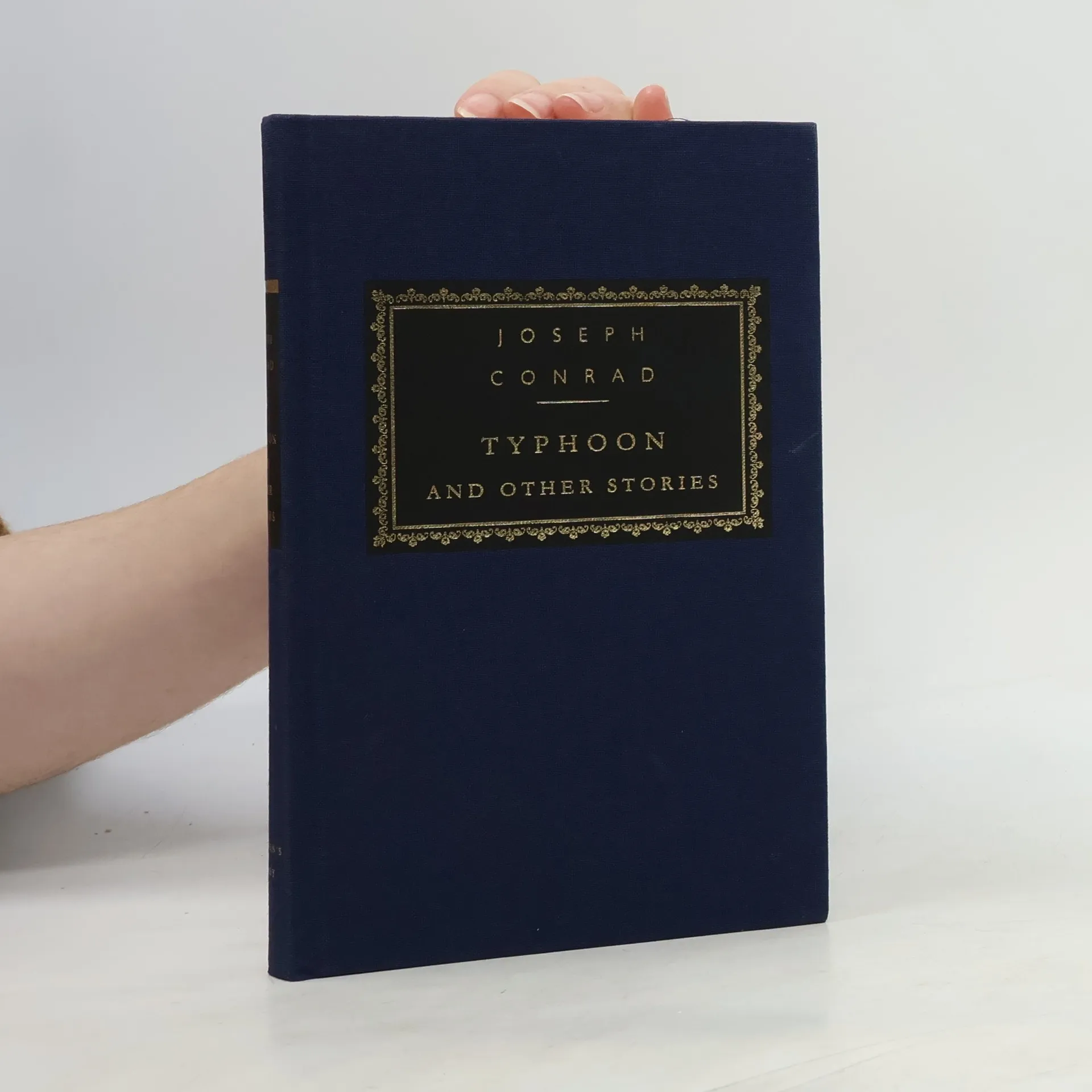
Joseph Conrad’s long experience as a working seaman enriched and deepened his literary gifts, making him the most brilliant and convincing writer of seafaring’s greatest age. In the three sea stories collected here, he makes deft use of the maritime setting to enact moral dramas of men tested by the elements and by one another. “The Nigger of the ‘Narcissus’” has been hailed as Conrad’s earliest masterpiece. When a West Indian sailor on board the merchant ship Narcissus falls ill his condition sparks conflict among the crew, which threatens to erupt in mutiny under the pressure of a terrifying gale. “Typhoon,” the gripping story of a steamship captain who stubbornly steers into a major tempest and the crew’s ensuing struggle to survive the raging waters, is distinguished by one of the most thrillingly evoked storms in all of literature. “The Shadow-Line” is a dramatically fictionalized account of Conrad’s first command as a young sea captain trapped aboard a becalmed, fever-wracked, and seemingly haunted ship—an ordeal that marks for him the “shadow-line” between youth and maturity. Suspenseful, atmospheric, and deceptively simple, this intense story reflects the complex themes of Conrad’s most famous novels, Lord Jim and Heart of Darkness . With an introduction by Martin Seymour-Smith