
Bookbot

Kevin Bales

    Questo autore approfondisce le piaghe della schiavitù moderna, esponendone il preoccupante legame con la devastazione ambientale. Il suo lavoro indaga su come i profitti derivanti dai prodotti che utilizziamo quotidianamente alimentino sia lo sfruttamento umano sia la distruzione del pianeta. Attraverso un'ampia ricerca e viaggi, rivela la portata di questa duplice catastrofe, indicando al contempo un percorso speranzoso verso il futuro. Scopre come proprio il ruolo delle persone schiavizzate in questa crisi ecologica apra nuove vie per salvare e preservare il mondo naturale.

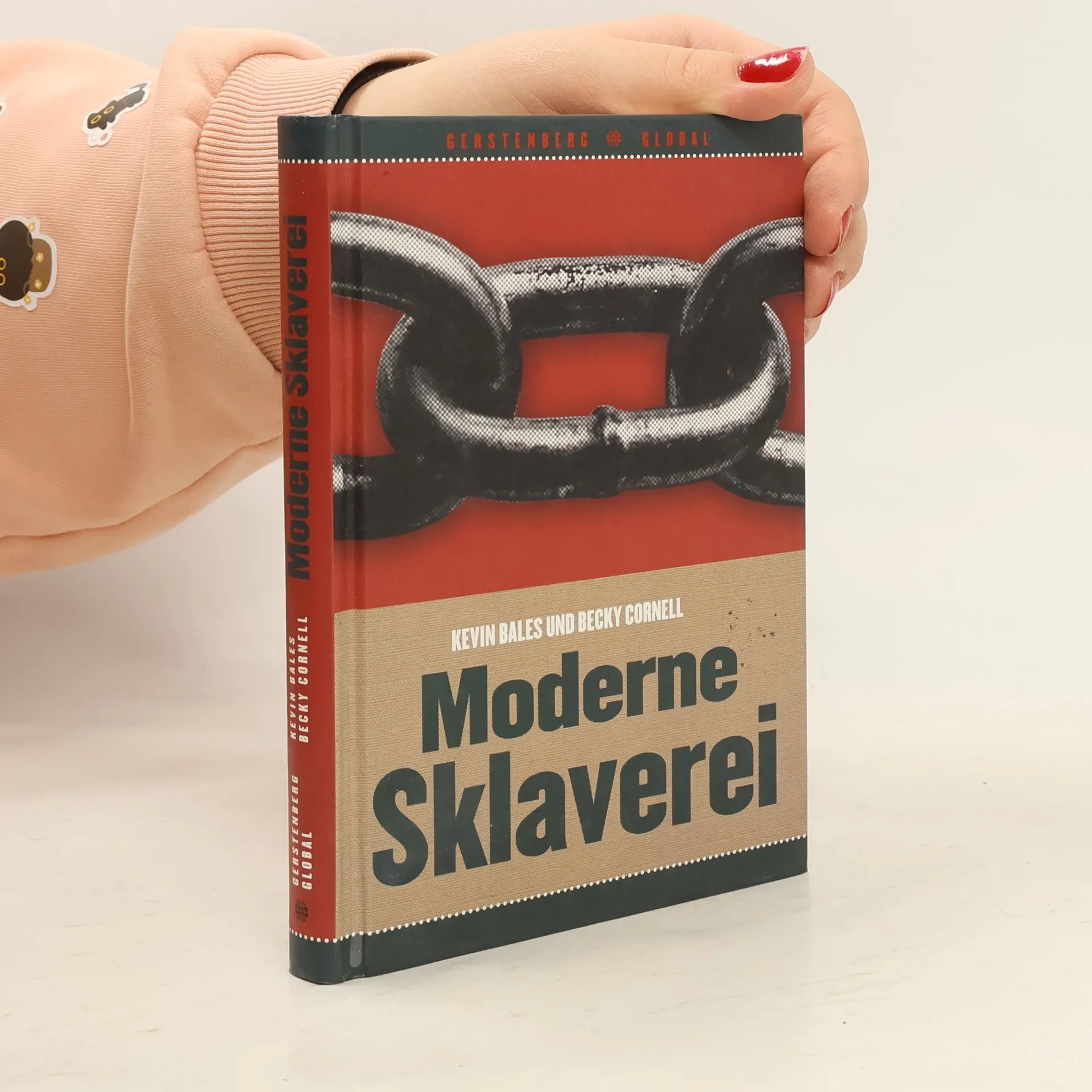
    Moderne Sklaverei
    Understanding Global Slavery
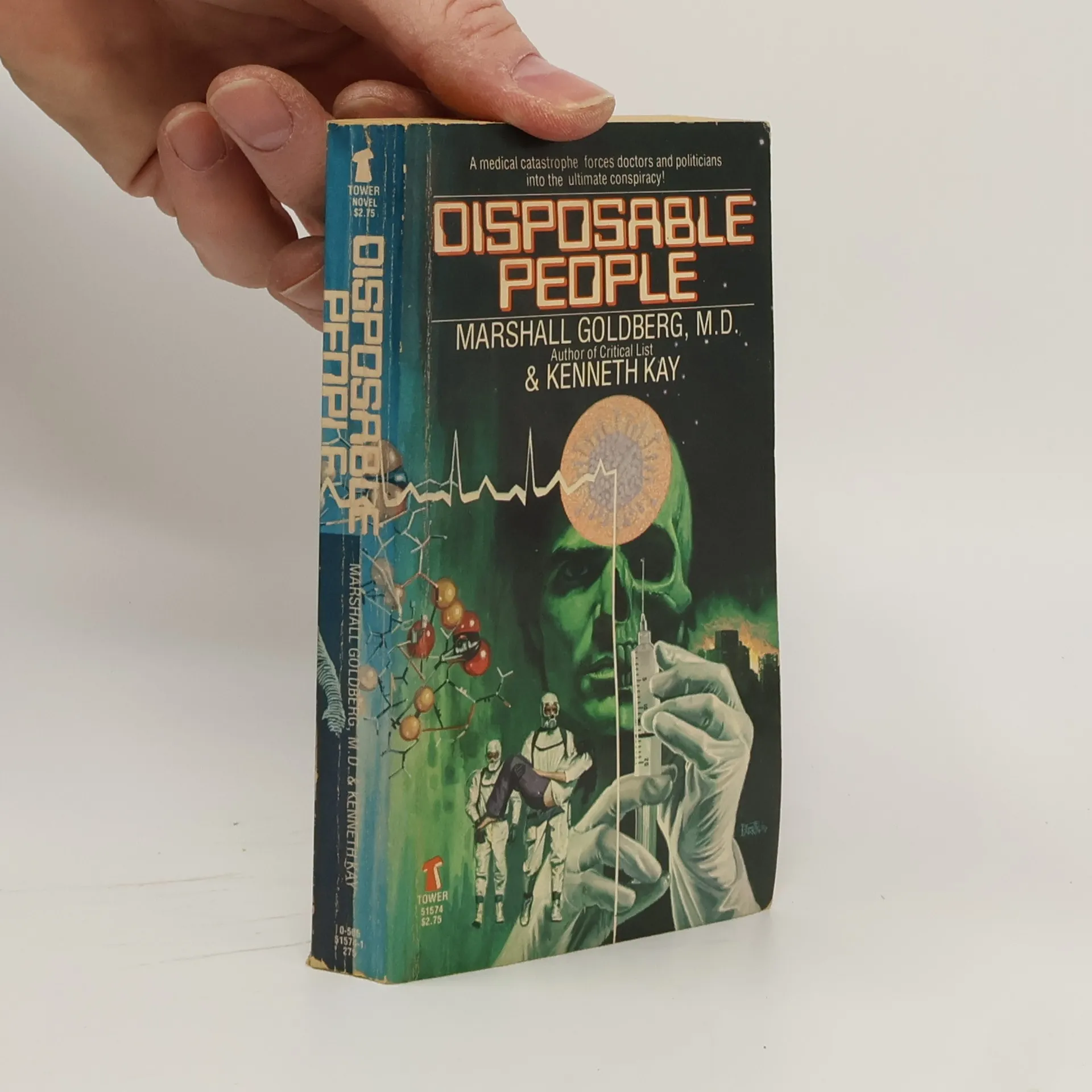
    Disposable People. New Slavery in the Global Economy
    • Moderne Sklaverei

      • 143pagine
      • 6 ore di lettura

      Sklaverei: nur ein trauriges Kapitel der Geschichte? Wer das glaubt, irrt. Weltweit leben heute 27 Millionen Menschen in Unfreiheit. Die modernen Erscheinungsformen von Sklaverei sind Schuldknechtschaft, Menschenhandel oder Zwangsprostitution. Dieses Buch enthüllt die Mechanismen von Sklaverei im Zeitalter der Globalisierung. Weltweit leben etwa 27 Millionen Menschen in Unfreiheit. Männer, Frauen und Kinder werden verschleppt und verkauft oder mit falschen Versprechungen in Länder wie Thailand, Brasilien, Indien oder die USA gelockt, wo sie in der Landwirtschaft, im Steinbruch, im Haushalt reicher Familien oder in Fabriken ausgebeutet oder zur Prostitution gezwungen werden. Kevin Bales und Becky Cornell zeigen in diesem Buch, dass Sklaverei in unserer Zeit viele Erscheinungsformen haben kann, dass es jedoch immer darum geht, Menschen in sozialer und ökonomischer Abhängigkeit zu halten und den größtmöglichen wirtschaftlichen Nutzen aus ihnen zu ziehen. Sie spannen den Bogen vom Sklavenhandel der Vergangenheit bis zu heutigen Formen des Menschenhandels und erläutern anhand gesicherter Quellen und eindringlicher Fallbeispiele Ursachen und Mechanismen dieses globalen Problems. Mit ihrer engagierten Darstellung machen sie zudem deutlich, was getan werden kann, um Sklaverei nachhaltig zu bekämpfen.

      Moderne Sklaverei2008
      3,7
    • Understanding Global Slavery

      • 222pagine
      • 8 ore di lettura

      Although slavery is illegal throughout the world, we learned from Kevin Bales's highly praised exposé, Disposable New Slavery in the Global Economy, that more than twenty-seven million people―in countries from Pakistan to Thailand to the United States--are still trapped in bondage. With this new volume, Bales, the leading authority on modern slavery, looks beyond the specific instances of slavery described in his last book to explore broader themes about slavery's causes, its continuation, and how it might be ended. Written to raise awareness and deepen understanding, and touching again on individual lives around the world, this book tackles head-on one of the most urgent and difficult problems facing us today.Each of the chapters in Understanding Global Slavery explores a different facet of global slavery. Bales investigates slavery's historical roots to illuminate today's puzzles. He explores our basic ideas about what slavery is and how the phenomenon fits into our moral, political, and economic worlds. He seeks to explain how human trafficking brings people into our cities and how the demand for trafficked workers, servants, and prostitutes shapes modern slavery. And he asks how we can study and measure this mostly hidden crime. Throughout, Bales emphasizes that to end global slavery, we must first understand it. This book is a step in that direction.

      Understanding Global Slavery2005
      4,2
    • An investigation of several countries that reveals the tragic emergence of a "new slavery" intricately linked to the global economy. This revised edition contains a new Preface.

      Disposable People. New Slavery in the Global Economy2001
      4,3