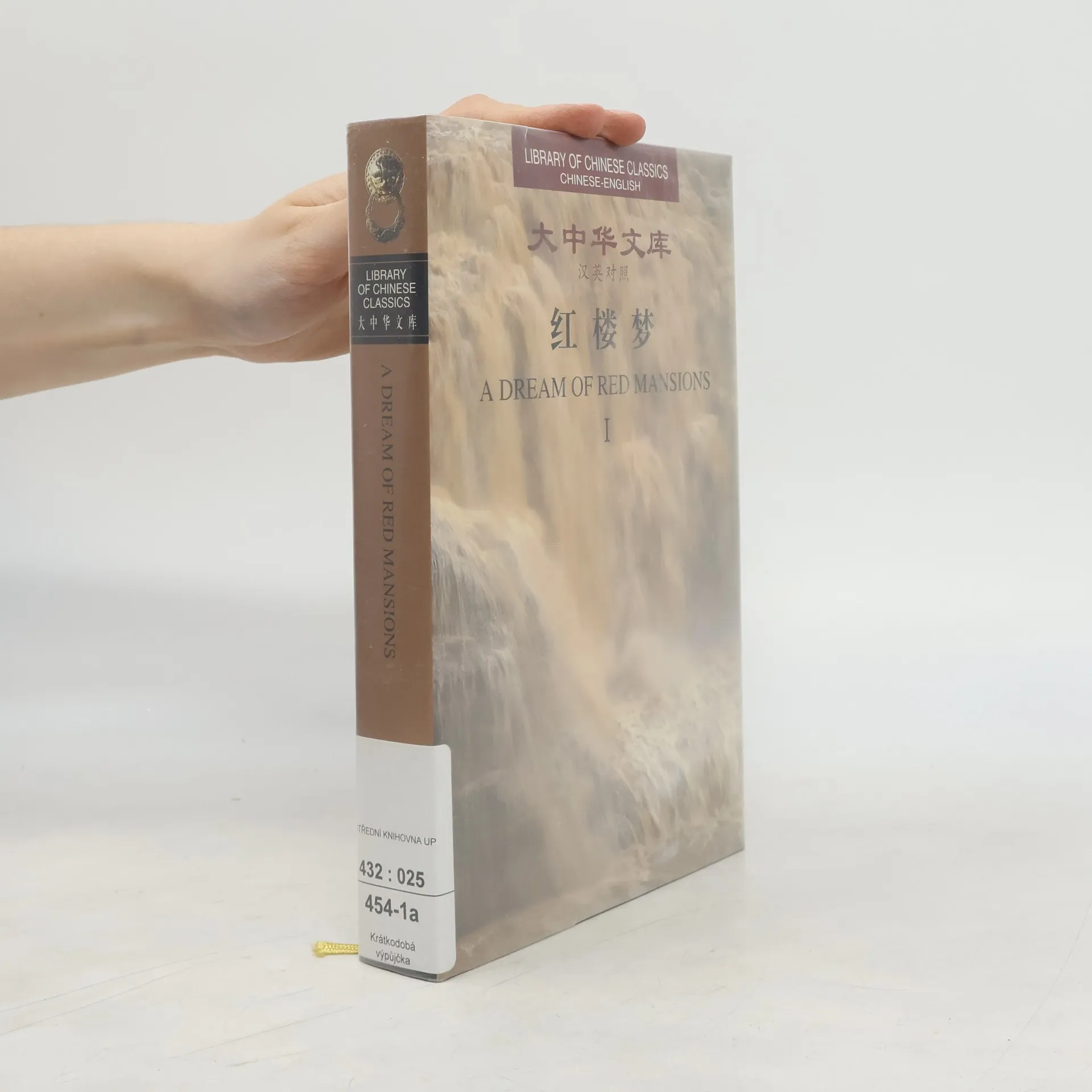
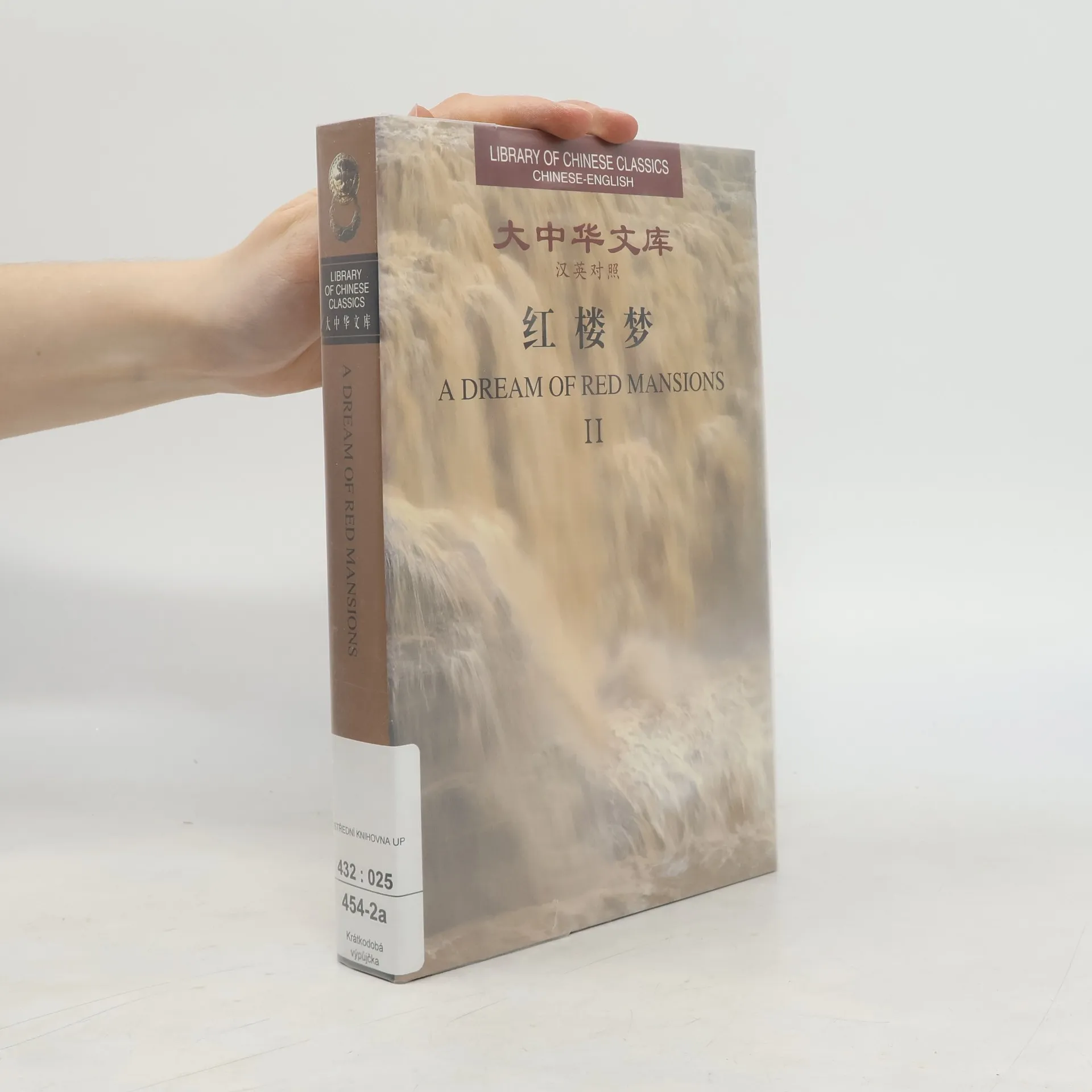
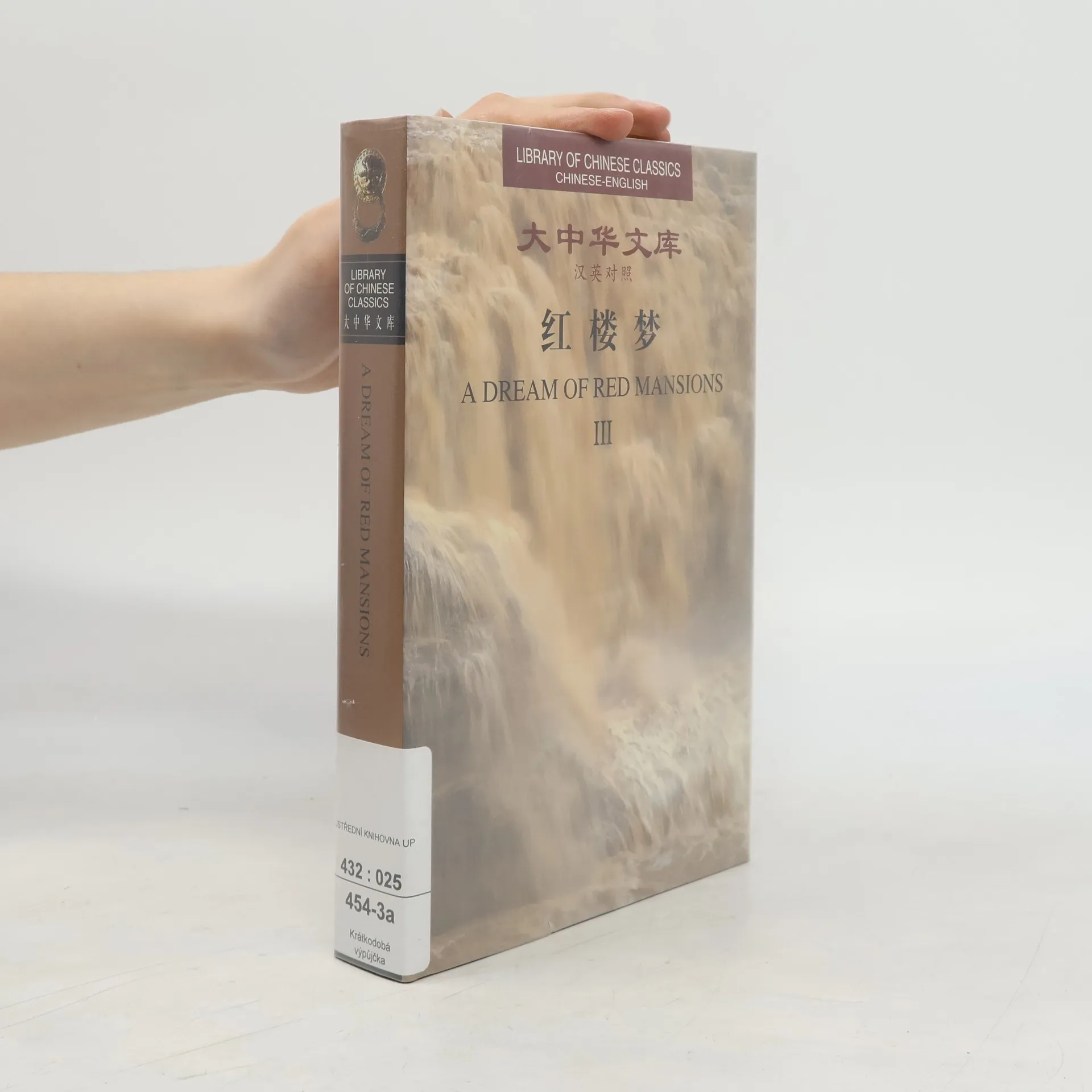
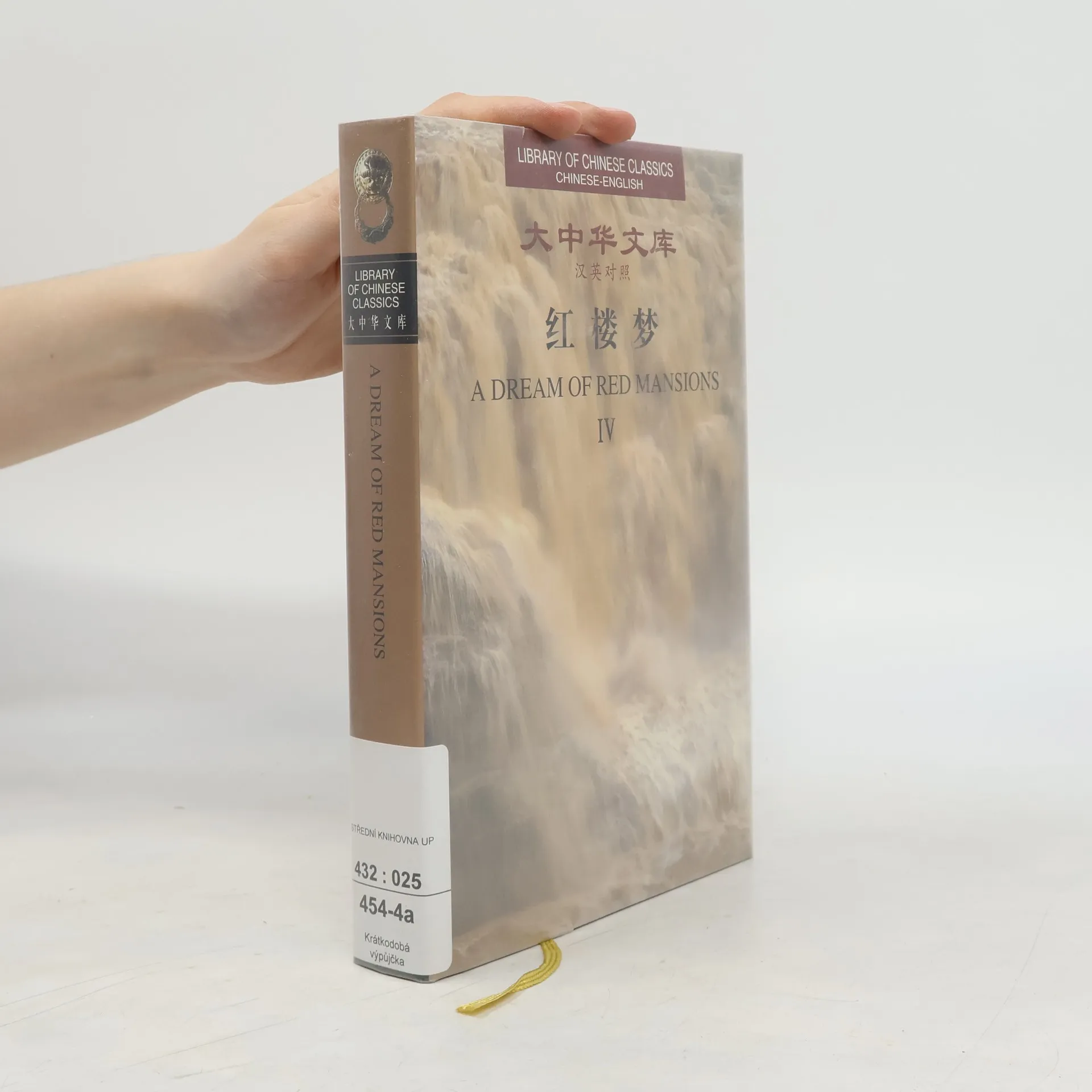
Excerpts From Three Classical Chinese Novels
- 295pagine
- 11 ore di lettura
Excerpts from 3 classical Chinese novels:Three Kingdoms, Pilgrimage to the West, Flowers in the mirror.


Gladys Yang è stata una traduttrice britannica di letteratura cinese, la cui fascinazione per la cultura cinese iniziò fin dall'infanzia. Ha perseguito questa passione attraverso uno studio rigoroso, diventando una figura di spicco nel settore. Insieme a suo marito, si è dedicata alla traduzione di opere letterarie cinesi in inglese, contribuendo in modo significativo alla loro accessibilità globale. I suoi sforzi hanno aperto una finestra vitale sulle tradizioni letterarie cinesi per i lettori internazionali.
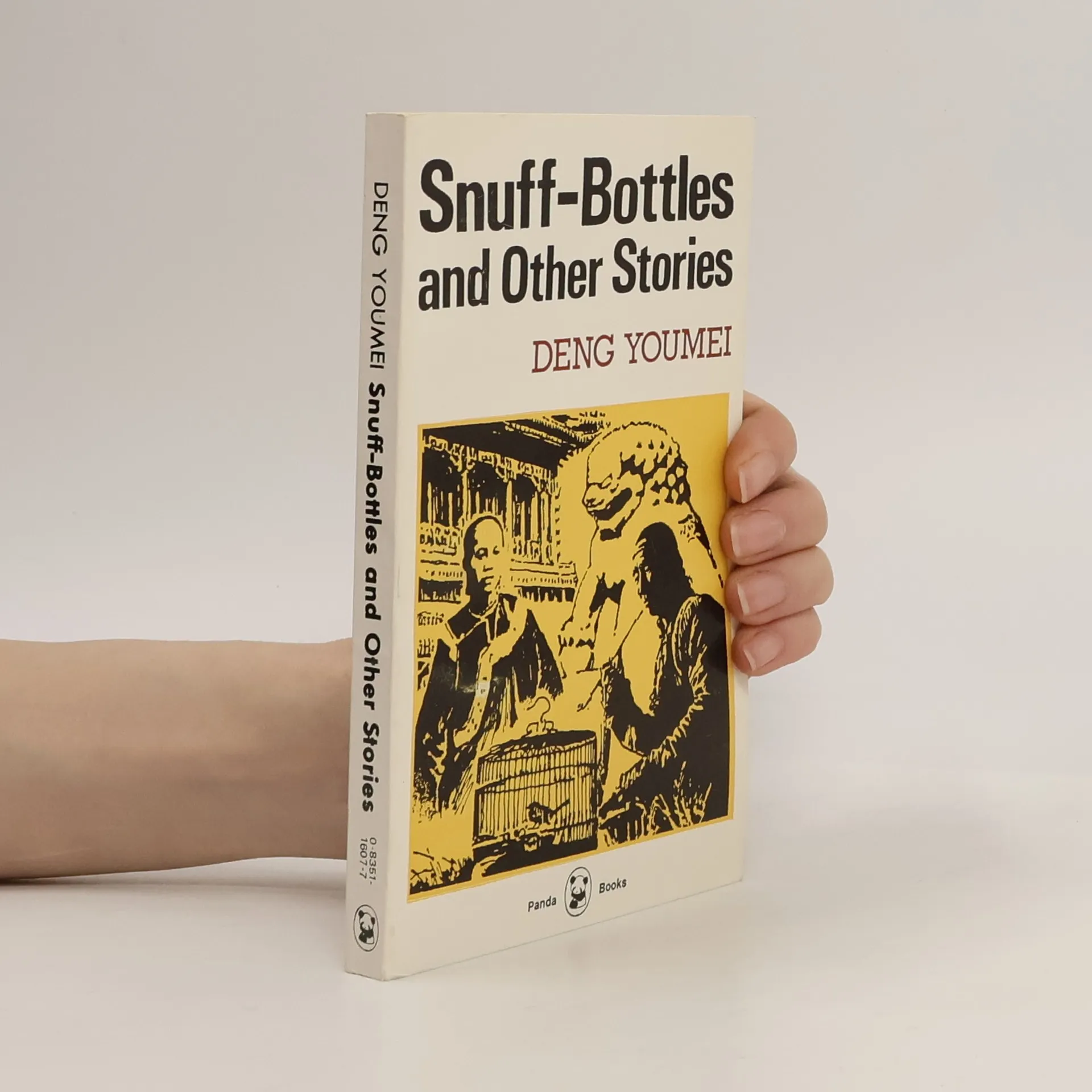
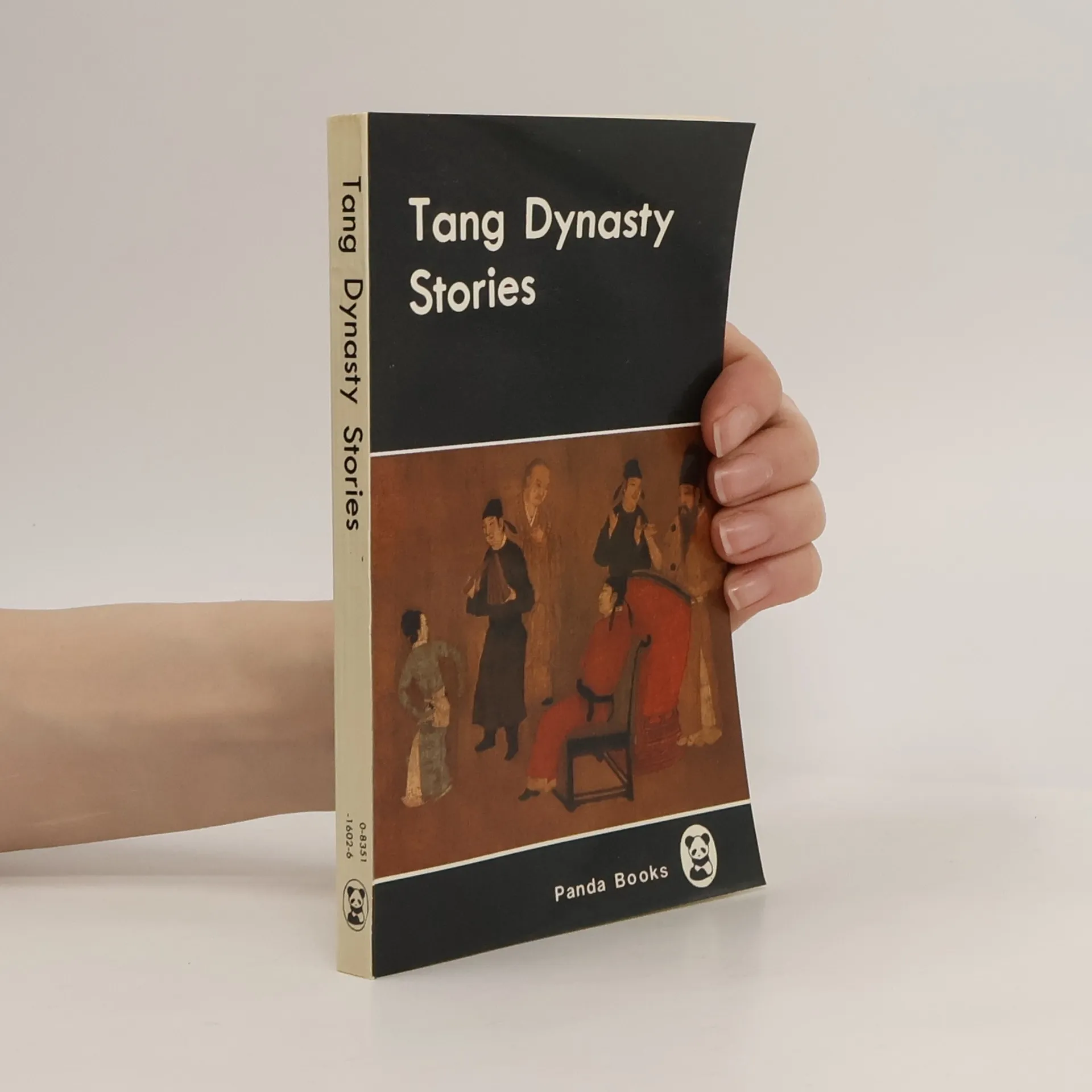
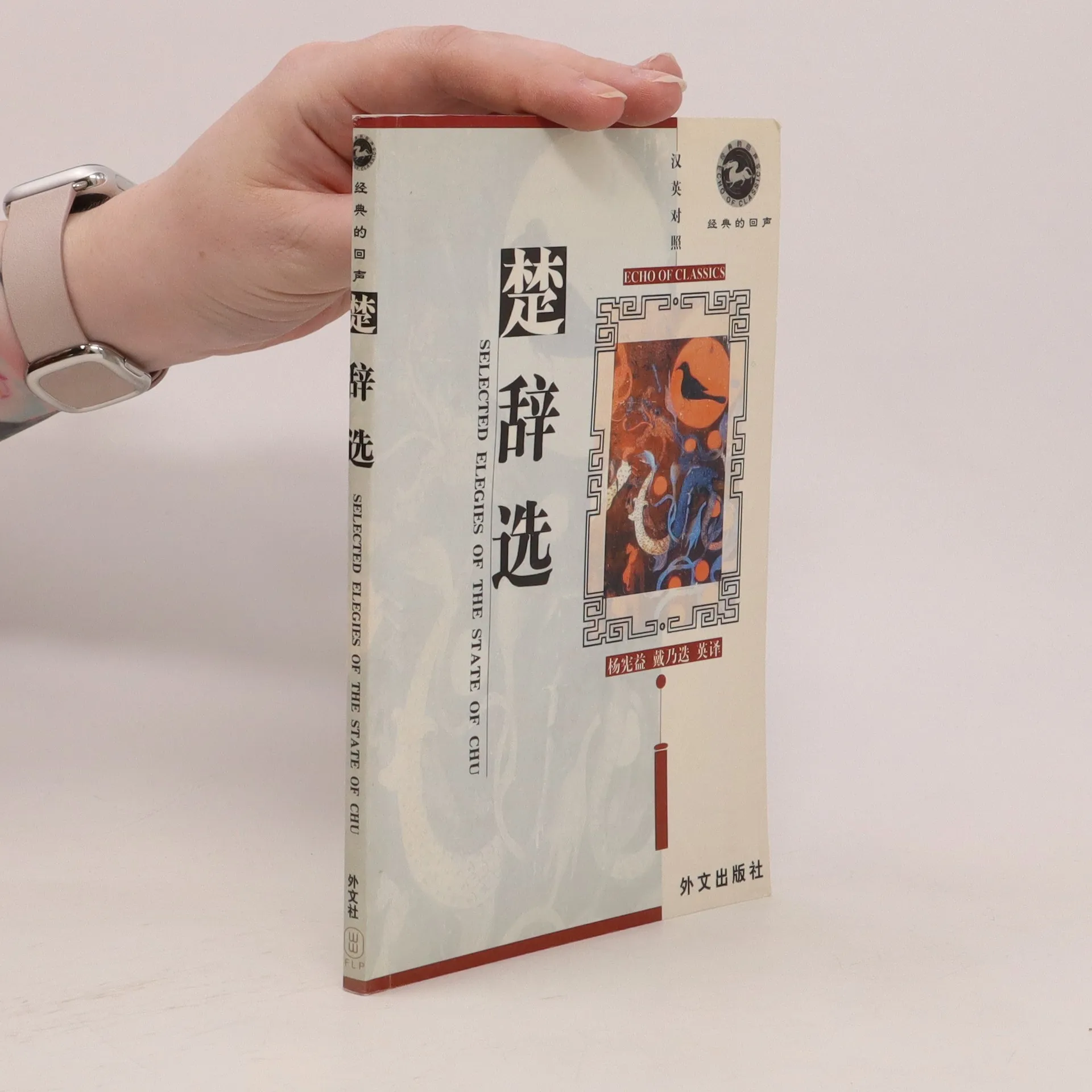
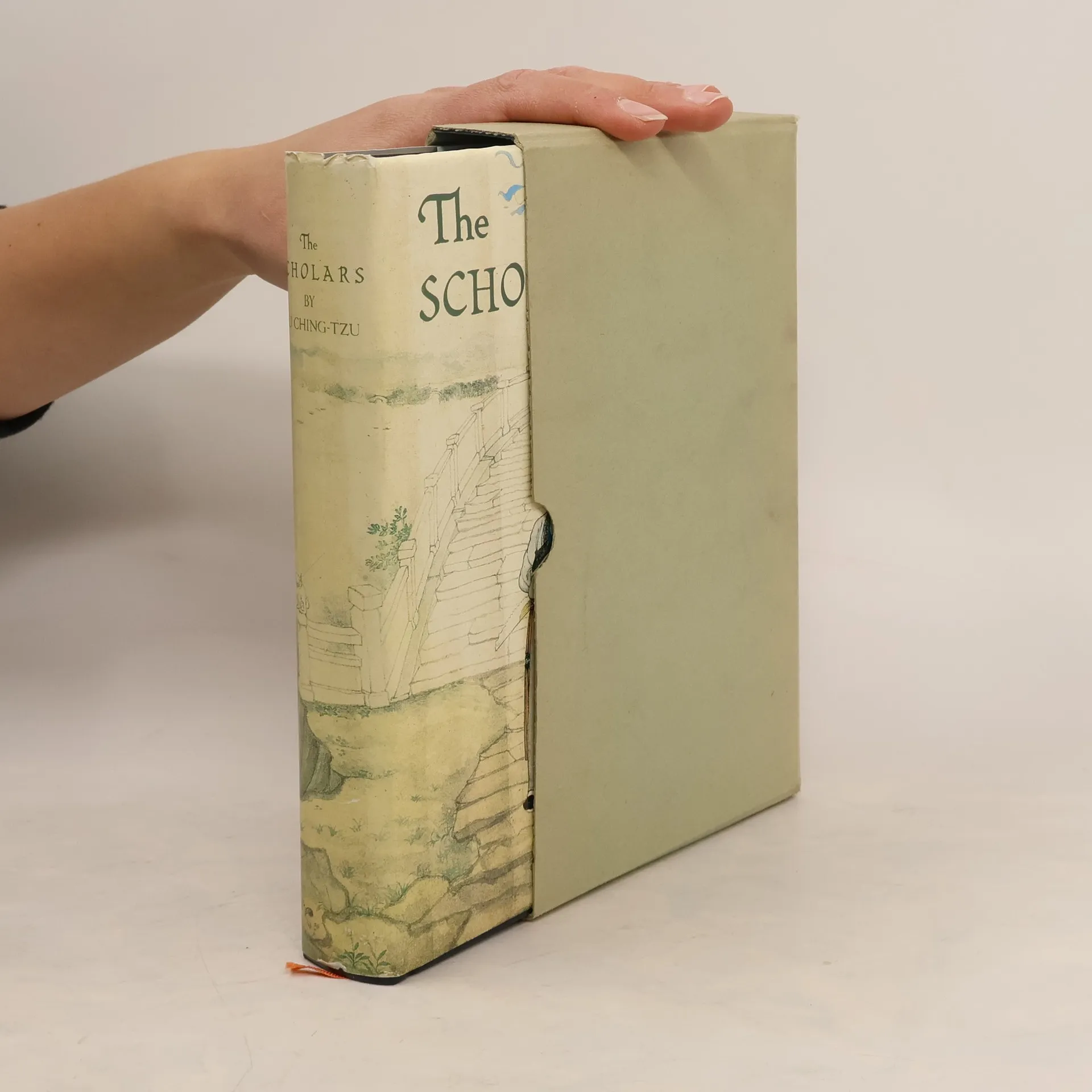
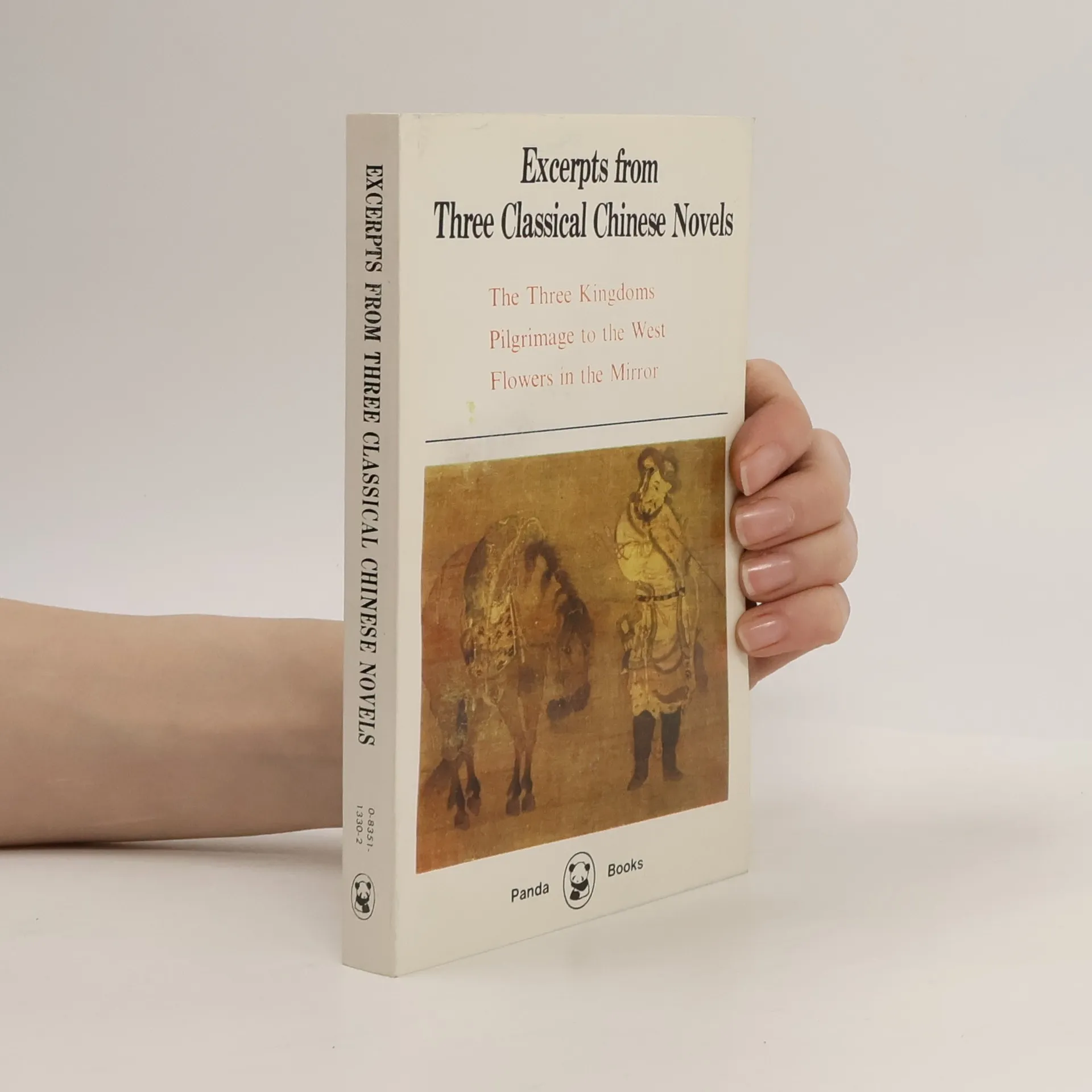
Excerpts from 3 classical Chinese novels:Three Kingdoms, Pilgrimage to the West, Flowers in the mirror.
One of the great classic Chinese novels, " The Scholars" departs from the impersonal tradition of Chinese fiction, as the author makes significant use of autobiographical experience and models many characters on friends and relatives.
In this book are the representative elegies of the State of Chu.
"These stories written during the Tang Dynasty (AD 618-907) form a notable part of early Chinese fiction. Indeed, in importance they are comparable to Tang poetry. The prosperity of the Tang Dynasty with its rapid development of agriculture, handicrafts and commerce supplied a rich material basis for the complex social life which was the background to these stories. Since the authors were consciously writing fiction, they produced something more imaginative than the earlier Chinese tales of the supernatural or anecdotes of famous men. The middle period of the Tang Dynasty - the eighth century and early nineth century - was the hay-day of this form of literature. This collection includes some of the best stories of this period." -- Back cover
Book by Youmei, Deng
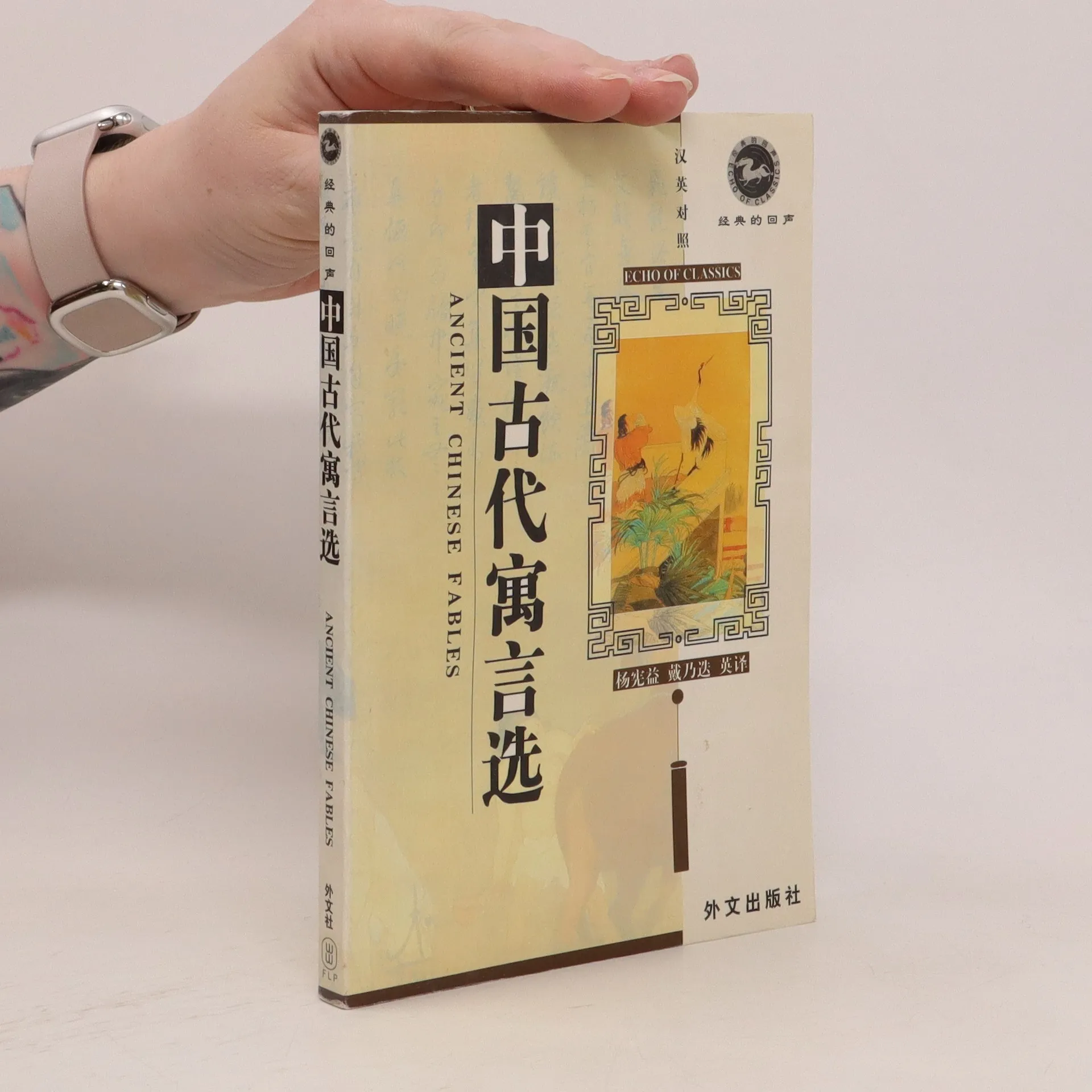
流行的中国古代寓言
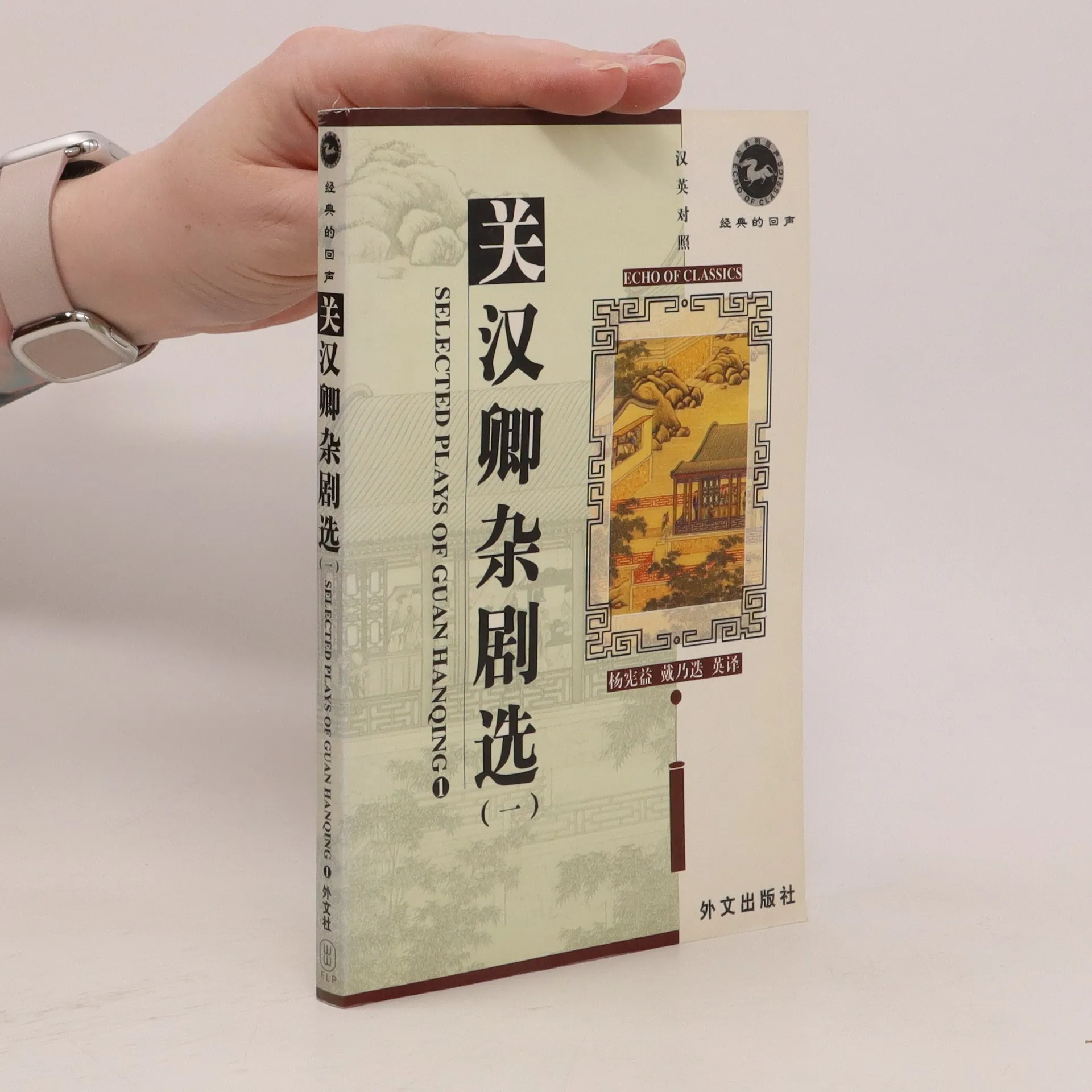
Bilingual in English and Chinese. Guan Hanqing, the Yuan Dynasty dramatist is sometimes referred to as "China's Shakespeare." A playwright of the Northern Drama, Guan Hanqing (1240-1360), worked in Beijing at a time the capital was known as Dadu, an international city visited by many travelers from Europe, including Marco Polo. Guan is credited with more than 64 plays, of which some 15 have survived in complete form. Like Shakespeare, Guan's biographical information is sketchy, but he also is said to have been a theatrical manager and an actor. This is a collection of four of his most well known plays: Snow in Midsummer, The Wife-Snatcher, The Butterfly Dream and Rescued by a Coquette. You will not only enjoy these classic stories, but will also learn about Chinese culture and history. The translation of each English page is printed in Chinese on the opposite page.
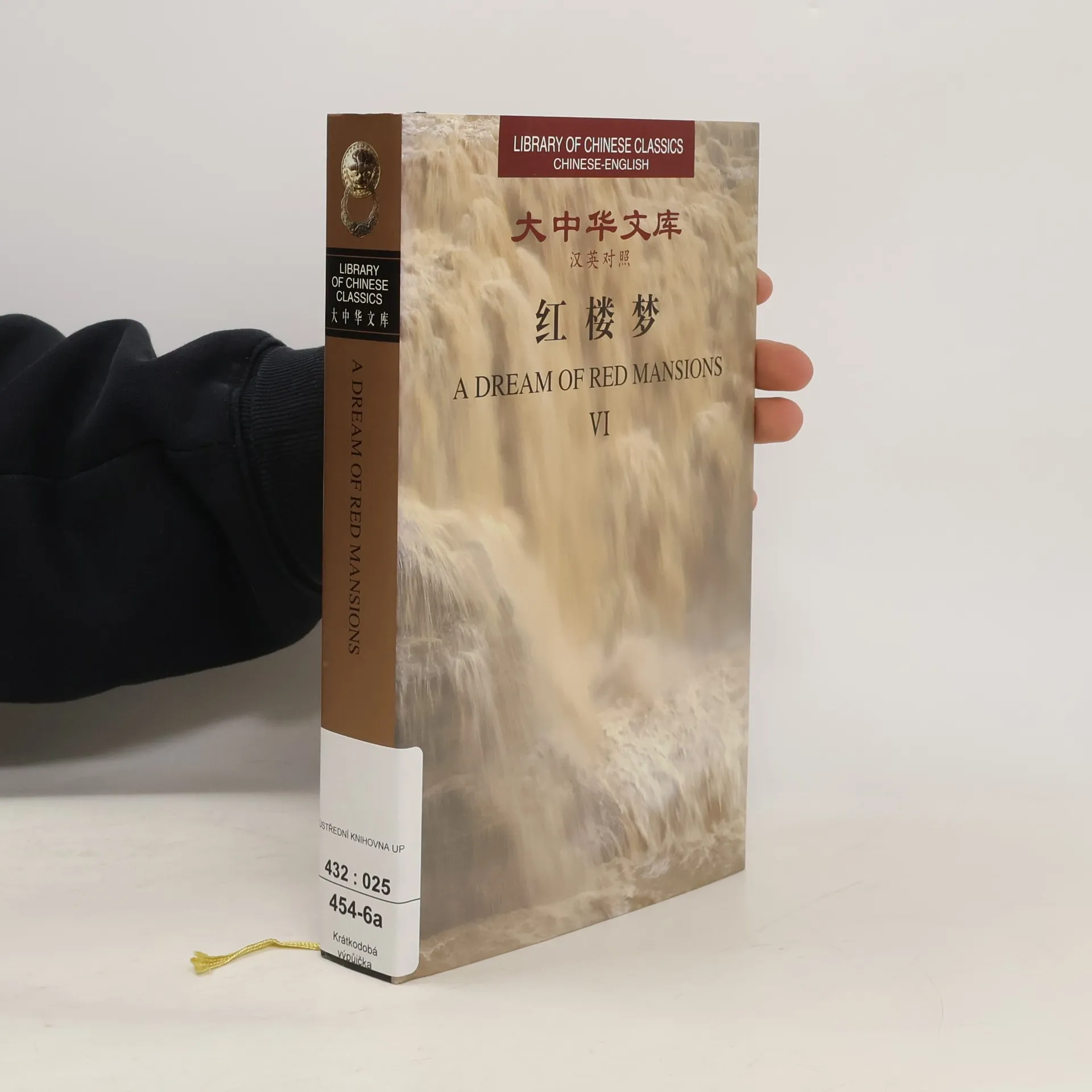
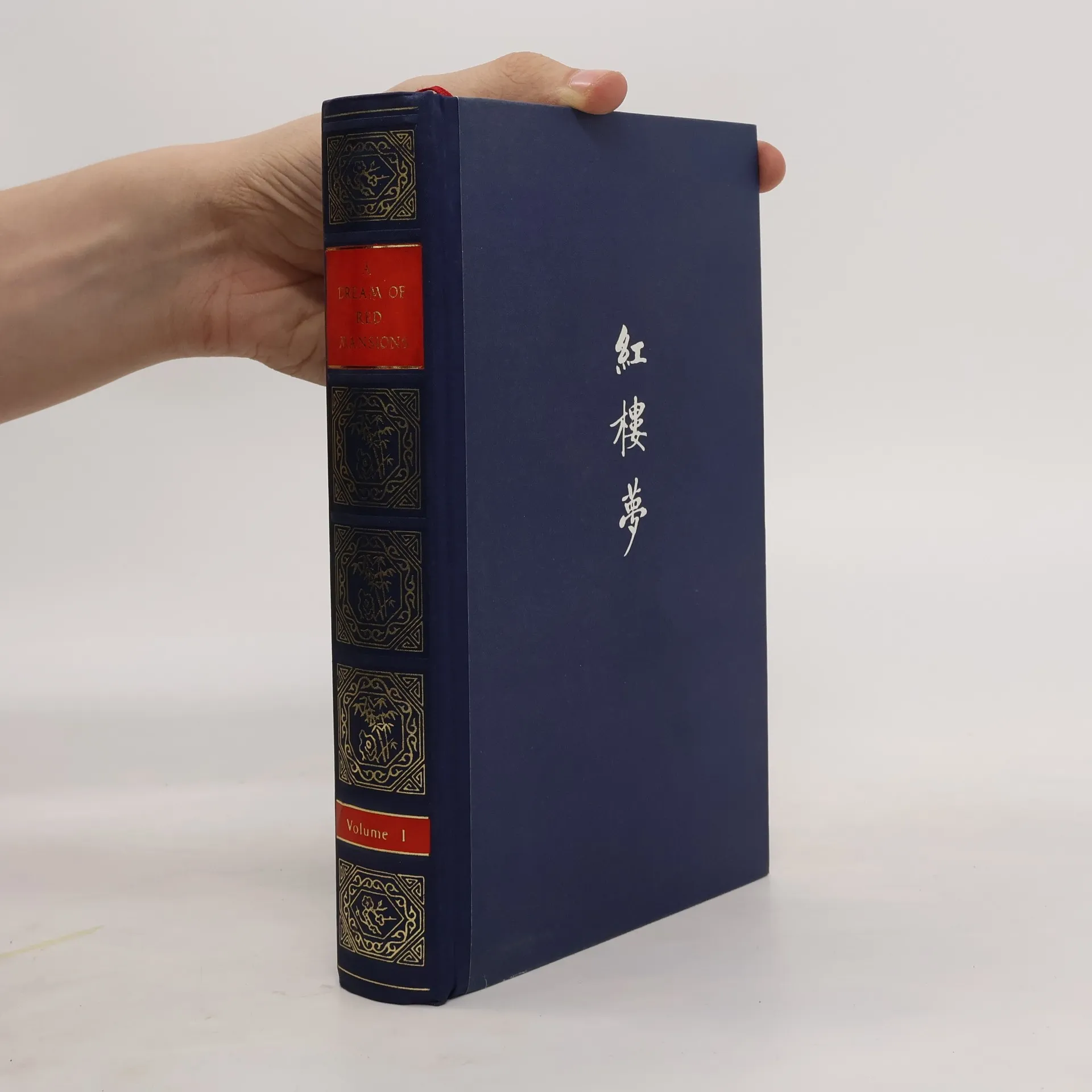
Also known as Hong Lou Meng, this work is considered China's greatest literary masterpiece, chronicling a noble family's life in the eighteenth century. Amidst the splendor of enchanting gardens and pleasure pavilions lies a deeper narrative of decay and self-destruction. The author, Cao Xueqin (1715? - 1763?), originally named Zhan, adopted the style name Mengruan. He was also known as Xueqin, Qinpu, or Qinxi. His family hailed from what is now Liaoyang City in Northeast China and had been integrated into the Manchu Right White Banner. For around 60 years, his ancestors held the position of Textile Commissioner in Jiangning (modern-day Nanjing). Cao Xueqin's great grandmother was a nursemaid to the future Kangxi emperor, who later honored the family. However, after the Yongzhen emperor's ascension, Cao Xueqin's father, Cao Fu, faced disgrace and the family's fortunes dwindled, leading them to Beijing. Once accustomed to luxury, Cao Xueqin experienced poverty firsthand, ultimately living in a modest hovel on the outskirts of the capital. The death of his young son in 1762 profoundly affected him, and he never fully recovered. He passed away on February 12, 1763.
正版认证卖家: Soweinc [ 正版保证]加微信[soweinc]每天分享好书和来自全球的书友一起学习交流.并且微信好友价格低至5折 .《故事新编(汉英对照)》(鲁迅)Old Tales Retold Chinese-English作者:鲁迅 杨宪益 戴乃迭出版社:外文出版社有限责任公司ISBN:9787119097725装订方式:平装版次:第1版开本:32开出版时间:2016-01-01用纸:胶版纸页数:305语种:中文,英文丛书名:中国经典对外读库类目:外语学习|老外读本
汉英对照 (Chinese and English Edition)
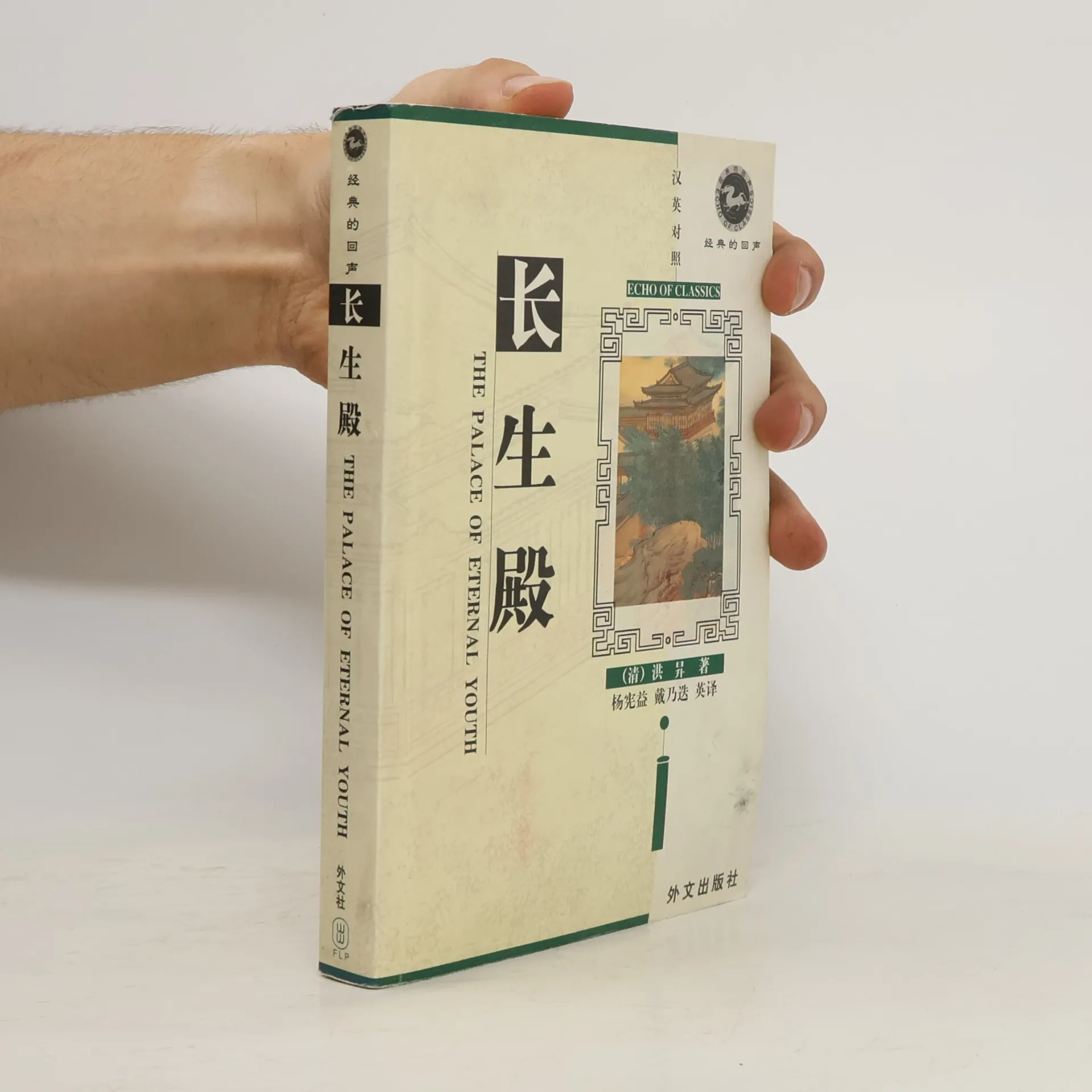
The historical opera The Palace of Eternal Youth, written by Hong Sheng (1645-1704) in the 27th year of Emperor Kangxi's reign (1688), is one of the masterpieces of ancient Chinese opera. It tells the love story of Li Longji (reigned 712-756), a Tang Dynasty emperor of China, and his concubine Yang Yuhuan. The story, based on historical facts, had been told for generations, and Hong Sheng presented anew in this superb, moving opera the love story between the emperor and his concubine who wished to be "two love-birds flying wing to wing, and on earth two trees with branches twined from spring to spring," using an artistic method of interlacing reality to dream. At the same time, the work also reflects the complicated contradictions and clashes within and outside the court, giving a historical picture of the joys and sorrows of the people and the rise and fall of the country at that time. It was welcomed as the most outstanding and influential among the operas based on this theme immediately after its publication, and was widely copied and performed. The opera, consisting of 50 scenes, has been translated into English, Japanese and Russian. This edition is the translation by Yang Xianyi and Gladys Yang.