
Bookbot

Fred Pearce

    30 dicembre 1951

    Fred Pearce è un autore e giornalista inglese riconosciuto per le sue acute intuizioni sulle questioni ambientali globali. Il suo lavoro si concentra su temi complessi come l'acqua e il cambiamento climatico, sfidando spesso la saggezza convenzionale con i suoi punti di vista controversi. Descritto come uno scettico nel senso migliore, il lavoro di Pearce incoraggia i lettori a mettere in discussione le narrazioni consolidate e a considerare nuove prospettive sulle sfide ecologiche critiche. Il suo approccio distintivo rende i suoi reportage una lettura essenziale per chiunque sia interessato al futuro del nostro pianeta.

    A Trillion Trees
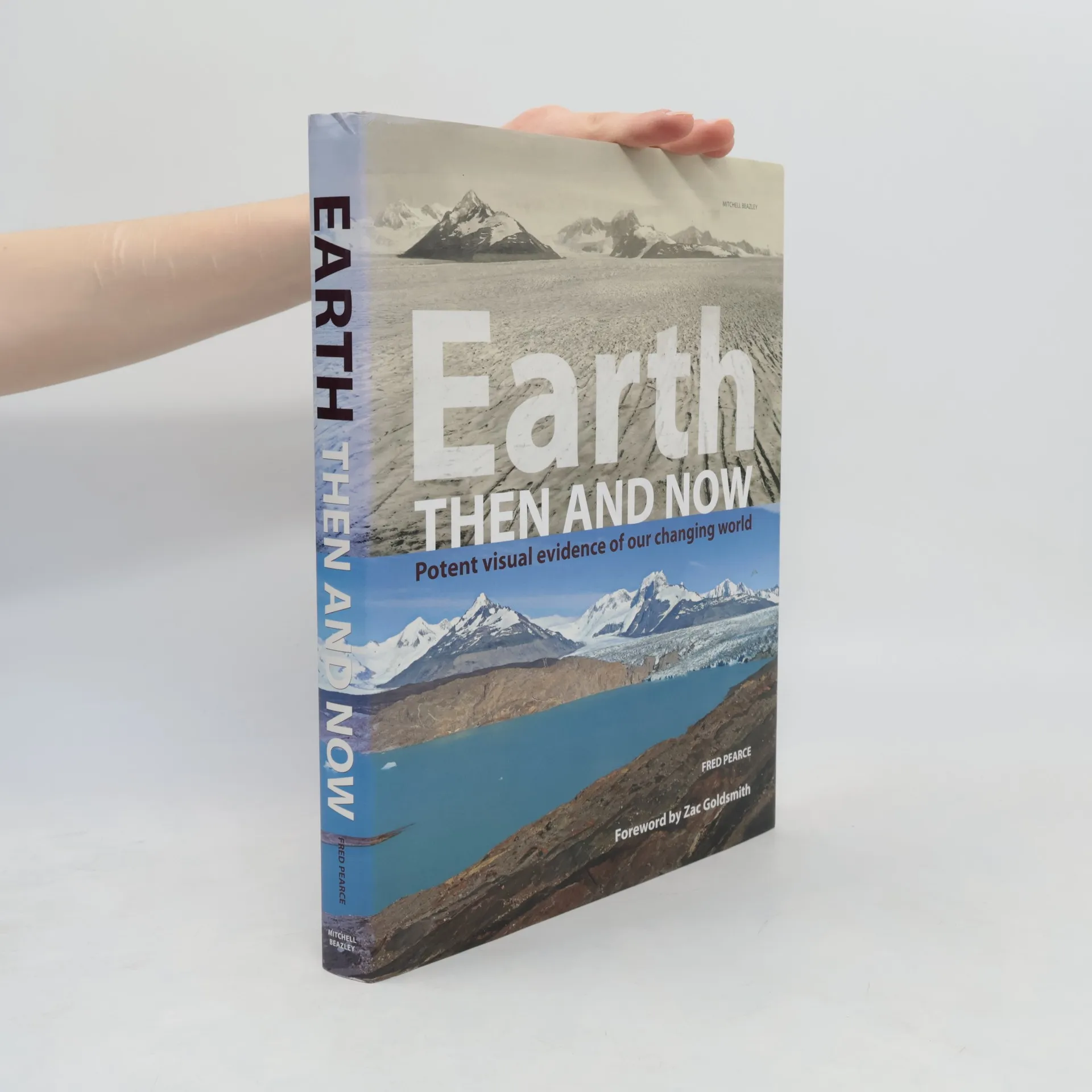
    Earth Then and Now
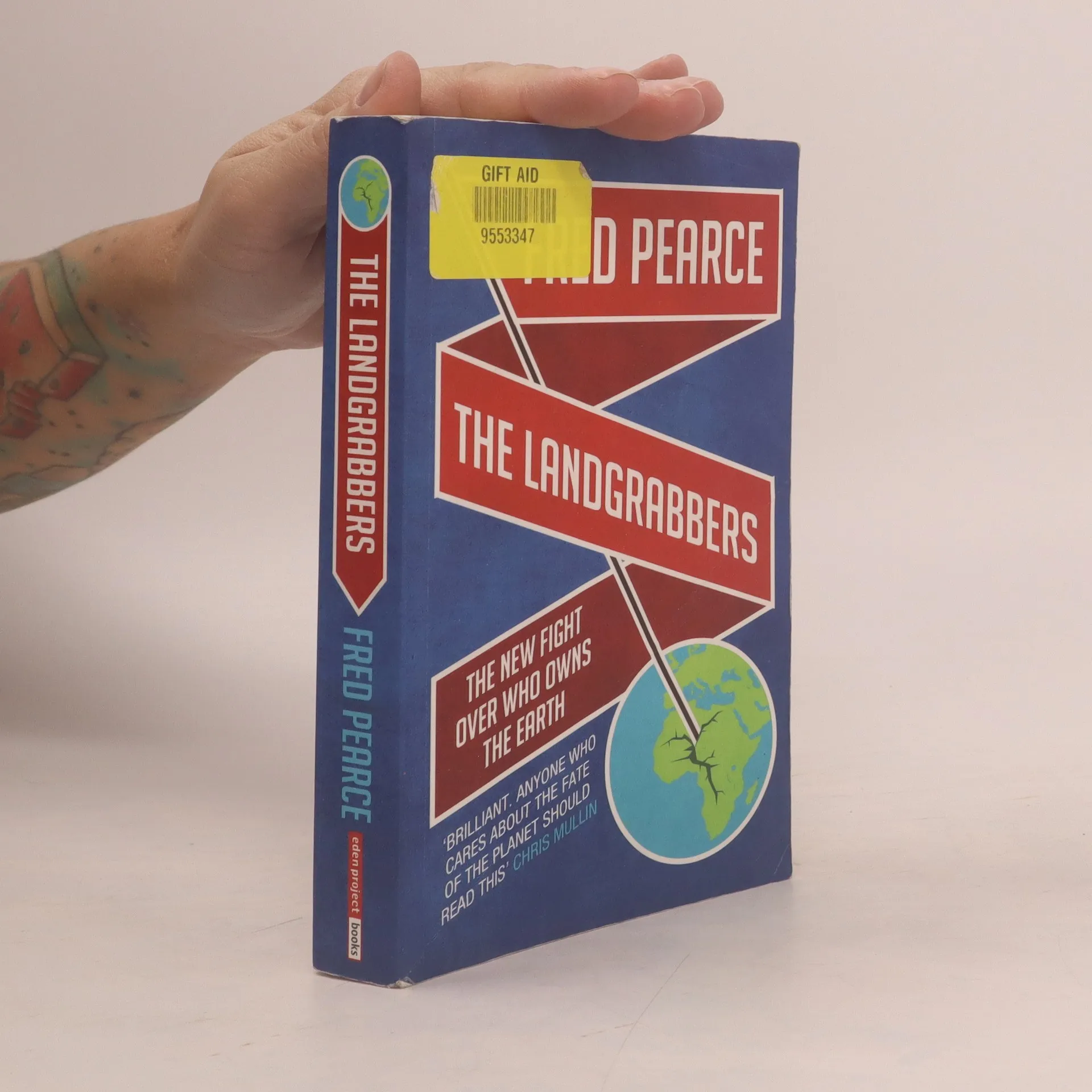
    The Landgrabbers
    A Trillion Trees
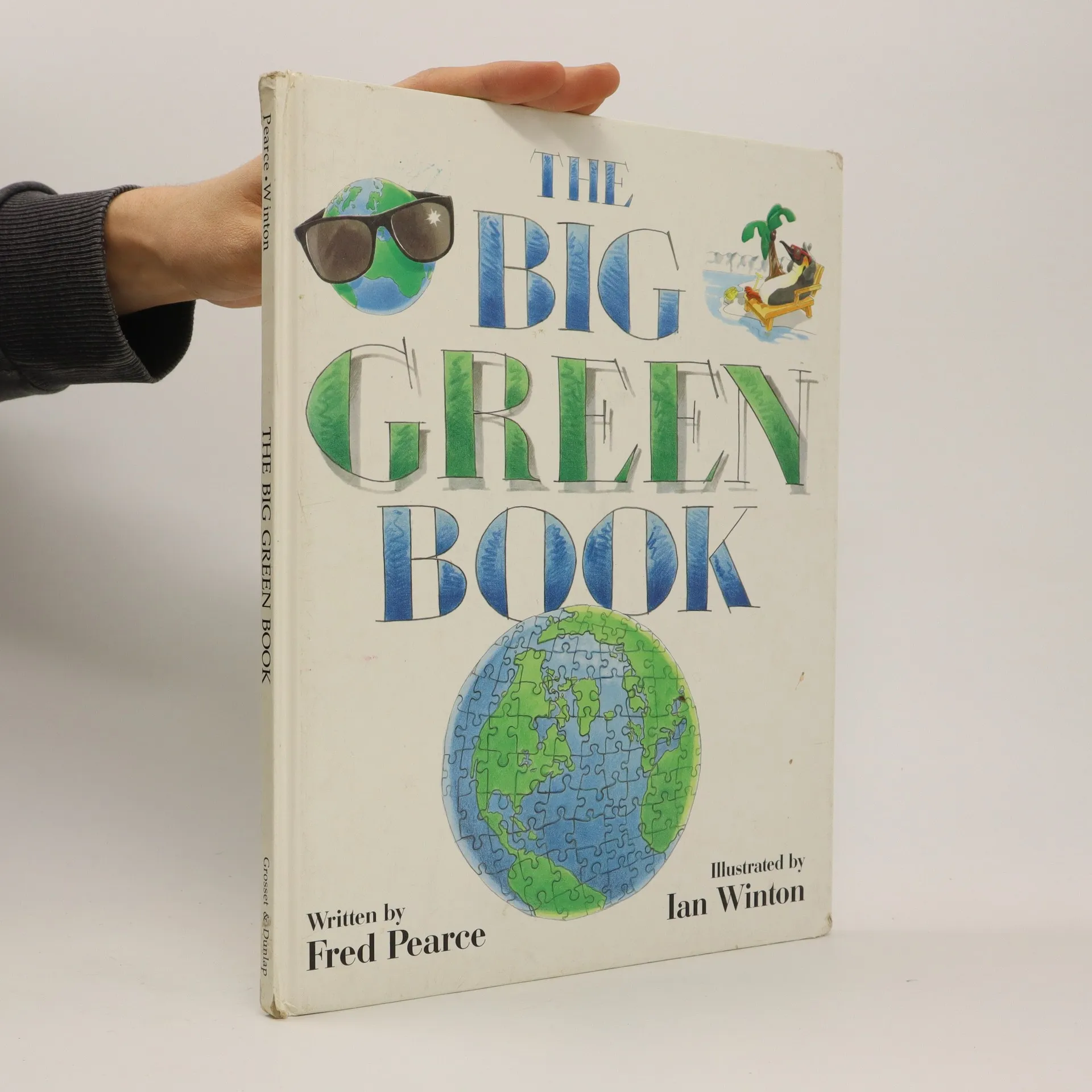
    The Big Green Book
    With speed and violence. Why scientists fear tipping points in climate change.
    • How environmental "tipping points" may affect the speed of future climate change Fred Pearce has been writing about climate change for nineteen years, and the more he learns, the worse things look. As Pearce began researching this book, numerous scientists sought him out to recount their findings and fears: where once they were concerned about gradual climate change, many now worry that we will soon be experiencing abrupt change resulting from triggering tipping points. With Speed and Violence is the most up-to-date and readable book yet about the constantly accumulating evidence for global warming and the large climatic effects it may unleash. "Well-documented and terrifying review of the scientific evidence supporting claims that Earth teeters on the edge of a climatic precipice . . . Important reading for policymakers, climate-change skeptics and anyone planning a future beyond the next decade." Kirkus Reviews, starred review "[Pearce's] grasp of [scientists'] work is exceptional. What's more, he has a talent for explaining science in terms understandable to the nonscientist . . . This enjoyable read was difficult to put down." Library Journal, starred review
      With speed and violence. Why scientists fear tipping points in climate change.
      4,4
    • The message is "think and act green" by conserving and recycling.

      The Big Green Book
      4,7
    • A Trillion Trees

      • 320pagine
      • 12 ore di lettura

      Trees keep our planet cool and breathable. They make the rain and sustain biodiversity. They are essential for nature and for us. And yet, we are cutting and burning them at such a rate that many forests are fast approaching tipping points beyond which they will simply shrivel and die. But there is still time, and there is still hope. If we had a trillion more trees, the damage could be undone. So should we get planting? Not so fast. Fred Pearce argues in this inspiring new book that we can have our forests back, but mass planting should be a last resort. Instead, we should mostly stand back, make room and let nature -- and those who dwell in the forests -- do the rest. Taking us from the barren sites of illegal logging and monocrop farming to the smouldering rainforests of the Amazon, Fred Pearce tells a revelatory new history of the relationship between humans and trees - and shows us how we can change it for the better. Here we meet the pilot who discovered flying rivers, the village elders who are farming amid the trees, and the scientists challenging received wisdom. And we visit some of the world's most wondrous treescapes, from the orchid-rich moutaintops of Ecuador to the gnarled and ancient glades of the South Downs. Combining vivid travel writing with cutting edge science, A Trillion Trees is both an environmental call to arms and a celebration of our planet's vast arboreal riches

      A Trillion Trees
      4,3
    • What do City speculators, Gulf oil sheikhs, Chinese entrepreneurs, big-name financiers like George Soros and industry titans like Richard Branson buy when they go shopping? Land. Parcels the size of Wales are being snapped up across the plains of Africa, the paddy fields of Southeast Asia, the jungles of the Amazon and the prairies of Eastern Europe. Why? The money men will tell you that their investments will bring an end to world famine. But is this more about fat profits and food security for the few? The race is on to grab the worldâe(tm)s most precious and irreplaceable resource. In this brilliant piece of investigative journalism Fred Pearce moves from boardroom and trading floor to goat-herderâe(tm)s hut and flooded forest. The result is an eye-opening, extraordinarily important examination of the most profound ethical and economic issue in the world today.

      The Landgrabbers
      4,4
    • Earth Then and Now

      Potent Visual Evidence of Our Changing World

      • 288pagine
      • 11 ore di lettura

      'Earth Then and Now' is a collection of 250 images showing locations around the world as they were and as they are now, with captions explaining the often breathtaking changes that have occured in just a short amount of time.

      Earth Then and Now
      4,2
    • A Trillion Trees

      How We Can Reforest Our World

      • 305pagine
      • 11 ore di lettura

      A fascinating scientific journey through the world's forests - revealing what they do for us, what we're doing to them, and how we can help nature repair the damage.

      A Trillion Trees
      4,0
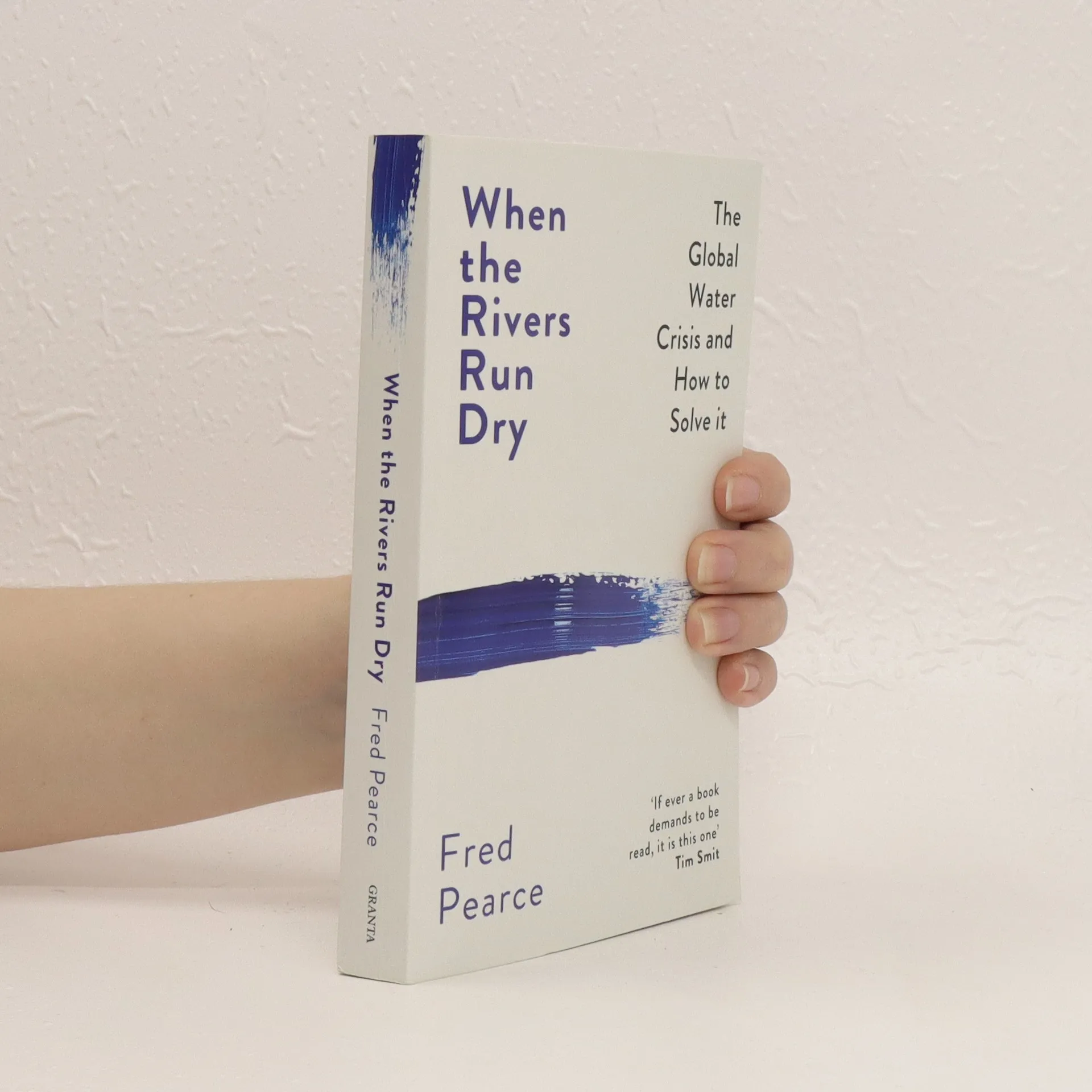
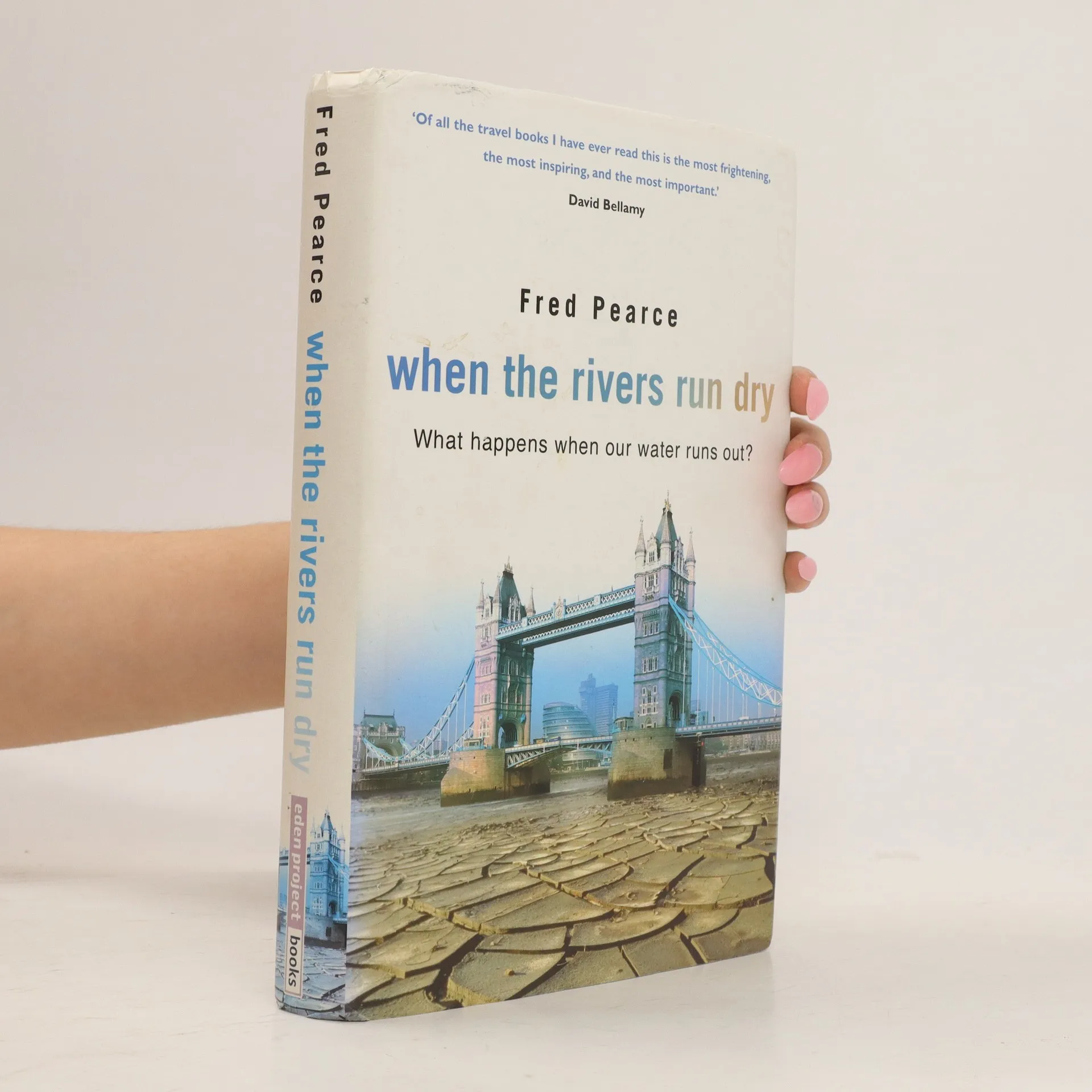
    • When the Rivers Run Dry

      • 368pagine
      • 13 ore di lettura

      Examines the complex causes of the water crisis, such as faulty engineering projects and high-yield crops, and looks at the consequences for humanity if governments fail to act.

      When the Rivers Run Dry
      4,1
    • In When the Rivers Run Dry, Fred Pearce explores the growing world water crisis, from Kent to Kenya. His powerful reportage takes us to places where waterways are turning to sand before they reach the ocean; where fields are parched and crops no longer grow; where once fertile ground has turned to desert; where wars are fought over access to water and cultures are dying out. But he offers us hope for the future - if we can radically revolutionise the way we treat water, and take personal responsibility for the water we use

      When the rivers run dry : the global water crisis and how to solve it
      4,1
    • The New Wild

      Why Invasive Species Will Be Nature's Salvation

      • 264pagine
      • 10 ore di lettura

      The book is published with the support of the Unitarian Universalist Association of Congregations, indicating a focus on themes related to spirituality, community, and social justice. It likely explores ideas central to Unitarian Universalism, such as the importance of individual beliefs and the pursuit of truth, fostering inclusivity and understanding among diverse perspectives. Readers can expect a thoughtful examination of faith and its role in contemporary society.

      The New Wild
      4,0
    • The New Wild

      • 352pagine
      • 13 ore di lettura

      A provocative exploration of the 'new ecology' and why most of what we think we know about alien species is wrong

      The New Wild
      4,1
    • Peoplequake

      • 341pagine
      • 12 ore di lettura

      Wherever we look, population is the driver of the most toxic issues on the political agenda. But while prominent voices cry out for population control, few realise that the population bomb is already being defused. Half the world's women are having two children or fewer. Within a generation, the world's population will be falling. And we will all be getting very old.So should we welcome the return to centre stage of the tribal elders? Or is humanity facing a fate worse than environmental apocalypse?Brilliant, heretical and accessible to all, Fred Pearce takes on the matter that is fundamental to who we are and how we live, confronting our demographic demons.

      Peoplequake
      3,9
    • The book delves into the global phenomenon of land acquisition driven by concerns over food security and financial instability. It investigates the motivations behind nations and corporations acquiring extensive foreign lands, highlighting the implications of these actions on local communities and economies. Through thorough research, it sheds light on the unprecedented scale of this land grab and its potential consequences for the future.

      The Land Grabbers: The New Fight Over Who Owns the Earth
      3,7
    • Water Lands

      • 304pagine
      • 11 ore di lettura

      Where water meets land, life abounds. This is the story of the nature and people of the wetlands of the world.

      Water Lands
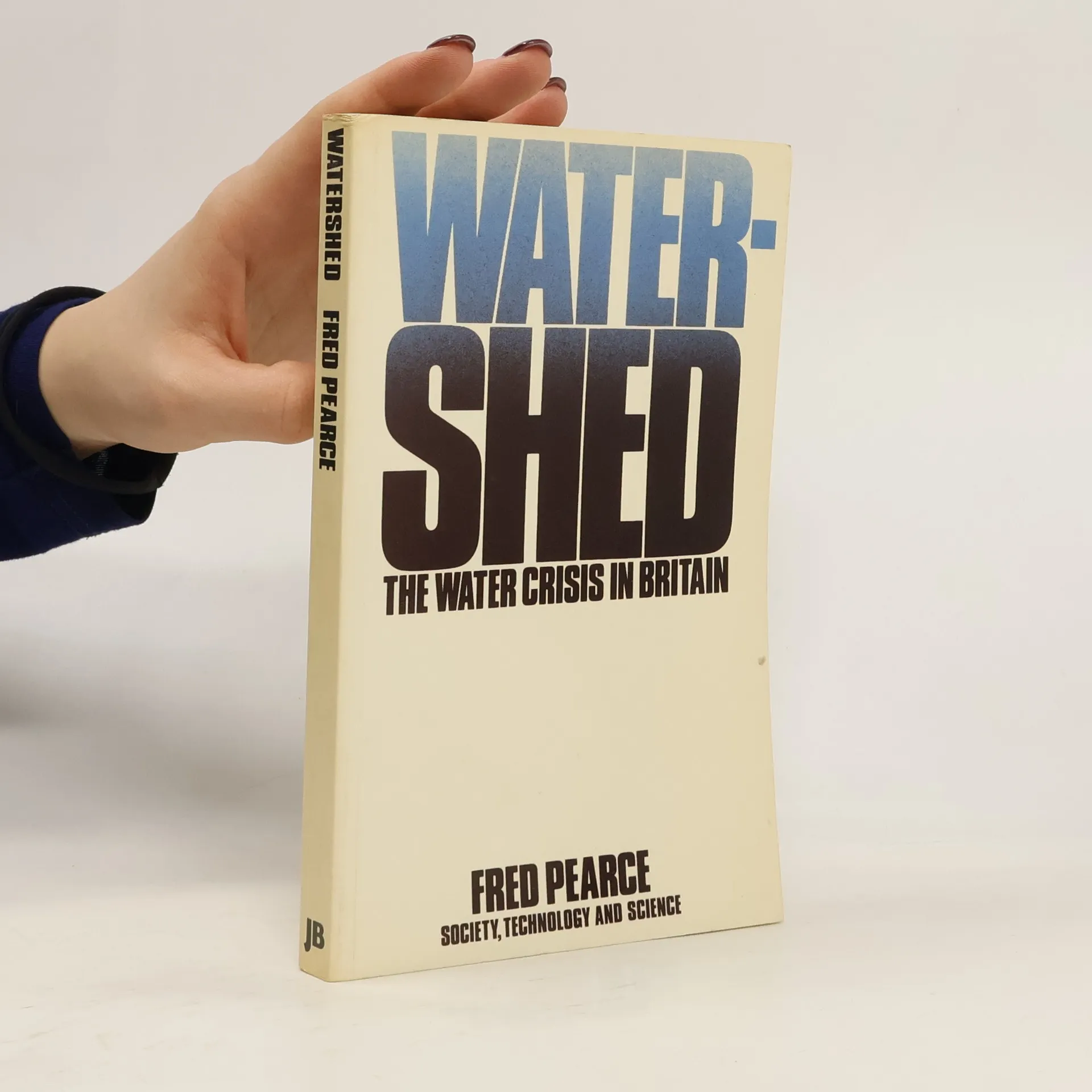
    • Watershed

      Collapse of Britain's Water Supply

      • 256pagine
      • 9 ore di lettura
      Watershed
    • Unser Planet

      • 320pagine
      • 12 ore di lettura

      Der exklusive Begleitband zur bahnbrechenden neuen Dokuserie auf NETFLIX. UNSER PLANET feiert die Vielfalt und Kostbarkeit der Erde. In beispiellos schönen, nie gesehenen Bildern. Und mit einer verblüffenden Erkenntnis: In der einzigartigen Erneuerungskraft der Erde liegt der Schlüssel zum Überleben des Menschen. Denn Ozeane, Wälder, Wüsten und Steppen können sich erholen, erstaunlich schnell und umfassend – wenn wir sie nur lassen. Mit Aufnahmen von einigen der seltensten Kreaturen und von verborgenen Winkeln der Erde – von der Tiefsee bis zu entlegenen Wäldern und Gletschern – eröffnet dieses Buch allen Naturliebhabern ein tieferes Verständnis der Erde. Es zeigt die spektakulärsten Facetten unseres Planeten und erzählt vom Einfluss des Menschen auf seine Ökosysteme, allen voran vom Klimawandel und vom dramatischen weltweiten Artensterben. UNSER PLANET ist ein bildgewaltiger, leidenschaftlicher und hoffnungsvoller Weckruf über alle Generationen hinweg. „Die Zukunft allen Lebens auf unserem Planeten hängt davon ab, ob wir bereit sind, jetzt zu handeln.“ Sir David Attenborough

      Unser Planet
      4,5
    • Gletscher gehen zurück, Regenwälder werden zu Steppen, Megacities von zuvor ungeahnter Größe schießen in atemberaubend kurzer Zeit rund um den Erdball aus dem Boden. In faszinierenden, ja manchmal im Zusammenspiel gar schockierenden Bildpaaren zeigen fast 300 Fotos in eindrucksvoller Weise die zahllosen Eingriffe in die Oberfläche unseres Planeten während der letzten hundert Jahre. Jeweils zwei Aufnahmen, die im Abstand mehrerer Jahre oder Jahrzehnte den selben Ort zeigen, führen das unglaubliche Ausmaß der Umweltveränderungen durch Erderwärmung, Klimawandel, gigantische Bauvorhaben oder andere menschliche Eingriffe in die Natur vor Augen. Gemeinsam mit den aussagekräftigen, prägnanten Texte des engagierten Umweltjournalisten Fred Pearce zeigen die Aufsehen erregenden Fotos, wohin der fahrlässige Umgang mit der Natur führt. Eine fotografische Zeitreise, die verdeutlicht, wie fragil das ökologische Gleichgewicht des Blauen Planeten ist.

      Die Erde - früher und heute
      5,0
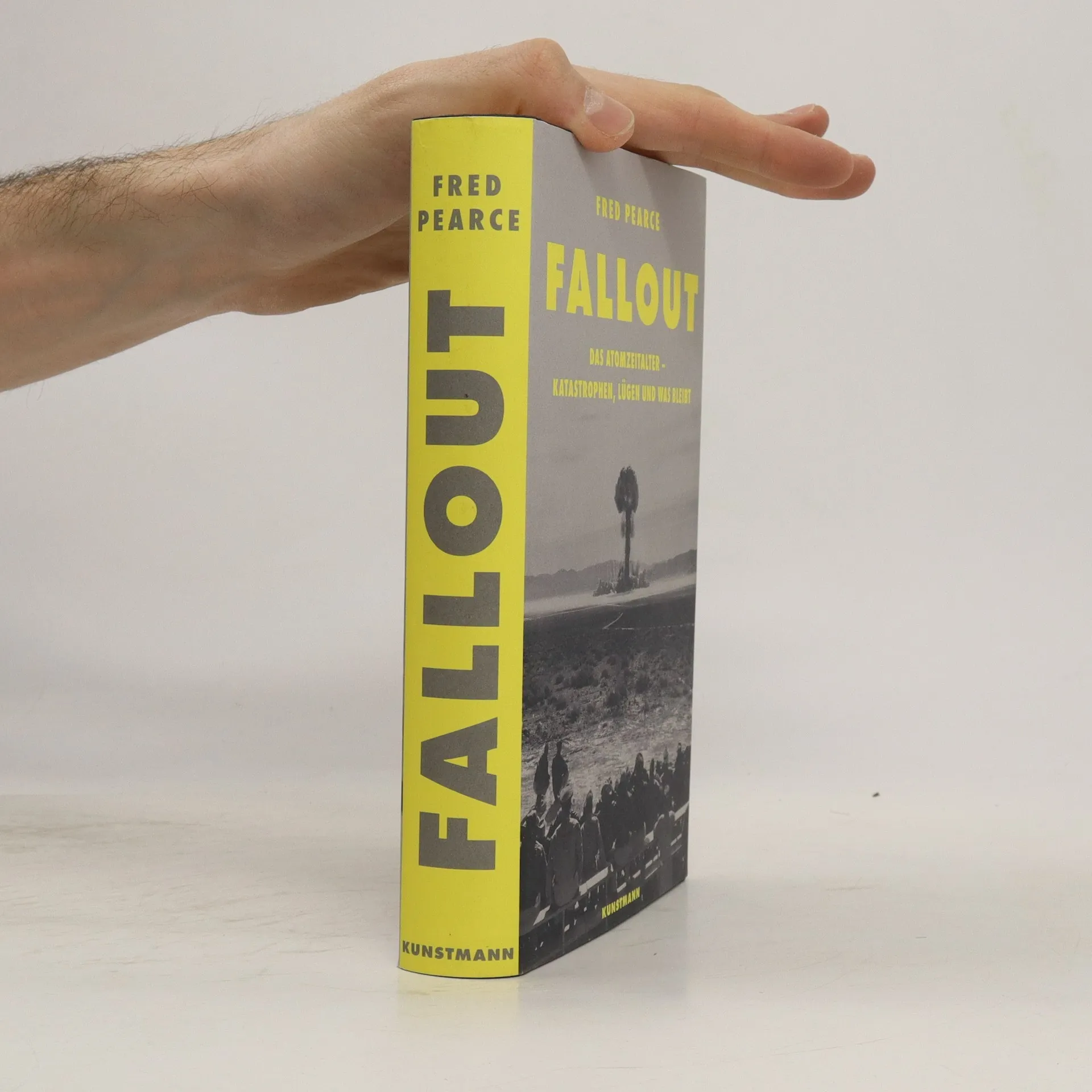
    • Fallout

      Das Atomzeitalter - Katastrophen, Lügen und was bleibt

      Gekündigte Atomabkommen, drohendes Wettrüsten, marode Kernkraftwerke... der Geist der Radioaktivität schwebt weiter über uns. Aber was genau wissen wir über die Folgen von Verstrahlung und die Gefahren, die von stillgelegten Meilern ausgehen? Wie leben die Menschen in und um die Sperrzonen? Und wohin mit dem ganzen Atommüll? Eine fesselnde Reise durch das nukleare Zeitalter.

      Fallout
      3,0
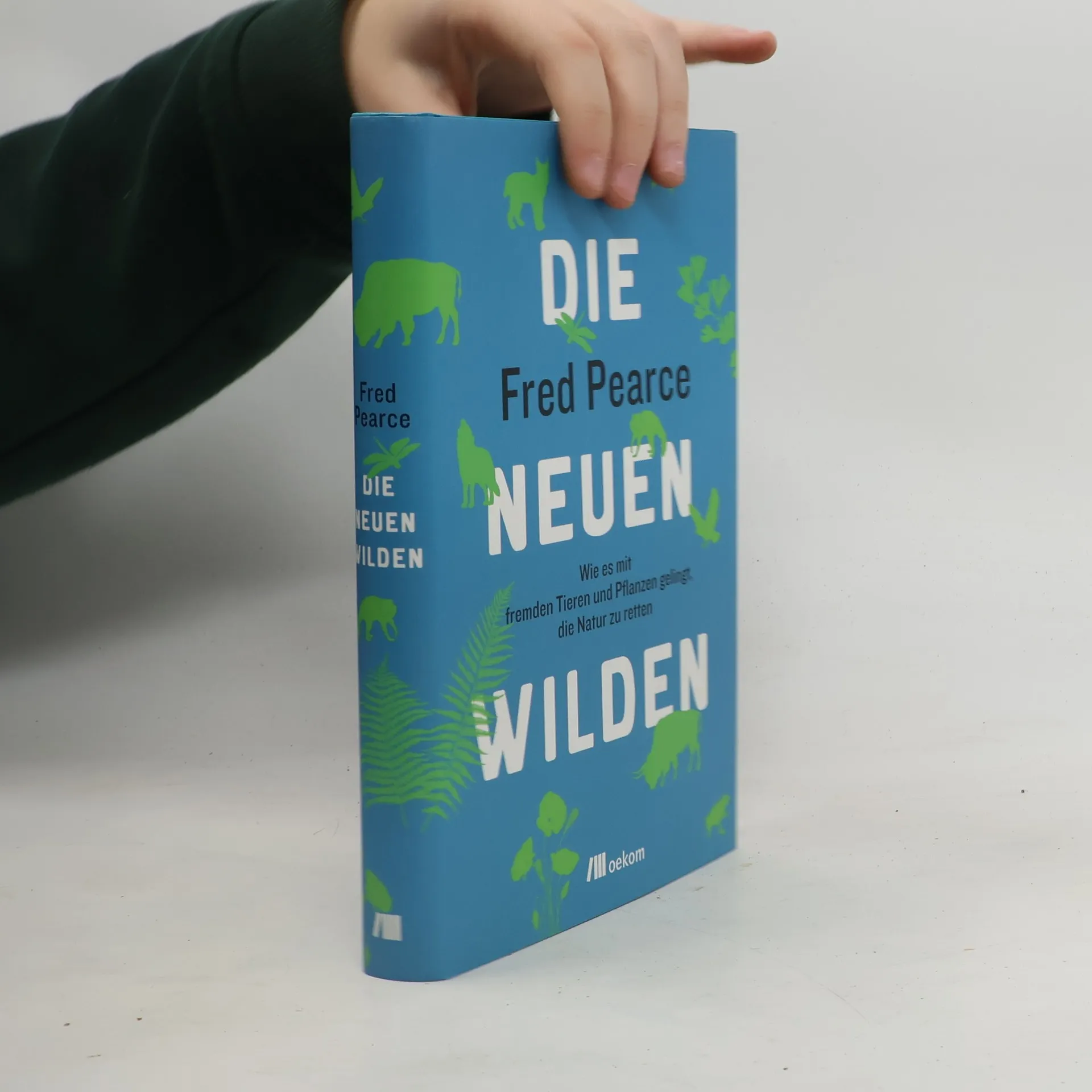
    • Die neuen Wilden

      • 336pagine
      • 12 ore di lettura

      Lange Zeit war Fred Pearces Meinung zu invasiven, gebietsfremden Arten eindeutig: Bärenklau, Waschbär und Co. gehören nicht nach Mitteleuropa und bedrohen unsere heimische Tier- und Pflanzenwelt. Doch was, wenn unsere traditionelle Sicht auf die Natur falsch ist? Was, wenn echter Naturschutz gerade darin besteht, die Eindringlinge willkommen zu heißen? Sein aktuelles Buch ist eine scharfe Kritik an einem rückwärtsgewandten Naturschutz, der invasive Arten zu Sündenböcken stempelt. Denn gerade in Zeiten des Klimawandels brauchen wir widerstandsfähige Arten, die unsere Natur bereichern und heilen.

      Die neuen Wilden
      2,0
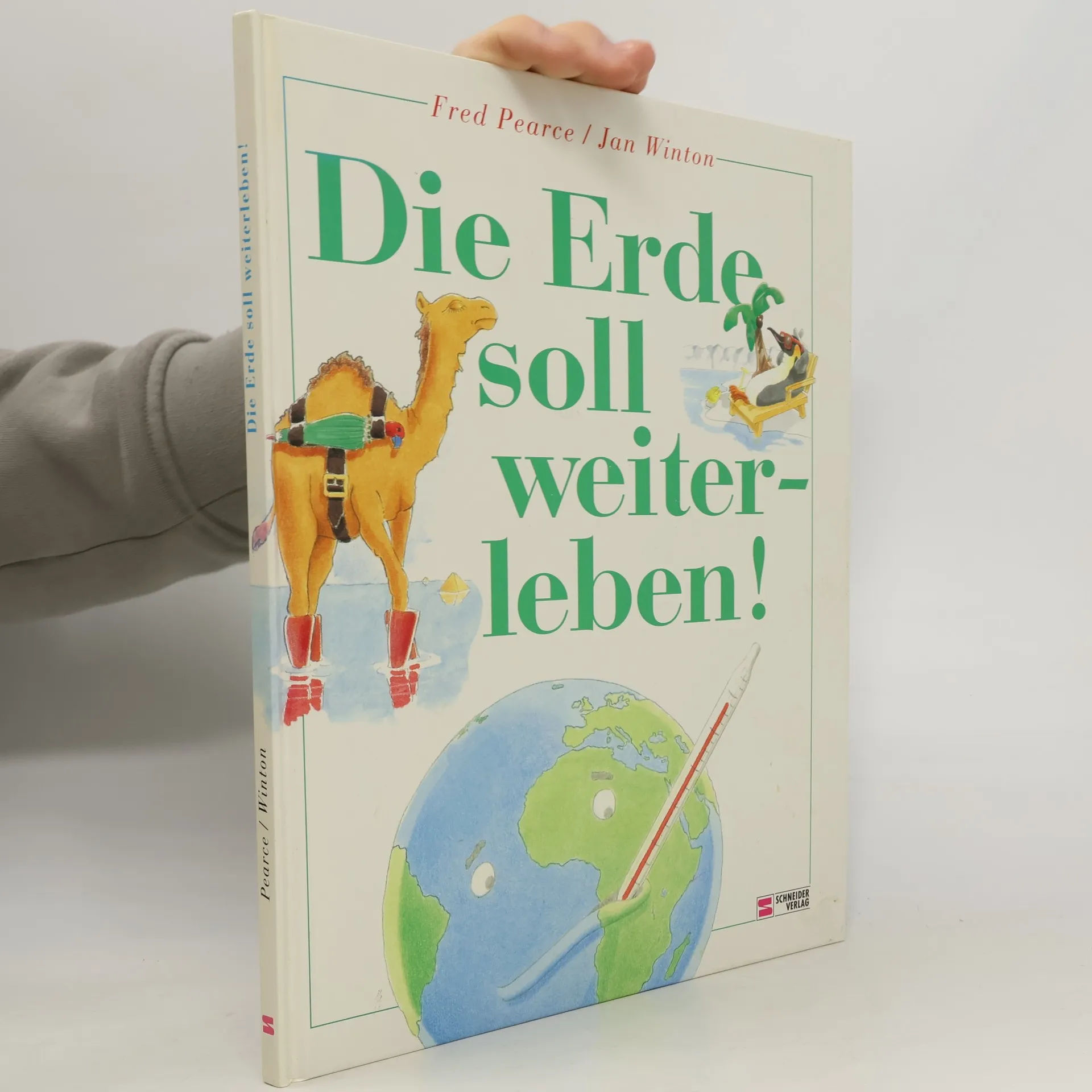
    • Die Erde soll weiterleben!

      • 29pagine
      • 2 ore di lettura

      Von F. Pearce/J. Winton. - Sachbilderbuch zur Umweltproblematik. (ab 9).

      Die Erde soll weiterleben!