


The book explores 1930s Hollywood films through a series of case studies, revealing how their production and consumption shaped their appearance and behavior. Drawing on Richard Maltby's extensive scholarship, it highlights the unique aspects of these movies, providing insights into the historical and cultural contexts that influenced them. This analysis enhances the appreciation of the films, offering a deeper understanding of the era's cinematic landscape.
Richard Maltby Ordine dei libri (cronologico)


A novel based on the upcoming motion picture on Beatrix Potter's life, starring Renée Zellweger as Beatrix Potter and Ewan McGregor as the man she loved. Written by the film's screenwriter, the novel expands the plotline of his script, blending historical fact and imaginative interpretation to tell a moving story of a Victorian woman who against the odds finds independence, artistic success and romantic love.
This extensively revised second edition offers a comprehensive introduction to Hollywood cinema, providing a fascinating account of the cultural and aesthetic significance of the world’s most powerful film industry. Provides a fascinating account of Hollywood history. Examines the cultural and aesthetic significance of the world's most powerful film industry. Explores and interprets Hollywood cinema in history and in the present, in theory and in practice. Extensively revised and updated with new chapter features including box sections, further reading lists, Notes and Queries, and chapter summaries.
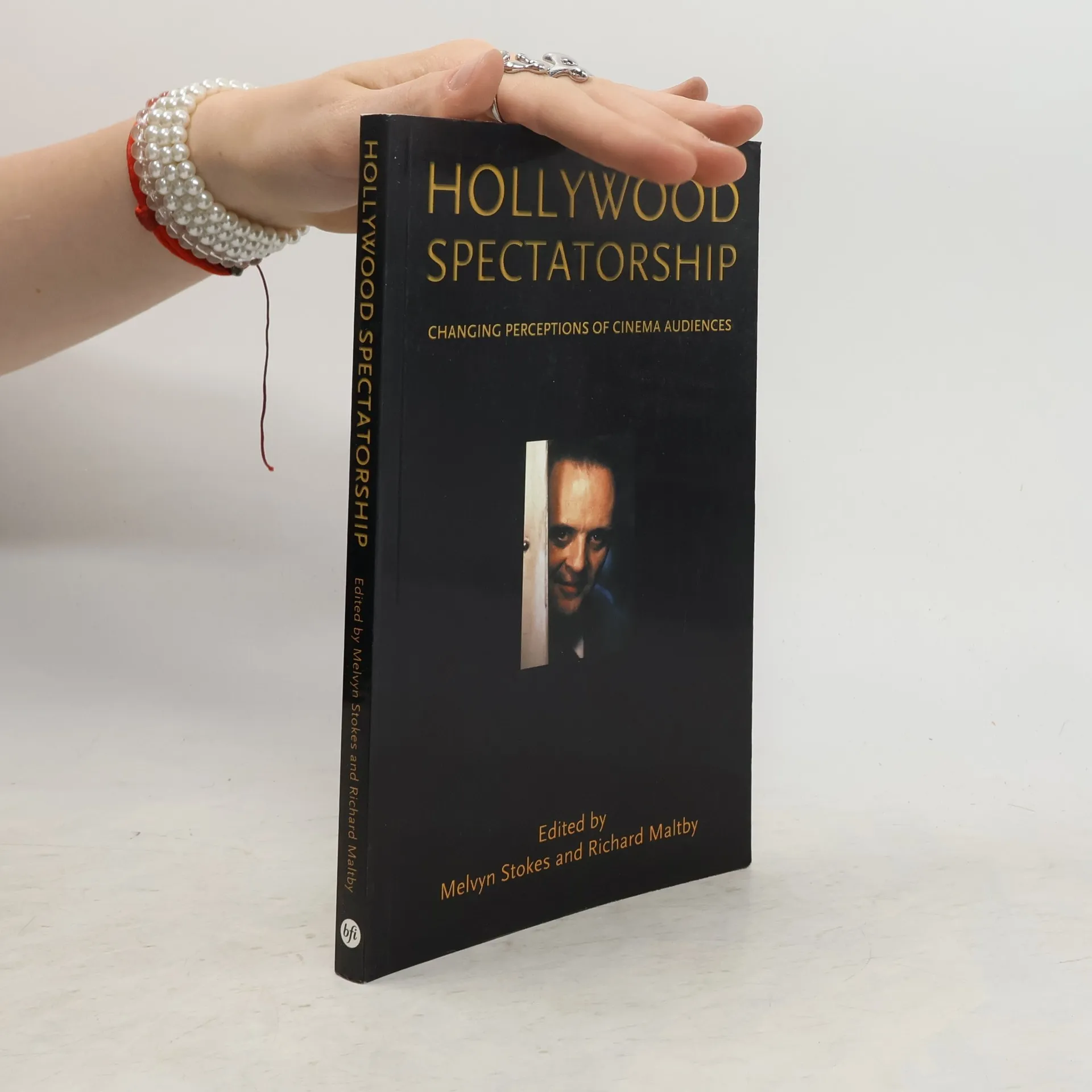
Theoretical notions of the cinema spectator have been central to film studies and criticism in recent years. This book re-examines spectatorship concepts through historical accounts of audience reception, investigating how past audiences discussed Hollywood films and how their word-of-mouth influenced individual movies and the industry. International contributors address various topics, including the history of reception studies, genre and cultural authority, audience and promotional discourses, and the impact of censorship on interpretative possibilities. It also delves into race and spectatorship, highlighting how figures like James Baldwin viewed Bette Davis through the lens of their own race and sexuality. The modern spectator is portrayed as a domestic connoisseur, increasingly acting as an auditor rather than just a viewer, with new technologies creating a "hyper-spectator" that challenges traditional concepts of spectatorship and reception. By analyzing films such as The Silence of the Lambs, Fantasia, All About Eve, and On the Beach, it offers a thought-provoking reassessment of the role of spectatorship in film criticism and interpretation.