10 libri per 10 euro qui
Bookbot

Thomas Friedman

    20 luglio 1953

    Thomas L. Friedman è un acclamato autore e giornalista il cui lavoro approfondisce gli affari internazionali. Basa le sue intuizioni su un'ampia attività di reportage, con l'obiettivo di rendere il complesso panorama globale accessibile ai lettori. Friedman ha ampliato la definizione di affari esteri per includere gli impatti della finanza, della globalizzazione e della tecnologia. La sua scrittura esplora l'interazione tra forze durature come il nazionalismo e la cultura, e gli effetti trasformativi di internet e dei mercati globali.

    Thomas Friedman
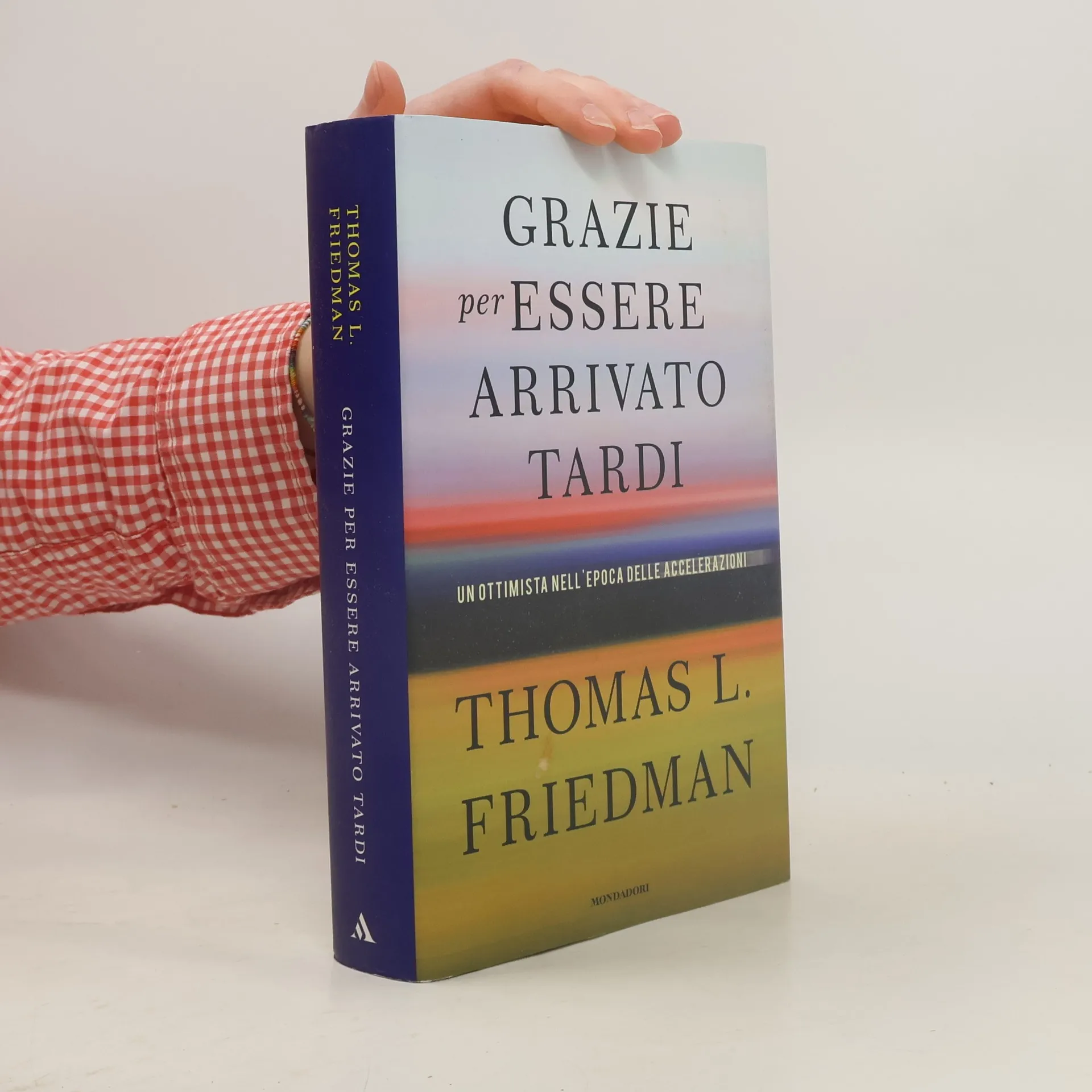
    Thank You For Being Late : An Optimist's Guide to Thriving In the Age of Accelerations
    The World is Flat
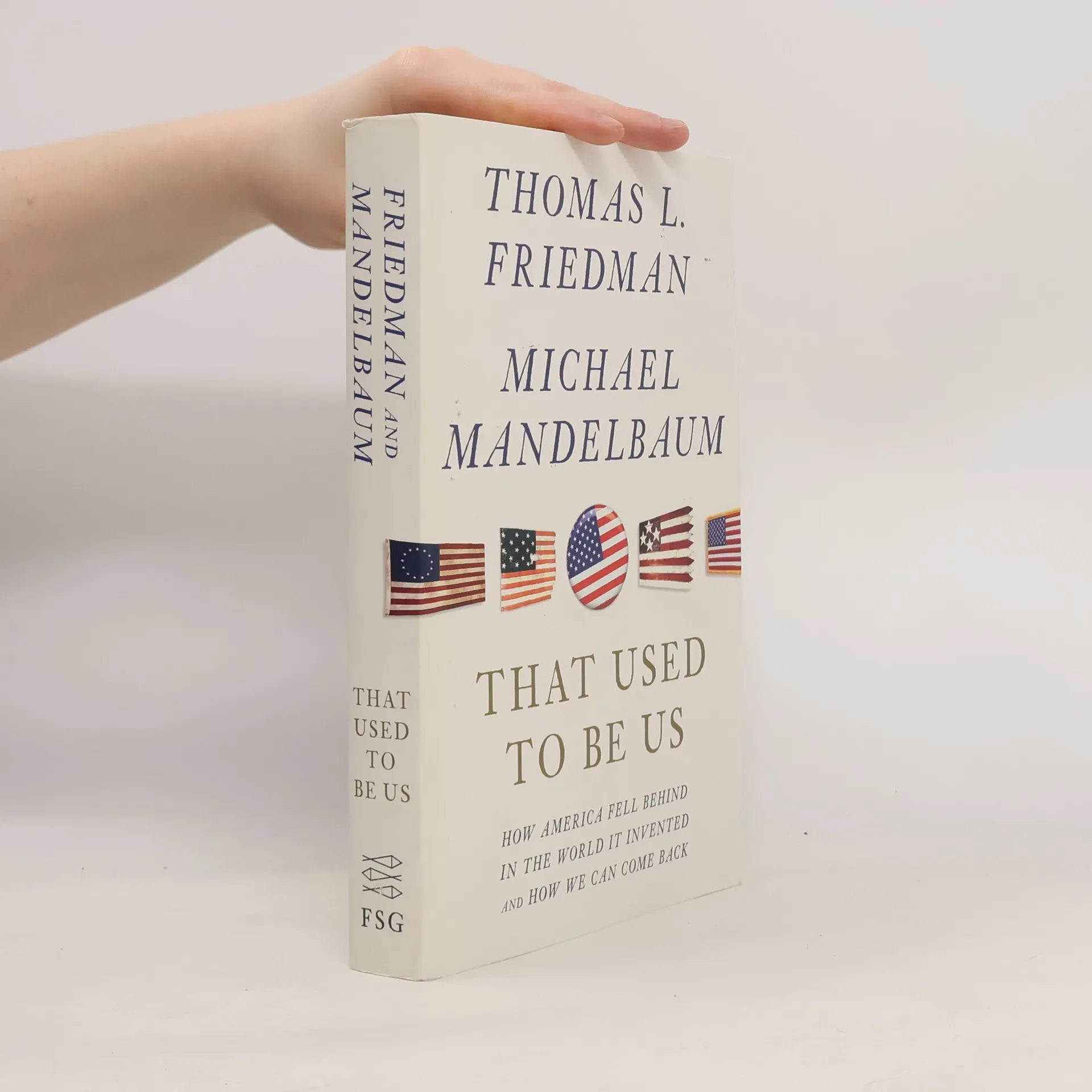
    That used to be US : what went wrong with America - and how it can come back
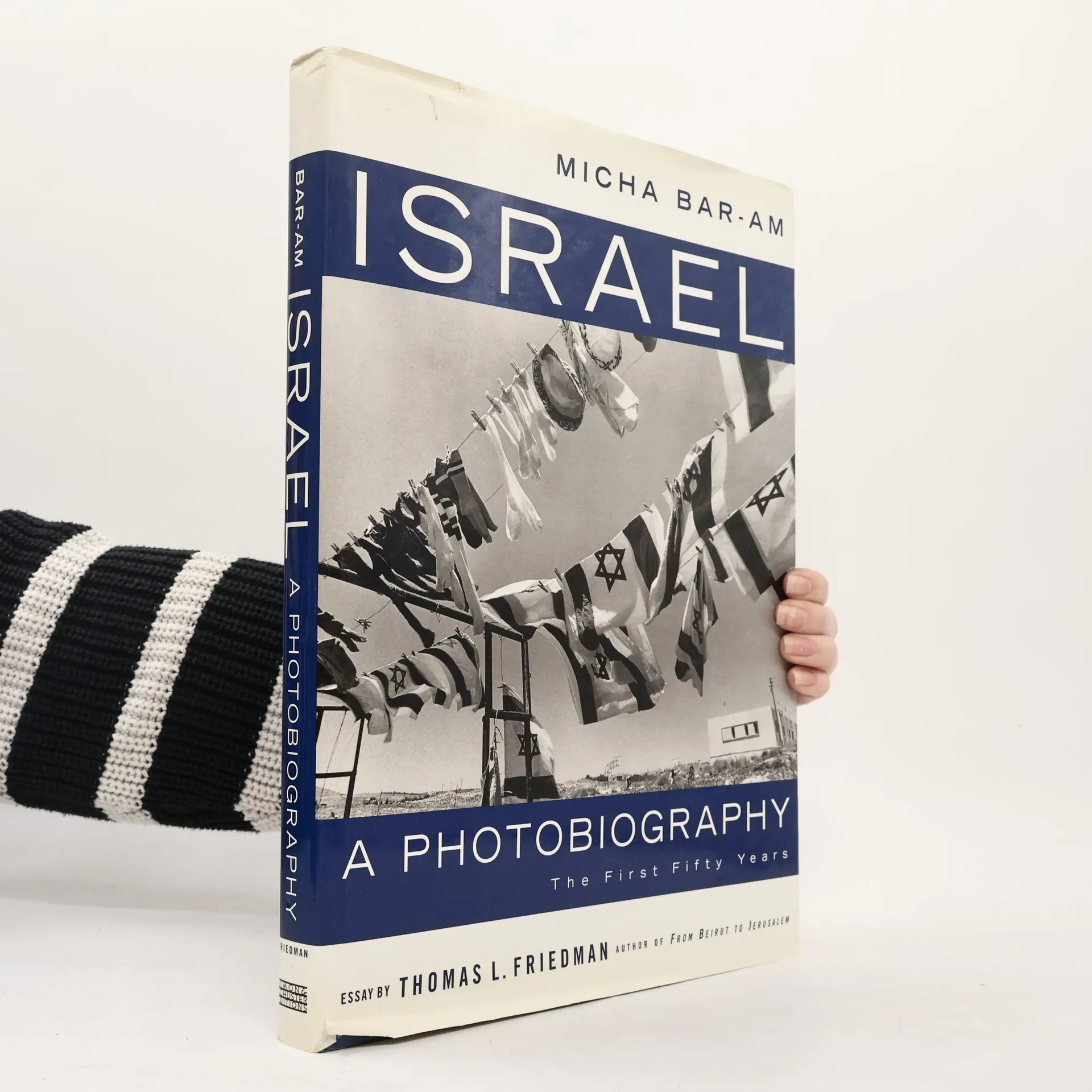
    Israel, a photobiography : the first fifty years
    Caldo, piatto e affollato. Com'è oggi il mondo, come possiamo cambiarlo
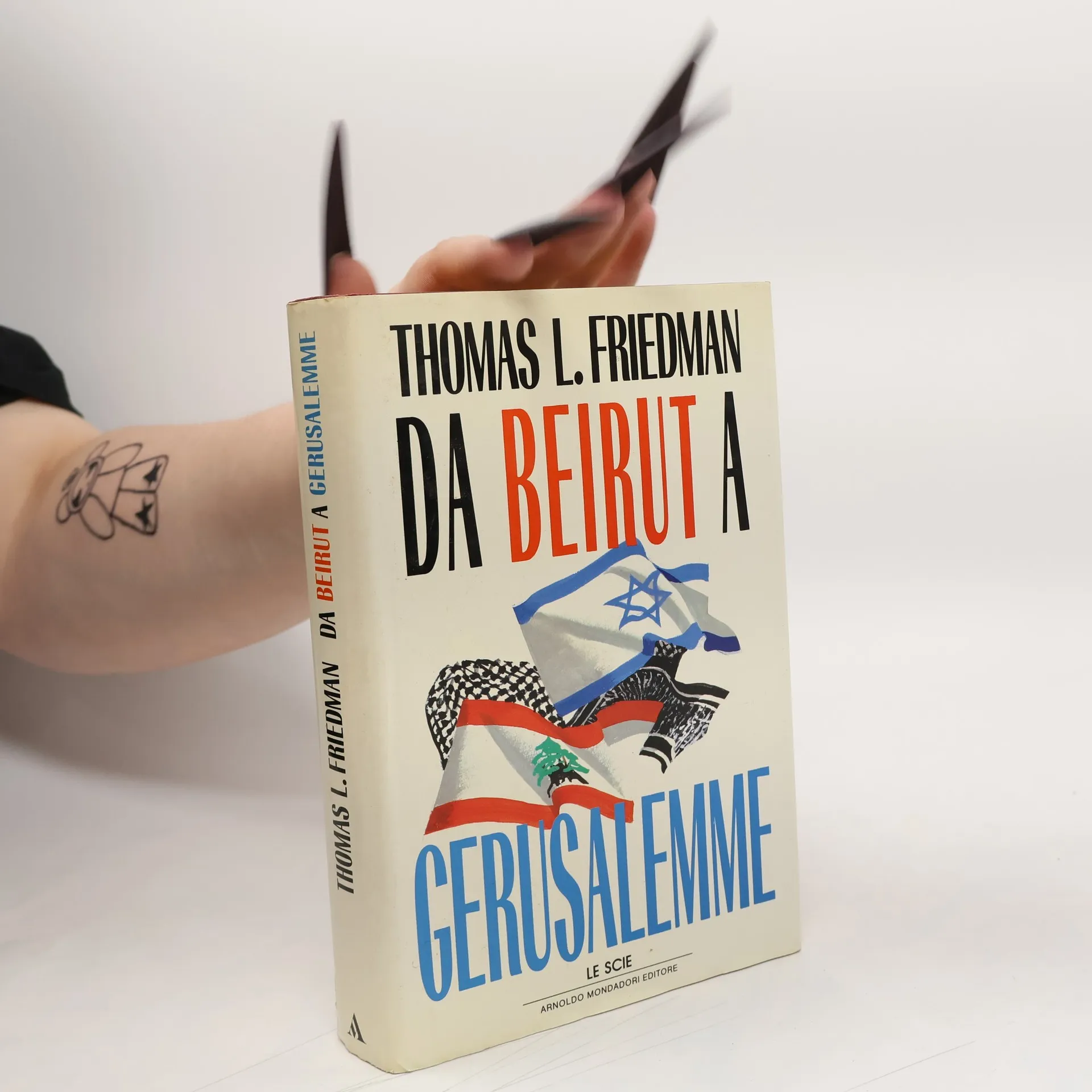
    Da Beirut a Gerusalemme
    • 2016

      We all sense it - our lives are speeding up at a dizzying rate. Thank You for Being Lateexposes the tectonic movements that are reshaping the world today and explains how to get the most out of them. Friedman's thesis is that the planet's three largest forces - Moore's law (technology), the market (globalization) and Mother Nature (climate change and biodiversity loss) - are all accelerating at once. An extraordinary release of energy is reshaping everything from how we hail a taxi to the fate of nations to our most intimate relationships. Thank You for Being Late is a work of contemporary history that serves as a field manual for how to think about this era of accelerations and how we can anchor ourselves in the eye of this storm. It's also an argument for 'being late' - for pausing to appreciate this amazing historical epoch we're passing through and reflecting on its possibilities and dangers. Written with his trademark vitality, wit, and optimism, and with unequalled access to many of those at the forefront of the changes he is describing all over the world, Thank You for Being Late is Friedman's most ambitious book - and an essential guide to the present and the future.

      Thank You For Being Late : An Optimist's Guide to Thriving In the Age of Accelerations
    • 2011

      That Used to Be Us

      • 402pagine
      • 15 ore di lettura

      Friedman, an influential columnist, and Mandelbaum, a leading foreign policy thinker, analyze four American challenges--globalization, information technology, chronic deficits, and energy consumption--and show what America needs to do.

      That Used to Be Us
    • 2011

      America has a huge problem. It faces four major challenges, on which its future depends, and it is failing to meet them. In What's Wrong with America?, Thomas L. Friedman and Michael Mandelbaum analyze those challenges - globalization, the revolution in information technology, the nation's chronic deficits, and its pattern of energy consumption - and spell out what needs to be done now to rediscover America's power and prowess. They explain how the end of the cold war blinded the nation to the need to address these issues seriously. They show how America's history, when properly understood, provides the key to coping successfully and explain how the paralysis of the US political system and the erosion of key American values have made it impossible to carry out the policies the country needs. What's Wrong with America? is both a searching exploration of the American condition today and a rousing manifesto for American renewal.

      That used to be US : what went wrong with America - and how it can come back
    • 2008

      Il surriscaldamento del clima, lo stupefacente livellamento - favorito dalla globalizzazione - degli stili di vita di un numero crescente di persone e la brusca impennata demografica degli ultimi decenni hanno trasformato la Terra in un pianeta "caldo, piatto e affollato", alterando pericolosamente gli attuali equilibri naturali, sociali ed economici. Fra pochi anni, gli effetti del dissennato sfruttamento delle risorse e della produzione di quantità sempre maggiori di gas serra e altre sostanze inquinanti si mostreranno in tutta la loro drammaticità. Ma è ancora possibile fare qualcosa per scongiurare la catastrofe? E se sì, che cosa? È a questa domanda che Thomas L. Friedman, si propone di rispondere, accantonando le argomentazioni della retorica ambientalista e affondando impietosamente lo sguardo nelle molte negligenze - volontarie o involontarie - che hanno portato alla situazione attuale. Il primo passo da compiere per evitare la massiccia estinzione di specie vegetali e animali - con enormi ripercussioni anche sulla vita dell'uomo - è, a suo avviso, l'elaborazione e la rigorosa applicazione di una strategia sistemica in cui l'interazione delle scelte operative indispensabili crei i presupposti di una rivoluzione "verde" globale del modo di produrre e di vivere, che può costituire il volano per una crescita economica impetuosa.

      Caldo, piatto e affollato. Com'è oggi il mondo, come possiamo cambiarlo
    • 2006

      De aarde is plat

      Ontdekkingsreis door een geglobaliseerde wereld - De nieuwe editie

      • 624pagine
      • 22 ore di lettura

      When scholars write the history of the world twenty years from now, and they come to the chapter Y2K to March 2004 , what will they say was the most crucial development? The attacks on the World Trade Center on 9/11 and the Iraq war? Or the convergence of technology and events that allowed India, China, and so many other countries to become part of the global supply chain for services and manufacturing, creating an explosion of wealth in the middle classes of the world's two biggest nations, giving them a huge new stake in the success of globalisation? And with this flattening' of the globe, which requires us to run faster in order to stay in one place, has the world got too small and too fast for human beings and their political systems to adjust in a stable manner?In this brilliant new book, the award-winning New York Times columnist Thomas Friedman demystifies the brave new world for readers, allowing them to make sense of the often bewildering global scene unfolding before their eyes. With his inimitable ability to translate complex foreign policy and economic issues, Friedman explains how the flattening of the world happened at the dawn of the 21st century; what it means to countries, companies, communities and individuals; and how governments and societies can, and must, adapt.

      De aarde is plat
    • 2006

      Le monde est devenu plat. Sans frontières commerciales ni politiques, sous le double effet de la globalisation et de la révolution numérique. Parce qu'il s'est ouvert sous le signe du terrorisme et de la violence, nous pensions le XXIe siècle comme un nouveau siècle de conflits et d'affrontements. Erreur, l'explosion des technologies permet désormais à chacun d'entre nous de se connecter avec le partenaire de son choix pour une aventure commune. Mais attention ! Les vainqueurs de cette accélération de l'histoire ont changé. L'ère de l'Occident triomphant touche peut-être à sa fin. Le centre de gravité du monde s'est déplacé vers les start-up et les entrepreneurs conquérants de l'Asie avec, en première ligne, une Chine et une Inde hyper agressives qui rêvent de nous manger tout crus. Le livre qui a réveillé l'Amérique. Déjà 3 millions d'exemplaires vendus.

      La Terre est plate - Une brève histoire du XXIe siècle (French Edition)
    • 2006
    • 2005

      The world is flat

      • 593pagine
      • 21 ore di lettura

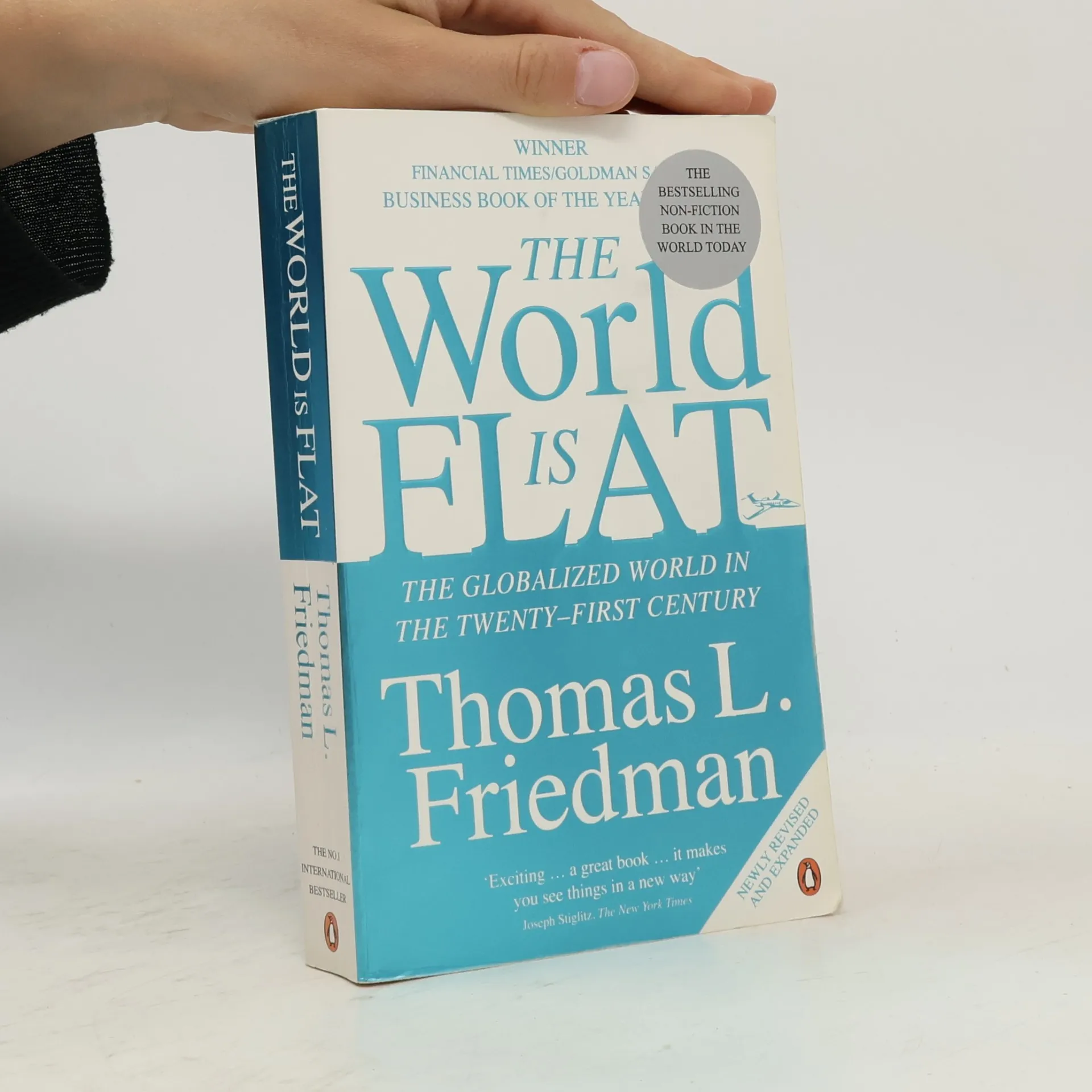
      The beginning of the twenty-first century will be remembered, Friedman argues, not for military conflicts or political events, but for a whole new age of globalization - a flattening' of the world. The explosion of advanced technologies now means that suddenly knowledge pools and resources have connected all over the planet, levelling the playing field as never before, so that each of us is potentially an equal and competitor of the other. The rules of the game have changed forever but does this death of distance', which requires us all to run faster in order to stay in the same place, mean the world has got too small and too flat too fast for us to adjust? Friedman brilliantly demystifies the exciting, often bewildering, global scene unfolding before our eyes, one which we sense but barely yet understand. The World is Flat is the most timely and essential update on globalization, its successes and its discontents, powerfully illuminated by a world-class writer.

      The world is flat
    • 2003

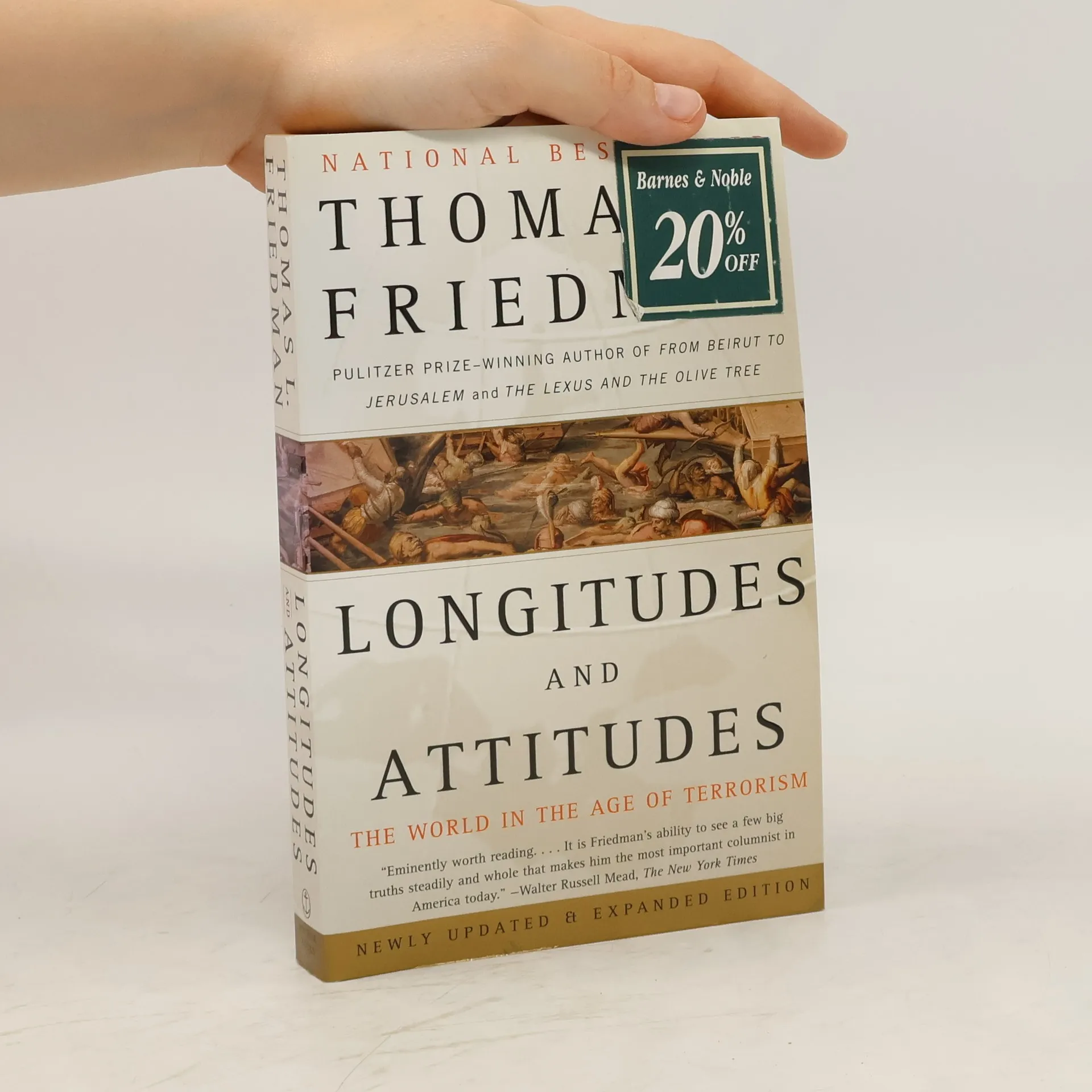
      From the Pulitzer Prize–winning New York Times columnist and bestselling author of From Beirut to Jerusalem and The Lexus and the Olive Tree comes this smart, penetrating, brilliantly informed book that is indispensable for understanding today’s radically new world and America’s complex place in it. Thomas L. Freidman received his third Pulitzer Prize in 2002 “for his clarity of vision, based on extensive reporting, in commenting on the worldwide impact of the terrorist threat.” In Longitudes and Attitudes he gives us all of the columns he has published about the most momentous news story of our time, as well as a diary of his private experiences and reflections during his post–September 11 travels. Updated for this new paperback edition, with over two years’ worth of Friedman’s columns and an expanded version of his diary, Longitudes and Attitudes is a broadly influential work from our most trusted observer of the international scene.

      Longitudes and attitudes : the world in the age of terrorism
    • 2002

      Longitudes and Attitudes

      • 416pagine
      • 15 ore di lettura

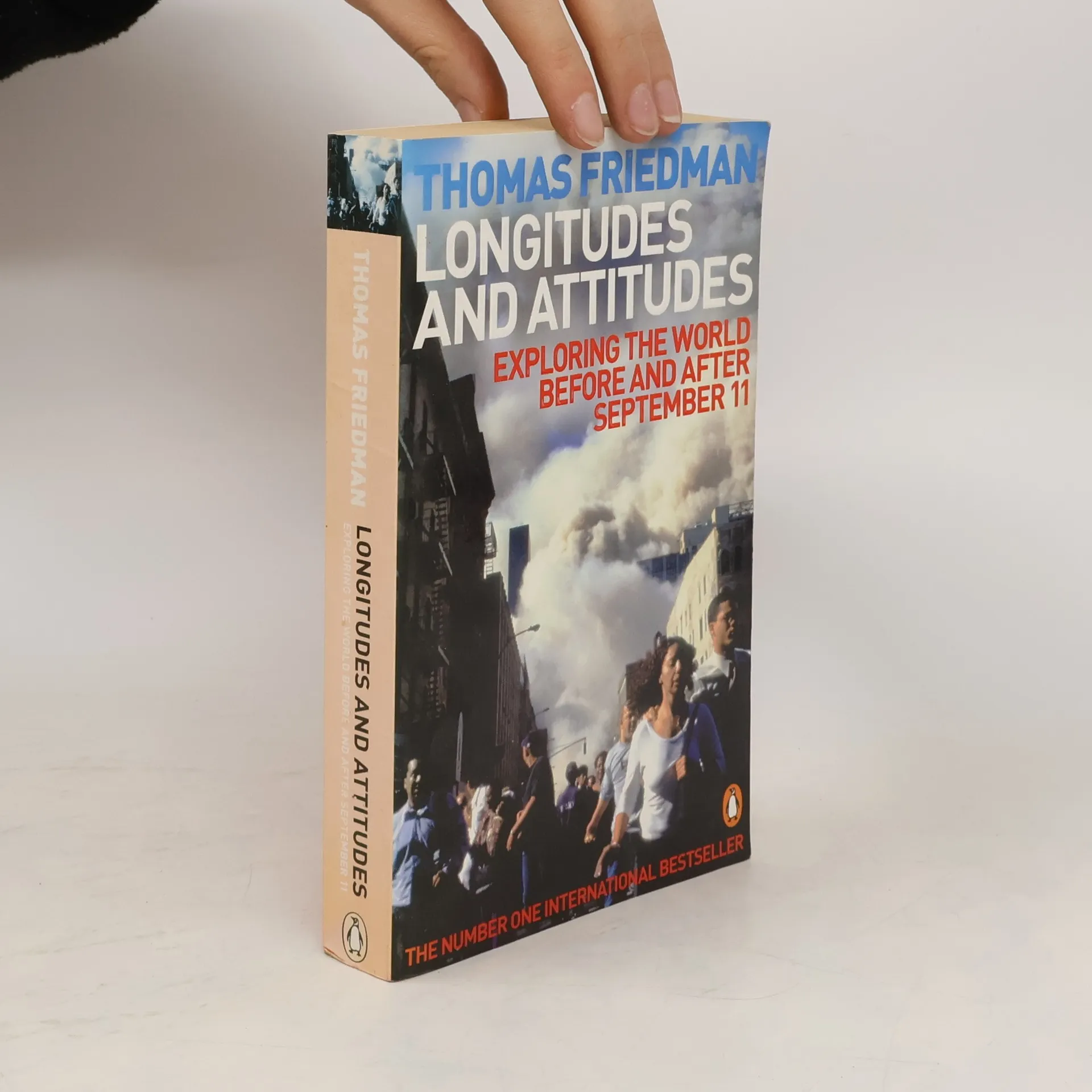
      This title brings together reportage and reflections on the state of the world leading up to and after September 11, 2001. Thomas Friedman gives voice to our awakening sense of a radically new world and our own complex place in it.

      Longitudes and Attitudes