
Bookbot

Louise Maude

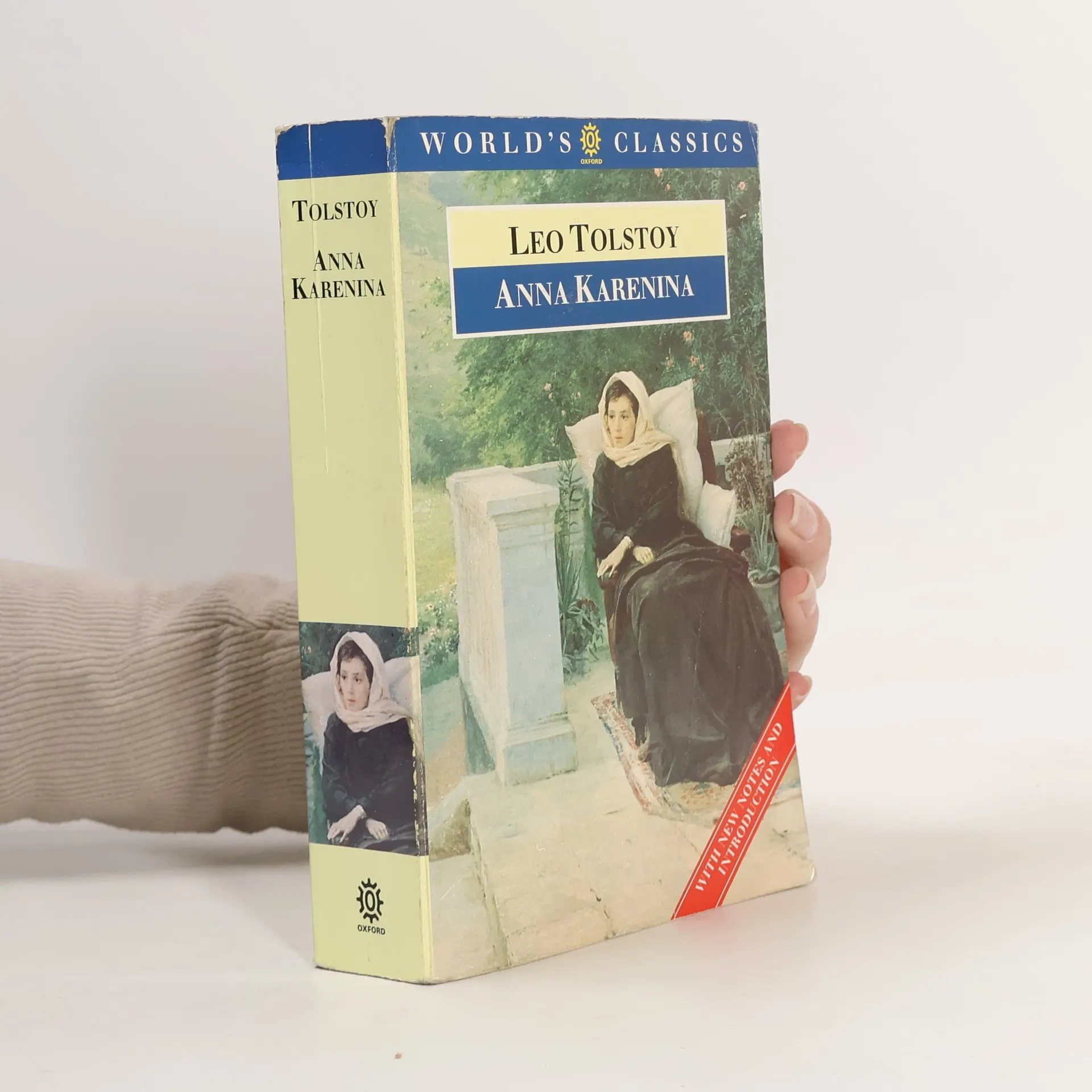
    World's Classics: Anna Karenina
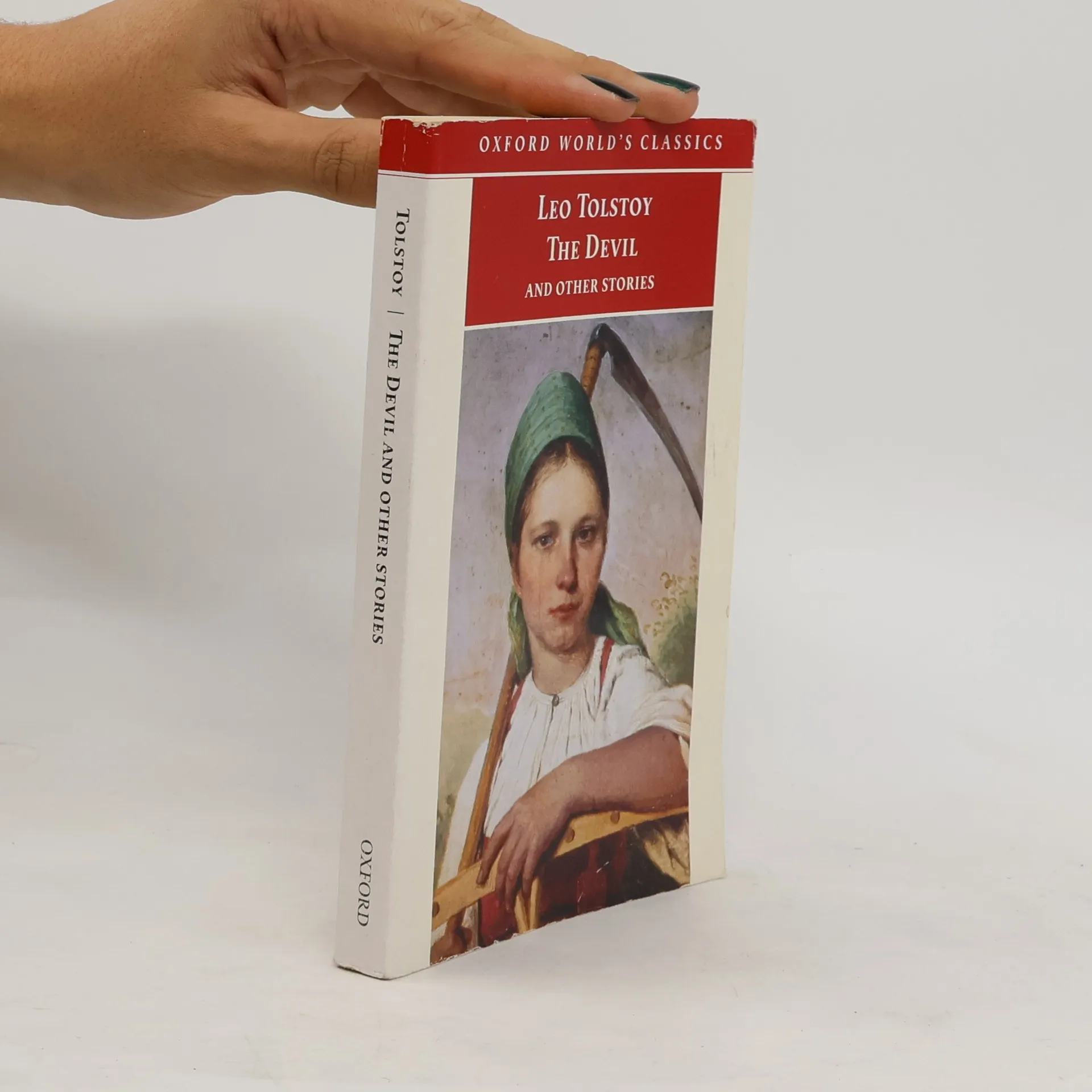
    The Devil and Other Stories
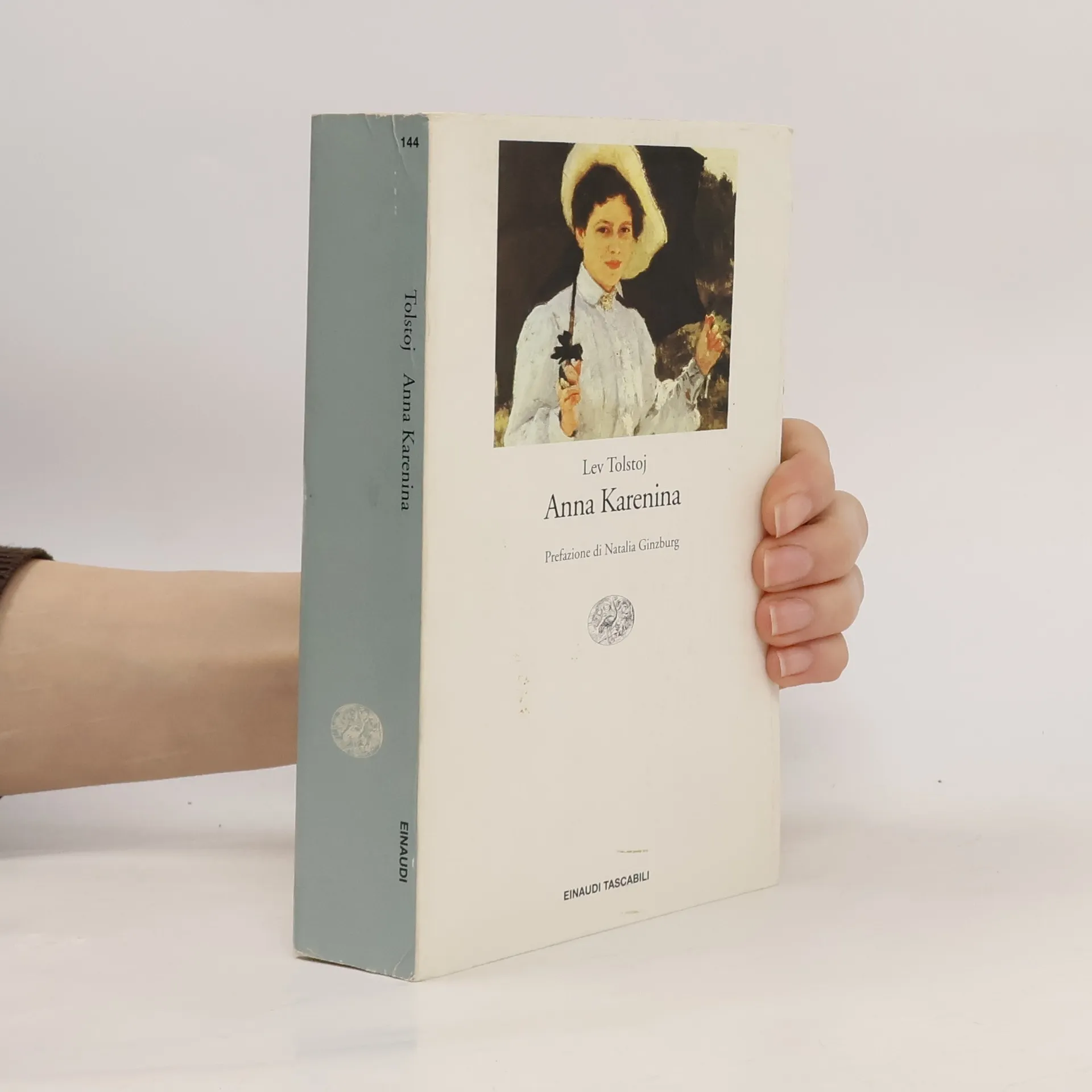
    Anna Karenina
    Twenty-three Tales
    • The Devil and Other Stories

      • 296pagine
      • 11 ore di lettura

      This collection of eleven stories spans virtually the whole of Tolstoy's creative life. While each is unique in form, as a group they are representative of his style, and touch on the central themes that surface in War and Peace and Anna Karenina. Stories as different as The Snowstorm, Lucerne, The Diary of a Madman and The Devil are grounded in autobiographical experience. They deal with journeys of self-discovery and the moral and religious thought that characterizes Tolstoy's works of criticism and philosophy. Strider and Father Sergy, as well as reflecting Tolstoy's own experiences, also reveal profound psychological insights. These stories range over much of the nineteenth-century Russian world, from the nobility to the peasantry, the military to the clergy, from merchants and cobblers to a horse and a tree. Together they present a fascinating picture of Tolstoy's skill and artistry.The snowstorm --Lucerne --Three deaths --Polikushka --Strider : the story of a horse --God sees the truth, but waits --The notes of a madman --Where love is, God is --The devil --Father Sergy --After the ball.

      The Devil and Other Stories2003
      3,9
    • World's Classics: Anna Karenina

      With New Notes and Introduction

      • 866pagine
      • 31 ore di lettura

      "The Constance Garnett translation has been revised throughout by the editors."

      World's Classics: Anna Karenina1995
    • Anna Karenina

      • 1107pagine
      • 39 ore di lettura

      “Tutte le famiglie felici si somigliano; ogni famiglia infelice lo è a modo proprio” “Qual è il vero peccato di Anna, quello che non si può perdonare e che la fa consegnare alla vendetta divina? È la sua prorompente vitalità, che cogliamo in lei fin dal primo momento, da quando è appena scesa dal treno di Pietroburgo, il suo bisogno d’amore, che è anche inevitabilmente repressa sensualità; è questo il suo vero, imperdonabile peccato. Una scoperta allusione alla sotterranea presenza nel suo inconscio della propria colpevolezza è il sogno, minaccioso come un incubo che ritorna spesso nel sonno o nelle veglie angosciose, del vecchio contadino che rovista in un sacco borbottando, con l’erre moscia, certe sconnesse parole in francese: Il faut le battre le fer, le broyer, le pétrir [...]. Il ferro che il vecchio contadino vuole battere, frantumare, lavorare, cioè distruggere, è la stessa vitalità, il desiderio sessuale, l’amore colpevole e scandaloso di Anna; e così essa lo sente e lo intende come la colpa che la condanna[...]. Ed è quel vecchio a farle improvvisamente comprendere cosa deve fare: distruggere quella vitalità, e cioè distruggere se stessa per espiare la sua colpa.” Dalla Postfazione di Gianlorenzo Pacini

      Anna Karenina1995
      4,0