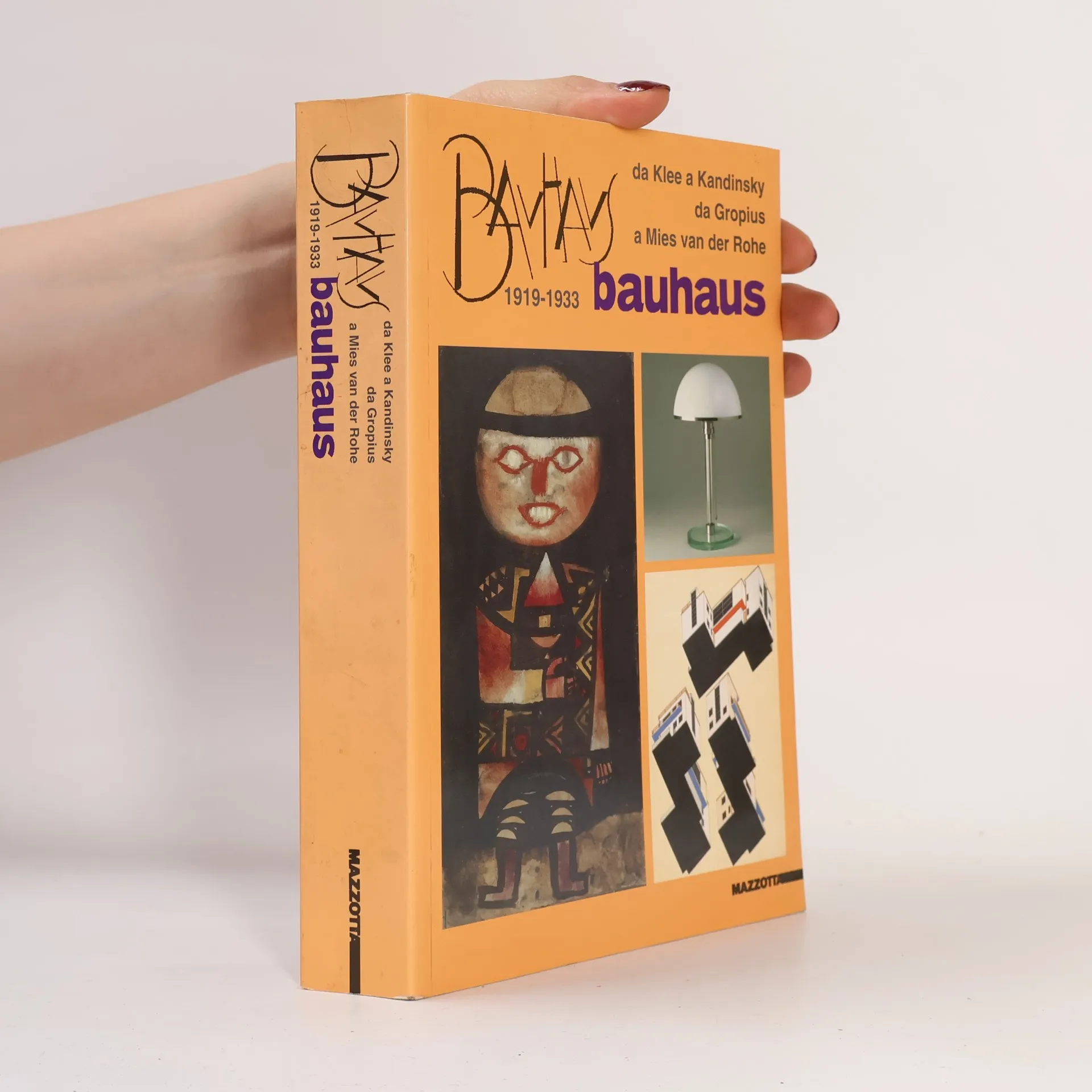
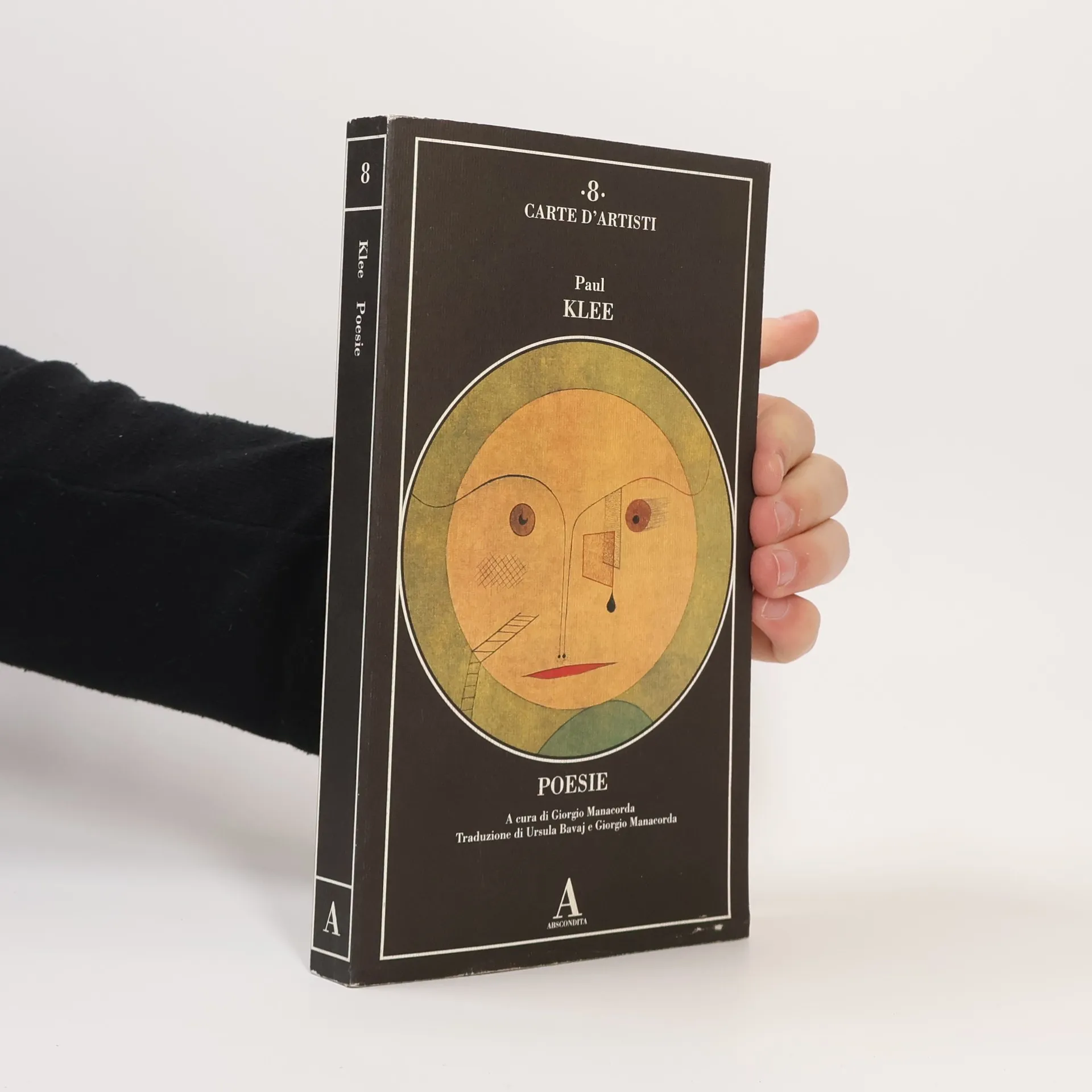
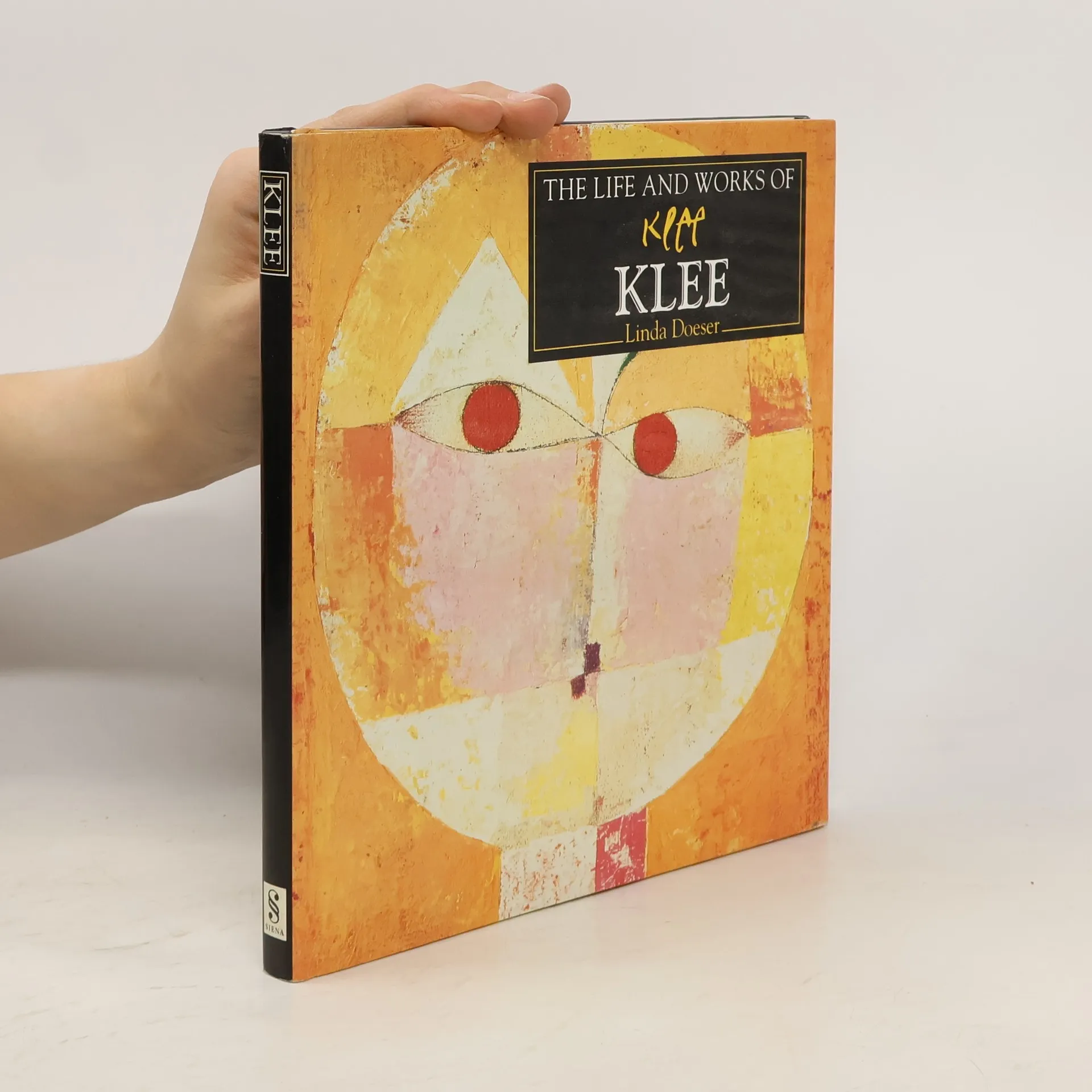
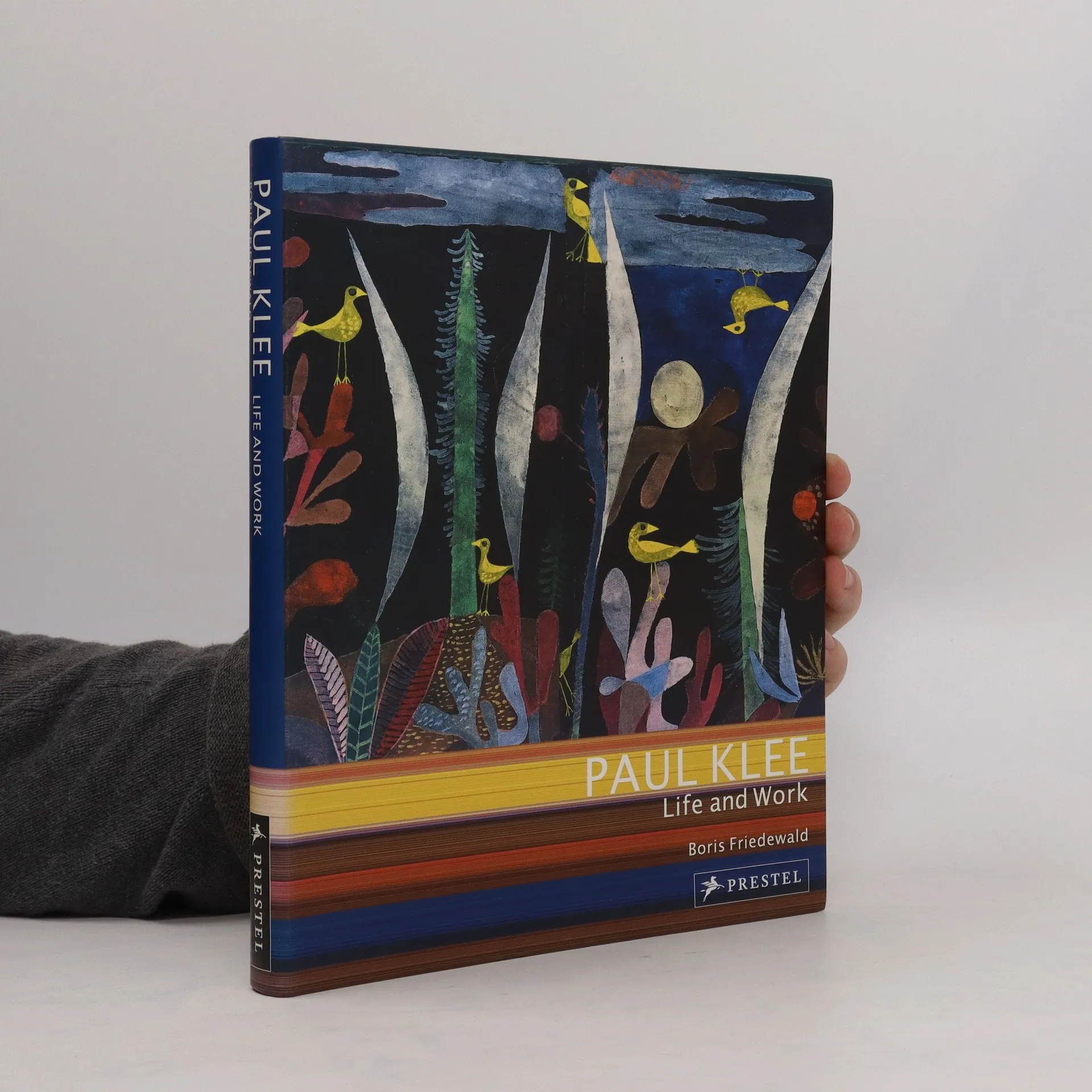
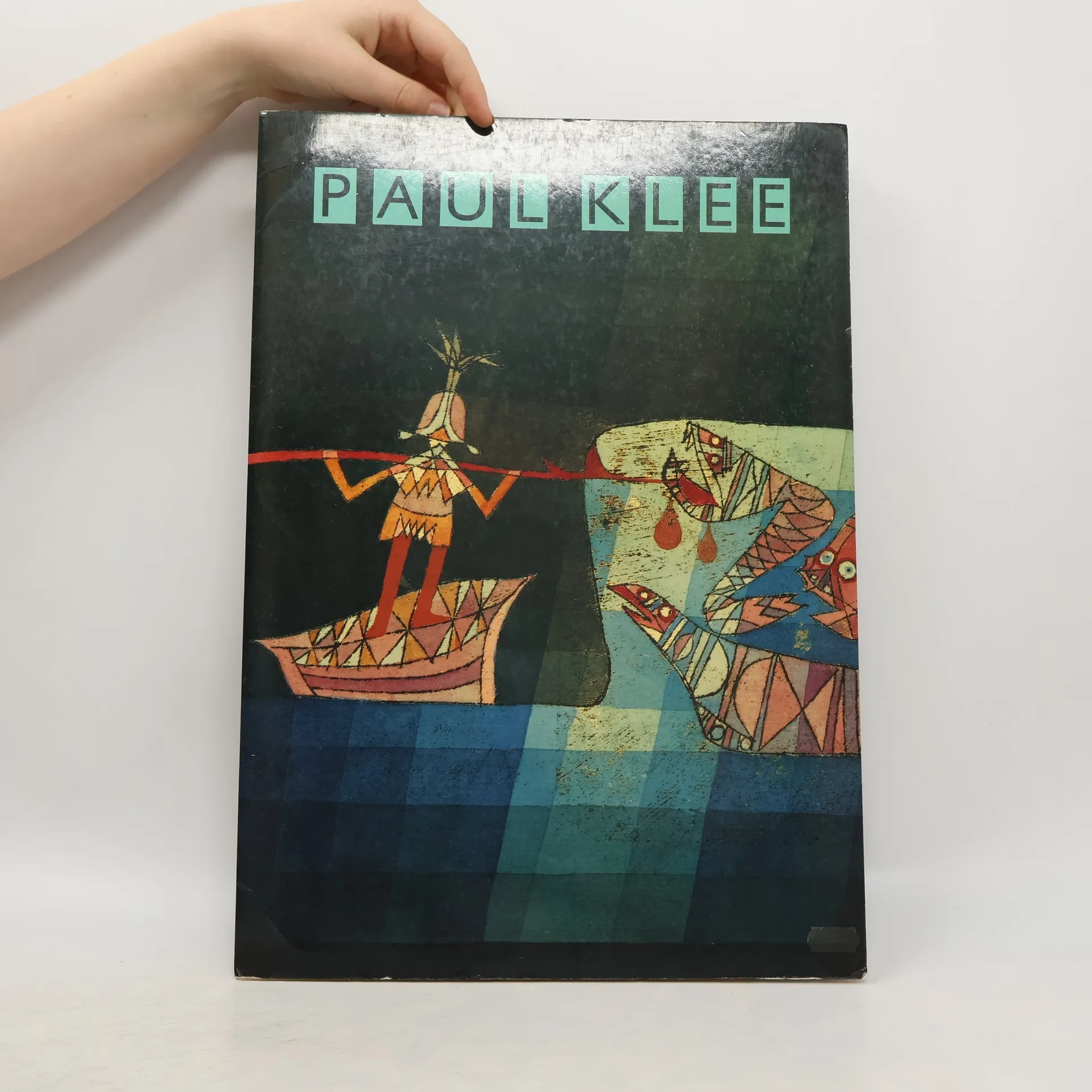
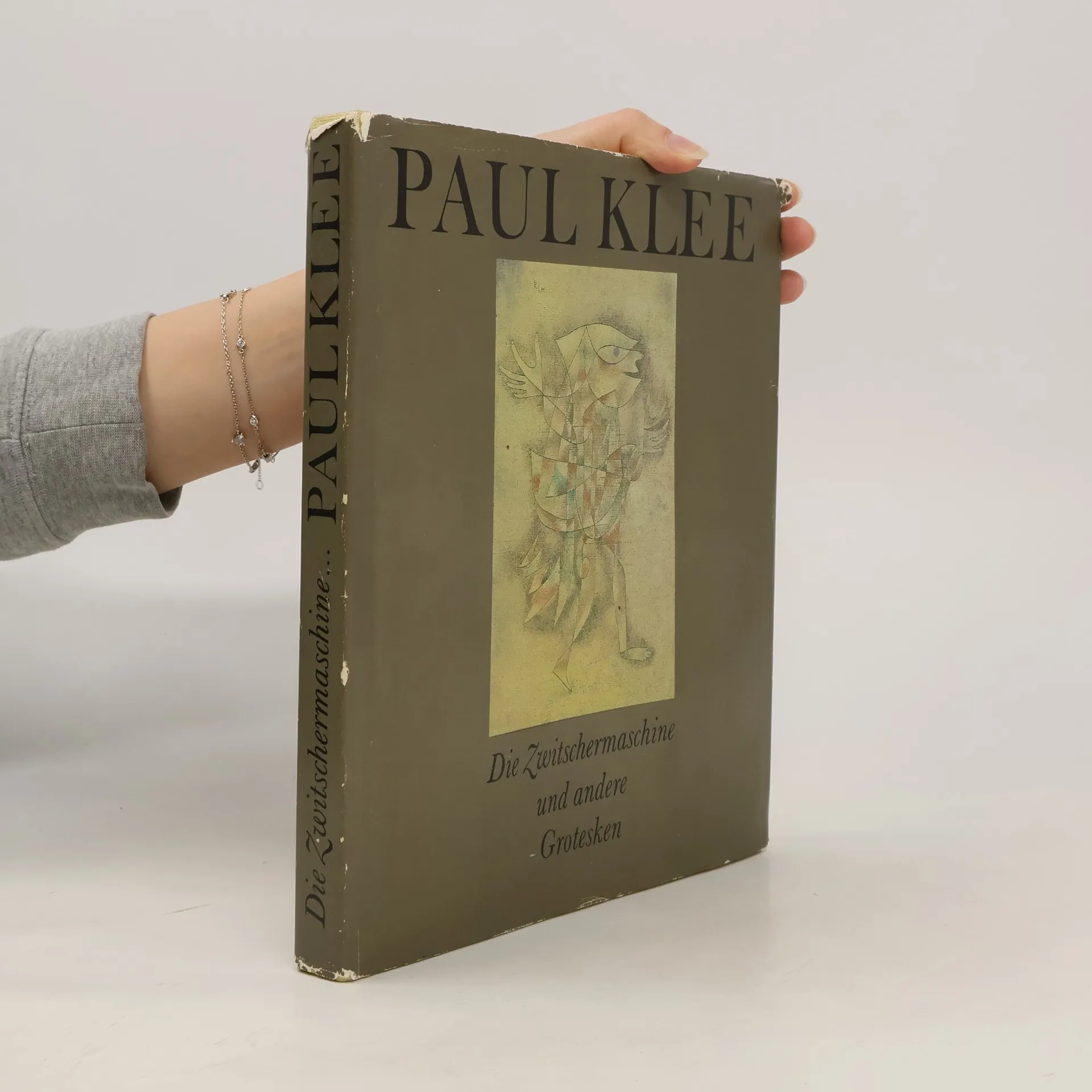
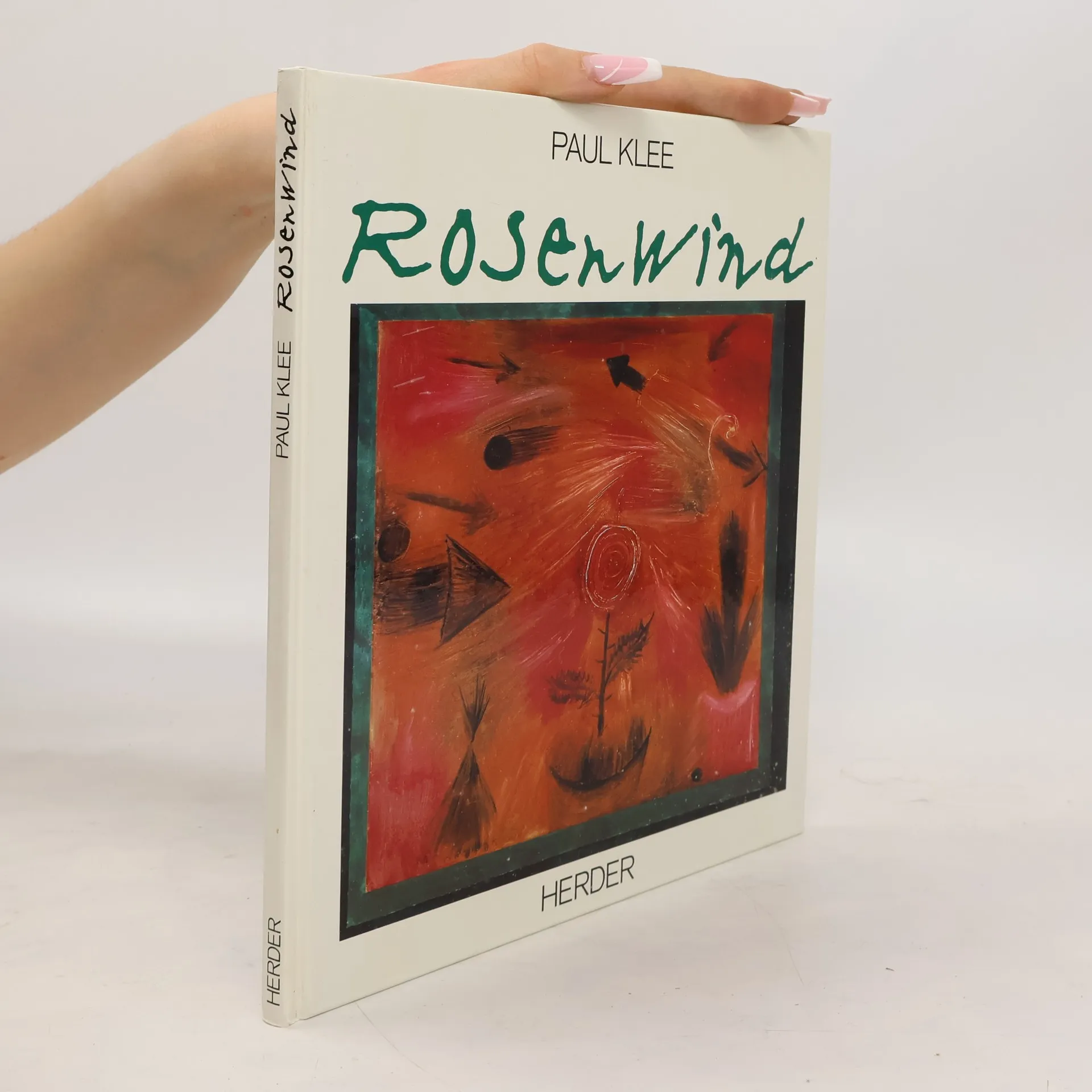
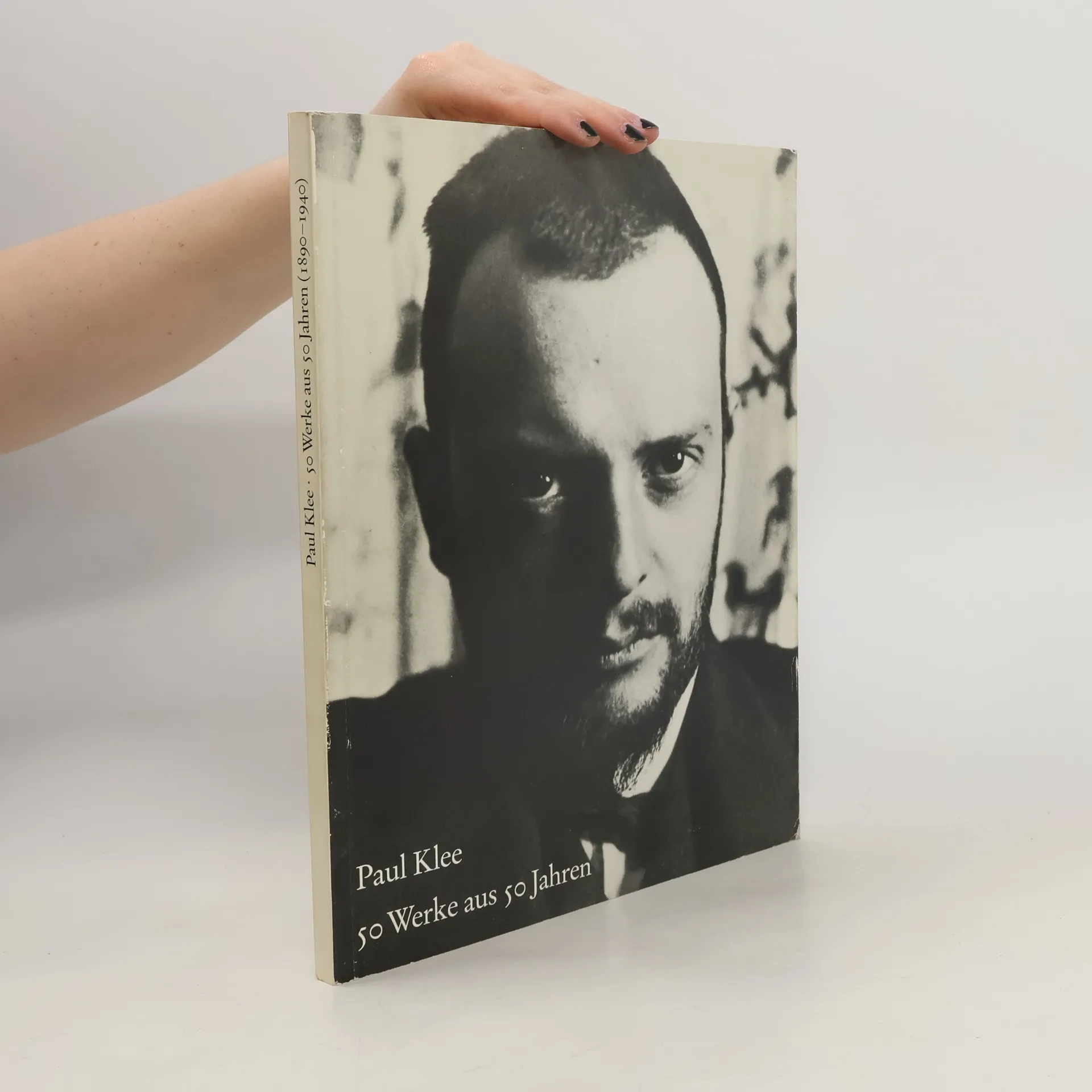
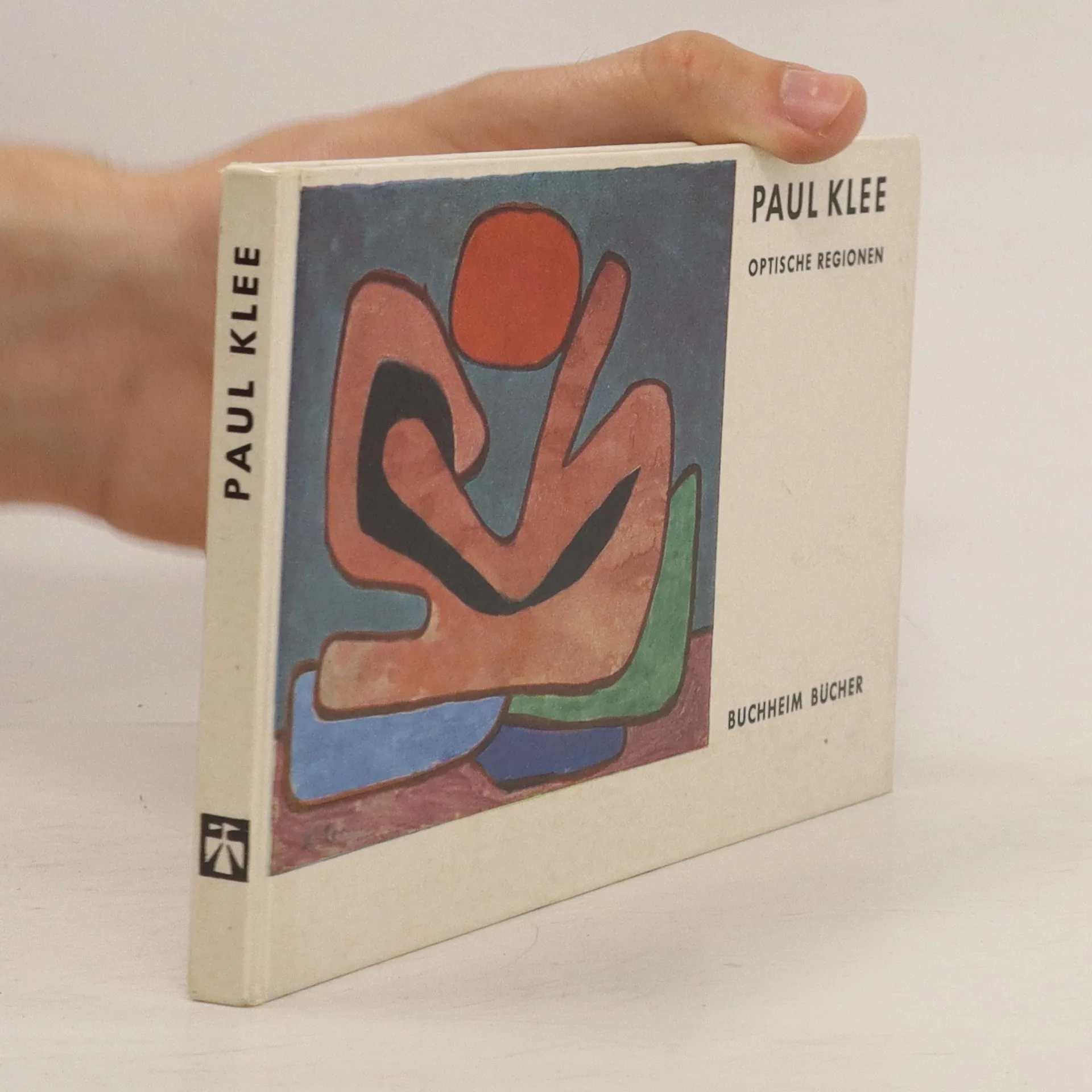
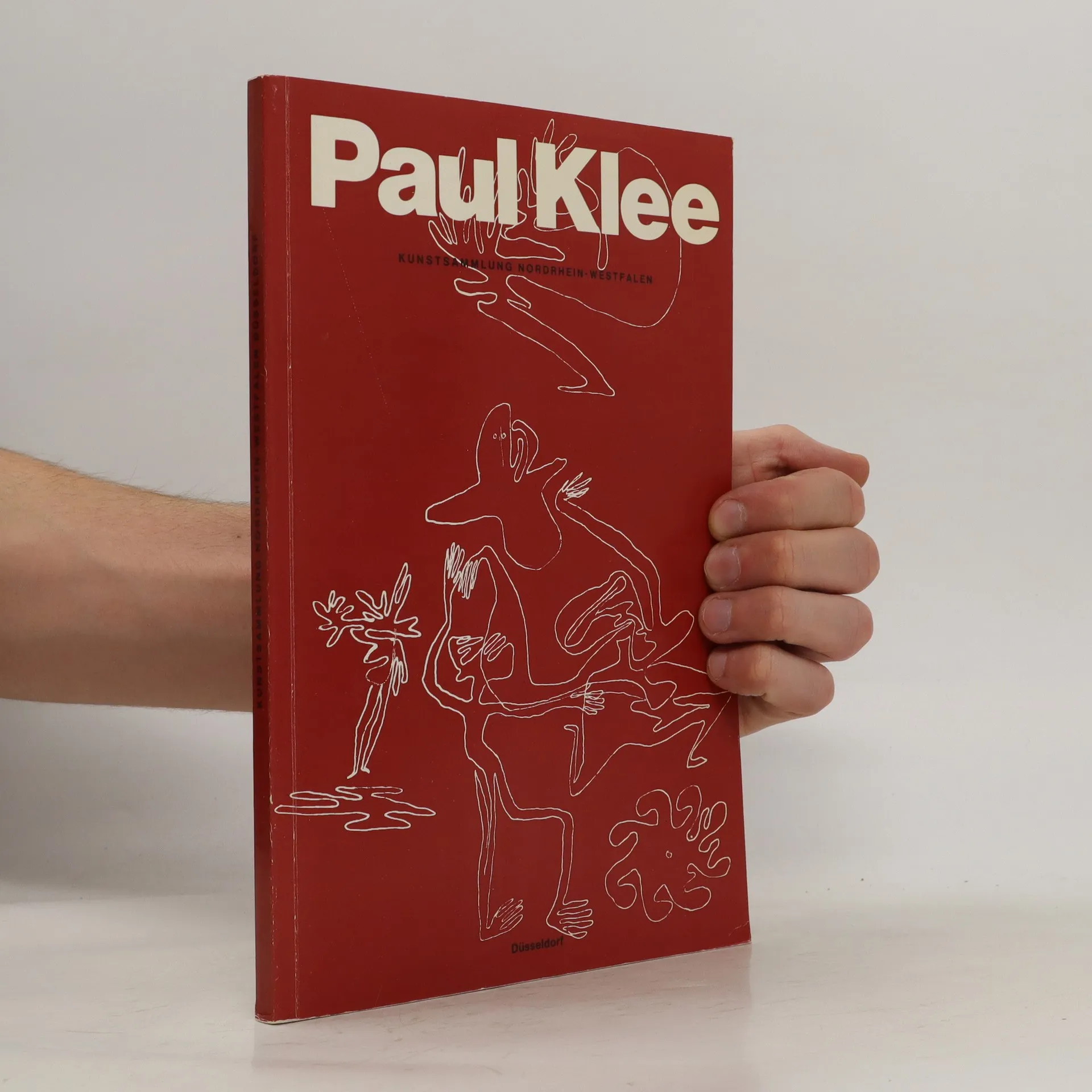
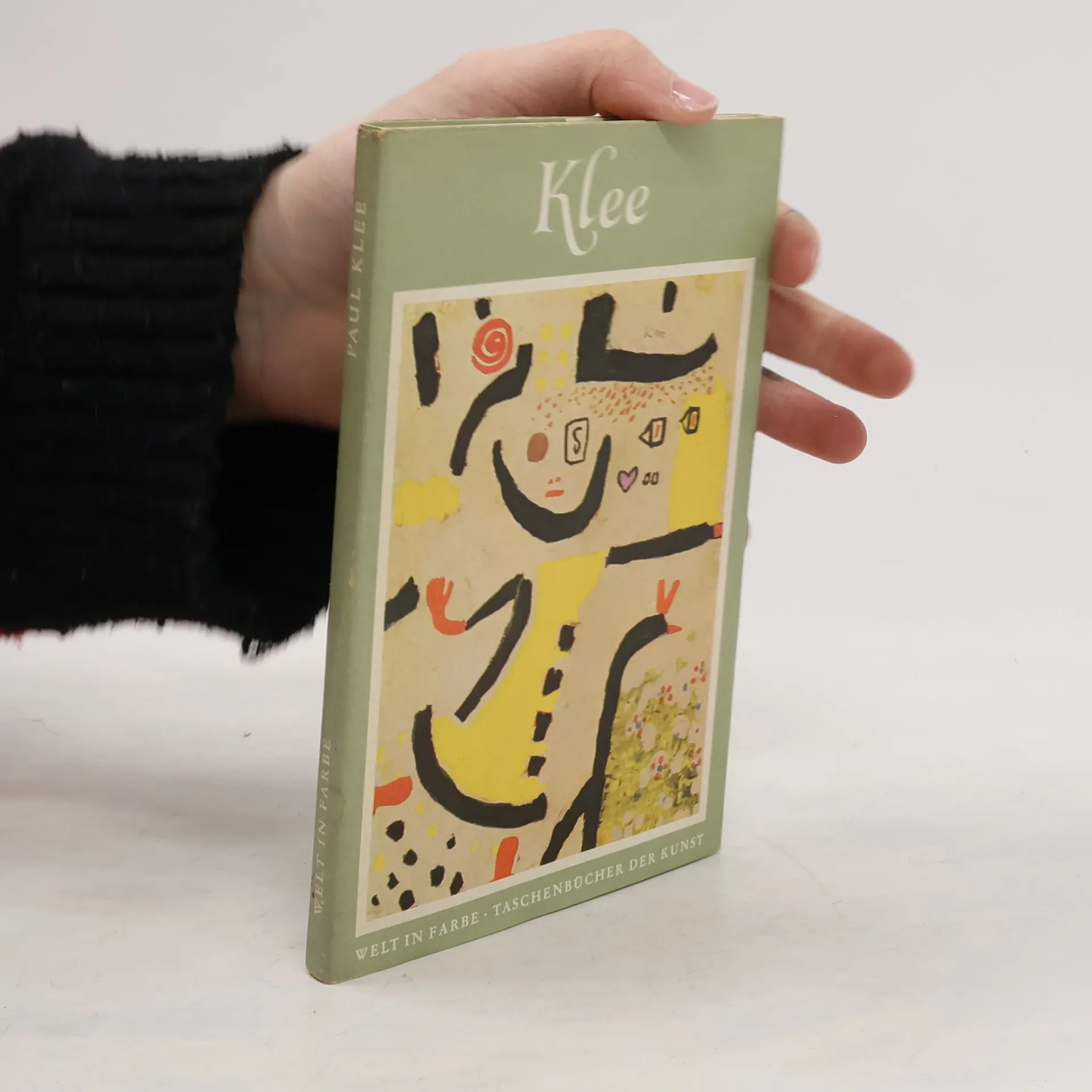
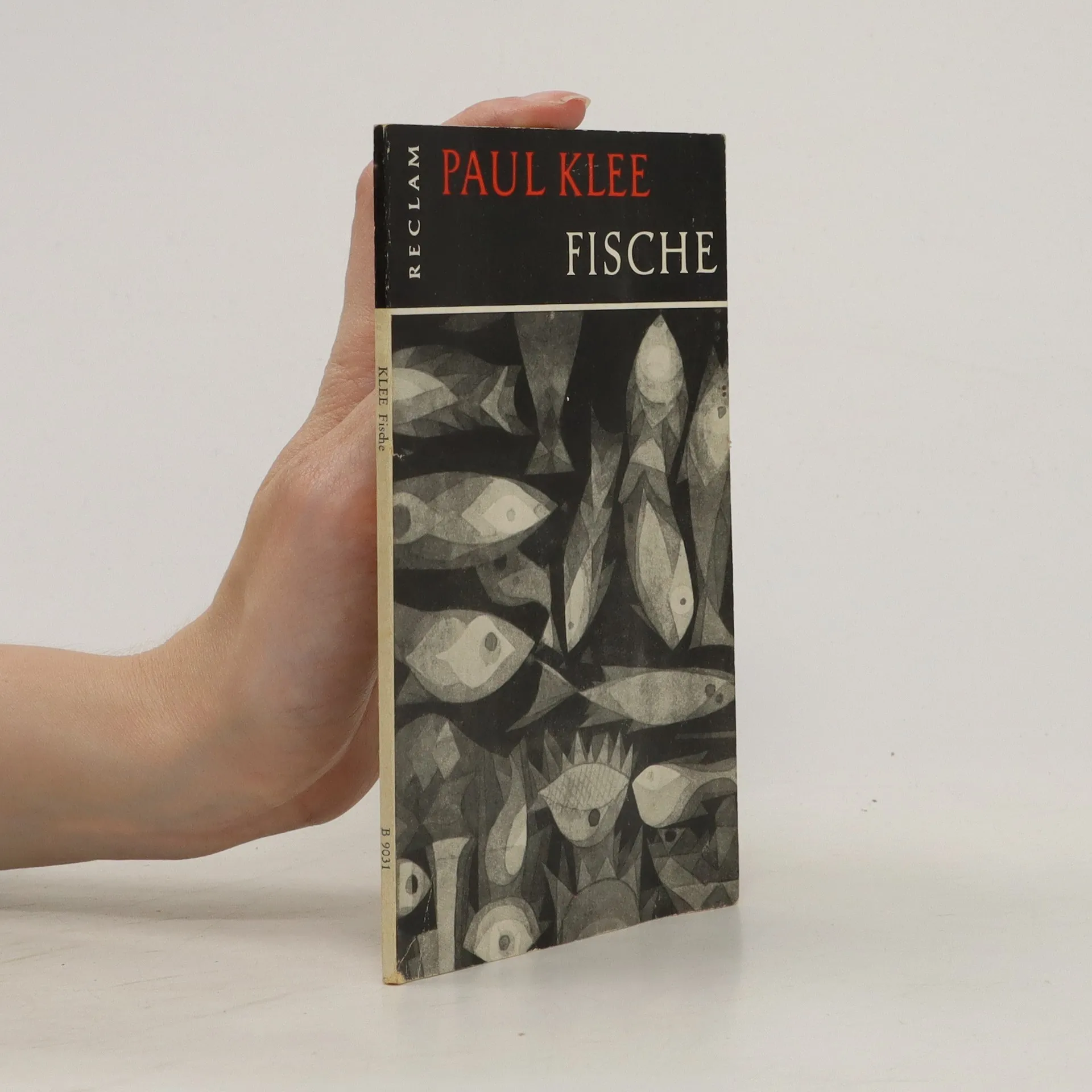
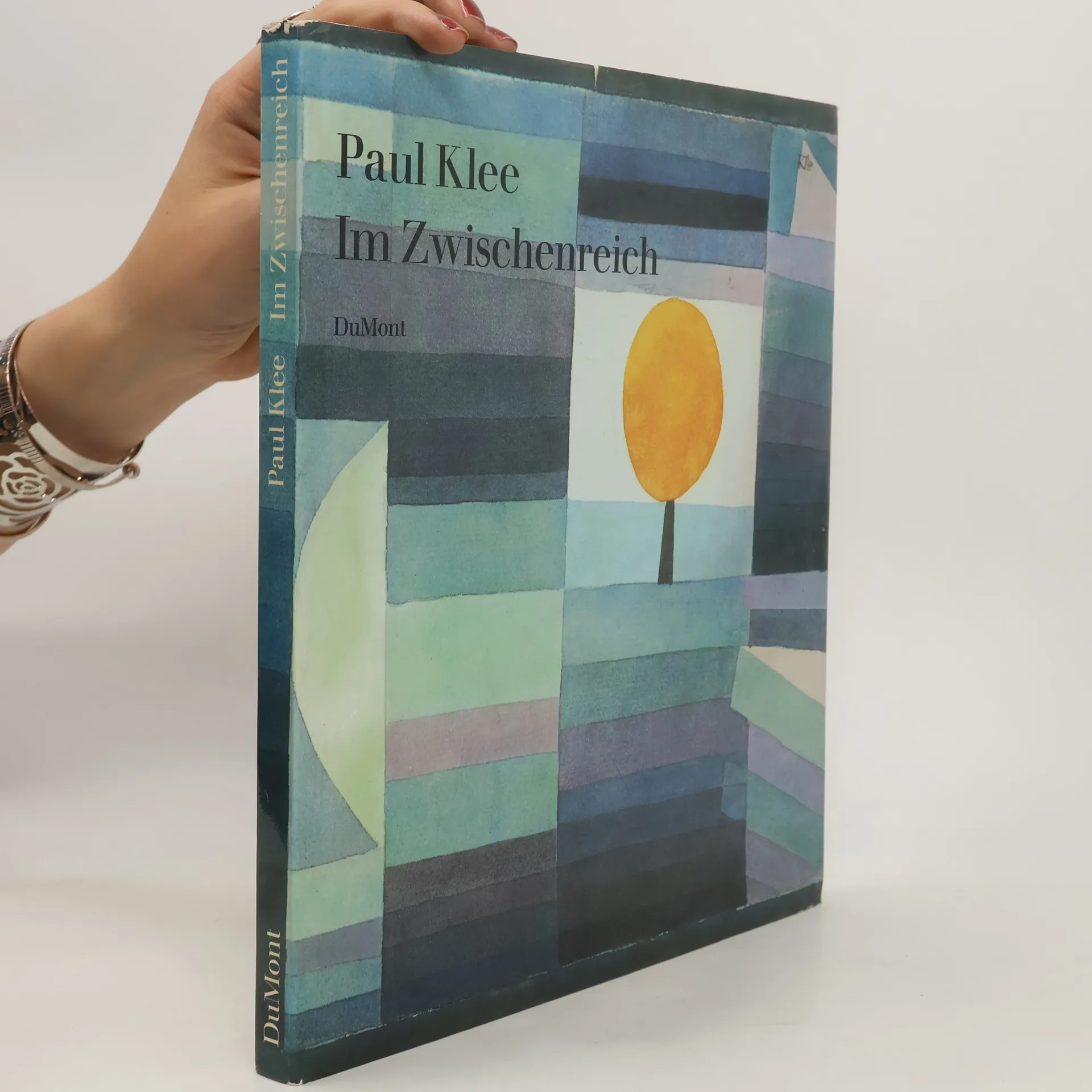
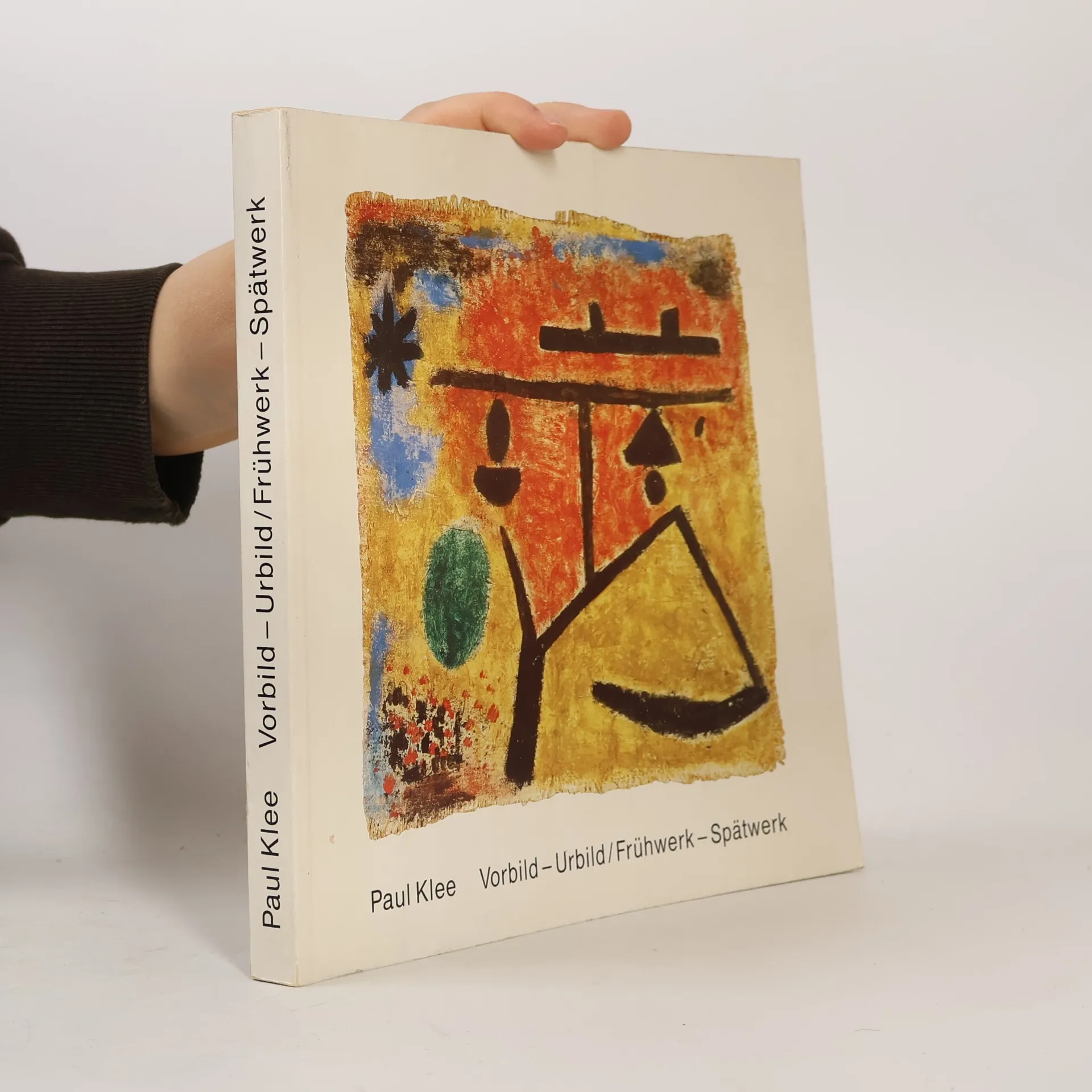
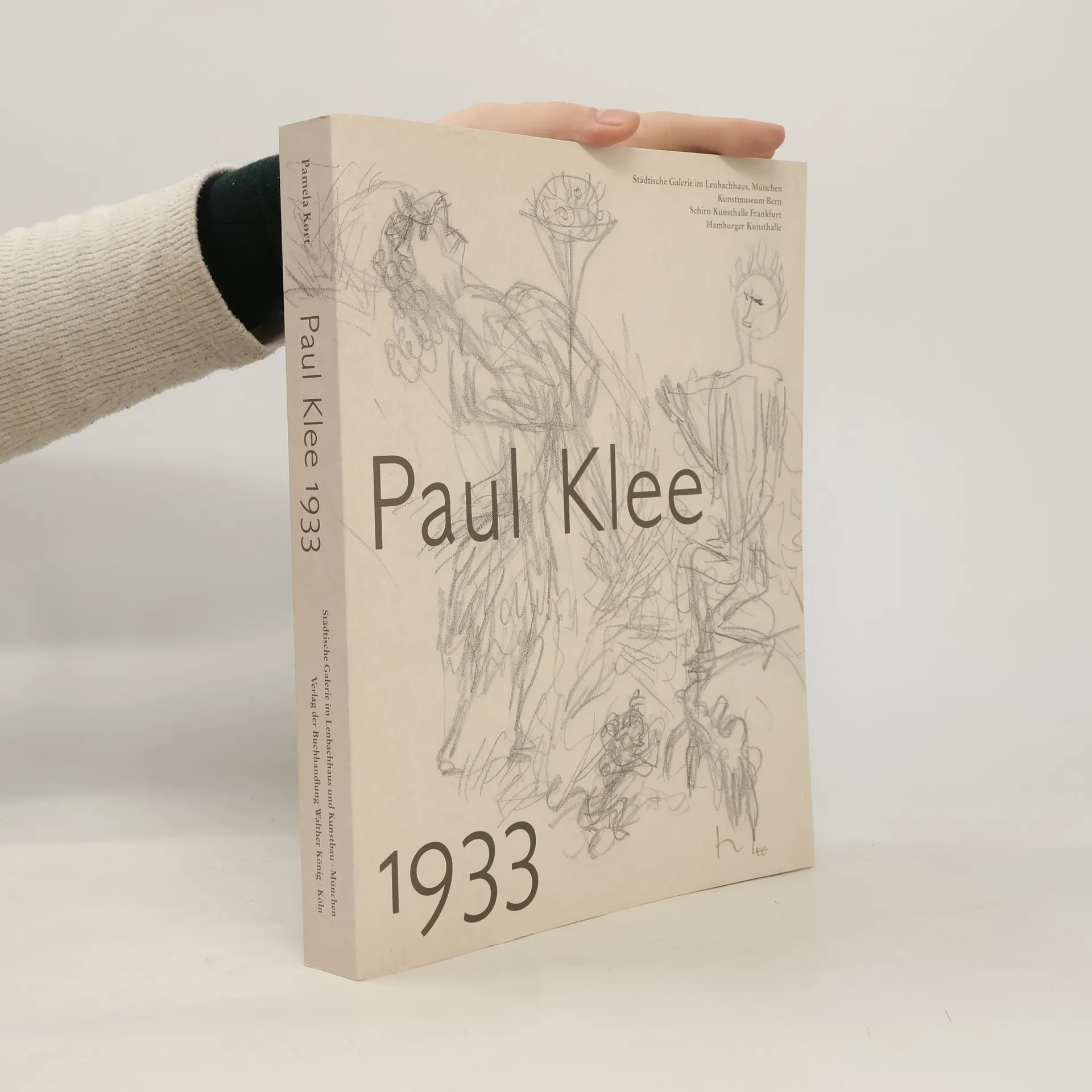
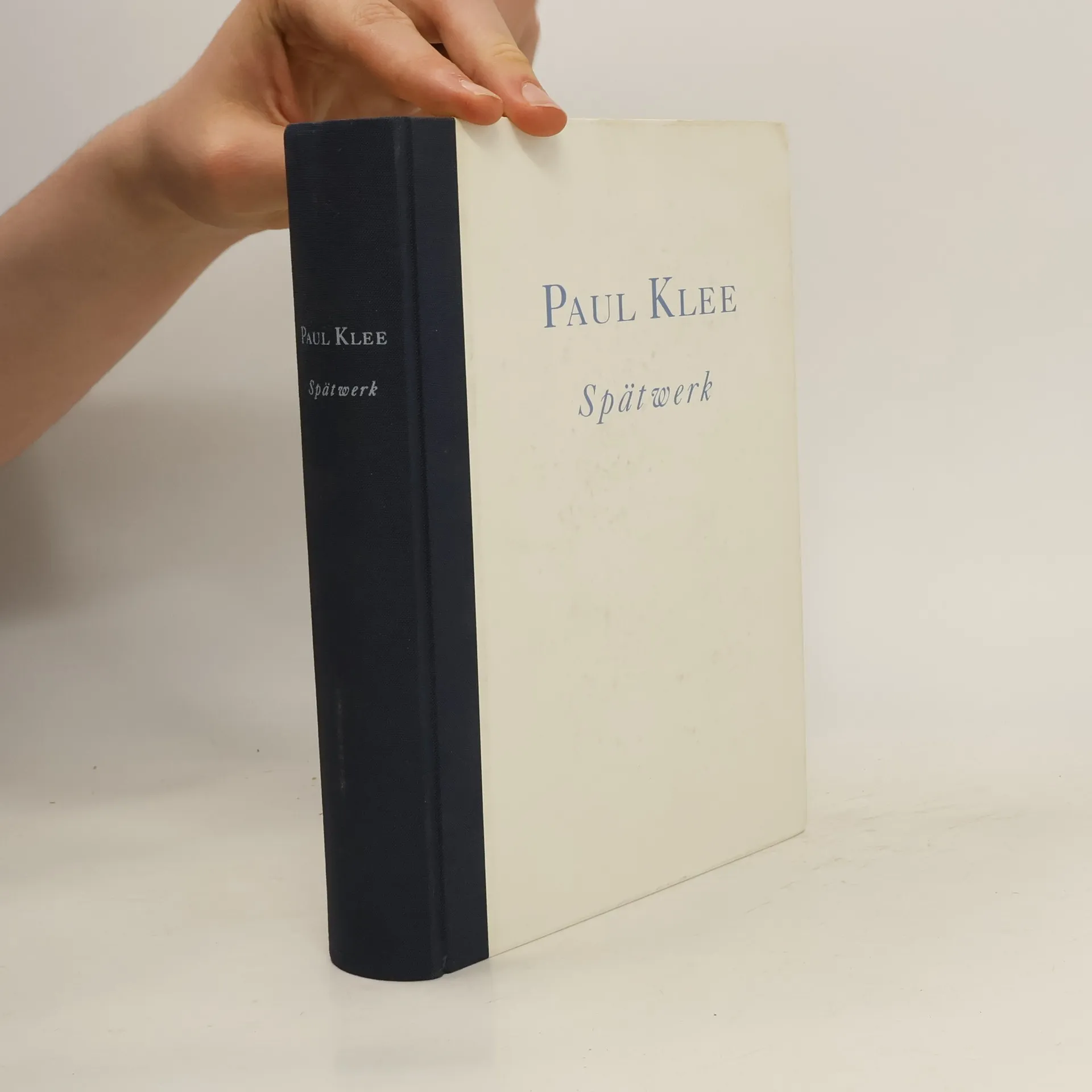
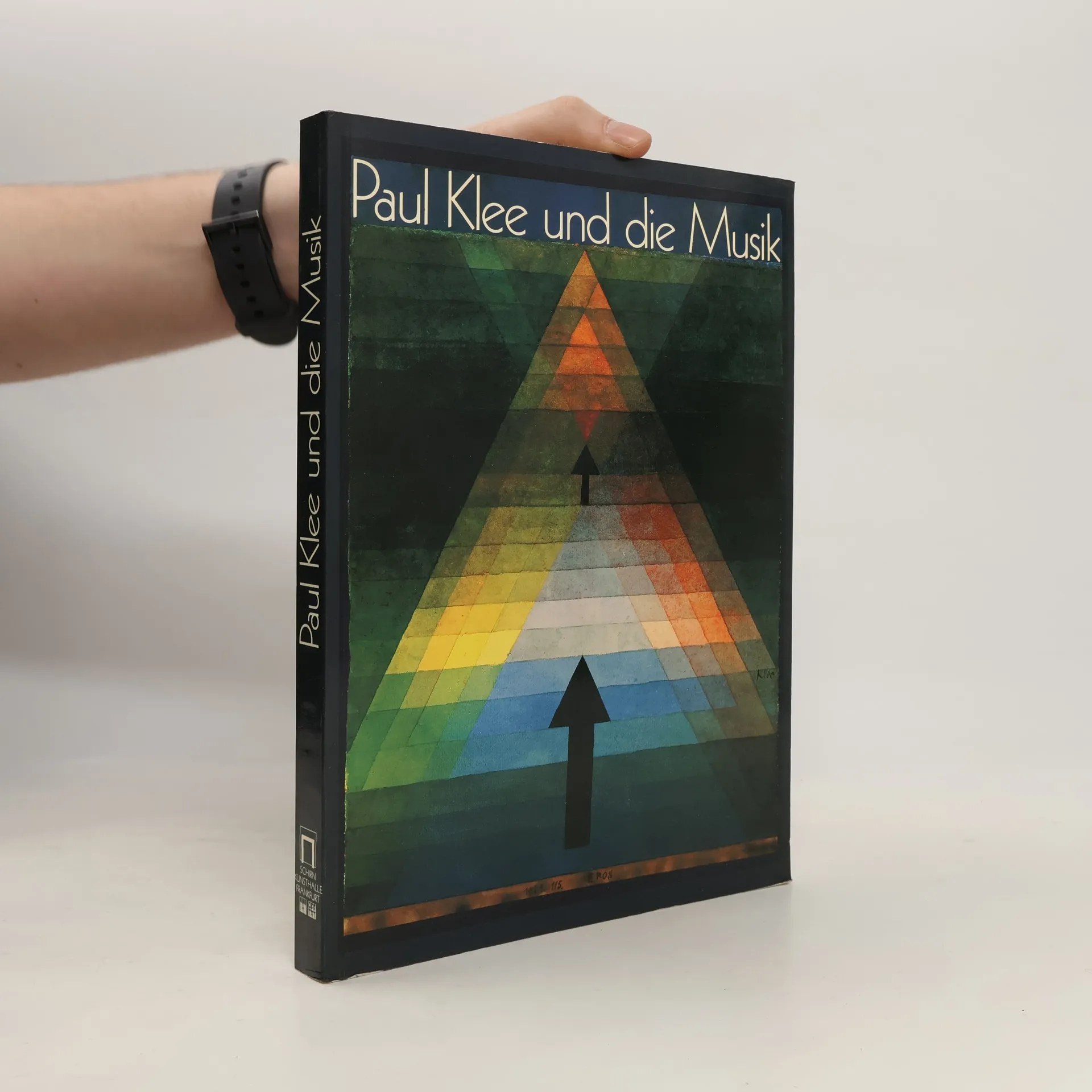
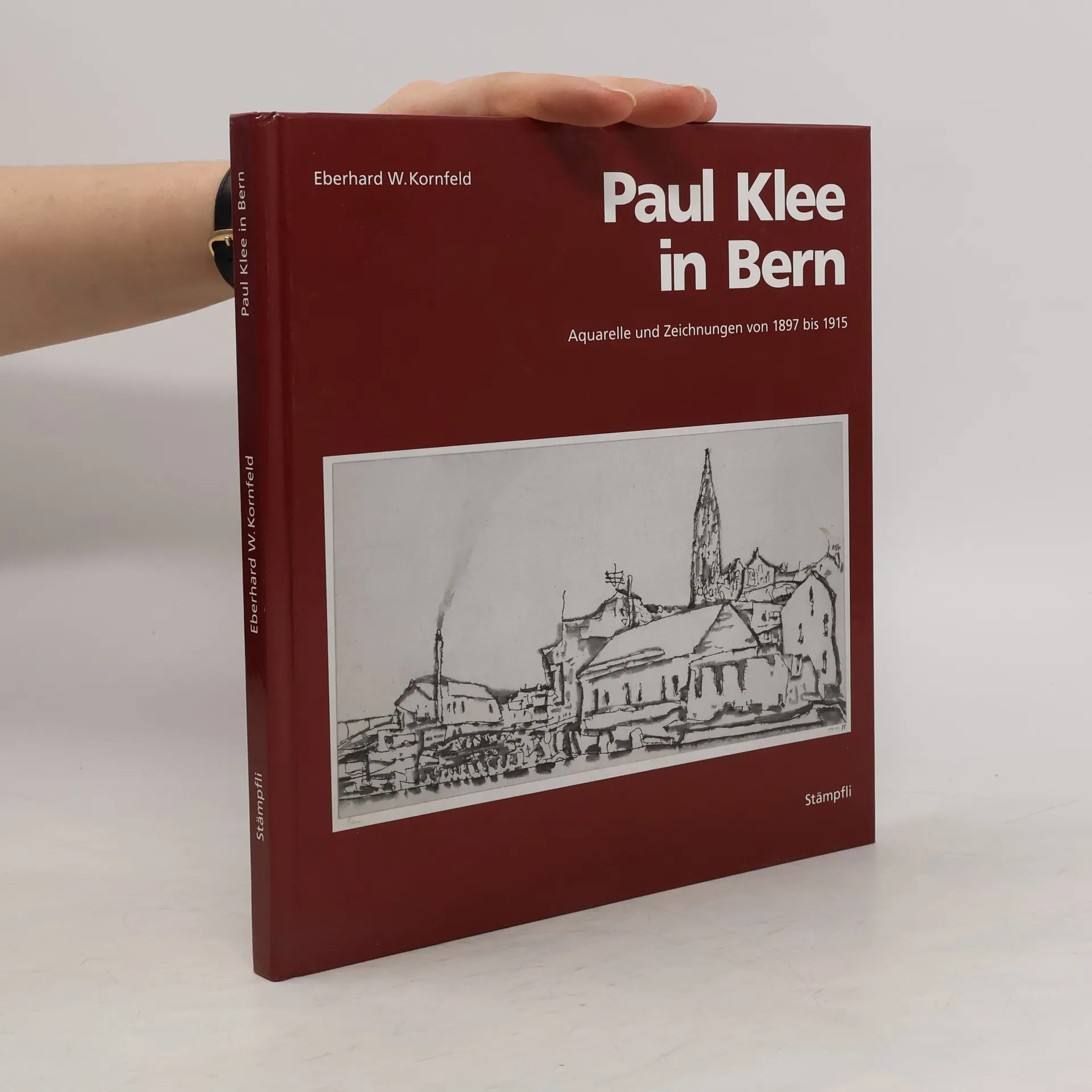
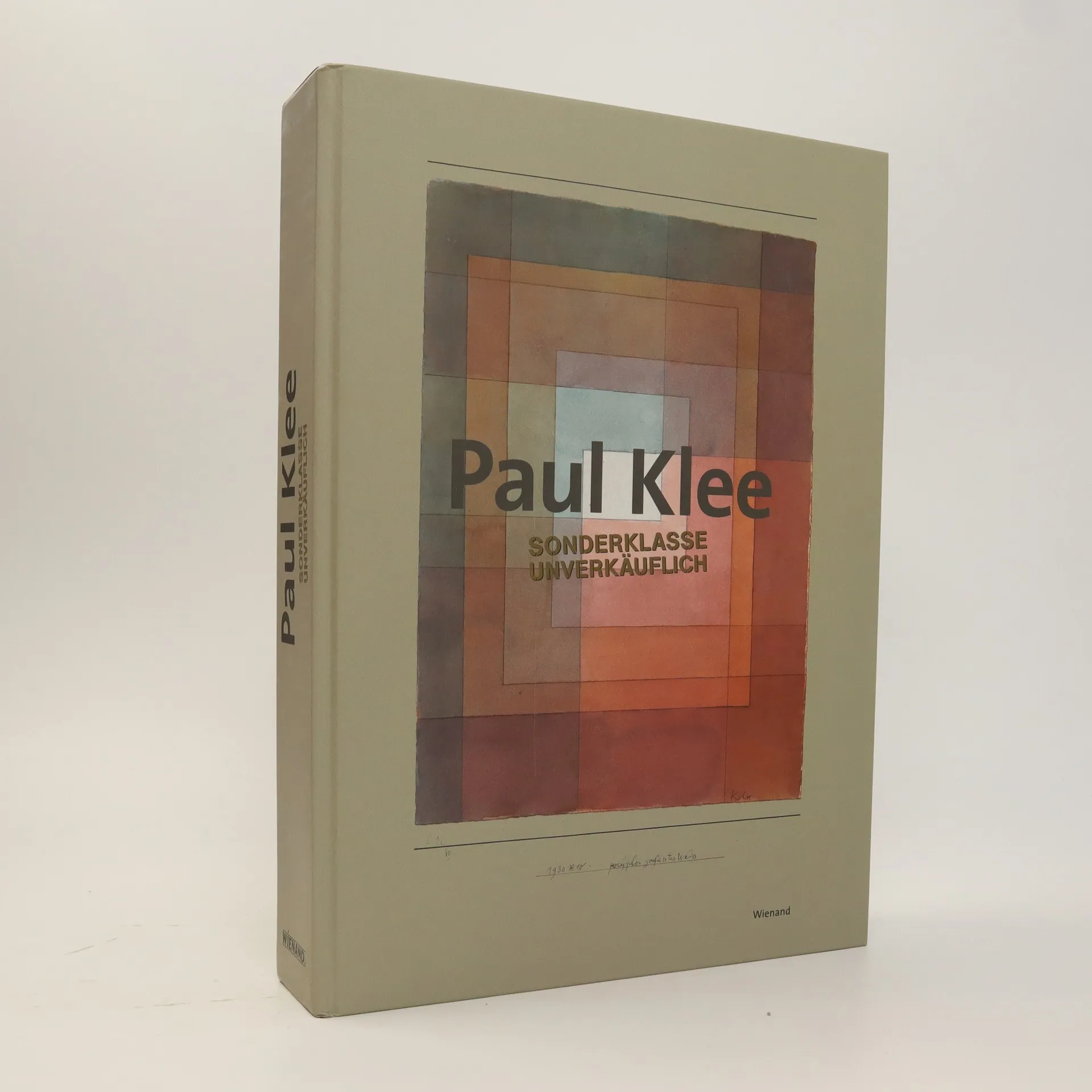
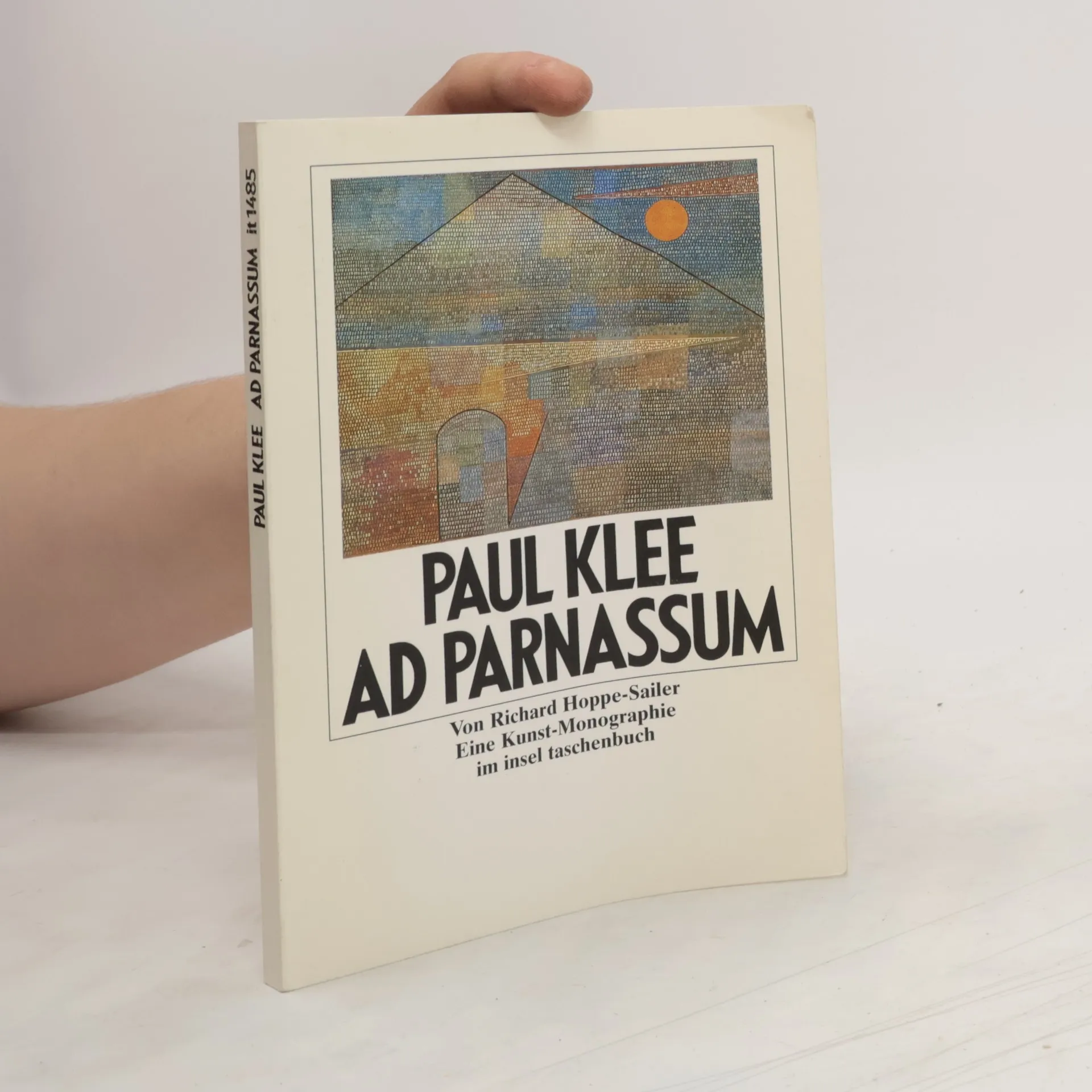
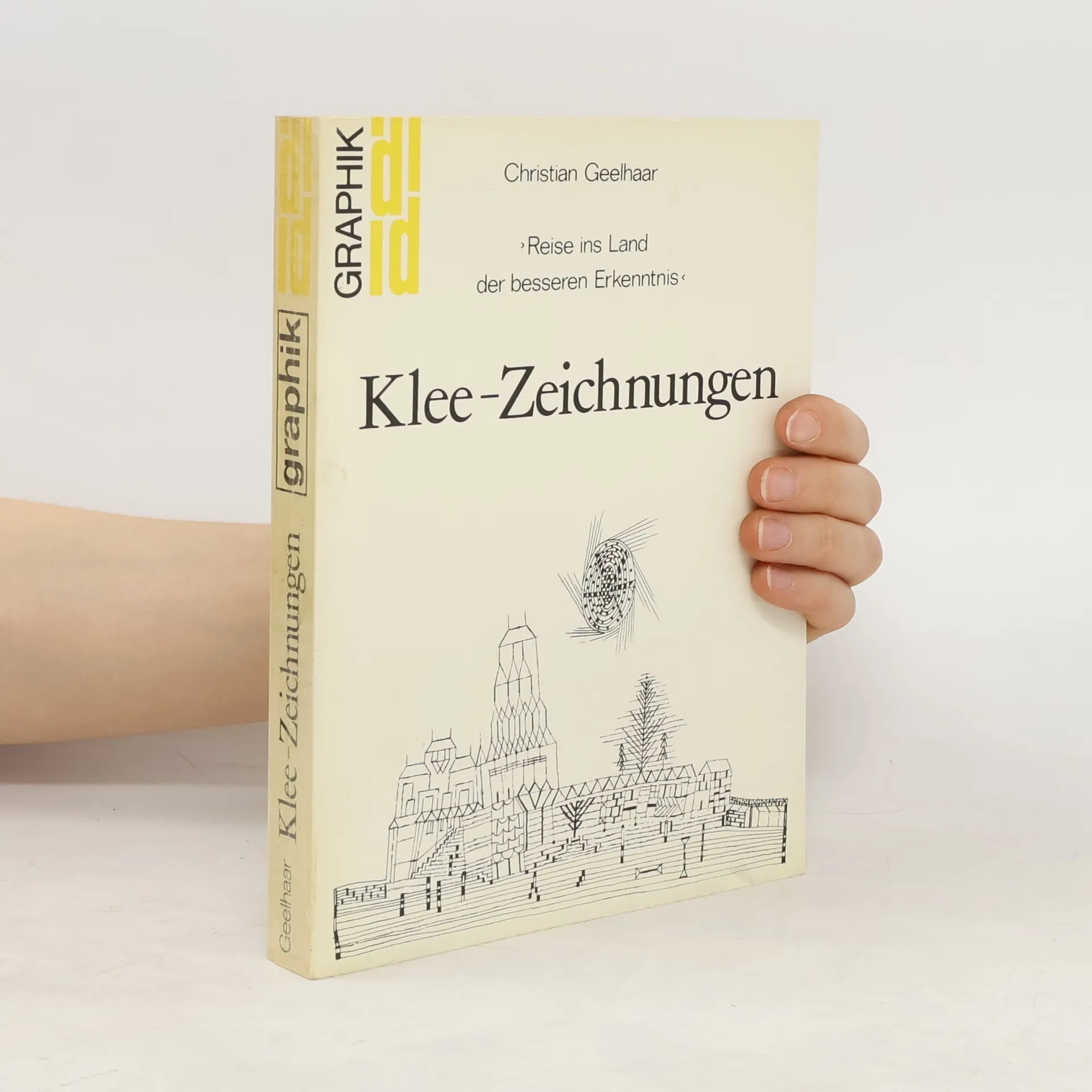
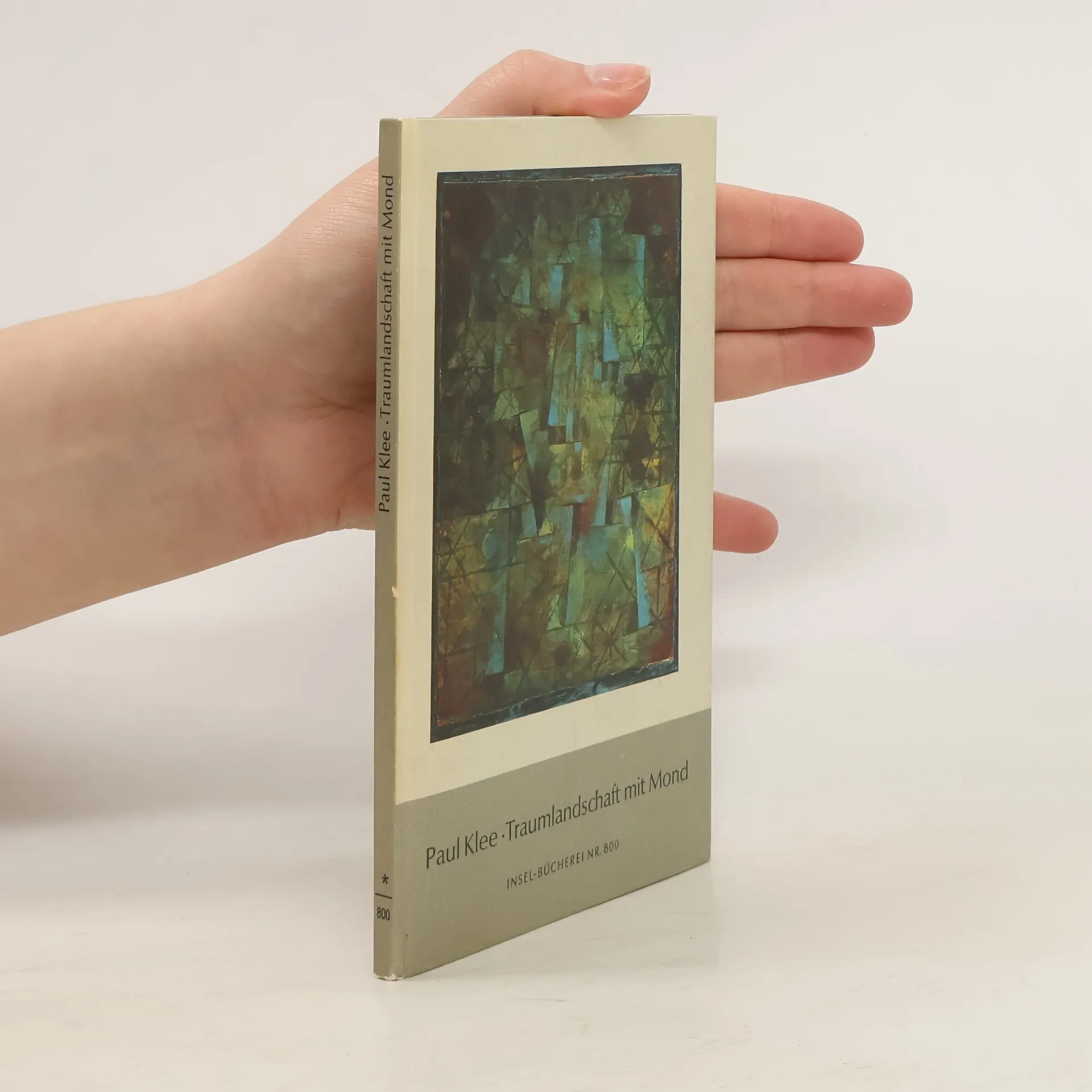
Uno dei volumi della serie sui Grandi Maestri Moderni, questa monografia offre un'introduzione a Paul Klee, riproducendo opere significative di tutti i periodi della sua carriera. In vari momenti, Klee è stato associato al Surrealismo, al Bauhaus e al gruppo Blaue Reiter.
Catalogo di mostra, Bologna, Museo Morandi, 25 novembre 2000 - 4 marzo 2001. A cura di Marilena Pasquali. Saggi di Arturo Carlo Quintavalle, Paolo Fabbri, Claudio Fontana, Giorgio Celli e altri. Fotografie e illustrazioni in bianco e nero, 99 tavole a colori. Antologia critica e bibliografia essenziale . 8vo pp. 330 Brossura (wrappers) Ottimo (Fine)
L saggio di Klee "O moderním umění" è accompagnato da estratti dai suoi diari, in cui l'autore definisce se stesso.
Per questa edizione è stata selezionata una piccola parte dei diari, che contengono in totale 1134 registrazioni. Le annotazioni degli anni 1880-1895 (Ricordi dell'infanzia), quelle degli anni 1897-1898 (Studente) e quelle degli anni 1898-1901 (Monaco) racchiudono i ricordi delle prime esperienze infantili. Gli estratti dai Diari III. (1903-1916) catturano le emozioni legate al successo delle prime esposizioni e riflettono sui sentimenti legati alla propria attività creativa.
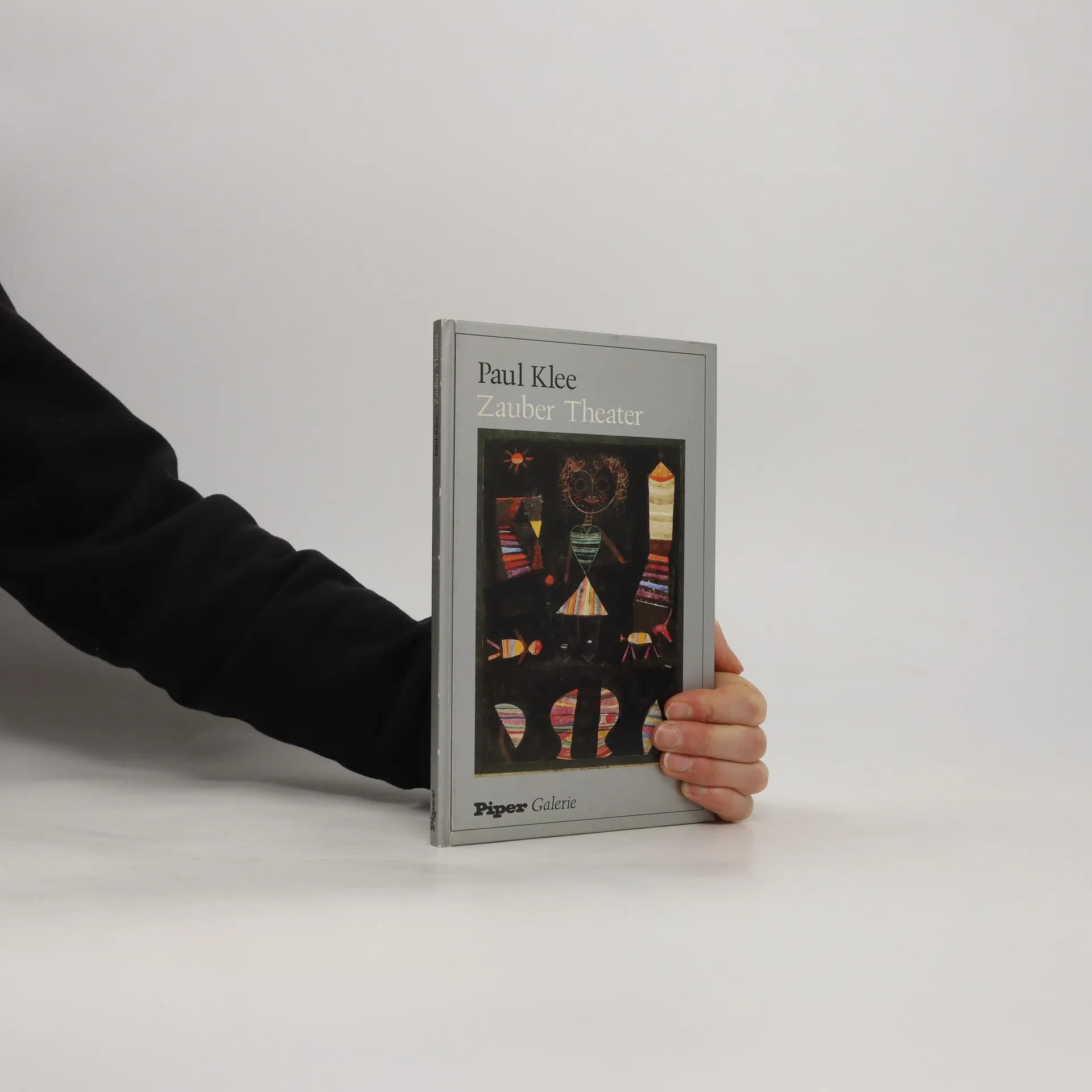
Between 1916 and 1925 Paul Klee (1879-1940) made some 50 hand puppets for his son, Felix, of which 30 are still in existence. For the heads, he used materials from his own beef bones and electrical outlets, bristle brushes, leftover bits of fur and nutshells. Soon he began to sew costumes. These characters and small works, do not pretend to be great art, but at the same time, they are superbly imaginative, sweetly reminiscent of Klee's relationships with his family, and beautifully illustrative of the artistic and social developments of the time. Readers will see the chronological proximity of Dada and Kurt Schwitters's collages in Klee's Matchbox Ghost; the German National caricatures one of the era's more ominous political types. An introductory essay tracks the work's links to other avant-garde puppetry and to Klee's sculptural works, and notes his connections to the theater. For their part, Klee's son Felix and his grandson Alexander tell the story of how the figures were created.
In this new volume, an essential group of 150 oils, watercolours, drawings and prints, representative of Klee's entire career, is released to the public for the first time.Offering new art-historical insight into Klee's career - from his early Impressionist-inspired works, through his Expressionism with Kandinsky and his Bauhaus period between the wars - this book contains the only reproduction of these important but little-known pieces collected by the Burgis, and will become essential to all enthusiasts of the art of Paul Klee and the modern period.
"Reproductions of Paul Klee's art and iconic works, as well as those that are more rarely exhibited, are featured alongside biographical information that explores his life and times. Photographs and anecdotes of Klee and his circle offer a multifaceted perspective on a groundbreaking artist and the events that helped shape his colorful, imaginative work"--OCLC
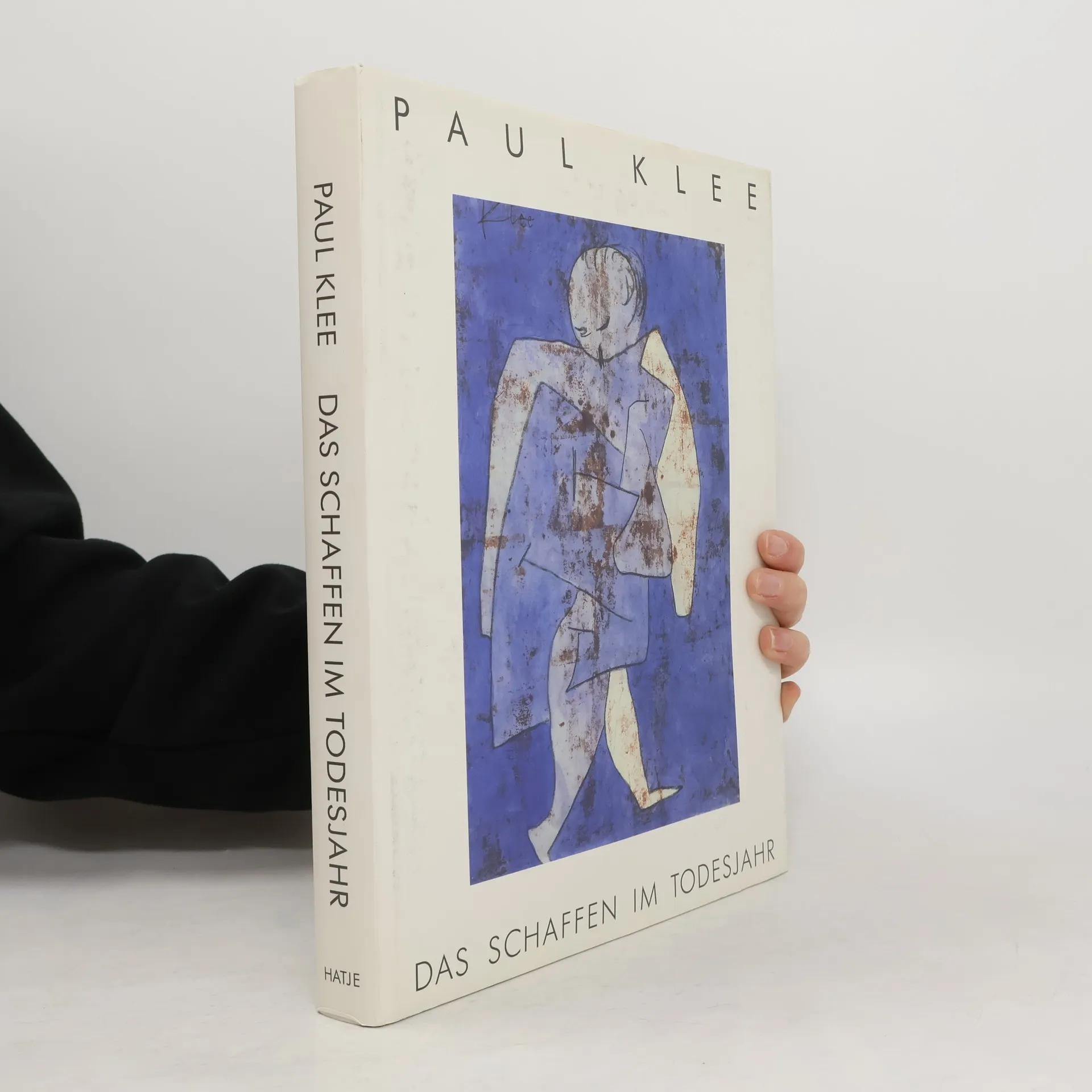
In a tumultuous year marked by personal and global challenges, Paul Klee produced some of his most innovative art before his death in 1940. This book explores his inventive works from 1939, showcasing a variety of media that create visually striking and tactile surfaces. Klee's drawings serve as meditative reflections on life's complexities, with titles revealing his inner struggles. Art historian Dawn Ades contextualizes these pieces within their historical significance, while artist Richard Tuttle responds creatively, highlighting Klee's lasting influence on post-war artists.
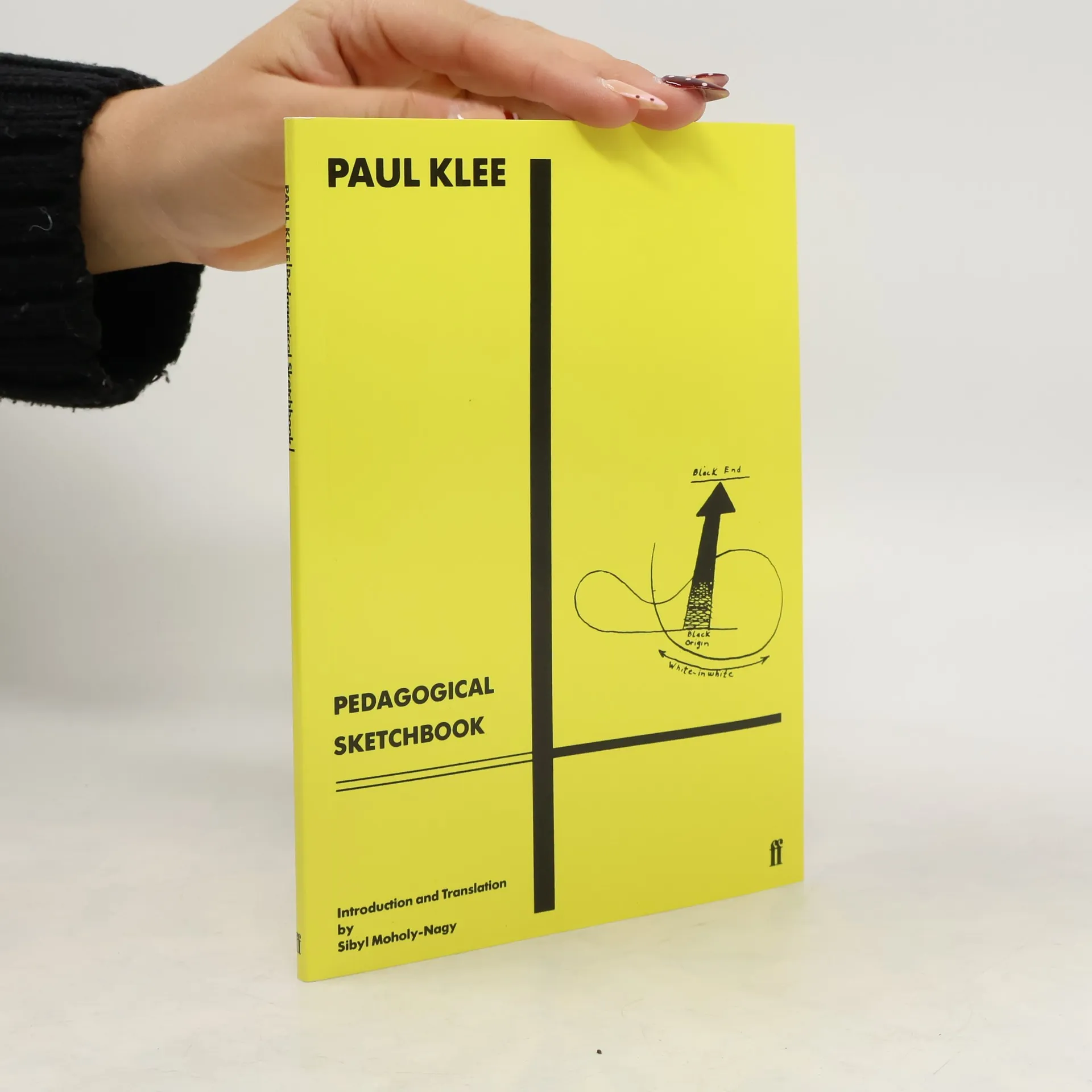
'One of the most famous of modern art documents - a poetic primer, prepared by
the artist for his Bauhaus pupils, which has deeply affected modern thinking
about art . . . This little handbook leads us into the mysterious world where
science and imagination fuse.' Observer
A beautiful collection of the legendary thinker’s short stories The Storyteller gathers for the first time the fiction of the legendary critic and philosopher Walter Benjamin, best known for his groundbreaking studies of culture and literature, including Illuminations, One-Way Street and The Arcades Project. His stories revel in the erotic tensions of city life, cross the threshold between rational and hallucinatory realms, celebrate the importance of games, and delve into the peculiar relationship between gambling and fortune-telling, and explore the themes that defined Benjamin. The novellas, fables, histories, aphorisms, parables and riddles in this collection are brought to life by the playful imagery of the modernist artist and Bauhaus figure Paul Klee.
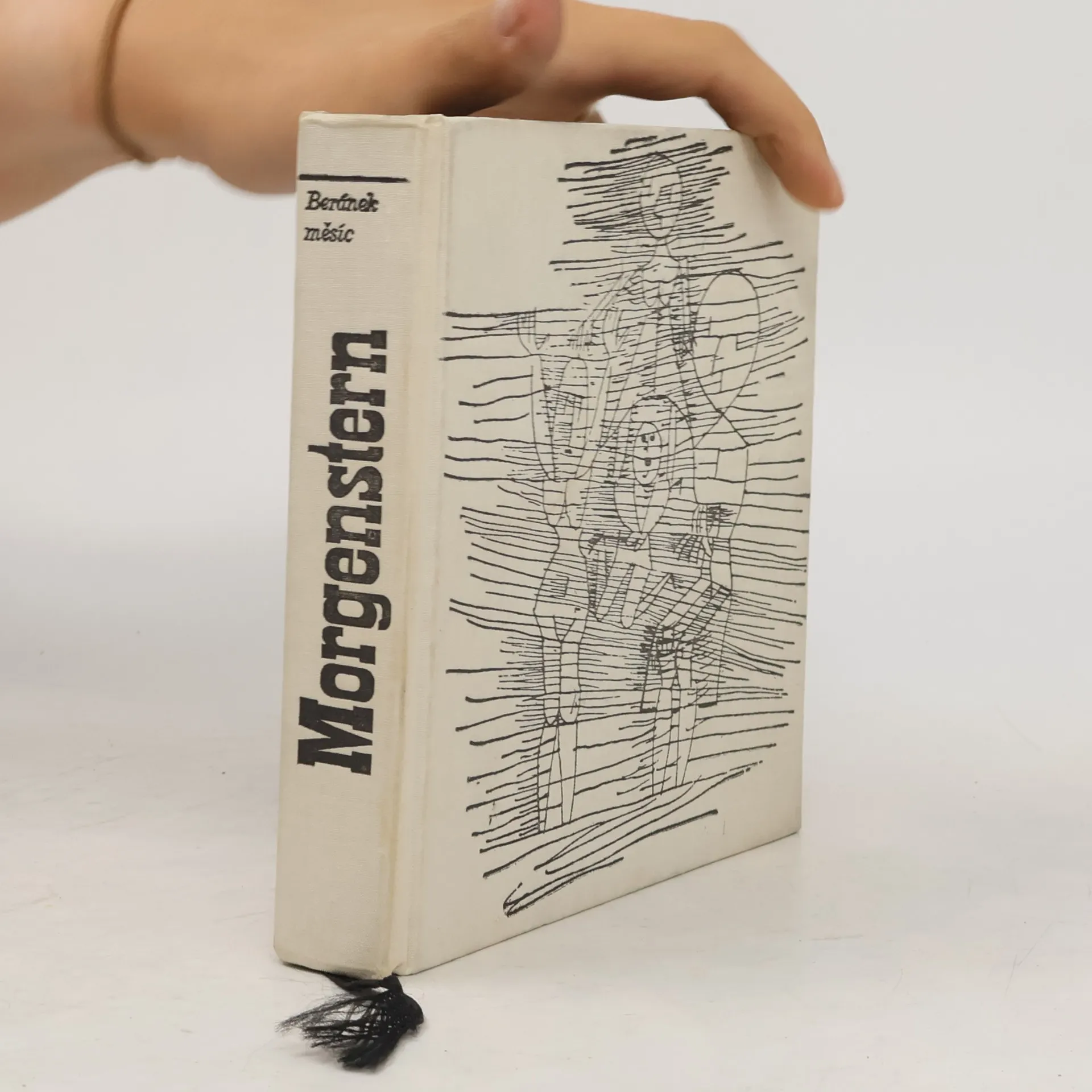
Soubor obsahuje všechny čtyři Morgensternovy sbírky groteskní lyriky (Šibeniční písně, Palmström, Palma Kunkel, Šlasi), doplněné autorovým vlastním travestickým komentářem, některými aforismy a deníkovými záznamy. V doslovu upozorňuje překladatel na význam básníkova díla v souvislostis dílem Paula Kleea a s moderním uměním vůbec a vysvětluje některé metody a postupy při překládání Morgensternových básní do češtiny.
Mit den von 1905 bis 1917 entstandenen Hinterglasbildern von Paul Klee (1879–1940) rückt eine der spannendsten Werkgruppen aus dem Frühwerk des Künstlers in den Mittelpunkt. Klee experimentierte darin nicht nur mit verschiedenen Techniken, sondern auch mit ungewöhnlichen Materialien. Motivisch decken die Arbeiten eine breite Skala ab, die von Landschafts- und Tierdarstellungen über Porträts bis hin zu satirischen Themen reicht. Mit seiner stilistischen Bandbreite distanzierte der Künstler sich bewusst von der traditionellen Hinterglasmalerei. Das Buch vereint alle 56 noch erhaltenen Werke mit wissenschaftlichen Textbeiträgen, die der besonderen kunsthistorischen, der kunsttechnologischen und konservatorischen Bedeutung der Hinterglasbilder nachgehen.0.
Krátká próza je tragikomickým příběhem o tom, jak lze v lidech za určitých podmínek vypěstovat touhu po moci a jak vzniká nenávist.
Vypráví o nezáviděníhodné údělu stárnoucí podivínky, která mezi spolupracovníky vyvolává jen opovržení. Kolektiv však netuší, že si jejich primitivní oběť píše deník, kam zaznamenává všechny křivdy, drobné i větší podvůdky nadřízených i zaměstnanců. Jednoho dne je využije a její život se rázem změní.
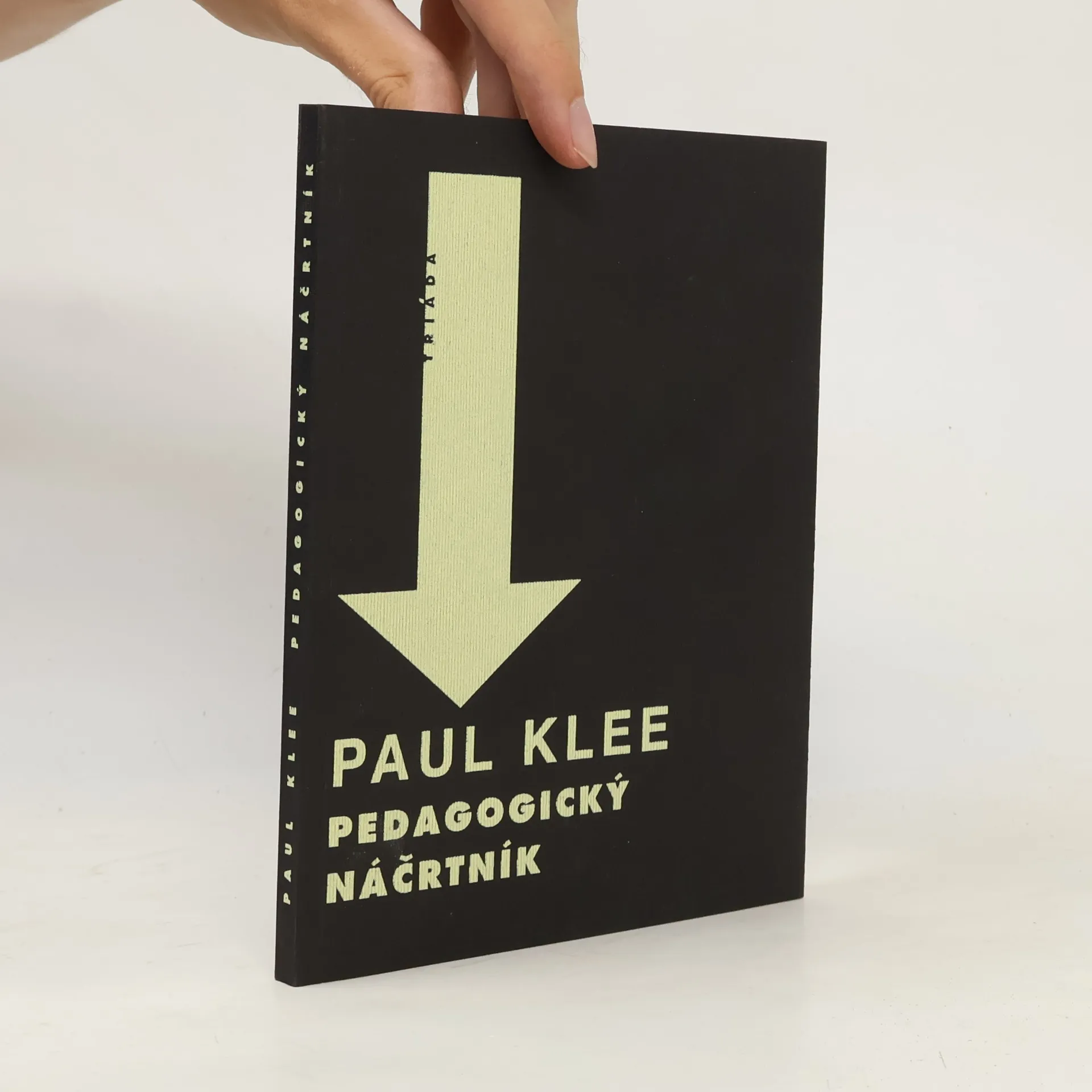
Pedagogický náčrtník (Pädagogisches Skizzenbuch) vyšel roku 1925 jako druhý svazek edice Knihy Bauhausu, řízené Walterem Gropiem a László Moholy-Nagyem, v mnichovském nakladatelství Albert Langen. Paul Klee, jenž na Bauhausu mezi lety 1921 a 1930 vyučoval, shrnul v této knize obsah svých přednášek věnovaných nauce o výtvarných formách.
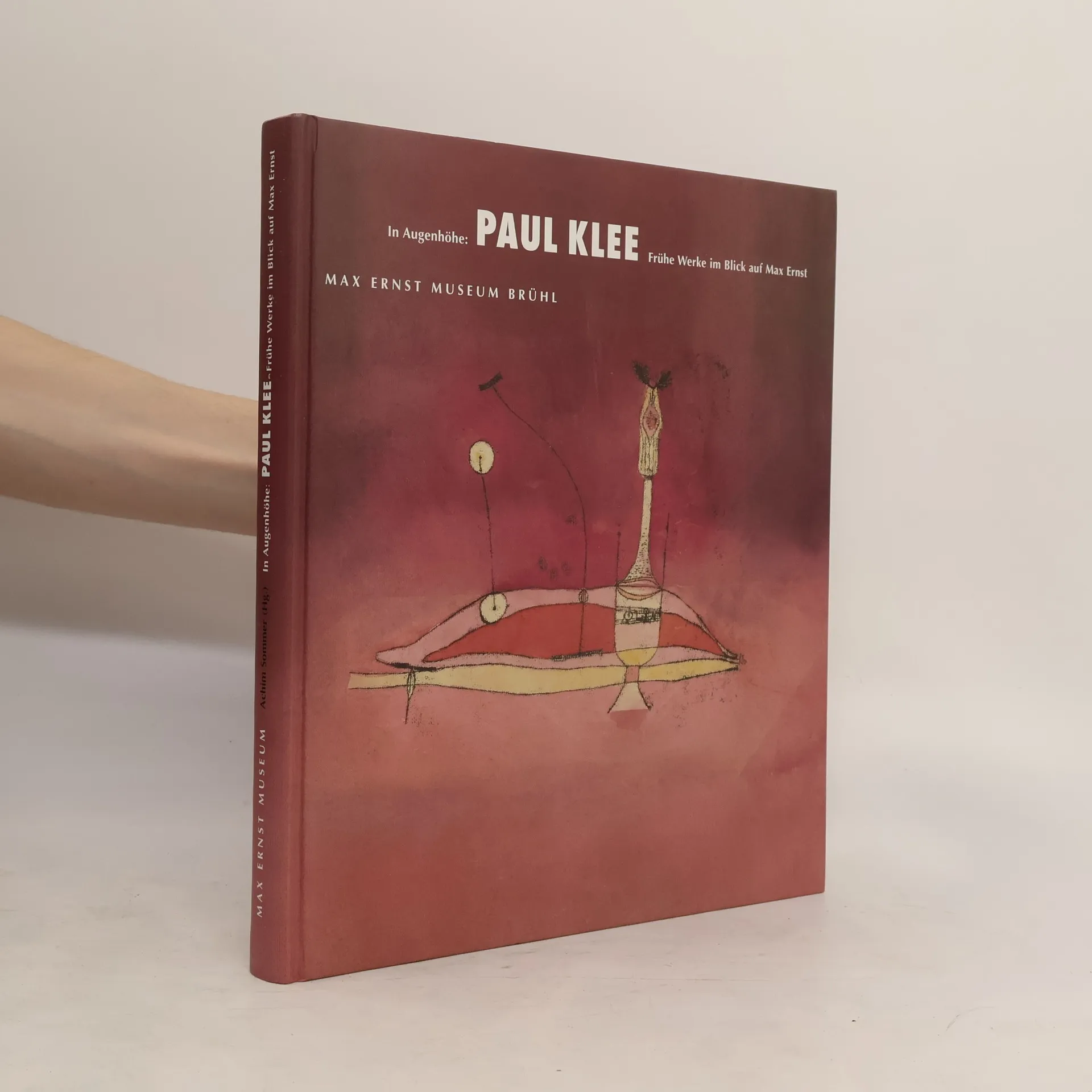
Publikation zur Ausstellung: "In Augenhöhe - Paul Klee: Frühe Werke im Blick auf Max Ernst", Max Ernst Museum Brühl, 9. Dezember 2006 - 4. März 2007. Eine faszinierende Entdeckung: Der frühe Klee in neuer Sicht. Bei drei Gelegenheiten konnte Max Ernst Werke Paul Klees sehen: 1912 in Köln, bei seinem Besuch 1919 in München und schließlich 1925 auf der ersten Gruppenausstellung der Surrealisten in Paris. Der vorliegende Band vereint erstmals jene attraktiven Werke Paul Klees, die Max Ernst auf dessen Ausstellungen gesehen hat und die sich zeitweise in seinem Besitz befanden. Weitere Arbeiten belegen spannende Motivanalogien im Oeuvre beider Künstler, und zeigen Klees Interesse an experimentellen Bildversuchen. Was bei ihm Episode bleibt, führt bei Max Ernst zum radikalen Bruch mit der konventionellen Malpraxis. Der Blick auf Klees Frühwerk wird hier erweitert durch zahlreiche Dokumente, die die Begegnungen der beiden großen Künstlerfiguren belegen.
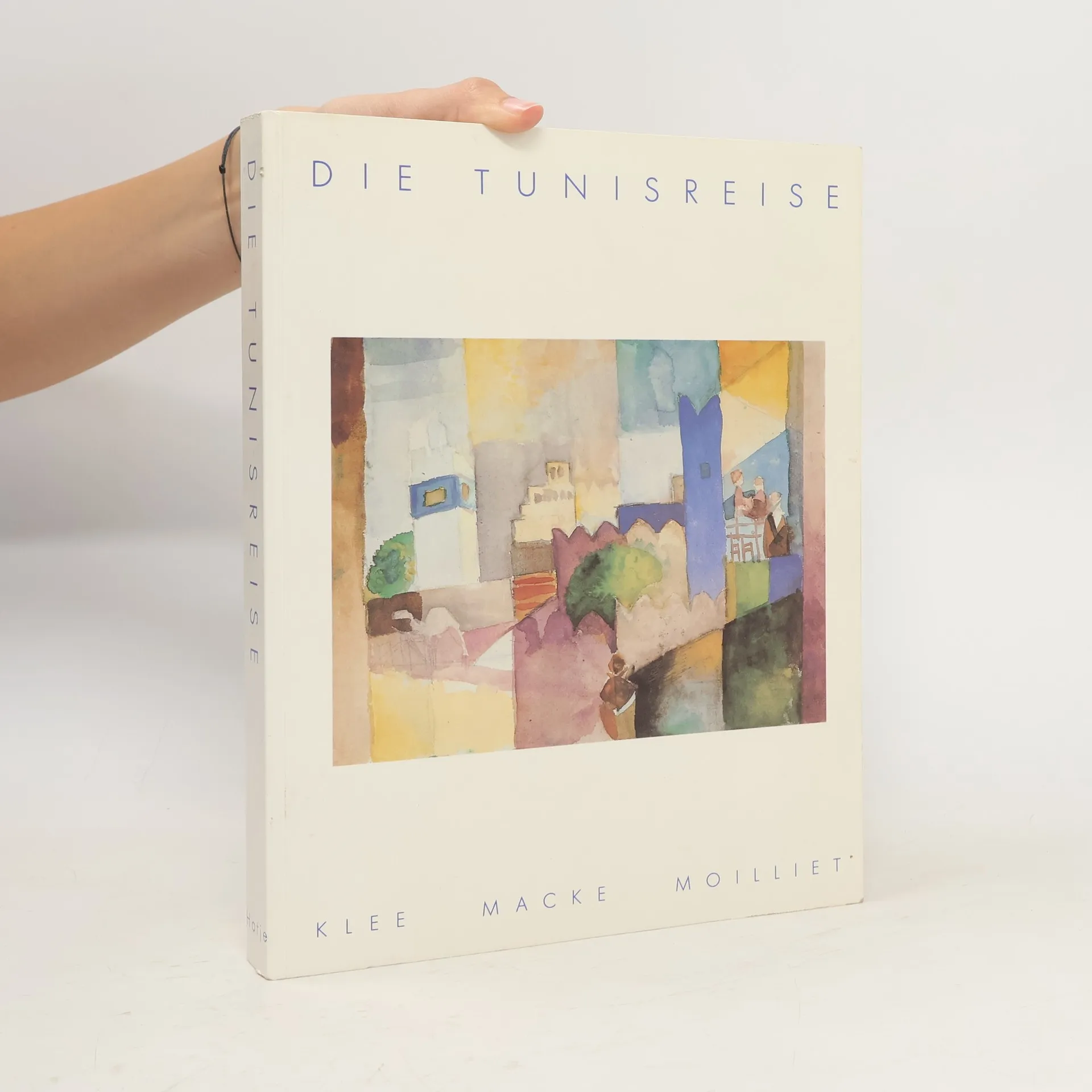
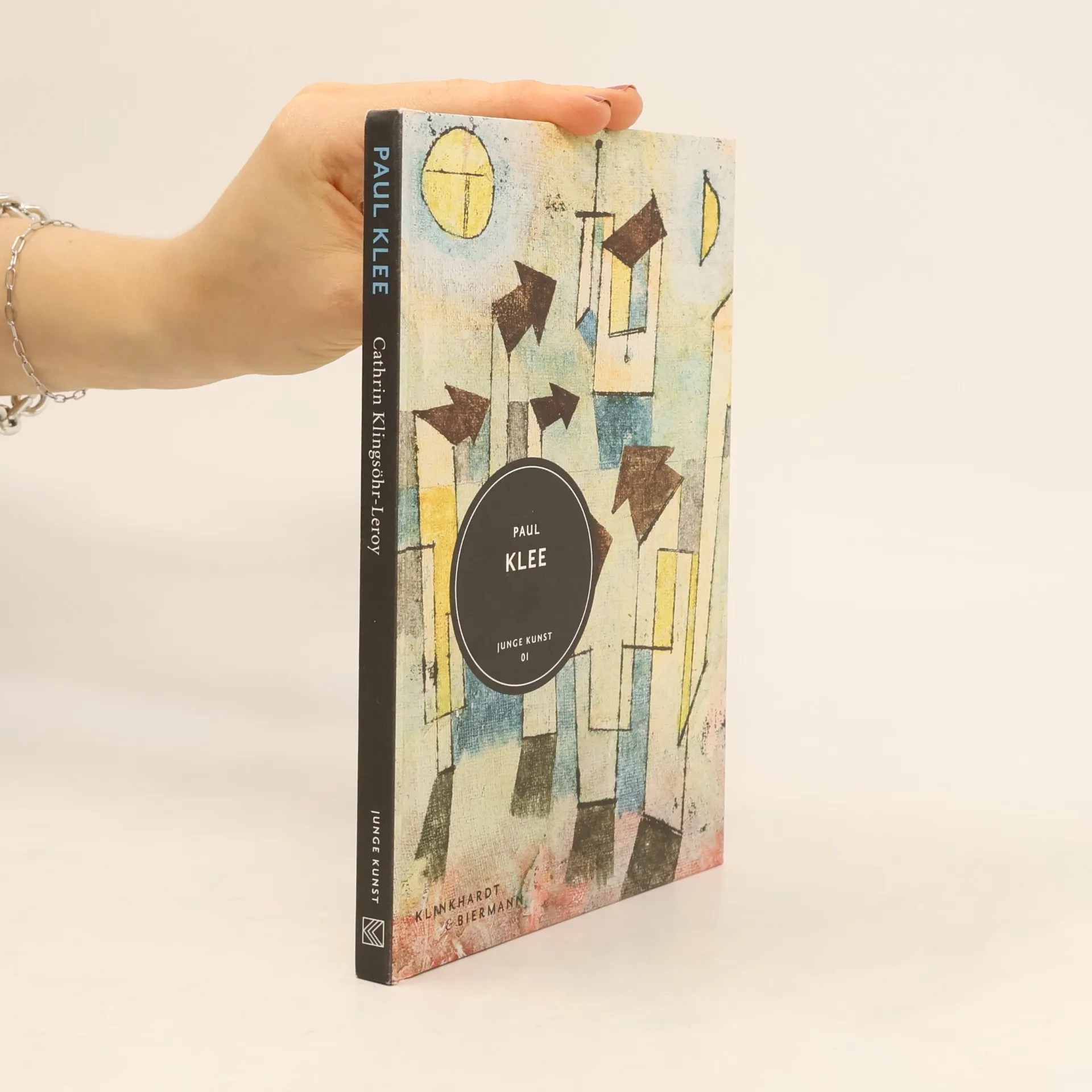
Das Bauhaus in Weimar feierte gerade seinen ersten Geburtstag, als Walter Gropius 1920 ein Telegramm an Paul Klee schickte, um ihn als einen Meister in unsere Mitte zu rufen – eine herzliche Einladung, als Lehrer am Bauhaus tätig zu werden. Dieses Jahr war für das Leben und Schaffen Paul Klees von besonderer Bedeutung. Im Mai startete seine erste große Retrospektive, die der Münchner Galerist Hans Goltz ausrichtete. Insgesamt wurden 362 Werke aus dem Zeitraum 1903 bis 1920 ausgestellt. Kurz darauf erschien als eine der ersten Monografien über ihn der Band Paul Klee in der Reihe Junge Kunst. In einer überarbeiteten Neuauflage dieses kunsthistorisch bedeutsamen Bandes werden anhand von Hauptwerken Klees frühe Schaffensjahre beleuchtet. Geprägt waren sie unter anderem von der Begegnung mit Wassily Kandinsky und Franz Marc sowie der Tunisreise mit August Macke und Louis Moilliet. Die von Paul Klee selbst autorisierte Biografie, ergänzt um die fehlenden Lebensdaten und der Essay eines namhaften Klee-Experten runden diesen bibliophil gestalteten Band gelungen ab.
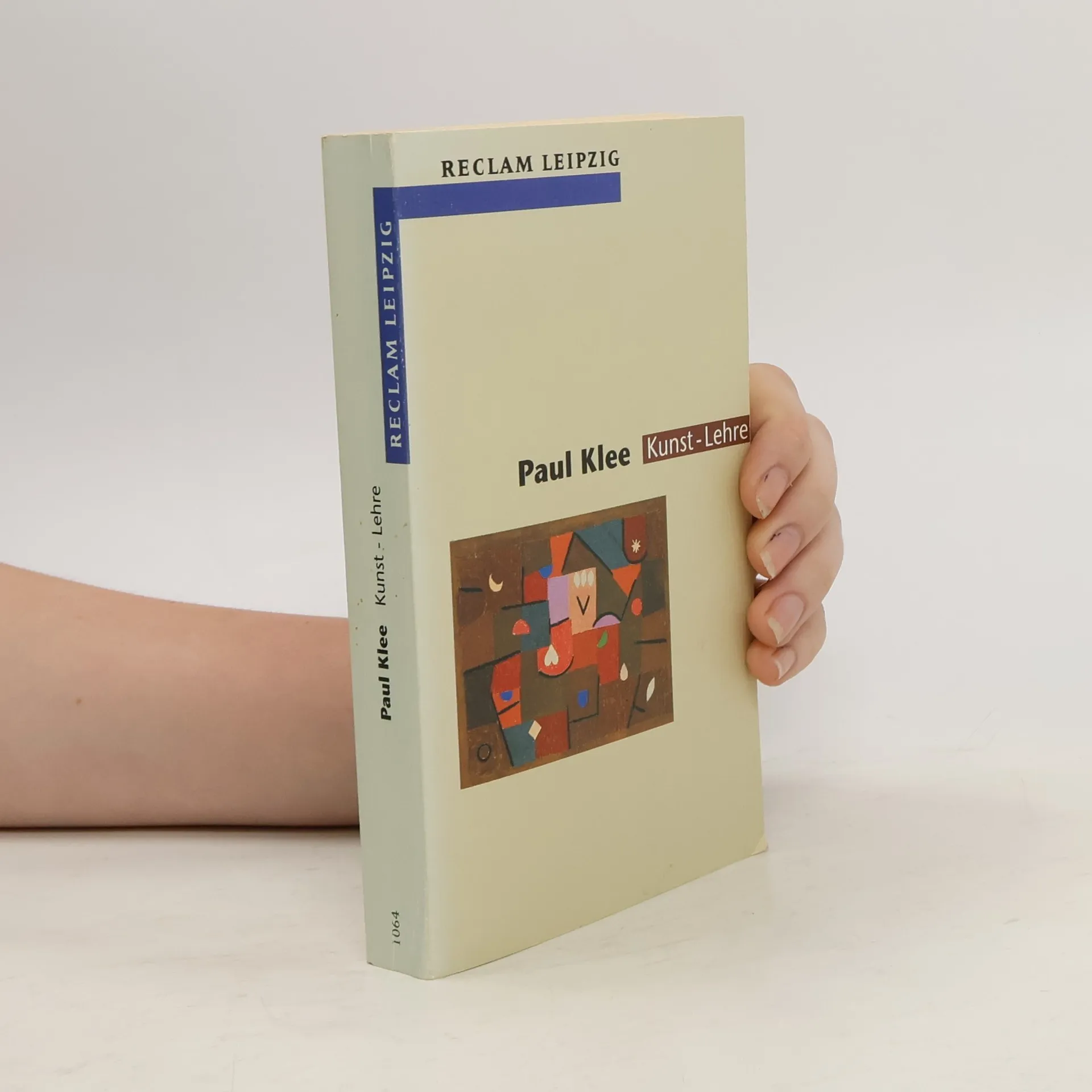
"In der äußeren Erscheinung offenbarte sich die geistige Struktur dieser empfindlichst organisierten, wundervoll ausbalancierten Künstlerpersönlichkeit. Klee war ein Mensch, der tiefe Weisheit und erstaunliches Wissen besaß. Ein zeitloser Mensch von unbestimmbarem Alter, dem aber, wie dem aufmerkend wachen Kinde, alle Erlebnisse der Sinne, des Auges, und Ohrs, des Tastens und Schmeckens ewig fesselnd und neu waren. Ein reifer Mensch, der seinem klaren Verstand nicht erlaubte, die Kontrolle zu verlieren." (Lyonel Feininger) Außergewöhnlich und herausragend aus der Kunstgeschichte dieses Jahrhunderts war Paul Klee als Maler und als Pädagoge. Dieser Band will den Zugang öffnen zu seiner Lehre, die er vor allem am Bauhaus in Weimar entwickelte. Einsichten werden vermittelt, die geeignet sind, sich in der verwirrenden Vielfalt gegenwärtiger Kunst und Kunstpädagogik besser zu orientieren und sich kunstgemäßer zu verhalten. In diesem Sinne ist Paul Klees bildnerische Theorie das Praktischste, was sich nur denken kann.
Quelle est la fonction de la peinture contemporaine ? Quels sont les rapports qu'elle entretient avec la musique, la poésie, les mathématiques, la biologie ? Quels sont les pouvoirs de la ligne, de l'espace, de la forme, de la couleur et comment expriment-ils notre conscience nouvelle de nous-mêmes et de l'univers ? Telles sont les questions fondamentales auxquelles Klee apporte une réponse dans Théorie de l'art moderne. Ce livre groupe pour la première fois l'ensemble des textes théoriques parus du vivant de l'artiste, dont les célèbres Esquisses pédagogiques; il ouvre au lecteur le chemin de la création picturale. Il a, dans notre siècle, une importance égale à celle des Carnets de Vinci pour l'art et la pensée de la Renaissance.
La obra de Klee no se limita exclusivamente a su pintura o dibujo, sino que también abarcó el campo de los escritores teóricos, a los que él mismo consideraba de un "inestimable valor para la posteridad". Al paso del tiempo esta consideración se fue haciendo real ya que, por ejemplo, los textos reunidos en Bases para la estructuración del arte no sólo pueden estimarse como teorías para sus discípulos, sino que son la suma de principios básicos para todo el arte moderno.
Candide is the story of a gentle man who, though pummeled and slapped in every direction by fate, clings desperately to the belief that he lives in "the best of all possible worlds." On the surface a witty, bantering tale, this eighteenth-century classic is actually a savage, satiric thrust at the philosophical optimism that proclaims that all disaster and human suffering is part of a benevolent cosmic plan. Fast, funny, often outrageous, the French philosopher's immortal narrative takes Candide around the world to discover that -- contrary to the teachings of his distinguished tutor Dr. Pangloss -- all is not always for the best. Alive with wit, brilliance, and graceful storytelling, Candide has become Voltaire's most celebrated work.
Im Jahr 1919 wird die Kunstschule in Weimar als Bauhaus neu eröffnet, geleitet von Walter Gropius. Der Katalog "Staatliches Bauhaus in Weimar 1919-1923" erscheint 1923 zur ersten Ausstellung und dokumentiert die innovativen Lehrmethoden und Projekte der Studierenden. Theoretische Ansätze von Künstlern wie Paul Klee und Wassily Kandinsky prägen die Inhalte. Gropius' Vorwort erläutert die Verbindung von Technik und Kunst, während das Faksimile im historischen Kontext die Entwicklung des Bauhauses als bedeutende Kunstschule nachzeichnet. Das Buch ist ein wichtiges Zeugnis der Avantgarde-Bewegung.
Die Kultur und Gesellschaft der Germanen stehen im Mittelpunkt dieser faszinierenden Reise in die antike Welt eines bedeutenden Volkes. Das Buch beleuchtet die Kriege und den Einfluss der Germanen auf die europäische Geschichte, einschließlich bekannter Stämme wie den Sueben und ihren Kontakt zum Römischen Reich. Leser erwartet eine spannende Entdeckungsreise in die Vergangenheit, die das Erbe der Germanen anschaulich darstellt.
Die teils derben Briefe von Paul Klee an seinen Jugendfreund zeigen ein unverstelltes und intimes Bild des Malers. Die Korrespondenz zwischen Paul Klee und seinem Jugendfreund und lebenslangen Vertrauten Hans Bloesch (dessen Schreiben indes zum größten Teil verschollen sind) setzt ein mit dem Ende der gemeinsamen Schulzeit in Bern und Klees Umzug zum Studium nach München im Herbst 1898, und sie erstreckt sich in unterschiedlicher Intensität bis wenige Monate vor Klees Tod am 29. Juni 1940. Vor allem in Klees Briefen der Jahre bis 1912 – einer Zeit, in der Bloesch eine literarische Laufbahn anstrebte und in der die beiden Freunde auch an gemeinsamen Projekten arbeiteten – wird vieles anders akzentuiert und, was Klees ausschweifendes Leben in der Münchner Studienzeit bis 1901 betrifft, unverblümter dargestellt als in seinen seit langem bekannten Familienbriefen und Tagebüchern. Dadurch wird die vorliegende Edition zu einem wichtigen Zeugnis für die persönliche und künstlerische Entwicklung dieses bedeutenden Künstlers.
Die neue Reihe der SZ Skizzenbücher Kunstmotive eröffnen die Künstler
Antoine+Manuel, Paul Klee und Beni Bischof. Das Kunstmotiv ist auf Stoff
gedruckt und das Flexcover hochwertig verarbeitet bei 176 Seiten Umfang
blanko.
20 Kunstpostkarten aus hochwertigem Karton. ca. € 0,25 pro Karte
20pagine
1 ora di lettura
Für Grußkarten, Glückwunschkarten, Geschenkkarten, Einladungskarten, zum Sammeln oder zur Deko. Im Format 15,4 x 10,8 cm. Mit viel Platz zum Schreiben. Große Meisterwerke der Kunst zum Verschicken und Verschenken: Der Maler Paul Klee (1879–1940) ist aufgrund seiner Vielseitigkeit (Kubismus, Expressionismus, Surrealismus) einer der bedeutendsten Künstler der Klassischen Moderne des 20. Jahrhunderts. Dieses Postkarten-Set zeigt eine Auswahl seiner farbenfrohen Werke im Postkartenformat.
Zwischen 1916 und 1925 fertigte Paul Klee für seinen Sohn Felix rund 50 Handspielpuppen, von denen sich 30 Figuren erhalten haben. Für die Köpfe verwendete der Künstler Materialien aus dem eigenen Haushalt: Rindsknochen und Steckdosen, Borstenpinsel, Fellreste und Nussschalen. Die ersten Kostüme nähte die später berühmt gewordene Puppenmacherin Sasha Morgenthaler, bald übernahm Klee diese Arbeit selbst. Der Band präsentiert die unübertrefflich fantasievollen Handpuppen Paul Klees und beschreibt die einzelnen Figuren (Quelle: Verlagsinformation).
De 1916 à 1925, Paul Klee confectionne pour son fils Félix toute une série de marinonettes à gaine: l'eskimo aux cheveux blancs, L'Esprit de la boîte d'allumettes, le Spectre électrique, le Clown aux larges oreilles et bien d'autres.ΩIl puise sa premipre inspiration dans le répertoire populaire gravitant autour du personnage de Kasperl (Guignol).ΩPlus tard, il imagine des personnages originaux : exubérantes, étranges, cocasses, les marionnettes de Klee sont inclassables. A la fois oeuvres d'art et jouets, mais, bien plus encore, fruits de la relation entre un père et son fils, entre Paul et Félix Klee.ΩUn superbe livre qui présente chacune des marionnettes de Klee photographiées et commentées, avec une remise des oeuvre dans le contexte de la biographie et de l'histoire de son époque
Die Arbeiten von Paul Klee (1879–1940), dem Schweizer Maler, Zeichner, Grafiker, Lehrer und Autor, haben maßgeblichen Anteil an der Kunstgeschichte des 20. Jahrhunderts. Anhand von Paul Klees Drucken lässt sich nachvollziehen, und das in wohl noch stärkerem Maße als anhand seiner Arbeiten in anderen Medien, wie er sich vom Traditionalisten zu einem der wagemutigsten Erneuerer in der Kunst der Moderne wandelte. Die Mappe mit Drucken von Paul Klee, die das New Yorker Museum of Modern Art 1947 unter der Ägide von James Thrall Soby erstmals herausgab, enthält 40 Radierungen und Lithografien Klees. Acht Blätter davon sind farbig und stammen aus der Sammlung des Museums. Die Arbeiten sind auf einzelne Bögen aus starkem Papier gedruckt und in einen Schmuckkarton eingelegt, der auch ein broschiertes Büchlein mit einem Essay von Soby enthält. Die einzigartige und luxuriöse Edition wird damit erstmalig seit ihrer Erstausgabe wieder aufgelegt und in einer streng limitierten Auflage von nur 500 Exemplaren auch auf Deutsch erhältlich sein.
Nous sommes des façonneurs, des ouvriers-practiciens, et allons naturellement évoluer ici de préférence sur le terrain formel. Sans oublier pour autant qu'avant le début formel ou, plus simplement, avant le premier trait, se trouve toute une préhistoire et pas seulement l'aspiration, le désir ardent de l'homme de s'exprimer, pas seulement la nécessité externe qui l'y contraint mais aussi une position générale propre à l'humanité dont l'orientation s'appelle Weltanschauung qui pousse avec une nécessité intérieure à se manifester ici ou ailleurs. Je souligne cela afin d'éviter le malentendu qui voudrait qu'une œuvre se réduise à sa forme. Mais d'un autre côté, il me faut insister ici encore plus sur le fait que la connaissance scientifique la plus exacte de la nature, des plantes, des animaux, de la Terre et de son histoire, des étoiles, ne nous est d'aucune utilité si nous ne sommes pas outillés pour leur représentation. Nous pouvons avoir la conception la plus spirituelle qui soit de l'action combinée de ces objets dans l'univers, cela ne nous sert à rien si, dans cette direction, nous ne sommes pas équipés avec des formes. Paul Klee
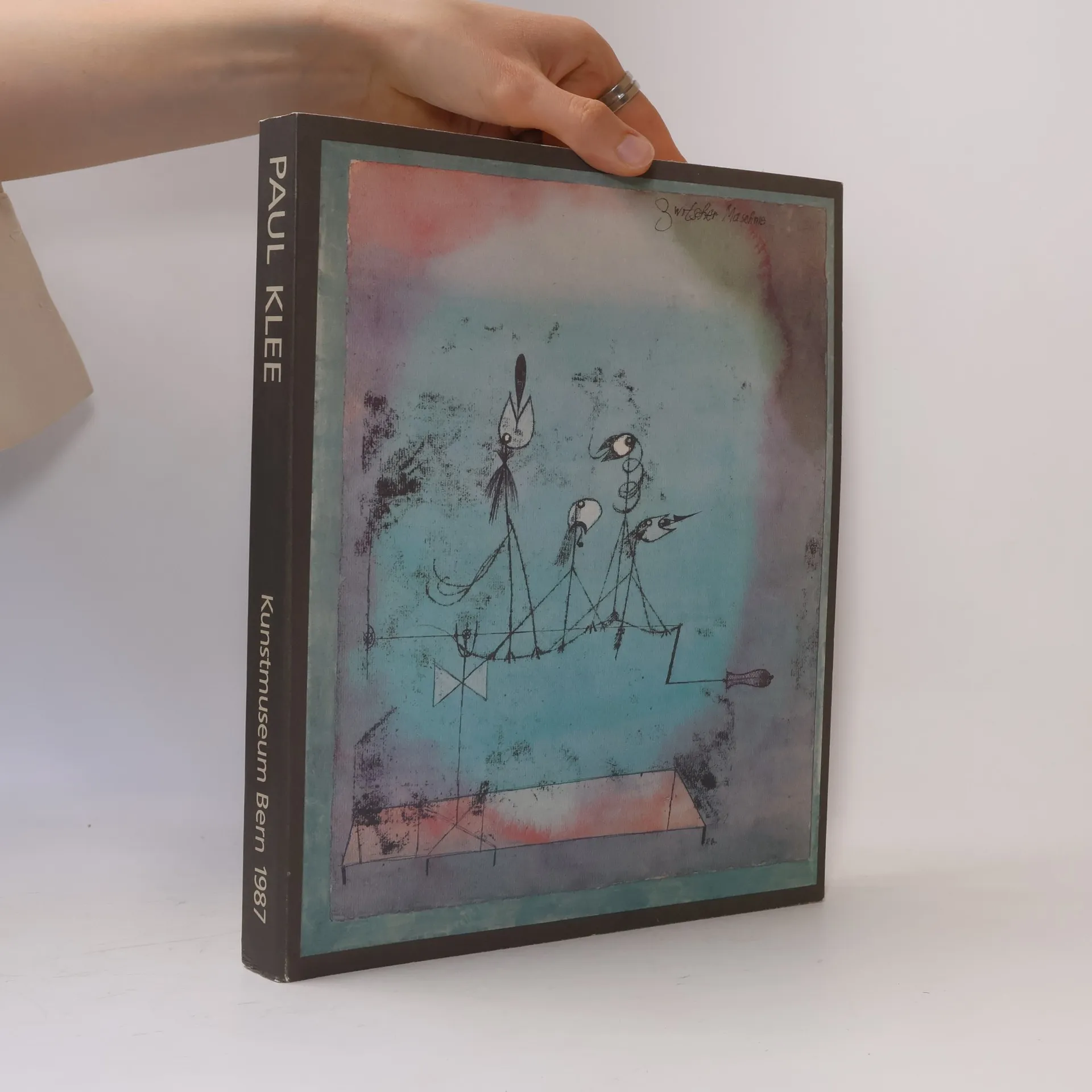
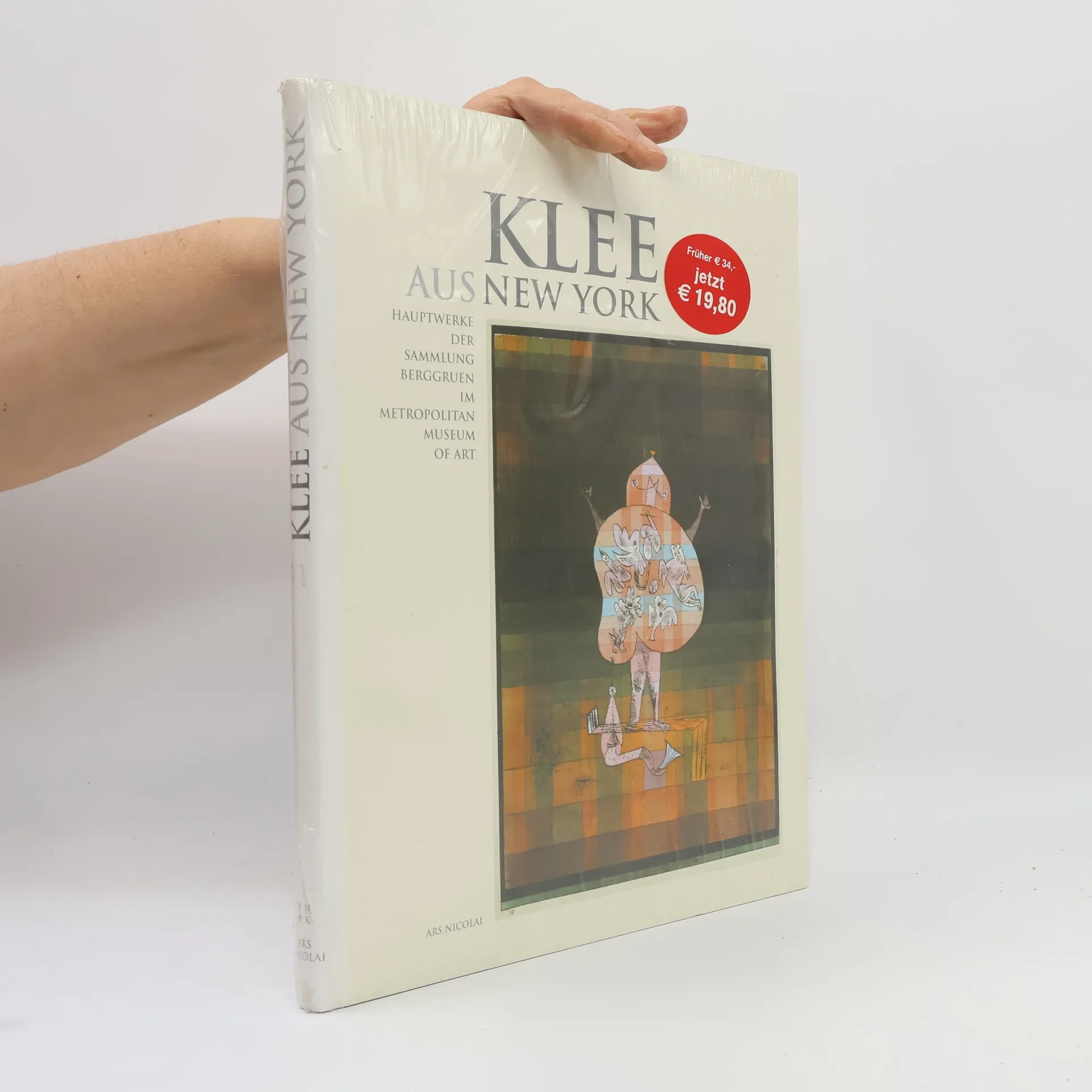
Enth. u. a.: S. 26-40: Amerika und Klee / Sabine Rewald. - S. 41-54: Klee und Picasso / Olivier Berggruen. - Ein weiterer Beitr. stammt von Peter-Klaus Schuster
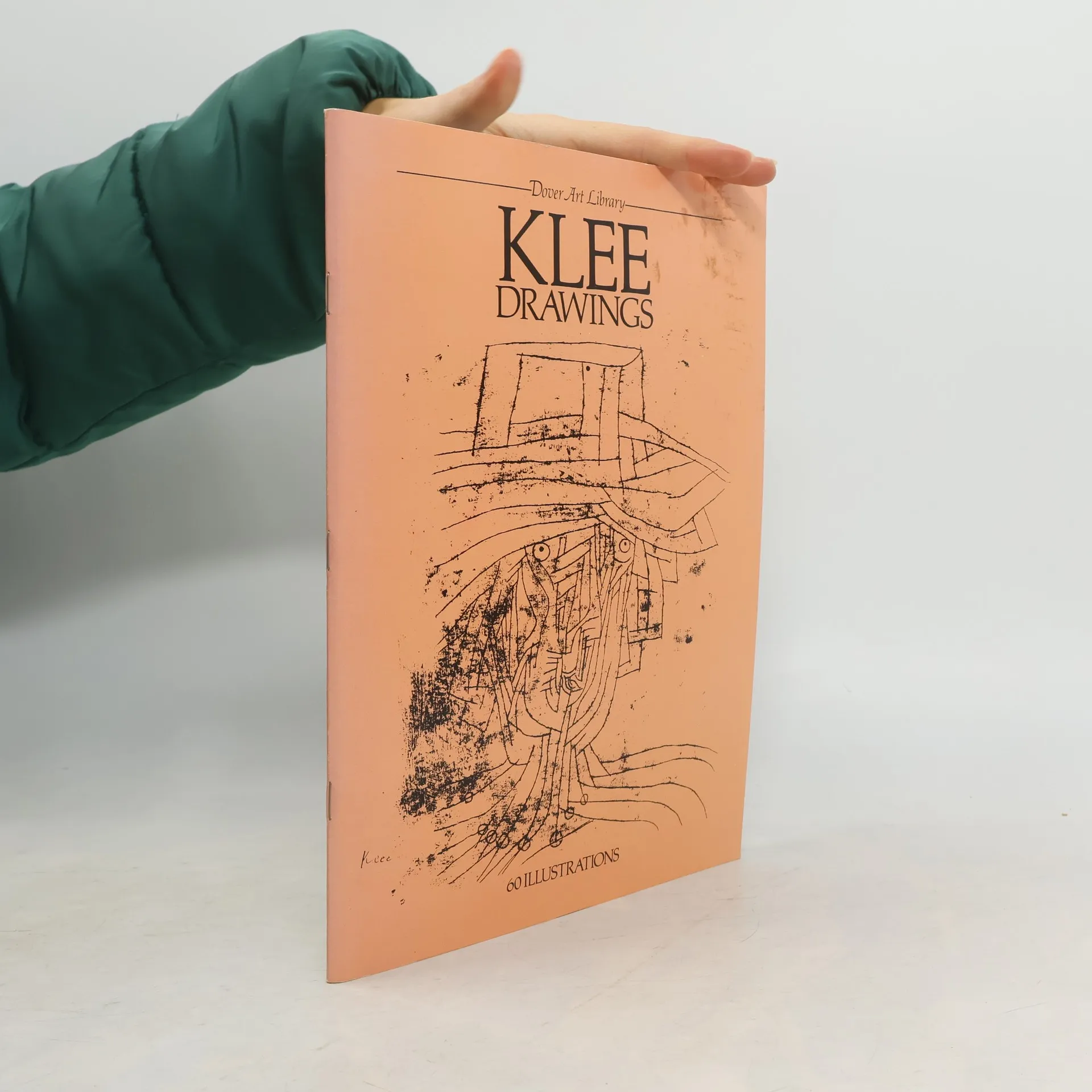
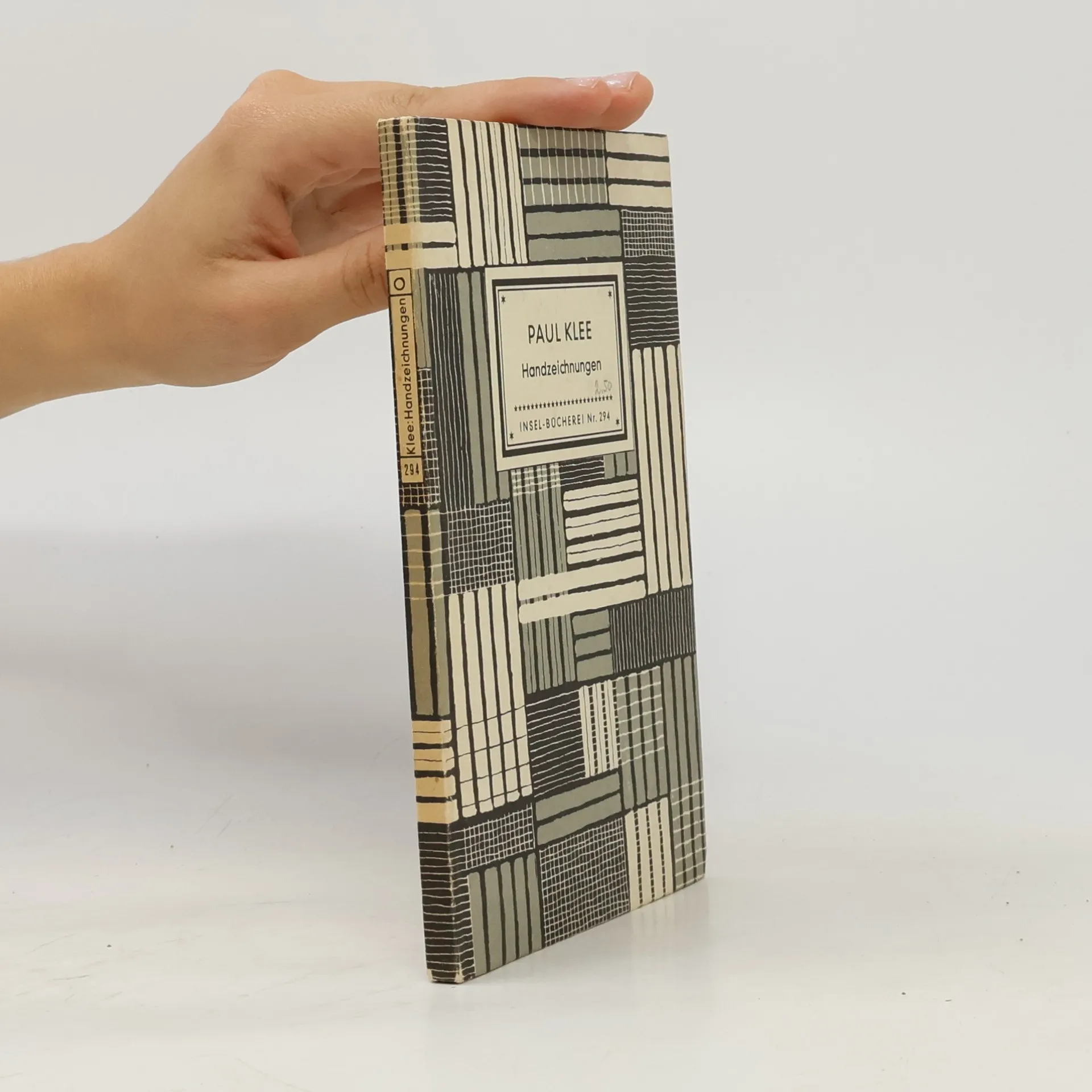
Der von Paul Klee selbst erstellte Katalog enthält eine Liste von 4877 Zeichnungen oder "monochromen Blättern", wie er es ausdrückt. Dieses umfangreiche Werk stellt einen Höhepunkt der Kunstgeschichte dar. Klee selbst gesteht, dass er durch das Zeichnen zur Malerei fand, der er sich erst 1919, im Alter von vierzig Jahren, wirklich widmete. Ab 1920 griff er zunehmend zur Aquarellmalerei.
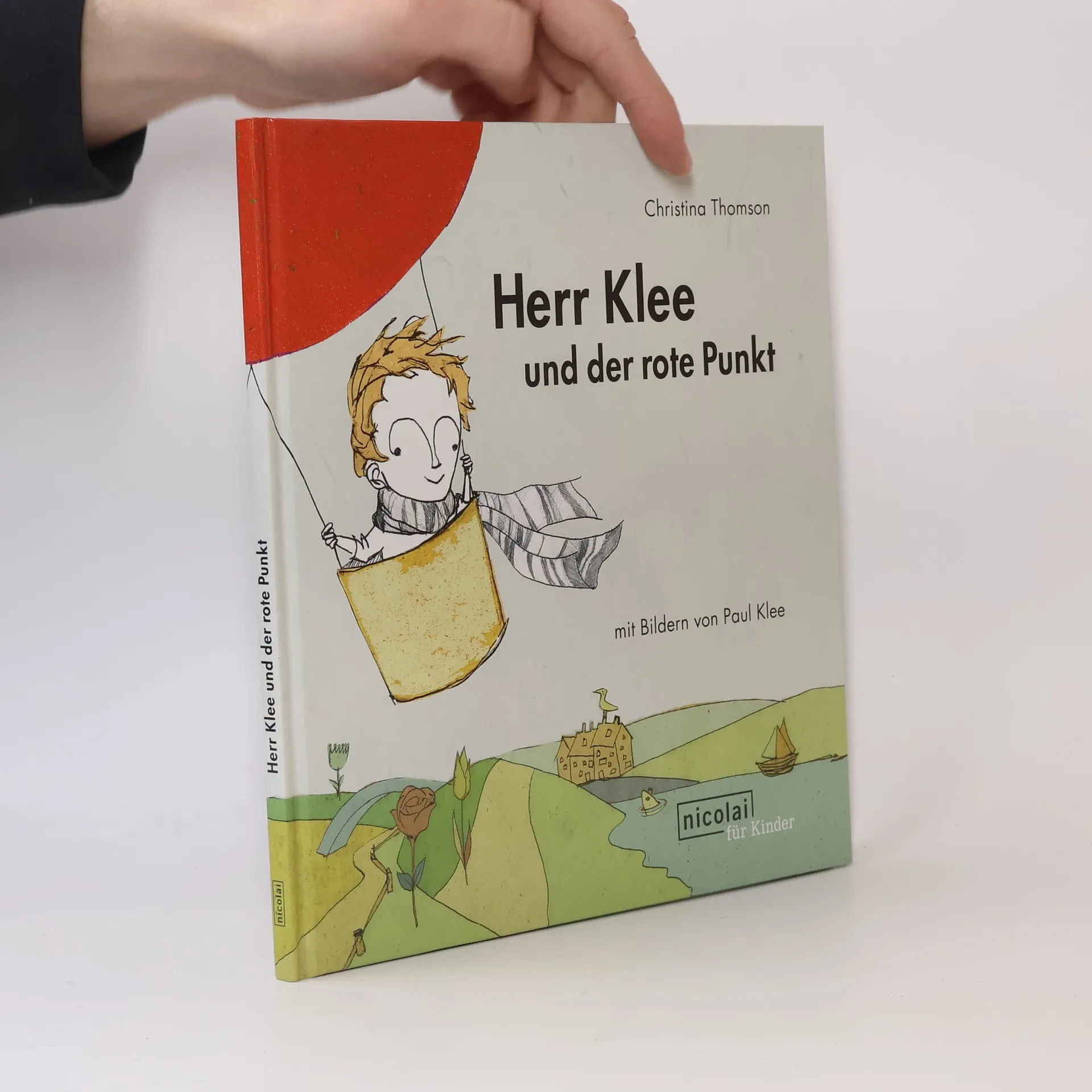
Der kleine Jim hat keine Lust, an diesem Sonntag mit seiner Mama ins Museum zu gehen. Als er sich aber doch zum Besuch überreden lässt, merkt er, dass Kunst nicht so langweilig ist, wie er dachte. Gleich im ersten Bild begegnet er einer vorwitzigen Gestalt, die ihn von da an durch das Museum begleitet: ein roter Punkt. Zusammen gehen sie auf Entdeckungsreise durch zehn Bilder von Paul Klee. Und das Spannende ist, dass Jims kleiner roter Freund nicht nur eine Menge über den Künstler Paul Klee und seine Werke weiß, sondern sich auch noch in jedem Bild versteckt hat: mal als Sonne oder als Baum, dann als Ball oder Ballon, aber auch als runder Mund oder rote Nasenspitze. Am Ende hat Jim viel gesehen, gestaunt und fantasiert – und sich kein bisschen gelangweilt. „Herr Klee und der rote Punkt“ ist eine Kunst-Geschichte zum Sehen, Suchen und Finden für Kinder ab drei Jahren. Jims Dialoge mit dem roten Punkt wecken Neugier und Fantasie der kleinen Leser und stellen spielerisch Fragen nach Farben und Formen, Maltechniken und Bildaufbau: eine Kunstbetrachtung, die ohne didaktischen Zeigefinger auskommt.