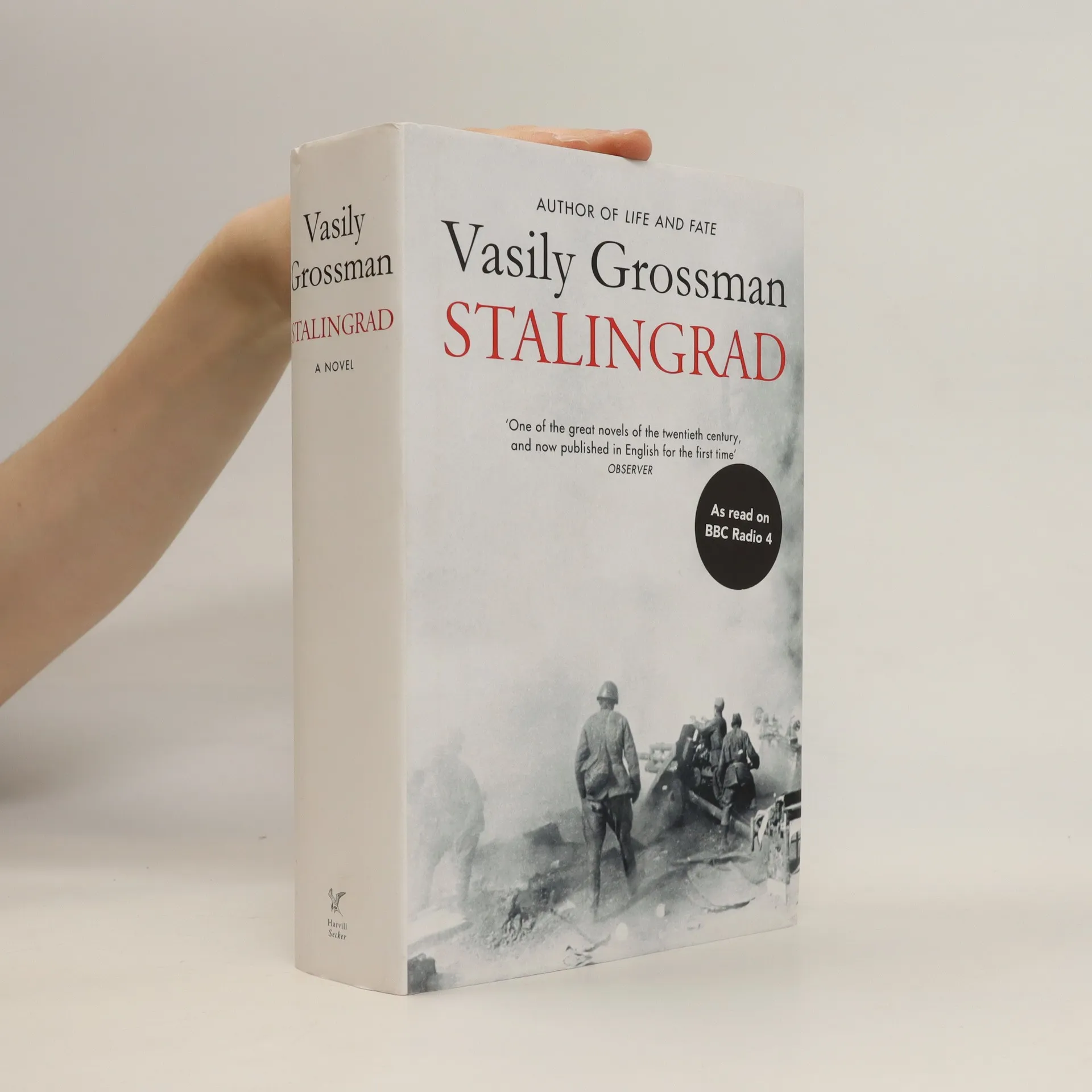
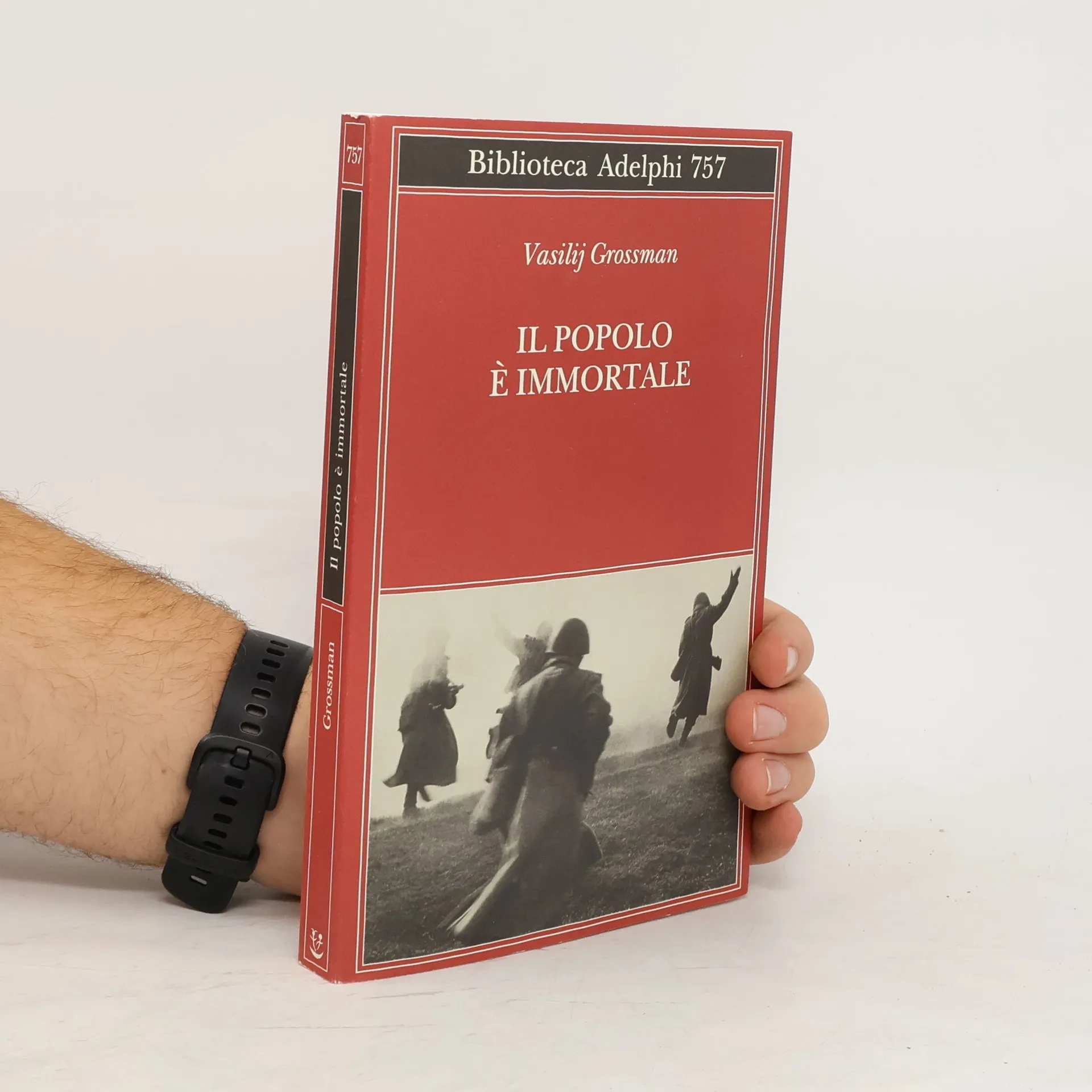
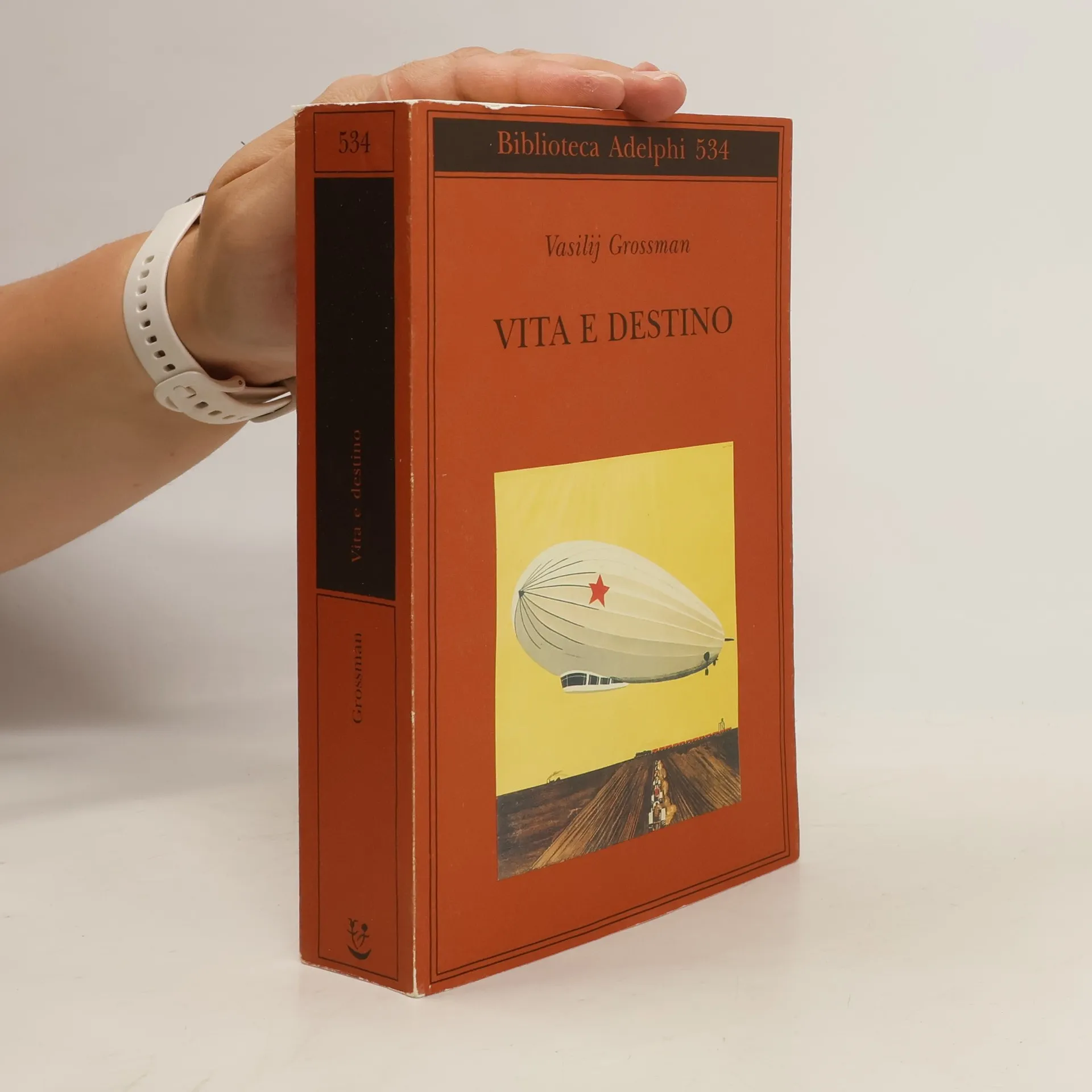
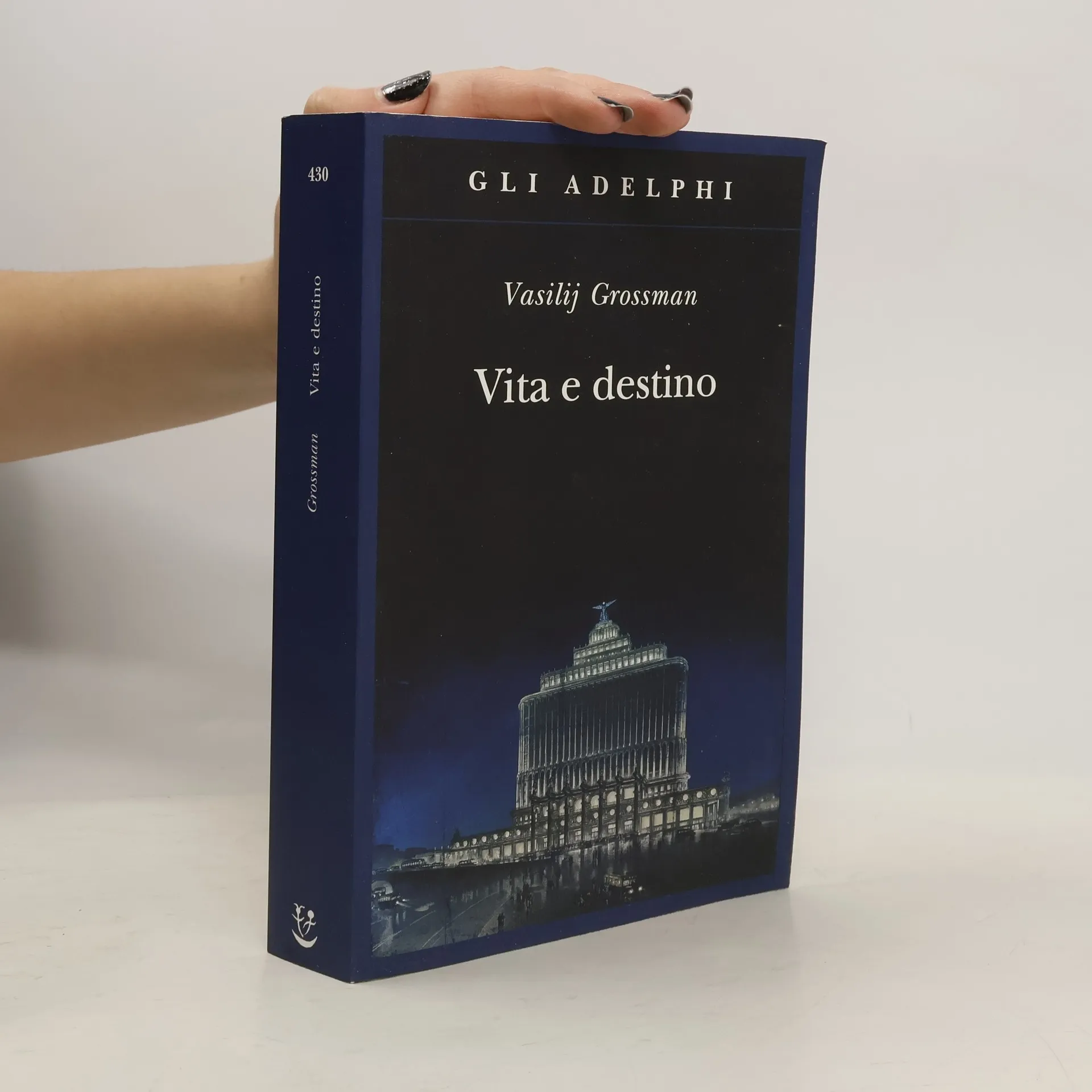
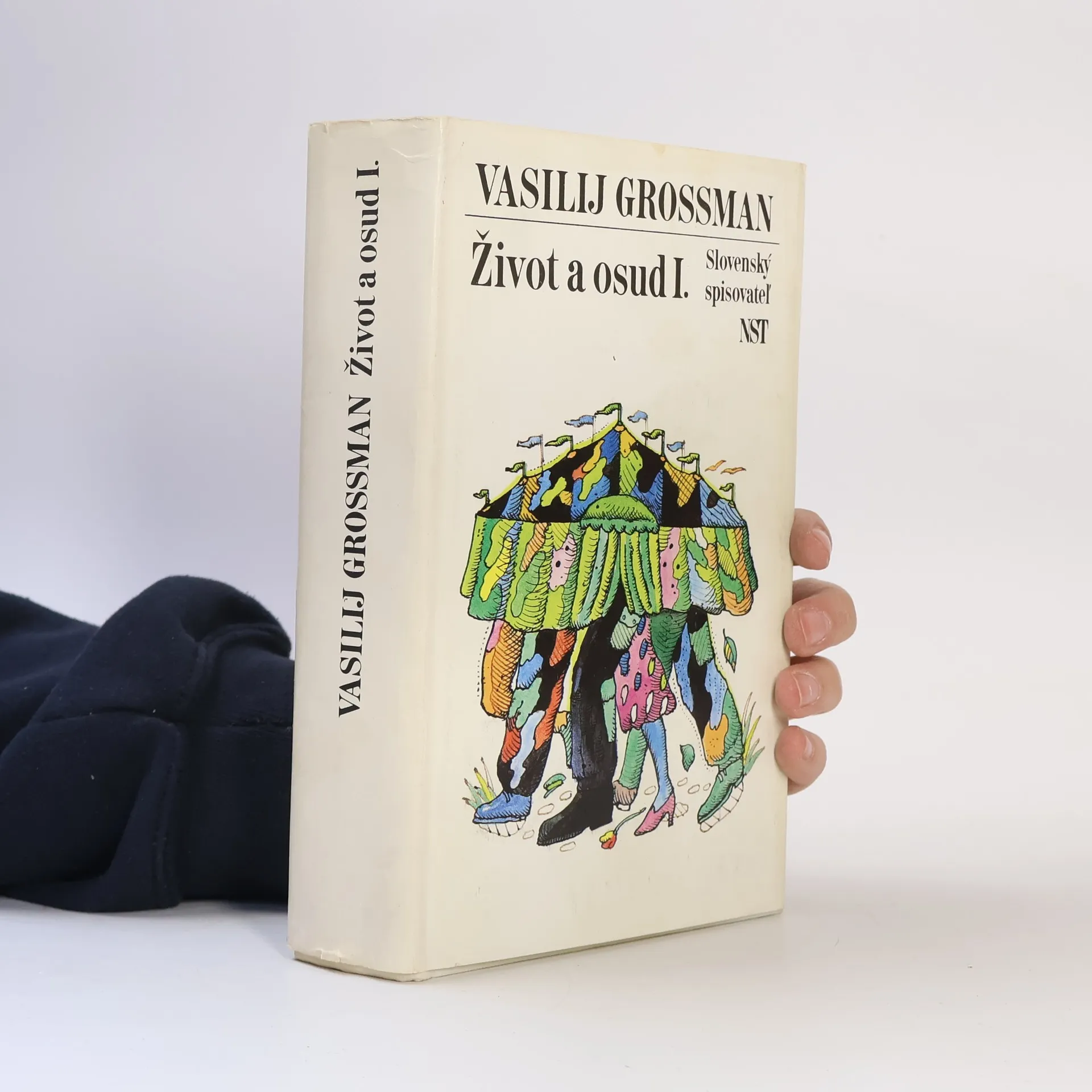
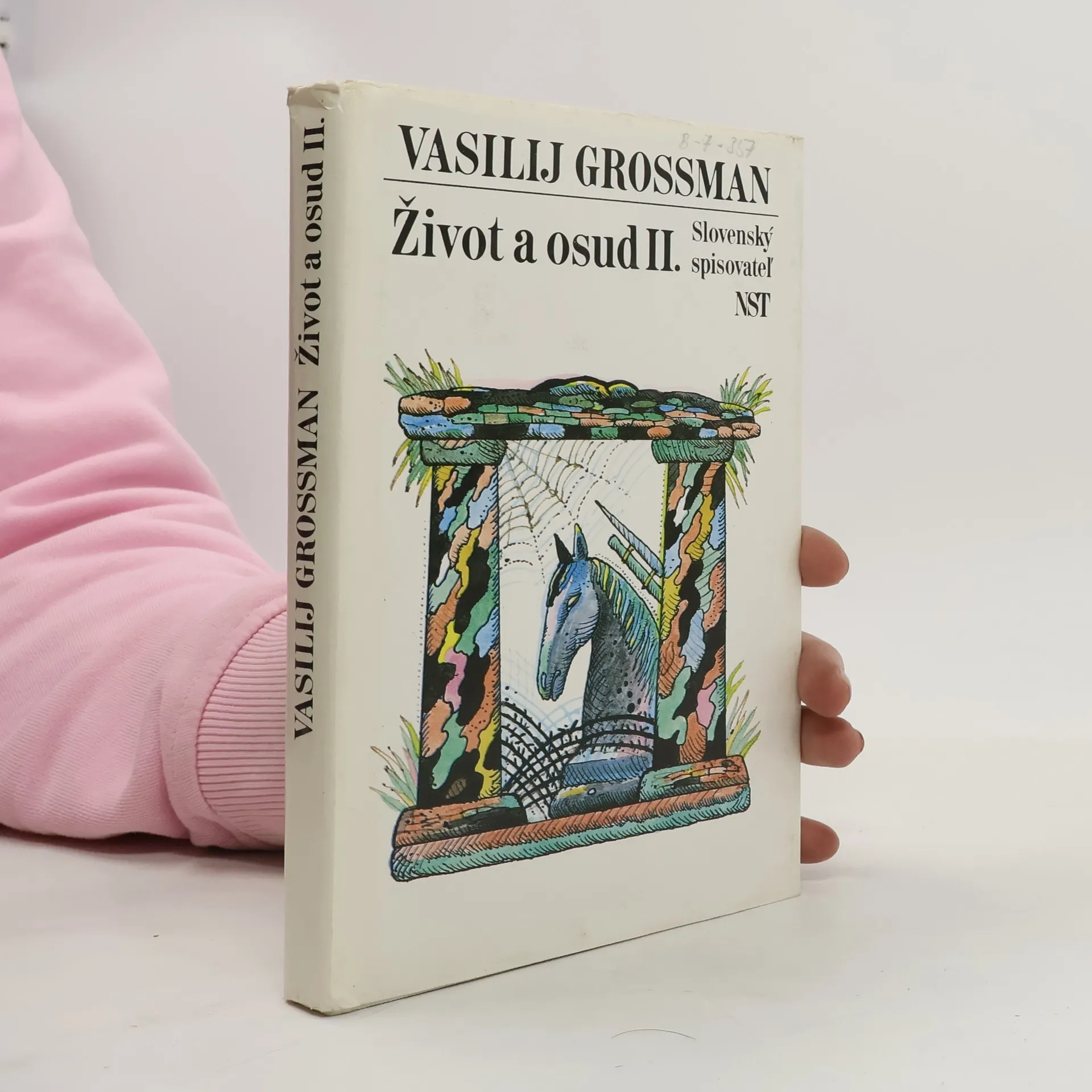
Vasily Grossman è stato uno scrittore russo, rinomato per i suoi potenti ritratti della Seconda Guerra Mondiale e il suo costo umano. La sua cronaca di prima linea e i suoi romanzi, forgiati dall'esperienza diretta della guerra, sono caratterizzati da un crudo realismo e da una profonda comprensione della sofferenza. L'opera di Grossman è una testimonianza bruciante delle atrocità del XX secolo, celebrando al contempo la resilienza dello spirito umano di fronte a una brutalità inimmaginabile. La sua scrittura indaga le complessità morali e la ricerca dell'umanità nelle circostanze più cupe.
Die Reise des großen russischen Schriftstellers an die Ränder des Imperiums
208pagine
8 ore di lettura
Im Jahr 1961 reist Wassili Grossman nach Jerewan und reflektiert über seine Erfahrungen und die Geschichte des 20. Jahrhunderts. In seinen Reisenotizen zeigt er sich als humorvoller und bescheidener Denker. Die Armenische Reise vereint Bekenntnisse, Essays und Anekdoten und spiegelt die komplexe Geschichte Armeniens wider.
Vasily Grossman ha scritto tre romanzi sulla Seconda Guerra Mondiale, ognuno dei quali offre una visione unica di cosa possa essere un romanzo di guerra. Stalingrado è una storia commovente e avvincente di difesa disperata e del cambiamento delle sorti del conflitto, ma è anche un monumento per i numerosi caduti. Vita e destino, invece, è un'opera di filosofia morale e politica, che esplora se sia possibile comportarsi eticamente di fronte a una violenza travolgente. Il popolo è immortale è qualcosa di completamente diverso. Ambientato nei catastrofici primi mesi dell'invasione tedesca dell'Unione Sovietica, racconta di un battaglione dell'esercito inviato a rallentare il nemico in avanzata a qualsiasi costo, con l'accerchiamento e l'annientamento come fine promesso. Una storia avvincente di resistenza, Il popolo è immortale è il romanzo come arma in mano.
«Il libro segue con ottocentesca, tolstojana generosità molteplici destini individuali spostandosi da Stalingrado (città doppia: simbolo di difesa e libertà contro la violenza nazista e insieme luogo-emblema dell’Urss staliniana; solo nella “casa di Grekov” si vive secondo onore e senza gerarchie) ai lager sovietici e ai mattatoi nazisti, da Mosca (le stanze del potere, le celle della Lubjanka) alla provincia russa. E raccontando la “crudele verità” della guerra, le storie intrecciate di eroi e traditori, automi di partito ed esseri pensanti, delatori, burocrati, intriganti, carnefici, martiri, personaggi fittizi e reali, inframmezzando la narrazione con numerosi dialoghi (di ascendenza, questi, dostoevskiana), Grossman continua a interrogarsi sull’essenza di sistemi che uccidono la realtà – di conseguenza anche gli uomini – falsificandola, sostituendola con l’Idea. Al posticcio e menzognero “bene” di Stato lo scrittore può opporre soltanto, per quanto ardua e apparentemente impossibile in tempi disumani, la bontà individuale, rivendicando – sommessamente, ma con tenacia – l’irripetibilità del singolo destino umano. Giacché “Ciò che è vivo non ha copie ... E dove la violenza cerca di cancellare varietà e differenze, la vita si spegne”». Serena Vitale
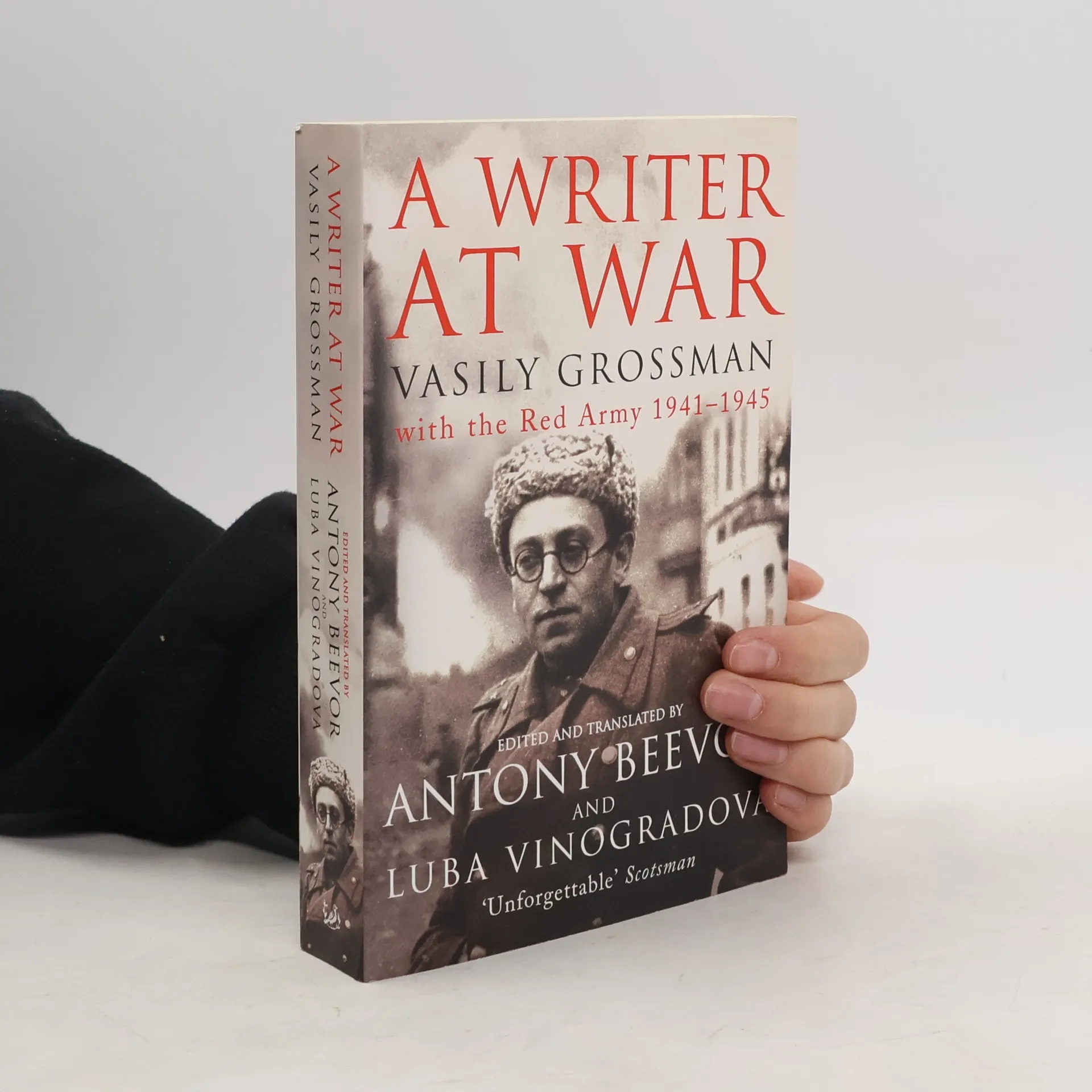
Vasily Grossman's masterpiece "Life and Fate" is rated by many as the greatest Russian novel of the twentieth century. Among its admirers is Antony Beevor, the bestselling author of Stalingrad and Berlin. This book is based on the notebooks in which Grossman gathered his raw material.
K vydání připravili Antony Beevor a Luba Vinogradova. Známý historik Antony Beevor se setkal s pozůstalostí sovětského publicisty a spisovatele Vasilije Grossmana během psaní své oceňované knihy Stalingrad - Osudové střetnutí 1942-1943. Cenný materiál ho pak inspiroval k uspořádání a vydání této knihy, která by za života spisovatele Grossmana rozhodně nemohla vyjít. Vasilij Grossmann vstoupil dobrovolně do Rudé armády v roce 1941 po napadení Sovětského svazu Hitlerem. Více než tři roky pracoval jako speciální zpravodaj pro armádní noviny Rudá hvězda. Během svého válečného působení se etabloval jako "hlavní hlasatel" z fronty. Jeho reportáže a hlášení plné krvavé reality a beznaděje však byly ve své době přísně cenzurovány. Tato kniha, doplněná spoustou nepublikovaných Grossmanových poznámek, postřehů a dobových popisů perfektně doplňuje renomované práce pojednávající o druhé světové válce. Vasilij Grossman jako vnímavý pozorovatel se smyslem pro důležité detaily podává čtenáři barevný a panoramatický pohled na tehdejší události. Jeho zprávy z bitvy u Stalingradu, bitvy u Kurska, z dobývaného Berlína nebo z návštěvy osvobozené Treblinky slouží jako modelový příklad válečné reportáže.
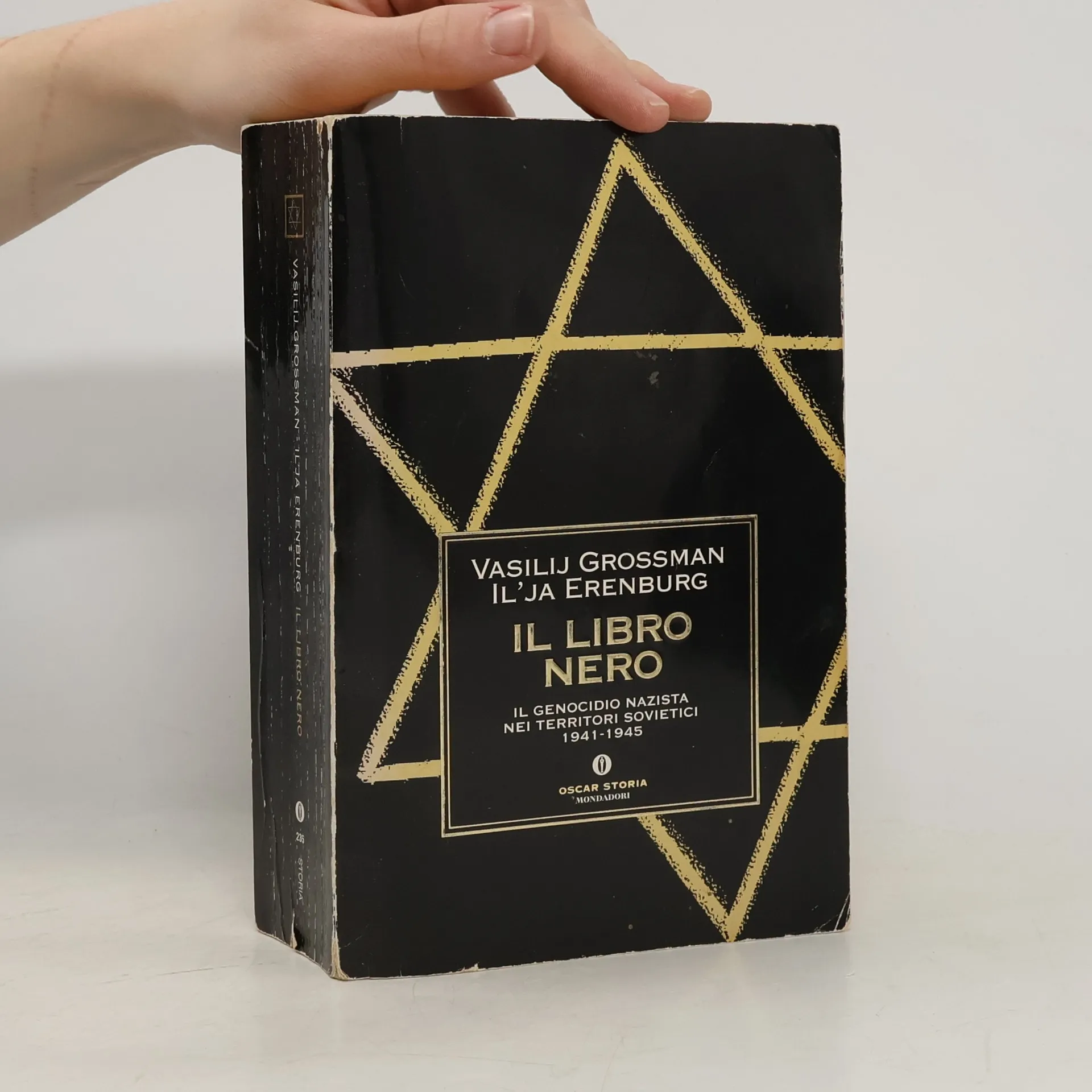
Il genocidio nazista nei territori sovietici, 1941-1945
936pagine
33 ore di lettura
Era ancora in corso la lotta contro l'occupante tedesco, quando Grossman e Ehrenburg vennero incaricati dal Comitato Antifascista Ebraico di raccogliere tutte le testimonianze disponibili sul genocidio degli ebrei sovietici ad opera dei nazisti. Dopo il 1945 tuttavia il Comitato entrò nel mirino di Stalin e della NKVD. Le bozze del libro, già vistate e purgate dalla censura, vennero sequestrate e distrutte e così pure la prefazione di Albert Einstein, nella quale invocava per la prima volta il diritto di ingerenza negli affari interni di un paese per motivi umanitari. La figlia di Ehrenburg, Irina, riuscì però a salvarne una copia che verrà pubblicata per la prima volta, in edizione non integrale, solo nel 1980 a Gerusalemme.
Rozsiahla historická epopeja označovaná za najstrhujúcejšie dielo o Veľkej vlasteneckej vojne a predovšetkým o Stalingradskej bitke, ktorej sa sám autor zúčastnil. Román mohol vyjsť až 27 rokov po svojom vzniku, pretože otvorene hovorí o zločineckom podiele Stalina na zdecimovaní dôstojníckehozboru a oslabení armády, ktorá pri Stalingrade i v iných bitkách 2. svetovej vojny mala v dôsledku chybných taktických rozhodnutí obrovské straty.
Rozsiahla historická epopeja označovaná za najstrhujúcejšie dielo o Veľkej vlasteneckej vojne a predovšetkým o Stalingradskej bitke, ktorej sa sám autor zúčastnil. Román mohol vyjsť až 27 rokov po svojom vzniku, pretože otvorene hovorí o zločineckom podiele Stalina na zdecimovaní dôstojníckehozboru a oslabení armády, ktorá pri Stalingrade i v iných bitkách 2. svetovej vojny mala v dôsledku chybných taktických rozhodnutí obrovské straty.
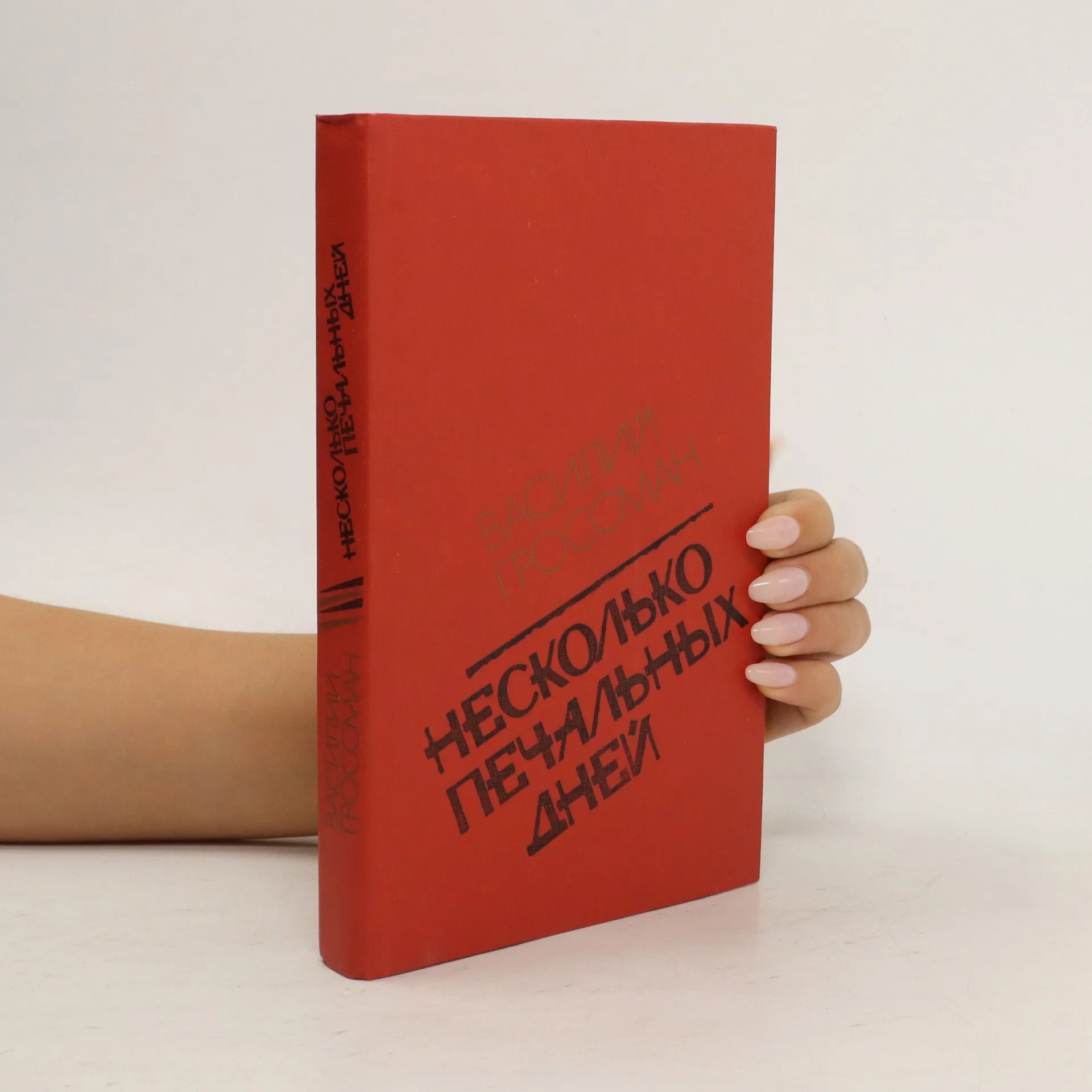
В книгу одного из крупнейших мастеров русской советской прозы Василия Гроссмана (1905 – 1964) вошли почти все лучшие произведения, созданные писателем за тридцать лет творческой деятельности, ставшие уже библиографической редкостью («Четыре дня», «В городе Бердичеве», «Повесть о любви», «Тиргартен» и др.).Уважением к человеку, осмыслением глубинных точек человеческой жизни пронизаны впервые издаваемые рассказы. Их отличает ощущение праздничности бытия при всех его теневых сторонах. Достоинство прозы писателя – богатство и пластичность языка, стремление к афористически насыщенному слову, тонкий психологизм, подлинно высокий драматизм повествования. В. Гроссман – автор и посмертно изданного романа «Жизнь и судьба», который по глубине и масштабности является одной из серьезнейших работ последнего времени.
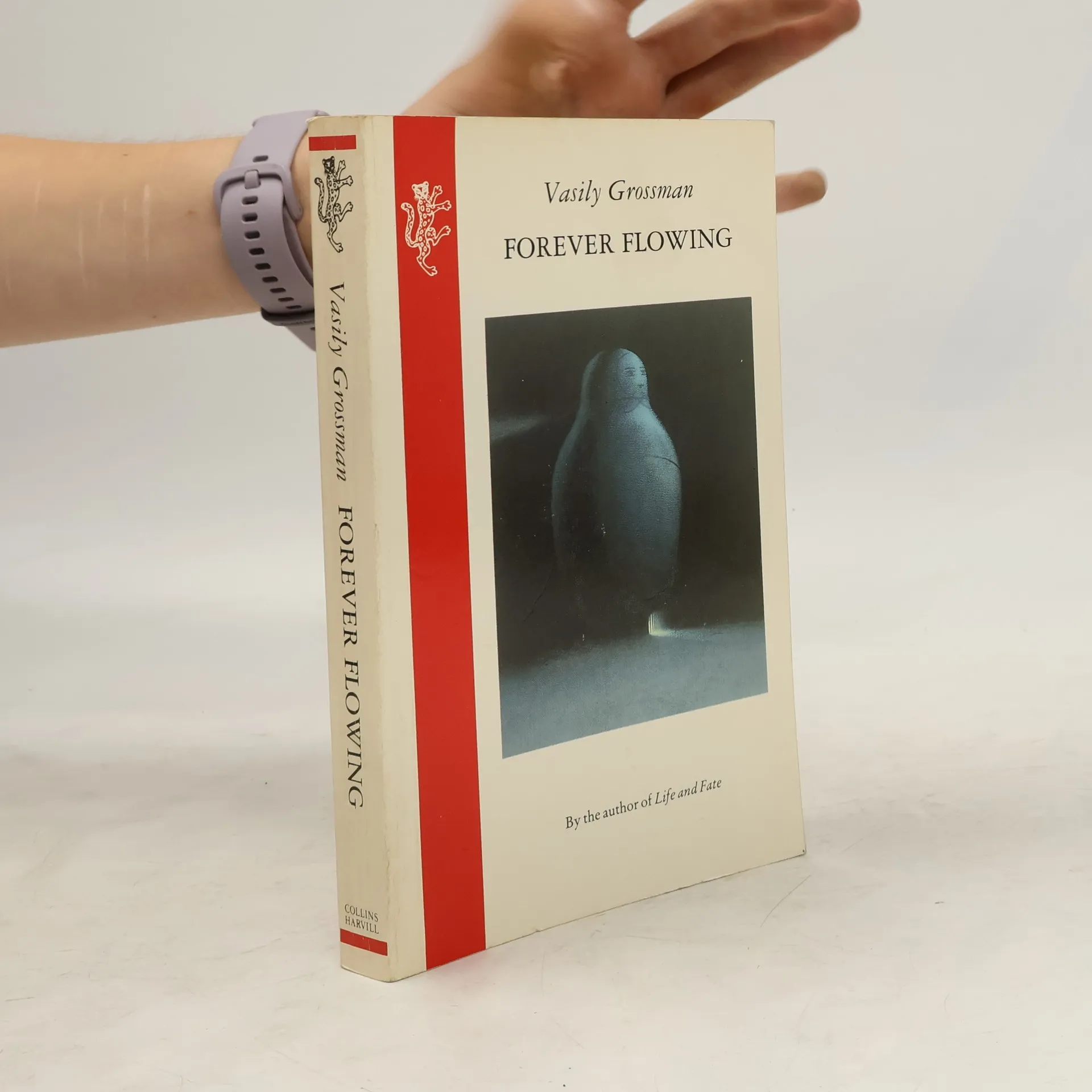
'Everything Flows is as important a novel as anything written by Solzhenitsyn, and Robert Chandler's superb translation makes it a joy to read'Antony BeevorIvan Grigoryevich has been in the Gulag for thirty years. Released after Stalin's death, he finds that the years of terror have imposed a collective moral slavery. He must struggle to find a place for himself in an unfamiliar world. Grossman tells the stories of those people entwined with Ivan's fate: his cousin Nikolay, a scientist who never let his conscience interfere with his career, Pinegin, the informer who had Ivan sent to the camps and Anna Sergeyevna, Ivan's lover, who tells of her involvement as an activist in the Terror famine of 1932-3.Everything Flows is Vasily Grossman's final testament, written after the Soviet authorities suppressed Life and Fate.'Vasily Grossman is the Tolstoy of the USSR' Martin Amis
Nel 1960, Vasilij Grossman, scrittore noto sin dagli anni Trenta e corrispondente di guerra, completò un grande romanzo a cui aveva dedicato quasi dieci anni. Ignorava che il manoscritto della sua epopea, ambiziosa quanto il "Guerra e pace" del Novecento, fosse già sotto esame del Comitato centrale. Nel febbraio del 1961, due agenti del KGB confiscano non solo il manoscritto, ma anche le carte carbone e i nastri della macchina da scrivere, per garantire che non rimanesse traccia del "grande romanzo". I burocrati sovietici percepirono immediatamente la minaccia rappresentata da un'opera come "Vita e destino", considerandola forse più pericolosa del "Dottor Zivago". Ciò che appare come un vasto affresco storico si rivela rapidamente una profonda riflessione sul male. Attraverso le vicende di numerosi personaggi interconnessi, Grossman esplora la natura del male, rivelando come esso si mascheri da bene universale, giustificando atrocità e bassezze. La sua analisi mette in luce la menzogna e la cancellazione della verità, inducendo a piegarsi davanti a ideali sublimi. George Steiner ha osservato che "libri come Vita e destino" superano quasi tutti i romanzi seriamente considerati in Occidente.
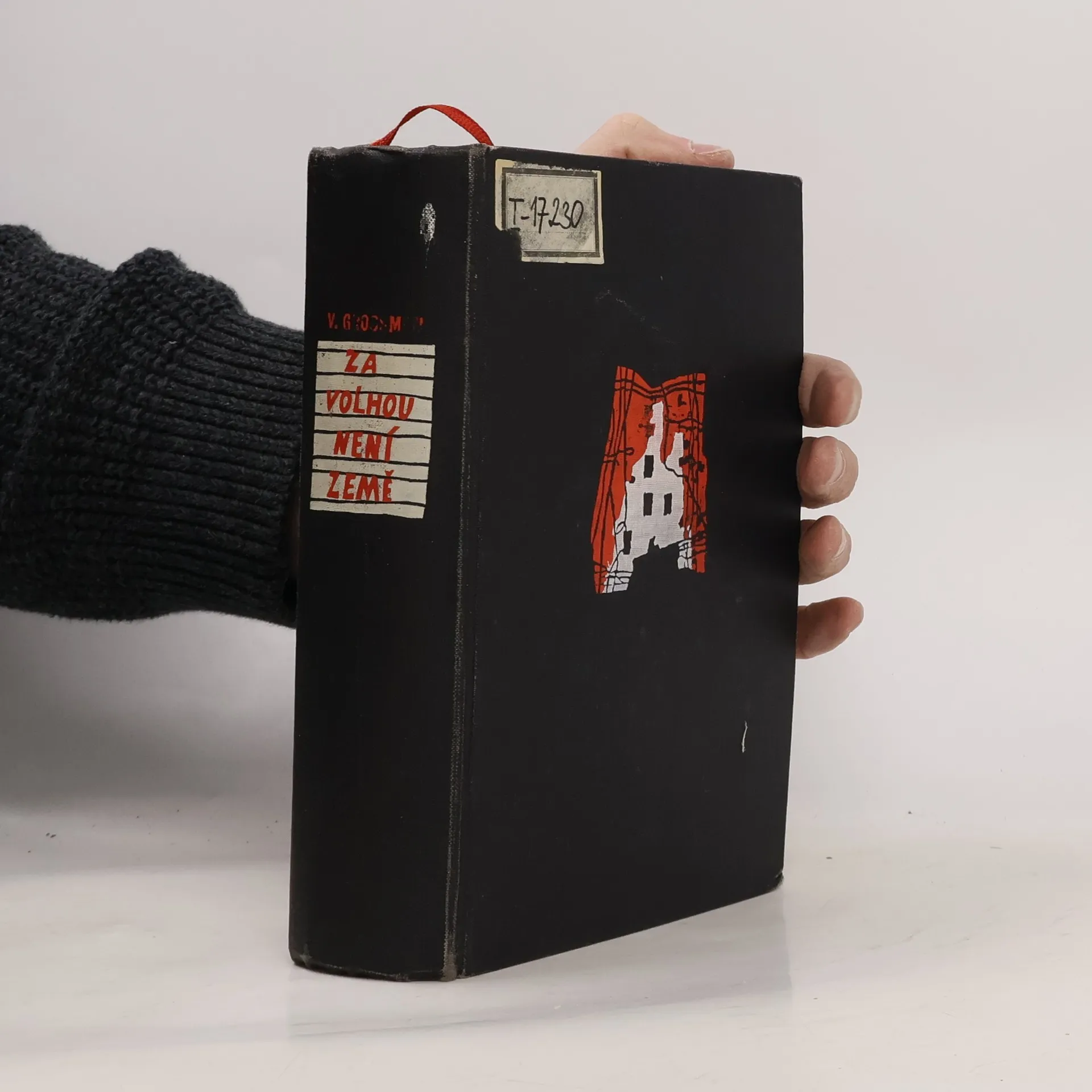
Velkolepá románová freska o stalingradské bitvě Za Volhou není země, kterou napsal Vasilij Grossman několik let po ukončení 2. světové války, si získala v sovětské válečné literatuře své pevné místo. Její bezprostřednost, humanistický patos, ale i autorovo poctivé úsilí proniknout do složitých zákonitostí, příčin, zdrojů individuálního i kolektivního jednání, jež vytváří dějiny a rozhoduje o osudech jednotlivců a národů, budou vždy znovu a znovu upoutávat pozornost čtenářů. Román Za Volhou není země zůstal torzem rozsáhlé epopeje. Nenajdeme zde vpravdě šolochovovské nebo tolstojovské psychologické vedení postav a spletitou propojenost historických událostí s jejich individuálními osudy v bohatě rozvětvených dějových liniích. Síla Grossmanovy knihy tkví jinde – především v opravdovosti a autentické pravdivosti, s níž autor vydává své hořké svědectví. Spočívá ve spisovatelově umění mozaikovitě, kamínek ke kamínku, skládat líčení válečných událostí, drobné postřehy, filozofická zamyšlení, desítky živě vykreslených postav a postaviček sovětských vojáků, jejich rodin v zázemí i ohroženém Stalingradu do monumentálního celku, do sugestivního obrazu jedné z největších bitev druhé světové války – bitvy u Stalingradu. (předsádka)
Bitvu o Stalingrad líčí autor tak, jak ji viděl z bunkru velitelů, ze zákopů obránců, z posic elitních střelců a samopalníků i s míst přechodu přes Volhu a pod. Na základě vlastních zkušeností vypráví nejen o hrůzách této největší bitvy, ale i o heroismu stalingradských obránců, kteří odolali největším náporům nepřítele a přešli nakonec sami do ofensivy. Vedle hlavních velitelů vykreslil autor také několik typů prostých vojáků.
"Vassily Grossman (1905 -1964) has become well-known in the last twenty years - above all for his novel Life and Fate. This has often been described as a Soviet (or anti-Soviet) War and Peace. Most readers, however, do not realize that it is only the second half of a dilogy. The first half, originally titled Stalingrad but published in 1952 under the title For a just cause, has received surprisingly little attention. Scholars and critics seem to have assumed that, since it was first published in Stalin's lifetime, it can only be considered empty propaganda. In reality, there is little difference between the two novels. The chapters in the earlier novel about the Shaposhnikov family are as tender, and sometimes humorous, as in the later novel. The chapters devoted to the long retreats of 1941 and the first half of 1942 are perhaps still more vivid than the battle scenes in the later novel"-- Provided by publisher