Bookbot

Richard Mabey

    20 febbraio 1941

    Richard Mabey si erge come uno dei più stimati scrittori naturalisti d'Inghilterra. La sua opera è caratterizzata da una profonda esplorazione del rapporto tra l'umanità e il mondo naturale. Mabey intreccia magistralmente la riflessione personale con acute osservazioni del paesaggio e del suo significato ecologico. La sua scrittura è una celebrazione della natura e del suo duraturo impatto sullo spirito umano.

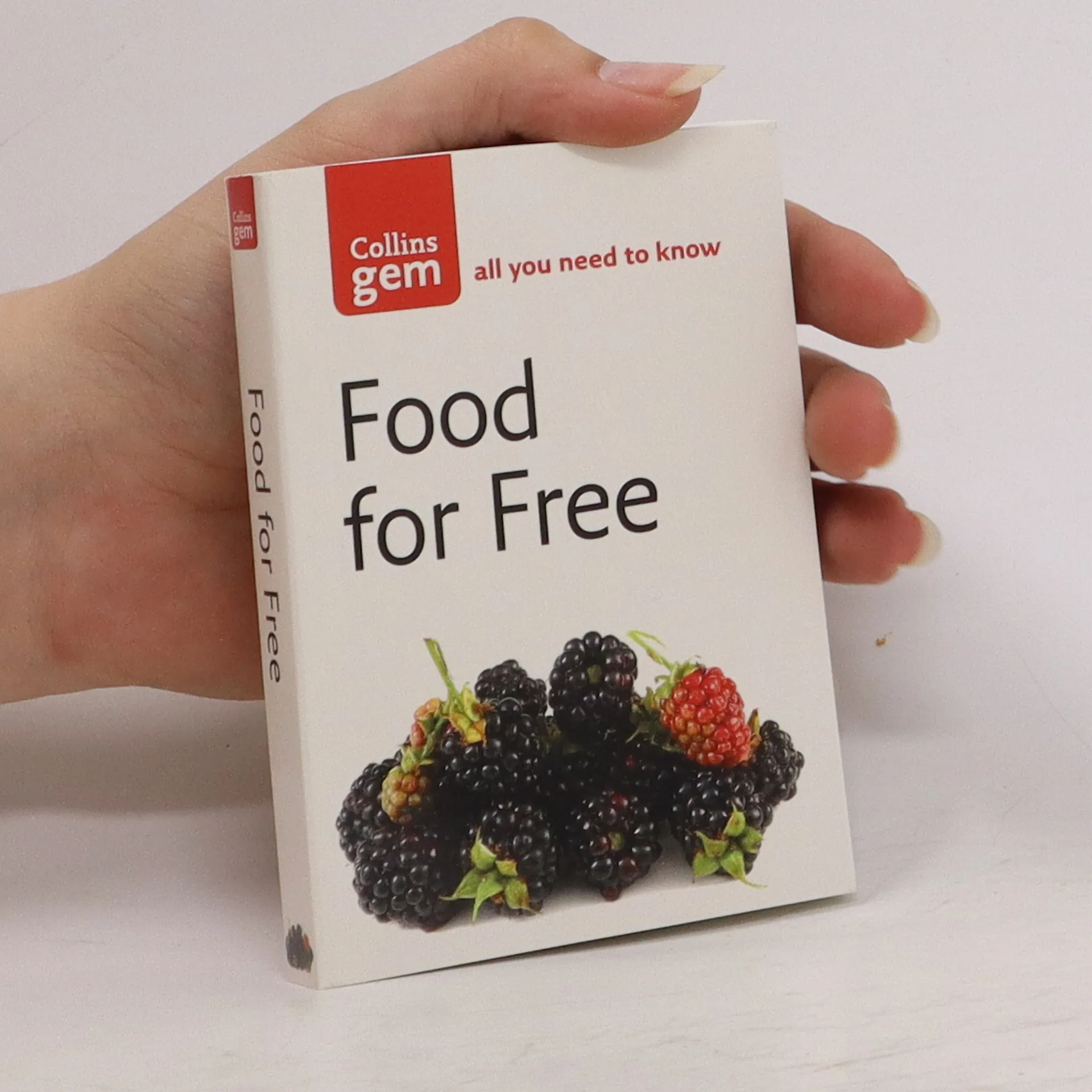
    Food for free
    The Dead Hand Book
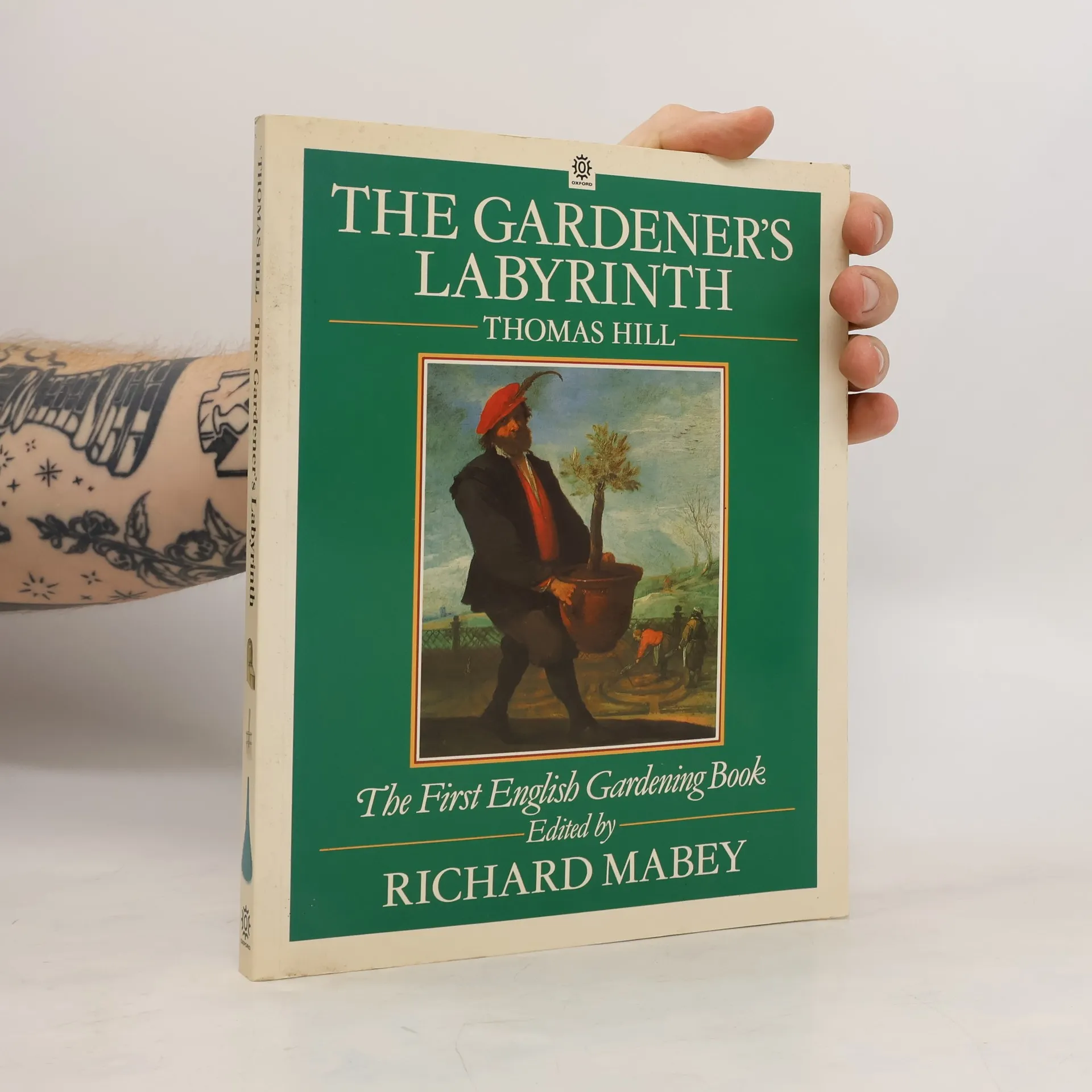
    The Gardener's Labyrinth
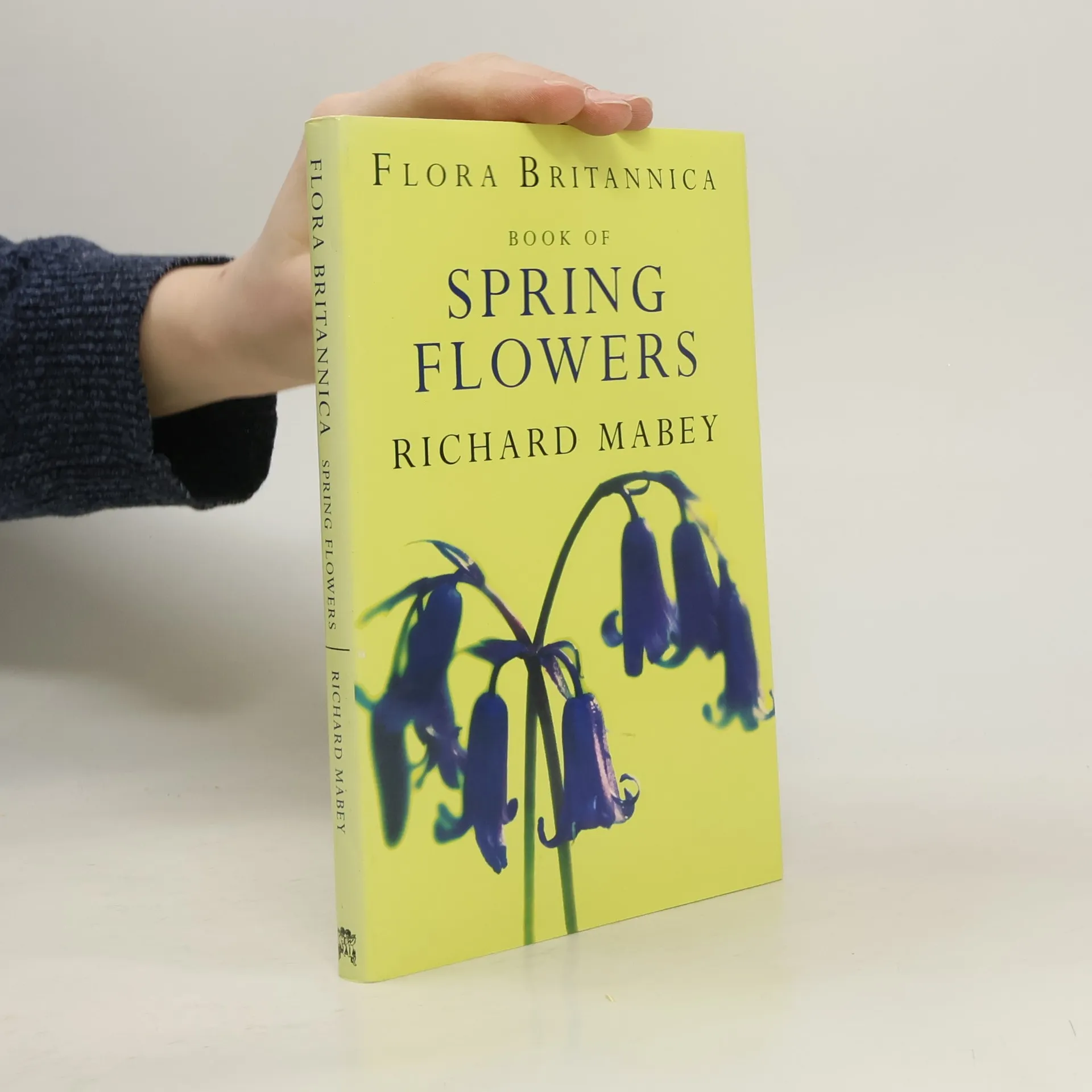
    Flora Britannica Book of Spring Flowers
    Bugs Britannica
    Flora Britannica
    • Flora Britannica

      • 480pagine
      • 17 ore di lettura

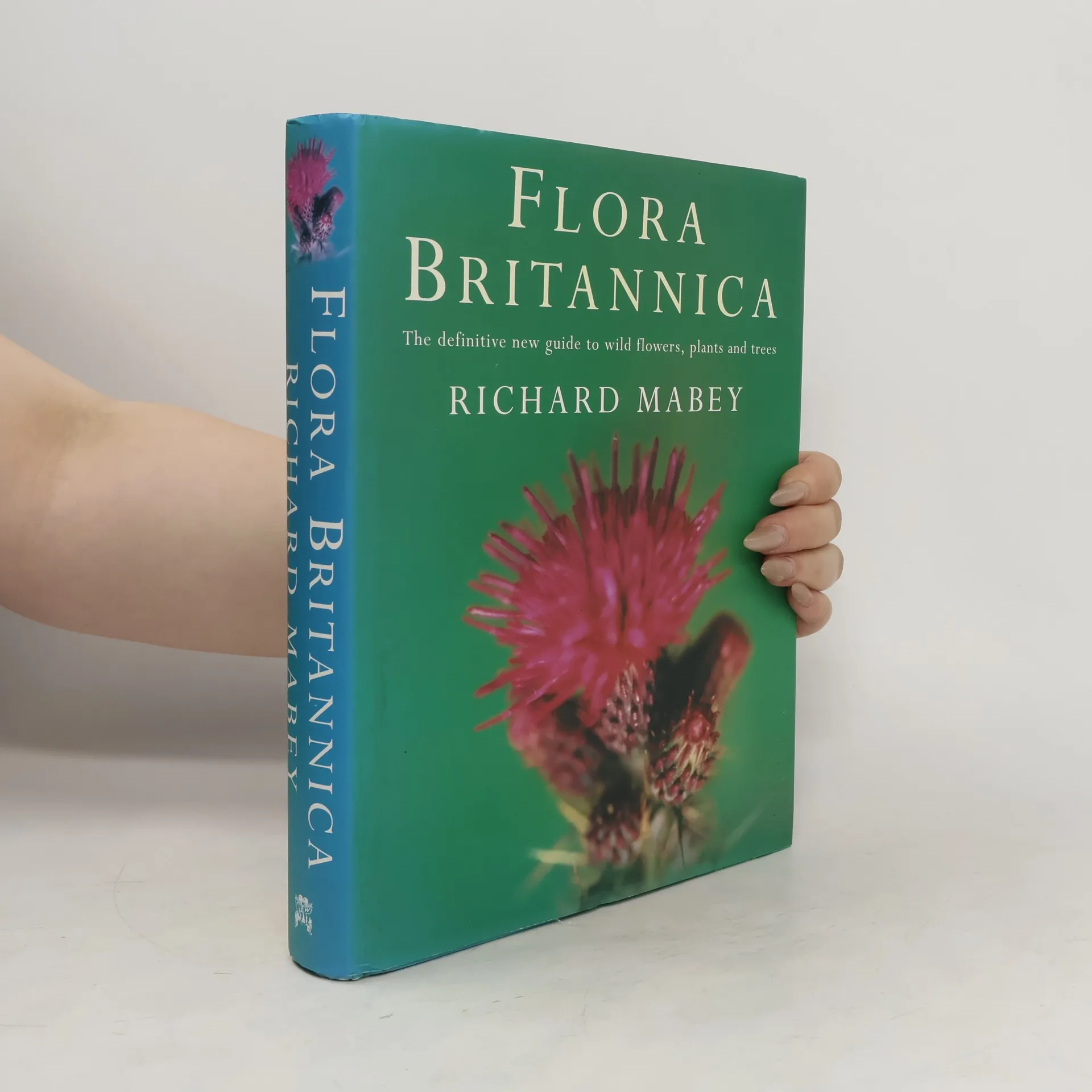
      This landmark guide offers a comprehensive survey of the native and naturalized wild plants of England, Scotland, and Wales. Useful and delightful, it covers 1,000 species, including trees and ferns. More than a definitive work of natural history, however, it is also a virtual encyclopedia of living folklore, recording the role of wild plants in social life, the arts, customs, and landscapes. The information has been supplied by the people themselves, creating a unique national record of the popular culture, domestic uses, and social meanings of Britain's wild plants. Splendidly written by naturalist Richard Mabey and illustrated with 500 fine color photographs, Flora Britannica is an elegant testimony to the continuing relationship between nature and man.
      Flora Britannica
      4,6
    • Bugs Britannica

      • 500pagine
      • 18 ore di lettura

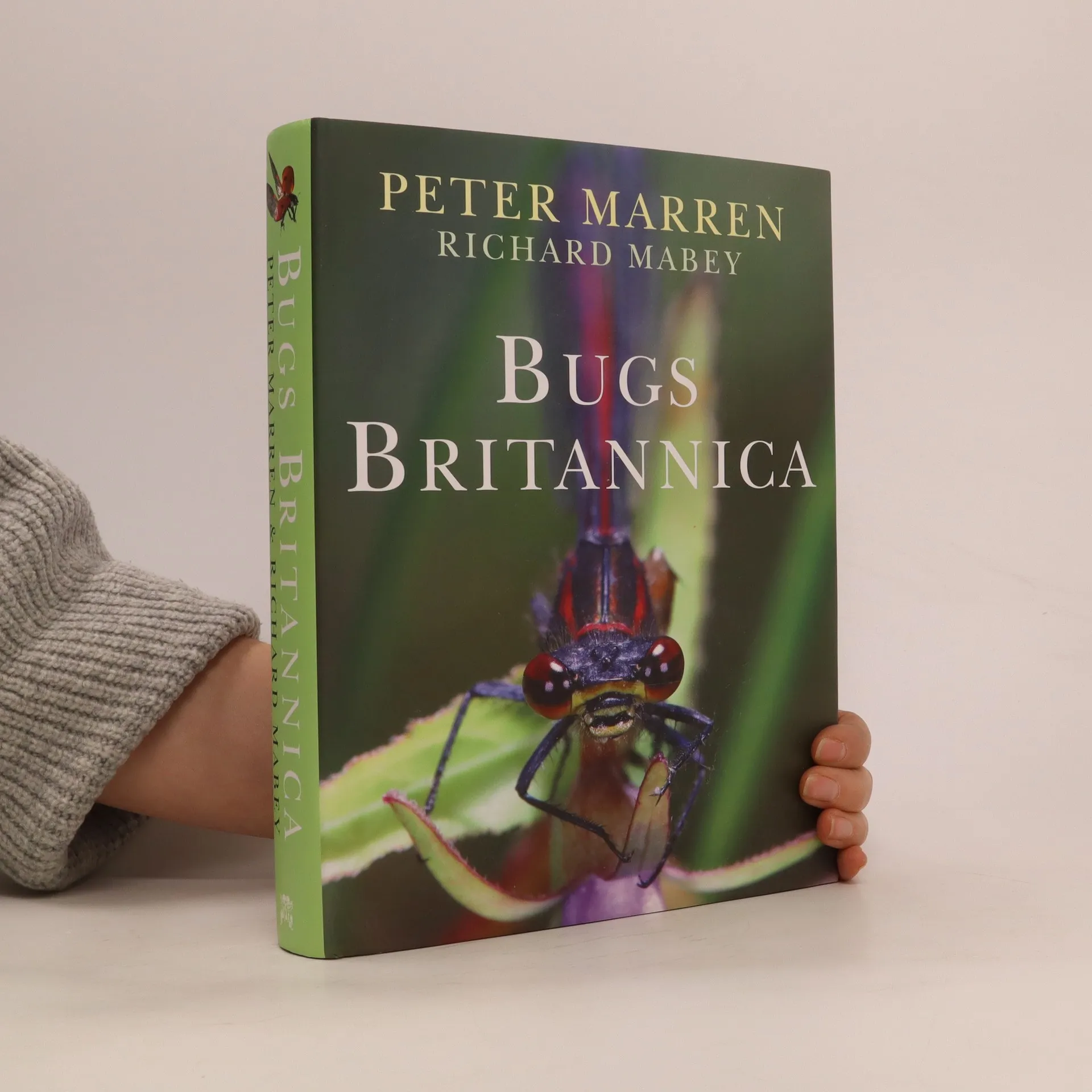
      From sea squirts to slugs to swallowtails—the third, fabulous, and gorgeously illustrated book in Richard Mabey's series, a companion volume to Flora Britannica and Birds BritannicaA comprehensive look at invertebrates that proves it’s the little things that count, this essential and accessible work on bugs is not a biological guide but a richly illustrated cultural one, seen through the eyes of writers, musicians, artists, and naturalists—from the great Tudor naturalist Thomas Muffet, father of Little Miss Muffet, to Irvine Welsh’s talking tapeworm in Filth —as well as contributions by ordinary men and women who are fascinated by creepy crawlies of all kinds. Structured along a roughly evolving path, the book ranges from simple cell life-forms to spiders, butterflies, and bees, and then back into the water to meet mollusks and "almost-fish." In addition to the fascinating habits of the bug world, the eccentric behavior of the bug obsessives themselves is also included. But of course, the true heroes of the book are the bugs themselves—the nimble-dicks, clock ladies, and coffin-cutters. From the Boring Sponge to the Mermaid’s Glove to the Penis Worm, this rich compendium of bugs is a must not only for naturalists but also for anyone who cares about the crawling and buzzing swarms at their feet.

      Bugs Britannica
      4,6
    • The Gardener's Labyrinth

      • 224pagine
      • 8 ore di lettura

      "The Gardener's Labyrinth" was the first popular gardening book to appear in the English language in 1577. Hill broke away from the pattern of formal, purely descriptive studies and pioneered a genre that has remained firmly in the best-seller lists ever since - a practical gardening handbook.

      The Gardener's Labyrinth
      4,5
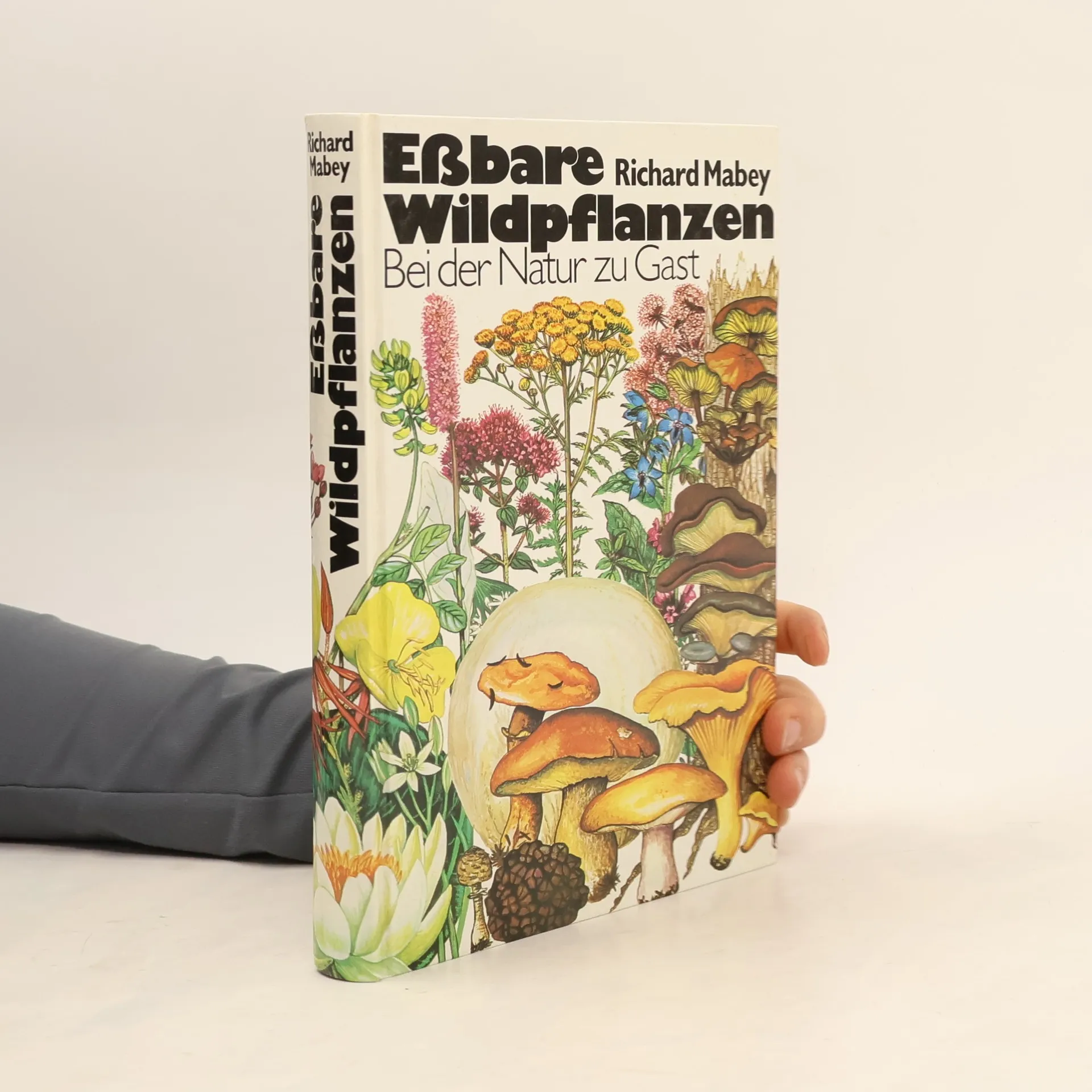
    • Fans of Food for Free will be delighted at this new format - ideal for carrying in a rucksack. Over 100 edible plants are featured together with recipes and other interesting culinary information. With details on how to pick, when to pick and regulations on picking. This new format of a best-selling title provides a portable guide for all those who enjoy what the countryside has to offer. Over 100 plants are listed, fully illustrated and described, together with recipes and other fascinating information about their use throughout the ages. The recipes are listed so that you can plan your foray with a feast in mind. This is the ideal book for both nature-lovers and cooks. Particularly with today's emphasis on the freshest and most natural of foods. There is also practical advice on how to pick plus the countryside laws and regulations on picking wild plants.

      Food for free
      4,3
    • Turning the Boat for Home

      • 288pagine
      • 11 ore di lettura

      For over fifty years, Richard Mabey has been a pioneering voice in modern nature writing. This book collects pieces across his rich career, tracing his continually evolving ideas as much as the profound changes in our environment. From the rediscovery of food foraging in the 1970s, to reflections on the musicality of birdsong, these essays show Mabey's passionate belief that our planet is a commonwealth for all species, and that our reconnection with the living world is more vital than ever.

      Turning the Boat for Home
      4,2
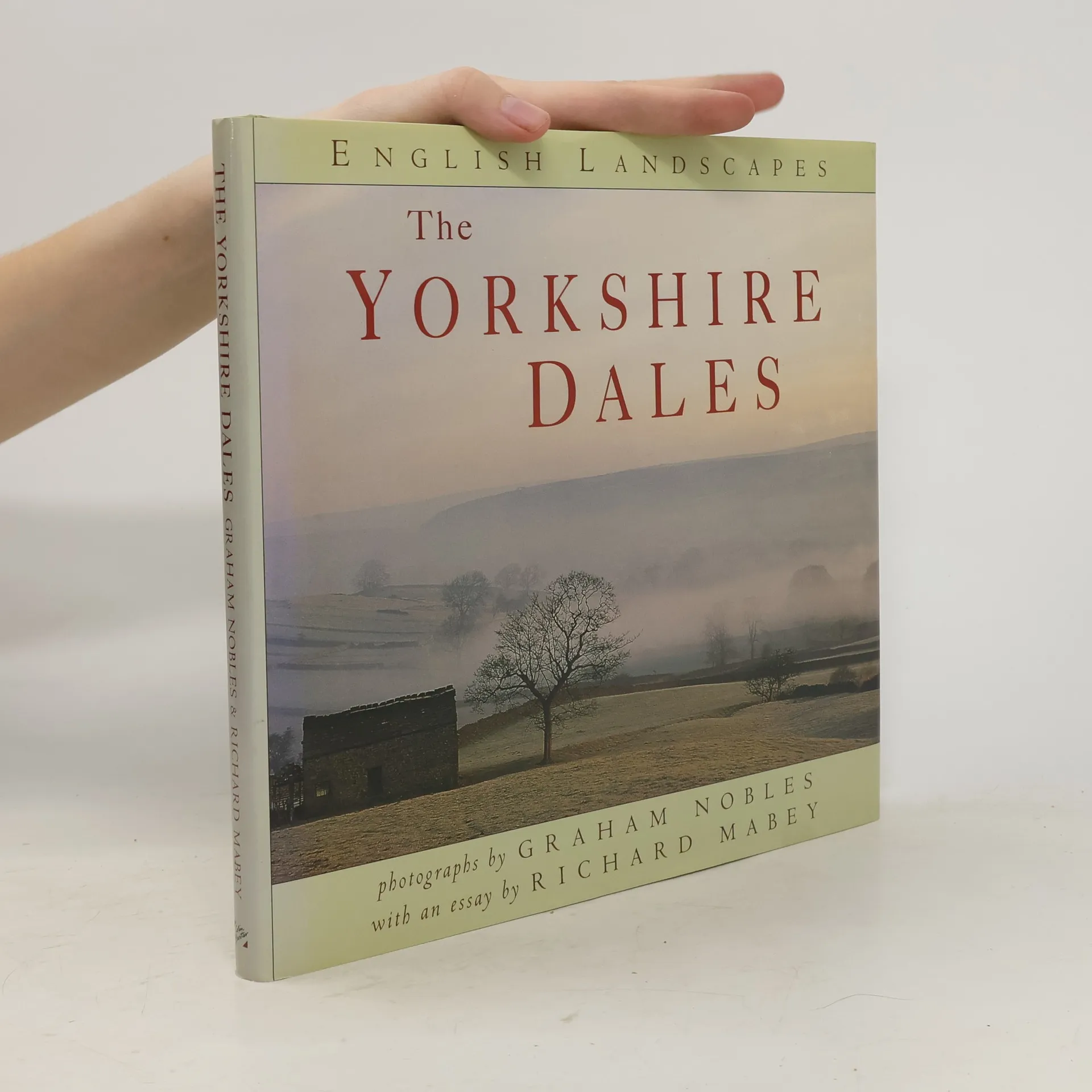
    • The Yorkshire Dales

      • 96pagine
      • 4 ore di lettura

      Captures the drama and intrinsic beauty of one of the most scenic parts of England. Broad open dales dotted with the workings of man, bleak uplands, and isolated high hills are some of the features which make the landscape here unique. Writer and broadcaster Richard Mabey's essay eloquently encapsulates the essence of this distinctive landscape as Graham Nobles' gorgeous photographs bring it to life.

      The Yorkshire Dales
      3,5