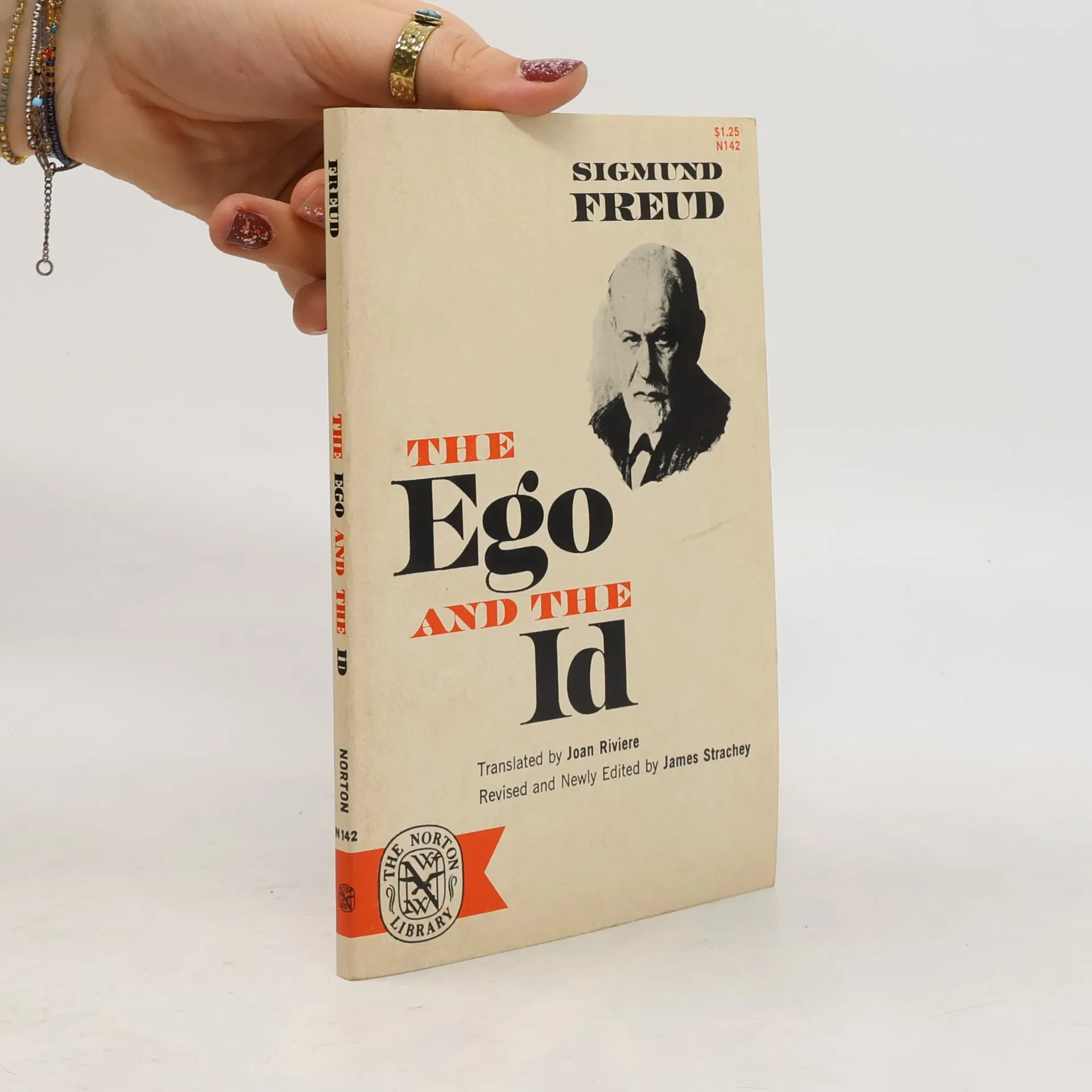
The Standard Edition of the complete works of the father of psychoanalysis - the only definitive paperback edition on the market. Translated from the German under the General Editorship of James Strachey; in collaboration with Anna Freud; assisted by Alix Strachey and Alan Tyson.
James Strachey Ordine dei libri (cronologico)

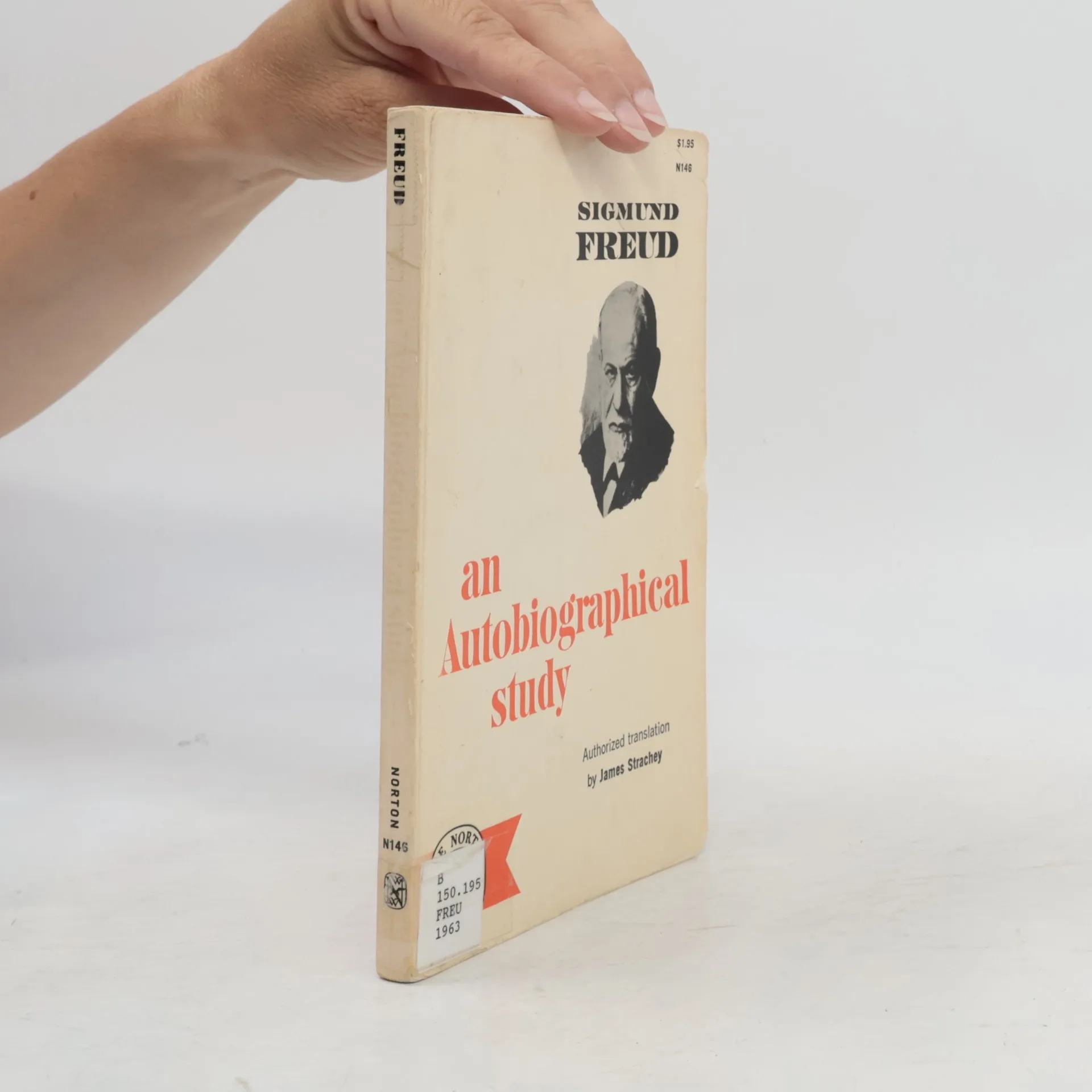
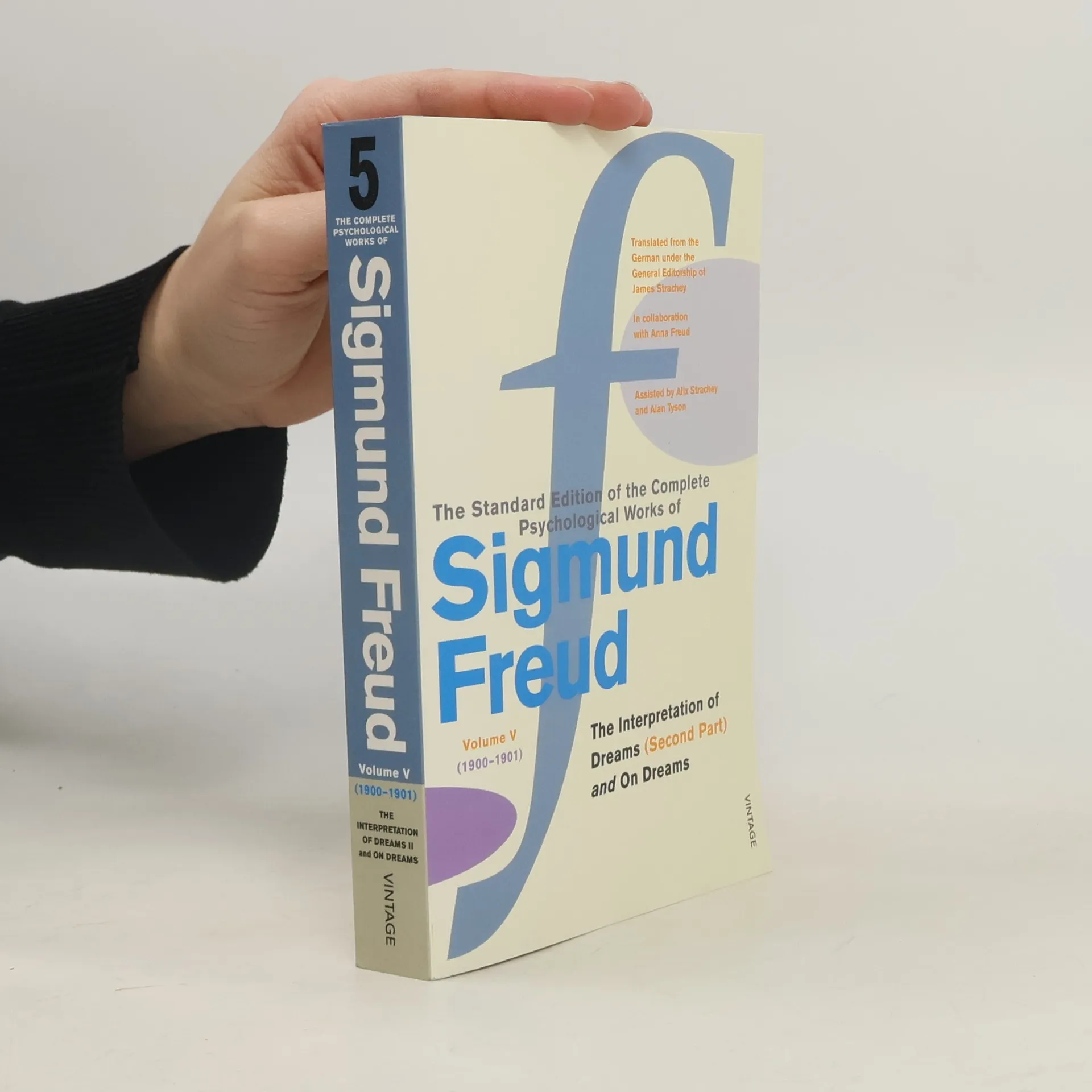
In what is considered one of his most prominent ideas, Austrian psychiatrist, Sigmund Freud explains the dynamic of the human psyche in terms of the roles and conflicts produced by the id, ego, and super-ego. Freud suggests that all human behaviors and traits, including personality disorders, are created by the complex conflicts and workings of these three components of human personality.
Complete Psychological Works of Sigmund Freud: An Autobiographical Study
- 120pagine
- 5 ore di lettura
Freud approved the overall editorial plan, specific renderings of key words and phrases, and the addition of valuable notes, from bibliographical and explanatory. Many of the translations were done by Strachey himself; the rest were prepared under his supervision. The result was to place the Standard Edition in a position of unquestioned supremacy over all other existing versions.Newly designed in a uniform format, each new paperback in the Standard Edition opens with a biographical essay on Freud's life and work--along with a note on the individual volume--by Peter Gay, Sterling Professor of History at Yale.
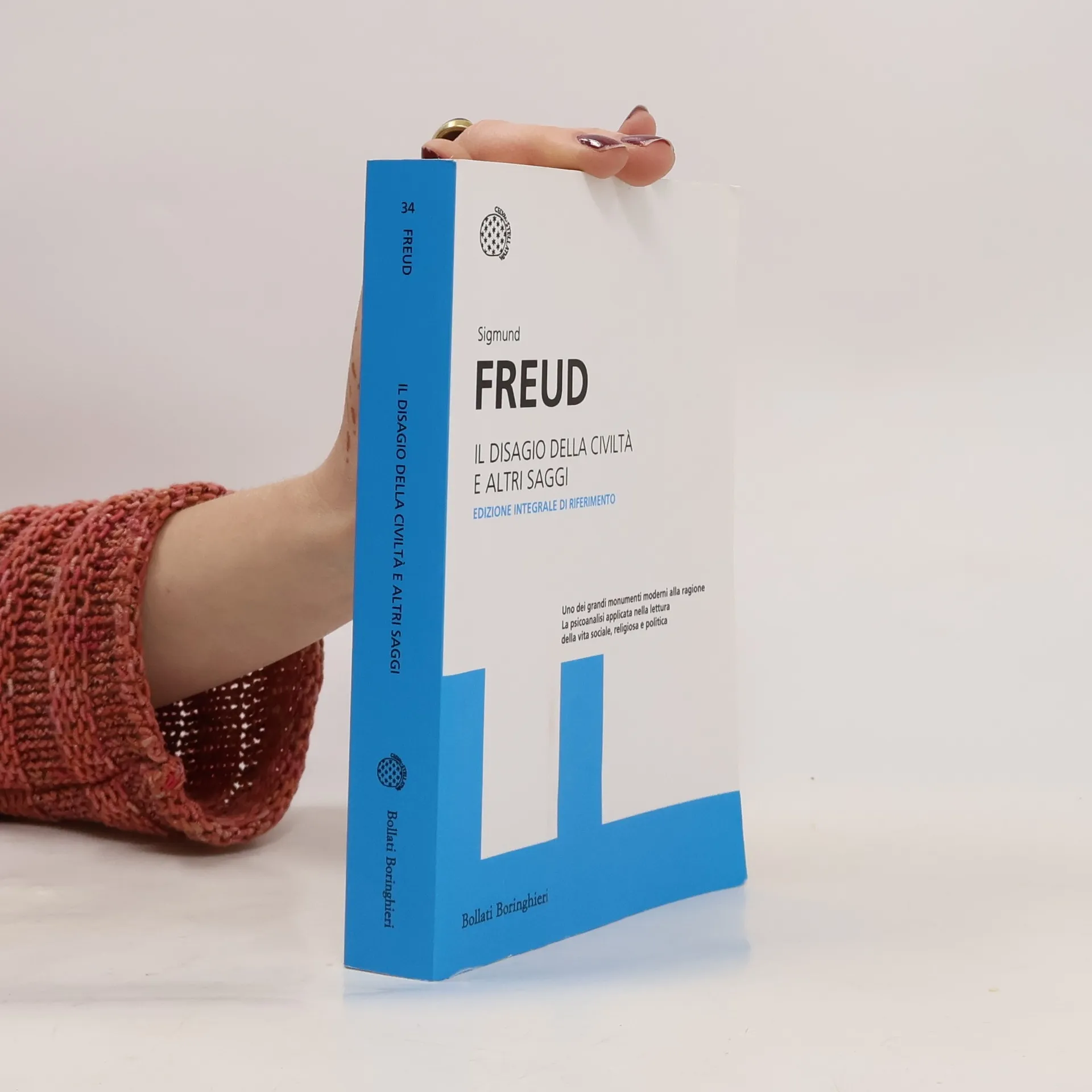
Straordinariamente attuali, questi saggi propongono la critica alle ipocrisie della società occidentale e il giudizio sulla barbarie che minaccia di travolgerla; le meditazioni sull'anima collettiva e sulla religione, implacabilmente definita la grande illusione dell'umanità, sui fondamenti della civiltà, sugli aspetti coercitivi che la distruttività innata in tutti gli individui e la mancanza di spontaneo amore al lavoro rendono indisgiungibili dagli ordinamenti civili. La radicale coerenza di pensiero, il realismo e la sistematicità dell'analisi fanno di queste pagine, frutto di venticinque anni di riflessione, il primo studio di psicoanalisi sociale, in cui il progetto freudiano di giungere a spiegare tutta la realtà sulla base di principi scientifici innalza uno dei grandi monumenti moderni alla ragione.
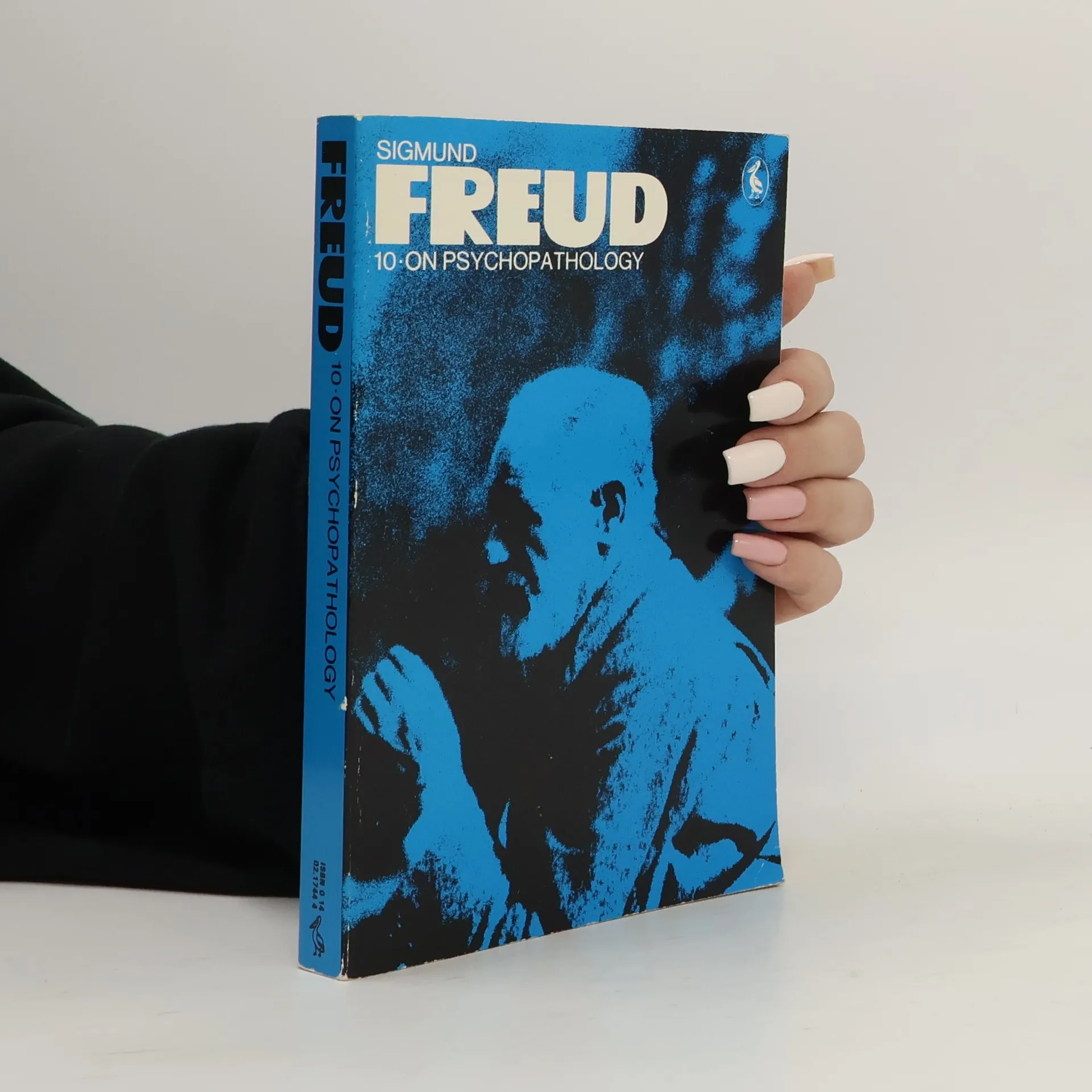
The Pelican Freud Library - 10: On Psychopathology
- 368pagine
- 13 ore di lettura
Setting forth in rich detail Freud's new theory of anxiety, Inhibitions, Symptoms and Anxiety (1926) is evidence for one of them. In rethinking his earlier work on the subject, Freud saw several types of anxiety at work in the mind and here argues that anxiety causes repression, rather than the other way around.
Totem e tabù e altri saggi di antropologia
- 256pagine
- 9 ore di lettura
All'inizio dello studio della problematica contenuta in quest'opera si trova l'osservazione di Sigmund Freud che le fantasie dei neurotici somigliano ai miti e alle cosmogonie delle antiche popolazioni. Le esequie raccolte nel lavoro rappresentano un tentativo di applicare la psicoanalisi a questioni di etnologia, etnografia, antropologia e religione. Freud analizza il totemismo come sistema religioso-sociale e la sua funzione nella regolazione delle relazioni sociali nelle società primitive. Il suo approccio all'analisi del tabù e delle somiglianze con il comportamento dei neurotici compulsivi è originale, così come la descrizione della nascita della coscienza e dell'ambivalenza emotiva. Le somiglianze e le differenze tra tabù e nevrosi emergono anche nell'esplorazione dell'onnipotenza del pensiero e del complesso edipico nei bambini. L'ipotesi del banchetto totemico, come ricordo dell'omicidio del padre, diventa il punto di partenza per l'indagine del totemismo e della nascita della religione come fenomeno sociale. Le opinioni espresse possono essere accettate o affrontate con scetticismo, ma ci costringono a riflettere sui problemi dell'essere umano e della sua vita psichica. Le idee originali dell'autore continuano a ispirare e sono oggetto di discussione anche nelle altre scienze umane.
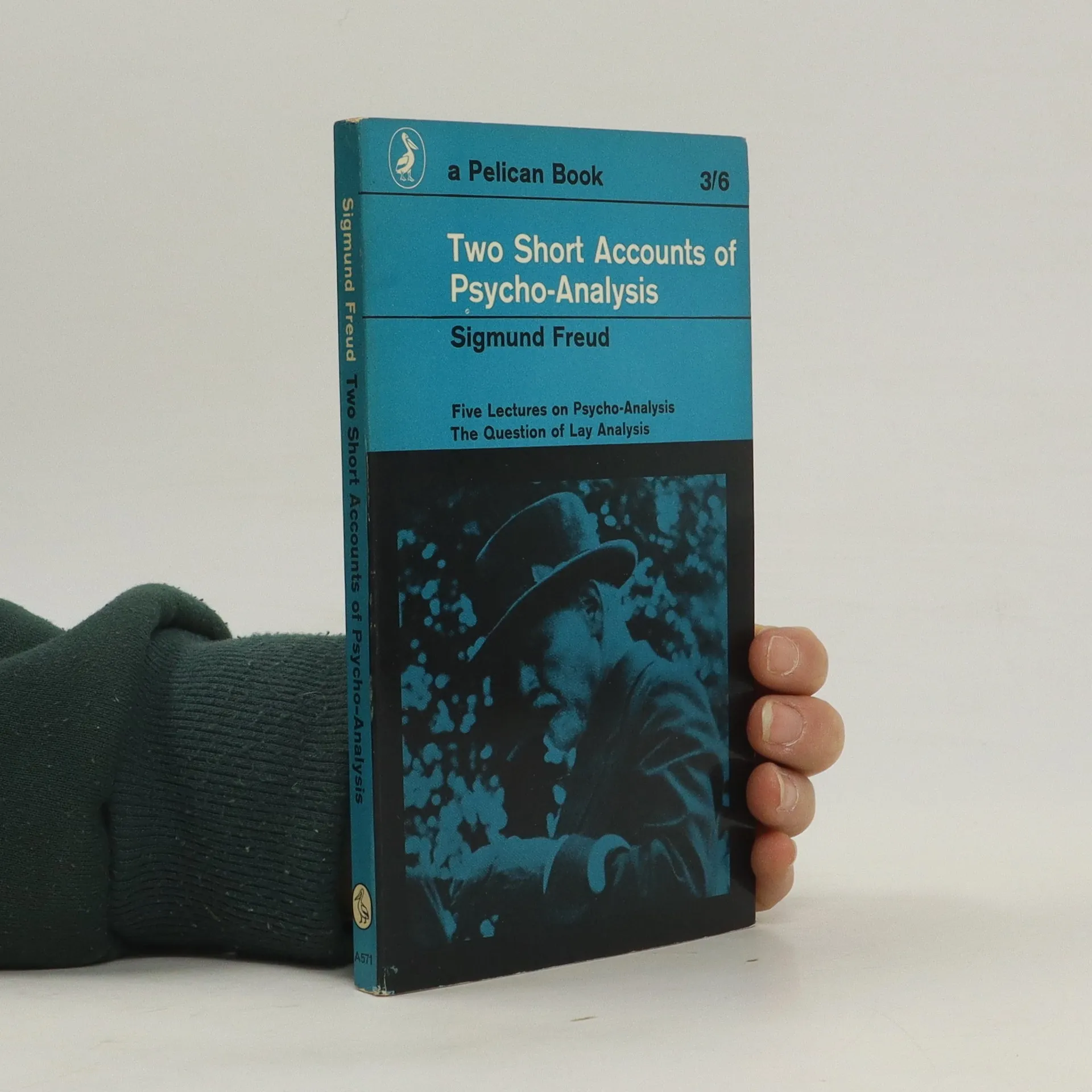
These two short accounts, written respectively in 1909 and 1926, are a good introduction to psychoanalysis for the general reader, for whom they were originally prepared.