

Bookbot

Margaret R. Higonnet

    Tess dei d'Urberville
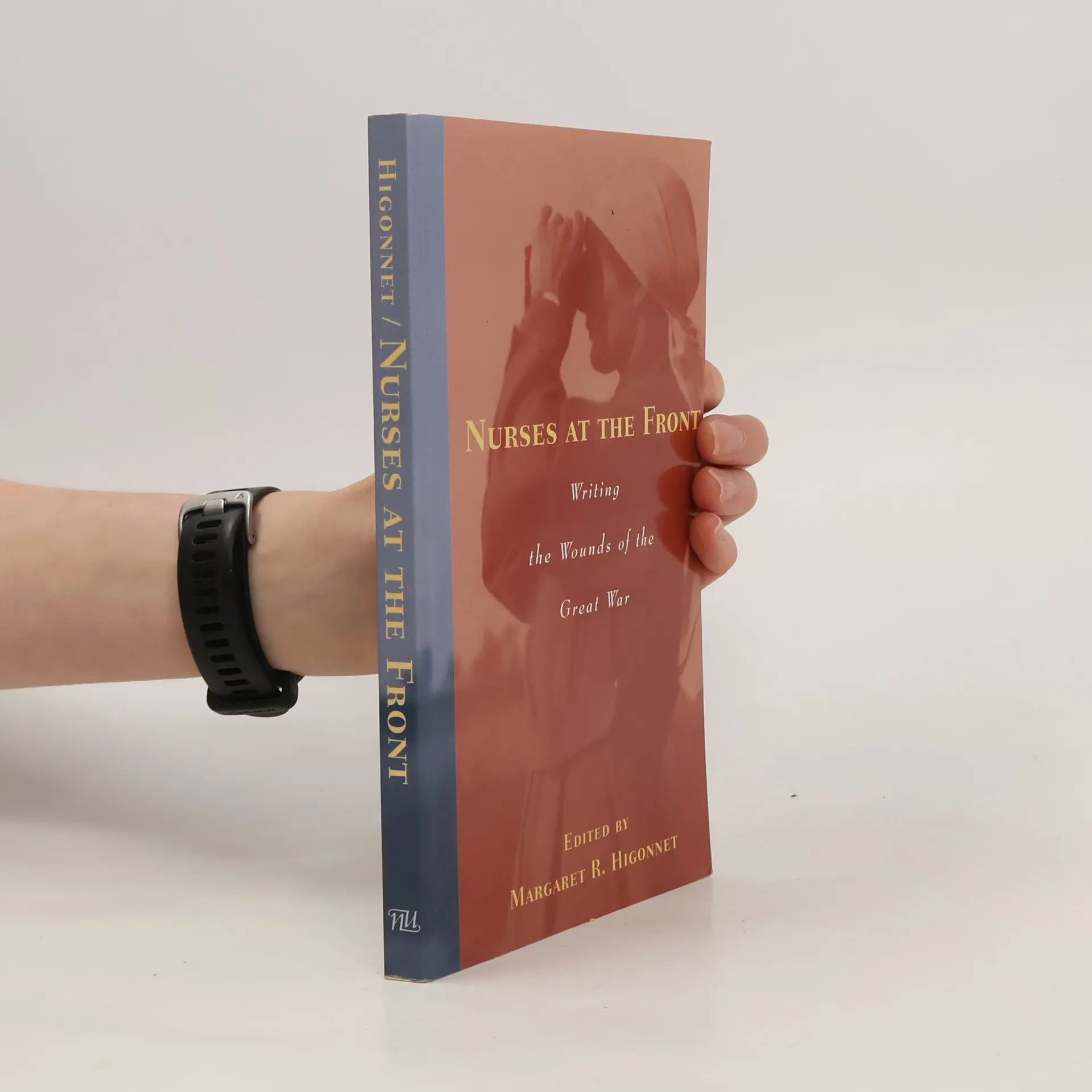
    Nurses at the Front
    • Tess dei d'Urberville

      • 464pagine
      • 17 ore di lettura

      Romanzo di forte impatto emotivo, definito a più riprese "vile", "pieno di falsità", ma anche esaltato come il "più potente tra i romanzi pubblicati dall'autore", Tess ha, fin dal suo apparire, diviso critica e lettori e allarmato schiere di bigotti e moralisti che inorridivano all'idea di una storia che colpiva al cuore la morale vittoriana. In Tess il vettore del conflitto attraversa ogni pagina del libro, che affronta, senza alcun falso pudore, temi scabrosi e audaci. L'immagine che apre il romanzo è quella di un uomo che incede malfermo lungo una strada; si tratta di John Durbeyfield, il padre di Tess, che apprende delle proprie presunte origini nobiliari dal parroco Tringham, incontrato quasi per caso. La rivelazione alimenta la vanità e l'orgoglio della povera famiglia che costringe la ragazza a recarsi dai ricchi d'Urberville, in un ridicolo e improbabile tentativo di "reclamare la parentela", intraprendendo così il primo viaggio che la condurrà a incontrare Alec, il suo seduttore. Questo fatto accelera gli avvenimenti dell'intreccio e scatena una serie di eventi che alla fine travolgerà la misera Tess.

      Tess dei d'Urberville2003
      3,8
    • Nurses at the Front

      • 161pagine
      • 6 ore di lettura

      Ellen N. La Motte (1873-1961) and Mary Borden (1886-1968) are two of the best known American nurses who wrote about their experiences working in the same field hospital on the Western Front during World War I. La Motte's The Backwash of War (1916) and Borden's The Forbidden Zone (1929) present in powerful, vivid, and often haunting prose each woman's acute observations of the stark realities of battle and the severe conditions under which military medicine is practiced.Now representative selections from these classic texts are published for the first time in one volume. Linked by parallel themes and narrative approaches, the episodes recounted by La Motte and Borden expose the intense, horrific world of the surgical wards and operating rooms. Revealing the moral dilemmas faced by those who make decisions about the lives and deaths of soldiers, they describe the ethical contradictions of saving men who will return to the trenches to kill or be killed. Written from the perspective of both observer and actor, these compelling sketches often shift from shocking realism to irony, as they invite the reader to enter the nurses' harsh world and to understand their professional and personal struggles. In addition, the depictions of men's suffering challenge institutional indifference to the human costs of war.

      Nurses at the Front2001
      4,1